My Honest Cataract Surgery Review And Recovery Experience In Korea




Direct answer summary
If you are looking for a real cataract surgery review from a patient’s point of view, here is the short version of my experience in Korea. My vision had become cloudy, driving at night felt dangerous, and I was starting to lose confidence at work. I finally chose cataract surgery after my eye doctor showed me how much the lens in my eye had clouded.
The surgery itself was much faster and less painful than I expected. I was awake but comfortable, and I only felt some pressure and saw bright lights. The first day after surgery my vision was blurry but already brighter. Over the next few weeks, my eyesight became much clearer, colors looked vivid again, and night driving felt safe.
Recovery required discipline with eye drops and being careful not to rub my eyes, but it was manageable. I did have some temporary halos around lights and mild dryness, which improved with time. Overall, I am very satisfied with the result and I would choose to do it again, especially in a setting where the staff are used to helping overseas patients.
This cataract surgery review is long and detailed on purpose, so you can understand what to really expect before, during, and after cataract surgery in Korea.
My situation before cataract surgery
I am in my early 60s, and before surgery I thought my eyes were just “getting old.” I noticed that reading small print was harder, and I blamed it on needing stronger reading glasses. Over time, I realized it was more than that.

My vision became cloudy, like looking through a dirty window that I could not clean. At night, car headlights and streetlights had strong glare and halos around them. I started to avoid driving after dark because I did not feel safe, especially in unfamiliar areas.
At work, I struggled with computer screens and presentations. I enlarged the font size, but even then my eyes felt tired and strained. I used to enjoy reading and doing small crafts, but I slowly gave them up because it was frustrating. Emotionally, I felt older than my age and worried about losing independence.
The turning point was when I almost missed a step on a staircase in a dimly lit building. It scared me. My family also noticed that I squinted a lot and turned up the brightness on everything. They encouraged me to get a proper eye check.
I did consider just changing my glasses again, or waiting longer, but the eye doctor explained that glasses cannot fix a cloudy lens. The only real solution for a cataract is surgery to remove the cloudy lens and replace it with a clear artificial one. After hearing this and thinking about my safety, I decided to go ahead.
Choosing the clinic and surgeon in Korea
As an overseas patient, I knew I had to choose the clinic and surgeon carefully. I looked for a place with good reviews from international patients, clear communication in English, and experience with cataract surgery.
- My main factors were:
- Reputation and experience with cataract surgery
- Availability of modern equipment for eye measurements and lens implantation
- How clearly they explained lens options and risks
- Total cost, including surgery, tests, and follow up
- Location and how easy it was to reach from my accommodation
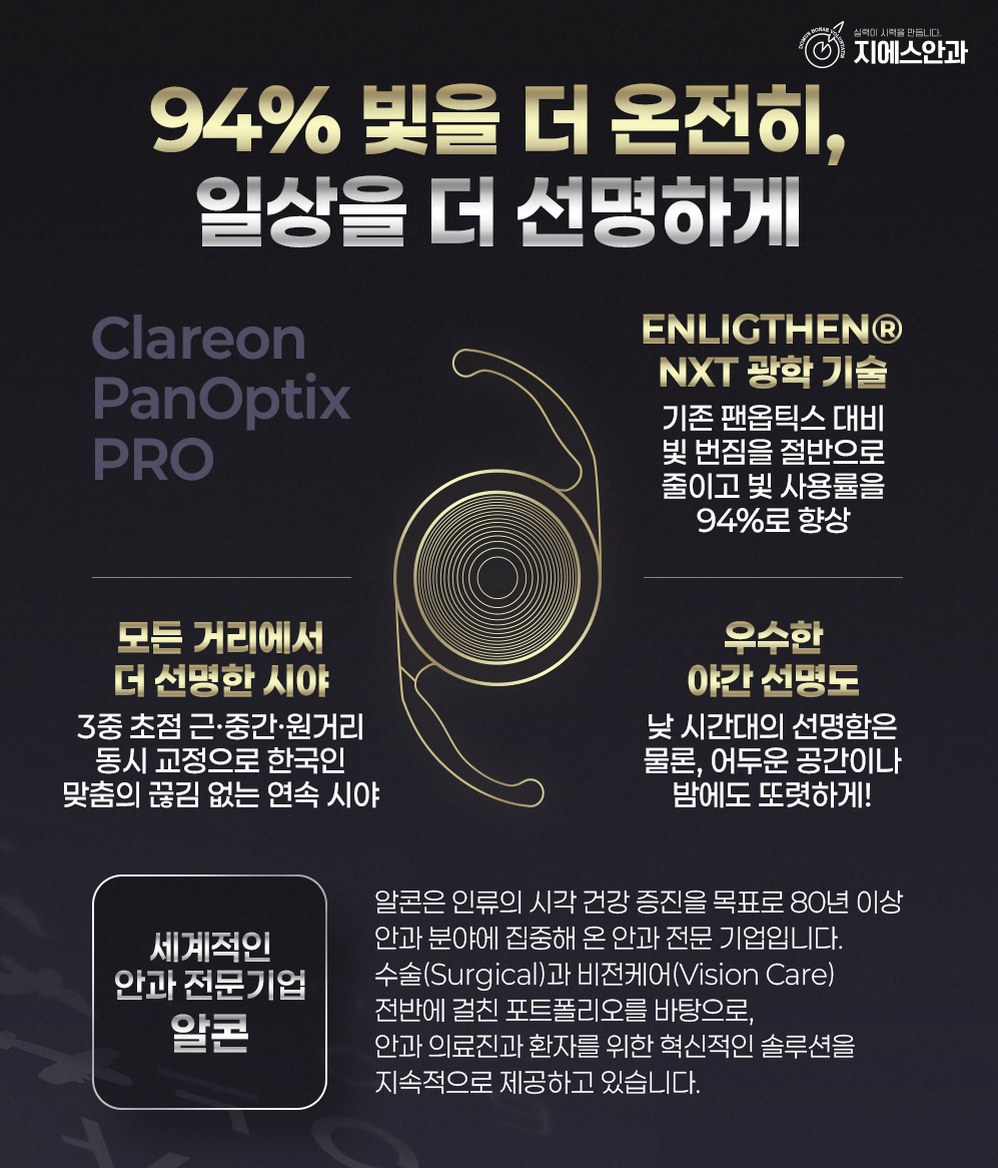
I had an online consultation first, where I sent my previous eye exam reports and answered questions about my general health and medications. The clinic explained the difference between monofocal lenses (focused for one distance, usually far) and multifocal lenses (designed to help with both near and far). They also mentioned special lenses for astigmatism.
During my in person consultation in Korea, they did several eye tests: checking my vision, measuring eye pressure, and detailed scans to measure the shape and length of my eye. These measurements are used to calculate the power of the artificial lens.

The doctor went through my daily habits and priorities. I do a lot of computer work and reading, but I also drive. In the end, we decided on a monofocal lens set for clear distance vision, accepting that I would likely still need reading glasses. I preferred a stable, predictable result over the possibility of more halos or glare that can sometimes happen with multifocal lenses.
The staff also explained possible risks in simple language: infection, inflammation, swelling, high eye pressure, or needing additional laser treatment later if the capsule behind the lens becomes cloudy. They did not promise perfect vision, which actually made me trust them more.
Pre operative tests and preparation
Before surgery, I had another round of measurements to confirm the lens power. They also checked my general health history, medications, and allergies. In my case, no blood tests were required, but this can depend on your health and the clinic’s policy.
- I was given clear instructions:
- Use antibiotic eye drops for a few days before surgery
- Do not wear contact lenses
- Avoid eye makeup
- Fast for a certain number of hours before surgery if sedation would be used
- Discuss blood thinner medications with my regular doctor
Emotionally, I was nervous about being awake during eye surgery. The staff reassured me that I would not see anything scary, only lights and some movement, and that they would talk me through each step.
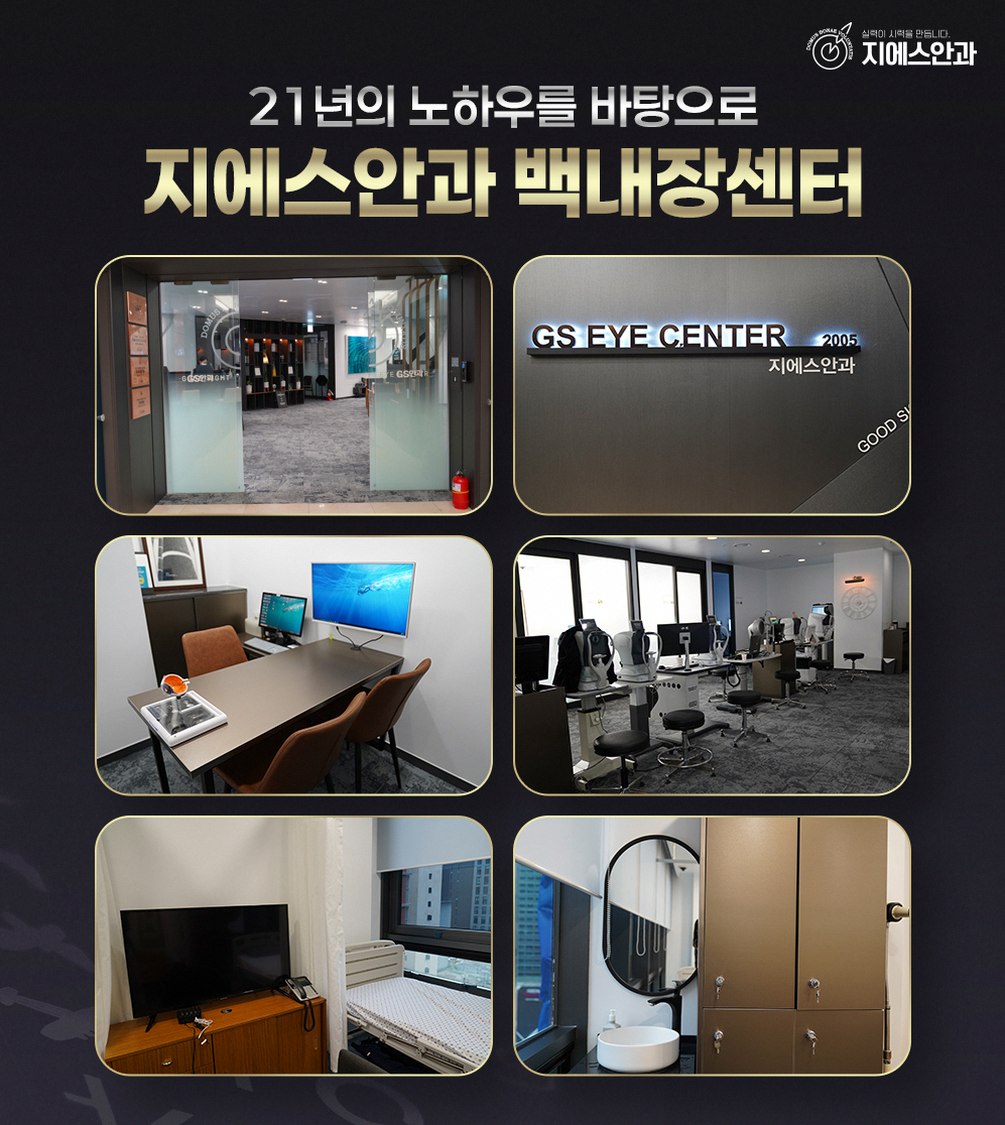
The clinic environment felt very organized and clean. The waiting area was calm, and the staff were used to guiding foreign patients. They checked my identity and eye details multiple times, which actually made me feel safer.
My cataract surgery day in detail
On the day of surgery, I arrived about one hour early. After check in, they repeated some quick eye checks and confirmed which eye would be done first. In my case, they did one eye at a time, with about one week between surgeries.
They put several sets of eye drops in my eye to dilate the pupil and numb the surface. I also received a mild sedative to help me relax, but I was still awake and able to respond.
In the operating room, they cleaned around my eye and placed a sterile cover over my face, leaving only the eye exposed. A small device kept my eyelids open, which felt strange but not painful. Because of the numbing drops, I did not feel the instruments touching my eye.

During the surgery, I saw bright lights and some moving shadows, but nothing sharp or frightening. I could hear the surgeon and nurses talking calmly. They explained when I might feel a little pressure or see a change in light. The whole procedure for one eye took around 15 to 20 minutes.
I did not feel pain, only a sense of pressure and gentle movement. I focused on staying still and breathing slowly. Knowing that the surgeon had done this many times before helped me stay calm.
Right after surgery
After the surgery, they placed a clear shield over my eye. My vision through that eye was very blurry at first, like looking through frosted glass, but I could already tell that the light was brighter than before.
I rested in a recovery area for a short time while they checked my blood pressure and made sure I felt stable. Then I was allowed to go back to my accommodation, but I was not allowed to drive. It is important to arrange transportation in advance.
The first few hours, my eye felt a bit scratchy and watery, like there was a small grain of sand inside. The clinic had given me pain medication just in case, but I only needed a mild pain reliever. By the first night, the discomfort was noticeable but not severe.
I slept with the protective shield on to avoid accidentally rubbing my eye. Light sensitivity was strong at first, so I used sunglasses indoors when the lights felt too bright.
First impressions when the shield came off
The next day, at my first post operative check, the doctor removed the shield and examined my eye. My vision was still slightly foggy but much clearer than before surgery. The biggest surprise was the color. Whites looked really white again, not yellowish. Colors were more vivid and crisp.
Over the next few days, the vision in that eye improved steadily. I noticed I could read street signs from farther away, and the glare from car headlights was already reduced. When I compared my operated eye with the other eye that still had a cataract, the difference was dramatic.

Cataract surgery recovery timeline
Here is how my cataract surgery recovery went, from my personal experience.
First 24 hours
- Blurry but brighter vision
- Mild scratchy feeling and tearing
- Strong light sensitivity
- Need to wear an eye shield at night
- No heavy lifting, no rubbing the eye, no bending with the head down for long
First week
Vision improved day by day. I used several kinds of eye drops: antibiotic to prevent infection, anti inflammatory to reduce swelling, and lubricating drops for dryness. At first, I needed drops several times a day, which required setting alarms on my phone to stay on schedule.
I avoided swimming, sauna, and dusty environments. I did not use eye makeup and was careful in the shower to keep water and soap out of my eye. Screen time was possible, but I took frequent breaks and adjusted brightness.
First month
By the end of the first month, my operated eye felt almost normal. I could work on the computer, watch TV, and walk around without fear of missing steps. Night driving was already much safer.
I still had some halos around bright lights at night, but they were mild and gradually became less noticeable. Dryness improved with regular use of artificial tears.
Several months later
After both eyes were done and fully healed, my overall vision was much better than before surgery. I can drive comfortably, read signs, and recognize faces at a distance.
Because I chose monofocal lenses for distance, I still use reading glasses for small print and close work. For me, this trade off is acceptable. I prefer sharp distance vision and stable quality, even if it means carrying reading glasses.
Overall results and satisfaction
Looking back, the final visual outcome matched what the doctor explained. I did not wake up with “perfect” vision overnight, but over weeks and months, the improvement was clear.

Specific moments stand out. I remember walking outside and noticing individual leaves on trees instead of a green blur. I could read bus numbers from a distance. Colors on my phone and TV looked more vibrant. In the supermarket, I could read labels without leaning in uncomfortably close.
I am very satisfied with the surgery and the care I received in Korea. The staff were patient with my questions, and the process was well organized for an overseas patient. Would I recommend cataract surgery? Yes, especially if your daily life, safety, or independence is being affected by cloudy vision. However, I would also say that it is important to have realistic expectations and to follow all aftercare instructions carefully.
Side effects and realistic expectations
In my cataract surgery experience, I did have some side effects, but they were manageable.
Dry eyes: My eyes felt drier than before, especially in air conditioned rooms. Lubricating eye drops helped a lot. The dryness improved over time but did not disappear completely.
Halos and glare: At night, I noticed halos around lights for the first few weeks. They became less distracting as my brain adjusted, but they did not vanish entirely. They are mild now and do not stop me from driving.
Fluctuating vision: Some days my vision felt sharper than others, especially early in recovery. The doctor explained that this is normal while the eye heals.
I did not have any serious complications, but the clinic explained what to watch for: severe pain, sudden loss of vision, or strong redness, which could signal infection or high eye pressure. They emphasized calling immediately if any of these occurred.
It is important to understand that every patient is different. Age, eye health, existing conditions like diabetes or glaucoma, and the type of lens chosen can all affect the result. A cataract surgery review like mine can give you a general idea, but it cannot replace a personal consultation.
Who may consider cataract surgery
- You may want to consider cataract surgery if:
- Your vision is cloudy or blurred even with updated glasses
- You see glare or halos around lights, especially at night
- You struggle with daily tasks such as reading, driving, or using a computer
- You feel less confident moving around in dim light
- Your eye doctor has diagnosed you with cataracts and says they are affecting your vision
If you are an overseas patient thinking about surgery in Korea, it can be a good option if you want modern facilities, organized care, and the chance to combine treatment with a short stay in a well connected city. Just make sure you plan enough time for pre operative tests and at least early follow up visits.
Online consultation and pre visit preparation
Before traveling, I highly recommend arranging an online consultation with the clinic. This saves time and helps set realistic expectations.
- You can prepare by:
- Collecting your past eye exam records and any previous prescriptions
- Listing your medications, especially blood thinners or diabetes drugs
- Taking note of your main visual problems and daily activities
- Preparing questions about lens options, costs, and recovery time
- During the online consultation, ask specifically about:
- Whether you are likely to be a good candidate for surgery
- How many days you should plan to stay in Korea
- What follow up can be done after you return home
- Total estimated cost, including tests, surgery, and medications
Expected visit timeline in Korea
Your exact schedule can vary, but here is a general example of a cataract surgery experience for an overseas patient.
Day 1 to 2: Arrival and initial consultation. Detailed eye tests, discussion of lens options, and surgery scheduling.
Day 3: First eye surgery.
Day 4: First post operative check. If all is well, you can move around carefully and do light activities.
Day 7 to 10: Second eye surgery, if both eyes are being treated.
Following week: Post operative checks for both eyes, adjustment of eye drop schedule, and confirmation that you are safe to fly home.
Some patients choose to stay a bit longer for extra follow up, especially if they have other eye conditions. Ask the clinic what they recommend in your case.
Aftercare and daily life tips
After cataract surgery, your main jobs are to protect the eye and use your drops correctly.
Here are some practical tips from my own recovery:
Organize your eye drops: Use a written schedule or phone alarms. Keep the bottles in a clean, easy to reach place.
Protect your eyes at night: Wear the shield or eye guard given by the clinic. This prevents accidental rubbing while you sleep.
Be careful in the shower: Keep your eyes closed when washing your hair and face. Avoid direct water spray into the eyes.
Limit heavy activity: Avoid heavy lifting, intense exercise, or bending your head low for long periods in the first weeks.

Manage light sensitivity: Sunglasses are very helpful outdoors and sometimes indoors under bright lights.
Control screen time: Take regular breaks, follow the 20 20 20 rule if possible (every 20 minutes, look at something 20 feet away for 20 seconds), and adjust screen brightness.
Stay in touch with the clinic: If you notice unusual pain, sudden worsening of vision, or strong redness, contact the clinic immediately.
Frequently asked questions about cataract surgery
Is cataract surgery painful
In my case, no. I felt pressure and some mild discomfort, but not sharp pain. The numbing drops and mild sedation worked well.
How long does the surgery take
The actual procedure on one eye took about 15 to 20 minutes. With preparation and recovery time, I was at the clinic for a few hours.
When could I see clearly
I noticed brighter vision the next day, but it took a few days to a few weeks for the vision to become sharp and stable. Full healing can take several weeks.
Will I still need glasses
It depends on the lens you choose and your eyes. With my monofocal lenses, I have excellent distance vision but still need reading glasses.
Is it safe to fly after surgery
I was allowed to fly after the doctor confirmed that my eyes were stable and there were no complications. Always follow your own surgeon’s advice.
Can both eyes be done at once
Some clinics prefer to do one eye at a time, with a gap in between, to monitor the result and reduce risk. Ask your surgeon what they recommend for you.
Soft call to action
If you are researching cataract surgery reviews because your vision is affecting your daily life, I hope my detailed cataract surgery experience has helped you understand what to expect before, during, and after cataract surgery.
If you are considering having your cataract surgery in Korea, an online consultation is a good first step. You can discuss your eye condition, review your options, and plan a visit timeline that fits your schedule. Take your time, prepare your questions, and choose a clinic where you feel well informed and comfortable.
Cataract surgery is a big decision, but for many of us, it can mean getting back clear, confident vision and returning to the activities we enjoy.



댓글
댓글 쓰기