Astigmatism Surgery in Korea: A Practical Guide for Clearer Vision



Direct answer summary
Astigmatism surgery aims to correct the irregular curvature of your cornea or lens so that light focuses more precisely on your retina. In Korea, common options include laser vision correction procedures such as LASIK, LASEK, and PRK, as well as toric intraocular lens implantation, often combined with cataract surgery. For many people, these procedures can significantly reduce blurred or distorted vision and decrease dependence on glasses or contact lenses. However, results vary, and a careful eye examination is essential to decide which method, if any, is suitable for you.
Understanding astigmatism
Astigmatism is a focusing error of the eye caused by an uneven shape of the cornea or, less commonly, the internal lens. Instead of being evenly curved like a smooth ball, the surface is more like a rugby ball or an egg, with one curve steeper than the other. This unevenness bends light in different directions, so it does not meet at a single sharp point on the retina.
This is different from simple nearsightedness (myopia) or farsightedness (hyperopia), where the eye is generally too long or too short, but the curvature is relatively regular. With myopia, distant objects are blurry. With hyperopia, near objects are more difficult to see clearly. With astigmatism, both near and far objects can appear blurred or distorted because of the irregular focus.
Common symptoms of astigmatism include blurred or shadowed vision, distorted lines, difficulty seeing clearly at night, eye strain, and headaches, especially after reading or using digital devices. Many people have a combination of astigmatism with myopia or hyperopia.
The goal of astigmatism surgery
Astigmatism surgery aims to correct or compensate for this irregular curvature so that light rays entering the eye focus more evenly. For corneal laser procedures, the surgeon reshapes the cornea with a precise laser. For toric intraocular lenses, the surgeon places an artificial lens inside the eye that has different powers in different meridians to balance out the uneven curvature.
When successful, surgery can provide sharper, more stable vision, reduce visual distortion, and decrease dependence on glasses or contact lenses. It does not prevent normal age-related changes such as presbyopia, the difficulty focusing at near that usually starts in the forties.

Main surgical options in Korea
In South Korea, many eye clinics and ophthalmology centers in major cities offer advanced refractive surgery for astigmatism. The main options are:
LASIK
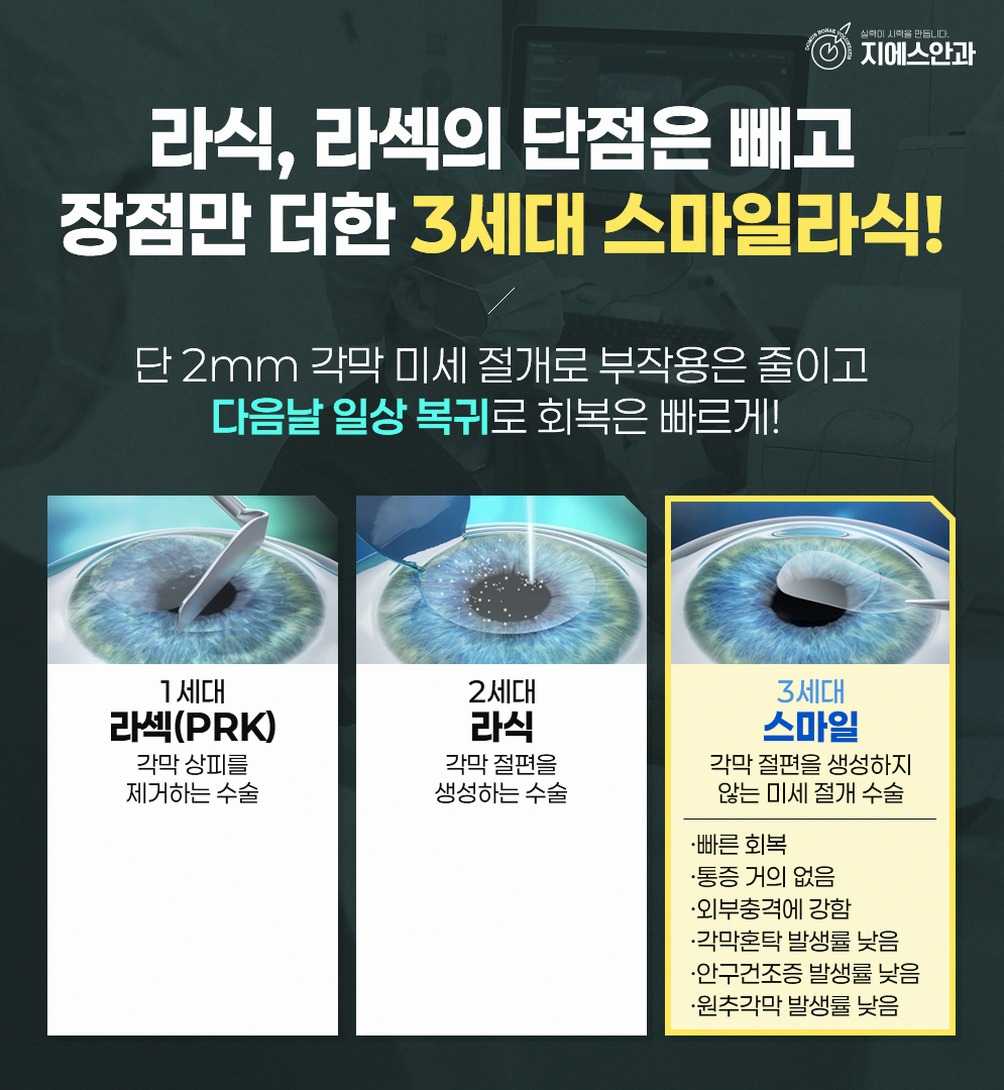
LASIK is a laser vision correction procedure that reshapes the cornea using an excimer laser. First, a thin flap is created on the surface of the cornea using a microkeratome or femtosecond laser. The flap is gently lifted, and the excimer laser reshapes the underlying corneal tissue according to your prescription, including the degree and axis of astigmatism. The flap is then repositioned, where it naturally adheres without stitches.
LASIK is often chosen for patients with suitable corneal thickness, stable prescriptions, and no major eye surface problems. It is known for relatively quick visual recovery and minimal discomfort for many patients.
LASEK
LASEK is a surface laser procedure that also uses an excimer laser to reshape the cornea but treats closer to the surface. Instead of creating a deeper flap, the surgeon loosens the very thin outer layer of the cornea (the epithelium), moves it aside, performs the laser reshaping, and then repositions the epithelium or allows it to regenerate.
LASEK can be considered for people with thinner corneas, certain corneal shapes, or those who may not be ideal candidates for LASIK. Recovery can be slower than LASIK, with more discomfort in the first few days, but it preserves more corneal thickness.
PRK
PRK is another surface laser technique similar to LASEK, but the outer epithelial layer is removed instead of being preserved. The excimer laser then reshapes the exposed corneal surface to correct astigmatism and any associated myopia or hyperopia. The epithelium grows back over several days.
PRK is often used for patients with thinner corneas, certain occupational needs, or specific corneal conditions. Visual recovery is gradual, and there can be more discomfort early on compared to LASIK, but long-term visual outcomes can be comparable.
Toric intraocular lens implantation
Toric intraocular lenses are special artificial lenses designed with different powers in different meridians to correct astigmatism. They are most commonly implanted during cataract surgery, replacing the cloudy natural lens with a clear toric lens. They can also be used for some patients who are not ideal candidates for corneal laser procedures, such as those with very high prescriptions or certain corneal limitations.
During surgery, the toric lens is carefully aligned with the specific axis of your astigmatism so it can neutralize the irregular curvature. This approach can correct astigmatism and, at the same time, address myopia, hyperopia, or cataracts.
Comparing the options
Each method has its own indications and limitations. Factors your surgeon considers include:

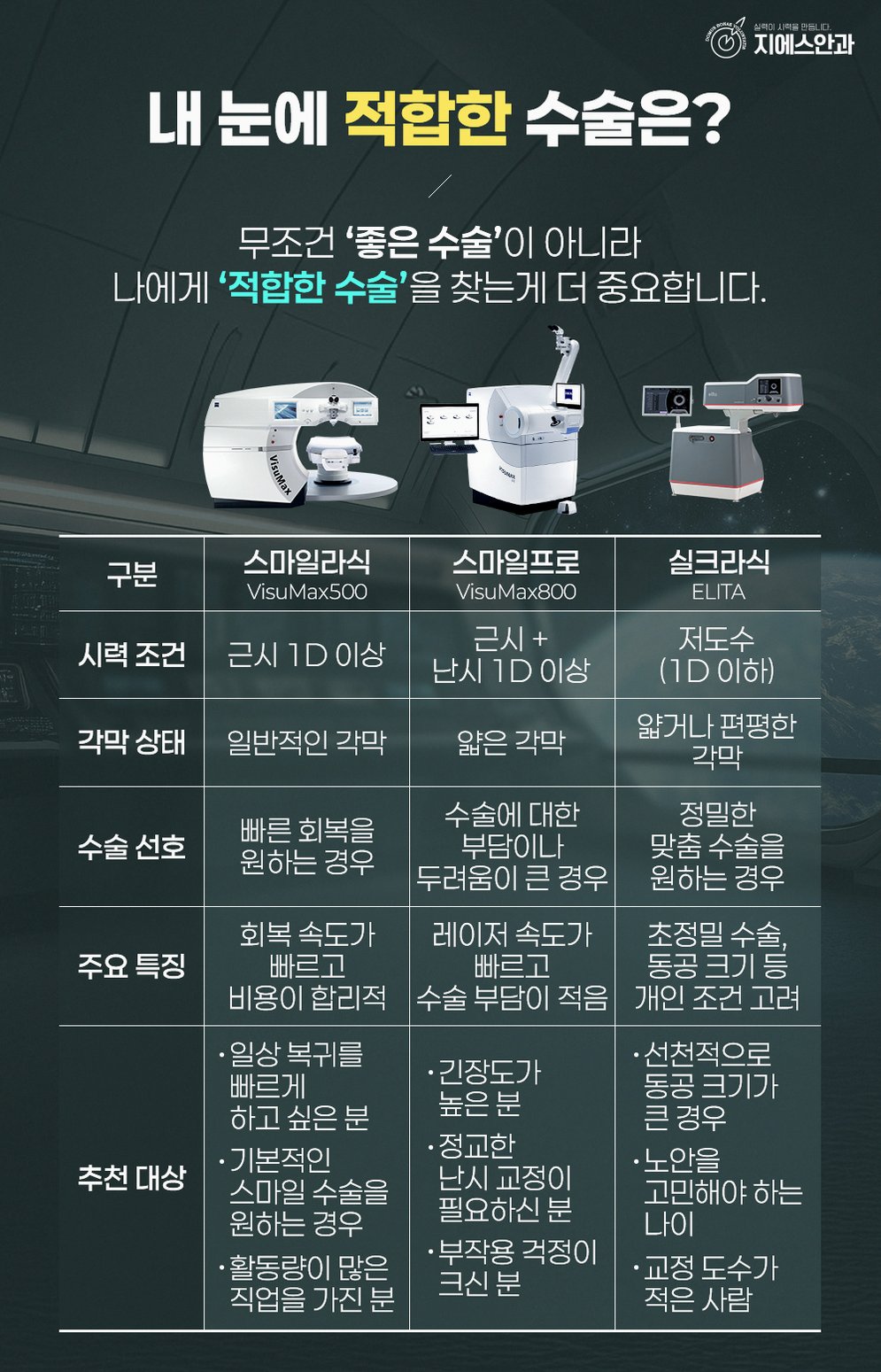
Degree of astigmatism: Mild to moderate astigmatism is commonly treated with LASIK, LASEK, or PRK. Higher levels may be better suited to toric intraocular lenses or combined approaches.
Corneal thickness and shape: Adequate corneal thickness is important for LASIK, since tissue is removed during reshaping. Thinner corneas or certain shapes may be better suited to LASEK or PRK.
Age and lens status: Younger adults without cataracts often consider laser vision correction. Patients with existing or early cataracts, or older adults, may benefit more from toric intraocular lens implantation.
Eye surface health: Dry eye, corneal scars, or other surface issues can influence which procedure is safest and most effective.
Lifestyle and occupation: Night driving, sports, military or safety-related jobs, and frequent screen use may influence the choice of procedure and the target outcome.
In many cases, astigmatism correction is combined with treatment for myopia or hyperopia in a single procedure, whether laser-based or lens-based.
Preoperative evaluation in a Korean eye clinic
Before recommending surgery, a modern eye clinic in Korea typically performs a detailed preoperative evaluation. This is especially important for international patients who may be planning a short visit.
Key components usually include:
Comprehensive eye examination: Measurement of your current glasses or contact lens prescription, visual acuity, eye pressure, and general eye health.
Corneal topography and tomography: Detailed mapping of the corneal surface to assess curvature, thickness, and any irregularities or early disease.
Astigmatism axis and magnitude: Precise measurement of how strong your astigmatism is and the direction of the steepest curvature.
Pupil size and tear film assessment: Evaluation of tear quality and quantity, as dry eye can affect both candidacy and recovery. Pupil size is important for night vision considerations.
Retinal and lens evaluation: Checking the back of the eye and the natural lens for signs of cataract, retinal issues, or other conditions that might affect vision or surgery choice.
Lifestyle and visual needs discussion: Talking about your work, hobbies, night driving, screen time, and expectations helps the surgeon recommend the most suitable option.
Choosing a clinic and surgeon
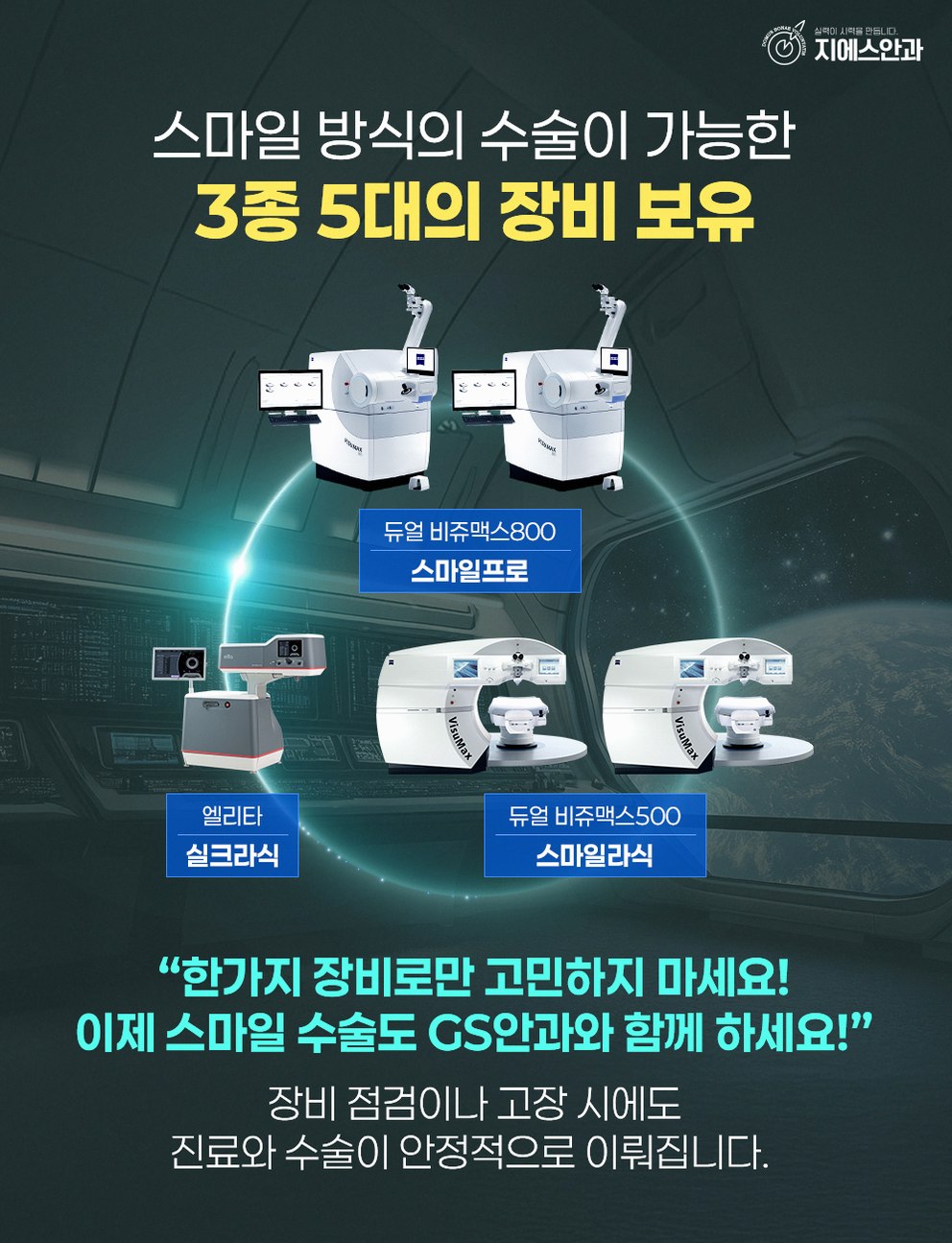
For astigmatism surgery, it is important to choose an ophthalmologist with experience in refractive surgery and a clinic equipped with advanced diagnostic and laser technology. When comparing clinics in Korea, many international patients look at:
Surgeon experience with astigmatism correction and the specific procedure you are considering.
Range and quality of diagnostic equipment, including modern corneal imaging and wavefront analysis if available.
Type and generation of laser platforms and intraocular lenses used.
Clear communication in English or your preferred language, including access to interpreters.
Transparent explanation of treatment plans, expected outcomes, risks, and pricing.
How the surgery day works
Although details vary by clinic and procedure, the general steps on the day of surgery are similar.
Preparation
You arrive at the clinic and complete any remaining tests or paperwork. The staff review your consent forms and answer last-minute questions. You may receive mild oral medication to help you relax.
Anesthetic eye drops are applied to numb the surface of the eye. Because of this, you should not feel sharp pain during the procedure, though you may feel gentle pressure or see lights.
During laser procedures
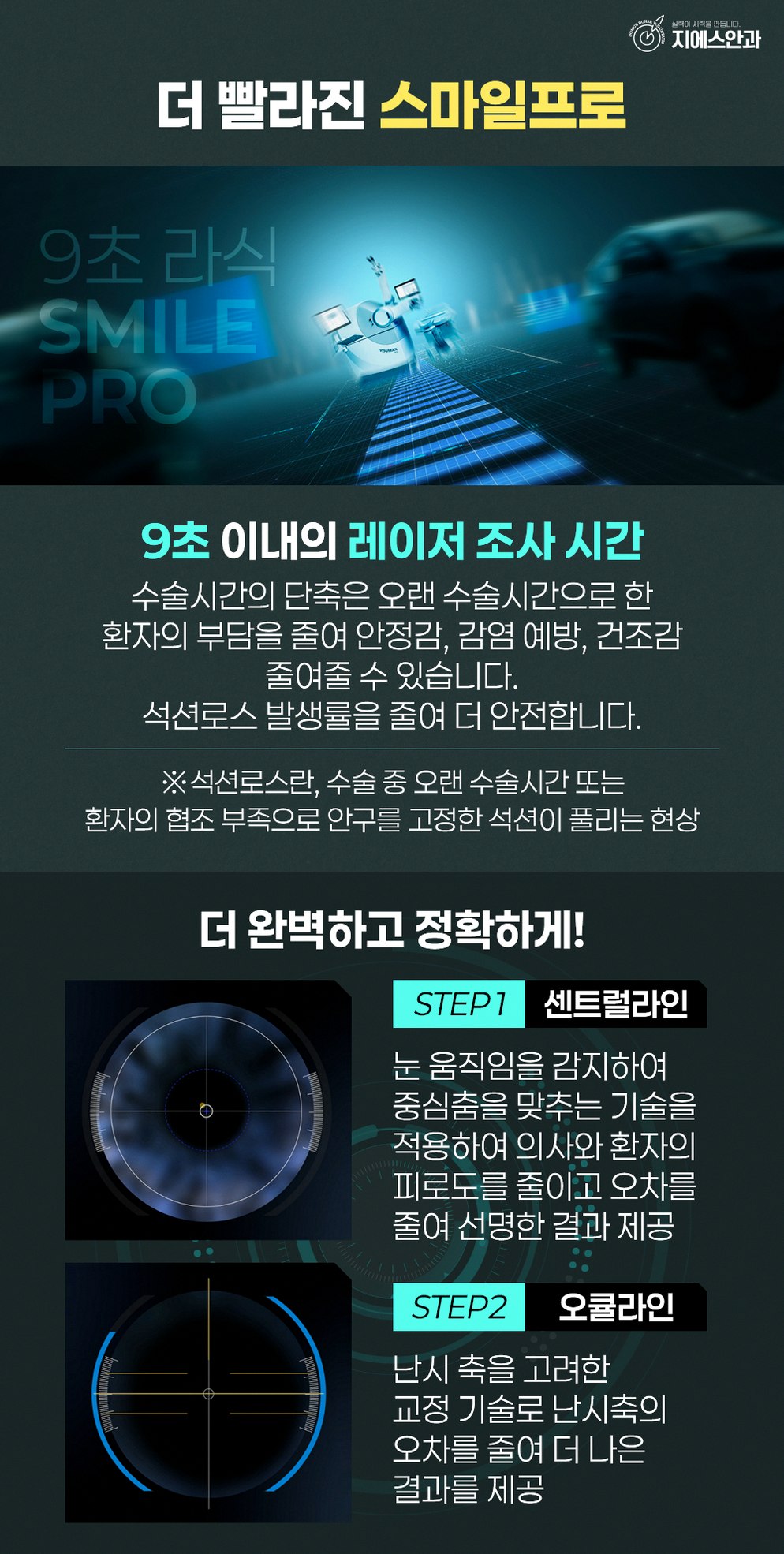
For LASIK, LASEK, or PRK, you lie on a comfortable bed under the laser system. A small device keeps your eyelids open so you do not need to worry about blinking. You are asked to look at a fixation light. Modern lasers track small eye movements to maintain accuracy.
The actual laser time is usually less than a minute per eye, although you are in the procedure room longer for preparation. You may notice slight pressure, some dimming of vision for a few seconds, and smell a faint odor from the laser shaping the tissue.
During toric intraocular lens surgery
For lens-based surgery, you are usually in an operating room. After numbing the eye and cleaning the area, the surgeon makes a tiny incision at the edge of the cornea, removes the cloudy or clear natural lens (depending on whether you have cataracts), and inserts the toric intraocular lens. The lens is then rotated to align with the pre-marked axis of your astigmatism.
The procedure generally takes around 15 to 30 minutes per eye. Many patients have one eye treated at a time, though some centers may offer same-day bilateral surgery depending on your situation.
Immediately after surgery
After surgery, your vision may be blurry or hazy at first. You may feel mild discomfort, a foreign body sensation, tearing, or light sensitivity. The clinic will usually check your eyes shortly after the procedure, provide protective shields or sunglasses, and give you detailed instructions on eye drops and activity restrictions.
Most patients go home or back to their accommodation the same day. You should not drive yourself; arrange transportation in advance.
Recovery timeline and aftercare
Visual recovery depends on the procedure.
After LASIK, many patients notice improved vision within hours to a day, with further refinement over days to weeks.
After LASEK or PRK, the first few days can be more uncomfortable, and vision is often blurry before gradually improving over several weeks.
After toric intraocular lens surgery, many patients see better within a few days, with continued stabilization over weeks.
Common temporary side effects include dryness, glare, halos around lights at night, fluctuating vision, and mild sensitivity. These often improve with time and proper use of prescribed eye drops.
Typical follow-up schedule may include visits the next day, at one week, one month, and several months after surgery, though the exact plan varies by clinic and your individual progress.
Safety, effectiveness, and risks
Astigmatism surgery is widely performed and can be very effective for suitable candidates, but no procedure is risk-free.
Potential issues include:
Overcorrection or undercorrection: You may still have some residual astigmatism or need a minor enhancement procedure later.
Dry eye: Particularly after laser procedures, dryness can increase initially. This is usually temporary but can be bothersome.
Night vision problems: Glare, halos, or starbursts around lights at night can occur, especially in the early period.
Infection or inflammation: Uncommon but potentially serious; careful hygiene and following drop instructions are important.
Flap or surface healing issues: Specific to LASIK, LASEK, or PRK, these are monitored closely during follow-up.
Lens-related issues: For toric intraocular lenses, the lens can occasionally rotate from its intended position, which may require repositioning.
It is important to have realistic expectations. Many patients significantly reduce their dependence on glasses or contact lenses, but some may still need thin glasses for certain tasks, such as night driving or detailed work. Your surgeon should explain what is most likely in your case.
Who may consider astigmatism surgery
You may be a potential candidate if you:
Have stable astigmatism, with or without myopia or hyperopia, for at least one to two years.
Are generally healthy and have healthy eyes apart from refractive errors or cataracts.
Understand the benefits, risks, and limitations of surgery and have realistic expectations.
Are old enough that your prescription has stabilized, usually in your twenties or later.
You may not be suitable if you have uncontrolled eye diseases, severe dry eye, certain corneal conditions, very unstable prescriptions, or unrealistic expectations. An in-person examination is essential to decide.
Online consultation and pre-visit preparation
For overseas patients, many Korean clinics offer online or remote consultations. This can help you understand your options before you travel.
Before your online consultation, prepare:
Your current glasses or contact lens prescription.
Any previous eye examination records or corneal scan results, if available.
Information about your general health, medications, and any eye symptoms.

A list of questions about procedures, recovery time, and costs.
The clinic may ask you to send scans or reports from your local eye doctor. While a final decision usually requires in-person testing, an online consultation can give you a preliminary idea of whether you are likely to be a candidate and how long you should plan to stay in Korea.
Expected Korea visit timeline
Although exact schedules vary, a common structure for international patients might be:
Day 1: Comprehensive eye examination, corneal imaging, consultation, and final surgical planning.
Day 2 or 3: Surgery day for one or both eyes, depending on the plan.
Following days: Postoperative checks, usually at one day and several days after surgery.
Many patients stay in Korea for about one to two weeks to complete early follow-up visits, especially after laser procedures. For toric intraocular lens surgery, your surgeon may recommend a similar or slightly longer stay for monitoring. Longer-term follow-up can often be coordinated with your local eye doctor after you return home.
Practical preparation for surgery
To prepare for astigmatism surgery:
Stop wearing soft contact lenses for at least several days to a couple of weeks before your preoperative examination, and rigid lenses even earlier, according to the clinic’s instructions. This allows your cornea to return to its natural shape.
Arrange transportation on the day of surgery and the first follow-up visit, as you should not drive.
Plan time off work or study. Many LASIK patients return to light work within a few days, while LASEK or PRK may require a longer break. Lens surgery recovery varies by individual.

Avoid eye makeup, perfume, and heavy lotions on the day of surgery, as they can interfere with sterility.
Prepare sunglasses and any recommended protective eyewear for after surgery.
Comparing clinics and understanding costs
When comparing clinics in Korea, consider:
Experience with international patients and availability of English-speaking staff.
Clear explanations of which procedure is recommended for you and why.
Use of up-to-date laser platforms and a range of intraocular lens options.
Structured follow-up plans and coordination with your home country doctor.
Transparent pricing that includes examinations, surgery, standard medications, and follow-up visits during your stay.
Costs for astigmatism surgery in Korea vary depending on the procedure type, technology used, surgeon experience, and whether one or both eyes are treated. Laser vision correction and toric intraocular lens implantation generally fall into different price ranges, with premium lenses and advanced laser systems usually costing more. Many clinics can provide a personalized estimate after reviewing your case.
Frequently asked questions
Will I still need glasses after surgery?
Many patients significantly reduce their dependence on glasses or contact lenses, especially for distance vision. However, some may still need thin glasses for certain activities, such as night driving or detailed near work, and most people will eventually need reading glasses with age.
Is astigmatism surgery painful?
During surgery, anesthetic eye drops numb the surface, so you typically feel pressure rather than pain. After surgery, you may experience discomfort, dryness, or a foreign body sensation, especially with surface procedures like LASEK or PRK. This is usually manageable with prescribed drops and pain relief and improves over days.

How long do the results last?
For many people, the correction is long-lasting. However, natural changes in the eye over time, such as aging of the lens or development of cataracts, can affect vision later in life. Toric intraocular lenses are designed to be permanent once implanted, though small adjustments may occasionally be needed.
Can both eyes be treated at the same time?
For laser procedures, both eyes are often treated on the same day. For toric intraocular lens surgery, some surgeons prefer treating one eye at a time, while others may treat both on the same day, depending on your health and preferences. Your surgeon will discuss the safest approach for you.
When can I fly home after surgery?
Many international patients can fly within several days after laser surgery or lens surgery, once the surgeon confirms that the eyes are stable enough. Because cabin air is dry, using lubricating drops and following instructions is important. Always confirm your travel date with your surgeon.
Soft call to action
If you are considering astigmatism surgery in Korea and would like clearer, more stable vision with less dependence on glasses or contact lenses, an individualized assessment is the first step. An online consultation with a Korean eye clinic can help you understand which procedures might suit your eyes, how long you should plan to stay, and what results you can realistically expect.
Gather your recent eye records, write down your questions, and reach out to a clinic experienced in refractive surgery for international patients. With careful evaluation and planning, your trip to Korea for astigmatism correction can be a well-informed and confident decision.



댓글
댓글 쓰기