Cataract Surgery Cost: Practical Guide to Prices, Insurance, and Planning Your Budget




Direct answer: how much does cataract surgery cost?
The cost of cataract surgery can range from a few hundred dollars in some public health systems to several thousand dollars per eye in private hospitals. In the United States, the total billed cataract surgery price per eye often falls roughly between 3,000 and 6,000 dollars before insurance. In many European or Asian countries, especially where there is national health coverage, the cost to the patient can be much lower, and sometimes almost fully covered for standard lenses.
What you actually pay depends on your insurance or national health system, the type of intraocular lens you choose, and whether you use premium technologies. Understanding these details will help you estimate your own cataract surgery cost and avoid surprises.
What is cataract surgery and why cost varies
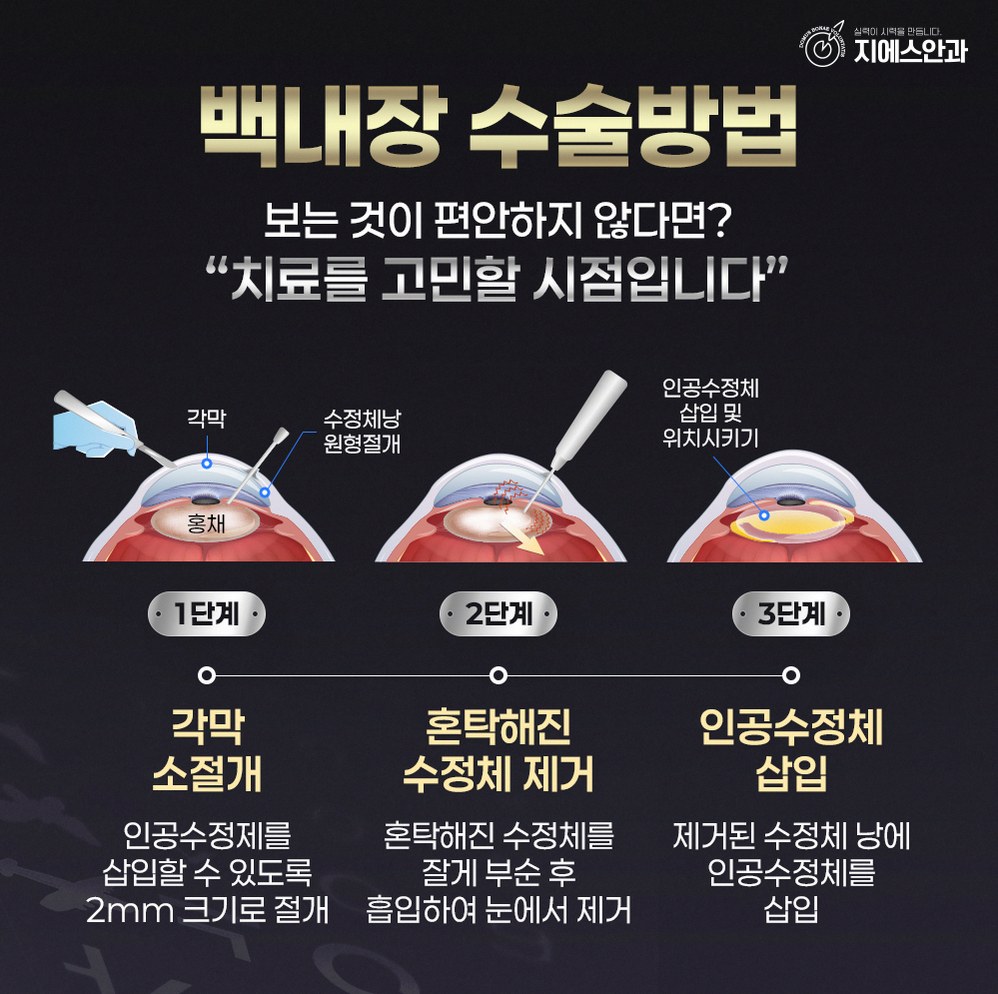
A cataract is a clouding of the natural lens inside your eye. It usually develops slowly with age and can cause blurred vision, glare, and difficulty seeing at night. Cataract surgery removes this cloudy natural lens and replaces it with a clear artificial intraocular lens, often called an IOL.
Cataract surgery is one of the most common and safest eye surgeries performed worldwide. It is usually done as a day procedure with local anesthesia and quick recovery.
However, cataract surgery cost varies widely. Prices differ by country and city, whether you choose a public hospital or a private clinic, the experience of the surgeon, and especially the type of lens you select. Standard lenses are usually more affordable and often covered by insurance, while premium lenses that reduce dependence on glasses can significantly increase the cataract surgery price.

Typical price range for cataract surgery
When you ask how much does cataract surgery cost, you will usually receive a price per eye. Most people need surgery in both eyes, but they are often done on different days.
In the United States, the total billed cost of cataract surgery per eye commonly ranges from about 3,000 to 6,000 dollars or more in private settings. This includes the surgeon, facility, lens, and anesthesia. If you have private insurance or government coverage, your out-of-pocket cost may be much lower, depending on your plan.
In many European countries with national health systems, medically necessary cataract surgery with a standard monofocal lens is often largely covered, so the patient may pay only a small co-payment or nothing at all in public hospitals. In private clinics, prices can be higher, but still often lower than typical self-pay prices in the United States.
In parts of Asia and Latin America, the cost of cataract surgery per eye in private clinics can be significantly lower than in the United States, sometimes in the range of several hundred to a few thousand dollars, depending on the lens type and technology used.
It is important to understand the difference between the total billed cost and your personal out-of-pocket cost. The billed cost is what the clinic or hospital charges. Your out-of-pocket cost is what you actually pay after insurance, national health coverage, or other reimbursements are applied.
What is included in the cost
When you see a quote for cataract surgery cost, it may or may not include all parts of the treatment. To avoid confusion, ask the clinic to explain what is included. Typical components are:
Initial eye examination and pre-operative tests
This includes vision tests, eye pressure measurement, and detailed measurements of your eye to choose the correct lens power. Some clinics also perform special imaging or advanced diagnostics, especially if you are considering premium lenses.
Surgeon’s fee
This is the fee for the eye surgeon who performs the operation. It reflects their time, training, and responsibility for your care.

Facility or hospital fee
This covers the use of the operating room, nursing staff, equipment, and supplies. In some systems, this is the largest part of the bill.
Anesthesiologist or sedation fee
Most cataract surgeries are done with numbing eye drops and mild sedation. In some clinics, the cost of the anesthesiologist or sedation team is billed separately.
Cost of the intraocular lens
The lens itself can be a standard monofocal lens or a premium lens. Premium lens cost is usually higher, and often not fully covered by basic insurance.
Post-operative visits and medications
After surgery, you will have several follow-up visits and will need eye drops to prevent infection and control inflammation. Some clinics include these in a package price, while others bill them separately.
Many clinics offer package pricing that bundles most of these items into one cataract surgery price per eye. Always ask whether the package covers pre-op tests, post-op visits, and medications, so you can compare offers fairly.
Standard vs premium intraocular lenses and how they affect price
The type of lens you choose has a major impact on cataract surgery cost.
Standard monofocal lenses
A standard monofocal lens provides clear vision at one main distance, usually set for far distance. You will likely still need glasses for reading or computer work. In many countries, this type of lens is the one covered by basic insurance or national health systems when cataract surgery is medically necessary.
Premium lens options
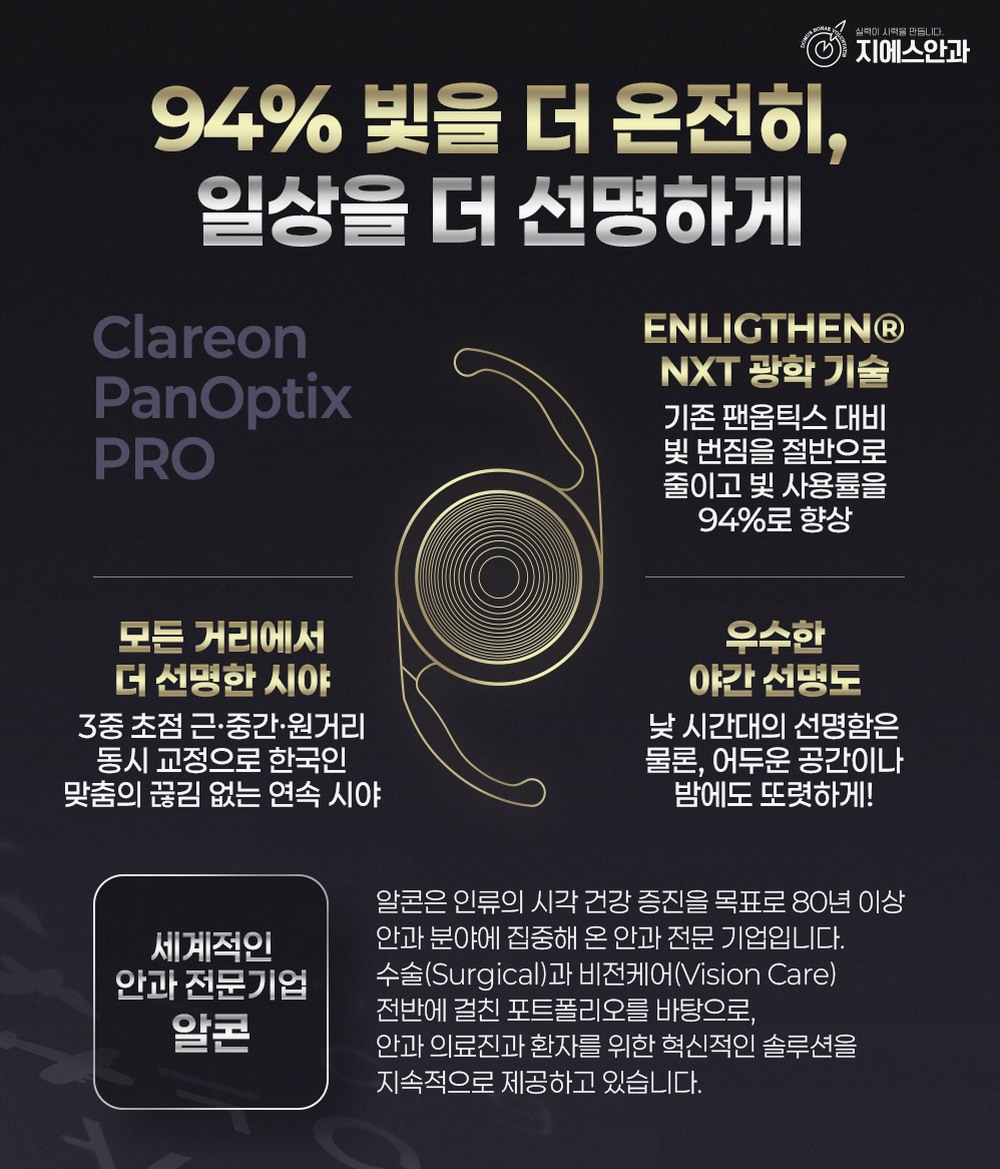
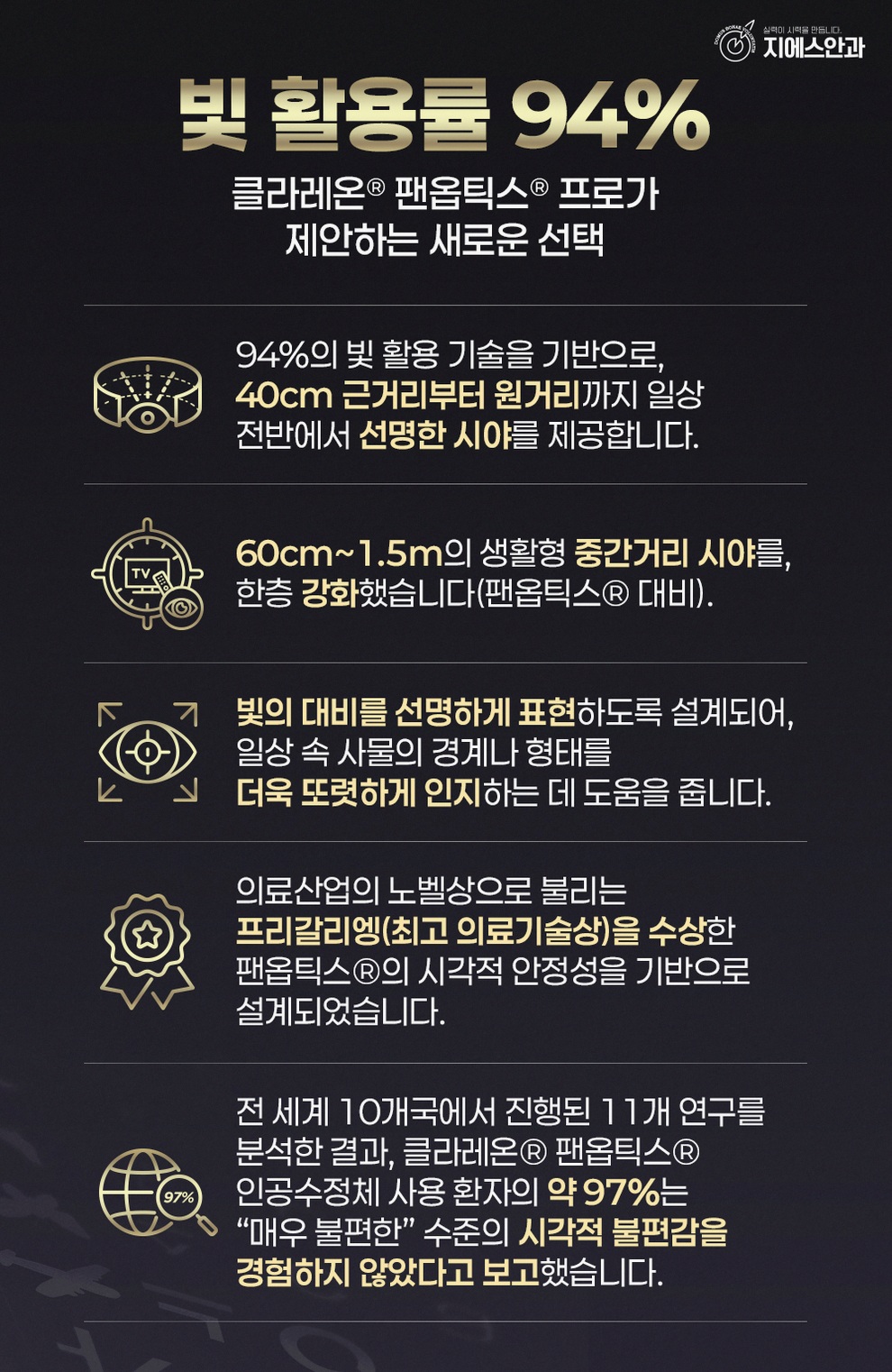
Premium lenses are designed to give you more visual convenience and reduce dependence on glasses. Common types include:

Multifocal lenses, which provide multiple focal points to allow you to see far and near, and sometimes intermediate distance.
Extended depth of focus lenses, which create a broader range of clear vision, especially for intermediate distance such as computer work.
Toric lenses, which correct astigmatism, a common focusing problem that can blur vision.
These lenses can reduce your need for glasses, but they come with a higher premium lens cost. In many systems, the extra cost for premium lenses is not fully covered by insurance, so you pay the difference out of pocket.
Pros and cons
Premium lenses can offer greater freedom from glasses, especially for reading and everyday tasks. However, they may cause visual side effects such as halos or glare at night for some people, and they are more expensive. Standard monofocal lenses are usually more affordable and have a long history of good results, but you will likely need glasses for some activities.
Factors that increase or decrease cataract surgery cost
Several factors influence the final cost of cataract surgery per eye:
Geographic region and country
Big cities and high-income countries often have higher prices, especially in private hospitals. Smaller cities or countries with lower medical costs may offer more affordable cataract surgery prices.
Type of facility
Public hospitals and national health centers can be less expensive, especially when covered by government programs. Private clinics and international hospitals may charge more but can offer shorter waiting times, private rooms, or more premium lens choices.
Surgeon’s experience and reputation
Surgeons with many years of experience or special expertise may charge higher fees. Many patients are willing to pay slightly more for a surgeon with a strong track record.
Use of advanced technology
Femtosecond laser-assisted cataract surgery, advanced diagnostics, and premium surgical equipment can add to the cost. Some patients choose these options for potential benefits in precision and customization.
Complexity of the case
If you have other eye diseases, previous eye surgery, or very dense cataracts, the procedure can be more complex and may cost more.
Timing for both eyes
Most people have each eye done on a different day. In some systems, having both eyes treated close together may create cost efficiencies, while in others the cost is simply doubled.
Level of anesthesia
Most cataract surgeries use topical anesthesia with mild sedation, which is usually cost-effective. Deeper anesthesia or special monitoring may increase the price.
Insurance, national health coverage, and reimbursement
In many countries, cataract surgery is considered medically necessary when vision is significantly affected. Health insurance or national health systems often cover standard cataract surgery with a monofocal lens in these cases.
However, coverage rules vary widely. Some insurers cover only part of the cost, leaving you with deductibles, co-pays, or coinsurance. Others may fully cover surgery in public hospitals but not in private clinics.
Premium lenses and some laser-assisted techniques are often treated as optional upgrades. The extra premium lens cost or laser fee may not be covered, so you pay this portion yourself.
Before scheduling surgery, contact your insurer or local health authority. Ask what is covered, what your estimated out-of-pocket cost will be, and whether there are any restrictions on where you can have surgery.
Out-of-pocket costs and payment options
Patients face different out-of-pocket situations:
Fully self-pay
Some people have no insurance coverage or choose a private clinic outside their insurance network. In this case, you pay the full cataract surgery price per eye. Clinics may offer discounts for self-pay patients or for treating both eyes.
Partial coverage
Many patients have part of the cost covered by insurance or national health systems. They pay deductibles, co-pays, or the extra cost of premium lenses and advanced technology.
Near full coverage
In some public systems, standard cataract surgery with a monofocal lens is almost fully covered, especially when done in a public hospital. Out-of-pocket costs may be very low.

Payment options
To make cataract surgery more affordable, clinics may offer installment plans, medical credit options, or financing through partner companies. In some countries, patients can use health savings accounts or similar tax-advantaged funds.
Always ask for a written estimate that clearly separates covered versus non-covered services. When possible, compare quotes from more than one reputable provider. However, remember that quality and safety should come before the lowest price.
How to estimate your personal cataract surgery cost
You can estimate your own cost of cataract surgery per eye by following a few steps.
Confirm medical necessity
First, see an eye doctor to confirm that you have a cataract that is affecting your vision enough to justify surgery. This is important for insurance or national health coverage.
Ask for a detailed cost breakdown
Request a written estimate from the clinic that includes:
- Surgeon’s fee
- Facility fee
- Anesthesia fee
- Lens type and cost
- Pre-operative tests
- Post-operative visits and medications
Contact your insurance or health system
Provide them with any procedure codes or descriptions the clinic gives you. Ask:
- What part of the cataract surgery cost is covered per eye
- Your deductible, co-pay, or coinsurance
- Coverage rules for different clinics or hospitals
Ask about premium lenses and laser-assisted surgery
If you are considering premium lenses or laser-assisted cataract surgery, ask specifically how much extra you would pay out of pocket. Many insurers do not cover these upgrades.
Clarify what is included
Make sure you understand whether the quoted price includes pre-op tests, follow-up visits, and medications. Ask what happens if you need extra visits or if complications occur.
Do not hesitate to ask questions until you fully understand your financial responsibility. A good clinic will be happy to explain.
Cost vs quality and safety considerations
When thinking about cataract surgery cost, it is natural to look for a good price. However, your eyes are precious, and the cheapest option is not always the best.
Consider these quality indicators:
- Surgeon’s training and experience
- How many cataract surgeries the surgeon performs each year
- Complication rates and how they are managed
- Type of technology and lenses used
- Patient reviews and recommendations
A slightly higher cataract surgery price may be justified by better outcomes, more advanced lenses, or more comprehensive follow-up care. Whenever possible, choose a surgeon who is properly credentialed in ophthalmology and operates in a safe, well-equipped facility.
Who may consider cataract surgery
You may be a candidate for cataract surgery if you have:
- Blurry or cloudy vision that affects daily activities
- Difficulty driving at night due to glare or halos
- Trouble reading or seeing fine details even with updated glasses
- Frequent changes in your glasses prescription
Your eye doctor will examine your eyes and discuss whether surgery is appropriate now or can be safely delayed. Cataracts usually progress slowly, so timing can be adjusted to your needs and lifestyle.
Online consultation and pre-visit preparation
If you are considering cataract surgery, especially as an overseas patient, an online consultation can be a helpful first step. Many clinics now offer video or phone consultations where you can:
- Discuss your symptoms and medical history
- Review any previous eye test results you may have
- Learn about standard and premium lens options
- Receive a preliminary estimate of cataract surgery cost per eye
Before your online consultation, prepare by:
- Listing your current medications and health conditions
- Gathering any previous eye examination reports or prescriptions
- Writing down your visual goals, such as wanting to drive without glasses or read comfortably
- Preparing questions about cost, recovery time, and travel planning
Expected visit timeline if you travel for surgery
If you travel to another city or country for cataract surgery, your visit is usually organized in several stages.
Pre-operative evaluation
Plan to arrive at least one or two days before surgery. During this time, the clinic will:
- Check your overall eye health
- Measure your eye for lens power
- Discuss lens options and confirm your choice
- Review your medical history and medications
Surgery day Cataract surgery is usually done as a day procedure. You typically:
- Arrive at the clinic a couple of hours before surgery
- Receive eye drops and mild sedation
- Have the surgery, which often takes 10 to 20 minutes per eye
- Rest briefly in a recovery area before going back to your accommodation
Post-operative follow-up
You will usually have a check-up the next day, and possibly another visit within a few days. Many patients can travel home within a week, but your doctor will advise you based on your healing.
Aftercare and recovery
After cataract surgery, most people notice clearer vision within a few days, although it can take several weeks for your vision to fully stabilize.

Typical aftercare includes:
- Using prescribed eye drops to prevent infection and control inflammation
- Wearing a protective eye shield at night for a few days
- Avoiding rubbing your eye
- Avoiding heavy lifting, swimming pools, and dusty environments for a short period
Mild discomfort, itching, or light sensitivity is common in the first days. Severe pain, sudden vision loss, or intense redness are not normal and require immediate medical attention.
If you are an overseas patient, ask your surgeon what to do if you have concerns after returning home. Some clinics can arrange online follow-up visits or coordinate with an eye doctor in your home country.
Frequently asked questions about cataract surgery cost
Is cataract surgery covered by insurance?
In many countries, medically necessary cataract surgery with a standard monofocal lens is covered by insurance or national health systems. However, you may still pay deductibles, co-pays, or coinsurance. Premium lenses and laser-assisted surgery are often not fully covered.
Why is there such a big difference in prices between countries?
Prices reflect local medical costs, surgeon fees, facility expenses, and currency differences. Public hospitals in countries with national health systems may offer lower out-of-pocket costs than private clinics in high-cost countries.
Is it worth paying extra for a premium lens?
This depends on your lifestyle, visual needs, and budget. Premium lenses can reduce your dependence on glasses, but they cost more and may have specific visual side effects. Discuss your priorities with your surgeon.
Can I have both eyes done at the same time to save money?
In many places, cataract surgery is done one eye at a time for safety and quality reasons. Some systems allow closely timed surgeries, but each eye usually has its own cost. Ask your surgeon about the recommended timing and how it affects price.
What happens if there are complications? Will I pay more?
Most cataract surgeries are uncomplicated. However, if additional treatments or visits are needed, there may be extra costs. Ask your clinic in advance how they handle complications and what is included in your package price.
How can I reduce my out-of-pocket cataract surgery cost?
Use your insurance or national health coverage when possible, choose a standard monofocal lens if budget is tight, ask about payment plans, and compare quotes from reputable providers. Clear communication with your clinic and insurer is essential.
Summary: managing cataract surgery costs wisely
Cataract surgery is a highly effective and often life-changing procedure that can restore clear vision and improve quality of life. The cataract surgery cost per eye can vary widely, from almost fully covered in some public systems to several thousand dollars in private clinics, especially when premium lenses and advanced technologies are used.
By understanding what is included in the cataract surgery price, how insurance coverage for cataract surgery works, and how premium lens cost affects your bill, you can make informed decisions and plan your budget. Take time to ask for detailed estimates, confirm your coverage, and discuss lens options and technology with your eye surgeon.
If you are considering cataract surgery, an online consultation is a simple first step. You can review your situation, receive a preliminary cost estimate, and learn which options fit your visual goals and financial plan. With the right information and careful planning, you can prioritize safe, high-quality care while keeping your cataract surgery cost as manageable as possible.



댓글
댓글 쓰기