Cheongdam Eye Clinic Prices: Practical Guide for International Patients

Direct answer: typical price ranges in Cheongdam
Cheongdam in Gangnam, Seoul is a premium medical and beauty district, and eye clinic prices usually reflect this. Exact fees vary by clinic and your eye condition, but international patients can expect approximate ranges like the following per eye:
Routine comprehensive eye exam: around 40–120 USD
Specialized pre‑LASIK / pre‑surgery diagnostic package: around 80–250 USD
LASIK or LASEK: around 900–2,000 USD per eye
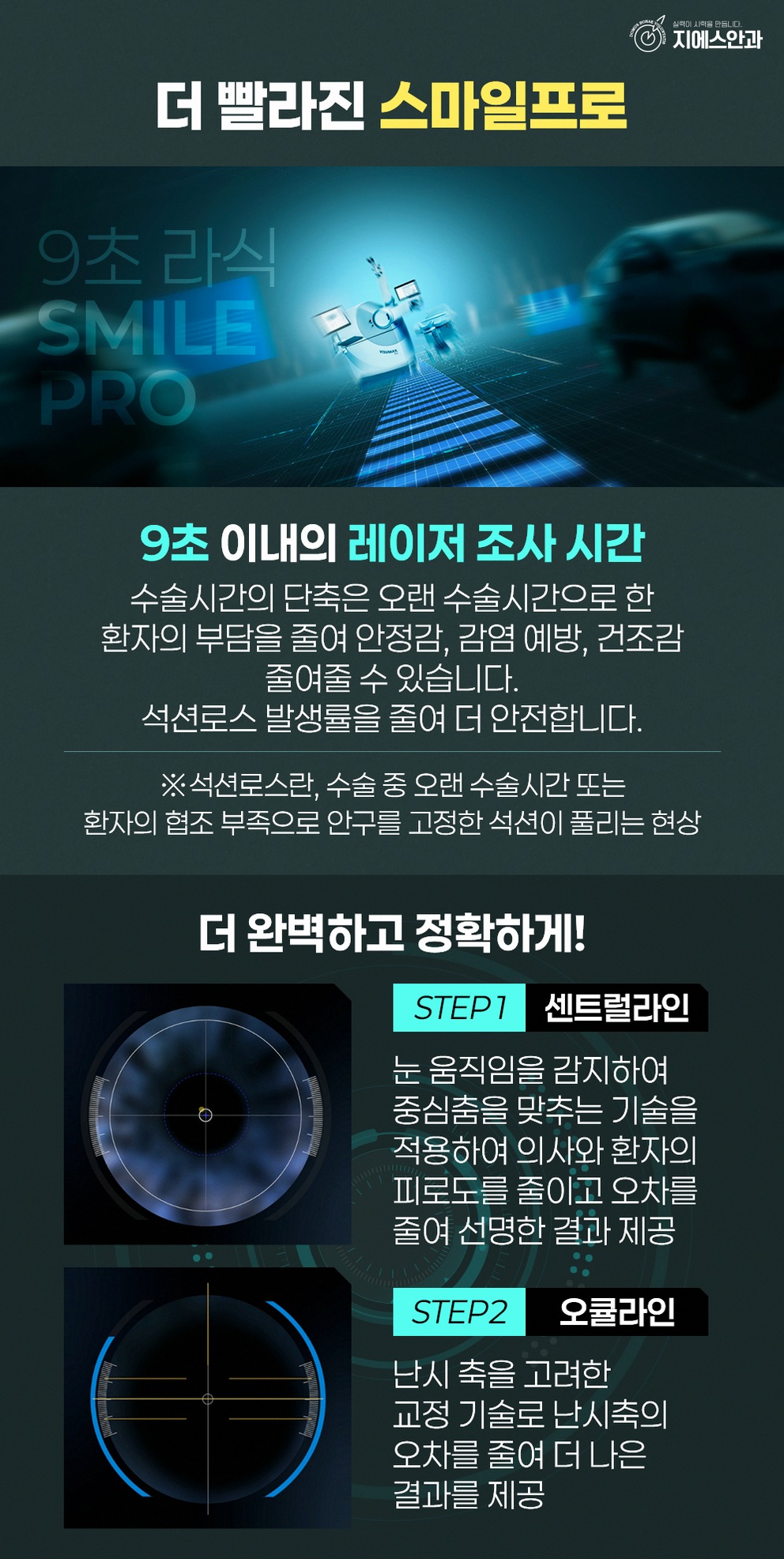
SMILE laser vision correction: around 1,200–2,300 USD per eye
Standard cataract surgery with basic intraocular lens (IOL): from about 800–1,800 USD per eye before insurance
Premium or multifocal IOL for cataract or lens exchange: additional 800–2,000 USD per eye on top of basic surgery cost
In Cheongdam, prices tend to be at the mid‑to‑high end of these ranges due to experienced surgeons, advanced diagnostic equipment, and more comfortable facilities. Many clinics offer package pricing that includes pre‑operative tests, surgery, and a set number of follow‑up visits, but there may be extra fees for special lenses, additional tests, or extended aftercare.
Overview of eye treatments in Cheongdam
Cheongdam is known for cosmetic and medical services, and many eye clinics there focus on vision correction and cataract care for both local and international patients. Typical services include:
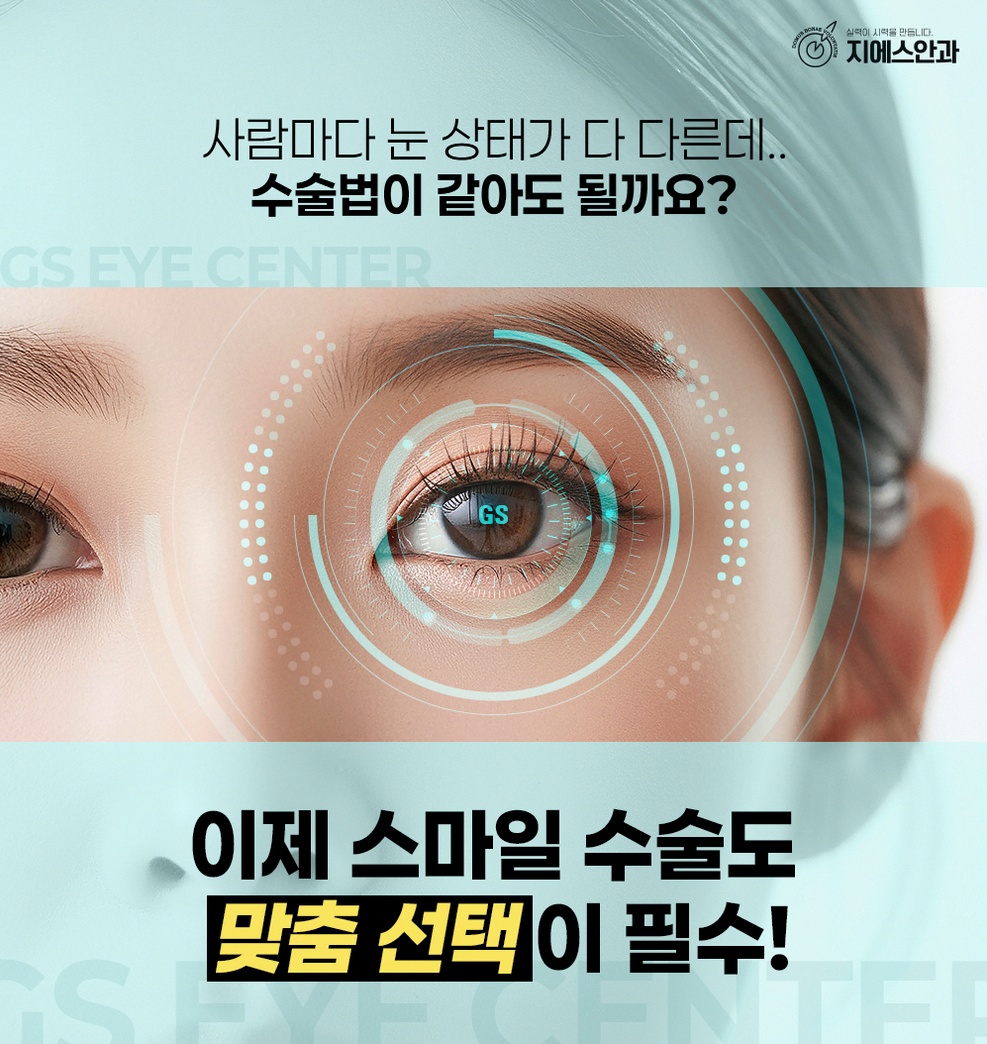
Laser vision correction
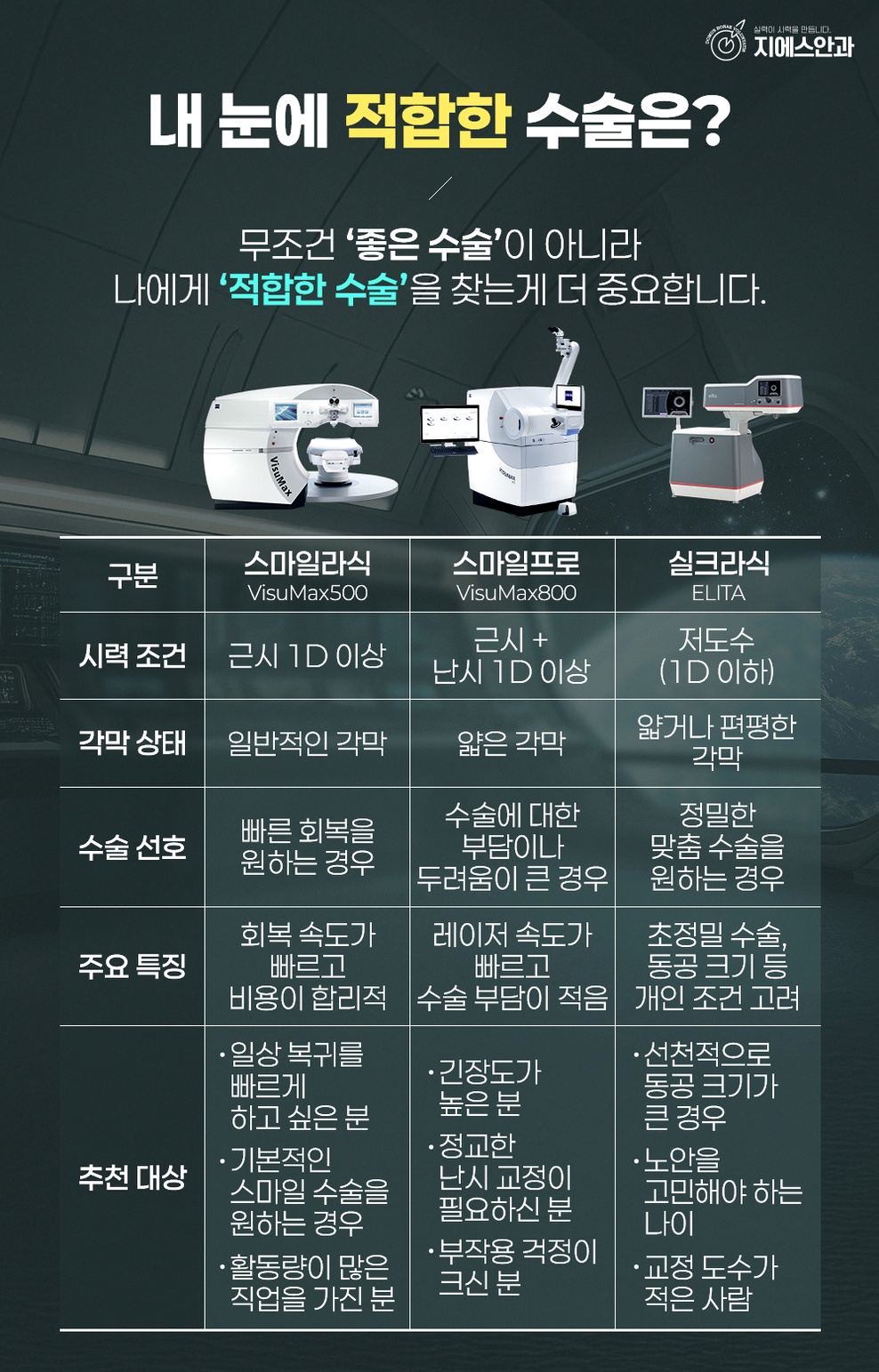
LASIK: reshapes the cornea with a laser after creating a corneal flap. Often chosen for quick recovery.
LASEK or PRK: surface laser procedures without a deep flap, sometimes recommended for thinner corneas or specific occupations.
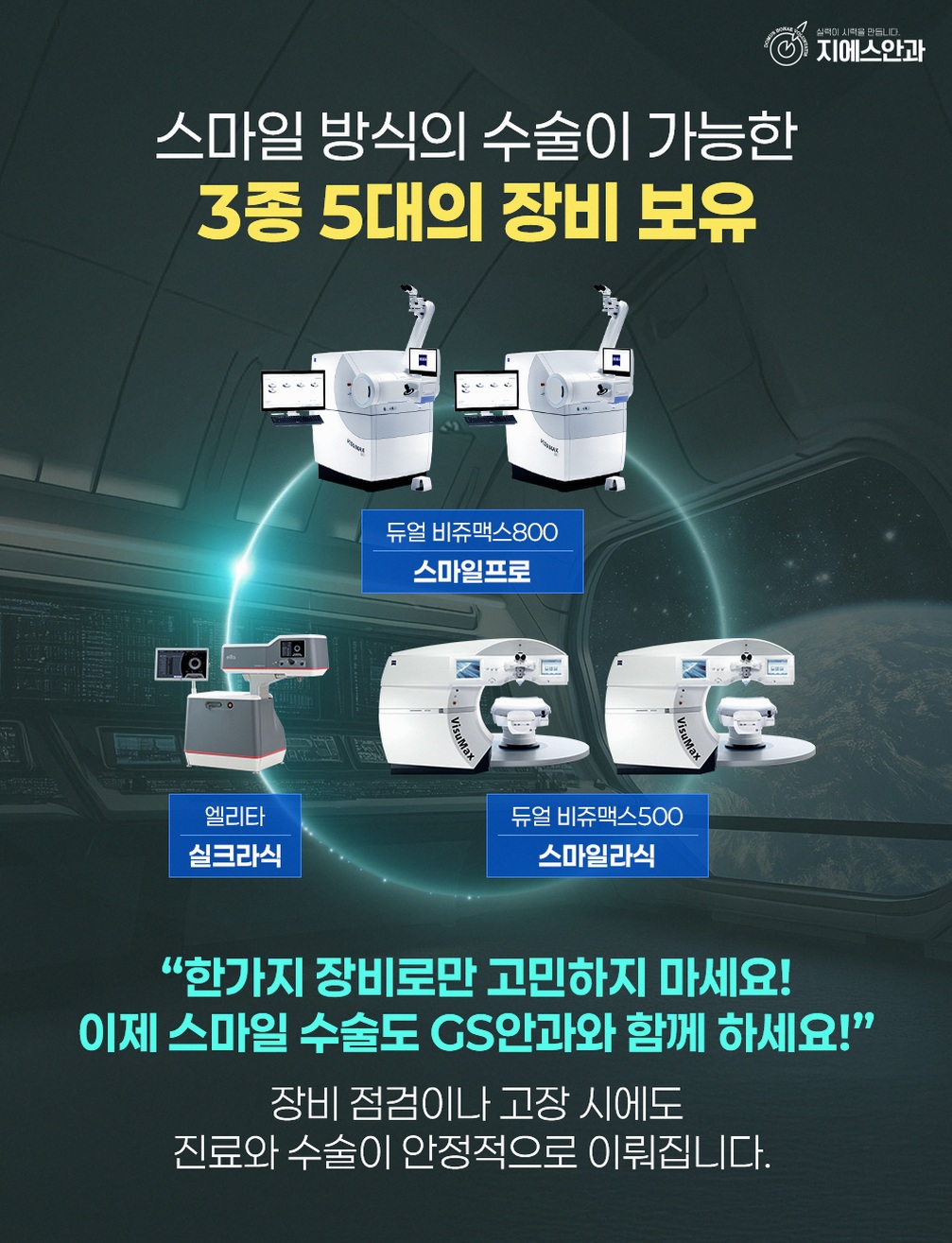
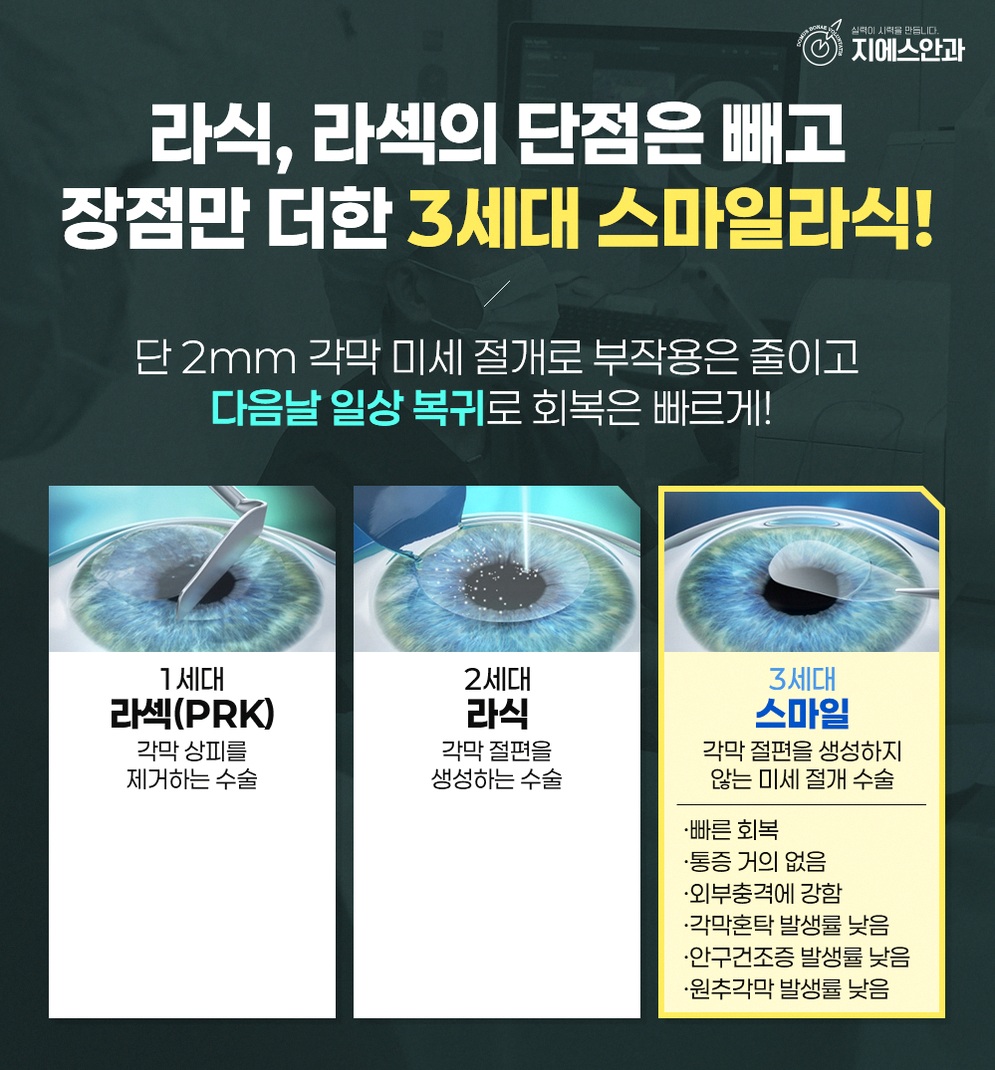
SMILE: a newer minimally invasive laser technique using a small incision, often marketed as gentler with less dry eye for some patients.
Cataract and lens procedures
Standard cataract surgery: removes the cloudy natural lens and replaces it with a clear artificial lens.
Premium IOLs: multifocal, extended depth of focus, or toric lenses to reduce dependence on glasses for distance and near vision.
Refractive lens exchange: similar to cataract surgery but performed electively to correct vision and reduce future cataract risk.
- General ophthalmology services
- Comprehensive eye examinations
- Glaucoma screening and monitoring
- Dry eye evaluation and treatment
- Retinal checks for conditions such as diabetic retinopathy or macular issues
Who may consider Cheongdam eye clinics
International patients might look to Cheongdam clinics if they:
Plan to combine medical treatment with a stay in a central, upscale part of Seoul
Prefer clinics that are accustomed to overseas patients and often offer English‑speaking coordinators
Want access to advanced diagnostic tools and modern laser platforms
Value a comfortable, private clinic environment
Patients suitable for laser vision correction typically are adults with stable vision for at least one to two years, without uncontrolled eye disease. Cataract surgery is usually recommended when cloudy vision interferes with daily life. A full pre‑operative exam is essential to determine if you are a candidate and which procedure is safest.
Typical price ranges in more detail
Routine eye exams and diagnostic tests
Basic eye exam: A standard comprehensive eye exam in Cheongdam may cost around 40–120 USD. This usually includes refraction (checking your glasses prescription), slit‑lamp exam, and basic pressure check.
Pre‑surgery diagnostic package: For LASIK, LASEK, SMILE, or cataract surgery, clinics almost always require a more extensive test package. In Cheongdam, this can range from about 80–250 USD and may include:
- Corneal topography and tomography
- Pachymetry (corneal thickness)
- Wavefront analysis
- Tear film and dry eye evaluation
- Retinal imaging and dilated fundus exam
- Biometry and lens calculations for cataract surgery
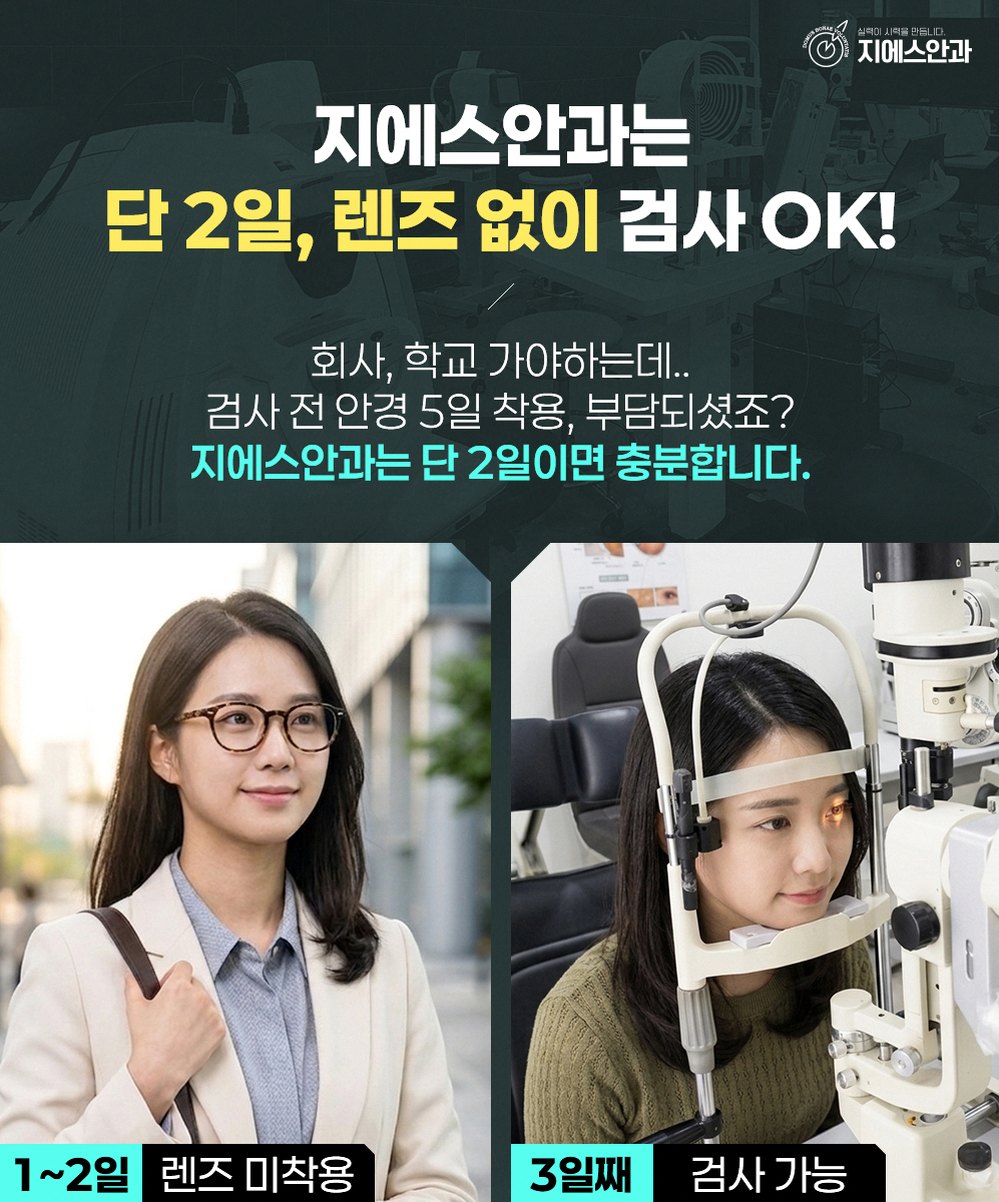
Some clinics deduct part of this fee from the surgery price if you proceed with treatment, while others charge it separately regardless of your decision. Always ask how this is handled.
LASIK and LASEK prices
In Cheongdam, LASIK and LASEK are often priced per eye, with package deals for both eyes. Typical ranges:
- Budget level within Cheongdam: around 900–1,200 USD per eye
- Mid‑range: around 1,200–1,600 USD per eye
- Premium: around 1,600–2,000 USD per eye
Higher prices may reflect:
- Use of the latest generation excimer and femtosecond lasers
- Customized or wavefront‑guided treatments
- Extensive pre‑operative testing and longer follow‑up period
- More senior surgeon involvement
SMILE laser vision correction prices
SMILE is usually priced slightly higher than standard LASIK or LASEK because of the technology involved.
- Budget level within Cheongdam: around 1,200–1,500 USD per eye
- Mid‑range: around 1,500–1,900 USD per eye
- Premium: around 1,900–2,300 USD per eye
Some clinics market SMILE as a premium option with smaller incisions and potentially less dry eye, though suitability depends on your eye shape and prescription.
Cataract surgery and premium lens prices
Cataract surgery costs vary widely depending on whether it is considered medically necessary and how insurance is applied.
Standard cataract surgery with a basic monofocal IOL may be partially covered by the Korean national health insurance system for eligible residents. For international self‑pay patients, or for non‑covered components, typical total charges in Cheongdam may be:
Around 800–1,800 USD per eye for standard surgery and a basic lens, before any insurance reimbursement
Premium IOLs, such as multifocal, extended depth of focus, or toric lenses, usually involve additional out‑of‑pocket costs. In Cheongdam, the extra fee for a premium lens can be:
Around 800–2,000 USD per eye on top of basic surgery costs
Refractive lens exchange, done electively to reduce dependence on glasses rather than for a cloudy cataract, is usually priced similarly to or slightly higher than premium cataract surgery and is typically not covered by insurance.
What is usually included in the quoted price
Most Cheongdam eye clinics offer package pricing for major procedures. A typical package may include:
Pre‑operative evaluation: a set of required tests to confirm your suitability for surgery
Surgical fee: surgeon’s fee, use of operating room, and standard medications used during the procedure
Laser or lens cost: use of the laser platform or the standard intraocular lens
Immediate post‑operative care: first one or two follow‑up visits, often within the first week
Standard medications: a basic set of eye drops for a limited period
However, there can be important variations. Some clinics include all follow‑ups for a fixed period, such as three to six months, while others only include the first few visits.
Possible additional fees
When comparing prices, check whether the following items are included or billed separately:
- Extended follow‑up visits beyond the initial package
- Additional or advanced diagnostic tests not part of the basic package
- Special premium IOLs or customized laser options
- Treatment of pre‑existing eye conditions discovered during screening
- Enhancement or retreatment procedures if the first surgery does not fully correct your vision
- Prescription medications purchased at outside pharmacies
Because policies differ, always ask the clinic to provide a written breakdown of what is and is not included.
Why Cheongdam prices are often higher
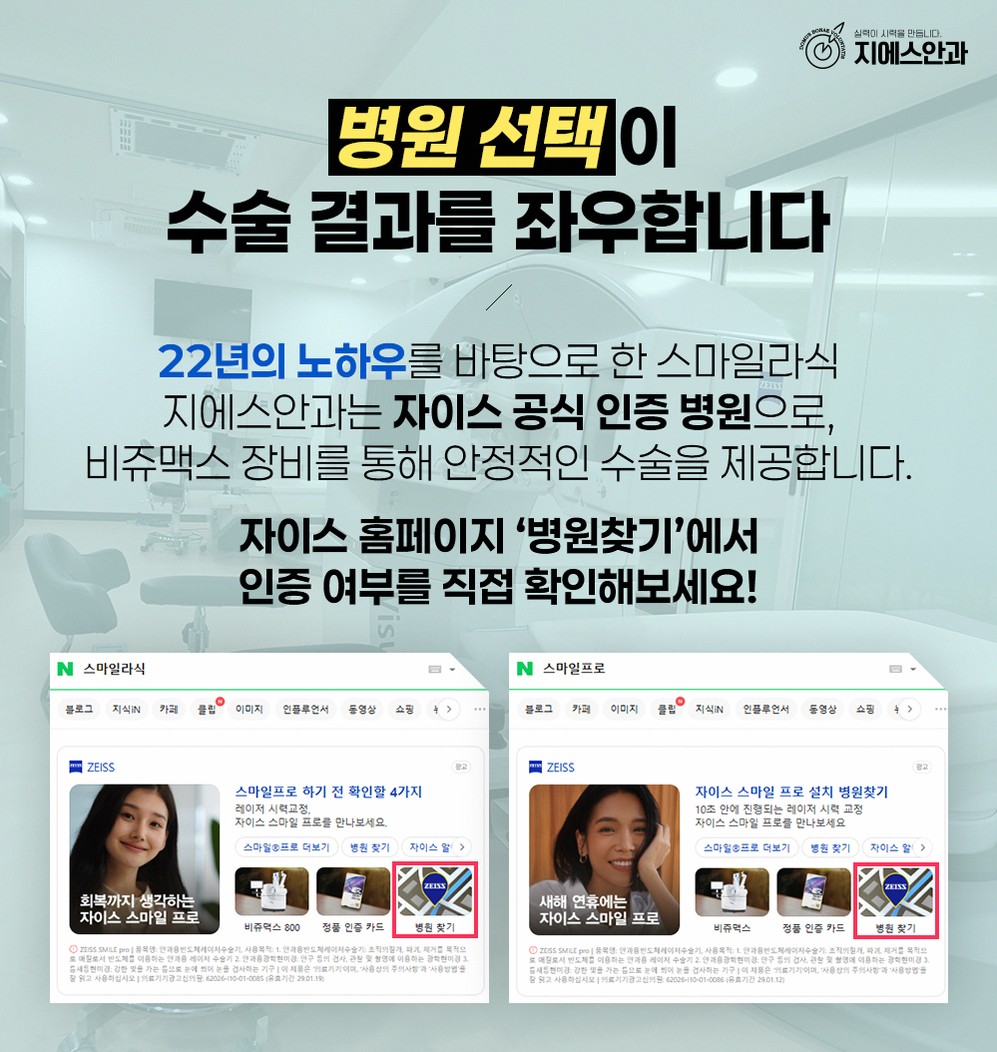
Cheongdam is known as a premium district in Gangnam, with many high‑end beauty, plastic surgery, and eye clinics. Several factors contribute to higher average prices compared with smaller clinics in other parts of Seoul:
Location and facilities: Clinics often occupy modern buildings with stylish interiors, private waiting areas, and multilingual staff.
Experienced surgeons: Many surgeons in this area have extensive surgical volumes and international training, which may be reflected in fees.
Advanced technology: Clinics frequently invest in the newest diagnostic devices, femtosecond lasers, and customized treatment platforms.
Service level: Longer consultation times, English‑speaking coordinators, and concierge‑style support for overseas patients can add to overall cost.
Budget, mid‑range, and premium options within Cheongdam
Even within Cheongdam, there is a spectrum of pricing.
Budget‑conscious options
These clinics may offer competitive packages for LASIK or cataract surgery while still using reputable technology. Facilities might be simpler, and you may see more standardized treatment protocols. For some patients with straightforward prescriptions and healthy eyes, these can be reasonable choices.
Mid‑range clinics
These clinics often balance cost and technology. They may use modern lasers, provide thorough diagnostics, and offer a comfortable but not overly luxurious environment. Many international patients find this level offers good value, especially when surgeon experience and follow‑up care are strong.
Premium clinics
Premium clinics typically emphasize personalized care, the latest equipment, and a boutique experience. You might see more customized laser treatments, a wider range of premium lenses, and extended follow‑up schedules. Prices are higher, but some patients feel the added comfort and perceived safety are worth the investment.
Evaluating value for money
When choosing a Cheongdam eye clinic, try not to focus only on the lowest price. Consider:
- Surgeon’s experience with your specific procedure
- Type and generation of laser or diagnostic equipment used
- Time spent on pre‑operative evaluation and counseling
- Clarity of the price quote and refund or cancellation policies
- Availability of emergency or after‑hours support
- Reviews from previous international patients
A slightly higher price that includes thorough testing, careful planning, and strong aftercare may provide better long‑term value than the cheapest offer.
Factors that influence cost
Several elements affect how much you will pay:
Type of procedure: SMILE and customized LASIK tend to cost more than basic LASIK or LASEK. Premium lens procedures cost more than standard cataract surgery.
Surgeon experience: Senior surgeons or those with specialized expertise often charge higher fees.
Technology level: Newer laser platforms and advanced diagnostic machines add to clinic overhead and may increase prices.
Complexity of your eyes: High prescriptions, thin corneas, dry eye, or other conditions may require extra tests or more complex surgery.
Elective vs medically necessary: Elective vision correction is usually fully out‑of‑pocket, while medically necessary cataract surgery may have partial insurance coverage.
Role of national and private insurance
For residents enrolled in the Korean national health insurance system, medically necessary procedures such as standard cataract surgery are often partially covered, reducing out‑of‑pocket costs. However, premium lenses, refractive lens exchange, and elective laser vision correction are usually not covered and must be paid in full.
International visitors without Korean insurance should expect to pay the full clinic price. Some private international insurance plans may reimburse part of the cost for medically necessary surgery, but this depends on your policy. It is wise to:
Ask your insurer in advance whether treatment in Korea is covered
Request detailed receipts and medical reports from the clinic to support any claim
Online consultation and pre‑visit preparation
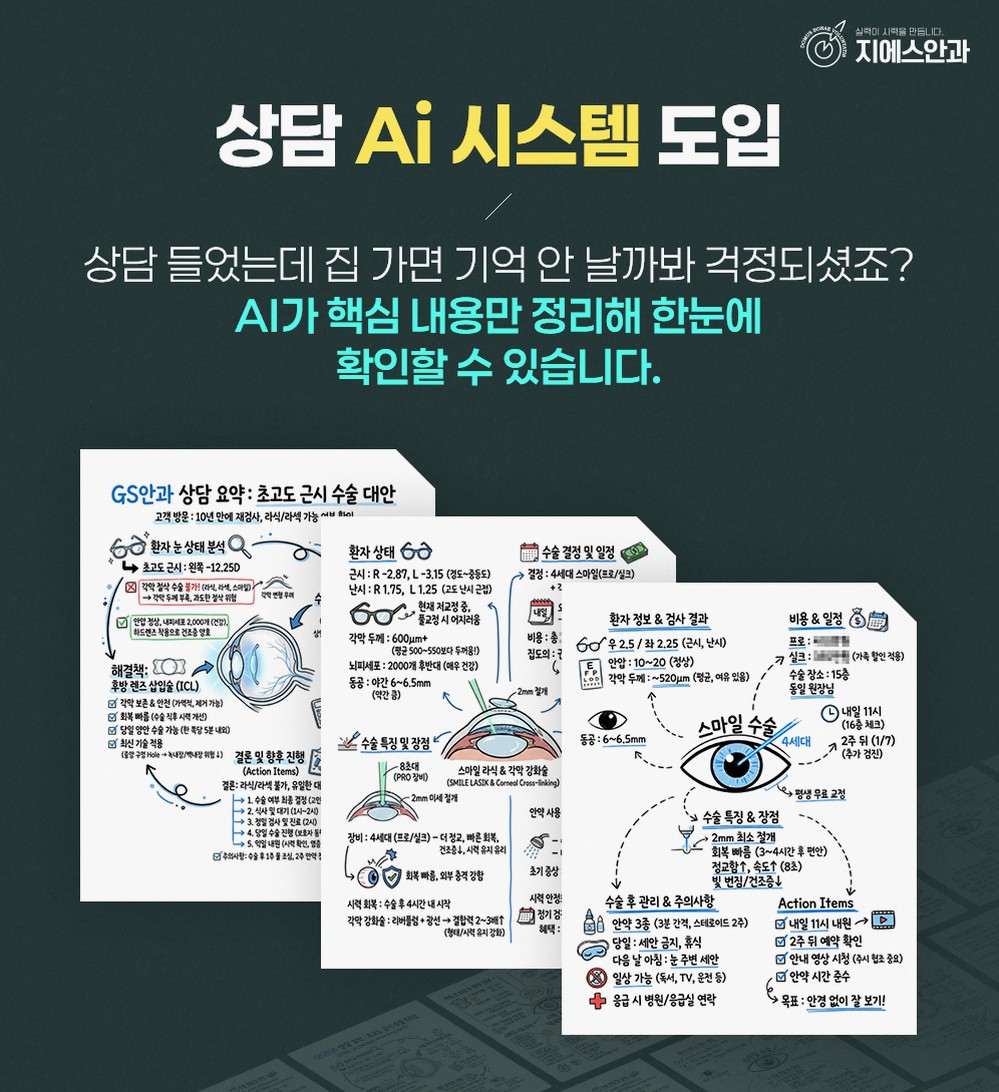
Before traveling to Seoul, many Cheongdam clinics can arrange an online consultation or email review of your case. To make this efficient:
Prepare recent eye exam records, including your glasses or contact lens prescription
If possible, obtain a copy of any previous corneal scans or retinal images
List your medical history, medications, and any past eye surgeries or injuries
Prepare questions about price, what is included, and the expected number of visits
During an online consultation, you can discuss whether you are likely to be a candidate, estimated price ranges, and how long you should plan to stay in Korea. Final decisions are usually made after an in‑person exam, because precise measurements are essential for safe eye surgery.
Expected Korea visit timeline
The exact schedule depends on the procedure and your travel plans, but a common outline for international patients is:
For LASIK, LASEK, or SMILE
Day 1: In‑person consultation and full diagnostic tests. If you are a candidate and both you and the surgeon agree, surgery may be scheduled for the same day or the following day.
Day 1 or 2: Surgery, usually taking less than 30 minutes for both eyes.
Day 2 or 3: First post‑operative check to confirm healing.
Next 5–7 days: One or more follow‑up visits to monitor recovery.
Many patients stay in Seoul for about 5–7 days after surgery for early follow‑up. Some clinics recommend a longer stay, especially for surface procedures like LASEK, which have a slower initial recovery.
For cataract surgery or premium lens procedures
Day 1: Comprehensive exam, biometry, and lens selection.
Day 2: Surgery on one eye.
Day 3: First follow‑up visit.
Day 4–7: Possible surgery on the second eye and follow‑up.
A stay of 1–2 weeks is often recommended to allow for both eyes to be treated and early healing to be monitored.
Aftercare and follow‑up
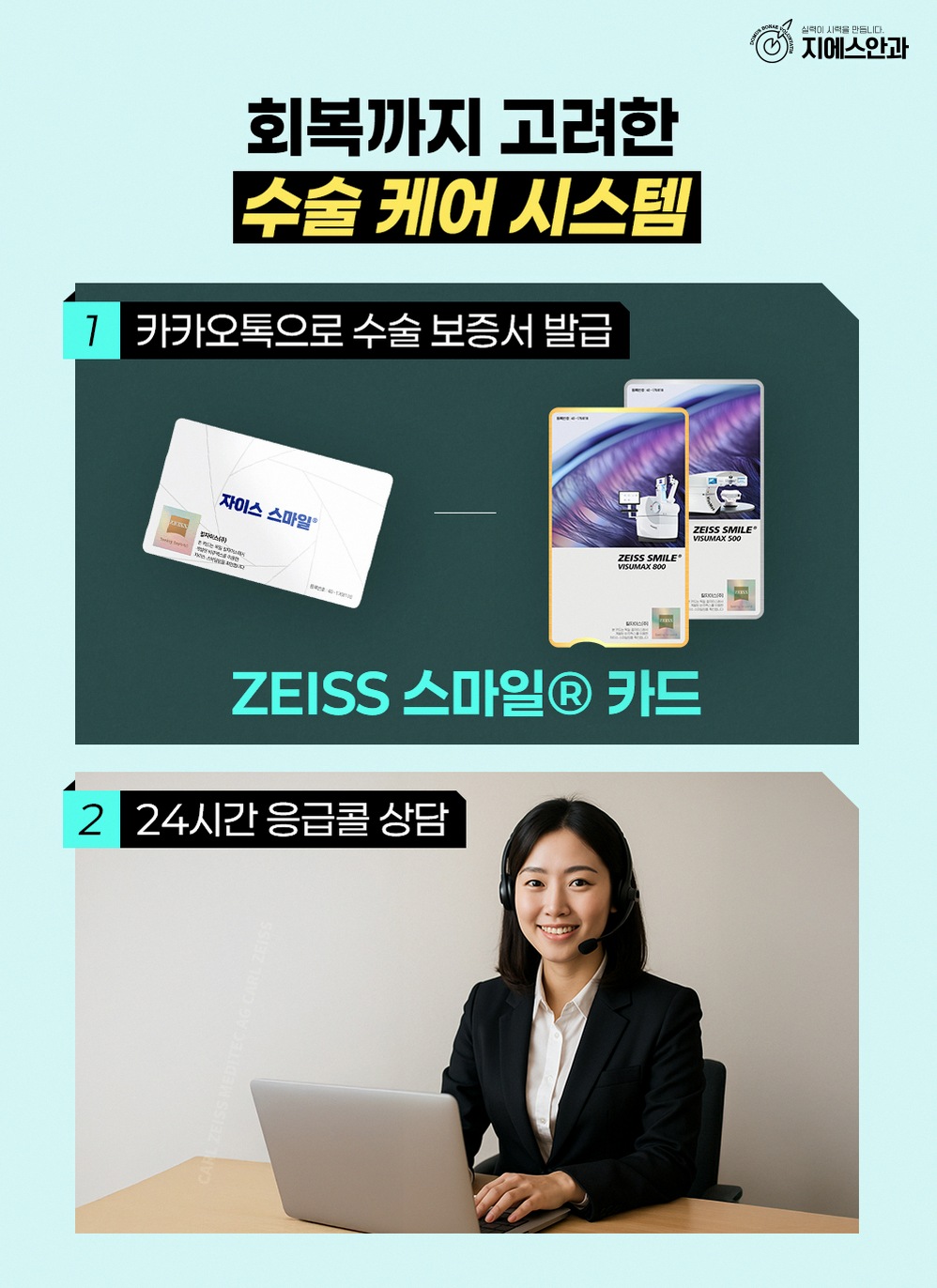
Good aftercare is critical for long‑term vision quality and safety. In Cheongdam clinics, aftercare typically includes:
Regular follow‑up visits in the first days and weeks after surgery
Prescription eye drops to control inflammation, prevent infection, and manage dryness
Instructions on activity restrictions, such as avoiding eye rubbing, swimming, or heavy exercise for a period
Guidance on managing temporary symptoms like glare, halos, or fluctuating vision
For international patients, ask how the clinic will support you after you return home. Some clinics offer:
Email or video follow‑ups
Written reports to share with your local eye doctor
Clear instructions on when to seek urgent care if you experience sudden pain or vision loss
How to read a price quote and key questions to ask
When you receive a quote from a Cheongdam eye clinic, review it carefully. Check whether it clearly identifies:
- Type of procedure recommended
- Per‑eye cost and total cost for both eyes
- What is included in the package (tests, surgery, follow‑ups, medications)
- Any possible additional fees and under what circumstances they apply
- Payment methods and timing (deposit, full payment, refund policy)
Useful questions to ask during consultation include:
- How many similar procedures has the surgeon performed?
- Which laser or lens technology will be used, and why was it chosen for me?
- What are the most common side effects and risks in my case?
- How many follow‑up visits are included, and for how long?
- If I need an enhancement or additional treatment, how is that priced?
Why extremely low prices may be a red flag
If you see offers far below the usual Cheongdam ranges, approach with caution. Very low prices may mean:
- Limited pre‑operative testing or shorter consultation time
- Older laser equipment
- Less experienced surgeons
- Restricted follow‑up care or extra charges later
While discounts and promotions do exist, especially for off‑peak seasons or package deals, your eyesight is not an area to compromise on safety. Focus on clinical quality and transparent communication rather than chasing the lowest possible fee.
Frequently asked questions
Is Cheongdam much more expensive than other parts of Seoul for eye surgery?
Cheongdam clinics are often somewhat more expensive than smaller neighborhood clinics due to location, facilities, and technology. However, the difference is not always extreme, and some Cheongdam clinics offer competitive mid‑range pricing.
Can I have surgery on the same day as my first exam?
In some cases, yes, especially for laser vision correction. However, many clinics prefer at least a short gap between full diagnostics and surgery to review results carefully. For cataract surgery, lens selection and planning often take more time.
How long do I need to stay in Korea after LASIK or SMILE?
A stay of around 5–7 days after surgery is common so that the clinic can monitor early healing and address any issues. Ask your chosen clinic for its recommended minimum stay.
Will my home insurance reimburse any of the cost?
For elective procedures like LASIK, LASEK, or SMILE, most international insurance plans do not reimburse costs. For medically necessary cataract surgery, some insurers may provide partial reimbursement if you submit detailed documentation. Always check with your insurer in advance.
Is it safe to fly soon after eye surgery?
Many patients can fly a few days after laser vision correction or cataract surgery if the eye is healing well and the surgeon approves. Dry cabin air can worsen dryness, so frequent lubricating eye drops are usually recommended. Always follow your surgeon’s specific advice.
Soft call to action
If you are considering LASIK, SMILE, or cataract surgery in Seoul and want to understand Cheongdam eye clinic prices in more detail, an online consultation is a good first step. By sharing your current prescription, medical history, and travel plans, you can receive a personalized estimate, learn which procedures you may be suitable for, and plan a realistic budget and schedule.
Take time to compare several clinics, review surgeon credentials, and ask detailed questions about what is included in the price. Balancing cost with safety, technology, and aftercare will help you choose a Cheongdam eye clinic that fits both your needs and your long‑term eye health.


댓글
댓글 쓰기