LASEK Night Glare After Vision Correction: Practical Guide for International Patients at GS Eye Clinic




Direct answer summary
Night glare after LASEK is a common and usually temporary part of the healing process. Many patients notice halos, starbursts, or light scattering around headlights and streetlights in the first weeks to months after surgery. These symptoms almost always improve as the cornea heals, the tear film stabilizes, and the brain adapts. At GS Eye Clinic, careful preoperative assessment, customized laser planning, and close follow-up are used to reduce the risk and support a comfortable recovery for international patients.
What is night glare after LASEK
Night glare refers to visual disturbances around lights in dim or dark environments after LASEK vision correction. Patients often describe it in a few ways:
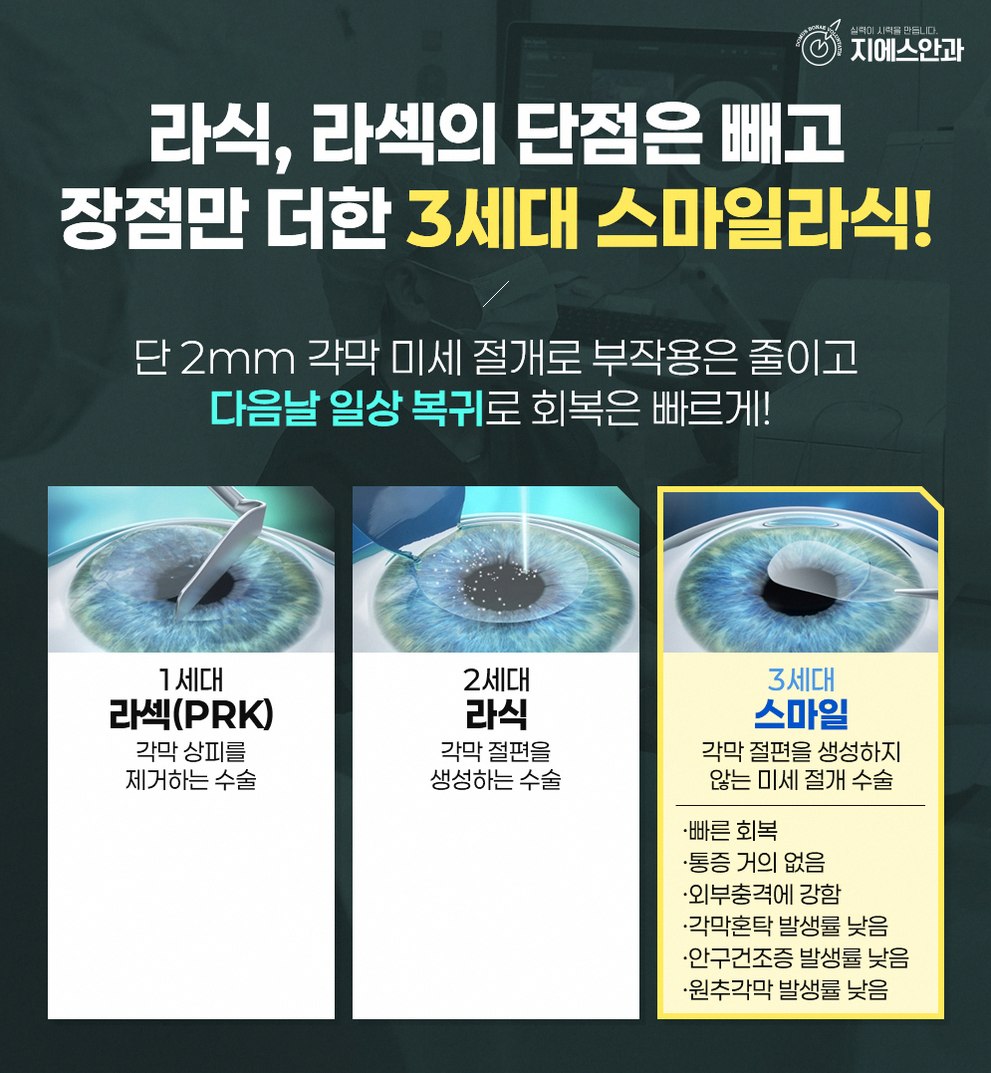
Halos: Circular rings or a glow around headlights, streetlights, or illuminated signs.
Starbursts: Light rays or spikes radiating from a light source, especially at night.
Light scattering: A general haze or flare that makes bright lights look smeared or fuzzy.
Increased sensitivity to light: Feeling dazzled or uncomfortable with oncoming headlights or bright screens in the dark.
These effects are usually most noticeable when driving at night, walking on city streets after dark, or looking at digital screens in a dark room. During daytime, most patients see clearly and feel much less bothered by glare.
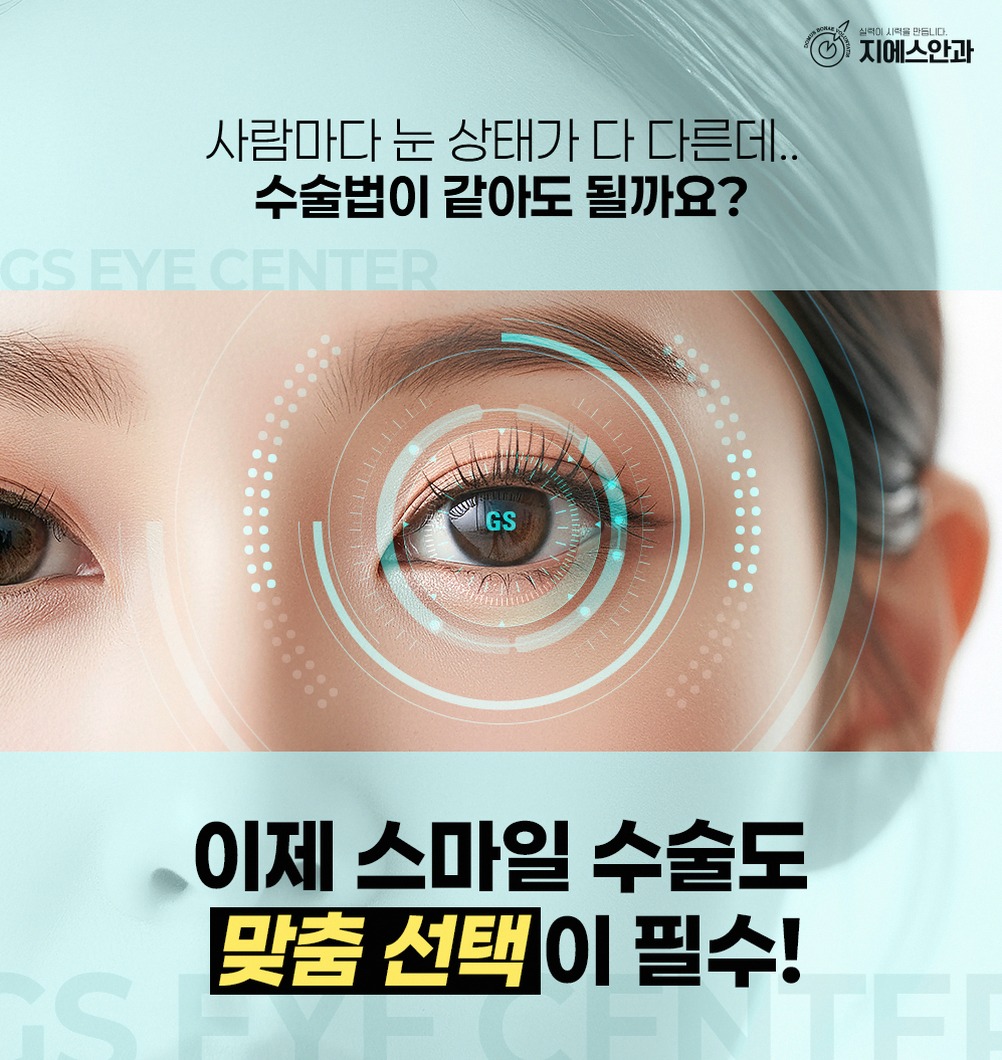
Why night glare occurs after LASEK
LASEK reshapes the cornea, the clear front window of the eye, to correct nearsightedness, farsightedness, and astigmatism. This reshaping and the healing that follows can temporarily change how light enters and focuses in the eye. Several factors contribute to night glare.
Corneal healing process
After LASEK, the surface cells of the cornea need time to regenerate and smooth out. In the early weeks, the corneal surface can be slightly irregular, and the way it bends light is not yet perfectly uniform. This can cause light to scatter rather than focus sharply, especially in low light when the pupil is larger.
Pupil size in the dark
In dim environments, the pupil naturally becomes larger to let in more light. If the pupil is bigger than the area that was optimally treated by the laser, light entering through the outer cornea may not be focused as precisely. This mismatch can produce halos, starbursts, and glare around lights.
Dry eye after surgery
Temporary dry eye is common after LASEK. A stable tear film is essential for clear, sharp vision. When the eye surface is dry or the tear film breaks up quickly, the cornea becomes optically uneven, and light scatters more. This is one of the most frequent reasons patients notice more glare at night in the early healing period.
Pre-existing higher-order aberrations
Some eyes have subtle optical imperfections called higher-order aberrations even before surgery. In some cases, these can become more noticeable after corneal reshaping, particularly in low light. Modern laser profiles are designed to minimize these effects, but they can still contribute to night glare in certain patients.
How common is night glare after LASEK
Mild to moderate night glare is very common in the early weeks after LASEK. Many patients notice some degree of halos or starbursts when they first start going out at night again. For most people, these symptoms are a normal, expected part of healing and gradually improve without any additional treatment.
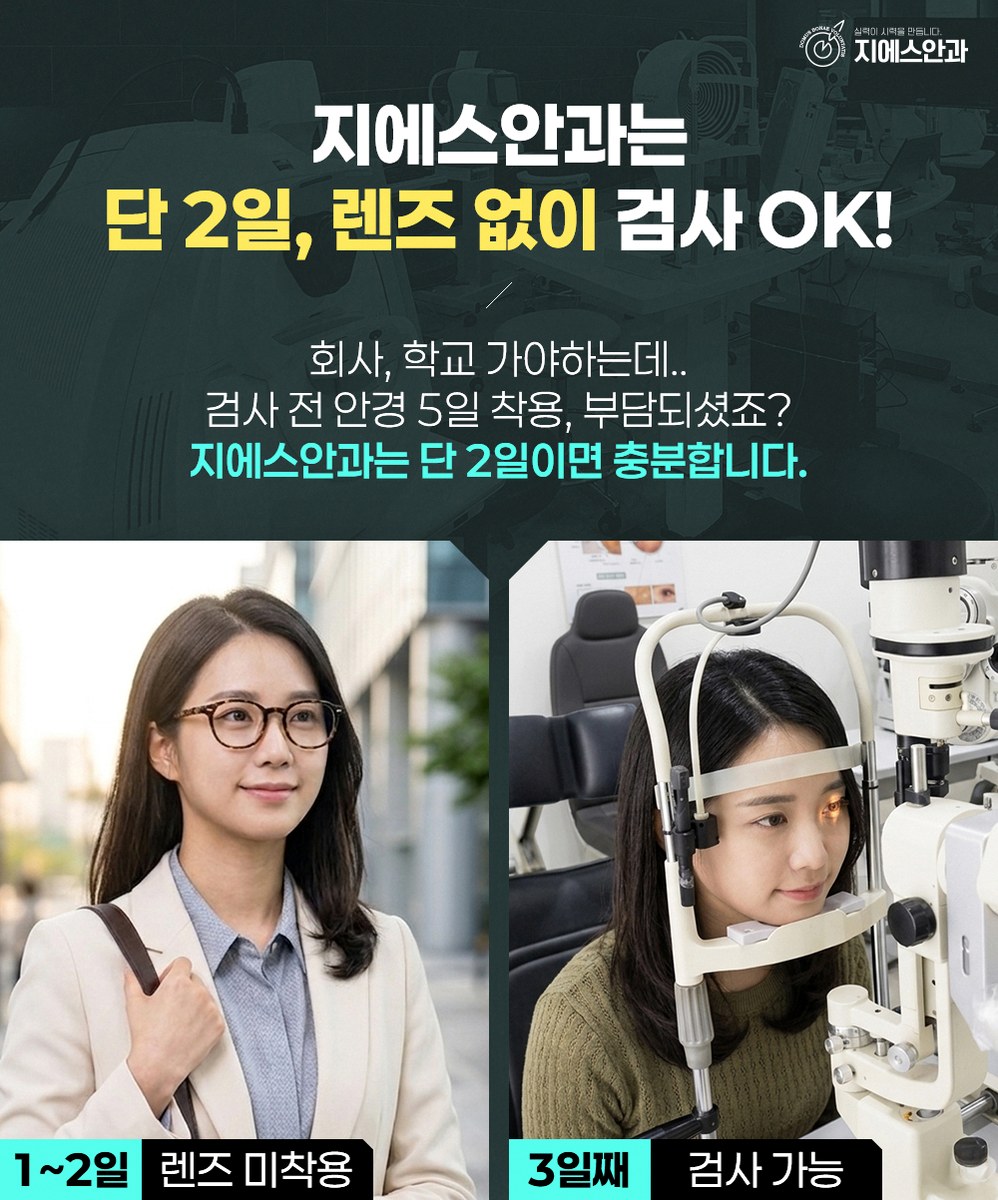
Severe or long-lasting night glare is much less common, especially when surgery is carefully planned and performed on suitable candidates. At GS Eye Clinic, one of the goals of the preoperative assessment is to identify patients who might be at higher risk and to discuss realistic expectations in advance.
Typical duration and improvement timeline
Every eye heals at its own pace, but there are general patterns that many patients experience.
First week after LASEK
Vision is often hazy or fluctuating, and light sensitivity is common. Night glare can be quite noticeable during this time, but most patients are still limiting night activities and following strict postoperative instructions.
First month
As the corneal surface becomes smoother and the protective lens is removed, daytime vision usually improves significantly. Night glare is still common, especially in the first two to four weeks. Many patients describe halos and starbursts that are bothersome but manageable.
One to three months
The majority of patients notice steady improvement in night glare during this period. The cornea continues to remodel, the tear film becomes more stable, and the brain adapts to the new visual input. For many, halos and starbursts become less intense and less distracting.
Three to six months and beyond
In most cases, night glare continues to fade and becomes a minor issue or disappears entirely. Some patients may still notice mild halos around very bright lights in the dark, but they are usually not limiting for daily life or night driving.
If night glare remains strong or seems to worsen after several months, a detailed evaluation is important to check for residual refractive error, dry eye, or other treatable causes.
Factors that can increase the risk of night glare
Not everyone is equally likely to experience noticeable night glare. Certain eye characteristics can increase the risk.
High myopia
Patients with very high levels of nearsightedness require more corneal reshaping. This can lead to a larger difference between the central treated zone and the peripheral cornea, which may increase the chance of halos and glare in low light.
Large pupils
People whose pupils become very large in the dark are more likely to notice visual disturbances at night. When the pupil extends beyond the optimally treated area, light from the outer cornea can create halos and starbursts.
Irregular cornea
Eyes with naturally irregular corneal shape or subtle surface irregularities may be more prone to light scatter after surgery. Careful corneal mapping before LASEK helps identify these cases.
Pre-existing dry eye
If you already have dry eye symptoms before surgery, you may be more likely to experience night glare afterward, especially in the early months. Managing dry eye before and after LASEK is important for clearer vision and greater comfort.
How GS Eye Clinic works to minimize night glare
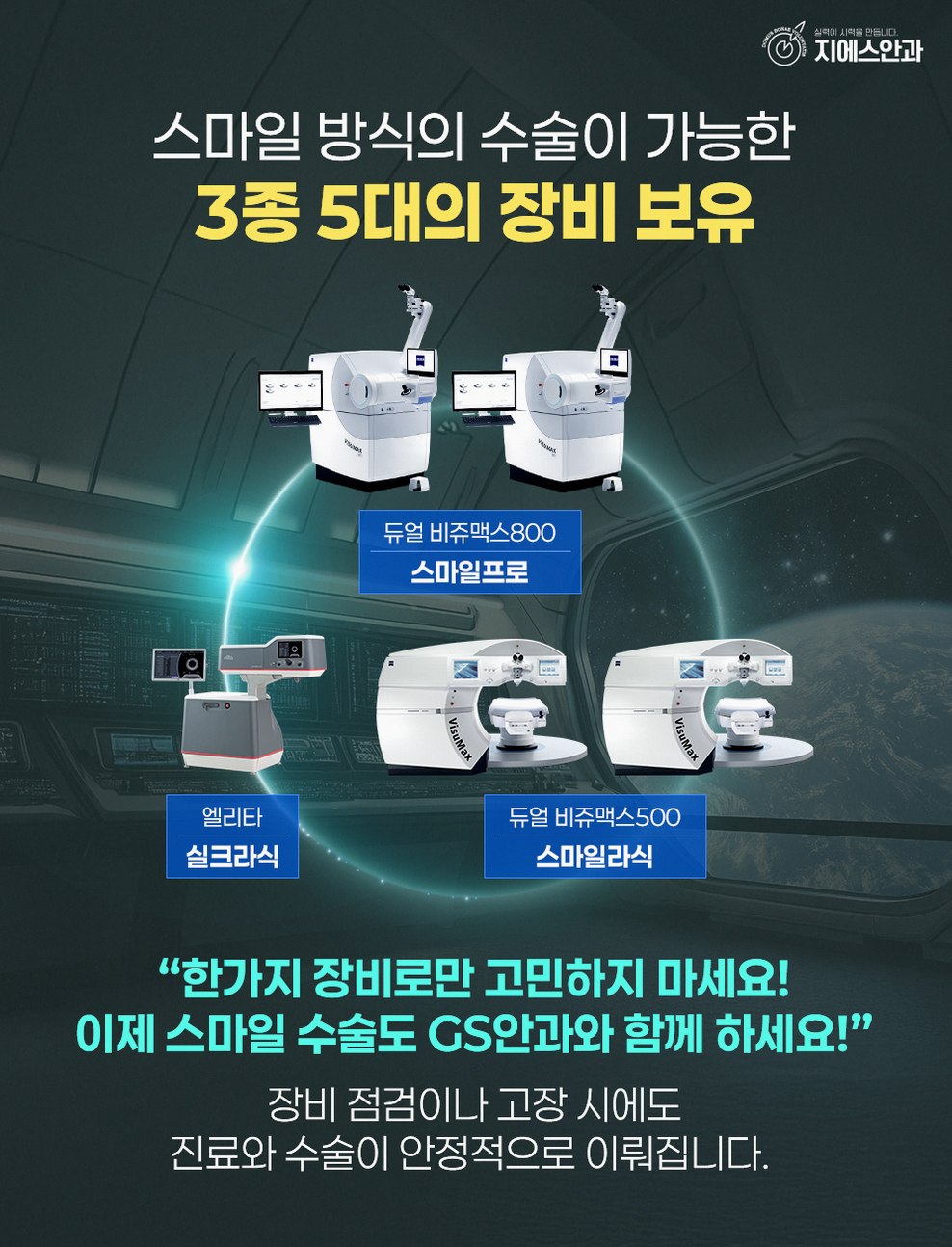
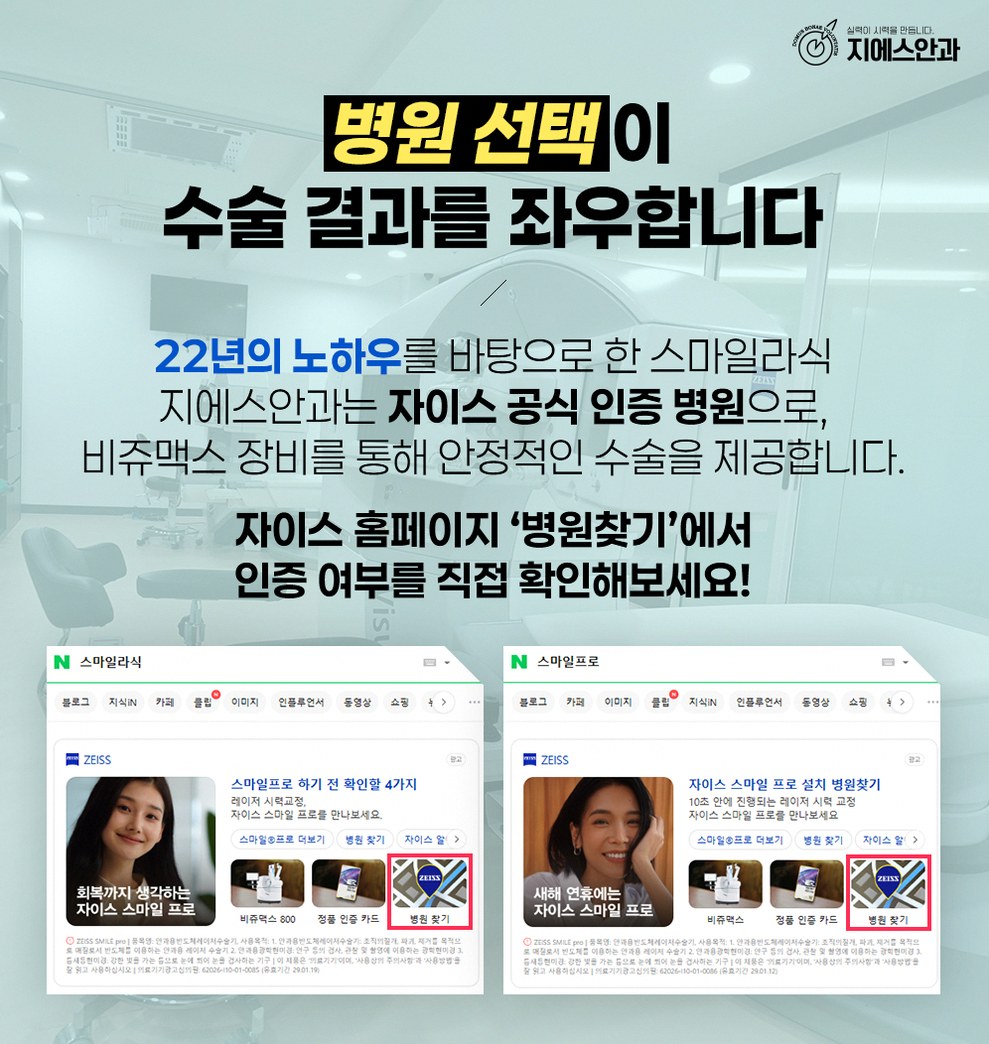
GS Eye Clinic focuses on detailed planning, precise technique, and close follow-up to reduce the risk and impact of night glare for both local and international patients.
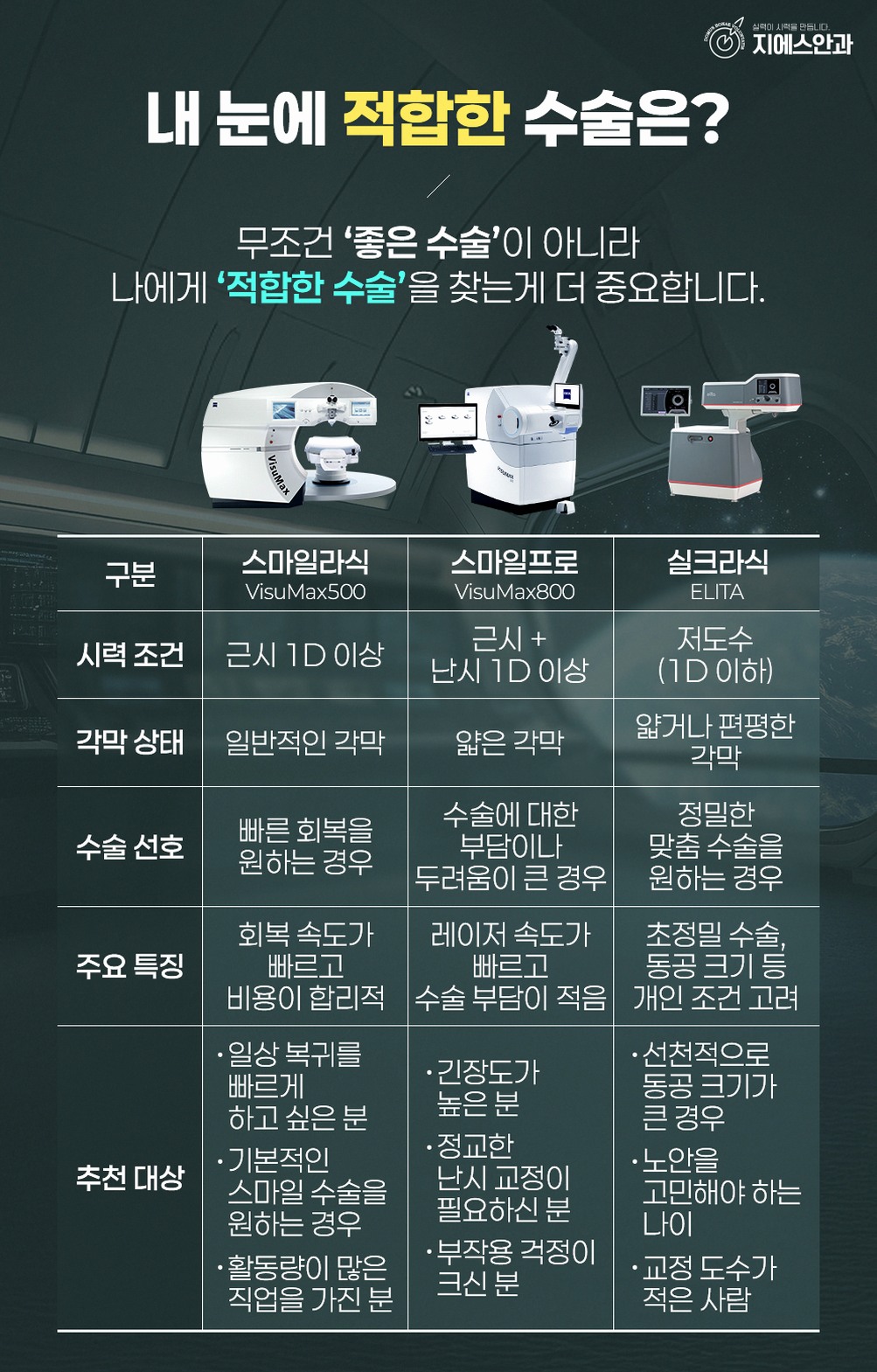
Detailed preoperative eye examination
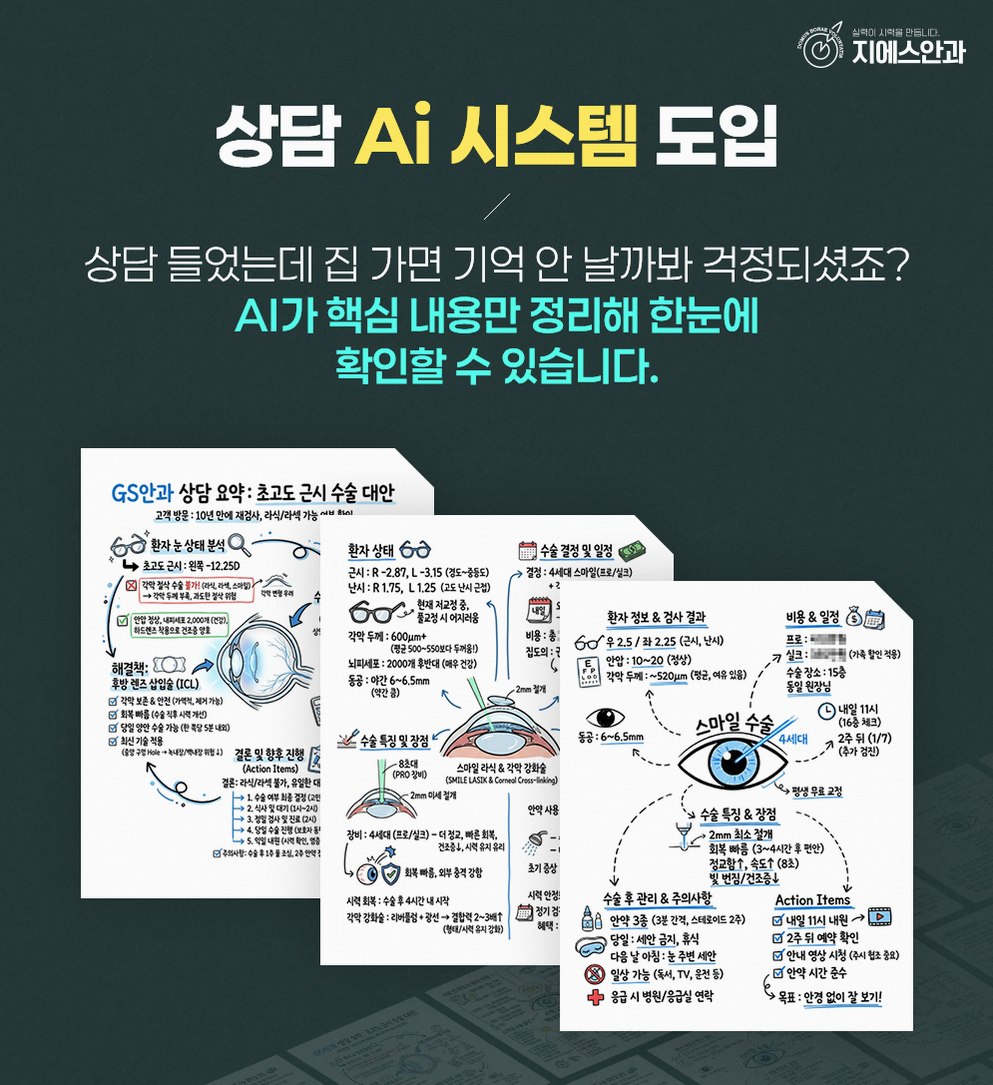
Before recommending LASEK, the clinic performs a comprehensive eye examination. This typically includes measuring your prescription, mapping the shape and thickness of your cornea, assessing tear film quality, and evaluating pupil size in different lighting conditions. These details help identify whether you are a suitable candidate and what level of night glare risk you might have.
Customized ablation profiles
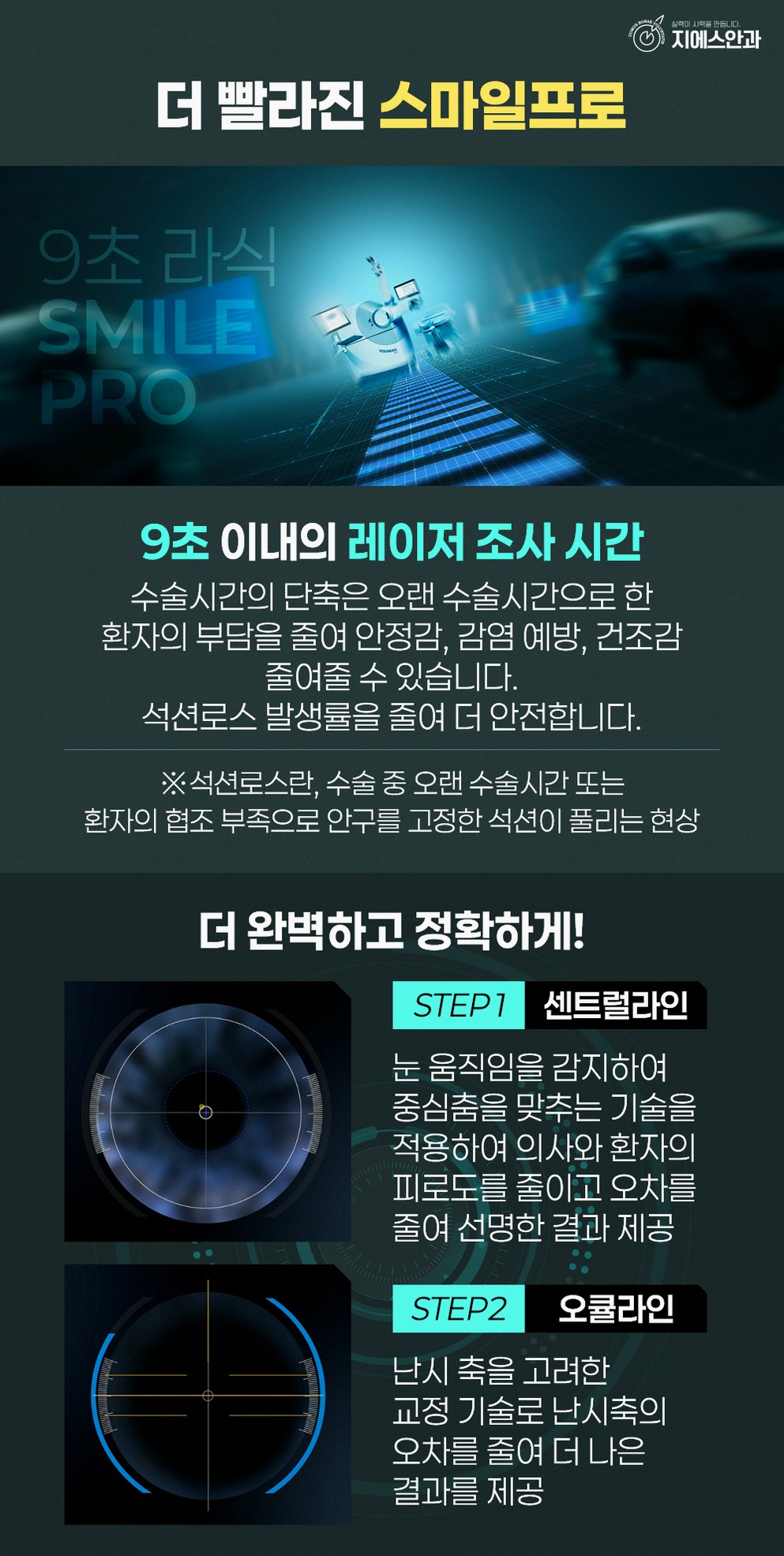
Modern laser systems can be programmed to use customized ablation profiles that take into account the unique optical characteristics of each eye. By tailoring the corneal reshaping, the clinic aims to maintain a smooth optical surface and reduce higher-order aberrations that contribute to night glare.
Careful selection of candidates
Not every patient is ideal for LASEK. At GS Eye Clinic, doctors consider factors such as corneal thickness, degree of myopia or astigmatism, pupil size, and dry eye status. If the risk of significant night glare or other issues is considered too high, alternative options may be discussed or surgery may be deferred.
Precise laser settings
Accurate centration of the laser treatment and appropriate treatment zone size are important for night vision quality. The clinic uses precise laser settings and real-time eye tracking to help ensure that the reshaping is well centered and suitable for the patient’s pupil size and prescription.
Thorough postoperative care
After surgery, GS Eye Clinic provides structured follow-up visits and clear instructions. Postoperative care focuses on promoting smooth corneal healing, controlling inflammation, managing dry eye, and monitoring visual quality. This careful follow-up helps detect and address any issues early, including persistent glare.
Practical tips to manage night glare after LASEK
There are several simple steps you can take to reduce discomfort from night glare while your eyes heal.
Use prescribed eye drops as directed
Lubricating eye drops and other medications prescribed after LASEK are essential. Artificial tears help stabilize the tear film and reduce light scatter. Anti-inflammatory drops support smooth healing. Do not skip doses or stop early without medical advice.
Avoid night driving early in recovery
In the first weeks after surgery, it is safer to avoid driving at night, especially in unfamiliar areas. If you must be out after dark, consider using public transportation, taxis, or asking someone else to drive until your night vision stabilizes.
Rest your eyes regularly
Long periods of intense visual concentration, such as working on a laptop or using a smartphone for hours, can worsen dryness and make glare more noticeable. Follow the 20-20-20 rule: every 20 minutes, look at something 20 feet away for about 20 seconds.
Avoid bright screens in dark rooms
Staring at a bright screen in a completely dark room can accentuate halos and starbursts. Keep some ambient lighting on when using digital devices at night, and consider reducing screen brightness and using night mode settings.
Protect your eyes from wind and dry air
Air conditioning, heating, and wind can dry the eye surface and intensify glare. When possible, avoid direct air blowing toward your face, use a humidifier indoors, and wear protective glasses outdoors in windy conditions.
Attend all follow-up visits
Do not skip scheduled check-ups, especially if you are visiting from overseas. Follow-up examinations allow the medical team to monitor your healing, adjust your treatment plan, and provide additional support if night glare is more persistent than expected.
When to contact GS Eye Clinic urgently
While night glare is usually a normal part of recovery, certain symptoms require prompt attention. Contact the clinic urgently or seek emergency care if you notice any of the following:
Sudden vision loss or a dramatic drop in clarity in one or both eyes.
Severe eye pain that does not improve with prescribed medication.
Rapidly worsening glare, halos, or light sensitivity, especially if combined with redness, discharge, or decreased vision.
New flashes of light, a curtain-like shadow, or many new floaters in your vision.
These signs may indicate complications that need immediate evaluation.
Who may consider LASEK at GS Eye Clinic
LASEK can be an option for adults who want to reduce dependence on glasses or contact lenses and who have stable prescriptions. It may be especially considered for those with thinner corneas or certain lifestyle factors where LASEK is preferred over other vision correction methods.
However, it is not suitable for everyone. People with uncontrolled eye disease, very irregular corneas, severe dry eye, or unrealistic expectations may be advised to avoid surgery or consider alternative treatments. A detailed consultation is essential to determine suitability and to discuss the potential for night glare and other temporary side effects.
Online consultation and pre-visit preparation for overseas patients
If you live outside Korea, you can start with an online consultation before planning your trip.
Initial online contact
You can share your current glasses or contact lens prescription, previous eye examination results if available, and a brief history of any eye problems. This helps the clinic estimate whether you may be a candidate for LASEK and what kind of results and recovery you might expect.
Medical and travel planning
Before you book flights, discuss timing with the clinic. They can advise how many days you should plan to stay in Korea for preoperative tests, surgery, and early follow-up. Inform them about any general health conditions and medications you are taking.
What to bring
Bring your latest prescription, any old eye examination reports, and a list of your medications and allergies. Pack sunglasses, artificial tears if you already use them, and comfortable clothing for clinic visits. If possible, arrange for someone to accompany you on the day of surgery.
Expected Korea visit timeline for LASEK
While exact schedules vary by individual and clinic protocol, a typical visit for international patients might look like this.
Day 1: Comprehensive examination
You undergo detailed eye tests, including refraction, corneal topography and thickness measurement, tear film assessment, and pupil size evaluation. The doctor reviews your suitability for LASEK, explains potential side effects such as night glare, and answers your questions.
Day 2 or 3: LASEK surgery
If you are a good candidate and decide to proceed, surgery is usually scheduled within a short time frame. The procedure itself is relatively quick. After surgery, you rest at the clinic for a short period, receive instructions, and then return to your accommodation with protective eye shields and medications.
First week: Early follow-up
You return to the clinic for one or more follow-up visits. The protective contact lens is removed when the surface has healed sufficiently, usually within several days. During this period, your eyes may feel sensitive, and night glare can be quite noticeable. You should avoid strenuous activities and follow all instructions carefully.
Following days: Stabilization
Depending on your schedule and the doctor’s advice, you may stay in Korea for additional days to ensure your recovery is progressing well before flying home. The clinic can provide guidance on flying after LASEK and how to care for your eyes during travel.
Aftercare once you return home
When you go back to your home country, continued care is important.
Continue prescribed drops
Use your medications for the full duration recommended, even if your eyes feel normal. This supports complete healing and can help reduce night glare.
Arrange local check-ups
If possible, schedule follow-up visits with an eye doctor in your home country. Share your surgery details and any instructions from GS Eye Clinic so they can monitor your progress.
Monitor night vision
Pay attention to how your night vision changes over time. Mild halos and glare that slowly improve are usually expected. If you notice sudden changes or no improvement at all after several months, contact GS Eye Clinic for advice and consider a local evaluation.
Frequently asked questions about LASEK night glare
Will night glare be permanent after LASEK
For most patients, night glare is temporary and improves significantly within the first few months. A small number of people may notice mild halos around bright lights long term, but these are usually not disabling.
Is night glare worse with LASEK than with other procedures
Night glare can occur after any type of corneal vision correction. The likelihood and intensity depend more on your individual eye characteristics, degree of correction, and surgical planning than on the specific procedure alone. Your surgeon will discuss which method is most appropriate for your eyes.
Can anything be done if night glare does not improve
If night glare persists, the doctor will first look for treatable causes such as dry eye, residual refractive error, or small surface irregularities. Treatments might include more intensive dry eye management, glasses for night driving, or in selected cases, additional laser enhancement once the cornea is fully stable.
Is it safe to drive at night after LASEK
Once your vision has stabilized and your doctor has confirmed that your visual acuity and contrast sensitivity are adequate, you can usually drive at night. In the early weeks, it is best to avoid night driving or to be very cautious, as halos and glare can be distracting.
Will using artificial tears really help with glare
Yes. A smooth, stable tear film acts like a clear coating on the cornea. When the eye surface is well lubricated, light scatters less and vision is sharper, which can noticeably reduce glare and halos for many patients.
Soft call to action
If you are considering LASEK in Korea and are concerned about night glare or other aspects of recovery, GS Eye Clinic offers detailed preoperative assessment, clear counseling about possible side effects, and personalized follow-up tailored to international patients. You can begin with an online consultation to review your eye condition, discuss your goals, and plan a safe, comfortable treatment journey. Contact the clinic to share your details and explore whether LASEK at GS Eye Clinic is suitable for you.


댓글
댓글 쓰기