Nonhyeon Vision Correction Surgery Price Guide for International Patients


Direct answer: Nonhyeon vision correction surgery price overview
For international patients comparing clinics in Seoul, the typical Nonhyeon vision correction surgery price for both eyes usually falls roughly in these ranges:
- LASIK: about 1,600 to 3,500 USD for both eyes
- LASEK or PRK: about 1,400 to 3,000 USD for both eyes
- SMILE: about 2,000 to 4,000 USD for both eyes
These are general reference ranges for clinics in the Nonhyeon area of Gangnam and can be higher or lower depending on the clinic, the exact technology used, the surgeon, and what is included in the package. Some clinics quote per eye, others for both eyes, so always confirm this when you compare Nonhyeon vision correction surgery prices.
What is vision correction surgery?
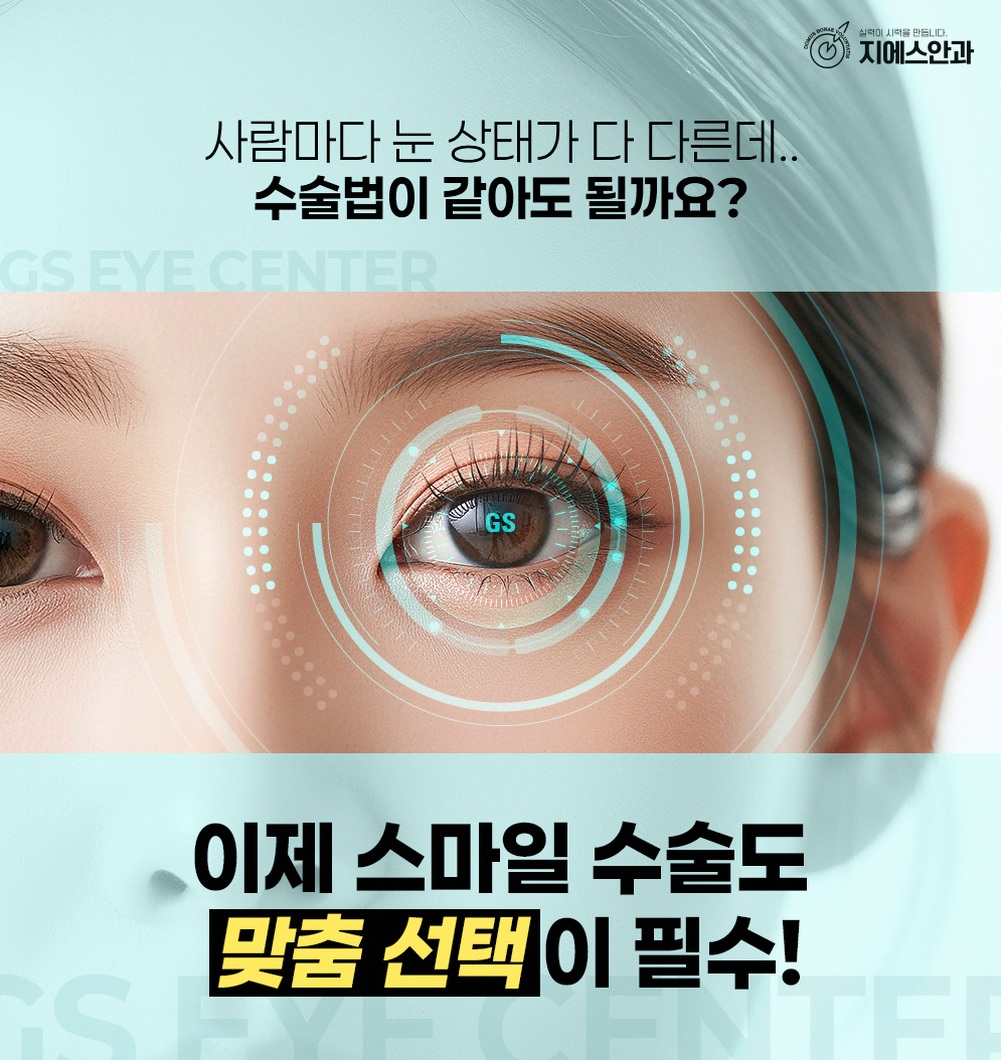
Vision correction surgery uses laser technology to reshape the cornea so that light focuses properly on the retina, reducing or eliminating the need for glasses or contact lenses. In the Nonhyeon area you will commonly see the following options:
LASIK
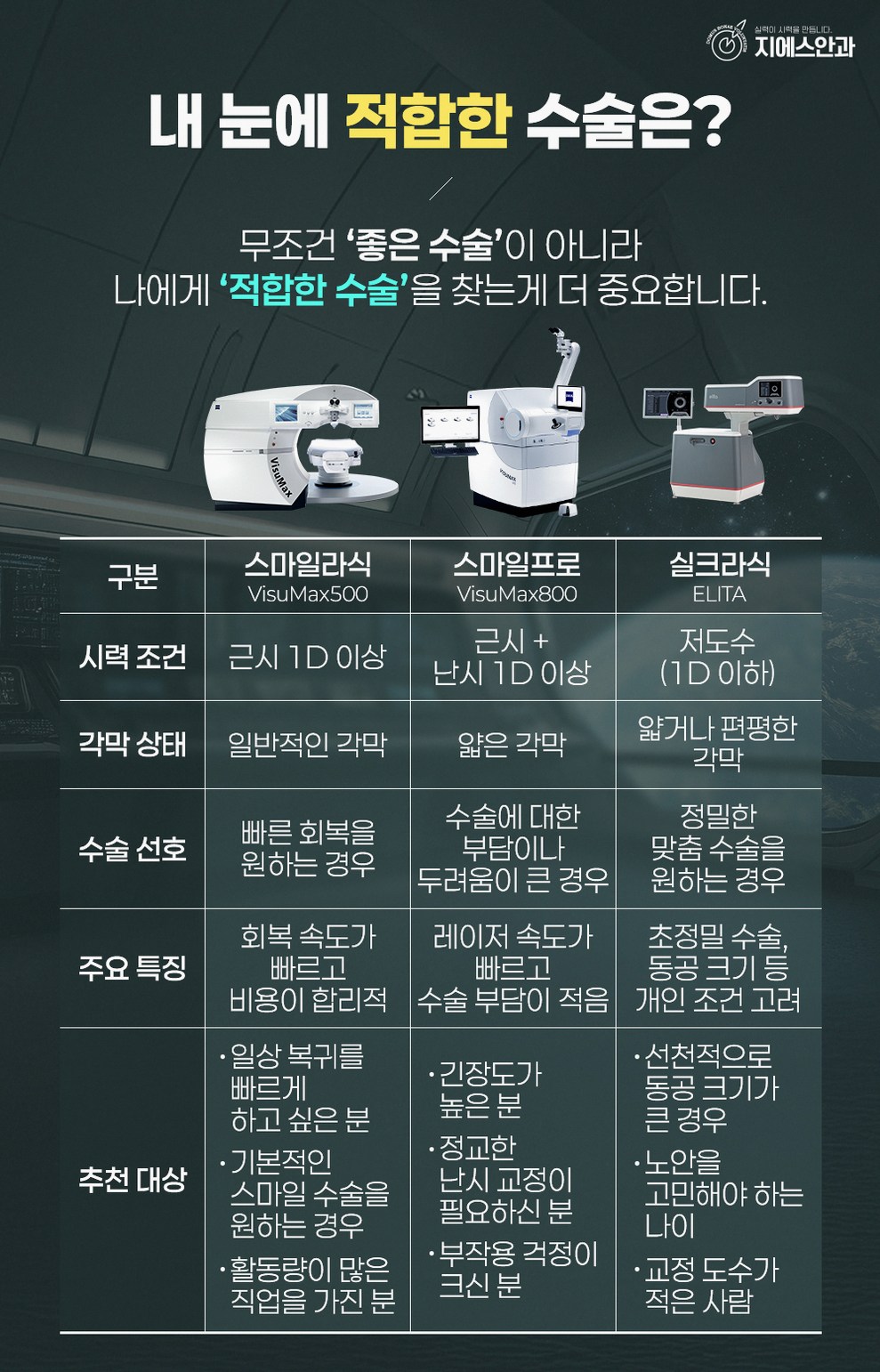
LASIK involves creating a thin flap on the surface of the cornea, lifting it, reshaping the underlying corneal tissue with a laser, then repositioning the flap. It is usually suitable for people with mild to moderate myopia, hyperopia, and astigmatism, with adequate corneal thickness.
Recovery is typically quick. Many patients notice improved vision within 24 hours, with some dryness and light sensitivity in the first days. Because LASIK is popular and uses advanced equipment, the Nonhyeon vision correction surgery price for LASIK often sits in the mid to upper part of the price spectrum.
LASEK
LASEK is a surface procedure. Instead of creating a thick flap, the surface epithelial layer is loosened with an alcohol solution, the laser reshapes the cornea, and the epithelium is repositioned. It can be suitable for people with thinner corneas or those who may not be ideal LASIK candidates.
Recovery is slower than LASIK, often with several days of discomfort and a gradual improvement in vision over weeks. Because it does not require a mechanical flap, the price can sometimes be slightly lower than LASIK, but in Nonhyeon it often overlaps with LASIK pricing depending on the technology used.
PRK
PRK is similar to LASEK in that it is a surface procedure. The epithelium is removed rather than repositioned, the laser reshapes the cornea, and the surface layer grows back over time.
PRK is often recommended for patients with thinner corneas, certain occupations or sports, or specific corneal shapes. Recovery is similar to LASEK, with more discomfort in the first days and slower visual recovery compared to LASIK.
In terms of Nonhyeon vision correction surgery price, PRK is usually in a similar range to LASEK. The main price differences come from the diagnostic systems and laser platforms rather than the name of the procedure.
SMILE
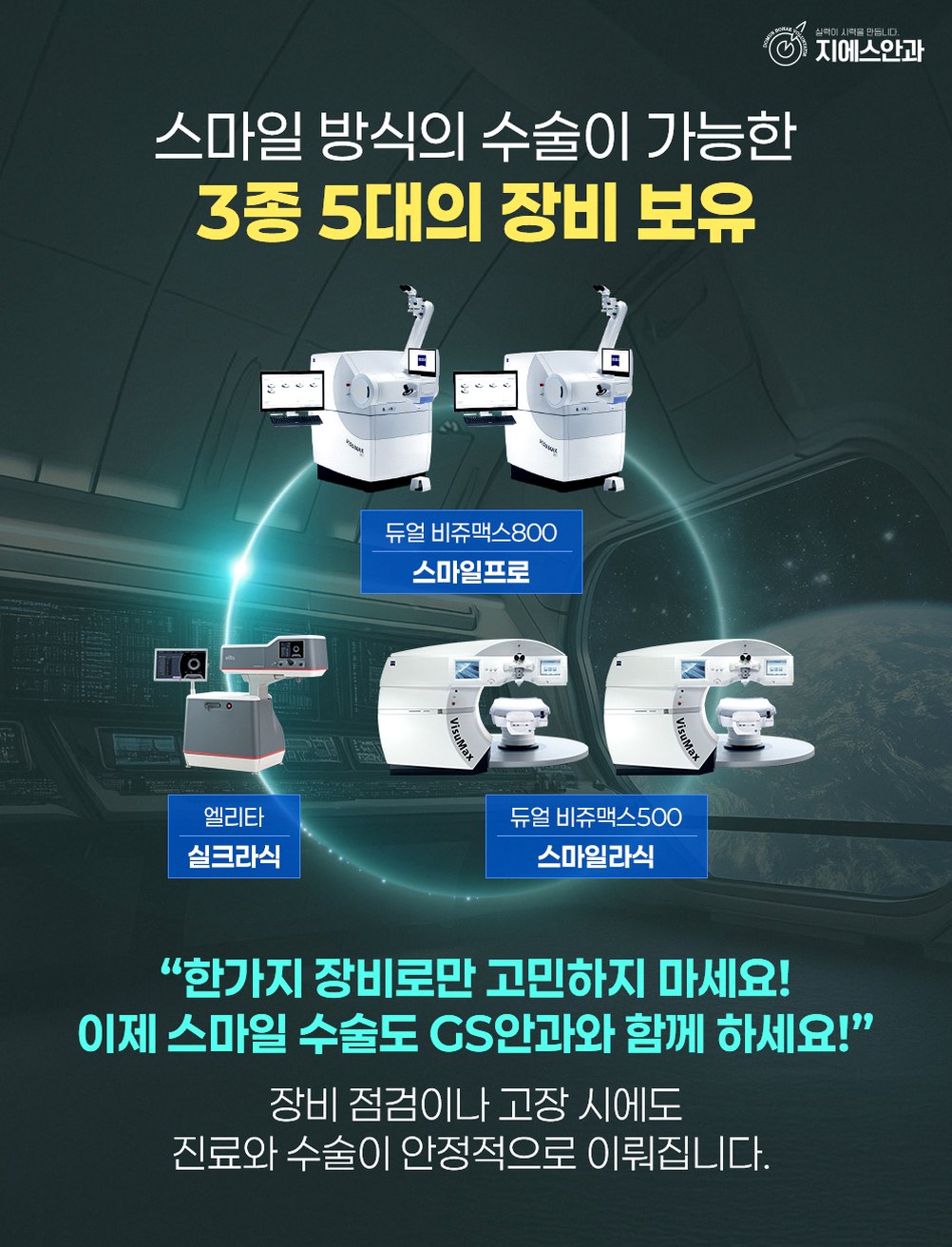
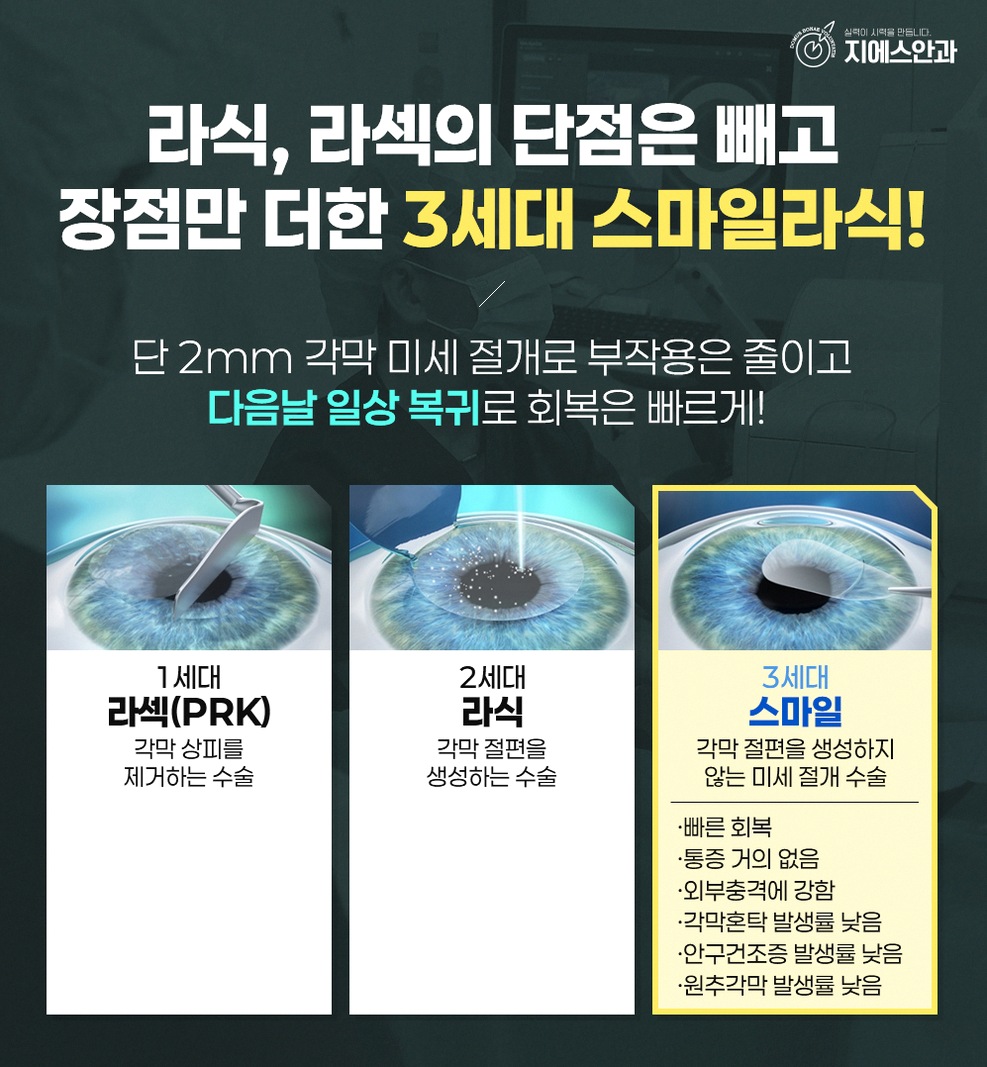
SMILE is a more recent technique. A femtosecond laser creates a thin lens shaped piece of tissue (lenticule) inside the cornea, which is removed through a small incision. There is no large flap, which may help maintain more corneal stability and reduce dry eye in some patients.
SMILE is mainly used for myopia and some astigmatism and is not yet suitable for all prescriptions. Recovery is usually fast, similar to or slightly slower than LASIK, but often with less surface discomfort.
Because SMILE requires specific advanced laser equipment, the Nonhyeon vision correction surgery price for SMILE is often at the higher end compared to LASIK, LASEK, and PRK.
Who may consider vision correction surgery in Nonhyeon
International patients commonly consider vision correction in Nonhyeon if they:
- Are 18 or older with a stable prescription for at least one to two years
- Have healthy eyes without uncontrolled dry eye, active infection, or severe corneal disease
- Want to reduce dependence on glasses or contact lenses
- Are willing to follow pre and postoperative instructions carefully
Only a full eye examination can confirm if you are a suitable candidate. Online information can guide you, but your final decision should be based on an in person evaluation in Seoul.
Typical Nonhyeon vision correction surgery price ranges
While each clinic sets its own fees, you can use these broad ranges as a starting point for both eyes combined:
Standard LASIK, LASEK, or PRK
Around 1,400 to 2,500 USD using established laser platforms and standard treatment profiles.
Customized or premium LASIK, LASEK, or PRK
Around 2,000 to 3,500 USD when using newer generation lasers, wavefront guided or topography guided treatments, or advanced tracking systems.
SMILE
Around 2,000 to 4,000 USD depending on the exact technology, surgeon, and package contents.
Budget oriented clinics in Nonhyeon may advertise prices below these ranges, often with basic equipment or limited inclusions. Premium centers with high end diagnostic suites and advanced lasers may charge above these ranges. The wide variety of clinics in Gangnam means that the Nonhyeon vision correction surgery price spectrum is quite broad.
What is included in the price?
When comparing clinics in Nonhyeon, always ask what is included in the quoted price. Common cost components are:
Initial eye examination and diagnostic tests
A basic screening may be included in a promotional price, but comprehensive preoperative testing often involves multiple scans and measurements. Some clinics charge a separate fee for this full diagnostic package, which may be deducted from the surgery cost if you proceed.
Surgical fee
This is the main part of the Nonhyeon vision correction surgery price. It usually covers the procedure itself, use of the operating room, standard disposables, and the surgeon’s fee.
Laser and technology surcharges
Premium or newer generation lasers, wavefront or topography guided treatments, customized ablation profiles, and advanced eye tracking systems may add to the cost. SMILE often has a higher base fee because of the specific laser platform required.
Postoperative checkups
Some clinics include a set schedule of follow up visits for several months in the main price. Others may include only the first few visits and charge additional fees for long term follow up. Confirm how many visits are included and for how long.
Medications and eye drops
Antibiotic drops, anti inflammatory drops, lubricating tears, and protective eye shields may or may not be included in the package. In some clinics you pay separately at a pharmacy, while others provide a bundled postoperative care kit.
Enhancement or retreatment policy
Ask whether the clinic offers an enhancement if the initial result is under corrected or if vision changes within a certain period. Some centers include one enhancement within a defined time frame, while others charge an additional fee. This can significantly affect the real Nonhyeon vision correction surgery price over time.
Additional tests or special lenses
If you have dry eye, thin corneas, or irregular astigmatism, extra tests may be recommended and may not be included in the basic quote. Confirm whether these possible extras are already factored in.
Key factors that influence price in Nonhyeon
Several elements affect the Nonhyeon vision correction surgery price you are quoted:
Clinic reputation and focus
Clinics that focus heavily on refractive surgery often invest in advanced diagnostics and multiple laser platforms. Their prices may be higher, but they may offer more options and detailed preoperative analysis.
Surgeon experience and credentials
Surgeons with long experience in refractive surgery, a high case volume, or subspecialty training may have higher fees. However, this can be a valuable part of what you are paying for, especially as an international patient with limited time in Korea.
Type and generation of equipment
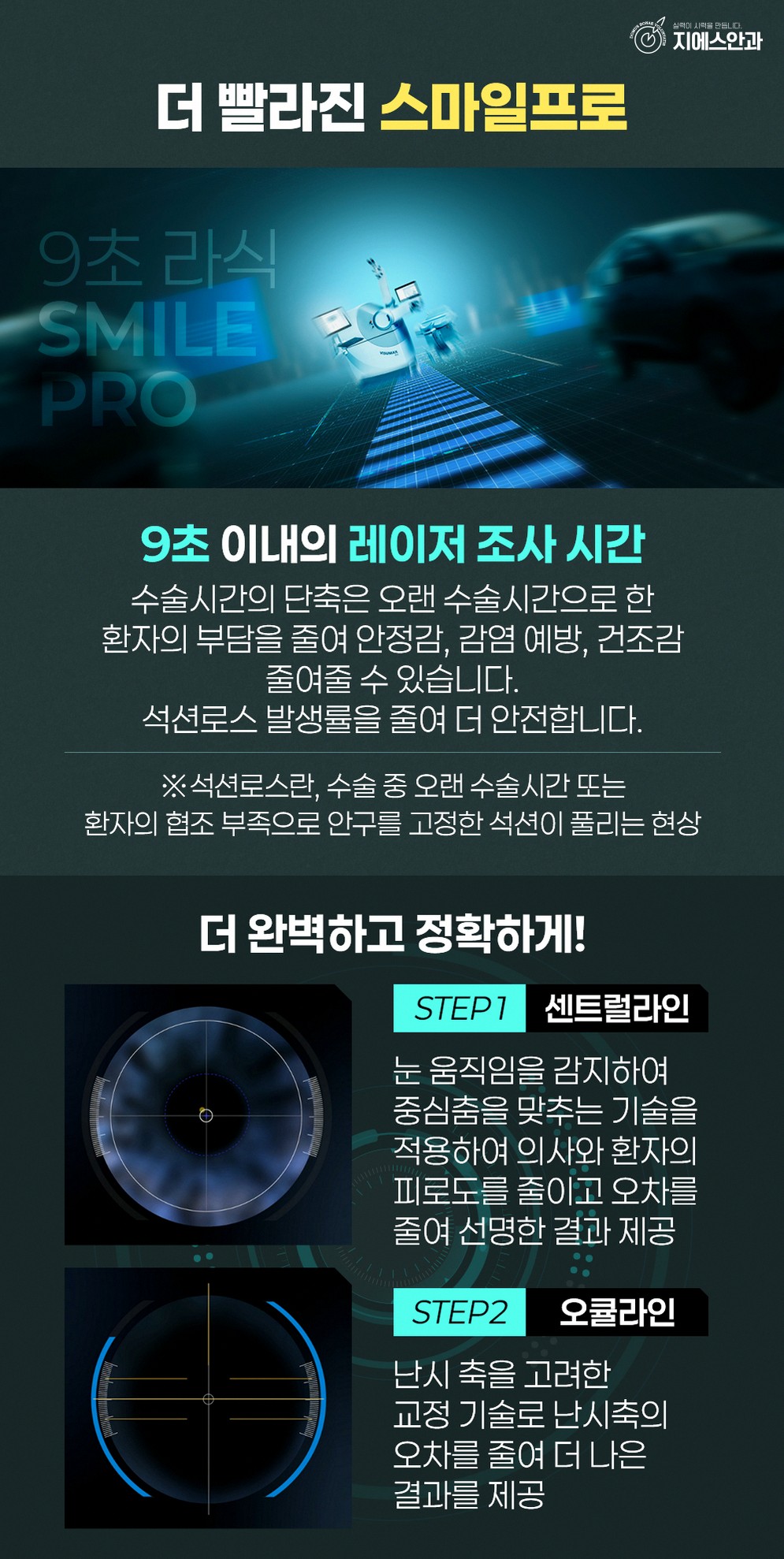
Newer femtosecond lasers, excimer lasers with fast eye tracking, and advanced imaging systems usually increase cost. A clinic using multiple modern platforms may charge more than a budget clinic with older equipment.
Customized vs standard treatment
Standard treatments use your glasses prescription and corneal curvature. Customized treatments incorporate detailed wavefront or topography data to address subtle optical imperfections. These customized options usually cost more but may offer advantages for certain eyes.
Package pricing and promotions
Some Nonhyeon clinics offer package prices that include preoperative tests, surgery, and follow up visits. Others separate these into individual fees. Promotional discounts, seasonal campaigns, or group packages can temporarily reduce the Nonhyeon vision correction surgery price, but always check what is and is not included.
How to compare clinics and quotes in Nonhyeon
When you contact clinics in the Nonhyeon area, use a structured approach to compare offers.
Questions to ask during consultations
- Is the quoted price per eye or for both eyes?
- Which exact procedure is being quoted: LASIK, LASEK, PRK, or SMILE?
- Which laser platforms and diagnostic devices will be used?
- Is the treatment standard or customized (wavefront or topography guided)?
- How many postoperative visits are included, and for how long?
- Are medications, protective lenses, and eye shields included?
- What is the policy and cost for enhancement or retreatment if needed?
Checking for hidden or extra costs
Ask specifically about:
- Additional diagnostic tests if your eyes are complex
- Fees for weekend or evening surgery slots
- Charges for extra follow up visits beyond the standard schedule
- Costs for managing dry eye or other side effects if they occur
- Any fees related to medical reports or documentation you may need for insurance or tax purposes
Why the cheapest option is not always the best
A very low Nonhyeon vision correction surgery price can be attractive, but it may come with trade offs such as:
- Limited preoperative testing
- Older or basic laser technology
- Shorter follow up period
- Less time with the surgeon for counseling and examination
For a delicate procedure on your eyes, safety, careful screening, and long term follow up are more important than saving a few hundred dollars. A mid range or premium price may be justified if it includes thorough diagnostics, modern equipment, and strong postoperative support.
Online consultation and pre visit preparation
Before you travel to Korea, many Nonhyeon clinics can offer an online or email based pre consultation. While they cannot confirm your suitability without examining your eyes, they can give a more personalized estimate.
To prepare for an online consultation, you can:
Share your age, current glasses or contact lens prescription, and how long it has been stable
Describe any eye problems, previous eye surgeries, or general health issues
Mention if you have dry eye symptoms, allergies, or are taking any medications
Send recent eye examination records if available, including corneal topography or thickness measurements
Ask the clinic to provide a preliminary Nonhyeon vision correction surgery price range for different procedures that might fit your case, and request a breakdown of what is included.
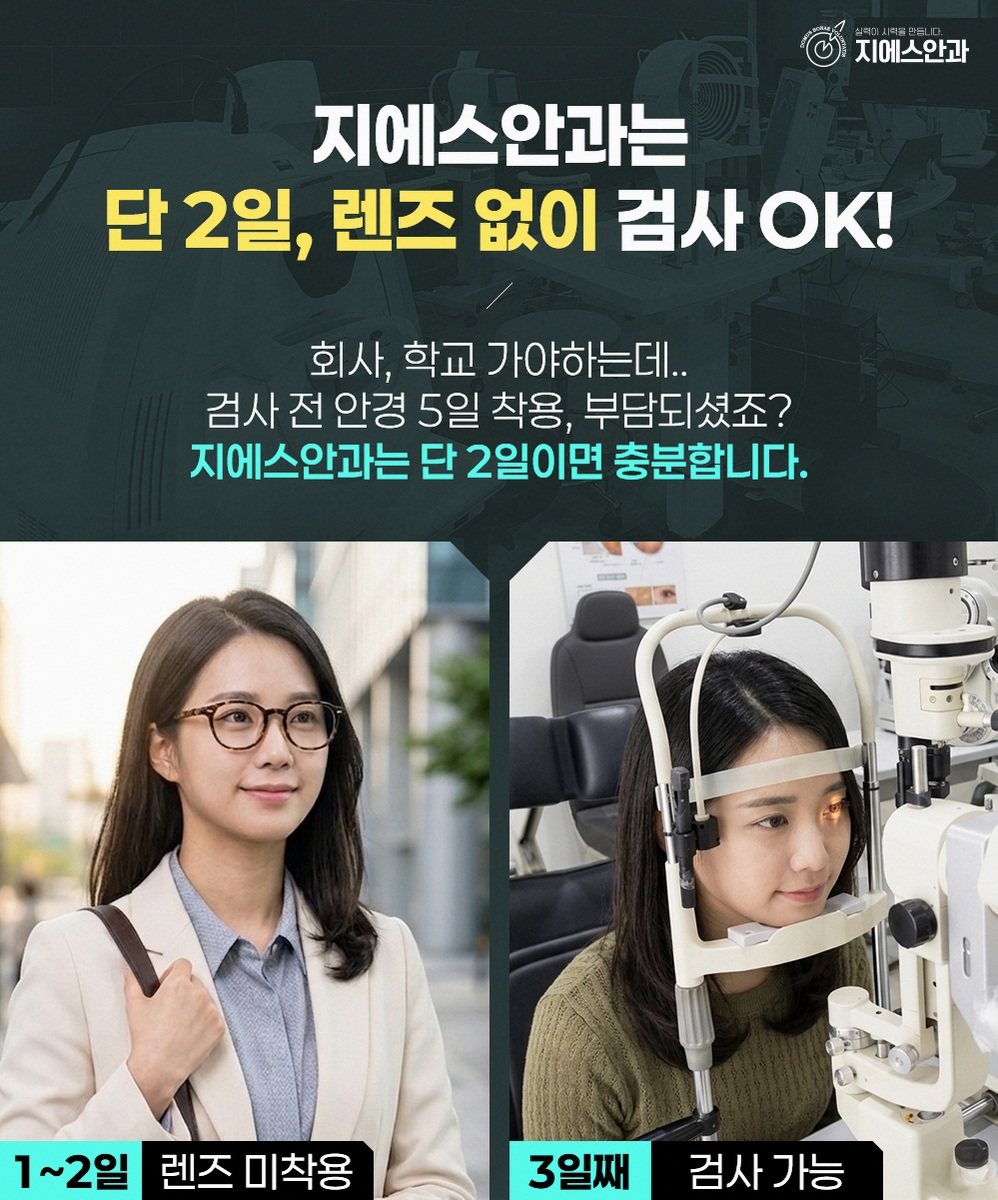
Expected Korea visit timeline for vision correction
For most international patients, a typical schedule for vision correction in Nonhyeon might look like this:
Day 1: Arrival and rest
Arrive in Seoul, check into your accommodation near Gangnam or Nonhyeon, and rest from your flight.
Day 2: Full eye examination and consultation
Visit the clinic for comprehensive testing and an in person consultation. If you are a good candidate and your eyes are stable, some clinics can schedule surgery on the same day or the next day.
Day 2 or 3: Surgery day
The procedure itself usually takes less than 30 minutes for both eyes, with several hours at the clinic for preparation and immediate postoperative checks. You should arrange someone to accompany you back to your hotel or use a taxi, as your vision may be blurry.
First week: Early follow up
Most clinics will see you the next day, then again within the first week. For LASIK and SMILE, many patients feel comfortable walking around after a day or two. For LASEK or PRK, you may need several days of rest due to discomfort.
Stay in Korea
Many international patients stay in Korea for about 5 to 10 days after surgery, depending on the procedure and the clinic’s recommendation. This allows for early follow up visits and monitoring.
After you return home
You will usually continue using eye drops and follow care instructions for several weeks to months. Some clinics may offer remote follow up by email or video call, but you should also plan to see an eye doctor in your home country if needed.
Aftercare and recovery considerations
Regardless of the Nonhyeon vision correction surgery price or procedure type, proper aftercare is essential:
Use prescribed eye drops exactly as directed
Avoid rubbing your eyes, especially in the early weeks
Avoid swimming pools, hot tubs, and dusty environments during the initial recovery period
Use sunglasses outdoors to protect against bright light and UV
Follow your clinic’s schedule for follow up visits and report any sudden pain, vision loss, or severe redness immediately
Dry eye symptoms, glare, or halos at night can occur temporarily after surgery. In many cases these improve with time, but they may require additional lubricating drops or other treatments.
Insurance, financing, and tax considerations
In most cases, vision correction surgery is considered an elective procedure and is not covered by standard health insurance. This applies both to local Korean insurance and to many international plans. However, there are some exceptions, so you should review your policy carefully.
Some Nonhyeon clinics may offer:
- Installment plans for local patients
- Partnerships with financing companies
- Discounts for upfront cash payment
As an international patient, you may need to pay in full at the time of surgery, but it is worth asking if any financing or discounts are available.
Tax or medical expense deductions depend entirely on the regulations in your home country. Some countries allow partial deductions for certain medical expenses, including elective eye surgery, while others do not. Keep all receipts and medical documents from your Nonhyeon clinic and check with a tax professional in your country.
Frequently asked questions about Nonhyeon vision correction surgery price
Is the quoted price always for both eyes?
No. Some clinics advertise a price per eye, while others quote for both eyes. Always confirm this point when you compare Nonhyeon vision correction surgery prices.
Why is SMILE usually more expensive?
SMILE requires a specific femtosecond laser platform and is a relatively newer technology. The higher equipment cost and licensing fees often make SMILE more expensive than standard LASIK or LASEK.
Can I choose the cheapest procedure if I want to save money?
Your eligibility depends on your eye condition, not only on price. The clinic should recommend procedures that are safe and suitable for your corneas and prescription. Once you know your options, you can compare prices within that group.
How many days should I plan to stay in Korea?
For LASIK or SMILE, many patients stay about 5 to 7 days after surgery. For LASEK or PRK, some prefer 7 to 10 days due to slower early recovery. Your clinic can advise based on your situation and travel schedule.
Are there extra costs if I need enhancement later?
This depends on the clinic’s policy. Some include one enhancement within a set period, while others charge a separate fee. Ask for this information in writing when you receive your Nonhyeon vision correction surgery price quote.
Final thoughts and next steps
The Nonhyeon vision correction surgery price can vary widely depending on the clinic, technology, surgeon, and what is included in the package. As a general guide, expect around 1,400 to 3,500 USD for LASIK, LASEK, or PRK, and around 2,000 to 4,000 USD for SMILE for both eyes, with budget and premium options on either side of these ranges.
When planning treatment in Seoul, prioritize safety, thorough preoperative testing, experienced clinical care, and transparent pricing over simply finding the lowest cost. A slightly higher price that includes detailed diagnostics, modern equipment, and strong follow up support can be a wise investment in your long term vision.
If you are considering vision correction in the Nonhyeon area, a practical next step is to arrange online consultations with several clinics. Share your basic eye information, ask for a clear breakdown of the Nonhyeon vision correction surgery price, and confirm exactly what is included. After you arrive in Seoul, an in person examination will finalize your candidacy and your personalized treatment plan.
With careful research and clear communication, you can choose a Nonhyeon clinic that fits both your medical needs and your budget, and move forward with confidence toward life with reduced dependence on glasses or contact lenses.


댓글
댓글 쓰기