Presbyopia Cataract Surgery in Korea: A Practical Guide for International Patients



Direct answer summary
Presbyopia cataract surgery is a modern form of cataract surgery that not only removes the cloudy natural lens but also aims to correct age-related near vision problems. During the procedure, the surgeon replaces your lens with a premium intraocular lens (IOL) designed to help you see clearly at multiple distances, reducing your dependence on reading glasses or bifocals.
For patients in their 40s, 50s, and older who notice both cloudy vision and difficulty seeing up close, this combined approach can be an attractive option. In South Korea, many urban eye clinics and specialized ophthalmology centers offer this surgery with advanced diagnostic equipment and refined surgical techniques.
Treatment overview: What is presbyopia cataract surgery?
Presbyopia cataract surgery is essentially cataract surgery combined with presbyopia correction.
Cataracts occur when the natural lens inside your eye becomes cloudy. This can cause blurred or hazy vision, faded colors, and problems with glare, especially at night. Cataracts usually develop gradually with age.
Presbyopia is a separate age-related condition that affects your ability to focus on near objects. The lens becomes stiffer and less flexible, so it is harder to read small print, use a smartphone, or do close work without holding things farther away or using reading glasses.

Because both cataracts and presbyopia are related to aging, they often appear together in middle age and later. Many people in their 40s, 50s, and 60s notice they need stronger reading glasses, then later begin to experience cloudy or dim vision from cataracts.
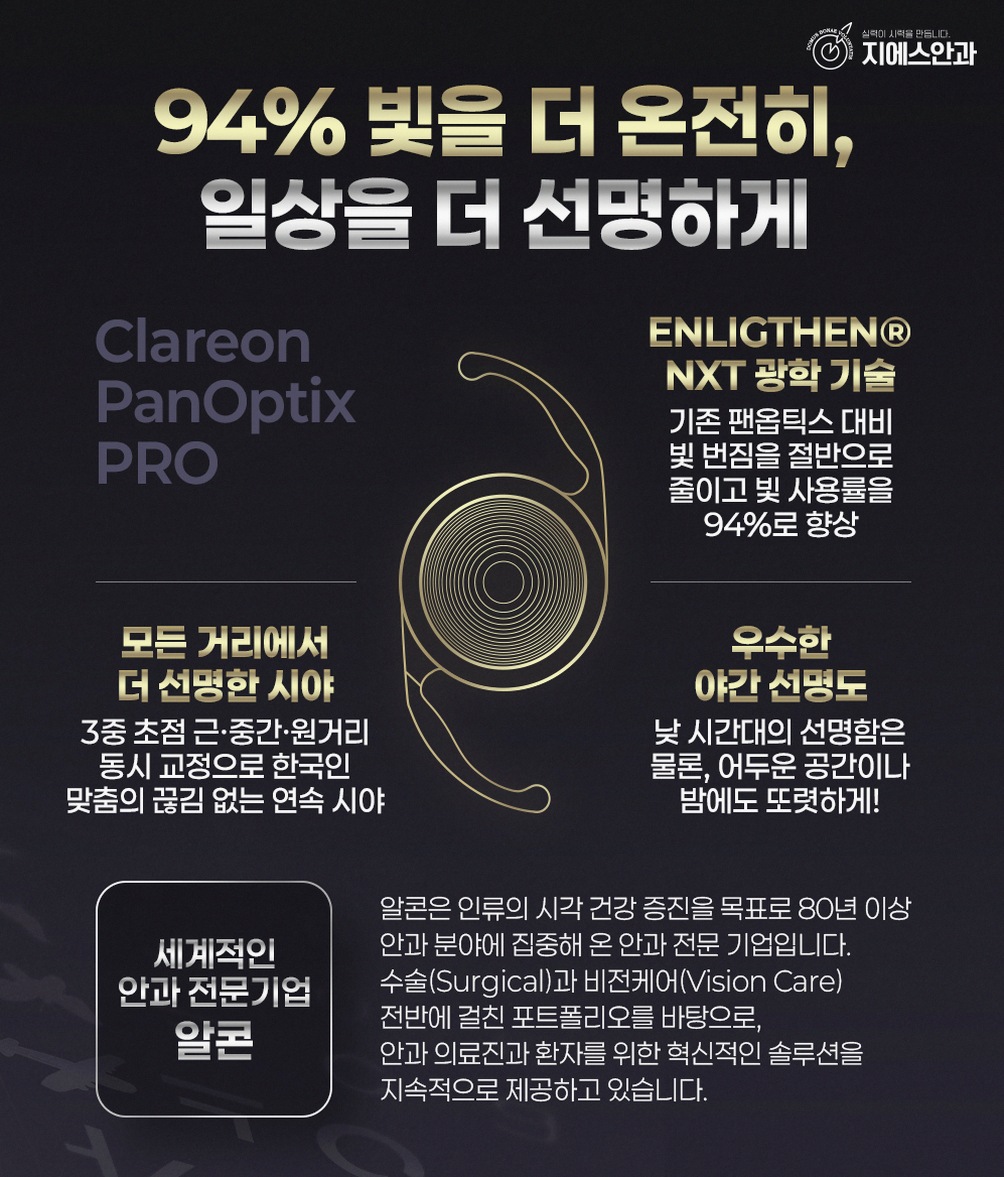
During presbyopia cataract surgery, the surgeon removes the cloudy natural lens and replaces it with an artificial intraocular lens (IOL). Unlike a standard monofocal IOL that usually focuses at one distance, premium IOLs are designed to provide clearer vision at multiple distances, such as far, intermediate, and near. The goal is not only to restore clarity lost from cataracts but also to reduce your dependence on glasses caused by presbyopia.
Who may consider presbyopia cataract surgery?
Typical symptoms that lead people to consider this surgery include:
- Blurred or hazy vision, even with updated glasses
- Glare and halos around lights, especially when driving at night
- Needing more light to read or do detailed work
- Holding reading material farther away to see it clearly
- Frequent changes in glasses prescription
- Difficulty switching focus between near and far tasks
You may be a good candidate if:
You have clinically significant cataracts that affect your daily life
You are bothered by the need for reading glasses, bifocals, or progressive lenses
You want to reduce dependence on glasses and are open to premium lens options
Your eyes are otherwise healthy, without advanced eye disease
You understand that no surgery can guarantee complete freedom from glasses in every situation
Adults in their 40s and 50s with early cataracts and strong presbyopia, and older adults whose cataracts are more advanced, commonly consider this option. A detailed eye examination is essential to confirm whether your eyes are suitable.
Types of intraocular lenses (IOLs)
The choice of IOL is one of the most important decisions in presbyopia cataract surgery. Different lens designs offer different visual profiles and trade-offs.
Standard monofocal IOLs
Monofocal IOLs are the traditional lenses used in cataract surgery. They are designed to focus at one main distance, usually far.

- Advantages:
- Clear, high-quality distance vision for many patients
- Lower risk of glare and halos compared with some premium lenses
- Often covered by basic insurance plans
- Limitations:
- Most patients still need reading glasses for near tasks
- Many also need glasses for intermediate distance, such as computer work
Some surgeons offer monovision or mini-monovision with monofocal IOLs, where one eye is set for distance and the other slightly for near. This can reduce dependence on glasses but does not suit everyone.
Multifocal IOLs
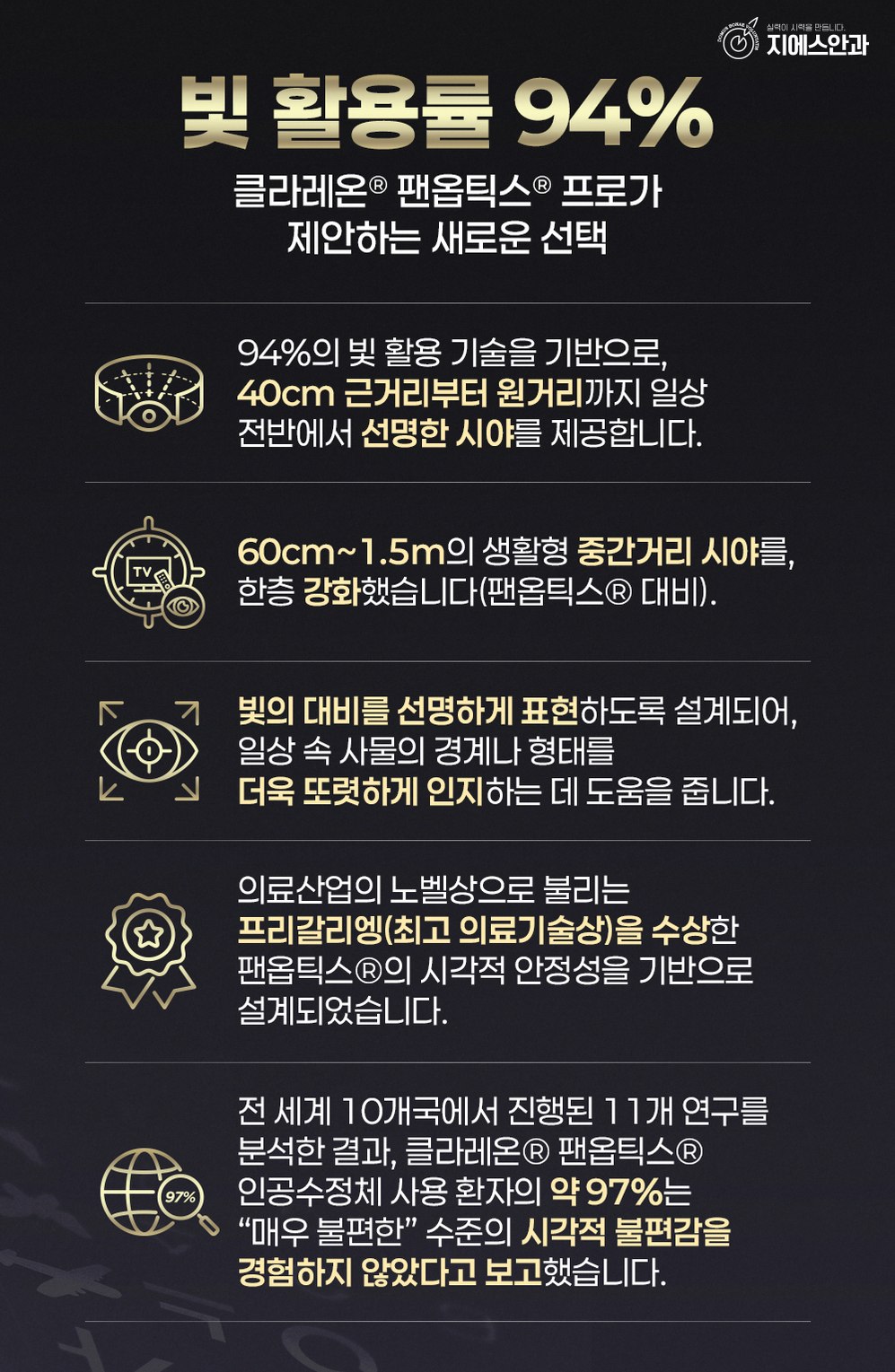
Multifocal IOLs have multiple focusing zones built into the lens, designed to provide vision at near and distance, and sometimes intermediate.
Advantages:
Can significantly reduce or sometimes eliminate the need for glasses for many daily activities
Useful for people who want more independence from reading glasses
- Limitations:
- Higher chance of glare, halos, or starbursts around lights, especially at night
- Some reduction in contrast sensitivity, which can affect night driving
- Not ideal for patients with certain eye conditions
Extended depth of focus (EDOF) IOLs
EDOF lenses create an extended range of focus rather than distinct focal points. They are often designed to give excellent distance and intermediate vision, with functional near vision.
- Advantages:
- Smooth, continuous range of vision from distance to intermediate
- Often better quality of distance vision and fewer halos than some multifocal designs
- Good for people who use computers or digital devices frequently
Limitations:
Many patients still need weak reading glasses for very small print or prolonged close work
Some risk of glare or halos, though often milder than with some multifocal lenses

Toric IOLs
Toric IOLs are designed to correct astigmatism, a common condition where the cornea is more curved in one direction than another, causing blurred or distorted vision.
Advantages:
Sharper vision for patients with moderate to high astigmatism
Can be combined with multifocal or EDOF designs for both astigmatism correction and presbyopia correction
Limitations:
Requires precise measurements and positioning
If the lens rotates after surgery, vision may be affected and adjustment may be needed
How lens type is selected Your surgeon will recommend lens options based on:
- Lifestyle and occupation: office work, outdoor activities, hobbies, sports
- How often you drive at night and how sensitive you are to glare
- How strongly you wish to reduce dependence on glasses
- The health of your cornea, retina, and optic nerve
- Any existing astigmatism or other refractive errors
- Your tolerance for possible visual side effects like halos
In many Korean clinics, detailed preoperative testing and counseling sessions are used to match lens options to your goals and daily habits.
How the surgery is performed
Presbyopia cataract surgery is usually an outpatient procedure, meaning you go home the same day.
Anesthesia and preparation
You will typically receive local anesthesia in the form of numbing eye drops or a small injection around the eye. Mild sedation may be offered to help you relax, but you remain awake and able to follow simple instructions.
Surgical steps
The procedure is performed under a microscope and usually takes around 10 to 20 minutes per eye.
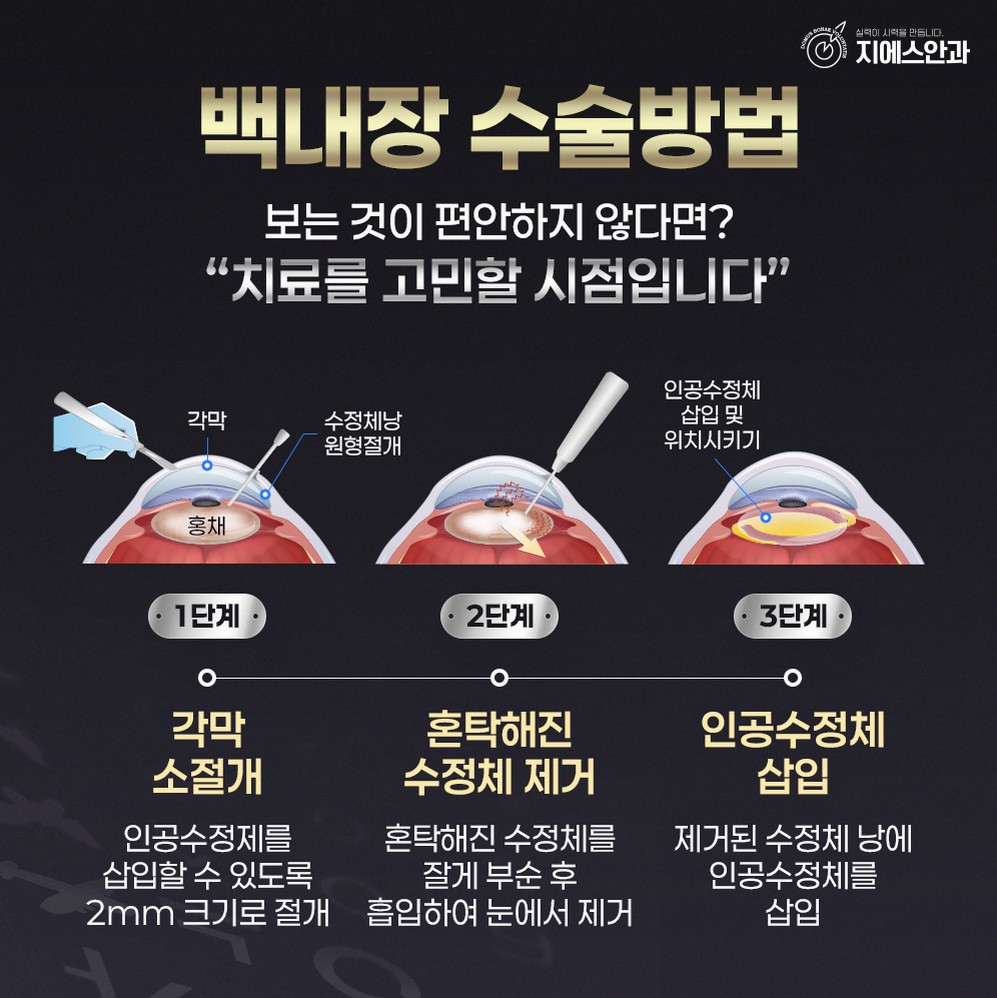
A tiny incision is made at the edge of the cornea.
The front part of the natural lens capsule is opened carefully.
The cloudy lens material is broken up and removed, often using ultrasound energy. In some centers, a femtosecond laser may assist with some steps.
The selected IOL is folded and inserted through the small incision, then unfolded and positioned inside the remaining lens capsule.
The incision is usually self-sealing and may not require stitches.
Many patients have surgery on one eye first and the second eye a few days to a couple of weeks later, depending on the clinic protocol and your travel schedule.
Benefits and expected results
Most patients notice a clear improvement in brightness and clarity compared with their pre-surgery cataract vision.
Potential benefits include:
- Clearer, sharper vision with more vivid colors
- Less glare and fewer halos from cataracts themselves
- Reduced dependence on reading glasses, bifocals, or progressive lenses
- Greater convenience for daily tasks such as reading, computer work, cooking, hobbies, and driving
- Improved confidence and quality of life, especially for active adults
However, results vary from person to person. Some patients still need glasses for certain tasks, such as reading very fine print, night driving, or detailed close work. The goal is usually to reduce, not always completely eliminate, the need for glasses.
Risks, side effects, and limitations
Like any eye surgery, presbyopia cataract surgery has potential risks.
General cataract surgery risks include:
- Infection inside the eye (rare but serious)
- Inflammation or swelling
- Bleeding
- Increased eye pressure
- Retinal detachment (uncommon but serious)
- Clouding of the lens capsule over time, sometimes treated with a simple laser procedure
- Need for additional procedures or lens adjustment in some cases
Specific to multifocal and EDOF lenses:
Glare, halos, or starbursts around lights, especially at night
Reduced contrast sensitivity, making it harder to see in dim lighting
Visual phenomena that may improve as your brain adapts but can persist in some patients
Adaptation period
After surgery, your brain needs time to adapt to the new visual system, especially with multifocal or EDOF lenses. This neuroadaptation period can take several weeks to a few months. During this time, some patients notice fluctuating clarity or are more aware of halos at night.

Not everyone is suitable for premium lenses
Patients with certain eye diseases may not be good candidates for multifocal or EDOF IOLs. These include advanced glaucoma, significant macular degeneration, severe dry eye, corneal diseases, or other retinal conditions. In such cases, a monofocal or toric monofocal lens may be safer and provide more reliable quality of vision.
Preoperative evaluation and planning
Before surgery, you will undergo a comprehensive eye examination.
Typical preoperative tests include:
- Visual acuity and refraction to measure your current prescription
- Corneal topography and thickness to assess shape and regularity
- Tear film evaluation to check for dry eye
- Biometry to measure eye length and corneal curvature for accurate IOL power calculation
- Retinal and optic nerve examination, often with imaging scans
Lifestyle discussion Your surgeon or counselor will ask about:
- Reading habits and how much close work you do
- Computer and digital device use
- Night driving frequency and comfort
- Sports, hobbies, and outdoor activities
- Your feelings about wearing glasses or contact lenses
This information helps guide lens selection and surgical planning. It is important to share your expectations honestly. Setting realistic goals is crucial to satisfaction after surgery.
Recovery and aftercare
Recovery is usually quick, but healing continues for several weeks.
Typical recovery timeline
Many patients notice functional vision within a day or two, with gradual improvement over one to four weeks. Fine-tuning of vision and brain adaptation to multifocal or EDOF lenses can take longer.
Eye drops and protection
You will receive prescribed eye drops, commonly including:
- Antibiotic drops to prevent infection
- Anti-inflammatory drops to reduce swelling
- Lubricating drops to relieve dryness or irritation
You may be advised to wear a protective eye shield while sleeping for a few nights to prevent accidental rubbing.
Activity guidelines During the early recovery period, you are usually asked to:
Avoid rubbing or pressing on the eye
Avoid heavy lifting, intense exercise, or bending that puts pressure on the eye for a short time
Keep water, soap, and shampoo out of the eye, and avoid pools, hot tubs, and saunas until your surgeon allows
Use sunglasses outdoors to reduce light sensitivity
Follow-up visits You will have follow-up appointments to:
- Check your vision and eye pressure
- Confirm that the IOL is well positioned
- Monitor healing of the cornea and lens capsule
- Adjust your eye drop schedule if needed
For international patients, clinics in Korea often coordinate follow-up schedules to fit your travel plans and may provide detailed instructions for your local eye doctor at home.
Cost and insurance considerations
Costs vary widely depending on the clinic, city, technology used, and lens type.
In many countries, standard cataract surgery with a monofocal IOL may be covered by national health insurance or private insurance when the cataract is medically significant. However, premium presbyopia-correcting IOLs and toric IOLs often involve additional out-of-pocket fees.
When planning surgery in Korea, consider:
- Surgical fee for each eye
- Cost difference between monofocal, multifocal, EDOF, and toric lenses
- Preoperative tests and consultation fees
- Postoperative medications and follow-up visits
- Any package pricing for international patients
Ask the clinic for a clear, written cost breakdown and whether they offer installment or financing options. Also check with your insurance provider at home to see if any part of the surgery cost can be reimbursed.
Choosing a clinic and surgeon in Korea
When selecting a clinic in Korea for presbyopia cataract surgery, consider the following points.
Surgeon experience
Look for an ophthalmologist who regularly performs cataract and refractive lens procedures, including premium IOL implantation. Ask how many such surgeries they perform per year and how often they use the specific lens types you are considering.
Technology and diagnostics
Modern equipment can support accurate measurements and safe surgery, such as:
- High-precision biometry devices
- Corneal topography and tomography
- Ocular coherence tomography for retina and optic nerve
- Advanced microscopes and phacoemulsification systems
- Optional femtosecond laser assistance for certain surgical steps
Preoperative counseling A good clinic will:
- Explain different lens options and their pros and cons
- Discuss possible side effects like halos and glare
- Review your eye health and any conditions that might limit lens choices
- Give realistic expectations about glasses use after surgery
It can be helpful to prepare a list of questions about lens types, expected outcomes, night vision, and how they manage existing eye conditions.
Online consultation and pre-visit preparation
Many Korean eye clinics offer online or video consultations for overseas patients. This can help you decide whether to travel and how to plan your stay.
Before your online consultation, prepare:
- Recent eye examination results, if available
- Your glasses or contact lens prescriptions
- Any history of eye diseases, surgeries, or injuries
- List of medications and general health conditions
- Your main goals: for example, less dependence on reading glasses, better night driving, or clearer computer vision
During the consultation, you can:
- Ask which lens types might suit your eyes and lifestyle
- Discuss approximate costs and package options
- Review the expected treatment schedule and recovery timeline
- Clarify how long you should stay in Korea for both eyes and early follow-up

Expected Korea visit timeline for surgery
Each clinic will have its own schedule, but a typical plan for international patients might look like this:
Day 1–2: Arrival and initial examinations. Comprehensive eye tests, lens measurements, and consultation. Final decision on IOL type and surgery dates.
Day 3: Surgery on the first eye. You usually go back to your accommodation the same day.
Day 4: First follow-up for the operated eye. Vision check, eye pressure measurement, and instructions.
Day 5–7: Surgery on the second eye, if planned during the same trip.
Following days: Follow-up visits to monitor both eyes, adjust eye drops, and confirm stable IOL position.
Many patients stay in Korea for around 1 to 2 weeks if both eyes are treated, but this can vary. Your clinic will recommend the safest schedule based on your case and travel plans.
Aftercare once you return home When you leave Korea, you should receive:
- A summary of your surgery and lens type
- Postoperative instructions for eye drops and activity
- Recommended schedule for follow-up with your local eye doctor
Share all documents with your local ophthalmologist so they can continue monitoring your eyes. If you notice sudden pain, a strong drop in vision, flashes of light, or many new floaters, seek urgent eye care immediately.
Frequently asked questions
Will I still need glasses after presbyopia cataract surgery?
Many patients significantly reduce their dependence on glasses, especially for distance and intermediate vision. However, you may still need glasses for certain tasks, such as reading very small print, prolonged close work, or fine detail. The amount of freedom from glasses depends on your lens choice, your eyes, and your visual demands.
Is the surgery painful?
Most patients feel little to no pain during surgery because of numbing drops or local anesthesia. You may feel mild pressure or see bright lights. After surgery, some people experience slight discomfort, dryness, or a foreign body sensation for a few days, which usually improves with eye drops.
How soon can I fly after surgery?
Many patients can fly a few days after uncomplicated surgery, but this depends on your surgeon’s advice and follow-up schedule. It is important to attend at least the first postoperative check before flying home.
Can I choose any premium lens I want?
Lens choice must be matched to your eye health and measurements. Not all eyes are suitable for multifocal or EDOF lenses. Your surgeon will explain which options are safe and realistic for you.
What if I have astigmatism?
If you have significant astigmatism, a toric IOL or combined treatment may be recommended. Toric lenses can be monofocal, multifocal, or EDOF, allowing both astigmatism correction and presbyopia correction in one procedure.
Soft call to action
If you are noticing cloudy vision together with increasing dependence on reading glasses, presbyopia cataract surgery in Korea may be worth exploring. An online consultation with a Korean eye clinic can help you understand your options, possible lens choices, and a realistic treatment plan tailored to your eyes and lifestyle.
Consider contacting a reputable clinic to share your eye history, ask questions about premium IOLs, and discuss a tentative travel schedule. With careful evaluation, appropriate lens selection, and clear expectations, many patients achieve more comfortable vision and greater visual freedom after presbyopia cataract surgery.




댓글
댓글 쓰기