Smart LASIK Cost in Apgujeong, Seoul: Guide for International Patients at GS Eye Clinic

Smart LASIK cost in Apgujeong: quick overview
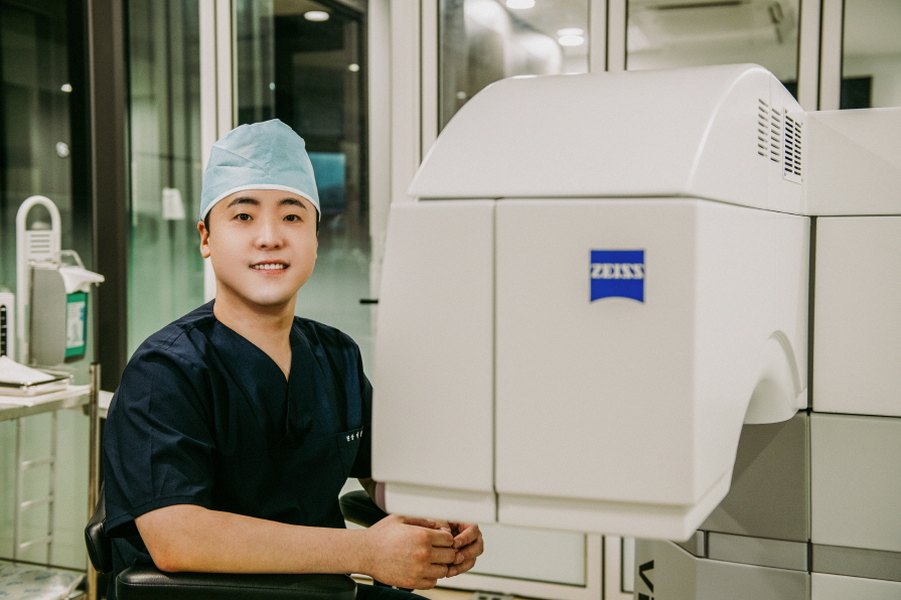
For international patients considering vision correction in Seoul, Smart LASIK in the Apgujeong area typically falls within a mid to high price range compared with standard LASIK. At clinics such as GS Eye Clinic in Apgujeong, the fee usually covers a detailed pre-operative eye examination, the Smart LASIK procedure itself, and scheduled post-operative checkups, with some medications included. Exact pricing is confirmed only after a thorough eye evaluation, because your corneal thickness, degree of myopia or astigmatism, and overall eye health directly affect the treatment plan.
What is Smart LASIK?
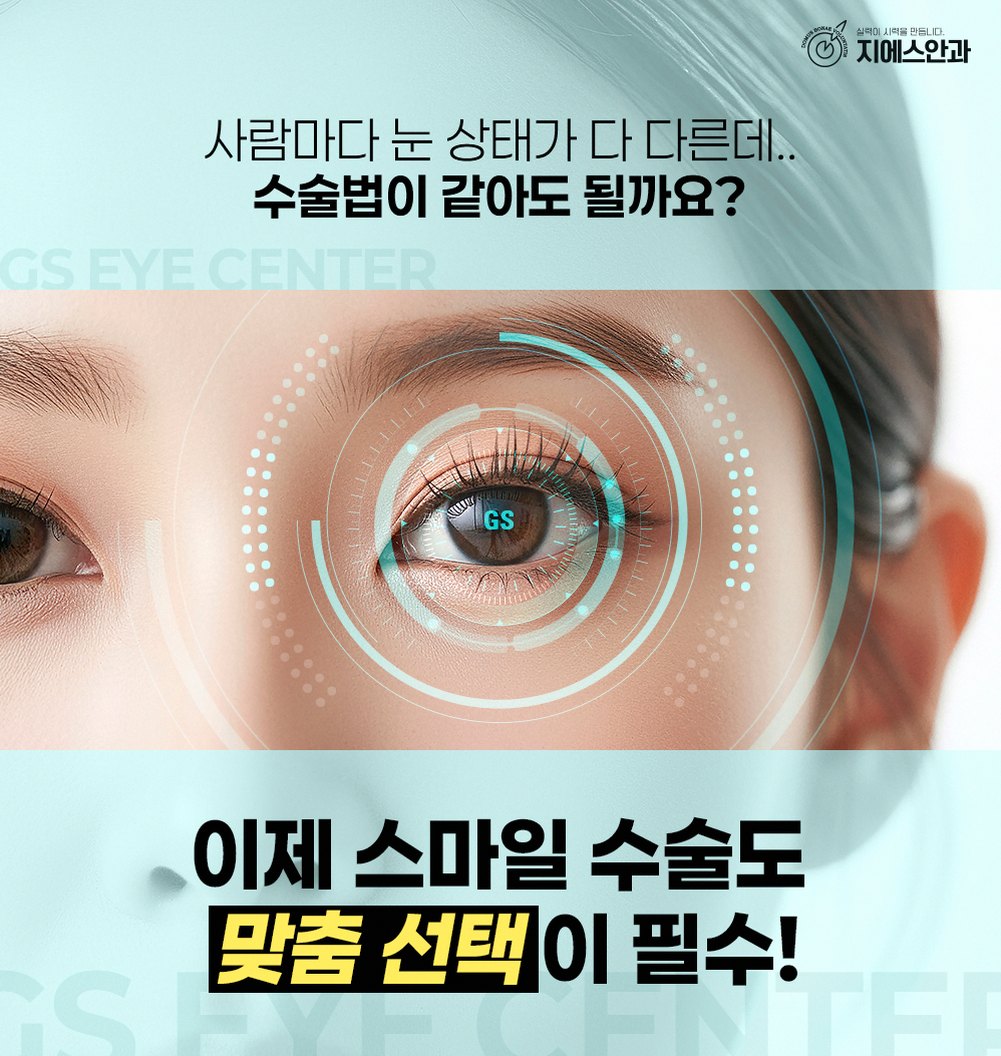
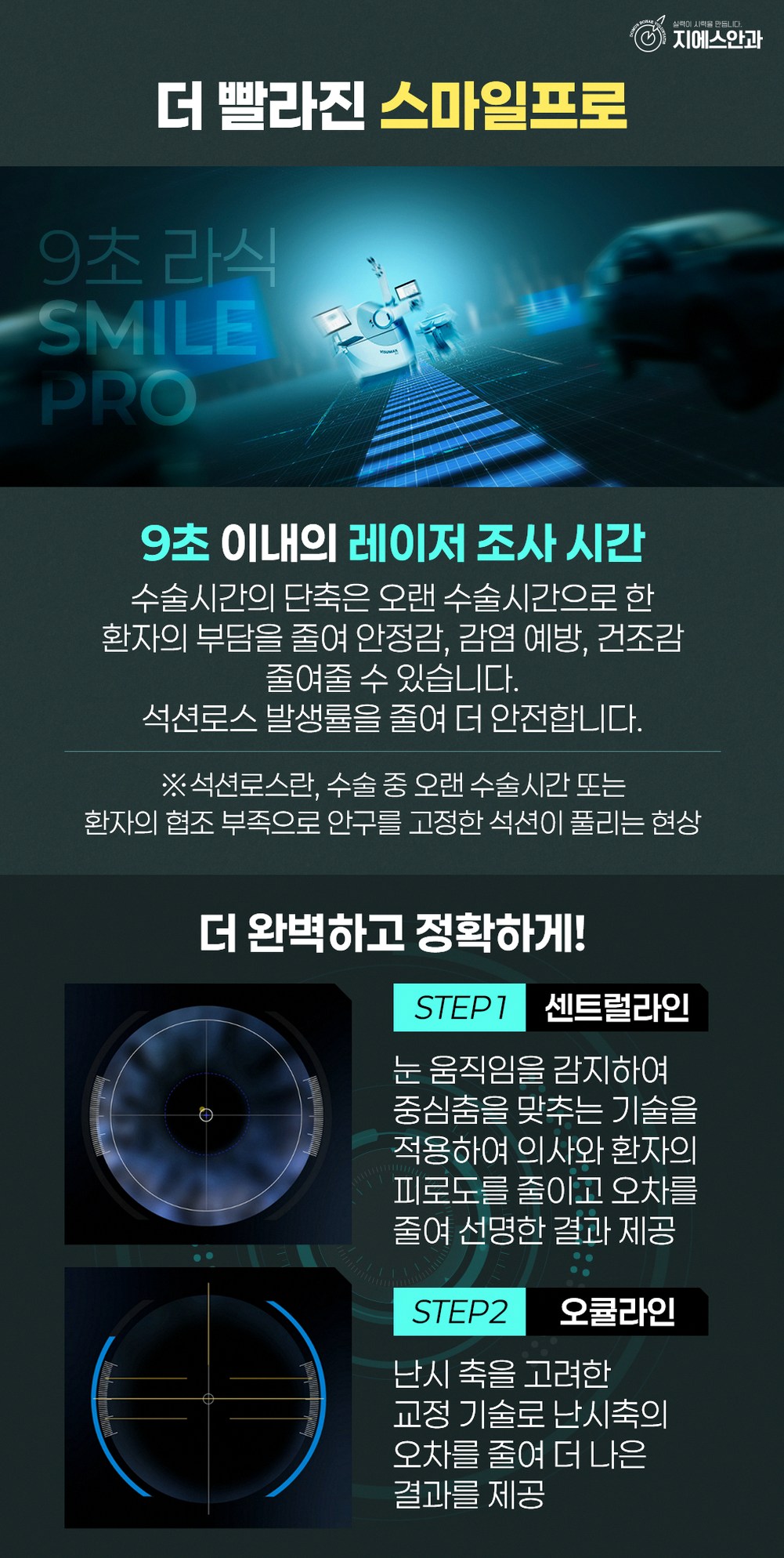
Smart LASIK is a modern form of laser vision correction designed to reshape the cornea with greater precision and customization than conventional LASIK. It uses upgraded laser platforms and software to create a more detailed map of your eye, allowing a personalized ablation pattern rather than a one-size-fits-all treatment.
Compared with traditional LASIK, Smart LASIK often involves:
More precise corneal mapping: Advanced diagnostic equipment measures thousands of points on the cornea and sometimes the internal optics of the eye.
Customized laser treatment: The laser can be programmed to correct not only basic myopia and astigmatism, but also higher-order aberrations that may affect night vision and contrast.
Refined flap creation: Many Smart LASIK systems use femtosecond lasers to create a thin, consistent corneal flap, which may support more predictable healing.
Smart LASIK versus LASIK and LASEK
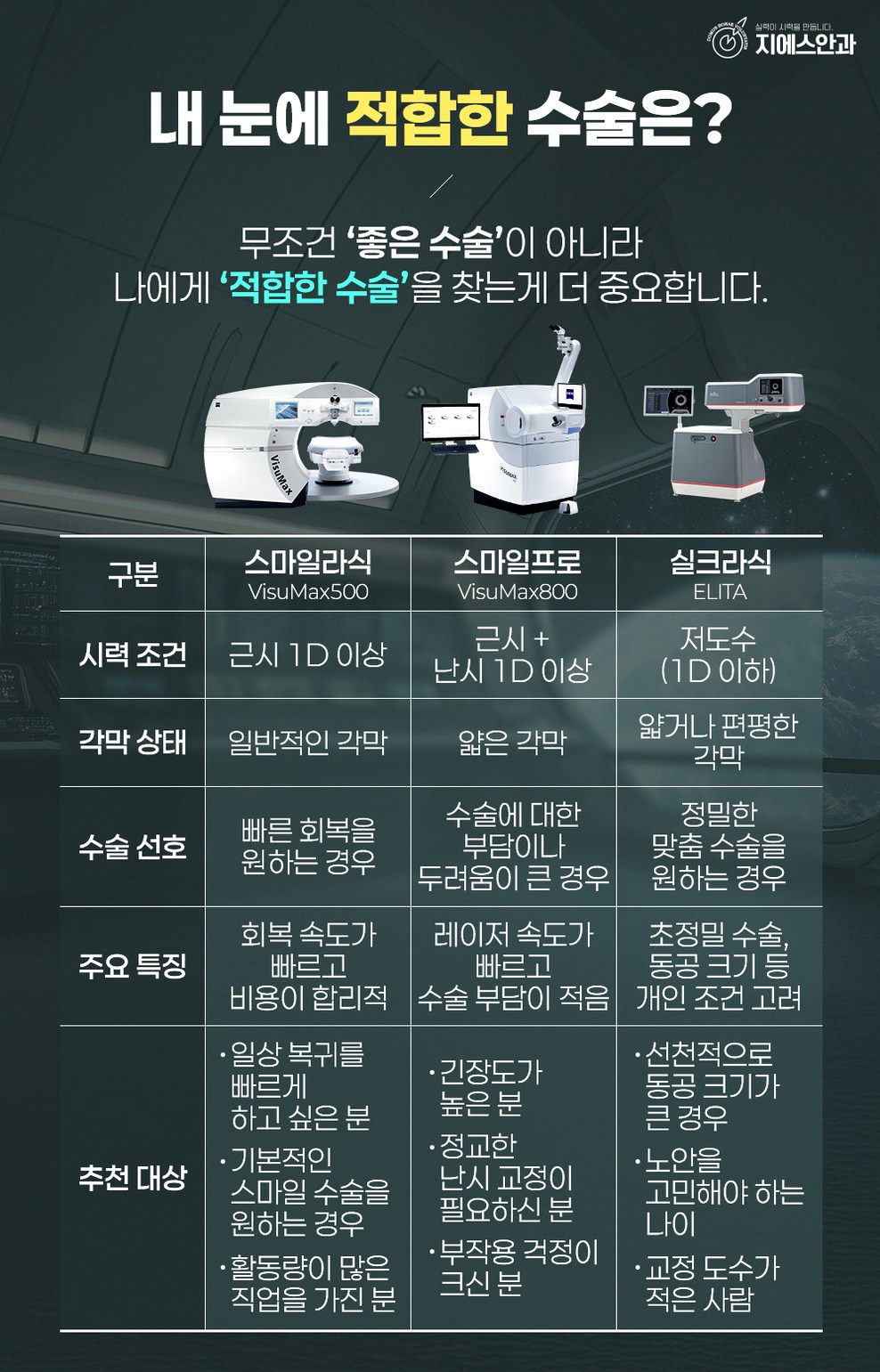
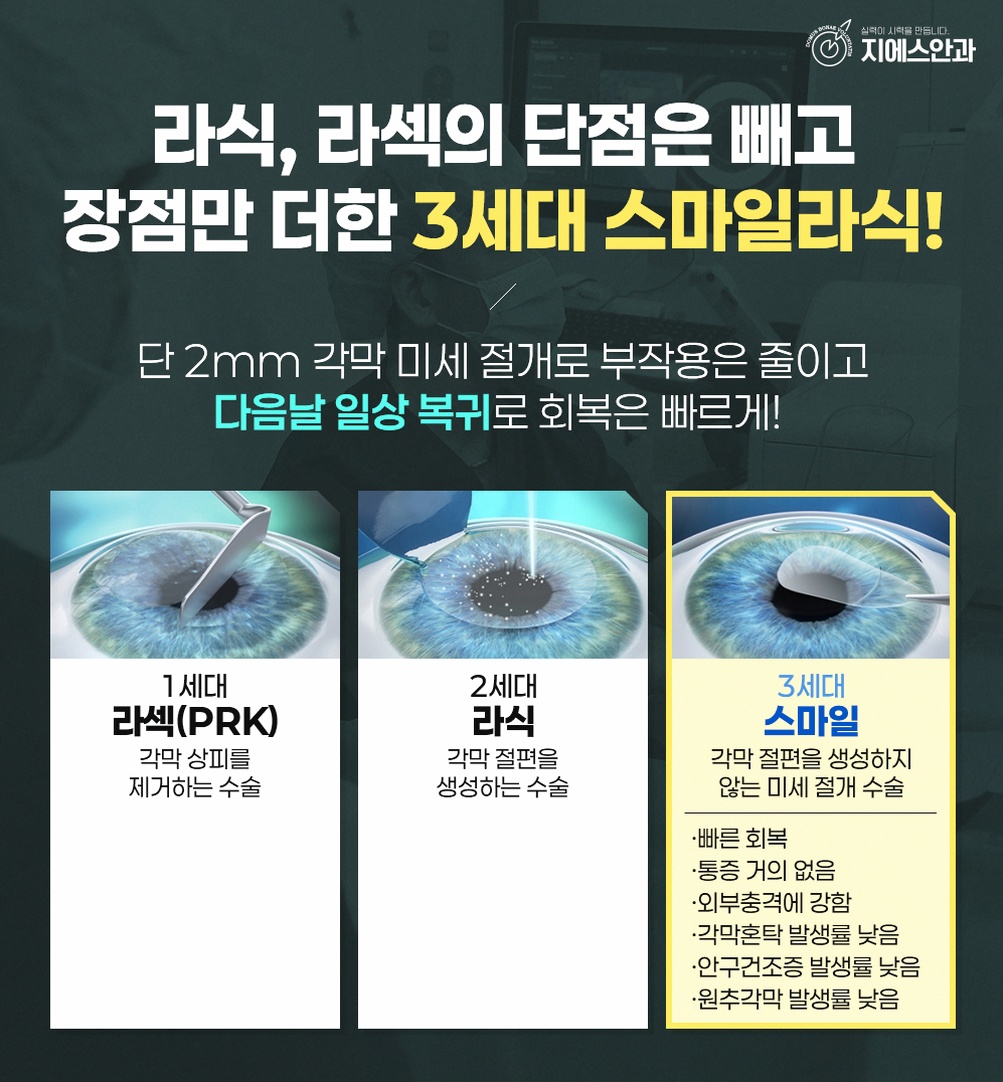
Conventional LASIK: Uses a mechanical microkeratome or femtosecond laser to create a corneal flap, then an excimer laser to reshape the cornea. It is effective for many patients but may be less customized than newer Smart LASIK protocols.
LASEK: A surface procedure where the epithelium (outer corneal layer) is loosened and moved aside instead of creating a deeper flap. LASEK can be suitable for thinner corneas or certain corneal shapes but usually has a longer recovery time and more discomfort in the first days after surgery.
Smart LASIK: Aims to combine the advantages of LASIK (relatively quick recovery and less early discomfort) with advanced customization. Many patients choose it for potentially better quality of vision, especially in low light, and for faster functional recovery compared with surface procedures like LASEK.
Who may consider Smart LASIK?
Smart LASIK can be an option for adults who:
Have stable myopia (nearsightedness) for at least one to two years.
Have astigmatism that can be corrected with laser reshaping.
Want fast visual recovery to return quickly to work or studies.
Have a corneal thickness and shape that are suitable for flap-based laser surgery.
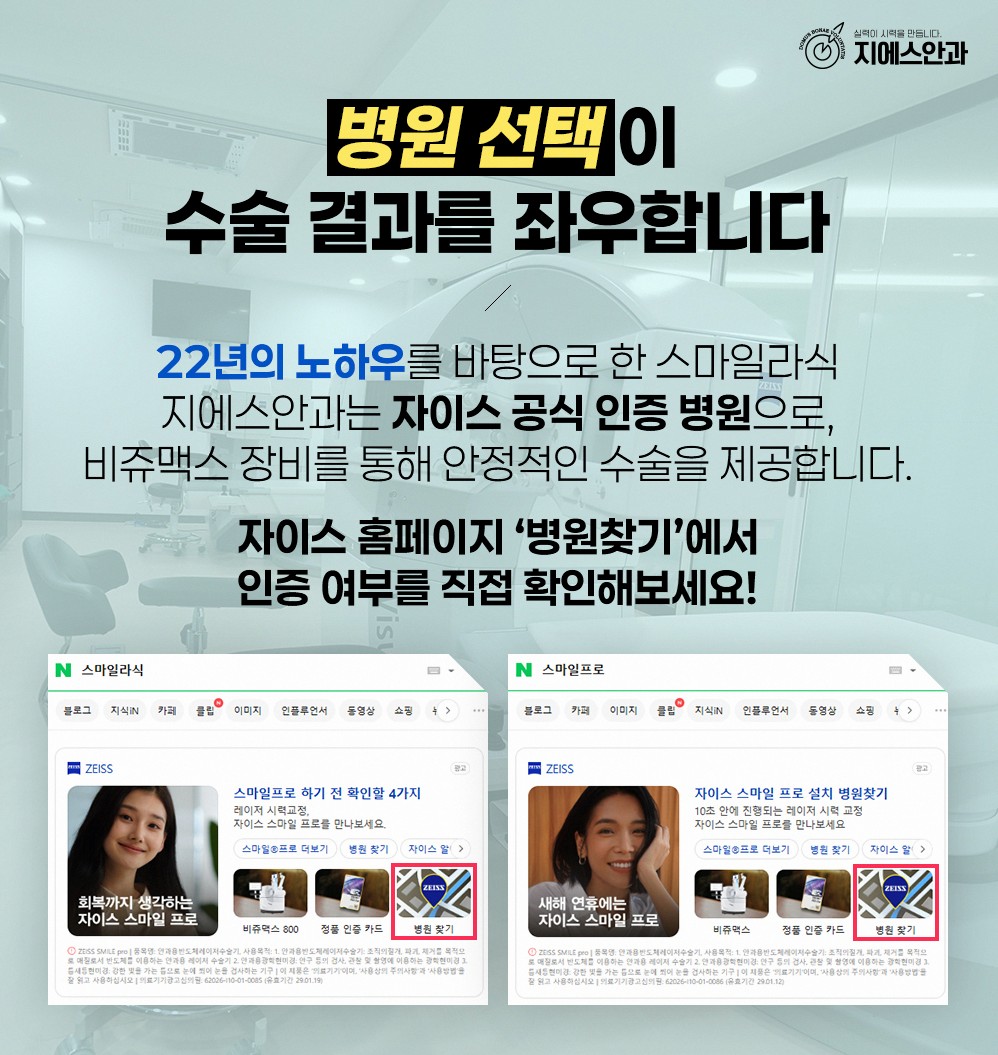
However, it may not be appropriate for everyone. People with very thin corneas, irregular corneal shape, severe dry eye, active eye disease, or uncontrolled systemic conditions may be advised to consider alternative procedures or to avoid refractive surgery altogether. This is why a detailed pre-operative eye examination at an ophthalmology clinic such as GS Eye Clinic is essential.
Typical Smart LASIK cost range in Apgujeong
Prices vary by clinic, technology, and individual eye condition, but for international patients researching Smart LASIK in Apgujeong, a general range might look like this:
Smart LASIK for both eyes in Apgujeong: typically in the mid to upper range compared with standard LASIK, reflecting the use of newer equipment and more detailed diagnostics.
Some clinics may quote prices per eye, while others present a package price for both eyes. GS Eye Clinic generally provides a clear breakdown after your diagnostic tests, so you understand exactly what is included.
What is usually included in the Smart LASIK fee
Although each clinic sets its own policies, Smart LASIK packages at an ophthalmology clinic in Apgujeong often include:
Comprehensive pre-operative eye examination: This usually involves visual acuity testing, refraction, corneal topography and tomography, measurement of corneal thickness, tear film and dry eye assessment, pupil size measurement, intraocular pressure check, and a slit-lamp examination of the front of the eye.
Surgical planning and counseling: Explanation of your diagnosis, recommended procedure, expected outcomes, and potential risks or side effects.
Smart LASIK surgery: Use of the specified laser platform, including flap creation and corneal reshaping.
Immediate post-operative care: Eye protection shields, initial eye drops, and instructions for the first 24 to 48 hours.
Scheduled follow-up visits: Typically the next day, within the first week, and further checkups over the following weeks or months, depending on your healing and travel schedule.
What may be charged separately
Some items may not be included in the base Smart LASIK fee and can vary by clinic:
Additional diagnostic tests: For example, advanced imaging, dry eye testing, or retinal scans beyond the standard package.
Extended medications: Extra artificial tears, anti-inflammatory drops, or special eye drops for dry eye management beyond the initial supply.
Treatment of unrelated eye conditions: If you need separate care for issues such as significant dry eye, blepharitis, or retinal problems, these may be billed separately.
Enhancement procedures: If a touch-up procedure is needed in the future, some clinics include this within a certain time frame, while others charge an additional fee.
At GS Eye Clinic, staff typically explain what is included in your quote and what might incur additional charges, so you can plan your budget before traveling.
Factors that influence Smart LASIK cost
Several elements can affect the final cost of Smart LASIK in Apgujeong:
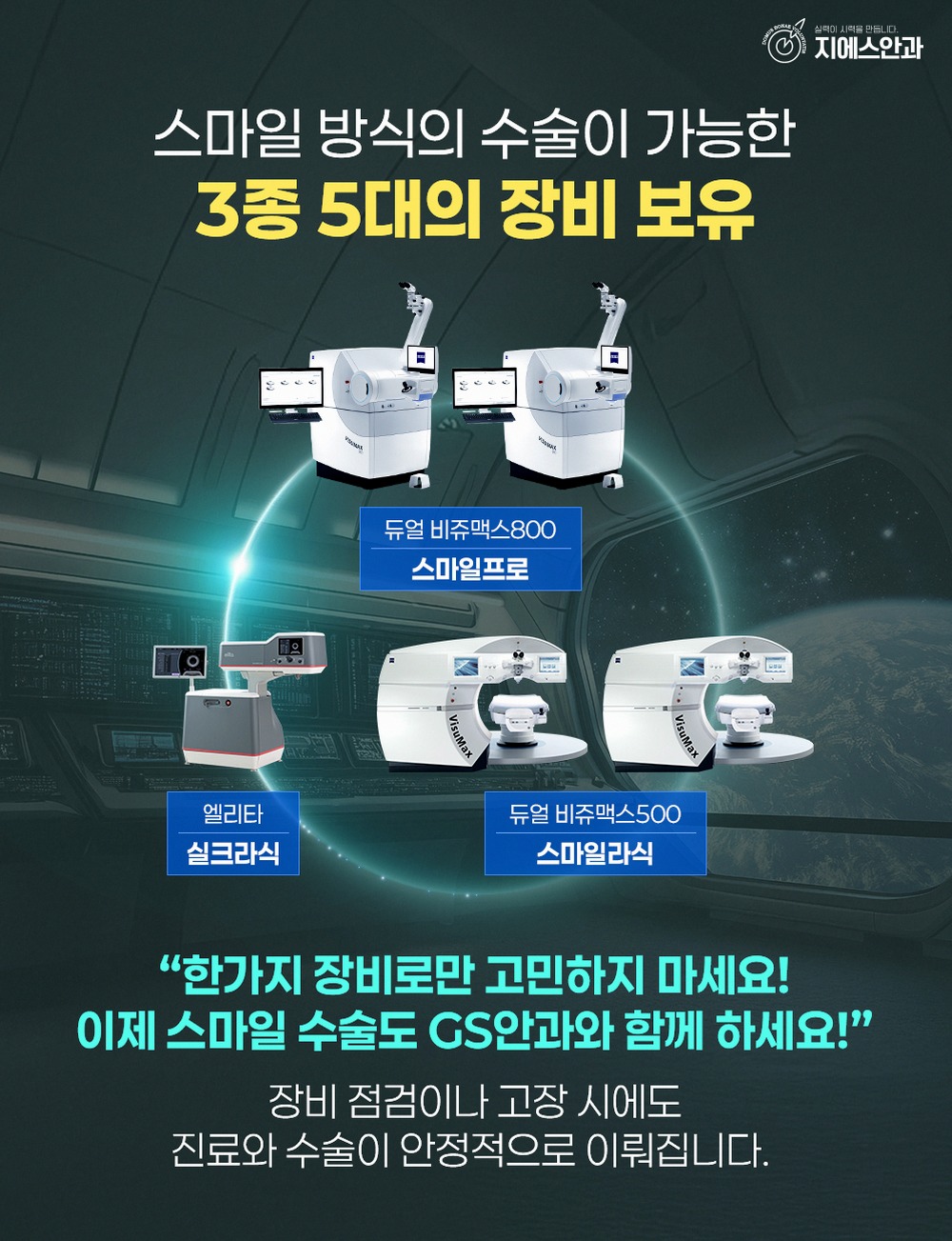
Type and generation of laser equipment: Newer femtosecond and excimer laser platforms with advanced eye-tracking and customized ablation software usually cost more to purchase and maintain, which is reflected in the procedure price.
Surgeon experience and case complexity: More complex prescriptions, high astigmatism, or borderline corneal thickness may require more detailed planning and time in the operating room.
Personalized treatment planning: Wavefront-guided or topography-guided treatments that correct subtle optical imperfections can be more expensive than standard treatments.
Number of eyes treated: Most patients have both eyes treated on the same day, but some may treat one eye at a time. The cost per eye may be higher if done separately.
Post-operative follow-up schedule: Some clinics include long-term follow-up for a year or more; others offer a shorter follow-up period with the option to add extra visits.
Importance of a thorough pre-operative examination
Before any quote can be finalized, you need a complete eye examination. This is not just a formality; it is crucial for safety and outcome quality.
Key aspects of the pre-operative exam include:
Corneal thickness and shape: Determines whether Smart LASIK is safe and how much tissue can be removed while maintaining structural stability.
Dry eye status: Identifies existing dry eye that may worsen temporarily after surgery. In some cases, dry eye must be treated before surgery.
Pupil size: Larger pupils may increase the risk of night glare and halos; this can influence the treatment zone and laser settings.
Overall eye health: Screening for keratoconus, corneal scars, cataracts, retinal problems, or other conditions that might affect results or require separate management.
At GS Eye Clinic, the focus is on eye health and accurate diagnosis first. Only after confirming that your eyes are suitable for Smart LASIK will the clinic finalize a personalized treatment plan and cost estimate.
How to compare Smart LASIK prices between Apgujeong clinics
When comparing quotes from different clinics in Apgujeong, avoid choosing purely based on the lowest number. Consider the following points:
Safety systems: Ask about the type of laser equipment, maintenance protocols, and emergency backup systems in the operating room.
Infection control: Check whether the clinic follows strict sterilization procedures and uses disposable instruments where appropriate.
Transparent explanation of risks: A responsible ophthalmology clinic will clearly explain potential side effects such as dry eye, glare, halos, undercorrection or overcorrection, and the possibility of needing glasses for certain tasks even after surgery.
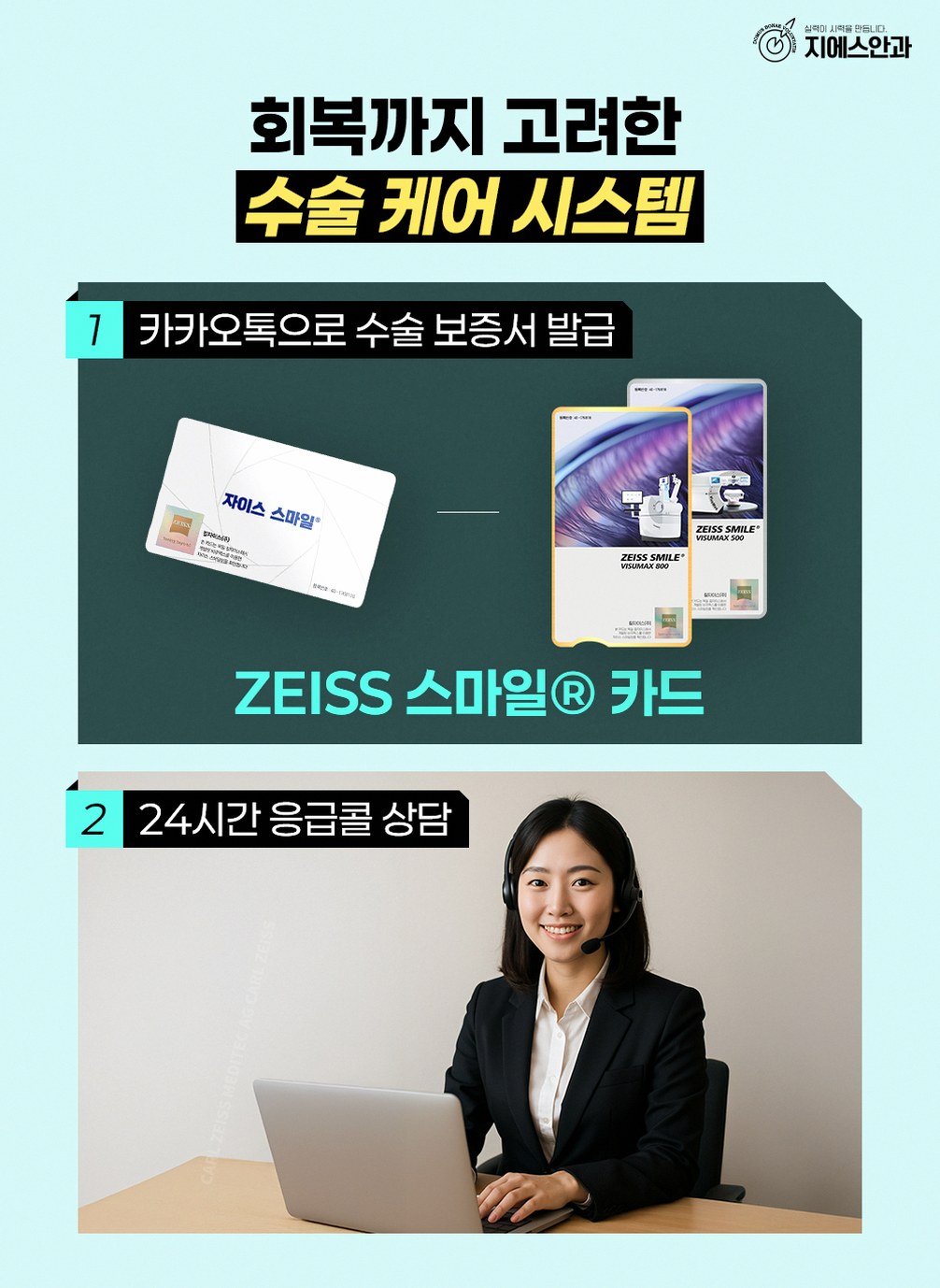
Availability of emergency care: Confirm how you can reach the clinic after hours if you experience pain, sudden vision changes, or other urgent symptoms.
Long-term follow-up: Ask how many follow-up visits are included and whether the clinic can coordinate care with your local eye doctor after you return home.
Clear pricing: Look for detailed written estimates that specify what is included, what is optional, and under what conditions additional fees may apply.
Be cautious of unrealistically low prices. If a quote is far below the typical range for Apgujeong, it may indicate older technology, limited follow-up, or insufficient time allocated for pre-operative testing and counseling.
Payment options and promotions
For international patients, practical payment options can be important. Many Apgujeong clinics, including GS Eye Clinic, commonly offer:
Card payments: Major credit cards are usually accepted, which can simplify currency conversion and record-keeping.
Installment plans: Some patients living in Korea may have access to installment plans through local credit cards or financing programs.
Package pricing: Bundled packages that include pre-op tests, surgery, and follow-ups for both eyes.
Seasonal promotions: Discounts during certain periods, such as off-peak seasons or specific promotional events.
While promotions can reduce your cost, always verify that the clinic maintains high standards of safety and care. A slightly higher price at a well-equipped ophthalmology clinic with thorough examinations and follow-up may offer better long-term value than the lowest advertised price.
GS Eye Clinic in Apgujeong: focus on eye health
GS Eye Clinic is an ophthalmology clinic in the Apgujeong area, not a cosmetic clinic. Its services are centered on eye health, accurate diagnosis, and personalized vision correction plans rather than cosmetic procedures.
When you inquire about Smart LASIK at GS Eye Clinic, the team typically:
Reviews your medical and visual history.
Performs detailed diagnostic tests to evaluate your corneal thickness, shape, and tear film.
Explains whether Smart LASIK, another form of laser vision correction, or a different solution is most suitable.
Provides a clear, individualized quote based on your prescription, corneal measurements, and lifestyle needs.
This approach helps ensure that the chosen procedure matches your eyes and expectations, rather than fitting you into a standard package.
Online consultation and pre-visit preparation
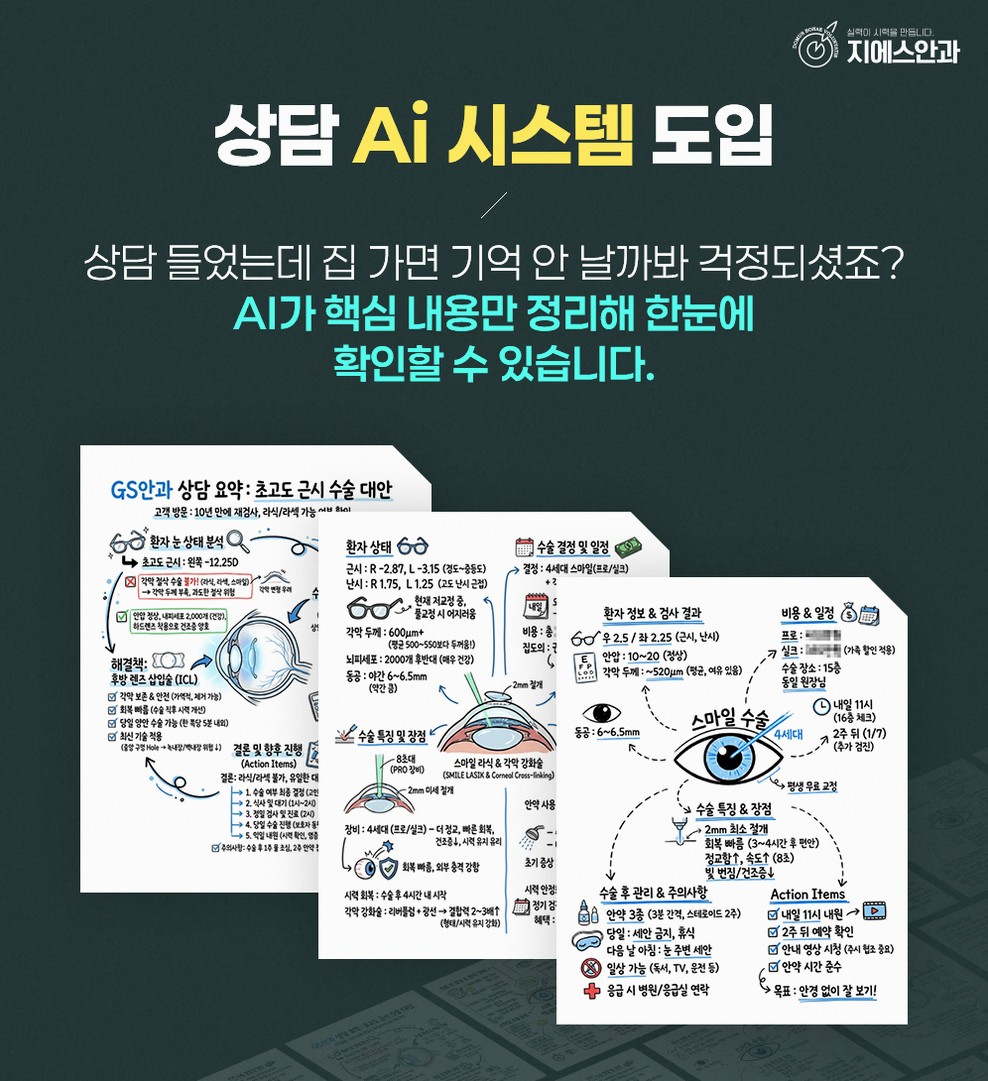
If you are overseas, you can often start with an online consultation before booking flights.
Useful steps before your visit:
Prepare your prescription history: If possible, gather records of your glasses or contact lens prescriptions from the last few years to show stability.
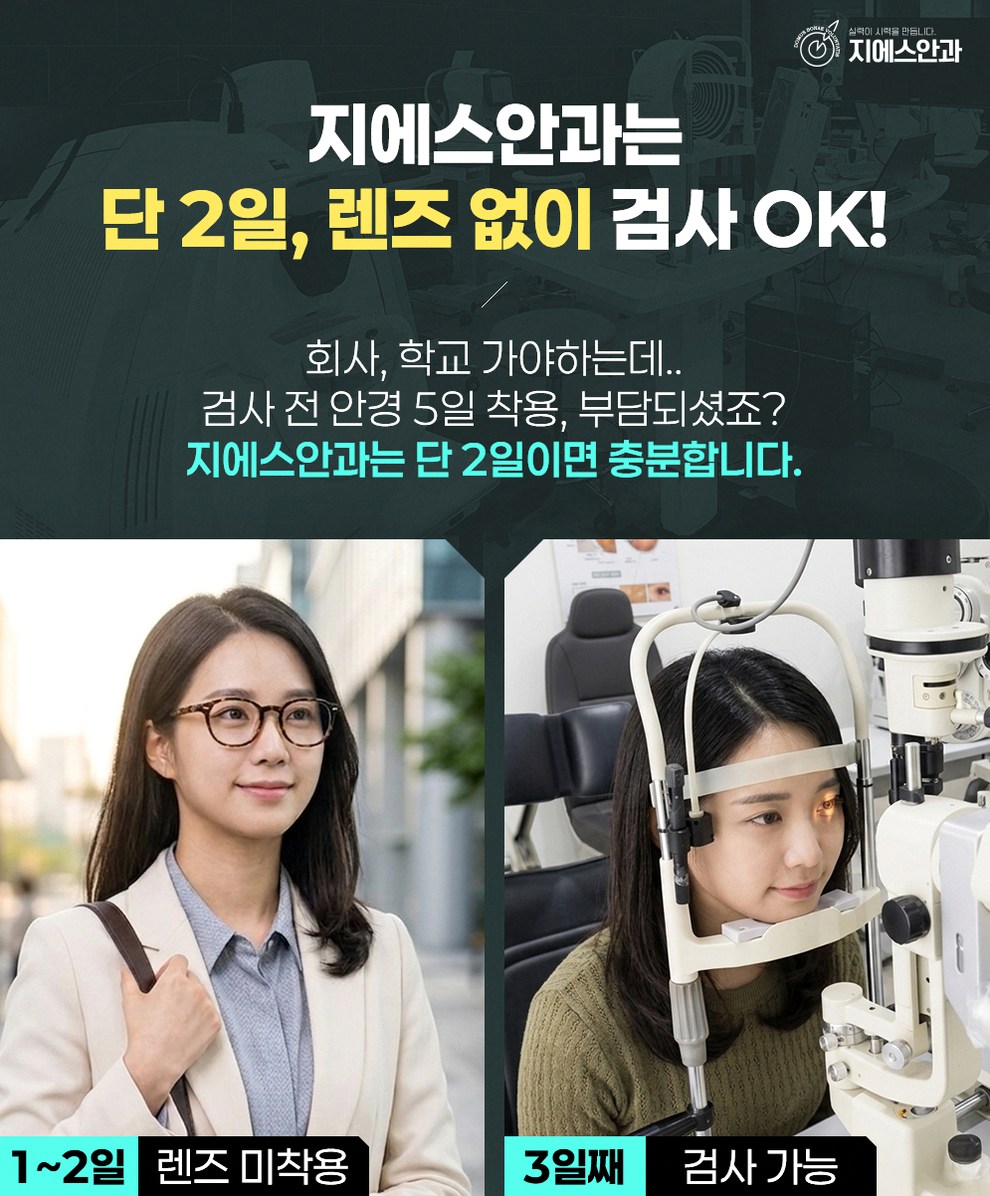
Note your contact lens use: Soft lenses should usually be removed for several days before your examination, and rigid lenses may need to be stopped earlier. Ask the clinic for specific guidelines.
List medications and health conditions: Inform the clinic about systemic diseases, allergies, and any eye medications you use.
Describe your lifestyle: Share details about your work, hobbies, nighttime driving, and screen time. This helps the doctor tailor your vision goals.
Send previous eye reports: If you have had prior eye examinations, scans, or surgeries, sending copies in advance can be helpful.
GS Eye Clinic can guide you by email or online messaging on what to prepare and how long you should stay in Seoul for safe surgery and follow-up.
Expected Korea visit timeline for Smart LASIK
Although schedules can be customized, a typical visit for international patients might follow this pattern:
Day 1: Comprehensive eye examination and consultation. This includes all necessary measurements to confirm whether you are a candidate for Smart LASIK. If you are suitable and comfortable proceeding, surgery may be scheduled for the same day or the next day, depending on your contact lens history and the clinic schedule.
Day 1 or 2: Smart LASIK surgery. The procedure itself usually takes less than 30 minutes for both eyes, with most of the time spent on preparation and checks. You will rest briefly at the clinic afterward and then return to your accommodation with protective eye shields and eye drops.
Day 2 or 3: First post-operative check. The doctor examines your cornea, confirms flap position, and checks your early vision. Many patients can already see well enough for basic activities, though vision may fluctuate.
Following days: Additional follow-ups. Depending on your stay, you may have another visit within the first week and, if possible, a check at around one to two weeks. If your stay is shorter, the clinic will advise you on how to continue follow-up with a local eye doctor in your home country.
Total recommended stay: Many international patients plan at least 5 to 7 days in Seoul to allow for surgery and early follow-up, though this can vary based on your eyes and travel flexibility.
Aftercare and recovery
After Smart LASIK, you can expect:
First 24 hours: Some discomfort, tearing, light sensitivity, and a foreign body sensation are common. Resting with eyes closed and using prescribed drops is important.
First week: Vision usually stabilizes quickly, but may still fluctuate, especially in low light. You should avoid rubbing your eyes, swimming, and heavy exercise. Protective glasses or shields at night help prevent accidental eye rubbing.
First month: Dryness, glare, or halos at night may occur but often improve with time and artificial tears. Follow your eye drop schedule exactly as instructed.
Long term: Most patients enjoy clear vision for daily activities without glasses, though some may still need low-power glasses for specific tasks or as they age.
Your ophthalmology clinic will provide detailed written instructions on:
Eye drops: Antibiotic and anti-inflammatory drops, plus lubricating drops.
Activity restrictions: When you can return to work, exercise, swimming, sauna, or makeup use.
Warning signs: Symptoms that require urgent attention, such as severe pain, sudden loss of vision, or marked redness.
Frequently asked questions about Smart LASIK in Apgujeong
Is Smart LASIK more expensive than regular LASIK?
Yes, Smart LASIK is often slightly more expensive than standard LASIK because it uses upgraded diagnostic tools and customized laser settings. However, the difference in cost can be offset by potential benefits in visual quality and the use of newer technology.
How do I know if I am suitable for Smart LASIK?
Only a detailed eye examination can confirm this. Factors include your age, prescription stability, corneal thickness and shape, dry eye status, and overall eye health. Online pre-screening can give a rough idea, but final suitability is determined in person at the ophthalmology clinic.
Can I have Smart LASIK on both eyes at the same time?
In most cases, yes. Treating both eyes in one session is common and convenient for international patients. Your doctor will advise you if there is any reason to stage the procedures.
How long until I can fly home after Smart LASIK?
Many patients can fly a few days after surgery, once the first follow-up confirms stable early healing. However, it is wise to schedule at least several days in Seoul after surgery to allow for checks and any necessary adjustments to your drop regimen.
Are results permanent?
The corneal reshaping effect is generally long lasting, but your eyes can still change naturally over time. Aging processes such as presbyopia (the need for reading glasses) or cataract development are not prevented by LASIK. Some patients may need minor enhancements or glasses for certain tasks in the future.
What if I have dry eyes?
Mild dry eye is common and often manageable with treatment before and after surgery. Significant or uncontrolled dry eye may require more intensive management or may make you a less suitable candidate for LASIK-type procedures. The pre-operative exam at GS Eye Clinic will include dry eye assessment to guide the decision.
Soft call to action
If you are considering Smart LASIK in Apgujeong and want a clear understanding of costs, safety, and expected results, an online consultation with GS Eye Clinic can be a practical first step. By sharing your prescription history, lifestyle needs, and any previous eye information, you can receive preliminary guidance before you travel.
Once you are ready to visit Seoul, the clinic can arrange a thorough eye examination, confirm whether Smart LASIK is the right option for you, and provide an individualized quote that reflects your eye condition and goals. This approach allows you to plan your treatment and budget with confidence while prioritizing eye health and long-term visual comfort.


댓글
댓글 쓰기