Smart LASIK Results in Nonhyeon, Seoul: What International Patients Can Expect

Direct answer: what results can you expect from Smart LASIK in Nonhyeon?
Many patients who choose Smart LASIK at eye clinics in the Nonhyeon area of Seoul achieve clear, functional vision with greatly reduced dependence on glasses or contact lenses. A large proportion reach 20/20 vision or better in at least one eye, especially those with mild to moderate prescriptions and healthy corneas. Most notice significantly clearer vision within 24 hours, with vision quality continuing to refine over several weeks. Night vision, dryness, and glare usually improve steadily over the first 1 to 3 months when you follow the clinic’s aftercare instructions.
Results vary from person to person, but for well selected candidates, Smart LASIK in Nonhyeon generally offers precise, predictable vision correction with a fast recovery and a strong safety profile.
Treatment overview: what is Smart LASIK?
Smart LASIK is an advanced form of laser vision correction that combines detailed corneal mapping with customized laser treatment and modern flap creation techniques. The goal is to reshape the cornea more precisely so that light focuses correctly on the retina, reducing or eliminating the need for glasses or contacts.
Compared with older, conventional LASIK, Smart LASIK typically involves:
More precise corneal mapping
Clinics use high resolution diagnostic devices to measure the shape, thickness, and optical irregularities of your cornea. This can include topography and wavefront style measurements that detect even small imperfections. These data are used to design a treatment pattern tailored to your individual eyes rather than relying only on your glasses prescription.
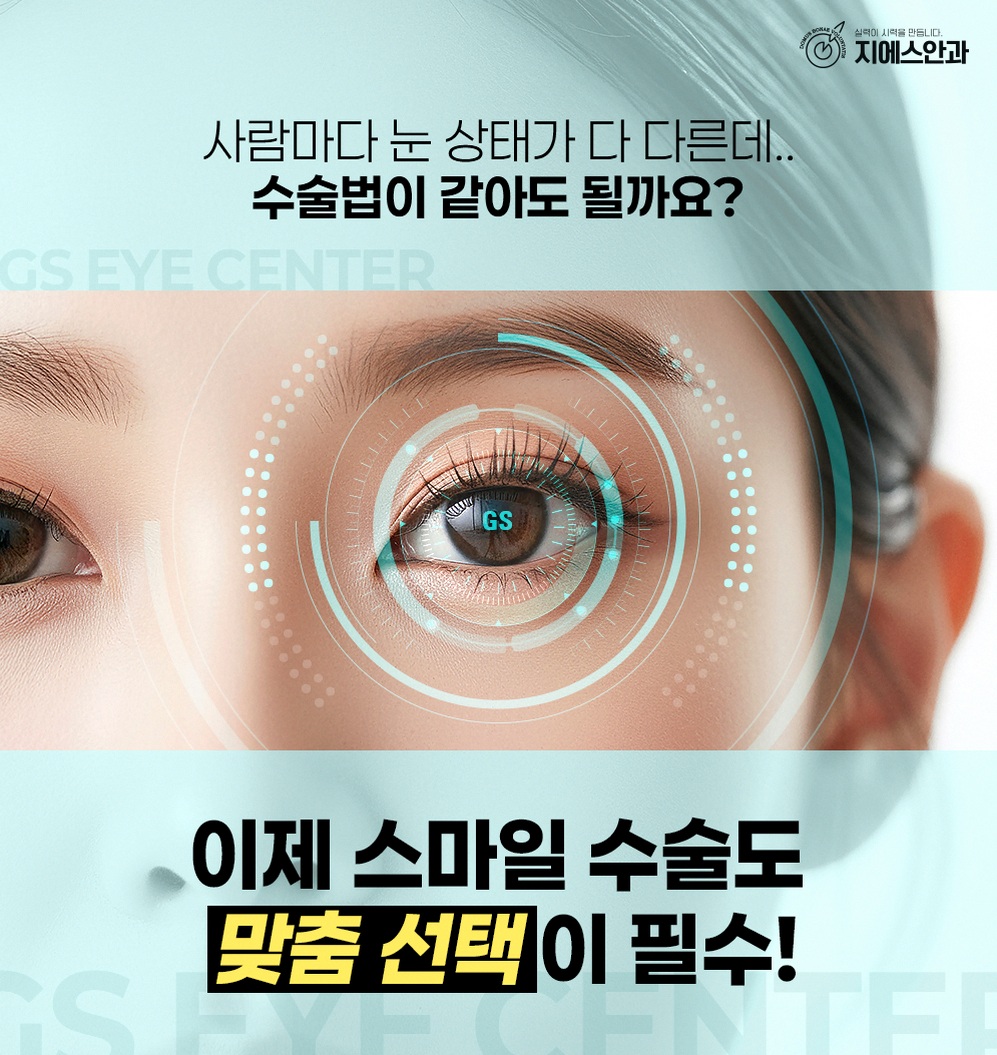
Customized ablation patterns
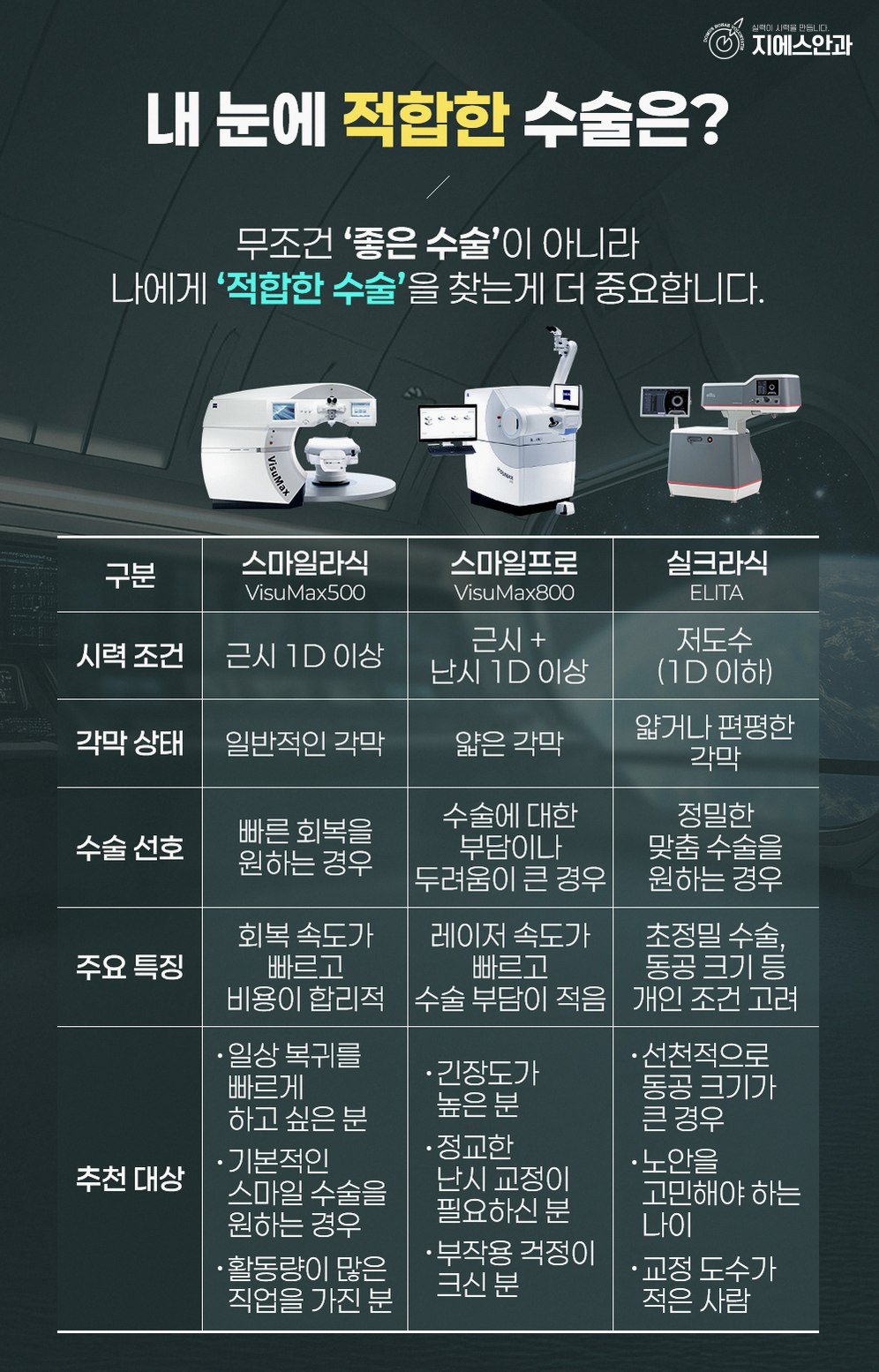
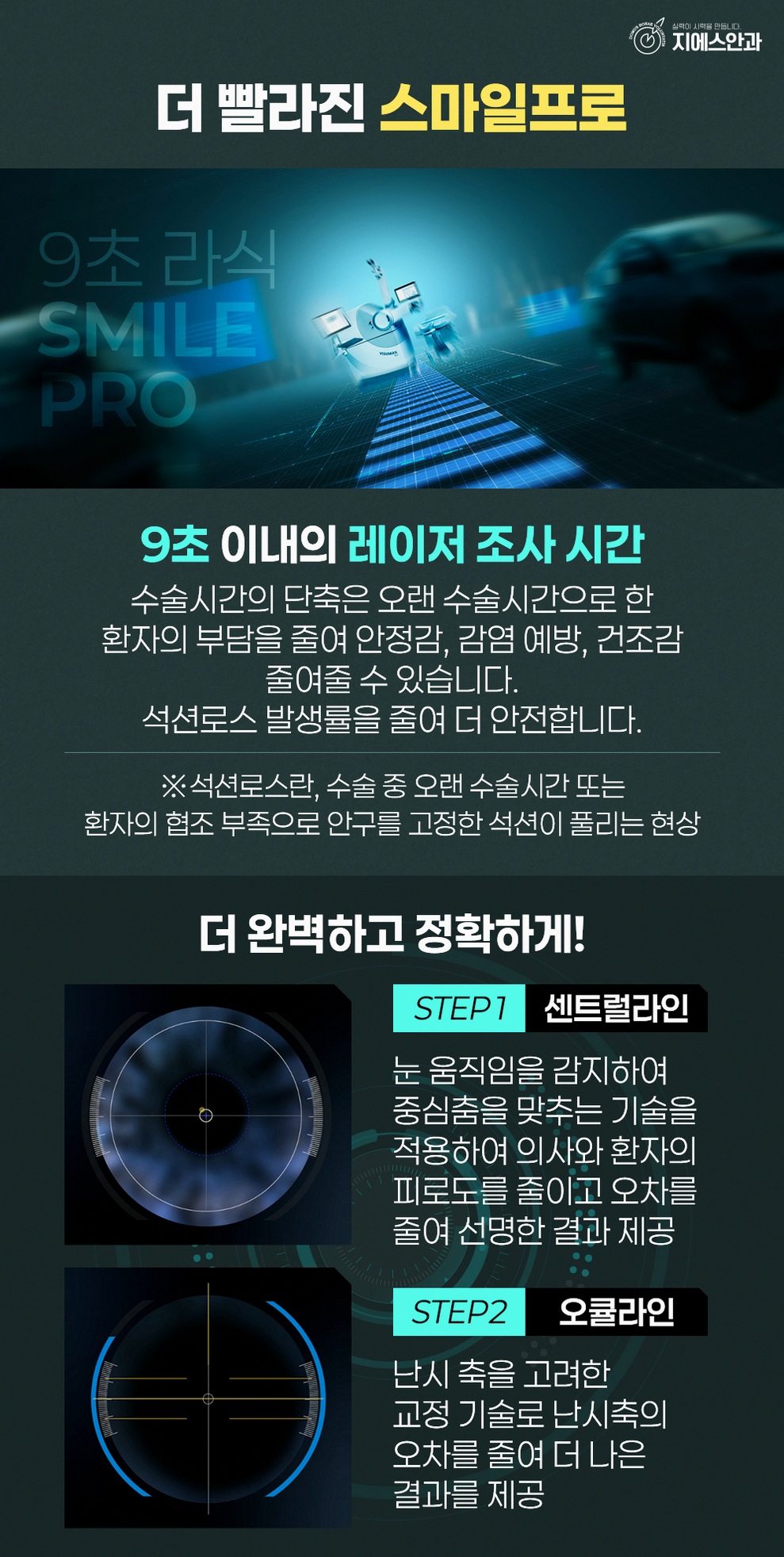
Instead of applying a standard laser pattern, Smart LASIK uses your personalized measurements to guide the laser. The laser removes microscopic amounts of corneal tissue in a pattern that aims to correct nearsightedness, farsightedness, and astigmatism while also smoothing subtle irregularities. This customization can improve the quality of vision, especially in low light, and may reduce the risk of glare and halos compared to older methods.
Improved flap creation
Modern Smart LASIK usually uses a femtosecond laser to create the corneal flap rather than a mechanical blade. Laser created flaps tend to be more uniform and predictable in thickness and diameter, which can improve safety and accuracy. Better control over flap parameters can be especially important for patients with thinner corneas or irregular shapes.
Why patients choose Smart LASIK in Nonhyeon
Nonhyeon, located in Seoul, has become a convenient area for vision correction because many clinics are clustered within a walkable distance of major subway lines and accommodations. International patients often choose this area for several reasons:
- • Access to modern laser platforms and diagnostic equipment
- • Clinics familiar with foreign patients and English language support
- • Efficient scheduling that fits into short medical trips
- • Proximity to hotels, cafes, and shopping, making recovery days more comfortable
For patients who want upgraded technology and more personalized treatment planning, Smart LASIK in Nonhyeon can be an attractive option.
Typical Smart LASIK results: how much vision improvement?
Uncorrected visual acuity
For suitable candidates, Smart LASIK can significantly improve uncorrected visual acuity, meaning how well you see without glasses or contact lenses. Many patients with mild to moderate myopia and astigmatism reach 20/20 or better in at least one eye. Some may achieve slightly better than 20/20, while others may end up around 20/25 or 20/30 but still feel functionally glasses free for most daily activities.
Likelihood of 20/20 or better
The chance of achieving 20/20 or better depends on several factors:
• Starting prescription: Mild to moderate nearsightedness and astigmatism usually have the highest success rates.
• Corneal thickness and shape: A healthy, regularly shaped cornea supports more precise reshaping.
• Pupil size and night vision: Larger pupils may be more prone to halos and glare, especially at night.
• Overall eye health: Conditions like dry eye, corneal disease, or retinal problems can affect both eligibility and results.
Clinics in Nonhyeon typically use detailed pre operative exams to estimate your personal probability of reaching 20/20 and will discuss realistic expectations with you.
Stability of vision over time
Vision usually stabilizes over several weeks to a few months. The general pattern is:
• First 24 hours: Rapid improvement, though vision may be slightly hazy.
• First week: Most patients feel comfortable for work, study, and basic daily activities.
• First month: Vision sharpness and contrast often continue to refine; night vision usually improves.
• After 3 to 6 months: Results are typically stable, with only minor natural changes over the years.
For most adults with stable prescriptions before surgery, the correction remains stable long term. However, natural aging changes, such as presbyopia (difficulty focusing up close after the 40s), can still occur and may require reading glasses later in life.
How quickly will you notice clearer vision?
One of the main advantages of Smart LASIK is the fast visual recovery:
• Many patients notice a dramatic improvement in vision the same day or by the next morning.
• Functional vision for walking around, using a phone, and basic tasks often returns within 24 hours.
• Fine vision for extended computer work, night driving, or detailed tasks may continue to improve over the first few weeks.
Clinics usually recommend resting your eyes on the day of surgery and using protective shields at night to avoid rubbing.
Impact on daily life after Smart LASIK
Reduced dependence on glasses and contacts
For many patients, Smart LASIK significantly reduces or eliminates the need for glasses or contact lenses for:
- • Office work and studying
- • Driving and commuting
- • Sports, gym workouts, and outdoor activities
- • Travel and swimming (with appropriate eye protection)
- • Everyday tasks like shopping, cooking, and watching TV
Some people with higher prescriptions or specific visual demands may still choose to use thin glasses for special situations, such as night driving or long hours of computer use, but their overall dependence on corrective lenses is usually much lower.
Digital device use
Because modern life involves long hours on screens, patients often ask about digital comfort. Smart LASIK can provide clear distance and intermediate vision for laptops and monitors. However, heavy screen use can still cause eye strain and dryness, especially in the early healing period. Clinics in Nonhyeon typically recommend regular breaks, artificial tears, and good lighting to keep your eyes comfortable.
Sports and active lifestyles
For active individuals, not needing glasses or contact lenses can be a major benefit. Many patients appreciate easier participation in running, gym workouts, yoga, and non contact sports within a short time after surgery. Return to more intense or contact sports is usually allowed later in the recovery timeline once the flap has fully adhered and the eye has healed.
Safety, side effects, and how Nonhyeon clinics manage them
Common temporary symptoms
Most Smart LASIK patients experience some temporary side effects, such as:
- • Dry eyes or a gritty sensation
- • Light sensitivity
- • Glare or halos around lights at night
- • Mild fluctuation in vision during the day
These symptoms are usually most noticeable in the first few weeks and gradually improve. Many patients find that dryness and night vision issues reduce significantly within 1 to 3 months, though some may use lubricating drops for longer.
How long do side effects last?
• Dryness: Often most intense in the first month, then slowly improves. Artificial tears are commonly recommended for several weeks to months.
• Glare and halos: Frequently noticeable in the first few weeks, especially for night driving. These typically fade as the cornea heals and the brain adapts.
• Fluctuating vision: Can occur during the early healing period and usually stabilizes over the first 1 to 3 months.
Role of pre operative screening
Thorough pre surgery examinations are essential for safe and predictable Smart LASIK results. In Nonhyeon, clinics commonly perform:
• Corneal thickness measurement: Ensures enough tissue remains after reshaping to maintain corneal strength.
• Corneal topography and tomography: Maps the corneal shape and detects irregularities or early keratoconus that may increase risk.
• Tear film and dry eye assessment: Identifies dryness that should be treated before surgery to improve comfort and outcomes.
• Pupil size measurement: Helps predict the risk of halos and glare, especially in low light.
• Full eye health check: Includes retina, lens, and eye pressure evaluations.
By carefully selecting candidates and customizing treatment plans, clinics aim to minimize complications and improve the chance of a smooth recovery.
Who is likely to see the best results from Smart LASIK?
Ideal candidates
Patients who tend to do well with Smart LASIK usually share these characteristics:
• Adults with a stable glasses or contact lens prescription for at least 1 to 2 years
• Mild to moderate myopia, hyperopia, and astigmatism within the treatable range of the laser
• Adequate corneal thickness and a regular corneal shape
• No significant eye diseases such as advanced dry eye, uncontrolled glaucoma, or retinal problems
• Realistic expectations about what surgery can and cannot achieve
Mild versus high prescriptions
Mild to moderate prescriptions:
- • Often achieve the sharpest and most predictable results
- • High likelihood of 20/20 or better in at least one eye
- • Lower chance of needing enhancement procedures
Higher prescriptions:
• Can still benefit significantly, with major reduction in dependence on glasses or contacts
• Slightly higher chance of residual refractive error, meaning thin glasses might be helpful for certain tasks
• May have a higher likelihood of night vision symptoms, which usually improve over time
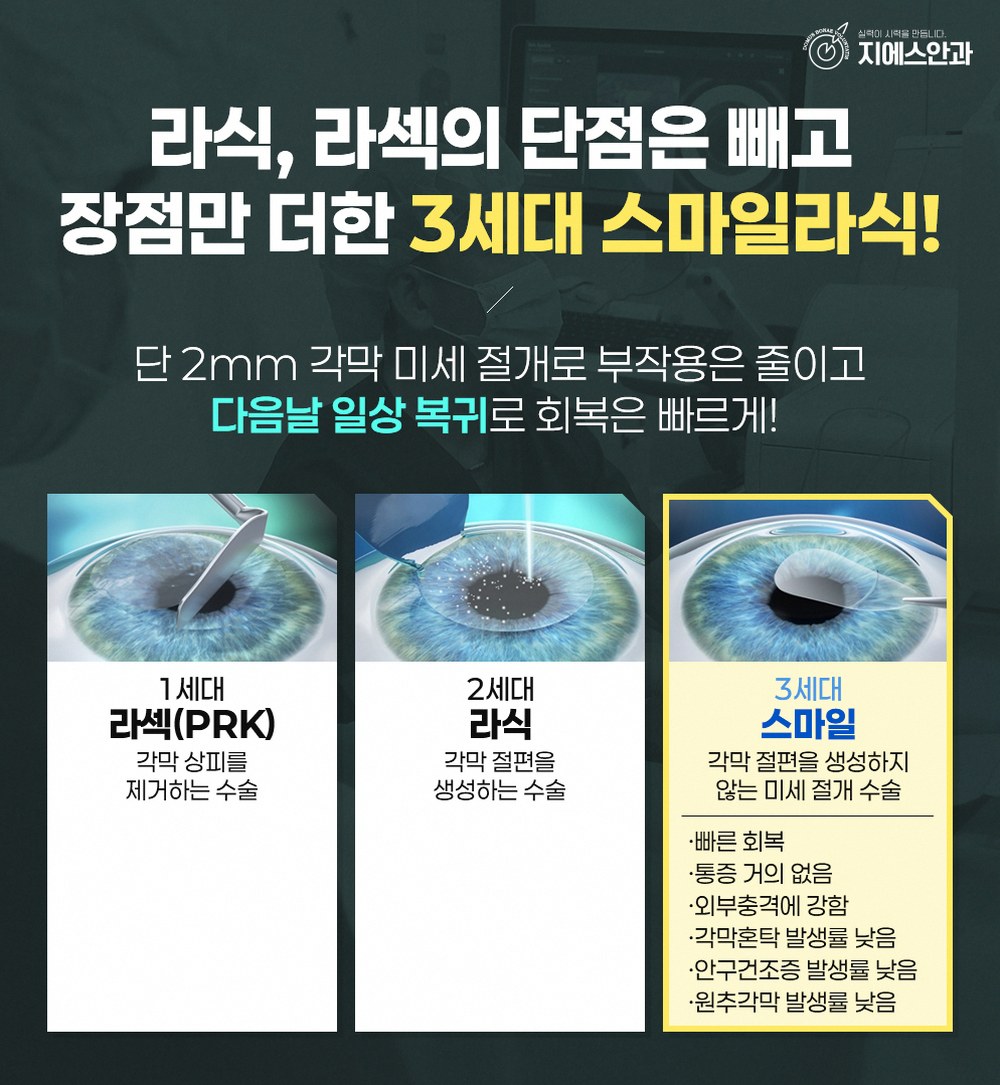
Some patients, especially those with very high prescriptions or thinner corneas, may be better suited to alternative procedures such as surface ablation or implantable lenses. A detailed consultation in Nonhyeon will help determine the safest and most effective option.
Technology, surgeon experience, and treatment planning
Modern laser platforms
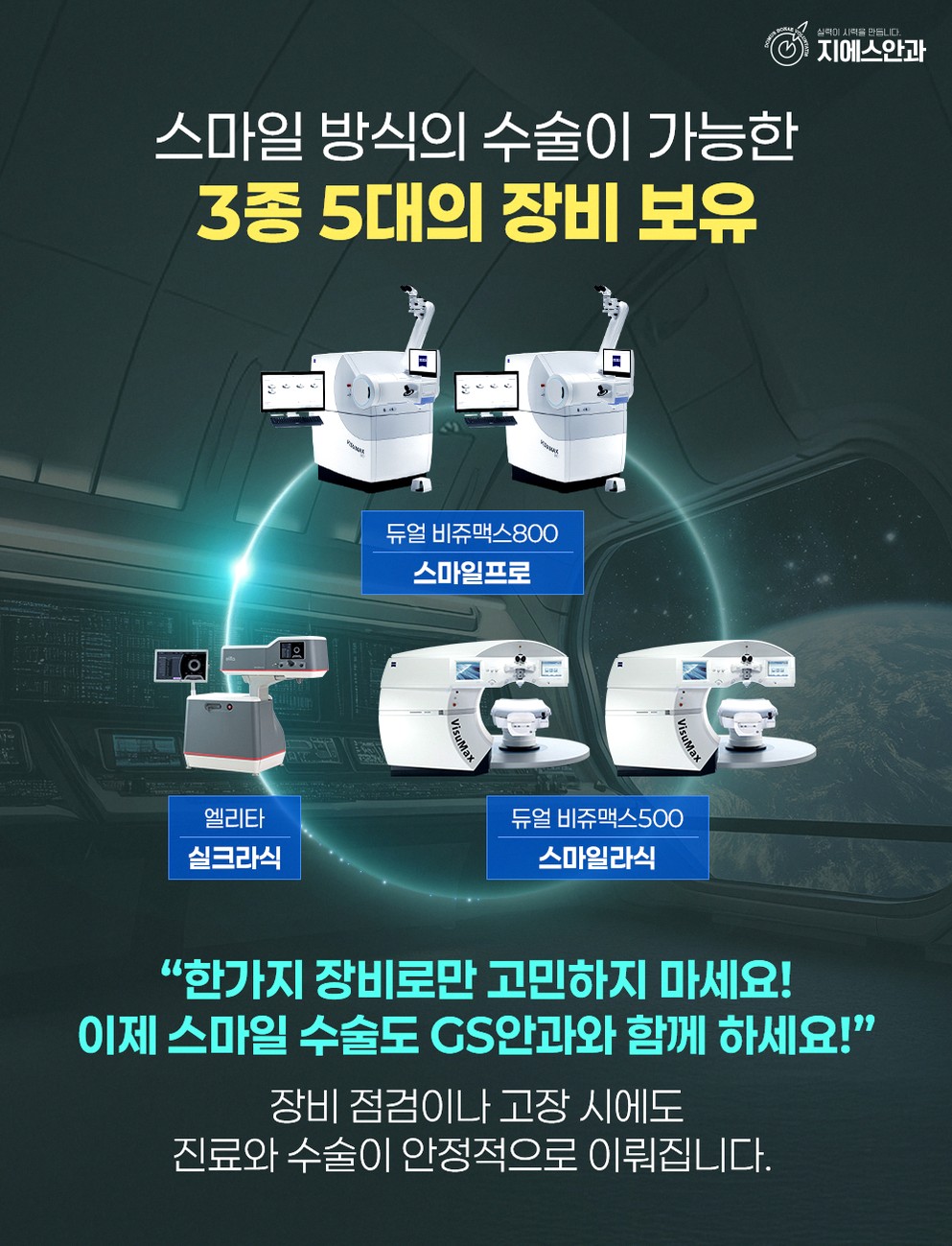
Clinics in the Nonhyeon area commonly use up to date excimer and femtosecond lasers designed for:
- • High speed, precise tissue removal
- • Customized ablation profiles based on corneal mapping
- • Smooth treatment zones to support better night vision
Advanced diagnostic equipment
Accurate data is essential for Smart LASIK. Nonhyeon clinics typically rely on:
- • High resolution corneal topography and tomography
- • Wavefront or aberrometry style measurements
- • Devices to analyze tear film quality and stability
Surgeon experience and personalized planning
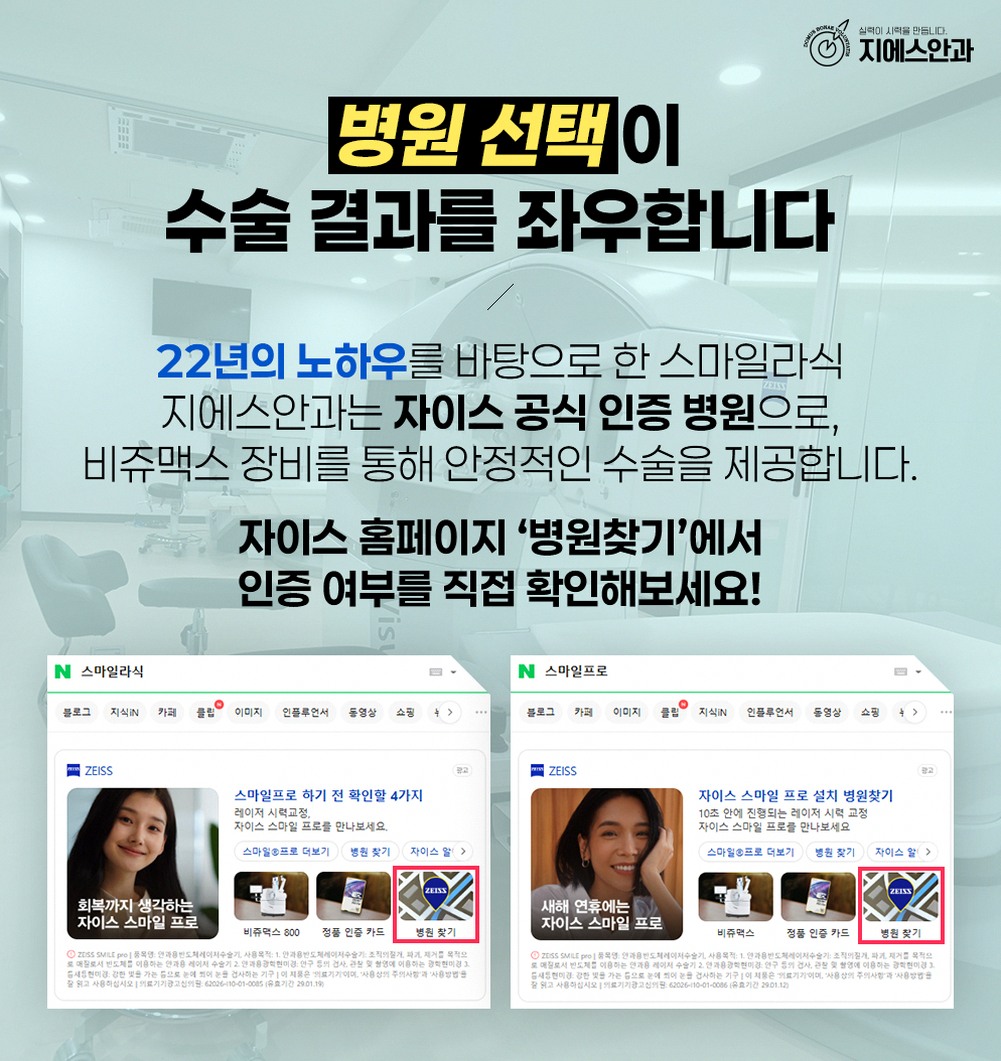
While technology is important, outcomes also depend on the surgeon’s experience and judgment. Key steps include:
- • Interpreting diagnostic data correctly
- • Deciding whether you are a good candidate
- • Choosing the safest flap thickness and size
- • Customizing the laser pattern to your eye’s shape and your lifestyle needs
During your consultation, you can ask about the surgeon’s experience with Smart LASIK, their typical outcomes, and how they handle enhancements if small adjustments are needed later.
Expected Korea visit timeline for Smart LASIK in Nonhyeon
Pre visit online consultation and preparation
Before you travel, most Nonhyeon clinics can offer online or email based consultations. You may be asked to provide:
- • Your current glasses or contact lens prescription
- • Any previous eye exam reports
- • Information about eye diseases, general health, and medications
- • Your goals, such as whether you prioritize distance, intermediate, or near vision
This pre visit step helps the clinic estimate your suitability and plan your schedule.
Typical in person schedule
Day 1: Comprehensive examination
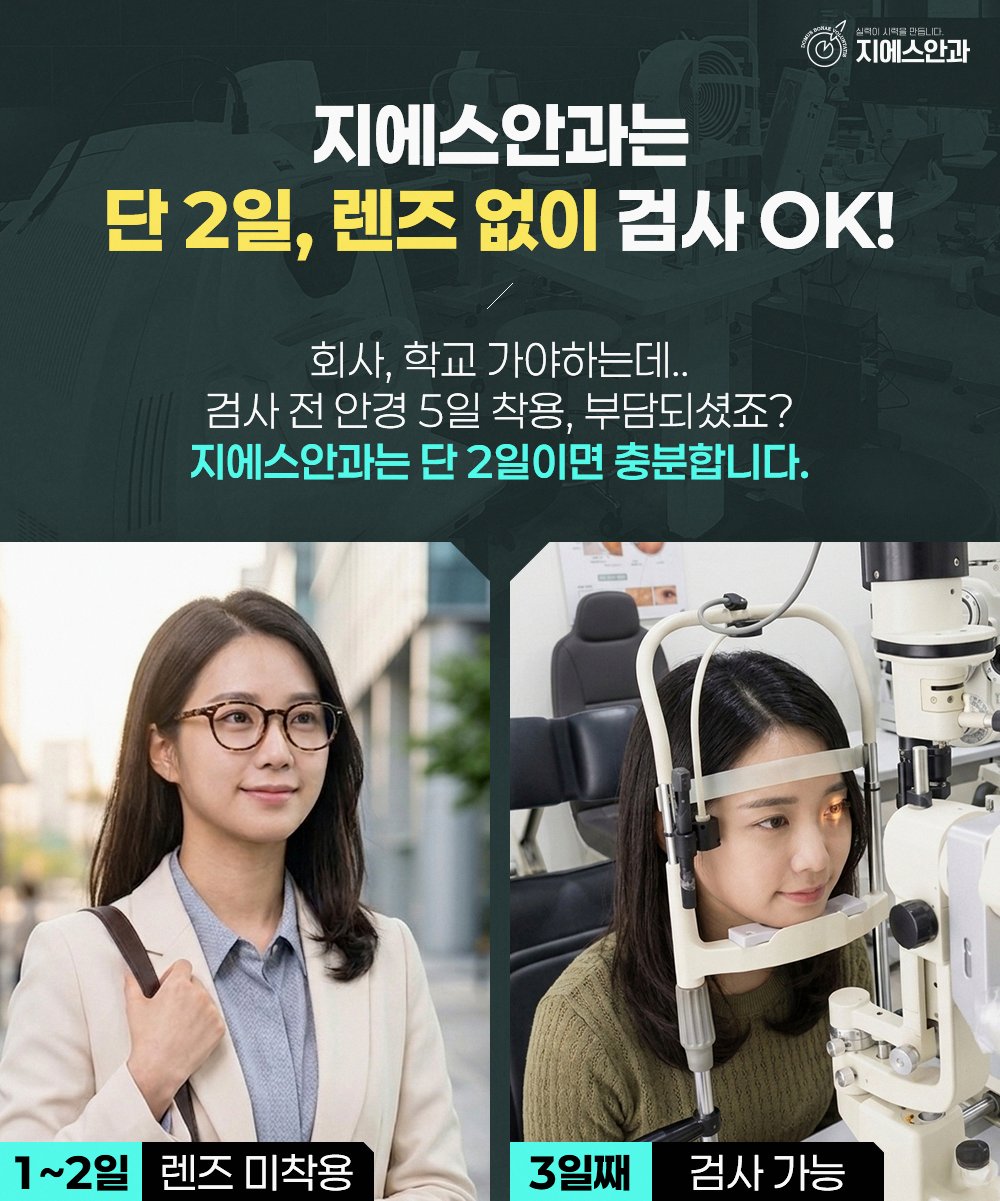
• Detailed eye tests, including corneal thickness, topography, tear film, and pupil size
• Discussion of whether Smart LASIK is appropriate for you
• Explanation of expected results, risks, and alternatives
• If you are a good candidate and you agree, surgery may be scheduled for the same day or the next day
Day 1 or Day 2: Smart LASIK procedure
• The procedure itself usually takes around 10 to 20 minutes for both eyes
• You are awake but receive numbing drops; many clinics also offer mild oral sedation
• After surgery, you rest briefly at the clinic, then return to your accommodation with protective shields and eye drops
Day 2: First post operative check
• The clinic checks your vision and the healing of your corneal flaps
• You receive detailed instructions on eye drops, activity restrictions, and how to manage dryness or discomfort
First week: Follow up visit
• Many clinics prefer at least one more check within the first week to monitor healing
• If you are staying in Korea for a short time, they may adjust the schedule to fit your travel plans
When can you return to daily activities?
Day 1
- • Light indoor activities
- • Short screen use with breaks
- • Showering from the neck down, avoiding water in the eyes
Within the first week
• Most patients can return to office work or study within 2 to 3 days, depending on comfort
• Light exercise like walking or gentle stretching is usually allowed
• Avoid swimming, hot tubs, heavy lifting, and eye makeup
After about one month
• Many patients can resume more intense exercise and non contact sports
• Eye makeup can usually be used carefully, following clinic guidance
• Swimming and water sports are typically allowed later, once the surgeon confirms stable healing
Your exact timeline may vary depending on your healing and the clinic’s protocol.
Aftercare and long term follow up
Post operative care
Nonhyeon clinics generally provide:
- • Prescription eye drops to prevent infection and reduce inflammation
- • Lubricating drops to manage dryness
- • Protective shields or goggles for sleeping in the first few nights
You will be advised to:
- • Avoid rubbing your eyes
- • Use sunglasses outdoors to reduce light sensitivity
- • Follow the drop schedule exactly
- • Limit dusty or smoky environments during early healing
Long term follow up
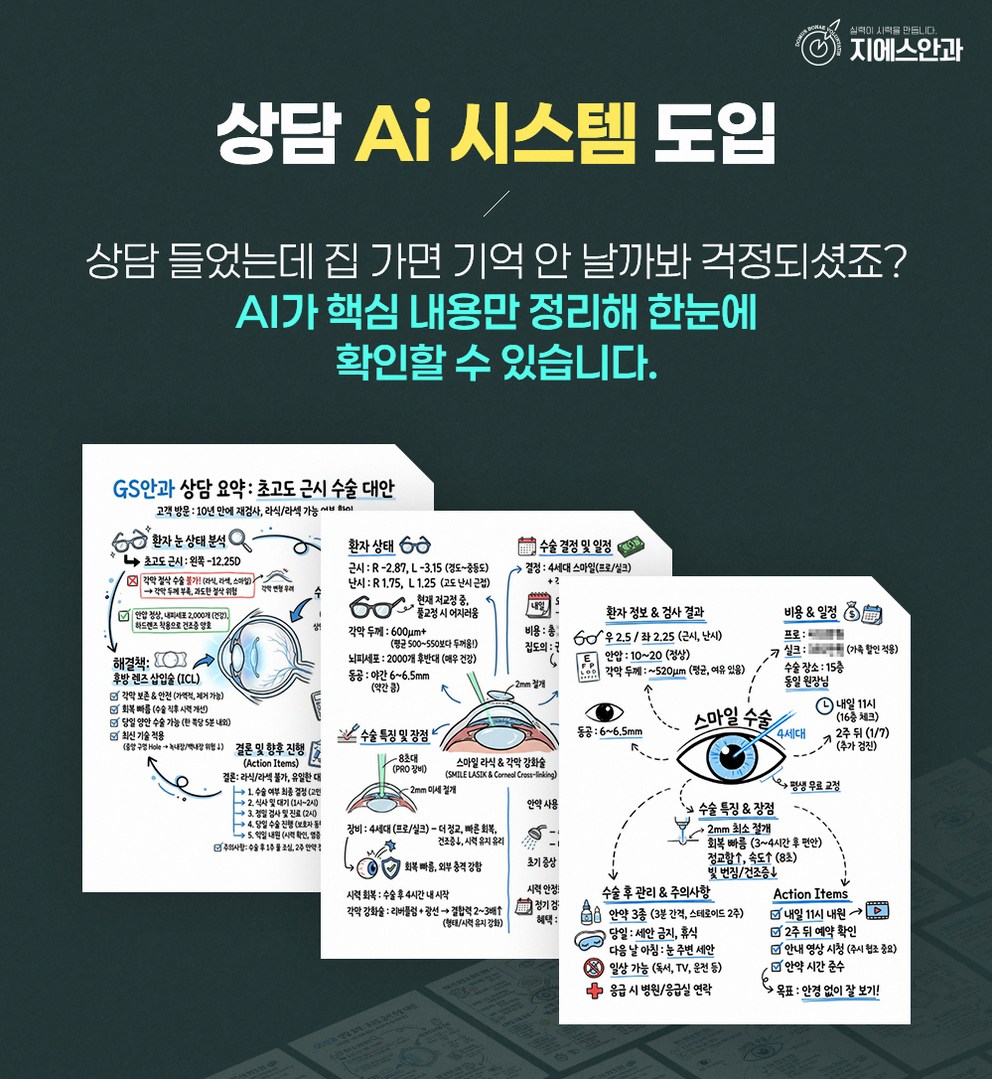
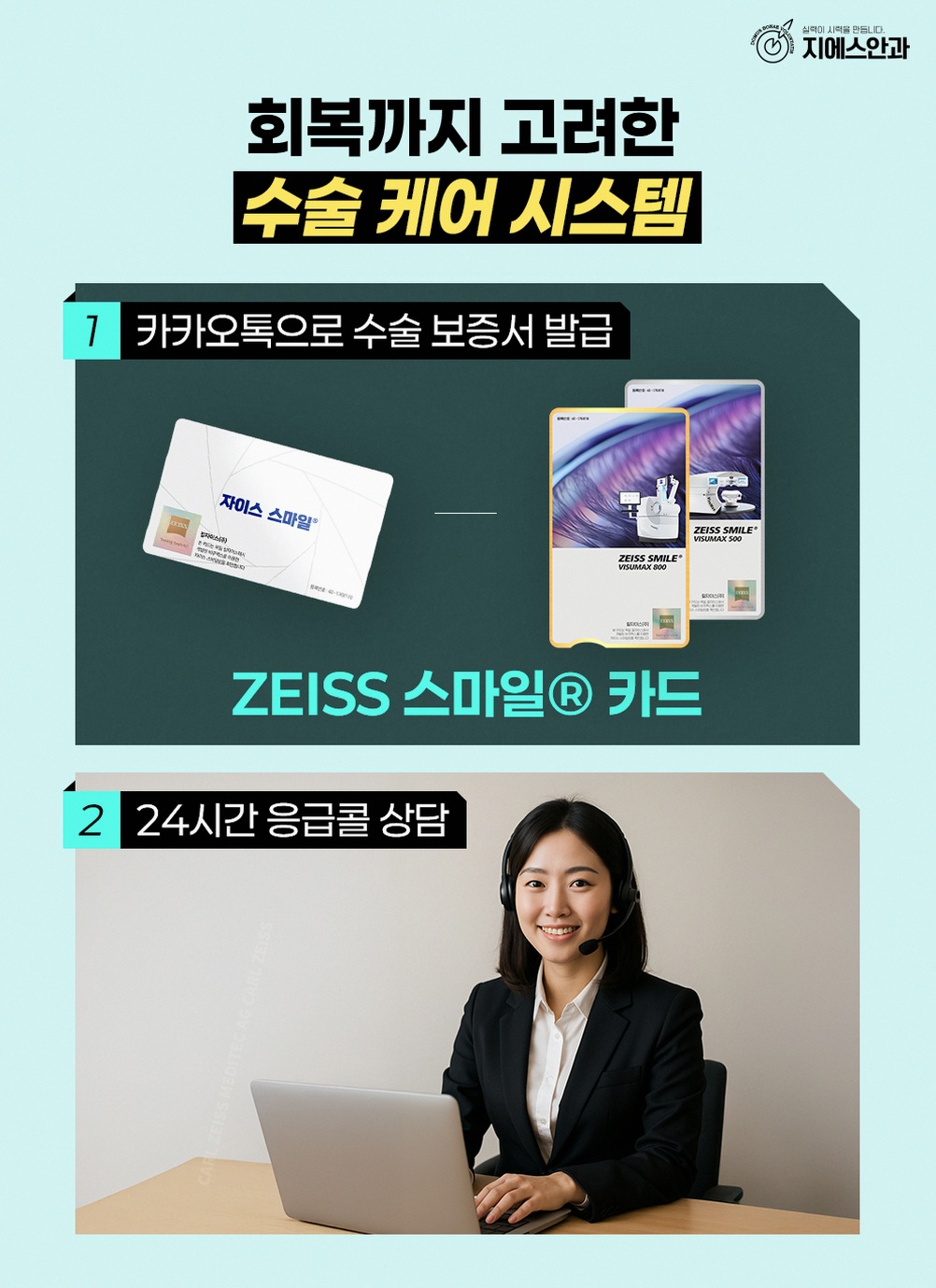
Once you return home, you can usually have routine checks with your local eye doctor. Many clinics offer online follow up to review your progress, answer questions, and coordinate with your local provider if needed.
FAQ about Smart LASIK results in Nonhyeon
Will I definitely be free from glasses forever?
No clinic can promise permanent freedom from glasses. Many patients do enjoy daily life without glasses for years, but some may need thin glasses for certain tasks, such as night driving or long hours at a computer. As you age, you may also need reading glasses due to natural changes in the eye.
Is Smart LASIK painful?
Most patients feel pressure but not pain during the procedure because numbing drops are used. After surgery, you may feel mild burning, tearing, or a foreign body sensation for several hours. This usually improves by the next day with the help of prescribed drops.
How long do I need to stay in Seoul?
Many international patients plan a stay of about 4 to 7 days to allow for pre operative testing, surgery, and at least one or two follow up visits. Your clinic can advise a schedule based on your travel plans and eye condition.
Can Smart LASIK correct both myopia and astigmatism?
Yes, Smart LASIK is commonly used to treat nearsightedness and astigmatism together, as well as some degrees of farsightedness, within the approved treatment ranges of the laser system.
What if my vision is not perfect after surgery?
Mild residual refractive error is possible. If your eyes are otherwise healthy and the cornea has enough thickness, an enhancement procedure may be considered after your vision stabilizes. Clinics in Nonhyeon usually explain their enhancement policy, including timing and costs, during your consultation.
Questions to ask during your Nonhyeon Smart LASIK consultation
When you meet a clinic in person or online, consider asking:
• Am I a good candidate for Smart LASIK based on my prescription and corneal measurements?
• What visual result do you expect in my case, and what is my realistic chance of 20/20?
• What laser and diagnostic technologies will you use for my treatment?
• How do you manage dry eye and night vision symptoms before and after surgery?
• What is your policy on enhancements if I need a small adjustment later?
• How many follow up visits do you recommend, and can any be done online?
These questions help you understand both the potential benefits and the limitations of the procedure for your specific eyes.
Soft call to action
If you are considering Smart LASIK in the Nonhyeon area of Seoul, an online consultation is a practical first step. By sharing your current prescription, eye history, and travel schedule, you can receive an initial assessment of your suitability, a rough idea of expected results, and a proposed treatment timeline.
With clear information and realistic expectations, you can decide whether Smart LASIK in Nonhyeon fits your vision goals, lifestyle, and travel plans, and prepare for a smooth and efficient medical trip to Korea.


댓글
댓글 쓰기