Apgujeong Smart LASIK Reviews and What Overseas Patients Can Expect
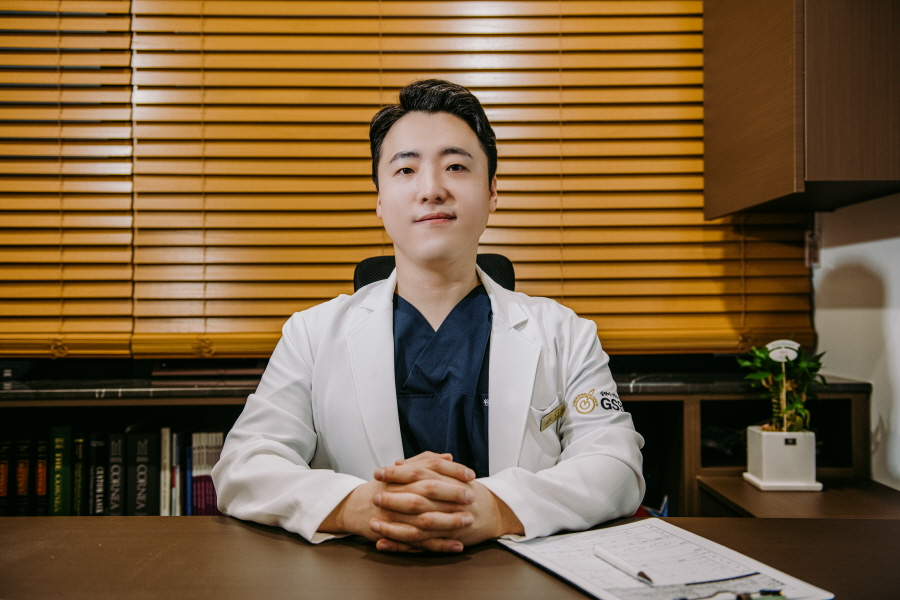
This guide summarizes what recent patients describe in their reviews, so you can get a realistic sense of the process from consultation to recovery.
If you are searching for Apgujeong Smart LASIK reviews, you are probably trying to understand what the real experience is like in the Gangnam area, how safe it feels, and how long it takes to recover. Based on many patient reports from a long‑running ophthalmology clinic near Gangnam Station, Smart LASIK in this context usually means SMILE‑family procedures such as SMILE Pro, SMILE LASIK, and SILK.
People often describe spending a good amount of time on machines and scans before meeting the doctor, then getting specific explanations about their cornea thickness, dryness, and which procedures are suitable or not. Patients also often talk about temporary dryness and night halos in the early phase. As always, results and recovery speed differ by person, and you should have a full eye examination with an ophthalmology specialist before deciding.
This guide focuses on what international patients can realistically expect if they come to Korea, especially the Apgujeong and Gangnam area, for Smart LASIK.
What Smart LASIK means in Apgujeong and Gangnam
In the Apgujeong and Gangnam area, the term Smart LASIK is often used to describe newer SMILE‑family vision correction procedures rather than classic flap LASIK.
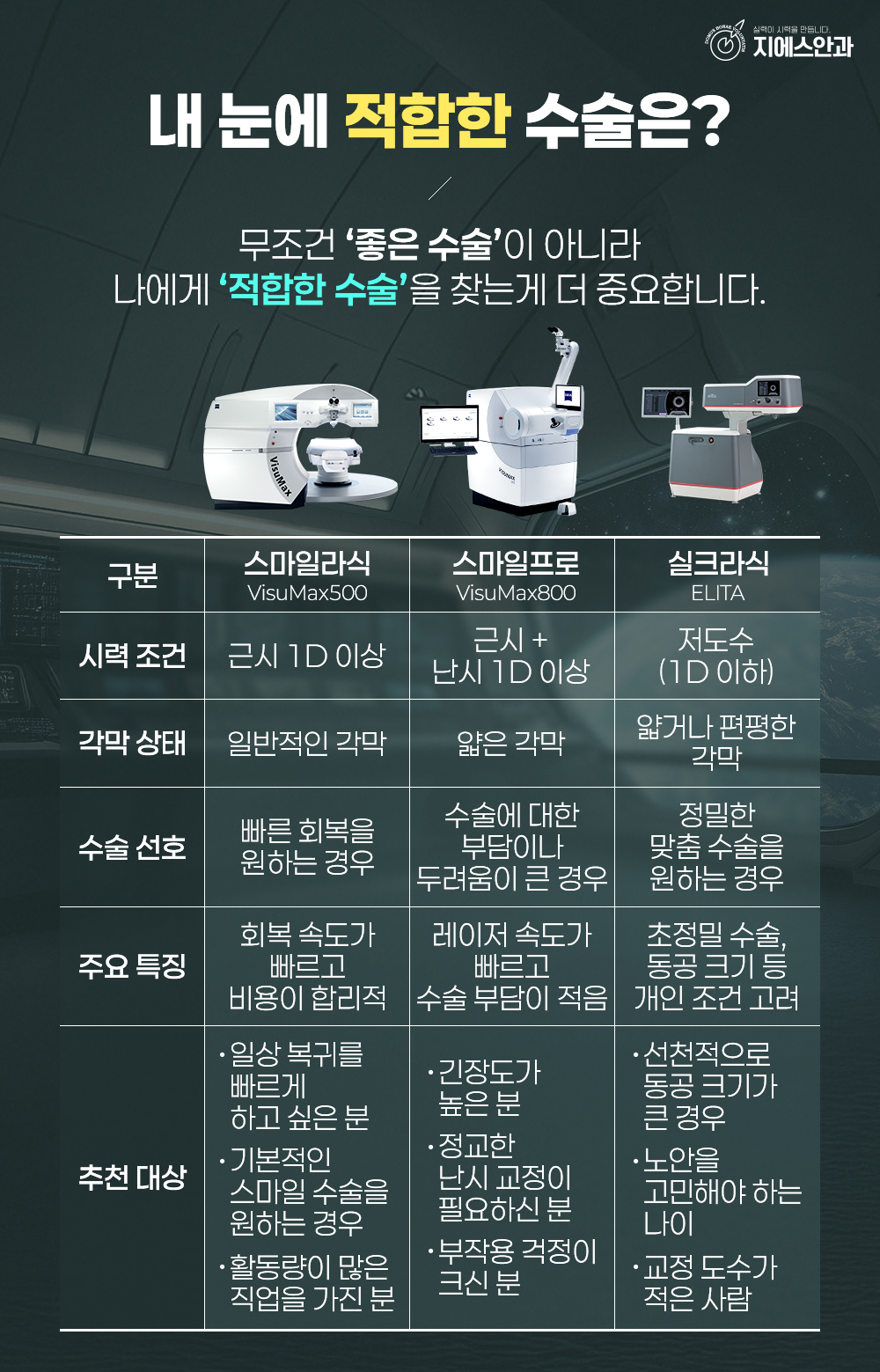
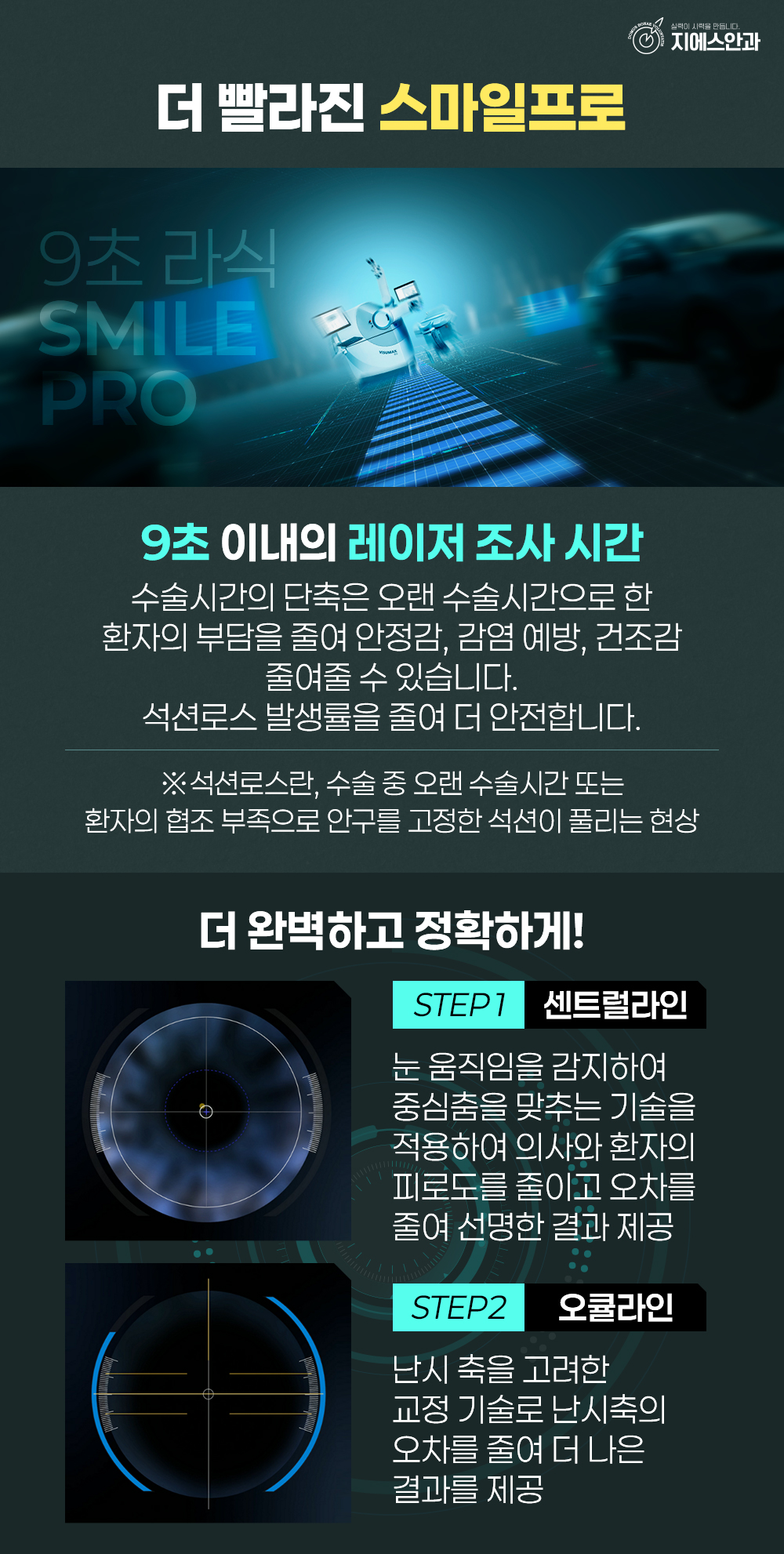
- SMILE Pro using the ZEISS VISUMAX 800 laser
- SMILE LASIK using ZEISS VISUMAX 500
- SILK, another small‑incision laser option
All of these are designed as small‑incision or minimally invasive procedures compared with older LASIK techniques. Instead of creating a wide corneal flap, the laser creates a small opening and a thin internal lens‑shaped layer that is removed to change the eye’s focusing power.
Key points that often appear in reviews include:
The incision is small and there is no large flap to lift in SMILE‑type procedures. With systems like the VISUMAX 800, laser time per eye is described as very short, often just a few seconds. In many reviews, people mention that they could return to everyday routines sooner than they expected and that their eyes felt less dry than with older methods they had heard about, though this is a general impression and not a promise for every case.
The same clinic also offers LASEK, lens implantation, corneal strengthening, a dry eye clinic, and presbyopia and cataract surgery. In reviews, patients often mention that they were guided to the option that fit their cornea, prescription, and lifestyle instead of being pushed into a single procedure.
Why people search Apgujeong Smart LASIK reviews
Many readers who look up Apgujeong Smart LASIK reviews share a similar situation:
They live, work, or study around Apgujeong, Gangnam, or nearby districts.
They are tired of glasses or contact lenses and want long‑term vision correction.
They are specifically searching for real experiences, not just promotional phrases.
Common worries that appear repeatedly in reviews and Q&A include:
- Is SMILE or Smart LASIK really safe for my eyes?
- Will the procedure or recovery be painful?
- How soon can I see clearly enough to work, study, or travel?
- Can I trust a high‑volume Gangnam clinic, or will I feel rushed?
A good set of reviews does not just say “it was good” or “it was fast.” Instead, it describes the testing process, the doctor’s explanations, what the laser felt like, and how the first days of recovery went. When you read reviews, look for this level of detail.
For Smart LASIK in the Apgujeong and Gangnam area, people often say they read a lot of reviews before choosing a clinic. While doing that, they tend to notice simple things first, like how long the clinic has been around, how the staff talk to patients in the consultation room or on the phone, and whether reviewers mention the laser platforms or testing equipment by name.
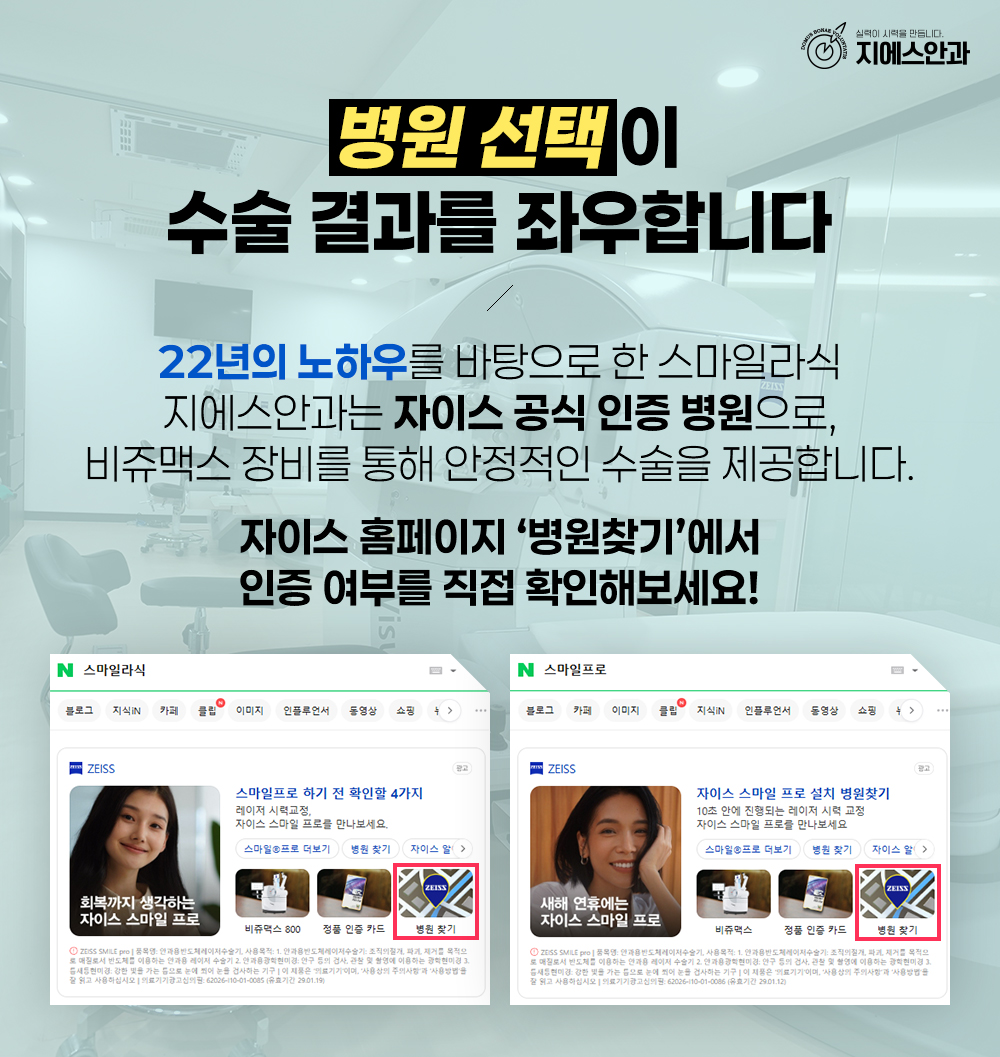
Experienced ophthalmology team. Reviews often mention that all doctors are ophthalmology specialists, with several having university hospital and retina fellowship backgrounds. Patients who have retina concerns or high myopia often find this reassuring.
High case volume and SMILE focus. Reviewers often take this as a sign that the team is familiar with a wide range of eye conditions and current protocols.
Multiple SMILE‑dedicated lasers.
In positive reviews, people usually value:
Thorough pre‑operative testing and clear explanations.
Honest counseling when someone is not a good candidate for a certain procedure.
Step‑by‑step guidance on surgery day and during follow‑up.
When you read Apgujeong Smart LASIK reviews, pay close attention to how people describe the first visit. At this Gangnam clinic, a typical pre‑operative exam described in reviews includes:
Multiple detailed tests. These usually include vision and refraction, corneal thickness, corneal shape and topography, tear film and dry eye evaluation, intraocular pressure, and a retina check. For international patients, this may feel more like a half‑day health check than a quick eye test.
Explanation of candidacy. Not everyone is suitable for SMILE or Smart LASIK. Some people are recommended LASEK, lens implantation, or sometimes no surgery at all. Reviews often mention relief that the staff did not push surgery when the cornea was borderline or when the retina showed risk factors.
Comparison of options. Counselors and doctors typically compare SMILE Pro, SMILE LASIK, SILK, and other options in simple language. They explain incision size, typical recovery time, possible night vision changes, and a general cost range. Many reviewers say this helped them understand why one method was recommended for them.
Time for questions. People repeatedly mention that they could ask detailed questions about risks, side effects, and realistic expectations. For overseas patients, this is especially important, as you may be planning travel dates and need to know how many days to stay in Korea.
Many patients say they felt reassured by seeing their own test results on screen and having the doctor walk through them. If you are reading reviews, look for comments about how well the clinic explained borderline findings or reasons to delay or avoid surgery.
Surgery day Smart LASIK experience
On surgery day, reviews of Smart LASIK and SMILE Pro in the Apgujeong and Gangnam area tend to describe a similar sequence:
Arrival and final checks. Patients arrive at the ophthalmology clinic, sign consent forms, and have final measurements or confirmation tests. Pre‑operative eye drops are given to numb the eyes and dilate or constrict pupils as needed.
Guidance into the laser room. Staff guide the patient to the laser suite, explain the process again, and help them lie down under the VISUMAX 800 or 500. Many people mention that staff continue talking calmly throughout, which reduces anxiety.
Very short laser time. Patients usually describe feeling pressure and dim or blurred vision for a few seconds, but not sharp pain. With SMILE LASIK on the VISUMAX 500, the experience is similar, though the laser time is slightly longer.
Comfort level. Most reviews say there is little to no pain during the procedure itself, more like pressure or mild discomfort. The most uncomfortable part for some people is simply staying still and managing their nerves.
Immediate post‑operative impressions. Right after surgery, vision is often already improved but hazy or foggy. Light sensitivity and tearing are very common on the way home. Many patients are given protective glasses or shields and detailed instructions about eye drops and how to sleep that night.
For overseas patients, it is useful to know that surgery day itself is usually not physically demanding, but you may prefer to have a friend or family member accompany you back to your hotel or accommodation.
Early recovery (first 1–3 days)
Many reviewers report that they can function the next day for basic activities, though they may still feel:
Dryness or a sandy sensation in the eyes.
Sensitivity to light, especially outdoors.
Halos or glare around lights at night.
Most people are advised to rest their eyes, avoid rubbing, use prescribed drops exactly as directed, and wear protective shields or glasses when sleeping or outside. International patients should plan at least one follow‑up visit within the first day or two after surgery.
Short‑term recovery (first 1–4 weeks)
Over the first few weeks, reviews often describe:
Vision stabilizing gradually. Small fluctuations from morning to evening are common.
Comfort improving. Dry eye symptoms typically become milder with proper drop use.
Night glare and halos slowly decreasing, though they may still appear in some situations.
Most people can work, study, and use screens during this period, but they are encouraged to take breaks and use artificial tears if needed.
Medium‑term recovery (1–6 months)
In the medium term, many reviews mention:
Clear unaided vision for work, driving, and hobbies.
Eyes feeling more and more normal, to the point that some people forget they had surgery.
Occasional dryness in air‑conditioned or heated environments, which is usually manageable.
Individual results vary; some people need more time for night vision to feel comfortable, and a small number may need enhancement or additional treatment. A good clinic will explain this possibility in advance and schedule long‑term follow‑ups.
When you compare Smart LASIK options around Apgujeong and Gangnam, use reviews as a checklist rather than only looking at star ratings. Useful points to check include:
Pre‑operative testing. Do reviewers mention a full, structured exam with corneal thickness, topography, dry eye testing, and retina checks? Or was it a quick, superficial test?
Reason for the chosen procedure. Do people explain why SMILE Pro, SMILE LASIK, SILK, or another method was selected for them? This shows that the clinic tailors treatment.
Handling of concerns or complications. If someone had dryness, slower recovery, or other issues, how did the staff and doctors respond? Calm, consistent follow‑up is a good sign.
Pain level and recovery speed. Look for consistent comments about discomfort, how soon people could return to work or travel, and how long night halos lasted.
Follow‑up care. Do reviews mention scheduled checkups, emergency contact information, and support for dry eye or night vision issues?
For medical procedures, it is usually better to prioritize safety, communication, and examination quality over the lowest price.
Who Smart LASIK may and may not be suitable for
Candidacy for Smart LASIK or SMILE‑type procedures is highly individual. Factors that the ophthalmology team will consider include:
Corneal thickness and shape. The cornea must be thick and regular enough to safely remove tissue.
Degree of myopia, hyperopia, and astigmatism. Very high prescriptions may be better suited to lens implantation or other options.
Existing eye conditions. Dry eye, keratoconus, and retinal problems can affect suitability. This particular clinic also runs a dedicated retina center with retina‑trained specialists, which is relevant for patients with high myopia or other retinal concerns discovered during screening.
Age and lifestyle. Night driving, sports, and heavy screen use all influence which procedure may be recommended.
During your consultation, the doctor may advise against Smart LASIK if your cornea is too thin, your topography is irregular, or your retina shows certain risk factors. This is not a failure, but a sign that the clinic is prioritizing long‑term eye health.
Online consultation and pre‑visit preparation for overseas patients
If you are planning to travel to Korea for Smart LASIK, it is wise to start with an online consultation. Many international patients contact the clinic in advance to:
Share their glasses or contact lens prescription.
Explain any history of eye infections, trauma, or previous surgeries.
Discuss their travel schedule and how many days they can stay in Seoul.
Before your first in‑person visit, prepare the following:
A clear photo or scan of your current glasses prescription.
Information about how long you have worn contact lenses and when you can stop them before the exam. Soft lenses are usually stopped for several days, and rigid lenses may need to be stopped longer.
A list of any eye symptoms such as dryness, floaters, flashes of light, or frequent headaches.
It is also helpful to prepare questions about:
Differences between SMILE Pro, SMILE LASIK, SILK, and other options.
Expected recovery timeline for your specific job or study schedule.
How many follow‑up visits are recommended and when you can safely fly home.
Typical Korea visit flow for Smart LASIK
For most overseas patients, a practical visit schedule might look like this:
Day 1: Comprehensive examination and counseling. Plan several hours at the ophthalmology clinic. If you are a suitable candidate and feel comfortable, you may schedule surgery for the next day or later in the week.
Day 2: Surgery day. The procedure itself is short, but you should allow half a day for preparation, surgery, and immediate rest afterward.
Day 3: First post‑operative check. The doctor confirms corneal status, vision, and early healing. Many people can walk around and do light sightseeing, but it is better to avoid dusty or crowded environments.
Days 4–7: Additional follow‑ups as advised. Some patients may have another check within the week. If your healing is stable, the doctor can advise when it is safe to fly back.
In general, staying in Korea for about one week around the time of surgery is a common pattern for international patients, but the exact schedule should be confirmed with the clinic based on your eyes and travel plans.
Aftercare and long‑distance follow‑up
Proper aftercare is as important as the surgery itself. Typical aftercare instructions include:
Using prescribed antibiotic and anti‑inflammatory eye drops for the recommended period.
Using artificial tears regularly to manage dryness.
Avoiding eye rubbing, swimming pools, and heavy exercise for a certain time.
Wearing protective glasses outdoors and shields while sleeping in the early phase.
For international patients, it is important to:
Keep detailed records of your surgery and early follow‑up results.
Schedule a follow‑up with an ophthalmology clinic in your home country after you return.
Contact the Korean clinic by email or messaging if you notice unusual symptoms such as sudden vision loss, severe pain, or persistent redness.
A good clinic will provide clear written instructions in a language you understand and will be available to answer questions even after you leave Korea.
Is Smart LASIK in Apgujeong and Gangnam safe for international patients?
However, no procedure is completely risk‑free, and you should have a full eye examination and a careful discussion of risks and benefits before deciding.
How much pain should I expect during and after Smart LASIK?
Most reviews describe little to no pain during the procedure itself, more like pressure and brief discomfort while the laser is working. After surgery, it is common to feel tearing, burning, or a foreign‑body sensation for several hours. These symptoms usually improve by the next day with proper drops and rest. Pain levels vary by person, but severe or persistent pain should always be reported to the clinic immediately.
How soon can I see clearly and return to normal activities?
Many patients report functional vision the next day for walking around and basic tasks, though vision may still be slightly hazy and sensitive to light. Most desk work and study can usually resume within a few days, but night driving and intense sports may need to be delayed longer. Your doctor will give specific guidance based on your procedure and healing speed.
Can I combine Smart LASIK with a short trip to Korea?
Yes, many overseas patients plan Smart LASIK as part of a short stay in Seoul, especially around Apgujeong and Gangnam where transport and accommodation are convenient. It is generally recommended to stay at least several days after surgery for follow‑up checks. You can usually enjoy light sightseeing after the first day or two, but you should avoid dusty areas, heavy exercise, and activities with a risk of eye injury. Always confirm your travel and flight schedule with the clinic in advance.
If you are comparing Apgujeong Smart LASIK reviews and considering a trip to Korea, the next practical step is to arrange an online consultation with an ophthalmology clinic that focuses on SMILE‑type procedures. Share your current prescription, eye history, and travel plans, and ask detailed questions about candidacy, equipment, recovery, and follow‑up.
Use online reviews as a starting point, but base your final decision on a thorough in‑person examination and clear communication with an ophthalmology specialist. This approach gives you the best chance to match your expectations, schedule, and eye health with the most suitable vision correction option for you.




댓글
댓글 쓰기