Apgujeong SMILE / Smart LASIK Cost Guide for International Patients
• Standard SMILE: roughly similar to or slightly higher than conventional LASIK
• Latest-generation SMILE Pro or other flapless options like SILK: often at the higher end of the laser vision correction range
Exact fees vary by clinic and by your eye condition.
If you are comparing SMILE / Smart LASIK costs in Apgujeong, the biggest differences usually come from what is actually included in the fee and how up‑to‑date the flapless laser system is. As you read, focus on which clinics clearly explain their SMILE, SMILE Pro, or SILK package (tests, surgery, follow‑ups) and how their visit schedule fits your travel plan to Korea.
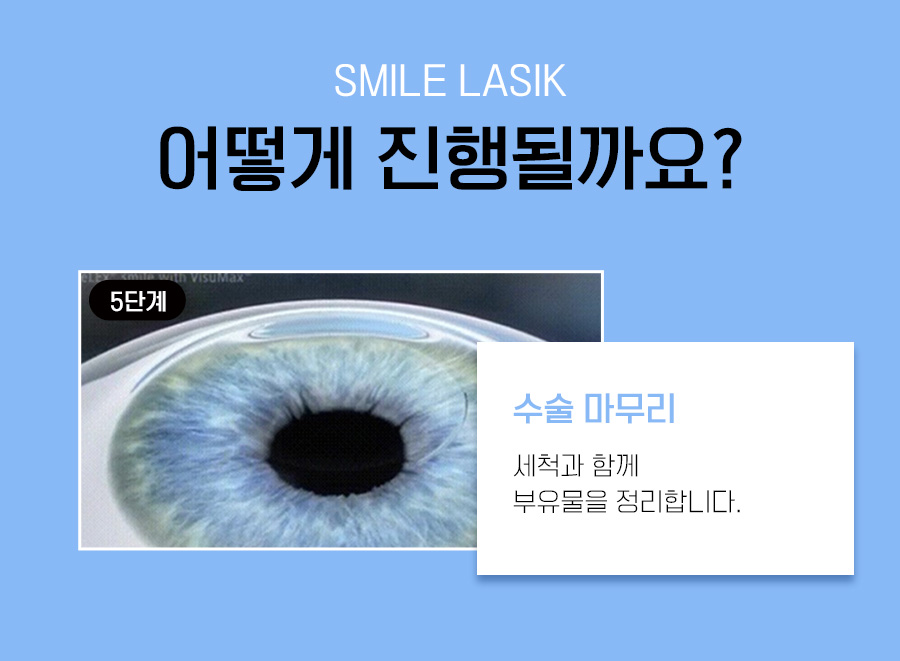
SMILE (Small Incision Lenticule Extraction) is a type of laser vision correction that reshapes the cornea through a very small incision instead of creating a large flap. This is why it is often called a flapless or minimally invasive procedure.
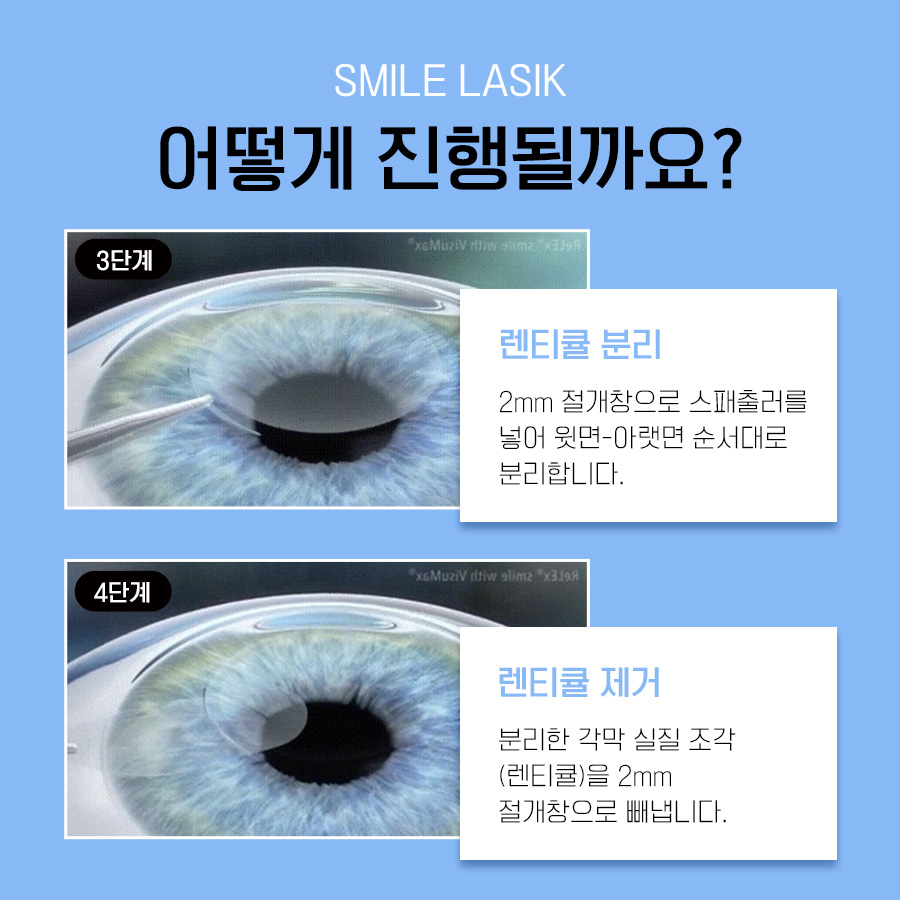
In SMILE, a femtosecond laser creates a thin lens-shaped piece of tissue (lenticule) inside the cornea. The surgeon then removes this lenticule through a tiny incision, changing the shape of the cornea and correcting nearsightedness and, in many cases, astigmatism.
SMILE Pro and similar next-generation systems are updated versions of SMILE that aim to:
- • Shorten laser time
- • Improve comfort during the procedure
- • Offer more refined eye tracking and centration
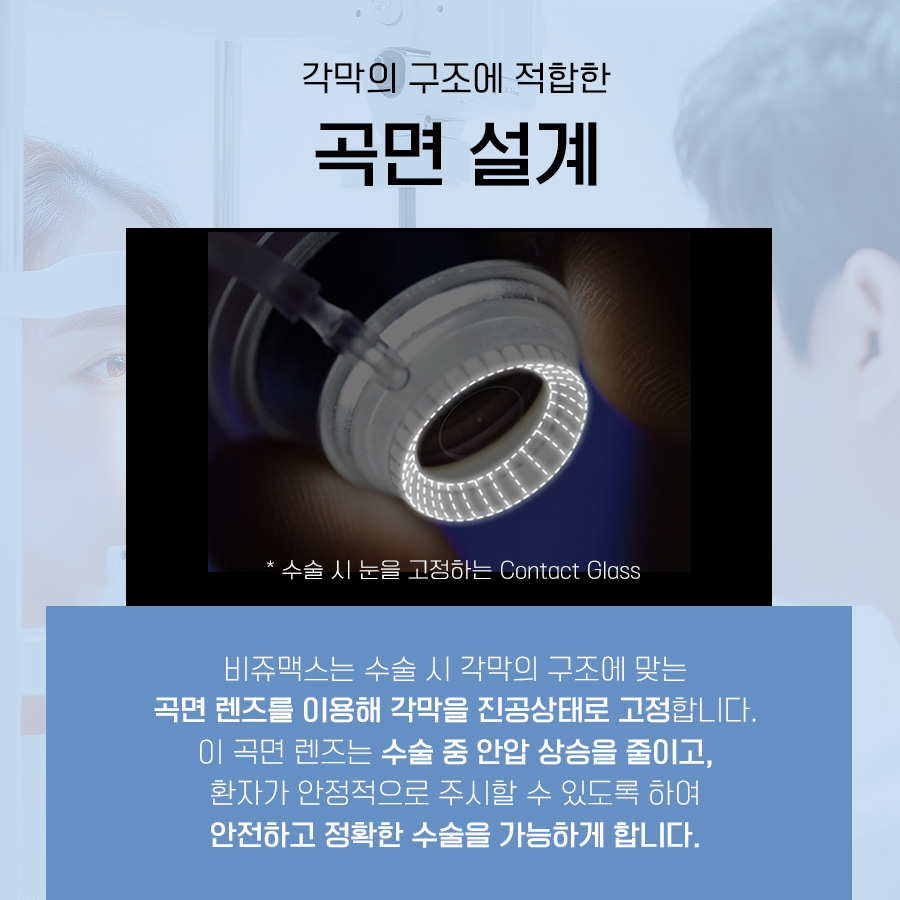
Other flapless procedures, such as SILK or related techniques, are based on the same idea of avoiding a wide corneal flap and using only a small incision.
Compared with traditional LASIK, flapless procedures may offer potential benefits such as:
- • No large corneal flap
- • Smaller incision
- • Potentially less dry eye for some patients
- • More stable corneal structure in selected cases
However, not everyone is a candidate for SMILE or SMILE Pro. An ophthalmology specialist needs to review detailed eye measurements to recommend the safest method.
Typical SMILE LASIK cost structure in Apgujeong
In Apgujeong and the broader Gangnam area, one of the first things that affects SMILE or SMILE Pro pricing is the laser platform and how it is used in the clinic’s system.
Technology and equipment
SMILE and SMILE Pro require advanced femtosecond laser platforms. Clinics that invest in newer-generation systems with faster laser times and upgraded eye tracking typically price their procedures accordingly. Some clinics may also maintain multiple laser platforms to tailor treatment to different corneal shapes and prescriptions.
When you compare prices, ask which laser model is used for SMILE or SMILE Pro, whether the system is up to date, and how often it is maintained and calibrated.
Surgeon’s experience and clinic systems
Higher fees often reflect:
• Surgeons with extensive experience in corneal and refractive surgery
• A team-based system with dedicated staff for pre-testing, surgery assistance, and aftercare
• Internal safety protocols, such as multi-step cross-checks of your measurements before the final treatment plan is confirmed
In an ophthalmology clinic focused on vision correction, the cost usually includes not only the time in the operating room but also the planning and safety systems behind it.
Pre-operative testing and post-operative care
A thorough SMILE evaluation in Apgujeong typically involves:
- • Vision and refraction testing
- • Corneal topography and tomography
- • Corneal thickness measurement
- • Tear film and dry eye assessment
- • Pupil size and night vision evaluation
Some clinics include these tests in a package price; others charge separately and then deduct the exam fee if you proceed with surgery.
Post-operative care usually includes:
- • Several follow-up visits in the first weeks and months
- • Prescription eye drops
- • Emergency or urgent checks if you experience unusual symptoms
When you compare SMILE LASIK fees, confirm whether the quoted price includes all tests, surgery, and follow-up visits, or if some items are extra.
SMILE-type procedures are generally considered for adults who:
• Have stable nearsightedness and/or astigmatism for at least one to two years
• Have sufficient corneal thickness
• Do not have active eye disease such as severe dry eye, keratoconus, or uncontrolled inflammation
International patients often choose SMILE or SMILE Pro if they:
• Prefer a flapless procedure with a very small incision
• Are concerned about contact sports or activities with a risk of eye trauma
• Have read about potential dry eye issues after traditional LASIK and want to discuss alternatives with an ophthalmology specialist
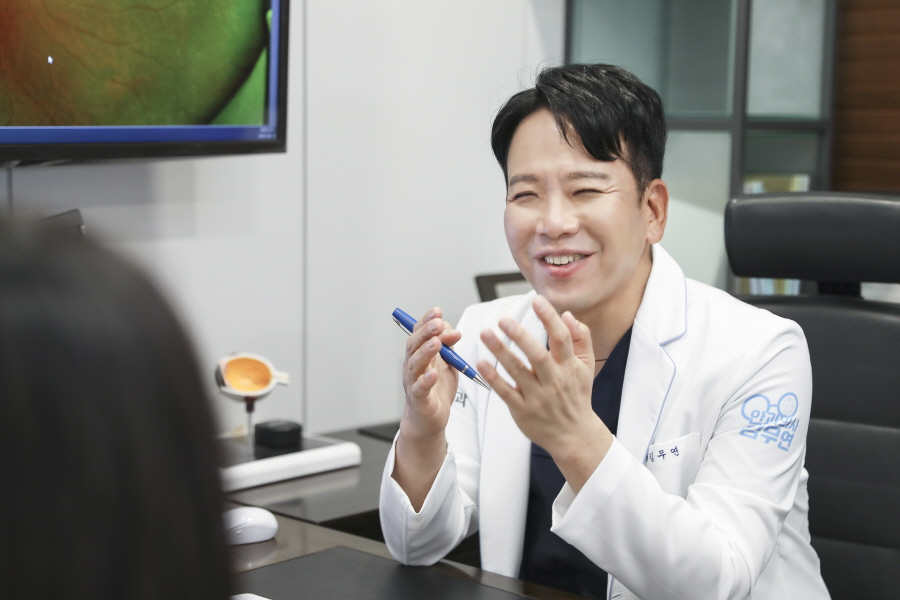
However, only a detailed examination can confirm whether SMILE, SMILE Pro, SILK, LASIK, LASEK, or lens-based options are safest for your eyes. It is important not to insist on a specific brand-name procedure before your evaluation.
Advanced diagnostic equipment
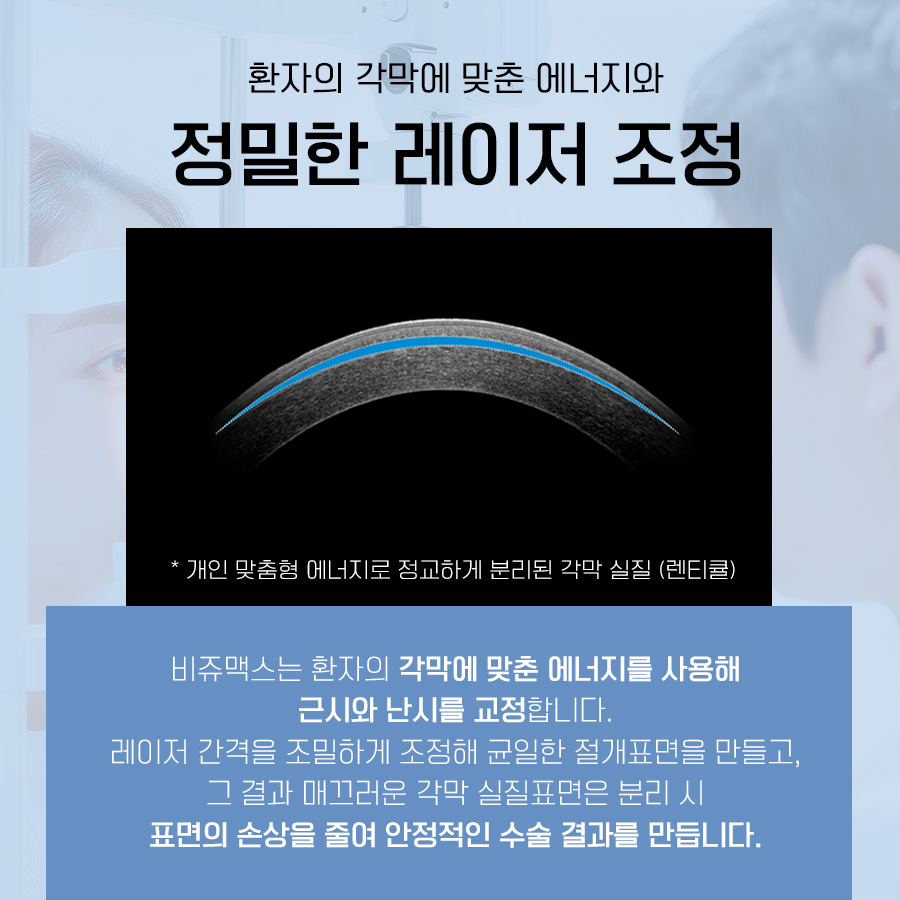
Reputable eye clinics in Apgujeong often use multiple diagnostic devices to build a 3D map of your cornea and eye structure. This helps to:
- • Detect early corneal weakness
- • Identify irregular astigmatism
- • Evaluate tear film and ocular surface
These tests add to the cost but are important for safety and long-term stability.
Customized treatment planning
Instead of applying the same settings to everyone, the team may:
- • Adjust the optical zone size to your pupil
- • Consider night driving needs
- • Plan residual corneal thickness to reduce the risk of ectasia
This level of customization takes more time from the surgeon and staff, which is reflected in the fee.
Structured safety and infection control
Maintaining a clean operating environment and strict infection control requires ongoing investment in:
- • Sterilization systems
- • Single-use consumables
- • Regular staff training
When a clinic emphasizes safety, you may see this in the pricing, but it also reduces the risk of complications.
What to prepare before your online consultation
When you first message an Apgujeong eye clinic about SMILE LASIK, the coordinator will usually start with a few simple questions rather than asking for a full medical file. They often check your age and current glasses or contact lens prescription, and whether that prescription has been stable for a while. If you have any history of eye disease or eye surgery, mentioning it early prevents you from planning a trip around a procedure that might not be suitable. Having these points in mind makes the initial conversation smoother and helps the clinic give you more realistic guidance on candidacy and cost.
Before you contact an Apgujeong eye clinic for SMILE LASIK, it helps to prepare some basic information:
- • Your age and current glasses or contact lens prescription
- • How long your prescription has been stable
- • Any history of eye disease, eye surgery, or trauma
- • Systemic conditions such as diabetes or autoimmune disease
- • Medications you are taking
If possible, take a clear photo of your current glasses prescription or a recent eye exam report and send it to the clinic in advance. This does not replace an in-person exam, but it helps the medical team estimate whether you might be a candidate and suggest a rough treatment direction.
Questions to ask during online consultation
To compare clinics and understand cost differences, you may want to ask:
- • Which laser system do you use for SMILE or SMILE Pro?
- • Is the quoted price per eye or for both eyes?
- • What is included in the fee (tests, surgery, medications, follow-up visits)?
- • How many days should I stay in Korea for safe follow-up?
- • If there is an enhancement needed later, how is that handled and priced?
Writing these questions down before your call or message can help you avoid missing important details.
International patients coming to Apgujeong for SMILE LASIK tend to follow one of two patterns, depending on how much time they have in Seoul.
Some prefer a short, concentrated stay where the full eye examination and surgery are done close together. In this case, you arrive, complete a comprehensive set of tests and consultation, and proceed to surgery once you and the surgeon confirm that SMILE is appropriate. A follow‑up visit is then scheduled within the next few days before you leave Korea.
Others feel more comfortable leaving a gap between testing and surgery. They may schedule the detailed examination and consultation first, take a day to rest and think, and then return for SMILE LASIK the following day. Early follow‑up is again arranged within the same trip. Both approaches are common; the right choice depends on your travel schedule and how much time you want between making a decision and going ahead with the procedure.
The exact schedule depends on your travel plans and the clinic’s protocol, but many international patients follow a timeline similar to this.
Day 1: Comprehensive eye examination and consultation
- • Full diagnostic testing (usually takes 1.5 to 3 hours)
- • Discussion of whether SMILE, SMILE Pro, SILK, LASIK, or another method is safest
- • Explanation of risks, benefits, and alternatives
- • Final quote and scheduling of surgery
Some clinics can perform surgery on the same day as the examination, but many prefer at least a short break between testing and surgery, especially if you have been wearing contact lenses.
Day 2: Surgery day
- • Pre-surgery checks and consent
- • SMILE or SMILE Pro procedure (actual laser time is short, but you should plan to stay at the clinic for 1 to 2 hours)
- • Immediate post-op check
- • Instructions on eye drops, protective shields, and activity restrictions
Day 3 to 5: Early follow-up
• First-day or second-day post-op check to confirm healing
• Additional visit if needed, depending on your vision and comfort
If you are staying in Korea for a short time, many clinics recommend:
• Minimum stay: about 3 to 4 days after surgery
• Ideal stay: about 5 to 7 days after surgery if your schedule allows
Your clinic can coordinate follow-up with an eye doctor in your home country if you must leave earlier.
Aftercare and recovery expectations
First 24 to 48 hours
- • Blurry or hazy vision is common
- • Mild discomfort, foreign body sensation, or tearing
- • Light sensitivity
Most patients are advised to rest, avoid rubbing the eyes, and use prescribed eye drops strictly according to instructions.
First week
• Vision usually stabilizes enough for light daily activities
• Many people can return to office work within a few days, depending on their job and comfort
• Avoid eye makeup, swimming pools, and dusty environments
First month
- • Vision continues to refine
- • Dry eye symptoms, if present, often improve gradually
- • Follow-up visits monitor corneal healing and vision quality
Long term
• Annual or regular eye checks are recommended
• Some patients may still need thin glasses for specific tasks, such as night driving or detailed work, depending on their initial prescription and individual healing
Always follow your clinic’s specific instructions, as recommendations can vary based on your eye condition and the exact procedure performed.
When you compare SMILE LASIK cost between Apgujeong clinics, it is easy to focus only on the headline fee. In practice, a few details are often overlooked and can change the real amount you end up paying. One is whether the quoted price already includes the full pre‑operative examination and all early follow‑up visits, or if some of these are billed separately. Another is how the clinic handles enhancements or unexpected findings during testing; knowing in advance whether additional procedures would carry extra charges helps you avoid surprises. Paying attention to these points usually gives you a clearer picture than simply matching one number against another.
Items to compare
- • Procedure type: SMILE, SMILE Pro, SILK, or other
- • Laser platform model and generation
- • Whether the price is per eye or both eyes
- • Inclusion of pre-operative tests and number of follow-up visits
- • Availability of emergency or urgent checks during your stay
- • Experience level of the surgical team
- • Language support for international patients (English consultation, translated documents)
Things to clarify before booking
- • Required length of stay in Korea
- • Conditions for rescheduling or cancellation
- • Payment methods (credit card, bank transfer, international payment options)
- • Whether enhancement procedures, if needed, have a separate fee
By focusing on these points, you can better understand why one clinic may be more expensive than another and decide which factors matter most for your safety and comfort.
Two points that often remain unclear even after reading about SMILE LASIK are the length of stay in Korea and how to actually begin the process.
For the stay, many visitors try to fit everything into the shortest possible trip. While some clinics can combine examination and surgery in a tight schedule, it is safer to allow enough time for at least one early follow‑up before you fly home. Asking the clinic directly how many days they recommend for your specific case is more reliable than assuming a fixed timeline.
To start an online consultation with an Apgujeong clinic, most patients simply use the contact form, email, or messaging app listed on the clinic’s website. A short message with your age, current prescription, and planned travel dates is usually enough to begin; the clinic can then tell you whether SMILE LASIK seems appropriate and suggest a visit plan that matches your schedule and budget.
To get a realistic estimate, you will need a detailed eye exam, because corneal thickness, degree of nearsightedness, and astigmatism can change the final plan and fee.
Is SMILE Pro more expensive than regular SMILE?
In many Apgujeong clinics, SMILE Pro or similar next-generation flapless procedures are priced somewhat higher than standard SMILE. This is mainly due to the newer laser platforms, faster treatment times, and upgraded technology. However, the difference is not the same everywhere, and some clinics may offer similar pricing for both. During consultation, ask for a side-by-side explanation of what changes between SMILE and SMILE Pro and how that affects cost.
How many days should I stay in Korea for SMILE LASIK?
Most international patients are advised to stay in Korea for at least 3 to 4 days after SMILE surgery, with 5 to 7 days being more comfortable if your schedule allows. This gives enough time for the initial follow-up visits and for the clinic to confirm that your early healing is stable. If you must leave earlier, discuss this in advance so the clinic can help you arrange follow-up with an eye doctor in your home country.
Is SMILE LASIK safer than LASIK?
SMILE and LASIK are both established methods of laser vision correction, and each has its own advantages and limitations. SMILE is flapless and uses a small incision, which may be beneficial for certain patients and activities, while LASIK allows for a wider range of corrections and has a long track record. Safety depends more on proper patient selection, accurate testing, and the surgeon’s planning than on the brand name alone. An ophthalmology specialist needs to review your eyes in detail to recommend the safest option for you.
How do I start an online consultation with a clinic in Apgujeong?
You can usually start by sending an email, online form, or messaging app inquiry through the clinic’s website. Prepare your age, current prescription, basic medical history, and any previous eye exam results. Ask about available dates, estimated stay length, and what is included in their SMILE LASIK package. Many clinics can provide a preliminary plan and cost range before you book flights, with the final decision made after your in-person examination.
If you are considering SMILE, SMILE Pro, or another flapless vision correction procedure in the Apgujeong or Gangnam area, an online consultation is a practical first step. Share your current prescription and travel schedule, ask detailed questions about cost and safety systems, and compare how each clinic explains its approach. Taking time to understand both the medical and financial aspects will help you choose a vision correction plan in Korea that fits your eyes, your budget, and your long-term goals.
Medical information notice
The information in this article is for general educational purposes and is not a substitute for a personal consultation, diagnosis, or treatment from a qualified eye care professional. Individual suitability for SMILE, SMILE Pro, SILK, LASIK, or any other procedure can only be determined after a comprehensive eye examination and discussion with an ophthalmology specialist.



댓글
댓글 쓰기