Eye Examination Cost Guide for International Patients at Modern Clinics like GS Eye Clinic




Direct answer summary
Eye examination costs at a modern ophthalmology clinic such as GS Eye Clinic usually depend on how detailed the check-up is and which diagnostic tests you need. A basic eye examination with consultation and prescription check is generally the lowest cost. Fees increase when additional tests are added, such as optical coherence tomography (OCT), corneal topography, or visual field testing for glaucoma. Many clinics use a clear structure: a standard exam fee, separate charges for specialized imaging, and lower fees for follow-up visits. For international patients, total costs are usually still competitive compared to many Western countries, especially considering the level of technology and thoroughness of the examination.
The most important point is that you are not only paying for a prescription for glasses, but for a full health check of your eyes, including screening for cataracts, glaucoma, macular disease, and other conditions that can threaten your sight if they are not found early.
Overview of a comprehensive eye examination
A modern ophthalmology clinic like GS Eye Clinic is equipped to provide much more than a quick vision test. A comprehensive eye examination is a structured process that checks both how clearly you see and how healthy your eyes are inside and out.
Typical components of a full eye examination include:
Vision tests
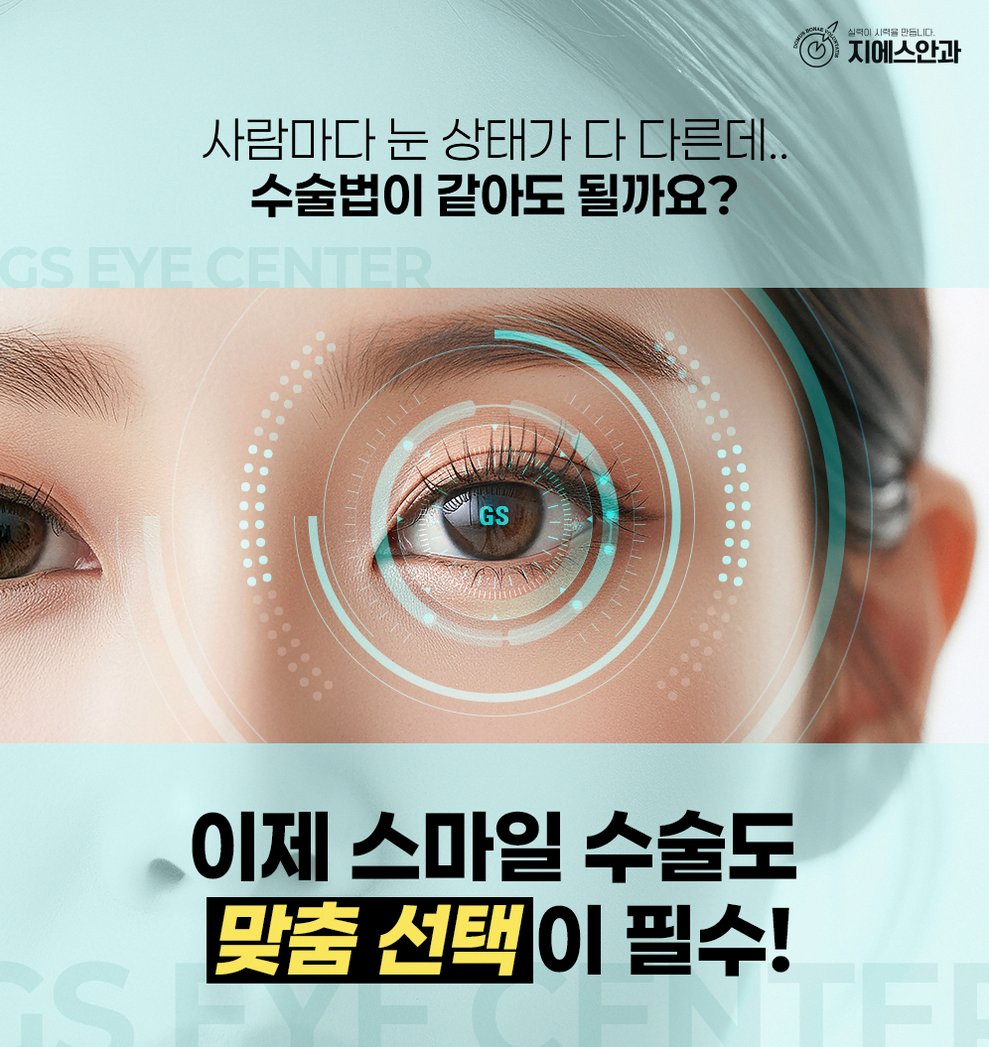
This is usually the first step. You will read letters or symbols on a chart at various distances to measure your visual acuity. This helps your doctor understand how well you see with and without your current glasses or contact lenses.
Refraction test for glasses or contact lenses
Refraction determines your exact prescription. Using a phoropter or an automated device, the doctor or technician will show you different lens options and ask which looks clearer. This process identifies nearsightedness, farsightedness, astigmatism, and presbyopia, and is essential if you need new glasses or contact lenses.
Slit-lamp examination
A slit-lamp is a microscope with a bright light that allows the doctor to examine the front part of your eye in detail. This includes the eyelids, cornea, conjunctiva, iris, and lens. It is important for detecting dry eye, corneal problems, early cataracts, and signs of infection or inflammation.
Intraocular pressure measurement for glaucoma screening
Glaucoma is often called the silent thief of sight because it can damage the optic nerve without causing early symptoms. Measuring intraocular pressure is a key screening step. Clinics may use a non-contact air-puff tonometer or a contact device with anesthetic drops. If your pressure is high or borderline, more detailed glaucoma tests may be recommended.
Retinal and optic nerve evaluation
To examine the back of your eye, the doctor may use special lenses and lights, and in many cases will dilate your pupils with eye drops. This allows a detailed view of the retina, macula, blood vessels, and optic nerve. It is essential for detecting diabetic eye disease, macular degeneration, retinal tears, and optic nerve damage from glaucoma or other conditions.
Additional diagnostic imaging when needed
Depending on your age, symptoms, and risk factors, the clinic may recommend advanced imaging tests. These can include:
Optical coherence tomography (OCT)
OCT provides high-resolution cross-sectional images of the retina, macula, and optic nerve. It is crucial for diagnosing and monitoring glaucoma, macular degeneration, macular holes, diabetic macular edema, and other retinal problems.
Corneal topography
This test maps the shape and curvature of the cornea. It is useful for patients considering vision correction procedures, for diagnosing keratoconus, and for fitting specialty contact lenses.
Visual field testing
A visual field test checks how wide your field of vision is and whether there are any blind spots. It is especially important in the diagnosis and follow-up of glaucoma, as well as some neurological conditions that affect the visual pathways.
Other specialized tests
Depending on your case, the clinic may suggest additional tests such as retinal photography, fundus autofluorescence, pachymetry (corneal thickness measurement), or tear film analysis for dry eye.
How examination fees are usually structured
Eye examination costs are typically built from several components. Understanding these helps you know exactly what you are paying for and avoid surprises.
Standard consultation and examination fee
This is the base fee you pay for your visit with the ophthalmologist. It usually includes:
- • Medical history review and discussion of your symptoms
- • Basic vision test and refraction
- • Slit-lamp examination
- • Basic intraocular pressure measurement
- • A general look at the retina and optic nerve, sometimes with dilation if needed
For many healthy patients who only need a routine check-up and updated glasses, this standard package may be enough.
Additional charges for specialized tests
If the doctor finds any suspicious signs, or if you have known eye conditions or risk factors, they may recommend additional tests. These are usually charged separately from the standard exam. Common examples include:
- • Optical coherence tomography (OCT) of the macula or optic nerve
- • Corneal topography for corneal shape analysis
- • Visual field testing for glaucoma and neurological assessment
- • Retinal photography or other imaging
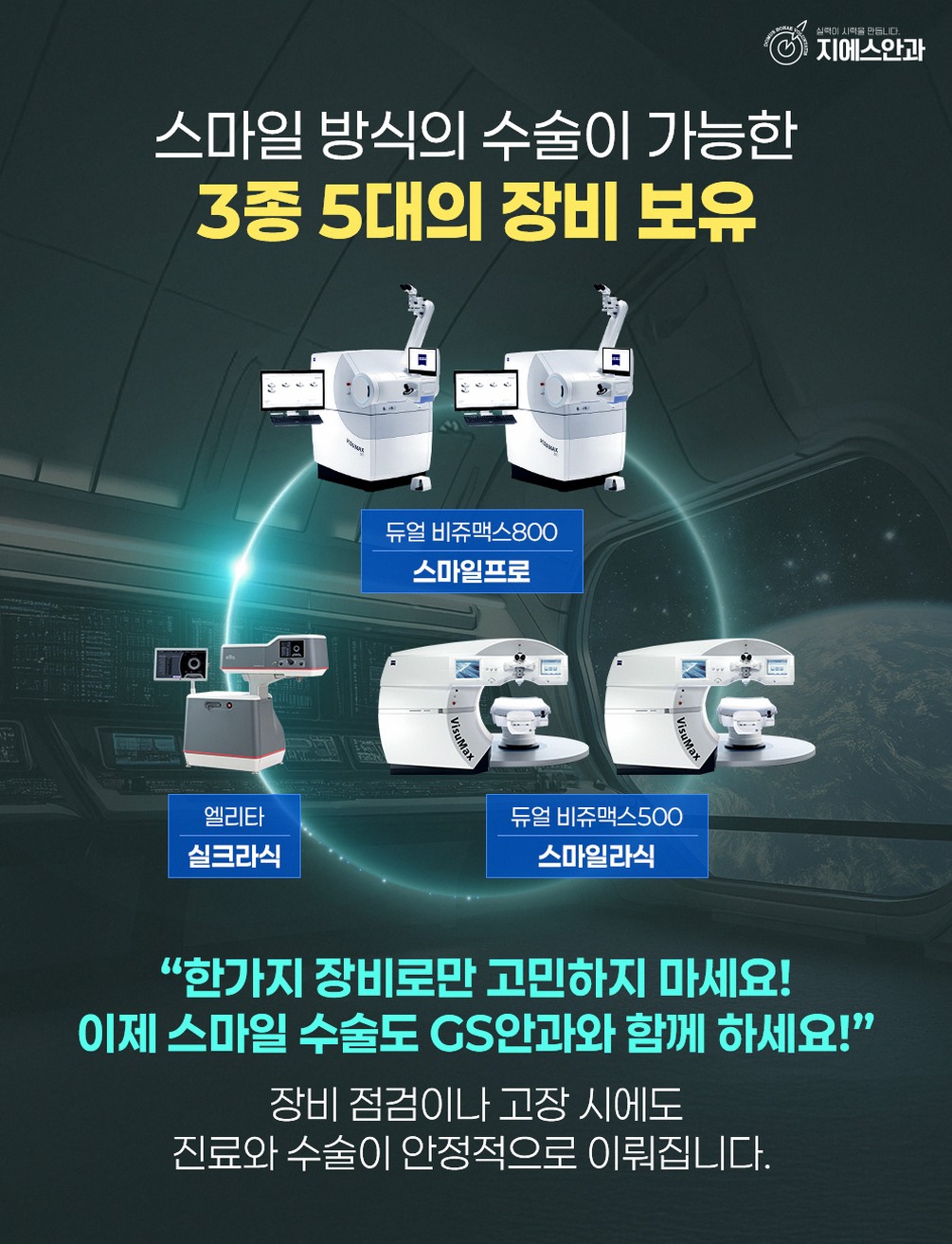
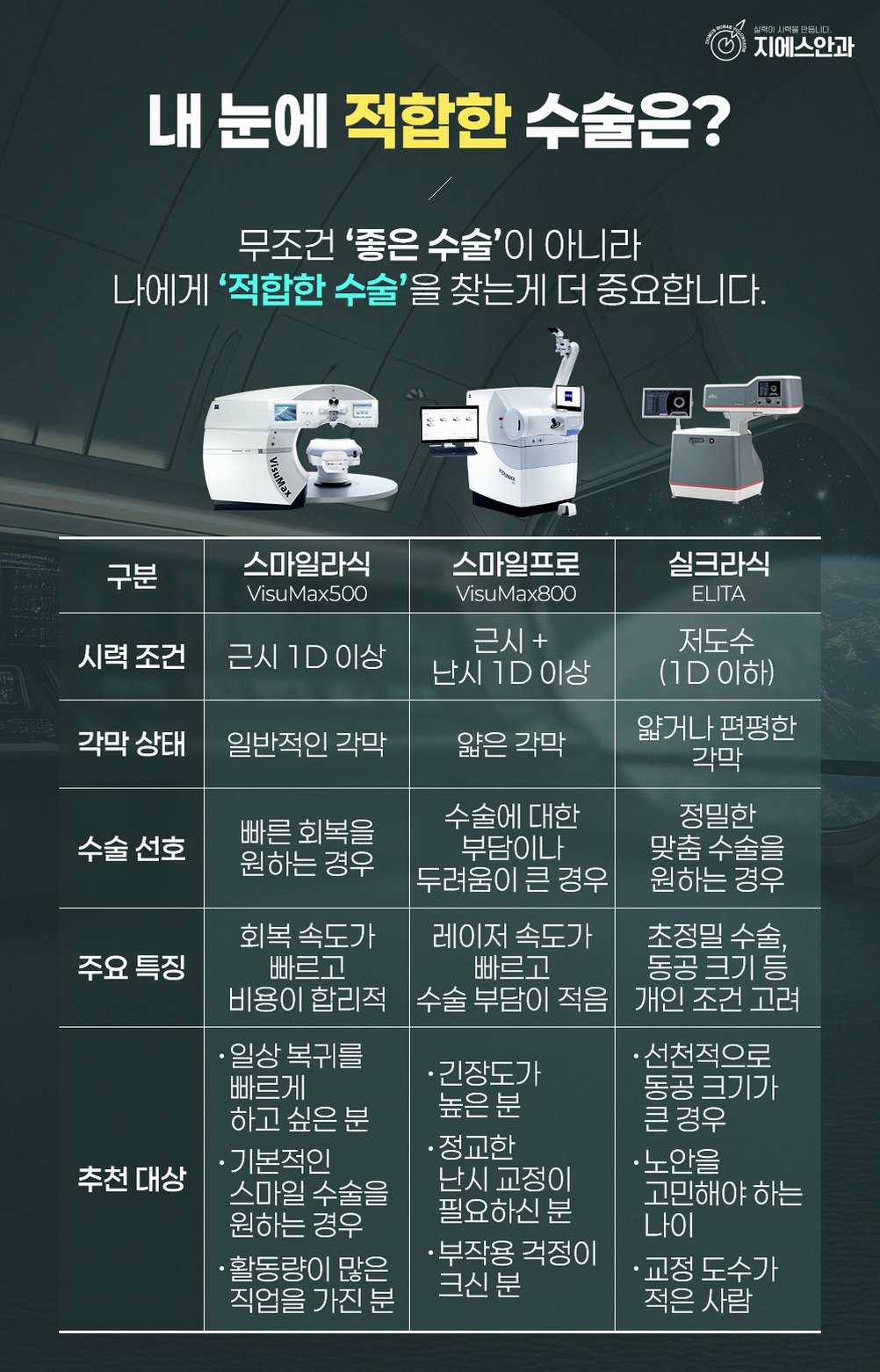
The cost of these tests reflects the use of advanced equipment, the time needed for image acquisition, and the specialist’s interpretation. Clinics like GS Eye Clinic typically explain which tests are recommended, why they are needed, and how much each one costs before proceeding.
Follow-up visit costs
If an issue is found, you may need follow-up visits to monitor your condition or adjust treatment. Follow-up appointments are often priced lower than the initial comprehensive exam, because they focus on specific issues and may not repeat every test.
For chronic conditions such as glaucoma, diabetic eye disease, or macular degeneration, regular follow-ups are essential. Many patients see this as a long-term investment in protecting their vision and avoiding more serious and expensive treatments later.
Basic check-up versus detailed diagnostic workup
Not every patient needs every test. The scope of your examination has a direct impact on the total cost.
Basic check-up A basic eye check-up is usually suitable for:
- • Young adults with no symptoms and no known eye disease
- • People who simply need an updated prescription for glasses or contact lenses
- • Patients having a routine annual or biannual check without risk factors
This type of visit focuses on vision, refraction, and a general health check of the eyes. Costs are usually limited to the standard examination fee.
Detailed diagnostic workup
A more extensive workup is recommended when there are specific concerns, such as:
- • Symptoms like blurred vision, sudden floaters, flashes of light, eye pain, or distorted vision
- • Known cataracts, glaucoma, macular degeneration, or other eye diseases
- • Systemic conditions such as diabetes or high blood pressure
- • Strong family history of glaucoma, macular disease, or retinal problems
- • Presbyopia or difficulty focusing at near as you reach middle age and beyond
In these cases, the clinic may combine several specialized tests in one visit. The cost will be higher than a basic check-up, but you receive a much deeper analysis of your eye health and a clear plan for treatment or monitoring.
Common pricing approaches at clinics like GS Eye Clinic
While exact numbers vary by clinic and country, the structure is often similar.
Transparent fee lists
Many modern clinics provide a clear fee list for examinations and tests. This may be shared on their website, by email, or at the reception desk. For international patients, it is common to receive an estimated price range in advance based on your age, symptoms, and medical history.
Package pricing for periodic check-ups
Some clinics offer package pricing for routine eye health screening. For example, a middle-aged patient might choose a package that includes a standard exam, intraocular pressure check, dilated retinal exam, and one or two basic imaging tests. This can be more economical than paying for each item separately.
Separate billing for imaging and procedures
Diagnostic imaging and procedures are usually billed separately from the consultation. This allows you to see exactly what each part of your visit costs. If you are on a budget, you can discuss with the doctor which tests are essential now and which can be postponed.
Insurance and vision benefits
If you have international health insurance or vision benefits, some of the examination costs may be reimbursable. Many clinics can provide detailed receipts and medical reports to help you claim these benefits. It is helpful to check with your insurer in advance regarding coverage for routine eye exams versus exams for medical conditions.
Who should consider a comprehensive eye examination
Regular eye examinations are important for everyone, but especially for certain groups.
People with diabetes or high blood pressure
These conditions can damage the blood vessels in the retina and lead to serious vision loss if not detected early. Annual or more frequent eye exams with retinal evaluation are strongly recommended.
Adults over middle age
From middle age onward, the risk of cataracts, glaucoma, and macular disease increases. Presbyopia also becomes more noticeable, affecting near vision. Regular comprehensive exams help detect these changes early and guide decisions about glasses, contact lenses, or possible future procedures.
Those with a family history of eye disease
If close relatives have glaucoma, macular degeneration, retinal detachment, or other serious eye conditions, you may be at higher risk. More frequent and detailed check-ups can catch early signs before symptoms appear.
People with high myopia or other significant refractive errors
High myopia is associated with a higher risk of retinal tears, detachment, and certain types of glaucoma. Regular detailed retinal and optic nerve evaluations are important for long-term safety.
Anyone with unexplained visual symptoms
If you notice sudden changes in vision, flashes, floaters, double vision, or eye pain, you should not delay. A comprehensive diagnostic workup can identify the cause and prevent potential complications.
Preparing for your visit to an eye clinic in Korea
For overseas patients planning an examination at a clinic like GS Eye Clinic, a little preparation can make your visit smoother and more efficient.
Online consultation before you travel
Many clinics offer online or email consultations where you can:
- • Describe your symptoms and medical history
- • Upload previous prescriptions, test results, or reports
- • Ask about recommended tests based on your situation
- • Receive an estimated cost range and sample schedule
This pre-visit communication helps the clinic plan your appointment and gives you a clear idea of what to expect in terms of time and budget.
Documents and items to bring
When you come to Korea for your eye exam, it is helpful to bring:
- • Your current glasses and contact lenses
- • Any previous eye examination reports or imaging
- • A list of medications you are taking
- • Information about your general health, including diabetes, hypertension, or other conditions
- • Your insurance card or policy details if you plan to claim reimbursement
If your pupils will be dilated, consider arranging transportation or avoiding driving immediately after the exam, as your vision may be temporarily blurred and sensitive to light.
Typical Korea visit timeline for an eye examination
Day 1: Arrival and rest
Most patients arrive in Korea and take time to rest and adjust. If your schedule is tight, you may have your eye exam on the same or next day, depending on your flight time.
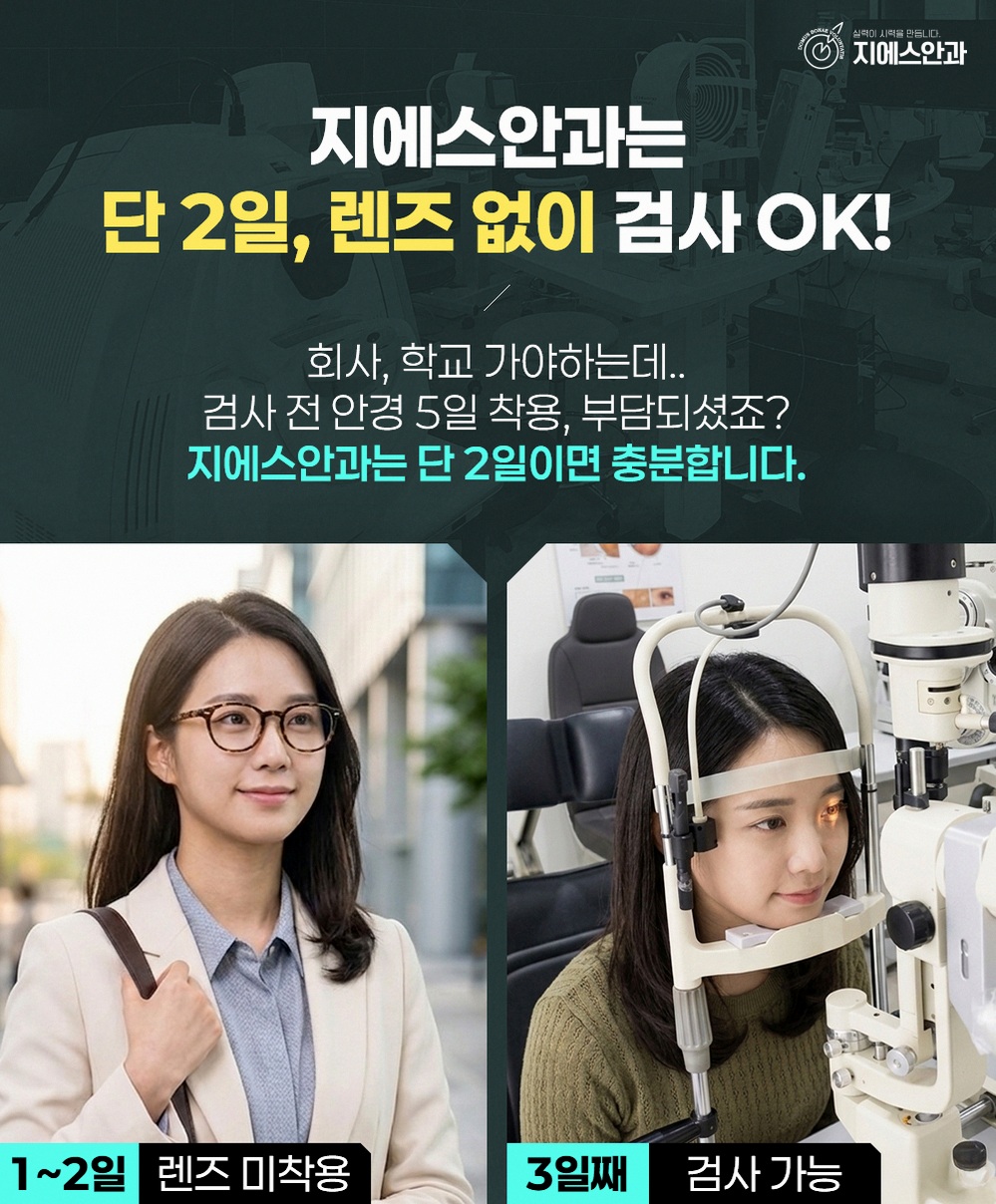
Day 2: Comprehensive examination at the clinic Your visit usually includes:
- • Registration and brief questionnaire
- • Basic vision and refraction tests
- • Intraocular pressure measurement
- • Slit-lamp examination
- • Pupil dilation if a detailed retinal exam is needed
- • Additional imaging such as OCT, corneal topography, or visual field testing if indicated

The entire process may take from one to three hours, depending on how many tests are required and how long the dilation takes.
Day 2 or 3: Explanation and planning
In many cases, the doctor will explain your results on the same day, including:
- • Current eye health status
- • Any diagnosis such as cataracts, glaucoma risk, macular changes, or presbyopia
- • Recommended treatment or monitoring plan
- • Suggested timing for your next check-up
If further treatment or surgery is needed, the clinic can discuss options, estimated costs, and timelines. Some patients choose to schedule procedures during the same trip; others prefer to return later.
Aftercare and follow-up
After a comprehensive eye examination, most patients can resume normal activities the same day, with a few precautions.
Immediately after the exam If your pupils were dilated, you may experience:
• Blurred near vision for several hours • Increased sensitivity to light
Sunglasses are recommended when going outdoors. Try to avoid driving until your vision returns to normal.
Ongoing eye care Based on your results, the clinic may recommend:
- • New glasses or contact lenses
- • Eye drops for conditions such as dry eye or early glaucoma
- • Lifestyle adjustments, such as better blood sugar or blood pressure control
- • Regular follow-up schedules, for example every 6 to 12 months
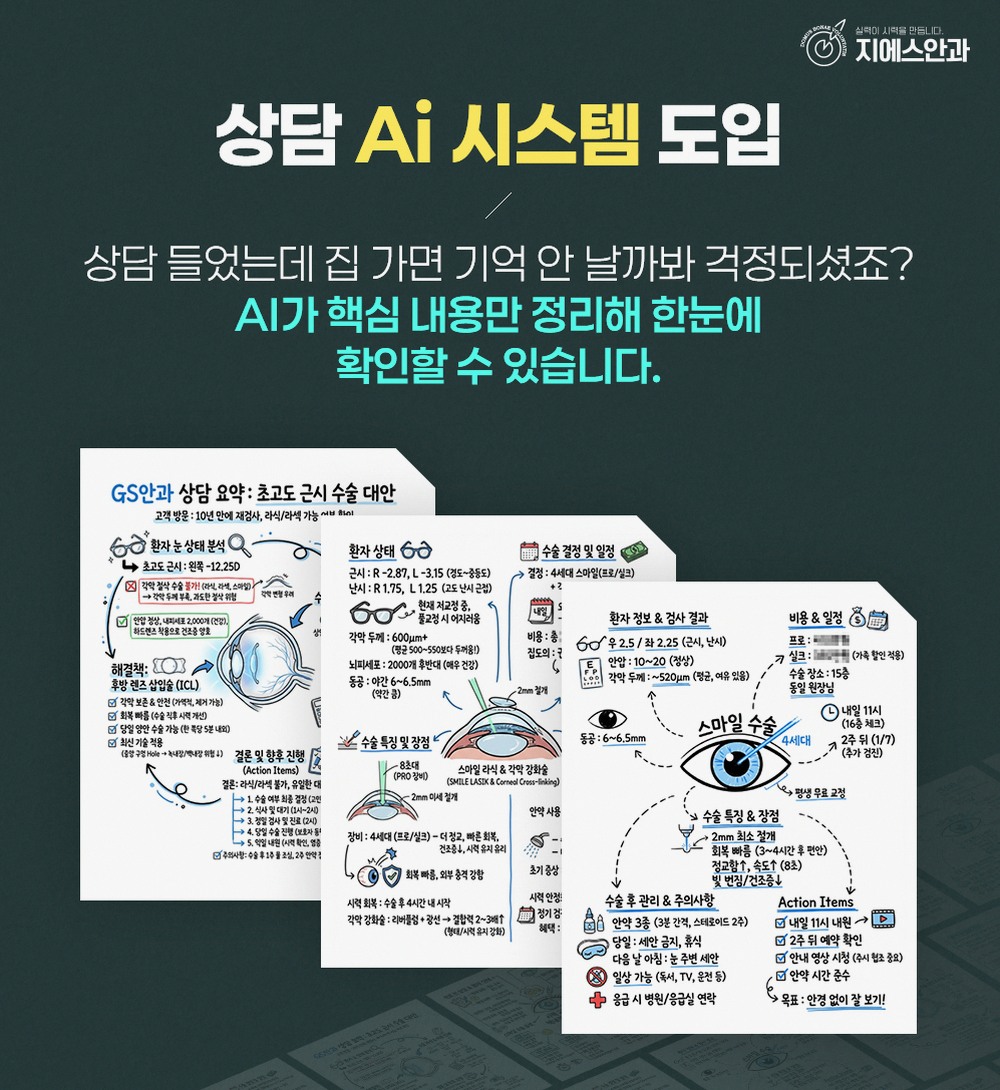
If you live overseas, the clinic can prepare a summary report in English that you can share with your local eye doctor. This helps ensure continuity of care and makes future check-ups more efficient.
Frequently asked questions about eye examination costs
Is a comprehensive eye exam more expensive than a simple vision test?
Yes. A simple vision test or quick prescription check is limited and costs less, but it does not fully evaluate the health of your eyes. A comprehensive exam includes a detailed medical assessment and screening for serious diseases, which is why the fee is higher. For long-term eye health, a full exam is usually more valuable.
Can I choose which tests to have based on my budget?
You can always discuss costs with the clinic. The doctor can explain which tests are essential for your safety and which are optional. In some cases, certain tests are strongly recommended because skipping them could delay diagnosis of serious conditions. However, clinics usually try to respect your budget and priorities.
Are eye examination costs in Korea reasonable for international patients?
In many cases, yes. Compared to some Western countries, examination and imaging fees in Korea can be competitive, especially considering the advanced equipment and thoroughness of the evaluation. Many international patients feel they receive high value for the price.
Will my insurance cover the examination?
Coverage depends on your insurance plan. Some policies cover routine eye exams, while others only cover exams related to medical conditions such as diabetes or glaucoma. Clinics can usually provide detailed receipts and medical codes so that you can submit a claim to your insurer.
How often should I have a comprehensive eye exam?
For healthy adults with no symptoms, an exam every one to two years is often sufficient. However, if you have risk factors such as diabetes, high blood pressure, high myopia, or a family history of eye disease, more frequent exams may be recommended. Your doctor will advise you based on your individual situation.
Does a higher cost always mean a better examination?
Not necessarily. A good eye examination depends on the skill and experience of the medical team, the quality of communication, and the suitability of the tests for your condition, not only on price. What matters most is transparent fees, clear explanations, and a thorough, patient-centered approach.
Choosing a clinic with clear, reasonable fees
When selecting an eye clinic in Korea, especially as an international patient, consider the following:

• Do they provide clear information about examination fees and possible additional test costs?
• Can they explain in simple language what each test does and why it is recommended?
• Are they willing to give an approximate cost estimate in advance based on your situation?
• Do they offer package options for routine check-ups or specific conditions?
• Can they communicate comfortably in English and provide reports you can share with your local doctor?
Clinics like GS Eye Clinic aim to combine modern diagnostic technology with transparent pricing, so you can feel confident about both the medical care and the financial side of your visit.
Soft call to action
If you are considering an eye examination in Korea and want to understand the likely costs in your case, you can start with an online consultation. By sharing your age, symptoms, medical history, and any previous eye reports, the clinic can suggest an appropriate examination plan and provide an estimated fee range before you travel. This helps you plan your schedule and budget, and ensures that your time in Korea is used efficiently to protect and preserve your vision for the long term.



댓글
댓글 쓰기