Apgujeong vision correction surgery options for international patients in Gangnam
- 공유 링크 만들기
- X
- 이메일
- 기타 앱
Direct answer summary
If you are searching for Apgujeong vision correction surgery while planning a trip to Seoul, you will usually be looking at laser procedures such as SMILE, SMILE Pro, LASIK, LASEK, SILK, or lens implantation procedures like ICL and GLAZE. In the Apgujeong and Gangnam area there are many centers offering these options, but the safest choice comes from combining a thorough eye examination, experienced ophthalmologists, and advanced diagnostic and laser platforms.
What Apgujeong vision correction surgery usually means
In everyday language in Seoul, Apgujeong vision correction surgery refers to modern procedures that reduce or remove the need for glasses or contact lenses for people living or working in Apgujeong, Gangnam, and nearby districts.
The main categories are:
SMILE and SMILE Pro
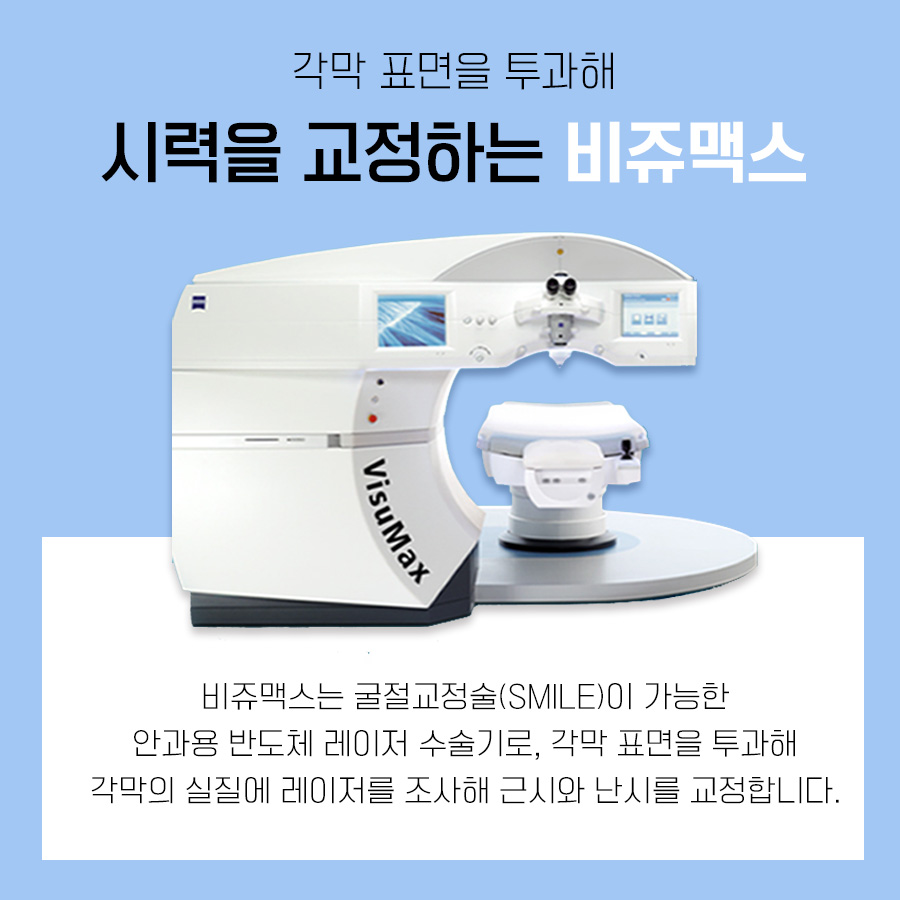
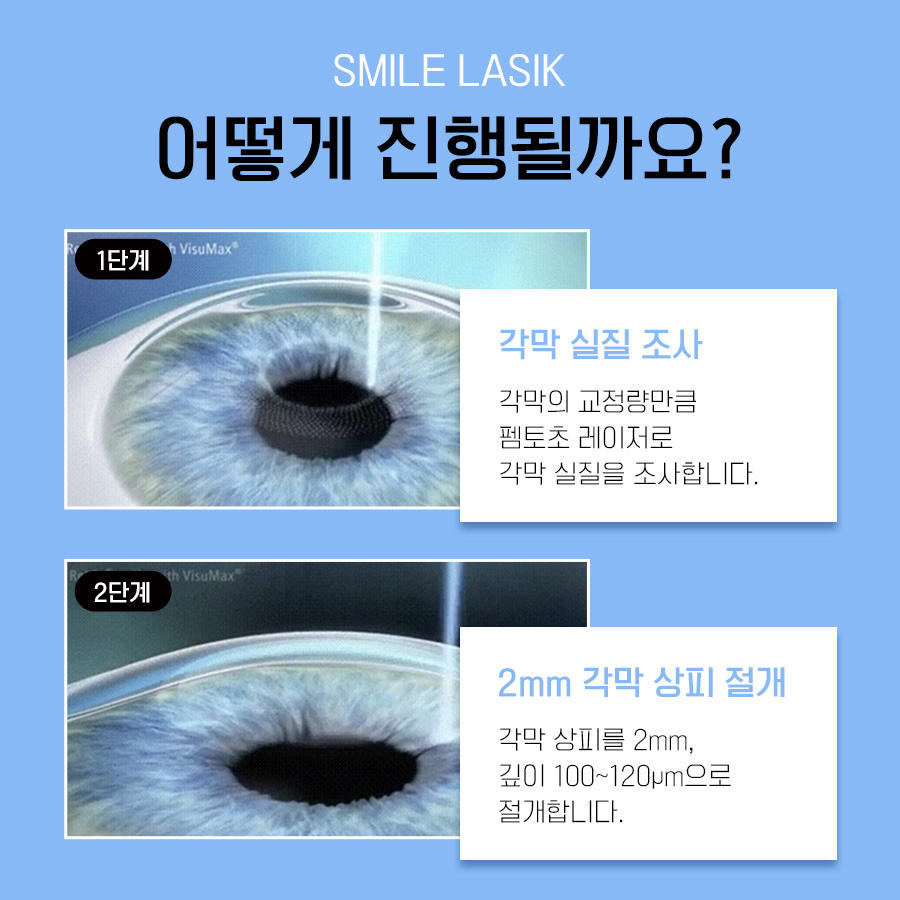
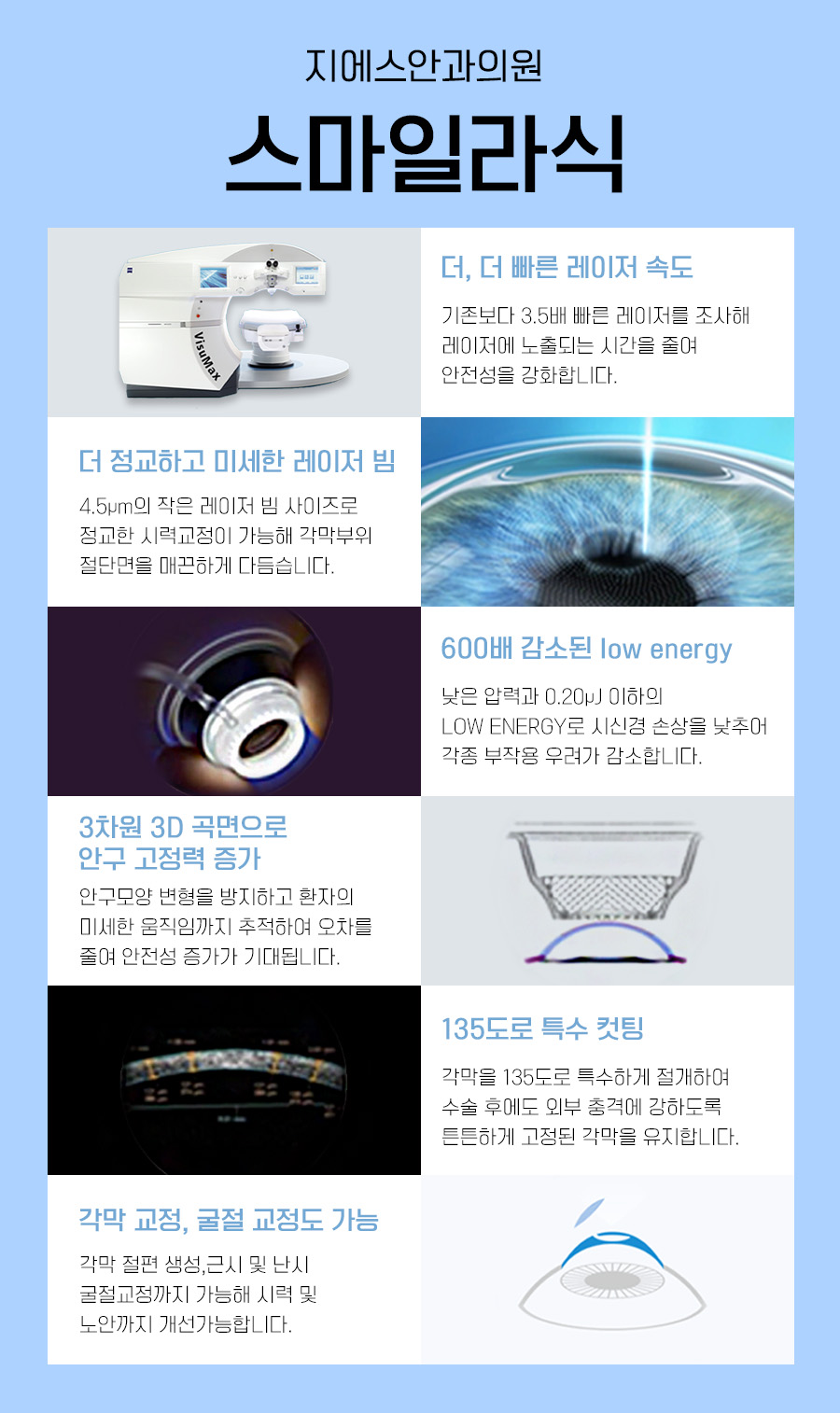
SMILE (Small Incision Lenticule Extraction) is a laser procedure that creates a small lens-shaped piece inside the cornea and removes it through a tiny opening, avoiding the large flap used in classic LASIK. Newer-generation SMILE platforms and optimized treatment workflows can reduce the active laser emission time and procedural variability; discuss with your clinic which specific system they use and how that affects your comfort and the clinic's throughput.
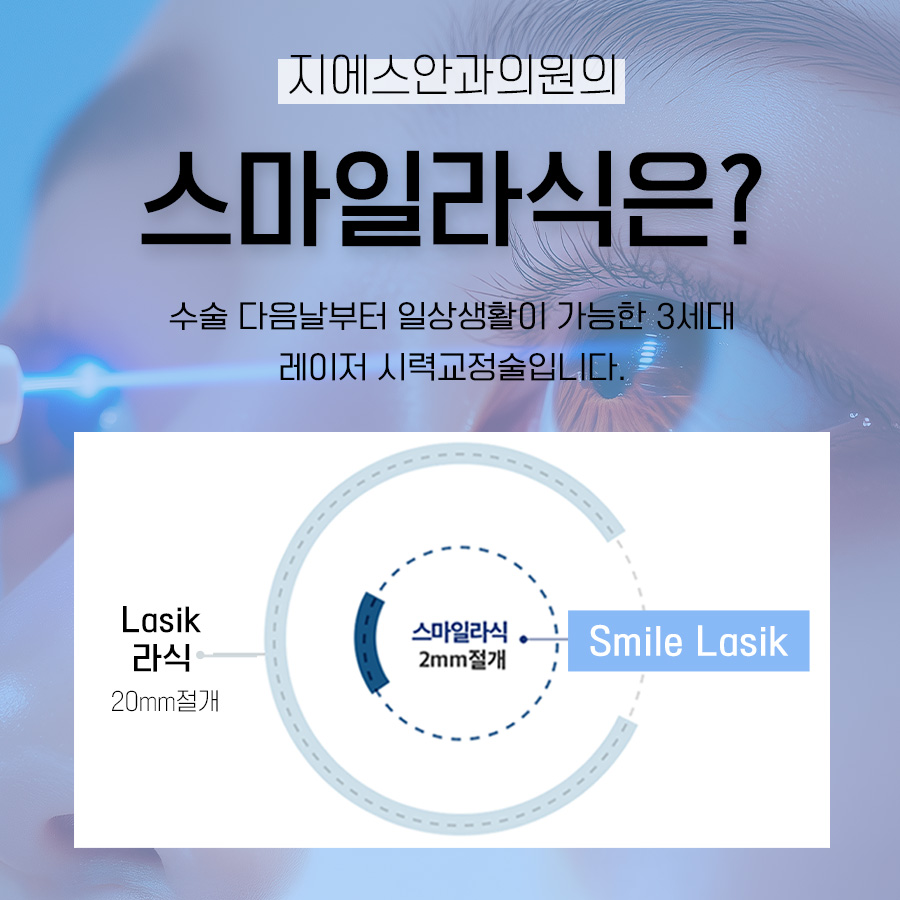
SMILE-type procedures are often chosen by people who want a minimally invasive option, with a small incision and a tendency toward faster initial recovery and potentially less dry eye risk compared with traditional flap-based methods.
SILK and other advanced flapless techniques
SILK is another advanced, minimally invasive laser method with a similar flapless concept but a different laser platform. In clinics that have several flapless systems, your ophthalmologist can choose between SMILE, SMILE Pro, SMILE LASIK, and SILK depending on your corneal shape, thickness, and lifestyle needs.
LASIK and LASEK
LASIK and LASEK are still widely used around Apgujeong and Gangnam.
LASIK involves creating a thin flap on the cornea, reshaping the underlying tissue with an excimer laser, and then repositioning the flap. It usually offers very quick visual recovery, which can be convenient for busy office workers and students.
LASEK does not create a deep flap. Instead, the surface layer of cells is loosened, the laser reshapes the surface, and the cells are repositioned or allowed to regrow. Recovery is slower than LASIK and SMILE, and there can be more discomfort in the first few days, but it can be suitable for certain corneal shapes or thicknesses. Some centers in Gangnam use a fast-recovery LASEK protocol to help patients return to normal activities more quickly.
Phakic lens implantation (ICL, GLAZE, PhakiFlex KPL)
For people with very high myopia, thin corneas, or situations where laser reshaping is not ideal, lens implantation is an important alternative. These procedures place a clear artificial lens inside the eye without removing the natural lens.
ICL, GLAZE, and PhakiFlex KPL are examples of such lenses. They can be considered when laser methods would remove too much tissue or when the prescription is beyond the safe range for corneal surgery. In addition, lens-based solutions can be more appropriate for some patients in their late 30s or 40s who already show early lens changes or presbyopia.
Who may consider vision correction in the Apgujeong and Gangnam working population
Typical age and lifestyle
Most candidates in the Apgujeong and Gangnam area are in their early 20s to 40s. They often include office workers, designers, IT professionals, students, and people working in beauty, fashion, and entertainment who want clear, stable vision without relying on glasses or contact lenses.
Basic candidacy points
To consider SMILE, LASIK, LASEK, SILK, or lens implantation, several basic conditions are usually checked:
Your prescription should be stable for at least one to two years.
Corneal thickness and shape must be suitable for the planned procedure.
The retina should be healthy, especially in high myopia.
You should not have uncontrolled systemic diseases that affect healing.
You should have realistic expectations about what surgery can and cannot achieve.
During a full eye examination, the ophthalmologist will measure your prescription, map the corneal surface, check corneal thickness, evaluate tear film and dry eye status, and examine the retina. These steps help determine whether laser reshaping, lens implantation, or no surgery is the safest option.
When lens implantation or presbyopia and cataract solutions are better
Lens implantation can be a better choice when:
Your myopia or astigmatism is very high.
Your cornea is thin or has an irregular shape.
You have borderline findings where removing more corneal tissue would increase risk.
For patients in their 40s and beyond, presbyopia (difficulty focusing at near) and early cataract changes become more common. In these cases, it can be more logical to consider lens-based procedures, such as presbyopia-correcting lens implantation or laser cataract surgery with multifocal intraocular lenses, instead of corneal laser. This way, distance and near correction can be combined in one procedure, and the risk of later cataract surgery is reduced because the natural lens is already replaced.
Why equipment and surgeon experience matter more than the neighborhood name
hy, and ask the surgeon about their experience with your chosen procedure. Red flags include refusal to show imaging results, vague answers about follow-up, pressure to decide immediately, or lack of a written consent describing risks and alternatives.
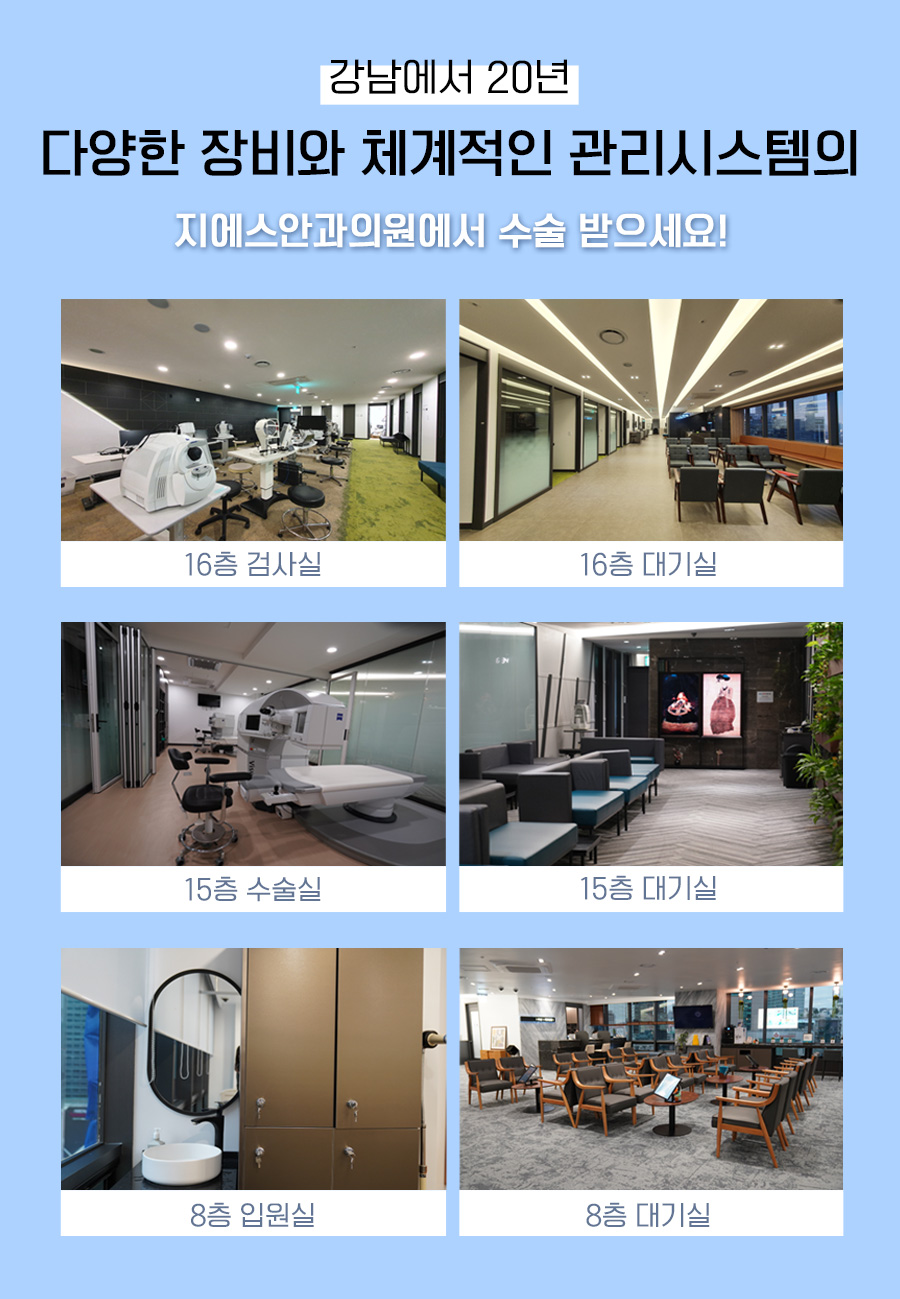
The Apgujeong and Gangnam districts are famous for medical services, and many centers advertise similar vision correction procedures. However, the actual experience can differ depending on the depth of diagnostics, the range of laser and lens technologies, and the experience of the surgical team.
Range of SMILE and laser platforms
Some clinics report having multiple SMILE-capable laser platforms; confirm exact equipment and availability with the clinic you choose. Access to different platforms can allow the surgical team to select the technique best matched to your corneal thickness, curvature, and visual needs, rather than using a single standard approach for every patient.
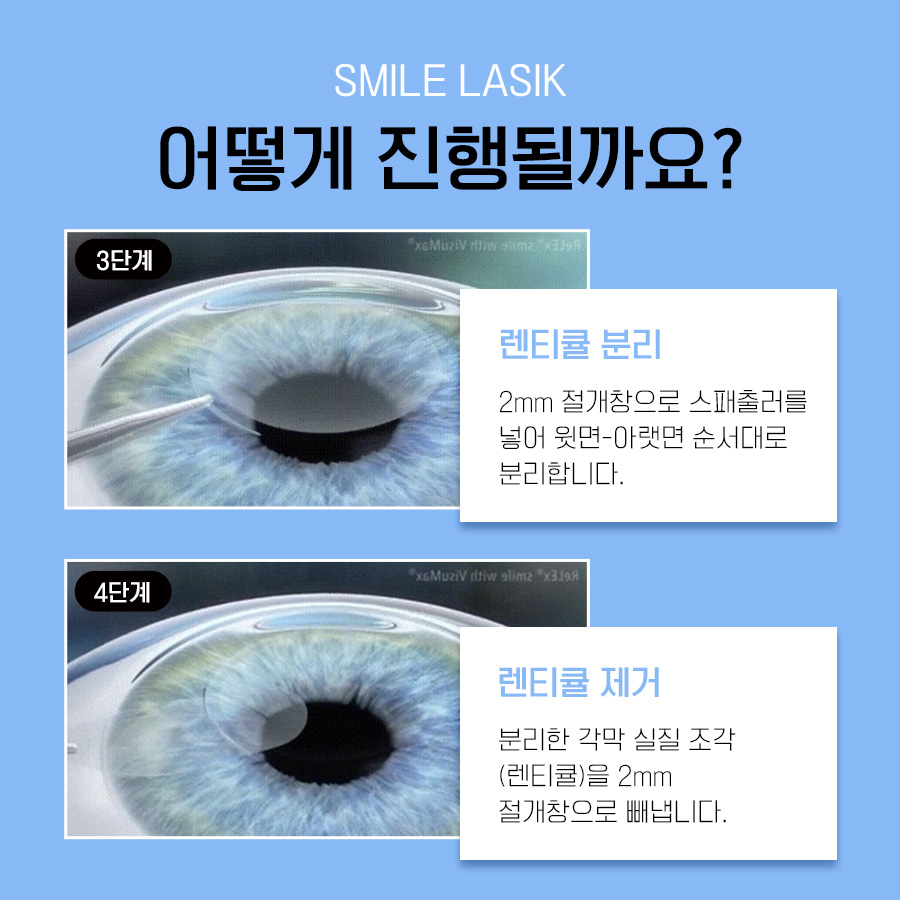
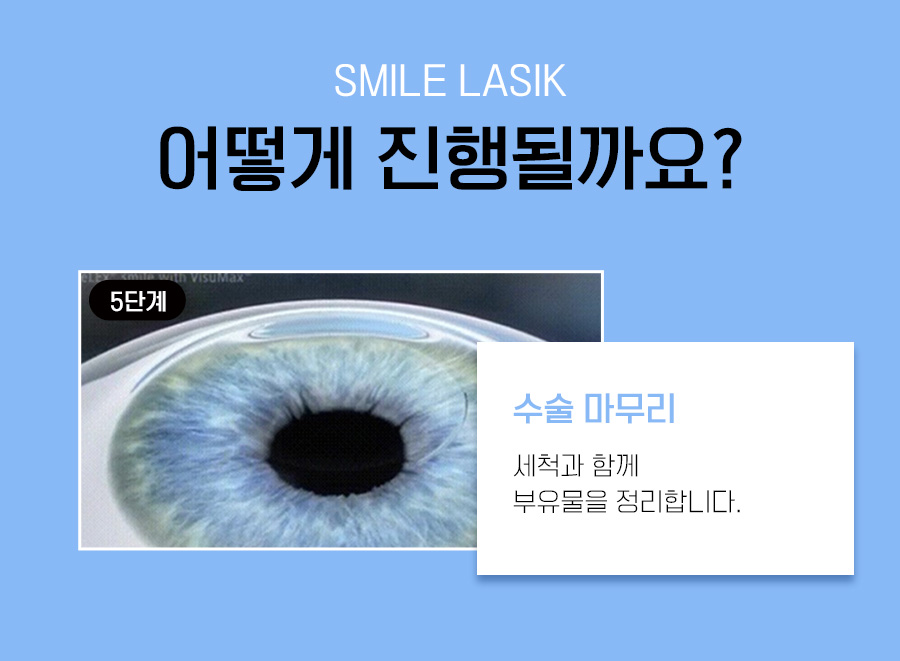
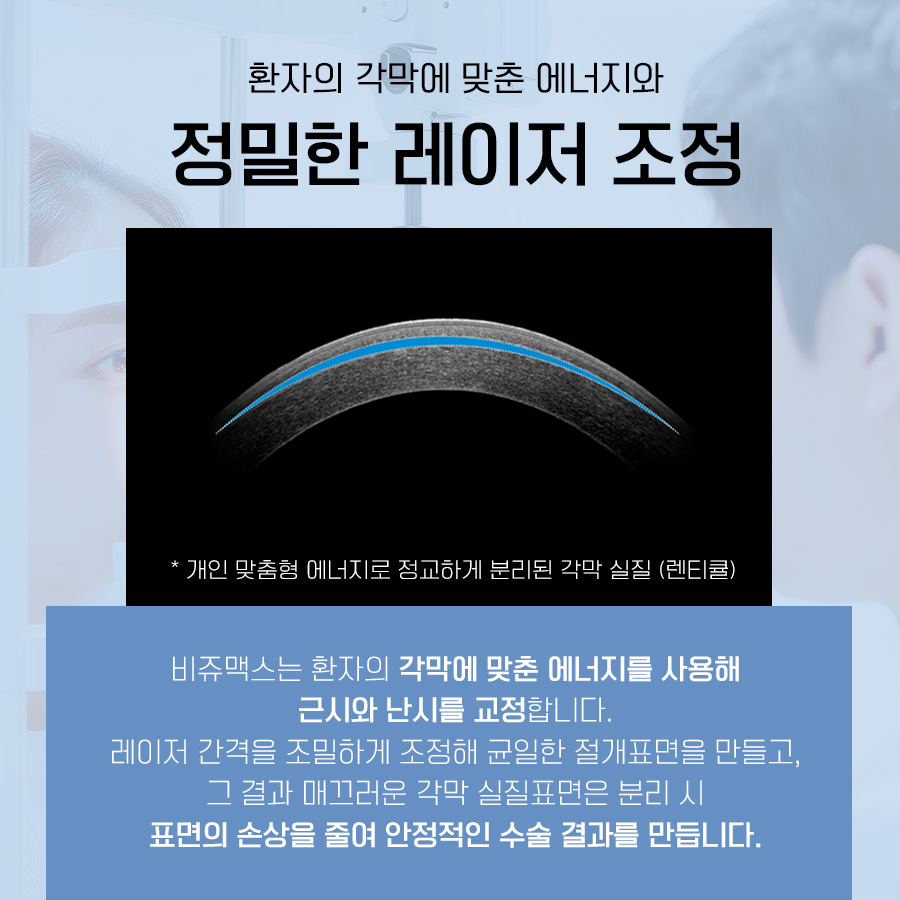
Benefits of VISUMAX 800 and SMILE Pro
This can translate into:
Less time under the laser, which many patients find more comfortable.
More efficient workflow, which is important in centers with high case volumes.
Potentially more consistent results when combined with careful planning and experienced surgeons.
Diagnostic systems and cross-linking
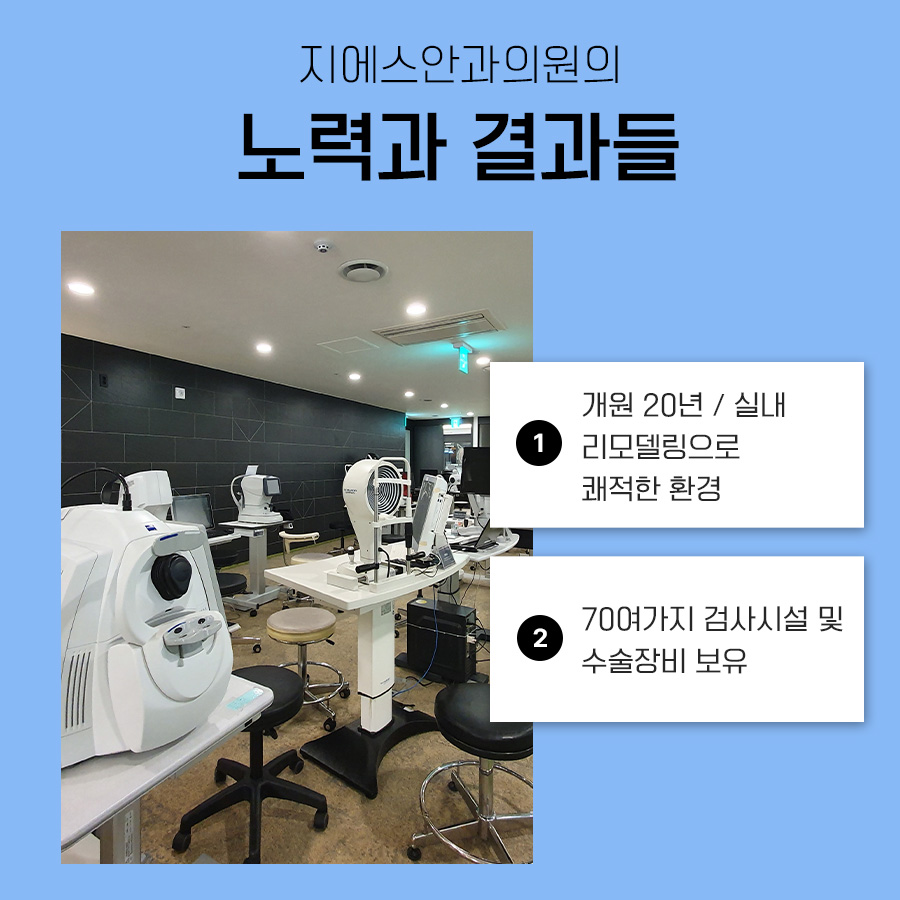
Advanced diagnostic systems for corneal topography, thickness mapping, and tear film analysis help detect subtle irregularities that might not be visible in basic tests. This is important to reduce the risk of post-operative complications such as corneal ectasia.
Some clinics offer corneal cross-linking as an adjunct in selected cases to address thin or borderline corneas. Combining corneal cross-linking with refractive procedures is evaluated case-by-case; discuss the indications, potential benefits, and evidence with your surgeon before proceeding.
Surgeon team and training roles
Verify surgeon and clinic credentials directly. Ask whether the surgeons are board-certified ophthalmologists, where they trained, and how many cases of your chosen procedure they have performed. If clinician experience, subspecialty support (for complex retinal or corneal issues), or the clinic's role as a training site is important to you, request documentation or contact details for verification.
Manufacturer designations such as SMILE Pro Center or official training center status do not guarantee outcomes, but they indicate that the center has significant experience with those platforms and is trusted to train other doctors.
Step-by-step patient journey for overseas visitors
Initial online consultation and screening
Before you travel to Korea, it is helpful to start with an online consultation. You can usually send:
A brief medical and eye history.
Your most recent glasses or contact lens prescription.
Information about any previous eye procedures or injuries.
The clinic can then provide a preliminary opinion on whether you are likely to be a candidate for SMILE, LASIK, LASEK, SILK, or lens implantation. This is not a final decision; the final plan is made only after a full in-person examination.
In-person preoperative examination
Once you arrive in Seoul, the first visit usually includes:
Detailed history taking and refraction (precise measurement of your prescription).
Corneal topography and tomography to map curvature and detect irregularities.
Corneal thickness mapping to determine how much tissue can be safely reshaped.
Tear film and dry eye assessment.
Retinal examination, often with dilation, to check for weak areas or lesions.
Based on these results, the ophthalmologist will discuss the safest options. A conservative approach is important; in some cases, the recommendation may be lens implantation instead of laser, or even no surgery if the risk is too high.
Personalized recommendation
After the examination, you will usually receive a personalized plan that may include one of the following:
SMILE Pro using VISUMAX 800.
SMILE LASIK using VISUMAX 500.
SILK or other flapless techniques.
LASIK or LASEK.
Phakic lens implantation (ICL, GLAZE, PhakiFlex KPL).
Presbyopia or cataract-type lens surgery for older patients.
The doctor should explain why a specific method is recommended, the expected recovery timeline, and the possible risks and side effects. This is a good time to ask detailed questions and compare options.
Surgery day experience
On the day of surgery, most procedures are done under topical anesthesia with eye drops. You are awake but should not feel sharp pain, though you may feel pressure or see lights.
LASIK and LASEK also take a short time, although the overall visit may be longer due to preparation and post-operative checks. Lens implantation procedures take longer than laser surface treatments but are still typically completed in less than an hour.
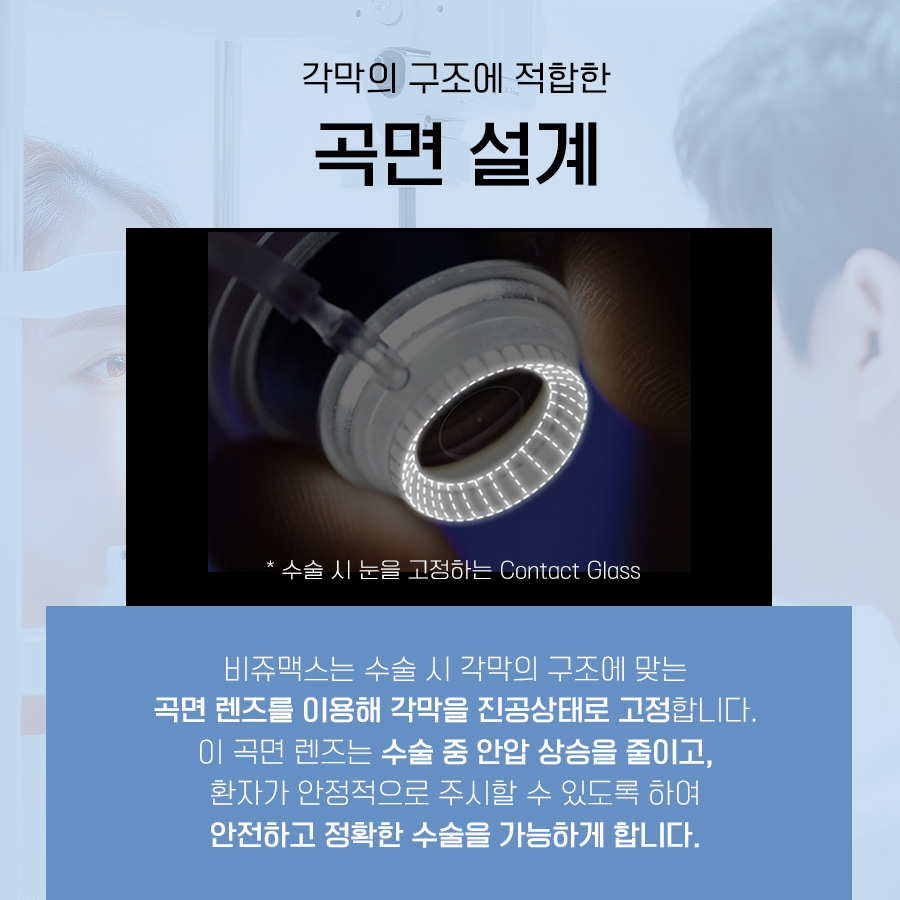
After the procedure, your vision will be blurry at first. You will rest in a recovery area and then have an immediate post-operative check before going back to your accommodation. It is important to arrange someone to accompany you or use a taxi or car service, as you should not drive.
Recovery timeline and return to daily life
Recovery patterns vary by procedure.
SMILE and SMILE Pro
Many patients notice improved vision within the first day or two, with relatively quick return to office work. Mild dryness, halos, or glare at night can occur in the early period but often improve over time. Light activities and desk work are usually possible within a few days, but intense sports and swimming should be delayed according to your doctor’s advice.
LASIK
LASIK often offers very rapid visual recovery, sometimes within 24 hours for basic daily tasks. However, because it involves a flap, you must be careful to avoid eye rubbing or trauma in the early weeks. Dryness and night visual symptoms can also occur and are usually managed with eye drops.
LASEK
LASEK has a slower and more uncomfortable early recovery. The first few days may involve pain or foreign-body sensation, and vision improves gradually over one to two weeks. Fast-recovery protocols can help, but you should plan more downtime if you choose LASEK.

Lens implantation
After lens implantation, vision may be quite good within a few days, but the eye needs time to adapt. There can be temporary glare or halos, especially with multifocal lenses, and you will need regular follow-up to monitor intraocular pressure and lens position.
In all cases, you will use prescribed eye drops for several weeks and attend follow-up visits. Overseas patients often schedule key follow-ups within their Korea stay and then continue care with a local ophthalmologist at home.
Safety, complications, and long-term care
Common concerns
Many people worry about pain, night glare, regression of vision, dry eye, or flap and incision issues. Modern technology and careful screening reduce these risks, but they cannot be eliminated completely.
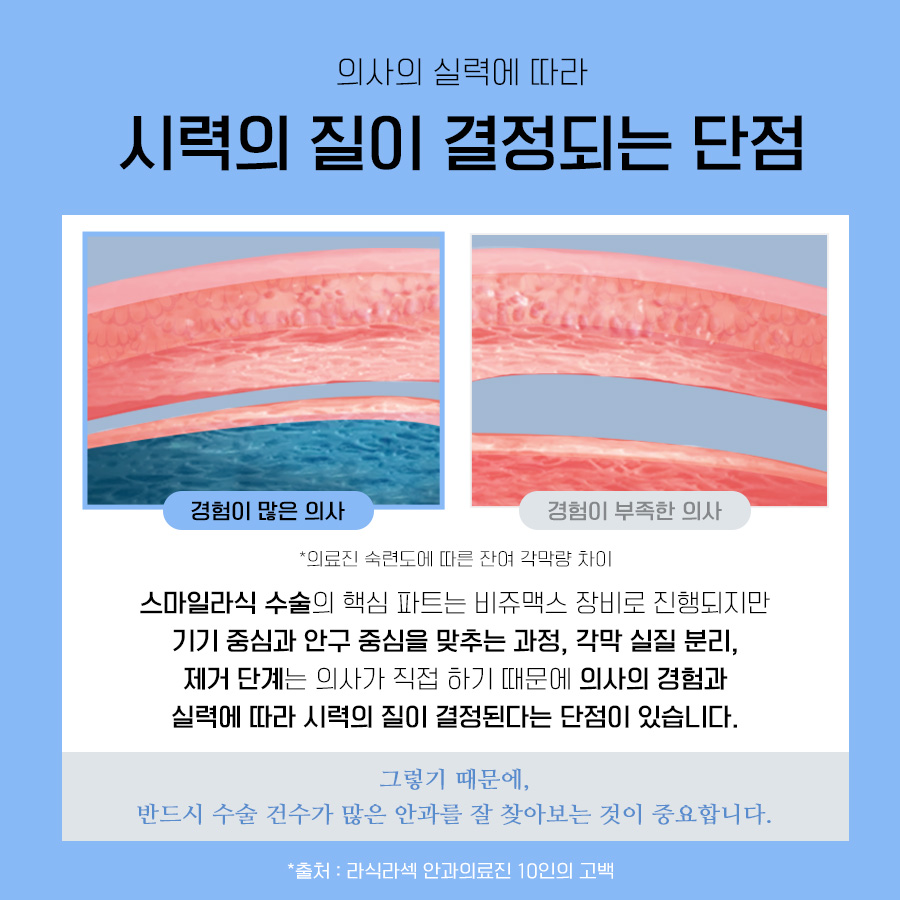
Thorough preoperative testing helps identify people at higher risk for complications. For example, abnormal corneal maps may suggest a risk of post-operative ectasia, in which case laser surgery may be avoided or combined with cross-linking in selected cases.
Role of corneal cross-linking
In some centers, it is available as an additional option for thin or borderline corneas. It is not necessary for everyone, but when used appropriately, it can add biomechanical stability.
Retina specialists and high myopia
For patients with high myopia, the retina is at higher risk of thinning or peripheral lesions. Having a retina subspecialist on site is helpful for detecting and managing these issues before or after vision correction surgery. In some cases, preventive laser treatment of weak retinal areas may be recommended before proceeding.
Long-term follow-up
Even after successful vision correction, regular eye examinations are important. Over time, intraocular pressure, retinal health, and lens changes should be monitored. This is especially true for patients with high myopia, a family history of glaucoma, or those who have had lens implantation.
Special considerations for presbyopia and cataract in the same district
Patients in their 40s, 50s, and beyond often face both distance and near vision issues. For them, corneal laser alone may not be the most efficient long-term solution.
Presbyopia lens implantation
Presbyopia-correcting lens implantation replaces the natural lens with an artificial lens designed to provide focus at multiple distances, such as multifocal or extended depth-of-focus lenses. This can reduce dependence on both distance and reading glasses, although some people may still need glasses for specific tasks.
Laser cataract surgery with multifocal intraocular lenses
When cataracts are present or starting to form, laser cataract surgery with multifocal intraocular lenses can address both the cloudy lens and the refractive error in one procedure. In the Apgujeong and Gangnam area, some centers have high case volumes in cataract and presbyopia lens surgery and offer a range of lens options.
Choosing between corneal and lens-based procedures
For someone in their mid-40s with early presbyopia, it may be better to discuss whether lens-based options are more suitable than corneal laser, considering long-term needs. The decision depends on lens clarity, corneal status, lifestyle, and personal priorities. A detailed consultation with an ophthalmologist is essential before choosing.
Online consultation and pre-visit preparation for international patients
Before booking flights and accommodation, it is wise to have an online consultation with a clinic in the Gangnam area.
Information to prepare
Recent glasses or contact lens prescription.
Any previous eye surgery or trauma.
History of systemic diseases such as diabetes or autoimmune conditions.
Current medications and allergies.
Your goals: for example, sports, professional requirements, or night driving.
Questions to ask before you decide
Which procedures do you commonly perform for someone with my prescription and age?
Do you offer SMILE Pro with VISUMAX 800, SMILE LASIK, SILK, LASIK, LASEK, and lens implantation, or only one or two options?
How do you decide between corneal laser and lens implantation?
How many days in Korea do you recommend for examination, surgery, and follow-up?
How will follow-up be handled once I return to my home country?
Expected Korea visit timeline
A typical schedule for overseas patients might look like this:
Example timeline (illustrative; individual schedules vary):
Day 1: Full eye examination and consultation—final procedure selection and scheduling.
Day 2 or 3: Surgery day for SMILE, LASIK, LASEK, SILK, or lens implantation, depending on the plan.
Day 3 or 4: Early post-operative check.
Day 5 to 10: Additional follow-up visits as recommended based on procedure type and healing.
Some patients stay about one week, while others stay two weeks for extra reassurance, especially after lens implantation or more complex cases. The exact plan should be personalized.
Aftercare and continuing care back home
During your stay in Korea, you will receive instructions on eye drops, activity limitations, and signs of possible problems. You should:
Avoid rubbing your eyes.
Avoid swimming and hot saunas for the period recommended by your doctor.
Use protective eyewear if needed for sports.
Follow the schedule for artificial tears and medicated drops.
Before you leave Korea, ask for a summary of your procedure and early post-operative findings. Share this with your local ophthalmologist at home so they can continue monitoring your eyes.
FAQ
Is SMILE Pro better than LASIK for everyone?
No single procedure is best for everyone. SMILE Pro offers a small incision and short laser time, which many patients find attractive, but LASIK may still be preferred in certain corneal shapes, very high astigmatism, or when specific customization is needed. The safest choice depends on your corneal thickness, curvature, prescription, and lifestyle, which can only be assessed through a full examination.
How long do I need to stay in Korea after vision correction surgery?
For most uncomplicated SMILE, SMILE Pro, or LASIK cases, a stay of about one week is often sufficient for examination, surgery, and early follow-up. For LASEK or lens implantation, some patients prefer to stay 10 to 14 days to allow more healing time and additional checks. Your clinic in Gangnam or Apgujeong can suggest a schedule based on your individual case.
Can I have vision correction if I have very high myopia or thin corneas?
Even with high myopia or thin corneas, options may still exist, but they are more likely to involve lens implantation rather than laser reshaping. During your examination, the ophthalmologist will evaluate corneal thickness, topography, and retinal health. In some cases, corneal cross-linking or a combination of approaches may be discussed, but in others, surgery may be discouraged for safety reasons.
Will I still need glasses after presbyopia or cataract lens surgery?
Presbyopia and cataract lens surgeries with multifocal or extended depth-of-focus lenses can reduce dependence on glasses for many daily activities, but they do not always remove the need for glasses completely. You may still use glasses for very fine print, prolonged near work, or specific tasks such as night driving. Results vary by individual, and it is important to discuss realistic expectations with your surgeon.
Soft call to action for online consultation
If you are considering Apgujeong vision correction surgery and plan to visit the Gangnam area, starting with an online consultation is a practical first step. By sharing your prescription, medical history, and goals in advance, you can receive a preliminary assessment, compare options like SMILE Pro, LASIK, LASEK, SILK, and lens implantation, and plan an efficient travel schedule. A detailed in-person examination with a qualified ophthalmologist in Seoul will then help you decide on the safest and most suitable procedure for your eyes.






댓글
댓글 쓰기