Cataract Surgery Review in Gangnam with Multifocal Lens: My Honest Experience as an International Patient
Direct answer summary
If you are searching for real cataract surgery reviews and wondering what laser-assisted cataract surgery with a multifocal intraocular lens is actually like in Gangnam, this article walks through my full journey as an overseas patient. I explain why I chose surgery, how the examinations were done, what the operation felt like, how my vision changed over the first weeks, and what I would advise anyone planning to come to Seoul for treatment.
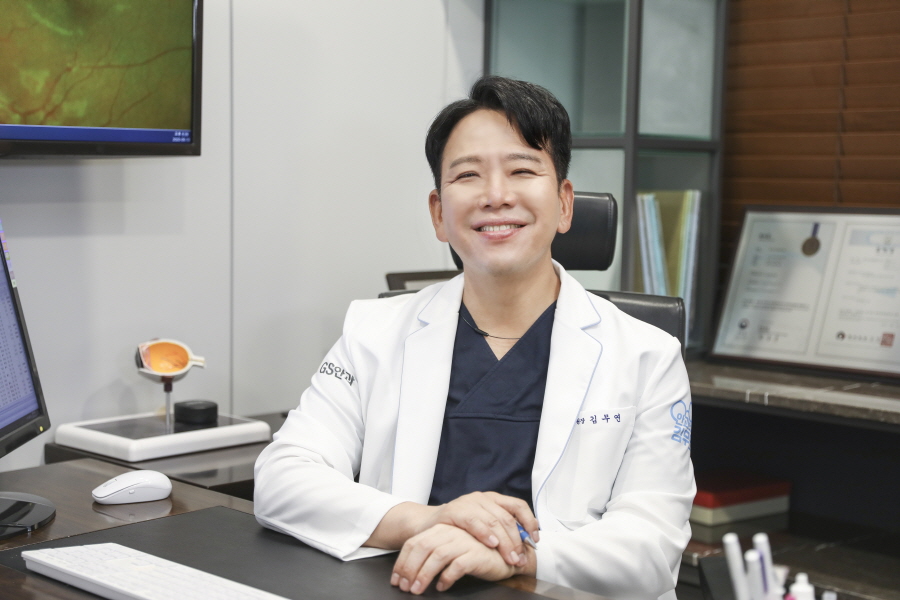
I had laser-assisted cataract surgery with a multifocal intraocular lens at an ophthalmology clinic near Gangnam Station. The clinic felt well-established to me; As a patient, I perceived that they had treated many eyes and that the clinic served as a training site for other doctors.
My overall result has been clear distance and intermediate vision and comfortable near vision for everyday tasks, with some halos at night that gradually improved. There was no sharp pain during surgery, recovery was faster than I had feared, and the most important part was the detailed preoperative testing and honest explanation of what to expect.
Treatment overview: what I actually had done
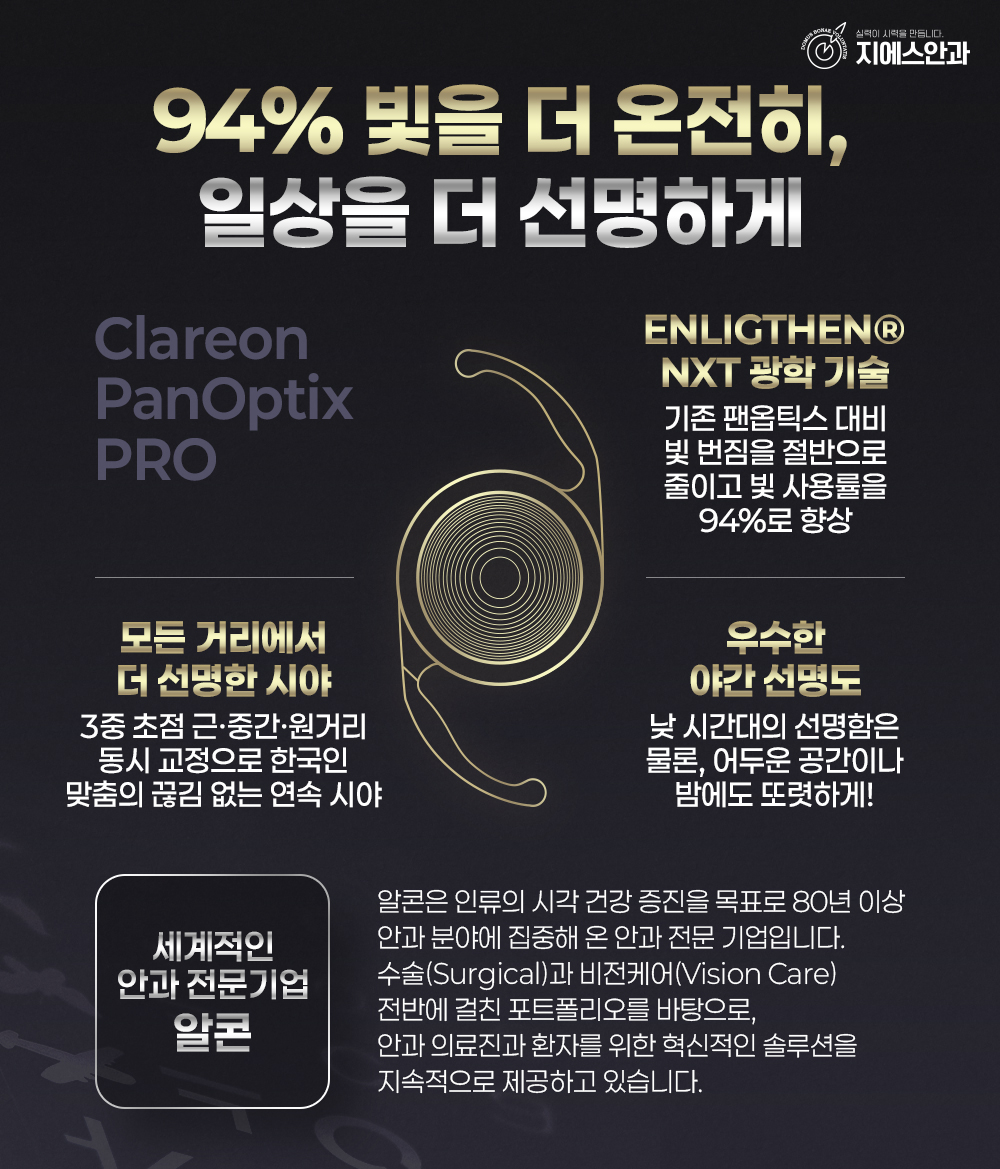
my surgeon described the lens as similar to PanOptix. The goal was not only to remove the cloudy cataract but also to reduce my dependence on glasses for distance, computer work, and reading.

Instead of only manual techniques, the surgeon used a laser to create precise incisions and to soften the cloudy lens before removing it. The new artificial lens was then inserted through a very small incision. Lens selection was personalized based on my lifestyle, my corneal measurements, and the condition of my retina.
Why I decided on cataract surgery
In my early sixties, I started to notice that my glasses were no longer helping as much. Night driving became stressful because of glare and halos around headlights. Streetlights looked like they had starbursts around them. Reading small print required stronger and stronger reading glasses, and even then the letters looked slightly washed out.
I also noticed that I was asking people to repeat themselves in meetings, not because I could not hear, but because I could not clearly see their facial expressions. Watching television felt as if there was a light fog on the screen. My optometrist kept changing my prescription every year, but the improvement was short-lived.
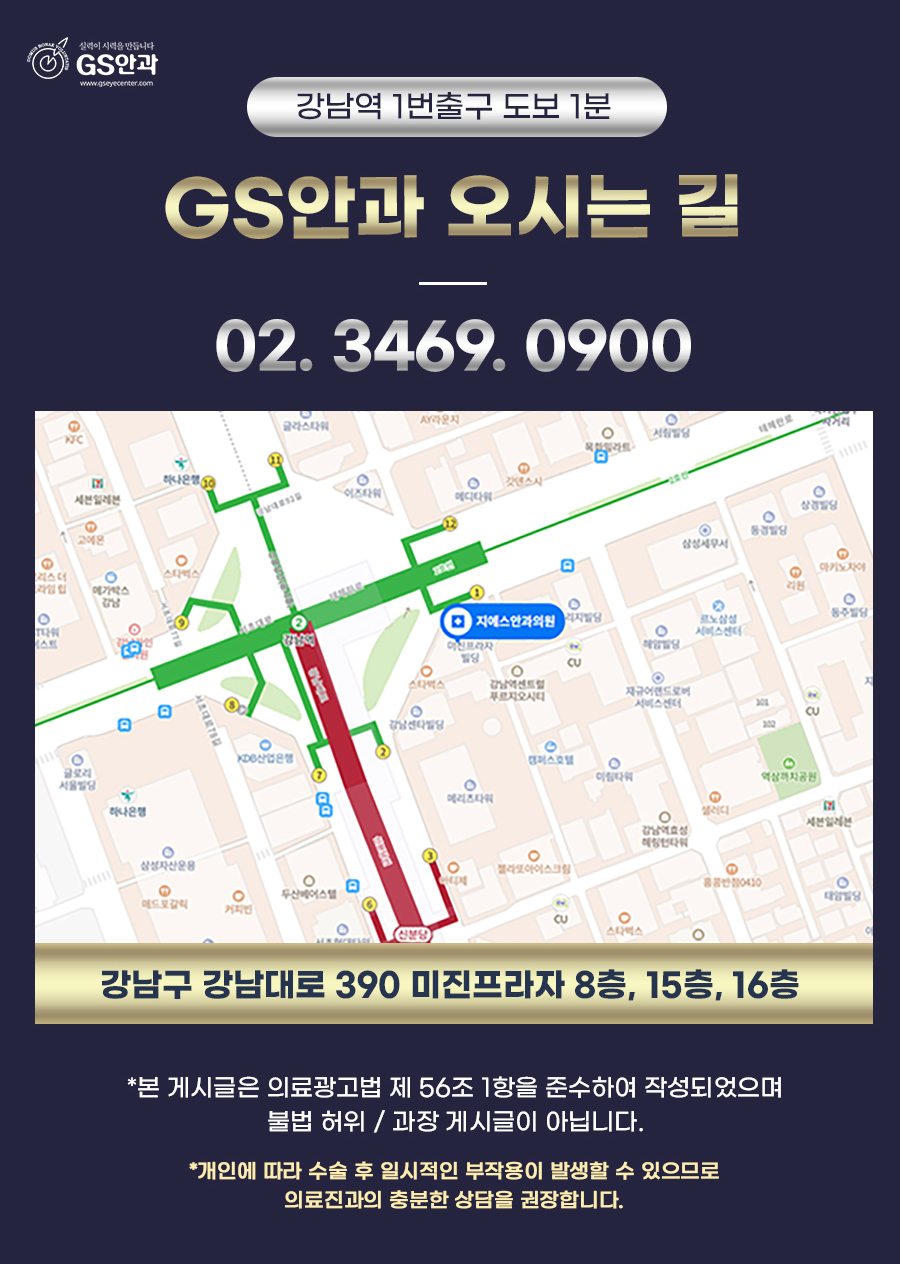
Eventually, I realized that these changes were affecting my independence and confidence, especially at night. That is when I decided to get a thorough eye examination at a specialized ophthalmology clinic in Gangnam, Seoul, which is convenient for international visitors because it is close to Gangnam Station and easy to reach by subway or airport limousine bus.
The comprehensive examination confirmed that I had clinically significant cataracts in both eyes. The doctor explained that stronger glasses would not solve the problem anymore and that surgery was the only way to restore clearer vision.
First visit and preoperative examination
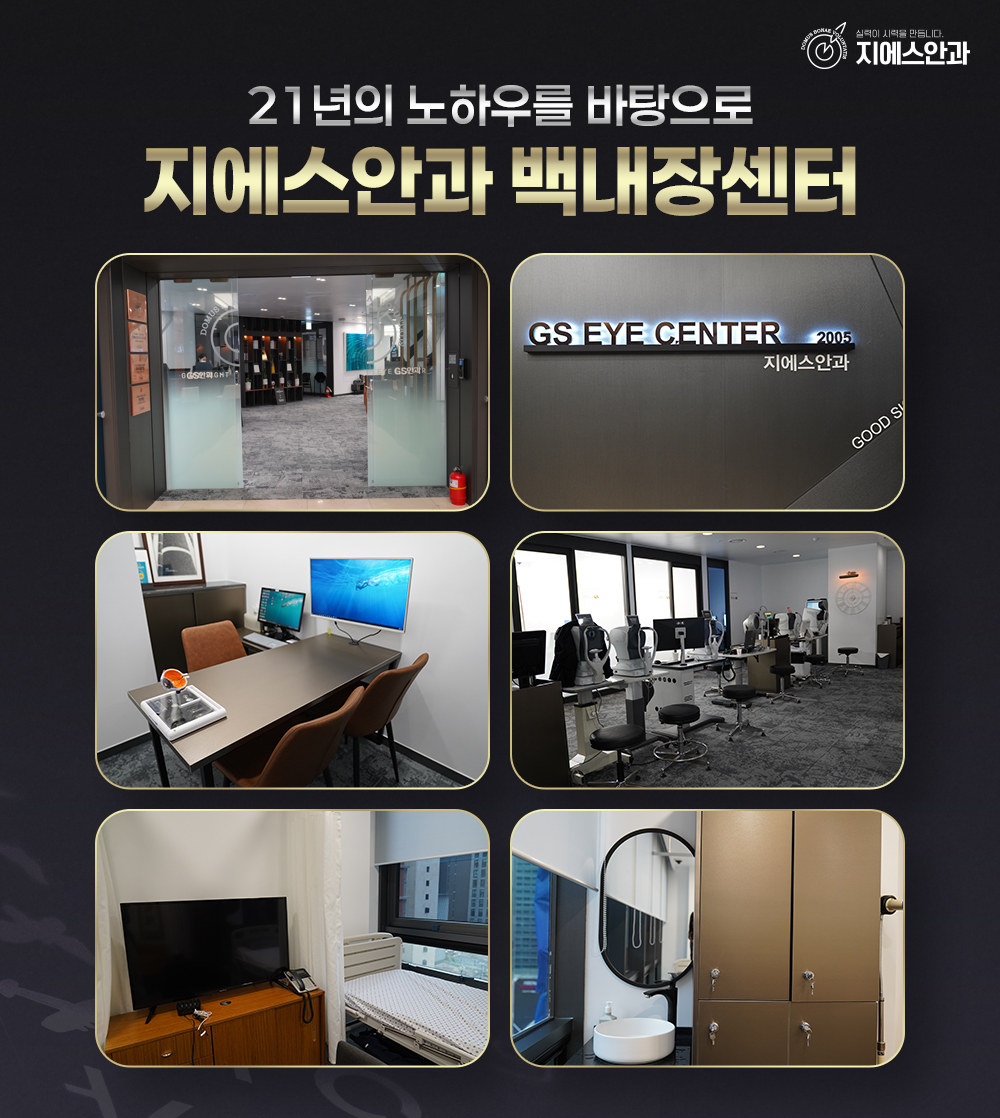
The clinic occupies multiple floors dedicated only to eye care. As an overseas patient, I appreciated that the reception staff were used to handling international visitors and that the process was clearly organized from check-in to testing.
After registration, I went through a series of examinations. None of them were painful, but there were many steps, so it is good to allow enough time.

They checked my visual acuity for distance and near vision with and without my current glasses. Intraocular pressure was measured to screen for glaucoma. Corneal topography was done to map the shape and curvature of the cornea, which is important for planning surgery and for selecting the right lens power, especially if there is astigmatism.
Optical biometry was performed to calculate the exact power of the intraocular lens that would be implanted. This is a key measurement because it strongly influences how well you will see without glasses afterwards. They also took retinal and macular images to look for any signs of diabetic retinopathy, macular degeneration, or other retinal problems.
Because the clinic has a dedicated retina center, a retina-trained ophthalmologist reviewed my scans. This was reassuring because I knew that if there were hidden retinal issues, they could be detected before surgery. The doctor explained that if the retina or macula had significant disease, the final visual result after cataract surgery might be limited, even if the surgery itself went well.
They also assessed my tear film and dry eye status. Mild dry eye is common at my age, and it can affect both the accuracy of preoperative measurements and the comfort of the eyes after surgery. In my case, they recommended artificial tears and simple lid hygiene before and after surgery.
Discussion with the surgeon: lens options and laser assistance
After the tests, I met the surgeon who would perform my operation. He went through the results in detail and explained my options in clear, non-technical language.
He described the difference between standard monofocal lenses and multifocal lenses. A monofocal lens is designed to give good vision at one main distance, usually far. Many people with monofocal lenses still need reading glasses for near tasks and sometimes glasses for intermediate distance, like computer work.
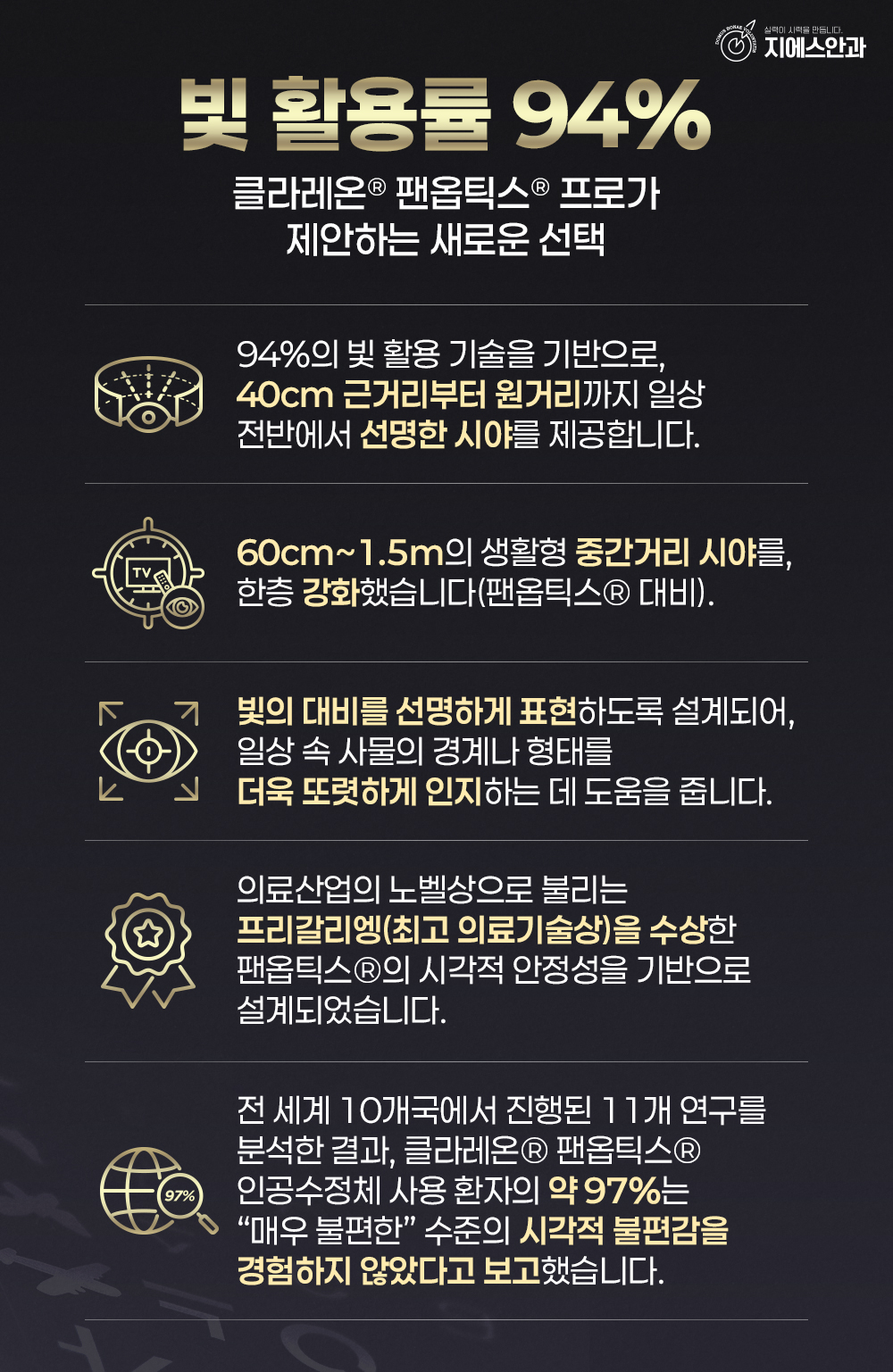
A multifocal lens, on the other hand, is designed with multiple focal points to provide a broader range of vision: distance, intermediate, and near. The potential benefit is reduced dependence on glasses, but the trade-offs include possible halos and glare around lights, especially at night, and a period of adaptation while the brain learns to use the new visual system.

He also explained why laser-assisted cataract surgery might be beneficial in my case. The femtosecond laser can create very precise, reproducible incisions and can pre-fragment the cloudy lens, which may make the surgery more controlled. While both manual and laser-assisted techniques are widely used, the laser approach can offer more consistency in certain steps.
Deciding on a multifocal lens
The decision about which lens to implant was not made in a hurry. The surgeon asked detailed questions about my daily life. How much time do I spend reading books or using a smartphone? How many hours a day am I at the computer? How often do I drive at night? What are my hobbies? I mentioned that I enjoy traveling, cooking, and reading, and that I use a computer for several hours each day.
Because my retina and cornea were healthy and I did not have major eye diseases, a multifocal intraocular lens was considered appropriate. The clinic said it had experience with premium lenses, including PanOptix-type implants, which reassured me as a patient.
The surgeon was careful to set realistic expectations. He did not promise that I would never need glasses again. Instead, he said that the goal was to be free from glasses for most daily activities, especially distance and intermediate vision, and to be able to read normal-sized print in good light without glasses. For very fine print or prolonged close work, I might still choose to use weak reading glasses.
He also discussed neuroadaptation. After multifocal lens implantation, the brain needs time to adapt to the new way of seeing. During this period, some people notice halos or rings around lights at night, and contrast can feel slightly different. In many cases, these symptoms decrease over several weeks to months as the brain adjusts.
Day of surgery: step-by-step experience
On the day of surgery, I arrived at the clinic in the morning. After checking in, I signed consent forms that explained the procedure, possible risks, and the type of lens to be implanted. They repeated some key measurements to confirm accuracy and started dilating my pupils with eye drops.
Before going into the operating area, I met the surgeon again. He confirmed which lens we had chosen, answered my last questions, and marked my chart. As an overseas patient, it was reassuring to have this final conversation.
In the preoperative area, a nurse placed a small intravenous line for mild sedation and started anesthetic eye drops. There was no general anesthesia, so I remained awake but relaxed. My eye and the surrounding area were cleaned, and a sterile drape was placed over my face.
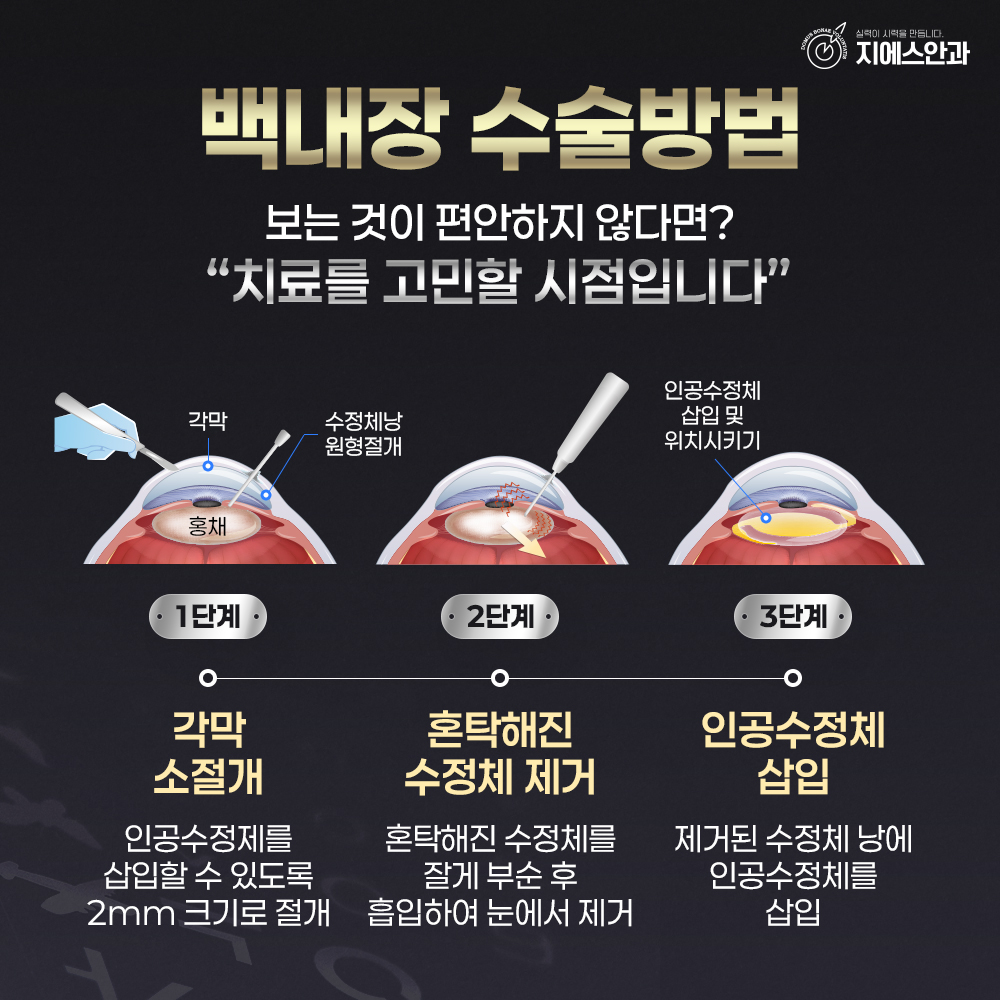
In the laser room, my eye was positioned under the femtosecond laser. I felt some gentle pressure but no pain. The laser created the main corneal incisions and opened the front part of the cloudy lens capsule, then pre-fragmented the cataract. The actual laser time was very short.
Next, I was moved to the operating microscope. The surgeon used gentle suction and ultrasound to remove the softened lens pieces through the small incision. I saw bright lights and some movement but felt no sharp pain, only a sense of pressure and water flowing over the eye.
Once the natural lens was removed, the multifocal intraocular lens was folded and inserted through the same small incision, then unfolded inside the eye. The surgeon checked that it was centered and stable. The incision was so small that it did not require stitches.
Each eye took only several minutes of actual operating time, but with preparation and recovery room time, I spent a few hours at the clinic. In my case, both eyes were done on the same day, with a short break between them, but some patients may have surgery on separate days depending on the surgeon’s protocol and the patient’s health.
Immediately after surgery and the first 1–2 weeks
Right after surgery, my vision was not clear. It felt as if I were looking through a foggy window, and lights appeared very bright. This was expected. The staff placed a protective shield over my eyes and gave me instructions not to rub them.
I was sent home with a schedule of antibiotic and anti-inflammatory eye drops to prevent infection and control inflammation. I was also told to continue using artificial tears if my eyes felt dry.

The restrictions were manageable: avoid heavy lifting for a short period, avoid getting water directly into the eyes for a few days, be careful in the shower, and wear sunglasses outdoors to reduce light sensitivity. Sleeping with the protective shield helped prevent accidental rubbing at night.
At the first follow-up visit, usually the next day, they checked my visual acuity, intraocular pressure, and the position of the new lens. They also examined the cornea to make sure there was no swelling and looked at the retina to rule out early complications.
During the first week, my vision improved day by day. There was some mild foreign body sensation and dryness, but no significant pain. The clinic adjusted my dry eye treatment and reassured me that these symptoms were common and usually temporary.
Vision outcomes after adaptation
After a few weeks, my distance vision became clear enough that I could recognize faces across the room, see road signs, and watch television without glasses. Intermediate vision, such as using the computer and cooking, felt natural and comfortable.
Near vision for reading menus, messages on my smartphone, and normal print books was generally good, especially in decent lighting. For very small print or reading for long periods in dim light, I sometimes used weak reading glasses, which I had been told might be necessary.
At night, I did notice halos around headlights and streetlights, especially in the first month. They were not painful, but they were noticeable. Over time, my brain seemed to adapt, and the halos became less distracting. I can still see some rings around very bright lights if I focus on them, but they no longer bother me during normal activities.
Throughout the follow-up period, the clinic continued to monitor my retina and intraocular pressure. This was important because some complications, such as macular edema or pressure changes, can develop after surgery, especially in older patients or those with systemic conditions.
In my case, I had mild pre-existing dry eye, which made my eyes feel slightly gritty at times. The doctors addressed this with lubricating drops and simple home care. It did not significantly affect my final visual acuity but did remind me that not all discomfort after surgery is due to the lens itself.
Comparison with expectations and other reviews
Before surgery, I had read many online reviews, some very positive and some worrying. I was afraid of pain during the operation, a long recovery, and severe halos that would make night driving impossible.
In reality, the procedure was more comfortable than I expected. There was no sharp pain, only pressure and bright lights. Recovery was not instant, but I noticed meaningful improvement within days and continued to see gradual refinement over several weeks.
The halos and glare were real in the first weeks, but they did not match the worst stories I had read. They decreased over time, and I learned that individual sensitivity varies. This is why it is important to have a surgeon who explains both the benefits and the possible visual side effects of multifocal lenses.
Looking back, the most valuable aspects were the thorough preoperative testing, the involvement of retina specialists to check the back of the eye, and the clear communication about lens options and realistic outcomes.
Who may consider this type of cataract surgery
Laser-assisted cataract surgery with a multifocal intraocular lens may be considered by people who:
Have clinically significant cataracts affecting daily life.
Have a relatively healthy retina and cornea without advanced disease.
Wish to reduce dependence on glasses for distance, intermediate, and near vision.
Are willing to accept a period of adaptation and the possibility of halos or glare, especially at night.
It may be less suitable for people with significant macular disease, advanced glaucoma, or other conditions that limit visual potential. In such cases, a monofocal lens might be safer and more predictable. An individual assessment by an ophthalmologist is essential.
Online consultation and pre-visit preparation for overseas patients
If you are considering traveling to Seoul for cataract surgery, an online consultation can save time and help you decide whether this clinic and treatment approach are right for you.
Before your online consultation, it is helpful to prepare:
A brief summary of your visual symptoms and how they affect your daily life.
Your age and general medical history, including diabetes, hypertension, or autoimmune diseases.
Any previous eye surgery or trauma.
Recent glasses prescriptions or eye examination reports, if available.
A list of medications and supplements you are taking.
During the online consultation, you can ask about the types of lenses available, whether multifocal lenses are commonly used in patients your age, how they handle patients with retinal issues, and what the typical timeline is for international visitors.
Expected Korea visit timeline for cataract surgery
The exact schedule can vary, but a common timeline for overseas patients might look like this:
Day 1–2: Arrival in Seoul, rest, and adjustment to the time zone.
Day 2–3: Full preoperative examination at the ophthalmology clinic, including all measurements and consultations. Lens selection is finalized.
Day 3–4: Cataract surgery for one or both eyes, depending on the plan.
Day 4–5: First follow-up visit to check vision, eye pressure, and healing.
Following 5–10 days: Additional follow-up visits as needed, then clearance to fly home if everything is stable.
Many patients stay in Seoul for about 7–10 days around the time of surgery to allow for proper monitoring. It is important to discuss your travel schedule with the clinic in advance so they can plan your follow-up visits.

Aftercare and long-term follow-up
After returning home, you will usually continue using eye drops for several weeks according to the schedule provided. It is wise to arrange a follow-up appointment with a local ophthalmologist to ensure that your eyes are healing well.
The Gangnam clinic can often provide a summary of your surgery and lens details to share with your local doctor. If you experience sudden pain, a rapid drop in vision, many new floaters, or flashes of light, you should seek urgent eye care, as these can be signs of complications.
Most people with uncomplicated cataract surgery and healthy eyes can expect stable vision after the initial healing period. However, some may develop a cloudy posterior capsule months or years later, which can be treated with a simple laser procedure locally.
Frequently asked questions
Is laser-assisted cataract surgery more painful than standard surgery?
In my experience, and according to the explanations I received, laser-assisted cataract surgery is not more painful than standard manual surgery. Both techniques use numbing eye drops and often mild sedation, so you feel pressure and see bright lights but usually no sharp pain. The laser step itself involves a brief feeling of pressure. Pain perception can vary between individuals, but most patients describe the procedure as uncomfortable rather than painful.
Will a multifocal intraocular lens let me throw away my glasses completely?
A multifocal intraocular lens is designed to reduce dependence on glasses for many daily activities, including distance, intermediate, and near tasks. However, it does not guarantee complete freedom from glasses in every situation. You may still prefer glasses for very fine print, prolonged reading, or certain hobbies that demand precise near vision. The exact outcome depends on your eye health, the specific lens model, and how your brain adapts.
How long does it take to adapt to halos and glare after multifocal lens surgery?
Many patients notice halos and glare around lights in the first weeks after surgery, especially at night. For some, these symptoms gradually decrease over a few months as the brain adapts to the new visual system. A smaller number of people continue to notice halos long-term, but often they become less bothersome with time. It is important to discuss your night driving habits and sensitivity to visual disturbances with your surgeon before choosing a multifocal lens.
Is it safe to travel by air after cataract surgery?
Most people can fly after cataract surgery once the eye is stable and the surgeon has confirmed that there are no early complications. For international patients, clinics often recommend staying in Seoul for several days after surgery to allow for follow-up visits. After that, air travel is usually permitted. Cabin pressure changes in commercial flights are generally safe for eyes that have had uncomplicated cataract surgery, but you should follow your surgeon’s specific advice.
If you are considering cataract surgery in Korea, keep in mind this is one patient's experience with laser-assisted surgery and a multifocal intraocular lens. Consider seeking multiple opinions, verifying clinic credentials independently, and discussing risks and options with your ophthalmologist before deciding.
If you are considering cataract surgery in Korea and want a realistic idea of what to expect from laser-assisted surgery with a multifocal intraocular lens, an online consultation with the Gangnam ophthalmology clinic can be a practical first step. You can share your current eye condition, daily visual needs, and medical history, and receive guidance on whether this type of surgery and lens might suit you.
Remember that every eye is different. The experience described here reflects one patient’s journey in a clinic with long-term experience, a dedicated retina center, and a team of ophthalmology specialists. Your own results will depend on your individual eye health and careful planning with your doctor. An in-person examination by an ophthalmologist is always essential before making any final decision about cataract surgery or lens selection.







댓글
댓글 쓰기