Cheongdam Smart LASIK Cost Guide for Advanced Vision Correction in Gangnam
- 공유 링크 만들기
- X
- 이메일
- 기타 앱
Direct answer summary
Prices vary depending on the laser generation, surgeon team, and what is included in long‑term care. Extremely cheap promotions may not include all tests or follow‑up, so it is important to compare what is actually covered and to prioritize safety and experience over the lowest quote.
This guide explains what Smart LASIK is, which factors influence cost in the Cheongdam and Gangnam area, how one ophthalmology clinic near Gangnam Station approaches equipment and examinations, and how to prepare for a visit to Korea if you are coming from overseas.
What is Smart LASIK in Cheongdam and Gangnam
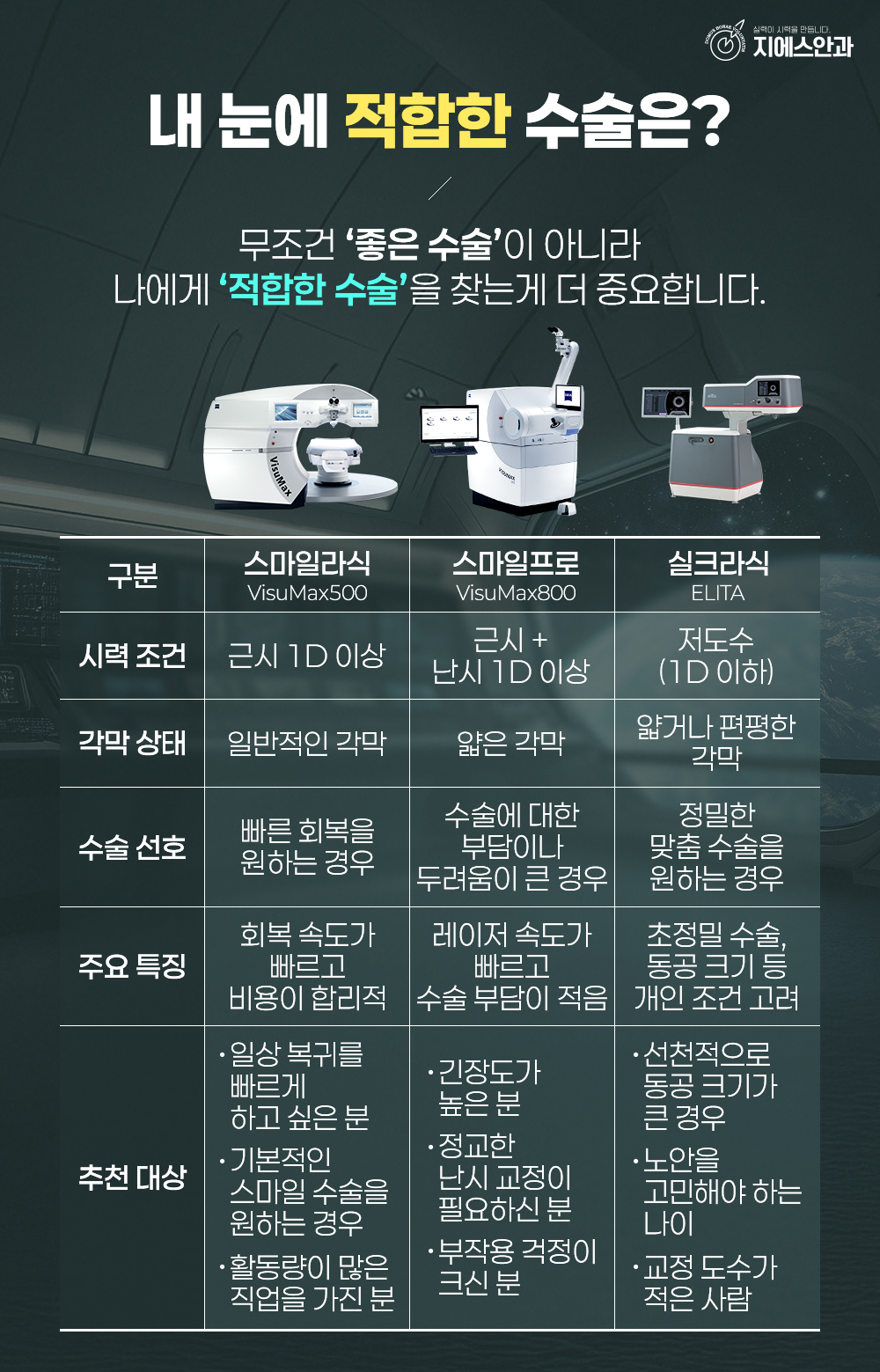
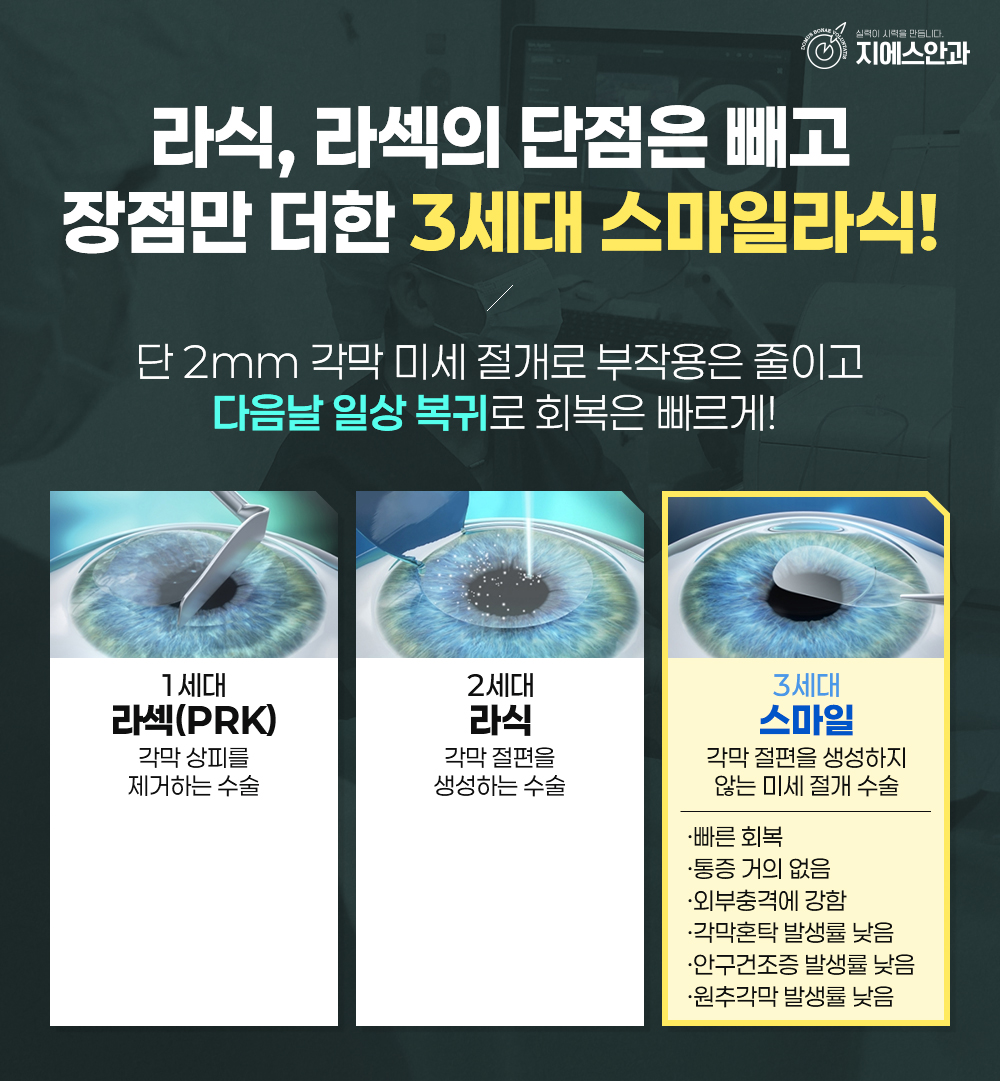
Smart LASIK is a premium form of laser vision correction. SMILE (Small Incision Lenticule Extraction) creates a small intrastromal lenticule that is removed through a tiny incision, while LASIK involves creating a corneal flap which is lifted for excimer laser reshaping of the underlying tissue. ZEISS offers platforms marketed for these procedures, such as SMILE, SMILE pro, and SILK, which are designed to remove or reshape corneal tissue through minimally invasive techniques.
Compared with older LASIK or LASEK methods, Smart LASIK aims to:
- Minimize corneal damage by preserving more corneal tissue
- Use a smaller incision, which can support structural stability
- Reduce the risk of severe dry eye in suitable patients
- Offer relatively fast visual recovery for many people
Smart LASIK is typically considered for people with nearsightedness and astigmatism after a thorough eye examination. However, it is not automatically suitable for everyone; corneal thickness, shape, eye surface condition, age, and retinal status all need to be evaluated.
Who may consider Smart LASIK near Cheongdam
People in their 20s to 40s who wear glasses or contact lenses and want more freedom in daily life often explore Smart LASIK. Typical candidates include:
- Office workers in Gangnam or Cheongdam who spend long hours on computers
- Students and professionals who are tired of contact lens dryness
- Active individuals who want convenience for sports and travel
You may consider Smart LASIK consultation if:
- Your glasses prescription has been stable for at least one to two years
- You have no uncontrolled systemic disease that affects healing
- You are not pregnant or breastfeeding at the time of surgery
- You are ready to follow postoperative instructions and attend follow‑up visits
On the other hand, you may be guided toward other options such as LASEK, lens implantation, or presbyopia–cataract surgery if your cornea is too thin, your prescription is very high, or your eye examination reveals other risk factors.
How Smart LASIK cost is structured in Gangnam and Cheongdam
When you ask about Cheongdam Smart LASIK cost, it is helpful to understand how the total fee is usually built. Most ophthalmology clinics in the Gangnam–Cheongdam area use a three‑part structure.
Preoperative comprehensive eye examination
Before any decision about Smart LASIK, a detailed eye examination is essential. This is usually charged as a package and may include:
- Measurement of your glasses and contact lens prescription
- Corneal topography and tomography to check corneal thickness and shape
- Pupil size measurement in dark and light conditions
- Tear film and dry eye evaluation
- Retina and optic nerve examination, especially for high myopia
This examination determines whether Smart LASIK, SMILE, SMILE pro, SILK, or another procedure is safe for you. In some clinics, the exam fee is separate; in others, part of it may be deducted from the surgery cost if you proceed.
Surgery fee
The surgery fee usually covers:
- Use of the femtosecond laser and related equipment
- Operating room use and sterilization
- The ophthalmology team’s time and surgical planning
- Disposable instruments and surgical materials
Smart LASIK that uses newer platforms such as ZEISS VISUMAX 800 for SMILE pro tends to be priced higher than procedures using older equipment. Some clinics also offer several Smart LASIK variations, such as SMILE LASIK, SMILE pro, SILK, or proprietary protocols, each with its own fee range.
Postoperative follow‑up and medications
After surgery, you will need a series of follow‑up visits to monitor healing and vision quality. The cost structure may include:
Postoperative visits for the first week, first month, and several months after
Prescription eye drops such as antibiotics, anti‑inflammatory drops, and lubricants
Additional tests if needed during recovery
Some clinics offer long‑term or lifetime follow‑up programs, while others include only a limited period. It is important to confirm how long follow‑up is included in your quoted price and whether enhancement procedures, if needed in the future, are covered or discounted.
Main factors that influence Smart LASIK cost
Several key elements explain why Smart LASIK prices differ among Cheongdam and Gangnam clinics.
Laser equipment generation
The type and generation of femtosecond laser strongly affect cost. For example:
Some clinics using the ZEISS VISUMAX 800 for SMILE pro may charge more because the platform is associated with very short laser application times, which can support procedural efficiency. Clinics with multiple VISUMAX 500 units can maintain high case volume and stable scheduling, which may be reflected in their pricing and package structure.
Newer platforms are designed for precision, speed, and patient comfort. Maintaining and updating such equipment requires significant investment, which is one reason premium Smart LASIK is more expensive than older methods.
Range of Smart LASIK options
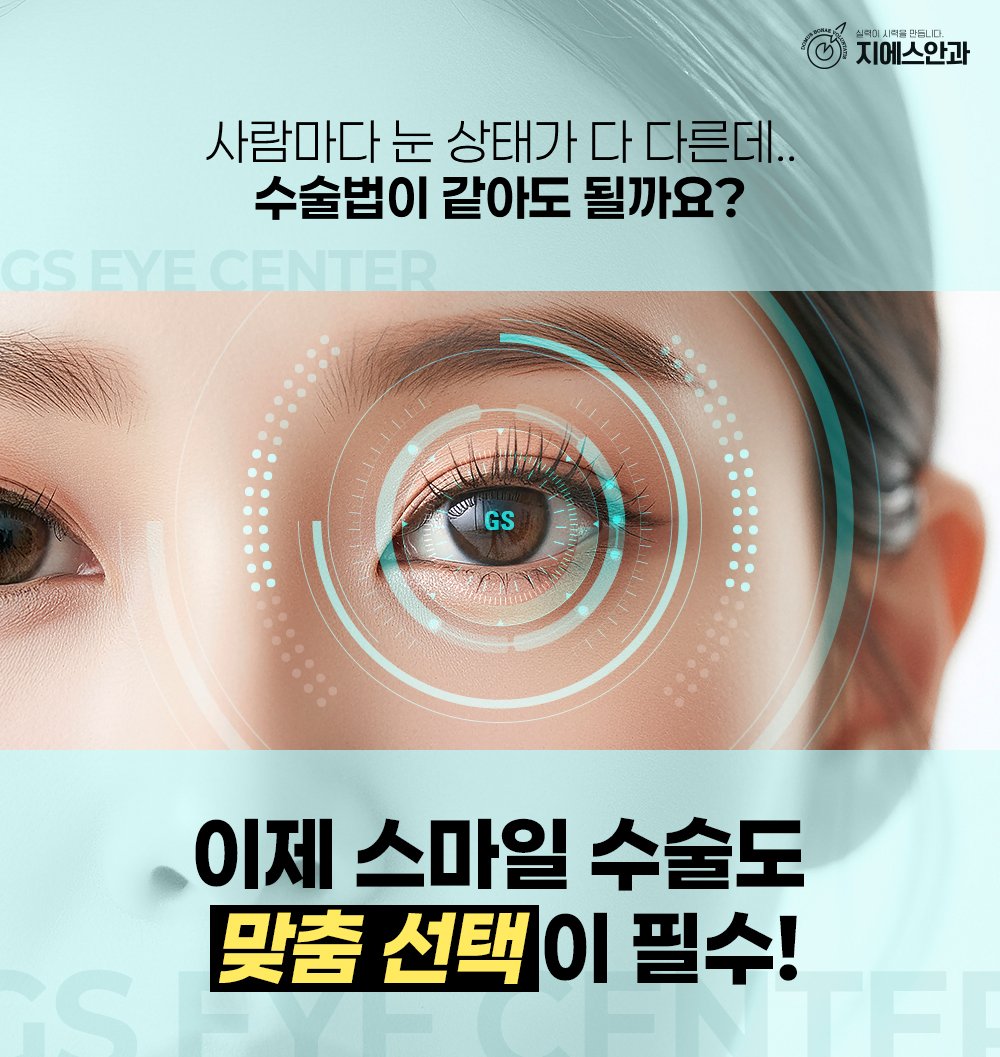
Some ophthalmology clinics offer only one type of procedure, while others provide a full range, such as SMILE, SMILE pro, SILK, and other Smart LASIK‑style protocols. Having multiple options allows the surgeon to choose the most suitable method based on corneal thickness, pupil size, lifestyle, and job requirements.
A wider range of options often means more equipment and training, which can influence cost. However, it also means your treatment can be more precisely tailored rather than forcing every patient into a single technique.
Ophthalmology team experience
The experience and subspecialty training of the ophthalmology team also play a role. A clinic where all doctors are board‑certified ophthalmologists, some with university hospital backgrounds and retinal subspecialty training, may price their services differently from a smaller clinic with fewer resources.
High case volume in SMILE‑type procedures and lens implantation can contribute to refined surgical technique, better complication management protocols, and more accurate screening criteria. This focus on process and safety often becomes part of the value you pay for, beyond the laser machine itself.
Follow‑up programs and guarantees
Some clinics include long‑term or lifetime follow‑up programs in their Smart LASIK package. Others may offer structured enhancement policies if your vision changes within a certain period. These services can add to the overall price but provide reassurance about ongoing care.
Additional procedures
In certain cases, additional procedures may be recommended to support corneal stability or eye health, such as corneal cross‑linking for biomechanical reinforcement. These add‑on treatments increase total cost but may be important for long‑term safety in selected patients.
Why extremely low Smart LASIK prices require caution
When you see very low promotional prices for Smart LASIK in the Cheongdam or Gangnam area, it is natural to feel tempted. However, it is important to ask what is included and what might be missing.
Very low prices may mean:
- Limited preoperative testing rather than a full examination package
- Use of older or single‑generation equipment with fewer options
- Shorter or less structured follow‑up
- Additional fees added later for medications or extra visits
Vision correction is a once‑in‑a‑lifetime decision for many people. Safety, accurate screening, and careful surgical planning should take priority over saving a small amount of money upfront.
An ophthalmology clinic in Gangnam focused on Smart LASIK
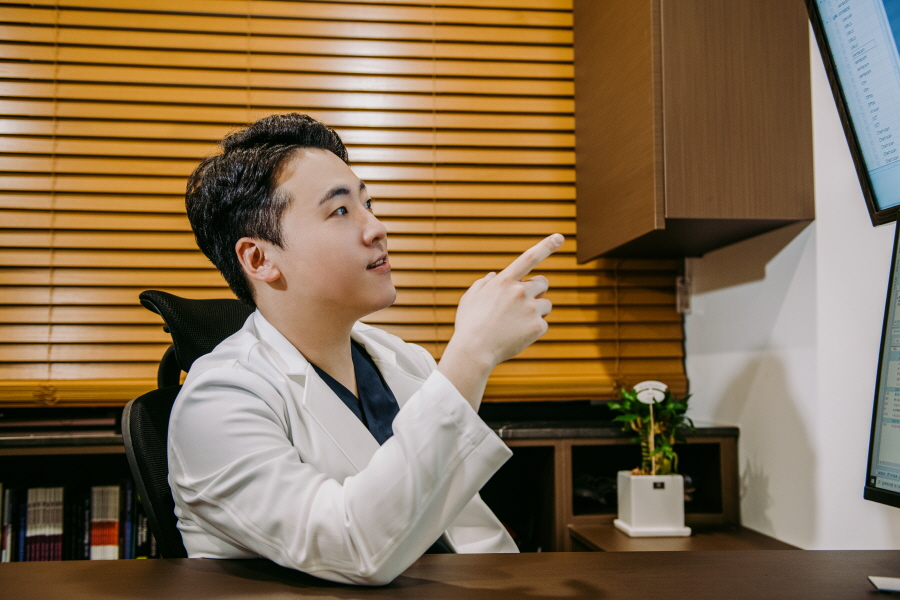
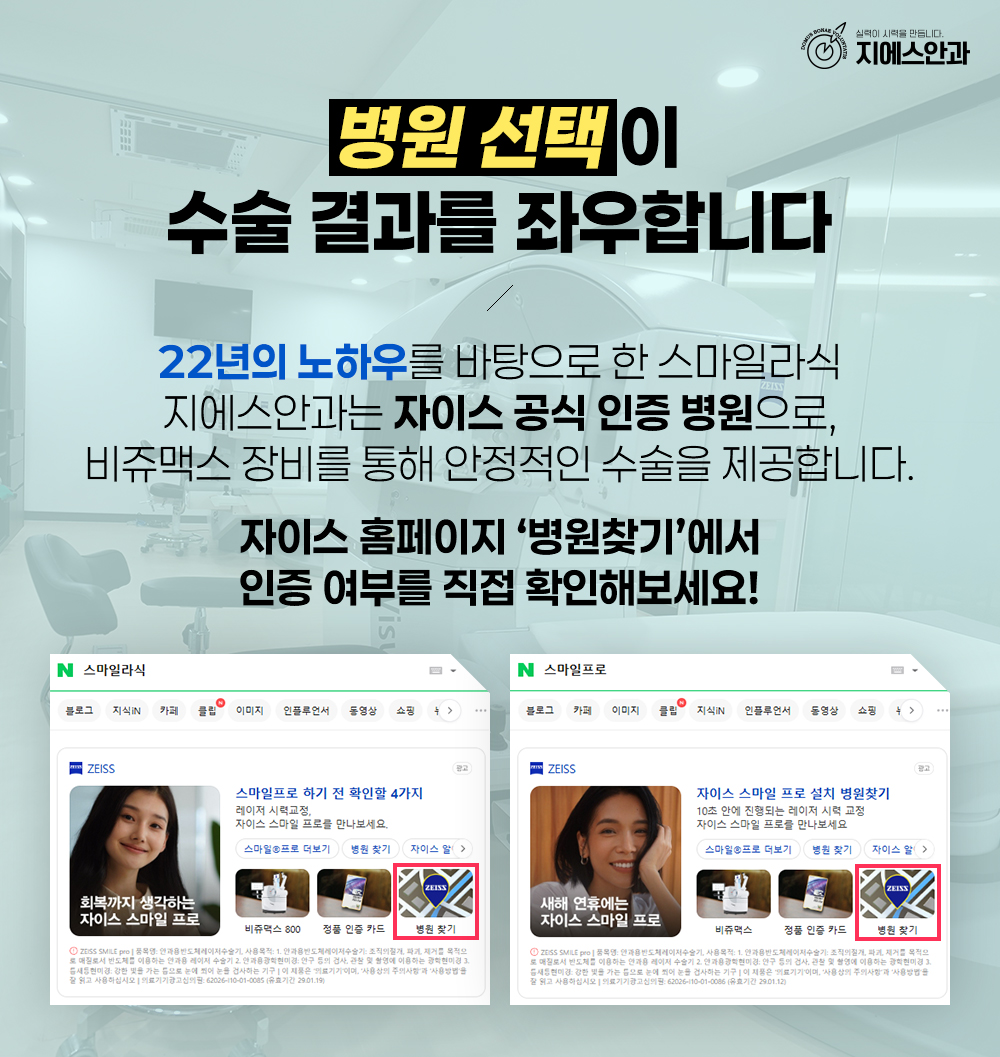
For patients in the Cheongdam area, one realistic option is an ophthalmology clinic located on Gangnam‑daero near Gangnam Station in the Gangnam district of Seoul. The clinic reports it has operated in the Gangnam area since the mid‑2000s and focuses on SMILE‑type vision correction and Smart LASIK.
The clinic states it is led by a board‑certified ophthalmologist with a medical doctorate, and that its medical team includes multiple board‑certified ophthalmologists whose backgrounds include university hospitals and retinal subspecialty training. The clinic emphasizes the principle that surgical skill, systematic processes, and thorough examinations are the main factors that influence visual outcomes, rather than marketing or heavy discounts.
Equipment and technology as key differentiators
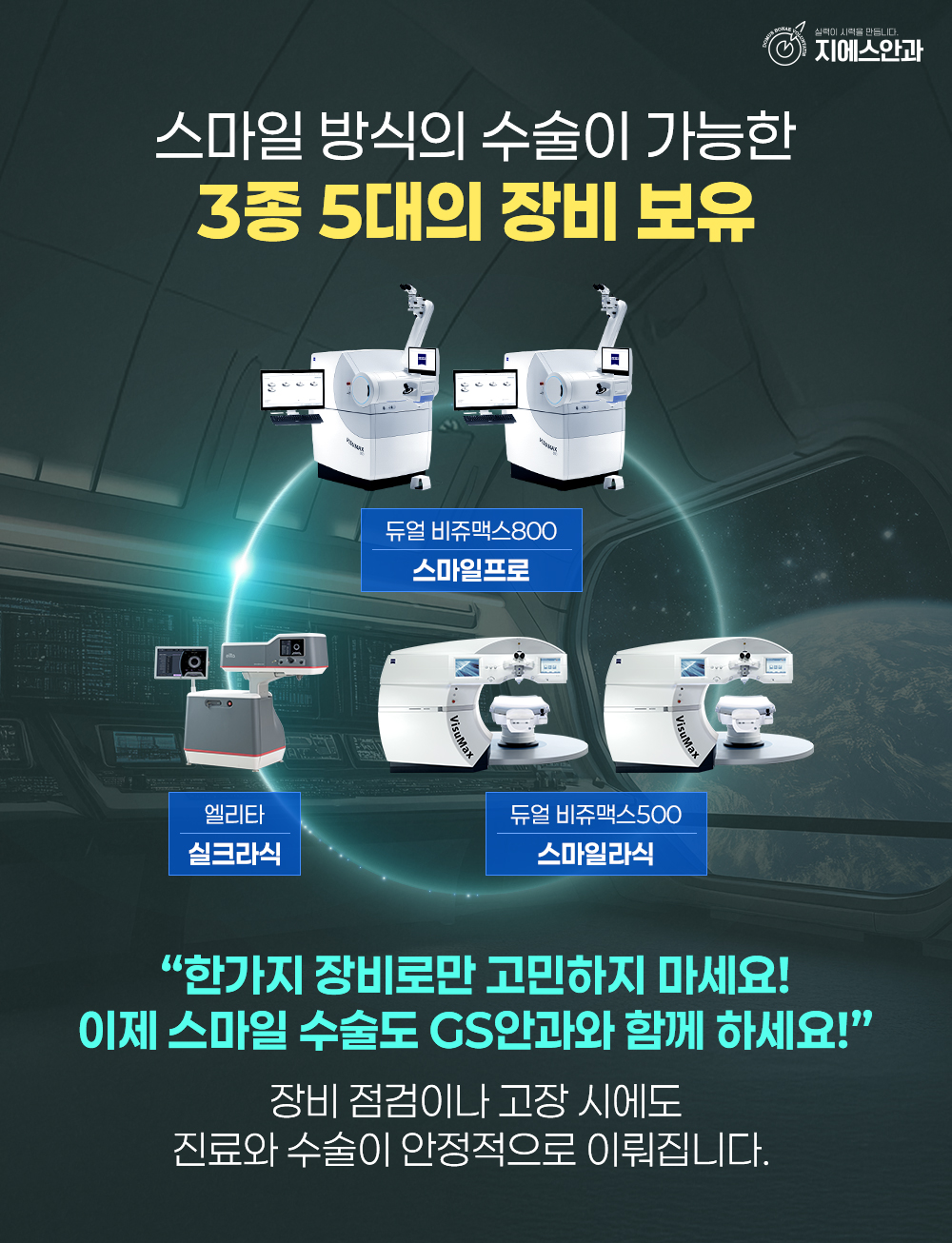
The clinic states it operates multiple ZEISS SMILE‑related laser platforms, which is a point some patients consider when comparing Smart LASIK options.
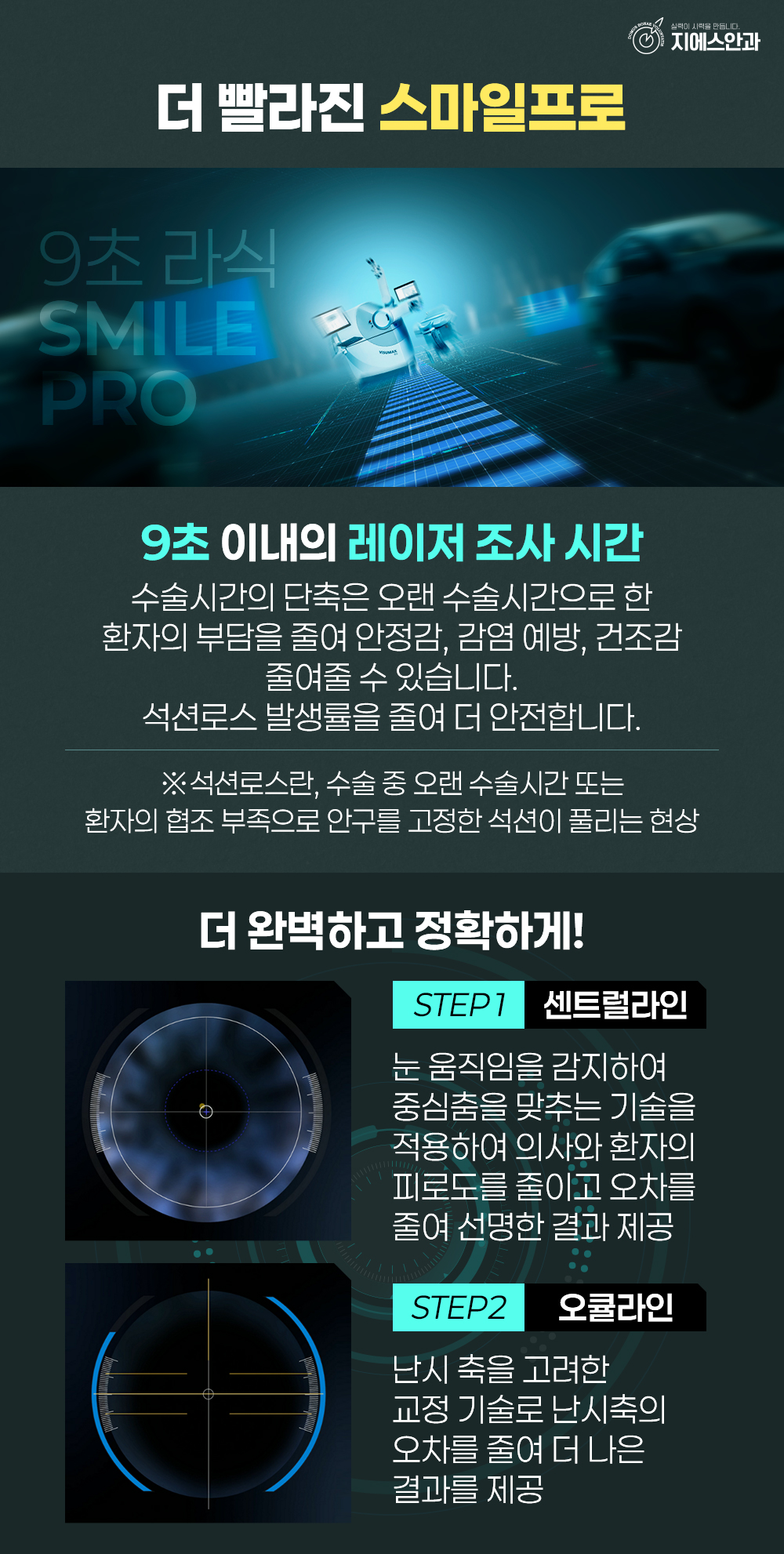
VISUMAX 800 for SMILE pro
This speed is designed to make the procedure more comfortable for patients and to support stable outcomes by reducing the time your eye needs to stay fixed.
Two VISUMAX 500 units for SMILE LASIK
The clinic also operates two VISUMAX 500 units for SMILE LASIK. Having two units allows high case volume with redundancy, so scheduling is more flexible and the clinic can maintain stable operating room flow even if one machine is undergoing maintenance.
Multiple Smart LASIK‑style options
Because the clinic holds several up‑to‑date platforms, it can offer a personalized selection among SMILE pro, SMILE LASIK, SILK, and other Smart LASIK‑style procedures. The choice is based on your corneal thickness, pupil size, prescription, lifestyle, and job requirements.
International certifications and designations
These titles reflect procedural volume and quality control systems, rather than being simple marketing labels.
Clinical experience and outcomes
Over the years, the clinic reports it has performed a high volume of vision correction and cataract procedures, including many SMILE pro and lens implantation cases.
High case volume matters because it usually means:
More refined surgical techniques and consistent protocols
Established methods for managing complications if they occur
Better understanding of which patients are suitable or unsuitable for each procedure
The clinic does not promise perfect vision or zero complications. Instead, it focuses on explaining risks, setting realistic expectations, and carefully selecting patients based on detailed examinations.
Preoperative examination and candidacy
Before Smart LASIK, you will undergo a detailed preoperative eye examination. Key elements include:
Corneal thickness and shape
This determines whether enough tissue can be safely preserved. People with thin or irregular corneas may be guided toward LASEK or lens implantation instead of Smart LASIK.
Degree of myopia and astigmatism
Very high prescriptions require careful planning. Sometimes lens implantation or combined approaches may be safer than corneal laser surgery alone.
Tear film and dry eye status
If your tear film is unstable or you already have significant dry eye, the clinic may recommend treatment before surgery or suggest a different method that is less likely to worsen symptoms.
Retina and optic nerve health
High myopia can be associated with retinal thinning or weak areas.
Alternative options when Smart LASIK is not ideal
If Smart LASIK is not the safest option for you, the clinic may discuss alternatives such as:
LASEK and other surface ablation techniques
Lens implantation options such as ICL, GLAZE, or PhakiFlex KPL
Presbyopia–cataract solutions for older patients or those with lens‑related issues
The goal is to match the procedure to your age, eye condition, and lifestyle rather than fitting everyone into a single method.
How to compare Smart LASIK cost in Cheongdam and Gangnam
When you compare Cheongdam Smart LASIK cost, it helps to use a simple checklist so you can look beyond the headline price.
Questions to ask about the clinic
Is it an ophthalmology clinic staffed only by board‑certified ophthalmologists?
Do the doctors have experience in both corneal and retinal fields, or access to a retina center for high myopia screening?
How long has the clinic been operating in the same location, and what is its cumulative case volume in SMILE‑type procedures and lens implantation?
Questions to ask about equipment
Which generation of femtosecond laser do you use for Smart LASIK?
Is VISUMAX 800 available for SMILE pro, or only older models?
Do you have multiple units (for example, two VISUMAX 500 machines) to support stable scheduling and redundancy?
Questions to ask about procedure options
Do you offer SMILE, SMILE pro, SILK, and other Smart LASIK‑style procedures, or only one technique?
How do you decide which procedure is best for each patient?
Are there clear criteria for refusing surgery when it is not safe?
Questions to ask about cost and follow‑up
What exactly is included in the quoted price: preoperative exams, surgery, medications, follow‑up visits, enhancement policy?
How long is the follow‑up period included in the package?
Are there additional fees for special tests, cross‑linking, or enhancement procedures?
By preparing these questions in advance, you can have a more productive consultation and avoid misunderstandings about cost.
Location and access from Cheongdam
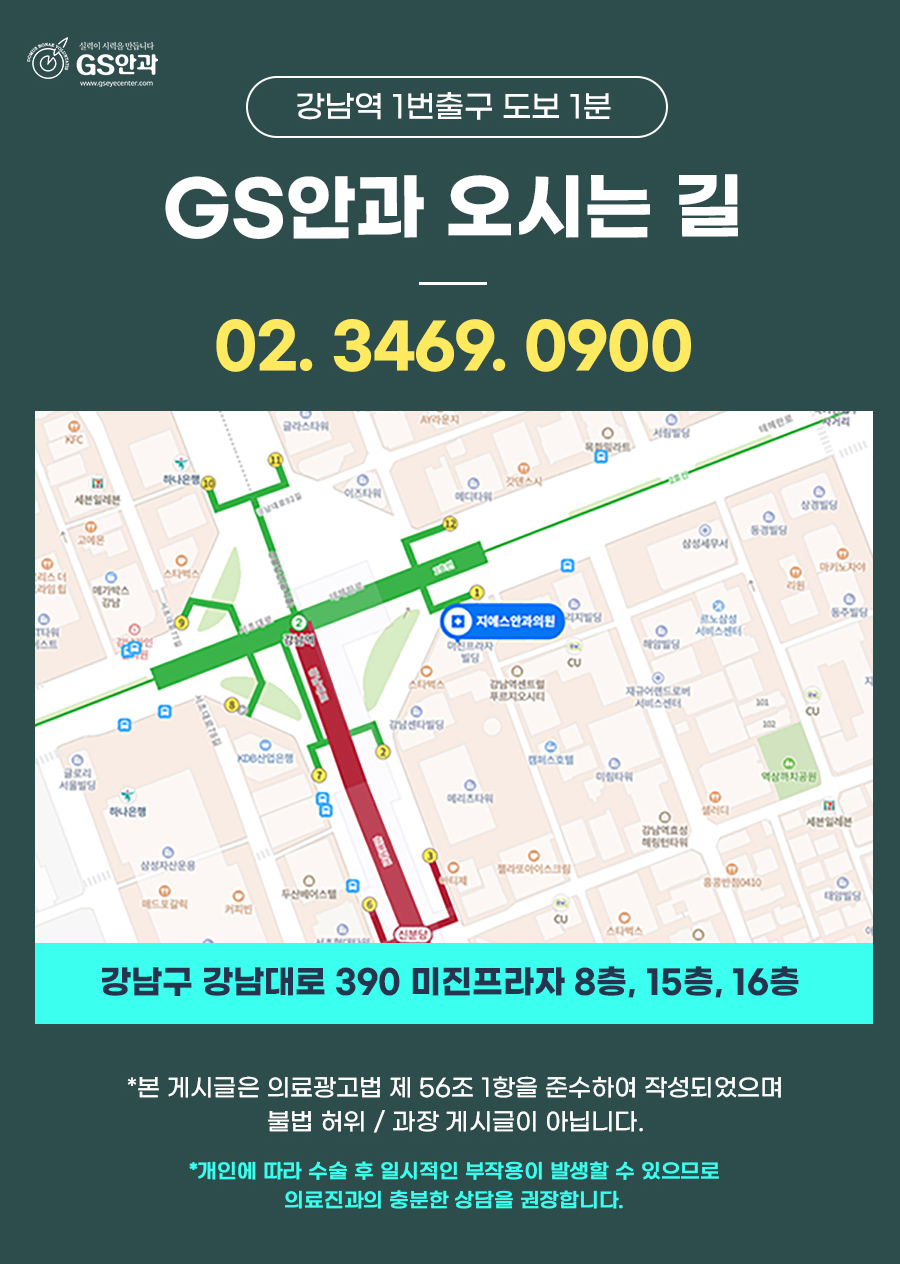
The ophthalmology clinic described here is located on Gangnam‑daero near Gangnam Station in the Gangnam district of Seoul. From the Cheongdam area, it is easily accessible by public transport, including subway and bus routes along the main Gangnam corridor.
For residents or workers in Cheongdam who are searching for Smart LASIK cost, this makes it a practical option: you can attend preoperative examinations, surgery, and follow‑up visits without long travel times, while still benefiting from a high‑volume, equipment‑rich ophthalmology center.
Online consultation and pre‑visit preparation for overseas patients
If you are an international patient considering Smart LASIK in the Gangnam–Cheongdam area, it is helpful to start with an online consultation.
Before your online consultation, prepare the following:
- Your current glasses or contact lens prescription
- Any previous eye examination reports or surgery records
- Information about systemic diseases or medications
- Your preferred dates for travel and surgery
During the online consultation, you can:
Discuss whether Smart LASIK, SMILE pro, SILK, or another procedure is likely to be suitable
Receive a preliminary cost estimate range based on your information
Plan the expected length of stay in Korea for examinations, surgery, and follow‑up
Prepare a list of questions about equipment, surgeon team, and aftercare
Expected visit timeline for Smart LASIK in Korea
Although exact schedules vary by clinic and individual case, a typical timeline for overseas patients might look like this.
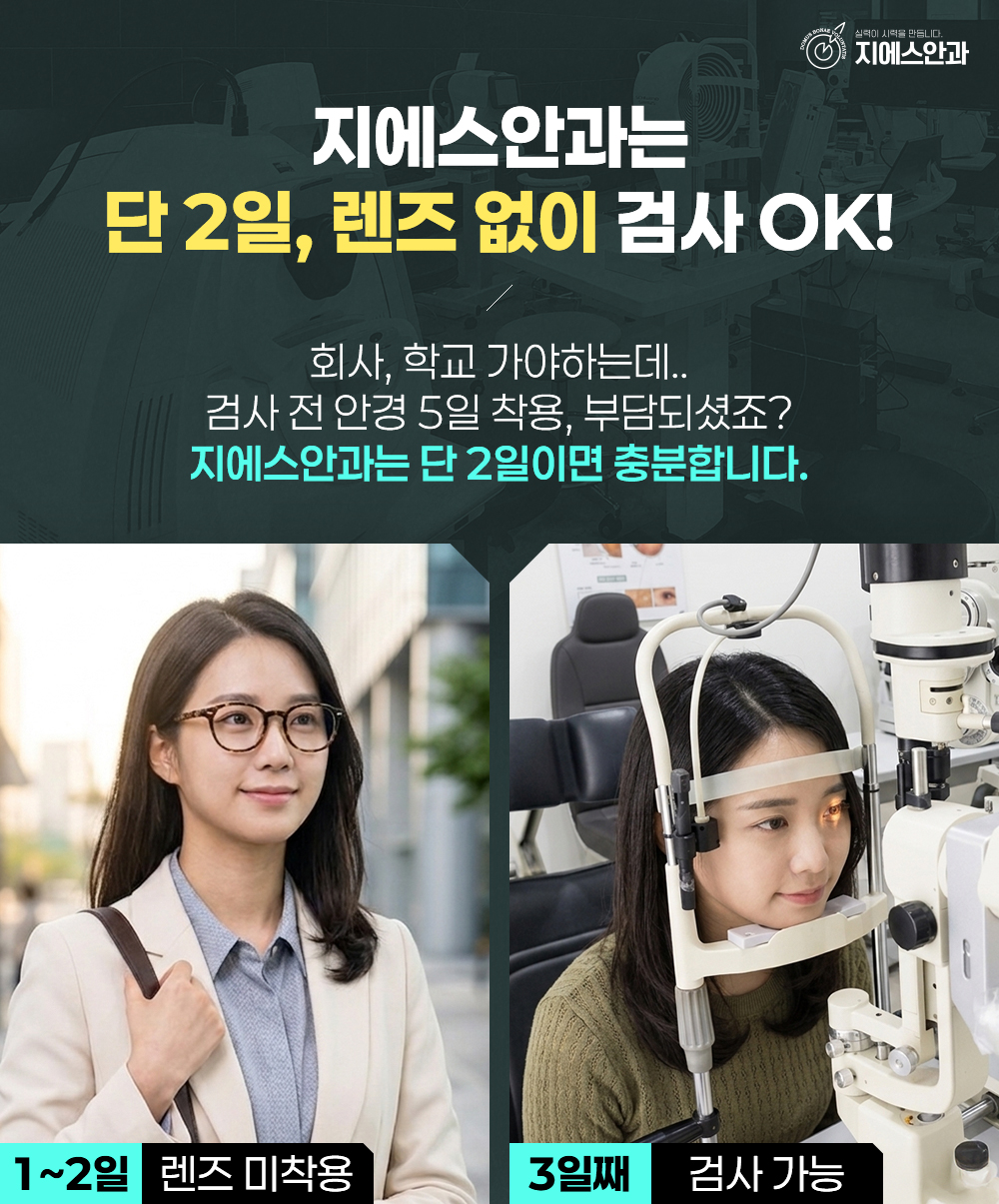
Day 1 to 2: Comprehensive eye examination and consultation
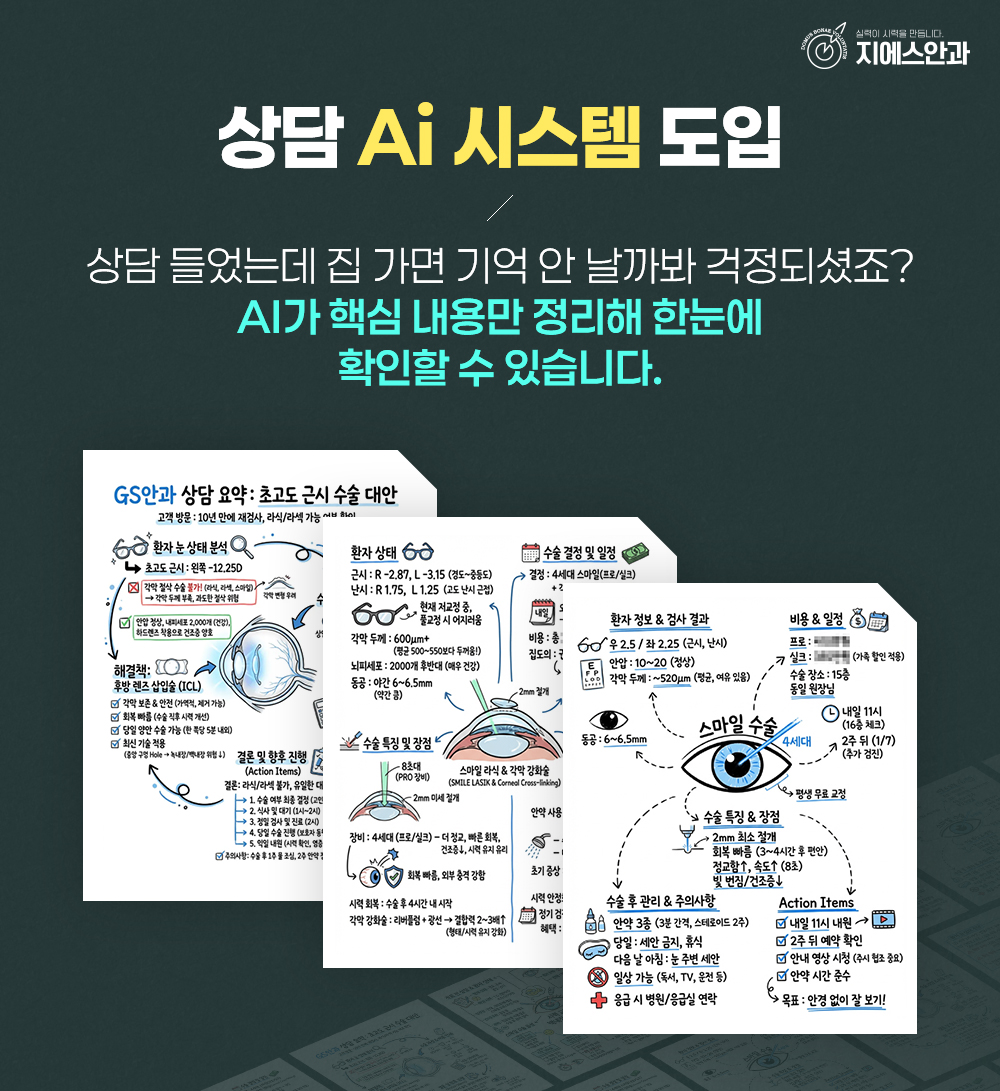
You undergo the full preoperative eye examination, including corneal imaging, tear film evaluation, and retinal check. The ophthalmology team explains whether Smart LASIK is safe for you and which specific method is recommended. You receive a detailed cost breakdown and surgery plan.
Day 2 to 3: Smart LASIK surgery
If your eyes are suitable and you decide to proceed, surgery is often scheduled within one or two days after the examination, depending on the clinic’s schedule and your travel plan. The procedure itself is usually short, but you should plan the whole day for preparation, surgery, and immediate postoperative checks.
First week: Early follow‑up
You will typically have one or more follow‑up visits in the first few days to monitor healing, check for inflammation, and adjust medications if needed. Many overseas patients stay in Seoul for at least five to seven days after surgery to complete this early follow‑up.
First month: Remote follow‑up
After you return home, you may continue follow‑up with a local ophthalmologist. The original clinic may request updates and provide guidance by email or online consultation. For any concerns, you can contact the clinic directly for advice.
Aftercare and lifestyle considerations
After Smart LASIK, you will receive detailed instructions. Common recommendations include:
- Use prescribed eye drops exactly as directed
- Avoid rubbing your eyes, especially in the early weeks
- Limit heavy exercise, swimming, and sauna use for a certain period
- Use protective glasses or shields if recommended, especially during sleep
You may experience temporary dryness, glare, or halos in the early phase. These usually improve over time, but the speed and degree of improvement vary by individual. Regular follow‑up and honest communication with your ophthalmology team are important.
Frequently asked questions about Cheongdam Smart LASIK cost
What is usually included in Cheongdam Smart LASIK cost?
In the Gangnam–Cheongdam area, Smart LASIK cost generally includes a comprehensive preoperative eye examination, the surgery fee with use of femtosecond laser equipment, and a series of postoperative follow‑up visits with medications. Some clinics also include long‑term follow‑up programs or specific enhancement policies, while others limit the package to a shorter period. When comparing prices, always ask exactly what is included and whether any additional fees may appear later.
Why do some Smart LASIK promotions in Gangnam seem so cheap?
Very low promotional prices may cover only the basic surgery fee and a minimal examination, with extra costs added later for detailed tests, medications, or extended follow‑up. In some cases, older equipment or a single technique may be used, limiting personalization. Low price alone does not mean poor quality, but it is a signal to ask more questions about equipment generation, examination depth, surgeon experience, and what is actually included in the package.
Is Smart LASIK with VISUMAX 800 more expensive than older methods?
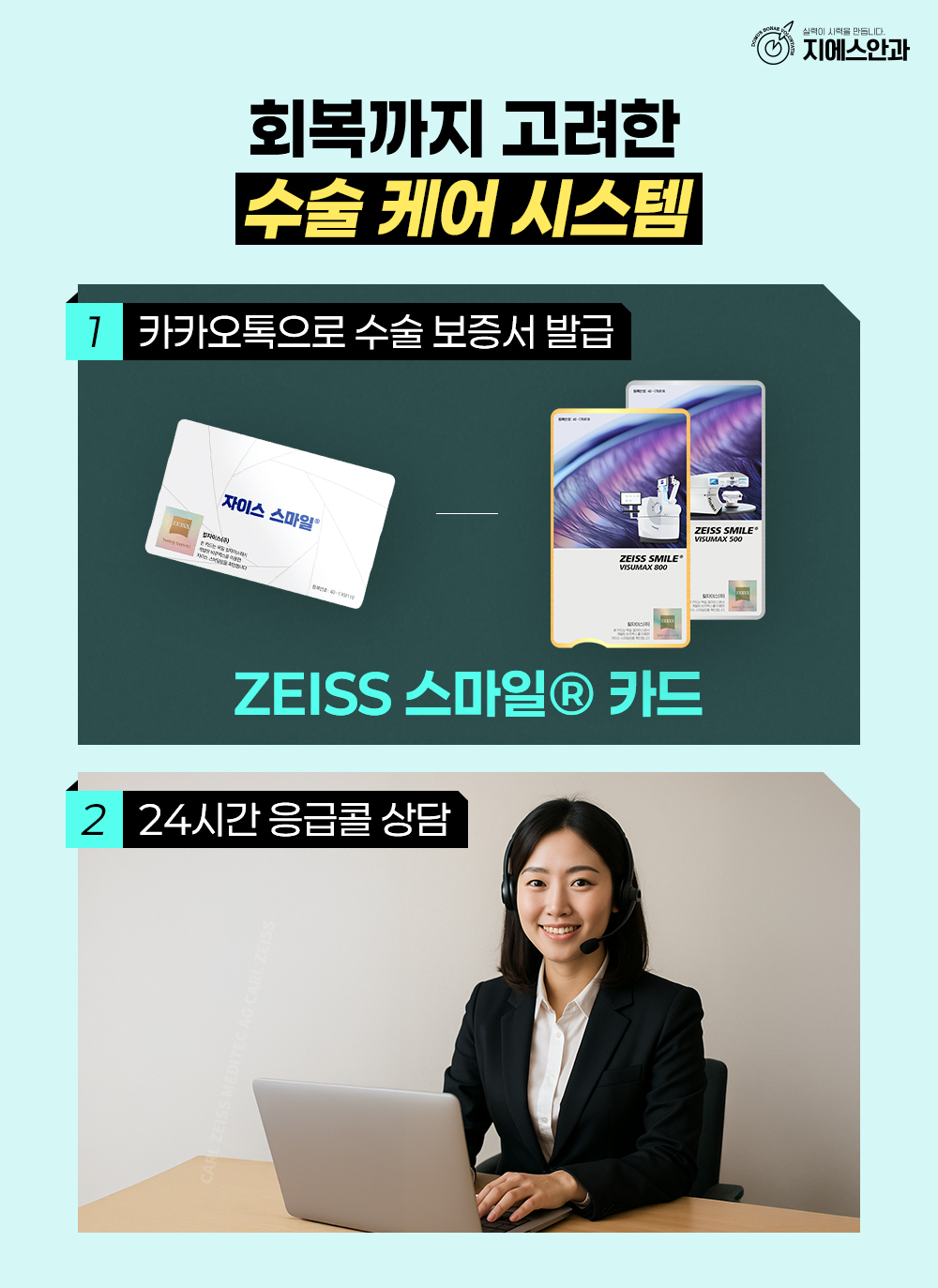
Smart LASIK using VISUMAX 800 for SMILE pro is often priced higher than procedures using older platforms because the equipment is newer, faster, and represents a significant investment for the clinic. The very short laser time is designed to improve comfort and stability, which many patients value. However, the exact price difference depends on each clinic’s policy, so it is best to request a personalized quote after your examination.
How can I estimate my own Smart LASIK cost before visiting Korea?
You can obtain a rough estimate by contacting the clinic with your current prescription, age, and any known eye conditions. The clinic can explain typical price ranges for SMILE, SMILE pro, SILK, and other Smart LASIK‑style procedures, and what is usually included. However, the final cost can only be confirmed after a full eye examination in Korea, because suitability, corneal thickness, and the need for additional procedures such as cross‑linking all influence the final plan.
Soft call to action for online consultation
If you are considering Smart LASIK in the Cheongdam or Gangnam area and want a realistic cost estimate, the most reliable next step is to arrange an online consultation with an ophthalmology clinic that offers multiple SMILE‑type options and up‑to‑date ZEISS platforms. Prepare your prescription, medical history, and preferred travel dates, and write down your questions about equipment, total cost breakdown, and follow‑up schedule.
By focusing on safety, detailed examination, and a clear understanding of what is included in the price, you can make a confident decision about Smart LASIK in Seoul that matches both your eyes and your budget.



댓글
댓글 쓰기