Cheongdam vision correction surgery results and what to expect
Direct answer: what results you can usually expect in Cheongdam
In the Cheongdam and wider Gangnam area of Seoul, modern vision correction options such as SMILE, SMILE Pro, SILK, LASEK-type surface procedures, and lens implantation are widely available. Some patients may achieve unaided distance vision similar to their glasses or contact lenses, but outcomes vary by individual factors such as prescription, corneal shape, and healing. Real “results” are not only about reaching a certain line on the chart; they also include night vision quality, comfort, stability over time, and how well your new vision fits your daily life.
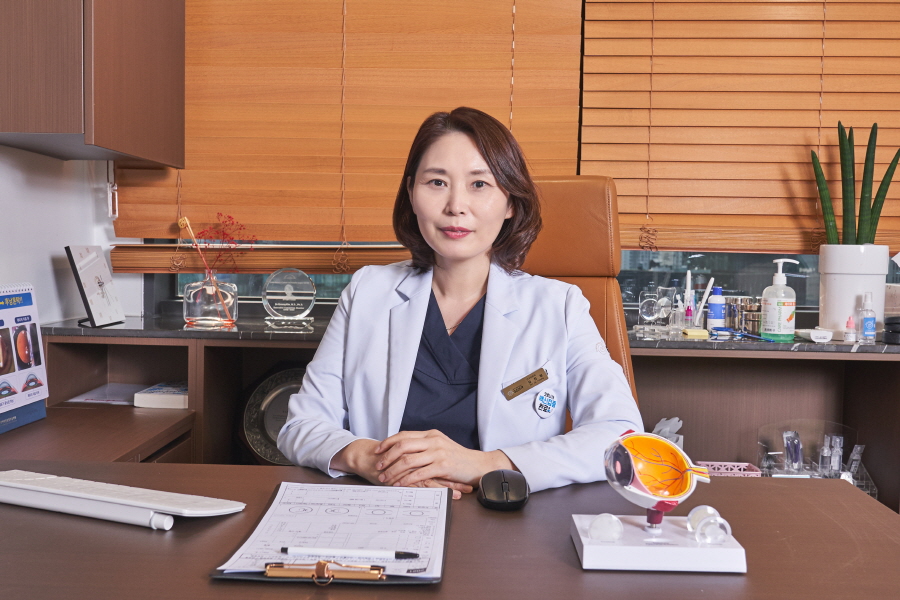
This guide explains what influences vision correction results in Cheongdam, how different procedures compare, and how to choose a clinic and treatment plan if you are visiting Korea from overseas. GS Eye Clinic is used as an example of how equipment, staff, and examination systems can affect outcomes, but the same principles can help you compare any clinic in the area.
What vision correction results really mean in Cheongdam / Gangnam
When people think about vision correction, they often focus on the number 20/20 (or 1.0). In reality, a satisfying result is more complex.
Important aspects of results include:
Clarity and sharpness: Not only whether you can read small letters, but how crisp they look and how easily your eyes focus at different distances.
Night vision and contrast: How well you see in dim light, how clearly you can distinguish objects against dark backgrounds, and whether headlights or streetlights cause discomfort.
Comfort: Whether your eyes feel dry, tired, or strained, especially after long hours of screen use or air travel.
Visual stability: How consistent your vision is throughout the day and over months and years after surgery.
Common expectations by procedure
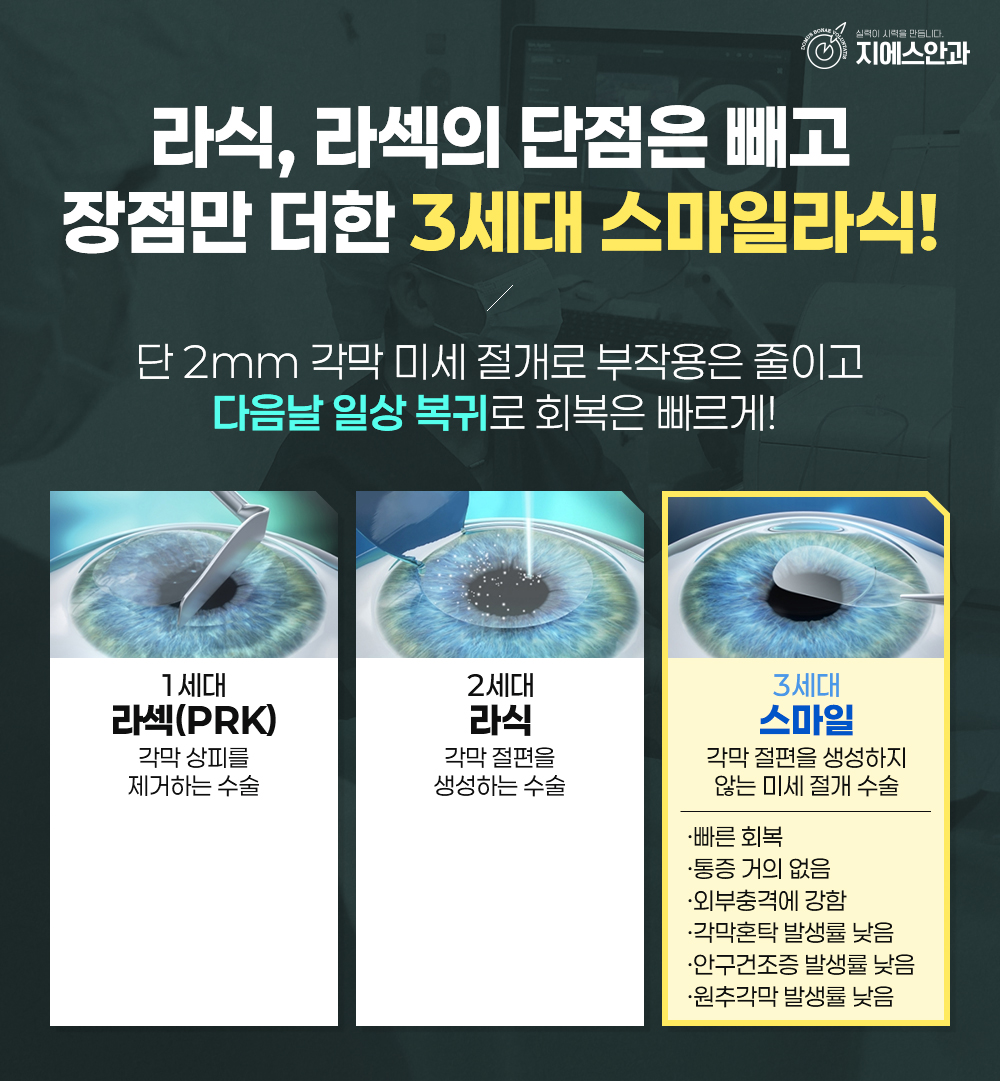
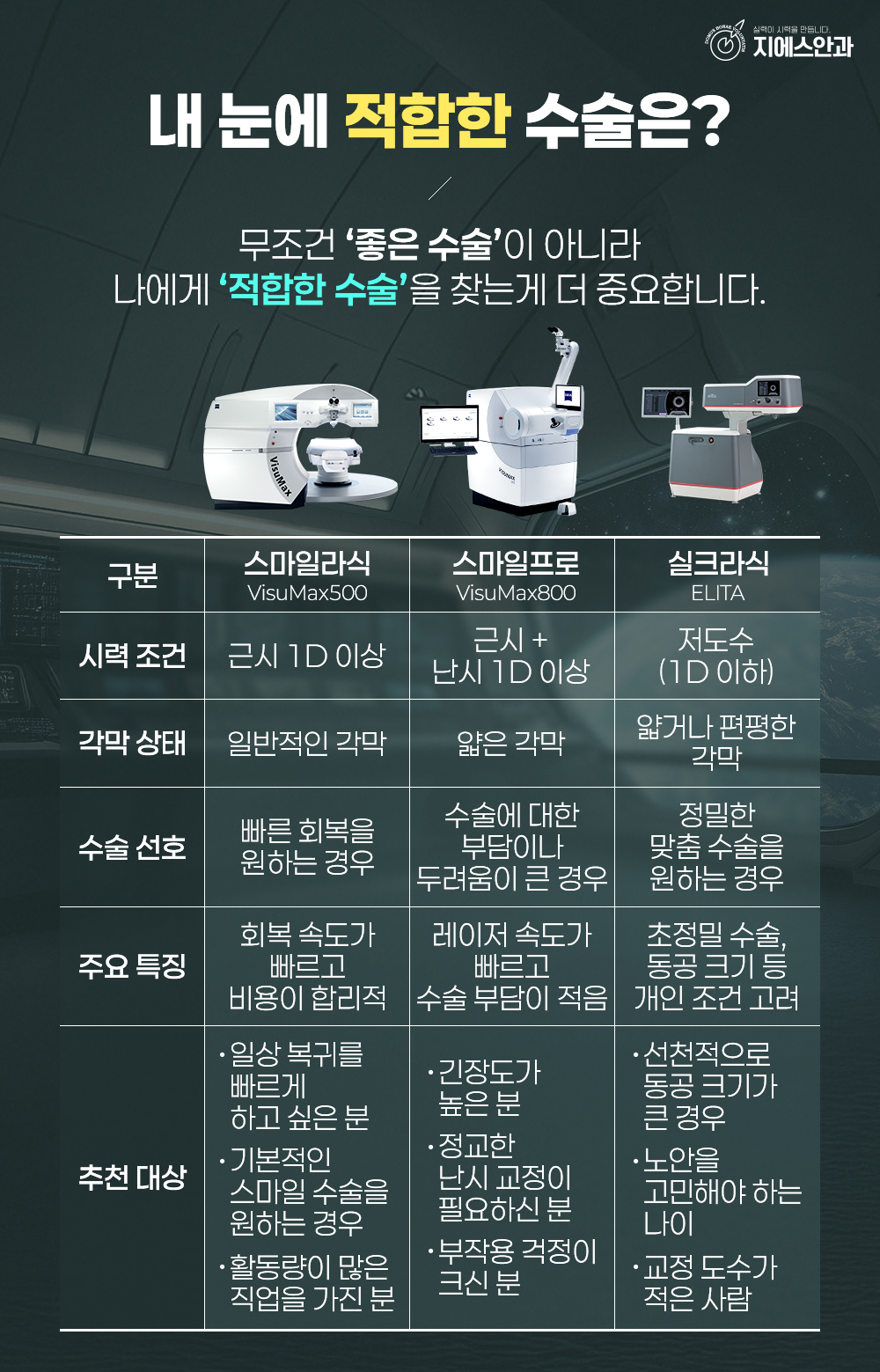
SMILE and SMILE Pro: These small-incision laser procedures are widely used in Gangnam for myopia and astigmatism.
SILK: This is another flapless, lenticule-based laser method used in some advanced centers. Recovery is usually similar to SMILE-type procedures, with quick return to daily activities and relatively mild discomfort.
LASEK-type surface procedures: These are often chosen when the cornea is thinner or when tissue preservation is a priority. Vision usually improves more slowly, over days to weeks, and there may be more discomfort in the first few days. Long-term results for suitable candidates can still be very good.
Lens implantation: For higher prescriptions or cases less suited to laser procedures, implantable lenses (for example, phakic intraocular lenses or posterior chamber implantable lenses like ICLs) can be an option when appropriately selected. Initial vision is often clear within days for many patients, but adaptation—especially with multifocal or presbyopia-correcting lenses—can take longer and varies between individuals.
Individual factors that change how results feel
Even with the same procedure and similar prescription, two people can feel their results are very different. Key factors include:
Corneal thickness and shape: These determine which laser options are safe and how much tissue can be preserved.
Pupil size: Larger pupils can be more prone to night halos and glare, especially in dim environments.
Tear film and dry eye tendency: Pre-existing dryness can make early recovery more uncomfortable and affect clarity, particularly with screen work.
Lifestyle: People who drive at night, work long hours on computers, or play sports may notice specific aspects of their vision more than others.
A good clinic in Cheongdam will discuss these elements with you and help you define what “good results” personally mean for your eyes and your daily life.
Key procedures affecting vision correction outcomes
In the Cheongdam and Gangnam area, many centers offer a range of modern options. Understanding the basic differences can help you ask better questions during consultation.
SMILE Pro
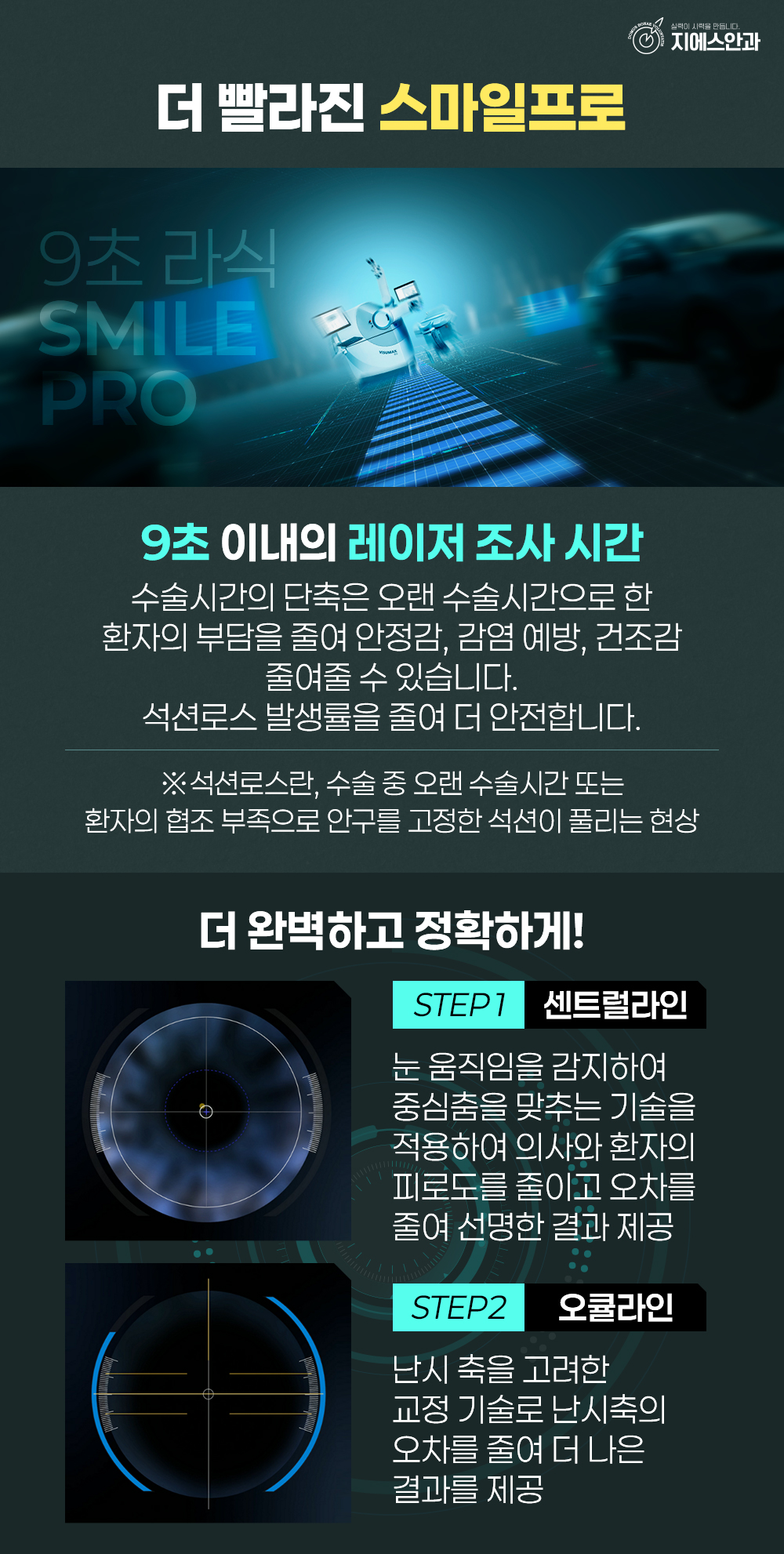
SMILE Pro is an evolution of SMILE performed with modern femtosecond laser platforms. The procedure uses a very small incision and a brief laser application. Potential advantages include:
Fast, comfortable procedure
Minimal disruption to the corneal surface
Rapid visual recovery, often within a day or two
SMILE
It also preserves more corneal tissue compared to some flap-based techniques and may be suitable for active individuals or those concerned about corneal strength.
SILK
SILK is another minimally invasive, lenticule-based laser option offered in some advanced centers. It aims to combine tissue preservation with quick recovery and comfort. Details of suitability depend on your prescription, corneal measurements, and the clinic’s specific protocols.
2-day LASEK and other surface procedures
LASEK-type surface procedures reshape the cornea without creating a flap. They can be considered when the cornea is thinner, irregular, or when maximum tissue preservation is desired.
Recovery is slower than with SMILE-type procedures, with more discomfort in the first few days.
Vision usually stabilizes over weeks rather than days.
For some patients, this trade-off is worthwhile for safety or tissue-preservation reasons.
Lens implantation (ICL, GLAZE, PhakiFlex KPL)
Lens implantation involves placing a thin lens inside the eye, usually in front of the natural lens and behind the iris, without removing the natural lens. It can be a good option when:
The prescription is very high.
The cornea is too thin or irregular for safe laser correction.
The patient prefers a reversible option.
When properly indicated and carefully measured, lens implantation can provide very sharp vision. Variants such as ICL, GLAZE, and PhakiFlex KPL differ in design and may be chosen based on eye anatomy and surgeon preference.
Why equipment matters for vision correction results
Modern vision correction is highly dependent on precise measurements and accurate laser delivery. In Cheongdam and Gangnam, many centers invest in multiple laser platforms and diagnostic devices to fine-tune results.
Laser platforms as an example
Some clinics operate multiple laser platforms (for example, different generations of femtosecond systems). Having more than one platform can allow:
Tailored choice of system based on corneal thickness, curvature, and prescription.
Backup options if one device is under maintenance.
Flexibility to match technology to the patient’s specific needs.
While this alone does not guarantee better vision, it may reduce the chance of movement and help the surgeon perform the treatment in a more controlled way.
Diagnostic equipment
High-quality diagnostic systems are equally important. These may include:
Corneal topography and tomography to map the front and back surfaces of the cornea.
Pachymetry for precise thickness measurements.
Wavefront or aberrometry devices to analyze subtle optical imperfections.
Retinal imaging to check the back of the eye.
Designations such as "SMILE Pro center" or manufacturer training center may indicate that a clinic has focused experience with a particular technology, but the specific requirements and implications of those designations vary by manufacturer. Ask the clinic what the designation means, what criteria were required, and how it relates to surgeon experience and outcomes.
Role of surgeon experience and case volume
Technology is only one part of the story. The experience of the surgeons and the team around them strongly influences safety and consistency.
High cumulative case numbers
Centers that have performed large numbers of vision correction and cataract procedures over many years tend to have:
Refined protocols for patient selection and preparation.
Clear systems for managing rare complications.
Data on their own outcomes, which can be used to improve planning.
Team structure and subspecialty backgrounds
In clinics where multiple ophthalmologists work together, different subspecialties can complement each other. For example:
Surgeons focusing on refractive and cataract procedures plan and perform the main operation.
Retina-focused doctors evaluate the back of the eye and manage issues such as lattice degeneration or macular changes.
Other subspecialists may handle glaucoma, corneal disease, or pediatric cases.
This team approach can be particularly helpful for complex eyes or older patients with early cataract or presbyopia.
Involvement in education
Clinics that serve as training centers, participate in academic meetings, or teach other doctors often follow evidence-based standards and keep up with new research. While this does not automatically guarantee better results, it can indicate a culture of continuous improvement.
Preoperative examination and personalized planning
For any patient, but especially for overseas visitors who may have limited time in Korea, a thorough preoperative assessment is the foundation of good results.
Key examinations
A comprehensive work-up usually includes:
Refraction and visual acuity checks with and without dilation.
Corneal topography and tomography to detect irregularities or early keratoconus.
Corneal thickness mapping to determine how much tissue can be safely reshaped.
Tear film and dry eye evaluation, sometimes including meibomian gland imaging.
Pupil size measurement in different lighting conditions.
Retinal and macular examination, often with imaging.
If a clinic has a dedicated retina center and retina-focused doctors, subtle issues such as small retinal holes, weak areas, or macular changes can be detected before surgery. In some cases, these may need to be treated or monitored before proceeding with vision correction.
Using data to choose the right procedure
The results of your tests guide the choice between:
SMILE-type procedures (SMILE, SMILE Pro, SILK) when corneal shape and thickness are suitable.
Surface procedures (LASEK-type) when tissue preservation or certain corneal conditions make them safer.
Lens implantation when laser correction is not ideal or when very high prescriptions are present.
In some cases, additional corneal strengthening procedures can be combined with laser treatment to support long-term stability.
Specialized options that can influence long-term outcomes
Beyond the main procedure, certain add-ons and support services can affect how your eyes feel and function over time.
Corneal strengthening procedures
In selected cases, corneal strengthening (such as cross-linking type procedures) may be recommended along with laser correction, especially if the cornea is borderline or shows certain patterns. The goal is to help maintain corneal shape and reduce the risk of future changes.
Dry eye management
Dry eye is one of the most common reasons for discomfort and dissatisfaction after otherwise successful surgery. Clinics with a dedicated dry eye service can:
Evaluate tear quality and quantity before surgery.
Treat meibomian gland dysfunction or inflammation in advance.
Plan appropriate lubricants, warm compresses, or other therapies after surgery.
This proactive approach can make a significant difference in comfort and perceived clarity, especially for patients who work on screens or live in dry environments.
Lens-based solutions for presbyopia and early cataract
For patients in their 40s, 50s, or older, presbyopia (difficulty focusing at near) or early cataract may already be present. In these cases, lens-based solutions can redefine what “vision correction results” mean.
Options may include:
Presbyopia-correcting lens implantation.
Laser-assisted cataract surgery with multifocal or extended-depth-of-focus intraocular lenses.
These approaches aim to improve both distance and near vision, sometimes reducing the need for reading glasses. However, they require careful counseling, as they can involve trade-offs such as halos, reduced contrast, or adaptation time.
Realistic expectations: recovery timeline and side effects
Understanding the typical recovery pattern can help you plan your trip to Korea and avoid unnecessary anxiety.
Recovery timelines
SMILE, SMILE Pro, SILK: Many patients see well enough to move around comfortably within one to two days. Vision continues to refine over the next few weeks. Most light activities and sightseeing are possible soon after, but detailed work and night driving may feel different for a while.
LASEK-type procedures: Vision improves more gradually, often taking several days to reach functional levels and weeks to stabilize. Discomfort is usually more noticeable in the first few days. Overseas patients may need a slightly longer stay or a clear follow-up plan at home.
Lens implantation: Vision can be surprisingly clear within a day or two, but adaptation, especially with multifocal lenses, can take weeks to months. Some people notice halos or glare around lights at night during this period.
Common temporary symptoms
Across procedures, temporary effects can include:
Dryness, foreign body sensation, or burning.
Fluctuating clarity during the day.
Halos, glare, or starbursts around lights, especially at night.
Mild light sensitivity.
These usually improve over weeks to months. Stable final results are often evaluated several months after surgery, not just in the first week.
Who may consider vision correction in Cheongdam
You may be a candidate if you:
Are generally healthy and your prescription has been stable for at least one to two years.
Have myopia, hyperopia, or astigmatism within the treatable range.
Do not have uncontrolled eye diseases such as active inflammation or advanced glaucoma.
Are willing to follow postoperative instructions and attend follow-up visits.
Suitability always depends on detailed examination. Some people may be better suited to lens implantation or may be advised to continue with glasses or contact lenses if safety concerns arise.
Online consultation and pre-visit preparation for overseas patients
Before traveling to Korea, many Cheongdam clinics offer online or remote consultations. To make the most of this, prepare:
Recent glasses or contact lens prescriptions.
Any previous eye examination reports or scans, if available.
A list of medications and health conditions.
Information about your work, hobbies, and visual needs (night driving, sports, digital work).
During the online consultation, you can discuss:
Which procedures might be suitable in principle.
Approximate visit length recommended for examination, surgery, and early follow-up.
What to avoid before surgery (such as contact lenses for a certain period).
Questions about aftercare once you return home.
Expected Korea visit timeline
While each clinic has its own system, a typical schedule for an overseas patient may look like this:
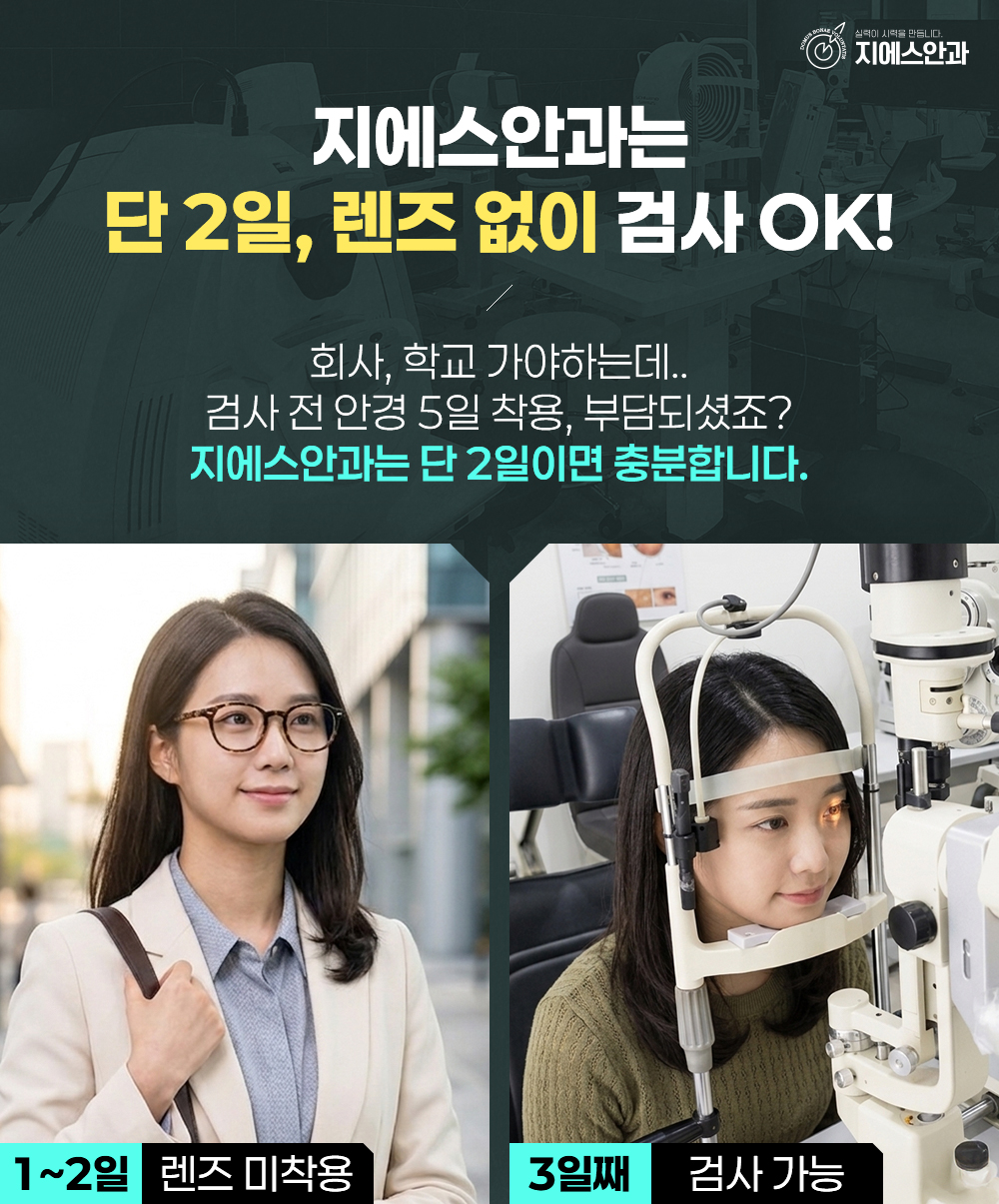
Day 1: Comprehensive examination and consultation. This includes all measurements, dilated eye checks, and discussion of options. In some cases, surgery can be scheduled for the next day if everything is suitable.
Day 2: Surgery day. The procedure itself is usually short, and you may rest at your accommodation afterward. A brief check-up may be done the same day or the next morning.
Days 3–5: Early follow-up visits to confirm healing, check vision, and adjust medications. For SMILE-type procedures and lens implantation, many patients feel comfortable enough to walk around and enjoy light activities.
Days 5–10: Additional follow-up, especially for surface procedures or more complex cases. Your doctor will confirm when it is safe to fly and how to manage your eyes during travel.
Your exact schedule will depend on the procedure, your healing, and your travel plans. It is important to leave some flexibility in your itinerary.
Aftercare and long-term follow-up
Aftercare usually includes:
Prescription eye drops to prevent infection and control inflammation.
Lubricating drops to relieve dryness.
Instructions about showering, swimming, makeup, exercise, and screen use.
You will also receive guidance on:
When to resume flights and long-distance travel.
How to protect your eyes from dust, smoke, and bright sunlight.
When to schedule follow-up visits in your home country.
If an enhancement or touch-up is needed in the future, your original clinic can often coordinate with doctors in your country, but this should be discussed in advance.
How to choose a Cheongdam / Gangnam clinic for better results
When comparing clinics, it can be helpful to look beyond price and marketing phrases. Consider asking about:
Technology: Do they have multiple laser platforms (for example, SMILE Pro, SMILE, SILK, surface procedures) and lens implantation options? Can they explain why one is recommended for you instead of another?
Diagnostic systems: What kinds of corneal and retinal imaging do they use? Do they routinely check the back of the eye before surgery?
Team and experience: How many procedures have they performed? Are there doctors focusing on different parts of the eye, such as the retina?
Training and education: Are they involved in training other doctors or recognized as a training center for specific technologies?
Follow-up and complication management: What is their protocol for follow-up visits? How do they handle rare complications or the need for enhancements?
During your first contact, you may want to prepare a checklist of questions, such as:
Which procedures are you considering for my eyes, and why?
What are the main risks and limitations for my specific case?
How long should I stay in Korea after surgery?
What support will I have once I return home?
Summary: maximizing your vision correction results in Cheongdam. At consultations, ask concrete questions such as which diagnostic tests will be used, how many procedures of the same type the surgeon has performed, what typical recovery and follow-up look like, and what risks or trade‑offs you should expect for your particular prescription.
Good vision correction results in the Cheongdam and Gangnam area depend on three main pillars:
Accurate diagnosis and personalized planning based on thorough examinations.
Appropriate technology, including modern laser platforms, lens options, and diagnostic devices.
Experienced surgeons and a well-organized team who can guide you from evaluation through long-term follow-up.
If you are considering surgery in Korea, start with a full evaluation at a reputable clinic in the Cheongdam or Gangnam area. Share your visual needs, ask about all suitable options, and make sure you understand the expected recovery and possible side effects.
By focusing on objective data, surgeon expertise, and realistic expectations, you can significantly improve your chances of achieving clear, comfortable, and stable vision after surgery.
Soft call to action
If you are planning a trip to Seoul and would like to explore vision correction in the Cheongdam area, consider arranging an online consultation before you travel. Sharing your current prescription, eye history, and travel dates in advance allows the clinic to suggest a tailored schedule and explain which procedures may suit your eyes. This preparation can make your visit smoother and help you use your time in Korea efficiently while working toward clearer vision.






댓글
댓글 쓰기