Clear LASIK in Gangnam Seoul: Modern Laser Vision Correction Guide for International Patients
- 공유 링크 만들기
- X
- 이메일
- 기타 앱
Direct summary for overseas patients
Clear LASIK is a laser vision correction technique that reshapes the cornea using femtosecond and excimer lasers to reduce reliance on glasses or contact lenses. At a specialized ophthalmology clinic in Gangnam, Seoul (near Gangnam Station), Clear LASIK is offered alongside SMILE, SILK, LASEK, and lens implantation. The most appropriate procedure is selected after a thorough eye examination.
What is Clear LASIK
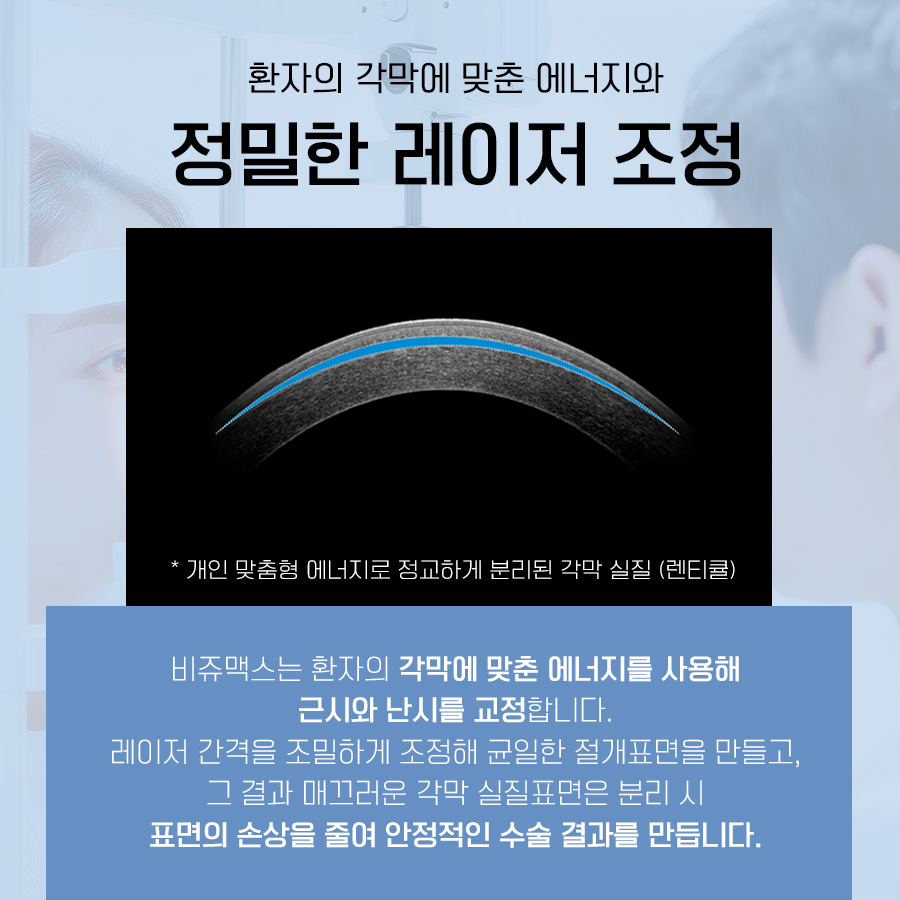
Clear LASIK is a type of LASIK surgery that uses two lasers to change the shape of the cornea, the clear front window of the eye. A femtosecond laser creates a thin flap in the cornea, and an excimer laser then reshapes the underlying tissue to correct myopia, hyperopia, and astigmatism. The flap is then repositioned, acting as a natural bandage.
The goal of Clear LASIK is to improve uncorrected visual acuity, enhance quality of vision in daily life, and aim for stable and predictable outcomes over time. Many people consider it when they want to reduce or stop using glasses or contact lenses for work, study, sports, or travel.
How Clear LASIK differs from SMILE, SILK, and LASEK
Clear LASIK is a flap based procedure. The femtosecond laser creates a hinged flap on the surface of the cornea, which is lifted to expose the inner layer for reshaping. After the excimer laser treatment, the flap is placed back in position.
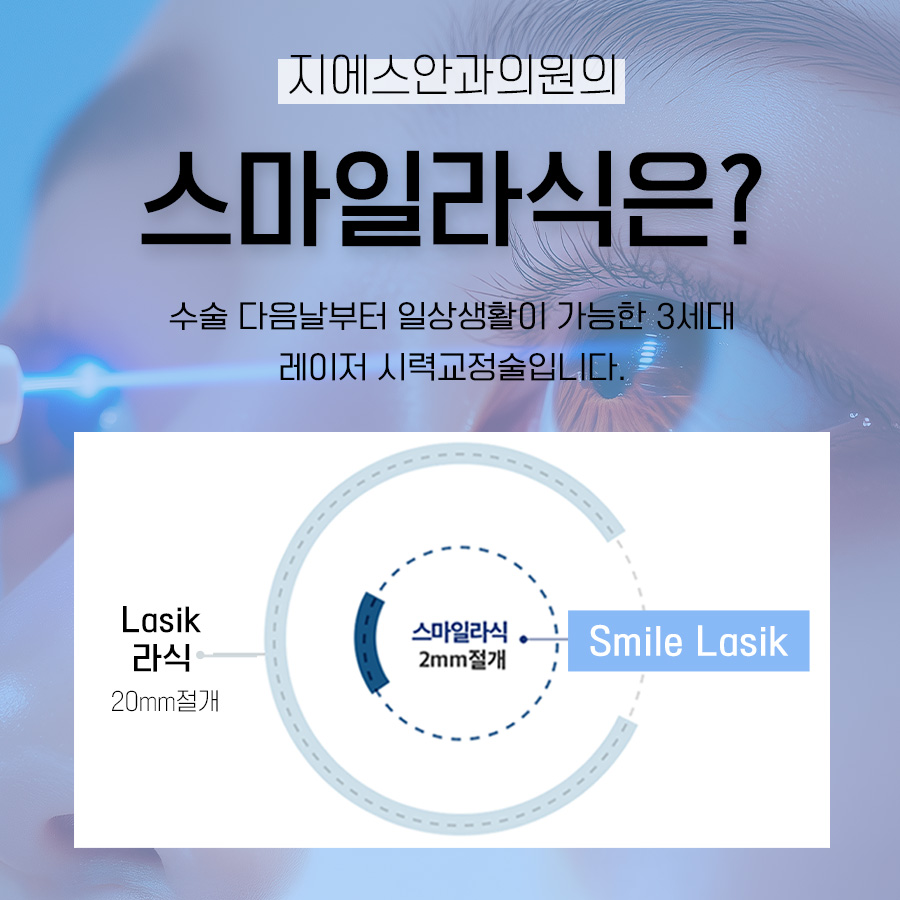
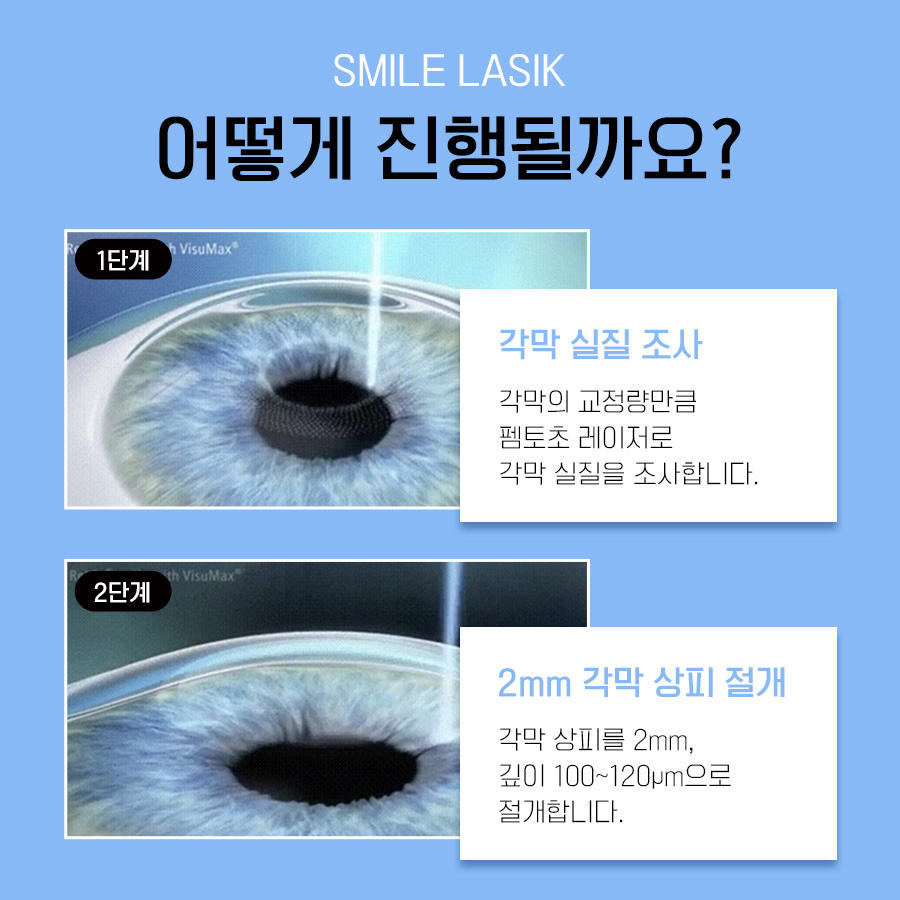
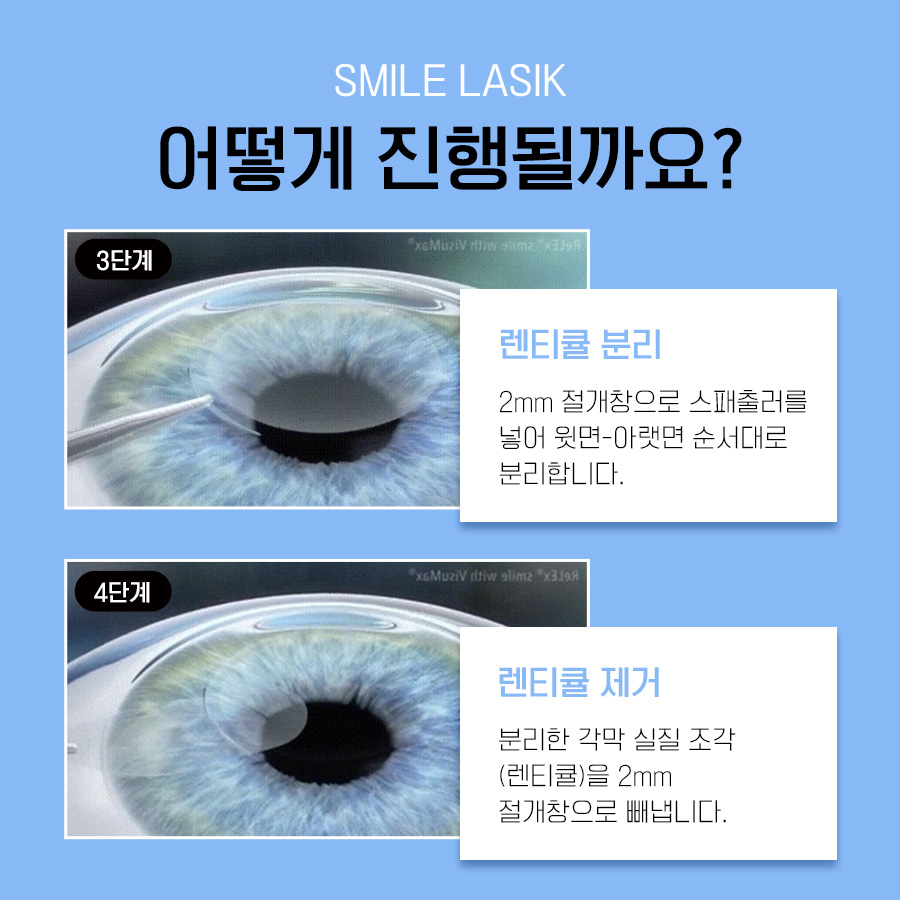
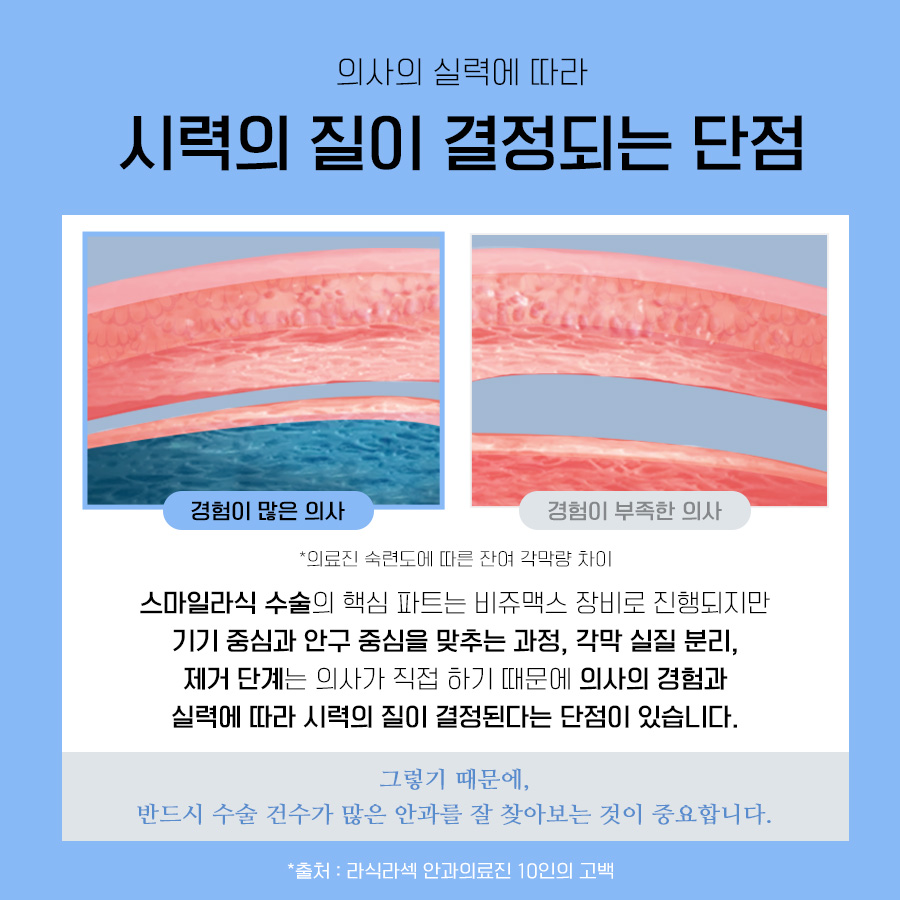
SMILE and SILK are flapless procedures. Instead of making a large flap, the laser creates a thin lens shaped piece of tissue inside the cornea through a small incision, and this tissue is removed. This intrastromal approach preserves more of the corneal surface and uses a smaller incision than traditional LASIK.
LASEK is a surface procedure. The surgeon treats the surface of the cornea directly after loosening the outer epithelial layer, without creating a flap. The recovery is usually slower than LASIK or SMILE, but it can be considered for certain corneal conditions.
While SMILE and SILK are often chosen for their small incision and surface preservation, Clear LASIK can offer very fast visual recovery and allows fine adjustment of the treatment profile with the excimer laser. The choice between these procedures depends on individual eye structure, lifestyle, and medical judgment.
About the ophthalmology clinic in Gangnam
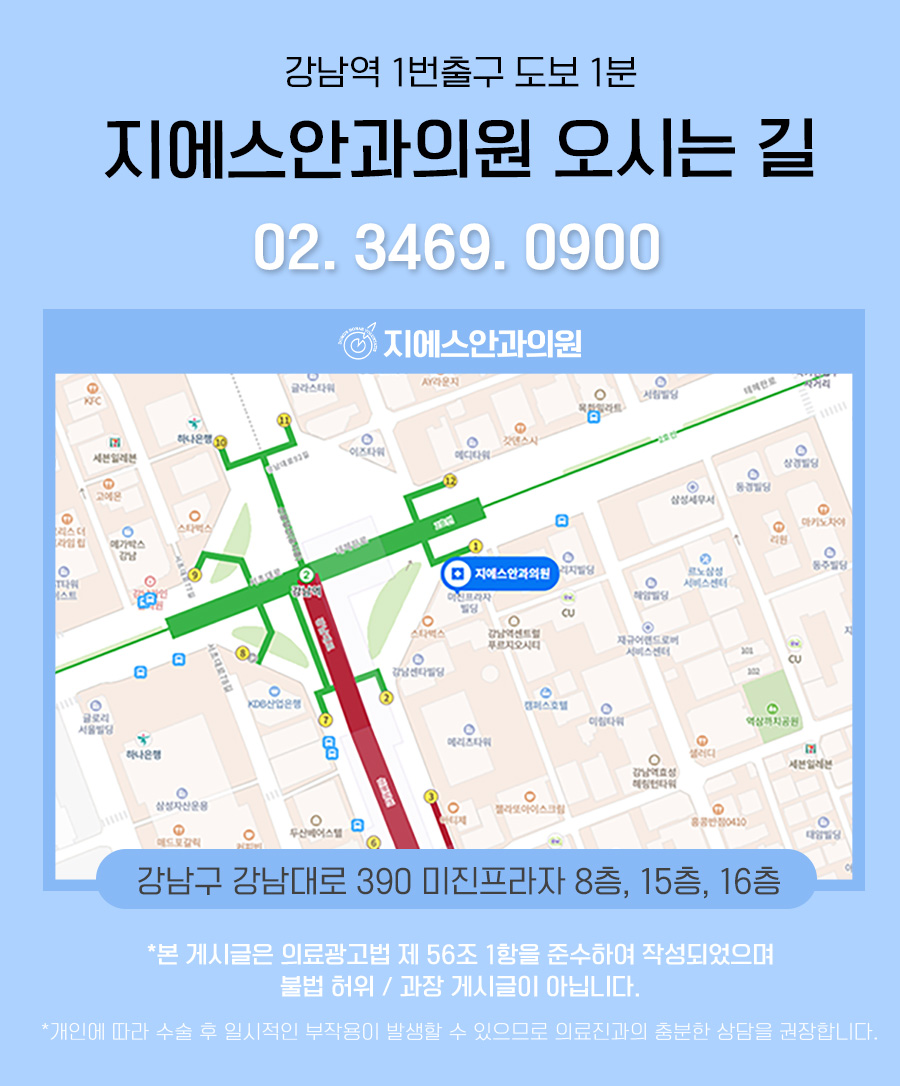
The clinic is an ophthalmology clinic located on Gangnam daero in Gangnam District, Seoul, close to Gangnam Station.
The clinic’s medical team includes multiple ophthalmologists.
The clinic reports a high volume of vision correction and cataract procedures over the years. This experience reflects work with a range of refractive techniques, including LASIK-type procedures, SMILE, SILK, LASEK, and lens implantation.
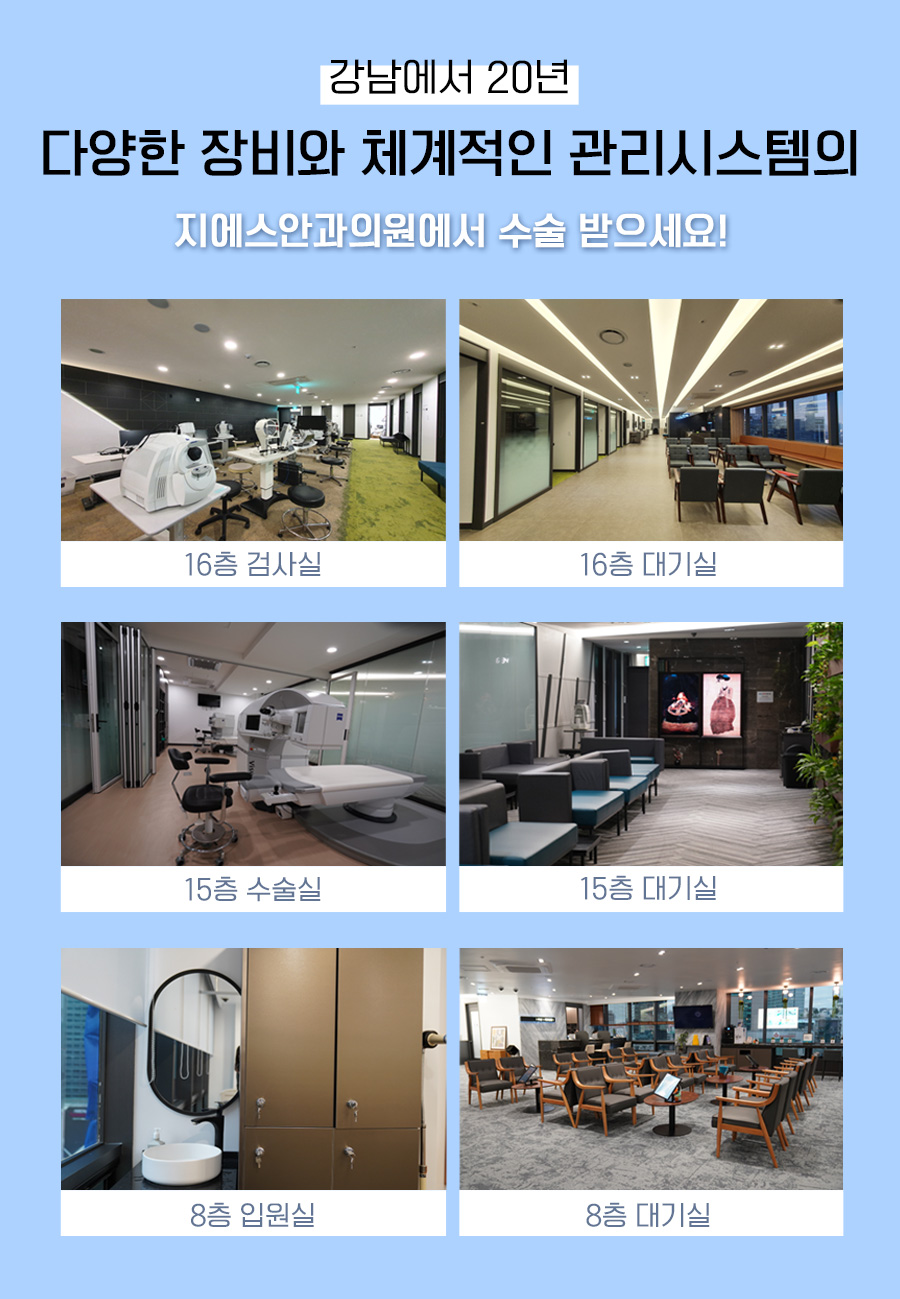
The clinic operates dedicated centers within the same facility: a vision correction center, a presbyopia and cataract center, and a retina center. This subspecialty based structure helps organize care according to the specific needs of each patient.
Technology and equipment environment
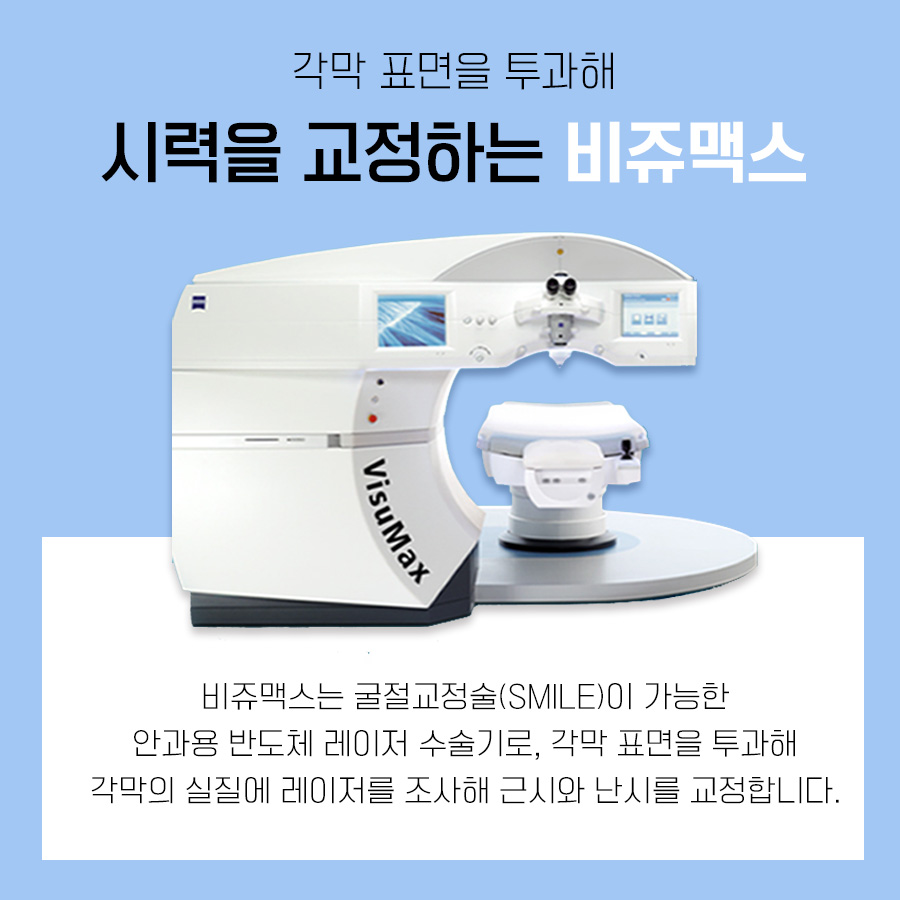
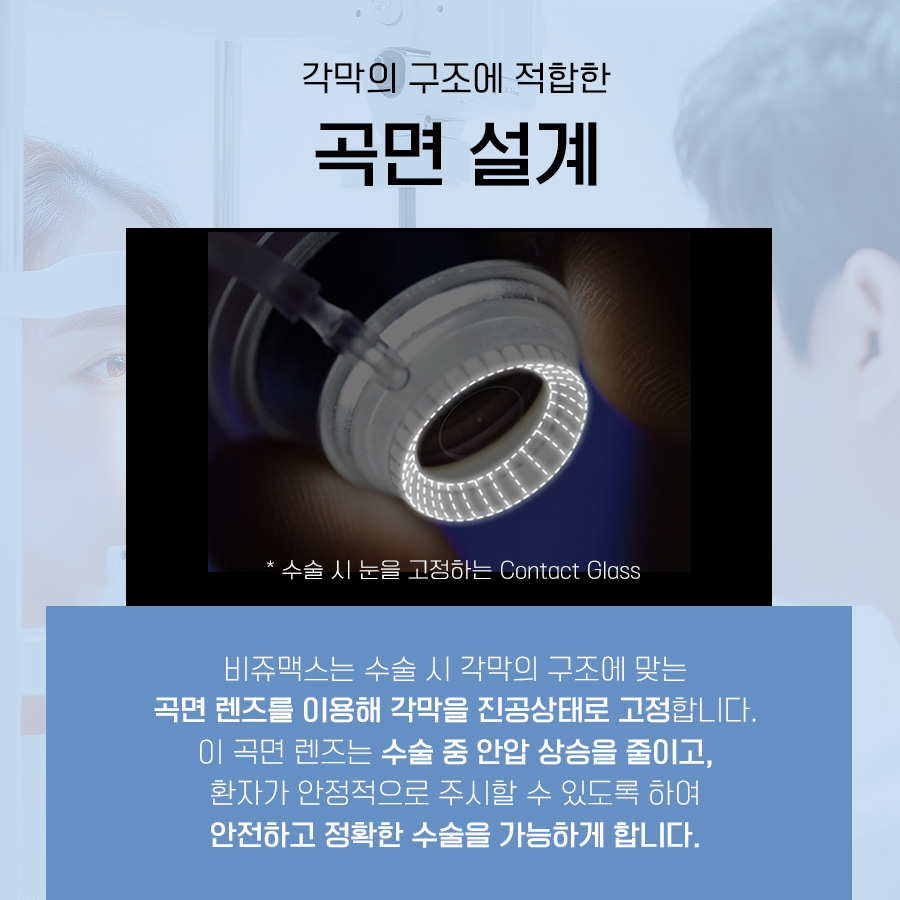
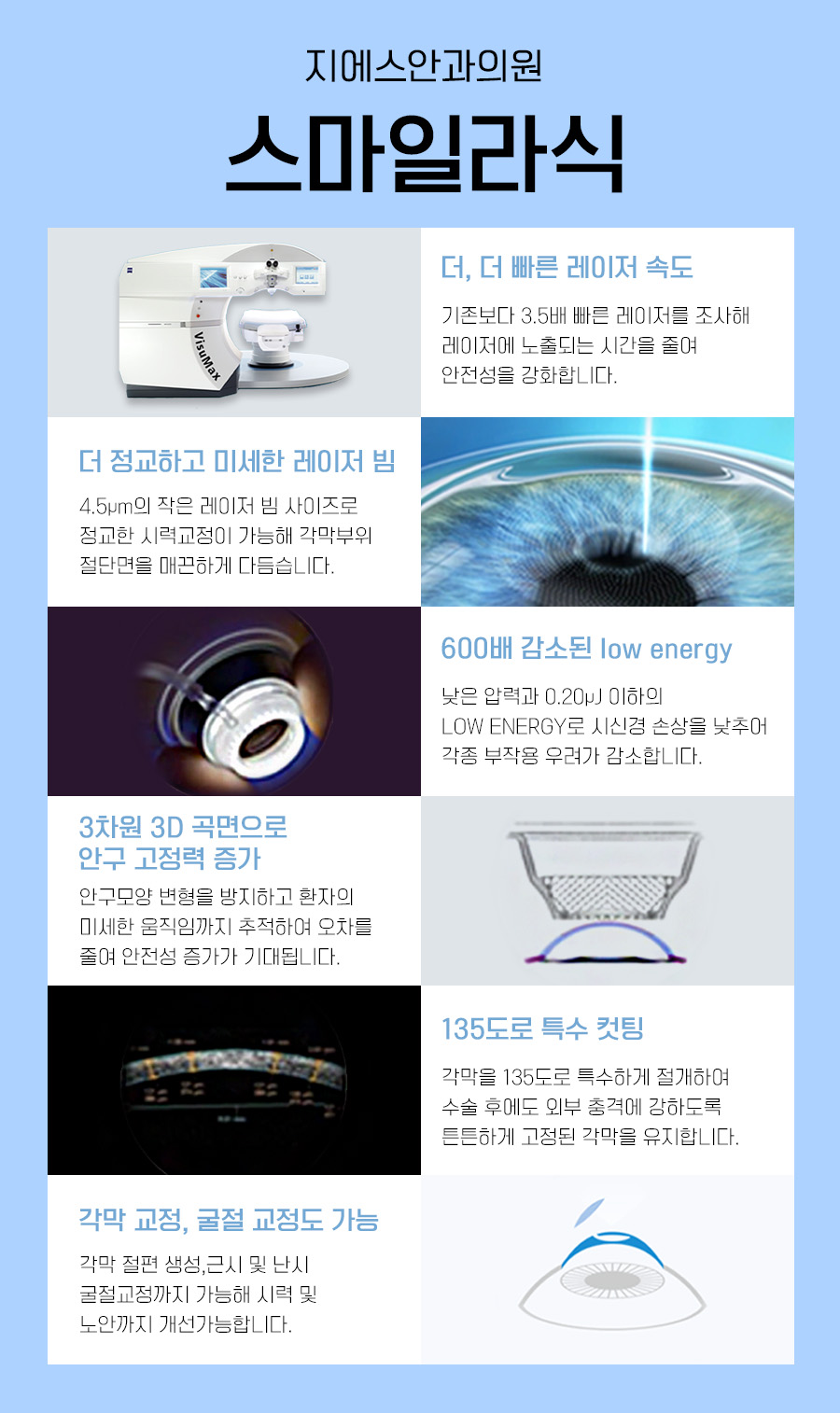
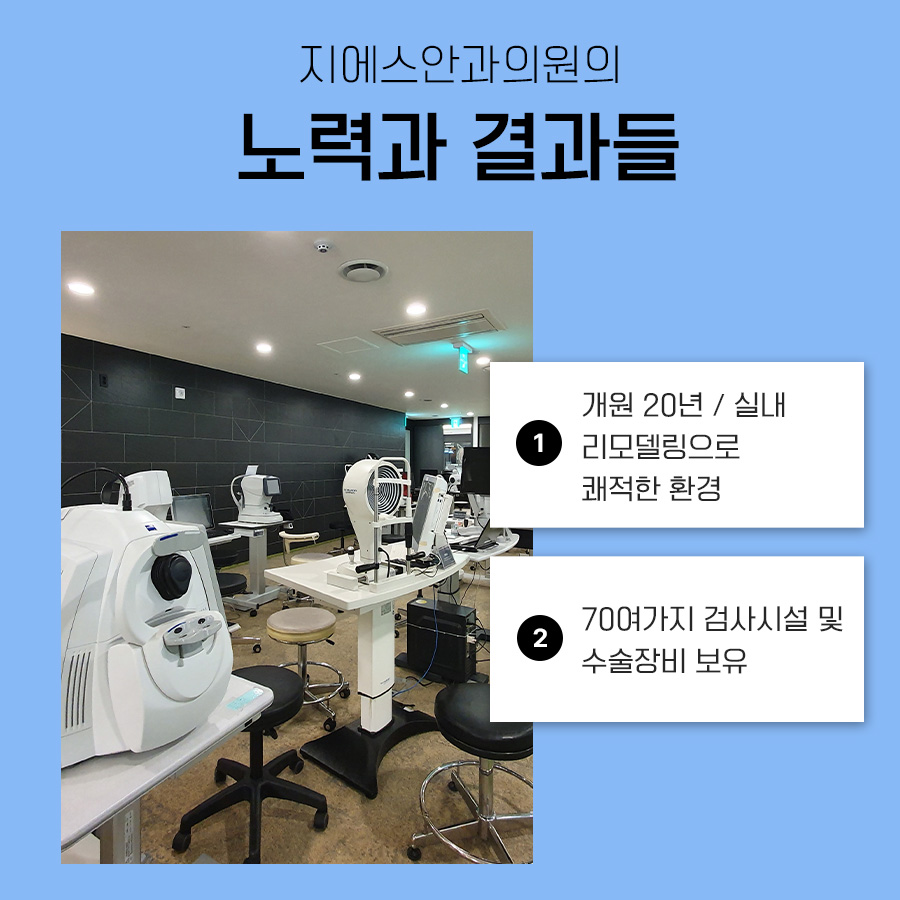
The clinic focuses on SMILE-type procedures and uses ZEISS VISUMAX platforms among its laser systems. Having multiple VISUMAX-based systems allows surgeons to select the most appropriate laser platform for each patient’s eyes.
A shorter laser time can help reduce patient anxiety and improve comfort during the procedure, especially for those who are nervous about staying still.
Clear LASIK itself is a LASIK type procedure, not a SMILE type procedure. However, it is performed in an operating room environment that also supports advanced SMILE and SILK systems. This means that the clinic can compare multiple techniques and select the one that best matches the patient’s cornea and visual goals, rather than being limited to a single method.
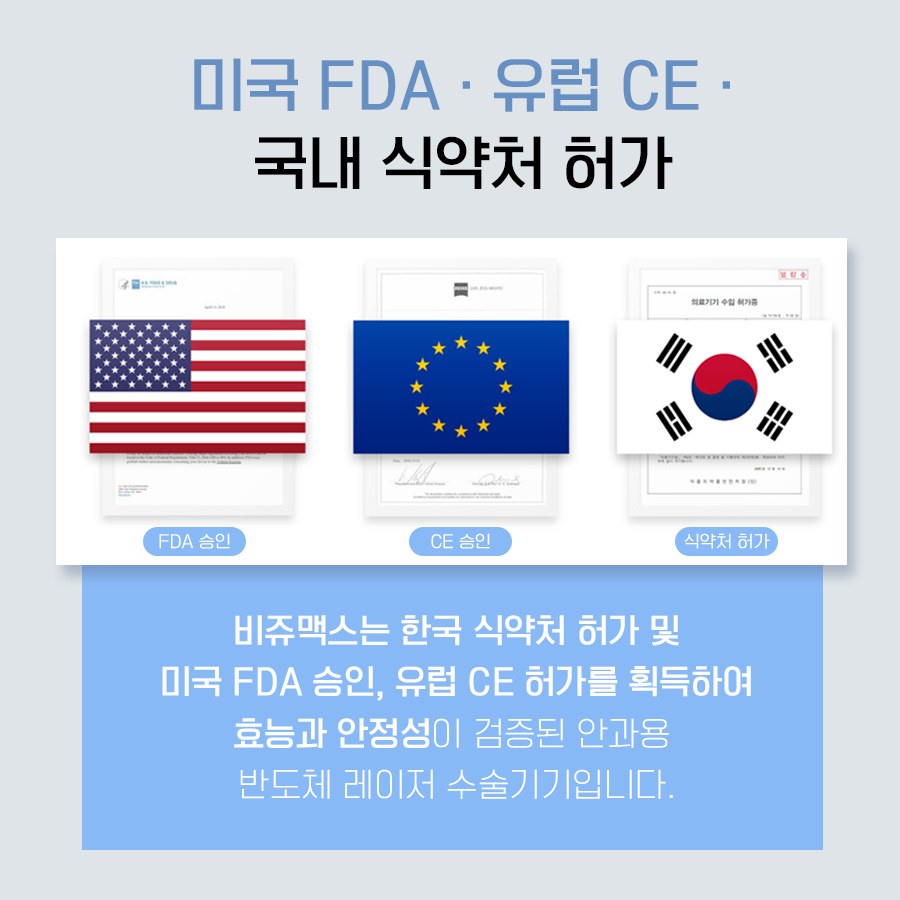
The clinic has received manufacturer recognitions and participates in training programs related to SMILE and other refractive techniques. It also maintains structured quality management and training systems. These recognitions and systems indicate an emphasis on quality and staff development, but they do not guarantee specific results for individual patients.
Who may consider Clear LASIK Clear LASIK may be considered by adults who
Have myopia, hyperopia, or astigmatism and want to reduce dependence on glasses or contact lenses.
Have a stable prescription for at least one to two years, with no large recent changes.
Have sufficient corneal thickness and a regular corneal shape.
Do not have advanced dry eye, keratoconus, or other significant corneal disease.
Do not have uncontrolled systemic conditions that affect healing, such as poorly controlled diabetes or autoimmune disease.
People with very thin corneas, irregular corneas, or specific occupational requirements may be better suited to SMILE, SILK, LASEK, or lens implantation instead of Clear LASIK. The final decision is made only after a detailed eye examination.
Preoperative examination and candidacy assessment
Before Clear LASIK, a thorough eye examination is essential. At the clinic, the preoperative assessment typically includes
Measurement of refractive error and prescription stability.
Corneal thickness measurement to ensure enough tissue remains after surgery.
Corneal topography and tomography to evaluate corneal shape and rule out keratoconus or other irregularities.
Pupil size measurement, especially in low light conditions.
Tear film evaluation and dry eye assessment.
Examination of the retina and optic nerve to detect any underlying disease.
General eye health review and medical history, including medications and systemic conditions.
The clinic uses detailed diagnostic standards to determine whether Clear LASIK is appropriate. In some cases, SMILE, SILK, LASEK, or lens implantation may be safer or more suitable. The choice is not based on a one size fits all approach but on objective examination data and medical judgment.
Overview of the Clear LASIK procedure
For most patients, the Clear LASIK process follows these general steps.
Preoperative preparation
You arrive at the clinic with no eye makeup, perfume, or heavy fragrances on the day of surgery. After final checks and consent, numbing eye drops are applied to keep the eyes comfortable.
Flap creation with femtosecond laser
You lie on the laser bed and look toward a fixation light. The femtosecond laser gently creates a thin corneal flap. You may feel some pressure and your vision may dim for a few seconds, but this usually does not last long.
Corneal reshaping with excimer laser
The surgeon lifts the flap and uses the excimer laser to reshape the underlying corneal tissue according to your prescription and corneal measurements. The laser portion is usually very short, often less than a minute per eye.
Flap repositioning and immediate check
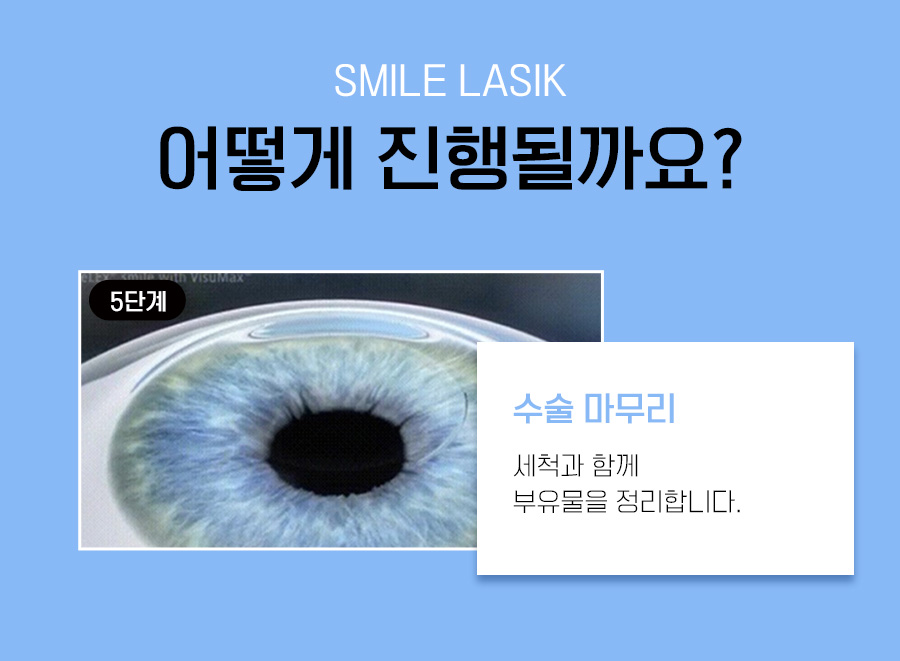
The flap is carefully repositioned and smoothed back into place. No stitches are required. The surgeon checks the flap position and the eye surface, and protective eye shields may be placed.
The entire procedure per eye is relatively quick. Including preparation, many patients spend a short time in the operating area and then rest briefly before going home or back to their accommodation.
What patients typically feel during and after Clear LASIK
During surgery, patients usually feel
Mild pressure when the flap is created.
Bright lights and slight blurring during laser application.
A sense of touch but not sharp pain, because of numbing drops.
After surgery, common sensations include
Mild discomfort, burning, or foreign body sensation for several hours.
Light sensitivity and tearing on the first day.
Slight haze or fluctuation in vision during the early recovery period.
These symptoms are usually managed with prescribed eye drops, lubricants, and protective shields. Many patients can open their eyes comfortably within several hours and notice improved vision by the next day, although full stabilization takes longer.
Recovery and aftercare
Recovery after Clear LASIK is typically rapid, but it still requires careful aftercare.
Early recovery
Most patients notice significant visual improvement within one to a few days.
Driving, office work, and light daily activities are often possible within a short time, depending on the surgeon’s advice and local regulations.
Vision may fluctuate, and night vision can feel different in the first weeks.
Standard aftercare instructions usually include
Using prescribed antibiotic and anti inflammatory eye drops as directed.
Using lubricating eye drops to relieve dryness.
Avoiding eye rubbing, especially in the first weeks.
Wearing protective shields at night for several days to prevent accidental rubbing.
Avoiding swimming pools, hot tubs, and heavy eye makeup for a period recommended by the surgeon.
Protecting the eyes from dust, smoke, and strong impact.
Wearing sunglasses outdoors to reduce light sensitivity.
Attending scheduled follow up visits to monitor healing.
Longer term stabilization
Vision typically continues to refine and stabilize over several weeks to a few months.
Dry eye symptoms, if present, usually improve gradually with time and treatment.
Any residual refractive error is evaluated, and enhancement procedures are considered only after the cornea is stable, if medically appropriate.
Risks and safety considerations
All eye surgery carries some risk. Potential risks and side effects of Clear LASIK include
Dry eye symptoms, often temporary but sometimes longer lasting.
Glare, halos, or starbursts around lights, especially at night.
Undercorrection or overcorrection, leading to residual refractive error.
Flap related issues, such as displacement or inflammation.
Infection, which is rare but can be serious.
Corneal ectasia, a progressive weakening and bulging of the cornea, which is rare but significant.
Careful screening, experienced surgeons, and systematic follow up help reduce these risks, but no procedure is completely risk free. It is important to discuss your individual risk profile and expectations with the ophthalmologist before deciding on surgery.
How Clear LASIK compares with SMILE, SILK, and LASEK
Incision and tissue handling
Clear LASIK uses a flap, which involves a larger surface area but allows direct access for excimer laser reshaping.
SMILE and SILK use a small incision without a flap, preserving more of the corneal surface.
LASEK treats the surface directly without creating a flap but requires longer surface healing.
Recovery speed
Clear LASIK generally offers very fast visual recovery, often within days.
SMILE and SILK also provide relatively quick recovery, with some patients experiencing slightly different early sensations due to the small incision.
LASEK usually has a slower and more uncomfortable early recovery, with more surface discomfort.
Suitability
Clear LASIK may be suitable for patients with adequate corneal thickness and regular corneal shape who prioritize fast recovery.
SMILE or SILK may be considered for patients who prefer a flapless approach or have specific corneal characteristics.
LASEK may be chosen when the cornea is thinner or when surface treatment is medically preferred.
At the Gangnam clinic, the role of the medical team is to recommend the most appropriate procedure based on objective examination data, not to promote a single technique for everyone.
Patient communication and education
Why Clear LASIK is recommended or not recommended.
What alternative options such as SMILE, SILK, LASEK, or lens implantation might offer.
What kind of visual improvement is realistic and what limitations may remain.
What the surgery and recovery process will be like day by day.
The medical director also runs an educational video channel about eye health and eye surgery. These videos can help patients understand complex topics more easily, review information after consultation, and set realistic expectations before traveling to Korea.
Online consultation and pre visit preparation for overseas patients
If you live outside Korea, an online consultation can be a useful first step. Before contacting the clinic, it is helpful to prepare
Your current glasses or contact lens prescription.
Any previous eye examination reports, especially corneal topography or thickness measurements if available.
A brief medical history, including systemic conditions and medications.
Information about previous eye surgery, trauma, or infections.
Your main goals, such as sports activities, occupational needs, and tolerance for night driving.
During online consultation, you can ask about
Whether you seem like a potential candidate for Clear LASIK based on your information.
What additional tests will be done on site.
How many days you should plan to stay in Seoul.
How follow up will be managed after you return home.
While a final decision about surgery can only be made after in person examination, online communication helps you plan your trip and understand the likely options.
Expected Korea visit timeline for Clear LASIK
Although individual plans vary, many international patients can follow a schedule similar to this.
Day 1: Arrival and rest
Arrive in Seoul, check into your accommodation near Gangnam if possible, and rest. Avoid scheduling important activities on the arrival day.
Day 2: Full eye examination and consultation
Visit the ophthalmology clinic for a comprehensive eye examination, which may take several hours. After all tests, you meet the ophthalmologist to review results and discuss whether Clear LASIK, SMILE, SILK, LASEK, or another option is recommended. If you are a suitable candidate and decide to proceed, surgery may be scheduled for the same day or the next day, depending on the clinic’s protocol.
Day 2 or 3: Surgery day
On the day of Clear LASIK, you spend a few hours at the clinic for preparation, surgery, and immediate post operative checks. After surgery, you return to your accommodation and rest with eyes closed as much as possible.
Day 3 or 4: First follow up
You return to the clinic for a follow up examination. The surgeon checks your vision, corneal condition, and healing. Additional instructions for eye drops and activity restrictions are given.
Following days: Additional checks and departure
Depending on your schedule and the clinic’s recommendation, you may have one or more additional follow up visits within the first week. Many international patients can safely travel home several days after surgery, once the early healing is confirmed.
After returning home, you may be advised to see a local eye doctor for periodic checks, especially at one to three months after surgery.
Aftercare coordination for international patients
For overseas patients, aftercare planning is important. The clinic can
Provide written summaries of your surgery and early postoperative findings.
Explain what your local eye doctor should check during follow up.
Advise you on what symptoms require urgent attention and how to respond.
Offer online follow up discussions if you have questions after returning home.
You should keep a record of all eye drops used, follow the schedule carefully, and avoid skipping follow up appointments, whether in Korea or in your home country.
Practical information about the clinic
The ophthalmology clinic is located on multiple floors of a building on Gangnam daero in Gangnam District, Seoul, near Gangnam Station. This area is well connected by subway and airport bus, and there are many hotels and guesthouses nearby.
Operating hours are generally weekdays during daytime and early evening, and Saturdays during daytime. The clinic is closed on Sundays and public holidays, and there is a set lunch break when examinations and consultations are paused.
Appointments and inquiries can be made via phone and major online channels, including blog, social media, video channel, and messaging platforms. When contacting the clinic from overseas, you can request information in English and ask about the most suitable dates for examination and surgery.
Frequently asked questions
Is Clear LASIK suitable for everyone who wears glasses
No. Clear LASIK is not suitable for everyone with glasses or contact lenses. Suitability depends on factors such as corneal thickness, corneal shape, prescription stability, dry eye status, and overall eye health. Some people are better candidates for SMILE, SILK, LASEK, or lens implantation. A full eye examination is necessary before any decision.
How long do I need to stay in Seoul for Clear LASIK
Many international patients plan to stay in Seoul for about one week, including preoperative examination, surgery, and early follow up. Some may need a slightly longer stay depending on their eye condition and travel schedule. The clinic can suggest a personalized timeline after an online consultation and initial review of your situation.
Will I feel pain during Clear LASIK surgery
Most patients do not feel sharp pain during Clear LASIK because numbing eye drops are used. You may feel pressure and some discomfort when the flap is created, and you will see bright lights during the laser steps. After surgery, mild pain, burning, or foreign body sensation is common for several hours, but this usually improves with rest and prescribed eye drops.
Can I fly soon after Clear LASIK
In many cases, flying after Clear LASIK is possible once the early healing is confirmed and the surgeon is satisfied with your condition. This is often a few days after surgery, but the exact timing depends on your eyes and the clinic’s advice. Air travel itself does not usually harm the surgery, but cabin air can be dry, so frequent use of lubricating drops and eye protection is recommended.
Soft call to action
If you are considering Clear LASIK or other laser vision correction in Korea, you can start by arranging an online consultation with the ophthalmology clinic in Gangnam. By sharing your current prescription, medical history, and travel plans, you can receive guidance on potential candidacy, likely procedures, and an estimated visit schedule. This preparation helps you make an informed decision and plan your trip to Seoul with realistic expectations about surgery, recovery, and long term eye care.



댓글
댓글 쓰기