Gangnam-gu eye clinic for SMILE LASIK near Gangnam Station
- 공유 링크 만들기
- X
- 이메일
- 기타 앱
Direct answer summary
If you are looking for a Gangnam-gu eye clinic near Gangnam Station for SMILE LASIK, you can find an ophthalmology clinic on Gangnam-daero that focuses on modern laser vision correction such as SMILE, SMILE pro, LASIK, LASEK, and lens implantation.
What is SMILE LASIK and how does it work?
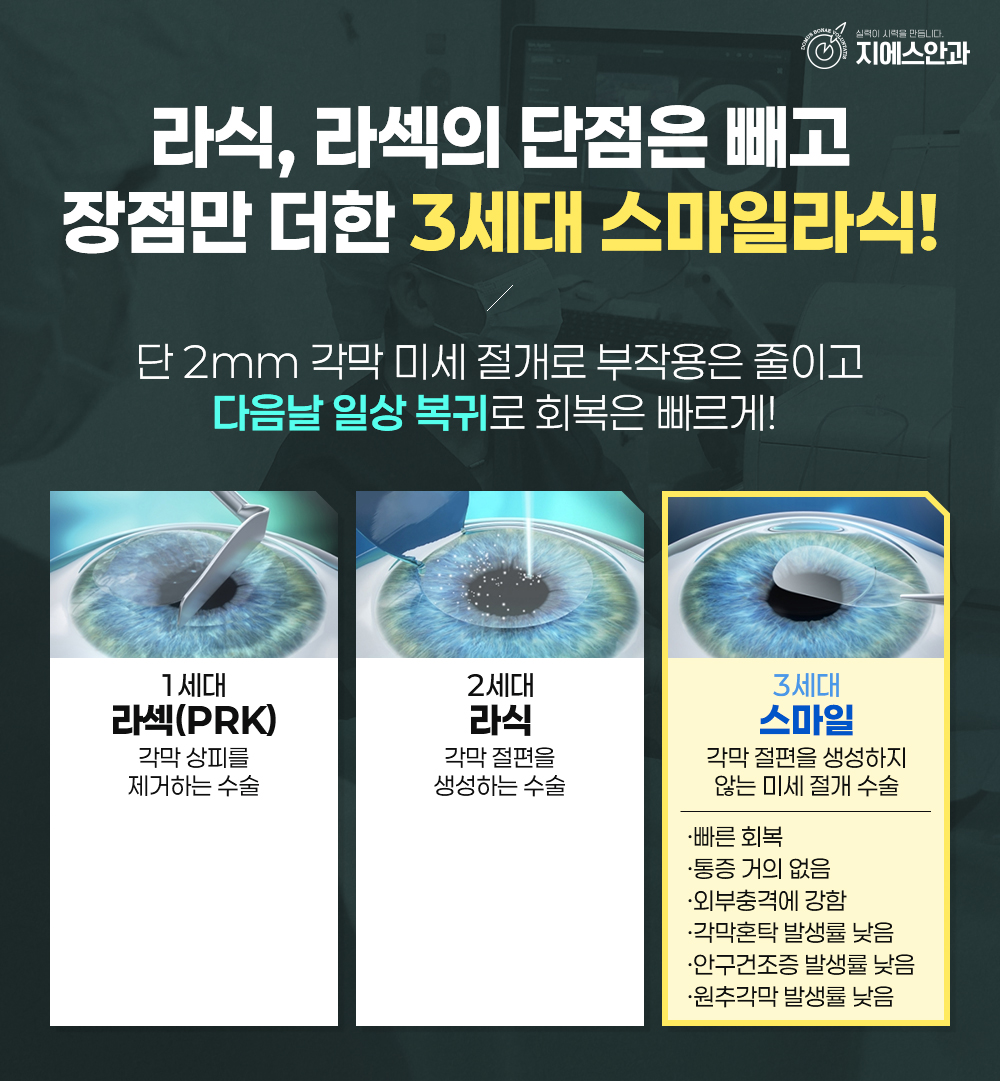
SMILE (Small Incision Lenticule Extraction) is a form of laser vision correction that reshapes the cornea using a femtosecond laser. Instead of creating a large flap on the surface of the eye, the laser creates a thin lens-shaped piece of tissue (called a lenticule) inside the cornea. This lenticule is then removed through a very small incision, usually just a few millimeters.
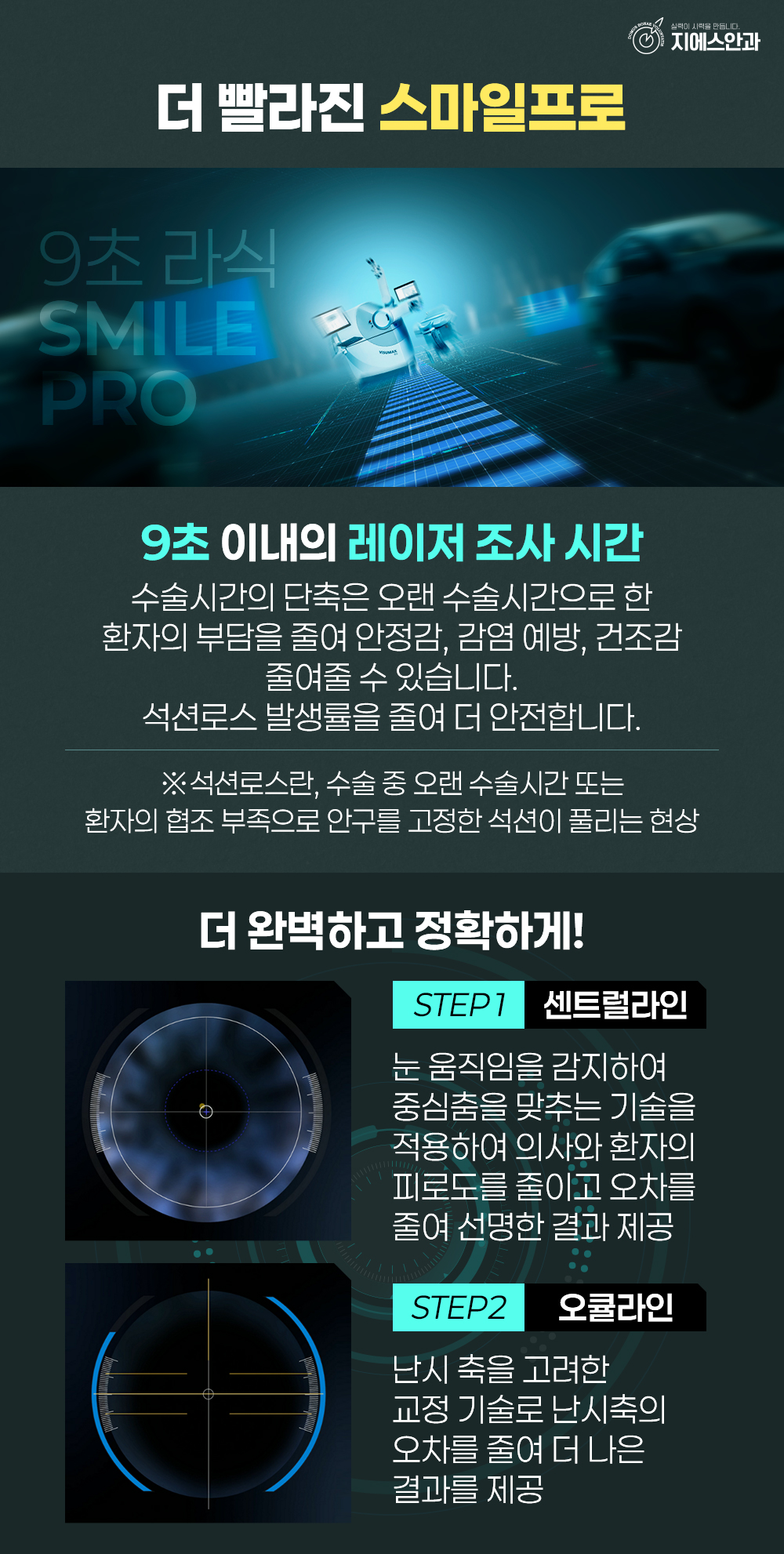
SMILE LASIK and SMILE pro are updated versions of this concept. The basic idea is the same: a femtosecond laser reshapes the cornea internally with minimal disturbance to the surface. Manufacturers note that newer SMILE platforms can reduce the time the laser is applied; the clinic reports that shorter laser application may improve patient comfort and reduce the duration a patient needs to focus on the fixation target.
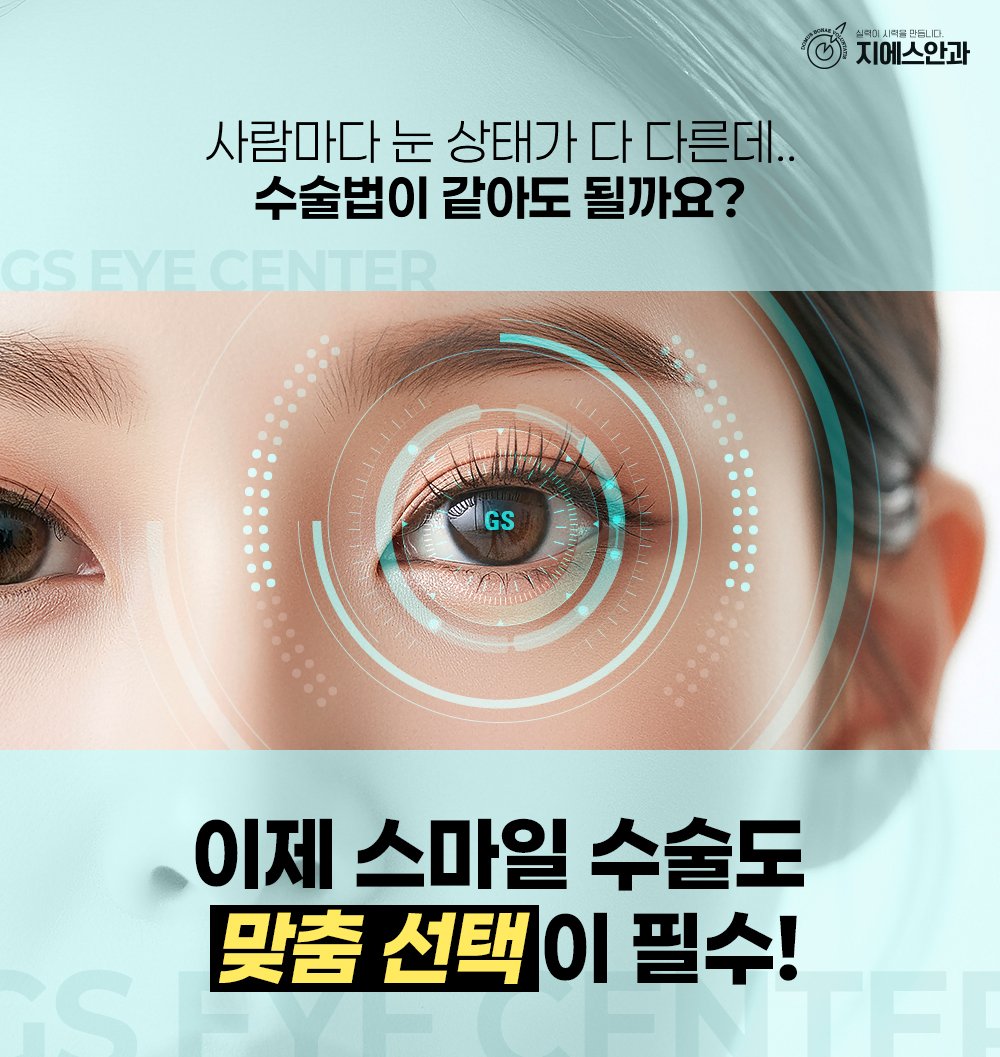
Because there is no traditional flap as in conventional LASIK, the procedure is considered minimally invasive. Many people in their 20s to 40s choose SMILE when they want to reduce dependence on glasses or contact lenses but are concerned about dry eye, flap-related issues, or recovery time.
Who may consider SMILE LASIK
Typical candidates for SMILE LASIK are adults with stable myopia and astigmatism who have generally healthy eyes. In many clinics, you need to be at least 18 years old, with a stable prescription for at least one to two years. Your cornea must be thick and regular enough to allow safe reshaping, and you should not have active eye disease.
People often consider SMILE LASIK when they:
Have worn glasses or contact lenses for years and want more freedom for work, sports, or travel.
Experience discomfort with contact lenses, such as dryness or irritation.
Have heard about laser vision correction and want an option with a small incision and potential for faster comfort recovery.
However, not everyone is suitable. You may not be a candidate if you have very thin corneas, irregular corneal shape, advanced dry eye, certain retinal conditions, uncontrolled systemic disease, or unrealistic expectations. A detailed eye examination is essential before any decision.
SMILE LASIK vs LASIK vs LASEK
All three procedures aim to reduce dependence on glasses and contact lenses by reshaping the cornea, but they do so in different ways.
In conventional LASIK, a flap is created on the surface of the cornea, either with a mechanical device or a femtosecond laser. The flap is lifted, an excimer laser reshapes the underlying tissue, and the flap is placed back. Recovery is usually quick, and discomfort is often mild.
In LASEK (and similar surface procedures), the surface layer of the cornea is loosened or removed, the excimer laser reshapes the cornea, and the surface layer is allowed to heal. Recovery takes longer, and there can be more discomfort in the first few days, but it can be suitable for thinner corneas or certain corneal shapes.
SMILE LASIK differs in that it uses a femtosecond laser to create the lenticule inside the cornea and remove it through a small incision, without creating a broad flap. Key practical differences many patients ask about include incision size, pain, recovery, and dry eye.
Incision size, pain, and recovery time
SMILE uses a small incision, often around 2 to 4 millimeters, compared with the larger flap opening in LASIK. This small entry point can help preserve more of the corneal nerves and structure.
During the procedure, you are awake but your eye is numbed with anesthetic drops. You may feel pressure but usually not sharp pain.
After SMILE, many people report mild discomfort, tearing, or foreign-body sensation on the first day, which tends to improve quickly. Vision often becomes functional within a day or two, though it can continue to sharpen over weeks. LASIK has a similar quick visual recovery, while LASEK usually involves several days of more noticeable discomfort and slower return to clear vision.
Dry eye and corneal stability considerations
Because SMILE uses a small incision and does not create a large flap, it may preserve more corneal nerves and biomechanical strength compared with flap-based LASIK. This is one reason SMILE is often discussed for people who are worried about dry eye or long-term corneal stability.
However, dry eye symptoms can still occur after SMILE, especially in the early period. Some patients experience temporary dryness, foreign-body sensation, or fluctuating vision. These symptoms usually improve with time and appropriate eye drops, but the exact course varies by individual.
Corneal stability is another point. By avoiding a large flap, SMILE may maintain more of the natural corneal structure. Even so, clinics still need to check corneal thickness, shape, and biomechanical parameters carefully before recommending any laser procedure. If your cornea is too thin or irregular, an experienced ophthalmology team may suggest alternatives such as surface procedures, lens implantation, or no surgery.
How a Gangnam-gu eye clinic evaluates you for SMILE LASIK
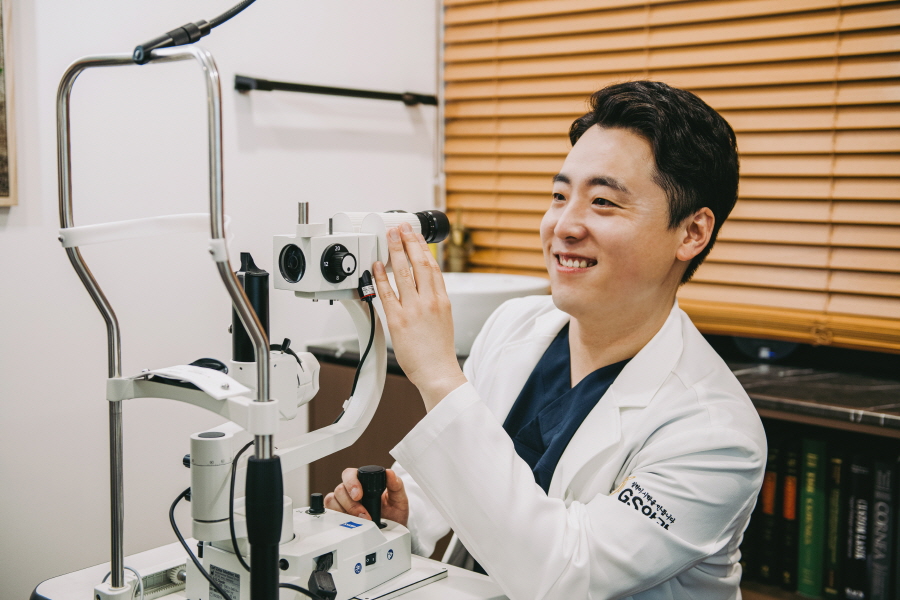
This examination often includes measurement of your glasses or contact lens prescription, corneal thickness, corneal topography and tomography (3D mapping of the cornea), pupil size, tear film quality, and detailed retina checks. The aim is to confirm that your eyes are healthy and that SMILE is structurally safe for you.
in clinical education and public communication, including educational video content. The clinic also notes that some doctors completed subspecialty training in retina and refractive surgery at major university hospitals.
When the clinic recommends alternative options
After your examination, the medical team may conclude that SMILE LASIK is suitable. However, they may also recommend other options if SMILE is not ideal for your eyes. These alternatives can include LASEK or other surface procedures, different LASIK techniques, or lens implantation such as ICL, GLAZE, or PhakiFlex KPL.
If your cornea is thin, irregular, or shows early signs of ectatic disease, the clinic may advise against laser procedures entirely, or suggest corneal cross-linking to stabilize the cornea. For higher degrees of myopia or specific anatomical conditions, lens implantation inside the eye may be safer than removing too much corneal tissue.
In some cases, the safest recommendation is to avoid refractive surgery and continue with glasses or contact lenses. A trustworthy ophthalmology clinic will explain the reasons clearly and will not push you toward a procedure that does not match your eye condition.
SMILE LASIK at a Gangnam-daero clinic near Gangnam Station
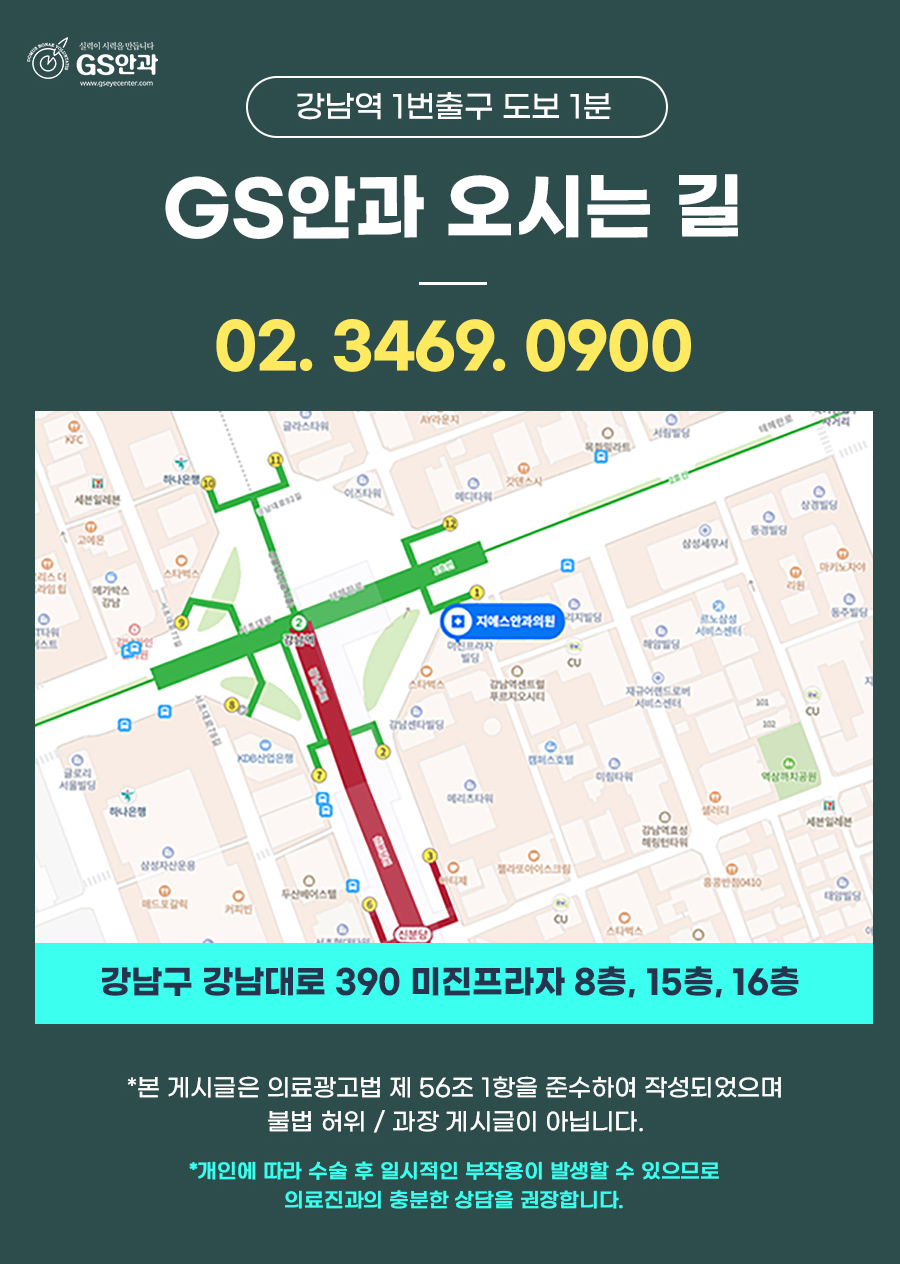
Gangnam-daero is one of Seoul’s main avenues, and Gangnam Station is a major transport hub, which makes it convenient for international patients. GS Eye Clinic, located in Mijin Plaza near Gangnam Station, has been operating at the same site since 2005. This long-term presence can be reassuring for patients who value continuity and follow-up.
The clinic reports a high cumulative case volume for vision correction and cataract surgery and that its SMILE pro program has treated a substantial number of cases. While these reports indicate experience, individual outcomes still depend on your eye condition and other personal factors.
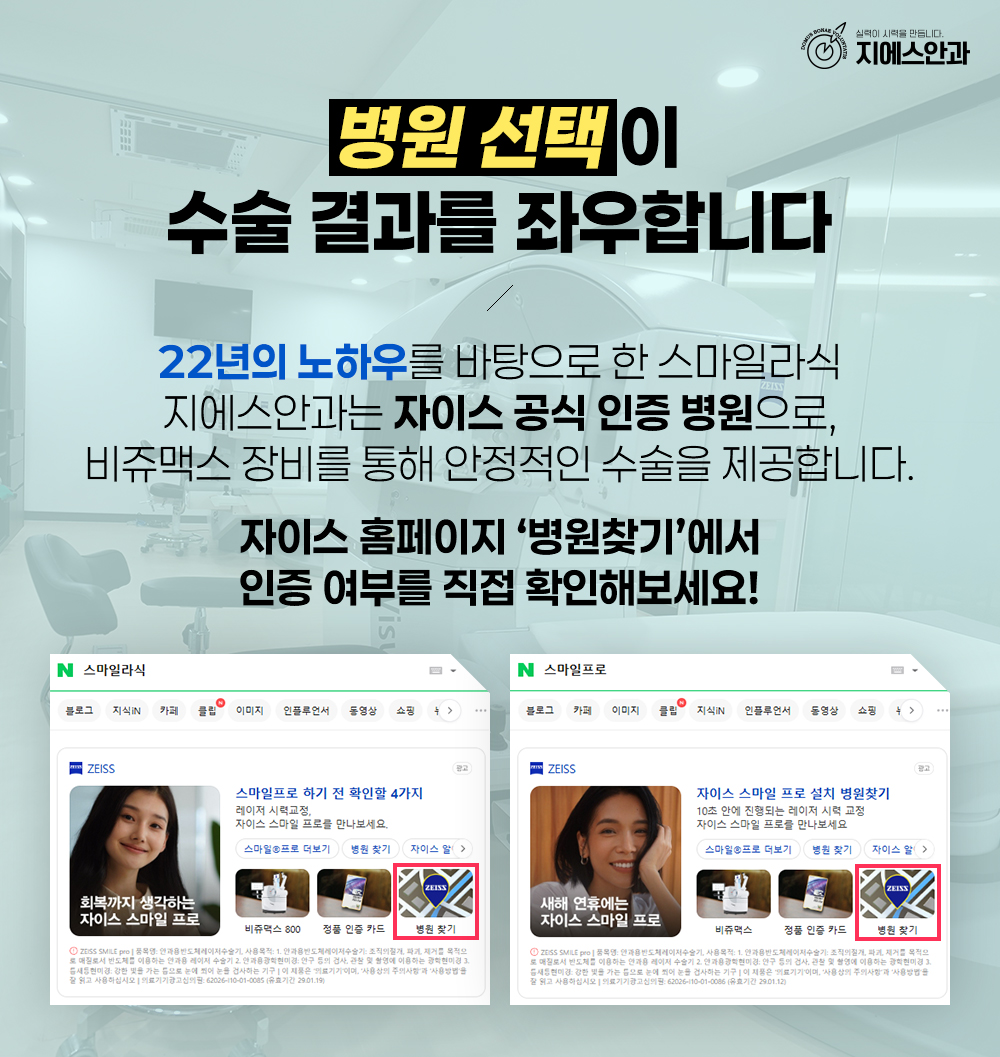
It also says it participates in clinical education and regional training activities. Such designations, if verified, indicate participation in structured quality systems and training, but prospective patients should request documentation or verification if these credentials are important to their decision.
Importance of multiple ZEISS VISUMAX platforms
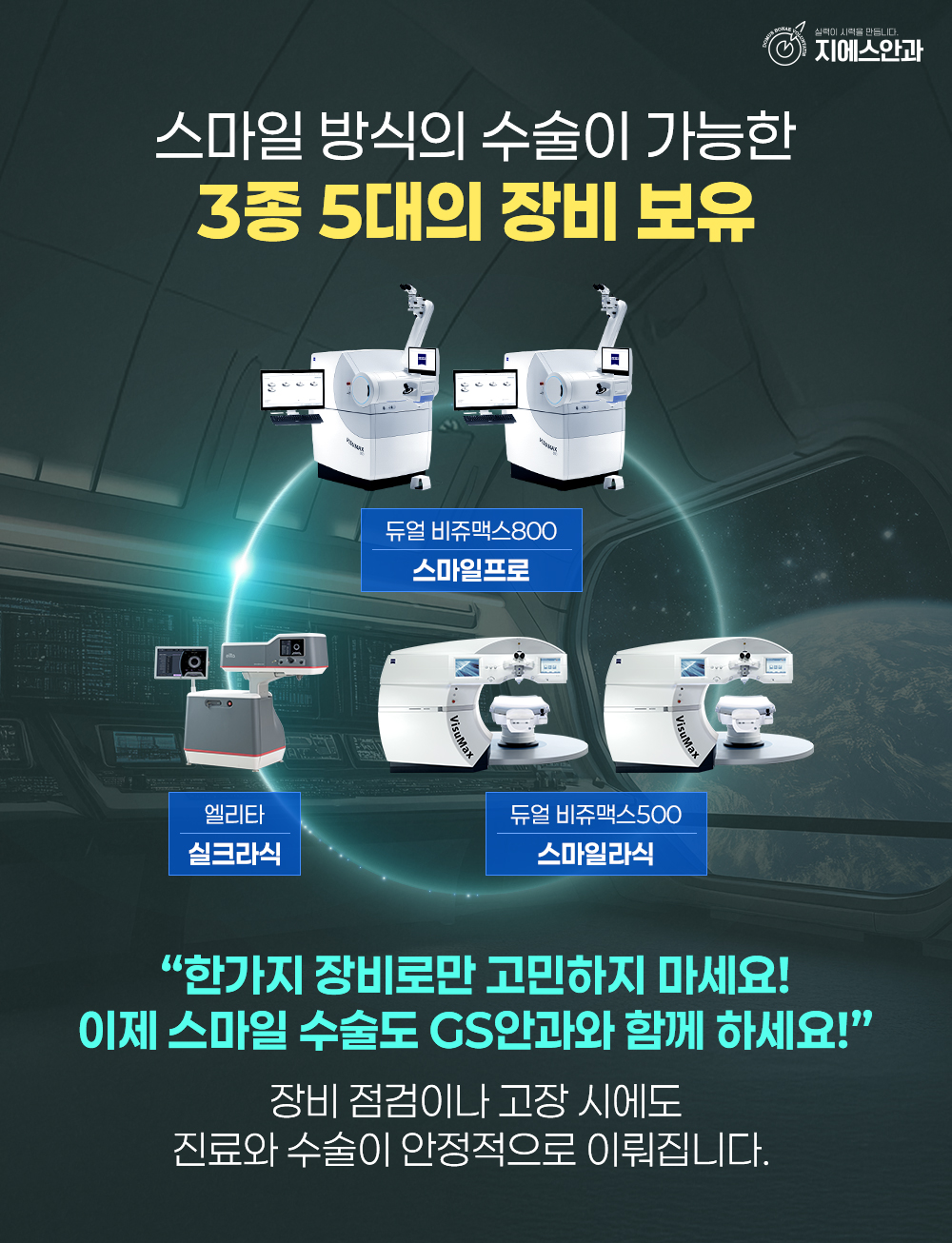
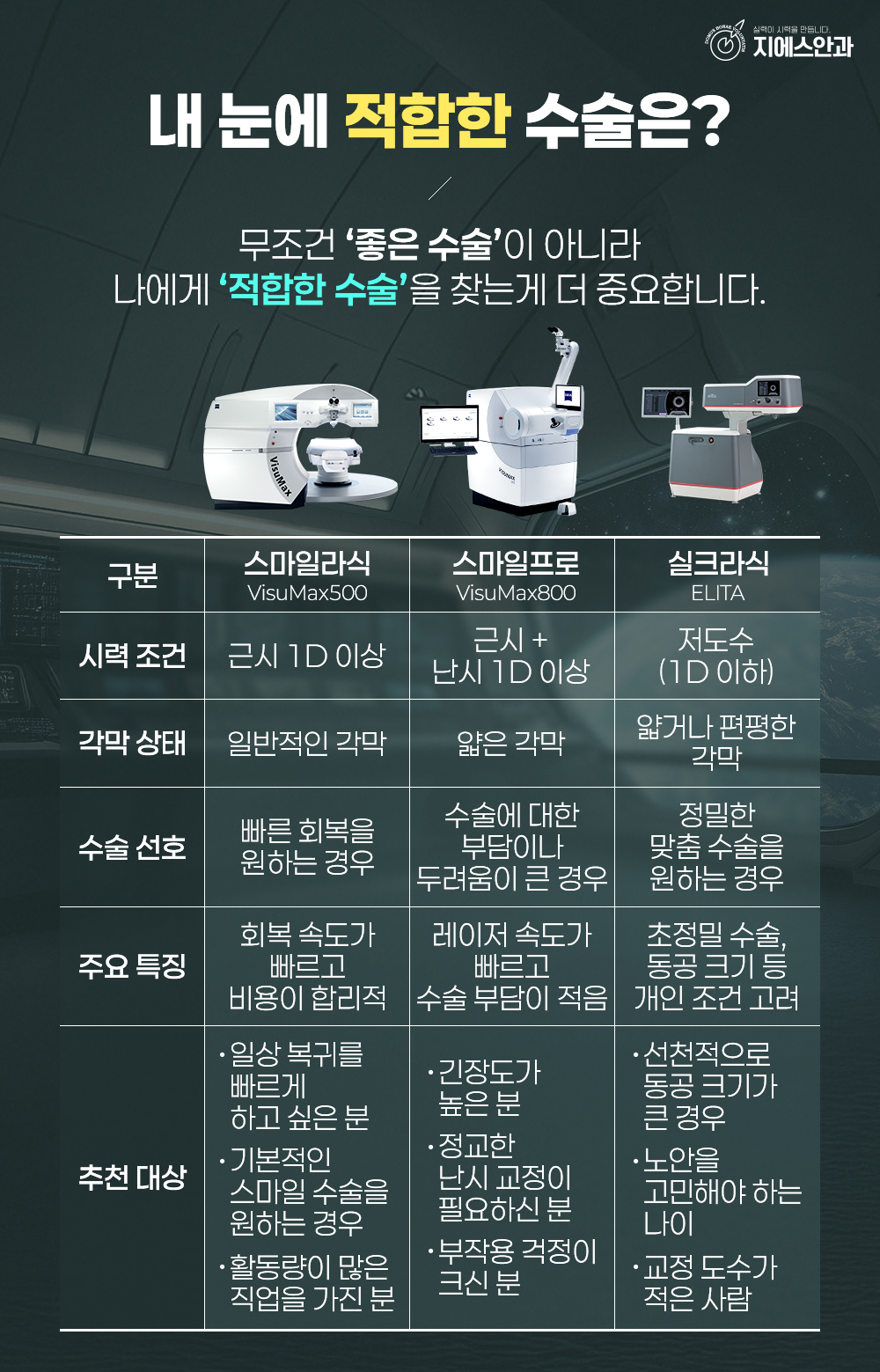
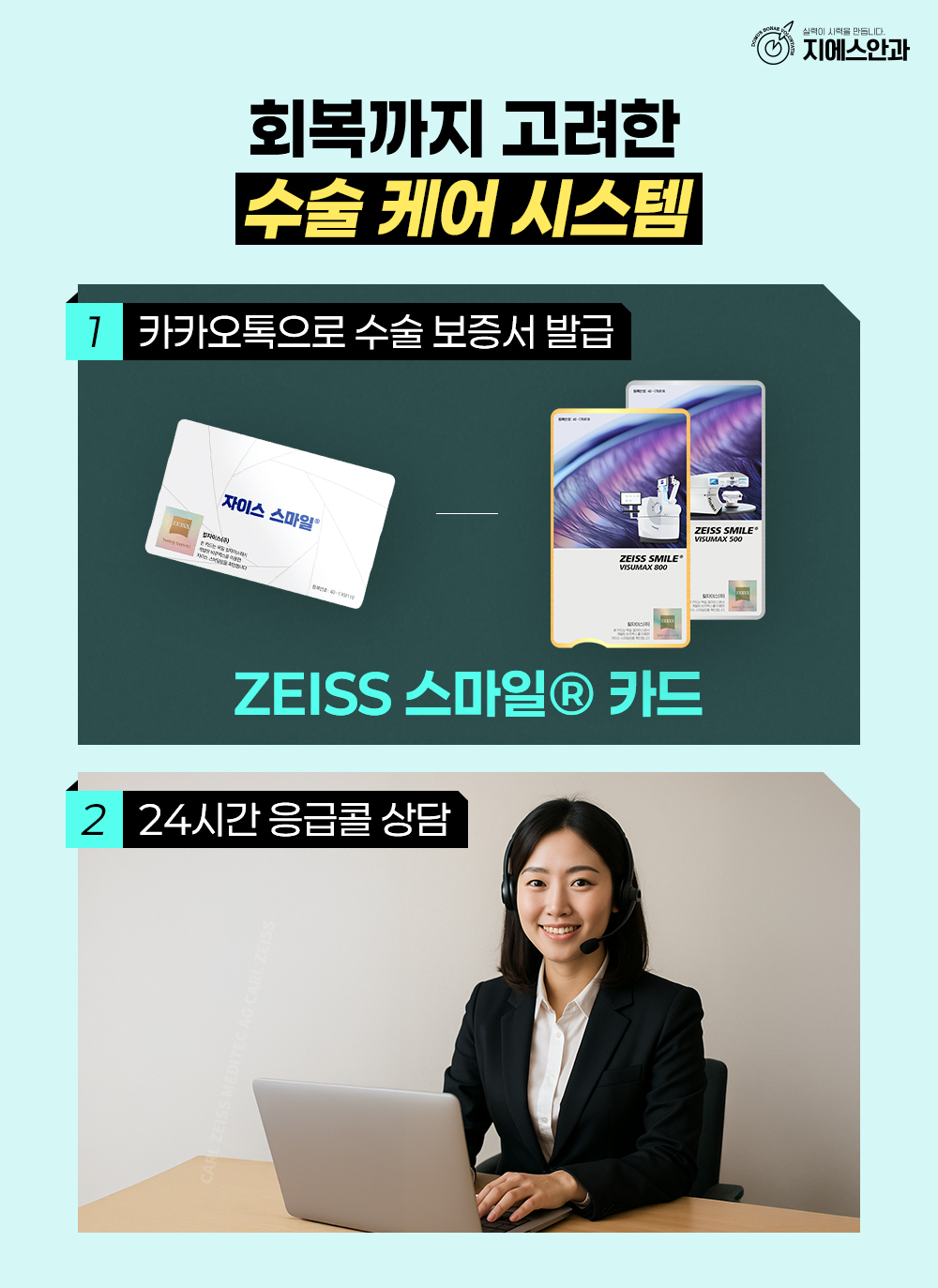
One of the clinic's reported differentiators is its equipment. The clinic says it uses multiple ZEISS VISUMAX platforms, including newer systems for SMILE pro and earlier-generation units for SMILE LASIK.
Having multiple and up-to-date platforms matters for several reasons. First, it allows the medical team to tailor the procedure to your eye characteristics and prescription. Second, it can reduce waiting time, since more than one laser room can be in operation. Third, it provides backup in case of equipment issues, which is important for maintaining schedules, especially for overseas patients with tight travel plans.
For you as an international patient, it can be helpful to ask during consultation which laser platform will be used for your eyes, why that platform is recommended, and how long the laser time is expected to be.
Other services supporting long-term eye health
Although SMILE LASIK may be your main interest, it is reassuring when the same ophthalmology clinic can also manage other eye conditions. This Gangnam-daero clinic provides a range of refractive and cataract services, including lens implantation options such as ICL, GLAZE, and PhakiFlex KPL, as well as 2DAY LASEK and other branded LASIK options.
For age-related issues, the clinic offers presbyopia-correcting lens implantation, laser cataract surgery, and multifocal intraocular lenses such as PanOptix, with around 3,000 PanOptix lenses implanted as of 2024. There is also a separate retina center run by retina fellowship-trained ophthalmologists, and services such as corneal cross-linking and a dry eye clinic.
For overseas patients, this comprehensive setup means the team can check not only the front of your eye but also the retina and lens. If they detect early cataract, macular problems, or other retinal conditions, they can factor that into your SMILE LASIK decision or recommend a different approach.
Online consultation and pre-visit preparation
Before you travel to Korea, it is wise to arrange an online consultation with the Gangnam-gu clinic. Many international patients send their glasses or contact lens prescriptions, previous eye examination results, and a brief medical history in advance.
During online consultation, you can discuss:
Whether your prescription range is generally suitable for SMILE LASIK.
Any previous eye problems, surgeries, or trauma.
Symptoms such as dry eye, night glare, or fluctuating vision.
Your travel schedule, including arrival and departure dates.
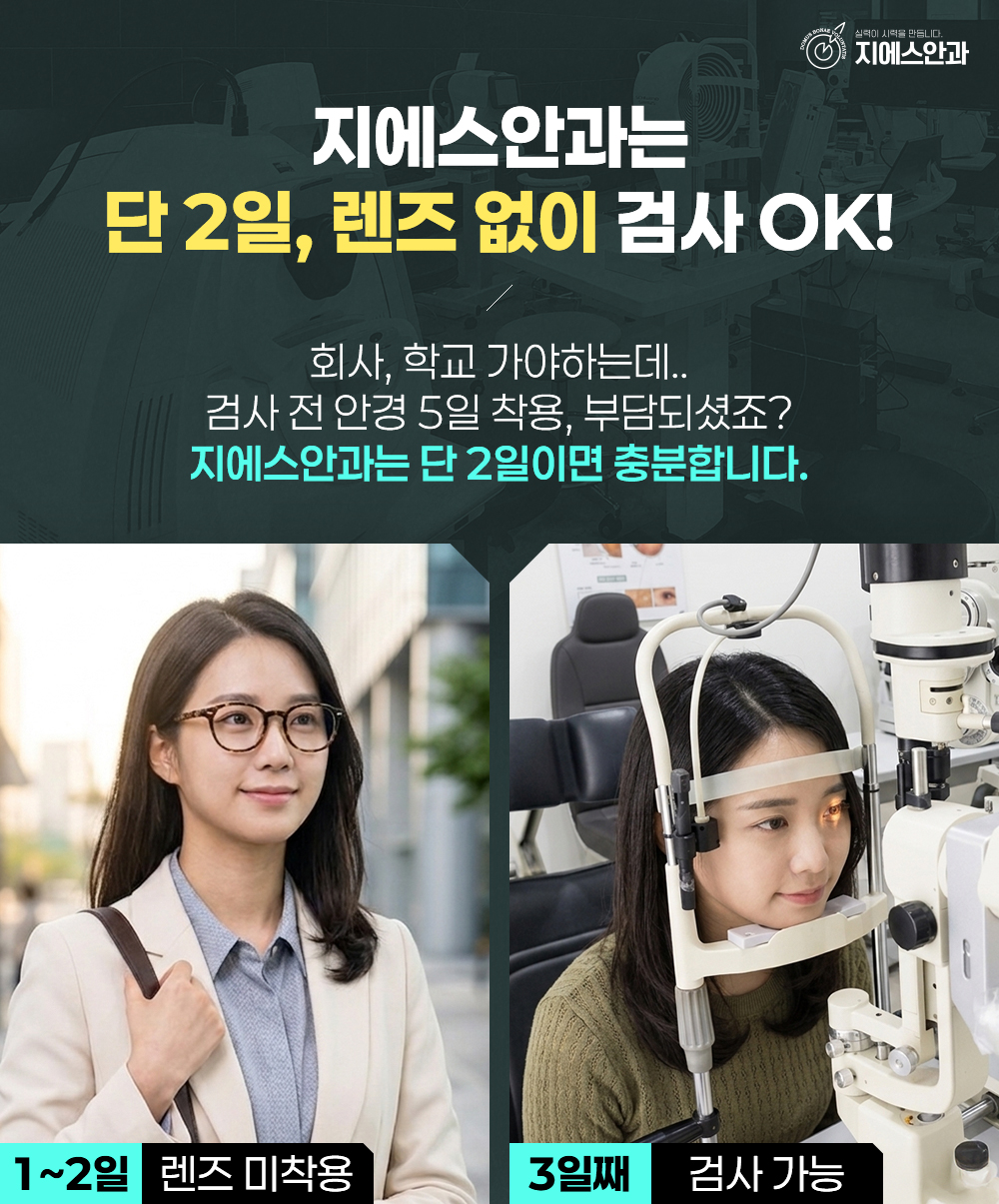
The clinic can then propose a tentative schedule, usually with a full eye examination on the first or second day after arrival, the procedure on the same day or the next day if you are a suitable candidate, and follow-up visits over the next few days.
It is also useful to prepare a list of questions. For example:
- Which procedure does the doctor recommend for my eyes, and why?
- What are the main risks and possible side effects in my specific case?
- What is the expected recovery timeline, and when can I fly home?
- How will follow-up be handled once I return to my country?
Expected Korea visit timeline for SMILE LASIK
While exact plans differ, a typical schedule for an overseas patient might look like this:
Day 1: Arrival in Seoul and rest. Some patients schedule the first clinic visit on the same day if arrival is early, but it is often more comfortable to rest and adjust.
Day 2: Comprehensive eye examination at the Gangnam-gu clinic. This may take two to three hours, including pupil dilation, so plan enough time. If you are a suitable candidate and both you and the doctor agree, SMILE LASIK may be scheduled for later that day or the next day.
Day 3: SMILE LASIK procedure, if not already done. The procedure itself is usually quick, often around 10 to 20 minutes per eye in the laser room, with only seconds of actual laser time. You may rest at the clinic for a short period afterward and then return to your accommodation with protective eye shields.
Day 4: First post-operative check. The doctor checks your vision, corneal condition, and healing. Many patients already have functional vision for walking around, eating out, and light sightseeing, though you should still avoid rubbing your eyes and follow all instructions.
Day 5–7: Additional follow-up visits, depending on your schedule and the clinic’s protocol. Some patients stay in Seoul for about one week to complete early follow-up. The clinic provides guidance on when you can fly and what precautions to take.
After you return home, you may be advised to have periodic eye checks with a local ophthalmologist to monitor long-term stability.
Safety, side effects, and aftercare
No vision correction procedure is completely risk-free, and SMILE LASIK is no exception. Common temporary symptoms after SMILE include mild discomfort, foreign-body sensation, tearing, light sensitivity, and fluctuating vision in the first days or weeks. Some patients notice halos or glare around lights at night, which usually improve over time.
Dry eye symptoms can appear or worsen temporarily after surgery. Artificial tears and, in some cases, prescription eye drops may be recommended. It is important to follow the prescribed drop schedule, avoid rubbing your eyes, and protect your eyes from dust and impact.
Rare but more serious complications can occur with any laser vision correction, such as infection, inflammation, or irregular healing. This is why strict hygiene, detailed preoperative screening, and regular follow-up are essential.
Follow-up schedule and long-term monitoring
Most Gangnam-gu clinics follow a structured aftercare schedule. For example, you may have checks at one day, one week, one month, three months, and six to twelve months after SMILE LASIK, although the exact plan may vary.
For overseas patients, the early checks are usually done in Korea, and later checks can be arranged with a local doctor in your home country. The clinic can provide a summary of your procedure and recommendations for your local doctor.
Why a clinic with retina and cataract expertise can be reassuring
An ophthalmology clinic that also runs a dedicated retina center and cataract service can evaluate your eyes more comprehensively. For example, if you have early signs of macular disease, retinal thinning, or early cataract, this may affect your suitability for SMILE LASIK or influence the choice of procedure.
At the Gangnam-daero clinic described here, retina fellowship-trained ophthalmologists manage the retina center, and the cataract team routinely performs presbyopia-correcting lens implantation and laser cataract surgery. This broader expertise can be reassuring if you are in your late 30s or 40s, when presbyopia and early lens changes begin to appear, or if you have a family history of retinal disease.
How to choose a Gangnam-gu eye clinic for SMILE LASIK
When comparing clinics around Gangnam Station, try to look beyond price alone. Consider the following points:
Equipment: Ask which laser platforms are available (for example, VISUMAX 800 for SMILE pro and VISUMAX 500 for SMILE LASIK) and how often they are updated and maintained.

Surgeon qualifications: Check that your procedure will be performed by an ophthalmologist with specific experience in refractive surgery. At GS Eye Clinic, seven ophthalmologists (as of 2023) share responsibilities, including subspecialists in retina and refractive surgery.
Case volume and designations: While more cases do not guarantee better results, they indicate experience. Certifications such as ISO 9001/14001 for SMILE LASIK and designations like SMILE pro CENTER or training center status show that the clinic follows standardized protocols and participates in education.
Preoperative and postoperative systems: Confirm that the clinic performs a full set of tests before recommending surgery and has a clear follow-up plan, especially for international patients.
Questions to ask during consultation
To make an informed decision, consider asking:
Is SMILE LASIK or SMILE pro the most suitable option for my eyes, or do you recommend LASIK, LASEK, or lens implantation instead?
What are the main risks in my particular case, and how often do you see these in your practice?
How many SMILE cases has the clinic performed as of this year, and what systems are in place to monitor outcomes?
Which laser platform will be used, and what is the expected laser time?
What is the recommended timeline for flying after surgery, and what should I avoid during recovery?
How will you coordinate with my local eye doctor once I return home?
FAQ about SMILE LASIK at a Gangnam-gu eye clinic
Is SMILE LASIK safer than regular LASIK for dry eye concerns?
SMILE LASIK may be associated with a lower impact on corneal nerves compared with flap-based LASIK because it uses a small incision instead of a large flap. This can be beneficial for people worried about dry eye. However, dry eye can still occur after SMILE, especially in the early period, and the degree of dryness varies by individual. A thorough preoperative evaluation of your tear film and ocular surface is essential, and your doctor may recommend specific eye drops or additional treatments if you already have dry eye.
How long does SMILE LASIK actually take, from laser time to total visit time?
The laser time itself is very short. With platforms like VISUMAX 800 used for SMILE pro, laser application can be under about 9 seconds per eye. However, you should plan more time for preparation, positioning, and immediate rest after the procedure. Typically, you may spend around one to two hours at the clinic on the day of surgery, including final checks, the procedure, and post-operative instructions.
Can I get SMILE LASIK if I have high myopia or astigmatism?
SMILE LASIK can correct a wide range of myopia and astigmatism, but there are limits based on corneal thickness, shape, and overall eye health. For very high prescriptions, removing enough tissue to correct your vision may not be safe. In such cases, the clinic may suggest alternatives such as lens implantation (ICL, GLAZE, or PhakiFlex KPL) or a combination approach. Only a full examination with corneal mapping and biometric measurements can determine whether SMILE is safe for your specific prescription.
How soon can I return to work after SMILE LASIK at a Gangnam-gu clinic?
Many patients feel comfortable enough to return to office work within a few days after SMILE LASIK, especially for tasks that do not require heavy physical activity. However, you may still experience mild dryness, light sensitivity, or slight fluctuations in vision during the first week. If your work involves long hours of screen use, it is wise to take frequent breaks and use lubricating drops. For physically demanding jobs or environments with dust or risk of eye trauma, your doctor may recommend a longer recovery period.
What if my examination shows I am not suitable for SMILE LASIK?
If your assessment indicates that SMILE LASIK is not the safest option, the Gangnam-gu clinic will typically explain the reasons in detail. Depending on your eye condition, they may recommend LASEK, another type of LASIK, lens implantation, or no surgery at all. In some cases, they may propose supportive treatments such as corneal cross-linking or dry eye management before reconsidering refractive surgery. It is important to see this as a positive safety measure rather than a disappointment; being told no can protect your long-term vision.
Soft call to action for online consultation
If you are considering SMILE LASIK in Gangnam-gu and want to combine treatment with a visit to Seoul, an ophthalmology clinic on Gangnam-daero near Gangnam Station can be a practical choice. Clinics such as GS Eye Clinic offer online consultations so you can discuss your suitability, plan your travel dates, and understand the procedure in advance. Preparing your questions and medical information before you contact the clinic will help you use your time in Korea efficiently and focus on safe, well-informed care.


- 공유 링크 만들기
- X
- 이메일
- 기타 앱


댓글
댓글 쓰기