Gangnam SMILE LASIK Reviews: What Real Patients Check Before Choosing a Clinic
- 공유 링크 만들기
- X
- 이메일
- 기타 앱
Direct answer summary
In Gangnam, many ophthalmology clinics offer SMILE LASIK, so reviews often compare case volume, laser equipment, detailed examinations, and communication rather than just price.
This guide explains SMILE LASIK in simple terms, what people usually look for in Gangnam SMILE LASIK reviews, and what you can expect if you choose a specialized eye clinic such as GS Eye Clinic near Gangnam Station. It is written for international patients planning a short medical trip to Korea.
Treatment overview: What SMILE LASIK is
SMILE LASIK is a type of laser vision correction that uses a femtosecond laser to reshape the cornea through a very small opening.
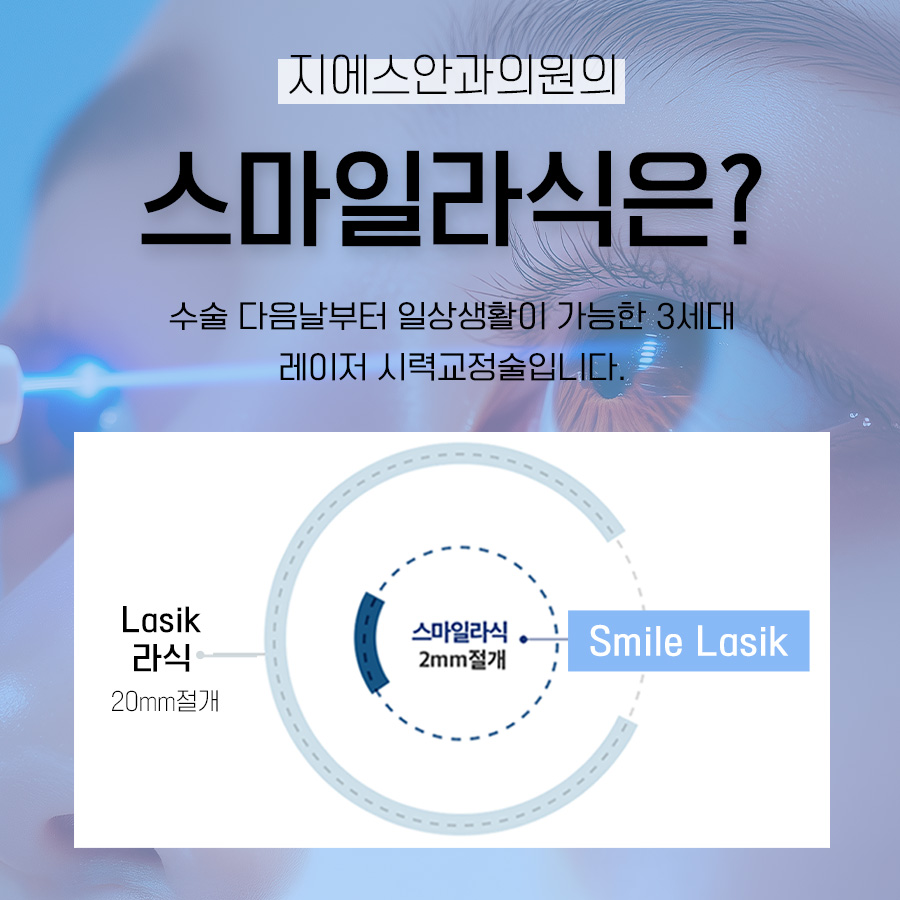
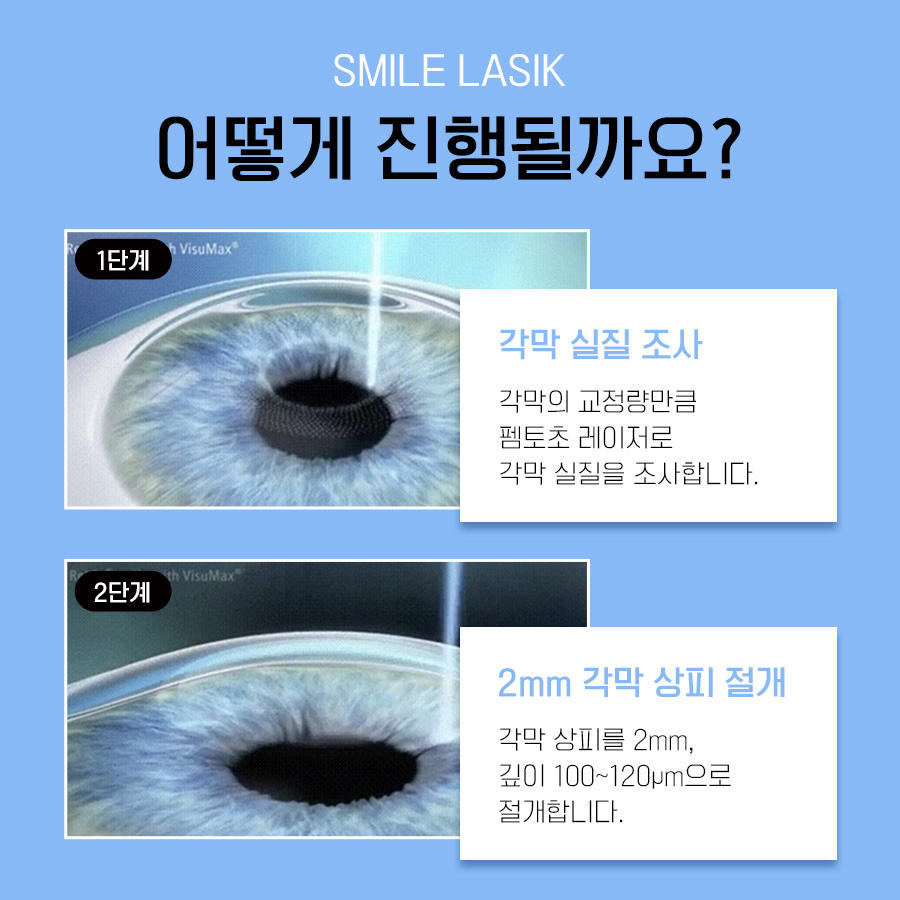
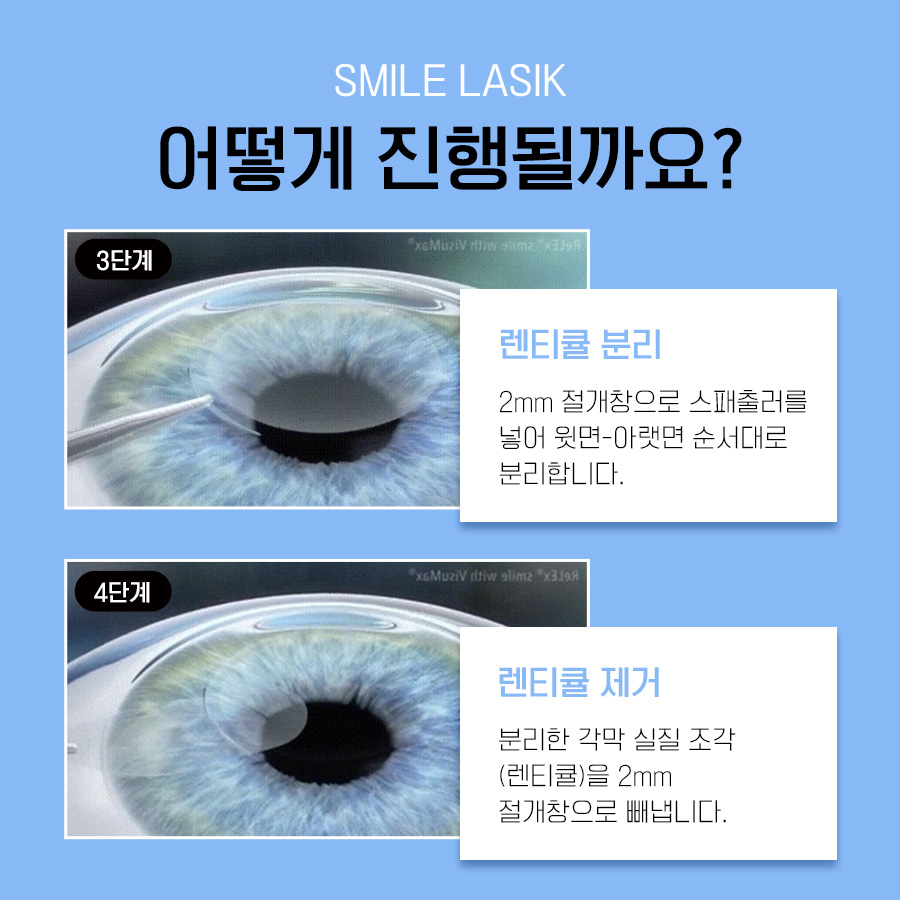
Instead of creating a wide corneal flap like classic LASIK, the laser creates a tiny lens-shaped piece of tissue inside the cornea, called a lenticule. The surgeon then removes this lenticule through a small incision, usually just a few millimeters. By removing this tissue, the cornea changes shape and focuses light more accurately on the retina, improving vision.
Because there is no large flap, SMILE LASIK is often described as minimally invasive. The incision is much smaller than in traditional LASIK, which can help preserve more corneal strength and potentially reduce dry eye symptoms for many patients.
SMILE vs LASIK vs LASEK in everyday language
When people leave Gangnam SMILE LASIK reviews, they often compare their experience with older procedures.
LASIK uses a blade or laser to create a thin flap on the surface of the cornea. The flap is lifted, an excimer laser reshapes the cornea, and then the flap is placed back. Recovery is usually fast, but the presence of a flap means there is a permanent cut line in the cornea.
LASEK does not create a flap. Instead, the surface layer of the cornea is loosened with alcohol, the laser reshapes the surface, and the layer is placed back. Recovery can be more uncomfortable and slower, but it avoids a corneal flap.
SMILE LASIK does not require a wide flap or alcohol on the surface. Only a small side incision is made. Many patients report less pain during and after surgery compared with LASEK, and they like the idea of preserving more of the corneal surface compared with LASIK.
Why many people choose SMILE LASIK in Gangnam
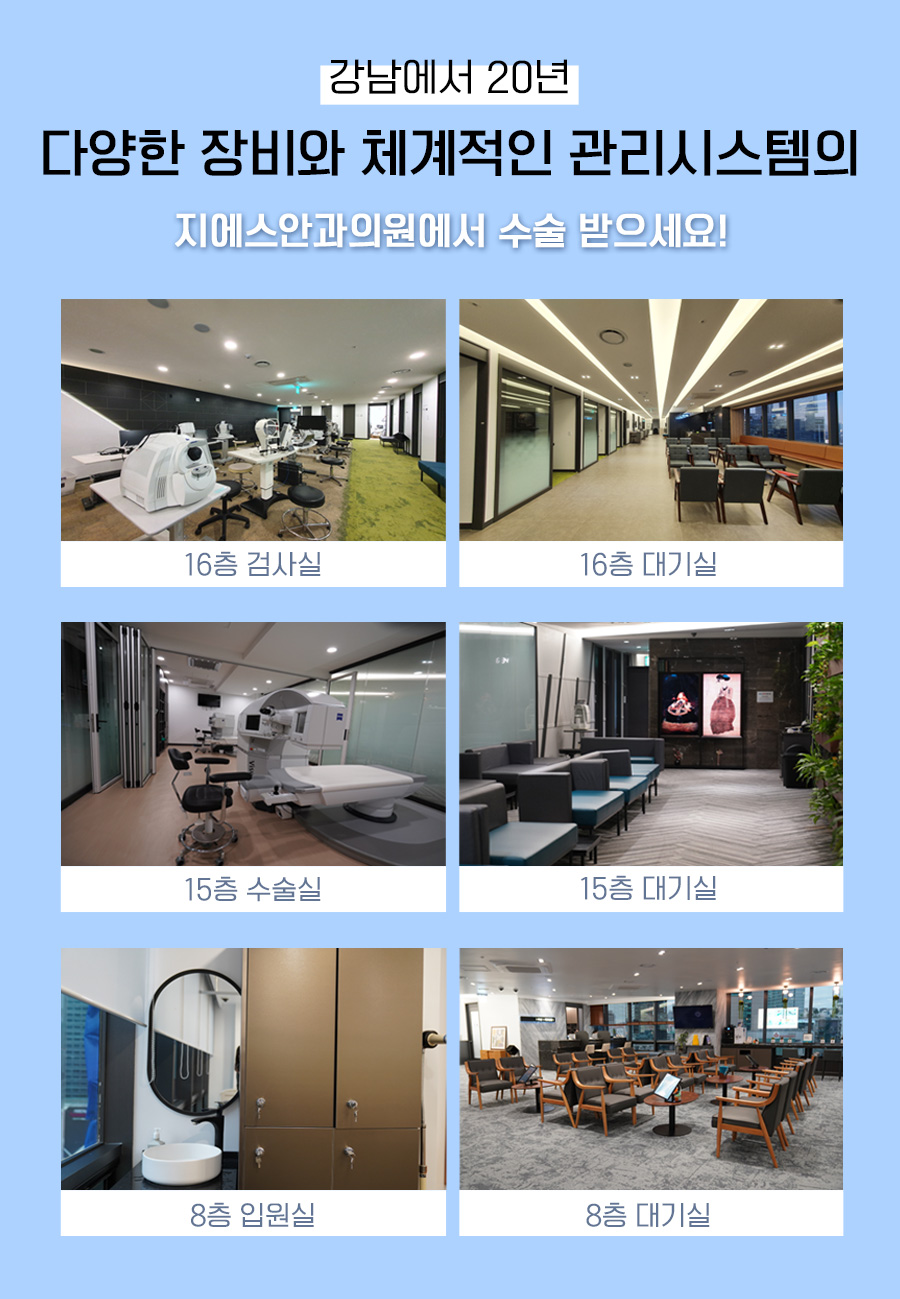
Gangnam is one of the most concentrated medical areas in Seoul, with many ophthalmology clinics offering vision correction. Competition is high, and clinics invest heavily in advanced laser systems, diagnostic equipment, and patient facilities.
For patients, this means a wide choice but also more confusion. Star ratings alone rarely tell the full story. When you read Gangnam SMILE LASIK reviews, it is helpful to look for comments about:
How detailed and long the preoperative examination was.
Whether the clinic explained alternatives such as LASEK or lens implantation when SMILE was not ideal.
How many SMILE LASIK cases the clinic performs and since when.
What laser platforms they use and whether they explain why a certain machine is chosen for you.
How the surgeons communicate about risks, side effects, and realistic expectations.
Example of a specialized Gangnam eye clinic
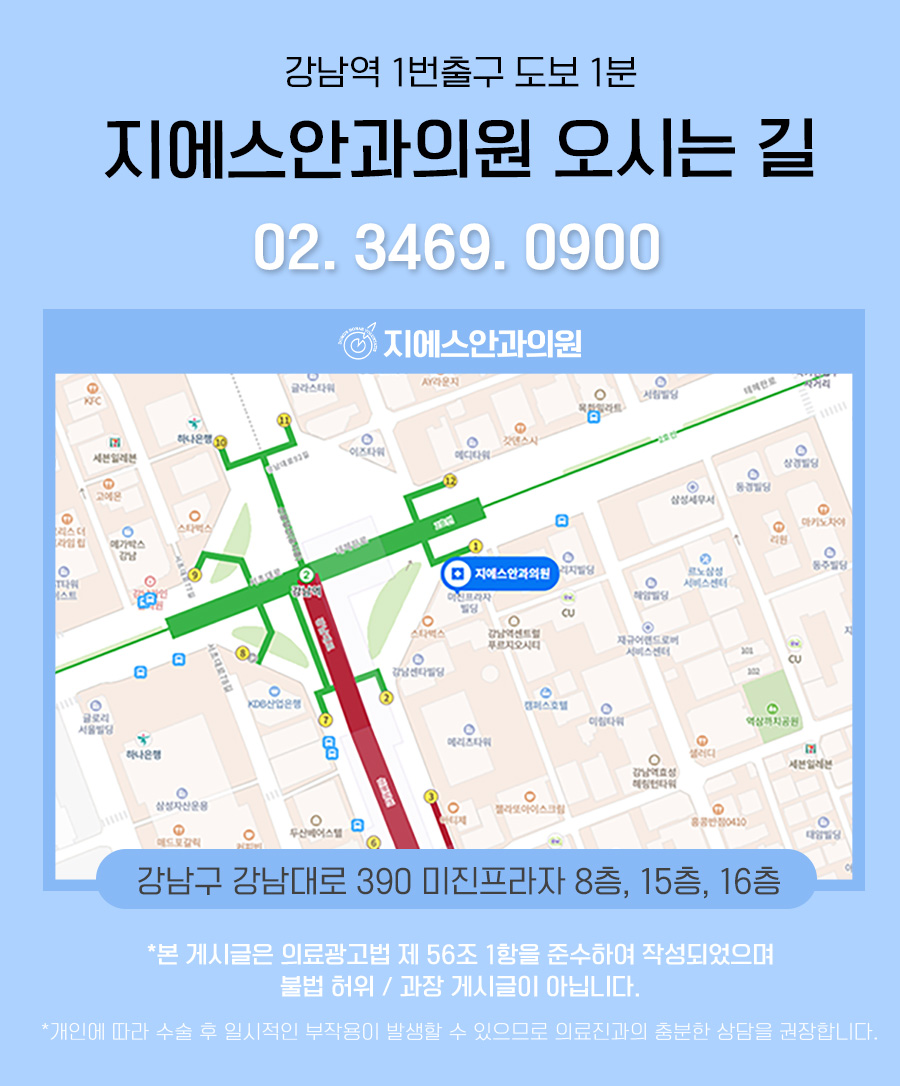
GS Eye Clinic can be used as one example of a specialized ophthalmology clinic in the Gangnam area focused on SMILE-type procedures.
The clinic opened in 2005 and has remained in the same location near Gangnam Station, growing as a dedicated eye clinic over time. As of now, it has a team of seven doctors, all trained as ophthalmologists, with backgrounds that include major university hospitals and retinal fellowships. The medical director holds a medical doctorate, has served as an ophthalmology professor, and runs an educational YouTube channel about eye health.
For international patients reading Gangnam SMILE LASIK reviews, these details matter because they suggest long-term experience, stable staffing, and an interest in education rather than only high-volume surgery.
Experience and performance: why numbers and designations matter
When you read about SMILE LASIK in Gangnam, you will often see clinics mention their case numbers. At first this may feel like marketing, but it can give you a rough idea of accumulated experience.
0,000 eyes in August 2025.
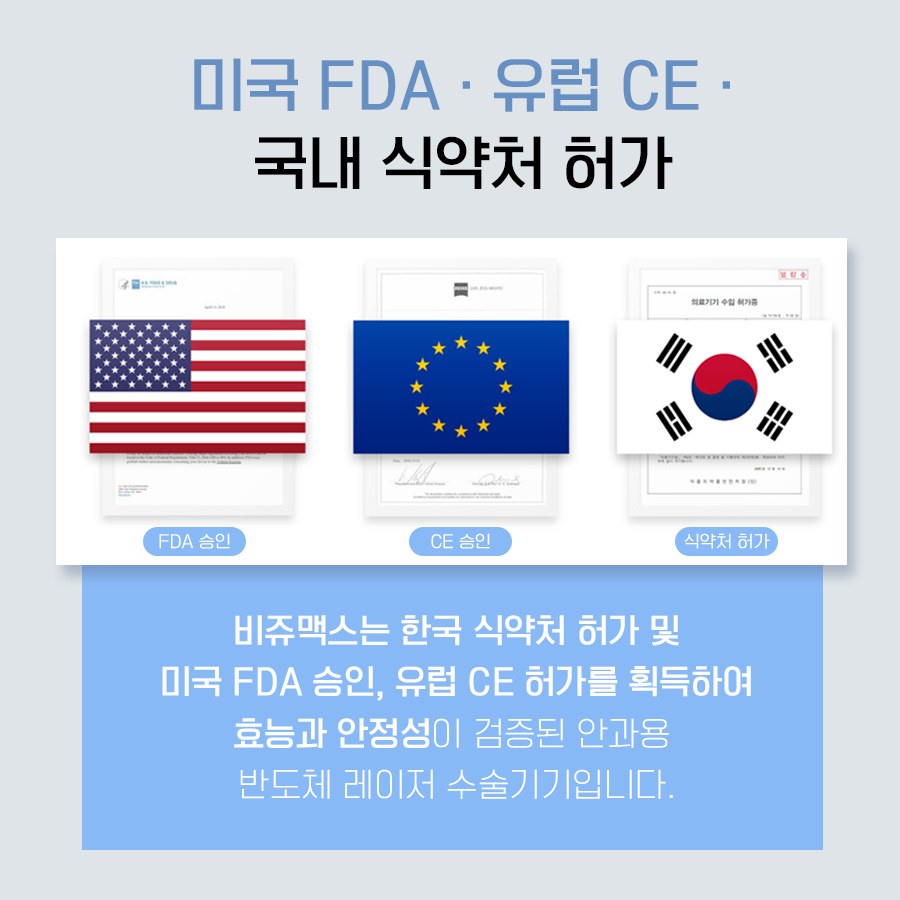
This clinic was the first in Korea to join the ZEISS SMILE GOLD CLUB in 2021, was designated a ZEISS SMILE pro CENTER in 2023, and became a SILK TRAINING Center in 2026.
For patients, these designations usually mean:
The clinic has performed a large number of SMILE procedures using ZEISS platforms.
The laser manufacturer recognizes the clinic as a site that follows standardized protocols and can contribute to training or data.
Surgeons are likely to have encountered not only typical cases but also rare or complex situations, which can be reassuring when you worry about safety.
Equipment and why it appears in SMILE LASIK reviews
Many Gangnam SMILE LASIK reviews mention specific machine names. This is because different laser platforms can influence treatment time and comfort.
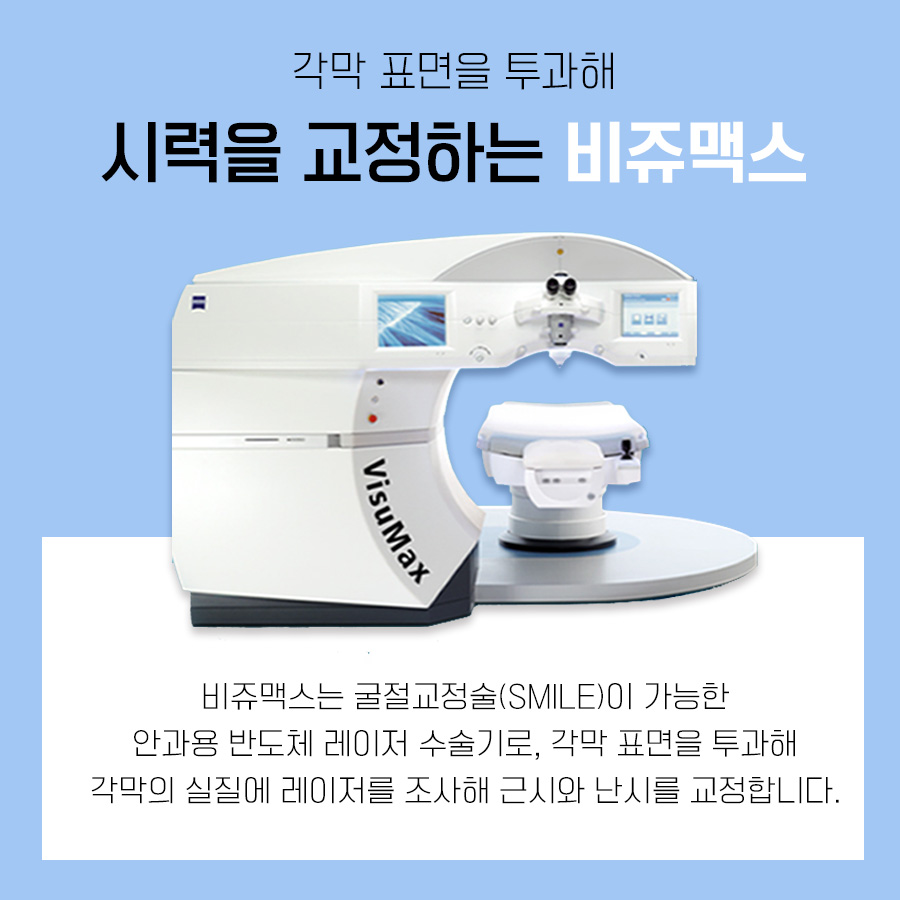
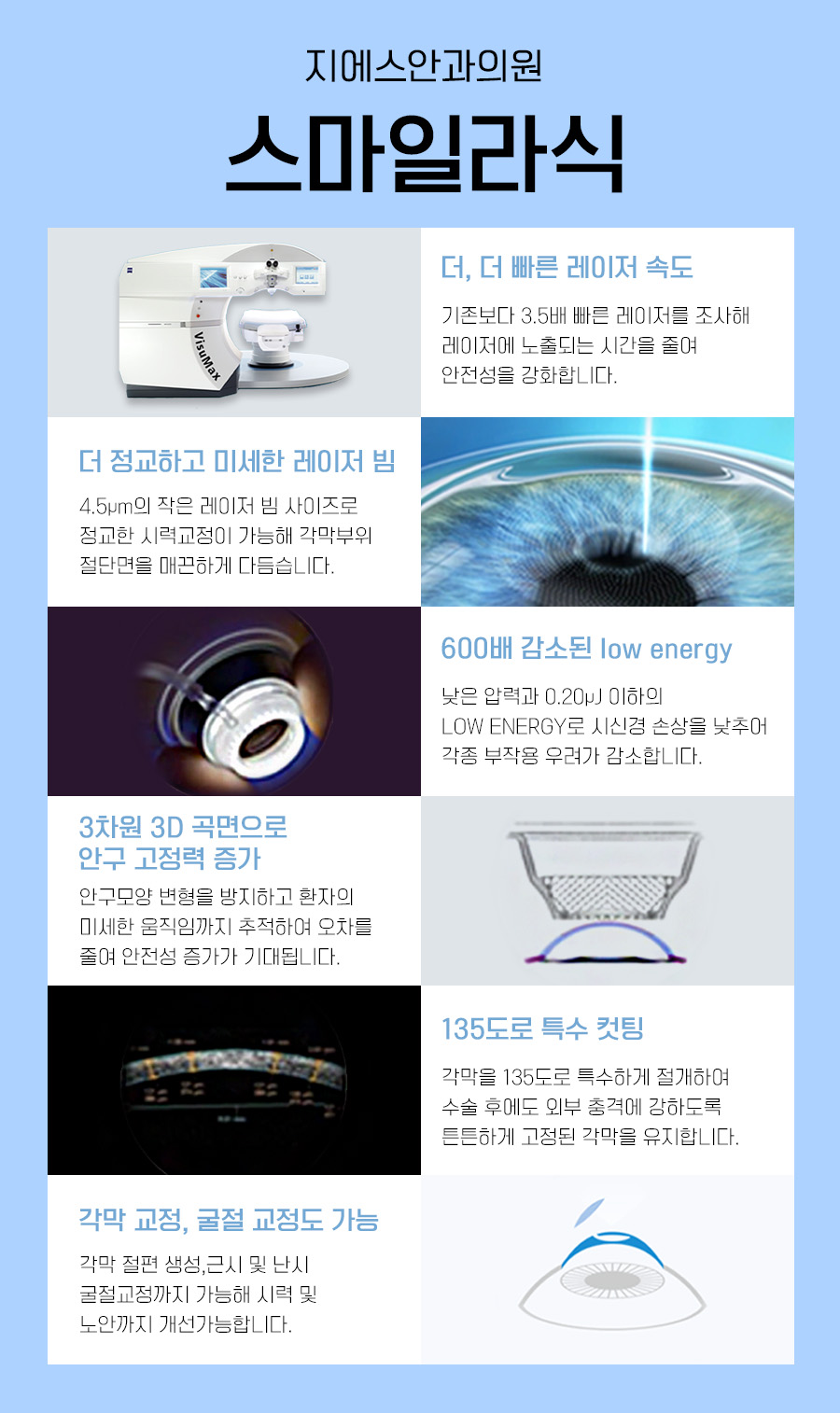
The example clinic holds three major SMILE-related laser platforms: VISUMAX 800 and VISUMAX 500 (both ZEISS), plus ELITA (Johnson & Johnson).
VISUMAX 800: a newer platform dedicated to SMILE pro, introduced at the clinic in 2023. It can complete the laser portion in under about 9 seconds, which many patients find more comfortable because they need to fixate for a shorter time.
Two VISUMAX 500 units: used for SMILE LASIK, first introduced in 2016, with a dual setup from 2019. Having two units allows flexibility in scheduling and can reduce waiting time on surgery day.
Newer platforms like VISUMAX 800 are designed to shorten laser time and refine the cutting process. In everyday terms, this can mean less pressure feeling on the eye, a shorter moment of anxiety, and potentially more consistent lenticule creation.
This clinic also obtained ISO 9001 and ISO 14001 certification for SMILE LASIK in 2020. ISO 9001 relates to quality management systems, and ISO 14001 relates to environmental management systems. For patients, this suggests that the clinic has documented processes for quality control and environmental responsibility, rather than relying only on individual habits.
Who may consider SMILE LASIK
SMILE LASIK in Gangnam is commonly chosen by people in their 20s to 40s who:
Have stable myopia and possibly astigmatism.
Want a fast recovery and minimal downtime for work or study.
Prefer a minimally invasive option with a small incision.
Are concerned about dry eye or corneal strength.
However, not everyone is a candidate. People with very thin corneas, irregular corneal shape, signs of keratoconus, severe dry eye, or certain retinal conditions may not be suitable for SMILE.
In those cases, a good ophthalmology clinic will suggest alternatives such as LASEK, lens implantation procedures like ICL, GLAZE, or PhakiFlex KPL, or sometimes recommend no surgery at all. A trustworthy clinic will not push SMILE LASIK for every eye.
Preoperative examination and candidacy
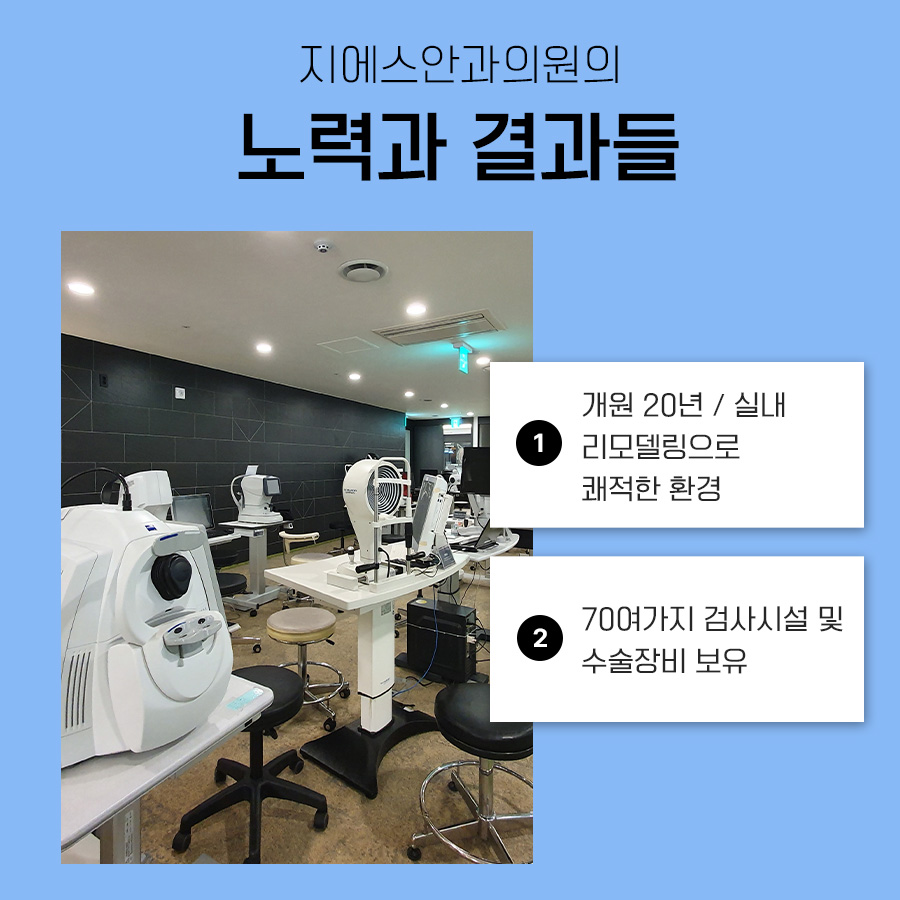
At a higher-standard Gangnam eye clinic, the preoperative examination is usually detailed and takes one to two hours.
Typical tests include:
Measurement of your glasses or contact lens prescription.
Corneal thickness and curvature.
Corneal topography and tomography to detect subtle irregularities or early keratoconus.
Tear film and dry eye evaluation.
Pupil size, especially in low light.
Retinal examination to check for weak spots, tears, or other issues.
These tests help determine whether SMILE LASIK is safe for your eyes and what range of vision you can realistically expect afterward.
If you are not a good candidate, reviews often mention that the clinic clearly explains why, shows the test results on screen, and introduces other options. This kind of transparent communication is a positive sign.
How SMILE LASIK is performed step by step
While details vary by clinic, a typical SMILE LASIK procedure in Gangnam follows this general flow:
On surgery day, you sign consent forms and review instructions.
Numbing eye drops are applied so you do not feel sharp pain.
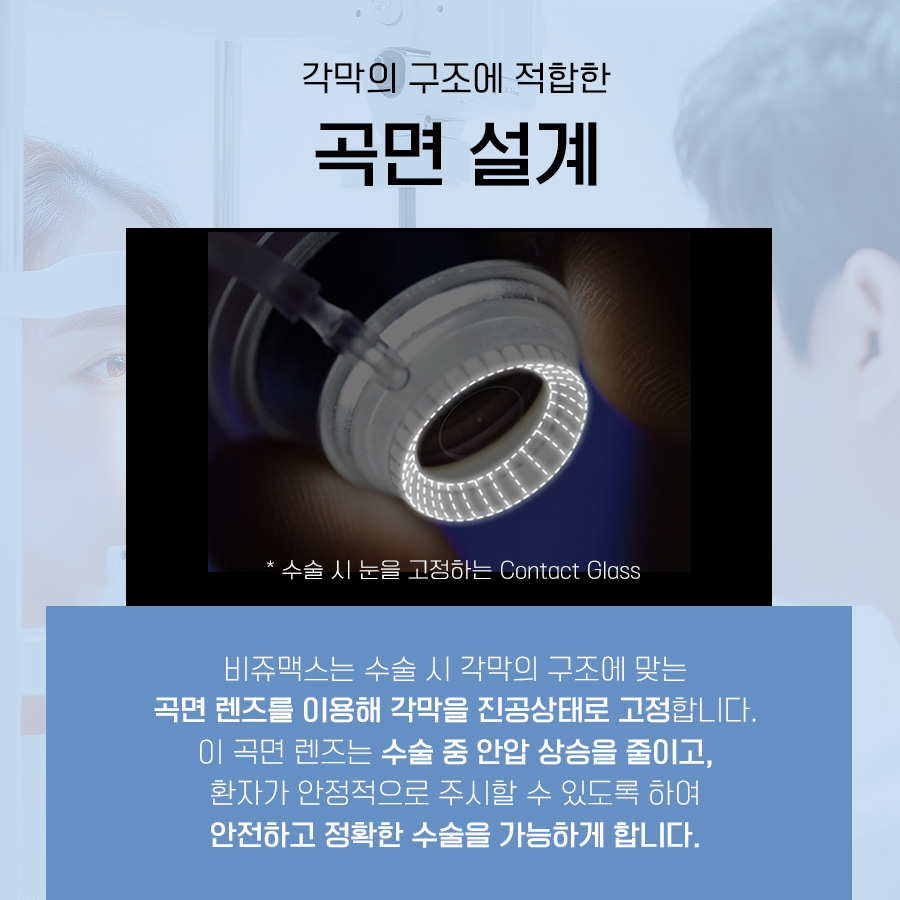
You lie on the laser bed, and a small device gently holds your eyelids open.
The femtosecond laser creates the lenticule and the small incision. With VISUMAX 800, the laser time is often under 9 seconds per eye.
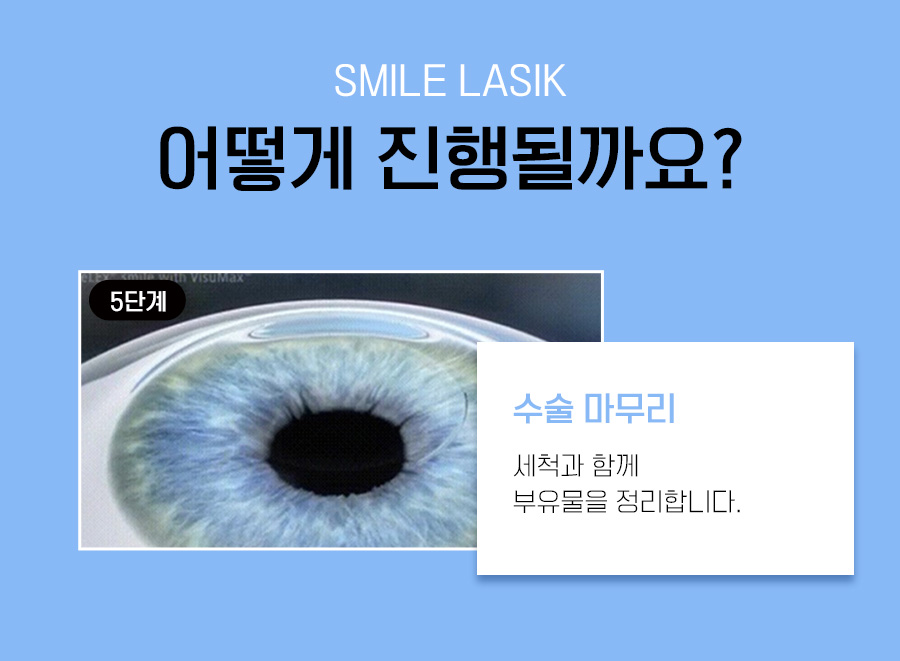
The surgeon removes the lenticule through the tiny incision, reshaping the cornea.
The process is repeated for the other eye.
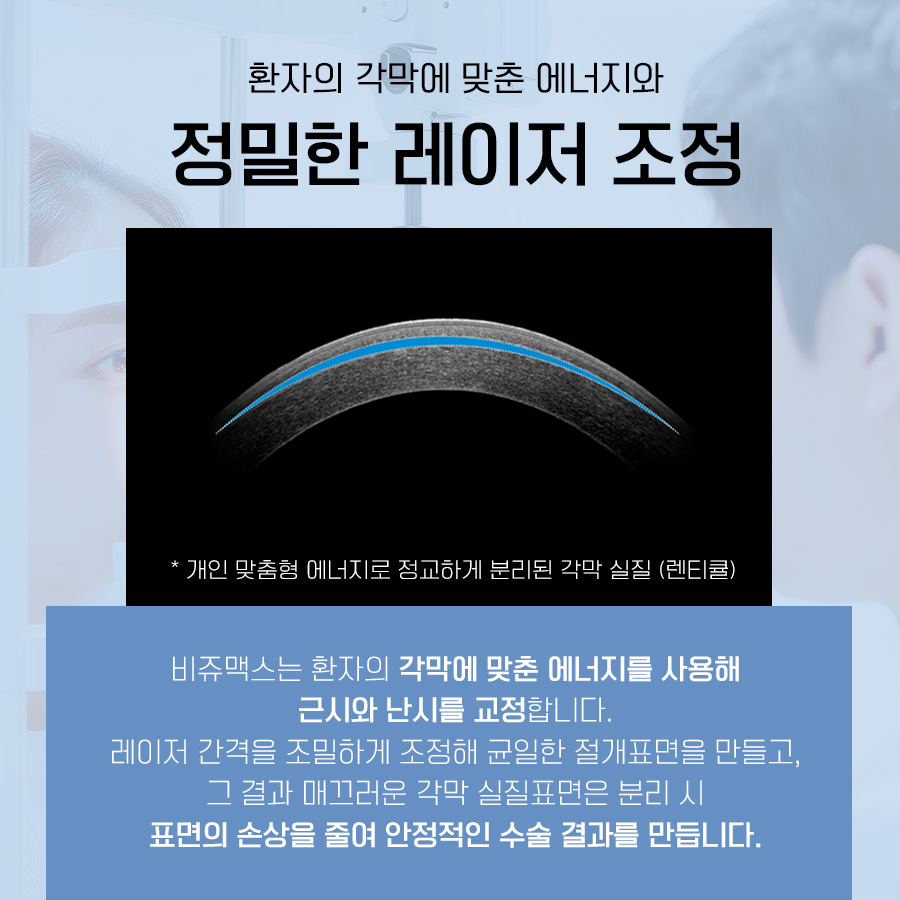
Some patients report pressure or mild discomfort rather than sharp pain. For reference, the VISUMAX 800's laser irradiation time is within 9 seconds per eye; the day-of-surgery visit also includes preparation and recovery and is a short surgical session.
Why Gangnam SMILE LASIK reviews mention comfort and speed
In many reviews, patients comment that the procedure felt faster than expected, and that the most stressful part was simply staying calm during the short laser period.
Because SMILE LASIK does not involve creating a large flap, there is usually no sound of a flap being cut and no need to worry about flap displacement afterward. Some patients say this reduces their anxiety.
Right after surgery, vision is often hazy or foggy, and eyes may feel scratchy or watery. Most people can open their eyes enough to walk with assistance. Clinics in Gangnam usually provide a rest area where you can sit with your eyes closed for a while before going back to your accommodation.
Realistic recovery: what patients commonly report
In the first 24 hours, many patients notice rapid improvement. By the next morning, a large number of people can see well enough to move around, use their phone, and navigate the city, although fine details may still be slightly blurred.
During the first week, vision usually continues to sharpen. Some patients describe temporary halos or glare around lights at night, especially when driving or looking at streetlights. These symptoms often improve over weeks to months but can be noticeable in the early period.
Dry eye symptoms are also common. Even though SMILE can be gentler on the corneal nerves than flap-based procedures, your eyes still need time to adjust. Artificial tears are usually recommended, sometimes for several weeks or months.
By one month, many patients feel that their vision is stable for daily life, though subtle changes may continue for a few more months.
Managing dryness, halos, and night vision issues
When reading SMILE LASIK side effects and recovery stories, you will often see mention of:
Dryness: usually managed with preservative-free artificial tears and sometimes additional treatments if needed. Some Gangnam clinics run dedicated dry eye clinics, which can be helpful if you are prone to dryness.
Halos and glare: often more noticeable in low light. Surgeons may check your pupil size in the dark during preoperative exams to estimate your risk. These symptoms frequently improve over time.
Fluctuating vision: especially in the first few weeks, your vision may feel clear in the morning and slightly blurry in the evening. This usually stabilizes as the cornea heals.
If symptoms are severe or persist longer than expected, follow-up examinations are important. This is why many reviews emphasize the quality of postoperative care.
Safety, training, and education aspects
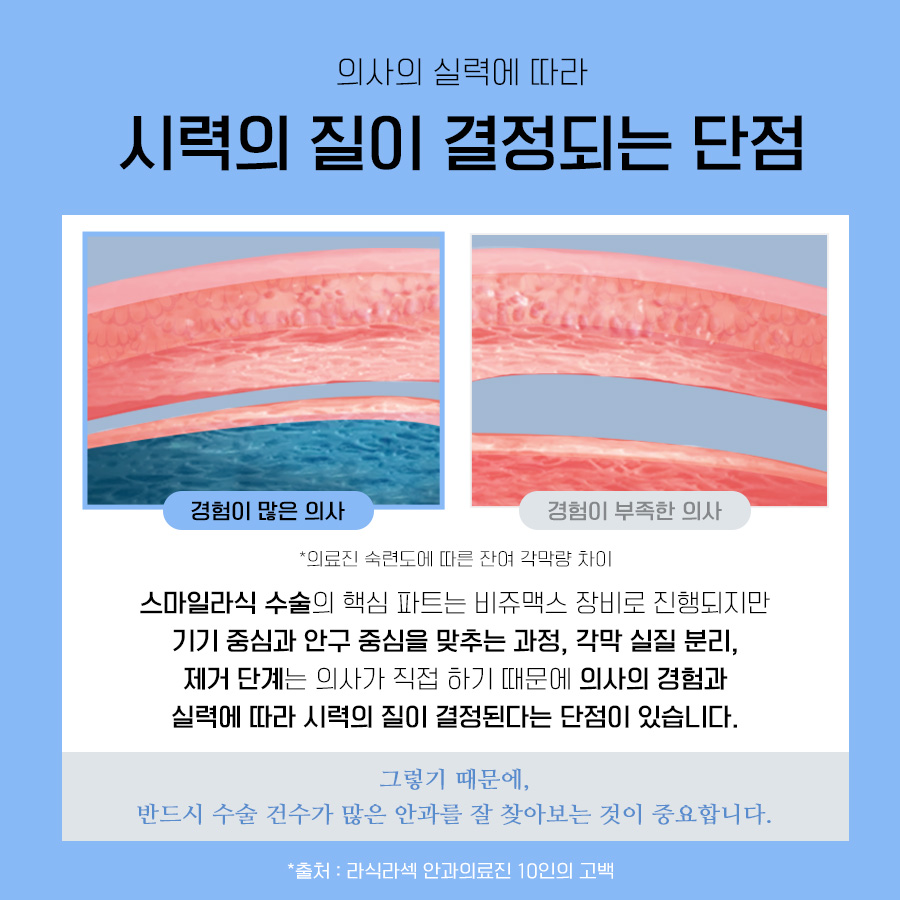
Another point that appears in Gangnam SMILE LASIK reviews is whether the clinic feels like a teaching and research center or just a high-volume surgery line.
The example clinic is designated as a clinical education institution for a major medical school since 2023 and as an Asia-Pacific clinical education center for BIOTECH since 2024. In simple terms, this means that trainees and visiting doctors can observe and learn there.
For patients, being a training center often implies:
Standardized protocols and checklists.
Regular updates to techniques and equipment.
Active participation in discussions about safety and outcomes.
At the same time, some patients worry about trainees being involved. It is reasonable to ask who will perform your surgery and how much of the procedure the main surgeon handles. A transparent answer is a good sign.
Postoperative care and follow-up schedule
A typical follow-up schedule after SMILE LASIK in Gangnam might look like this:
- Day 1: check corneal status, confirm there is no infection or serious inflammation, measure early vision.
- Within 1 week: review healing, adjust eye drop schedule, check for dryness.
- month: evaluate visual stability, night vision, and comfort.
- to 6 months: additional checks if needed, especially for patients with higher prescriptions or special concerns.
You will usually receive several types of eye drops, such as antibiotics, anti-inflammatory drops, and lubricating drops. Using them exactly as prescribed is important for smooth recovery.
Most clinics advise avoiding eye rubbing, heavy exercise, swimming pools, and eye makeup for a certain period. They also ask you to contact them immediately if you experience sudden pain, a sharp drop in vision, or severe redness.
Online consultation and pre-visit preparation for overseas patients
If you are traveling from overseas for SMILE LASIK in Gangnam, it is wise to start with an online consultation.
You can prepare by:
Listing your current glasses or contact lens prescription.
Noting how long your prescription has been stable.
Mentioning any history of eye disease, trauma, or previous eye surgery.
Sharing information about systemic conditions such as diabetes or autoimmune disease.
Some clinics may ask you to send recent eye examination results from your home country, if available. While final candidacy can only be confirmed after detailed tests in Korea, this pre-screening can reduce the risk of traveling only to find out you are not suitable for surgery.
Expected Korea visit timeline
For many international patients, a one-week stay in Seoul is a practical plan.
Day 1 or 2: full preoperative examination and consultation. If you are a good candidate and wish to proceed, surgery may be scheduled for the next day or within a few days.
Day 2 or 3: SMILE LASIK surgery.
Day 3 or 4: first postoperative check.
Day 5 to 7: additional check-up before you fly home, depending on your schedule and the clinic’s protocol.
If you can stay longer, some clinics may recommend a one-month check, but this is not always possible for overseas patients. In that case, you can arrange follow-up with an eye doctor in your home country and keep the Korean clinic informed.
What to look for in Gangnam SMILE LASIK reviews
When you read online reviews, it can help to focus on specific points rather than overall scores.
Positive signs include:
Descriptions of thorough examinations and clear explanations.
Mentions of different laser platforms and why a particular one was chosen.
Comments about staff being patient with questions and not rushing decisions.
Reports of organized follow-up and easy communication if concerns arise.
Potential red flags include:
Reviews that only talk about price and speed, with little mention of examination.
Patients feeling pressured to choose surgery on the same day as their first visit.
Lack of explanation about risks, side effects, or alternative procedures.
Checklist before you book SMILE LASIK in Gangnam
Before you decide, it can be useful to prepare a short checklist and bring it to your consultation.
Questions you might ask include:
Am I clearly a good candidate for SMILE LASIK, and why? Are there any borderline findings?
What are my alternatives if SMILE is not ideal for my eyes?
Which laser platform will you use for my case, and what are the reasons?
How many SMILE procedures has this clinic performed as of this year?
What is the typical follow-up schedule for overseas patients, and how can I contact you after I return home?
Taking notes during consultation helps you compare different Gangnam eye clinics for SMILE LASIK based on more than just advertisements.
Frequently asked questions about Gangnam SMILE LASIK reviews
Is SMILE LASIK in Gangnam safe for international patients?
Safety depends on your individual eye condition and the clinic you choose. Many Gangnam clinics have extensive experience with SMILE LASIK and treat a mix of local and overseas patients. Look for clinics that perform detailed preoperative examinations, explain risks and alternatives, and have clear follow-up plans. Always remember that individual results vary, and no surgery is completely free of risk.
How long should I stay in Korea after SMILE LASIK?
A stay of about one week is common for international patients. This usually allows time for the full preoperative examination, surgery, and at least one or two postoperative checks. If you have a very high prescription or special eye conditions, your doctor may recommend a slightly longer stay. After returning home, you should continue follow-up with a local ophthalmologist.
What side effects do patients mention most in Gangnam SMILE LASIK reviews?
Commonly mentioned side effects include temporary dryness, halos or glare around lights at night, and fluctuating vision in the early weeks. Most patients report that these symptoms improve over time with proper care and artificial tears. Serious complications are less common but can occur, which is why careful screening and follow-up are important.
How do I choose between SMILE LASIK, LASIK, and LASEK in Gangnam?
The best procedure for you depends on your corneal thickness, shape, prescription, lifestyle, and eye surface condition. SMILE LASIK is often chosen for its small incision and fast recovery. LASIK can be suitable for many patients but involves a flap, and LASEK may be considered when corneas are thinner or certain structural concerns exist. A thorough examination and discussion with an ophthalmologist is essential before deciding.
Soft call to action
If you are comparing Gangnam SMILE LASIK reviews and thinking about a trip to Seoul, consider arranging an online consultation with a specialized ophthalmology clinic before you book flights. Sharing your prescription and medical history in advance can help you understand whether SMILE LASIK is likely to be suitable and what kind of schedule to plan for your stay in Korea.
This article is for general information only and is not a substitute for a personal consultation with a qualified eye doctor. Always discuss your individual situation, risks, and expectations directly with medical professionals before deciding on any vision correction surgery.

- 공유 링크 만들기
- X
- 이메일
- 기타 앱


댓글
댓글 쓰기