Gangnam Station eye clinic cost guide for laser vision correction and cataract surgery
Direct answer: what “Gangnam Station eye clinic cost” really means
Procedures such as SMILE Pro, SMILE LASIK, SILK (Silk LASIK), LASEK, lens implantation, and cataract or presbyopia surgery each have distinct price ranges, and fees can vary between clinics depending on things like pre/post-op care, surgeon experience, and equipment.
Instead of one flat fee, clinics near Gangnam Station usually calculate the cost based on your degree of myopia and astigmatism, corneal thickness, lens choice, and whether any additional treatment is needed. This guide explains how those costs are structured, what influences the price, and how a long-established ophthalmology clinic near Gangnam Station approaches safety, examinations, and transparent explanations for overseas patients.
Overview of treatments available near Gangnam Station
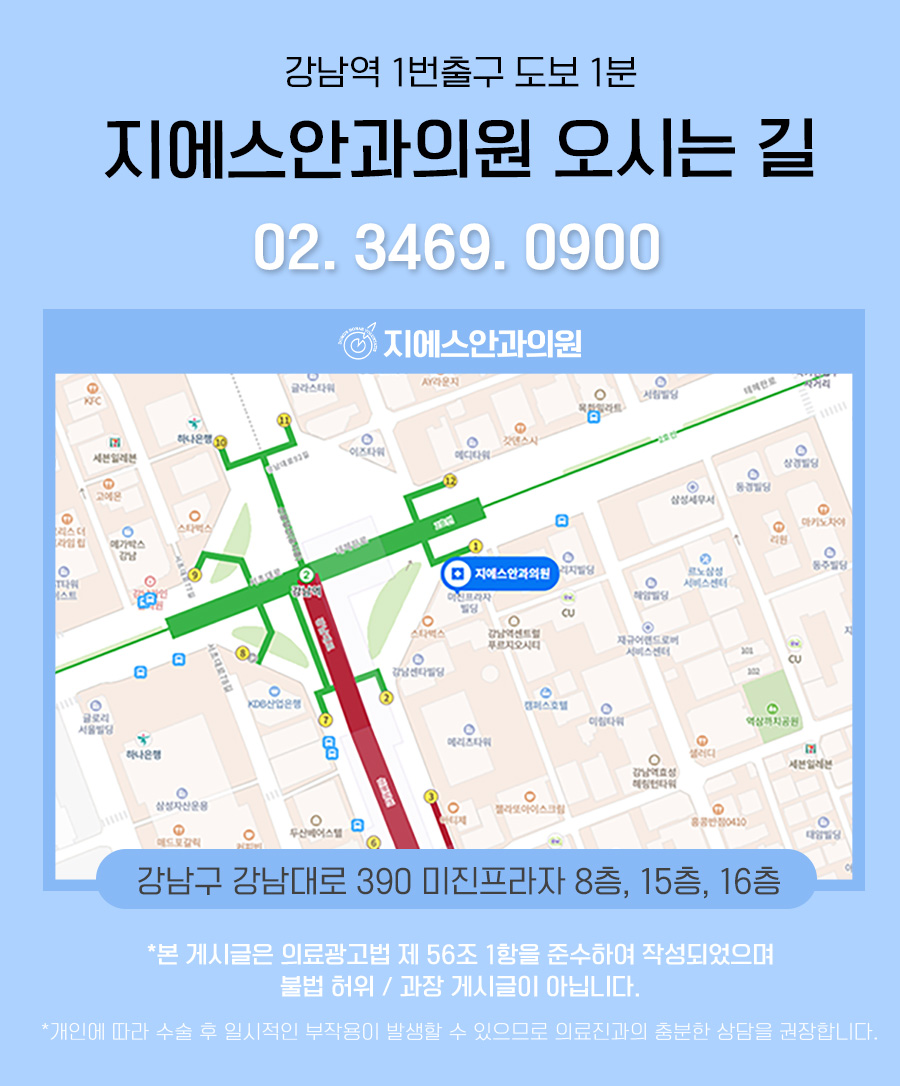
Around Gangnam Station on Gangnam-daero in Gangnam-gu you will find many ophthalmology clinics offering modern vision correction and cataract services. Some clinics in the area have been established for many years and employ multiple ophthalmologists, including subspecialists in areas such as retina or cataract/refractive surgery. A number of practices also participate in education or training activities with medical schools or industry partners. If a clinic’s history, staff qualifications, or teaching role matter to you, ask the clinic for verifiable details such as staff profiles, affiliations, or accreditation.
For international patients, the main treatment categories to consider are:
SMILE-type laser vision correction
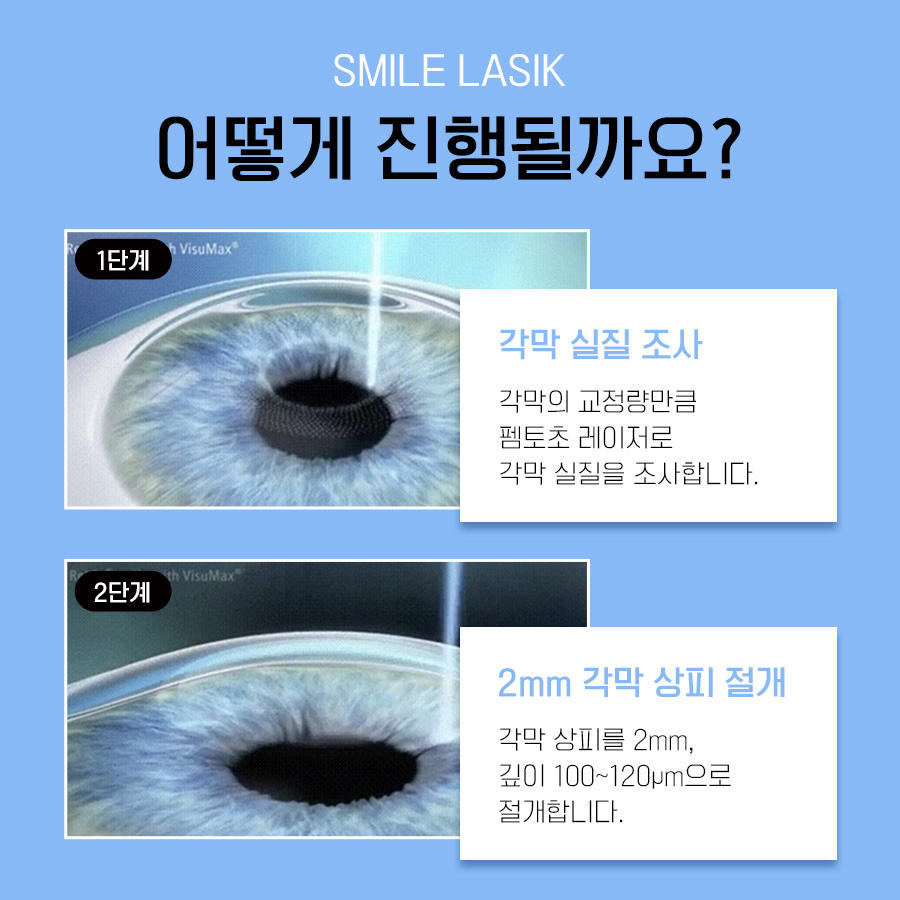
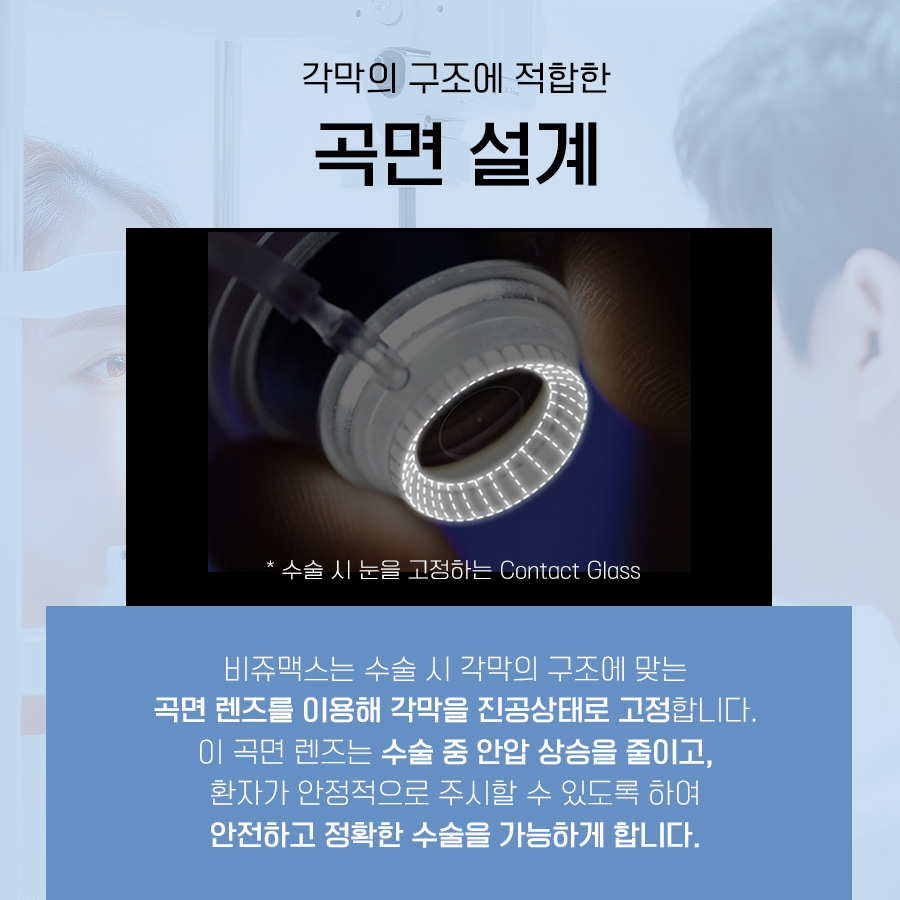
SMILE Pro, SMILE LASIK, and SILK (Silk LASIK) are flapless or minimally invasive laser procedures designed to correct myopia and astigmatism.
Some clinics publicize large cumulative case volumes for vision correction and cataract surgery as evidence of experience. Clinics may also highlight milestones or vendor recognitions to communicate expertise. Because exact numbers and program designations materially affect patient expectations, ask any clinic that cites specific case counts or manufacturer recognitions to provide documentation (for example, official certificates, press releases, or links to vendor pages) so you can verify those claims.
Other laser vision correction options
Not every eye is suitable for SMILE-type procedures. Some patients may be better candidates for LASEK or other surface procedures, or for a staged approach such as 2DAY LASEK. Corneal cross-linking (EXTRA or KXL) may be recommended in selected cases to support corneal stability, especially in younger patients or those with thinner corneas.
Lens implantation for high myopia and thin corneas
If your cornea is too thin or your myopia too high for safe laser vision correction, lens implantation can be an alternative. Many clinics offer a range of intraocular lens options, and some may promote proprietary lens types. Claims that a clinic was the “first” to perform a specific implant or that it has treated particular case counts should be verified—request supporting documentation or manufacturer confirmation if these assertions affect your decision.
These procedures place a customized lens inside the eye without removing your natural lens, and they are often considered for younger patients with very high prescriptions or borderline corneal thickness.
Cataract and presbyopia surgery
For patients with cataract or age-related near vision problems, the clinic provides laser cataract surgery and presbyopia-correcting lens implantation. Multifocal intraocular lenses such as PanOptix are available for those who want to reduce dependence on glasses at multiple distances.
A separate retina center, operated by fellowship-trained retina ophthalmologists, supports safe management of patients with retinal issues such as diabetic retinopathy or macular problems, which can influence both surgical planning and cost.
How costs are structured at Gangnam Station eye clinics
Why there is no single flat price
When you see advertisements with a single low number, it is usually a starting price for a specific procedure under limited conditions. In reality, the total cost for vision correction or cataract surgery is influenced by several factors:
Type of procedure
SMILE Pro, SMILE LASIK, SILK, LASEK, lens implantation, and cataract surgery all have different base costs. SMILE Pro and SILK use the latest laser platforms and are typically priced differently from older-generation procedures. Lens implantation and cataract surgery involve the cost of the lens itself, which can vary considerably.
Eye condition
Your degree of myopia and astigmatism, corneal thickness, pupil size, and the presence of dry eye, early cataract, or retinal issues all affect both suitability and cost. For example, someone with mild myopia and a thick cornea may be a straightforward SMILE LASIK candidate, while someone with high myopia, thin corneas, and early cataract may require a more complex plan or lens-based surgery.
Lens choice for cataract and presbyopia
In cataract and presbyopia surgery, the cost is strongly influenced by the type of intraocular lens. Standard monofocal lenses generally cost less than premium multifocal or extended depth of focus lenses such as PanOptix. Within the premium category, there are different designs and price points, and the choice needs to match your lifestyle, night driving needs, and tolerance for halos or glare.
Additional procedures and treatments
Some patients benefit from corneal cross-linking, dry eye treatment, or staged procedures. Others may need closer retinal evaluation or treatment before or after surgery. Each of these steps can add to the overall cost but may be important for long-term stability and safety.
How technology and equipment affect price
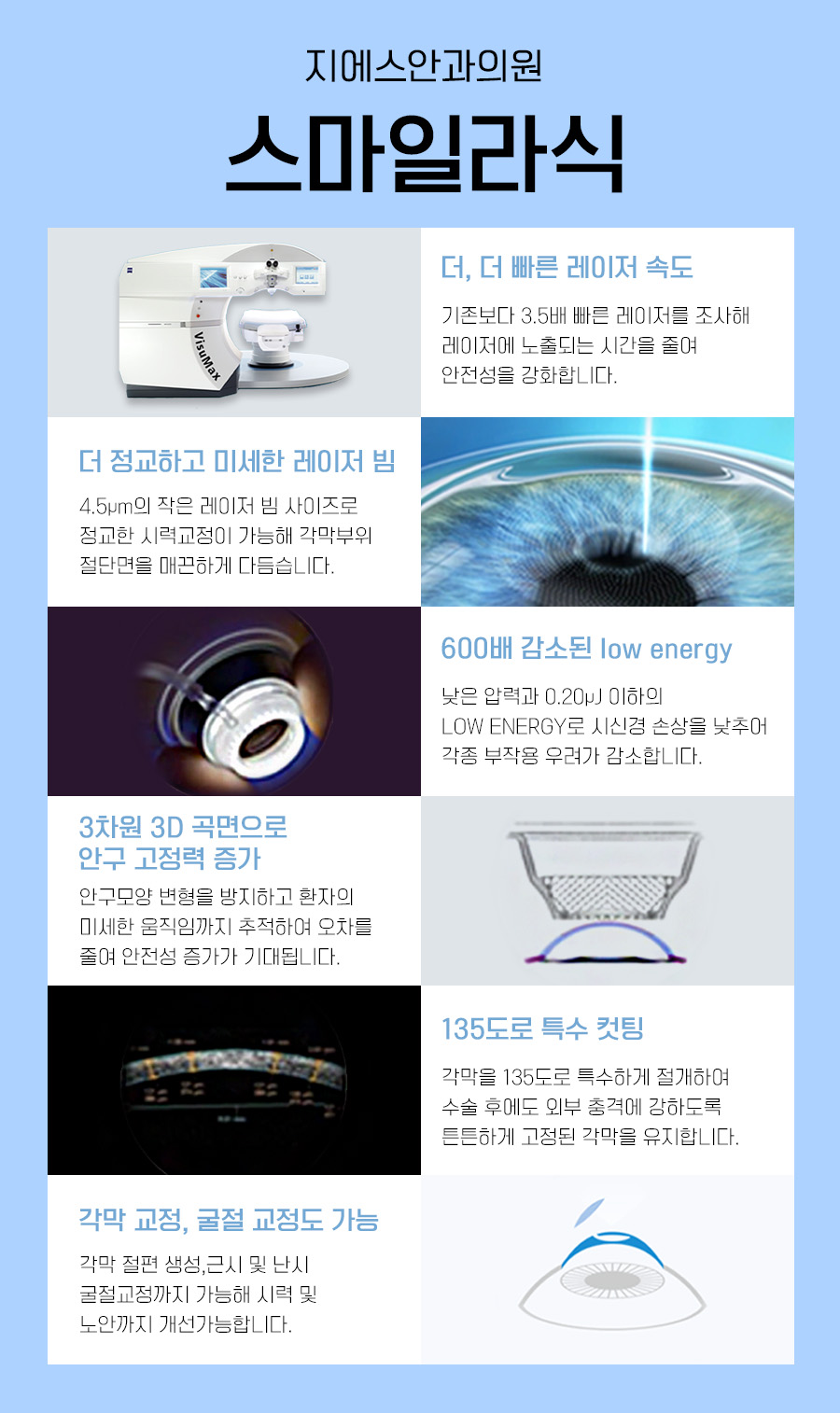
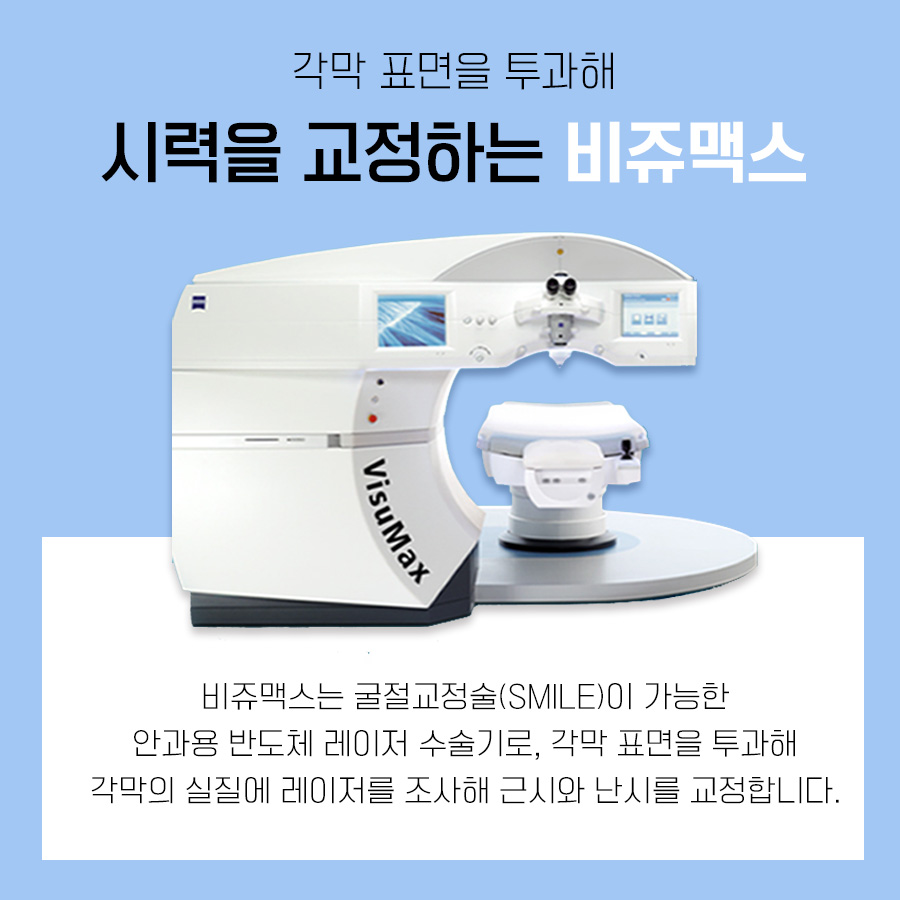
Clinics near Gangnam Station use different generations of laser and imaging equipment. If the exact device model or its performance (for example, a specific VISUMAX or other vendor platform) is important to you, ask the clinic which machines they use, how they schedule laser time, and whether they can provide manufacturer certification or an equipment list. That lets you confirm device availability and capabilities rather than relying on unverified statements.
scheduling and backup capacity.
More advanced and recently introduced equipment often requires higher investment, which can influence pricing. However, it also relates to precision, speed, comfort, and the ability to tailor treatment to different corneal shapes and prescriptions. When comparing costs, it is important to ask which exact laser platform will be used for your surgery.
What to compare besides the quoted fee
When you compare Gangnam Station eye clinic costs, it is useful to look beyond the headline number and consider:
Range and generation of equipment
Ask which laser platforms are available and which one is recommended for you. For SMILE-type procedures, inquire whether the clinic uses VISUMAX 800 for SMILE Pro or older platforms only. For cataract surgery, ask about the availability of laser-assisted systems and modern biometry devices.
Doctor qualifications and subspecialty coverage
Check whether the doctors are board-certified ophthalmologists and whether there are subspecialists in cataract/refractive surgery and retina. A retina specialist is important if you have high myopia, diabetes, or any history of retinal problems, because these conditions can change both the surgical plan and the follow-up schedule.
Experience volume
For SMILE Pro, SMILE LASIK, SILK, and lens implantation, ask how many eyes the team has treated and over what time period.
Examination depth and follow-up
Ask whether the initial fee includes a full preoperative eye examination, detailed imaging, and consultation time with a doctor. Also clarify how many postoperative visits are included and what the policy is for enhancements or additional treatments if needed later.
Who may consider SMILE, SILK, lens implantation, or cataract surgery
Laser vision correction candidates
You may be a candidate for SMILE Pro, SMILE LASIK, SILK, or LASEK if you:
- Are generally healthy and over 18 years old
- Have stable vision for at least one to two years
- Have myopia and astigmatism within a treatable range
- Have adequate corneal thickness and no active corneal disease
The exact procedure recommended will depend on your corneal shape and thickness, lifestyle, night driving needs, and whether you have dry eye or other issues.
Lens implantation candidates
Lens implantation options such as ICL, GLAZE, or PhakiFlex KPL may be considered if you:
- Have very high myopia or astigmatism
- Have thin corneas that make laser surgery less suitable
- Prefer a reversible or lens-based approach
These procedures require detailed measurements of the front and back of the eye and careful planning by a surgeon experienced in phakic lens implantation.
Cataract and presbyopia surgery candidates
You may consider cataract or presbyopia-correcting surgery if you:
- Have been diagnosed with cataract affecting daily activities
- Struggle with both distance and near vision due to age-related changes
- Want to reduce dependence on glasses and are open to premium lens options
In these cases, a comprehensive evaluation including retina and optic nerve assessment is important, especially for older patients or those with systemic conditions.
Preparing for an online consultation from overseas
Before you travel to Korea, it is sensible to arrange an online or remote consultation. This does not replace a full eye examination, but it helps you understand likely options, estimated treatment duration, and the approximate cost range.
Information to prepare
When you contact the clinic, prepare the following:
Recent glasses or contact lens prescription, including cylinder and axis
Any previous eye surgery or trauma history
Existing diagnoses such as glaucoma, retinal disease, diabetes, or autoimmune conditions
Your main goals, for example: freedom from glasses for distance only, or for both distance and near
If you have recent eye examination reports or imaging from your home country, you can ask whether it is useful to send them in advance. The clinic’s international team can then give more tailored guidance.
Questions to ask during online consultation
Which procedures are likely to suit my eyes and why?
Will you consider SMILE Pro, SMILE LASIK, SILK, LASEK, lens implantation, or cataract surgery in my case?
Which equipment would you use, for example VISUMAX 800 or another platform?
How many similar cases have you treated, especially for my prescription range or eye condition?
What is the expected visit schedule in Korea, including preoperative tests, surgery day, and follow-up?
How is the total cost structured, and what is included in the quote?
By having these questions ready, you can compare clinics based on more than just a single number.
Typical visit timeline for treatment in Korea
The exact schedule depends on your procedure and travel plans, but many overseas patients follow a similar pattern.
Day 1: Comprehensive eye examination and consultation
On your first visit to the ophthalmology clinic near Gangnam Station, you can expect several hours of tests. These usually include refraction, corneal topography and tomography, wavefront analysis, pupil size measurement, tear film assessment, and retina and optic nerve checks. After the tests, you meet an ophthalmologist to discuss which procedures are suitable and why.
This day is for information and planning, not for rushing into surgery. The doctor will explain the pros and cons of options such as SMILE Pro, SMILE LASIK, SILK, LASEK, lens implantation, or cataract surgery, and will outline the cost structure for each.
Day 2 or 3: Surgery day
Once you and the doctor agree on a plan, surgery is usually scheduled within a day or two, depending on your eye condition and the need for additional tests. On the day of surgery, you arrive at the clinic, go through final checks, and then have the procedure.
SMILE Pro and SMILE LASIK are typically quick, with laser time under 9 seconds for SMILE Pro using VISUMAX 800. Lens implantation and cataract surgery take longer in the operating room but are still usually day procedures. You rest briefly after surgery and then have an immediate postoperative check.
First week: Early follow-up
You will usually have one or more follow-up visits within the first few days to monitor healing, check vision, and adjust eye drops. Many international patients stay in Seoul for at least one week after surgery, especially after lens implantation or cataract surgery, to ensure that any early issues can be addressed promptly.
Beyond one week: Longer-term follow-up
If you live overseas, the clinic will provide detailed instructions for follow-up with an eye doctor in your home country. They may also offer remote check-ins to review your progress. It is important to keep all recommended follow-up appointments, especially if you have high myopia, a history of retinal problems, or premium multifocal lenses.
Aftercare and realistic expectations
Postoperative care
After SMILE, SILK, or LASIK-type procedures, you will use prescribed eye drops for several weeks and avoid rubbing your eyes. You may experience temporary dryness or light sensitivity, which usually improves over time.
After lens implantation or cataract surgery, you will also use anti-inflammatory and antibiotic drops and avoid heavy lifting or eye pressure for a period recommended by your surgeon. Vision often improves quickly but can continue to stabilize over several weeks.
Realistic expectations
While many patients enjoy reduced dependence on glasses, no procedure can guarantee perfect vision in all situations. Some people may still need thin glasses for certain tasks, especially night driving or prolonged reading. With multifocal lenses, there may be halos or glare around lights, which often become less noticeable over time but can persist in some individuals.
The safest and most appropriate procedure for your eyes may not be the cheapest option. When you compare Gangnam Station eye clinic costs, it is wise to prioritize long-term vision quality and safety over minimal upfront fees.
Frequently asked questions
How much does SMILE or SILK usually cost near Gangnam Station?
There is no single standard price for SMILE Pro, SMILE LASIK, or SILK around Gangnam Station. Costs vary depending on the clinic’s equipment, the surgeon’s experience, and your individual eye condition. Advanced platforms such as VISUMAX 800 for SMILE Pro and the availability of multiple ZEISS systems can influence pricing. To get an accurate quote, you will need a full eye examination and a personalized treatment plan.
Is lens implantation more expensive than laser vision correction?
Lens implantation procedures such as ICL, GLAZE, or PhakiFlex KPL generally involve higher material costs than laser procedures, because each lens is custom manufactured. However, the total cost difference depends on your prescription, the lens model, and whether additional treatments are needed. For some patients with very high myopia or thin corneas, lens implantation may be the safer long-term choice, even if the initial fee is higher.
How should I compare eye clinic costs as an overseas patient?
Instead of focusing only on the lowest advertised price, compare what is included: the range and generation of laser equipment, whether all doctors are board-certified ophthalmologists, the presence of subspecialists such as retina experts, the cumulative number of eyes treated, and the thoroughness of preoperative testing and follow-up. Ask for a clear breakdown of fees for examinations, surgery, postoperative visits, and any enhancement policy.
How many days should I stay in Seoul for surgery near Gangnam Station?
Most international patients plan to stay in Seoul for about one week. This allows time for a full examination, surgery, and early follow-up visits. For lens implantation or cataract surgery, or if you have higher risk factors such as high myopia or retinal issues, your doctor may recommend a slightly longer stay. During your online consultation, you can discuss your travel schedule and receive a suggested timeline based on your situation.
Soft call to action for online consultation
If you are considering vision correction, lens implantation, or cataract and presbyopia surgery in Korea and want to understand Gangnam Station eye clinic costs more clearly, the most practical next step is an online consultation. A long-established ophthalmology clinic on Gangnam-daero, within walking distance of Gangnam Station, can review your information, explain which procedures may suit your eyes, outline the equipment that would be used, and provide a personalized cost estimate and visit plan.
By treating your first contact as a chance to ask detailed questions rather than to chase the lowest number, you can make a safer and more informed decision about your eyesight for the long term.





댓글
댓글 쓰기