Gangnam Station eye clinic SMILE LASIK results and what overseas patients can expect
- 공유 링크 만들기
- X
- 이메일
- 기타 앱
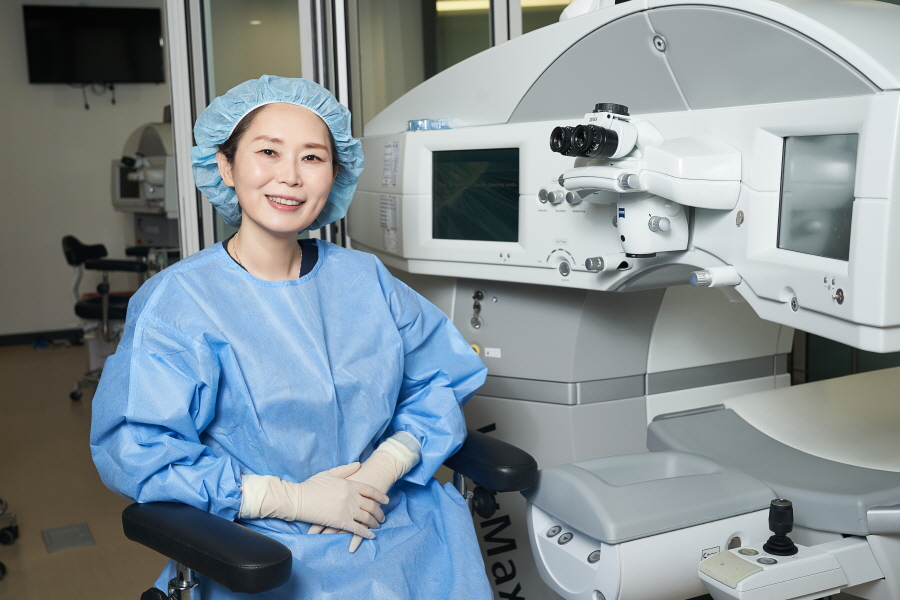
Direct answer: SMILE LASIK results near Gangnam Station
If you are considering SMILE LASIK near Gangnam Station in Seoul, most suitable patients can expect clear functional vision within about 1–2 days, a relatively quick return to work or study, and generally milder dry eye and discomfort compared with older flap‑based LASIK methods. At high‑volume centers in this area, such as GS Eye Clinic, accumulated experience, modern ZEISS laser platforms, and structured pre‑operative testing are used to aim for stable, predictable vision, although exact results always depend on each person’s eyes.
This guide explains what SMILE LASIK is, what kind of visual effect and recovery you can usually expect, how a clinic near Gangnam Station typically organizes care for international patients, and how to prepare before you travel.
What is SMILE LASIK and SMILE pro?
SMILE LASIK overview
SMILE (Small Incision Lenticule Extraction) is a laser vision correction method that reshapes the cornea using a femtosecond laser. Instead of creating a wide flap on the surface like classic LASIK, the laser creates a small lens‑shaped piece of tissue inside the cornea, then removes it through a tiny incision, usually just a few millimeters.
Because there is no large flap, SMILE is often described as a flapless, small‑incision procedure. The goal is the same as other vision correction methods: to reduce or remove your dependence on glasses or contact lenses by adjusting how light focuses on the retina.
SMILE‑type procedures and SMILE pro
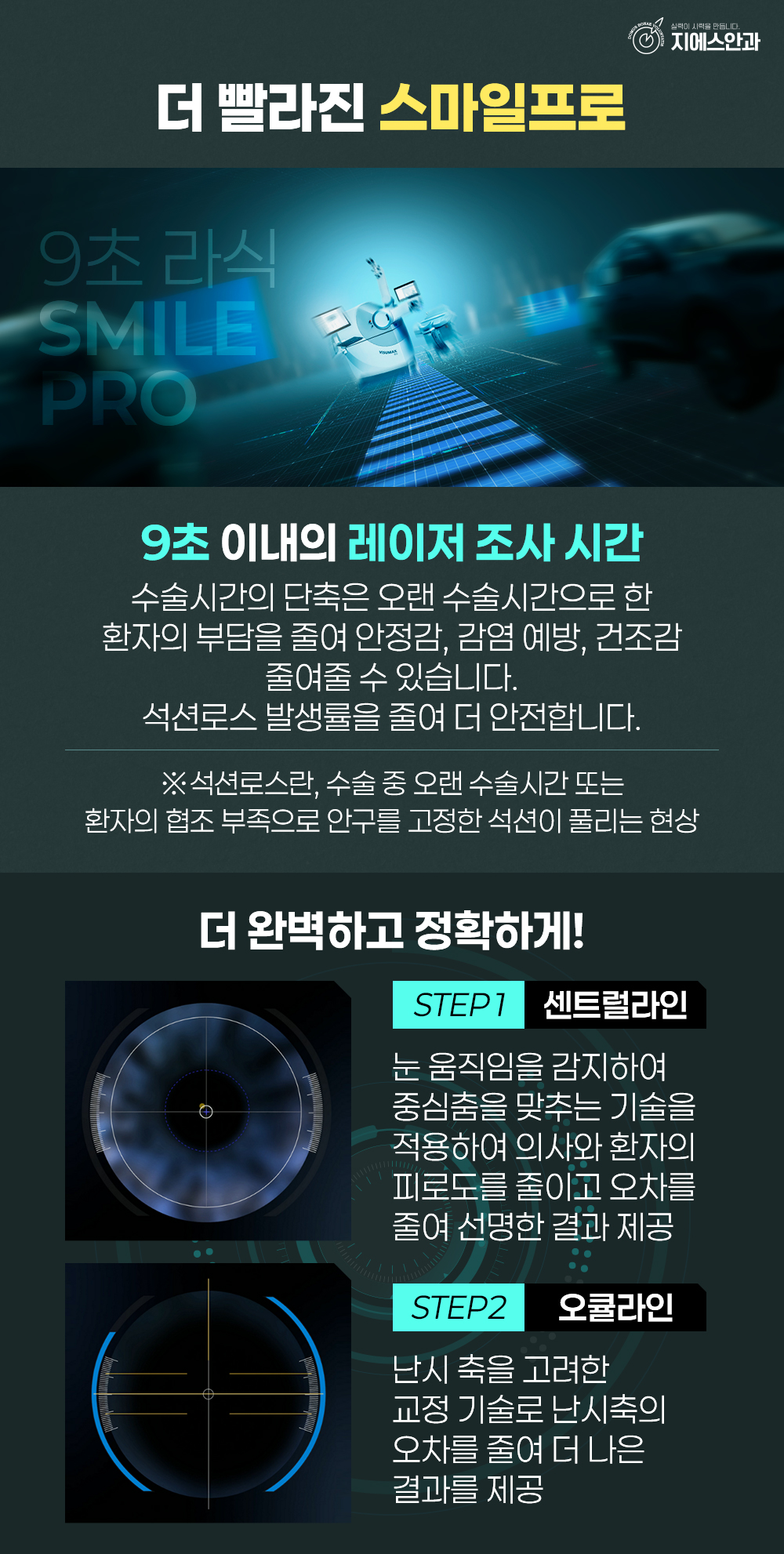
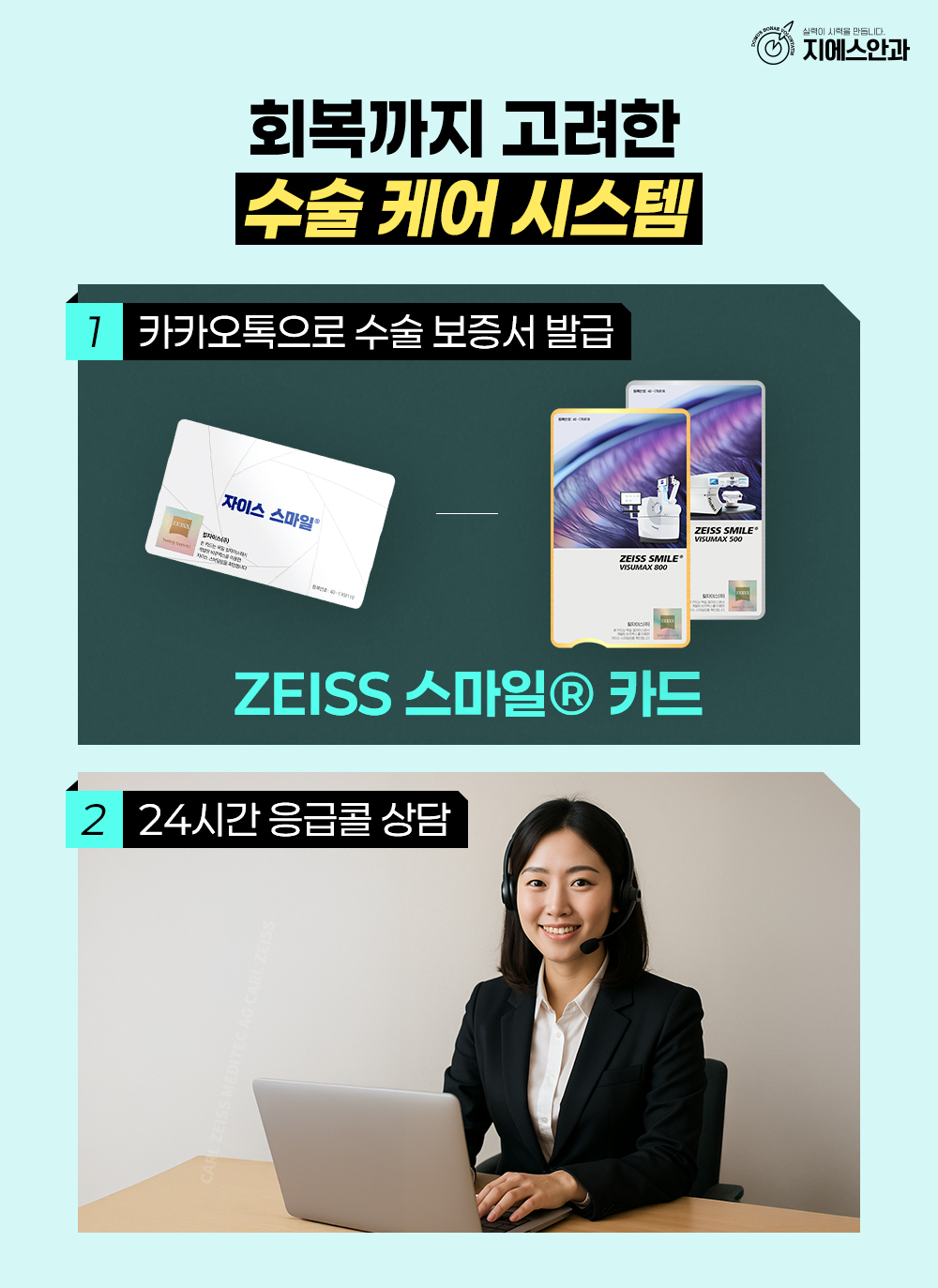
In Gangnam, many centers now offer several SMILE‑type options, including newer SMILE pro. The core idea is the same, but SMILE pro uses an updated ZEISS VISUMAX 800 femtosecond laser designed for faster treatment times.
Key points patients usually care about
Patients who choose SMILE or SMILE pro typically look for:
Clear vision comparable to or better than their glasses or contact lenses, within the limits of their eye health.
Fast functional recovery, often allowing a quick return to office work or university classes.
A small incision, which can help preserve more corneal strength and reduce surface nerve damage.
Potentially milder dry eye symptoms compared with flap‑based LASIK, although dry eye can still occur.
Less sensation of pain during and after surgery compared with surface procedures like LASEK.
Why Gangnam Station is a popular area for SMILE LASIK
Location and convenience
Gangnam Station, in Gangnam‑gu, Seoul, is one of the busiest transport hubs in the city. For international patients staying near subway lines 2 or Shinbundang, it is easy to reach a clinic on foot from the station exits. This is practical for multiple pre‑operative tests and follow‑up visits.
For office workers and students in the Gangnam business district, being able to walk from the station to the clinic during lunch breaks or after work is a major advantage. Weekday evening and Saturday hours at many centers make it easier to fit examinations and checkups into a tight schedule.
GS Eye Clinic as a reference example
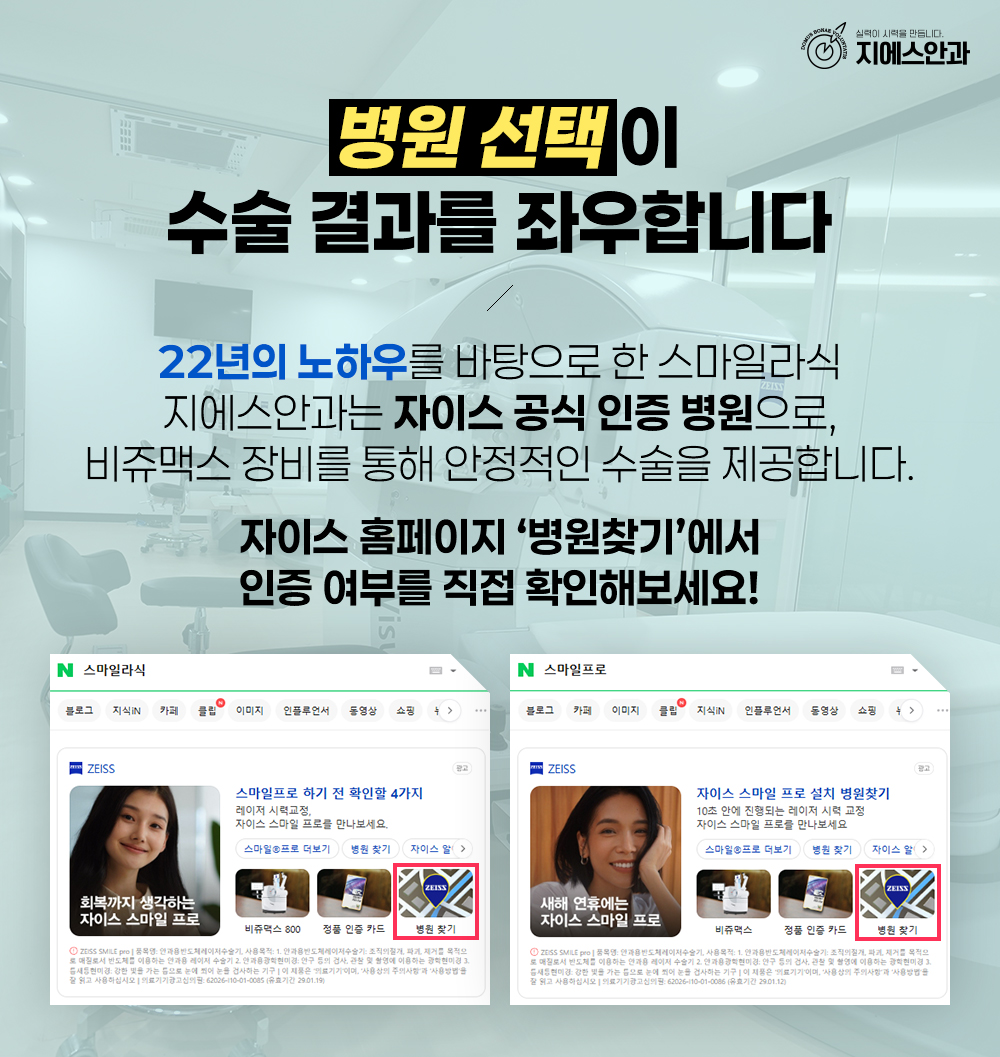
GS Eye Clinic, founded in 2005 in the Gangnam Station area and operating in the same building since opening, is an example of a high‑volume center that focuses on vision correction and cataract surgery. It is led by a board‑certified ophthalmologist with a medical doctorate and previous university hospital teaching experience, and has a team of seven ophthalmology specialists, including several retina specialists with backgrounds from major university hospitals.
The clinic functions as a clinical education site for a medical school and as an Asia‑Pacific clinical education center for an ophthalmic company. This means its techniques and outcomes are used as training models for other doctors in the region.
How experience and technology may influence SMILE LASIK results
High case volume and outcomes
As of 2023, GS Eye Clinic reports a cumulative total of around 300,000 eyes treated with vision correction and cataract surgery. While numbers alone do not guarantee results, such volume suggests that the surgeons have encountered a wide range of eye conditions and have had many opportunities to refine their protocols.
For SMILE‑type procedures specifically, the clinic reached ZEISS SMILE GOLD CLUB status in 2021, was later designated as a ZEISS SMILE pro CENTER in 2023, and a SILK TRAINING Center in 2026. These designations are based on case volume and technique, and indicate that the center’s methods are used as reference standards for other surgeons.
SMILE pro case numbers and refinement
By April 2026, the clinic had performed SMILE pro on about 15,000 eyes, after passing 5,000 cases in late 2024 and 10,000 in mid‑2025. High case numbers allow the team to adjust treatment nomograms, refine patient selection criteria, and improve management of rare complications. Over time, this can contribute to more consistent visual outcomes for suitable candidates.
Standardized processes and quality management
The clinic holds ISO 9001 and ISO 14001 certification for SMILE LASIK since 2020. These international standards focus on quality management systems and environmental management. In a medical context, they support the idea that processes are documented, monitored, and regularly reviewed. While ISO certification is not a medical guarantee, it can indirectly support safety and stability of results.
Laser platforms and why they matter
ZEISS VISUMAX 800 and VISUMAX 500
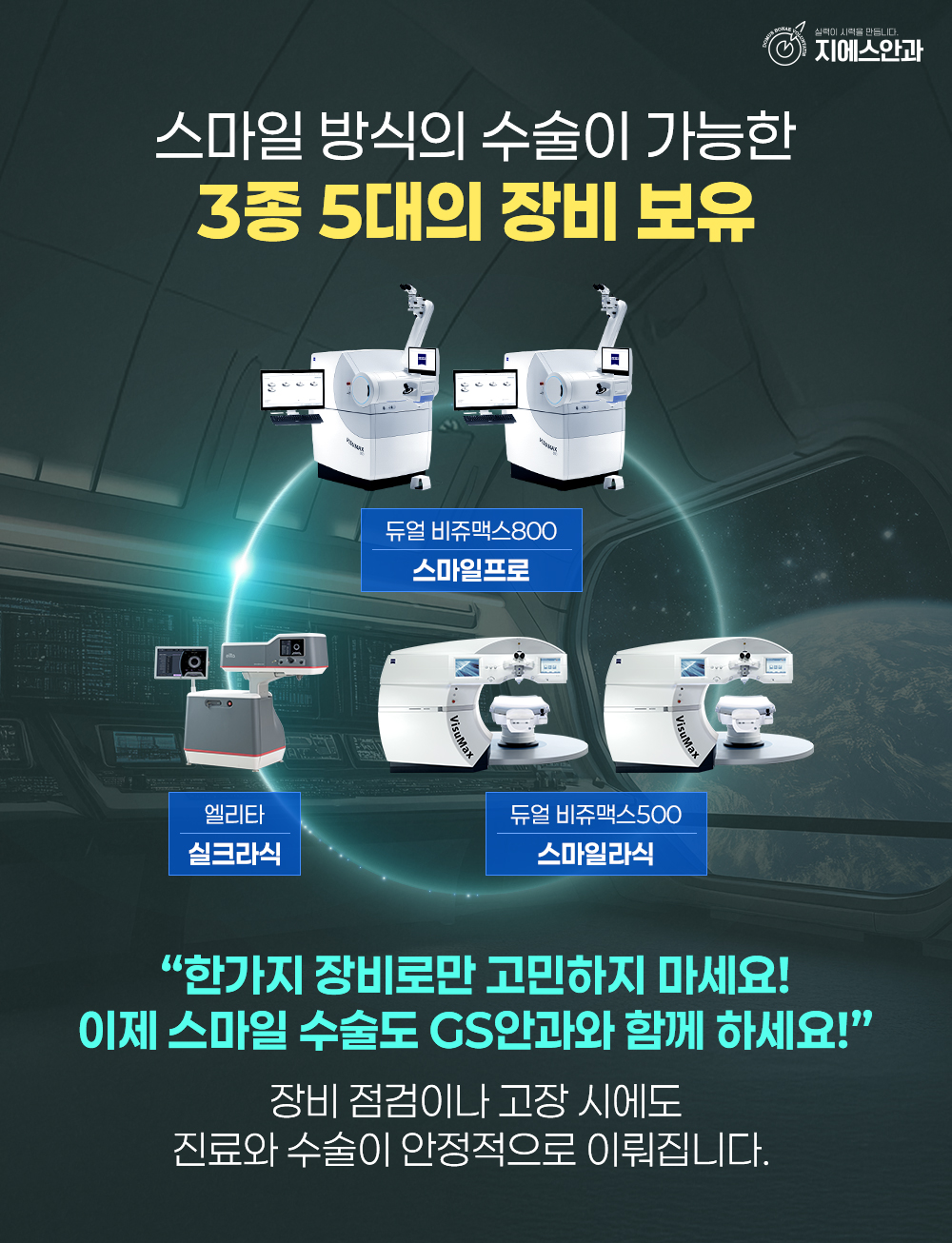
The clinic owns three major ZEISS platforms for SMILE‑type surgery: one VISUMAX 800 (for SMILE pro) and two VISUMAX 500 units (for SMILE LASIK). The VISUMAX 800 is a newer‑generation femtosecond laser designed specifically for SMILE pro, with laser time typically under about 9 seconds.
Shorter laser and suction times can be helpful for anxious patients, as they spend less time with the eye under suction. This may improve comfort during the procedure and reduce the chance of sudden movement. For some patients, this can contribute to more stable and predictable results.
Having multiple SMILE‑dedicated platforms also allows the surgeons to choose the most appropriate system based on corneal thickness, prescription level, and lifestyle needs. For example, someone with a very active lifestyle may benefit from a strategy that prioritizes corneal biomechanical stability, while a patient with borderline dry eye may need a plan that minimizes nerve disruption.
What results can you usually expect from SMILE LASIK near Gangnam Station?
Visual acuity targets
Most patients who are good candidates for SMILE LASIK can expect vision similar to what they had with their recent glasses or contact lenses. Many reach 20/20 or better on the eye chart, but exact outcomes depend on factors such as prescription level, corneal shape, and any underlying eye conditions.
The usual goal is to reduce dependence on glasses for everyday activities like working at a computer, walking around the city, or casual sports. Some people may still choose to use thin glasses for night driving or very detailed work, especially if they had high prescriptions or subtle irregularities before surgery.
Quality of vision: contrast, night vision, halos
Beyond the eye chart, patients often ask about night vision and halos. Modern SMILE techniques and updated laser nomograms aim to reduce night‑time visual disturbances, but they cannot completely eliminate them for everyone.
In the first weeks after surgery, it is common to notice halos around lights, glare, or slight starbursts, especially at night. These symptoms often improve over several weeks to months as the cornea heals and the brain adapts. In most cases they become mild and manageable, but a small number of patients may notice some degree of night‑time disturbance long term.
Recovery speed and comfort
One of the main reasons people choose SMILE LASIK is the relatively quick and comfortable recovery. Many patients can see functional improvement within 1–2 days. Vision usually continues to sharpen and stabilize over several weeks.
Because SMILE uses a small incision and does not require a large surface flap, the surface of the eye tends to recover quickly. Most people describe mild discomfort, a foreign‑body sensation, or light sensitivity for the first day or two, rather than strong pain. Lubricating drops and prescribed medications are used to support healing.
Corneal stability and biomechanics
The cornea is the clear front window of the eye, and its shape and strength are important for stable vision. SMILE preserves more of the anterior corneal structure and uses a small incision, which may help maintain corneal biomechanics better than flap‑based LASIK in suitable candidates.
This structural preservation is one reason SMILE is sometimes considered when long‑term corneal stability is a priority, especially for active individuals. However, it does not remove the risk of corneal weakening (ectasia) entirely. Careful pre‑operative screening is still essential to identify patients who may be at higher risk.
Dry eye after SMILE LASIK
Dry eye symptoms are common after any form of laser vision correction. Because SMILE cuts fewer corneal nerves than flap‑based LASIK, many patients experience milder or shorter‑lasting dry eye symptoms. Typical complaints include temporary dryness, burning, or blurred vision that improves with artificial tears.
For most people, these symptoms gradually improve over weeks to months. However, some patients can have longer‑lasting dry eye, especially if they already had dryness before surgery, use digital screens heavily, or have systemic conditions that affect tear production.
Gangnam Station lifestyle benefits for SMILE patients
Quick return to work or study
For office workers and students around Gangnam Station, the main practical benefit is the ability to return to daily life quickly. Many people can resume desk work within a few days, depending on their healing and the surgeon’s advice. Light screen use is usually allowed early, with breaks and lubricating drops.
Because the clinic is close to the station, you can schedule follow‑up visits before or after work, or between classes. This reduces time away from your normal routine.
Efficient use of one building
GS Eye Clinic occupies multiple floors in the same building. Pre‑operative testing, surgery, and follow‑up are typically carried out in one place. For international patients, this can make the process more efficient, as you do not need to move between different locations for imaging, consultation, and surgery.
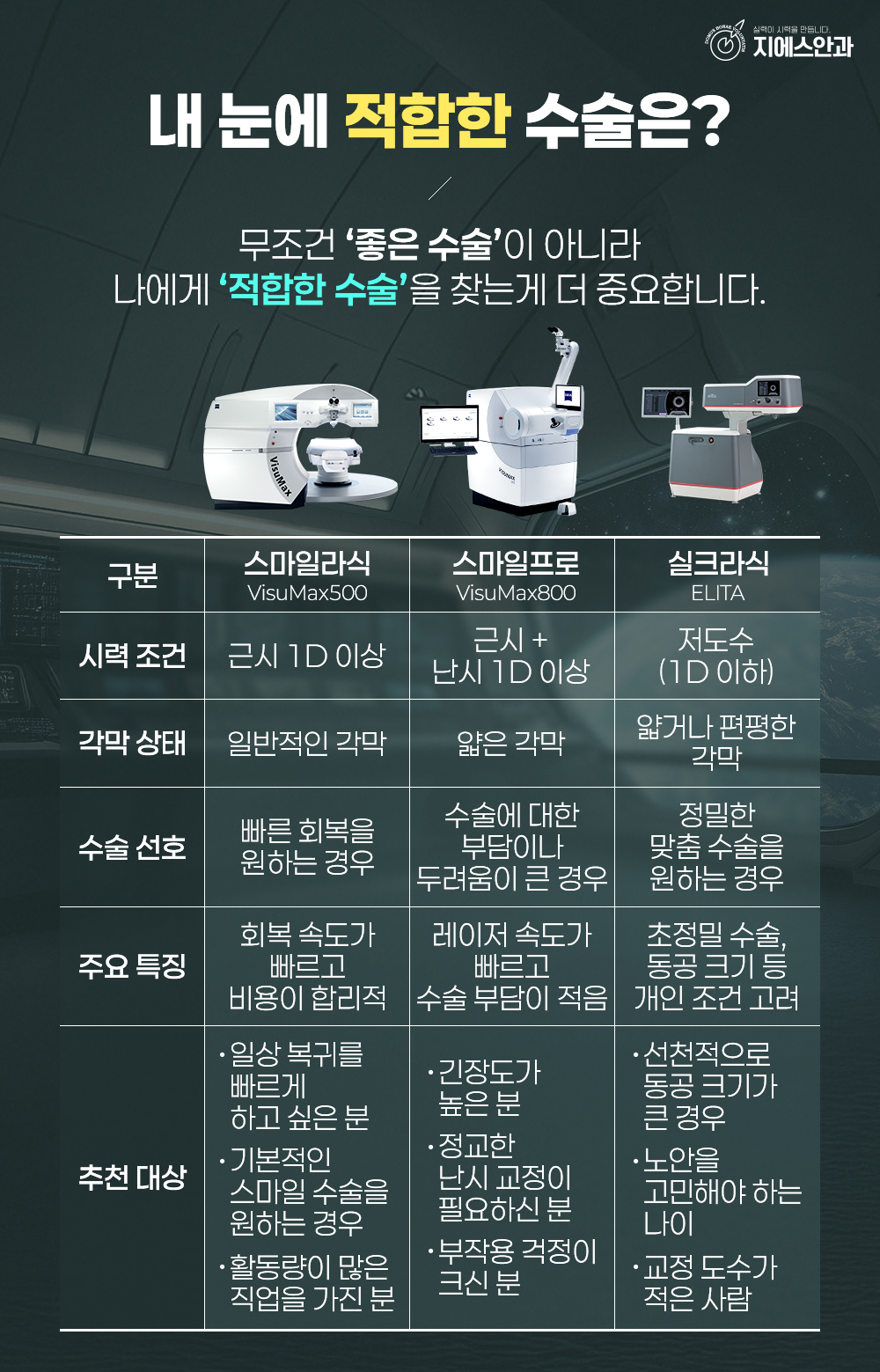
Who may consider SMILE LASIK near Gangnam Station?
Typical candidates
You may be a potential candidate for SMILE LASIK if you:
Are an adult with stable myopia (nearsightedness) and possibly astigmatism.
Have a cornea that is thick and regular enough for laser reshaping.
Do not have active eye diseases such as advanced keratoconus, uncontrolled dry eye, or untreated retinal problems.
Are willing to follow post‑operative instructions and attend follow‑up visits.
Alternative options when SMILE is not ideal
Not everyone is suitable for SMILE. During the pre‑operative evaluation, the doctor may recommend other procedures, such as:
LASEK or other surface procedures, which can be considered for very thin corneas or specific corneal shapes.
Lens implantation options such as ICL, GLAZE, or PhakiFlex KPL for very high prescriptions or thin corneas, where removing corneal tissue might not be advisable.
Presbyopia or cataract lens surgery for older patients whose main issue is reading difficulty or lens opacity rather than corneal shape.
The best visual effect is usually achieved when the procedure is matched correctly to the eye’s condition, rather than trying to fit every patient into SMILE.
Pre‑operative examination and how it shapes your results
Comprehensive testing
The final outcome of SMILE LASIK depends heavily on the quality of the pre‑operative examination. At centers like GS Eye Clinic, testing typically includes:
Measurement of corneal thickness and detailed corneal shape maps.
Evaluation of tear film and dry eye status.
Pupil size assessment, which can influence night vision effects.
Full refraction and optical measurements.
Retinal imaging and examination of the back of the eye.
Role of the retina center
Because the clinic has a separate retina center with retina‑trained ophthalmologists, it can carefully check for conditions such as lattice degeneration, small retinal holes, or early retinal tears. Detecting and treating these issues before SMILE can help reduce the risk of retinal complications later.
If significant retinal problems are found, the surgeon may recommend treating them first or choosing a different vision correction strategy. This careful selection process is part of aiming for safe and stable results.
Comparison with LASEK and lens implantation
SMILE vs LASEK
LASEK is a surface procedure that reshapes the front of the cornea after removing or loosening the surface layer. It is often used when the cornea is too thin for LASIK or SMILE.
Compared with LASEK, SMILE usually offers:
Less pain in the first days after surgery.
Faster functional recovery, allowing earlier return to work.
A smaller incision and less disturbance of the surface.
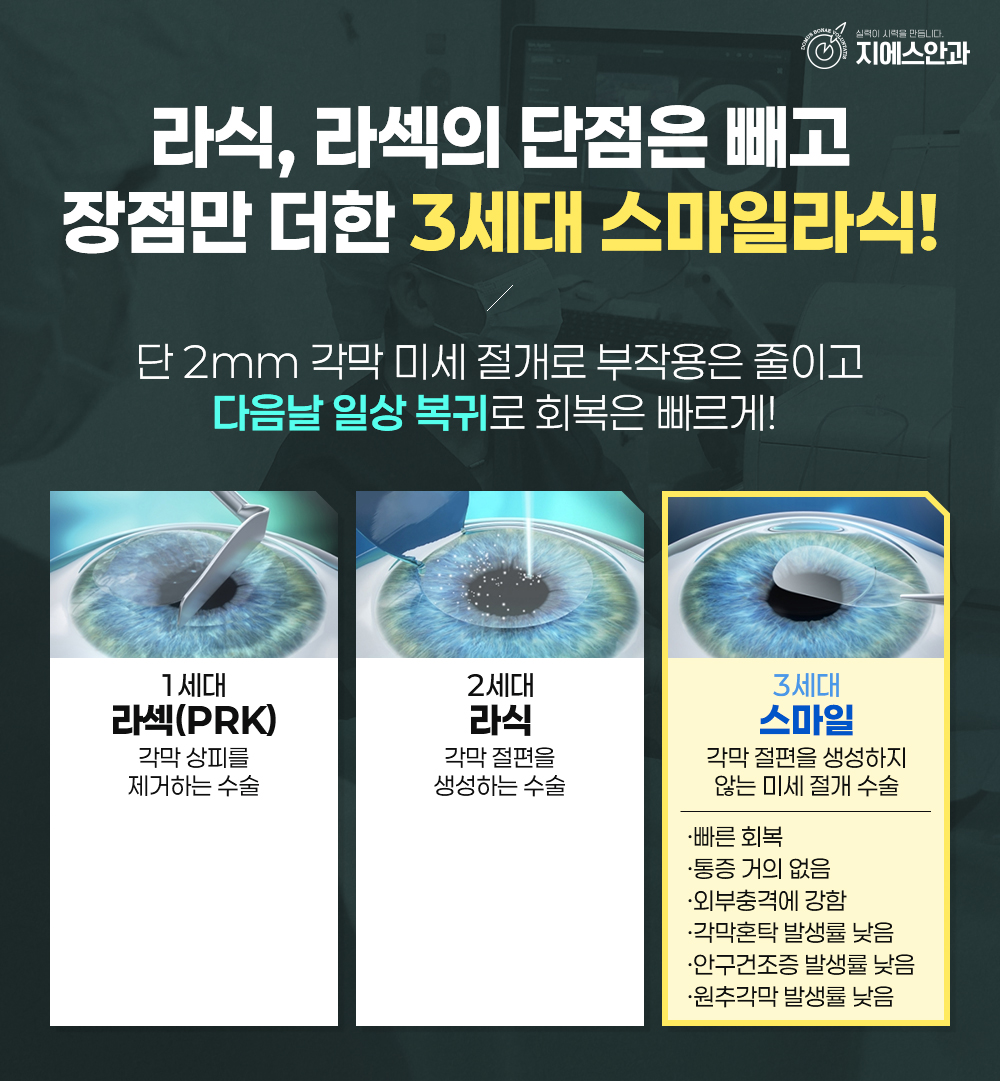
However, LASEK remains useful in certain cases, and the doctor may recommend it if your corneal thickness or shape makes SMILE less suitable.
SMILE vs lens implantation (ICL, GLAZE, PhakiFlex KPL)
Lens implantation procedures place a thin artificial lens inside the eye without removing corneal tissue. They are often considered for very high myopia, thin corneas, or when corneal laser is not recommended.
Choosing lens implantation instead of SMILE can sometimes provide better long‑term satisfaction in borderline cases, because it avoids weakening the cornea. During consultation, the surgeon should explain why one method is preferred for your specific eyes.
Safety, risks, and realistic expectations
Common temporary side effects
After SMILE LASIK, it is normal to experience:
Fluctuating vision, especially during the first weeks.
Halos or glare around lights at night.
Mild dry eye symptoms, burning, or foreign‑body sensation.
Light sensitivity and mild redness.
These usually improve as the eye heals, but the exact timeline varies from person to person.
Rare but serious risks
Although SMILE is well‑established, no surgery is risk‑free. Rare but serious complications can include:
Infection inside the eye.
Significant under‑ or over‑correction that may require enhancement.
Corneal ectasia, a progressive weakening and bulging of the cornea.
Persistent visual disturbances such as glare, halos, or ghosting.
Experienced surgeons and strict protocols aim to minimize these risks, but they cannot be reduced to zero.
Long‑term expectations
SMILE LASIK can greatly reduce dependence on glasses or contact lenses for many years, but it does not stop natural aging of the eye. Most people will still develop presbyopia (difficulty focusing up close) in their 40s or 50s and may need reading glasses.
Later in life, cataracts can also develop, and cataract surgery may be needed. Having had SMILE does not prevent cataracts, but careful records of your pre‑operative data can help plan future lens surgery.
Online consultation and pre‑visit preparation for overseas patients
Initial online contact
If you are planning to travel to Seoul for SMILE LASIK, you can usually start with an online consultation. Many clinics near Gangnam Station provide:
Email or messaging consultation in English.
Review of your basic eye history and previous prescriptions.
General guidance on whether you might be a candidate, based on the information you provide.
This early step cannot replace a full examination, but it helps you decide whether the trip is likely to be worthwhile.
Information to prepare before contacting the clinic
To make your online consultation more efficient, prepare:
Recent glasses or contact lens prescriptions (within the last 1–2 years).
Any previous eye examination reports, especially corneal topography or OCT if you have them.
A list of medications you take and any systemic conditions (for example, autoimmune diseases, diabetes).
Information about any past eye surgery or trauma.
Typical Korea visit timeline for SMILE LASIK near Gangnam Station
Suggested schedule
Although each clinic may have its own protocol, a common timeline for international patients is:
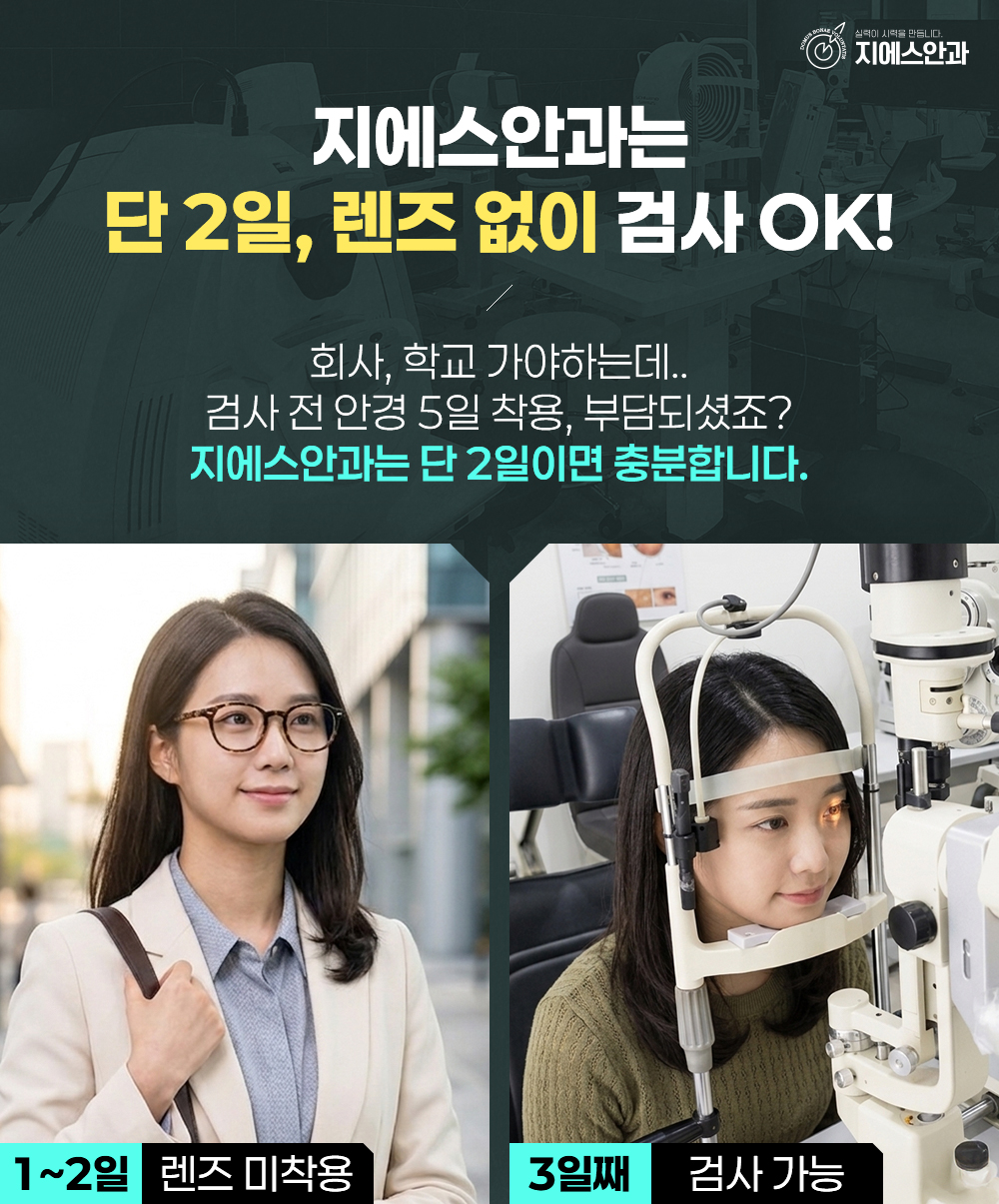
Day 1: Full pre‑operative examination and consultation. If your eyes are suitable and you decide to proceed, surgery may be scheduled for the next day or within a few days.
Day 2: SMILE or SMILE pro procedure. The surgery itself usually takes only several minutes per eye, with most of the time spent on preparation and checks.
Day 3: First post‑operative check. The doctor confirms that the cornea is healing well and that there are no early complications.
Following days: Additional follow‑ups as advised. Many overseas patients stay in Korea for at least 5–7 days after surgery to complete early checks before flying home.
Your exact schedule should be discussed with the clinic, especially if you have a long‑haul flight or complex eye history.
Aftercare and long‑term follow‑up
Immediate aftercare
After SMILE LASIK, you will receive eye drops (antibiotic, anti‑inflammatory, and lubricating drops) and instructions such as:
Do not rub your eyes.
Avoid getting water directly into your eyes for a certain period.
Wear protective shields while sleeping for the first days.
Use sunglasses outdoors to reduce light sensitivity.

Short‑term restrictions
Most people are advised to:
Avoid heavy exercise, swimming pools, and hot tubs for a few weeks.
Limit eye makeup for a short period.
Take regular breaks from screens to reduce dryness.
Long‑term care
Once you return to your home country, you should continue regular eye examinations with a local doctor. Bring your surgical records and pre‑operative data if possible. If you notice sudden changes in vision, strong pain, or flashes and floaters, seek urgent care.
Practical checklist: questions to ask during consultation
When you visit or contact a clinic near Gangnam Station about SMILE LASIK, consider asking:
What visual range can I realistically expect after SMILE, given my current prescription and corneal shape?
How many SMILE and SMILE pro cases has my specific surgeon performed?
Does the clinic use both VISUMAX 800 and VISUMAX 500, and how do they decide which platform is right for me?
What is the enhancement policy if my vision is not within the expected range after healing?
Will I receive a full corneal and retinal evaluation, including screening for keratoconus and retinal degeneration?
What is the follow‑up schedule for international patients, and how will communication be handled after I return home?
By focusing on these points, you can compare at least two clinics near Gangnam Station based on examination depth, surgeon experience, equipment, and clarity of explanation, rather than on marketing phrases alone.
Frequently asked questions
What is the typical visual effect of SMILE LASIK at a Gangnam Station clinic?
Most suitable patients achieve clear functional vision that is similar to or better than their previous glasses or contact lenses. Many reach 20/20 or better on the eye chart, although this is not guaranteed. The main effect is reduced dependence on glasses for everyday tasks like work, study, and general activities. Exact outcomes depend on your prescription, corneal condition, and overall eye health.
How fast can I return to work or school after SMILE near Gangnam Station?
Many patients can return to light office work or classes within a few days, especially if their job does not involve heavy physical activity. Vision is often usable within 1–2 days, but it can fluctuate for several weeks. Your surgeon will give more specific advice based on your healing and the type of work you do.
Is SMILE LASIK less dry than regular LASIK?
SMILE tends to cut fewer corneal nerves than flap‑based LASIK because it uses a small incision instead of a large flap. For many patients, this means milder or shorter‑lasting dry eye symptoms. However, dry eye can still occur and sometimes persist, especially if you already had dryness or use screens heavily. A careful pre‑operative dry eye evaluation is important.
How do I choose a SMILE clinic near Gangnam Station as an overseas patient?
Look for a clinic with experienced surgeons, modern SMILE platforms such as VISUMAX 800 and 500, and a structured pre‑operative testing system that includes both corneal and retinal evaluation. Ask about their case numbers, complication management, and follow‑up plan for international patients. It is also helpful if the clinic has educational content in English and offers online consultation before you travel.
Soft call to action for online consultation
If you are considering SMILE LASIK during a visit to Seoul and want to stay near Gangnam Station, starting with an online consultation can help you understand your options. By sharing your eye history and recent prescriptions in advance, the medical team can give you an initial opinion on suitability and a rough schedule. This preparation allows you to plan your trip, time off work, and accommodation more confidently.
Medical information notice
The information in this article is for general education only and does not replace a personal consultation with a qualified eye specialist. Individual suitability for SMILE LASIK or any other vision correction procedure must be determined through a full examination and discussion of risks, benefits, and alternatives. Always follow the advice of your own doctor regarding diagnosis and treatment.



- 공유 링크 만들기
- X
- 이메일
- 기타 앱


댓글
댓글 쓰기