High Myopia LASEK: 2DAY LASEK Options in Gangnam, Seoul
- 공유 링크 만들기
- X
- 이메일
- 기타 앱
Direct answer summary
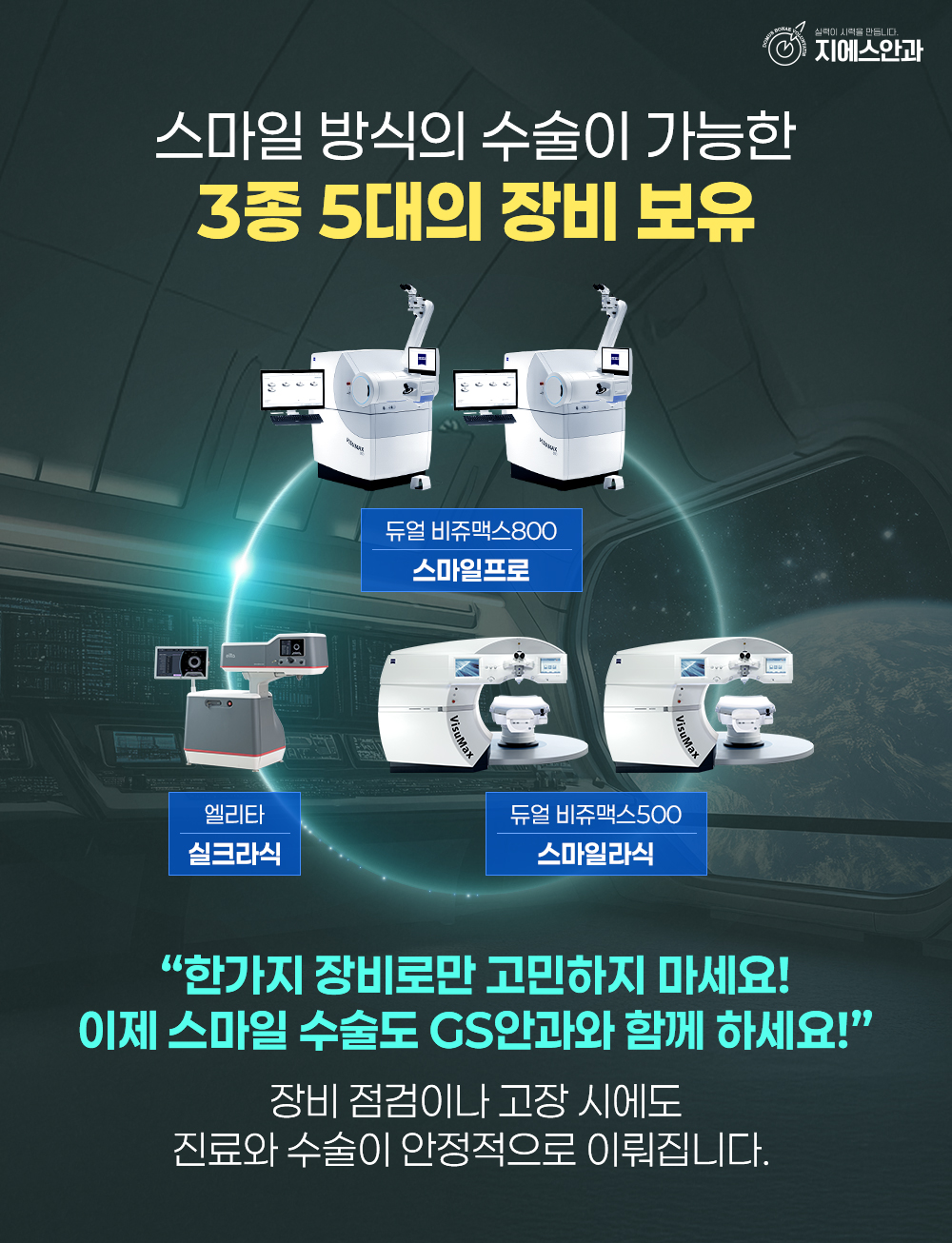
High myopia LASEK generally refers to surface‑ablation vision correction for eyes with high myopia (commonly around −6.00 D or higher) or for corneas that are relatively thin. 2DAY LASEK is a refined surface‑ablation protocol intended to preserve the safety advantages of LASEK while reducing early postoperative discomfort and supporting a quicker return of basic visual function compared with older LASEK approaches. At our clinic, 2DAY LASEK is performed using the Amaris Red 1050s excimer platform with advanced eye‑tracking, and candidacy—especially in high myopia—is determined only after detailed preoperative evaluation of the cornea and retina.
This guide explains how 2DAY LASEK can be applied to high myopia, what makes it different from conventional LASEK, what to expect if you travel to Gangnam, Seoul for surgery, and what you should check with the ophthalmology clinic before you decide.
Overview of high myopia and LASEK
High myopia and eye health
High myopia is usually defined as nearsightedness of about -6.00 diopters or worse, or when the eye is clearly elongated. It is not only a matter of thick glasses. High myopia is linked with a higher lifetime risk of retinal tears and detachment, macular problems, earlier cataract, and glaucoma. Even if vision is corrected with glasses, the structure of the eye remains more vulnerable.
Because of this, any laser vision correction for high myopia must consider both the front of the eye (cornea) and the back of the eye (retina). Improving unaided vision is important, but not at the expense of long‑term eye health.
LASEK basics
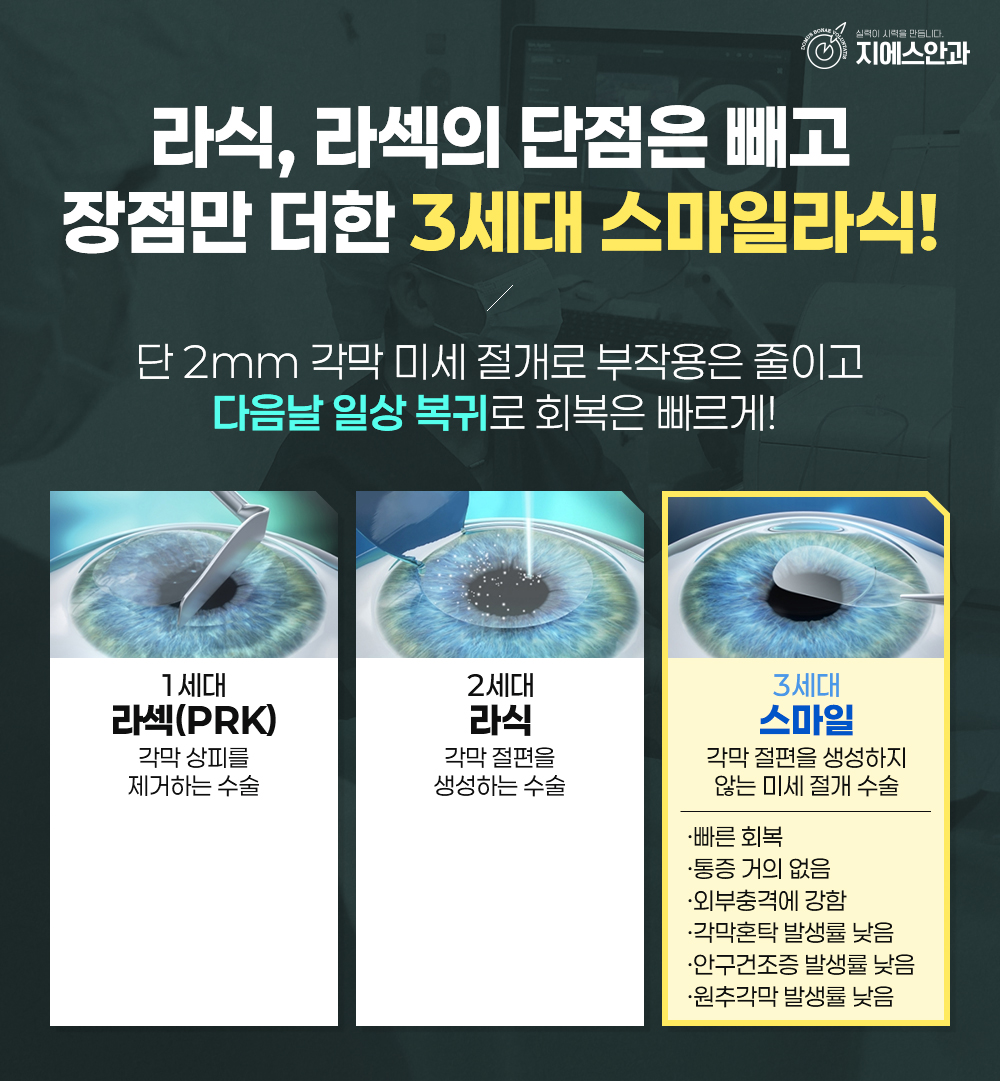
LASEK is a surface ablation type of laser vision correction. Instead of creating a corneal flap as in LASIK, the surgeon loosens or removes the thin surface layer of the cornea (epithelium), then uses an excimer laser to reshape the underlying tissue. A bandage contact lens is placed to help the surface heal.

Because there is no corneal flap, LASEK can be preferred for people with thinner corneas, irregular corneal shape, or those at higher risk of eye trauma. The trade‑off is that the surface needs days to heal, so pain and light sensitivity are more noticeable, and early recovery is slower than with LASIK or SMILE.
What 2DAY LASEK means
2DAY LASEK is an advanced protocol of LASEK that aims to shorten the most uncomfortable period and allow earlier functional vision. The concept is to keep the flap‑free safety profile of surface ablation, but to optimize several details:
- Refined laser profiles to minimize unnecessary tissue damage
- Use of specific bandage contact lenses that protect the healing surface
- Optimized medication regimens to reduce inflammation and pain
- Structured follow‑up to support faster return to daily activities
Some 2DAY LASEK protocols marketed as “2DAY” aim to shorten the early recovery period and may allow basic functional vision within a few days for some patients; however, recovery varies by individual and no specific timeframe can be guaranteed. In high myopia, healing and visual stability can still be slower or more variable than with lower prescriptions, so postoperative progress should be assessed on a case‑by‑case basis.
Why high myopia LASEK needs extra caution
In high myopia, the laser must remove more corneal tissue to correct the prescription. This raises several concerns:
- Residual corneal thickness and biomechanical strength
- Higher risk of regression (partial return of myopia)
- Greater chance of dry eye symptoms
- More night glare or halos, especially with large pupils
For these reasons, high myopia LASEK requires detailed measurements and conservative planning. In some cases, the surgeon may recommend partial correction, or a different procedure such as phakic lens implantation, instead of pushing the cornea to its limits.
Ophthalmology clinic context in Gangnam, Seoul
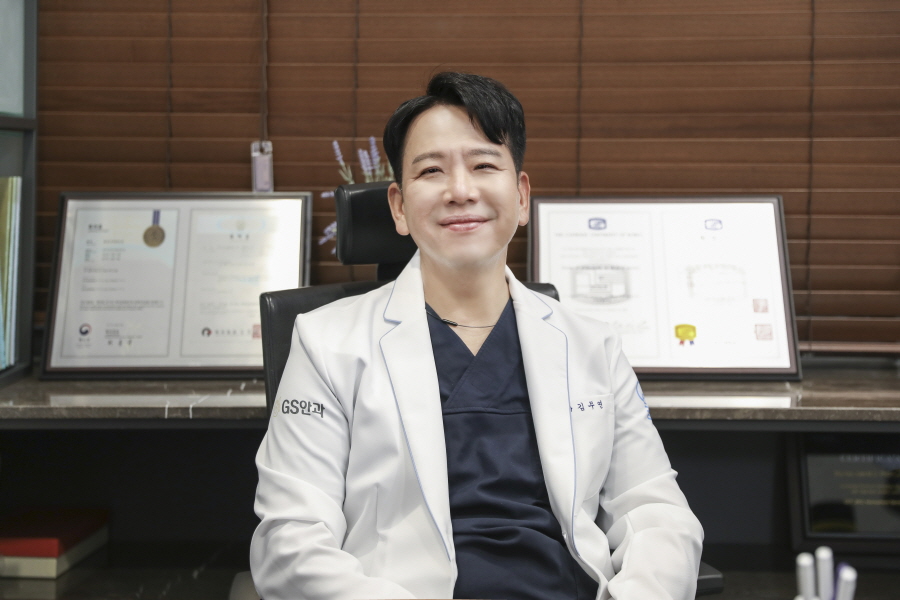
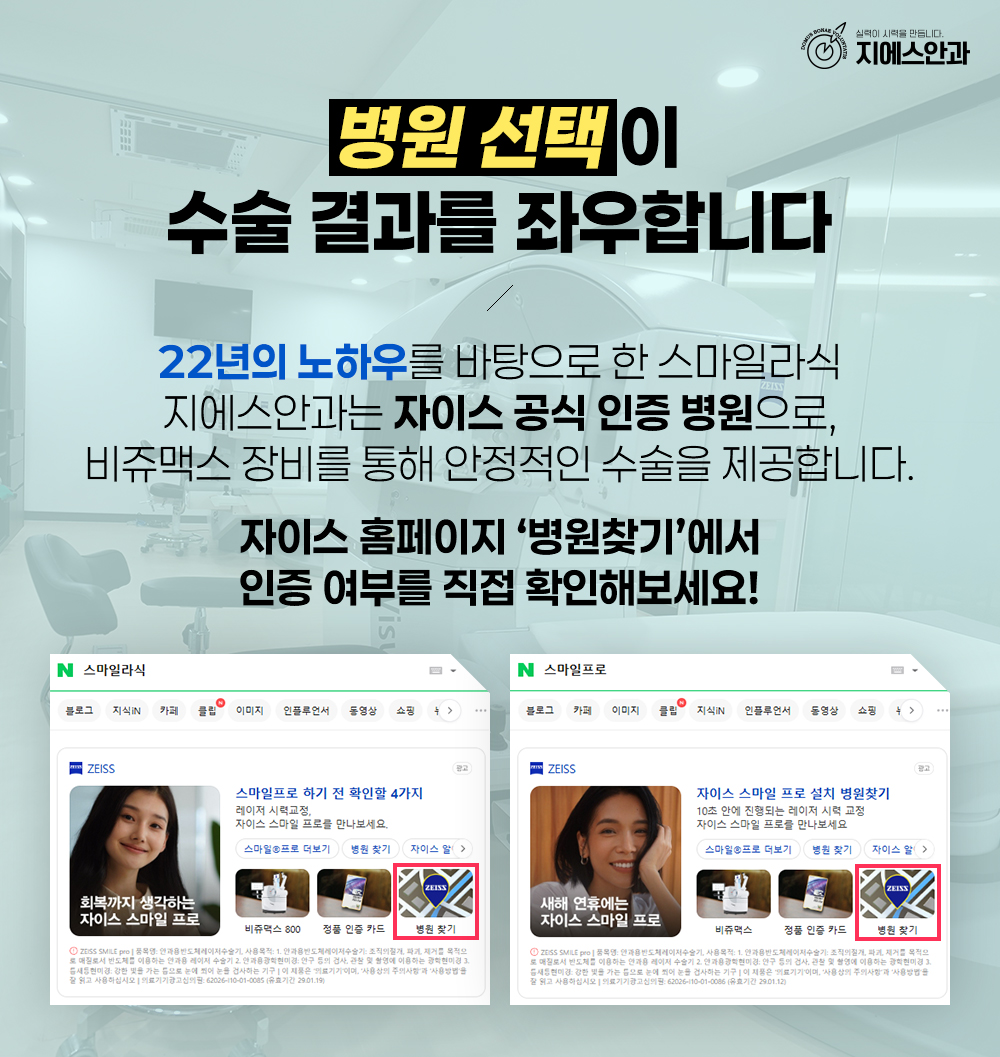
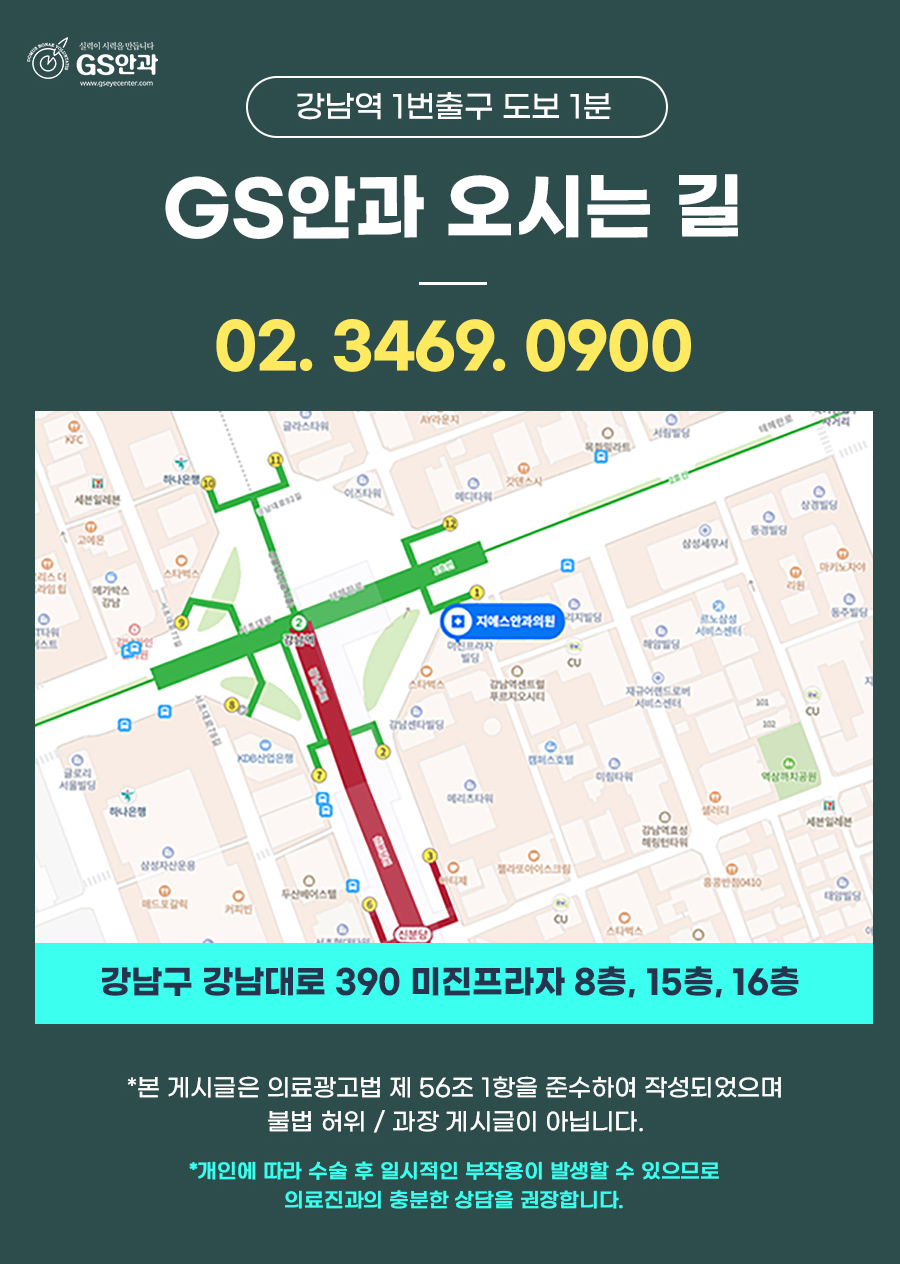
The 2DAY LASEK protocol described here is offered at an ophthalmology clinic in Gangnam, Seoul, which has been operating in the same location near Gangnam Station since 2005. The medical team consists of seven board‑certified ophthalmologists, including subspecialists in retina and refractive surgery. The medical director holds a medical doctorate and has previous university hospital teaching experience.
As of 2023, the clinic reports cumulative experience of more than 300,000 eyes treated with vision correction and cataract surgery. It runs a dedicated vision correction center and a separate retina center, which is particularly relevant for high myopia patients who have a higher baseline risk of retinal problems.
This ophthalmology center is designated as a clinical education site for a medical school and for an Asia‑Pacific ophthalmic company, with standardized protocols used for training other doctors. For international patients, this can be a useful signal that the systems for examination, surgery, and follow‑up are structured and regularly reviewed.
Who may consider 2DAY LASEK for high myopia
Typical candidates
2DAY LASEK for high myopia may be considered in the following situations:
High myopia with relatively thin corneas, where LASIK or SMILE would leave too little residual tissue
People whose corneal shape or topography makes flap creation less desirable
Patients with active lifestyles or occupations where a corneal flap could be at risk from impact or rubbing
Individuals who prefer surface ablation but are worried about the long recovery of classic LASEK
In these cases, 2DAY LASEK tries to balance safety (no flap, conservative tissue use) with a shorter painful period and earlier return to work or study.
When 2DAY LASEK may not be suitable
There are also situations where high myopia LASEK, even with a 2DAY protocol, may not be recommended:
Suspicious or definite keratoconus, or clear signs of corneal biomechanical weakness
Very thin corneas where even surface ablation would leave unsafe residual thickness
Severe dry eye that could worsen with surface ablation
Uncontrolled systemic disease, pregnancy, or other medical conditions where elective eye surgery is not advised
The final decision always depends on a full pre‑operative examination. Online information can help you understand options, but it cannot replace a personalized assessment.
Pre‑operative examination for high myopia 2DAY LASEK
Key tests and measurements
For high myopia, a comprehensive pre‑operative workup is essential. At this ophthalmology center in Gangnam, typical testing for 2DAY LASEK candidates includes:
Detailed refraction: Both objective (machines) and subjective (lens choices with the examiner) measurements to confirm the true prescription and check for astigmatism.
Corneal topography and tomography: Maps of the front and back surfaces of the cornea to detect irregularities, early keratoconus, and to understand how thickness is distributed across the cornea.
Pachymetry: Precise measurement of corneal thickness, used to calculate how much tissue can be safely removed and how much must remain.
Pupil size: Especially in dim light, to estimate the risk of night glare or halos after surgery.
Tear film and dry eye evaluation: Tests and questionnaires to assess baseline dryness and plan treatment if needed.
Retinal examination: In high myopia, a retina specialist checks for lattice degeneration, retinal holes or tears, and macular changes that might need treatment or closer follow‑up.
Planning for safety in high myopia
Based on these results, the surgeon may:
Limit the amount of correction to keep a safe residual corneal thickness
Recommend alternative options such as phakic lens implantation (for example, ICL or similar lenses) if laser ablation would remove too much tissue
In selected cases, consider combining surface ablation with corneal cross‑linking to enhance biomechanical stability (this is not routine for everyone, but may be discussed for borderline cases)
For international patients, it is helpful to send previous prescriptions, topography scans, or letters from your local eye doctor in advance. However, the final plan will still be based on measurements repeated in Seoul, using the clinic’s own equipment.
What makes 2DAY LASEK different from conventional LASEK
Concept of 2DAY LASEK
2DAY LASEK is not a completely different surgery type, but a refined way of performing and managing LASEK. The main goals are:
- Reduce the duration and intensity of pain and foreign body sensation
- Shorten the time until patients can function for basic daily tasks
- Maintain the advantages of a flap‑free, surface‑based procedure
This is achieved through a combination of surgical technique, laser settings, bandage lens choice, and medication protocol. For example, the laser profile may be optimized to reduce thermal load, and the bandage lens may be chosen to promote faster epithelial recovery.
Comparison with classic LASEK
Classic LASEK often involves:
Epithelial healing over 3 to 5 days or more
More pronounced pain, tearing, and light sensitivity during the first several days
Slower return to work or study, sometimes requiring a full week off
2DAY LASEK aims for:
- Usable vision for daily activities in about two days for many patients
- A shorter peak pain period, with structured pain control and surface protection
- Earlier return to lighter work or study, depending on your job and healing
For high myopia, it is important to understand that visual stabilization still takes weeks to months, and fluctuations are common in the early period. The 2DAY protocol mainly targets the initial discomfort and basic functional vision, not instant perfect clarity.
Step‑by‑step process of high myopia 2DAY LASEK
Before you travel to Korea
If you are considering high myopia 2DAY LASEK in Gangnam, it is useful to:
Arrange an online consultation with the clinic to review your basic eye history and expectations
Prepare copies of your glasses or contact lens prescriptions from the last few years
Ask your local eye doctor for any recent test results (topography, retinal scans) if available
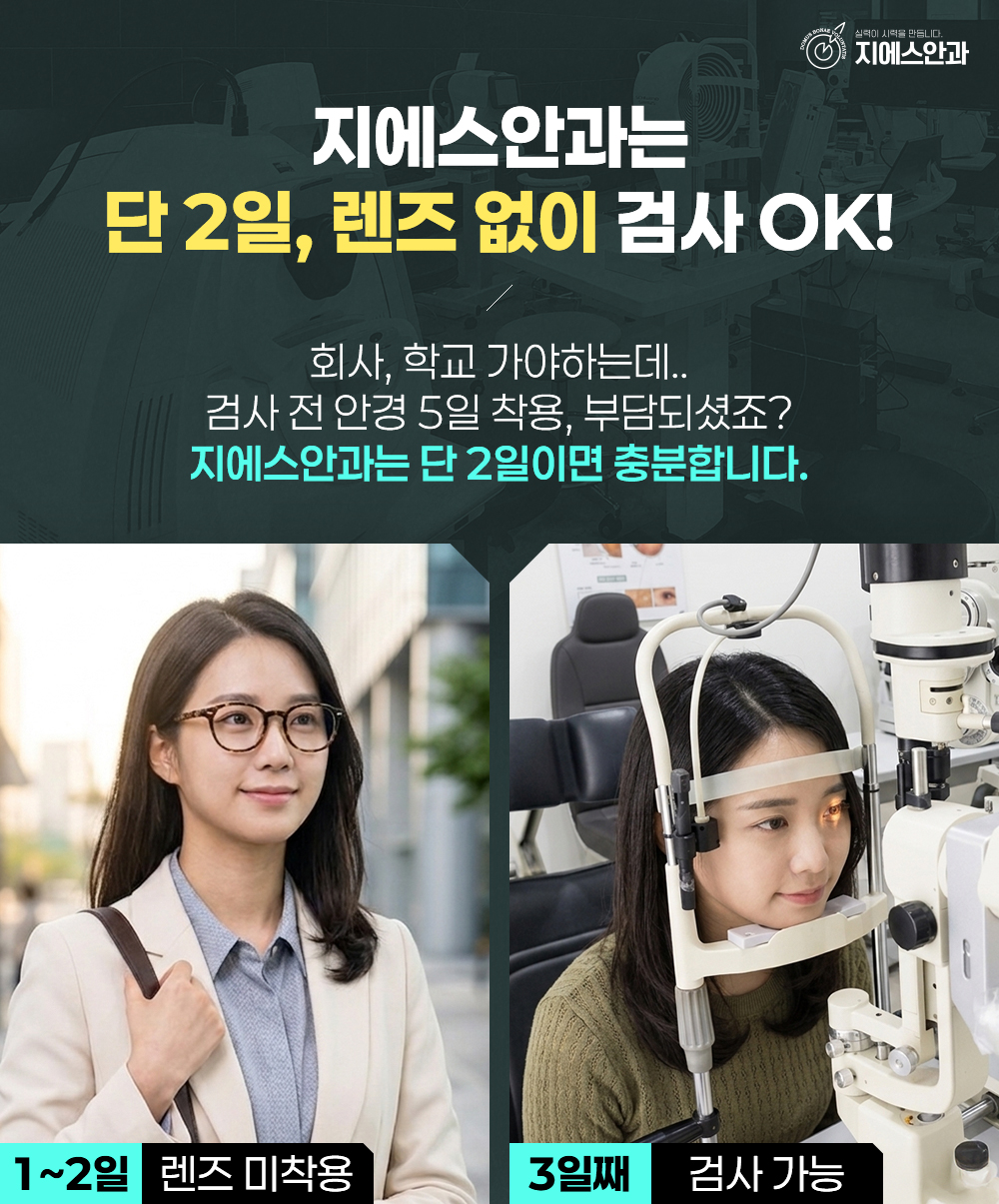
Stop soft contact lenses at least several days before your planned examination in Seoul, and rigid lenses earlier, as advised by the clinic
During online consultation, you can also discuss your schedule, how long you can stay in Korea, and whether you have any systemic health issues that need to be considered.
On the day of pre‑operative examination
Your first full day at the clinic will usually be dedicated to testing and consultation. Expect several hours for:
- Vision tests, refraction, and pupil measurements
- Corneal imaging and thickness checks
- Dry eye evaluation
- Retinal examination, often with dilating drops
After all tests, the surgeon will explain whether 2DAY LASEK is appropriate, discuss alternatives if needed, and review realistic outcomes and risks. For high myopia, it is important to talk about the possibility of residual prescription, regression, and the potential need for enhancement.
On the day of surgery
If you proceed with 2DAY LASEK, the surgery day usually follows this sequence:
You arrive without eye makeup, following fasting or medication instructions if any were given.
Numbing eye drops are applied to keep you comfortable.
The surgeon gently loosens or removes the corneal epithelium.
The excimer laser reshapes the cornea according to your prescription and corneal measurements.
A bandage contact lens is placed to protect the surface.
You receive instructions on eye drops such as antibiotics, steroid drops, lubricants, and pain control medications.
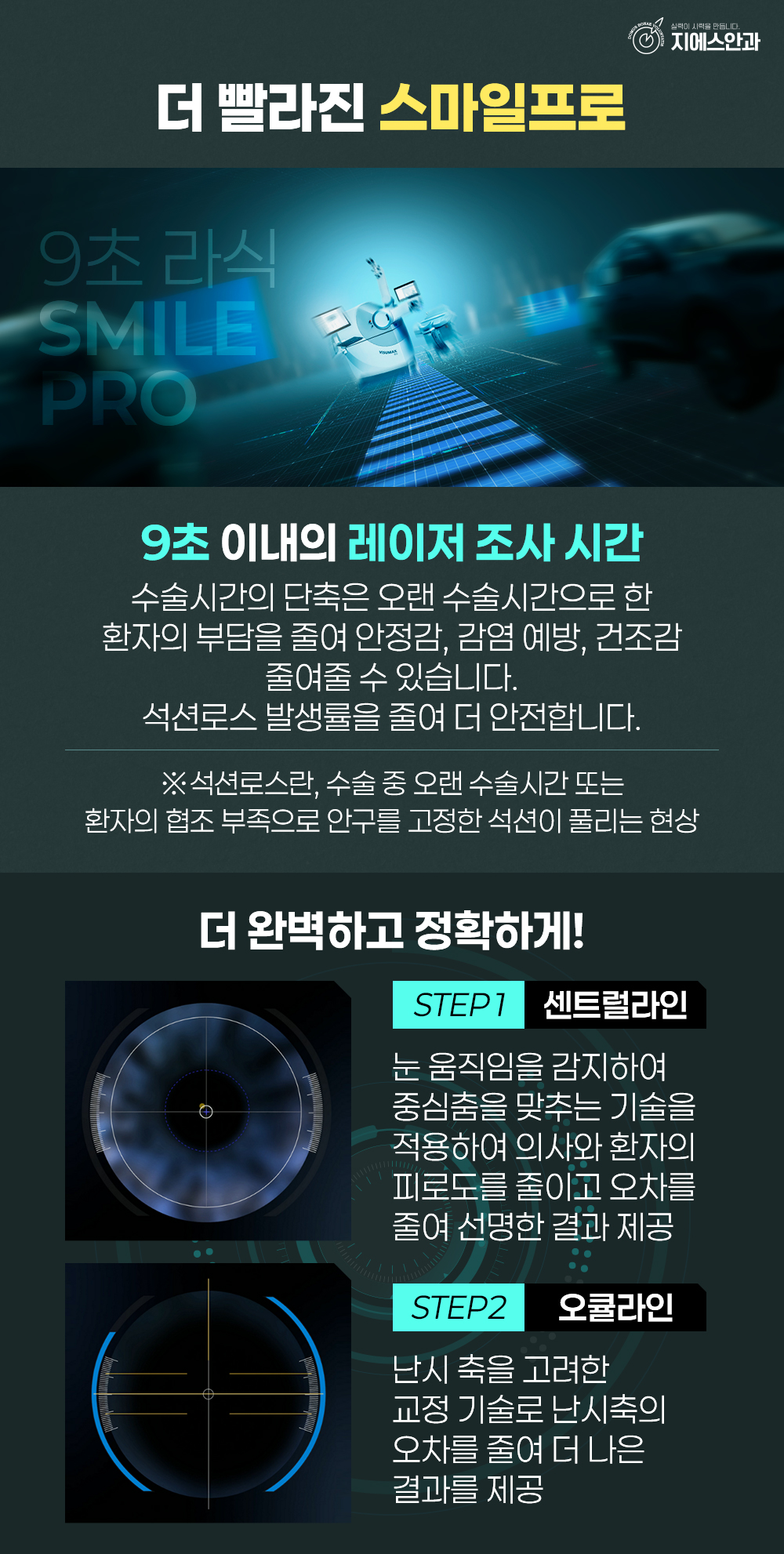
The procedure itself usually takes only minutes per eye, but you should plan to stay at the clinic longer for preparation and post‑operative checks.
Early post‑operative period (first 2–4 days)
During the first days after high myopia 2DAY LASEK, you may experience:
- Pain or burning sensation, which the 2DAY protocol aims to shorten and control
- Tearing, light sensitivity, and a gritty feeling
- Blurry vision that gradually improves
You should avoid rubbing your eyes, protect them from water, and follow the drop schedule exactly. Many patients rest in a darkened room and use sunglasses outdoors. The clinic will usually see you the next day and again around the time the bandage lens is removed.
Mid‑term recovery (1–4 weeks)
Over the next weeks:
- Vision typically becomes clearer, but may fluctuate from day to day
- Halos or glare at night can occur, especially in high myopia and larger pupils
- Dry eye symptoms such as burning or intermittent blur may appear
Follow‑up visits are scheduled to monitor epithelial healing, check refraction, and adjust medications. If you are an overseas patient, the clinic will usually plan these visits within your stay in Korea and coordinate with your local eye doctor for later follow‑up.
Long‑term recovery and retinal follow‑up
Final vision stabilization after high myopia LASEK can take several months. During this time, the clinic monitors for:
- Regression of myopia
- Persistent dry eye
- Night vision quality and any corneal haze
Regardless of how successful the vision correction is, high myopia itself still carries a higher risk of retinal problems. Regular retinal check‑ups remain important throughout life, either at the Gangnam clinic during future visits to Korea, or with a retina specialist in your home country.
Benefits and limitations for high myopia patients
Potential benefits of high myopia 2DAY LASEK
For suitable candidates, 2DAY LASEK offers several potential advantages:
No corneal flap, which may be preferable for thin corneas and for people at higher risk of eye trauma
Reduced risk of flap‑related complications compared with LASIK
A structured protocol to shorten the most painful period and allow faster functional recovery than traditional LASEK
For many international patients, this combination of safety considerations and earlier return to daily life is a key reason to consider 2DAY LASEK.
Limitations and risks
At the same time, it is important to understand the limitations:
In very high myopia, it may not be safe to fully correct the prescription; you may still need glasses for specific tasks
The chance of regression is higher than in low myopia cases
Dry eye, glare, halos, and night vision issues can occur
Rare but serious complications such as corneal haze or infection are possible with any surface ablation
Safety margins such as residual corneal thickness and ectasia risk must never be compromised just to achieve full correction. A conservative plan that leaves a small residual prescription is often safer than an aggressive plan that removes too much tissue.
Comparison with other vision correction options
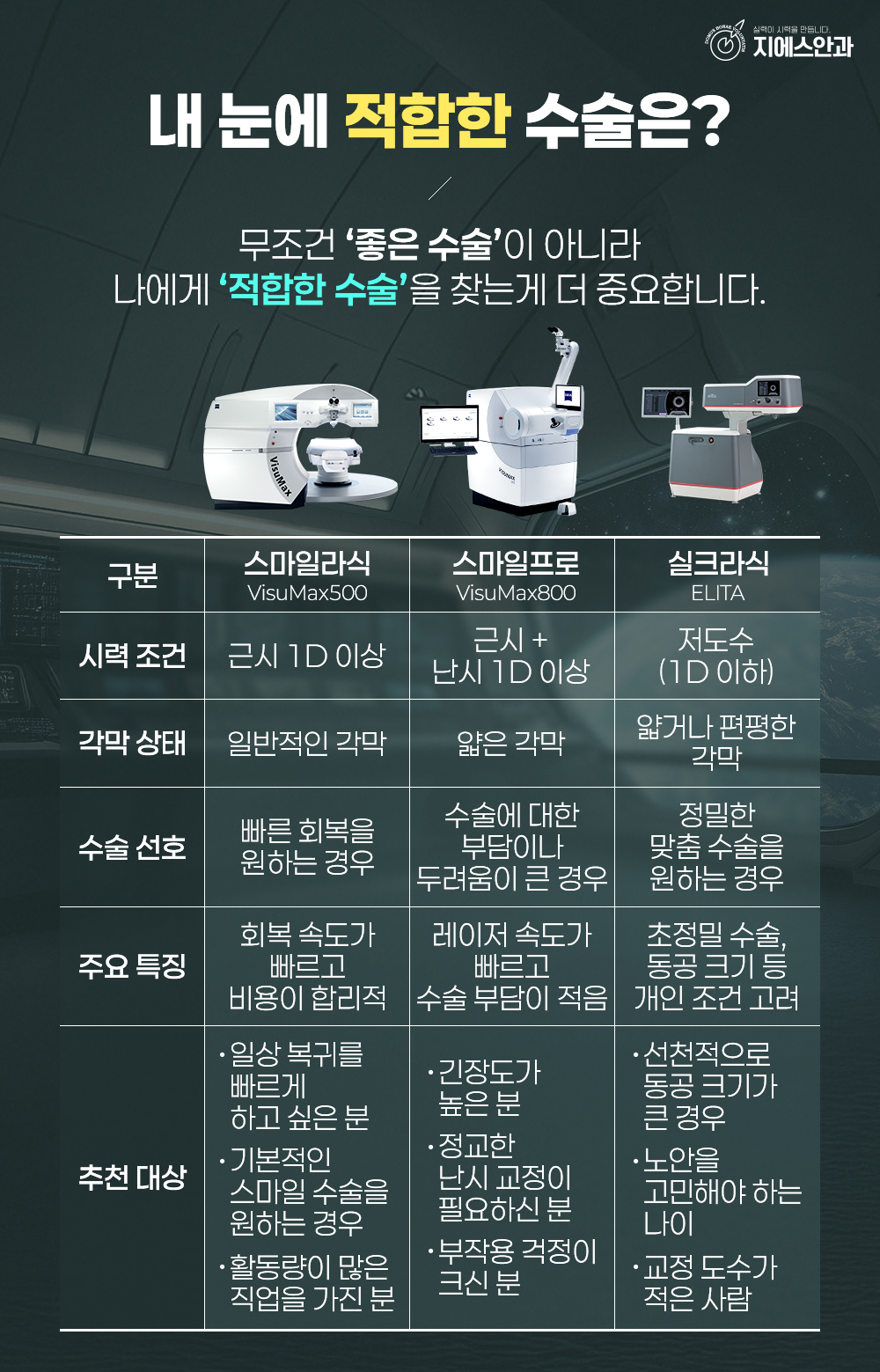
SMILE and similar procedures
SMILE and related intrastromal procedures are flapless and usually offer fast recovery with less early discomfort than surface ablation. However, they still require sufficient corneal thickness and a suitable shape, and may not be ideal for some very high myopia or very thin cornea cases.
LASIK
LASIK provides very quick visual recovery for many patients, but involves creating a corneal flap. In thin corneas or for people at higher risk of eye trauma, this flap can be a concern. In such situations, surface ablation options like 2DAY LASEK may be considered instead.
Phakic lens implantation
For very high myopia where laser ablation would remove too much tissue, phakic lens implantation (such as ICL or other designs) is often recommended. This approach preserves the corneal structure and is reversible, but it is an intraocular surgery and carries its own set of risks.
The focus of this article is 2DAY LASEK, but understanding these alternatives can help you discuss with the surgeon why one method is recommended over another for your specific eyes.
Safety, equipment, and quality control
For high myopia LASEK, the setting in which surgery is performed matters. Important elements include:
- Modern excimer laser technology with well‑maintained calibration
- Systematic pre‑operative screening to exclude ectasia risk
- Access to a retina specialist for high‑myopia retinal evaluation
- Clear protocols for long‑term follow‑up and enhancement policies
This ophthalmology clinic in Gangnam is designated as a clinical education center by a medical school and an Asia‑Pacific ophthalmic company, which means its protocols are used for training other doctors. The center also has extensive experience with other refractive techniques such as SMILE and lens implantation, allowing the team to recommend the most suitable method instead of fitting every patient into a single procedure.
Post‑operative care and lifestyle guidance
Short‑term care
After high myopia 2DAY LASEK, you will be advised to:
Use all prescribed eye drops exactly as directed
Avoid rubbing your eyes and protect them with shields while sleeping in the early period
Keep water, shampoo, and makeup away from the eyes for the recommended time
Avoid swimming pools, saunas, and intense exercise until the surgeon confirms it is safe
Following these instructions reduces the risk of infection and supports smoother healing.
Long‑term lifestyle
In the months and years after surgery, good habits help maintain comfort and eye health:
Wear UV‑blocking sunglasses outdoors to reduce the risk of corneal haze
Take regular breaks from digital screens and use lubricating drops if you have dry eye symptoms
Continue periodic retinal check‑ups due to the underlying high myopia, even if your vision is clear without glasses

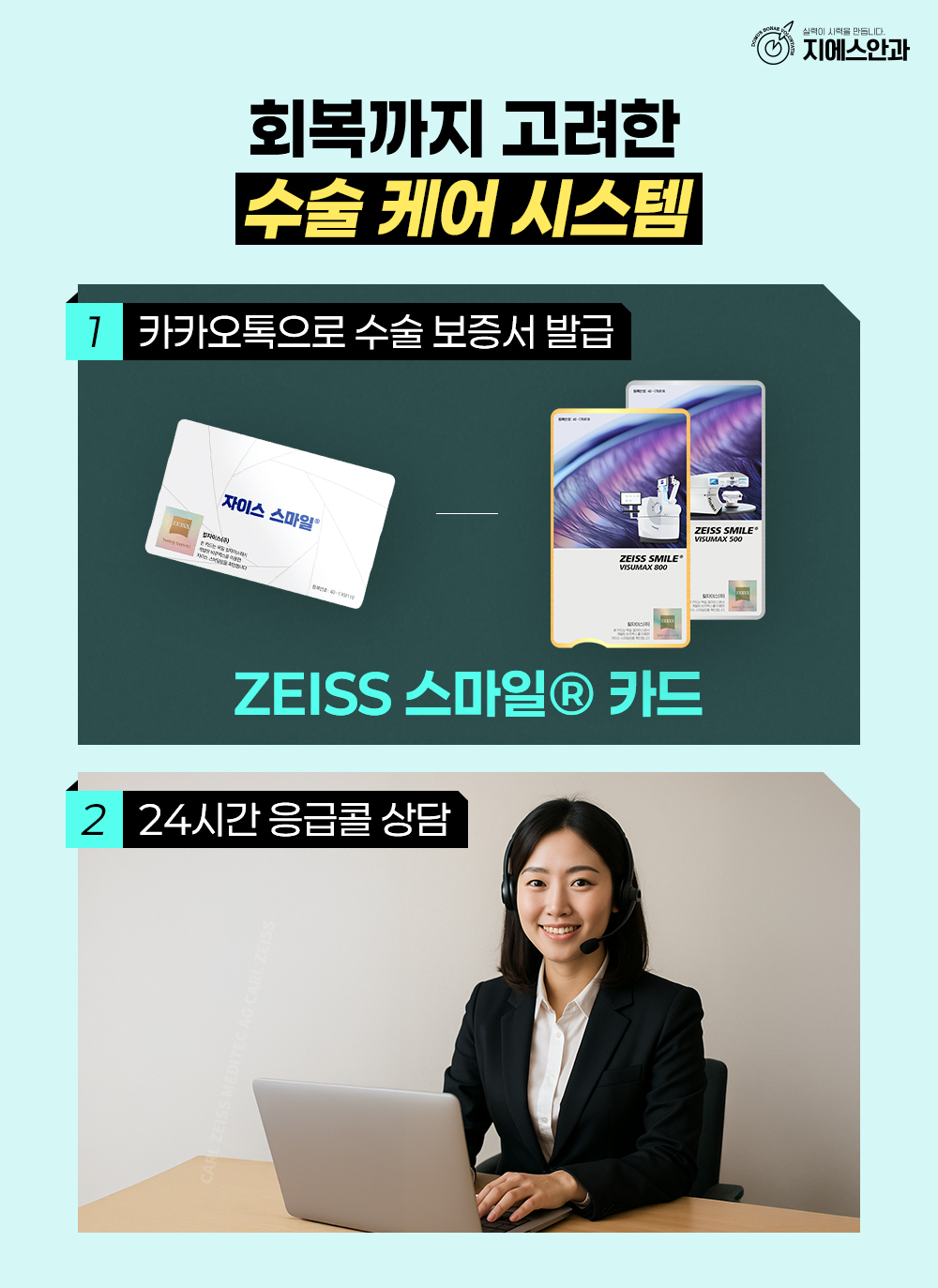
For international patients, the clinic can usually provide a summary of your surgery and recommendations in English to share with your local eye doctor.
Preparing for online consultation and your Korea visit
Before contacting the clinic, it can be helpful to prepare a small checklist:
- Your current glasses or contact lens prescription
- How long you have worn contact lenses and what type
- Any history of eye disease, surgery, or trauma
- Systemic conditions such as diabetes, autoimmune disease, or medications you take regularly
During online consultation, consider asking:
Whether your estimated prescription and corneal thickness are likely to be suitable for high myopia 2DAY LASEK
How many days you should plan to stay in Seoul for examination, surgery, and follow‑up
What the clinic’s policy is on enhancements if regression occurs
How they coordinate care with your local eye doctor after you return home
A typical visit timeline for overseas patients might be:
- Day 1: Full examination and consultation
- Day 2 or 3: 2DAY LASEK surgery
- Days 3–7: Early follow‑up visits, bandage lens removal, and stabilization
- Following week: Final local check before you fly home, with instructions for ongoing care
The exact schedule will depend on your healing and travel flexibility.
Frequently asked questions about high myopia 2DAY LASEK
Is 2DAY LASEK safe for very high myopia?
Safety depends less on the number on your glasses and more on your corneal thickness, shape, and overall eye health. For some people with very high myopia, 2DAY LASEK can be performed safely with conservative planning. For others, especially with thin or irregular corneas, the surgeon may recommend phakic lens implantation or a combination approach instead. A full examination is essential before deciding.
What is the maximum diopter that can be corrected with high myopia LASEK?
There is no single fixed maximum that applies to everyone. Many centers use general ranges, but the real limit is set by how much tissue can be removed while still leaving a safe residual corneal thickness and stable shape. In some very high myopia cases, only partial correction is advised, with the expectation of using thin glasses for certain tasks after surgery.
How is recovery different between 2DAY LASEK and normal LASEK?
Both are surface ablation procedures, so the overall healing pattern is similar. However, 2DAY LASEK protocols are designed to shorten the most painful period and help patients regain basic functional vision sooner, often within about two days. Classic LASEK typically involves a longer period of stronger discomfort and a slower return to daily activities. For high myopia, visual stabilization can take weeks to months with either method.
How long will I need to take time off work after high myopia 2DAY LASEK?
This depends on your job and your individual healing. Many office workers can return to lighter tasks within several days after 2DAY LASEK, especially if they can adjust screen time and lighting. Jobs that require intense visual precision, night driving, or exposure to dust and impact may require a longer break. Your surgeon will give more specific guidance based on your occupation and early recovery.
Will I still need glasses after surgery if my myopia is extremely high?
If your myopia is very high, the surgeon may recommend not fully correcting your prescription to keep the cornea structurally safe. In that case, you might still use glasses for certain activities, such as night driving or long reading sessions. Many patients still notice a major improvement in daily life, even if a small prescription remains.
How often should I have retinal check‑ups after high myopia LASEK?
Because high myopia itself increases retinal risk, regular retinal examinations remain important regardless of surgery. Many specialists suggest at least yearly check‑ups, or more often if you have specific retinal findings such as lattice degeneration or a history of retinal tears. Your retina specialist may adjust the interval based on your individual situation.
Soft call to action for online consultation
If you are considering high myopia LASEK or 2DAY LASEK in Gangnam, Seoul, an online consultation can be a practical first step. By sharing your prescription history and eye health background, you can receive preliminary guidance on whether 2DAY LASEK, another laser procedure, or a lens‑based option is more likely to suit your eyes. Final decisions are always made after examination in person, but early discussion can help you plan your travel and set realistic expectations.




- 공유 링크 만들기
- X
- 이메일
- 기타 앱


댓글
댓글 쓰기