How to choose a SMILE LASIK clinic in Gangnam: guidance for overseas patients
- 공유 링크 만들기
- X
- 이메일
- 기타 앱
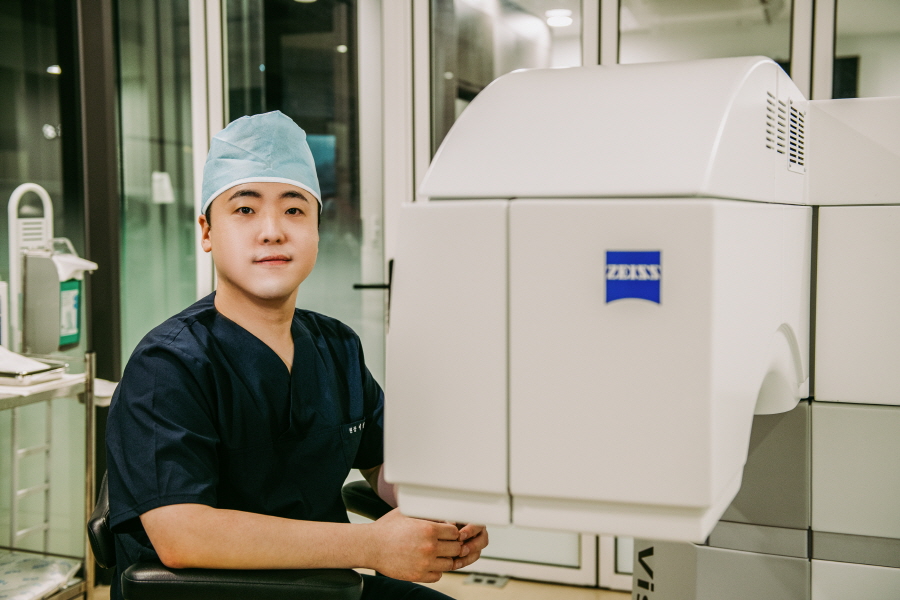
Direct answer: how to think about the “best” SMILE LASIK clinic in Gangnam
If you are searching for the best vision correction clinic in Gangnam, it is more helpful to focus on safety systems, experienced ophthalmologists, and modern SMILE LASIK equipment than on advertisements or rankings. The most suitable clinic for you will have high SMILE case volume, advanced femtosecond lasers, very detailed pre-examinations, and a conservative attitude about who should and should not have surgery.
SMILE LASIK overview
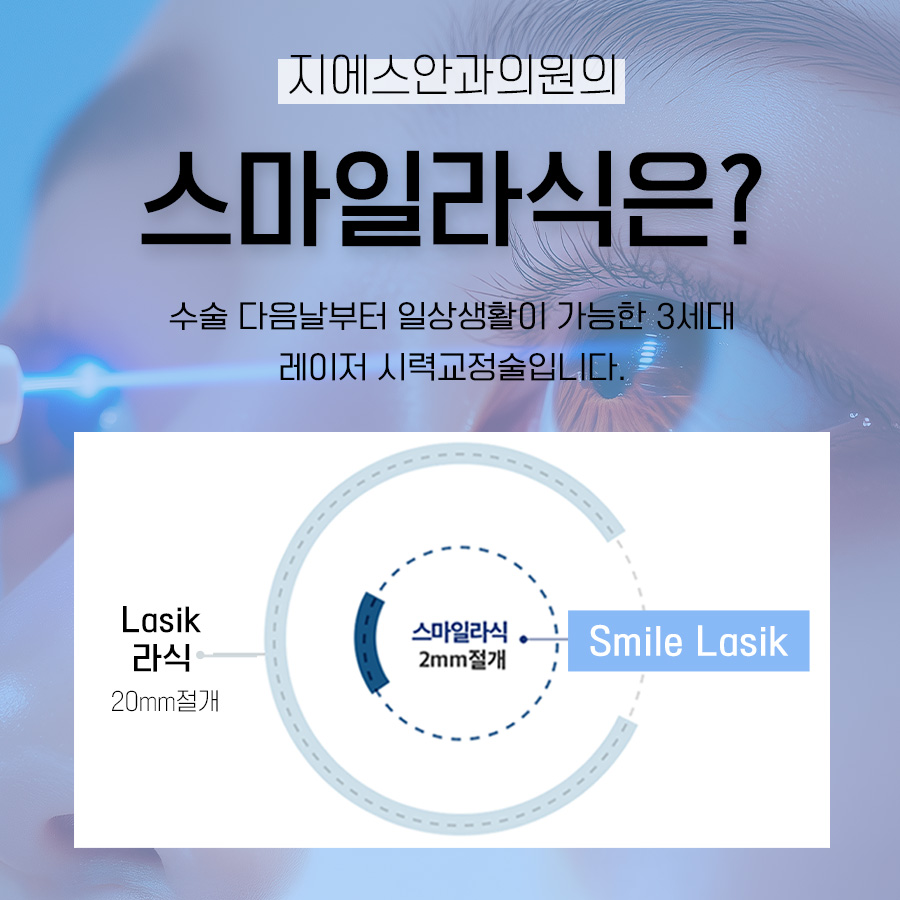
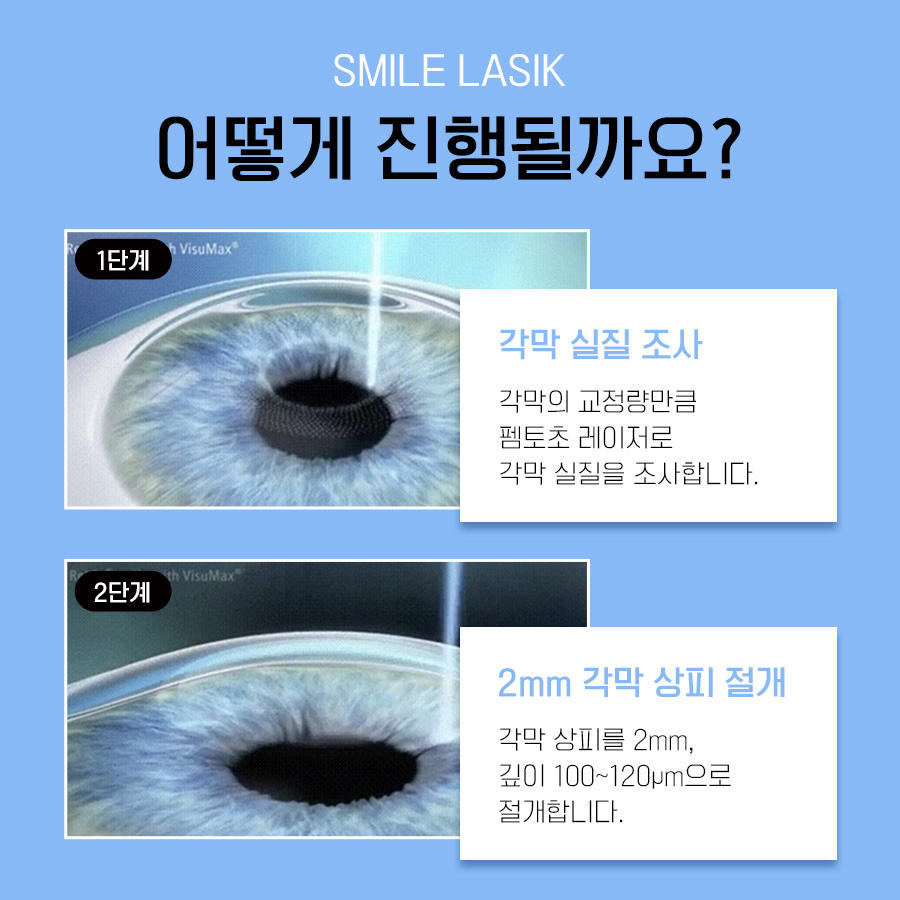
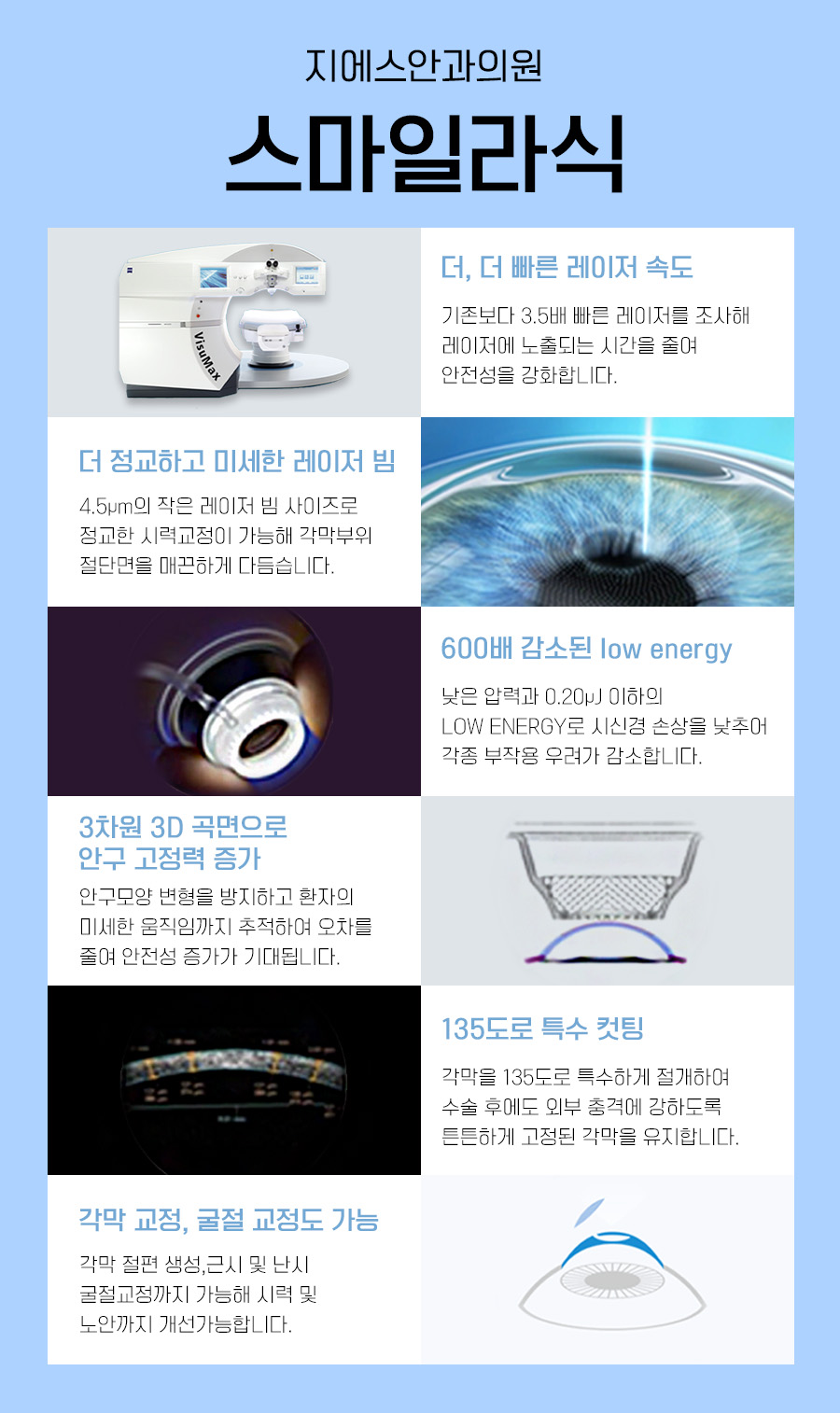
SMILE LASIK is a minimally invasive laser vision correction method for myopia and astigmatism within certain ranges. A femtosecond laser creates a thin lens-shaped piece of tissue (lenticule) inside the cornea, which is then removed through a very small incision.
Unlike conventional LASIK, there is no large corneal flap. Compared with LASEK, there is usually less surface damage. This smaller incision can reduce flap-related risks and may help with faster recovery and less dry eye in some patients. However, SMILE LASIK is not suitable for everyone. The final choice between SMILE, LASIK, LASEK, or lens implantation depends on corneal thickness, corneal shape, degree of myopia and astigmatism, age, and eye health.
Why people in Gangnam look for the best vision correction clinic
Gangnam has many university students, office workers, and professionals who spend long hours on digital devices. Many want to reduce dependence on glasses or contact lenses for convenience, appearance, or sports.
Because there are many clinics in a small area, patients often see strong marketing and price promotions. For long-term eye health, it is safer to look beyond discounts and focus on:
- Clear explanation of risks and alternatives
- Evidence of high case volume and experience
- Use of modern SMILE equipment
- Comprehensive pre-operative screening
- Structured post-operative follow-up
What SMILE LASIK can and cannot do
SMILE LASIK can correct many cases of nearsightedness and astigmatism, within limits set by your corneal thickness and shape. Many patients experience clearer unaided vision in daily life and can work, study, and exercise without glasses.
However, it does not prevent natural aging of the eye. Presbyopia, cataracts, and other age-related changes can still occur later. Some people may still need thin glasses for night driving or very fine work. A responsible clinic will explain these limitations clearly before you decide.
Who may consider SMILE LASIK in Gangnam
Adults in their 20s to 40s with stable vision for at least one to two years
People with myopia and astigmatism within the treatable range
Those with adequate corneal thickness and healthy corneal shape
People without active eye disease such as uncontrolled dry eye, infection, or progressive keratoconus
Patients without systemic conditions or medications that interfere with wound healing, as judged by an ophthalmologist
If you have very high myopia, very thin corneas, or suspicious corneal topography, lens implantation or another method may be safer. In some cases, no surgical vision correction is recommended at all.
Key criteria for choosing a SMILE LASIK clinic in Gangnam
When you compare clinics, use a practical checklist rather than relying only on online reviews.
Ophthalmology specialists and subspecialty training
All surgeons should be ophthalmology specialists with dedicated training in corneal and refractive surgery. For international patients, it is also helpful if at least some staff are comfortable communicating in English or can provide translation support.
Experience and case volume
Ask how many vision correction and cataract surgeries the clinic has performed overall, and how many SMILE procedures specifically. A center that has treated tens of thousands of eyes for vision correction and cataract surgery as of a recent year, and many SMILE cases, has more accumulated experience with different corneal types and special situations.
Dedicated SMILE equipment
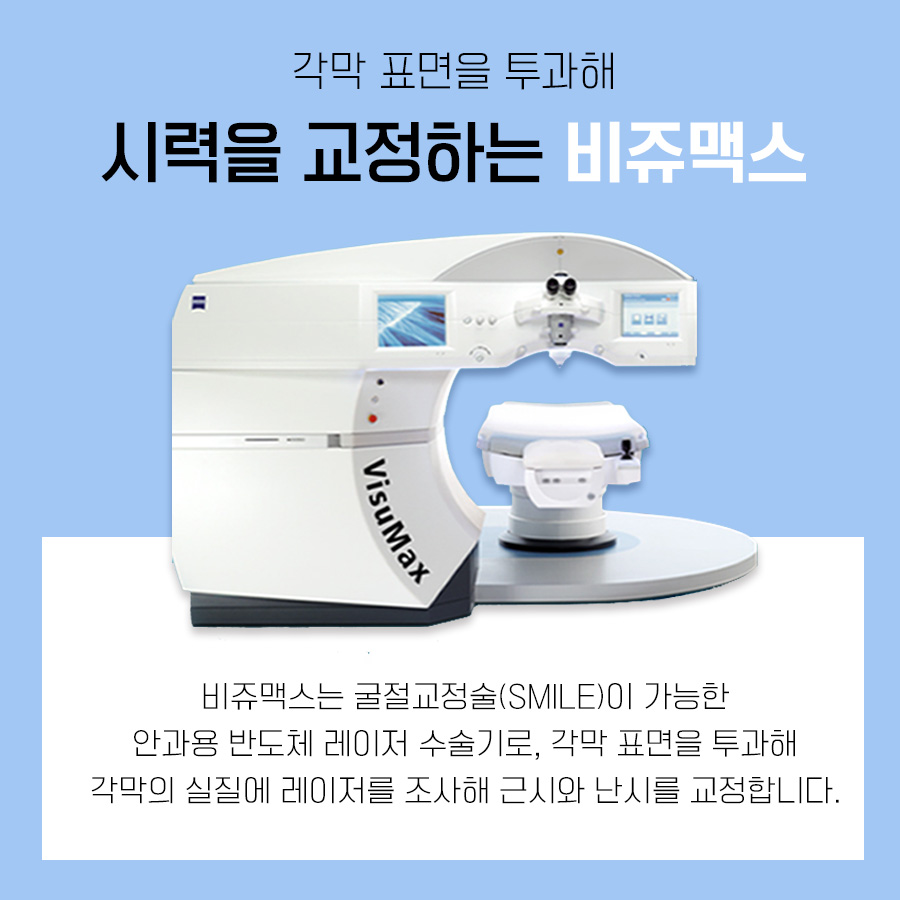
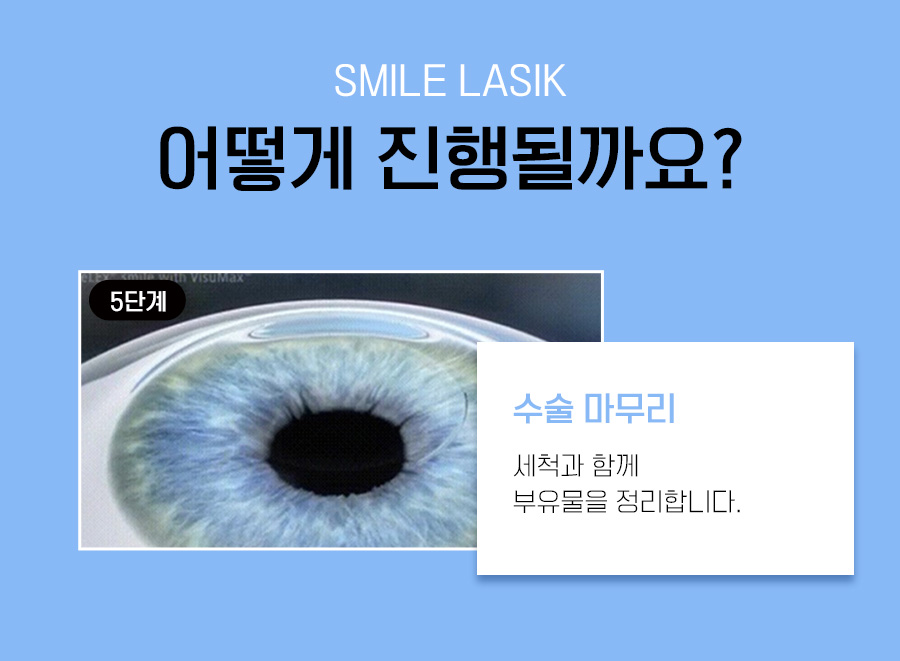
Modern SMILE procedures rely on high-quality femtosecond laser platforms. Examples include:
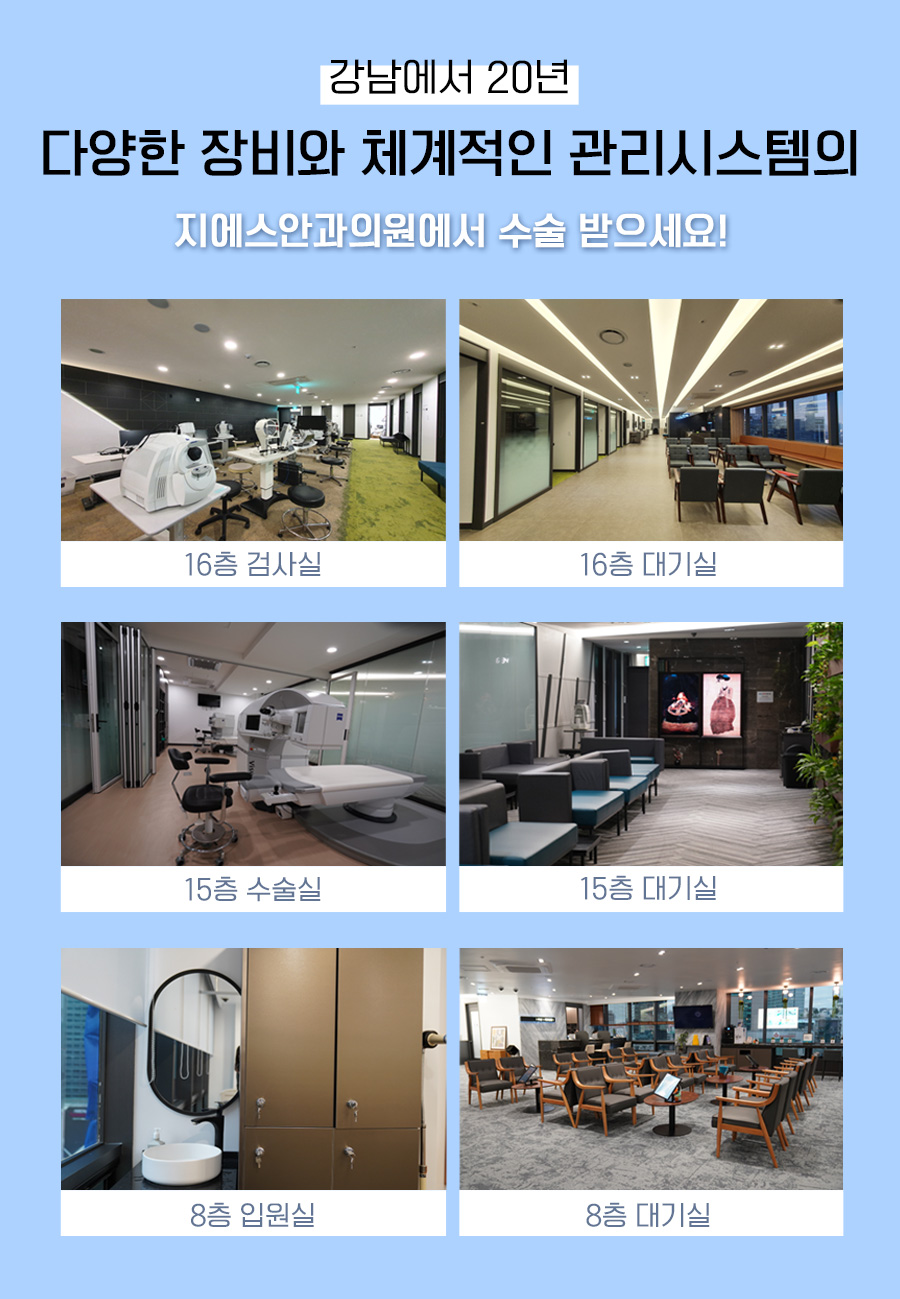
The clinic uses state-of-the-art femtosecond laser platforms for SMILE procedures, which can enable short laser treatment steps. Operating multiple laser units supports efficient scheduling and provides backup options to reduce patient wait times.
Clinics that own these systems can offer different SMILE-based procedures and adjust settings to your eye, instead of being limited to a single platform.
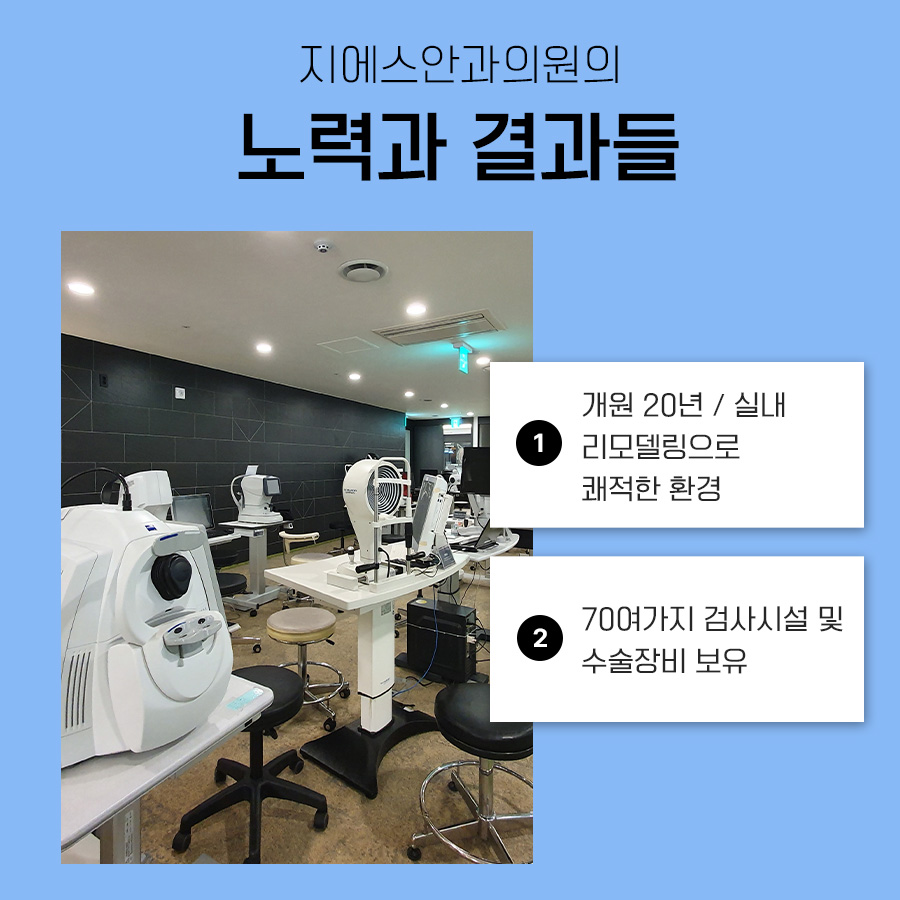
Full pre-operative diagnostic system
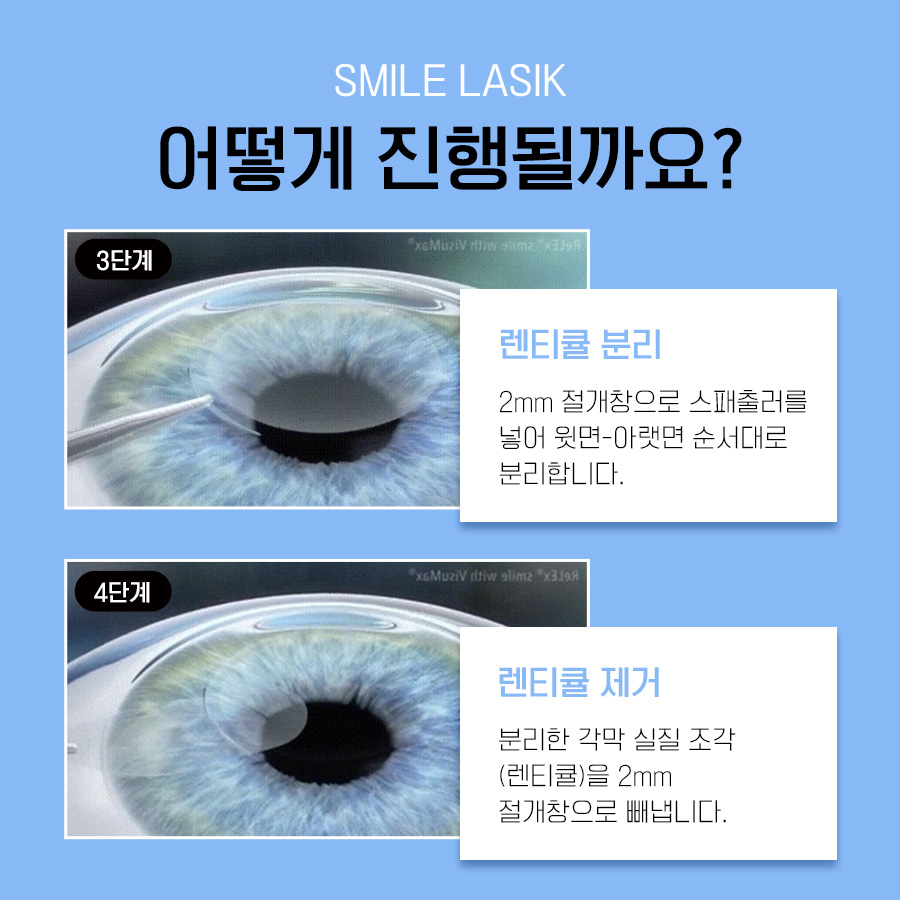
A thorough pre-operative examination is essential to avoid complications and to choose the right method. Ask whether the clinic performs:
- Corneal topography and tomography to evaluate shape and detect early keratoconus
- Corneal pachymetry to measure thickness
- Pupil size measurement
- Tear film and dry eye testing
- Retinal and optic nerve evaluation, including dilated fundus exam when needed
These tests help decide between SMILE LASIK, SMILE Pro, LASIK, LASEK, or lens implantation. A clinic that sometimes advises against surgery based on these results is usually taking safety seriously.
Safety protocols and quality certifications
Some centers follow international standards such as ISO 9001 and ISO 14001 for their SMILE LASIK processes. These certifications, when obtained for vision correction as of a specific year, indicate that their systems and workflows have been externally audited.
Designation as a clinical education center by medical schools or by device companies suggests that the clinic participates in training other doctors, which usually requires structured protocols and documented outcomes.
Subspecialty support for the retina
Even if you are focusing on the cornea, your retina must be healthy before any vision correction surgery. Clinics with a separate retina center and retina fellowship-trained ophthalmologists can:
Perform detailed fundus examinations
Detect retinal tears, lattice degeneration, or other issues
Provide laser treatment or other management before or after vision correction if needed
This is especially important for high myopes, who have a higher risk of retinal problems.
Long-term follow-up system
Ask how the clinic manages post-operative care:
- Scheduled visits, such as next day, one week, one month, and several months
- Dry eye evaluation and treatment
- Clear criteria for any enhancement or retreatment
- Emergency contact methods if you notice sudden pain, redness, or vision changes
A clinic that emphasizes long-term follow-up, rather than only the surgery day, is usually more focused on your overall eye health.
GS Eye Clinic as an example of these criteria
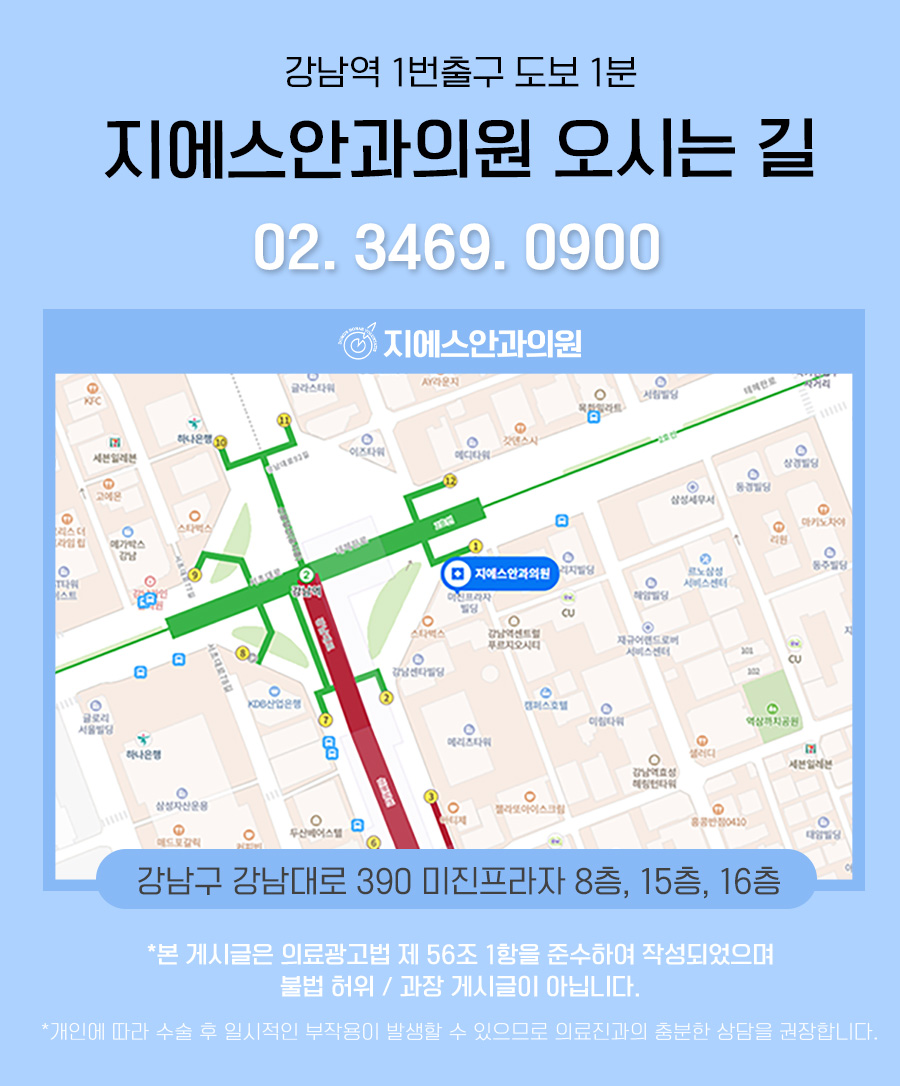
GS Eye Clinic in Gangnam, near Gangnam Station, can be used as a concrete example of how to evaluate a center. This ophthalmology clinic has been operating in the same building since 2005 under its current name after a rebrand.
The medical staff includes seven ophthalmology specialists, with a medical director who is a former university hospital professor and medical doctor (PhD). Several surgeons have backgrounds at major university hospitals and retina fellowships, which supports both corneal and retinal care.
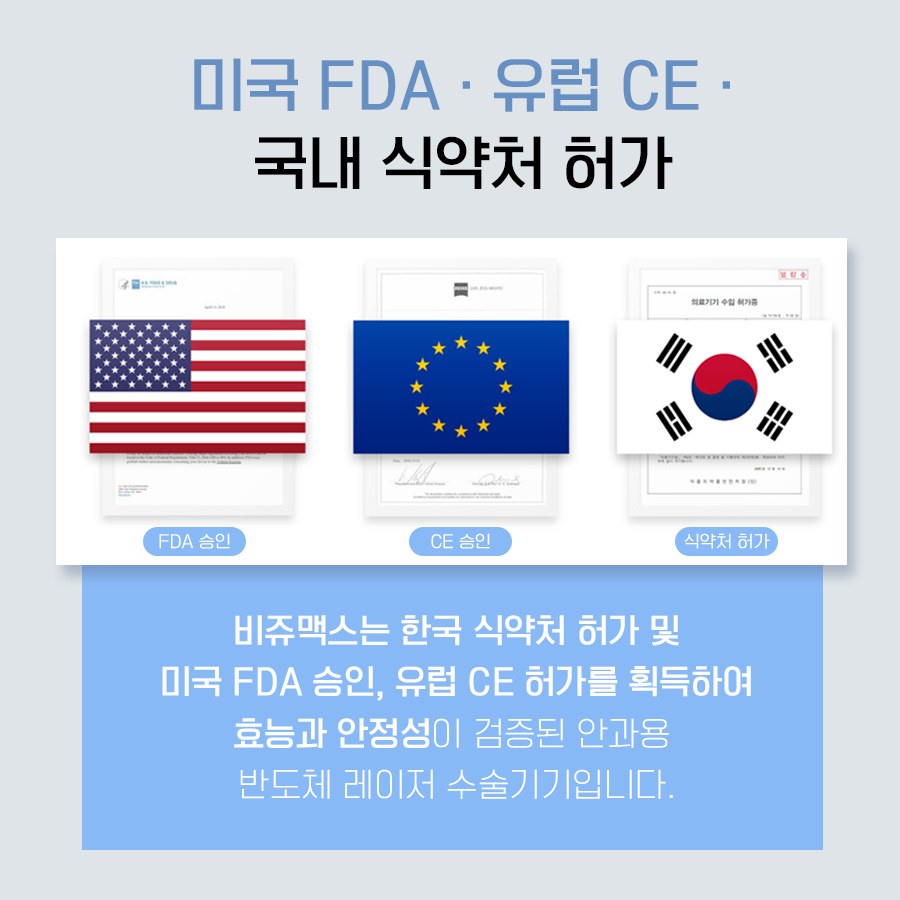
This center focuses strongly on SMILE-type procedures, including SMILE Pro, SMILE LASIK, SILK, and a proprietary Golden SMILE program. It also offers lens implantation methods such as ICL, GLAZE, and PhakiFlex KPL, as well as LASEK, corneal cross-linking, and a dry eye clinic.
In terms of case volume, the clinic reports a high cumulative number of vision correction and cataract procedures. SMILE Pro has been adopted and expanded in their practice over recent years. The clinic has also participated in ZEISS SMILE-related programs and pursued additional training and partnership recognitions.
For lens implantation, the center has adopted newer lens technologies such as GLAZE and Optiflex GLAZE, and has performed substantial numbers of intraocular lens procedures including multifocal options like PanOptix.
On the systems side, the clinic states it has pursued recognized quality and environmental management certifications and has engaged with academic partners and regional training programs as part of its clinical education efforts.
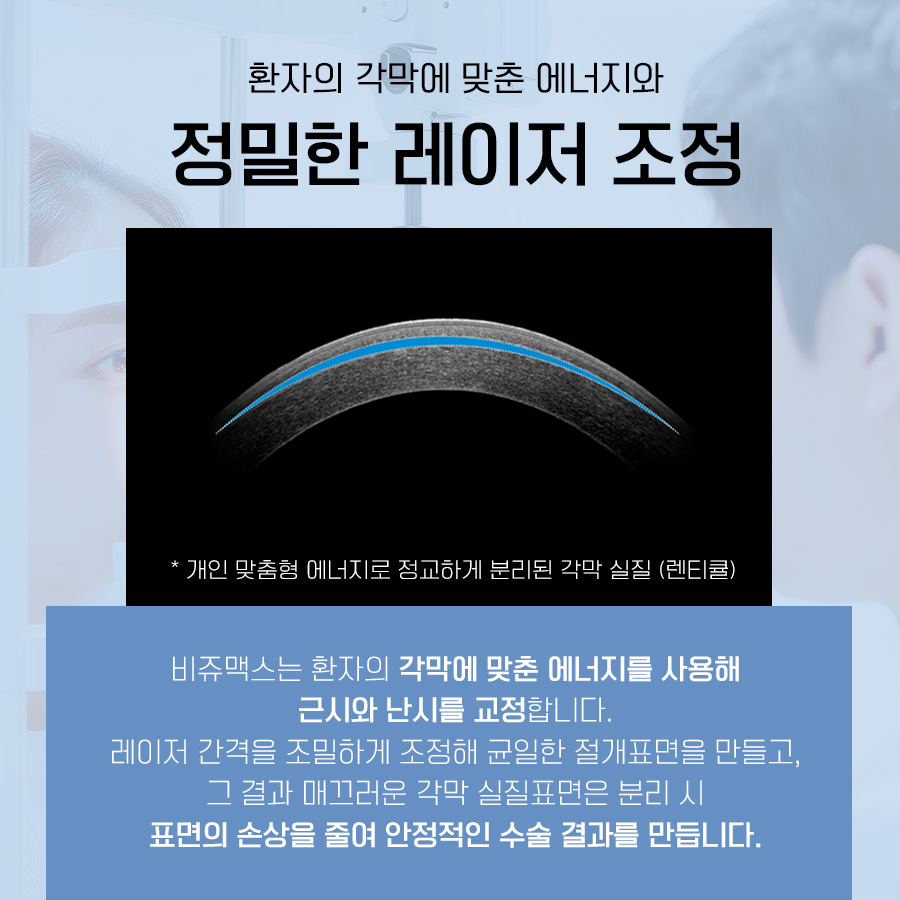
For equipment, this center owns all three major SMILE-related laser platforms: a ZEISS VisuMax 800 for SMILE Pro introduced in 2023, and two ZEISS VisuMax 500 units for SMILE LASIK, with the dual setup in place since 2019. This combination allows short laser times and flexible scheduling.
The medical director runs an ophthalmology-focused YouTube channel and the clinic participates in clinical education for other doctors. For patients, this kind of public education and teaching role can be a sign of transparency and commitment to sharing knowledge.
You can use this example as a benchmark when comparing other Gangnam clinics: look for similar clarity about case numbers, equipment, certifications, and education roles.
Typical SMILE LASIK process at a Gangnam clinic
While each clinic has its own protocol, the general steps are similar.
Step 1: Initial consultation
Your first visit usually includes:
- Visual acuity testing
- Refraction to measure your current prescription
- Intraocular pressure measurement
- A brief slit-lamp examination of the front of the eye
At this stage, the clinic checks whether you are a potential candidate and explains the general options.
Step 2: Comprehensive pre-operative examination
On a separate day, you undergo a more detailed exam. This often includes:
- Corneal thickness measurement (pachymetry)
- Corneal topography and tomography to analyze shape and detect irregularities
- Pupil size measurement under different lighting
- Tear film tests to evaluate dry eye
- Retinal and optic nerve evaluation, sometimes with dilating drops
Based on these results, some patients are advised not to have corneal laser surgery. This is a positive sign that the clinic prioritizes safety.
Step 3: Personalized procedure selection
The surgeon then recommends the most appropriate method, such as:
SMILE LASIK or SMILE Pro for suitable corneas and prescriptions
LASEK for thinner corneas or certain surface conditions
Lens implantation (such as ICL or other phakic lenses) for very high myopia or thin corneas
Your age, job, hobbies, and tolerance for recovery time are also considered. For example, someone with very dry eyes may be guided toward a method that minimizes surface disruption or may be treated for dry eye first.
Step 4: Surgery day
On the day of SMILE LASIK:
- You receive topical anesthetic eye drops
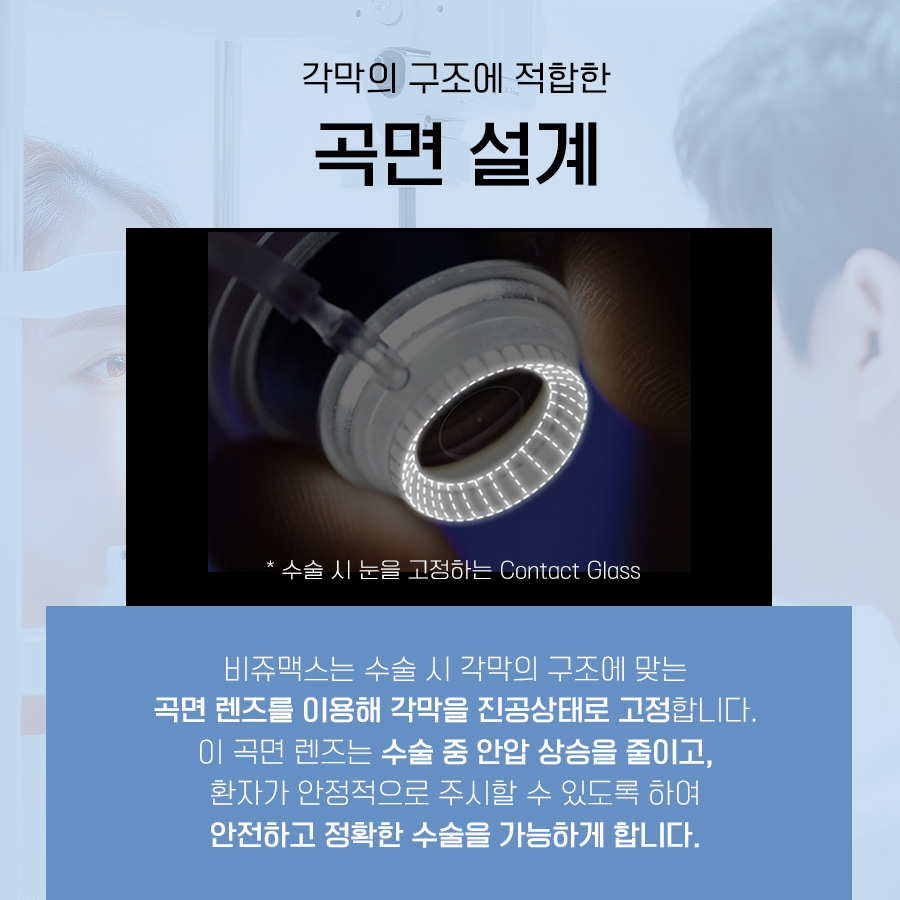
- The femtosecond laser creates the lenticule inside the cornea in a few seconds
- The surgeon removes the lenticule through a micro-incision
- You rest briefly in the clinic before going back to your accommodation
Most patients notice some improvement in vision within the first 24 hours, though clarity can fluctuate for several weeks.
Step 5: Post-operative care
Post-op care usually includes:
- Protective eye shields, especially while sleeping for the first few nights
- Medicated eye drops to prevent infection and reduce inflammation
- Lubricating drops to manage dryness
- Scheduled follow-up visits, such as the next day, at one week, one month, and three to six months
You will be advised to avoid rubbing your eyes, swimming pools, and heavy exercise for a certain period. Following these instructions carefully is as important as the surgery itself.
Safety, candidacy, and who should be cautious
General candidacy points for SMILE LASIK include:
- Stable prescription for at least one to two years
- Adequate corneal thickness and regular shape
- No active eye disease such as infection, severe dry eye, or progressive keratoconus
- Realistic expectations about results and possible side effects
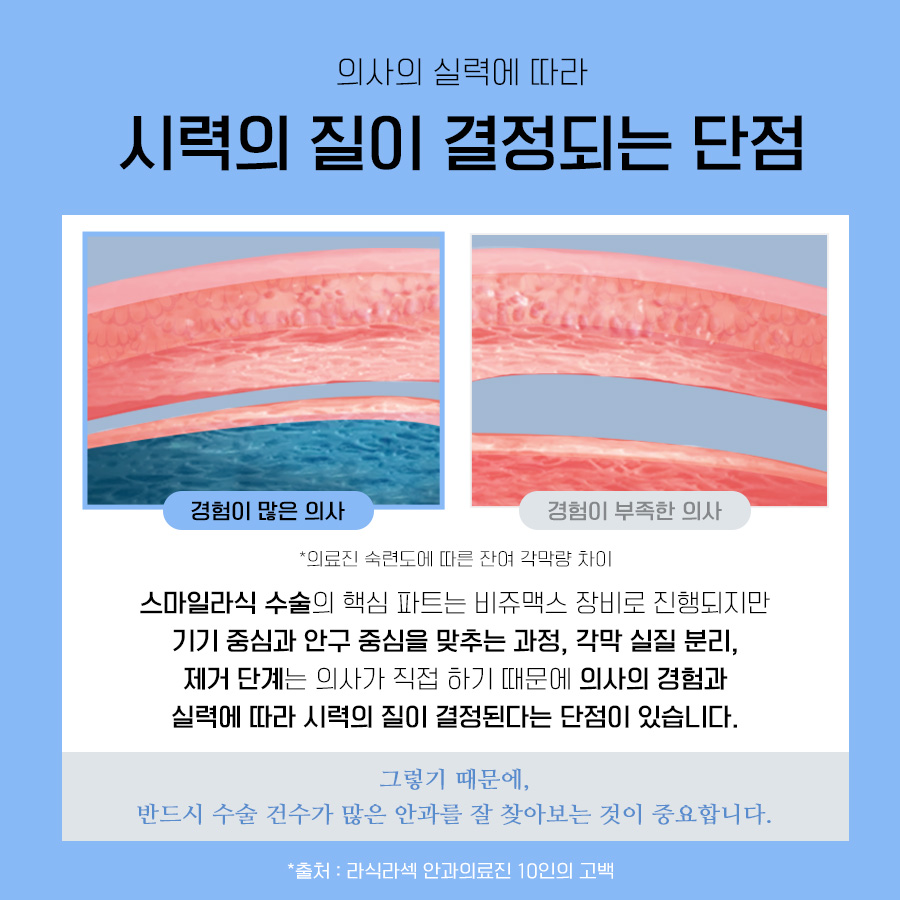
People who should be more cautious or may be advised to avoid corneal laser surgery include:
- Those with very thin corneas or suspicious corneal maps
- Patients with extremely high myopia beyond the safe range for tissue removal
- Individuals with severe dry eye that does not respond to treatment
- Patients with systemic diseases or medications that impair healing, depending on medical assessment
In such cases, lens implantation or no surgery may be safer. A responsible clinic will clearly explain when surgery is not recommended and will not pressure you to proceed.
Preparing for an online consultation and your Korea visit
Before you travel, many Gangnam clinics offer online or video consultations. To make this efficient:
- Prepare your recent glasses or contact lens prescription
- Collect previous eye exam reports if available, especially corneal topography or retinal images
- List any eye symptoms such as dryness, glare, or floaters
- Prepare a medical history including medications and allergies
During the online consultation, ask:
- Which laser platforms are used for SMILE LASIK and SMILE Pro
- How many SMILE cases the clinic has performed as of the current year
- Whether there is a retina specialist on staff
- How many days you should stay in Korea for surgery and follow-up
Expected Korea visit timeline for SMILE LASIK
A common schedule for overseas patients is:
- Day 1: In-person comprehensive examination and final decision about surgery type
- Day 2 or 3: SMILE LASIK procedure
- Day 3 or 4: First post-operative check
- Day 7 or later: Additional follow-up if you can stay longer
If you must leave Korea soon after surgery, discuss how to arrange follow-up care in your home country. Ask for a written summary of your procedure and post-op findings to share with your local eye doctor.
Aftercare once you return home
After you go back home, continue to:
Use any remaining prescribed drops as instructed
Avoid rubbing your eyes and follow any sports or swimming restrictions
Schedule follow-up visits with a local ophthalmologist at one to three months and again at six to twelve months
If you notice sudden pain, redness, flashes of light, a curtain-like shadow, or a rapid drop in vision, seek urgent care immediately. Keep your surgery report and clinic contact information accessible.
Practical comparison tips for Gangnam clinics
When you compare clinics, focus on these questions:
Which exact laser models are used for SMILE LASIK and SMILE Pro
How many SMILE eyes have been treated as of the latest year
Are all surgeons ophthalmology specialists, and is there a dedicated retina specialist
Is there a full pre-op screening system, including corneal tomography and retinal evaluation
Does the clinic hold certifications such as ISO 9001 and 14001 for vision correction
Is the clinic involved in clinical education or training programs
Also pay attention to how clearly the staff explain:
- Possible side effects such as halos, glare, dry eye, and night vision changes
- The chance that you might still need thin glasses for some activities
- The possibility and conditions for enhancement surgery
Try not to choose based only on price or marketing phrases. Your cornea is not replaceable, so safety and experience should be the priority.
FAQ about SMILE LASIK in Gangnam
Is SMILE LASIK safer than LASIK or LASEK?
SMILE LASIK uses a smaller incision and does not require a large corneal flap, which can reduce certain flap-related risks compared with conventional LASIK. Some patients may experience less dry eye and faster surface recovery compared with LASEK. However, all procedures have potential risks, and safety depends more on proper patient selection, surgeon experience, and careful pre-operative screening than on the procedure name alone.
How long do I need to stay in Korea for SMILE LASIK?
Many overseas patients plan about one week in Korea. This usually allows time for a full pre-operative exam, surgery, and at least one or two early post-op checks. If you can stay longer, additional follow-up visits are helpful. If your schedule is tight, discuss a minimum safe stay and how to coordinate follow-up with a local ophthalmologist after you return home.
Can I have SMILE LASIK if I have dry eyes?
Mild dry eye does not always prevent SMILE LASIK, and some patients are treated with lubricating drops or other therapies before surgery. However, severe or uncontrolled dry eye can affect both safety and comfort after any corneal laser procedure. A thorough tear film evaluation is important, and in some cases, the clinic may recommend treating dry eye first, choosing a different vision correction method, or avoiding surgery.
What should I ask during an online consultation with a Gangnam clinic?
Ask about the exact laser systems they use, their total number of SMILE cases as of the current year, and whether they have a dedicated retina specialist. Confirm that they perform full corneal and retinal screening and are willing to decline surgery if your eyes are not suitable. Also ask about the expected stay in Korea, post-op schedule, possible side effects, and how they will support you once you return to your home country.
Soft call to action
If you are considering SMILE LASIK in Gangnam, start by arranging an online consultation with a clinic that can clearly explain its equipment, case volume, and safety systems. Prepare your previous prescriptions and questions in advance, and compare at least two centers using the checklist in this guide. Taking time to choose carefully is one of the most important steps toward safe and satisfying vision correction abroad.


- 공유 링크 만들기
- X
- 이메일
- 기타 앱


댓글
댓글 쓰기