How to Improve Eyesight Naturally and When to Consider Vision Correction in Gangnam
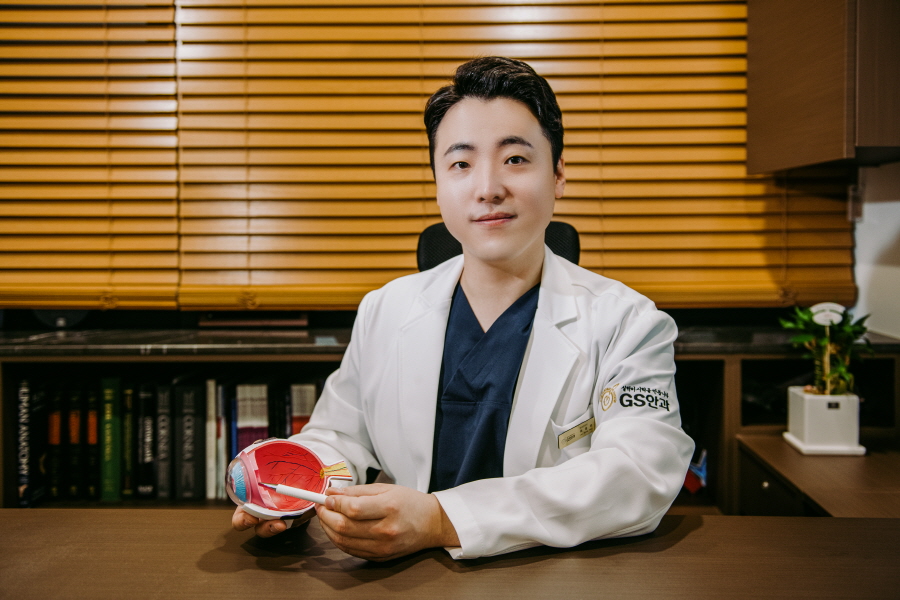
How to Improve Eyesight: What Natural Care Can and Cannot Do
It is important to understand that natural methods can support and protect your eyes, and sometimes slow further deterioration, but they do not usually reverse existing myopia, hyperopia, or astigmatism.
If you already have a certain level of refractive error, clear vision generally requires glasses, contact lenses, or medical procedures such as laser vision correction or lens implantation. Natural habits are still very valuable, because they reduce eye strain, protect the surface of the eye, and support long-term eye health.
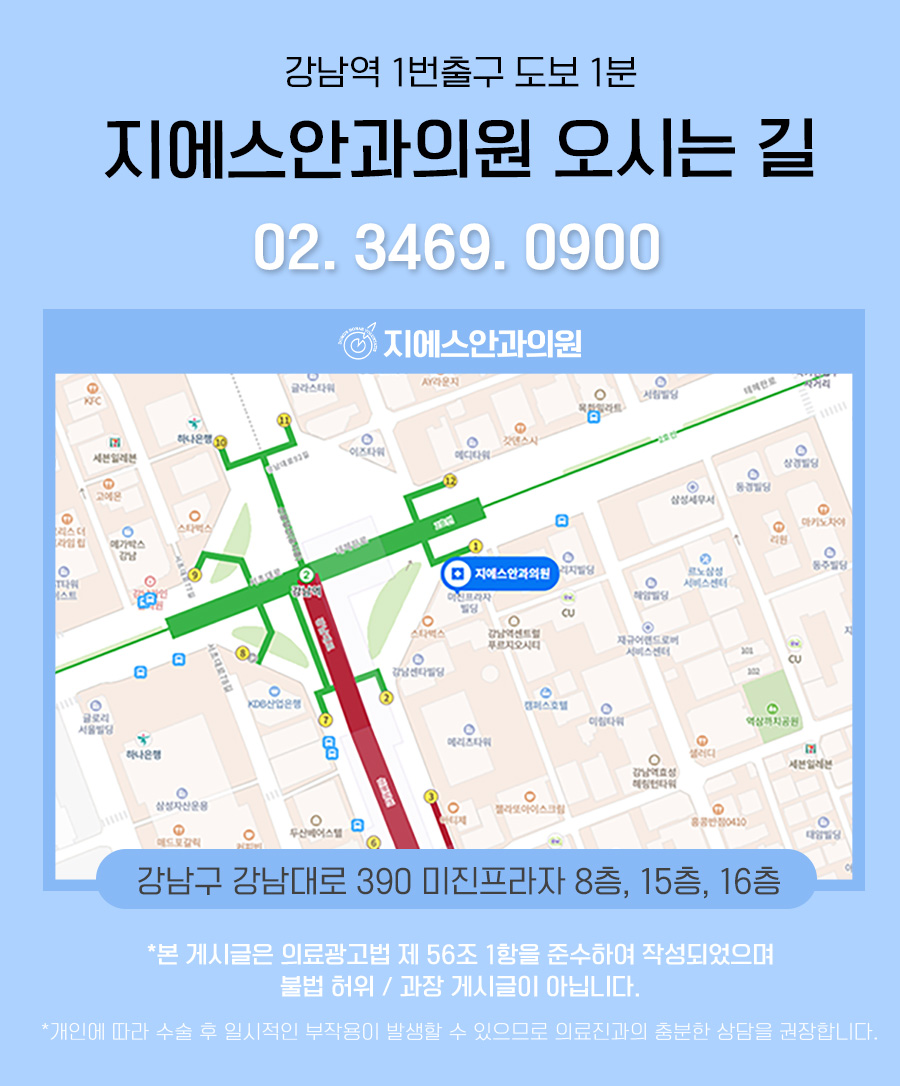
If you are searching for ways to improve eyesight, it is important to know how far natural eye care can really help and at what point you should visit an eye clinic. Many people try lifestyle changes first, then start to feel the limits when work, study, or daily life still feel uncomfortable. At that stage, it can be helpful to connect your natural habits with a professional check-up and, if needed, consider vision correction at a modern ophthalmology clinic in Gangnam, Seoul, near Gangnam Station.
What “improving eyesight” really means
When people say they want to improve their eyesight, they usually mean one of three different things.
Preventing further deterioration
This includes reducing eye strain, managing screen time, improving posture and lighting, and taking care of general health. These habits can help keep your current level of vision more stable, especially in children and young adults who are still at risk of progressing myopia.
Correcting existing refractive errors
Myopia (nearsightedness), hyperopia (farsightedness), astigmatism, and presbyopia (age-related difficulty focusing at near) are usually caused by the shape and focusing power of the eye. Once the eyeball is longer or shorter than average, or the cornea has a certain curvature, exercises alone cannot reshape it.
For these conditions, clear vision usually requires:
- - Glasses
- - Contact lenses
- - Laser vision correction (such as SMILE Pro, SMILE LASIK, SILK, or LASEK)
- - Lens implantation procedures (such as ICL, GLAZE, or PhakiFlex)
Treating eye diseases
Some eye problems are not about refractive error at all. Cataract, glaucoma, retinal disease, severe dry eye, and corneal disorders need medical diagnosis and treatment. Lifestyle habits are still helpful, but they cannot replace proper ophthalmology care.
Use natural methods to keep your eyes comfortable and protect them day to day, but if you already have strong nearsightedness, farsightedness, astigmatism, or an eye disease, rely on proper glasses and medical treatment as the main solution.
Screen and near-work habits
Modern life in urban areas like Gangnam involves long hours on laptops, phones, and tablets. This can cause digital eye strain, headaches, and dry eye, even if your basic prescription has not changed.
The 20-20-20 rule
Every 20 minutes, look at something about 20 feet (around 6 meters) away for at least 20 seconds. This relaxes the focusing muscles inside your eyes and can reduce fatigue.
Proper working distance
- For books and smartphones, try to keep a distance of about 30–40 cm from your eyes.
- For computer monitors, aim for about 40–70 cm.
- Avoid leaning very close to the screen, as this increases strain and may encourage progression of myopia in children and teens.
Monitor height and position
- Adjust your monitor so that the top of the screen is at or slightly below eye level.
- Your gaze should naturally fall slightly downward when you look at the center of the screen.
- This position helps reduce dryness, because your eyelids cover more of the eye surface.
Lighting and glare
- Use enough ambient light so that the contrast between your screen and the room is not too extreme.
- Avoid strong reflections on the screen from windows or overhead lights.
- If possible, use a matte screen or an anti-glare filter.
Rest, blinking, and dry eye
When concentrating on a screen, people blink less often. This makes the tear film evaporate faster and can lead to dry eye symptoms such as burning, foreign body sensation, or fluctuating vision.
Try to:
- Consciously blink more often, especially during intense work or gaming.
- Take short, frequent breaks rather than one long break. Even 30 seconds to close your eyes or look away can help.
- Use artificial tears if recommended after an eye examination, especially in air-conditioned or heated offices.
Sleep and general health
The eyes are part of your overall body, so general health habits matter.
- Sufficient sleep helps your focusing system reset and reduces eye fatigue.
- Staying hydrated is important for tear production and comfort.
- Regular exercise and management of systemic conditions such as diabetes or high blood pressure are also important for long-term eye health.
Outdoor time, especially for children and teens
Studies have reported that when children and teenagers spend more time outdoors, the progression of myopia tends to be slower.
- Natural light and looking at distant objects seem to help slow down the lengthening of the eyeball in growing eyes.
- For school-age children, aiming for at least 1–2 hours of outdoor activity most days can be beneficial, alongside proper reading habits.
Eye exercises and supplements: realistic expectations
Many online programs promise to “cure” myopia with eye exercises. Current scientific evidence does not support the idea that exercises can reverse established myopia or significantly reduce a stable prescription.
- Eye exercises may help with certain focusing or coordination problems in specific cases, but they are not a general solution for refractive errors.
- Nutritional supplements can support eye health when there is a deficiency or specific condition, but they do not usually replace glasses or surgery.
- Before spending money on unproven methods, it is wise to have a comprehensive eye examination and discuss realistic options with an ophthalmologist.
Warning signs that require an eye examination
Some symptoms should not be ignored. If you notice any of the following, it is important to seek a professional eye examination rather than relying on home remedies.
Blurry distance or near vision that persists
If you struggle to see the board in class, road signs while driving, or text on your phone even after resting your eyes, you may need an updated prescription or further evaluation.
Frequent headaches or eye strain
Headaches after reading, studying, or computer work can be a sign of uncorrected refractive error, presbyopia, or focusing problems.
Sudden floaters, flashes, or a curtain-like shadow
New floaters, light flashes, or a dark curtain across your vision can indicate retinal problems that may require urgent care.
Halos, glare, or difficulty driving at night
Seeing halos around lights, strong glare, or struggling with night driving may be related to refractive error, early cataract, dry eye, or other conditions.
Redness, pain, or sudden vision loss
These are warning signs that need prompt attention from an ophthalmology specialist.
Who should have regular comprehensive eye examinations
- People with high myopia, because they have a higher risk of retinal and other complications.
- Those with a family history of glaucoma, retinal disease, or cataract.
- Adults over 40, to screen for presbyopia, early cataract, and age-related eye diseases.
- Anyone considering vision correction procedures.
A comprehensive eye examination includes more than reading letters on a chart. It usually involves detailed measurements of your prescription, corneal thickness and shape, tear film, retina, and optic nerve.
Professional options when lifestyle changes are not enough
Glasses and contact lenses
For many people, glasses are the simplest and safest way to correct refractive errors. Contact lenses are convenient for sports and daily life, but they require careful hygiene and regular follow-up.
Even if you follow all the natural habits described above, you may still need glasses or contact lenses. This is normal and does not mean you have failed to care for your eyes.
For those who wish to reduce dependence on glasses or contact lenses, modern laser procedures offer several options. At a well-equipped ophthalmology clinic in Gangnam, near Gangnam Station, commonly used methods include:
SMILE Pro and SMILE LASIK
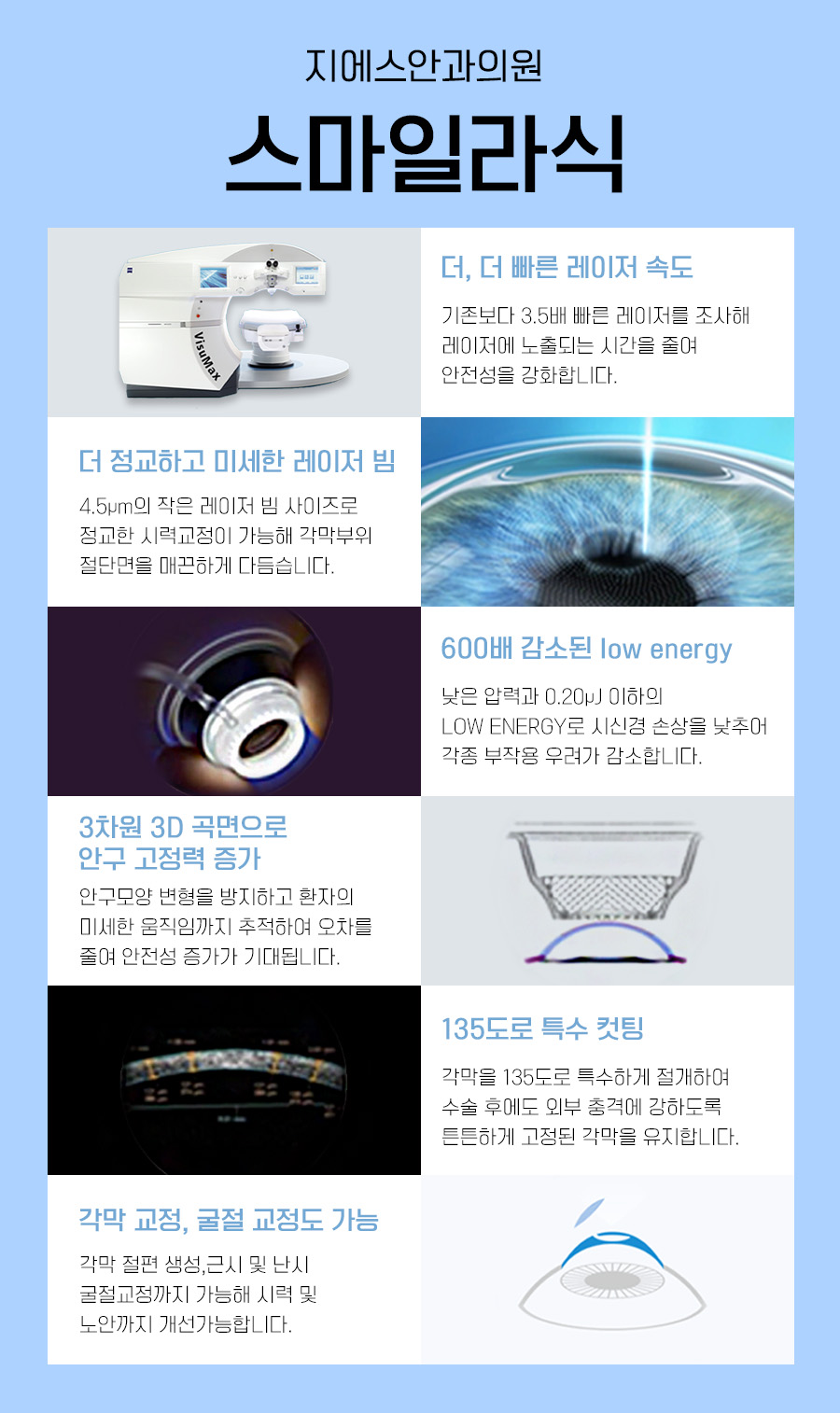
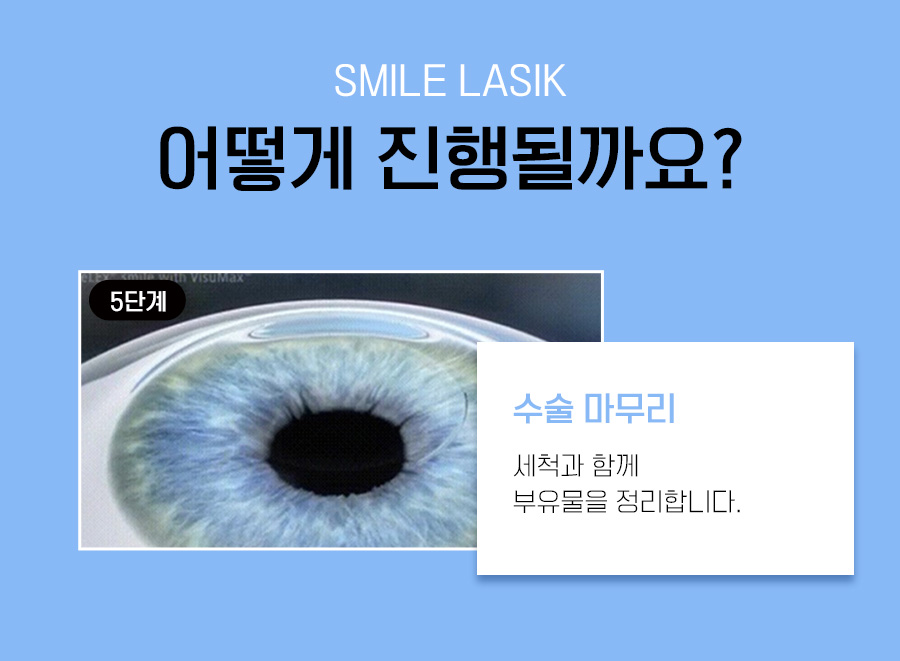
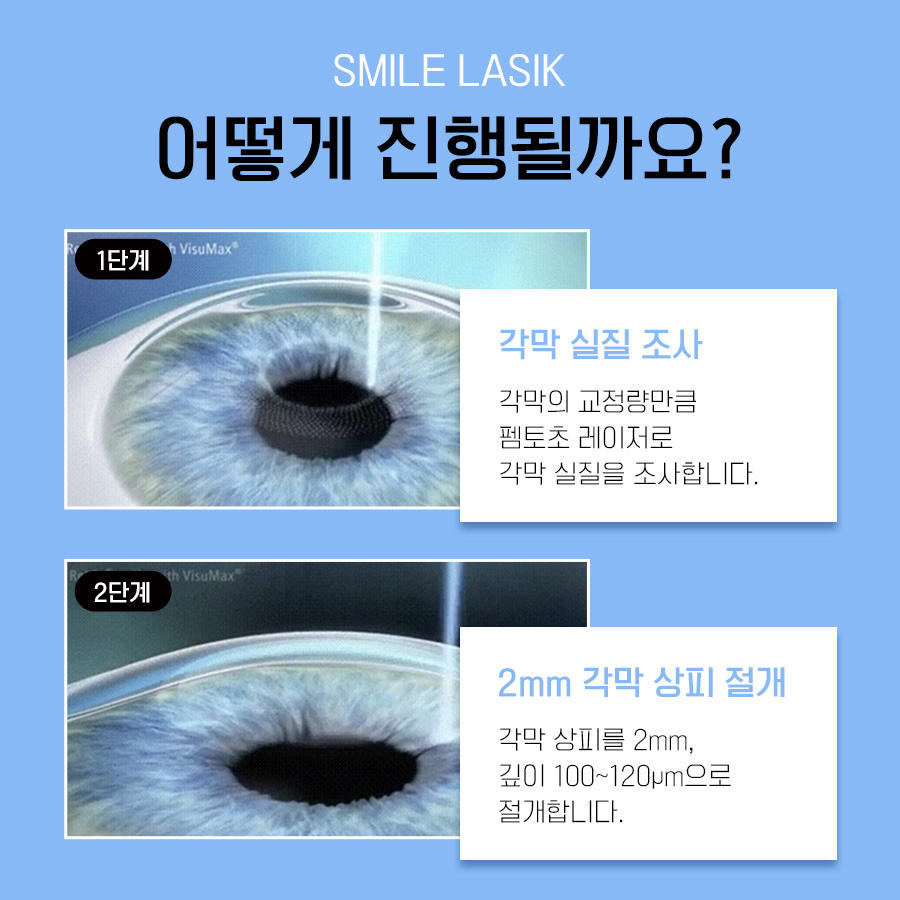
These are minimally invasive corneal laser procedures using femtosecond laser technology. A small lenticule of tissue is created and removed through a tiny incision (SMILE Pro), or combined with a LASIK-style flap (SMILE LASIK), to reshape the cornea and correct myopia and astigmatism.
SILK and other advanced platforms
SILK and similar platforms are designed for precise, tissue-saving correction. They aim to optimize corneal shape while preserving as much tissue as possible, which can be important for long-term stability.
LASEK
LASEK is a surface laser procedure where the outer layer of the cornea is gently moved aside, the laser reshapes the surface, and then the layer is repositioned. Some centers offer a two-day recovery protocol with modern medications and bandage lenses.
Corneal cross-linking (EXTRA / KXL)
Corneal cross-linking is used to strengthen the cornea in specific conditions where the cornea is weak or irregular. In some cases, it is combined with vision correction to improve stability.
Lens implantation (phakic IOL)
For people with very high myopia, thin corneas, or certain corneal shapes, laser procedures may not be the safest choice. In these cases, lens implantation can be considered.
ICL, GLAZE, and PhakiFlex KPL are examples of implantable lenses placed inside the eye while preserving the natural lens. They act like internal contact lenses, correcting refractive error without removing the eye’s own lens.
These procedures require precise measurements of eye length, anterior chamber depth, and other parameters. They are usually recommended after careful evaluation by an experienced ophthalmology team.
Presbyopia and cataract solutions
As people reach their 40s and beyond, presbyopia makes near tasks more difficult. Later, cataract can cause cloudy vision, glare, and color changes.
Modern options include:
- Laser-assisted cataract surgery, which uses advanced imaging and laser technology to assist with key steps of the procedure.
- Multifocal intraocular lenses, such as PanOptix, designed to reduce dependence on glasses for both near and distance vision after cataract or lens surgery.
These are medical procedures that require detailed preoperative examination and personalized planning. They are not cosmetic treatments, and the choice of lens type depends on lifestyle, eye health, and expectations.
For overseas patients considering treatment in Korea, it can be especially helpful that some ophthalmology clinics in Gangnam provide support in foreign languages and organized guidance for scheduling, examination, and post‑procedure care.
One such center near Gangnam Station has been operating in the same location since 2005. The medical team consists of board-certified ophthalmologists, including a medical director with a doctorate in medicine and previous university hospital teaching experience. Several doctors have backgrounds in major university hospitals and retinal subspecialty training.
This clinic has performed a very large number of vision correction and cataract surgeries over the years. It has extensive experience with SMILE Pro procedures and has also actively adopted GLAZE lens implantation. The team has carried out many multifocal lens implantations, including PanOptix.
In terms of technology, the center operates three key SMILE platforms from a major global manufacturer, including the latest high-speed femtosecond laser system (VISUMAX 800) for SMILE Pro and two VISUMAX 500 units for SMILE LASIK. The clinic participates in education and training related to SMILE Pro and advanced laser platforms, and operates a quality management system for vision correction procedures that aligns with international standards.
The clinic also serves as a clinical education institution for a major medical school and for an international ophthalmic company, participating in the training of other doctors. For international patients, this combination of experience, technology, and educational role can be an important part of the decision-making process.
How an eye examination for vision improvement typically works
If you visit an ophthalmology clinic in Gangnam to discuss your eyesight, the process usually follows several structured steps.
Detailed history
The medical team will ask about:
- - Age and general health
- - Occupation and visual demands (for example, programmer, designer, student, frequent night driving)
- - Previous eye problems, surgeries, or injuries
- - Systemic diseases such as diabetes or autoimmune conditions
- - Current symptoms, such as dryness, glare, or headaches
Comprehensive diagnostic testing
A thorough assessment may include:
- - Measurement of your current prescription (refraction) for distance and near
- - Corneal thickness and shape mapping to check for suitability for laser procedures
- - Tear film evaluation to assess dry eye and surface health
- - Retinal and optic nerve examination, sometimes with imaging
- - Pupil size, intraocular pressure, and lens clarity
Discussion of possible options
After the examination, the ophthalmologist will explain whether you are best suited for:
- - Lifestyle and ergonomic adjustments only, if your eyes are healthy and symptoms are mild
- - Updated glasses or contact lenses
- - Laser vision correction such as SMILE Pro, SMILE LASIK, SILK, or LASEK
- - Lens implantation procedures such as ICL, GLAZE, or PhakiFlex
- - Presbyopia or cataract surgery with monofocal or multifocal lenses
The recommendation is usually based on safety, long-term stability, and how you use your eyes in daily life (for example, office work, sports, frequent travel, or night driving).
Personalized planning
If you decide to proceed with a procedure, the clinic will plan:
- Which eye to treat first (often both are treated on the same day for laser procedures)
- The exact target (for example, full distance correction or a blended vision strategy for presbyopia)
- Postoperative care schedule and expected recovery timeline
Preparing for an online consultation and your visit to Korea
Many overseas patients start with an online consultation before traveling to Seoul.
What to prepare for online consultation
To make the most of your first online discussion, it helps to prepare:
- Your age and main visual goals (for example, “I want to reduce dependence on glasses for distance and sports” or “I want to manage presbyopia and read without strong reading glasses”)
- Any previous eye examination results, including prescriptions for glasses or contact lenses
- History of eye conditions, surgeries, or injuries
- Information about general health and medications
- Questions about procedures you are interested in, such as SMILE Pro, ICL, GLAZE, or PanOptix lenses
This allows the medical team to give you a realistic overview of which options might suit you, even before you arrive.
Typical Korea visit timeline for vision correction
Although details vary by person and procedure, a common schedule for international patients might look like this:
- Day 1: Comprehensive eye examination and consultation. Final decision on procedure type and date. In some cases, laser vision correction can be scheduled for the same day or next day if all tests are favorable.
- Day 2: Procedure day (for example, SMILE Pro, SMILE LASIK, SILK, LASEK, or lens implantation). The procedure itself is usually short, but you should plan the whole day for preparation, surgery, and immediate checks.
- Day 3–5: Early postoperative check-ups to monitor healing, adjust medications, and answer questions. Many patients can resume light sightseeing with protective measures, but detailed instructions will be given individually.
- Day 6–10: Follow-up visit before returning home. For lens implantation or cataract surgery, an additional check may be recommended.
For longer or more complex cases, the clinic may suggest an extended stay or coordination with an ophthalmologist in your home country for later follow-up.

Aftercare and long-term eye health
After any vision correction procedure, proper aftercare is essential.
Typical aftercare includes:
- Use of prescribed eye drops to help prevent infection and control inflammation
- Avoiding eye rubbing and protecting the eyes from dust or water for a certain period
- Wearing protective glasses or shields as instructed, especially during sleep in the early days
- Gradual return to exercise, swimming, and makeup based on medical advice
Long term, it is still important to:
- - Follow good screen habits and the 20-20-20 rule
- - Maintain regular eye examinations to monitor corneal stability, lens status, and retina
- - Manage dry eye with appropriate treatment if needed
- - Protect your eyes from ultraviolet light with suitable sunglasses outdoors
Even after vision correction, you can still develop presbyopia or cataract as you age, so regular eye check-ups remain necessary.
Practical tips and expectations for readers
What you can do immediately
Starting today, you can:
- - Apply the 20-20-20 rule during study or office work
- - Check your posture, screen distance, and monitor height
- - Improve lighting at your desk to reduce glare and high contrast
- - Schedule regular comprehensive eye examinations instead of relying only on online information or simple vision checks
- - Encourage outdoor time for children and teenagers in your family
When to consider visiting an ophthalmology clinic in Gangnam
You may consider a visit if:
- Your vision is affecting work, study, or driving despite rest and good habits
- You are interested in reducing dependence on glasses or contact lenses and want to know if SMILE Pro, SMILE LASIK, SILK, LASEK, or lens implantation is suitable for you
- You have symptoms suggestive of cataract, presbyopia, or retinal issues
- You prefer treatment in a center with extensive experience, modern technology, and an educational role in training other ophthalmologists
Soft call to action for online consultation
Lifestyle changes can protect and support your vision, while modern procedures in Seoul offer options when glasses and contact lenses are no longer convenient for your daily life.
An online consultation with an ophthalmology clinic in Gangnam, near Gangnam Station, can help you understand your current eye condition, possible treatment paths, and an estimated schedule for a visit to Korea. By sharing your history, goals, and questions in advance, you can arrive in Seoul with a clear plan and realistic expectations for your eyesight and long-term eye health.






댓글
댓글 쓰기