How To Improve Eyesight With SMILE LASIK In Gangnam, Seoul
- 공유 링크 만들기
- X
- 이메일
- 기타 앱
Direct answer: how to really improve eyesight
When most people ask how to improve eyesight, they are usually hoping to see clearly without glasses or contact lenses. Healthy habits can reduce eye strain and protect your vision, but they do not usually reverse myopia or astigmatism once these are established.
For adults who want to reduce dependence on glasses or contacts, medical vision correction is the realistic option. Among these, SMILE LASIK is a modern, minimally invasive laser procedure that reshapes the cornea so that light focuses correctly on the retina. In Gangnam, Seoul, several ophthalmology clinics offer SMILE LASIK for international patients, including technology-focused centers such as GS Eye Clinic.
This guide explains what you can and cannot change naturally, how SMILE LASIK works, who might consider it, what to expect when traveling to Korea, and how to prepare for an online consultation.
Can eyesight really be improved?
Improving eyesight can mean different things. For some people, it means reducing tired, dry, or blurry vision after a long day on screens. For others, it means waking up and seeing clearly without needing glasses or contact lenses.
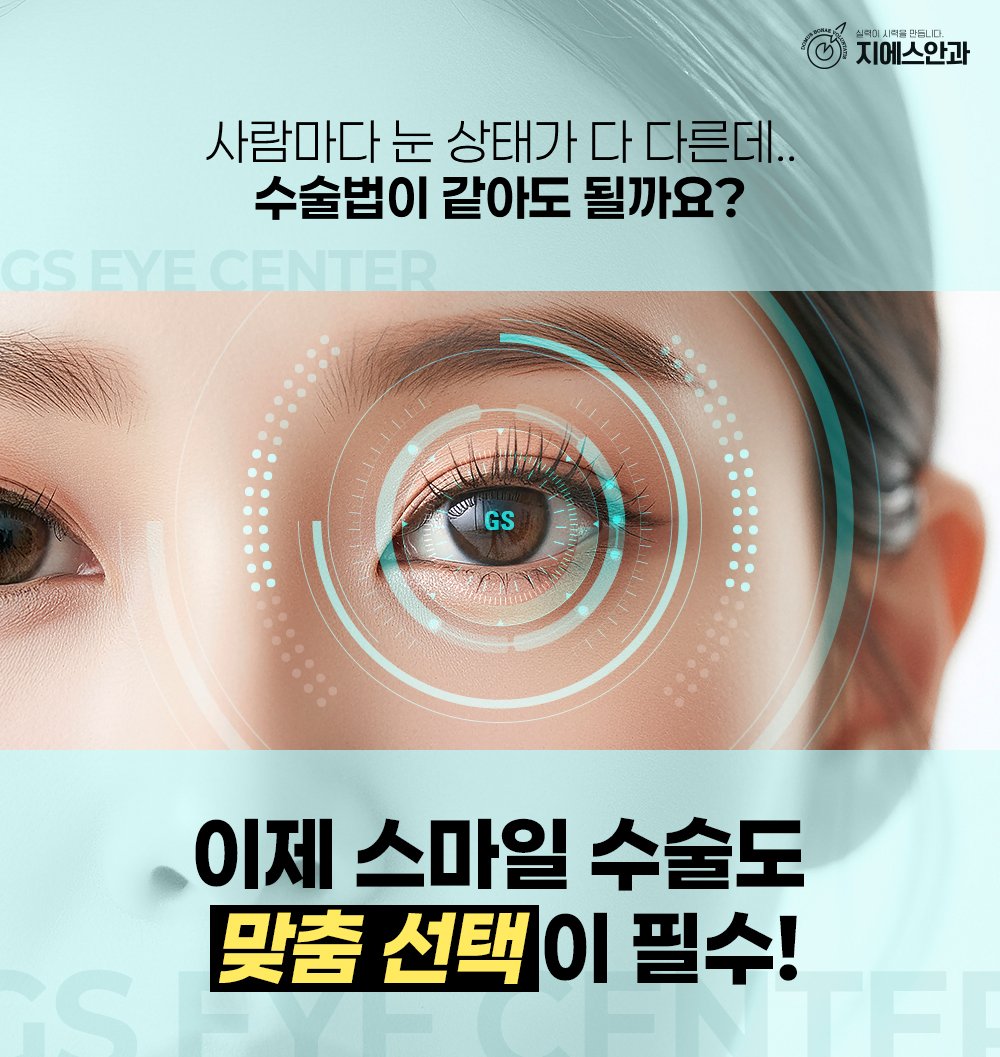
It is helpful to separate two ideas. First, reducing eye fatigue and protecting the health of your eyes. Second, actually correcting refractive errors such as myopia (short-sightedness), hyperopia (long-sightedness), and astigmatism.
Lifestyle changes, good habits, and eye drops can support your eye surface and reduce strain. However, they do not usually change the physical shape of your eye or cornea. Once a refractive error is established, the main ways to see clearly are glasses, contact lenses, or medical vision correction procedures.
Laser vision correction, including SMILE LASIK, changes how light is focused in your eye by reshaping the cornea. For suitable adults, this can provide significantly clearer unaided vision and reduce or remove the need for glasses or contact lenses in everyday life.
Everyday habits that support better vision (but have limits)
Healthy habits still matter, even if you are considering surgery. They can make your eyes more comfortable and may help slow further strain-related problems.
Useful daily habits include keeping a proper distance from screens, ideally around an arm’s length from your computer and holding phones a bit further away from your face. Follow the 20-20-20 rule: every 20 minutes, look at something 20 feet (about 6 meters) away for at least 20 seconds. This relaxes the focusing muscles inside your eyes.
Use adequate lighting when reading or working, and avoid strong glare. Remember to blink regularly, especially when using digital devices, to reduce dry eye symptoms. If your eyes feel dry or gritty, preservative-free artificial tears can help, but persistent symptoms should be checked by an ophthalmologist.
Sleep is also important. Lack of sleep can make your vision feel blurrier and your eyes more sensitive to light, even if your glasses prescription is correct.
Regular eye examinations are essential. They allow early detection of myopia progression, cataracts, retinal problems, glaucoma, and age-related presbyopia. Even if you feel fine, an eye exam every one to two years is a good habit for adults.
Many online programs promise to reverse myopia or astigmatism with eye exercises. At present, scientific evidence for these methods is limited. They may help with focusing flexibility and eye comfort, but they do not reliably reshape the cornea or change the length of the eye.
If your goal is to actually see well without glasses or contacts, evidence-based medical options such as SMILE LASIK are the main methods to consider.
What is SMILE LASIK and how does it improve eyesight?
SMILE LASIK, often shortened to SMILE, stands for Small Incision Lenticule Extraction. It is a minimally invasive laser vision correction procedure used mainly for myopia and astigmatism.
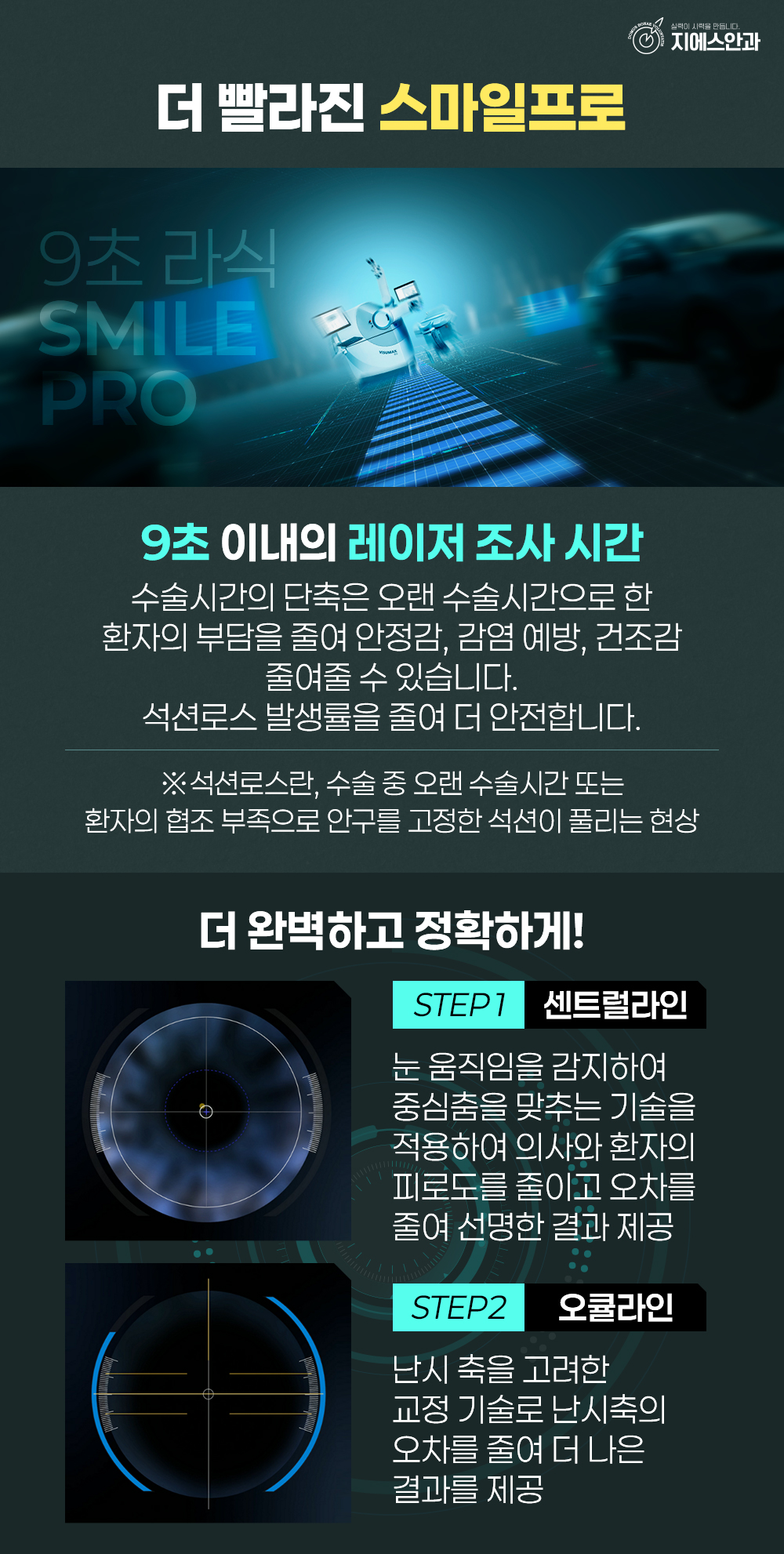
In simple terms, a special femtosecond laser creates a very thin, lens-shaped piece of tissue (called a lenticule) inside your cornea. The surgeon then removes this lenticule through a tiny incision, only a few millimeters wide. Once this tissue is removed, the shape of the cornea changes so that light focuses more accurately on the retina.
Because SMILE uses a small incision and does not require a large corneal flap, it is different from traditional LASIK. Potential advantages include a smaller wound on the corneal surface, preservation of more corneal nerves, and good structural stability of the cornea. Many patients experience relatively quick surface recovery and may have a lower risk of certain types of dry eye compared with flap-based procedures, although individual results vary.
It is important to understand that SMILE does not strengthen the eye or prevent all future eye problems. Instead, it precisely corrects the existing refractive error in the cornea. When the procedure is well planned and performed on a suitable candidate, many people can see clearly in daily life without glasses or contact lenses.
Who is a good candidate for SMILE LASIK?
Not everyone is suitable for SMILE, so a detailed eye examination is always required.
Typical candidates are adults with myopia and astigmatism whose glasses prescription has been stable for at least one to two years. The cornea must be thick enough to allow safe reshaping, and the eye should be otherwise healthy, without significant disease.
Some situations require caution or may exclude SMILE. These include unstable or rapidly changing prescriptions, very thin corneas, keratoconus or other corneal irregularities, severe dry eye that does not respond to treatment, certain retinal conditions, and uncontrolled systemic diseases. Pregnancy and breastfeeding are usually times when surgeons prefer to wait, because hormones can temporarily affect vision and healing.
A comprehensive preoperative examination usually includes corneal topography (a detailed map of the cornea), pachymetry (corneal thickness measurement), tear film evaluation, pupil size measurement, and a careful check of the retina and overall eye health.
SMILE is one of several vision correction options. Depending on your age, prescription, and eye shape, your ophthalmologist may recommend other procedures, such as LASEK or other surface ablation methods, implantable contact lenses, or lens-based surgery for presbyopia or cataract. The best method is always individualized.
How SMILE LASIK is performed: step-by-step
Before surgery, you will have detailed diagnostic testing and a consultation with an ophthalmologist. This is the time to discuss your lifestyle, work, hobbies, expectations, and any concerns. The doctor will explain the risks, benefits, and alternatives, and confirm whether SMILE is suitable for you.
On the day of surgery, you usually arrive at the clinic, sign consent forms, and receive final checks. Anesthetic eye drops are applied so that you do not feel sharp pain. You lie on a comfortable bed under the laser system.
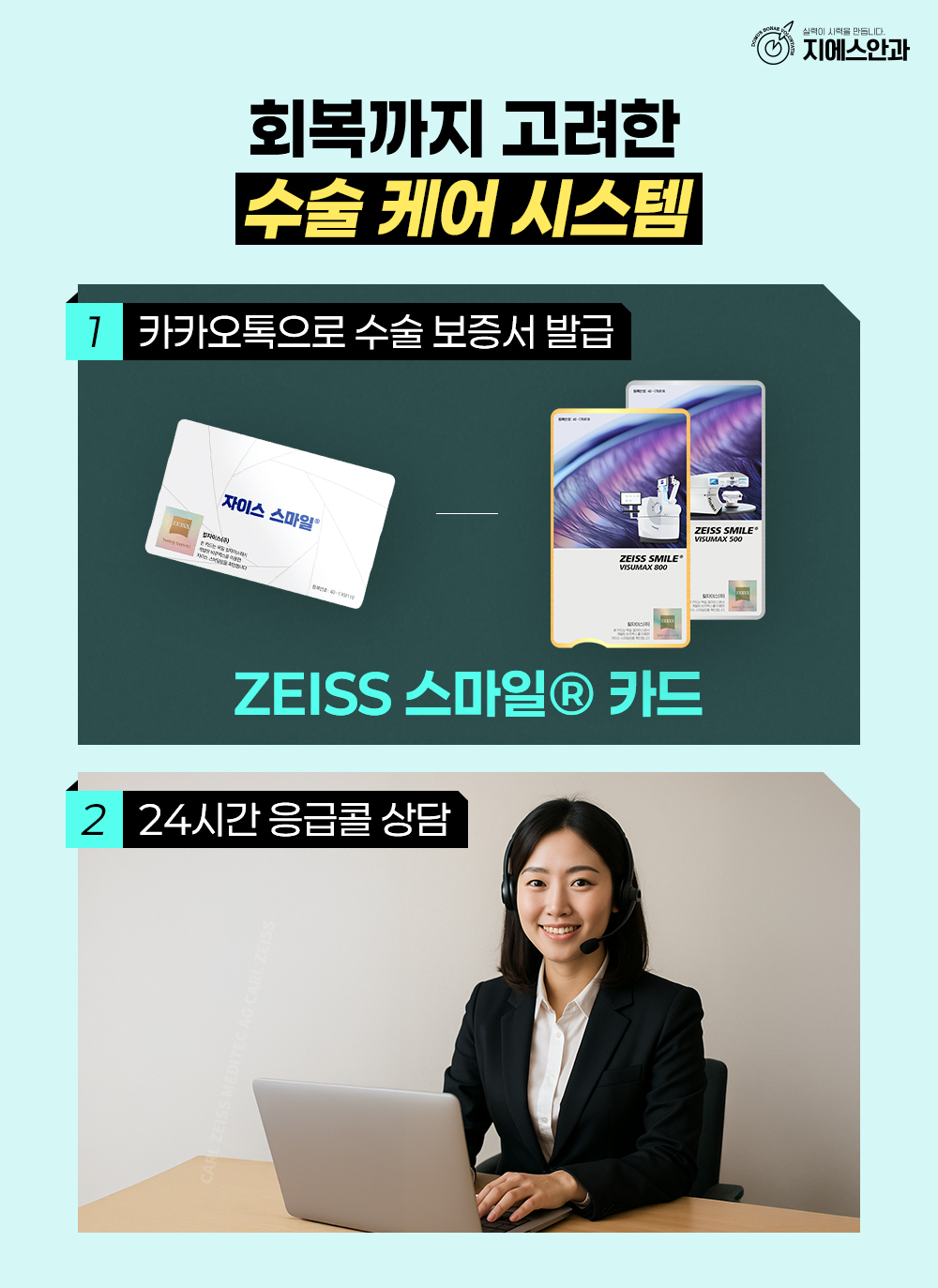
The femtosecond laser then creates the lenticule and a small side incision inside the cornea. With newer platforms such as the VisuMax 800, this laser step can take under about 10 seconds per eye. After the laser finishes, the surgeon gently separates and removes the lenticule through the micro-incision.
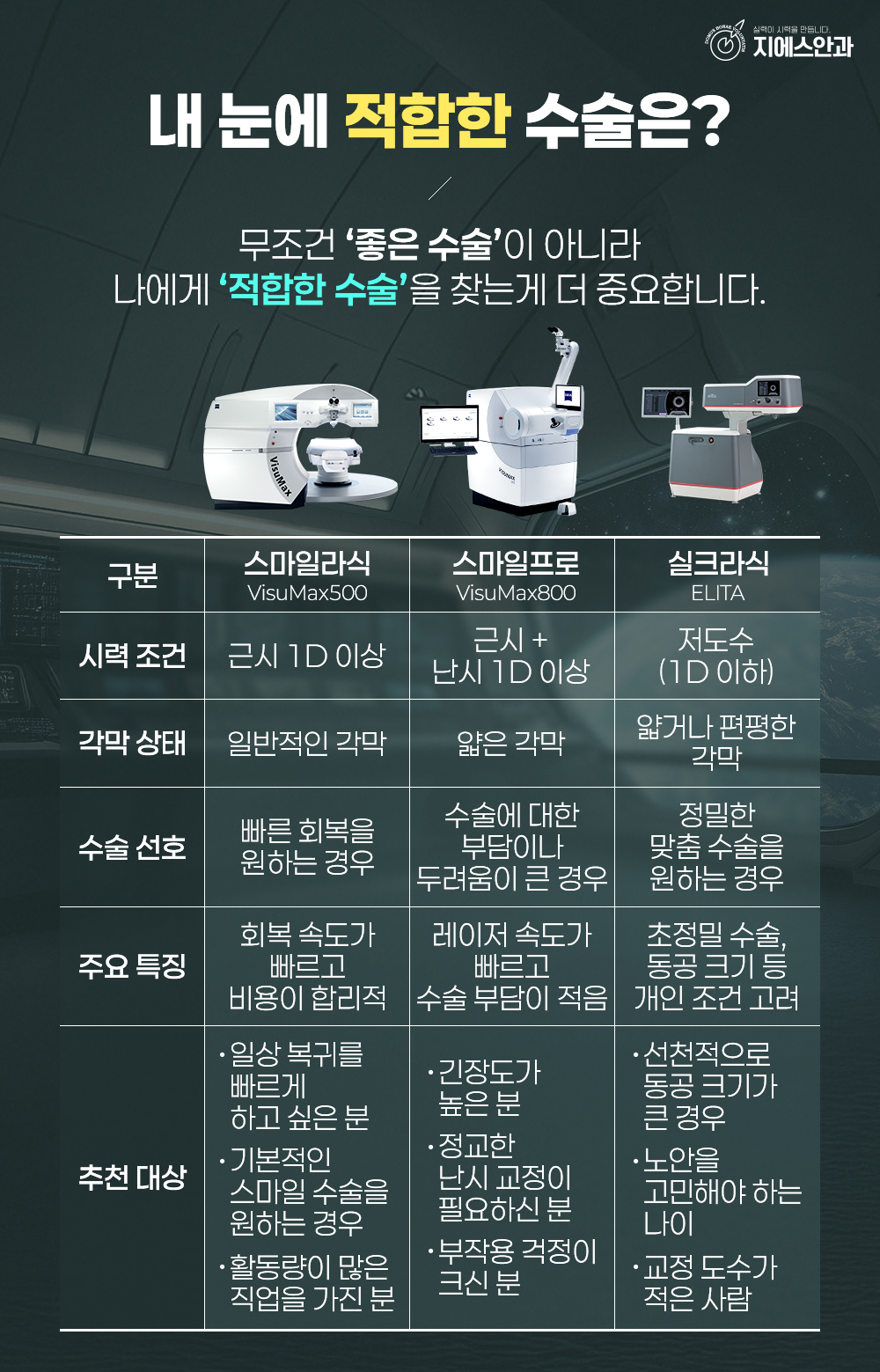
The total procedure time per eye is usually under 10 minutes, though you will spend longer in the clinic for preparation and post-procedure checks. Many patients notice improved vision within hours, and a clearer view the next day, although full stabilization can take days to weeks.
Common temporary symptoms include mild discomfort, a foreign body sensation, light sensitivity, or halos and glare at night. These usually improve over time as the eye heals. Your clinic will provide eye drops and detailed instructions to support recovery.
Safety, risks, and realistic expectations
SMILE LASIK is now widely performed around the world and has a strong safety profile when done by experienced ophthalmologists after careful screening. Most patients report high satisfaction with their vision and the convenience of daily life without glasses or contacts.
However, no surgery is risk-free. Possible complications include undercorrection or overcorrection, residual astigmatism, dry eye symptoms, night vision disturbances such as halos or glare, infection or inflammation (which are rare with proper care), and the need for enhancement surgery in some cases.
It is also important to have realistic expectations. Many patients achieve excellent unaided vision, but no procedure can guarantee perfect vision in every situation. Some people may still prefer thin glasses for night driving, long reading sessions, or very fine visual tasks.
Following postoperative instructions is a key part of safety. This usually includes using prescribed eye drops, avoiding rubbing your eyes, and temporarily avoiding swimming pools, hot tubs, heavy exercise, and eye makeup. Your clinic will schedule follow-up visits to monitor healing.
When comparing options, focus not only on price or speed, but also on long-term safety, quality of vision, and the thoroughness of examinations and follow-up.
Why the choice of eye clinic and equipment matters
Outcomes in SMILE LASIK depend on three main factors: precise preoperative diagnostics, the experience and judgment of the surgeon, and the quality of the laser technology and support systems.
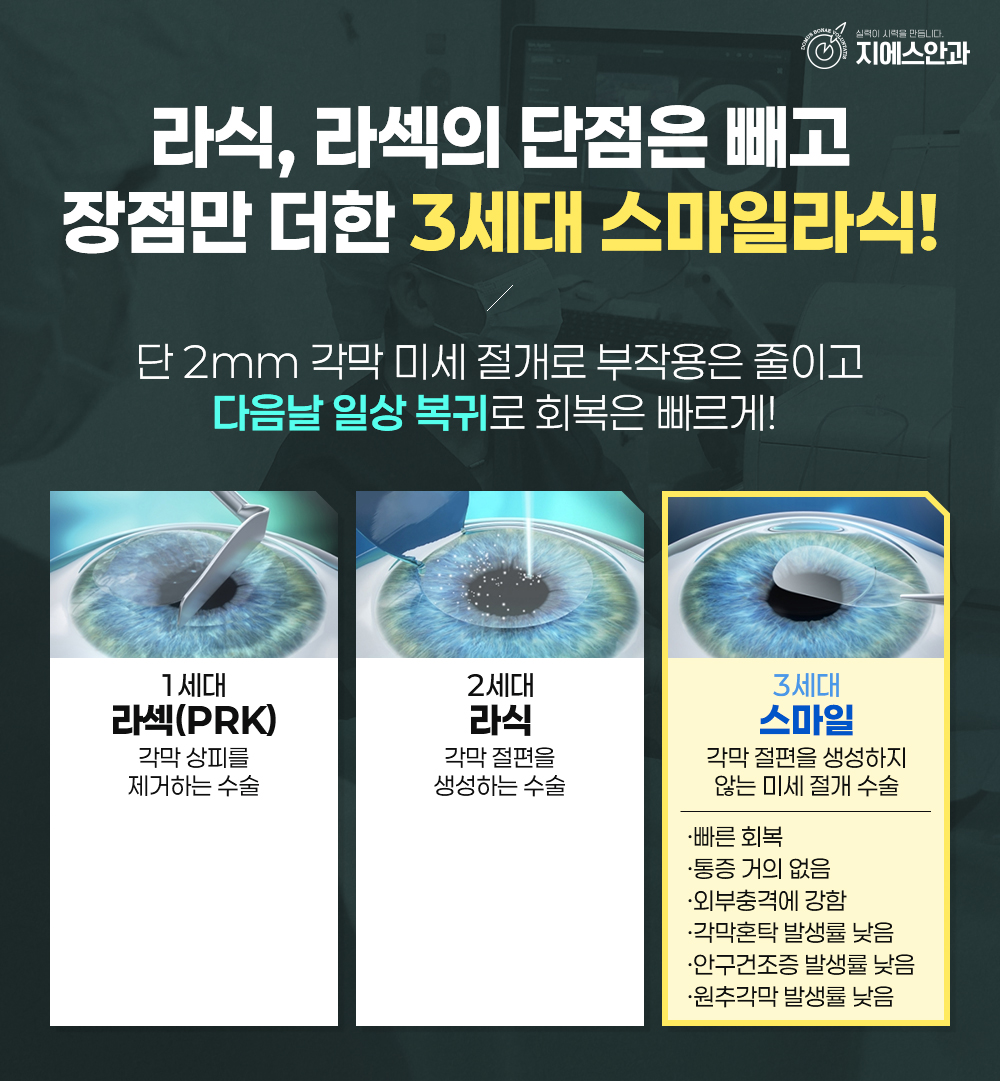
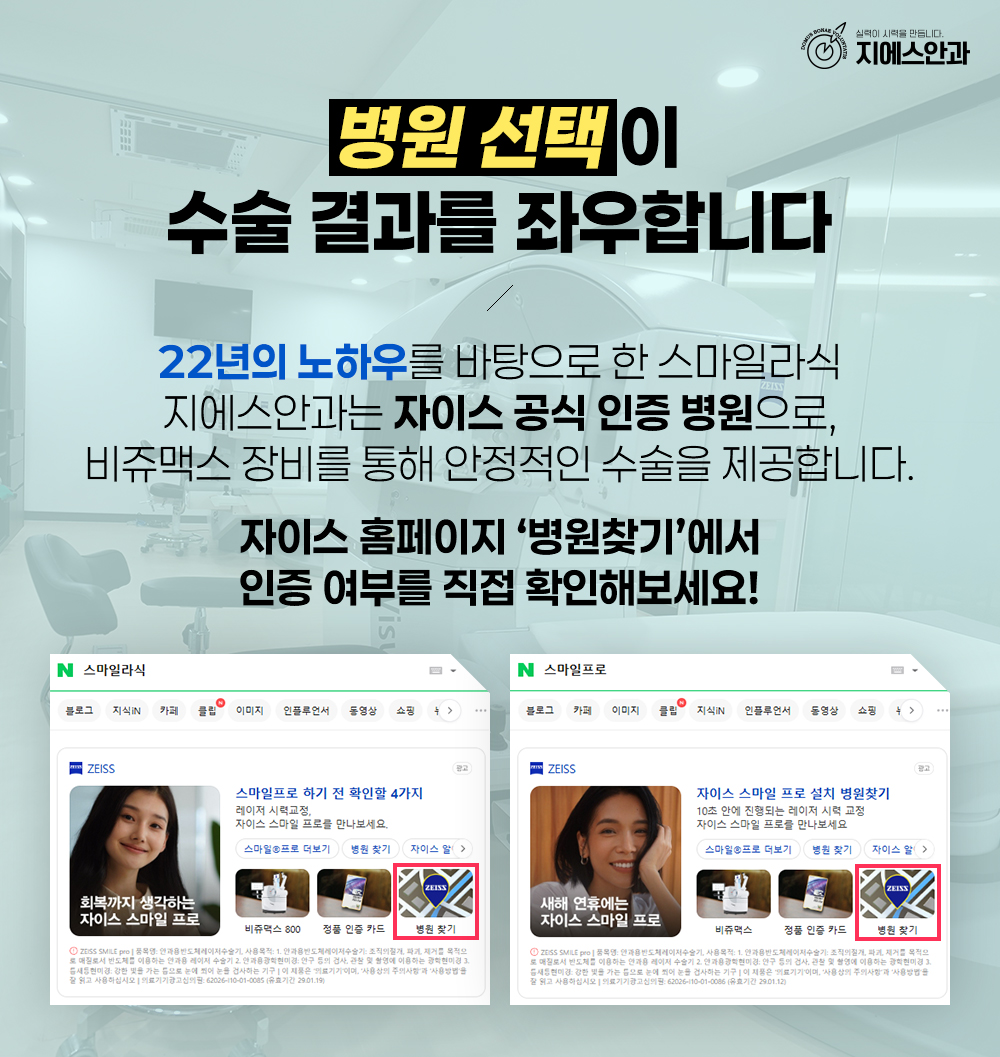
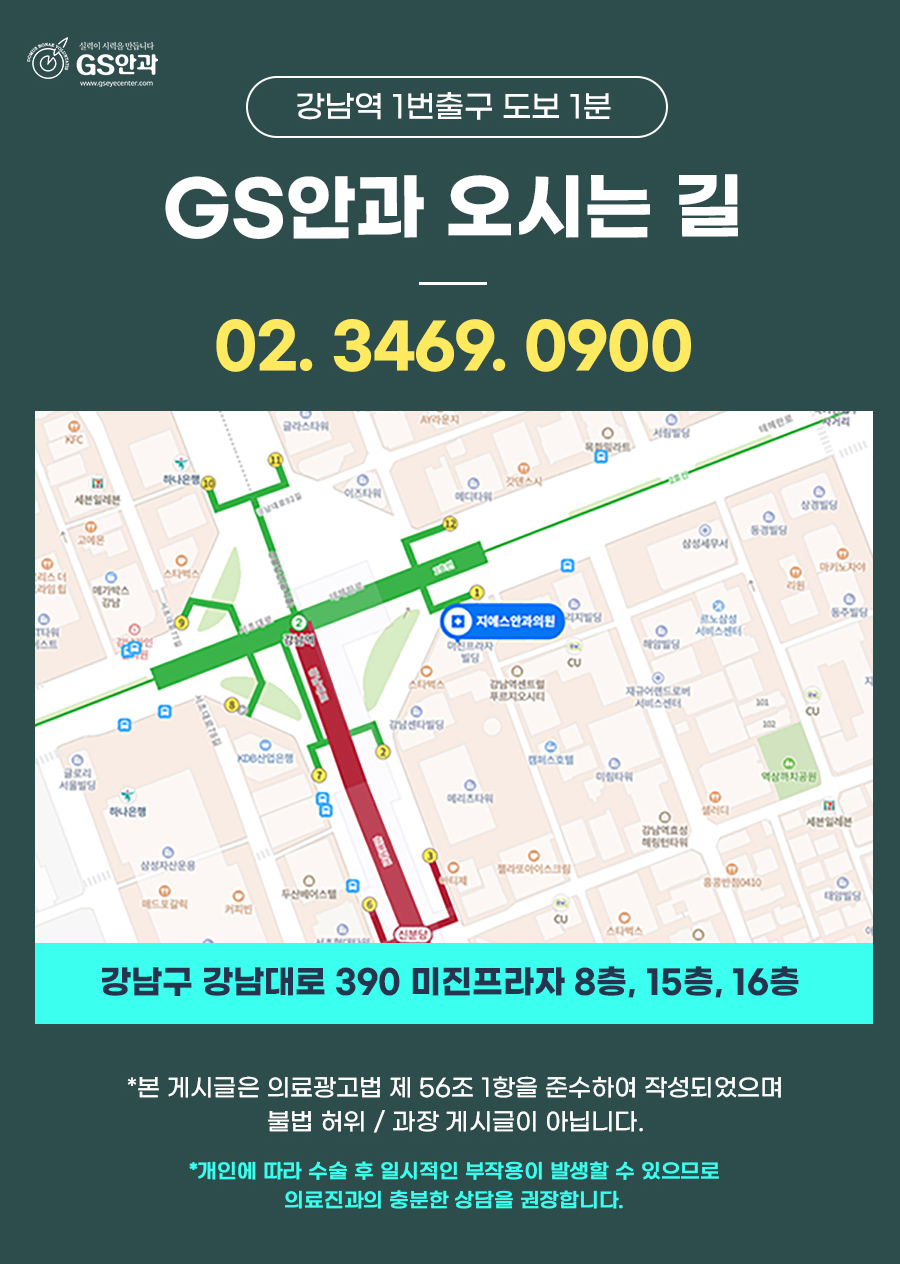
In Gangnam, Seoul, GS Eye Clinic is one example of an ophthalmology clinic that focuses on refractive and cataract surgery. Opened in 2005 and operating in the same location, the clinic has multiple ophthalmologists, including a medical doctor with university teaching experience who also runs an educational YouTube channel about eye health.
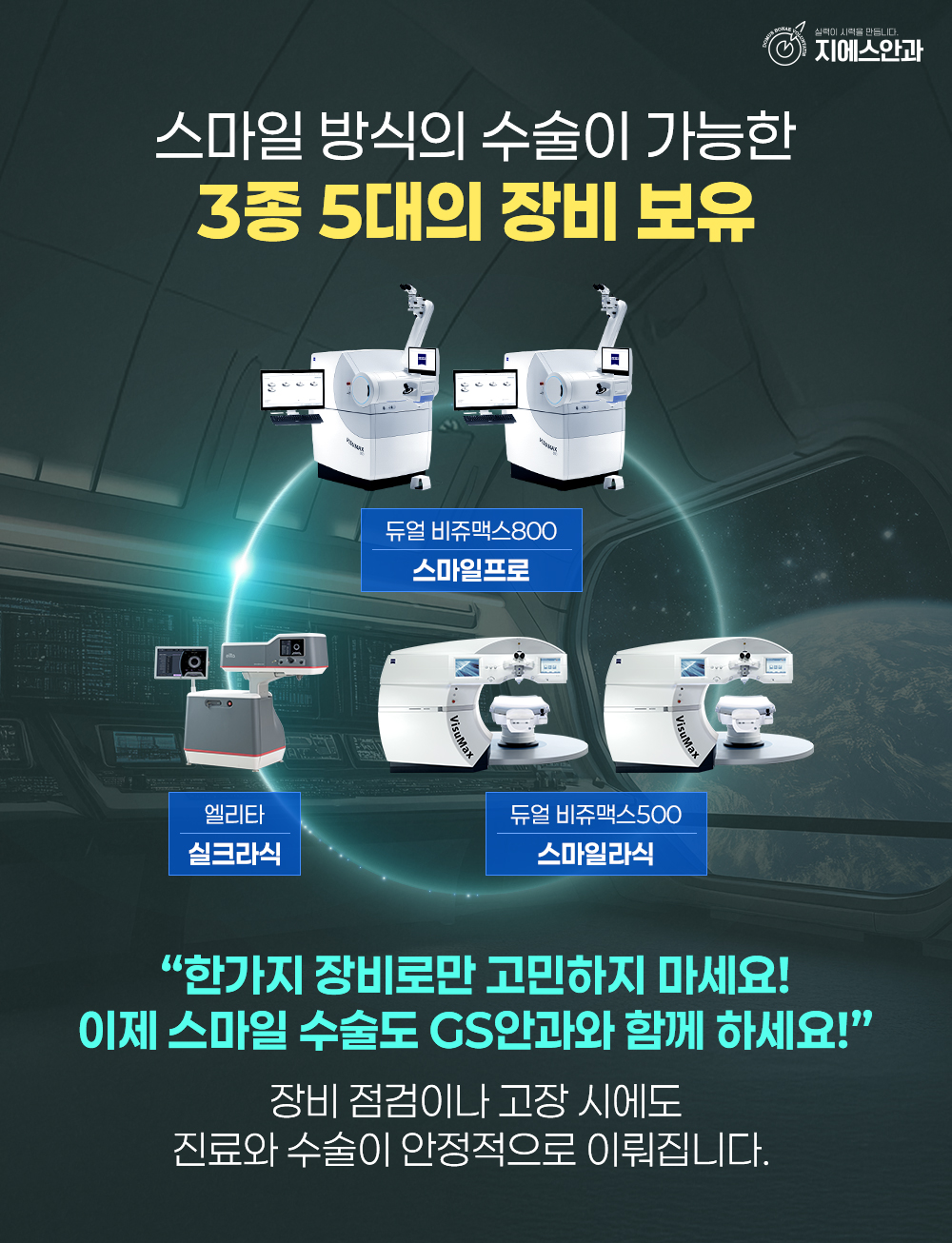
As of the early 2020s, the clinic reports a high cumulative volume of vision correction and cataract surgeries, counted in hundreds of thousands of eyes. It operates three major SMILE platforms from ZEISS, including the VisuMax 800 for SMILE pro and two VisuMax 500 units. This allows flexibility in tailoring SMILE-type procedures and provides capacity and redundancy.
The clinic is also designated as a SMILE pro Center and a SILK training center, and holds ISO certifications related to SMILE LASIK. These designations indicate that the clinic serves as a reference and training site, and follows standardized quality systems. For overseas patients, such information can be useful when evaluating where to seek treatment.
Other vision correction options to compare with SMILE LASIK
SMILE is not the only way to improve eyesight without glasses. During your consultation, the ophthalmologist may discuss alternative procedures.
LASEK and other surface ablation procedures reshape the surface of the cornea without creating a flap. They may be preferred for certain corneal shapes, thinner corneas, or specific occupational needs where flap-related issues are a concern.
Implantable lenses, often called ICL or similar names, are placed inside the eye in front of your natural lens. These can be suitable for people with very high myopia or when corneal laser procedures are not recommended.
For older patients with presbyopia or cataract, lens-based solutions such as multifocal intraocular lenses and laser-assisted cataract surgery may be more appropriate than corneal laser.
The best way to improve eyesight is therefore not the same for everyone. Age, prescription, corneal shape, eye health, job requirements, hobbies, and long-term safety all need to be considered together.
Online consultation and pre-visit preparation
If you live overseas and are considering SMILE LASIK in Korea, an online consultation is a practical first step. Most ophthalmology clinics in Gangnam can communicate in English or provide support for international patients.
Before your online consultation, prepare basic information about your eyes. This may include your current glasses or contact lens prescription, any previous eye examination reports, a history of eye diseases or surgeries, and a list of medications or health conditions. If you use contact lenses, note how many years you have used them and how many hours per day.
Write down your main goals. For example, do you want to be free from glasses for sports, travel, or work? Do you work long hours on a computer? Do you drive often at night? Clear goals help the doctor suggest the most suitable procedure.
Prepare questions in advance, such as whether you are likely to be a candidate for SMILE, what range of vision you can realistically expect, what equipment will be used, and how follow-up will be managed after you return home.
Expected Korea visit timeline for SMILE LASIK
For many international patients, SMILE LASIK in Korea can be completed within a relatively short stay, but you should allow enough time for safe evaluation and early follow-up.
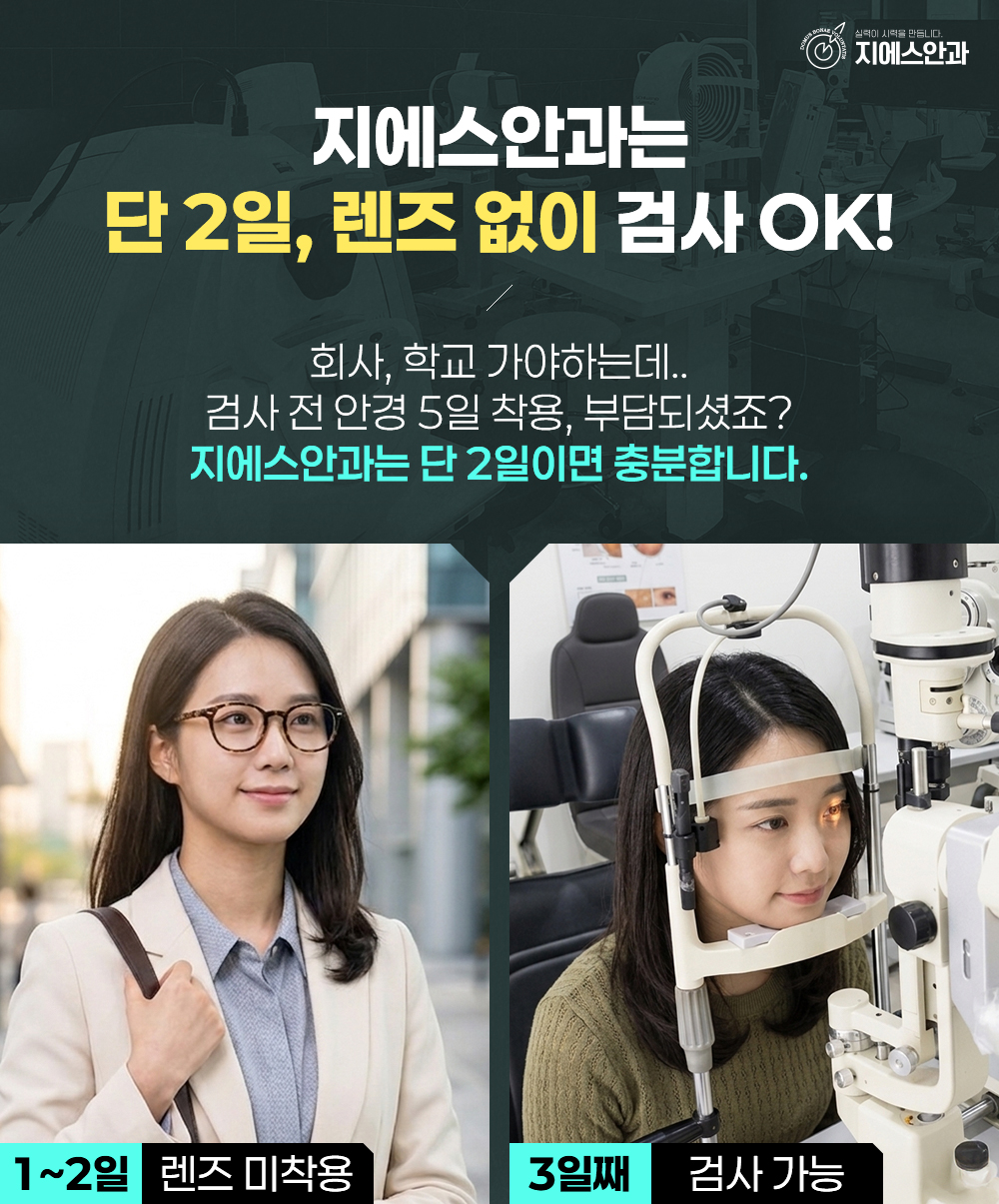
A common schedule is to arrive in Seoul at least one or two days before the planned surgery date. On the first clinic visit, you undergo a full eye examination and consultation. If you wear soft contact lenses, you may be asked to stop using them for several days before this exam; for rigid lenses, the rest period can be longer, so ask in advance.
If you are confirmed as a suitable candidate and you agree to proceed, surgery may be scheduled for the next day or later in the same week. The procedure itself is usually outpatient, and you go back to your accommodation shortly after.
Most clinics like to see you the next day for a follow-up, then again a few days later. Many international patients stay in Korea for about one week after surgery to complete early checks. The exact timeline depends on your eyes and travel schedule, so discuss this during your online consultation.
Aftercare and long-term follow-up
After SMILE LASIK, you will receive eye drops, usually including antibiotics and anti-inflammatory drops, and sometimes artificial tears. Use them exactly as instructed.
In the first days, avoid rubbing your eyes, and keep water, soap, and shampoo out of your eyes as much as possible. Sunglasses can help with light sensitivity outdoors. Most people can resume gentle daily activities and desk work within a day or two, but intense exercise, swimming, and eye makeup are usually restricted for a period.
When you return to your home country, regular eye check-ups are still important. If possible, arrange a follow-up with a local ophthalmologist a few weeks after surgery and then at intervals recommended by your Korean clinic.
If you notice sudden pain, a rapid drop in vision, strong redness, or flashes and floaters, seek urgent eye care, even if you are already back home.
Practical checklist before deciding on SMILE LASIK
Before you make a final decision, it can be helpful to use a simple checklist.

First, confirm your candidacy. Ask whether your prescription is stable, whether your corneal thickness and shape are suitable, and whether any eye conditions might affect your result.
Second, compare clinics based on the thoroughness of their examination, the clarity of explanations, the experience and qualifications of the surgeons, the types of laser platforms available, and the structure of postoperative follow-up. For example, you may ask whether the clinic uses systems such as VisuMax 800 or other SMILE platforms, and why they recommend a specific device for your case.
Third, prepare your documents. Bring or send previous prescriptions, eye exam records, and any letters from your local eye doctor. This helps the Korean clinic assess the stability of your vision and understand your history.
Finally, remember that the goal is not only to see better in the first weeks after surgery, but to maintain healthy, stable vision for many years. Choose a clinic and a plan that prioritize long-term safety and realistic expectations.
FAQ
Can eyesight be improved naturally without surgery?
Rest, good visual habits, and managing dry eye can make your eyes feel more comfortable and may reduce strain-related blur. However, there is no strong scientific evidence that these methods permanently reverse myopia or astigmatism in adults. Regular eye examinations remain important to monitor your prescription and overall eye health, even if you are not considering surgery.
Is SMILE LASIK safer than traditional LASIK?
SMILE uses a smaller corneal incision and does not create a large flap, which may reduce certain flap-related complications and may lower the risk of some dry eye symptoms for some patients. Traditional LASIK also has a long track record and is generally safe when performed by experienced surgeons on well-selected patients. The safest option for you depends on your eye shape, corneal thickness, lifestyle, and medical history, so a personalized consultation is essential.
How long does SMILE LASIK last?
The reshaping of the cornea in SMILE is intended to be permanent. Once the cornea is reshaped and healed, the corrected focus typically remains stable. However, natural age-related changes, such as presbyopia (difficulty focusing up close) or cataract formation, can still occur later in life and may affect your vision independently of the earlier SMILE procedure.
Does SMILE LASIK hurt?
Before the procedure, anesthetic eye drops are used to numb the surface of your eye. Most patients describe feeling pressure or a mild sensation during the laser step, but not sharp pain. After surgery, it is common to experience mild discomfort, dryness, or a foreign body sensation for a short period, which usually improves with time and the use of prescribed eye drops.
When can I return to work and daily activities after SMILE LASIK?
Many patients can return to desk work and light daily activities within one or two days, depending on their comfort and the advice of the surgeon. Driving, especially at night, should only be resumed when your vision is clear and your doctor confirms it is safe. More intense exercise, swimming, and eye makeup are usually delayed for a longer period to reduce the risk of irritation or infection.
Soft call to action for overseas patients
If you are considering SMILE LASIK in Gangnam, Seoul, and want a realistic plan to improve your eyesight, an online consultation is a good starting point. Share your prescription, medical history, and goals, and ask detailed questions about candidacy, equipment, and follow-up.
Clinics such as GS Eye Clinic that focus on refractive surgery and use multiple SMILE platforms can explain which options may suit your eyes and your travel schedule. Use the information from this guide to prepare your questions, compare clinics, and choose a safe, well-planned path toward clearer vision.



- 공유 링크 만들기
- X
- 이메일
- 기타 앱


댓글
댓글 쓰기