LASEK Night Glare: What Overseas Patients Should Know Before Eye Surgery in Gangnam
- 공유 링크 만들기
- X
- 이메일
- 기타 앱
Direct answer summary
If you experience sudden worsening, marked difficulty with night driving, or a significant drop in daytime vision, seek ophthalmic evaluation promptly.
This guide explains why glare happens after LASEK, how long it tends to last, when to worry, and how an ophthalmology clinic in the Gangnam area of Seoul typically evaluates and manages these symptoms for international patients.
What LASEK is and how it affects night vision
LASEK is a type of laser vision correction that reshapes the clear front surface of the eye, the cornea, to reduce nearsightedness, farsightedness, and astigmatism. It is called a surface procedure because the laser is applied directly to the surface layer of the cornea after gently loosening the thin outer skin layer (epithelium), without creating a deeper corneal flap.
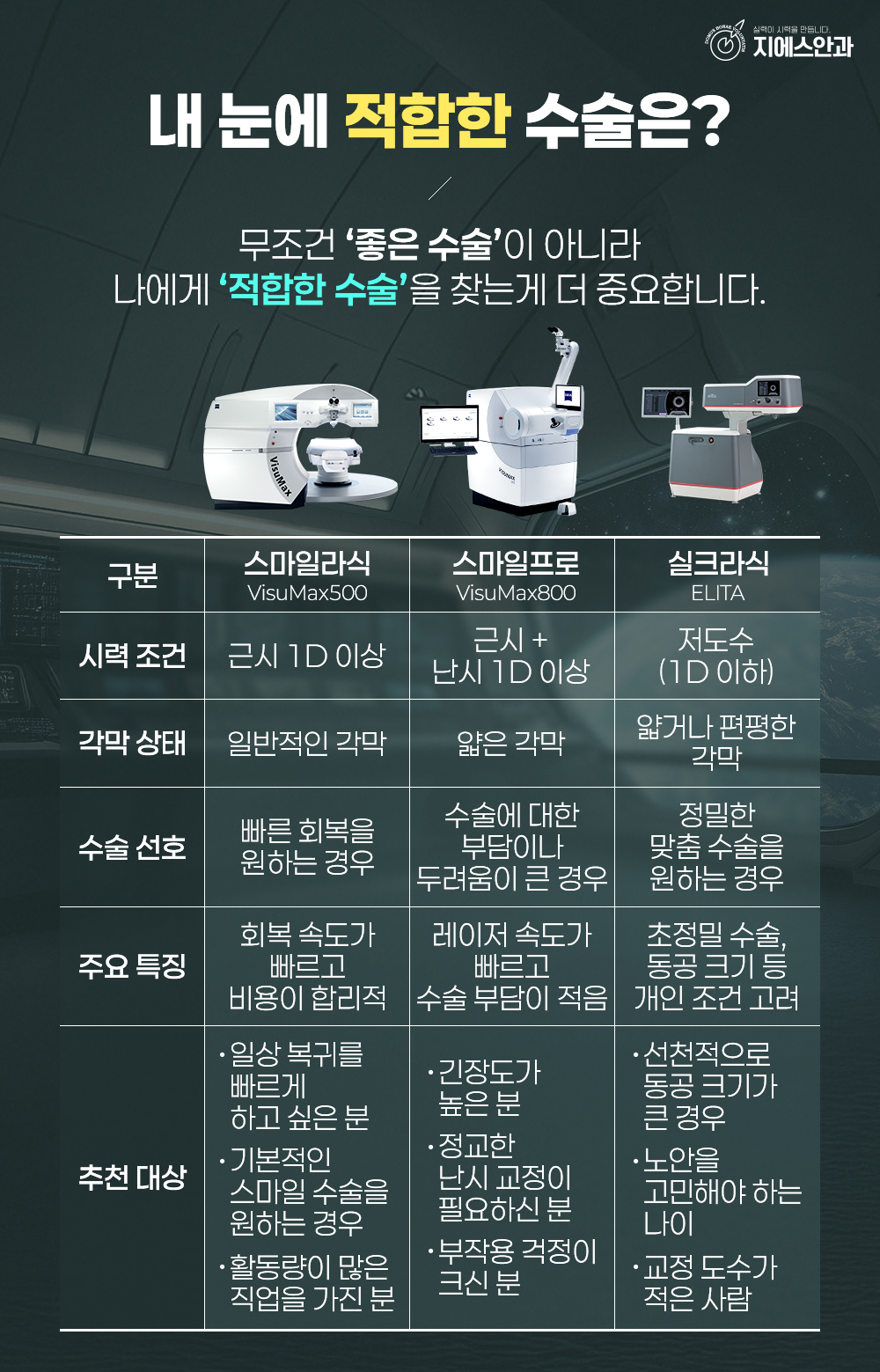
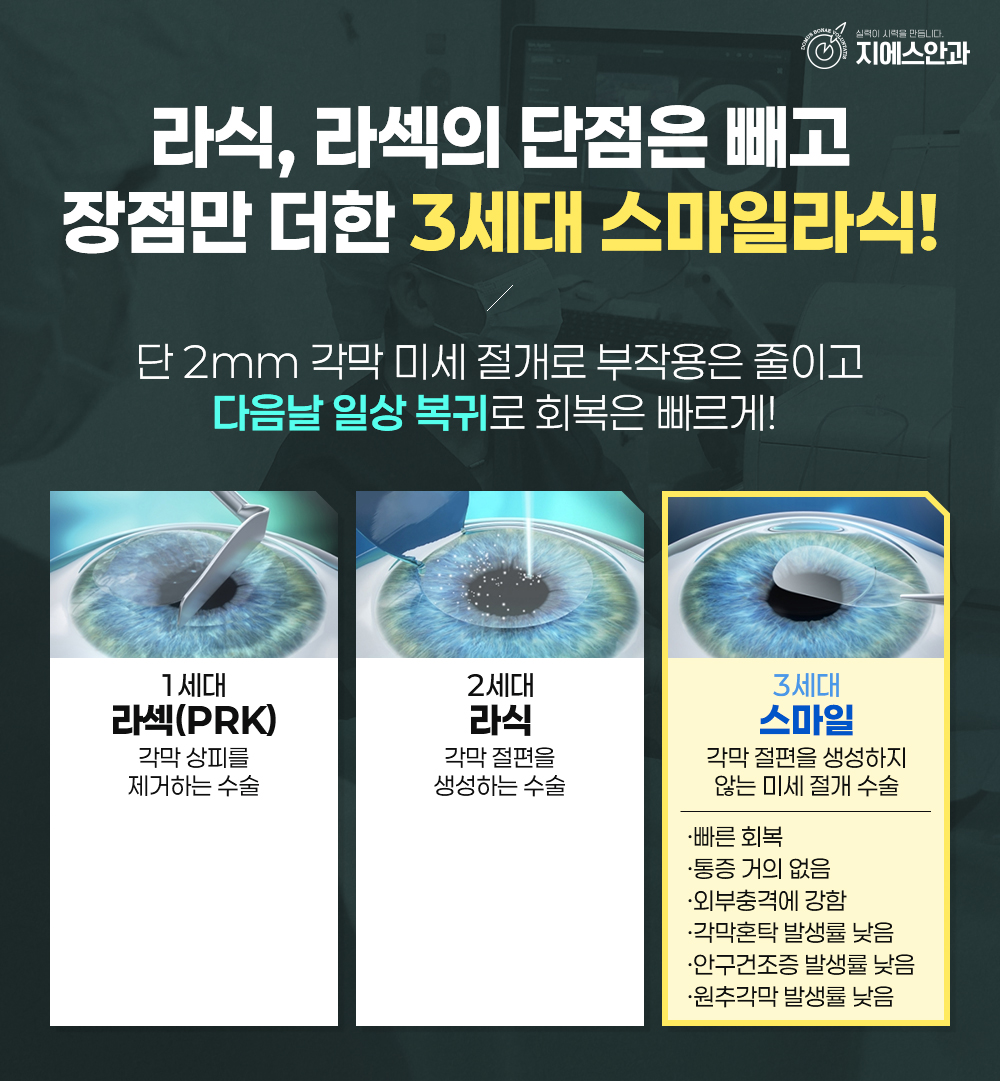
In LASIK, a flap is created in the cornea with a femtosecond laser, lifted, the laser reshaping is done underneath, and then the flap is repositioned. SMILE uses a small keyhole incision and a femtosecond laser to remove a thin lens-shaped piece of tissue inside the cornea. Both LASIK and SMILE are flap or keyhole procedures and often give faster visual recovery in the first days.
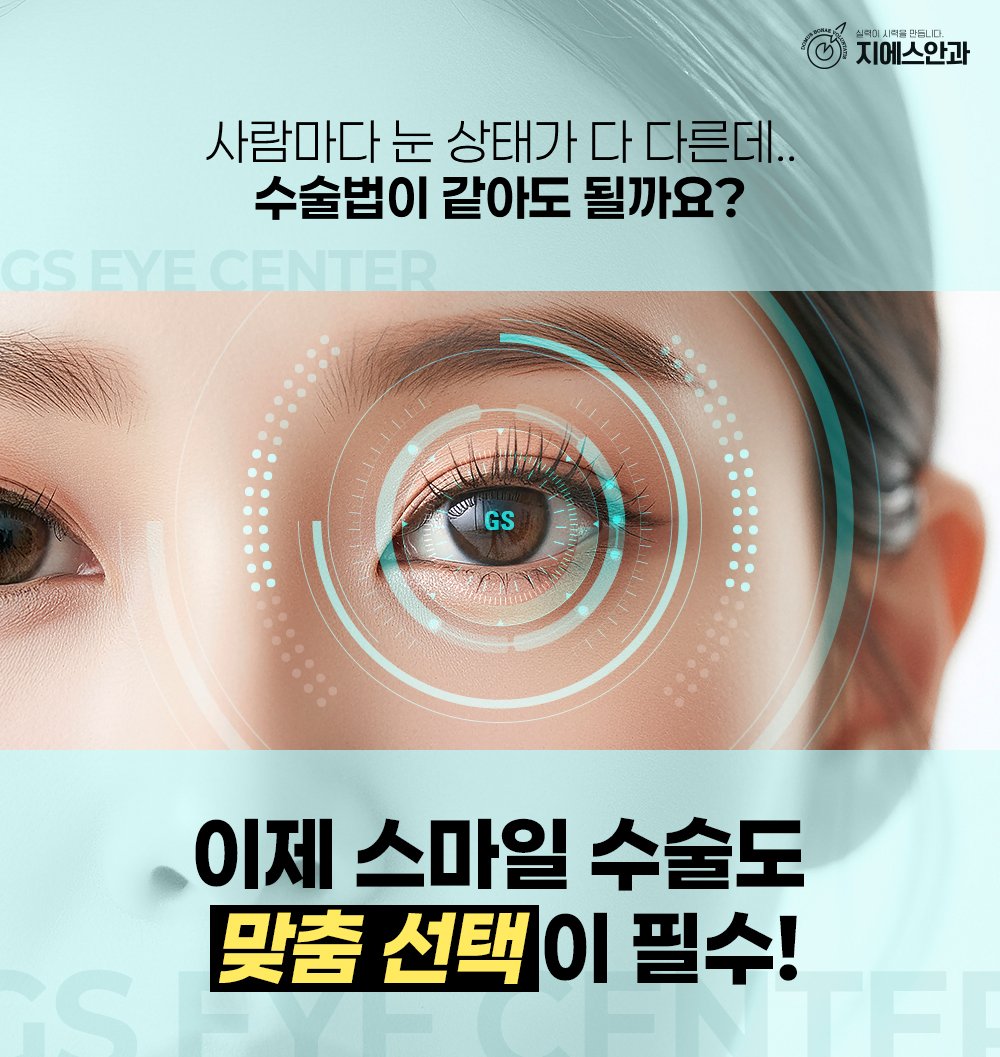
With LASEK, there is no permanent flap, which some patients and surgeons prefer for certain corneal shapes or lifestyles. However, surface healing takes longer. The epithelium needs time to regrow smoothly, and the corneal nerves need time to recover. Because of this, it is very common to notice temporary visual disturbances such as glare, halos, and starbursts around lights at night in the first weeks and sometimes months after LASEK.
Night vision is especially sensitive to small irregularities and dryness. When the pupil becomes larger in the dark, more of the cornea is used for vision. Any tiny surface roughness or optical imperfections are more likely to cause light scatter and visual symptoms at night.
Causes of glare and halos after LASEK
Several factors can contribute to glare and halos after LASEK, and more than one may be present at the same time.
Corneal surface healing
After LASEK, the corneal epithelium regrows over the treated area. During the early healing phase, this surface layer may not be perfectly smooth. There can be micro irregularities that scatter incoming light, especially from car headlights, street lamps, and digital screens at night. As healing continues and the surface becomes more regular, these symptoms often improve.
Pupil size versus optical zone
The laser treatment is applied over a certain diameter on the cornea, called the optical zone and transition zone. In low light, the pupil can become larger than this zone. When that happens, some light enters through the untreated or transition area at the edge of the laser pattern. This can create halos, glare, or starburst patterns around lights.
People with naturally large pupils are more likely to notice this effect. This is one reason why careful preoperative measurement of pupil size and planning of the optical zone are important, especially for patients who often drive at night.
Dry eye after surgery
Dry eye is common after any type of laser vision correction. With LASEK, the corneal nerves that control tear production and blinking need time to recover. Until they do, the tear film can be unstable.
A poor or uneven tear film acts like a rough surface on a camera lens. It can cause fluctuating vision, ghosting, and increased light scatter. Many patients notice that glare and halos are worse when their eyes feel dry or tired, and that symptoms improve temporarily after using artificial tears.
Pre existing higher order aberrations and large pupils
Some patients already have optical imperfections in the eye called higher order aberrations before surgery. These can be related to the natural shape of the cornea or lens. Large pupils can make these imperfections more noticeable at night.
Even with a well performed LASEK procedure, pre existing aberrations or large pupils may continue to contribute to glare and halos. In some cases, advanced wavefront guided or topography guided planning can help reduce these issues, but they cannot always be fully removed.
Residual refractive error and astigmatism
In a smaller number of patients, overcorrection, undercorrection, or residual astigmatism can contribute to night vision problems. If the eye is not fully in focus, lights may appear smeared, doubled, or surrounded by halos.
This is why careful postoperative refraction and follow up are important. Sometimes a minor glasses prescription or, later on, a customized enhancement can improve both day and night vision.
Typical course and prognosis of LASEK night glare
Mild to moderate glare and halos are very common in the first weeks after LASEK. Many patients describe hazy or soft vision at night, with rings around lights or starburst effects. These symptoms often fluctuate from day to day, depending on healing, dryness, and fatigue.
For most people, symptoms gradually improve over 3 to 6 months as the epithelium smooths out, the tear film stabilizes, and the brain adapts to the new optics. Some patients notice meaningful improvement already after the first 4 to 8 weeks, while others need more time.
Compared with LASIK or SMILE, visual recovery after LASEK is typically slower, especially in the first month. Daytime vision can be slightly hazy at first, and night vision issues can feel more noticeable. Knowing this in advance helps set realistic expectations and reduces anxiety.
In many patients, night glare becomes mild or not bothersome over time. Some may still notice small halos around lights if they focus on them, but they are not limiting for daily life or driving. Good postoperative care, especially dry eye management and regular follow up, supports this improvement.
When glare is a warning sign
Although night glare is usually part of normal healing, certain patterns deserve prompt attention.
Red flags include
Sudden worsening of glare or halos after they had been slowly improving.
A clear drop in daytime vision, or new double vision in one eye, ghost images, or strong distortion.
Persistent severe dryness, pain, redness, or a strong foreign body sensation that does not improve with prescribed drops.
Night driving that remains very difficult or unsafe beyond several months, without signs of gradual improvement.
These situations may signal issues such as significant corneal haze, irregular astigmatism, inflammation, or other complications that require professional evaluation. Self diagnosis is risky. Only a detailed examination with appropriate equipment can separate normal healing from a problem that needs treatment.
How an ophthalmology clinic in Gangnam evaluates LASEK glare
An ophthalmology clinic with a dedicated vision correction program in the Gangnam area will usually follow a structured approach when a patient reports glare or halos after LASEK.
History of symptoms
The doctor or clinical staff will ask when the symptoms started, how they have changed over time, and in which situations they are most noticeable. They may ask about night driving, computer use, and whether symptoms are similar in both eyes.
Visual acuity and refraction
Standard vision tests measure how clearly you see at distance and near. A detailed refraction checks for any remaining nearsightedness, farsightedness, or astigmatism that could be contributing to glare and halos.
Slit lamp examination
Using a microscope with a bright light, the ophthalmologist examines the corneal surface, the epithelium, and the deeper corneal layers. They look for signs of surface irregularity, delayed healing, haze, inflammation, or other changes that might explain the symptoms.
Corneal topography and tomography
Corneal topography maps the shape and curvature of the cornea. Tomography adds information about the deeper structure. These tests help identify irregular astigmatism, decentered ablation, or a small effective optical zone compared with the pupil size.
Wavefront aberrometry
Wavefront analysis measures higher order aberrations that can cause halos, starbursts, and reduced contrast sensitivity. By comparing preoperative and postoperative data when available, the clinic can see whether new aberrations have appeared or existing ones have changed.
Tear film and dry eye assessment
Tests for dry eye may include tear breakup time, staining of the ocular surface, and evaluation of the eyelid margins and meibomian glands. Because dryness often exaggerates glare, treating it can significantly improve comfort and visual quality.
Clinic expertise and setting
The clinic states its medical team includes ophthalmology specialists with a range of clinical and academic experience.
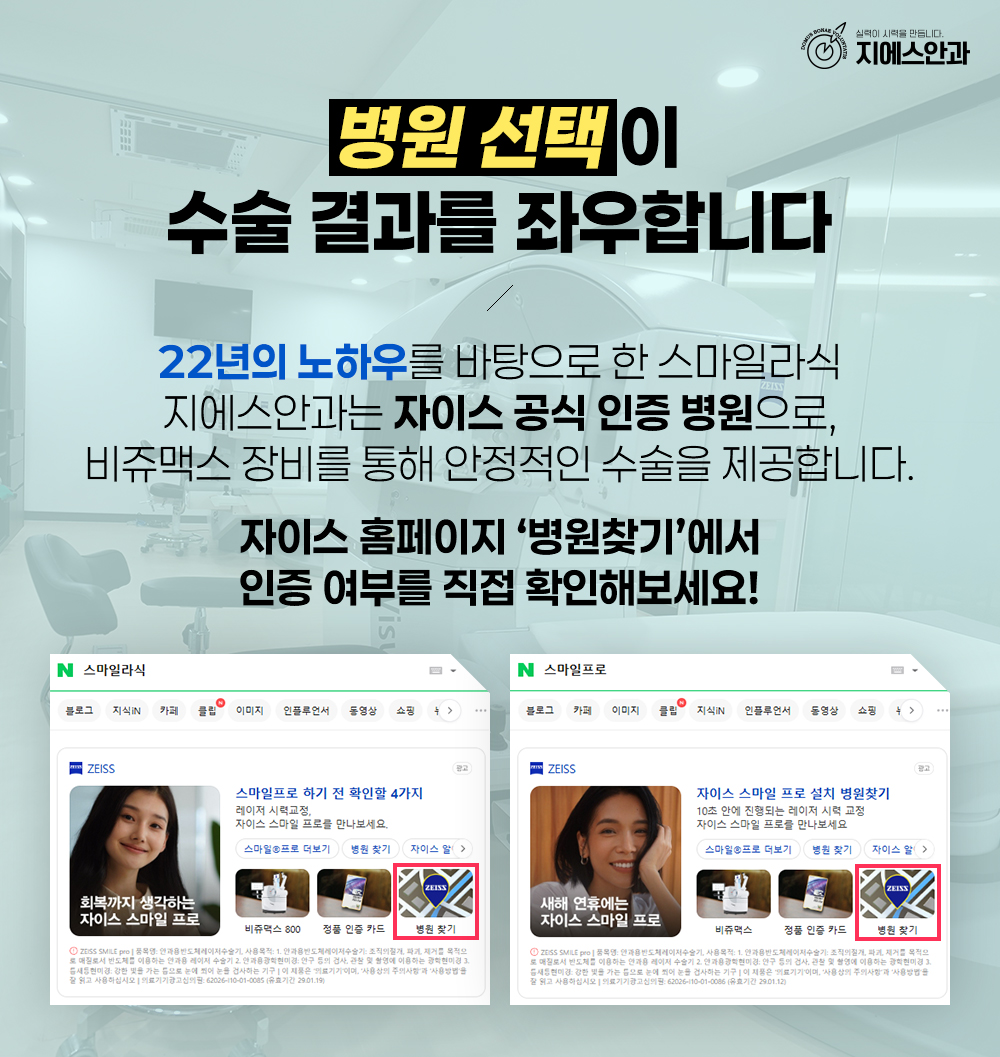
By the early 2020s, the clinic has accumulated several hundred thousand cases of vision correction and cataract surgery in total. It is designated as a clinical education site for a medical school and for an Asia Pacific ophthalmic training program, and is recognized as a reference center for multiple laser platforms and lens technologies.
This background, together with large numbers of SMILE, SMILE pro, LASEK, LASIK, and lens implantation procedures, supports the clinic’s experience in dealing with complex visual quality issues such as night glare and halos.
Treatment and management options for LASEK night glare
Management depends on the cause and severity of symptoms. Often, a combination of non surgical and optical approaches is enough.
Non surgical management
Preservative free artificial tears are usually the first step. Frequent lubrication helps smooth the tear film and can reduce light scatter. In early healing, some patients may use therapeutic contact lenses under medical supervision to protect the surface and support epithelial recovery.
Short term anti inflammatory eye drops may be prescribed to control surface inflammation or haze, always under the guidance of an ophthalmologist. These should not be used without supervision.
ms rather than high beams when possible. For international patients, carry a translated copy of your postoperative instructions and a brief note from your clinic summarizing any temporary driving restrictions to present to rental agencies or insurers if needed. Some patients find anti‑glare lenses more comfortable even without a strong prescription.
Dry eye management can include warm compresses, lid hygiene for the eyelid margins, and treatment of meibomian gland dysfunction. Some clinics offer in office dry eye procedures to improve the quality of the tear film when needed.
Optical solutions
If residual refractive error is found, updated glasses or soft contact lenses can sharpen focus and reduce halos. Even a small amount of astigmatism correction can make a noticeable difference for night vision.
In selected cases, once the cornea has fully stabilized, customized wavefront guided or topography guided enhancement procedures may be considered. These aim to refine the optical surface and reduce irregularities. Timing is important; the eye must be stable, and the potential benefits and risks need careful evaluation.
Surgical or procedural options when clearly indicated
For significant irregular astigmatism or a clearly decentered ablation, surface re treatment or topography guided laser enhancement may be discussed. These procedures are not routine and are only recommended when the expected improvement outweighs the risks.
If there is concern about biomechanical instability of the cornea, corneal cross linking or other strengthening procedures may be considered. This is more relevant in cases with abnormal corneal shape or thinning.
In all situations, decisions are individualized. Not every patient with glare needs further surgery, and many improve with time and conservative care alone.
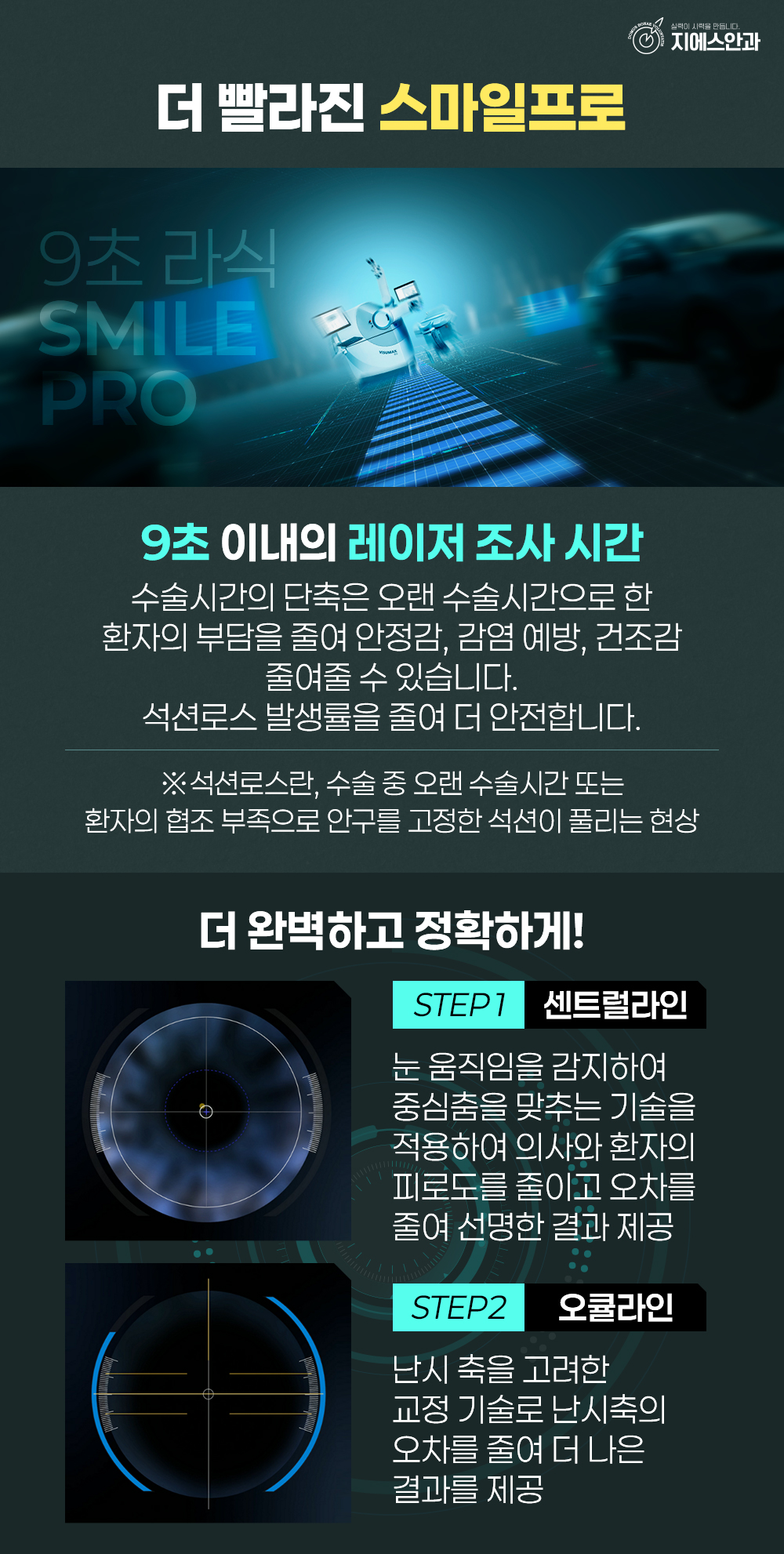
Technology and equipment used for evaluation
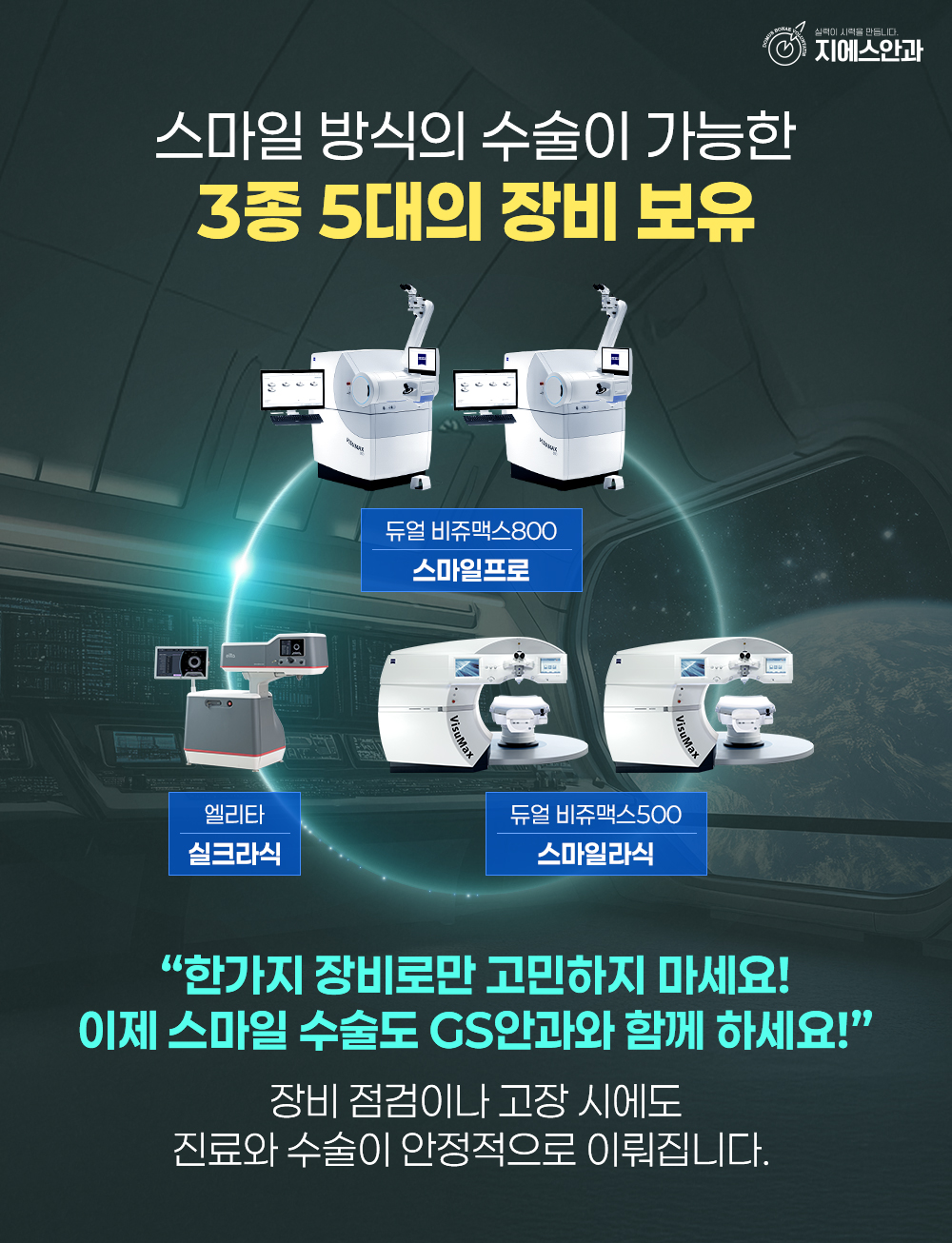
These diagnostic systems are important for accurately identifying the cause of post LASEK glare and planning individualized treatment. For overseas patients, having all major tests available in one center can make the evaluation more efficient during a limited stay in Korea.
Who may consider LASEK and what to ask about night glare
LASEK may be considered by patients with thinner corneas, certain corneal shapes, or those who prefer to avoid a corneal flap. It can also be an option for people with active lifestyles where flap related trauma is a concern.
However, anyone considering LASEK should discuss night vision in detail, especially if they have
- Large pupils in dim light
- High degrees of nearsightedness or astigmatism
- A job or lifestyle that requires frequent night driving
Before surgery, it is reasonable to ask your ophthalmologist about your pupil size, the planned optical zone, and your individual risk of night glare. You can also ask whether wavefront or topography guided planning is suitable in your case, and how dry eye will be evaluated and managed.
Online consultation and pre visit preparation for overseas patients
For international patients considering LASEK in Gangnam, an online consultation can be a useful first step. During this process, you may be asked to share
- Your age and current glasses or contact lens prescription
- Any previous eye surgery or eye disease
- Whether you have symptoms such as dryness, glare, or halos already
- Your typical visual demands, including night driving and screen use
If you have had a recent eye examination in your home country, it can help to send copies of your prescription, corneal topography, or other test results. While the clinic will repeat key tests in Korea, previous data can provide helpful background.
Before your visit, prepare a list of questions, such as
- Which procedure is most suitable for my eyes and lifestyle
- What level of night glare is common after LASEK in patients similar to me
- How long should I plan to stay in Korea for surgery and follow up
- What aftercare will I need once I return home
Bringing this list helps you use consultation time efficiently and ensures that important points are not forgotten.
Expected Korea visit timeline for LASEK
Although each clinic may have slightly different schedules, a typical visit pattern for overseas patients might look like this
Day 1 Comprehensive preoperative examination, including refraction, corneal imaging, pupil size measurement, tear film evaluation, and consultation with the ophthalmologist. If everything is suitable and you agree to proceed, surgery can often be scheduled within a short period.
Day 2 or 3 LASEK procedure itself. The surgery is usually quick, but you should plan to rest afterward. Protective lenses or bandage contact lenses may be placed on the eyes.
First week Several follow up visits to monitor epithelial healing, remove bandage lenses when appropriate, and adjust eye drops. During this period, vision can be hazy, and light sensitivity and glare are common.
Weeks 2 to 4 Follow up visits to check visual acuity, corneal clarity, and dry eye status. Many overseas patients stay in Korea for at least one to two weeks after surgery, but this depends on travel plans and the clinic’s advice.

If you must return home earlier, it is important to arrange follow up with an ophthalmologist in your country and to carry a detailed summary of your surgery and postoperative regimen.
Aftercare and long term management
After LASEK, you will receive a schedule for eye drops, including antibiotics, anti inflammatory drops, and lubricants. It is essential to follow these instructions exactly and not to stop drops early without medical advice.
Protective measures include wearing sunglasses outdoors, avoiding eye rubbing, and keeping water and dust away from the eyes during the early healing phase. Many clinics recommend avoiding swimming, hot tubs, and heavy exercise for a certain period.
For night glare specifically, it can help to
Use preservative free artificial tears regularly, especially before night driving or screen use
Limit long night drives in the first months and avoid driving if you feel unsafe
Ensure good lighting at home and work to reduce eye strain
If glare or halos remain bothersome after several months, a repeat evaluation with corneal imaging and wavefront analysis can help decide whether further treatment is appropriate.
FAQ about LASEK night glare for overseas patients
How long does night glare usually last after LASEK
Many patients notice night glare and halos in the first days and weeks after LASEK. These symptoms often improve significantly over 3 to 6 months as the corneal surface smooths and the tear film stabilizes. Some mild halos may persist but are usually not limiting. The exact timeline varies between individuals, so regular follow up with your ophthalmologist is important.
Is LASEK more likely to cause glare than LASIK or SMILE
Surface procedures like LASEK generally have a slower visual recovery than flap based procedures such as LASIK or keyhole procedures such as SMILE. Because of this, night vision symptoms may feel more noticeable in the early period after LASEK. Over time, many patients reach comfortable night vision, but those with large pupils or high prescriptions should discuss their individual risk with the surgeon.
What can I do if glare is very strong after I return to my home country
If you experience strong or worsening glare after going home, arrange an eye examination with a local ophthalmologist as soon as possible. Share your surgery records and explain your symptoms in detail. They can check for dry eye, residual refractive error, or corneal changes. You can also contact the Gangnam clinic where you had surgery for guidance and, if needed, remote review of your test results.
Can further surgery completely remove night glare
In some cases, customized enhancement procedures or topography guided treatments can reduce glare by improving corneal regularity or correcting residual refractive error. However, no procedure can guarantee complete removal of all night vision symptoms. The decision to undergo additional surgery should be based on careful testing, realistic expectations, and a clear understanding of potential benefits and risks.
Soft call to action for online consultation
If you are considering LASEK in Korea or are already experiencing night glare after surgery and would like a detailed evaluation, an online consultation with an ophthalmology clinic in the Gangnam area can be a practical first step. By sharing your history, current symptoms, and previous test results, you can receive personalized advice on whether LASEK is suitable for you, what level of night glare you might expect, and which examinations or treatments may help.
A structured pre visit discussion can help you plan your travel dates, understand the expected recovery timeline, and prepare questions for your in person consultation. For many overseas patients, this preparation makes the experience of having eye surgery in Korea more predictable and reassuring.






댓글
댓글 쓰기