LASIK LASEK Side Effects and 2DAY LASEK Safety Guide in Gangnam Seoul
- 공유 링크 만들기
- X
- 이메일
- 기타 앱
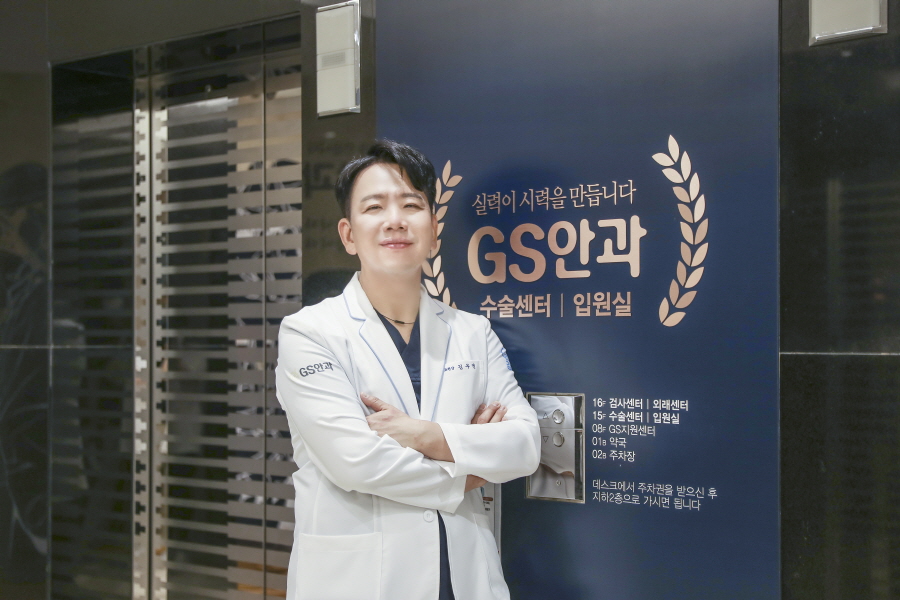
If you are searching for LASIK LASEK side effects, you are usually worried about dry eye, night glare, halos, or a long and painful recovery. No laser vision procedure is completely free of risk, but many of the classic problems people fear can be reduced. The key is a very detailed eye examination, choosing the right method for your eyes, and following a structured recovery plan.
2DAY LASEK is an advanced form of LASEK that aims for faster early vision recovery and more comfort while keeping the cornea structurally stable because no flap is created. At a long‑established eye clinic in the Gangnam area of Seoul, this method is offered as one of several options after careful screening, not as a one‑size‑fits‑all solution.
This guide explains what side effects to expect with LASIK and LASEK, how 2DAY LASEK is designed to reduce some of these risks, and what overseas patients can expect before, during, and after a visit to Korea.
Overview of LASIK, LASEK, and typical side effects
LASIK and LASEK in simple terms
LASIK reshapes the clear front surface of the eye (the cornea) using a laser under a thin flap. A flap is created in the cornea, lifted, the laser reshapes the tissue underneath, and then the flap is placed back.
LASEK is a surface procedure. Instead of a deeper flap, only the very thin surface layer of cells (epithelium) is loosened, the laser reshapes the surface of the cornea, and then the surface cells are allowed to heal. 2DAY LASEK is an enhanced version of this surface approach.
Common side effects people worry about
Dry eye and foreign‑body sensation
After both LASIK and LASEK, many people feel dryness, burning, or a feeling like sand in the eye. This happens because corneal nerves are temporarily affected by the laser and, in LASIK, by creating a flap. Tear production and tear quality can be reduced for a while.
In many cases, this improves over weeks to months with artificial tears and anti‑inflammatory drops. However, if you already have significant dry eye or wear contact lenses heavily, you may be at higher risk of longer‑lasting symptoms. This is why a detailed tear and dry eye evaluation before surgery is so important.
Night vision problems: glare, halos, starbursts
After laser vision correction, some patients notice halos around lights, glare from car headlights, or starburst patterns at night. These symptoms are often more noticeable in the first few weeks when the cornea is still healing.
Pupil size, the shape and thickness of the cornea, and the laser profile all influence night vision quality. In many people, these symptoms gradually improve as the cornea heals and the brain adapts, but in some cases they can persist if the procedure was not well matched to the eye’s characteristics.
Fluctuating vision, undercorrection, overcorrection, regression
In the early healing phase, vision can fluctuate from day to day or even during the same day. This is usually related to surface healing, tear film stability, and mild swelling.
Undercorrection means some degree of myopia or astigmatism remains. Overcorrection means the eye becomes slightly hyperopic. Regression refers to a gradual return of some degree of myopia over time. These can be influenced by corneal thickness, degree of correction, healing response, and whether the original plan was appropriate for your eyes.
Corneal flap‑related issues (LASIK only)
Because LASIK uses a flap, there are some potential flap‑specific problems:
- Flap displacement from trauma in the early period
- Microscopic wrinkles or irregularities in the flap
- Additional nerve cutting that may contribute to dry eye
These issues are uncommon when surgery and aftercare are done carefully, but they are part of the reason some patients look for flap‑free options.
Infection, inflammation, and haze (more relevant to surface procedures)
Any eye surgery carries a small risk of infection or inflammation. With surface procedures like LASEK, there is also a risk of corneal haze, a kind of cloudiness in the healing tissue.
Modern laser profiles, medications, and careful follow‑up have greatly reduced the frequency and severity of these problems, but they can still occur, especially if instructions are not followed or if the eye rubs or gets contaminated during healing.
Temporary versus long‑term side effects
Many LASIK and LASEK side effects are temporary and improve within weeks to several months. Long‑term problems are more likely when pre‑operative screening is incomplete, when a procedure is done on a cornea that is too thin or irregular, or when a method is chosen that does not fit the patient’s eye condition.
Why 2DAY LASEK is designed differently
What is 2DAY LASEK
2DAY LASEK is an advanced surface ablation protocol based on LASEK. The goal is to combine the structural advantages of surface treatment with a recovery experience that is more similar to LASIK in the early days.
Key goals of 2DAY LASEK include:
- Faster early functional vision compared with conventional LASEK
- Reduced pain and discomfort in the first few days
- Preservation of corneal biomechanical stability by avoiding a flap
How 2DAY LASEK relates to side effects
No flap, no flap‑related risks
Because 2DAY LASEK does not create a corneal flap, there is no risk of flap displacement or flap wrinkles. There is also less cutting of deeper corneal nerves compared with LASIK, which may help reduce the degree of dry eye in some patients.
Preserving more corneal tissue
Surface ablation reshapes the outer layers of the cornea without removing as much tissue as a flap‑based approach. For people with thinner corneas or higher prescriptions, this can be an important safety factor when the eye meets strict selection criteria.
Improved night vision profiles and haze control
Modern 2DAY LASEK protocols use updated laser profiles designed to match the natural shape of the eye more closely. These protocols aim to improve overall visual quality and may help reduce symptoms such as night glare or halos in selected patients.
In addition, the use of specific medications during and after surgery, along with careful control of laser energy, aims to reduce the risk of corneal haze and maintain clear vision.
Faster and more comfortable early recovery
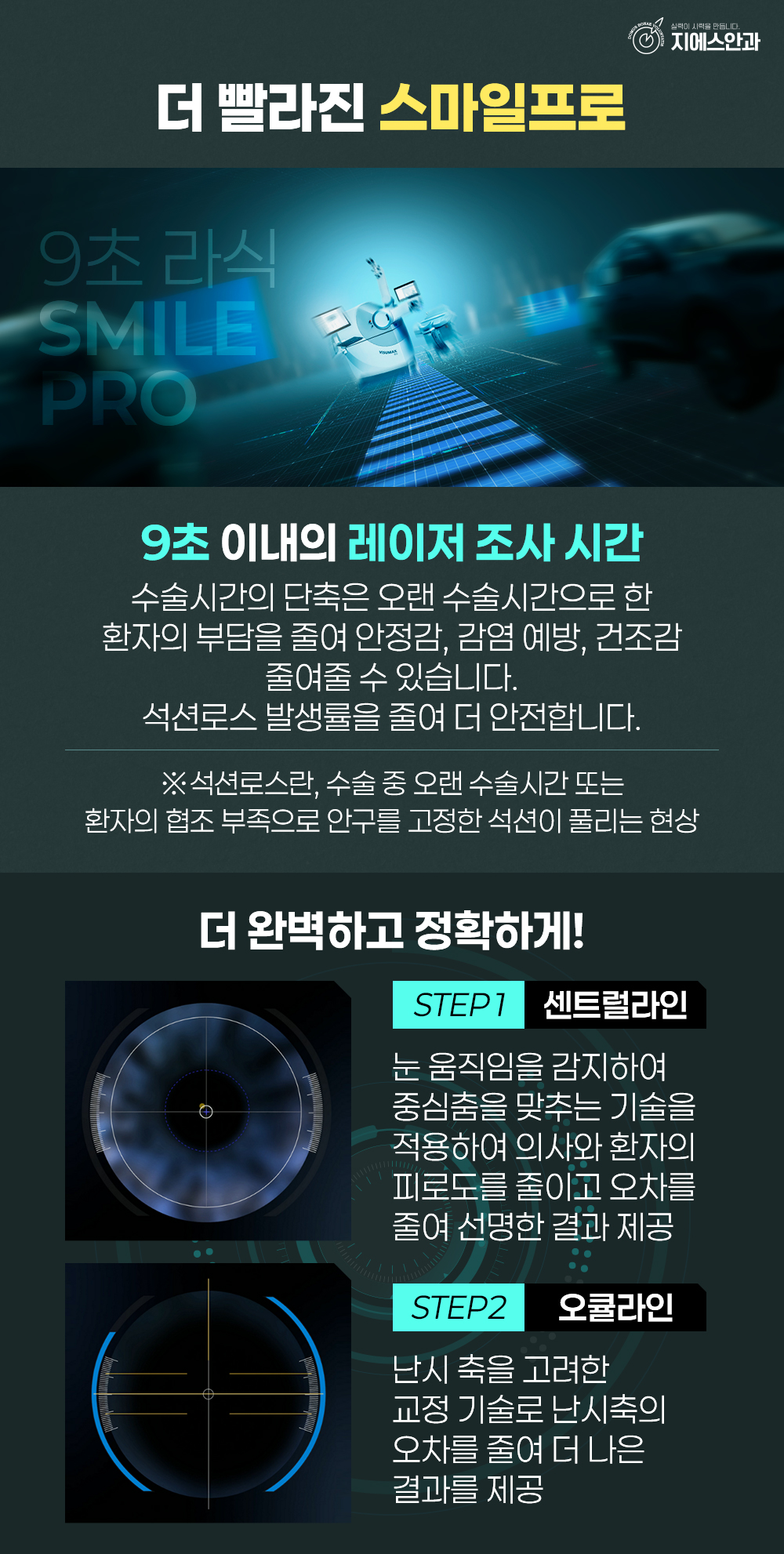
Traditional LASEK has a reputation for several days of strong pain and slow vision recovery. 2DAY LASEK focuses on a protocol that includes optimized surface handling, protective lenses, and pain‑control strategies to make the first 48 hours more manageable and to help functional vision return sooner.
Pre‑operative examination and who may consider 2DAY LASEK
Why examination matters more than the brand name
The most important step in preventing side effects is not the marketing name of the procedure, but how thoroughly your eyes are examined and how carefully your candidacy is judged.
A Gangnam‑based eye clinic that opened in 2005 and has remained in the same location emphasizes multi‑step screening and clear criteria. The center is led by a medical doctor with a PhD and former university hospital faculty background, and all seven doctors are board‑certified eye specialists. This structure supports a cautious approach to deciding who should and should not have 2DAY LASEK or any laser procedure.
Key checks before recommending 2DAY LASEK
Corneal thickness and shape
The cornea must be thick enough and have a regular shape. Advanced imaging is used to rule out conditions such as keratoconus or other irregularities that could increase the risk of post‑operative weakening or ectasia.
Tear film and dry eye evaluation
Tear quantity and quality are assessed, often with tests that measure tear breakup time, staining patterns, and gland function. If significant dry eye is present, treatment is usually started before surgery and factored into the choice of procedure.
Pupil size and night vision risk
Large pupils in dim light can increase the chance of night glare and halos. Measuring pupil size helps the doctor adjust the laser zone and discuss realistic expectations for night vision.
Retina and optic nerve evaluation
A separate retina center within the same facility allows detailed checking of the back of the eye. Retinal tears, degeneration, or other issues can be treated or monitored before vision correction, reducing the chance that a hidden retinal problem will affect your final vision.
Stable prescription
Your glasses or contact lens prescription should be stable for a certain period, usually at least a year, before surgery is considered. This helps reduce the risk of regression.
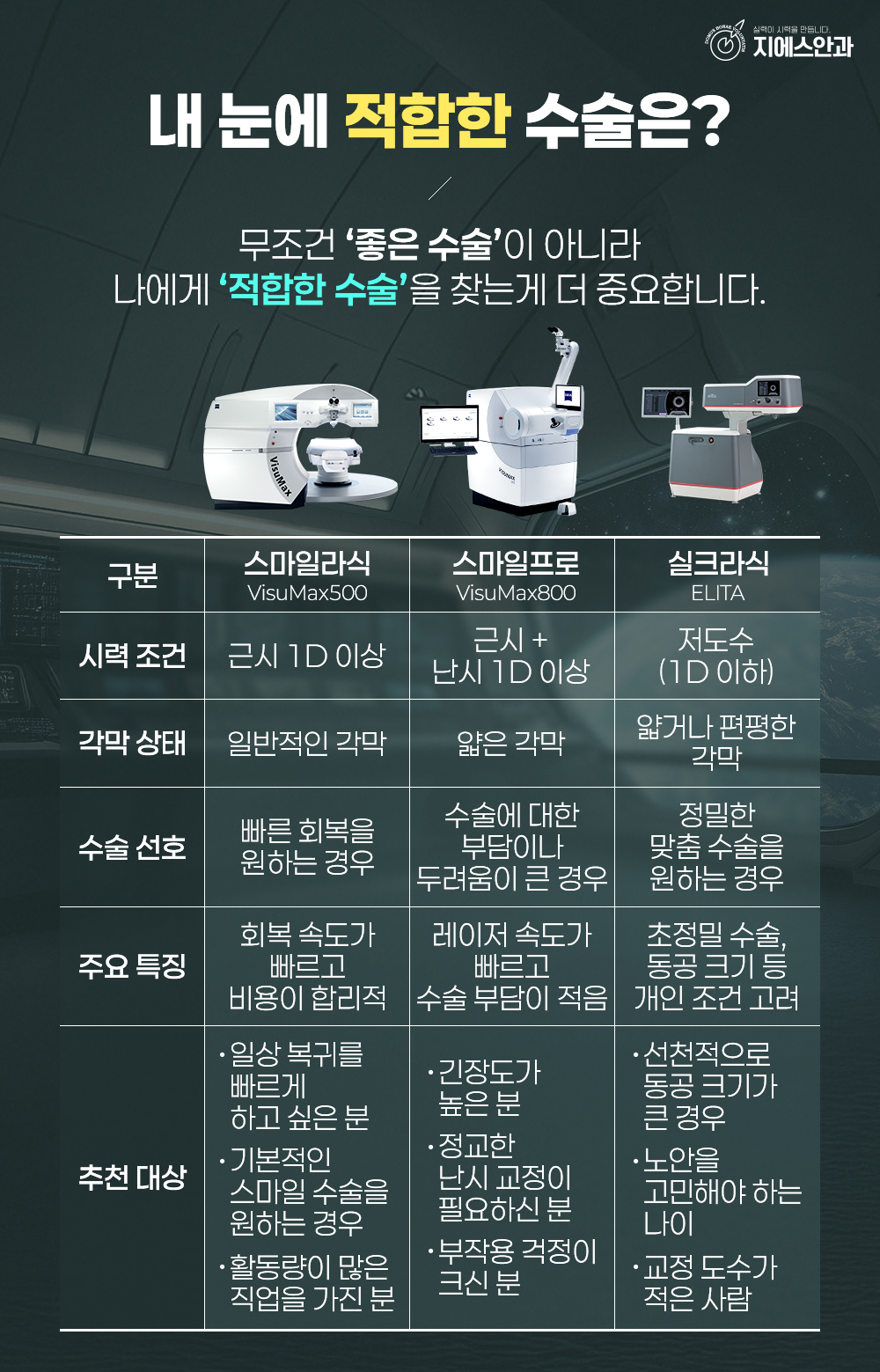
Who may consider 2DAY LASEK
2DAY LASEK may be considered if you:
Want to avoid a corneal flap
Have relatively thin corneas or higher myopia where preserving tissue is important
Are comfortable with a few days of surface healing in exchange for structural stability
Have been told you are not an ideal candidate for LASIK but may still be suitable for surface treatment
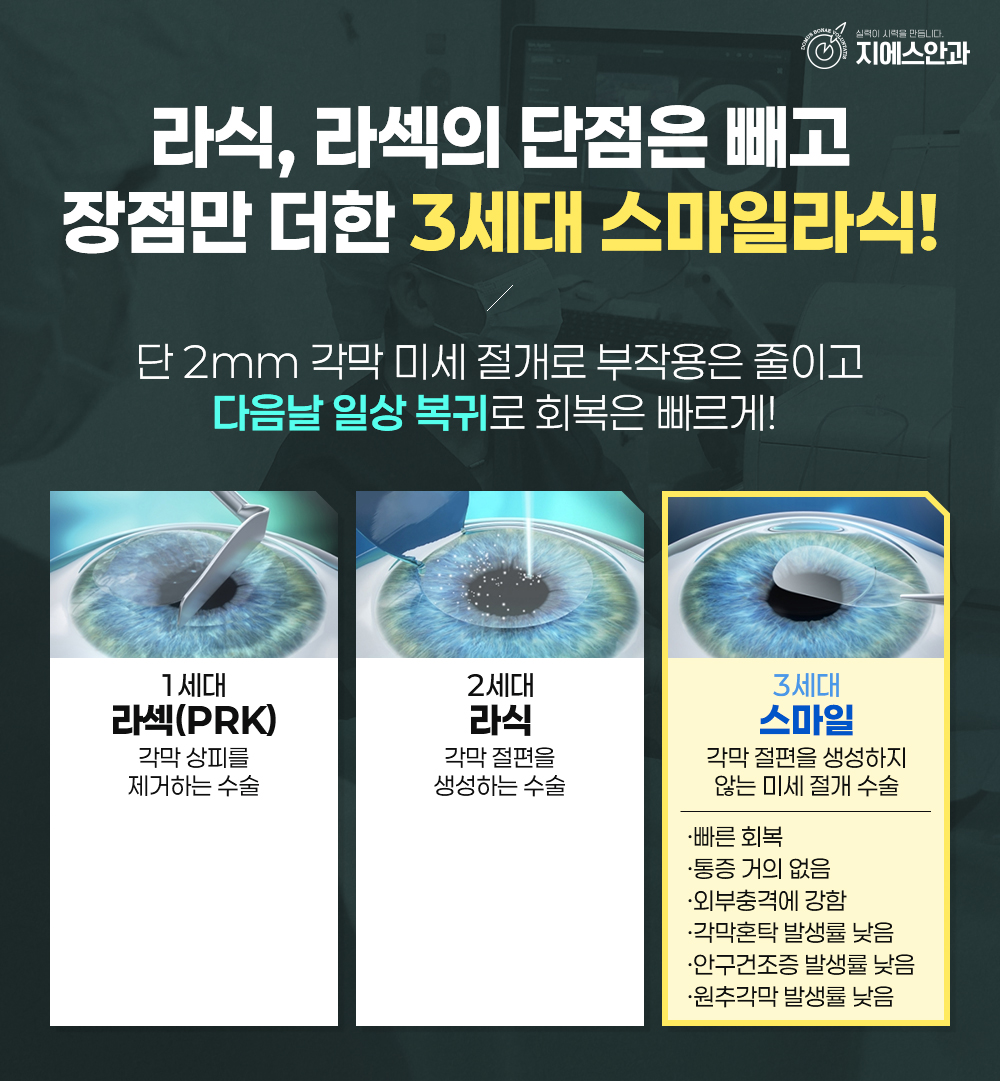
During consultation, the team will also compare 2DAY LASEK with LASIK, SMILE, or lens implantation and may advise against laser vision correction entirely if that is safer.
How this Gangnam eye clinic differentiates itself
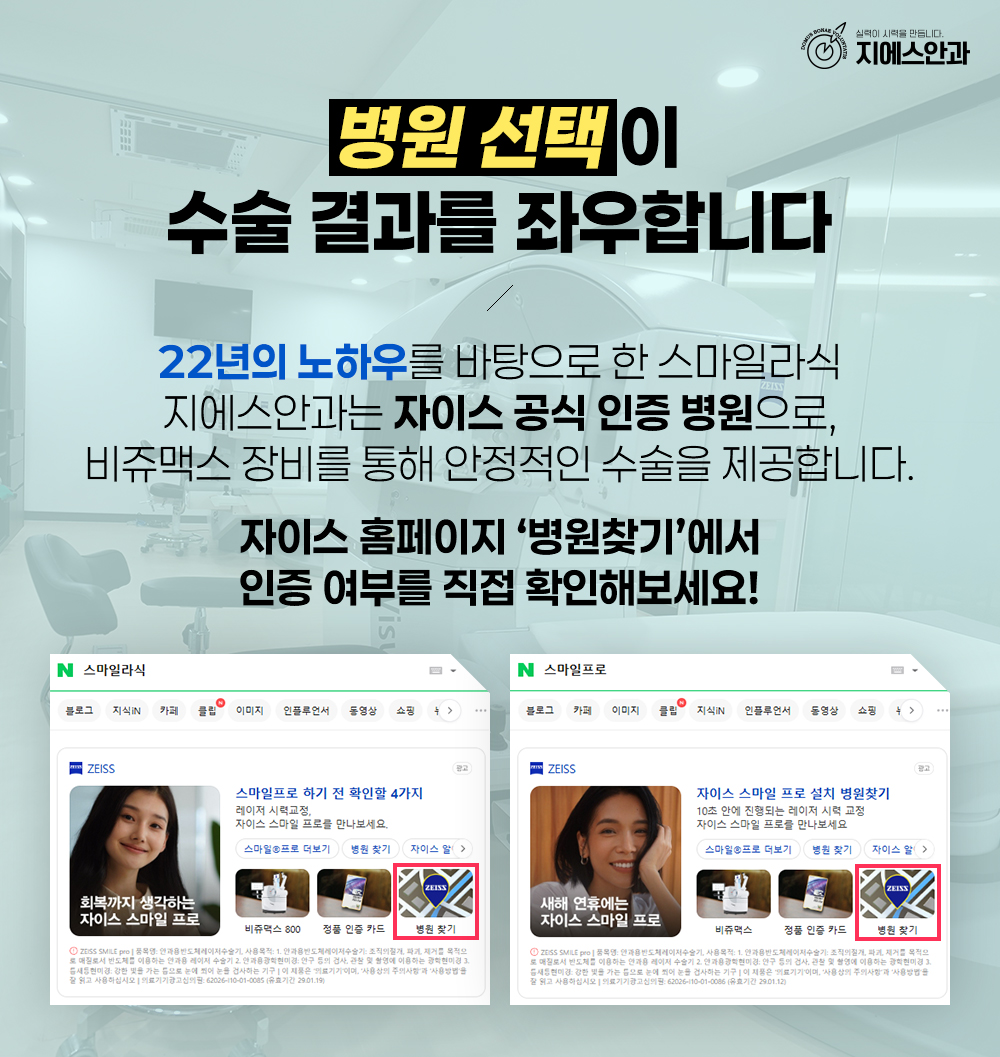
This center in Gangnam has been providing vision correction and cataract surgery since 2005 and had performed a cumulative 300,000 eyes as of 2023. It was designated as a clinical education center for a medical school and for an Asia‑Pacific ophthalmic company in 2023 and 2024, respectively, meaning other doctors come to observe and learn techniques there.
The clinic holds international ISO certifications for SMILE LASIK quality management since 2020. While ISO certification is specific to SMILE, the same culture of standardized protocols and quality control is applied to LASEK and 2DAY LASEK workflows.
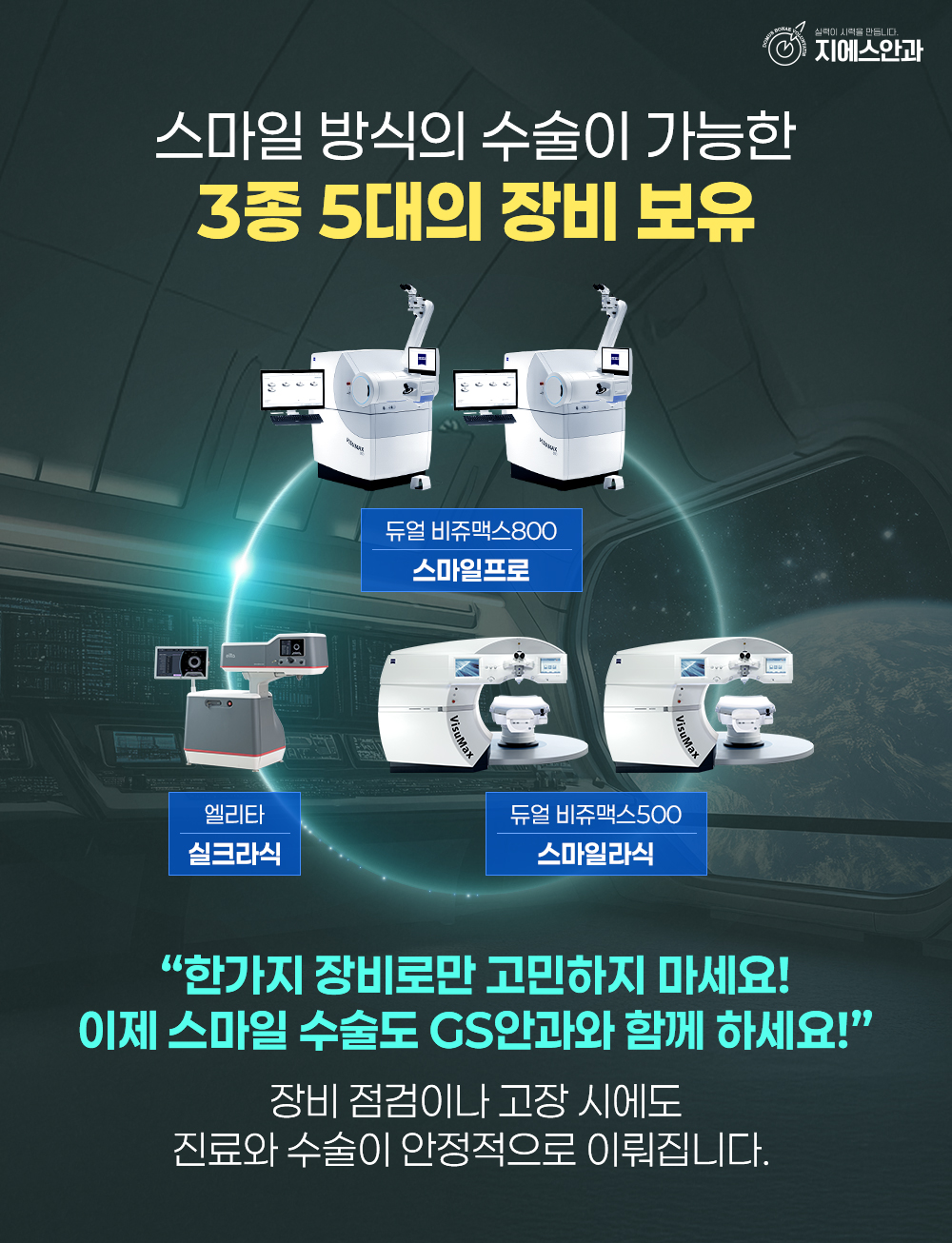
Multiple laser platforms, including SMILE and SILK, are available in the same center, but the focus of this guide is 2DAY LASEK as a flap‑free option for people who are particularly sensitive about LASIK LASEK side effects.
The 2DAY LASEK procedure and typical Korea visit timeline
Initial online consultation and pre‑visit preparation
For overseas patients, the journey often starts with an online consultation. You can usually send recent glasses prescriptions, any previous eye test reports, and information about your eye history (contact lens use, dry eye symptoms, prior eye surgery, systemic diseases).
Before you travel, it is helpful to prepare:
- A list of medications and supplements you take
- Your contact lens history and when you stopped wearing them
- Questions about side effects, recovery time, and what to expect day by day
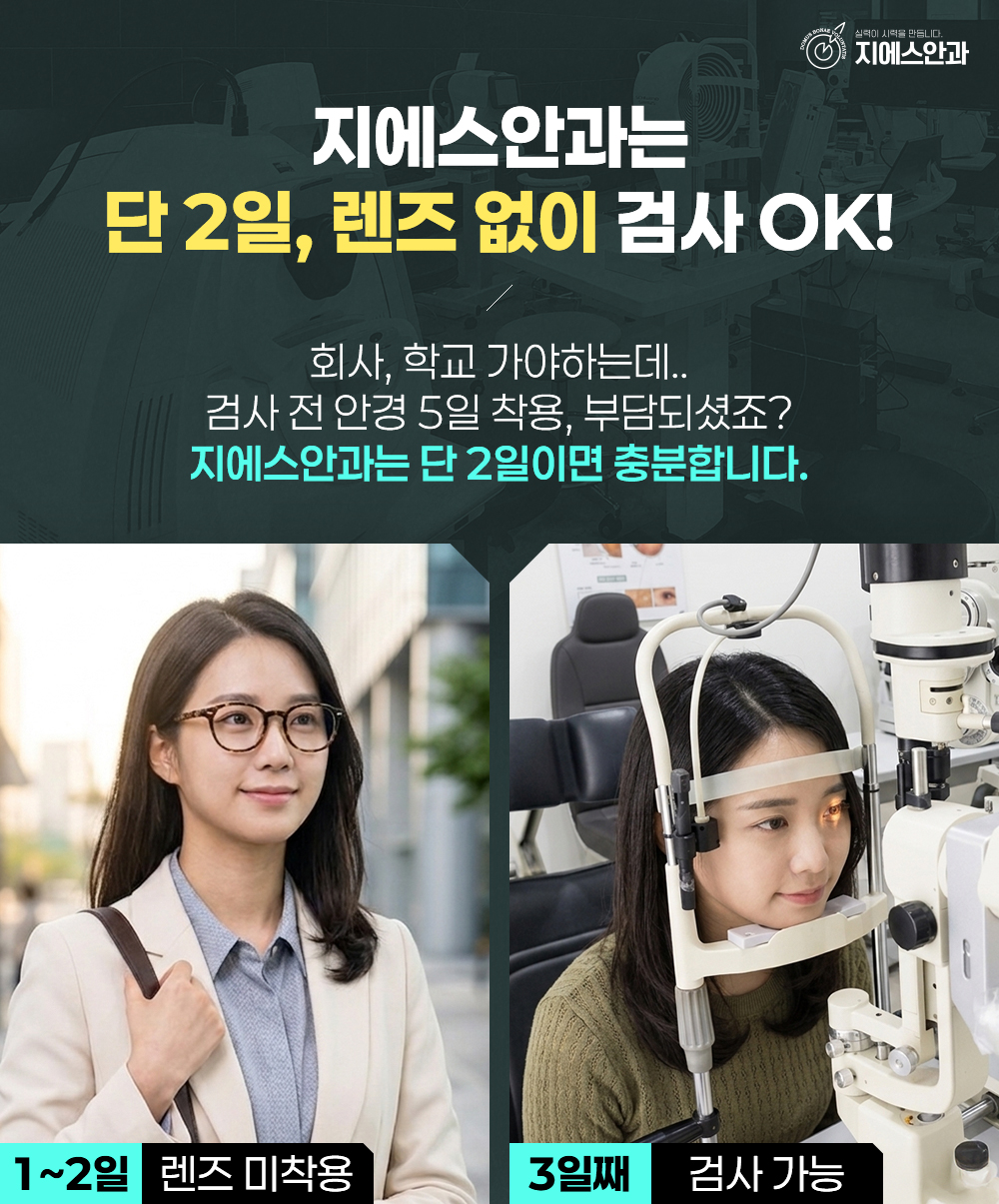
Soft contact lenses generally need to be stopped for several days before the detailed examination, and rigid lenses for a longer period. The clinic can advise you on exact timings.
Day 1 in Seoul: Full eye examination and counseling
On your first visit, expect several hours for testing. This may include:
- Vision and refraction tests
- Corneal topography and tomography to map shape and thickness
- Tear film and dry eye assessment
- Pupil size measurements
- Retinal and optic nerve imaging and examination
After the tests, you meet the doctor to discuss whether 2DAY LASEK, LASIK, SMILE, lens implantation, or no surgery is safest for you. The pros and cons of each option, especially in terms of side effects, are explained in detail.
If 2DAY LASEK is recommended and you decide to proceed, surgery can often be scheduled within a day or two, depending on your travel plan and contact lens break period.
Surgery day: 2DAY LASEK procedure
On the day of surgery, you arrive with no eye makeup, perfume, or heavy accessories. After final checks and consent, numbing drops are applied.
The 2DAY LASEK steps typically include:
- Preparation of the surface epithelial layer
- Laser reshaping of the cornea according to your customized plan
- Application of medications to control healing and haze
- Placement of a soft protective contact lens
The procedure is generally a brief outpatient one; laser exposure per eye is very short.
First 2 days after 2DAY LASEK
The first 24 to 48 hours are when discomfort is most noticeable. You may feel:
- Stinging or burning
- Light sensitivity
- Tearing and a foreign‑body sensation
- Blurry vision
Pain control is managed with oral medication, cooling eye masks, and lubricating drops as prescribed. Many patients are advised to rest in a dim room, avoid screens, and keep their eyes closed as much as possible on the first day.
Vision recovery timeline
Many patients regain functional vision for basic daily activities relatively soon after 2DAY LASEK, but individual recovery varies. Fine visual details and night vision may continue to settle over a period of weeks to months.
Most people notice steady improvement during the first month, with more subtle refinement up to three to six months as the cornea stabilizes.
Follow‑up schedule during your Korea stay
For overseas patients, a typical schedule might include:
- Day 1 after surgery: check healing, adjust medications
- Day 3 to 5: remove the protective contact lens if the surface is healed
- Additional visits within 1 to 2 weeks if your travel plan allows
After you return home, you are encouraged to continue follow‑up with a local eye doctor, while staying in contact with the Gangnam team via email or messaging for questions.
Practical aftercare tips to reduce side effects
Medication use
Use all prescribed eye drops exactly as directed. This usually includes:
- Antibiotic drops to prevent infection
- Anti‑inflammatory drops to control healing and haze
- Lubricating drops to reduce dryness and discomfort
Do not stop or change drops on your own without consulting the doctor.
Activity restrictions
To protect the healing surface and reduce side effects:
- Do not rub your eyes
- Avoid swimming pools, hot tubs, and saunas for the recommended period
- Avoid heavy exercise, contact sports, or dusty environments in the early phase
- Wear sunglasses outdoors to reduce light sensitivity and UV exposure
Screen time and dry environments
In the first week, limit prolonged screen use, as blinking tends to decrease when you focus on digital devices, worsening dryness. Use artificial tears regularly, and consider a humidifier if you stay in an air‑conditioned or heated room.
How this clinic approaches side‑effect prevention and management
Safety‑first philosophy
The clinic’s philosophy is that surgical skill and careful judgment determine vision outcomes, and that a team with good intentions must put safety first. This means not only performing surgery well, but also being willing to say no when surgery is not in the patient’s best interest.
System‑level elements for complication reduction
Multi‑step screening and exclusion criteria
The center uses multi‑step screening with clear thresholds for corneal thickness, shape, and stability. If your eyes do not meet these criteria, laser vision correction may be declined, and alternatives such as lens implantation or continued use of glasses or contacts are recommended.
Corneal‑strengthening adjuncts when indicated
In borderline cases where the cornea is thinner or has certain patterns, corneal cross‑linking may be considered together with vision correction to help reduce the risk of post‑operative corneal weakening. This is not needed for everyone, but it is part of the clinic’s toolkit when appropriate.
Dry eye management
A separate dry eye service within the clinic allows targeted treatment before and after surgery. This can include prescription drops, in‑office treatments, and lifestyle guidance to improve the tear film, which is important for both comfort and visual quality.
Retina specialists on staff
Having retina specialists on the team allows prompt evaluation and treatment of retinal issues such as lattice degeneration or small tears, which can be especially important for high myopia patients.
If you are not a good candidate
If your eyes are not suitable for 2DAY LASEK or any laser procedure, the clinic will explain why and suggest alternatives. These may include phakic lens implantation, refractive lens exchange in selected age groups, or simply continuing with glasses or contact lenses.
Checklist before you decide on 2DAY LASEK
Before you commit to surgery, it can help to prepare a checklist of questions, such as:
What are my specific risk factors for dry eye or night glare?
Is my cornea thick and regular enough for 2DAY LASEK, and what is the residual thickness planned?
How many 2DAY LASEK cases has the doctor performed for patients with a prescription similar to mine?
What is the expected recovery timeline for my case, and how long should I stay in Korea?
What is the plan if I have undercorrection or regression later?
Bringing these questions to your online or in‑person consultation helps you compare centers based not only on cost, but also on equipment, examination depth, pain‑control protocols, follow‑up structure, and access to specialists.

FAQ about LASIK LASEK side effects and 2DAY LASEK
Are LASIK and LASEK side effects permanent?
Most side effects, such as mild dry eye, glare, or fluctuating vision, are temporary and improve over weeks to months as the eye heals and the brain adapts. However, in a small percentage of cases, symptoms can last longer, especially if the eyes were not ideal candidates or if pre‑existing conditions were not managed.
This is why a thorough pre‑operative examination and honest discussion of your individual risk profile are essential. Early detection and treatment of any issues after surgery also help reduce the chance of long‑term problems.
Is 2DAY LASEK safer than LASIK?
2DAY LASEK avoids a corneal flap, which removes flap‑related risks and can help preserve corneal strength and reduce nerve damage. This can be an advantage for some patients, especially those with thinner corneas or certain lifestyle risks.
However, LASIK may offer faster comfort and vision in the first day or two for others. Neither method is universally better for everyone. The safest choice depends on your corneal thickness, shape, prescription, dry eye status, and personal priorities.
Can I completely avoid dry eye after surgery?
No method can guarantee zero dry eye after vision correction. The cornea and tear film are almost always affected to some degree. That said, risk can be reduced by treating pre‑existing dry eye, choosing a method that preserves more nerves and tissue when appropriate, and using lubricating and anti‑inflammatory drops as directed.
If you already have dry eye, it is especially important to tell your doctor and to allow time for pre‑treatment before considering surgery.
What if I have thin corneas or very high myopia?
If your corneas are thin or your prescription is high, flap‑free surface procedures like 2DAY LASEK or alternatives such as lens implantation may be considered. The goal is to avoid removing too much corneal tissue, which could compromise structural stability.
In some cases, the safest recommendation may be not to perform laser vision correction at all. A responsible center will explain this clearly and help you consider non‑surgical options.
How do I know if I am a good candidate for 2DAY LASEK?
You can only know after a full eye examination that includes corneal mapping, tear evaluation, pupil measurement, and retinal assessment. Online questionnaires and general information can give you a rough idea, but they cannot replace in‑person testing.
If you are planning to travel to Seoul, an online pre‑consultation can help you understand whether it is worth making the trip and how long you should plan to stay for tests, surgery, and follow‑up.
Soft call to action for overseas patients
If you are worried about LASIK LASEK side effects but still want the freedom of life without glasses or contact lenses, 2DAY LASEK in Gangnam may be one option to discuss. The next step is not to decide based on online reviews alone, but to arrange a detailed consultation.
You can start with an online assessment, share your current prescription and eye history, and ask specific questions about safety, recovery time, and travel planning. With clear information and careful examination, you and your doctor can decide together whether 2DAY LASEK, another method, or simply staying with your current correction is the safest choice for your eyes.




- 공유 링크 만들기
- X
- 이메일
- 기타 앱


댓글
댓글 쓰기