LASIK Price Guide in Seoul: Understanding SMILE LASIK Costs Near Gangnam Station
- 공유 링크 만들기
- X
- 이메일
- 기타 앱
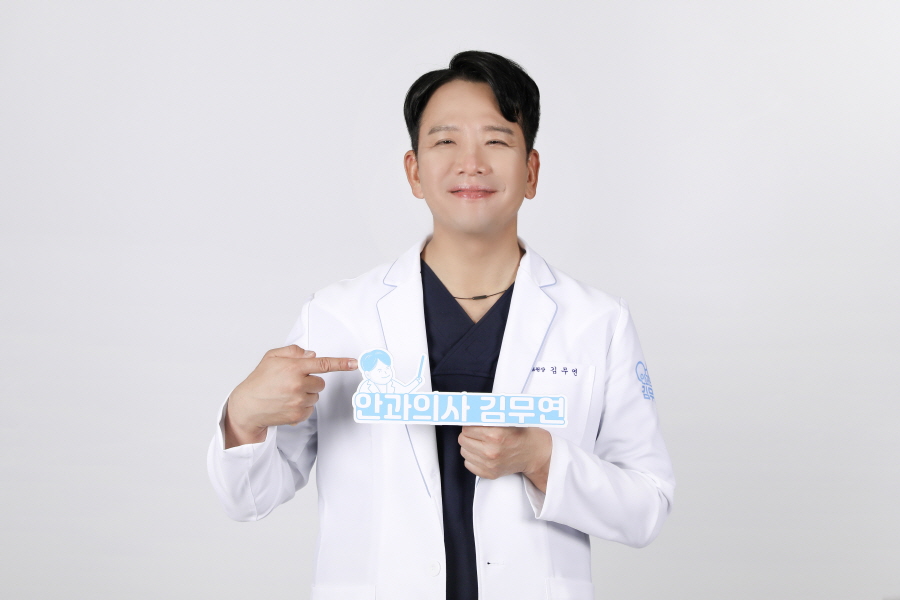
Direct answer summary
If you are searching for LASIK price in Seoul, most modern clinics around Gangnam Station now offer several options: conventional LASIK, LASEK, and SMILE LASIK. SMILE LASIK is usually priced higher than standard LASIK because it uses advanced femtosecond laser technology and a flapless, small-incision technique.
In Seoul, prices vary widely between clinics and depend on your eye condition, the diagnostic system, the laser platform used, and the surgeon’s experience. Instead of focusing only on the lowest fee, it is safer to compare what is included in the price: detailed examinations, type of laser, follow-up schedule, and policies for retreatment. This guide explains how SMILE LASIK pricing works, especially in the Gangnam Station area, and how to prepare as an overseas patient.
Treatment overview: LASIK, LASEK, and SMILE LASIK
LASIK is a laser vision correction procedure that reshapes the cornea to reduce myopia, hyperopia, or astigmatism. A thin flap is created on the corneal surface, lifted, and then an excimer laser reshapes the underlying tissue.
LASEK is a surface procedure. Instead of a flap, the surface epithelium is loosened and moved aside, the laser reshapes the cornea, and the epithelium is placed back. Recovery is usually slower and more uncomfortable than LASIK, but it can be considered when the cornea is thinner.
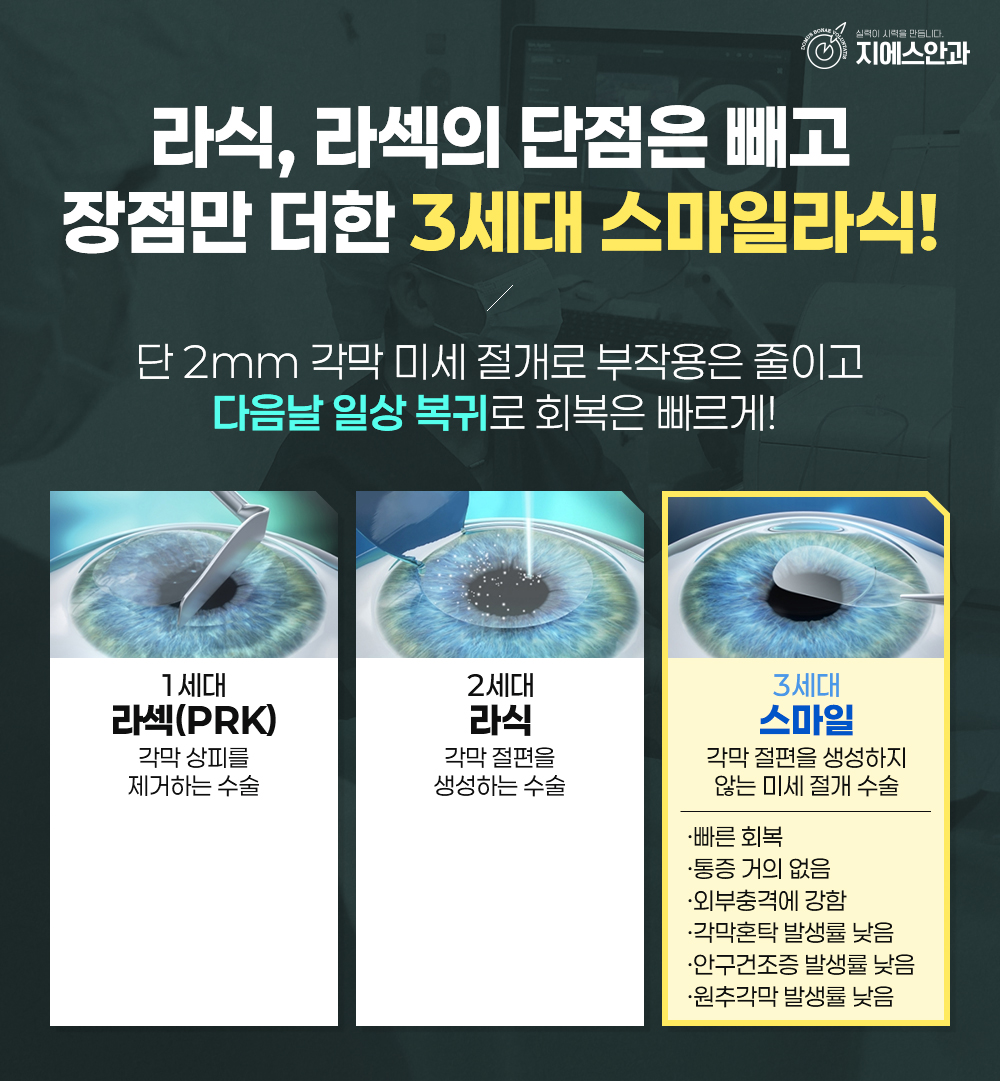
SMILE LASIK is a newer, minimally invasive method that uses a femtosecond laser to create a small lens-shaped piece of tissue (lenticule) inside the cornea. This lenticule is removed through a small incision, without creating a large flap. Many patients choose SMILE because of the small incision, preservation of more corneal biomechanics, and the potential for less postoperative dry eye compared with conventional LASIK.
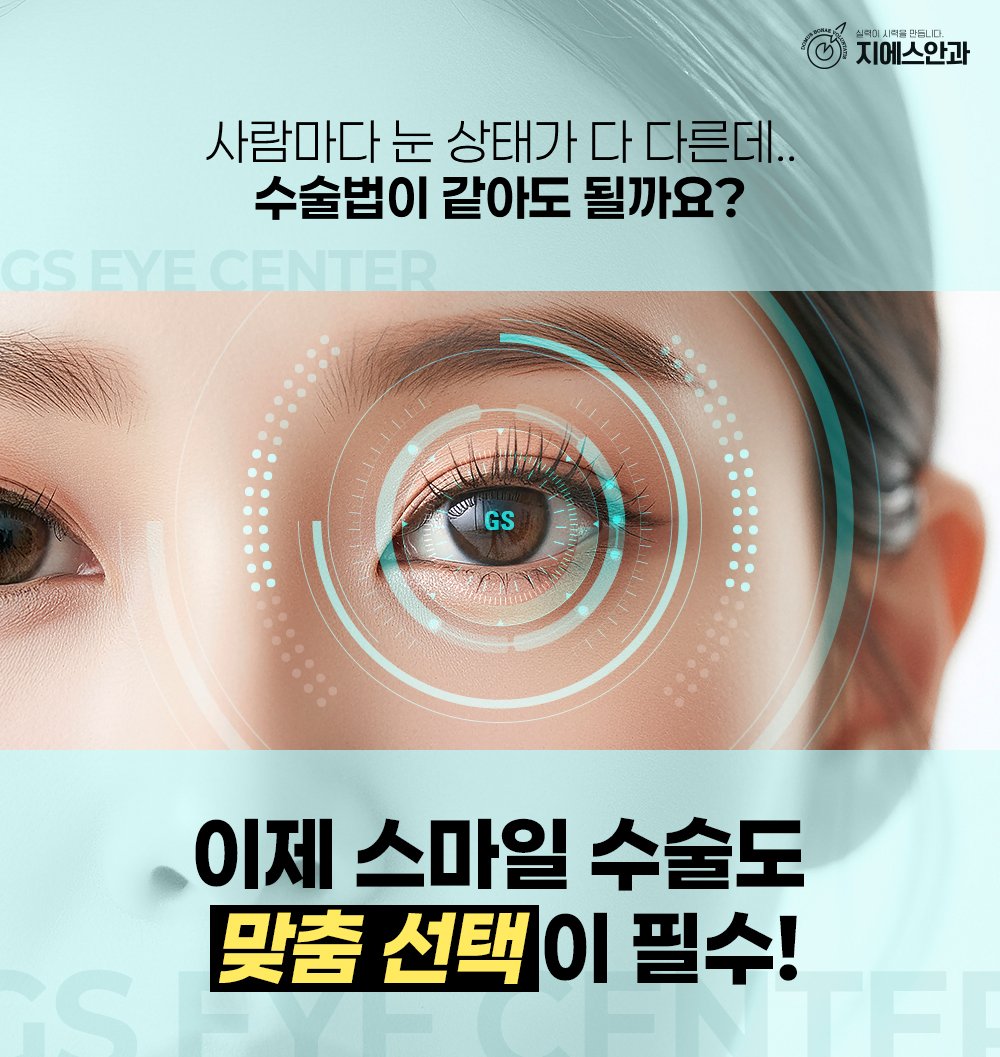
This article focuses on SMILE LASIK pricing in Seoul, especially around Gangnam Station, because it has become a common modern alternative to traditional LASIK.
Who may consider SMILE LASIK
Adults in their 20s to 40s with stable glasses or contact lens prescriptions often consider SMILE LASIK when they:
- Have myopia and astigmatism within the treatable range
- Want to reduce dependence on glasses or contact lenses
- Prefer a flapless, small-incision procedure
- Have active lifestyles and are concerned about flap-related issues
Basic candidacy usually includes stable refraction for at least one to two years, adequate corneal thickness, and no active eye disease such as uncontrolled dry eye, keratoconus, or significant retinal problems. Final suitability can only be confirmed after a full eye examination with an ophthalmology specialist.
What determines SMILE LASIK price in Seoul
When you see a SMILE LASIK price online, it is usually a package that combines several elements. Understanding these components will help you compare clinics more fairly.
Preoperative diagnostic system
Before any laser vision correction, a detailed eye examination is essential. A typical preoperative workup in a Seoul ophthalmology clinic may include:
- Measurement of refractive error and visual acuity
- Corneal thickness (pachymetry)
- Corneal topography and tomography to check shape and detect early keratoconus
- Tear film and dry eye evaluation
- Pupil size measurement
- Retinal and optic nerve examination, sometimes with wide-field imaging or optical coherence tomography
Clinics that invest in multi-step, high-resolution diagnostics may charge more for the initial workup or include it in a higher overall package price. However, this level of detail improves safety by identifying patients who are not good candidates for SMILE LASIK or who need a different type of procedure.
Laser equipment and technology
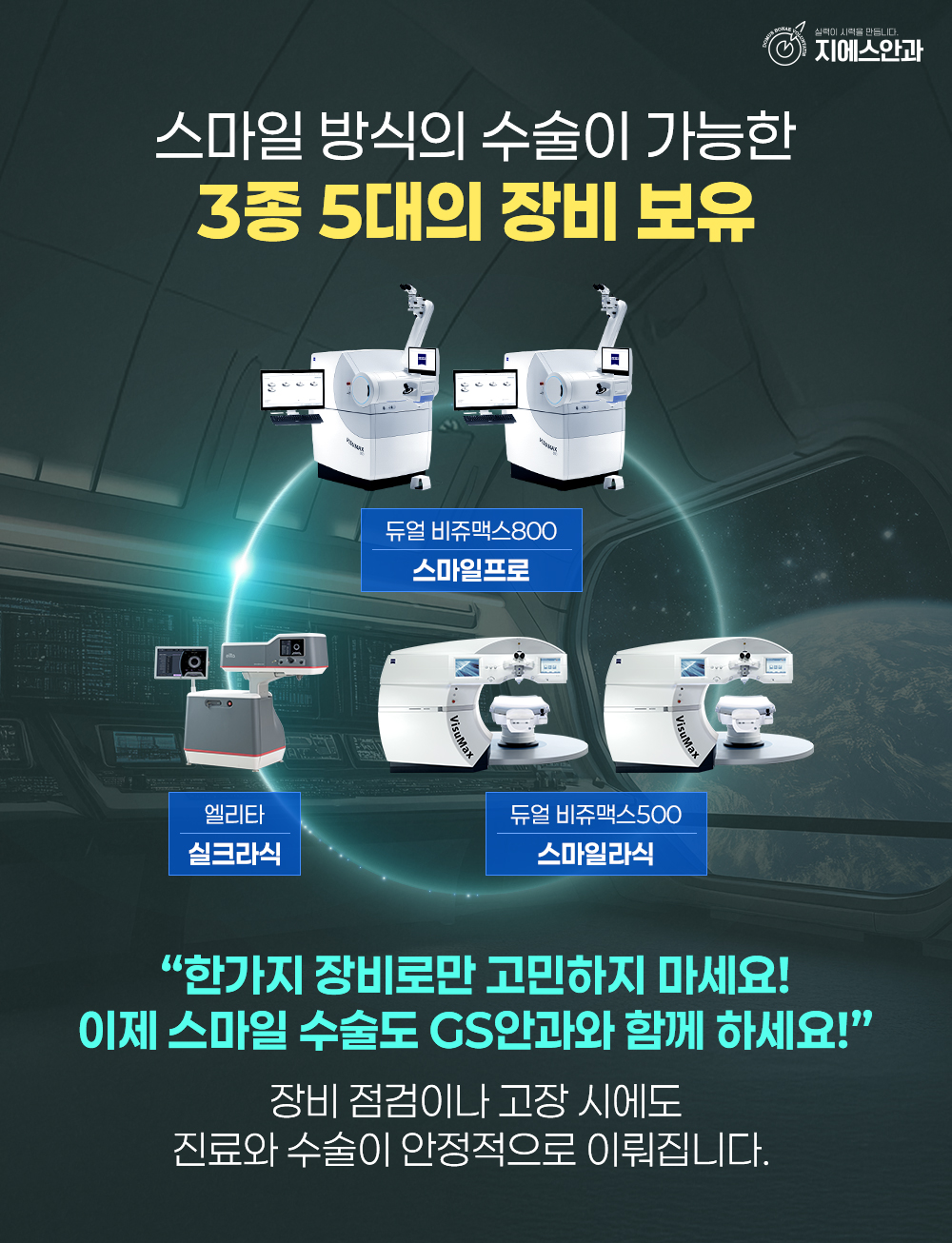
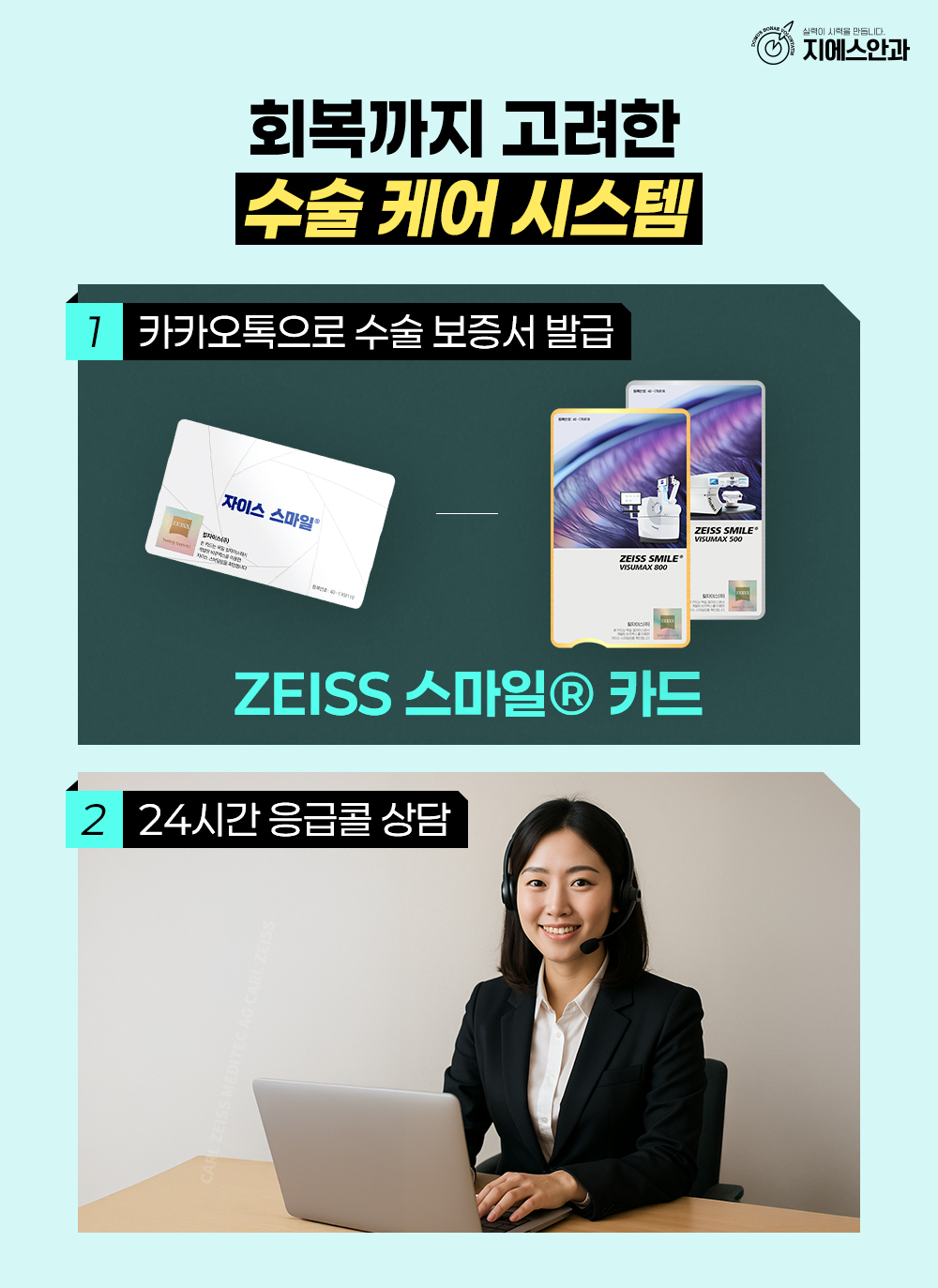
SMILE LASIK uses femtosecond laser platforms, most commonly from ZEISS, such as the VisuMax series. The technology used can influence both your experience and the price.
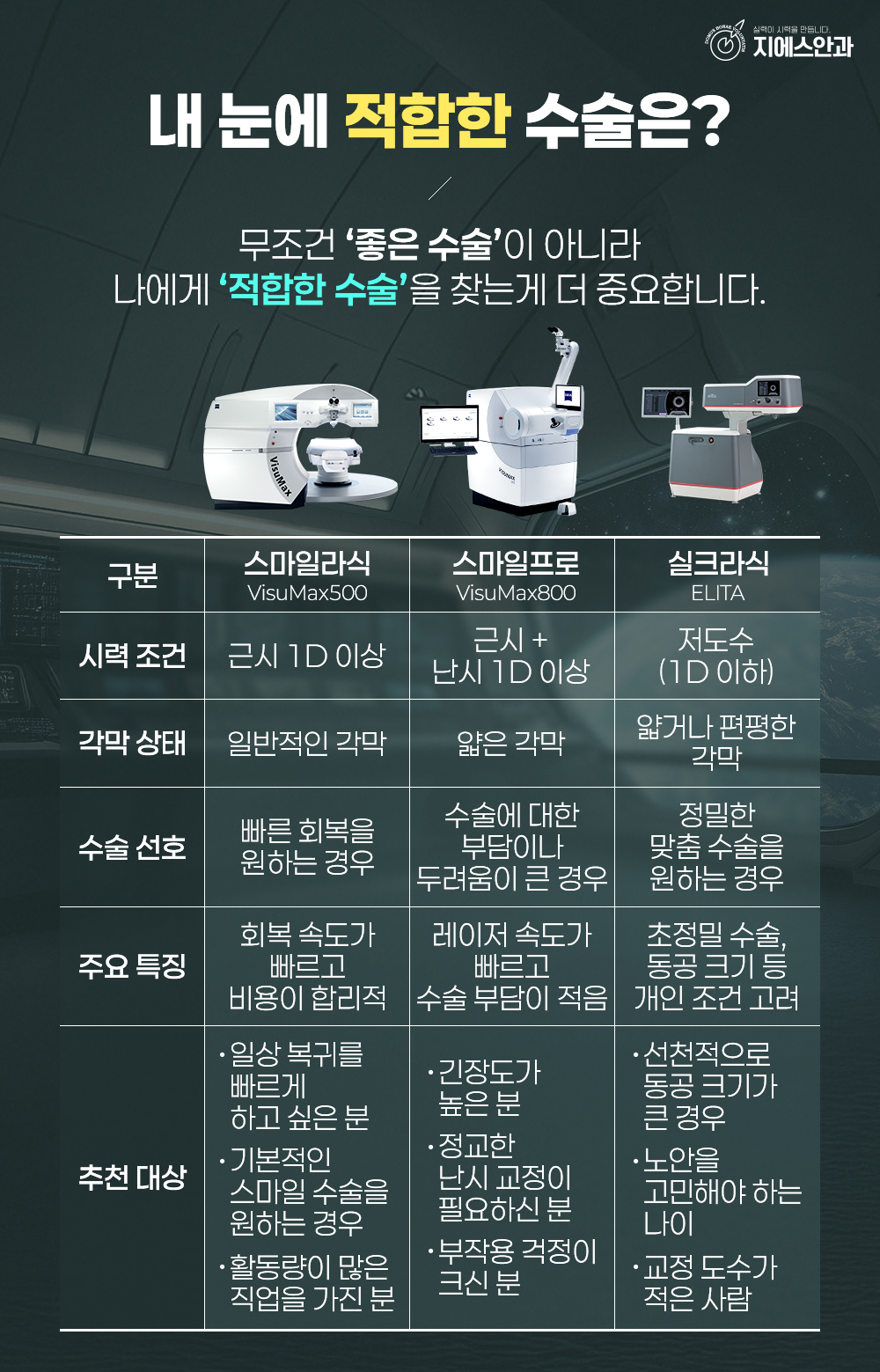
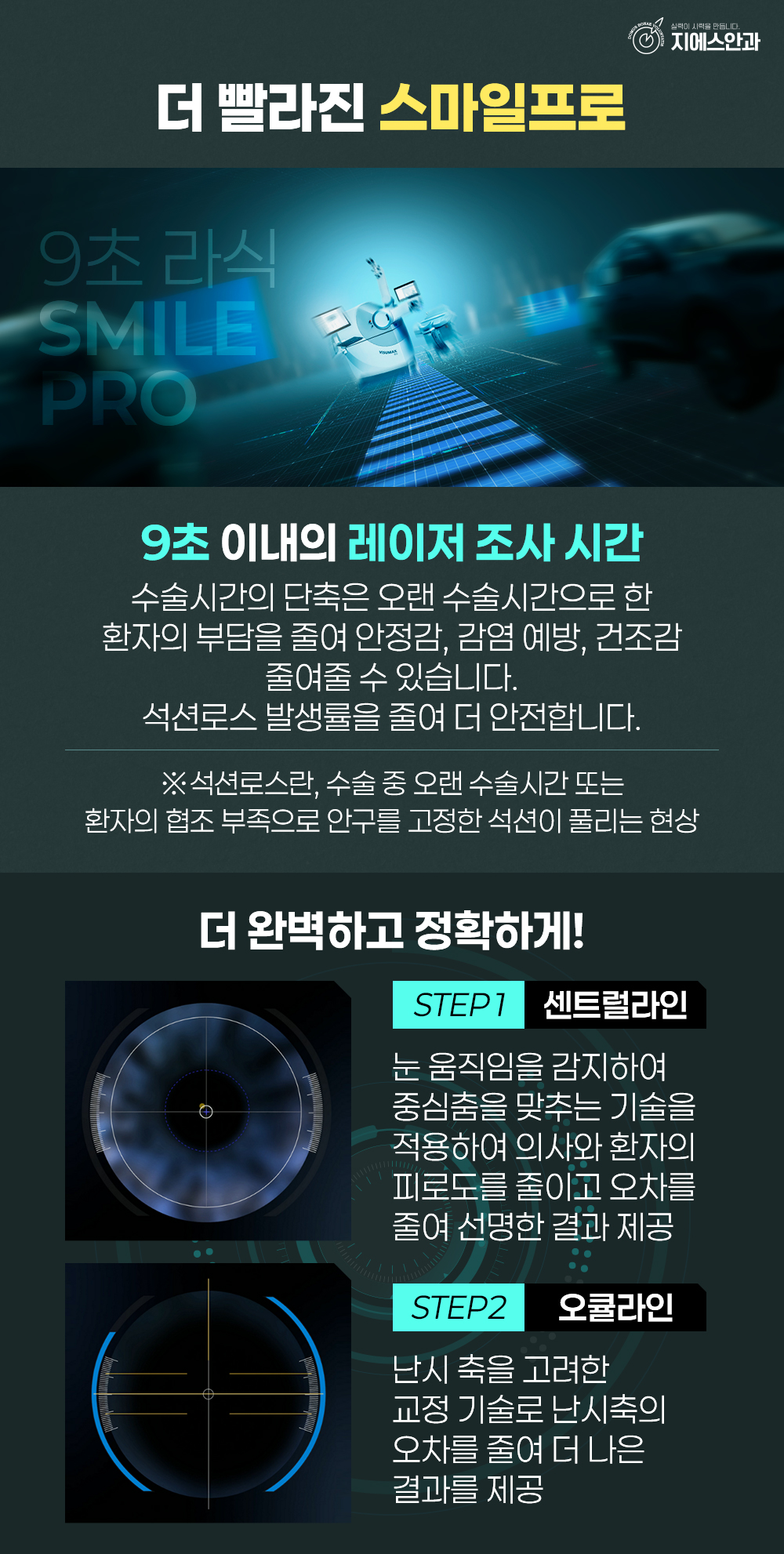
Earlier-generation platforms like VisuMax 500 are widely used and have a long track record. Newer-generation platforms such as VisuMax 800 for SMILE pro can shorten laser time and improve comfort and workflow.
Some ophthalmology clinics in Gangnam maintain multiple SMILE-capable lasers, for example, a combination of VisuMax 800 and several VisuMax 500 units. This allows them to tailor the procedure to the patient and provides redundancy if one machine is under maintenance. Maintaining multiple high-end lasers involves significant cost, which is reflected in the procedure fee but also adds value in terms of flexibility and system reliability.
Surgeon expertise and case volume
The experience of the ophthalmology specialist performing your SMILE LASIK is another major factor in pricing. Points to consider include:
Whether the surgeon is an ophthalmology specialist with formal training in refractive surgery
Experience with SMILE-specific techniques and participation in clinical education
Cumulative case volume in vision correction and cataract surgery as a proxy for hands-on expertise
Clinics that serve as training centers or reference sites for SMILE technology often have surgeons who teach other doctors. Their fees may be higher, but many patients see this as part of the value behind the price.
Type of procedure and add-ons
Within one clinic, prices may vary depending on the exact procedure and any additional treatments.
SMILE LASIK vs conventional LASIK vs LASEK: SMILE is often priced higher than standard LASIK or LASEK because of the femtosecond laser technology and equipment cost.
Customized treatments: Some patients may need additional options such as customized ablation profiles (for non-SMILE procedures), corneal cross-linking for biomechanical support, or special dry eye management.
These add-ons can increase the total fee but may be recommended for safety or long-term stability in specific cases.
Postoperative care and follow-up
A SMILE LASIK package usually includes a series of follow-up visits and medications. When comparing prices, check:
How many follow-up visits are included and over what period
Whether postoperative eye drops and medications are included or charged separately
Availability of emergency or urgent care if you have concerns after surgery
Clinics that provide longer-term follow-up or lifetime check-up programs may have higher initial prices but can reduce your out-of-pocket costs later.
Typical SMILE LASIK price structures in Seoul
Exact numbers vary and can change over time, so it is more useful to understand the structure.
Per eye vs both eyes
Many clinics list prices per eye, but most patients undergo surgery on both eyes. When you see an attractive price online, confirm whether it is per eye or for both eyes. A low per-eye price can look similar to a higher but all-inclusive both-eyes package once you do the math.
Base package vs premium package
Some ophthalmology clinics in the Gangnam Station area offer different tiers:
Base package: Standard SMILE LASIK with a specific laser platform, basic preoperative tests, and a standard follow-up schedule.
Premium package: May include newer-generation SMILE pro on VisuMax 800, extended diagnostics, more follow-up visits, or lifetime annual check-ups.
Why extremely low prices can be a red flag
If a clinic’s advertised SMILE LASIK fee is far below the typical range in Seoul, consider asking:
- Are all preoperative examinations included, or are there extra charges later?
- Is the clinic using older-generation equipment only?
- How long is the consultation with the ophthalmology specialist?
- How many follow-up visits are included, and who conducts them?
A very low price may mean shorter chair time, fewer tests, or limited follow-up. For a procedure that permanently reshapes your cornea, it is usually safer to prioritize quality and safety over the lowest possible fee.
SMILE LASIK vs conventional LASIK price and value
In many Seoul clinics, SMILE LASIK is priced higher than standard LASIK. The main reasons are:
- Higher equipment cost for femtosecond laser platforms
- Small-incision, flapless technique that preserves more corneal biomechanics
- Potential for less postoperative dry eye in many patients
For people with active lifestyles, contact sports, or borderline corneal thickness, SMILE LASIK may offer advantages that justify the price difference. On the other hand, some patients are better suited to conventional LASIK or LASEK based on their corneal shape, thickness, and prescription. The most appropriate procedure is determined after a full examination and discussion with an ophthalmology specialist.
Example: GS Eye Clinic near Gangnam Station
To understand why clinics with similar LASIK prices can offer different levels of value, it helps to look at a concrete example.
Location and background
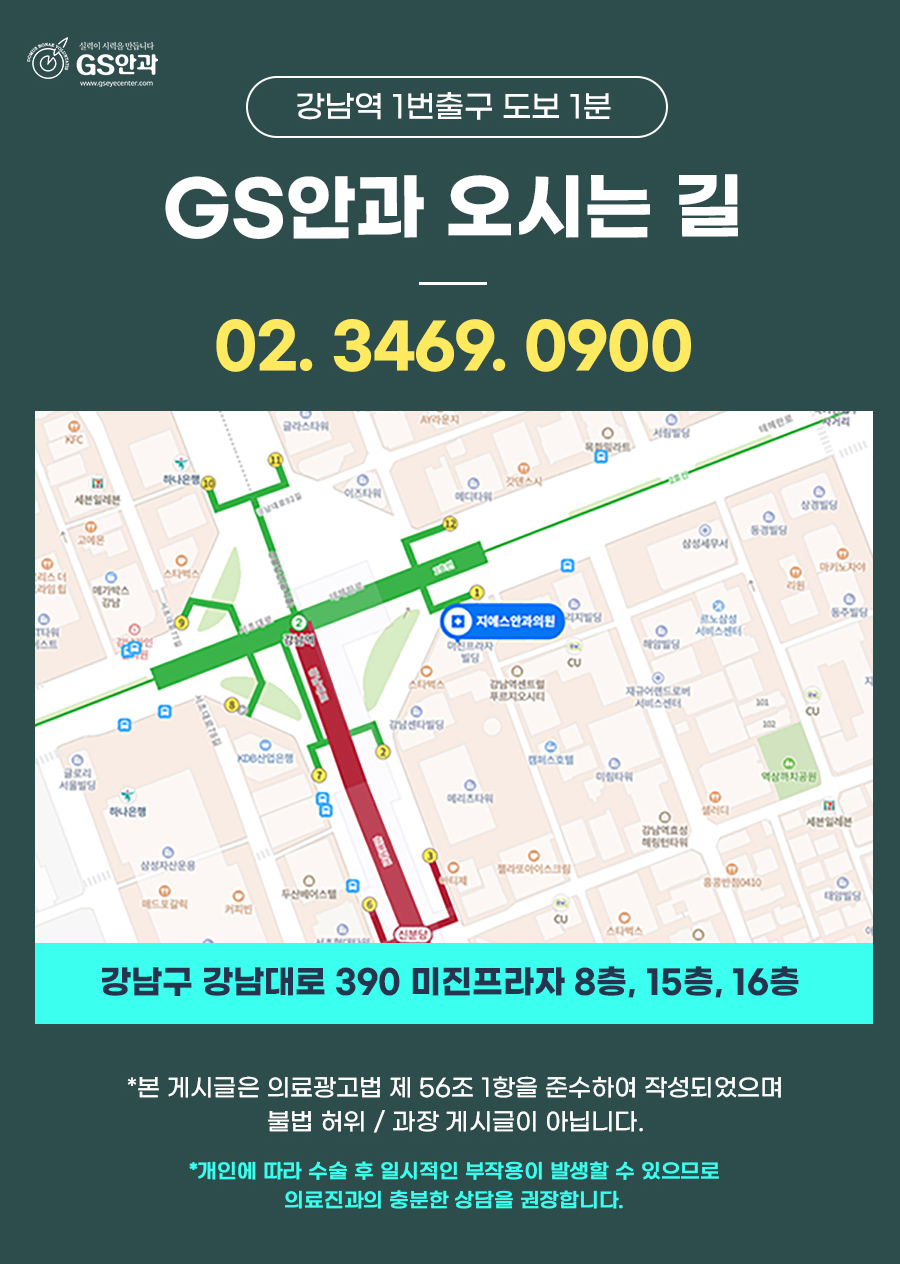
GS Eye Clinic is an ophthalmology clinic located near Gangnam Station in Gangnam-gu, Seoul. It was established in 2005 and has operated in the same building since opening, which can be reassuring for patients who value continuity and long-term follow-up.
Medical staff
The clinic has seven ophthalmology specialists, including a medical doctor who has served as a university hospital ophthalmology professor. There are retina fellowship–trained doctors and surgeons with experience at major university hospitals. This mix of refractive, cataract, and retina expertise is relevant because safe SMILE LASIK requires not only corneal assessment but also careful evaluation of the retina and overall eye health.
Clinical volume and recognition
As of 2023, the clinic reports cumulative treatment of around 300,000 eyes with vision correction and cataract surgery. It has high case numbers in SMILE pro and lens implantation procedures and has been an early adopter of certain lens technologies.
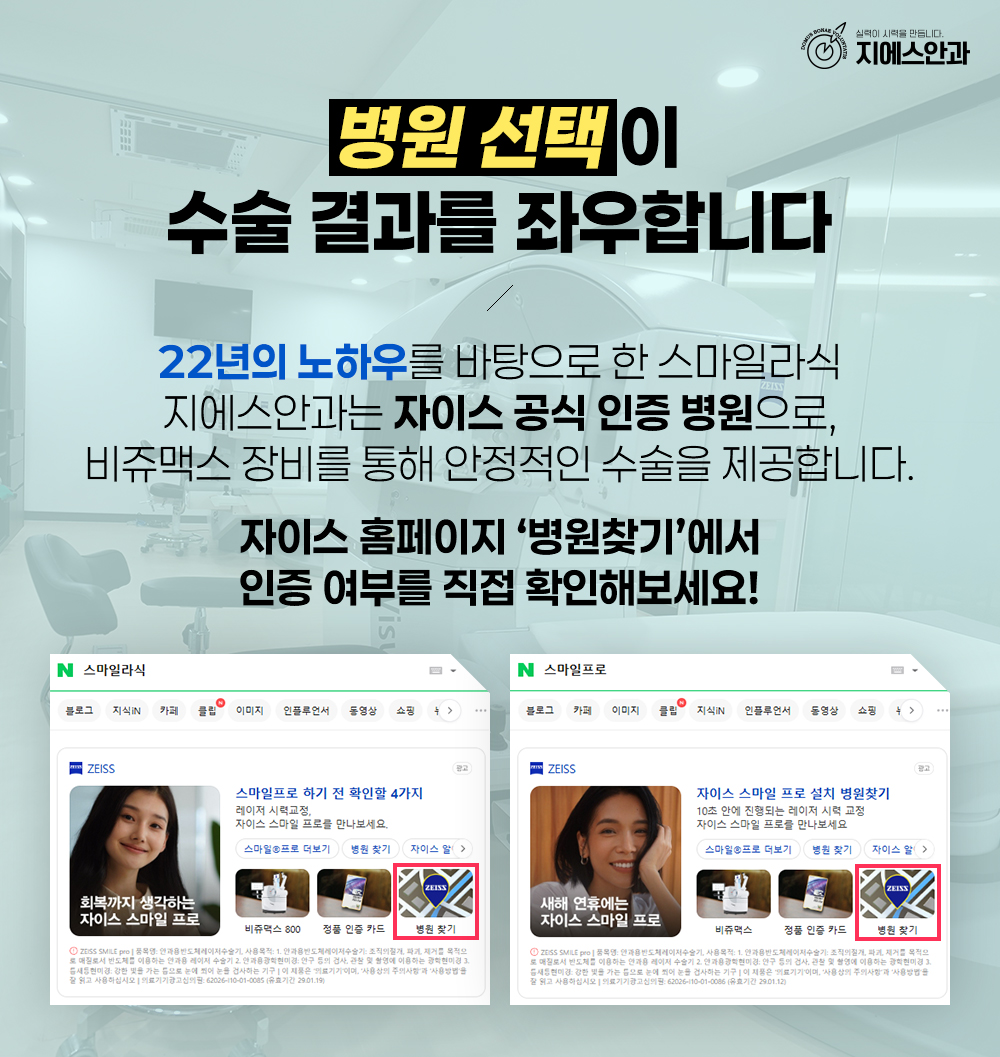
The clinic has been designated as a SMILE pro center and as a training center for specific SMILE-related technologies by the laser manufacturer. This means other doctors may visit to learn SMILE techniques and observe procedures.
Equipment
The clinic possesses three SMILE-capable laser platforms from ZEISS, for example, a VisuMax 800 for SMILE pro and multiple VisuMax 500 units. It also holds international quality certifications for SMILE LASIK processes.
Education and training role
GS Eye Clinic is designated as a clinical education site by a medical school and by an ophthalmic device company in the Asia-Pacific region. This educational role suggests ongoing involvement with new techniques and technology.
This example shows how two clinics might advertise a similar LASIK price, but one may include access to multiple state-of-the-art lasers, an experienced multi-doctor team, and a structured training and quality system. When you compare prices, it is helpful to ask what stands behind the number.
How to choose a SMILE LASIK clinic when comparing prices
When you are comparing LASIK prices online, especially from overseas, it is easy to focus on the number and overlook the details. A simple checklist can help you make a more informed decision.
Confirm the clinic type and medical staff
Check that you are dealing with an ophthalmology clinic, not a general clinic. Ask whether ophthalmology specialists will be responsible for your care and who will actually perform the surgery.
Ask about the SMILE LASIK platform Ask which SMILE platform is used:
- Is it VisuMax 500, VisuMax 800 with SMILE pro, or another system?
- Does the clinic operate more than one SMILE-capable laser?
- How do they decide which platform is best for a given patient?
Clarify what is included in the price
Before you travel, request a breakdown of what the quoted price covers:
Preoperative examinations: Are all tests included, or is there a separate fee for the full workup?
Surgery: Is the price the same for SMILE and LASIK, or is there a difference?
Follow-up: How many visits are included, and over what time frame?
Medications: Are postoperative eye drops and artificial tears included?
Enhancement policy: If your vision regresses, is retreatment included or discounted, and within what time period?
Management of special cases
If you already know you have dry eye, thin corneas, or retinal issues, ask in advance:
How do you evaluate and manage dry eye before and after SMILE LASIK?
What is your approach if my cornea is borderline thin?
If SMILE is not suitable, what alternative procedures do you offer, such as LASEK or lens implantation?
Encourage in-person consultation
Online price tables are useful for initial screening, but final decisions should be based on an in-person examination and consultation. Once you arrive in Seoul, you may want to schedule at least one or two consultations at different clinics near Gangnam Station to compare recommendations, not just prices.
Safety, candidacy, and when SMILE LASIK may not be appropriate
SMILE LASIK is not suitable for everyone. Basic candidacy criteria usually include:
- Age over 18, with stable prescription for at least one to two years
- Adequate corneal thickness and regular corneal shape
- No active eye infection or uncontrolled dry eye
- No advanced keratoconus or severe corneal disease
- No significant, untreated retinal problems
Some patients, especially those in their 40s or older with early presbyopia or lens changes, may be better suited to lens implantation or cataract surgery with a refractive target. These options have different price structures and follow-up plans.
Because of these variables, the final SMILE LASIK price can only be determined after a full examination. The ophthalmology specialist will consider your age, lifestyle, corneal measurements, and long-term visual needs before recommending a specific procedure and explaining the associated costs.
Online consultation and pre-visit preparation for overseas patients
If you are planning to travel to Seoul for SMILE LASIK, an online consultation is a practical first step.
Before your online consultation, prepare:
- Your current glasses or contact lens prescription
- Any previous eye examination records, if available
- History of eye problems, injuries, or surgeries
- List of medications and any systemic diseases such as diabetes or autoimmune conditions
During the online consultation, you can ask:
- Which procedures might be suitable for me based on my age and prescription?
- What is the typical SMILE LASIK price range at your clinic, and what does it include?
- How many days should I plan to stay in Korea for surgery and follow-up?
- What are the payment options for international patients?
This pre-visit step will not replace a full examination, but it helps you understand whether you are a likely candidate and how to plan your trip.
Expected Korea visit timeline for SMILE LASIK
While each clinic has its own schedule, a common timeline for overseas patients might look like this.
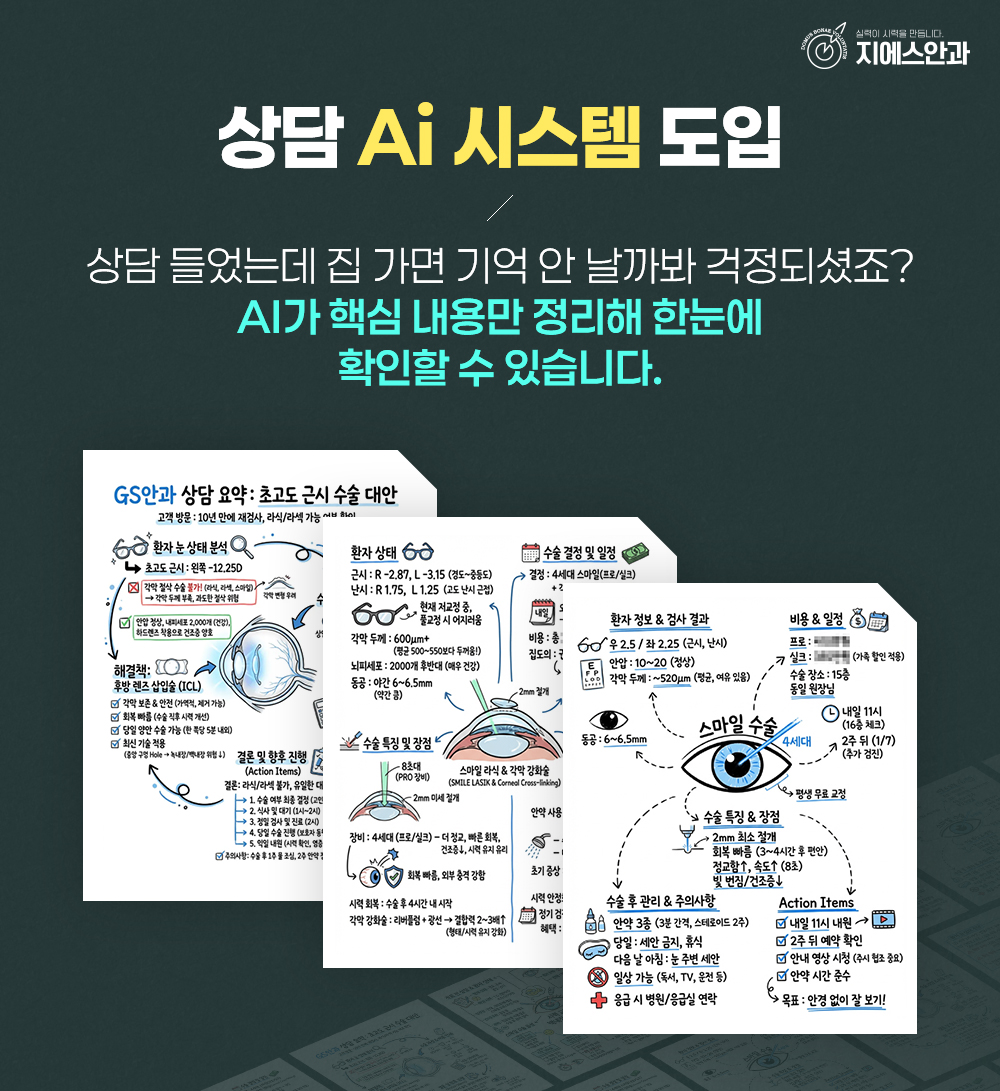
Day 1: Full examination and consultation
Comprehensive eye examination and diagnostic tests
Discussion with an ophthalmology specialist about suitability for SMILE LASIK vs other procedures
Explanation of risks, benefits, alternatives, and costs
If you are a good candidate and you agree, surgery may be scheduled for the same day or the next day, depending on clinic policy and your eye condition
- Day 1 or 2: SMILE LASIK procedure
- The procedure itself usually takes only several minutes per eye
- You rest in the clinic for a short period after surgery
- You receive postoperative instructions and medications
- Day 2 or 3: Early follow-up
- First postoperative check to confirm healing and vision
- Adjustment of eye drops if needed
Following days: Additional follow-up
Some clinics recommend another visit within one week, and then again after one month
Overseas patients often stay in Seoul for at least three to seven days after surgery, depending on the clinic’s advice and their travel flexibility
If you plan to leave Korea soon after surgery, discuss this in advance so the clinic can schedule essential follow-ups before your departure.
Aftercare and long-term care After SMILE LASIK, typical aftercare includes:
- Use of prescribed antibiotic and anti-inflammatory eye drops for a set period
- Frequent use of artificial tears to relieve dryness
- Avoiding eye rubbing and protecting the eyes from dust and impact
- Limiting swimming, sauna, and heavy exercise for a recommended time
Most patients can return to light daily activities within a few days, but vision may continue to stabilize over several weeks. Long-term, annual eye examinations are recommended to monitor eye health, even if your vision is good.
Frequently asked questions about SMILE LASIK price in Seoul
Why do SMILE LASIK prices differ so much between clinics in Seoul?
Prices vary because each clinic has different costs and service levels. Factors include the diagnostic equipment used, the generation and number of SMILE laser platforms, the experience of the ophthalmology specialists, and how many follow-up visits and medications are included. Some clinics also bundle lifetime check-ups or enhancement policies into the initial fee. When comparing prices, always ask for a detailed list of what is included.
Is it safe to choose the cheapest LASIK price I find online?
A low price does not automatically mean poor quality, but extremely cheap offers should be approached carefully. They may involve limited preoperative testing, older equipment, shorter consultation times, or minimal follow-up. Because laser vision correction permanently changes your cornea, it is usually safer to prioritize thorough examinations, experienced surgeons, and reliable equipment over the lowest fee.
Does SMILE LASIK hurt more or cost more than regular LASIK?
SMILE LASIK is commonly priced higher than standard LASIK because of the femtosecond laser technology and equipment cost. In terms of comfort, most patients experience only mild pressure during the procedure with either method, as numbing eye drops are used. After surgery, some patients report that SMILE feels more comfortable with less dry eye, but experiences vary. Your ophthalmology specialist can explain what to expect based on your eyes and the clinic’s protocol.
Are preoperative exams and follow-up visits usually included in the LASIK price?
Many clinics in Seoul offer packages that include the full preoperative examination, surgery, and a set number of follow-up visits. However, the exact contents differ. Some clinics charge separately for the initial exam or for long-term follow-up beyond a certain period. When you receive a quote, ask clearly whether the exam, surgery, medications, and all scheduled follow-ups are included, and whether there are any additional fees you should expect.
Can I get a quote before the full examination?
You can usually receive an approximate price range for SMILE LASIK based on your age and general information. However, a precise quote is only possible after a full eye examination, because the final plan may change depending on corneal thickness, topography, dry eye status, and other findings. Think of the pre-exam quote as a guideline, and be prepared for adjustments once the ophthalmology specialist reviews your test results.
Soft call to action
If you are considering SMILE LASIK in Seoul and want to understand pricing around Gangnam Station, an online consultation with an ophthalmology clinic such as GS Eye Clinic can be a useful first step. You can share your current prescription, ask about likely costs and timelines, and plan a visit that fits your travel schedule. Taking time to compare not only LASIK prices but also diagnostic systems, laser platforms, and follow-up policies will help you choose a clinic that matches both your budget and your safety expectations.

- 공유 링크 만들기
- X
- 이메일
- 기타 앱


댓글
댓글 쓰기