Lens implantation surgery review for vision correction in Seoul Gangnam
- 공유 링크 만들기
- X
- 이메일
- 기타 앱

Direct answer summary
If you are searching for lens implantation surgery reviews because LASIK or LASEK did not seem right for you, phakic intraocular lens implantation may be one of the options to discuss with an ophthalmologist. For many adults with moderate to high myopia or thin corneas, this procedure can provide clear vision without removing the natural lens, but it is still an intraocular surgery that requires careful preoperative testing, realistic expectations, and long term follow up.
This guide walks through the typical journey at a specialized ophthalmology clinic in the Gangnam area of Seoul, from first online inquiry to follow up after you return home, so you can better understand what real patients usually experience and what to ask before you decide.
What lens implantation surgery is
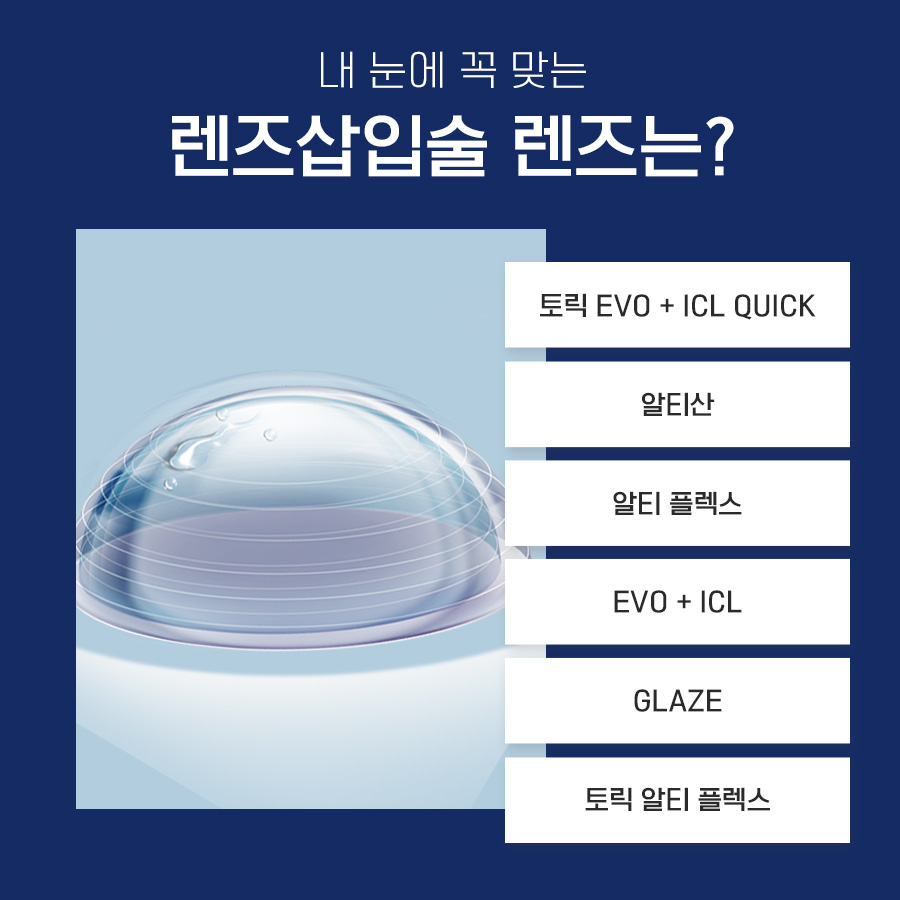
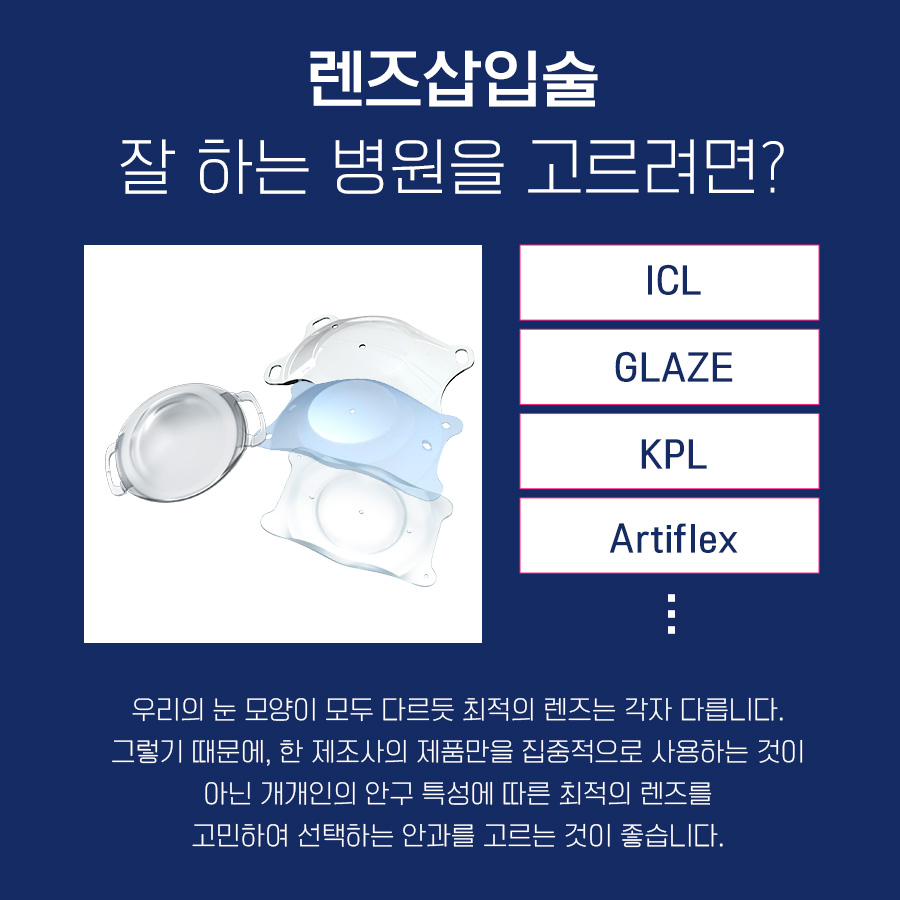
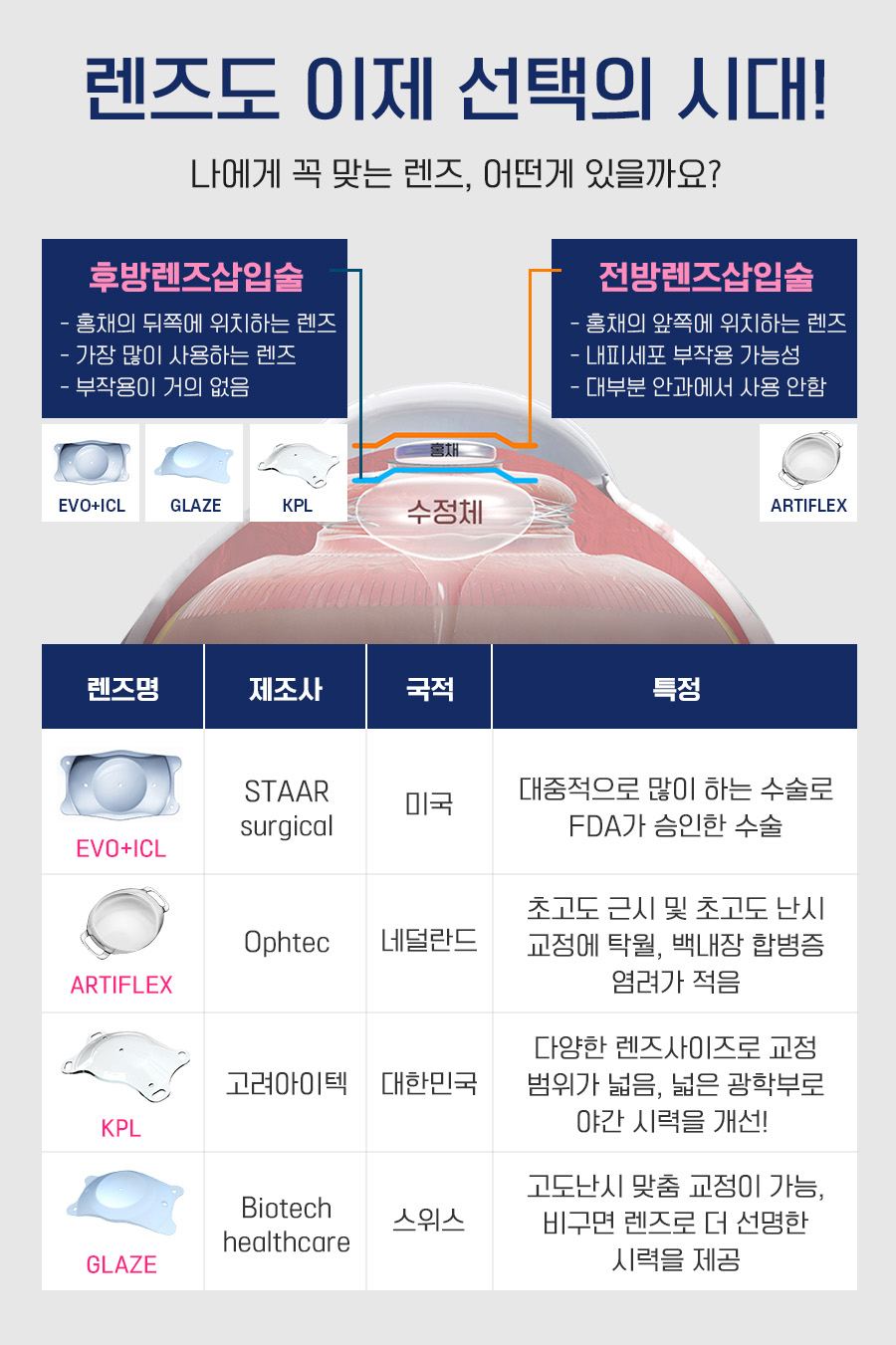
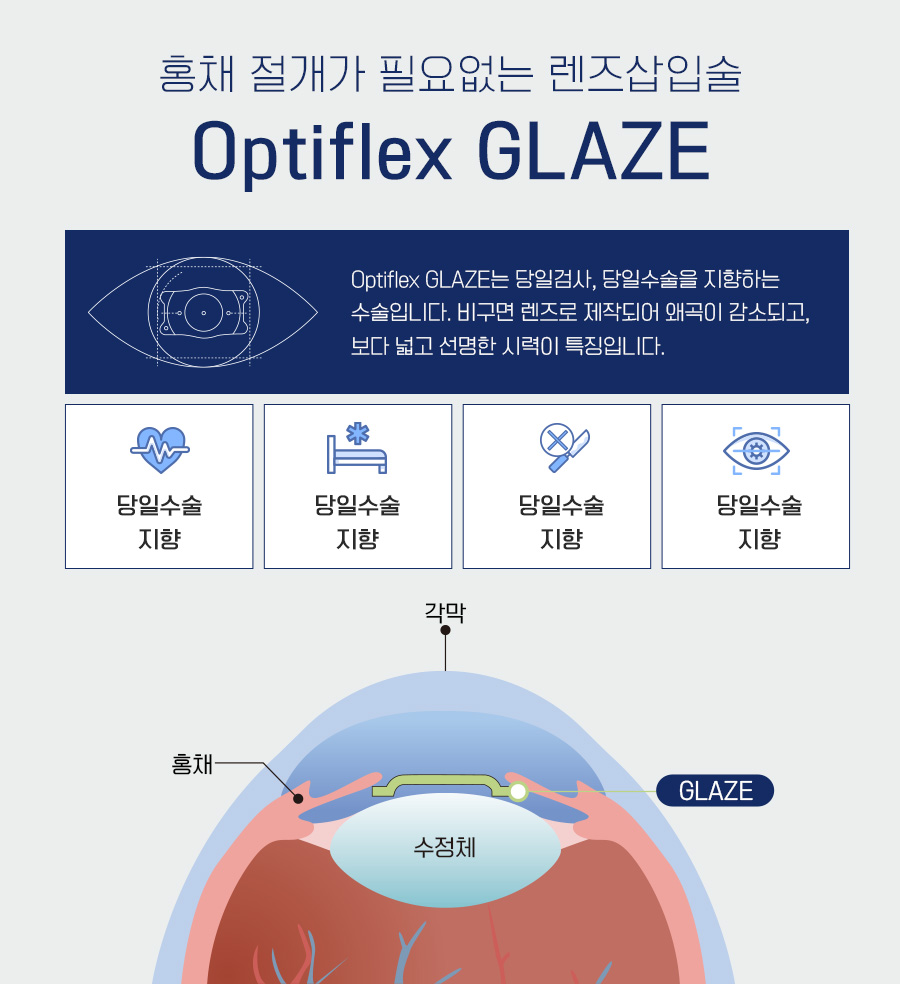
Phakic intraocular lens implantation is a vision correction procedure where a thin artificial lens is placed inside the eye while your own natural crystalline lens is left in place. Common brands and models include ICL, GLAZE, and PhakiFlex KPL.
Unlike cataract surgery, where the cloudy natural lens is removed and replaced, phakic lens implantation keeps your clear natural lens and simply adds an extra lens to change how light focuses on the retina. The goal is to reduce or remove your dependence on glasses or contact lenses.
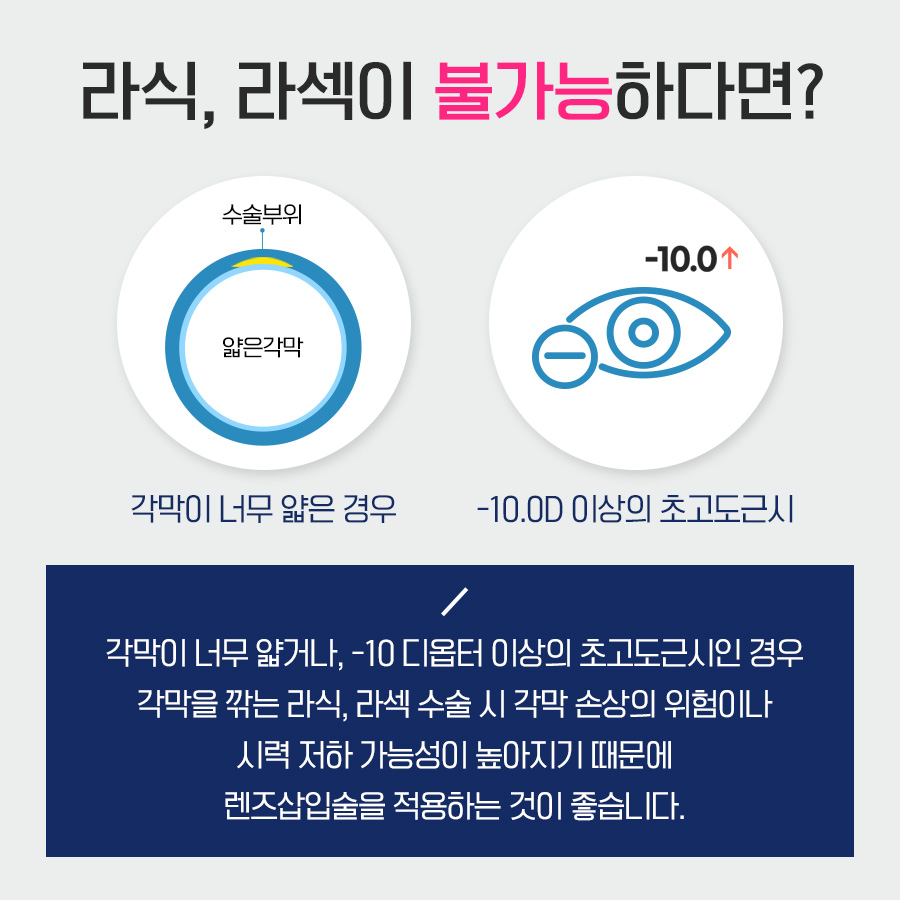
This is different from LASIK, LASEK, or SMILE, which reshape the cornea at the surface of the eye using a laser. With phakic lenses, the cornea is mostly preserved and the main work is done inside the eye.
Who may consider phakic lens implantation
Phakic lens implantation is usually considered for adults who
- Have moderate to very high myopia
- Have thin or irregular corneas that make corneal laser procedures less suitable
- Have dry eye or other conditions where further corneal surface changes are not ideal
- Prefer a reversible option that does not remove corneal tissue
Many patients reach this option after being told they are borderline or poor candidates for LASIK, LASEK, or SMILE. In some cases, even people who are technically eligible for laser procedures may choose phakic lenses because of potential advantages in visual quality at high prescriptions.
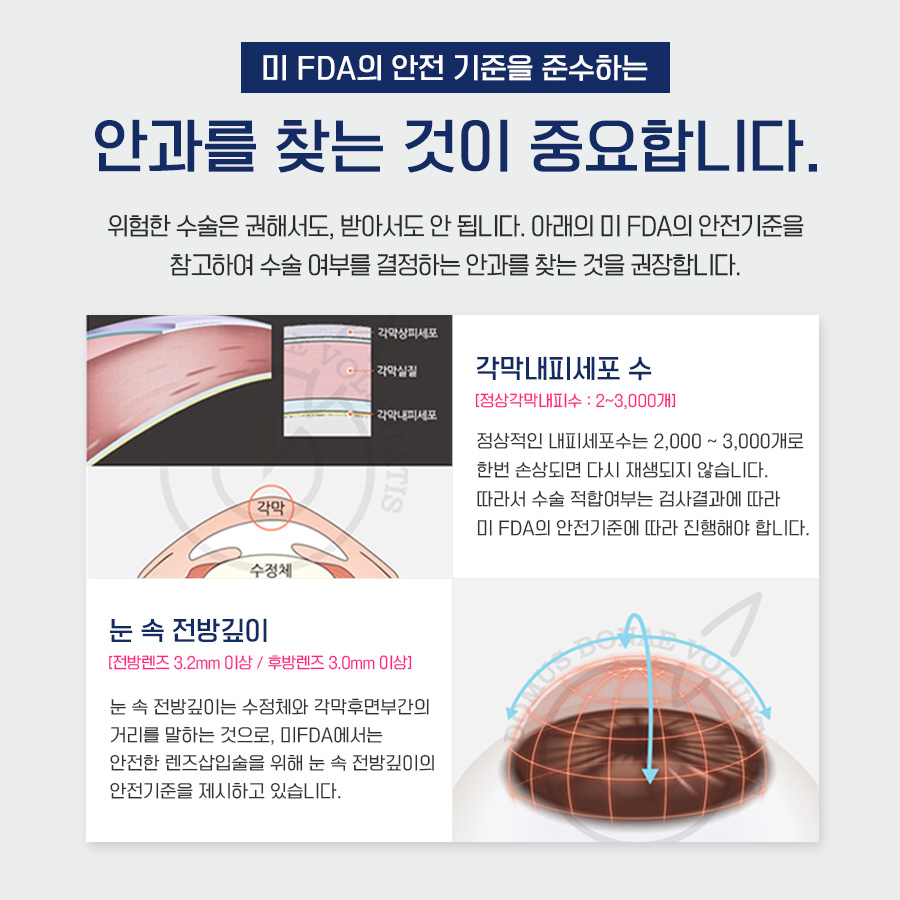
However, not everyone with high myopia is a candidate. The front part of the eye must be deep enough, the corneal endothelium (the inner cell layer of the cornea) must be healthy, and there should be no uncontrolled eye disease. That is why a detailed preoperative examination is essential.
How phakic lenses differ from other eye surgeries
From a patient perspective, it helps to separate three main categories
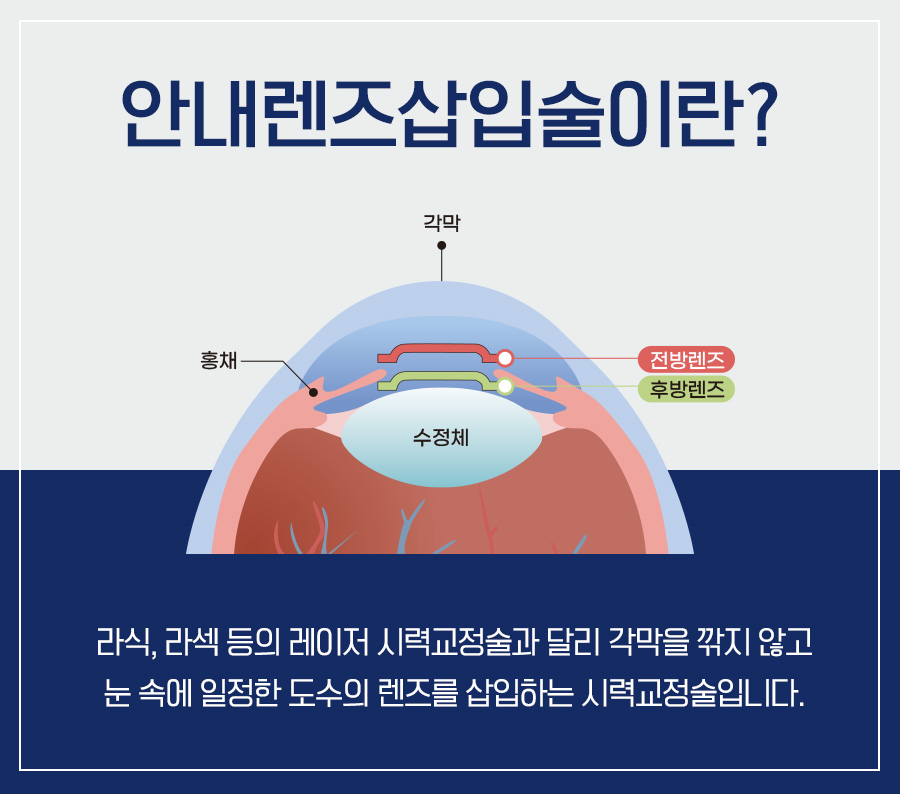
- Phakic lens implantation
- Your natural lens stays in place
- An additional artificial lens is inserted in front of it
- Used mainly for high myopia in younger adults without cataract
- Corneal laser procedures such as LASIK, LASEK, SMILE
- No lens is placed inside the eye
- The cornea is reshaped with a laser
- Often used for mild to moderate myopia or astigmatism
- Cataract surgery
- The natural lens is removed because it has become cloudy
- A new artificial intraocular lens is implanted in its place
- Usually performed later in life
Phakic lens implantation is considered a refractive surgery, not a cataract operation. It shares some steps with cataract surgery, such as entering the eye and placing a lens, so it carries intraocular surgery risks. At the same time, it preserves corneal tissue, which can be an advantage for people with thin corneas.
From a review perspective, patients often mention these pros and cons
- Pros often mentioned
- Very clear vision, especially for high myopia
- No corneal flap or surface ablation
- Reversibility or exchange possibility if needed
- Corneal structure mostly preserved
- Cons often mentioned
- Awareness that it is an intraocular surgery
- Higher cost compared with many laser procedures
- Need for long term monitoring of eye pressure and corneal endothelial cells
- Possible halos or glare, especially at night
Preoperative examination and candidacy
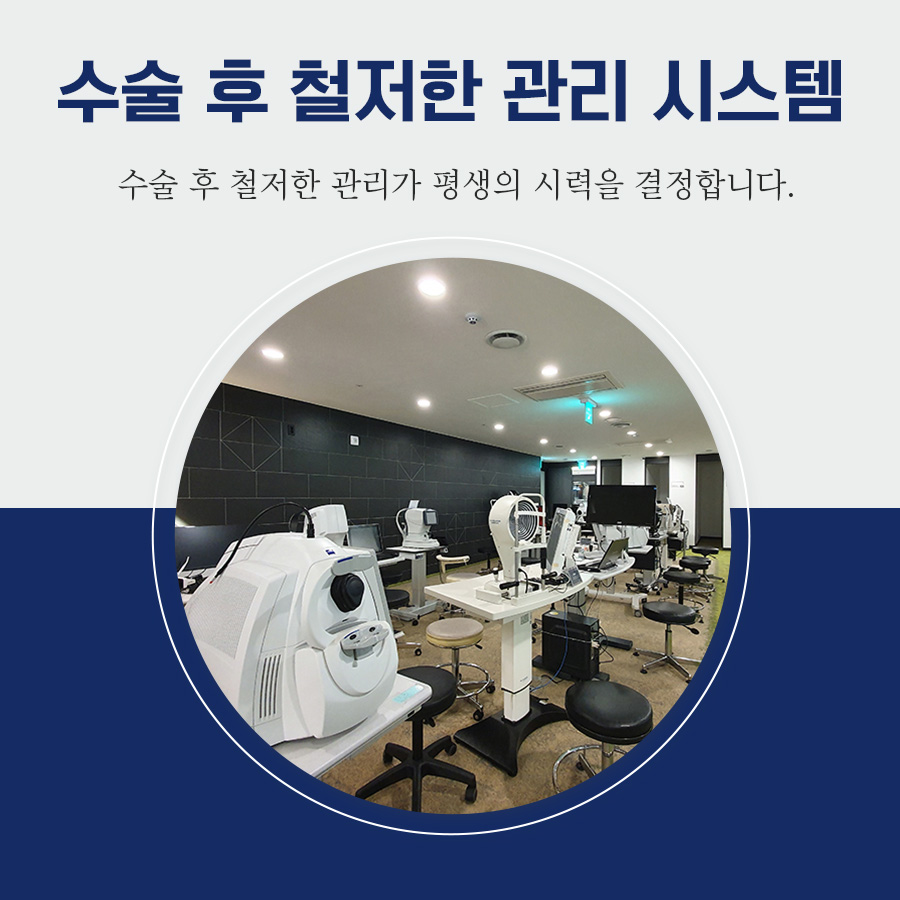
In most detailed reviews, the story starts with the preoperative examination. At a high volume refractive center in Gangnam, this usually takes a few hours and involves multiple machines and staff members.
Typical tests include
- Visual acuity and refraction to measure your prescription in detail
- Corneal thickness and shape (topography and tomography)
- Anterior chamber depth to see how much space is available for the lens
- Endothelial cell count to check the health of the inner corneal layer
- Intraocular pressure measurement
- Retina examination, often with dilated pupils, to look for weak spots or other issues
- Tear film evaluation, especially if you have dry eye symptoms
These data points help the ophthalmologist decide whether phakic lens implantation is safe for you and which model and power to choose. For example
If the front chamber is too shallow, there may not be enough room for a phakic lens.
If the endothelial cell count is low, the risk to the cornea may be higher.
If the retina shows weak areas, additional treatment or closer monitoring may be needed.
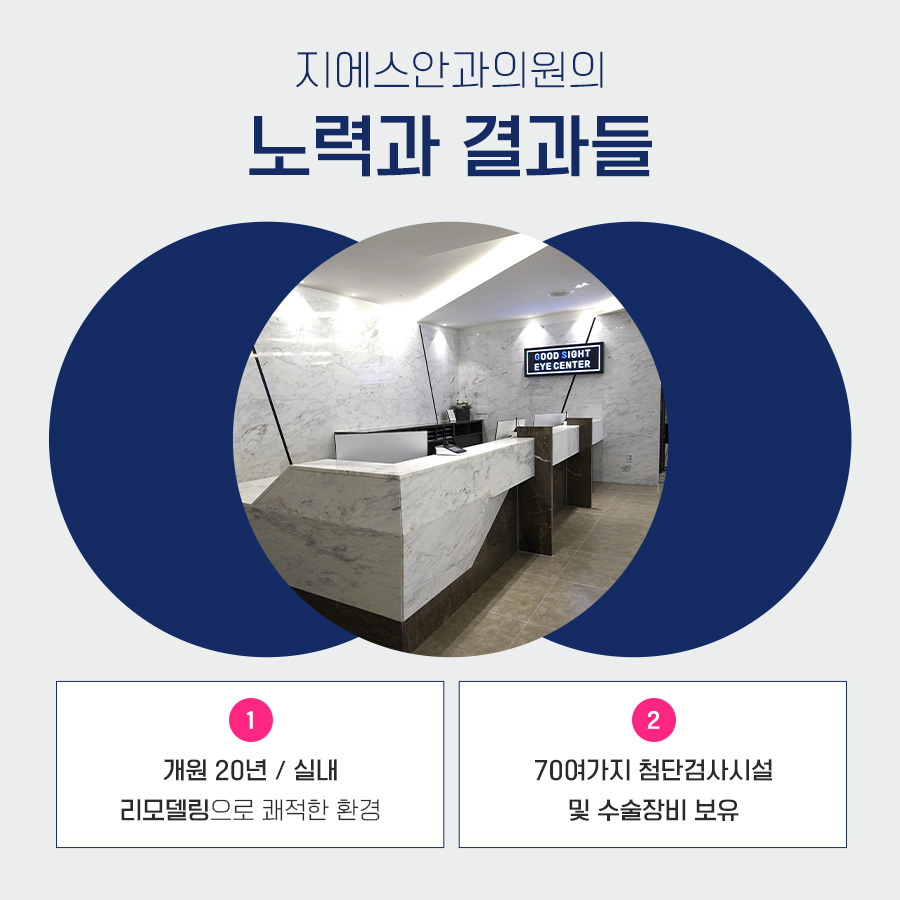
At the example ophthalmology clinic in Gangnam, which has been operating in the same location since 2005, all seven doctors are ophthalmologists with experience in subspecialties such as retina and refractive surgery. This kind of team structure allows complex preoperative evaluation and management of conditions that might be discovered during screening.
The clinic offers several phakic lens options, including ICL, GLAZE, and PhakiFlex KPL. It performed Korea's first GLAZE lens implantation in 2019 and reached 1,000 GLAZE cases by 2022; Optiflex GLAZE reached 3,000 cases by 2025. In practice, this means the surgeon can select from multiple lens designs and sizes, rather than fitting every patient into a single model.
Consultation experience and decision making
After the tests, you usually meet the ophthalmologist for a detailed consultation. Patients often mention in their reviews that this is the moment when their anxiety drops or increases, depending on how clearly everything is explained.
A thorough consultation typically includes
Comparison with LASIK, LASEK, and SMILE, including advantages and disadvantages for your specific eyes
Explanation of the surgical steps, anesthesia, and what you will see or feel
Discussion of possible side effects such as halos, glare, or temporary visual fluctuations
Information about long term follow up, including regular checks of intraocular pressure and endothelial cell counts
Honest talk about what happens if things do not go as planned, such as lens repositioning, exchange, or removal
In a center that also serves as a clinical education site for medical institutions and industry partners, doctors often use visual aids, models, or videos to help you understand the procedure. This can make the information easier to remember, especially for overseas patients who may be dealing with jet lag and language differences.
Before you commit, it is reasonable to ask
How many phakic lens implantations the surgeon performs per year
Which lens models are available and why a specific one is recommended for you
How the clinic manages complications such as high eye pressure or lens decentration
What the follow up schedule will look like after you return to your home country
Online consultation and pre visit preparation for overseas patients
If you are planning to travel to Seoul for phakic lens implantation, it is helpful to start with an online consultation.
Most international patients prepare by
Sending a copy of their glasses or contact lens prescription
Sharing any previous eye surgery or eye disease history
Informing the clinic about systemic conditions such as diabetes, autoimmune disease, or use of blood thinners
Asking about the expected stay in Korea, recommended minimum days, and follow up schedule
During online consultation, you can also clarify
- Whether both eyes can be operated on during the same visit
- How many in person visits are needed before and after surgery
- What to do if you develop symptoms after returning home
- Whether the clinic can provide an English medical summary for your local ophthalmologist

It is useful to prepare a list of questions in advance, such as
- What visual range can I realistically expect without glasses after surgery
- How often will I need to come for checks in the first year
- What are the most common minor issues patients report, and how are they handled
- What is the plan if I am not a suitable candidate after the full examination
Expected Korea visit timeline
Although the exact schedule can vary, many overseas patients follow a similar timeline when they come to a Gangnam ophthalmology clinic for phakic lens implantation.
Day 1 Full preoperative examination and consultation
You spend a few hours at the clinic for all tests.
Your pupils may be dilated, so bring sunglasses and avoid driving.
After the doctor reviews the results, you discuss whether phakic lens implantation is suitable and which lens type is recommended.
If you decide to proceed, surgery is usually scheduled within a few days, depending on lens availability and your travel plan.
Day 2 or 3 Surgery day
You arrive at the clinic with minimal makeup and comfortable clothing.
Final checks are performed, including a brief eye exam and confirmation of lens power.
You sign consent forms and receive instructions again.
The procedure is generally quick and performed as an outpatient. Many centers perform both eyes on the same day, but some may recommend separate days depending on your situation.
Anesthesia is typically with numbing eye drops. Some clinics may offer mild oral or intravenous sedation for anxious patients. During the procedure, you may see lights and feel gentle pressure, but sharp pain is not typical. If you feel discomfort, you can tell the team and they can adjust.
Basic steps of the procedure
A small incision is made at the edge of the cornea.
The folded phakic lens is inserted through this opening.
The surgeon unfolds and positions the lens in front of your natural lens.
The lens position and stability are checked, and the incision is closed, usually without stitches.
Eye pressure is checked and adjusted if needed.
Immediately after surgery, your vision is usually hazy and lights may seem very bright. Many patients describe a foreign body sensation, mild irritation, or tearing. You typically rest at the clinic for a while before going back to your accommodation with protective eye shields.
First postoperative day
You return to the clinic for a check up.
The doctor examines the lens position, eye pressure, and cornea.
You receive or review your eye drop schedule and activity restrictions.
Most overseas patients are advised to stay in Korea for several days after surgery to allow for at least one or two more follow up visits before flying home.
Recovery timeline and typical experiences
Individual recovery varies, but reviews often describe a similar pattern.
First 24 to 48 hours
Vision gradually clears, but may still be foggy or fluctuating.
Light sensitivity is common, so sunglasses are helpful outdoors.
Foreign body sensation or mild ache can occur, usually controlled with prescribed drops.
Halos or starbursts around lights, especially at night, are frequently mentioned.
First week
Visual clarity improves day by day.
Many patients can already function without glasses for most daily activities.
Halos and glare may still be present, especially in low light.
It is important to use eye drops as prescribed, avoid rubbing the eyes, and follow instructions about showering, hair washing, and sleeping position.
One to three months
Vision tends to stabilize.
The brain adapts to the new optics, and many visual phenomena such as halos or slight double edges decrease for most patients.
Regular follow up visits are used to monitor eye pressure, lens position, and corneal endothelial cells.
Long term
Even after the first few months, periodic check ups are recommended, especially for phakic lenses.
The ophthalmologist will continue to monitor
- Intraocular pressure
- Endothelial cell count
- Lens position and vault (the space between the phakic lens and your natural lens)
- Retinal health, especially in high myopia
Positive aspects frequently mentioned in reviews include rapid improvement in uncorrected vision, high satisfaction in people who previously had very thick glasses, and relief from contact lens related discomfort. At the same time, patients also report temporary dryness, night halos, and anxiety related to having a lens inside the eye.
Safety, risks, and how a specialized clinic manages them
All intraocular surgeries carry risks. A realistic review should mention both the benefits and the potential complications.
Possible risks include
- Infection inside the eye (endophthalmitis), which is rare but serious
- Increased intraocular pressure, sometimes leading to glaucoma if not controlled
- Cataract formation over time, especially if the lens is too close to the natural lens
- Endothelial cell loss, which can affect corneal clarity in the long term
- Lens decentration or rotation, which may require repositioning or exchange
- Inflammation inside the eye
Specialized ophthalmology clinics work to reduce these risks by
- Thorough preoperative screening to exclude unsafe cases
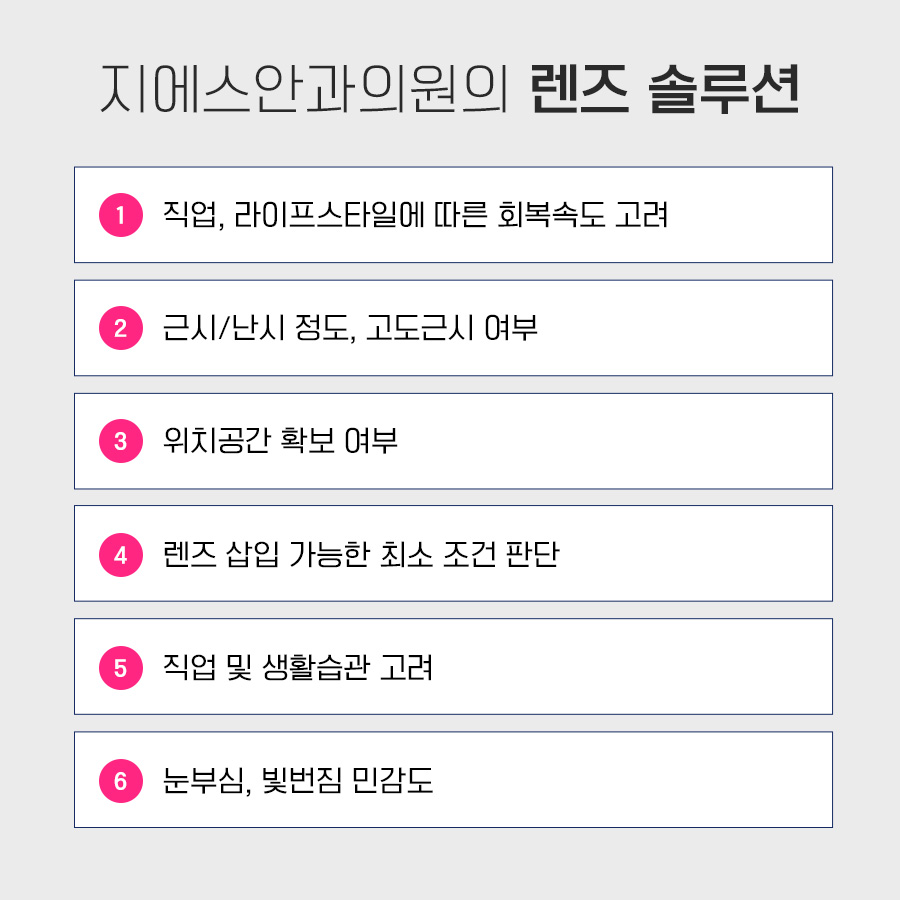
- Careful selection of lens size and model
- Use of sterile techniques and modern equipment in the operating room
- Structured follow up protocols to catch and treat issues early
The example Gangnam clinic also operates a separate retina center and is designated as a clinical education site by medical institutions and industry partners. Having retina and other subspecialists on site can be helpful if high myopia related retinal problems or other internal eye issues are detected during screening or follow up.
How to interpret online lens implantation surgery reviews
When you read lens implantation surgery reviews online, it can be tempting to focus only on star ratings or dramatic stories. For a more balanced view, pay attention to reviews that describe the process in detail.
Useful points to look for include
- How detailed the preoperative examination was
- Whether the doctor clearly explained alternatives such as LASIK, LASEK, or SMILE
- How the clinic handled the patient’s questions and anxiety
- Whether the actual recovery matched what was explained during consultation
- How the clinic responded if there were minor complications or concerns
Short comments like “Great result” or “Not satisfied” do not tell you much about why the outcome was good or disappointing. Longer narratives that mention time points, specific symptoms, and communication with the clinic are usually more helpful.
Remember that individual experiences vary. A person with very high myopia and long term contact lens use may have a different journey from someone with moderate myopia and no other eye issues.
Choosing a clinic for lens implantation
When you are comparing clinics, especially from overseas, it can help to use a simple checklist.
Points to consider
Qualifications of the doctors Are they ophthalmologists with refractive surgery experience
Range of lens options Does the clinic offer multiple phakic lens types such as ICL, GLAZE, and PhakiFlex KPL, or only one model
Experience and case volume Does the center have long term experience with phakic lenses and transparent data about its procedures
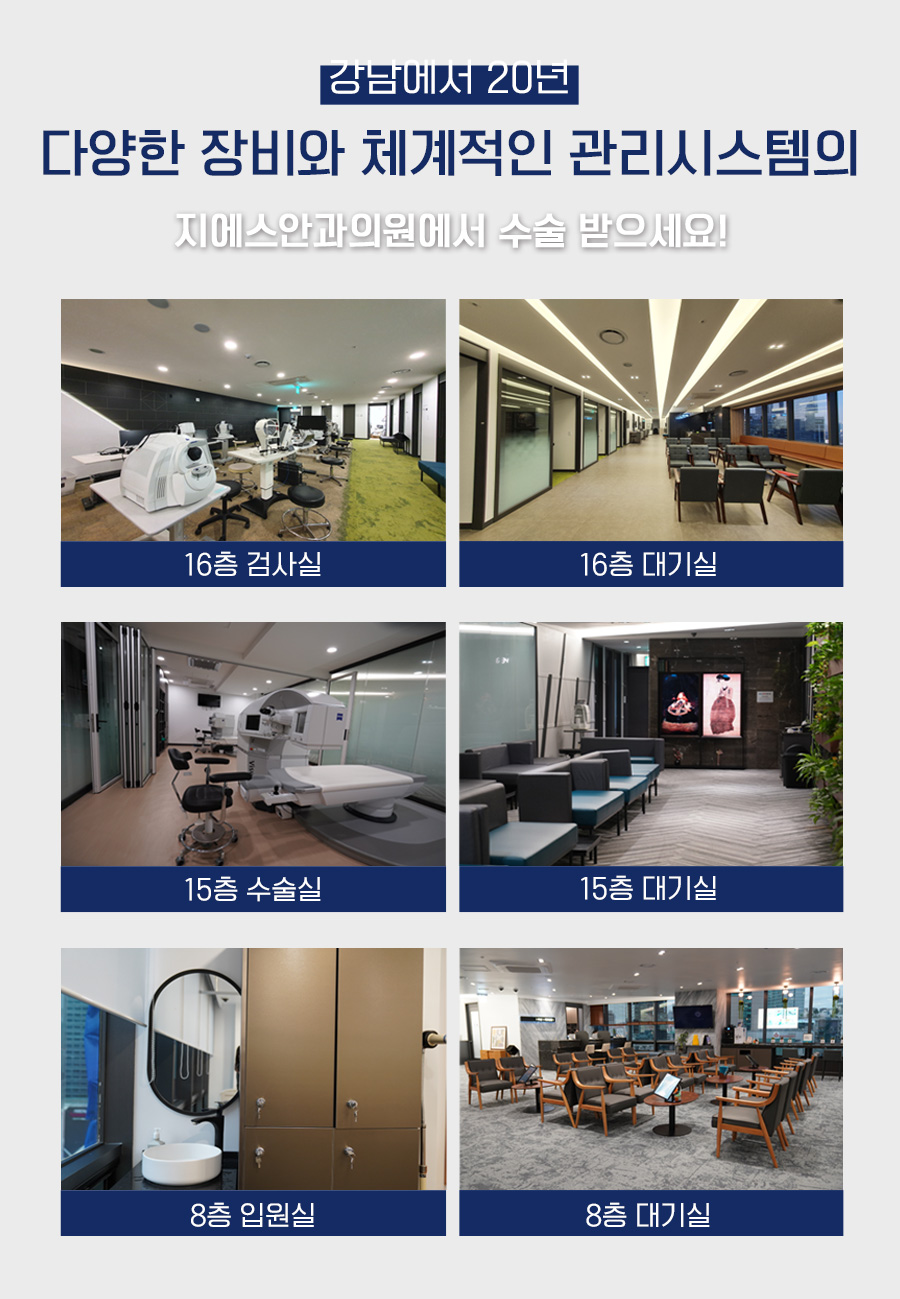
Diagnostic equipment Are advanced imaging and measurement tools available for precise planning
Subspecialty support Is there access to retina and other subspecialists if additional issues are found
Follow up system Is there a clear plan for postoperative visits and communication after you return home
Clinical education and research Does the clinic participate as an education site or in clinical collaborations, which can indicate structured protocols
The example ophthalmology clinic in the Gangnam area has been in continuous operation since 2005, performs a high volume of refractive and cataract procedures, offers several phakic lens options including GLAZE, and serves as a clinical education center. These features can be used as a model of what to look for when you choose a place for your own surgery, even if you ultimately select a different clinic.
Aftercare and life after returning home
For overseas patients, a common concern is what happens after they leave Korea.
Before you fly home, you should receive
- A summary of your surgery, including lens model, power, and any special notes
- A recommended schedule for follow up visits with your local ophthalmologist
- Instructions about symptoms that require urgent attention
- Contact information in case your local doctor wants to discuss your case with the Korean clinic
In the weeks and months after returning home, it is important to
- Attend regular eye examinations as recommended
- Continue any remaining eye drops according to instructions
- Avoid rubbing the eyes and follow activity guidelines, especially for sports or swimming
- Report any sudden vision changes, pain, or redness immediately
Many patients are able to return to office work within a few days, but heavy exercise, swimming, and eye makeup may need to be postponed for a period defined by your surgeon.
FAQ for patients searching lens implantation surgery reviews
How soon after lens implantation can I see clearly
Many patients notice a significant improvement in vision within the first few days after phakic lens implantation, sometimes even on the first day, although the vision may be hazy at first. Over the first one to two weeks, clarity usually improves as the eye heals and the brain adapts. Final stabilization can take several weeks to a few months, especially for very high prescriptions.
Is the surgery painful
Most people report pressure or a strange sensation rather than sharp pain during surgery, because numbing eye drops are used. Some clinics also offer mild sedation to help you relax. After the procedure, it is common to feel mild discomfort, foreign body sensation, or light sensitivity for a day or two, which is usually manageable with prescribed drops and rest.
What side effects do patients most often mention in their reviews
Commonly mentioned side effects include halos or starbursts around lights at night, temporary glare, light sensitivity, and mild dryness or foreign body sensation. These symptoms often improve over time as healing progresses and the brain adapts. A small number of patients may experience more persistent issues or require additional treatment, which is why regular follow up is important.
Can the lens be removed or exchanged later
Phakic lenses are designed to be removable or exchangeable if necessary, for example if your prescription changes significantly or if another eye condition develops. However, removal or exchange is still an intraocular procedure and carries its own risks, so it is not something to plan on lightly. The goal is to choose the lens carefully at the start to minimize the need for further surgery.
How long do I need to use eye drops and avoid exercise or swimming
Most patients use antibiotic and anti inflammatory eye drops for several weeks, with the schedule gradually decreasing over time as directed by the ophthalmologist. Light daily activity can often be resumed within a few days, but you may be asked to avoid heavy exercise, contact sports, and swimming for several weeks to reduce the risk of injury or infection. Your exact restrictions will depend on your healing and your surgeon’s protocol.
Soft call to action for online consultation
If you are considering phakic lens implantation in Seoul and are comparing different clinics, an online consultation can be a practical first step. By sharing your current prescription and medical history, you can receive preliminary guidance about whether this type of surgery may be suitable, what tests will be needed, and how long you should plan to stay in Korea.
Use the time before your visit to prepare questions about lens options, expected visual outcomes, follow up plans, and how the clinic supports overseas patients after they return home. A calm, well informed decision made together with an experienced ophthalmologist is the best foundation for a safe and satisfying result.




- 공유 링크 만들기
- X
- 이메일
- 기타 앱


댓글
댓글 쓰기