Nonhyeon eye clinic SMILE LASIK guide for international patients in Gangnam
- 공유 링크 만들기
- X
- 이메일
- 기타 앱
https://iwriting.co.kr/media/category_media/1773911979_200701_%EA%B9%80%EB%AC%B4%EC%97%B0_%EB%8C%80%ED%91%9C%EC%9B%90%EC%9E%A5%EB%8B%98__4.jpg
Direct answer summary
If you are searching for a Nonhyeon eye clinic for SMILE LASIK, many patients also consider clinics in the broader Gangnam area, where established ophthalmology centers focus on modern small‑incision vision correction such as SMILE and SMILE pro using ZEISS VISUMAX laser platforms. This guide explains what SMILE is, how it compares with LASIK and LASEK, what to look for in a clinic near Nonhyeon, and how to plan a short medical trip to Seoul for safe vision correction.
We will use a long-running Gangnam ophthalmology clinic as an example. It opened in 2005 near Gangnam Station, is led by a board-certified ophthalmologist with university faculty experience, and has a team of seven ophthalmology specialists including retina fellowship–trained doctors. The clinic has performed a large cumulative number of vision correction and cataract procedures (around 300,000 eyes as of 2023) and focuses strongly on SMILE-type surgery.
Treatment overview: what is SMILE
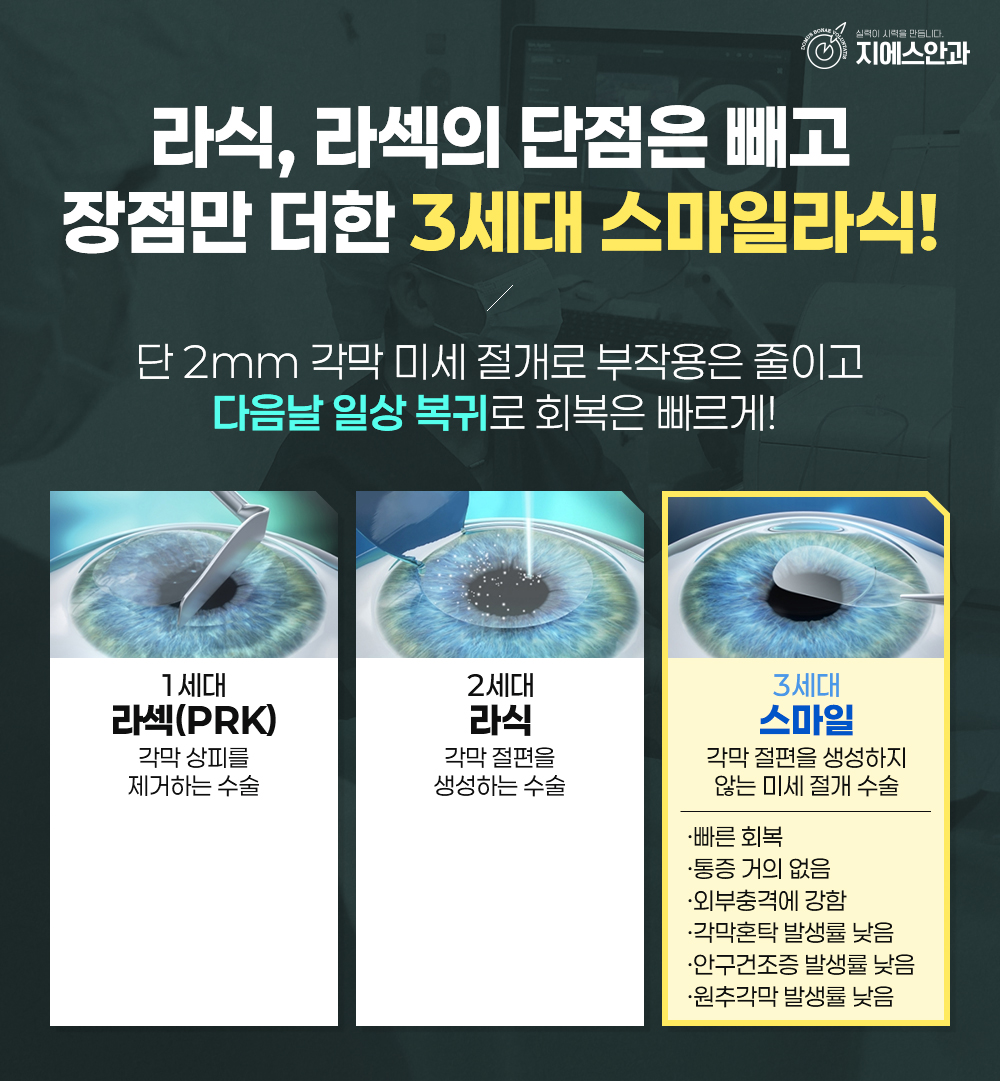
SMILE (small‑incision lenticule extraction) is a flapless laser vision correction technique intended to reduce dependence on glasses or contact lenses. Unlike conventional LASIK, which creates a broader corneal flap, SMILE uses a femtosecond laser to form a small, lens‑shaped piece of tissue (the lenticule) inside the cornea; the surgeon then removes that lenticule through a tiny incision only a few millimeters long. In local marketing you may see SMILE referred to alongside LASIK‑style options, but the key distinction is that SMILE does not create a full corneal flap. By contrast, LASIK is flap‑based and LASEK (a surface procedure) treats the corneal surface. Keeping these differences clear helps when comparing risks, recovery, and suitability during consultations.
By removing this internal layer, the cornea is reshaped so that light focuses more accurately on the retina, improving clarity of vision. Because there is no large flap, the surface of the cornea remains more intact, which may help preserve structural stability and reduce some flap-related risks.
Key potential benefits of SMILE LASIK
SMILE LASIK is often chosen by patients who want a minimally invasive option. Commonly discussed potential advantages include:
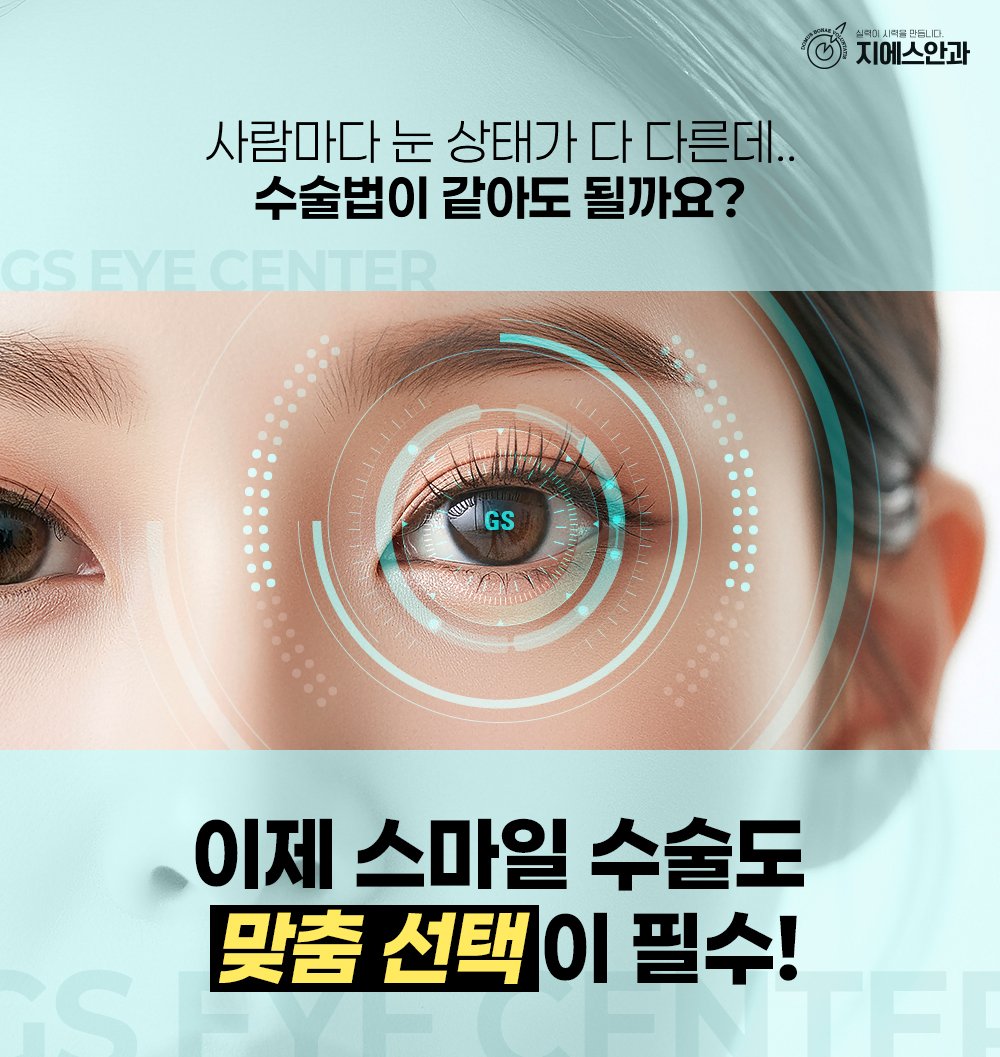
A very small incision instead of a wide flap, which means less tissue disruption.
Less cutting of corneal nerves, which may lower the risk of dry eye symptoms for some patients compared with traditional LASIK.
No risk of flap displacement, because there is no flap.
Many patients experience relatively quick comfort recovery, often returning to daily activities soon after surgery, depending on individual healing and medical advice.
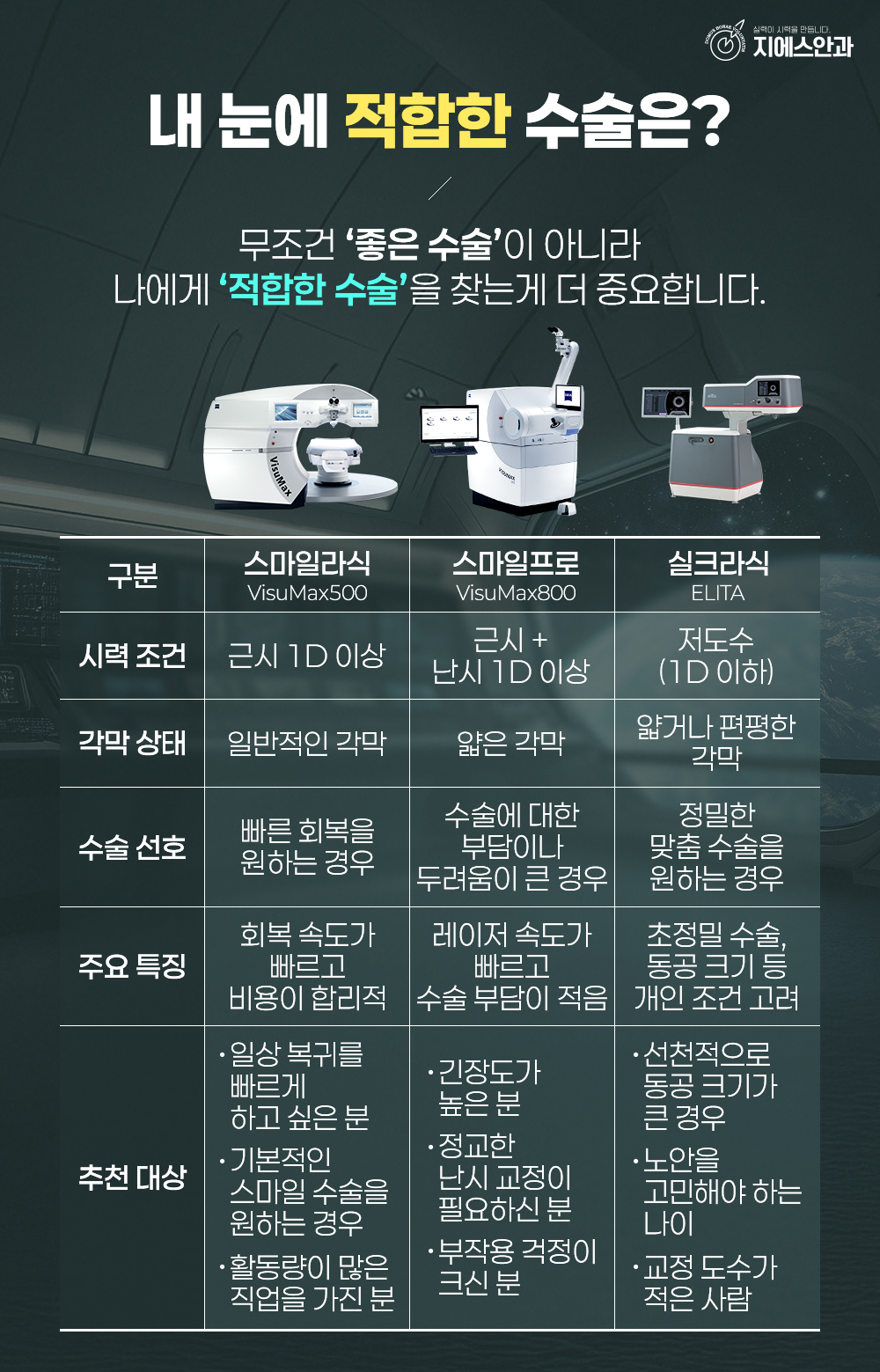
Modern clinics in the Gangnam and Nonhyeon area may offer several SMILE-type procedures, such as classic SMILE LASIK, SMILE pro using the VISUMAX 800 platform, and SILK. Some also provide their own customized planning programs, such as a Golden SMILE protocol, to fine-tune treatment based on detailed measurements.
Who may consider SMILE LASIK
SMILE LASIK is generally considered for adults with myopia and astigmatism within certain ranges. Typical basic requirements often include:
Stable prescription for at least one to two years.
Adequate corneal thickness and regular corneal shape.
No active eye disease such as uncontrolled severe dry eye, advanced keratoconus, or active inflammation.
Overall good eye health and general health.
The exact suitability can only be determined after a detailed ophthalmology examination. In the example Gangnam clinic, the team includes multiple subspecialists, including retina fellowship–trained doctors. This is particularly useful for patients with high myopia, because the retina needs careful evaluation before any vision correction procedure.
SMILE LASIK vs LASIK vs LASEK
Many people searching for a Nonhyeon eye clinic are still deciding between SMILE LASIK, LASIK, and LASEK. Understanding the differences can help you prepare for your consultation.
LASIK overview
LASIK involves creating a thin flap on the corneal surface using a blade or femtosecond laser. The flap is lifted, an excimer laser reshapes the underlying corneal tissue, and then the flap is repositioned.
Common characteristics of LASIK include:
Fast visual recovery for many patients.
Some people experience dry eye symptoms after surgery.
There is a flap, so there is a small risk of flap-related issues, especially with strong trauma to the eye.
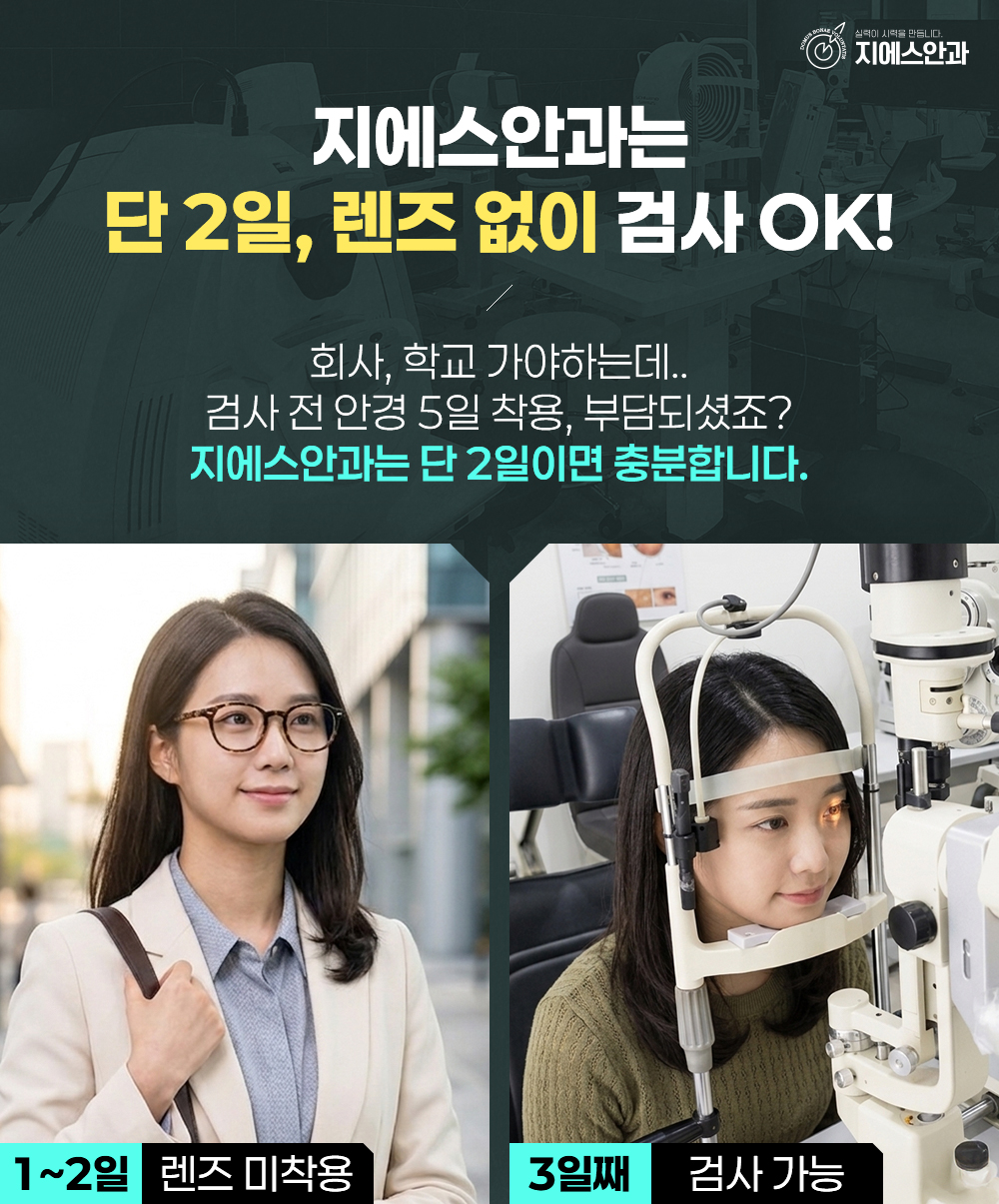
LASEK overview
LASEK is a surface procedure. The surface layer of the cornea (epithelium) is loosened and moved aside, the excimer laser reshapes the surface, and then the epithelium is placed back or allowed to heal.
Typical features of LASEK include:
No corneal flap, which can be useful for patients with thinner corneas.
More discomfort in the early days after surgery and slower visual recovery compared with LASIK or SMILE LASIK.
A longer healing period where you need to be careful with light sensitivity and discomfort.
SMILE LASIK overview
Commonly discussed features of SMILE LASIK include:
Small incision and no flap.
Many patients report relatively comfortable recovery.
Corneal biomechanics may be better preserved compared with flap-based procedures, although individual results vary.
Not all prescriptions or eye shapes are suitable; some patients may still be better candidates for LASIK, LASEK, or lens implantation.
In summary, the final choice between SMILE LASIK, LASIK, and LASEK should be made after a full examination and discussion with an experienced ophthalmologist. A responsible clinic will recommend the method that best matches your corneal condition, prescription, lifestyle, and safety profile, not just the latest trend.
What to look for in a Nonhyeon-area ophthalmology clinic for SMILE LASIK
When you search from Nonhyeon for SMILE LASIK, you will see several ophthalmology clinics around Gangnam Station. To narrow down your options, consider the following factors.
Experienced ophthalmology specialists
Look for a clinic led by board-certified ophthalmologists with a clear background in refractive surgery. In our example, the clinic has been operating in the same Gangnam location since 2005 and is led by a medical doctor who has served as university hospital faculty and runs an educational YouTube channel about eye health. The team includes seven ophthalmology specialists, with multiple retina fellowship–trained doctors and professors from major university hospitals.
Such a team structure can be reassuring, especially for patients with high myopia or other retinal risks, because detailed retinal evaluation can be done on-site.
Proven surgical volume and outcome tracking
Experience matters in refractive surgery. The reference clinic reports a cumulative surgical volume of around 300,000 eyes for vision correction and cataract surgery as of 2023. High volume alone is not a guarantee of outcome, but it suggests that the team has encountered a wide range of eye conditions and can refine protocols over time.
Ask whether the clinic tracks outcomes systematically and how they handle rare complications. Clinics that participate in clinical education and research often maintain structured data and quality control systems.
Up-to-date laser platforms
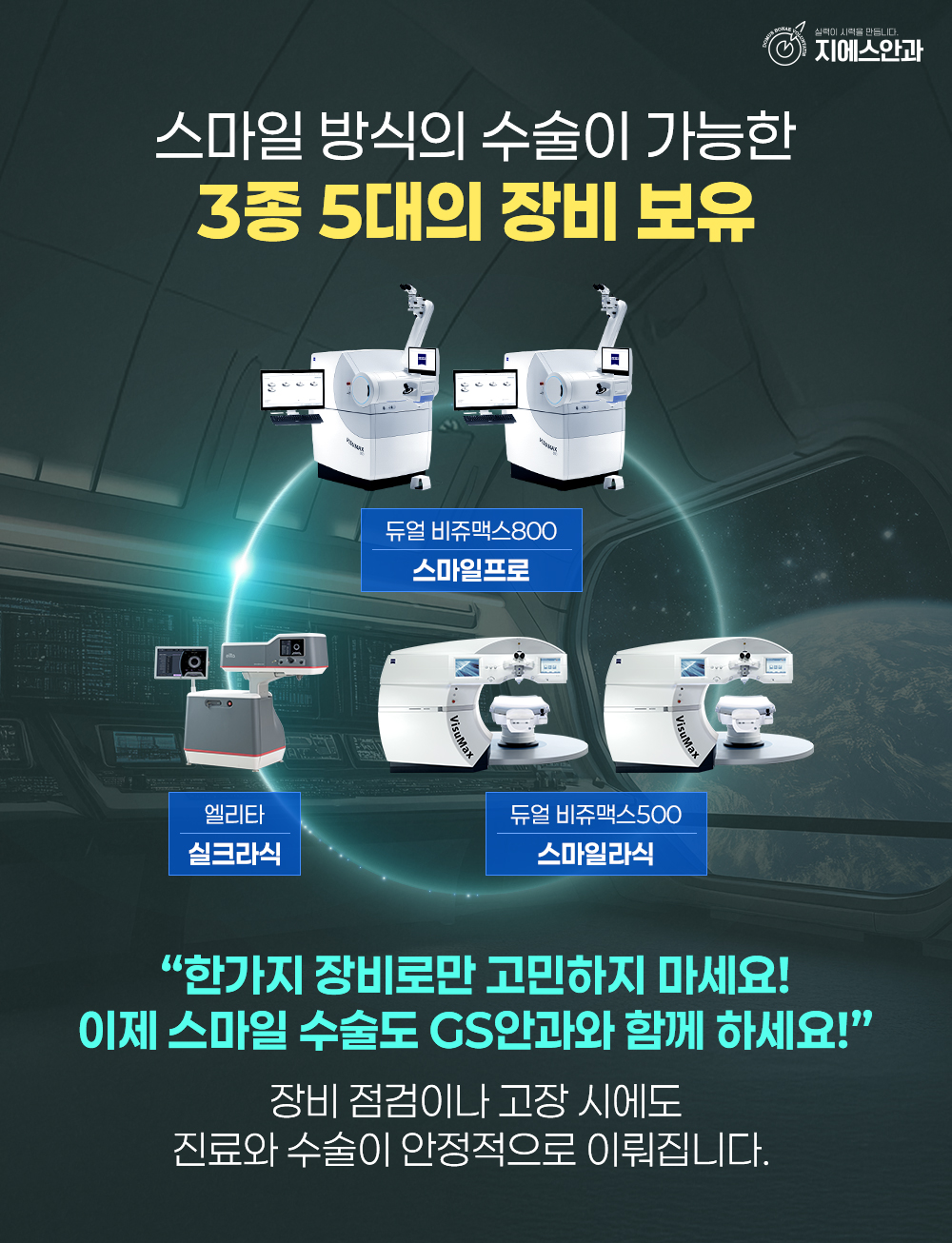
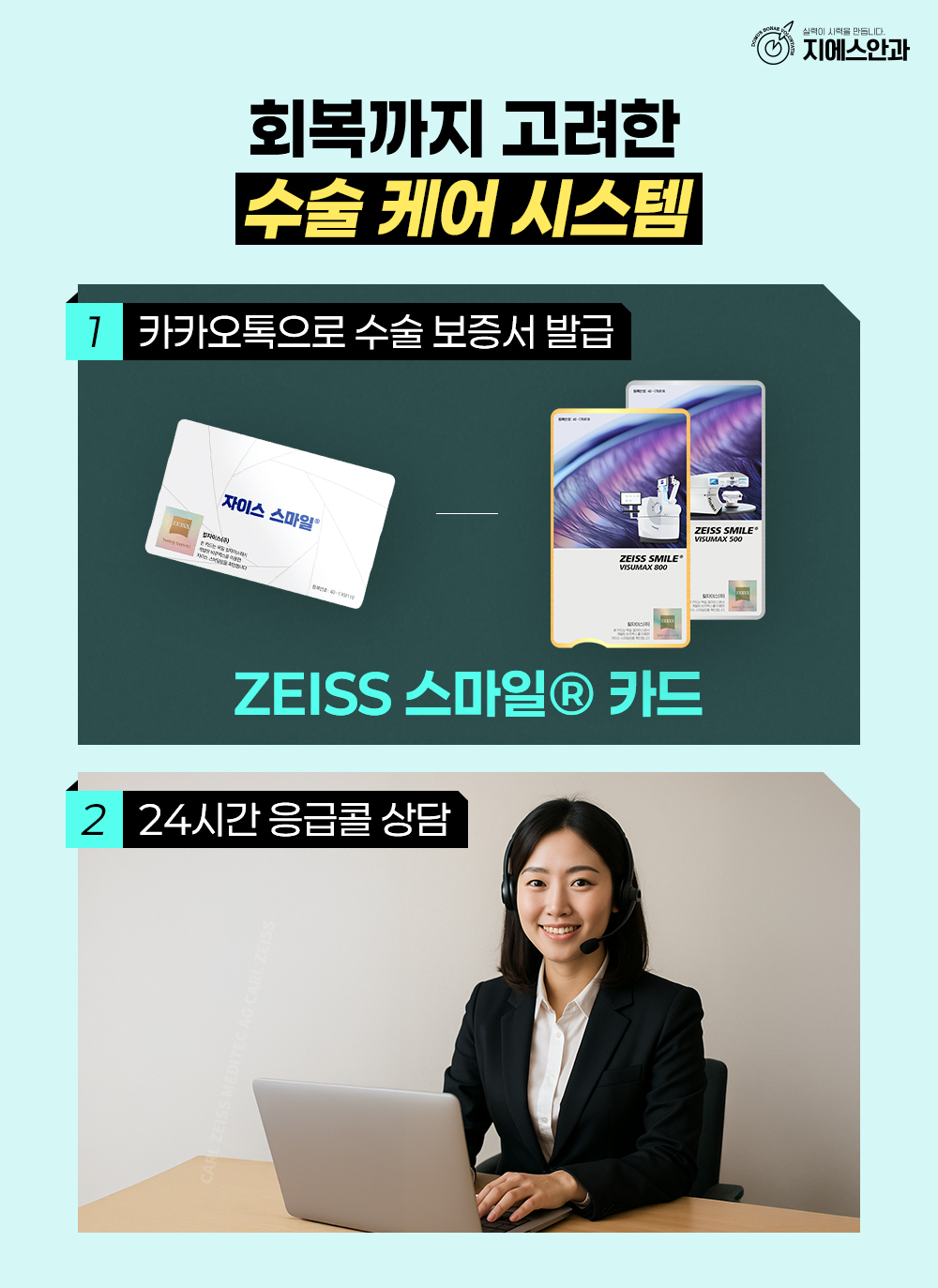
For SMILE-type surgery, the laser platform is central. The example Gangnam clinic has all three major ZEISS femtosecond laser platforms for SMILE-type procedures:
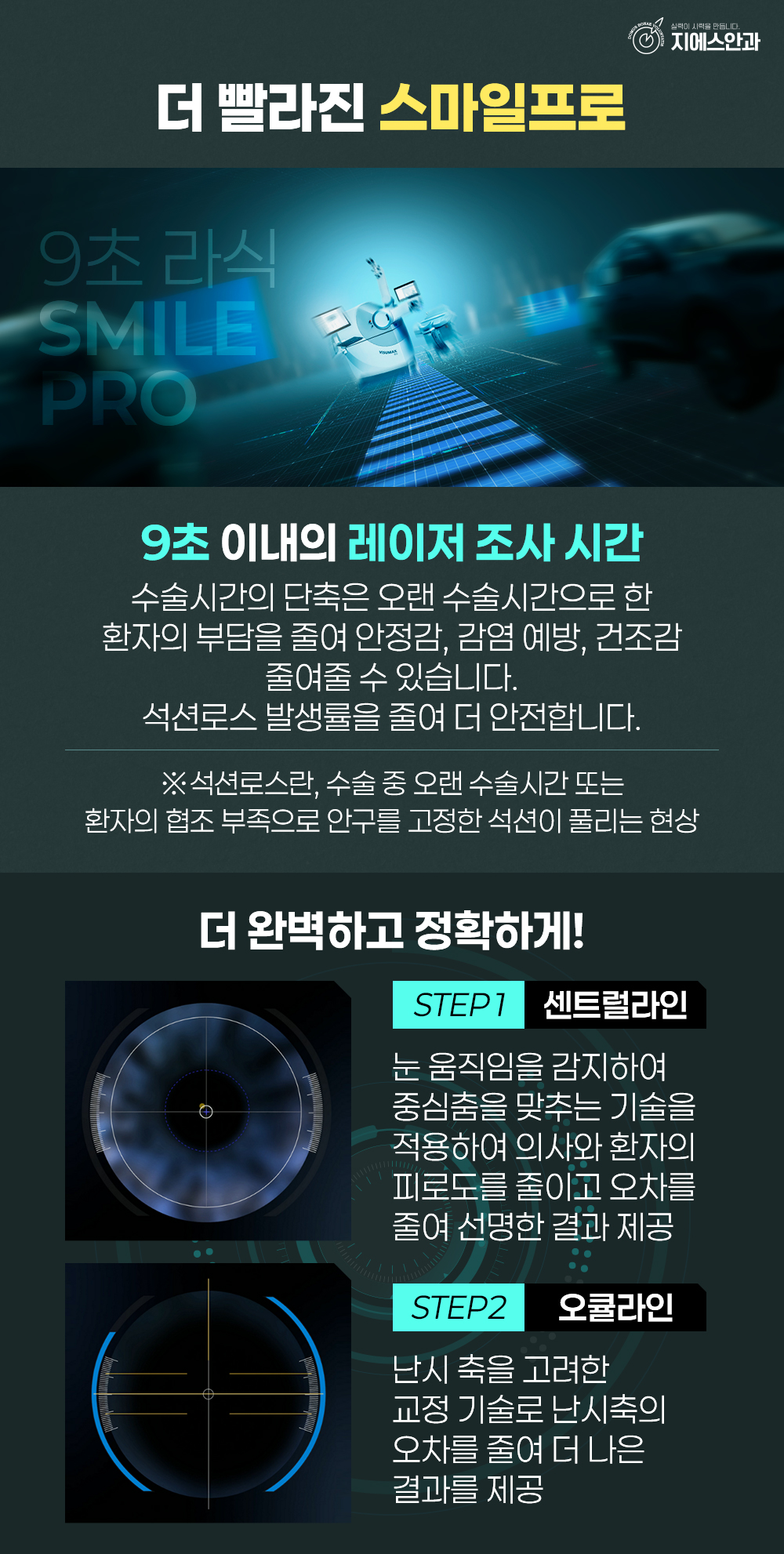
VISUMAX 800 for SMILE pro, with very fast laser time (under about 9 seconds), introduced in 2023.
Two VISUMAX 500 units for classic SMILE LASIK, in use since 2016, with a dual setup from 2019 for efficiency and backup.
When you contact a clinic near Nonhyeon, you can ask which SMILE platforms they use, how long they have been using them, and whether they have backup systems in case of technical problems.
Safety systems and quality management
Quality management certifications show that a clinic has standardized processes. The reference clinic holds ISO 9001 and 14001 certification for SMILE LASIK processes since 2020. This indicates that protocols for preoperative testing, surgery, and postoperative follow-up are documented and regularly reviewed.
Also check whether the clinic has clear criteria for declining surgery. Being told that you are not a suitable candidate can be disappointing, but it is a sign that safety is being prioritized.
Educational and training roles
Clinics that serve as training and education centers often have structured protocols and peer review. The example clinic is recognized as a clinical education center for a major medical school since 2023 and as an Asia-Pacific clinical education site for BIOTECH since 2024.
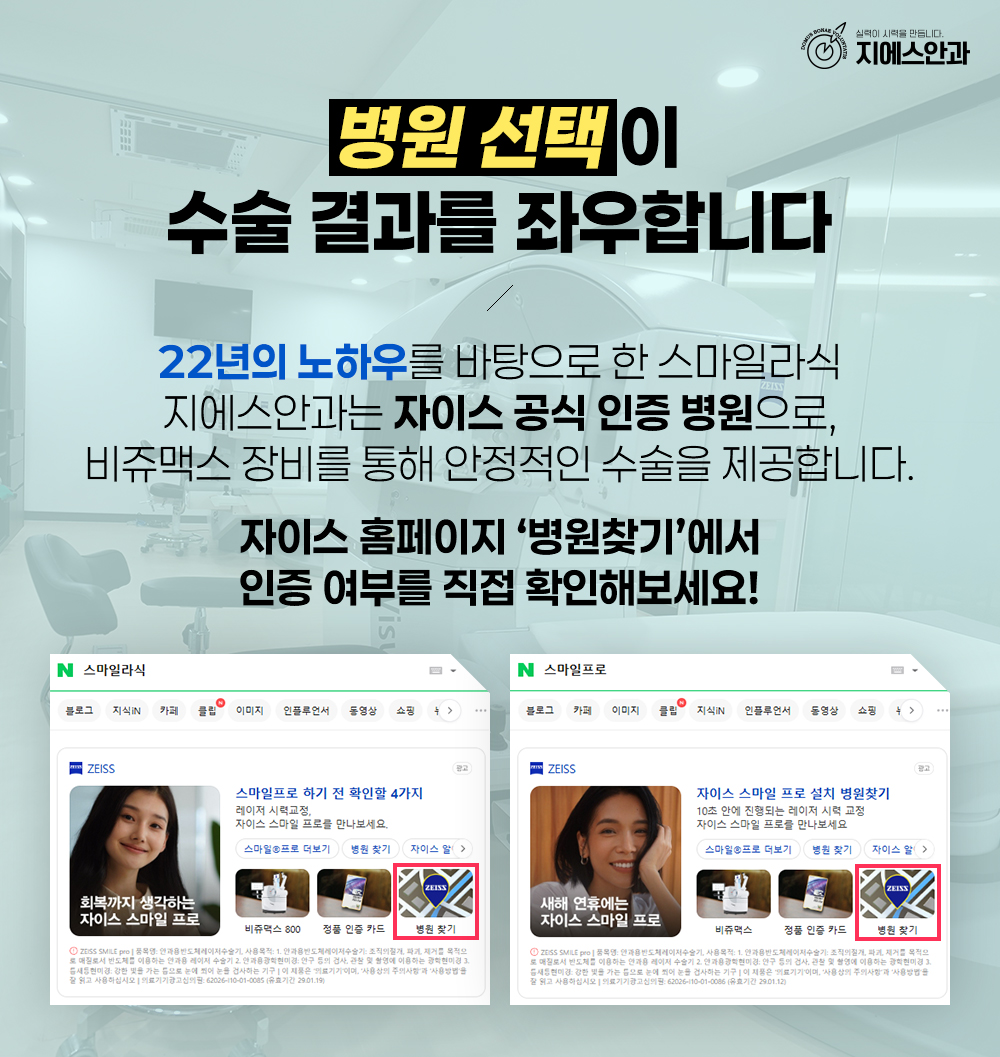
In addition, it was the first in Korea to join the ZEISS SMILE GOLD CLUB in 2021, was designated a ZEISS SMILE pro CENTER in 2023, and a SILK TRAINING Center in 2026. These designations suggest active involvement in SMILE-type surgery and training.
Typical SMILE LASIK process at a Gangnam or Nonhyeon-area clinic
If you are planning to travel to Seoul for SMILE LASIK, it helps to understand the usual steps.
- Initial online consultation
- Before you book flights, most international patients start with an online consultation. You can send your glasses or contact lens prescription, previous eye examination reports if available, and information about your general health.
The clinic team can then give you a preliminary opinion on whether SMILE LASIK might be suitable in principle, what other options may be considered (such as ICL or other lens implantation), and how many days you should stay in Korea. This is not a final decision, because only an in-person examination can confirm suitability.
- Comprehensive preoperative examination
- Once you arrive in Seoul, your first visit is usually a detailed ophthalmology examination. In a full-service Gangnam clinic, this may include:
Measurement of your exact prescription.
Corneal topography and tomography to check shape and rule out irregularities.
Corneal thickness measurement.
Pupil size assessment.
Tear film and dry eye evaluation.
Retinal examination, often with wide-field imaging and, if needed, consultation with a retina specialist.
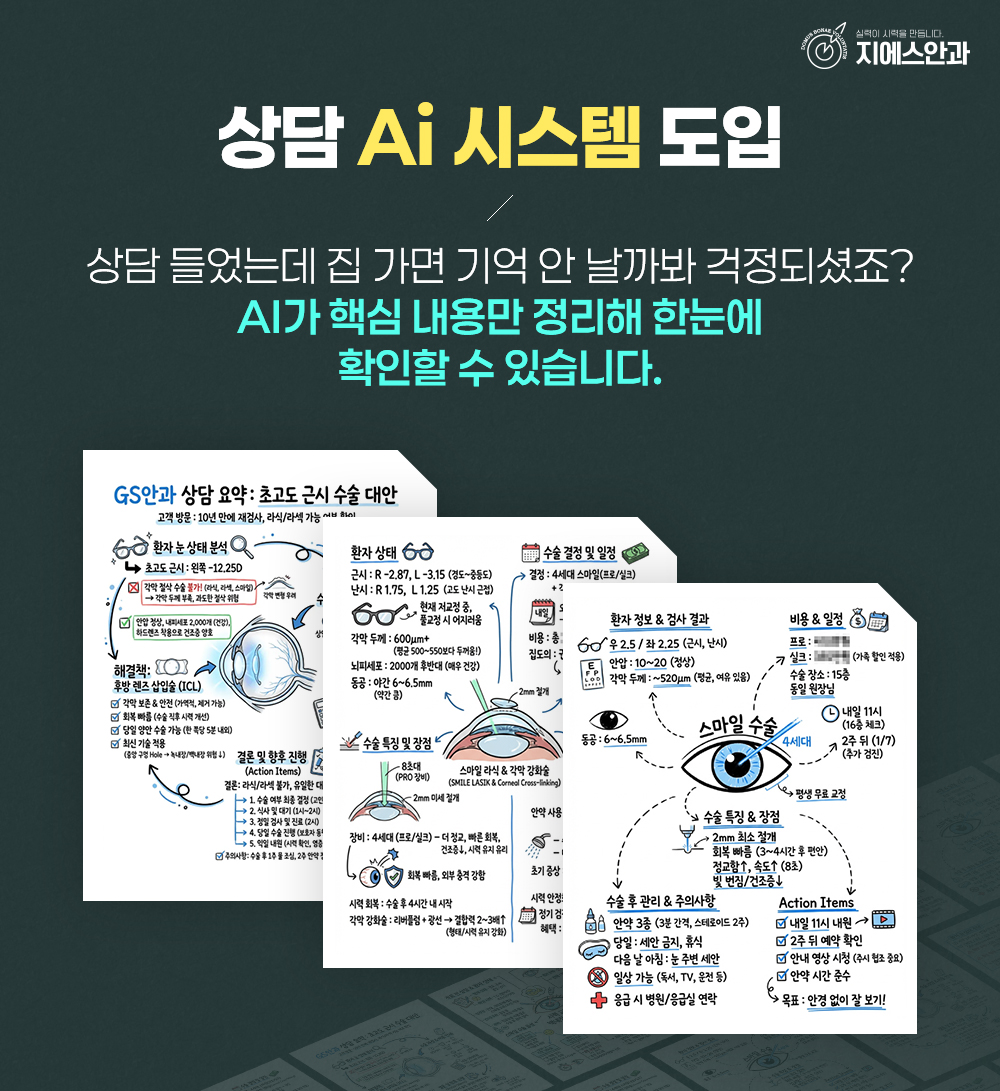
This process can take two to three hours because multiple machines and doctors are involved. Based on these results, the ophthalmologist will decide whether SMILE LASIK is safe for you and, if so, which version is most appropriate: SMILE pro with VISUMAX 800, classic SMILE with VISUMAX 500, SILK, or another method.
- Personalized surgical planning
- If you are a candidate, your surgeon will create a personalized plan. This includes:
Target refraction (for example, full correction or slight undercorrection for specific needs).
Choice between SMILE-type procedures, LASIK, LASEK, or lens implantation if SMILE is not ideal.
Discussion of realistic expectations, possible side effects such as glare or halos, and the healing timeline.
Some clinics use proprietary planning systems, such as a Golden SMILE program, which combines multiple measurements to fine-tune treatment parameters.
- Day of surgery
- On the day of SMILE LASIK:
You will usually be asked to stop wearing soft contact lenses for several days before the exam and surgery, and longer for rigid lenses, to allow the cornea to return to its natural shape.
Anesthetic eye drops are applied, so you should feel pressure but not sharp pain.
With the VISUMAX 800 platform, the laser time for SMILE pro is very short, under about 9 seconds, although the total time in the operating room is longer due to preparation.
The surgeon removes the lenticule through the small incision and checks the cornea.
You rest in a recovery area for a short period before going back to your accommodation.
Most patients can open their eyes and walk out on their own, but vision may be hazy at first. You will receive protective shields or glasses and detailed instructions.
- Immediate postoperative period
- In the first 24 to 48 hours, you may experience:
Mild discomfort, foreign body sensation, or tearing.
Light sensitivity.
Fluctuating vision.
You will use prescribed eye drops, such as antibiotics and anti-inflammatory drops, according to the schedule given by the clinic. Avoid rubbing your eyes and keep water, dust, and cosmetic products away from the eye area.
- Follow-up schedule
- A typical follow-up plan for international patients may include:
Next-day check to confirm corneal status and early healing.
Another visit within a few days to one week.
If you stay longer, additional checks at one to two weeks or one month.
If you must return home earlier, the clinic can provide a summary for your local ophthalmologist and instructions on what to monitor.
Safety considerations and who may not be suitable
Not everyone is a candidate for SMILE LASIK, and a careful clinic will explain this clearly.
Common reasons you may be advised against SMILE LASIK include:
Very thin corneas or corneal thickness that would be unsafe after tissue removal.
Irregular corneal shape or signs of keratoconus or other ectatic conditions.
Severe dry eye that could worsen after surgery.
Certain retinal problems, especially in high myopia, where the risk of retinal tears or detachment needs to be considered.
Unstable prescription, usually in younger patients.
Pregnancy or breastfeeding, due to hormonal changes affecting vision and healing.
Uncontrolled systemic diseases such as poorly controlled diabetes or autoimmune conditions.
In the example clinic, a dedicated retina center with fellowship-trained retina specialists is available. This is particularly important for high myopes, who may have peripheral retinal thinning, lattice degeneration, or small tears that need treatment before or after refractive surgery.
If SMILE LASIK is not suitable, other options may be discussed, such as ICL, GLAZE, PhakiFlex KPL, 2DAY LASEK, or other LASIK variants. For older patients with cataract or presbyopia, laser cataract surgery with multifocal intraocular lenses such as
Location and accessibility from Nonhyeon
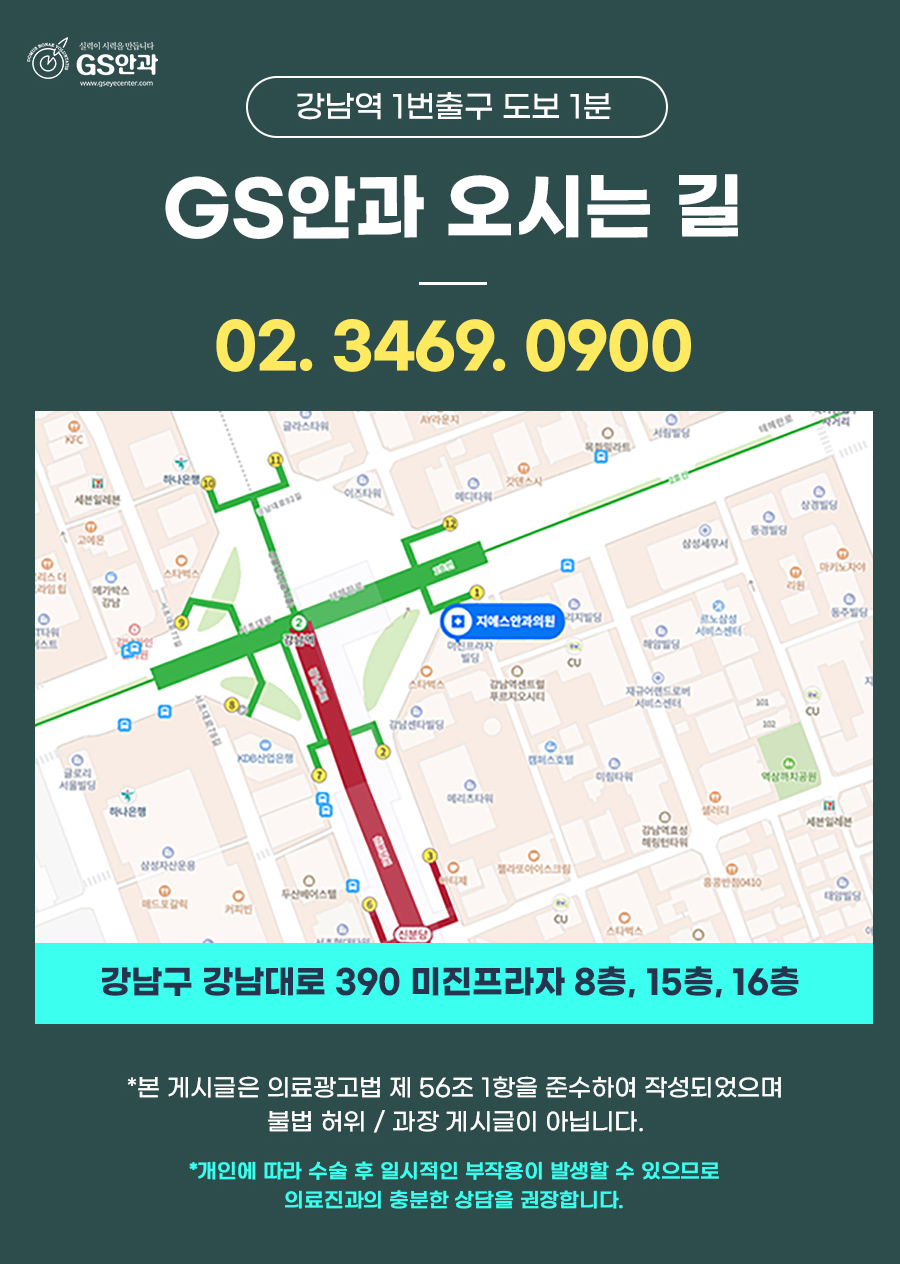
For patients staying in or near Nonhyeon, the Gangnam Station area is very convenient. The reference ophthalmology clinic is located on Gangnam-daero in Gangnam District, near Gangnam Station. From Nonhyeon, you can reach Gangnam Station quickly by subway, bus, or taxi.
This location is practical for:
Office workers in Nonhyeon, Yeoksam, and nearby business districts who want to combine consultations with work.
International patients staying in hotels or serviced apartments around Gangnam, where there is easy access to airports, shopping, and dining.
When you plan your schedule, remember that the first examination day can be long, so it is better not to book other tight appointments on the same day.
Online consultation and pre-visit preparation
Before flying to Korea, you can make your visit smoother by preparing the following:
Recent glasses or contact lens prescription.
Any previous ophthalmology reports, including corneal topography, retinal scans, or notes about dry eye or allergies.
List of medications and supplements you take.
History of eye trauma, infections, or previous eye surgery.
During online consultation, useful questions to ask include:
Which SMILE platforms do you use (VISUMAX 800, VISUMAX 500, SILK, etc.) and since when?
Approximately how many SMILE-type procedures have been performed at your clinic, and how many SMILE pro cases (for example, 15,000 eyes as of April 2026 in the example clinic)?
What is the typical recommended stay in Korea for overseas SMILE LASIK patients?
What is your policy if the examination shows I am not suitable for SMILE LASIK?
Expected Korea visit timeline for SMILE LASIK
Although every case is different, a common schedule for international patients might look like this:
Day 1: Arrival in Seoul.
Day 2: Full ophthalmology examination and consultation. If suitable and you agree, surgery may be scheduled for the same day or the next day.
Day 3: SMILE LASIK surgery if not done on Day 2. Rest afterward.
Day 4: First postoperative check.
Day 5–7: Additional follow-up visit, then return flight if healing is stable and your doctor agrees.
Some patients stay longer, especially if they combine surgery with tourism, or if their eyes require closer monitoring. Always follow the specific advice of your ophthalmologist rather than a fixed template.
Aftercare and long-term follow-up
After returning home, long-term care is important.
General aftercare recommendations often include:
Use prescribed eye drops exactly as instructed.
Avoid eye rubbing, swimming pools, and hot tubs for the period advised by your surgeon.
Use sunglasses outdoors to reduce light sensitivity.
Take breaks from digital screens and follow the 20-20-20 rule to reduce eye strain.
Schedule follow-up with a local ophthalmologist at one to three months, six months, and one year, or as recommended.
If you notice sudden vision changes, flashes of light, many new floaters, or pain, seek urgent ophthalmology care and inform the clinic in Korea.
Practical checklist for choosing a SMILE LASIK clinic near Nonhyeon
When comparing options, do more than just check price. Consider making a checklist such as:
Is the clinic focused on ophthalmology and refractive surgery, with a long history in the same location (for example, since 2005)?
How many ophthalmology specialists are on staff, and do they include retina fellowship–trained doctors?
Which SMILE platforms are available, and are there multiple VISUMAX units for redundancy?
Does the clinic have ISO 9001 and 14001 or similar quality certifications for SMILE LASIK processes (since 2020 in the example)?
Is the clinic recognized as a training or education center for medical schools or industry partners (since 2023 and 2024 in the example)?
Are other options such as ICL, LASEK, lens implantation, and cataract surgery available if SMILE is not suitable?
Having this list ready before you send an inquiry can help you ask focused questions and compare clinics objectively.
FAQ
What is the difference between SMILE LASIK and SMILE pro near Nonhyeon?
SMILE LASIK generally refers to the classic small-incision lenticule extraction procedure performed with platforms such as the ZEISS VISUMAX 500. SMILE pro is a newer generation that uses the VISUMAX 800, introduced in 2023, with faster laser time (under about 9 seconds) and workflow improvements. In practice, both are SMILE-type procedures, but SMILE pro may offer shorter treatment time and some refinements. Your ophthalmologist will decide which is more suitable based on your eye measurements and the clinic’s protocols.
How long should I stay in Seoul for SMILE LASIK if I live overseas?
Many international patients plan to stay about five to seven days in Seoul for SMILE LASIK. This allows time for a full examination, surgery, and at least one or two postoperative checks. However, the exact duration depends on your eye condition, the clinic’s policy, and your travel schedule. During online consultation, ask the clinic to suggest a minimum safe stay based on your situation, and consider adding an extra day or two for flexibility.
Can high myopes safely have SMILE LASIK at a Gangnam or Nonhyeon-area clinic?
High myopes may be candidates for SMILE LASIK, but safety evaluation is more complex. The cornea must be thick and regular enough, and the retina needs careful examination because high myopia is associated with a higher risk of retinal problems. Clinics with retina fellowship–trained specialists and a dedicated retina center, like the example Gangnam clinic, can evaluate and treat retinal issues if necessary. In some high myopia cases, lens implantation options such as ICL may be recommended instead of or in addition to corneal laser.
What other services are available if SMILE LASIK is not suitable for me?
If SMILE LASIK is not a good match, a comprehensive ophthalmology clinic in the Gangnam area may offer several alternatives. These can include ICL, GLAZE, PhakiFlex KPL and other lens implantation procedures, 2DAY LASEK and other LASIK or LASEK variants, corneal cross-linking for certain corneal conditions, and a dry eye clinic for tear film problems. For older patients with cataract or presbyopia, laser cataract surgery and presbyopia lens implantation with multifocal intraocular lenses such as PanOptix (with about 3,000 lenses implanted as of 2024 in the example clinic) may be discussed. The best choice depends on detailed examination and discussion with your ophthalmologist.
Soft call to action for online consultation
If you are considering SMILE LASIK and are staying in or near Nonhyeon, exploring ophthalmology clinics around Gangnam Station is a practical option. Look for a clinic with experienced ophthalmologists, modern ZEISS VISUMAX platforms, structured safety systems, and a full range of refractive and cataract services.
Before you book flights, consider arranging an online consultation. By sharing your prescription and medical history in advance, you can receive a preliminary assessment, a suggested stay length in Seoul, and answers to your questions about SMILE LASIK, SMILE pro, and other options. This preparation helps you use your time in Korea efficiently and focus on safe, well-informed vision correction.
Medical information notice
This article is for general information only and is not a substitute for professional medical advice, diagnosis, or treatment. Suitability for SMILE LASIK or any other ophthalmology procedure can only be determined after a full examination and consultation with a qualified ophthalmologist. Always follow the recommendations of your own medical professionals regarding your eye health and treatment decisions.


- 공유 링크 만들기
- X
- 이메일
- 기타 앱


댓글
댓글 쓰기