Nonhyeon SMILE LASIK Reviews: What to Expect at a Gangnam Eye Clinic
- 공유 링크 만들기
- X
- 이메일
- 기타 앱
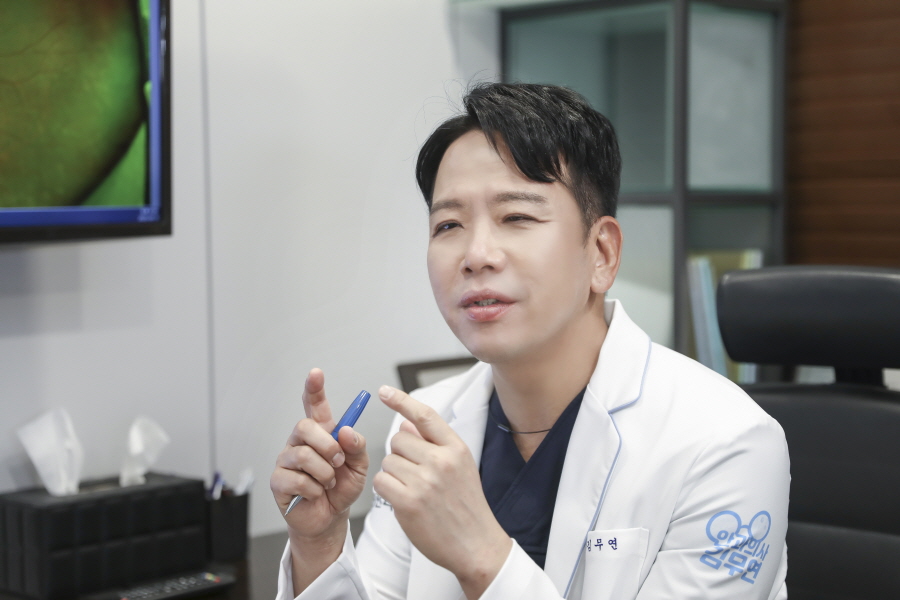
Direct answer for people searching Nonhyeon SMILE LASIK reviews
If you are living in or visiting Seoul and searching for “Nonhyeon SMILE LASIK reviews”, you are probably trying to understand how safe the procedure feels, how fast vision recovers, and which Gangnam or Nonhyeon clinic might suit you.
You will find an overview of SMILE LASIK, what makes one clinic different from another, how a typical patient journey looks from first message to follow-up, and what to look for when reading online reviews. It is written for international patients who may not be familiar with the Korean medical system but are considering vision correction while in Seoul.
What SMILE LASIK is and why people in Nonhyeon and Gangnam choose it
SMILE LASIK overview
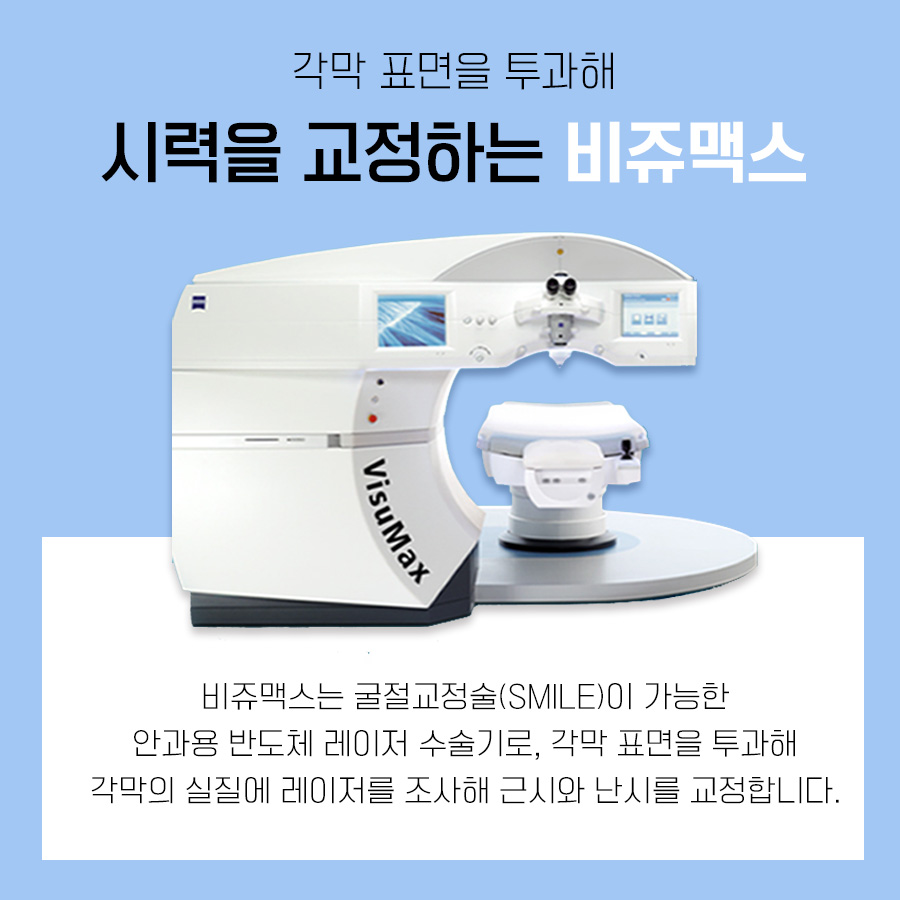
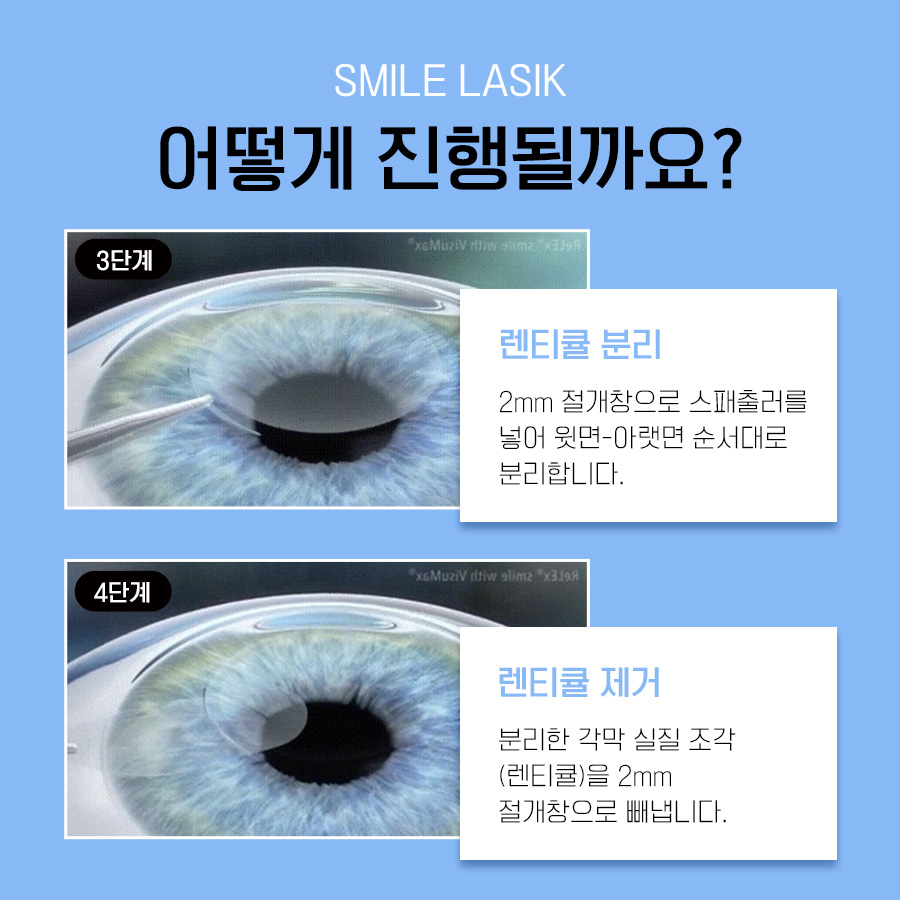
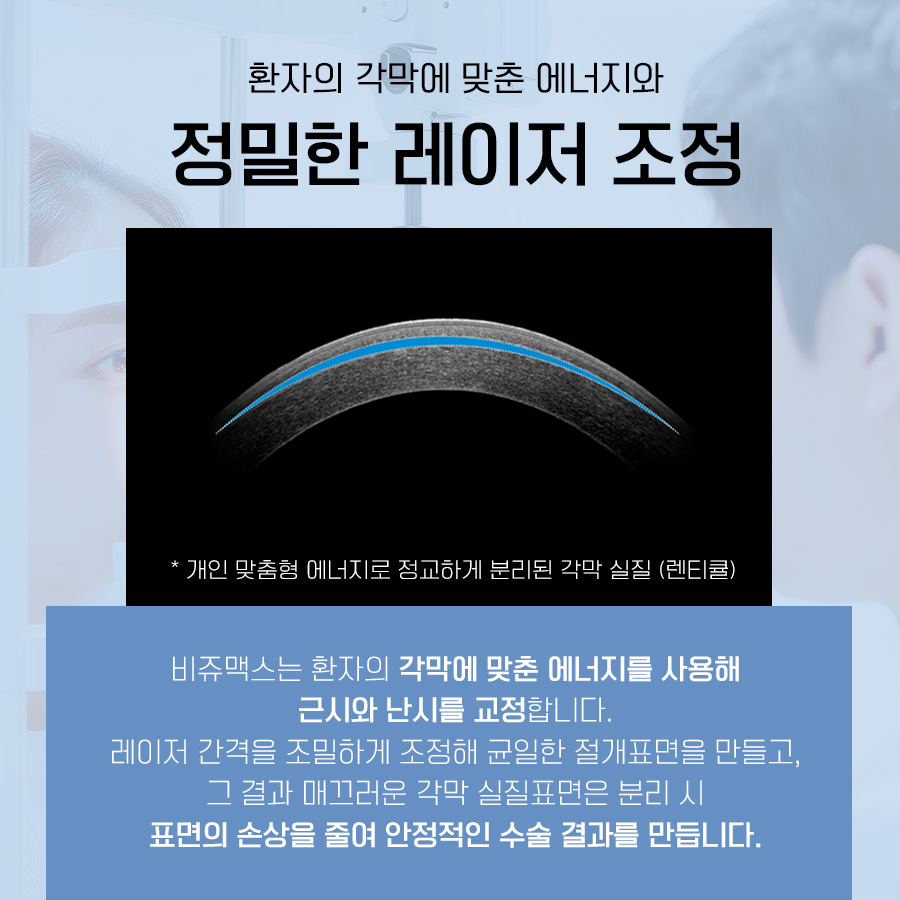
SMILE LASIK is a type of laser vision correction that uses a femtosecond laser to reshape the cornea through a very small incision. Instead of creating a wide corneal flap like traditional LASIK, the laser creates a thin internal lens-shaped piece of tissue called a lenticule. This lenticule is then removed through a tiny opening, changing the curvature of the cornea and correcting myopia and astigmatism.
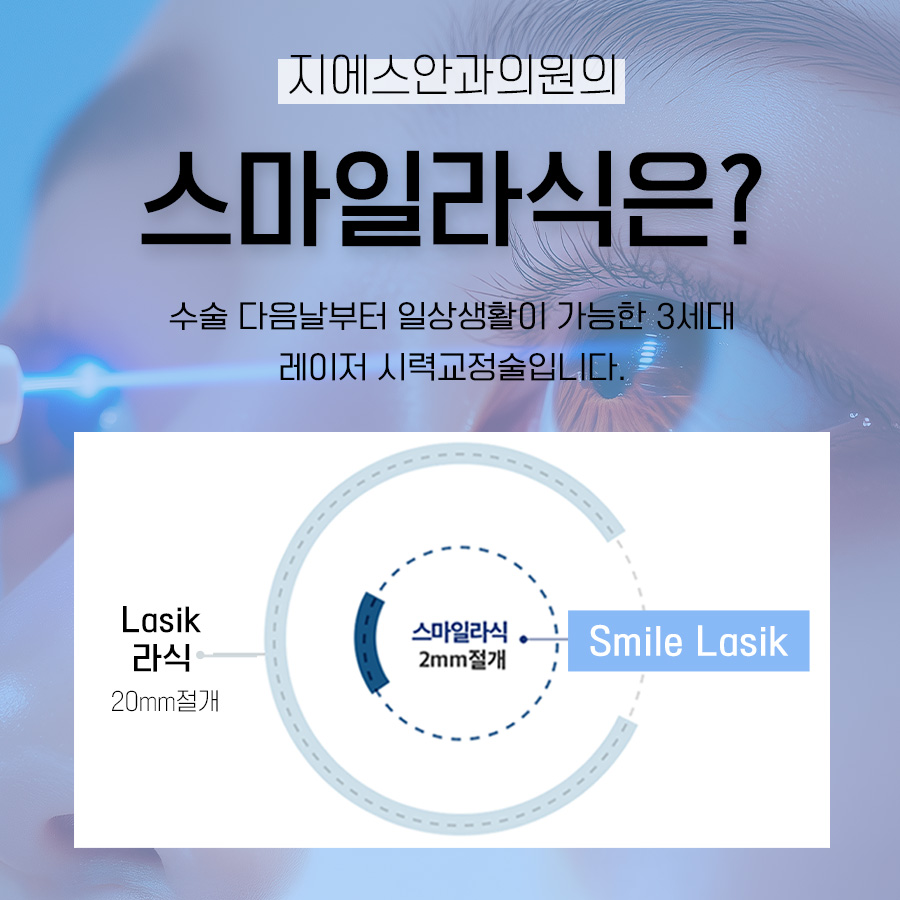
Because there is no large flap, the surface of the cornea is left more intact compared with older procedures. This is one of the main reasons many people in the Gangnam and Nonhyeon area specifically search for SMILE LASIK rather than standard LASIK.
Key benefits often mentioned in reviews
When you read Nonhyeon SMILE LASIK reviews, you will see a few themes repeated:
Small incision and surface preservation
Many patients choose SMILE LASIK because the incision is only a few millimeters. Keeping more of the corneal surface intact can help maintain structural stability and is often associated with a lower risk of dry eye symptoms compared with older flap-based techniques.
Comfort during and after surgery
Reviewers frequently describe the procedure as surprisingly quick. The laser part usually lasts only seconds, and because the incision is small, many people report less discomfort during the first days after surgery compared with LASEK, which removes the surface layer.
Fast visual recovery
For many patients, functional vision comes back quickly, often within the first day or two, and continues to sharpen over the following weeks. This is one reason office workers, students, and people with busy schedules in the Gangnam area are drawn to SMILE LASIK.
Suitable for active lifestyles
Because there is no large flap, some patients and doctors feel more comfortable with SMILE LASIK for people who enjoy sports or have active lifestyles, where eye stability over the long term is important. This does not mean it is right for everyone, but it is a frequent discussion point in counseling.
How SMILE LASIK compares with other procedures
Compared with traditional LASIK, SMILE LASIK uses a small incision instead of a full flap. This can mean less disturbance of corneal nerves and potentially lower dry eye risk.
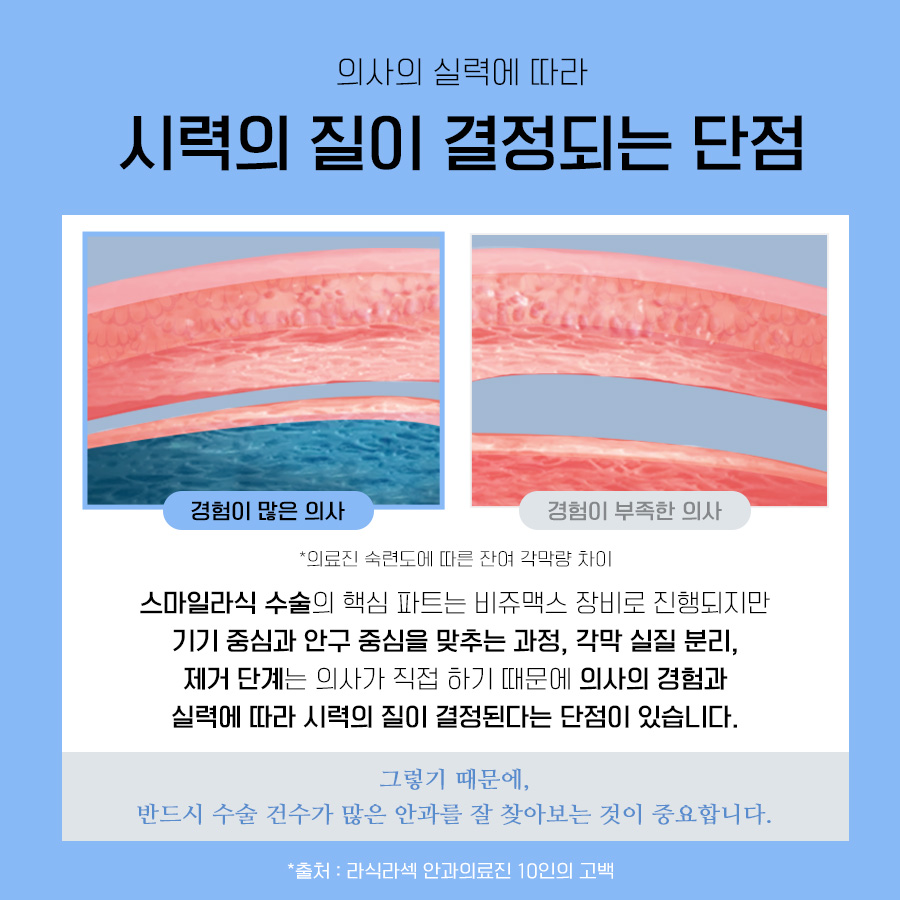
Compared with LASEK, SMILE LASIK usually has less early pain and faster visual recovery, because the surface epithelium is not fully removed. However, LASEK may still be recommended for people with thin corneas or certain corneal shapes. A good ophthalmology clinic in the Nonhyeon and Gangnam area will explain these differences clearly and recommend the option that best fits your eye condition, not just the most modern-sounding name.
How a specialized Gangnam ophthalmology clinic approaches SMILE LASIK
Clinic background and medical team
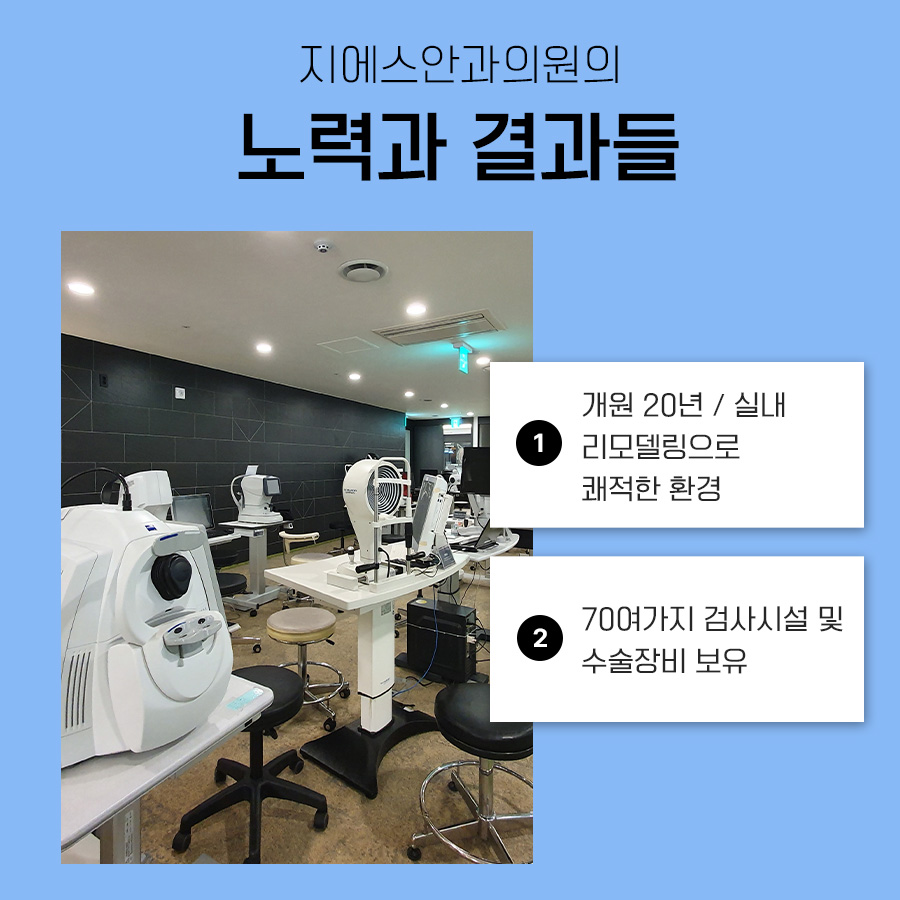
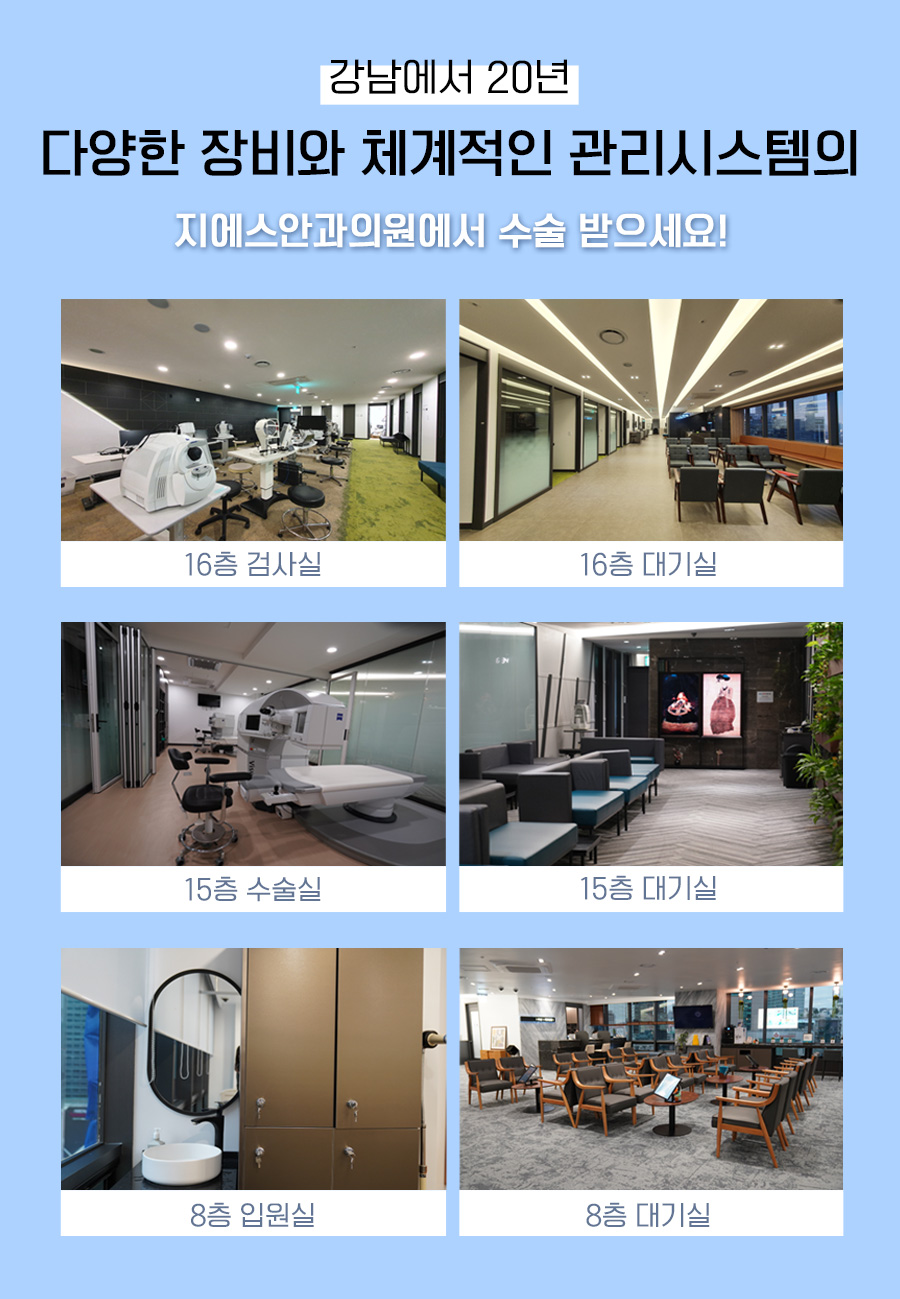
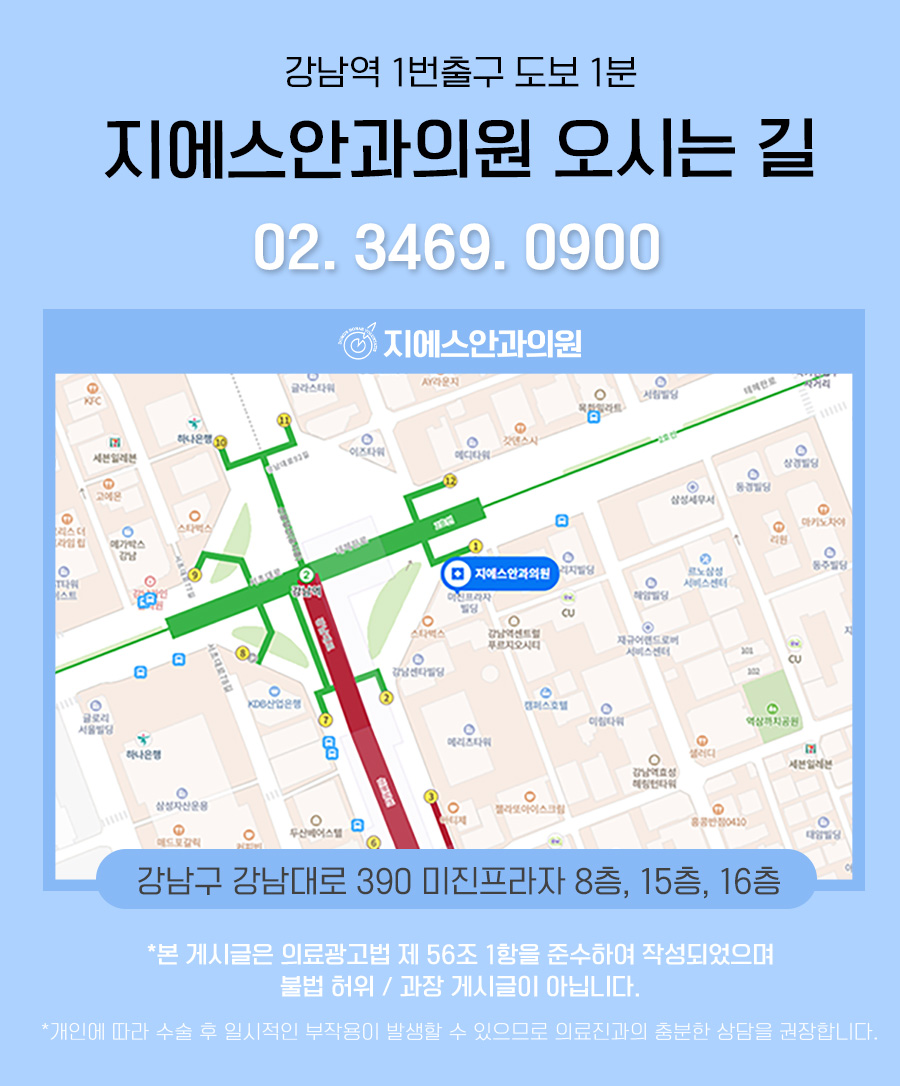
GS Eye Clinic is an ophthalmology clinic located near Gangnam Station on Gangnam-daero, convenient from Nonhyeon and nearby neighborhoods. It has been operating in the same area since 2005, which is relevant if you value a stable, long-running clinic with accumulated experience.
All seven doctors at the clinic are board-certified ophthalmologists. The representative director holds a medical doctorate in ophthalmology and has experience teaching at a university and working in a large tertiary hospital. Several other doctors have subspecialty backgrounds in retina and refractive surgery and have served as clinical instructors or professors at major university hospitals.
The clinic runs separate centers for vision correction, presbyopia and cataract, and retina. For SMILE LASIK patients, this structure can be reassuring, especially for those with high myopia or retinal concerns, because retina specialists are available for detailed evaluation when needed.
Technology and SMILE-specific equipment
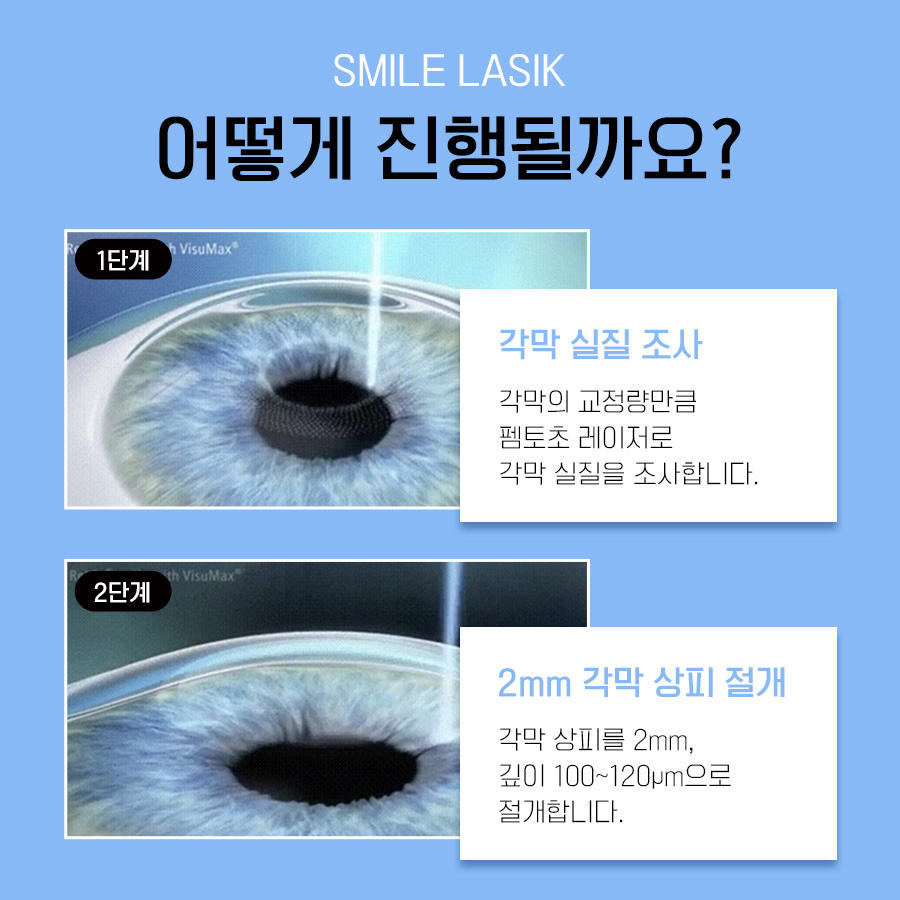
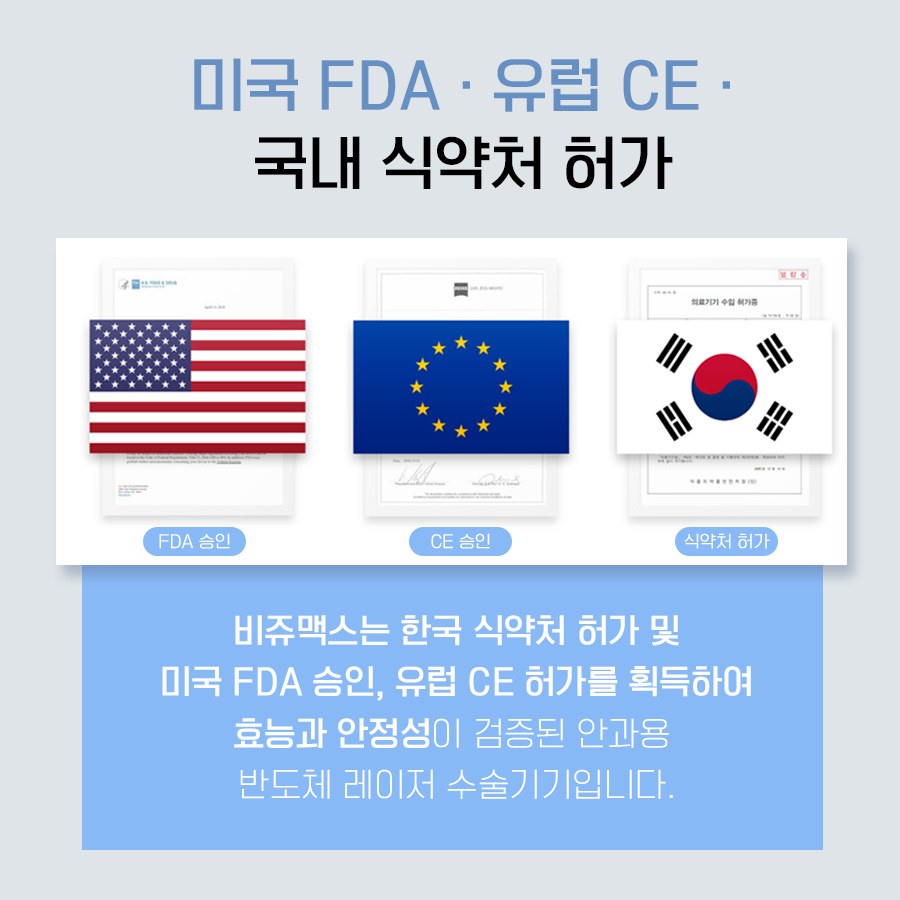
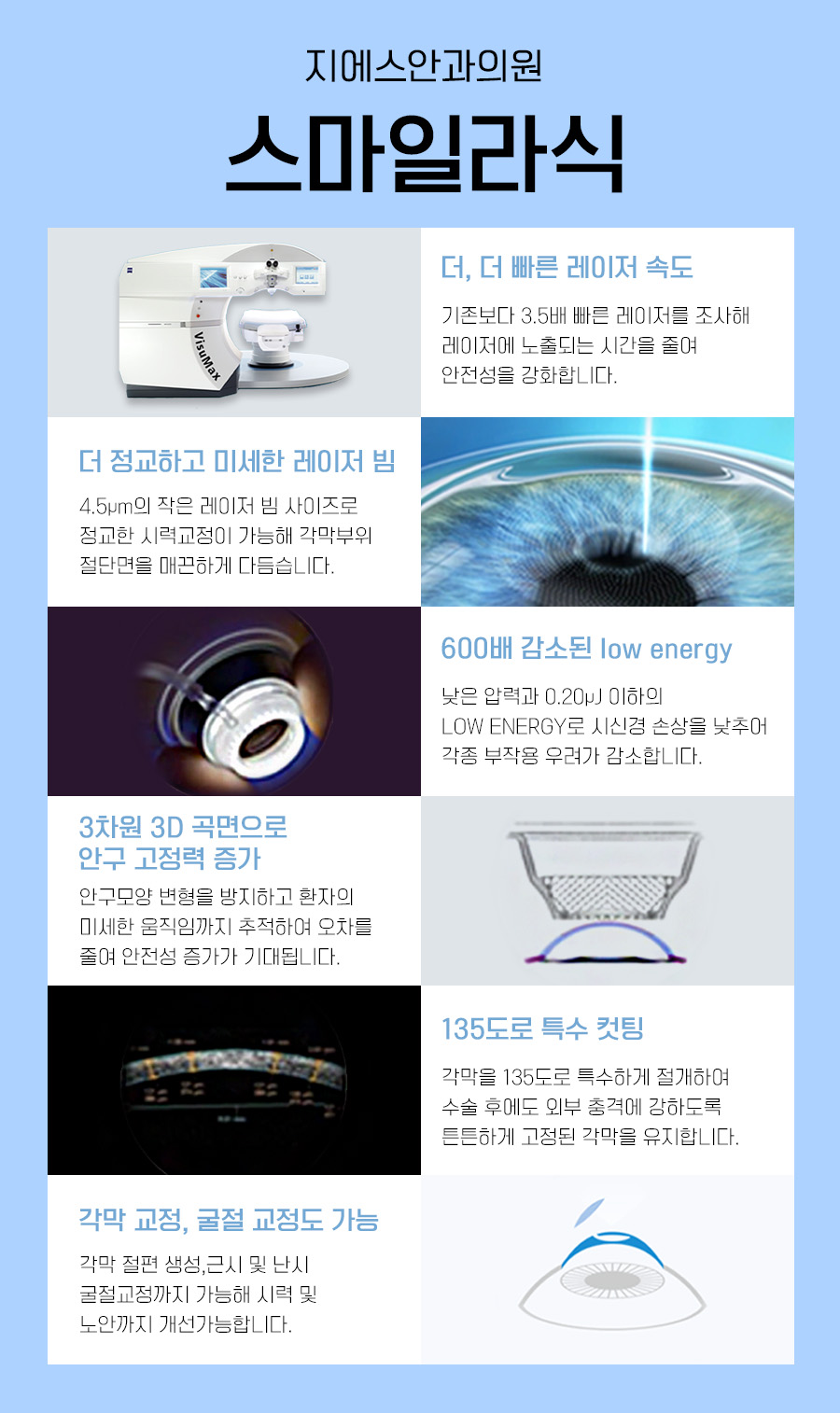
One key technical point often mentioned in reviews is that the clinic owns the three major SMILE-related laser platforms: VISUMAX 800 (ZEISS), two VISUMAX 500 units (ZEISS), and ELITA (Johnson & Johnson).
VISUMAX 800
This platform is used for the latest SMILE pro procedures. One of its main features is speed: the laser time for creating the lenticule is around 9 seconds. A shorter laser time can mean less stress for patients who are nervous about keeping still and can improve overall comfort during surgery.
Two VISUMAX 500 units
These are used for standard SMILE LASIK. Having two identical platforms allows the clinic to perform a high volume of procedures while maintaining consistency and backup capacity.
Why multiple platforms matter to patients
More options for different eyes
Not every eye is the same. By having both VISUMAX 800 and VISUMAX 500, the clinic can choose the platform that best matches your corneal shape, thickness, and prescription range.
Shorter procedure and more comfort
The faster laser time of VISUMAX 800 can be helpful for anxious patients or those who worry about blinking or moving. Even though the total time in the operating room is still short, knowing the actual laser part is only a few seconds can be calming.
Redundancy and stability
For many international patients, the idea that a clinic has multiple, well-maintained platforms is reassuring. If one machine requires maintenance, another is available, which supports continuity and stable scheduling.
Clinical experience and track record
When you read SMILE LASIK reviews around Nonhyeon and Gangnam, you may notice some patients mention numbers or certifications. At GS Eye Clinic, these are some of the objective experience markers:
More than 300,000 cumulative eyes treated with vision correction and cataract surgery as of 2023. This indicates a large overall case volume and systematic protocols.
For SMILE pro specifically, the clinic has performed 15,000 eyes as of April 2026, after passing 5,000 eyes in October 2024 and 10,000 eyes in August 2025. This shows a rapid accumulation of experience with the newest platform.
The clinic was the first in Korea to join the ZEISS SMILE GOLD CLUB in 2021, and later designated as a ZEISS SMILE pro CENTER in 2023 and a SILK TRAINING Center in 2026. These titles reflect collaboration with the manufacturer and involvement in education.
Beyond SMILE LASIK, the clinic was the first in Korea to perform GLAZE lens implantation in 2019, reached 1,000 eyes in 2022, and 3,000 Optiflex GLAZE eyes in 2025. It has also completed 3,000 PanOptix multifocal lens implantations as of 2024. This broader refractive and cataract experience contributes to systematic decision-making when SMILE LASIK is not the best option.
SMILE LASIK procedures at the clinic were certified with ISO 9001 and 14001 international standards in 2020, and the clinic was designated as a clinical education institution by a major medical school in 2023 and as an Asia-Pacific clinical education center by BIOTECH in 2024. For patients, these details suggest that protocols, safety systems, and training are structured rather than improvised.
What a Nonhyeon SMILE LASIK patient journey looks like
Initial inquiry and appointment
If you are staying in Nonhyeon or Gangnam, access is usually straightforward by subway or bus to Gangnam Station. Most international patients start with an online inquiry or phone call to the clinic.
Typical steps at this stage include:
Providing basic information about your age, glasses or contact lens prescription, and any known eye conditions.
Checking consultation hours. In many clinics, consultations run on weekdays and Saturdays, with Sundays and public holidays closed, but it is always best to confirm the exact schedule.
Requesting an English-friendly consultation if needed.
For overseas patients, it is wise to book well in advance, especially if you plan to combine consultation and surgery within a short stay in Korea.
Comprehensive preoperative eye examination
On your first visit, you can expect a detailed eye examination that usually takes one to two hours. At a specialized ophthalmology clinic, this often includes:
Corneal thickness measurement to check whether there is enough tissue for safe reshaping.
Corneal curvature and topography to detect irregularities or early signs of conditions like keratoconus.
Pupil size evaluation, which can be relevant for night vision and glare.
Tear film and dry eye assessment, important for predicting comfort after surgery.
Retinal examination, especially for patients with high myopia, to check for weak areas, holes, or other issues.
Not everyone is automatically a candidate for SMILE LASIK. A clinic with strict criteria may recommend alternatives such as lens implantation or LASEK if your cornea is too thin, irregular, or if other risk factors are present. When you read Nonhyeon SMILE LASIK reviews, look for comments about how thorough these tests were and whether the clinic ever advised against surgery.
Personalized counseling
After the tests, you usually meet the doctor for one-on-one counseling. At GS Eye Clinic, ophthalmologists review the results directly and explain:
Whether SMILE LASIK is appropriate for your eyes.
How it compares with other options such as LASIK, LASEK, or lens implantation.
Expected visual outcomes, possible side effects, and recovery timeline.
A good counseling session focuses on long-term safety and stability, not just getting you to surgery quickly. It should also give you time to ask questions. Many international patients appreciate when the doctor explains in simple English, uses diagrams or models, and checks that you truly understand both benefits and limitations.
Day of surgery
On surgery day, the process is usually structured and efficient:
You arrive at the clinic and complete any remaining paperwork.
Nurses or technicians perform final checks, such as confirming your prescription and rechecking measurements if needed.
Anesthetic eye drops are applied so you do not feel sharp pain during the laser step.
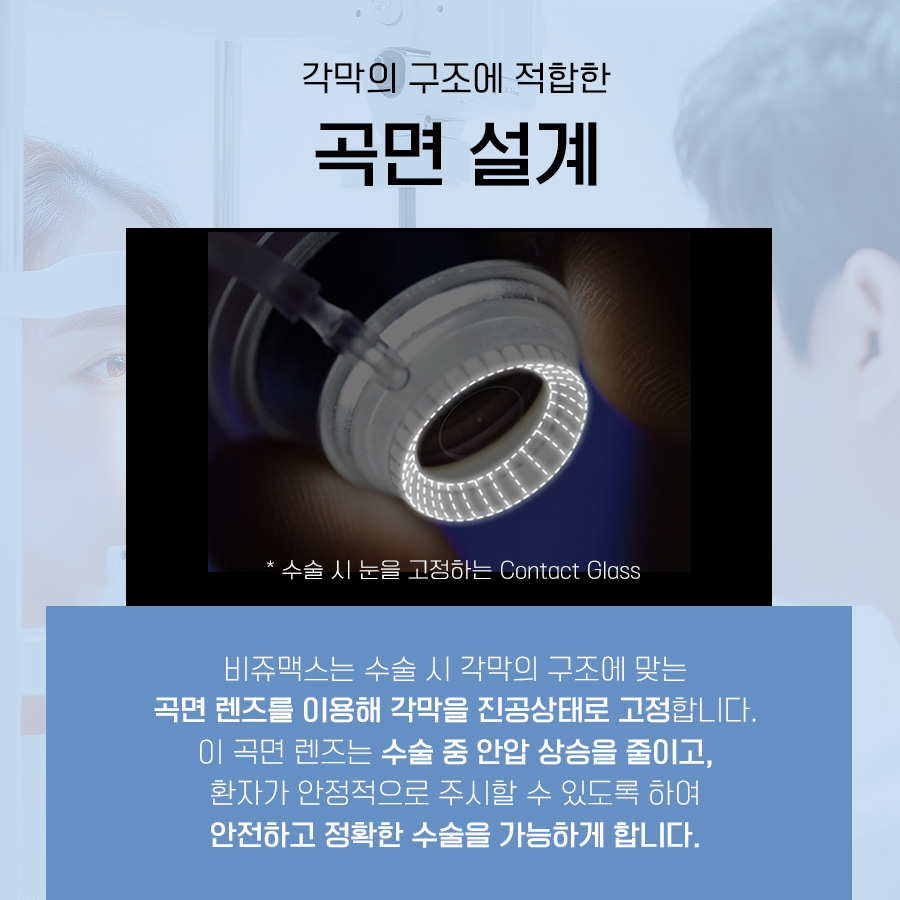
In the operating room, you lie on a bed under the laser. The doctor asks you to look at a target light. During SMILE LASIK with VISUMAX 800, the laser time for creating the lenticule is around 9 seconds. You may feel gentle pressure and see the light become blurry or dim, but most patients describe it as uncomfortable rather than painful.
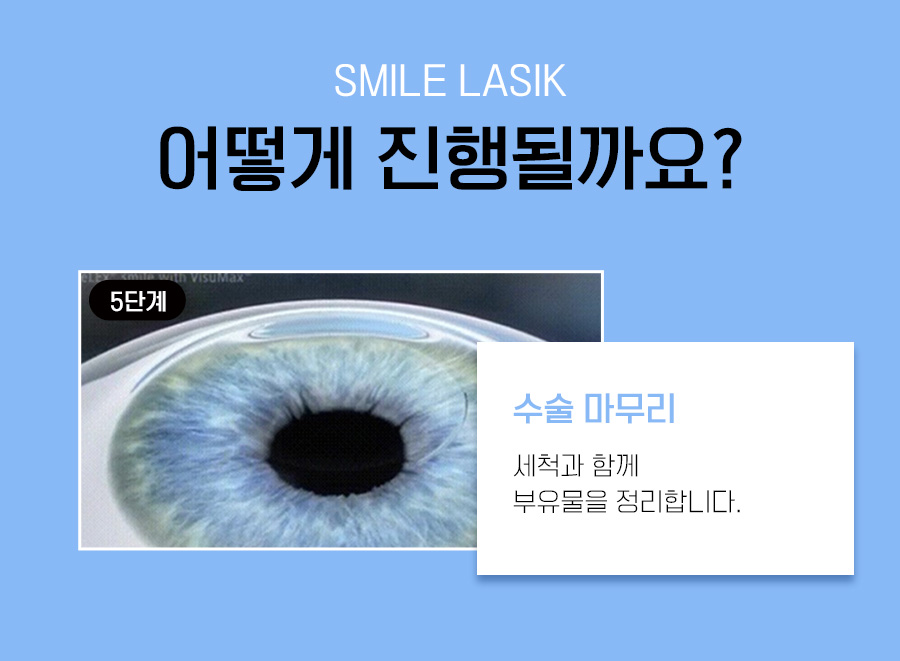
After the laser creates the lenticule, the doctor removes it through the small incision. This part is usually quick. The laser step itself is very brief, and the overall in-room time per eye is typically short, though total duration varies by clinic and case.
Immediate post-op and early recovery
Right after surgery, your vision will be blurry and your eyes may feel scratchy, watery, or sensitive to light. Many patients keep their eyes closed as much as possible on the way home or back to their accommodation.
Over the next few hours to days:
Vision usually clears enough for basic activities within the first day or two, though fine details and night vision may take longer to stabilize.
You will be instructed to use antibiotic and anti-inflammatory eye drops, as well as lubricating drops, on a strict schedule.
You should avoid rubbing your eyes, getting water or soap directly into your eyes, swimming, or using eye makeup for a certain period, as advised by your doctor.
Most office workers can return to light desk work within a short time, but if you are flying back to your home country, discuss timing with your doctor so that key follow-up visits are not missed.
Follow-up schedule
Follow-up is an important part of safe SMILE LASIK. A typical schedule might include:
The first check-up on the day after surgery.
Additional visits over the next weeks to monitor healing, dry eye symptoms, and visual stability.
Longer-term follow-ups, especially for patients with high myopia or retinal concerns.
Attending these visits helps detect dry eye, inflammation, or rare complications early. For international patients, it is important to plan your travel dates so that at least the early follow-up visits can be completed in Korea, or to arrange coordinated care with an eye doctor in your home country.
Safety, candidacy, and who should be cautious
Who may consider SMILE LASIK
In general, suitable candidates include:
Adults with stable myopia and astigmatism for at least one to two years.
People with sufficient corneal thickness and regular corneal shape.
Patients with healthy eyes and no active eye disease.
Those who want to reduce dependence on glasses or contact lenses and understand both the benefits and limitations of surgery.
Your age, prescription level, corneal measurements, and lifestyle all influence whether SMILE LASIK is recommended.
Who may not be suitable or need extra caution
Certain conditions require careful evaluation or may lead to a recommendation against SMILE LASIK:
Very thin corneas or irregular corneal topography.
Suspicion of keratoconus or other corneal diseases.
Severe dry eye that does not respond well to treatment.
Uncontrolled systemic diseases such as poorly controlled diabetes or autoimmune conditions.
Certain retinal conditions, especially in highly myopic eyes.
At GS Eye Clinic, the presence of a separate retina center and retina specialists can be reassuring for patients with high myopia or known retinal issues. They can perform detailed retinal imaging and, if necessary, treat weak areas before or after vision correction.
How to interpret online SMILE LASIK reviews in the Nonhyeon and Gangnam area
What to look for beyond star ratings
When you search for “Nonhyeon SMILE LASIK reviews”, you will see many clinics with similar ratings. To go deeper, focus on the content of the reviews:
Pre-op testing and explanation
Look for comments about how thorough the initial examination was. Did the clinic perform many different tests? Did the staff explain what each test was for? Did anyone mention being told they were not a candidate and being offered alternatives?
Quality of counseling
Check whether reviewers felt the doctor spent enough time with them, explained risks and benefits clearly, and answered questions honestly. Reviews that mention realistic expectations are often more trustworthy than those that only talk about perfect results.
Pain level and recovery experience
Pay attention to how people describe their sensations during and after surgery: pressure, slight discomfort, dryness, or light sensitivity. Also note how long it took for them to feel comfortable returning to work or study.
Follow-up and problem handling
Good reviews do not just say “everything was fine”. They often describe how the clinic handled minor issues such as dry eye, glare, or anxiety. A clinic that responds promptly, adjusts treatment, and continues to monitor patients carefully is usually a safer choice.
Clinic systems and equipment
When comparing clinics in Nonhyeon and Gangnam, it can help to check:
Whether they use dedicated SMILE LASIK platforms such as VISUMAX 800 and VISUMAX 500.
Whether surgeries are performed by board-certified ophthalmologists with experience in refractive and retina fields.
Whether they mention standardized safety systems, certifications, or involvement in clinical education.
These points often do not appear in short reviews, so it may be worth visiting the clinic website or asking directly during consultation.
Online consultation and pre-visit preparation for overseas patients
If you are an overseas patient planning SMILE LASIK in the Nonhyeon or Gangnam area, it is practical to start with an online consultation. Before contacting the clinic, prepare:
Your current glasses or contact lens prescription.
Any previous eye examination reports, if available.
A brief medical history, including systemic diseases and medications.
Your planned travel dates and how long you can stay in Korea.
During the online consultation, you can ask:
How many days are recommended between examination, surgery, and final follow-up before departure.
Whether English-speaking staff or interpreters are available.
What documents you need to bring and whether you should stop wearing contact lenses for a certain period before the detailed exam.
Expected Korea visit timeline
A common schedule for international patients might look like this:
Day 1: Comprehensive eye examination and counseling.
Day 2 or 3: SMILE LASIK surgery, if you are a suitable candidate and feel ready.
Day 3 or 4: First post-op check.
Following week: Additional follow-up visits, depending on your stay.
If your travel schedule is tight, discuss this clearly with the clinic in advance. Some patients prefer to have the exam and surgery on separate trips to Korea, while others combine everything in one extended stay.
Aftercare once you return home
After you leave Korea, you should continue regular eye check-ups in your home country. Ask the clinic for a summary of your surgery details and post-op findings, which you can share with your local eye doctor.
Continue using lubricating drops as advised, avoid rubbing your eyes, and follow any specific instructions about sports, swimming, or night driving. If you notice sudden vision changes, pain, or redness, seek prompt evaluation.
Frequently asked questions about Nonhyeon SMILE LASIK
Is SMILE LASIK painful?
Most patients describe SMILE LASIK as involving pressure and mild discomfort rather than sharp pain. Anesthetic eye drops numb the surface of the eye during the procedure. After surgery, you may feel scratchiness, dryness, or light sensitivity for a short period, which usually improves with prescribed eye drops and rest.
How long should I stay in Seoul after SMILE LASIK?
For international patients, it is generally recommended to stay at least several days after surgery to complete the early follow-up visits. The exact duration depends on your eye condition and the clinic’s protocol, but many patients plan for around one week in Seoul to allow for examination, surgery, and initial recovery checks.
Can I choose between SMILE LASIK and other procedures like LASEK?
The final decision should be made together with your ophthalmologist after a full examination. In some cases, SMILE LASIK is ideal; in others, LASEK or lens implantation may be safer. A responsible clinic will explain why one option is recommended over another based on corneal thickness, shape, prescription level, and your lifestyle.
What should I check before choosing a SMILE LASIK clinic in Nonhyeon or Gangnam?
Beyond price and location, check whether the clinic uses dedicated SMILE platforms such as VISUMAX 800 and 500, whether surgeries are performed by board-certified ophthalmologists, and whether they offer detailed pre-op testing and counseling. Reading reviews that describe the entire process, including follow-up care, is more helpful than looking only at star ratings.
Soft call to action
If you are considering SMILE LASIK in the Nonhyeon or Gangnam area and want more than just brief online reviews, it can be helpful to schedule an online consultation with an ophthalmology clinic such as GS Eye Clinic. By sharing your basic eye information and travel plans in advance, you can receive a more personalized explanation of candidacy, timing, and what your own journey in Seoul might look like.
Use this guide as a checklist when you talk with any clinic: ask about equipment, doctor experience, examination details, and follow-up systems. Taking the time to understand these points will help you choose a safe, well-organized place for your vision correction in Korea.

- 공유 링크 만들기
- X
- 이메일
- 기타 앱


댓글
댓글 쓰기