Nonhyeon vision correction surgery cost guide for SMILE LASIK in Gangnam
- 공유 링크 만들기
- X
- 이메일
- 기타 앱
Direct answer summary
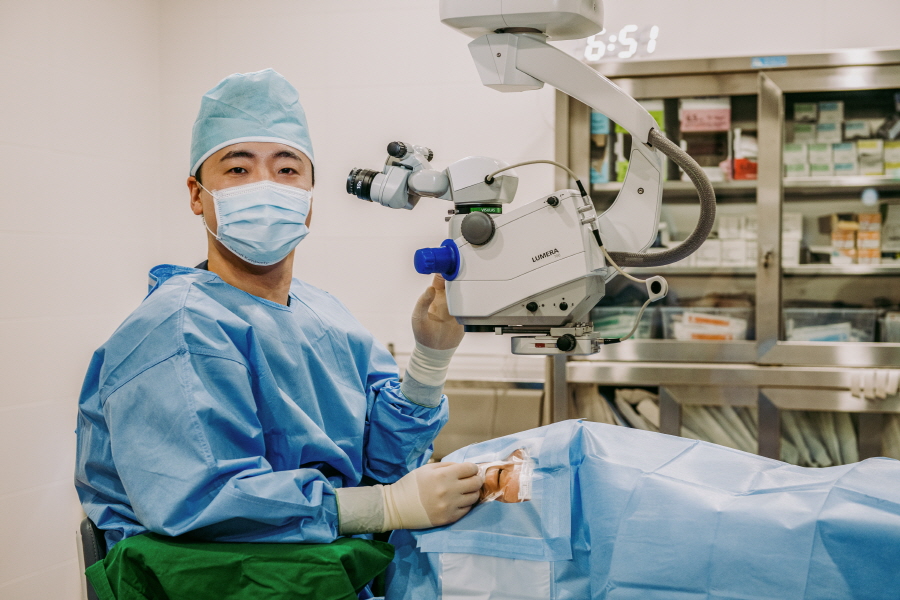
If you are searching for Nonhyeon vision correction surgery cost, most clinics in the Gangnam–Nonhyeon area calculate SMILE LASIK fees based on your eye condition, the laser platform used, and how comprehensive the examination and aftercare system are. Exact prices are usually confirmed only after a full eye examination, but you can expect SMILE-type procedures such as SMILE LASIK or SMILE pro to be positioned above older methods like LASEK and below or similar to many premium lens implantation surgeries. When comparing quotes, it is important to look at safety systems, surgeon training, equipment, and follow-up care rather than focusing only on the lowest fee.
Overview of SMILE LASIK and why it is popular in Gangnam
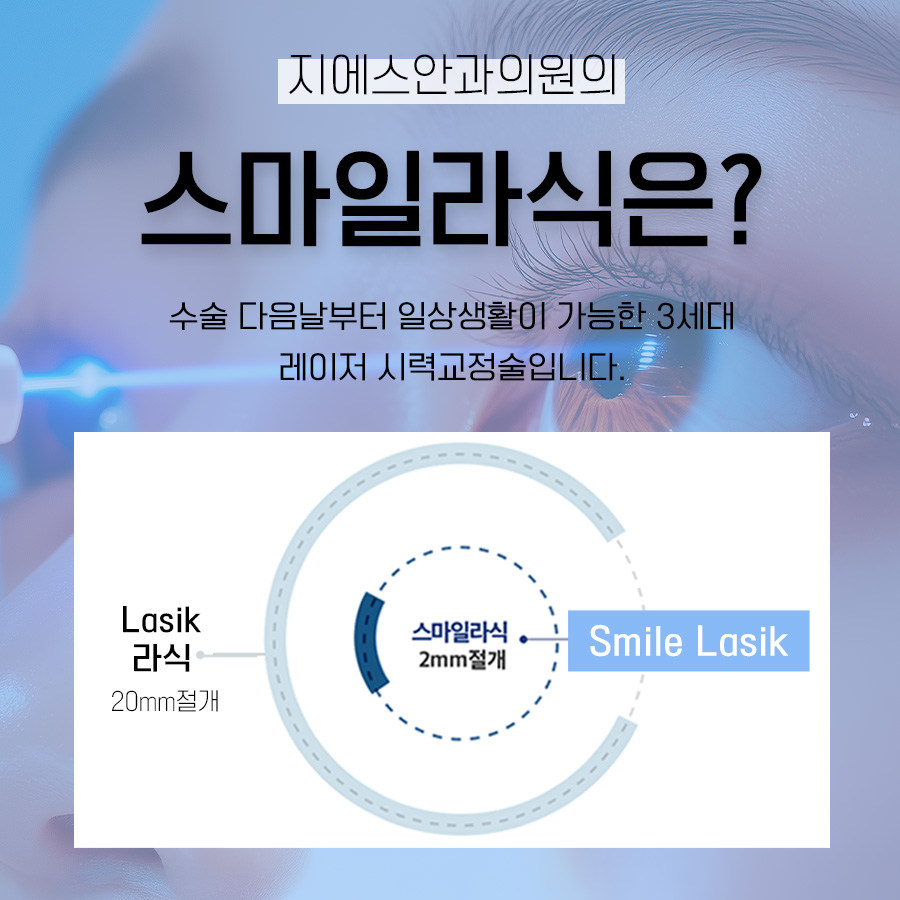
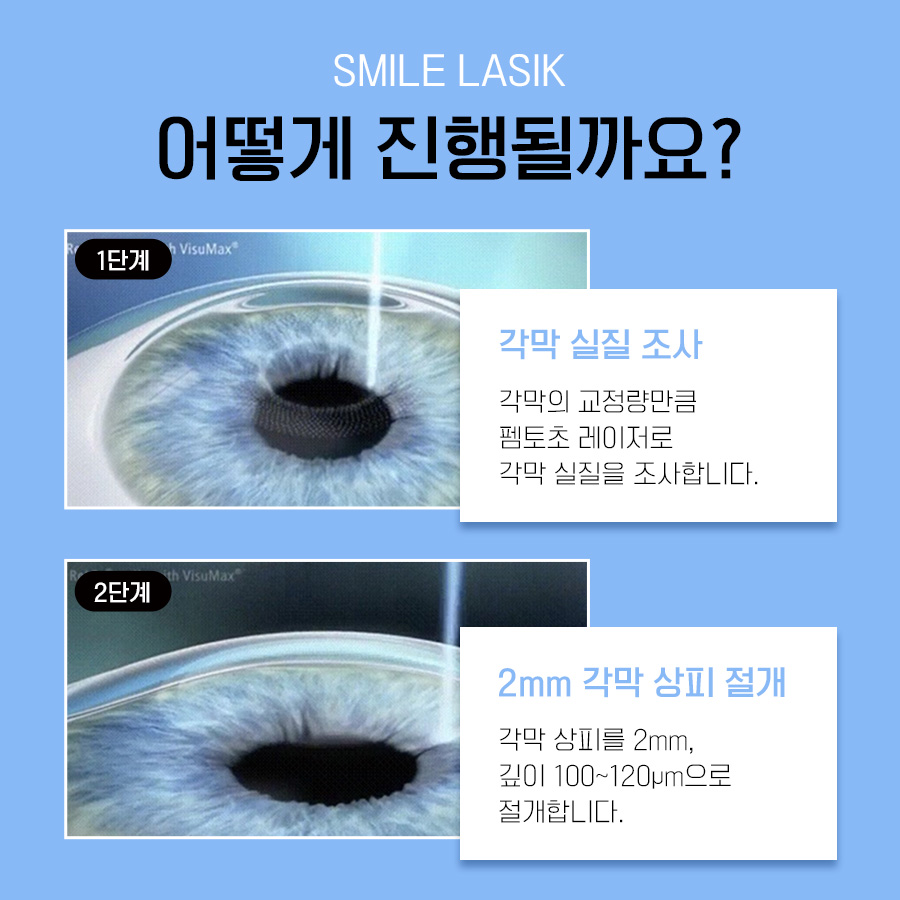
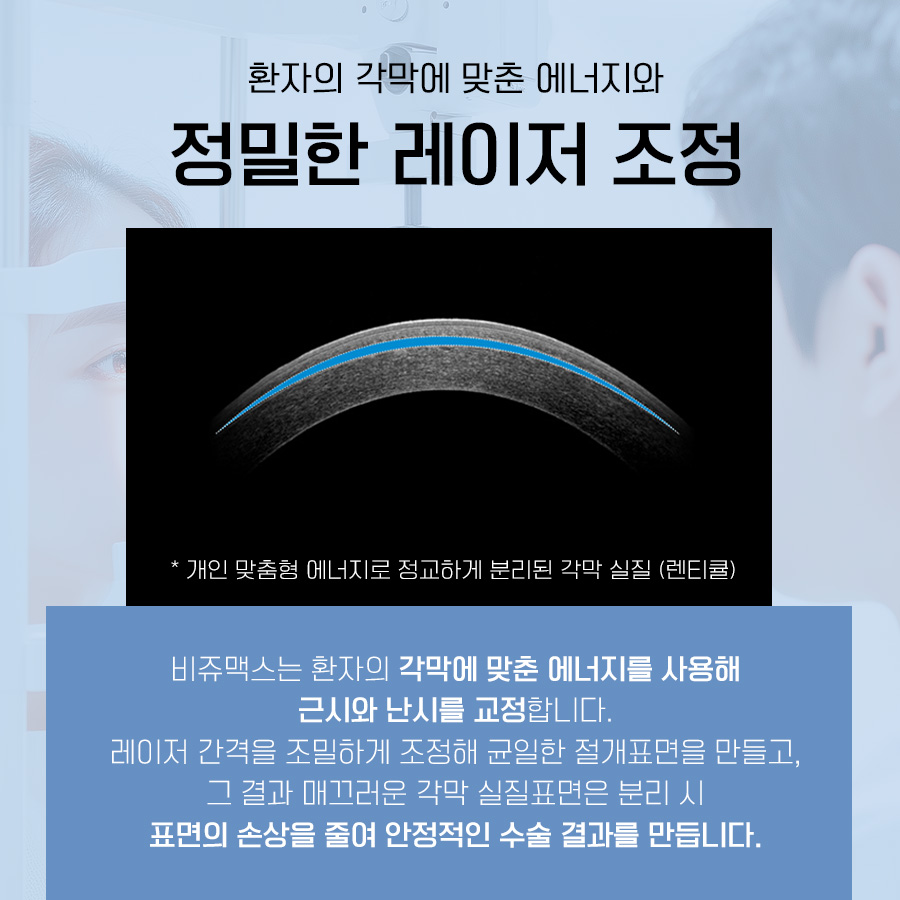
SMILE LASIK is a minimally invasive laser vision correction method that reshapes the cornea using a femtosecond laser. Instead of creating a large flap as in traditional LASIK, the laser creates a small internal lenticule and removes it through a tiny incision. This approach preserves more corneal tissue and may help maintain corneal stability.
In the Gangnam and Nonhyeon area, SMILE LASIK has become a common choice for people who want to reduce dependence on glasses or contact lenses. Many ophthalmology clinics in this district focus on refractive surgery, and some have developed specialized SMILE programs using multiple ZEISS platforms such as SMILE pro, SMILE LASIK, and SILK.
For international patients, Gangnam is attractive because of its concentration of eye clinics, easy transportation from major hotels and airports, and the possibility of combining treatment with a short stay in Seoul.
Who may consider SMILE LASIK in the Nonhyeon area
SMILE LASIK may be considered by adults who:
Have stable myopia and possibly astigmatism for at least one to two years
Prefer a minimally invasive laser option with a small incision
Want a relatively quick recovery period compared with surface procedures
Are not good candidates for traditional LASIK due to lifestyle or corneal considerations, but are still suitable for small-incision laser surgery
Suitability is never guaranteed only by age or glasses prescription. A full eye examination is essential to check corneal thickness and shape, tear film, pupil size, retina, and optic nerve. In some cases, the safest choice may be LASEK, lens implantation, or even no surgery at all.
What determines SMILE LASIK pricing in the Nonhyeon and Gangnam area
Type of vision correction procedure
The first major factor in cost is the type of procedure recommended for your eyes.
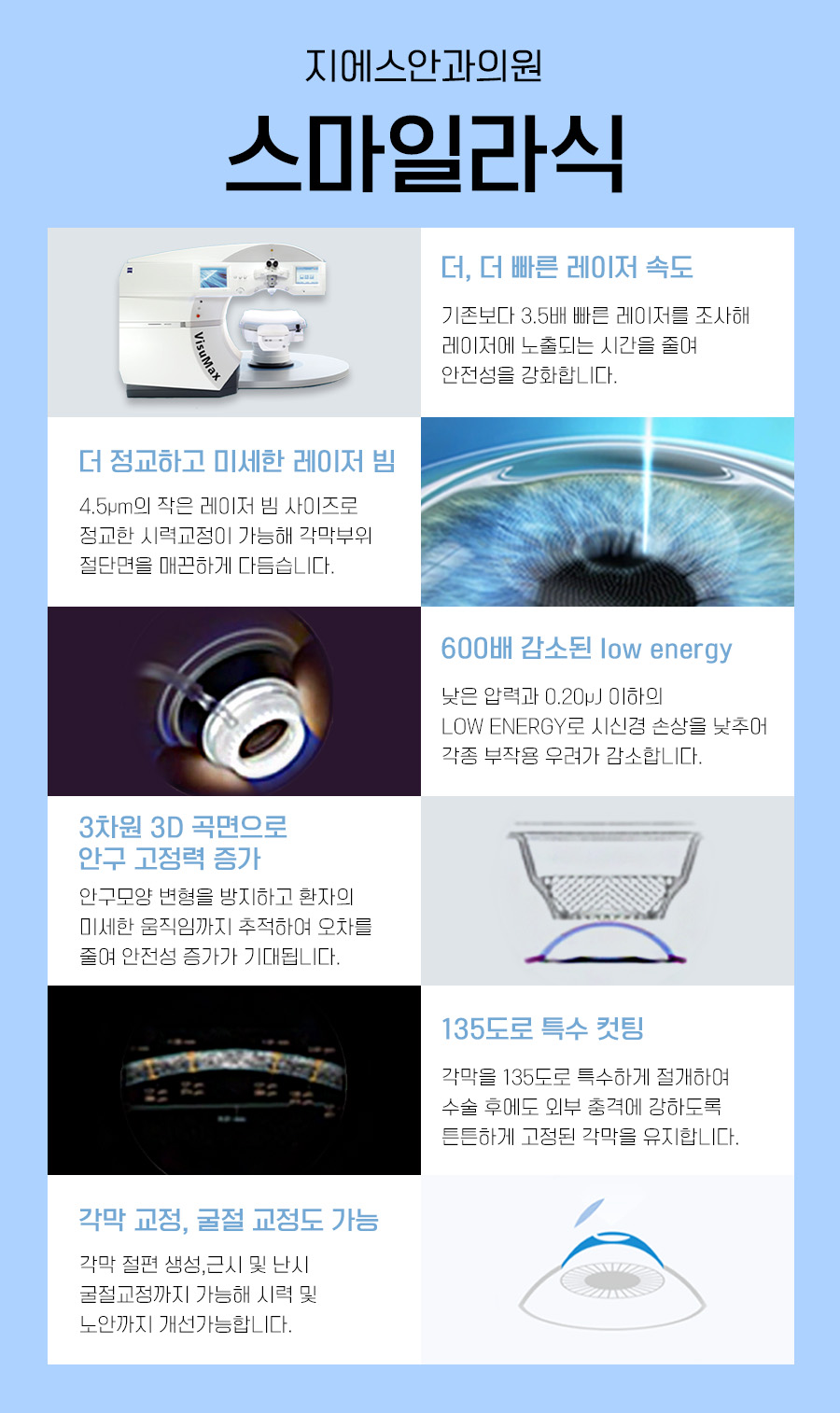
SMILE pro and SMILE LASIK use advanced femtosecond lasers from ZEISS. Newer VISUMAX platforms may reduce laser delivery time compared with earlier models, which can improve patient comfort and procedural efficiency. These newer platforms usually require higher investment and maintenance, which is reflected in the procedure fee.
Classic SMILE LASIK using VISUMAX 500 is still widely used and may be positioned slightly differently in price depending on the clinic’s policy.
LASEK is a surface laser procedure that does not involve a corneal flap or lenticule. It often has a longer initial discomfort and recovery period. Some clinics position LASEK at a lower price point than SMILE LASIK because the equipment requirements are different.
They are often recommended for very high myopia, thin corneas, or when laser reshaping is not suitable.
Presbyopia and cataract lens surgery with multifocal intraocular lenses, such as PanOptix, can be more expensive because they involve lens replacement and premium lens technology. These procedures address both distance and near vision and are sometimes combined with cataract treatment.
Depth and quality of the examination system
A thorough preoperative examination adds to the overall cost but is critical for safety and long-term satisfaction.
In the Gangnam–Nonhyeon area, specialized ophthalmology clinics typically include:
Corneal topography and tomography to analyze corneal shape and detect early keratoconus
Corneal thickness mapping to decide whether SMILE LASIK, LASEK, or lens implantation is safer
Tear film and dry eye evaluation to predict postoperative comfort and plan treatment
Pupil size measurement, which can influence night-vision quality
Retinal and optic nerve checks, often including wide-field imaging or optical coherence tomography
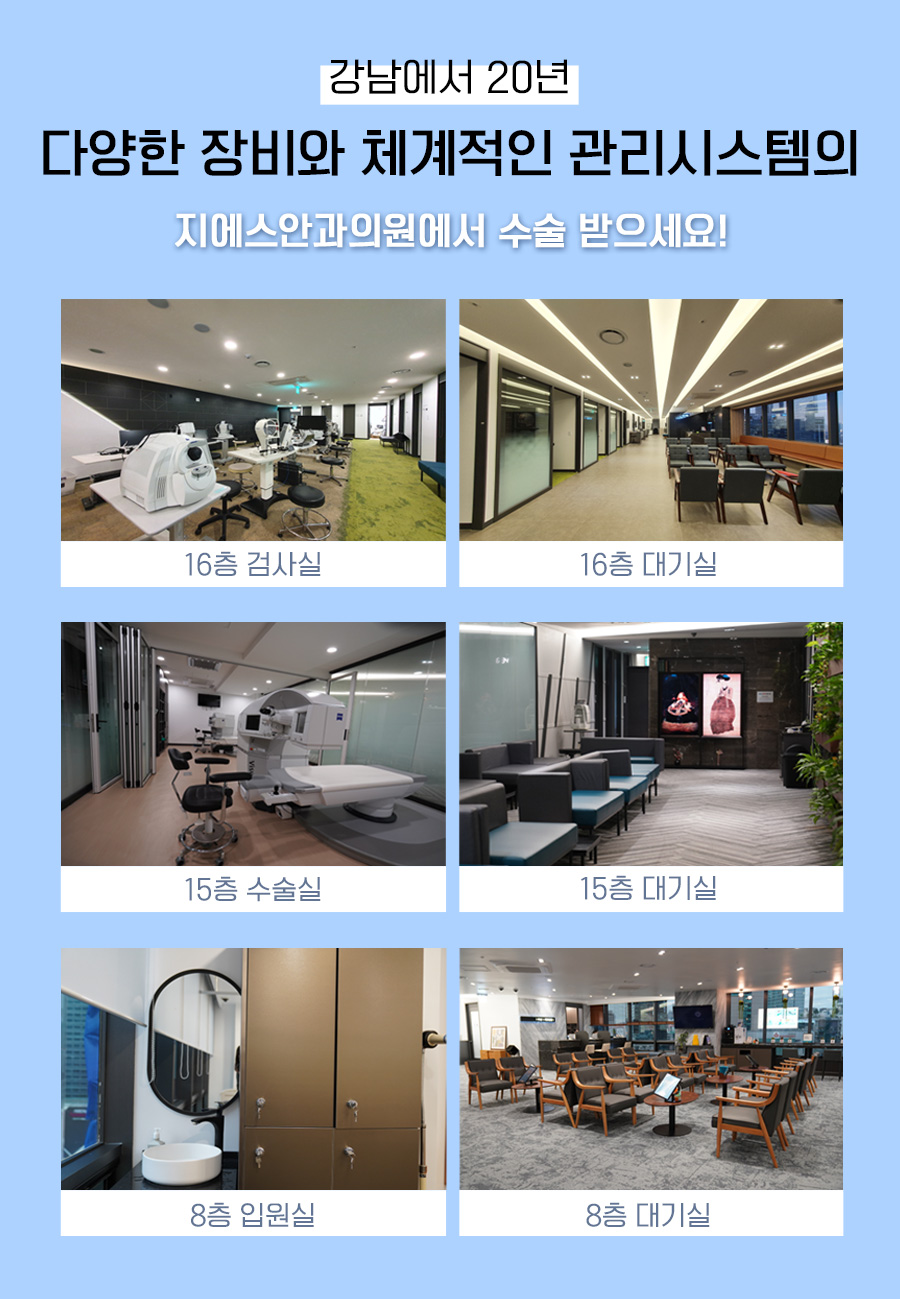
Some clinics operate a dedicated retina center inside the same facility, allowing retinal specialists to evaluate and manage conditions such as lattice degeneration, small retinal tears, or diabetic changes before vision correction surgery. This integrated system may increase the examination fee but can reduce the need for external referrals and improve safety.
Surgeon expertise and team structure
In Gangnam, many eye clinics employ board-certified ophthalmologists with subspecialty backgrounds in areas such as retina, cataract, and refractive surgery. When all surgeons are ophthalmology specialists and some have university hospital teaching or fellowship experience, the clinic’s fee structure often reflects this level of training.
A team-based approach, where multiple doctors review examination data and discuss complex cases, can also influence cost. This structure supports consistent decision making and may be one reason some clinics become reference or training centers for manufacturers and medical schools.
Equipment, platforms, and certifications
Equipment is a major cost driver in SMILE LASIK pricing.
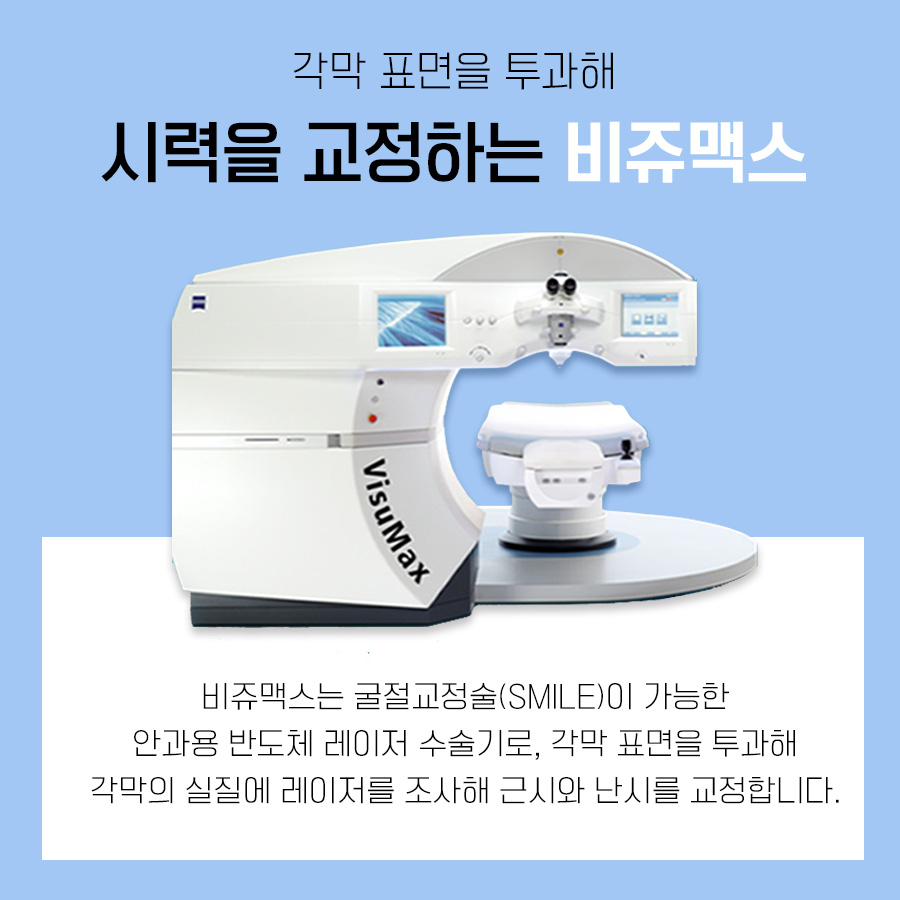
Some Gangnam–Nonhyeon clinics use ZEISS VISUMAX platforms for SMILE procedures; equipment varies between centers, so ask your clinic which platform they use.
VISUMAX 800 for SMILE pro, offering very fast laser times and upgraded ergonomics
Two VISUMAX 500 units for SMILE LASIK, allowing flexible scheduling and backup capacity
Operating multiple platforms allows the clinic to match the procedure type to each patient’s eye and to maintain high throughput. However, it also means higher investment, which is reflected in procedure fees.
Independent certifications and manufacturer recognitions can be informative. Some clinics report quality or environmental certifications and membership in manufacturer training or referral programs; others serve as clinical education sites. Because these designations vary and are awarded by different organizations, ask the clinic to show documentation if such certifications or memberships are important to you. These recognitions do not guarantee outcomes but can indicate structured protocols and ongoing staff education.
Postoperative care and enhancement policy
The number and structure of follow-up visits are another important cost component.
A typical SMILE LASIK aftercare plan may include visits on the first day, within the first week, at one month, three months, and sometimes six months or longer. Some clinics also run a dedicated dry eye clinic to manage postoperative dryness, which is common after any vision correction surgery.
When comparing prices, check whether:
Postoperative medications such as eye drops are included
Enhancement procedures, if ever needed, have a separate fee or are partially covered for a certain period
Emergency visits are included during the early healing phase
Clinics that provide structured follow-up and dry eye management may have higher initial fees but fewer unexpected additional costs later.
SMILE LASIK vs other options and how this affects cost
may be priced higher than older surface procedures.
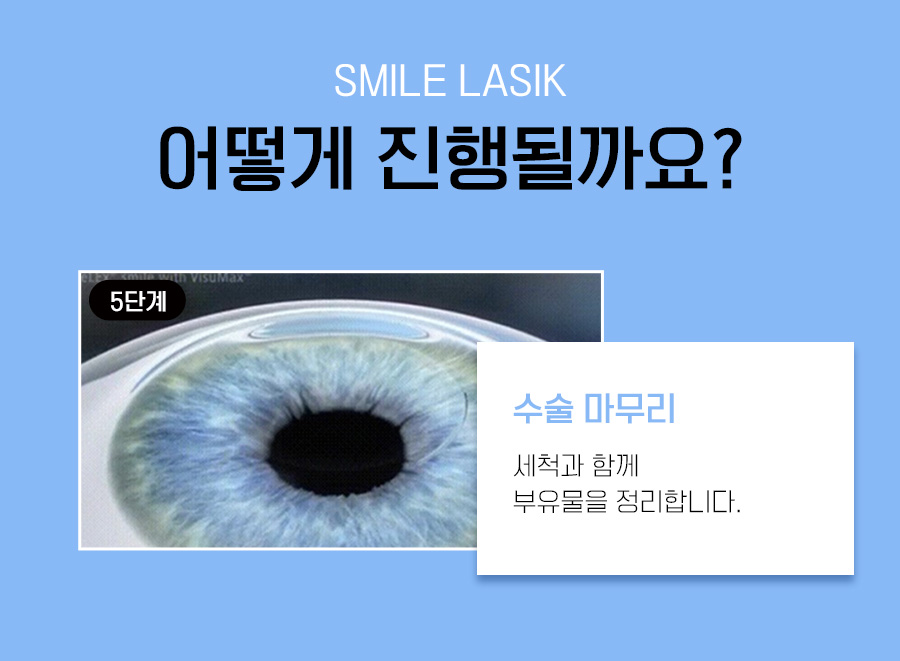
SMILE LASIK and SMILE pro are small-incision procedures that can offer quick visual recovery and minimal disruption to the corneal surface. Because they rely on advanced femtosecond laser platforms and licensing, they are often priced higher than older surface procedures.
SMILE pro using VISUMAX 800 may be positioned at a premium level within SMILE-type procedures due to its very short laser time and upgraded platform. Patients may value the shorter treatment time and refined ergonomics, especially if they are anxious about being under the laser.
LASEK
LASEK reshapes the cornea from the surface after temporarily moving the epithelium. It does not require a flap or lenticule removal, and equipment requirements can be different from SMILE. Many clinics position LASEK as a more economical option, but it usually involves more discomfort in the first days and a slower initial visual recovery.
Lens implantation
Lens implantation procedures, including implantable collamer lenses and models such as GLAZE or PhakiFlex KPL, are usually recommended when the cornea is too thin, the myopia is very high, or the eye is otherwise unsuitable for laser reshaping.
These surgeries typically cost more than SMILE LASIK because they involve custom lenses, operating room time, and a different level of surgical complexity. However, for the right patient, they can be a safer long-term choice than forcing the cornea to undergo excessive laser reshaping.
Presbyopia and cataract lens surgery
For patients in their 40s and beyond, presbyopia and early cataract changes may be present. In such cases, lens-based solutions with multifocal intraocular lenses such as PanOptix can address both distance and near vision.
These procedures often have higher fees because they combine cataract removal, premium lens implantation, and detailed optical planning. They are not direct substitutes for SMILE LASIK but are sometimes the more appropriate option based on age and lens status.
Why the cheapest option is not always the best
The right procedure depends on corneal thickness, degree of myopia and astigmatism, age, tear film status, and retinal health. Choosing the lowest price without confirming medical suitability can increase the risk of complications or dissatisfaction.
A clinic that invests in comprehensive examinations, multiple treatment options, and long-term follow-up may appear more expensive initially but can provide more tailored and safer recommendations.
How a specialized Gangnam eye clinic structures SMILE LASIK care
Long-term presence and focus
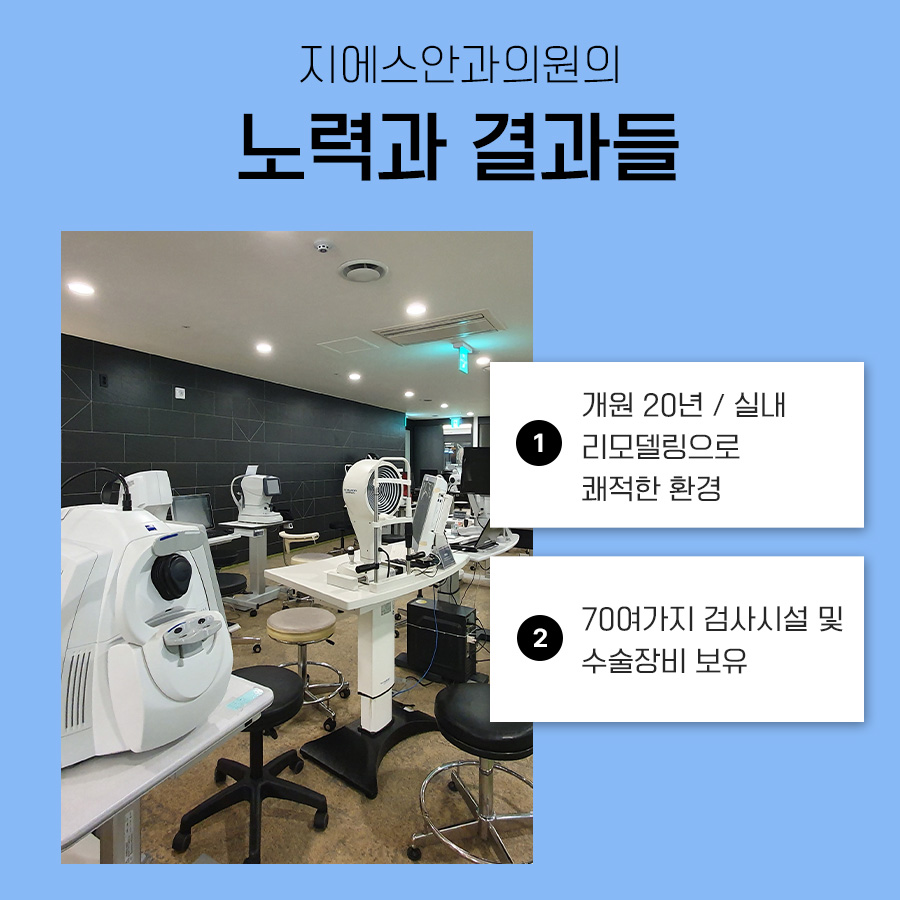
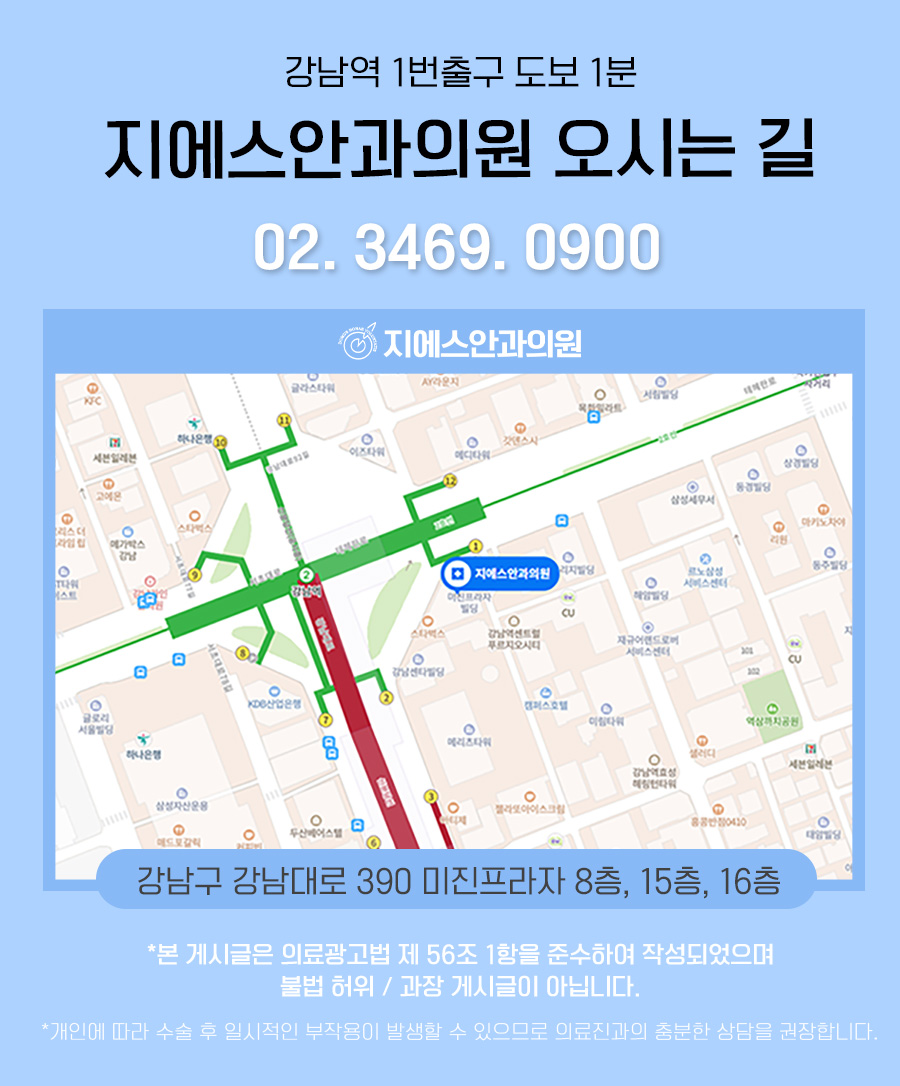
One ophthalmology clinic near Gangnam Station has operated in the same location since 2005. Over time it has developed into a specialized eye clinic with a strong focus on refractive and cataract surgery.
The clinic reports a large cumulative case volume in vision correction and cataract surgery, which can contribute to experienced protocols and decision making. Case volume alone does not guarantee individual results.
The clinic’s medical team includes multiple ophthalmology specialists covering procedures for the front of the eye (including refractive surgery) and evaluations/management for the retina and other posterior segment conditions. If you want details about specific physicians’ credentials or training, request the clinic’s staff information.
Step 1: Preoperative consultation and diagnostic work-up
International patients can usually start with an online consultation, sending previous prescriptions or examination reports if available. Once in Seoul, the first in-clinic visit focuses on a full diagnostic work-up.
Tests typically include:
Visual acuity and refraction
Corneal topography and tomography
Corneal thickness mapping
Tear film and meibomian gland evaluation
Pupil size measurement
Retinal imaging and optic nerve assessment
Because the clinic also runs a retina center, any retinal issues such as weak spots or small tears can be evaluated and treated in-house before proceeding with vision correction.
Step 2: Personalized procedure selection
After the examination, the doctors review the data and discuss which procedure is safest and most appropriate. Options may include SMILE pro, SMILE LASIK, SILK, LASEK, or lens implantation.
The clinic also offers a proprietary Golden SMILE program, which is essentially a branded SMILE LASIK package or protocol. It combines SMILE-type laser technology with the clinic’s own examination, planning, and aftercare system rather than representing a different technology.
The final recommendation is based on corneal thickness, prescription level, age, lifestyle, and retinal status. Price is discussed together with these medical factors, not as the only decision point.
Step 3: Surgery using ZEISS VISUMAX platforms
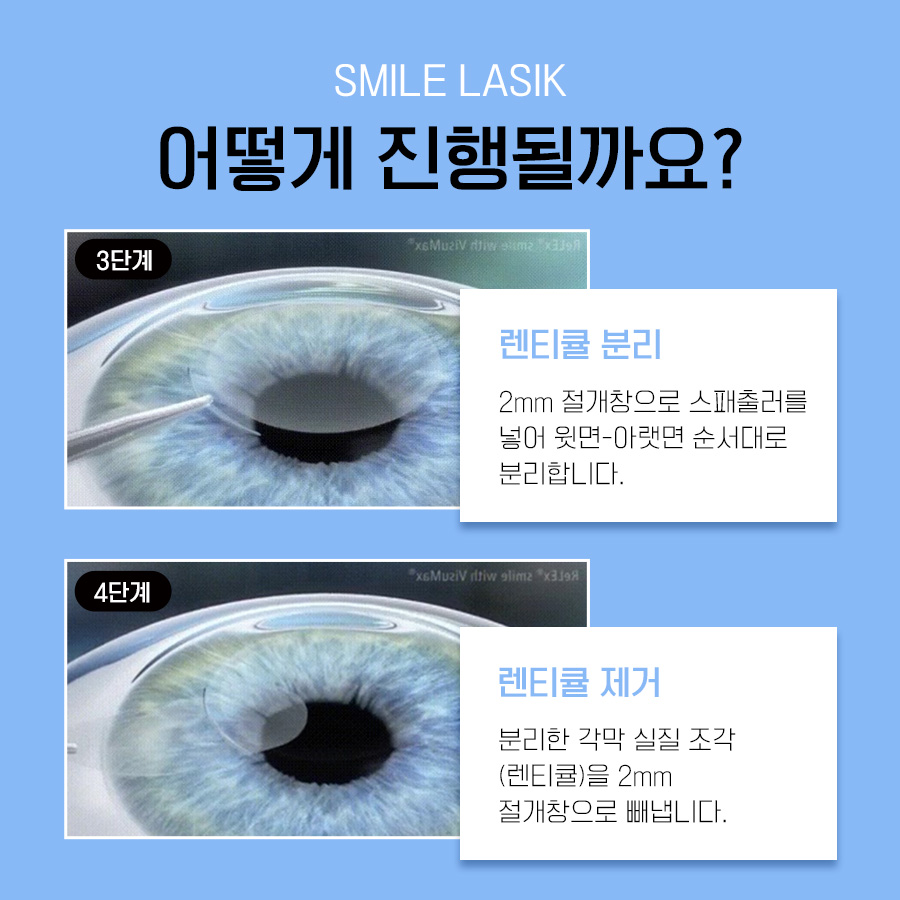
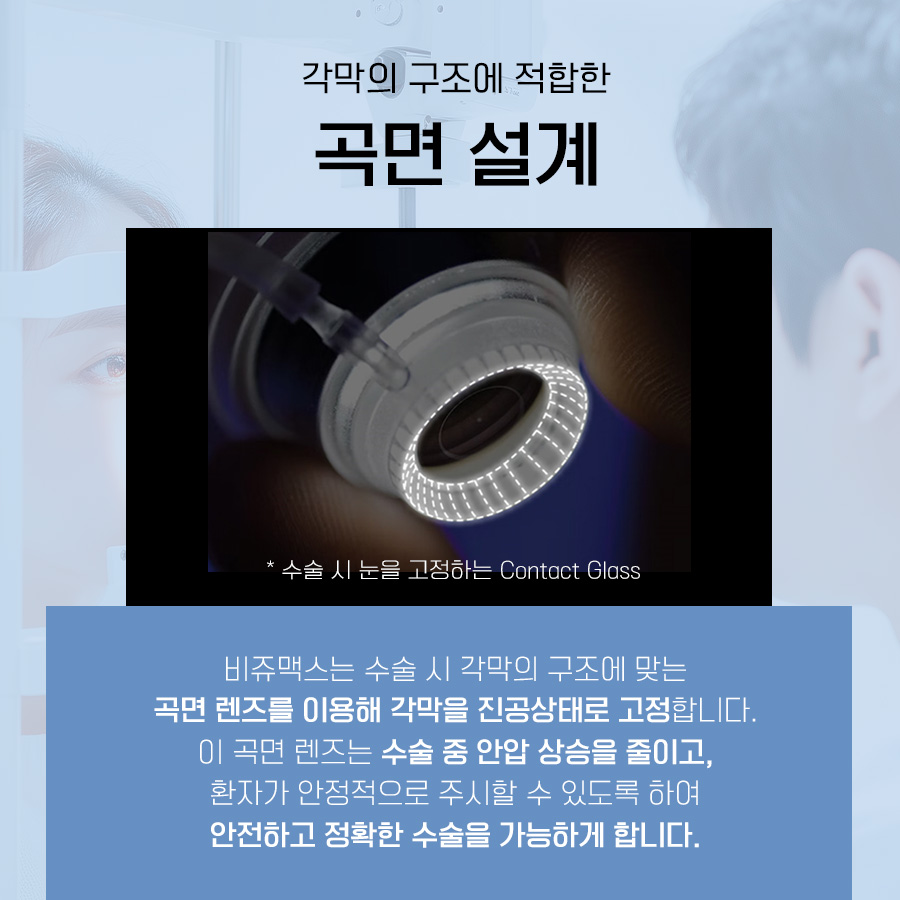
SMILE-type surgeries are performed using ZEISS VISUMAX platforms. The clinic owns the latest VISUMAX 800 for SMILE pro and two VISUMAX 500 units for SMILE LASIK, allowing flexible scheduling and backup in case of maintenance.
The clinic follows standardized protocols, supported by ISO 9001 and 14001 certifications for SMILE LASIK processes.
Step 4: Postoperative follow-up and dry eye support
After surgery, patients follow a structured schedule of follow-up visits. For overseas patients, the clinic often concentrates early visits into the first one to two weeks, with additional online check-ins if needed after returning home.
A dedicated dry eye clinic supports patients who experience dryness or discomfort. Management may include artificial tears, anti-inflammatory drops, meibomian gland treatment, or lifestyle advice.
These recognitions contribute to the clinic’s pricing structure by reflecting the investment in education and quality systems.
How to compare SMILE LASIK quotes in the Nonhyeon area
Key questions to ask
When you request quotes from clinics around Nonhyeon and Gangnam, consider preparing a checklist. Important questions include:
Is the surgeon a board-certified ophthalmologist with specific experience in refractive surgery?
Which laser platform will be used for SMILE LASIK or SMILE pro? Is it VISUMAX 800, VISUMAX 500, or another system?
Is the clinic recognized by ZEISS or other manufacturers as a training or reference center?
What examinations are included in the initial fee? Are corneal tomography, retinal imaging, and dry eye tests part of the standard package?
How many follow-up visits are included in the quoted price, and what happens if I need extra visits?
Are postoperative medications and any potential enhancement procedures included or priced separately?
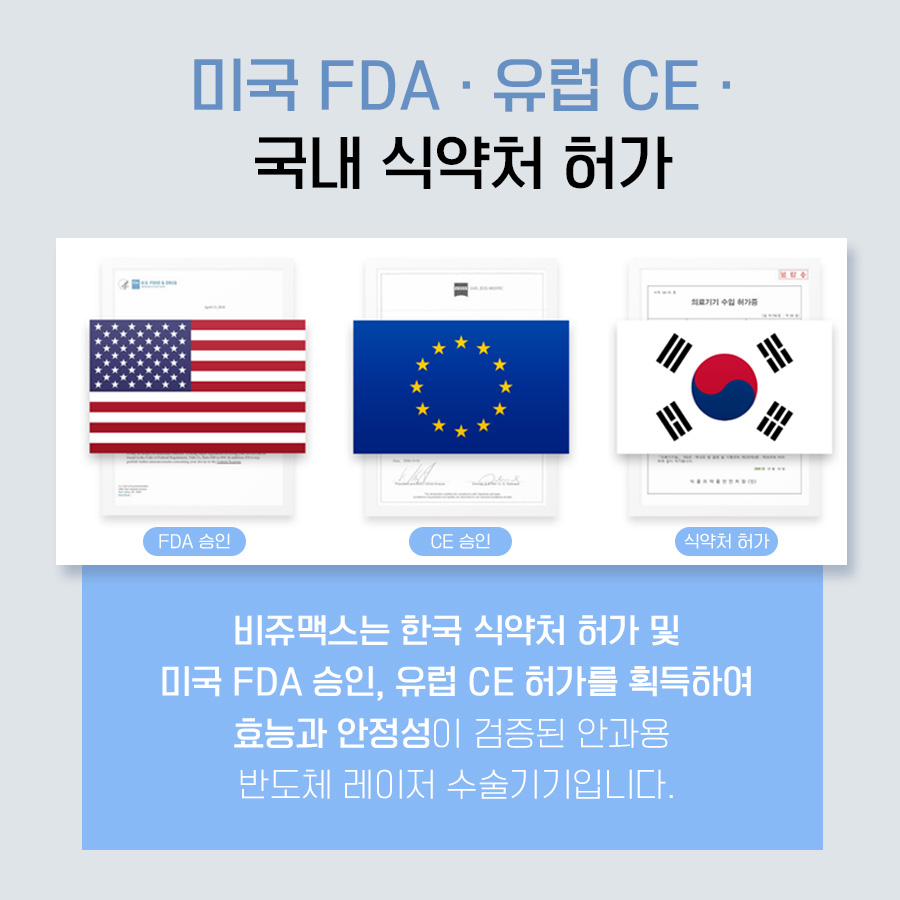
Does the clinic have ISO certifications or teaching-hospital affiliations that indicate standardized quality management?
Comparing more than just the number
When comparing Nonhyeon vision correction surgery cost, avoid focusing only on the lowest quote. A very low price may mean fewer tests, older equipment, limited aftercare, or additional fees later.
Instead, compare:
The completeness of the examination
The range of procedures available and whether the clinic can offer alternatives like lens implantation if laser is not suitable
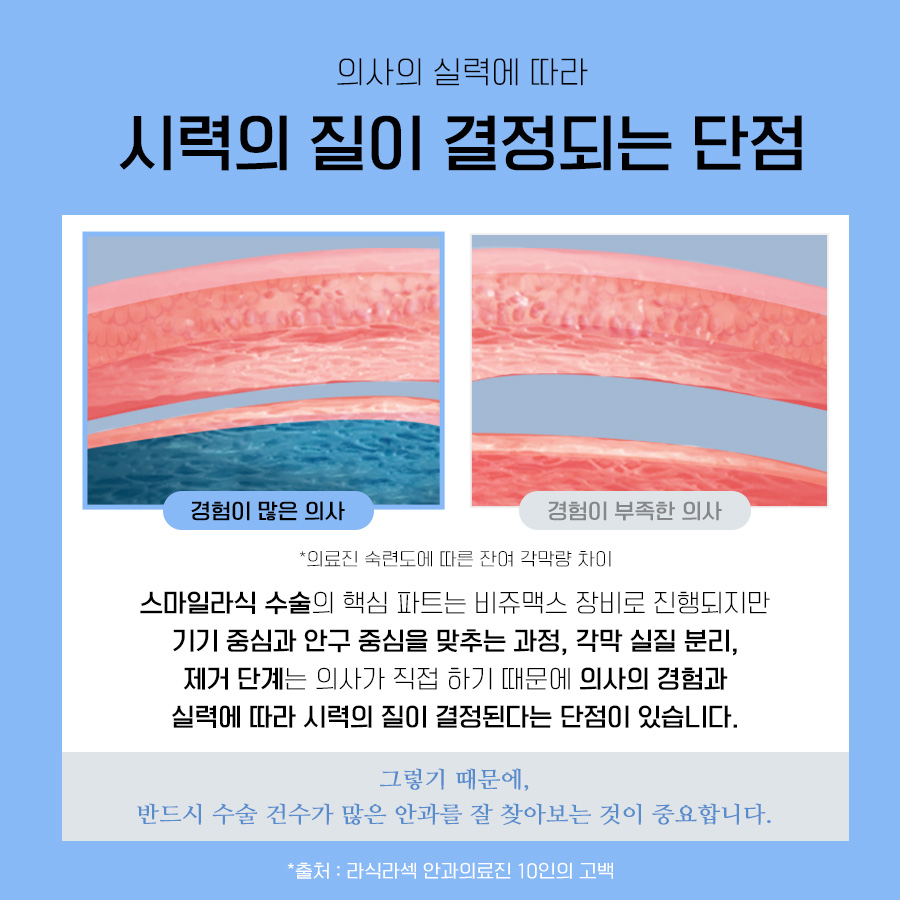
The surgeon’s experience and the clinic’s track record in both refractive and cataract surgery
The presence of a retina center or access to retinal specialists
The structure of postoperative care, including dry eye management
Online consultation and pre-visit preparation for overseas patients
If you are planning to travel to Seoul for SMILE LASIK, an online consultation is a practical first step.
Before contacting the clinic, prepare:
Your age and current glasses or contact lens prescription
Any previous eye surgery or trauma history
Information about systemic conditions such as diabetes or autoimmune disease
A list of medications and supplements you are taking
If available, copies of recent eye examination results from your home country
During the online consultation, you can discuss whether SMILE LASIK, SMILE pro, or another procedure might be suitable in principle, and how long you should plan to stay in Korea. The clinic can also explain its examination process, approximate cost structure, and payment methods. However, a final quote is usually given only after the in-person examination.
Expected Korea visit timeline for SMILE LASIK
A typical schedule for international patients might look like this:
Day 1: Arrival in Seoul, rest, and adjustment to time zone
Day 2: Full eye examination and consultation at the ophthalmology clinic near Gangnam Station. If you are a suitable candidate and feel comfortable, surgery may be scheduled for the same day or the following day.
Day 2 or 3: SMILE LASIK or SMILE pro procedure. The surgery itself is usually quick, but you should plan to stay at the clinic for a few hours including preparation and immediate post-op checks.
Day 3 or 4: First postoperative check. Many patients can see well enough to move around the city, but you should avoid rubbing your eyes and follow all instructions.
Days 4 to 7: Additional follow-up visits as advised. Some clinics can combine visits to fit your travel schedule.
Day 7 to 10: If healing is stable, you may be cleared to fly home. Longer stays may be recommended for complex cases or combined procedures.
Always discuss your travel dates with the clinic in advance. Flying too soon after surgery without proper checks is not recommended.
Aftercare once you return home
After returning to your home country, continue using prescribed eye drops as directed and follow general precautions such as avoiding eye rubbing and protecting your eyes from dust and strong impact.
If possible, schedule follow-up visits with a local ophthalmologist. Share your surgery details and examination records from the Seoul clinic so your local doctor can monitor healing.
If you notice sudden changes such as severe pain, a curtain-like shadow, or a rapid drop in vision, seek urgent care from an eye specialist and inform the clinic in Korea. Many clinics are willing to provide guidance to your local doctor by email or phone.
Frequently asked questions about Nonhyeon vision correction surgery cost and SMILE LASIK
What is the typical price range for SMILE LASIK in the Nonhyeon and Gangnam area, and why are exact fees not shown online?
Clinics in the Nonhyeon–Gangnam area usually avoid publishing exact SMILE LASIK prices because the final fee depends on your eye condition, the type of procedure chosen, and the level of examination and aftercare required. Factors such as corneal thickness, degree of myopia, dry eye status, and the need for retinal treatment can change the recommended plan and therefore the cost. Most reputable clinics provide an approximate explanation of cost structure during online consultation and confirm the final amount only after a full in-person examination.
Is SMILE pro more expensive than standard SMILE LASIK, and what do patients get in return?
SMILE pro using the VISUMAX 800 platform is often positioned at a higher level than standard SMILE LASIK performed on VISUMAX 500. The main differences are the very short laser time, often under about 9 seconds, and the upgraded platform design, which can improve comfort and efficiency. Patients may value the reduced time under the laser and the refined ergonomics, especially if they feel anxious about the procedure. However, whether SMILE pro is worth the additional cost depends on your priorities and the clinic’s recommendation.
Why do I need a full eye examination before getting a final quote for vision correction surgery?
A full eye examination is essential to confirm that vision correction surgery is safe and appropriate for you. Corneal thickness, shape, tear film, pupil size, retina, and optic nerve all influence which procedure is recommended and how it should be planned. Without this information, any quote would be a rough estimate and might change significantly later. The examination also helps identify conditions such as keratoconus, glaucoma risk, or retinal tears, which must be addressed before or instead of refractive surgery.
In which cases is lens implantation recommended instead of SMILE LASIK, and how does that affect the cost?
Lens implantation is usually recommended when the cornea is too thin, the myopia is very high, or there are other reasons why reshaping the cornea with a laser is not ideal. Examples include implantable collamer lenses or specialized lenses such as GLAZE or PhakiFlex KPL. These procedures generally have higher fees than SMILE LASIK because they involve custom lenses, operating room time, and a different level of surgical complexity. However, for suitable patients, they may offer a safer and more stable long-term solution than pushing the cornea beyond safe limits with laser treatment.
Does a higher cost always mean better results in vision correction surgery?
Higher cost does not automatically guarantee better results. A more expensive clinic may offer newer equipment, more comprehensive examinations, and structured follow-up, which can support safety and satisfaction, but individual outcomes still depend on your eye condition and healing response. When comparing Nonhyeon vision correction surgery cost, focus on the clinic’s examination system, surgeon training, equipment, and aftercare rather than price alone. The best choice is usually a clinic that explains both benefits and risks clearly and recommends a procedure based on data, not just on marketing.
Soft call to action for online consultation
If you are considering SMILE LASIK or SMILE pro in the Nonhyeon–Gangnam area and want to understand the likely cost and treatment plan for your eyes, an online consultation is a practical first step. By sharing your basic eye history and travel schedule, you can receive guidance on suitable procedures, expected visit length, and how the clinic structures its fees.
Before you decide, compare several clinics using the checklist in this guide, ask detailed questions about examinations and equipment, and make sure you feel comfortable with the medical team. Vision correction is a significant decision, and taking time to understand both cost and safety factors will help you plan your trip to Korea with more confidence.


- 공유 링크 만들기
- X
- 이메일
- 기타 앱


댓글
댓글 쓰기