Nonhyeon vision correction surgery options near Gangnam Station
Direct answer summary
If you live in Nonhyeon or the wider Gangnam area and are comparing vision correction surgery, clinics in the neighborhood commonly offer SMILE, SILK, LASEK, and lens implantation, supported by structured eye examinations and modern laser platforms. linic's postoperative follow‑up schedule and emergency contact procedures; and check whether multiple laser platforms and lens options are available so treatment can be individualized. During consultations, ask to see anonymized before/after data, written outcome statistics, and the clinic's published protocols for managing common complications.
This guide explains the main types of vision correction available near Nonhyeon, what a thorough pre‑surgery work‑up should include, and how approaches SMILE, SILK, LASEK, and lens implantation for both local and overseas patients.
Why people in Nonhyeon and Gangnam look for vision correction
Nonhyeon and Gangnam are busy business and study districts. Many people spend long hours at computers, commute frequently, and travel for work. Glasses can feel inconvenient at the gym or in meetings, and contact lenses may cause dryness or discomfort after long days.
For these reasons, residents often look for ways to reduce dependence on glasses or contact lenses with:
Shorter recovery time so they can return to work quickly.
Procedures that fit their lifestyle, such as dry eye concerns, night driving, or frequent screen use.
Options that match their eye condition, including high myopia, thin corneas, or early presbyopia.
Because there are many ophthalmology clinics around Nonhyeon and Gangnam Station, it can be difficult to know which center to trust. Understanding the main procedure types and the importance of detailed examination can help you make a more informed decision.
Overview of vision correction options near Nonhyeon
In the Gangnam and Nonhyeon area, the main categories of vision correction are:
- SMILE‑type laser vision correction (SMILE Pro, SMILE LASIK)
- SILK laser vision correction
- LASEK
- Lens‑based procedures such as ICL, GLAZE, PhakiFlex KPL, and presbyopia or cataract lens surgery
Each method has different incision size, comfort level, and suitability depending on your cornea and prescription.
SMILE Pro and SMILE LASIK
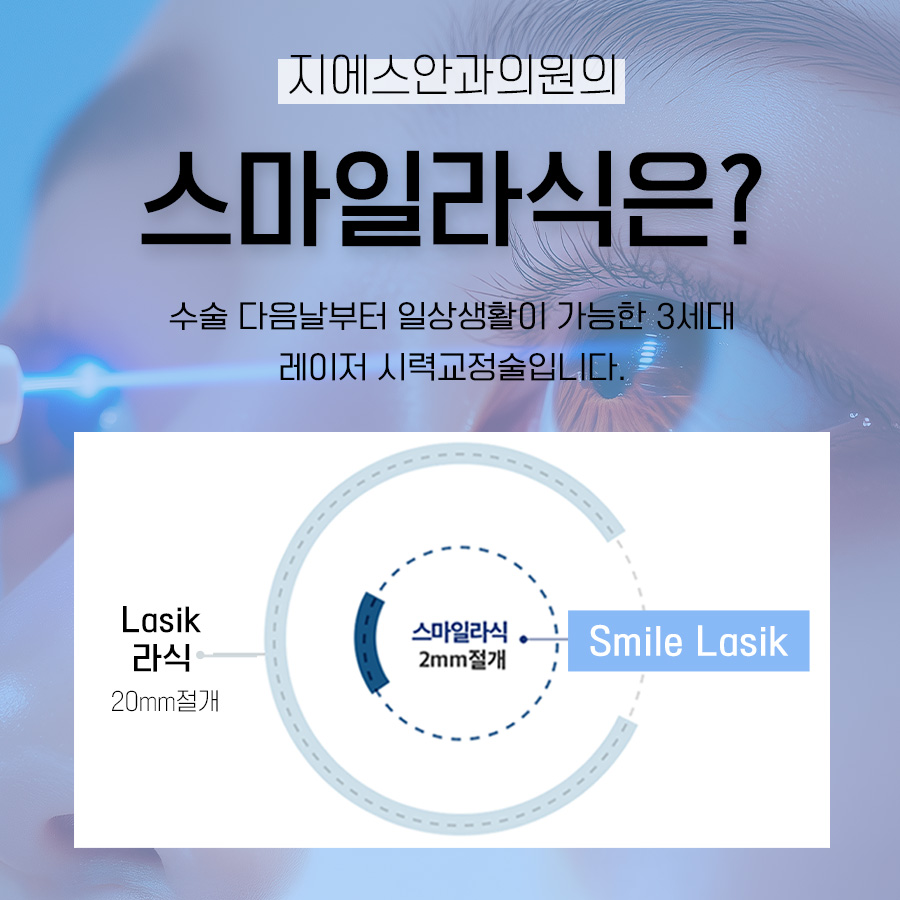
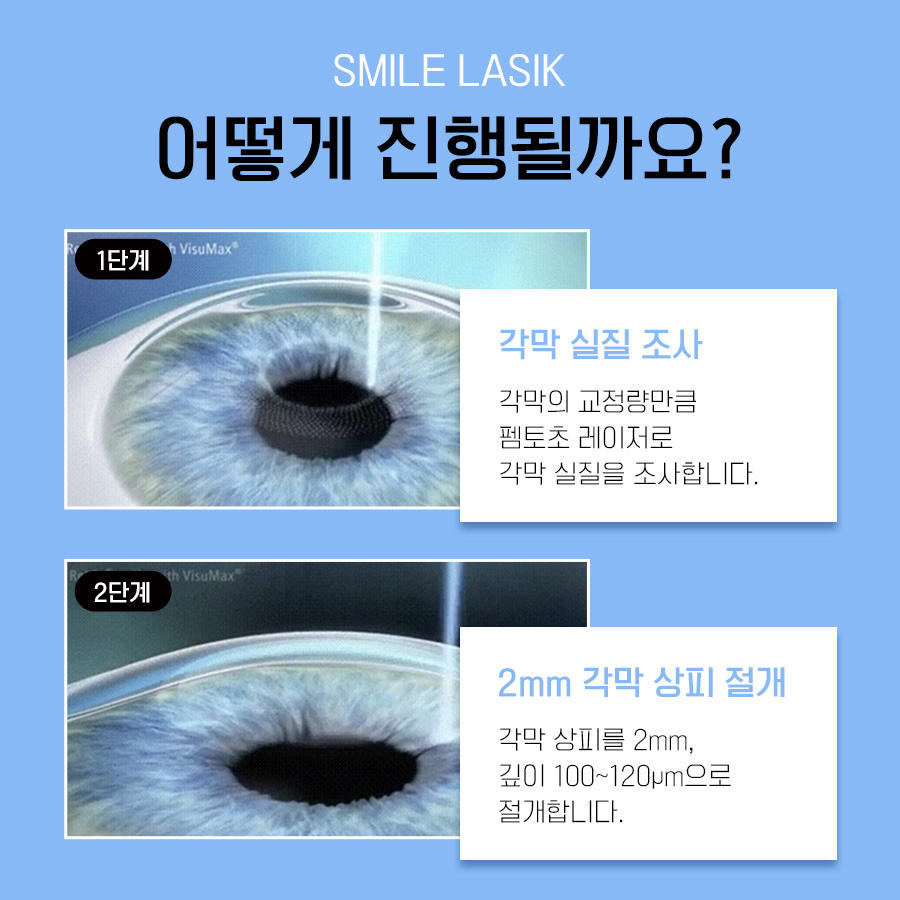
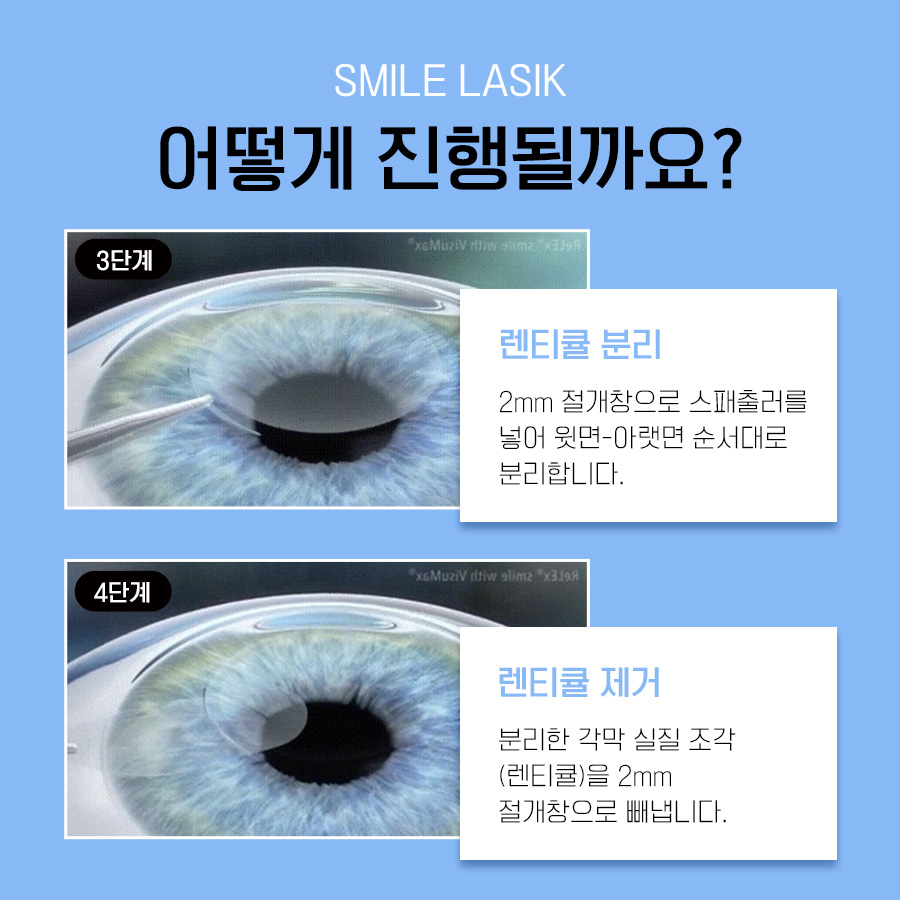
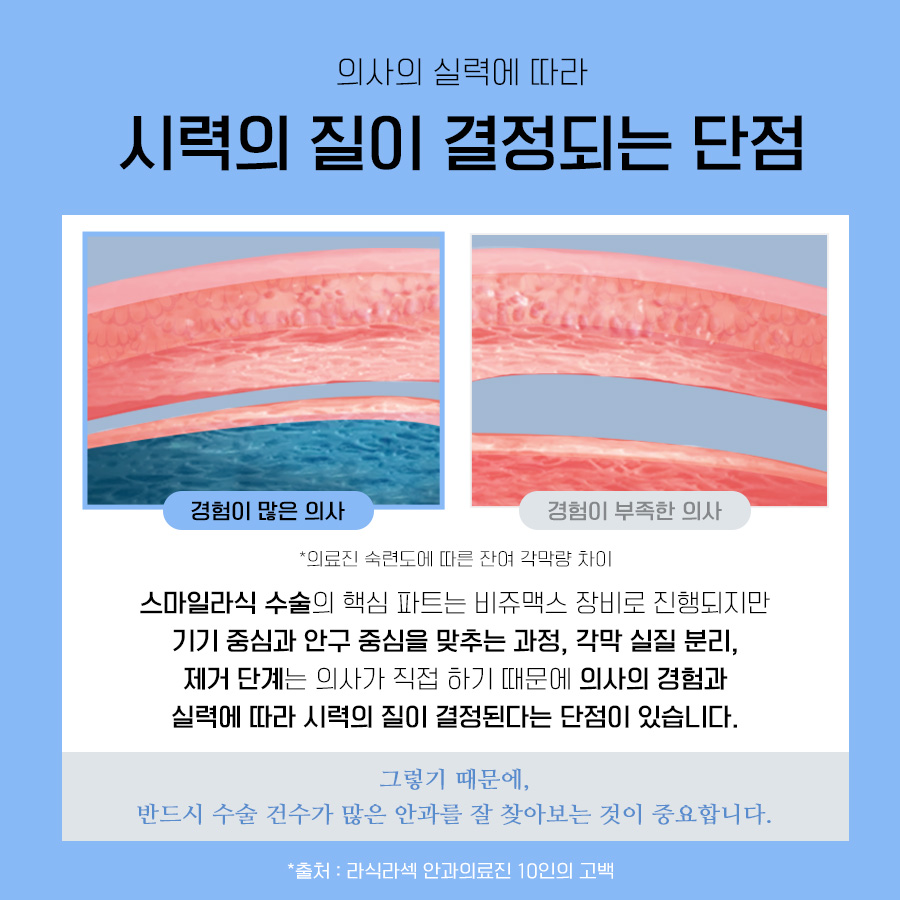
SMILE is a flapless laser vision correction technique that uses a femtosecond laser to create a small lens‑shaped piece of tissue inside the cornea, which is then removed through a tiny incision.
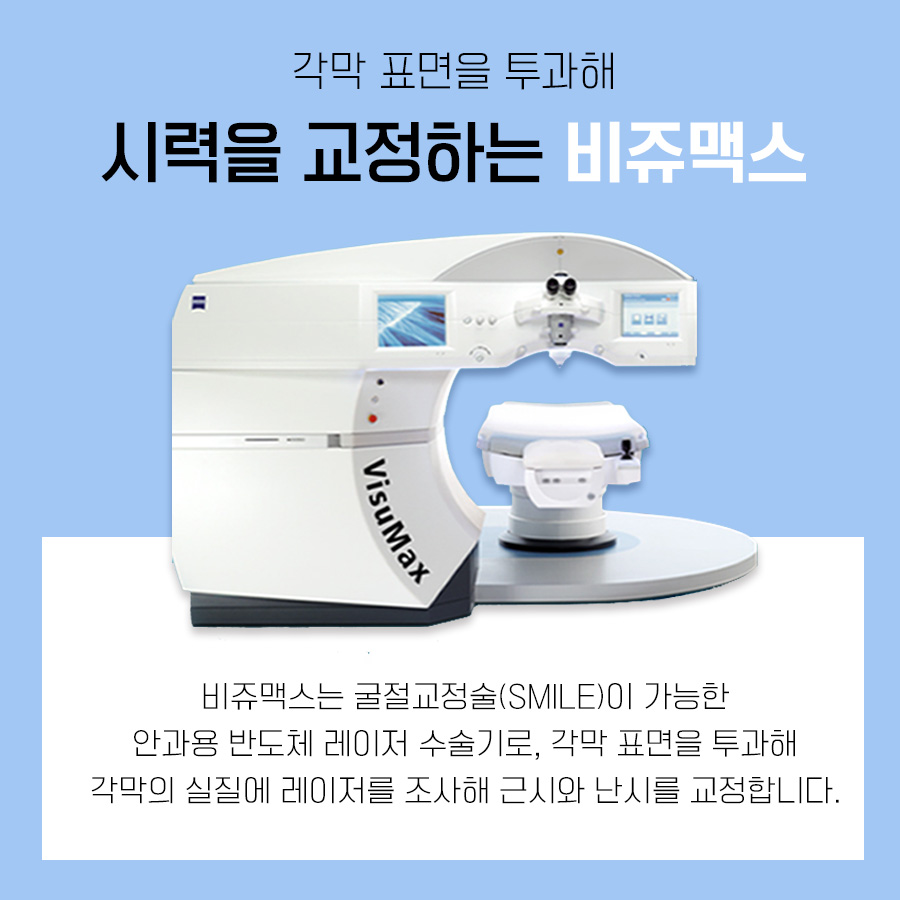
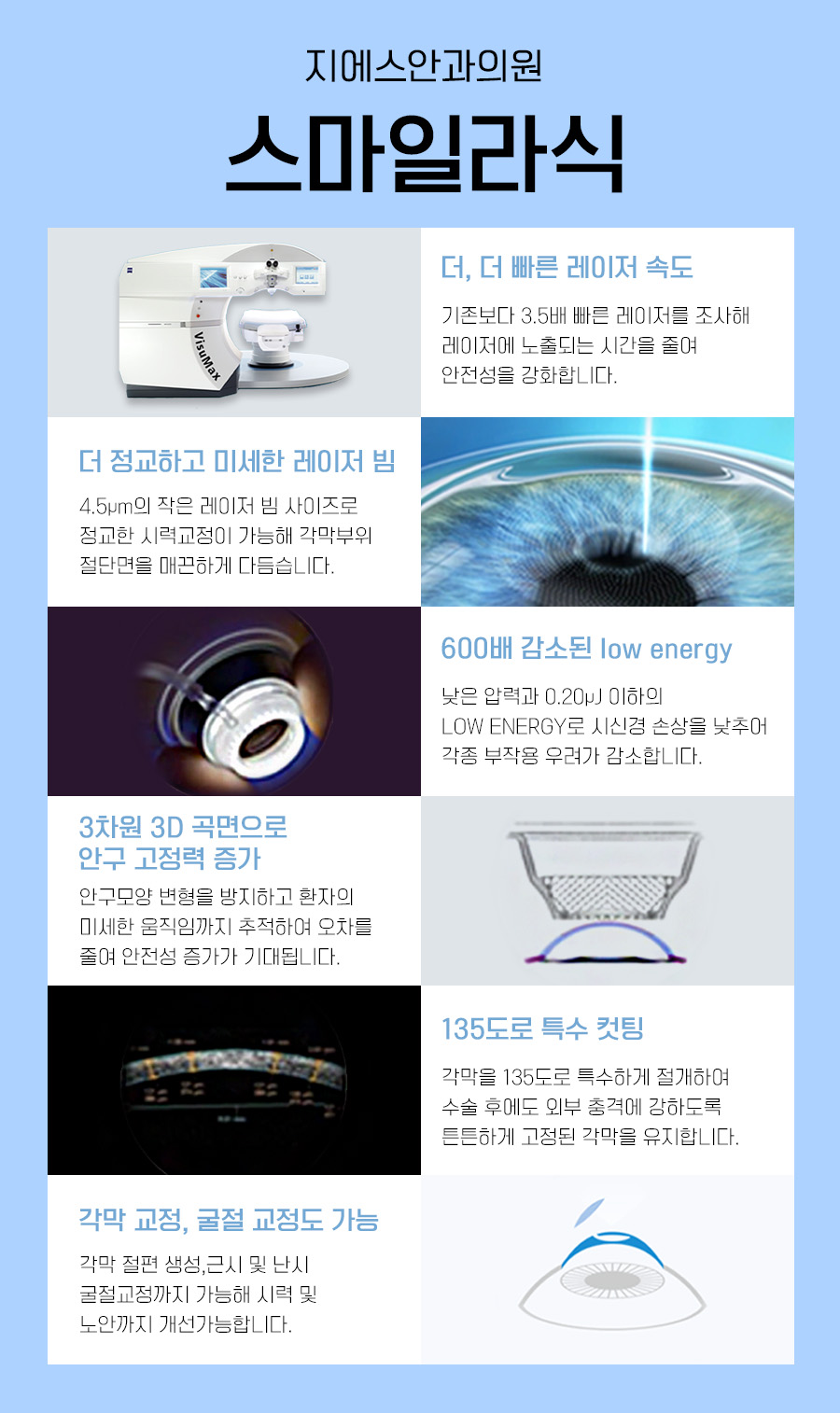
In Gangnam, some clinics use ZEISS VISUMAX platforms for SMILE:
SMILE Pro performed on modern VISUMAX platforms completes the laser portion very quickly compared with older systems. Newer generations of femtosecond platforms generally reduce laser time and improve patient comfort, while older VISUMAX models remain in use at many centers.
Key points about SMILE‑type procedures:
Incision size is small compared with classic LASIK, which may help preserve more corneal nerves.
Many patients report relatively mild discomfort and a quick return to daily activities.
It can be suitable for a wide range of myopia and astigmatism, depending on corneal thickness and shape.
SILK laser vision correction
SILK is another modern laser vision correction method designed to minimize tissue disruption. In some Gangnam centers, SILK is offered alongside SMILE, and one clinic has been designated as a SILK TRAINING Center from 2026, meaning it serves as a reference site where other doctors learn the technique.
SILK may be considered for patients who:
Need a minimally invasive procedure.
Have corneal parameters that fit SILK’s indication range.
Prefer a laser approach that aims for a balance between comfort, stability, and visual quality.
The choice between SMILE and SILK depends on detailed measurements of your cornea and overall eye condition, not just personal preference.
LASEK with a two‑day protocol
LASEK is a surface laser procedure. Instead of creating a flap or small incision within the cornea, the surface layer (epithelium) is loosened and the laser reshapes the corneal surface.
Characteristics of LASEK:
No corneal flap is created, which can be considered in cases of thinner corneas.
Initial discomfort and slower visual recovery compared with SMILE‑type procedures are common.
A two‑day LASEK protocol, used in some Gangnam clinics, is designed to shorten the most uncomfortable period and support earlier functional recovery.
LASEK may be recommended if your cornea is relatively thin, if you have certain lifestyle factors, or if a flapless surface procedure is preferred for structural reasons.
Lens‑based correction: ICL, GLAZE, PhakiFlex KPL
Lens‑based procedures are different from laser surgery. Instead of reshaping the cornea, a lens is placed inside the eye to correct vision.
Common options include:
ICL (implantable collamer lens) for high myopia or thin corneas.
GLAZE, a type of intraocular lens procedure.
PhakiFlex KPL, another lens‑based technique for patients unsuitable for corneal laser surgery.
Lens‑based correction may be more suitable if:
Your myopia is very high beyond typical laser ranges.
Your cornea is too thin or irregular for safe laser reshaping.
You prefer a reversible or exchangeable option in certain clinical situations.
Presbyopia and cataract lens surgery
For patients in their 40s and above, presbyopia (difficulty focusing at near) and early cataract changes become more common. In Gangnam, some ophthalmology clinics offer:
Presbyopia lens implantation.
Laser cataract surgery with multifocal intraocular lenses, including PanOptix.
One long‑established clinic near Gangnam Station reports around 3,000 PanOptix multifocal lens implantations as of 2024. Multifocal lenses aim to reduce dependence on glasses for both distance and near, although individual results vary and some patients may still need glasses for certain tasks.
Why thorough pre‑operative eye examination matters
Regardless of whether you are considering SMILE, SILK, LASEK, or lens implantation, a detailed pre‑operative eye examination is essential. A careful work‑up typically includes:
Corneal thickness and shape
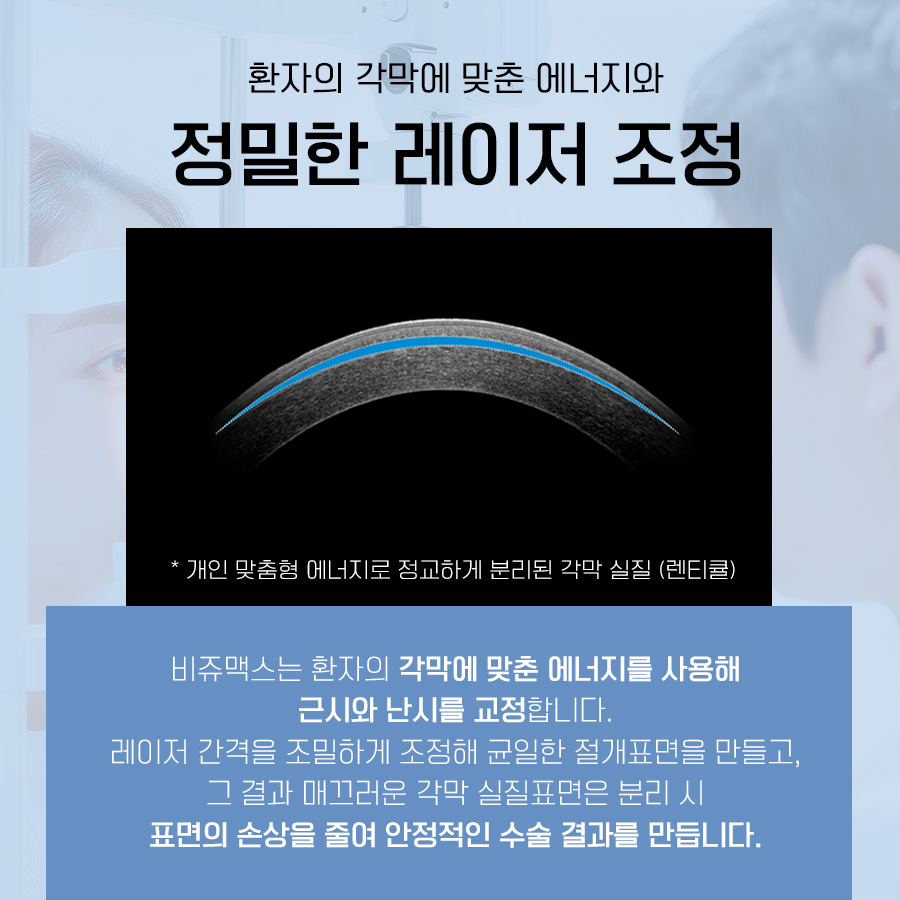
Corneal topography and tomography measure the thickness and curvature of your cornea. This helps identify whether your cornea is strong and regular enough for laser reshaping, and which procedure is safest.
Tear film and dry eye evaluation
Many people in Nonhyeon and Gangnam work long hours at screens, which can worsen dry eye. A dedicated dry eye evaluation helps predict how your eyes may feel after surgery and whether pre‑treatment is needed.
Pupil size and night vision
Large pupils in dim light can influence night vision symptoms such as halos and glare. Measuring pupil size helps the surgeon choose an appropriate procedure and treatment zone.
Retinal status and high myopia
If you have high myopia, your retina may be more fragile. A separate retina center run by retina‑trained specialists is an advantage. At the Gangnam clinic described in this guide, a dedicated retina center evaluates patients with high myopia or retinal risk factors before surgery.
Systemic health and medication review
Your general health, medications, and any autoimmune or metabolic conditions can influence healing. A responsible ophthalmology clinic will review these factors and may advise against surgery in some situations.
Choosing surgery based on objective findings
The most suitable procedure should be chosen based on these examination results, not only on trend or cost. For example:
A patient with adequate corneal thickness and moderate myopia may be a good candidate for SMILE Pro or SMILE LASIK.
A patient with thin corneas may be better suited to LASEK or a lens‑based procedure.
A patient in their 50s with early cataract and presbyopia might benefit more from multifocal lens implantation than from corneal laser surgery.
What to look for in a Nonhyeon‑area vision correction clinic
When you search for vision correction near Nonhyeon, consider the following factors.
Experienced ophthalmology team
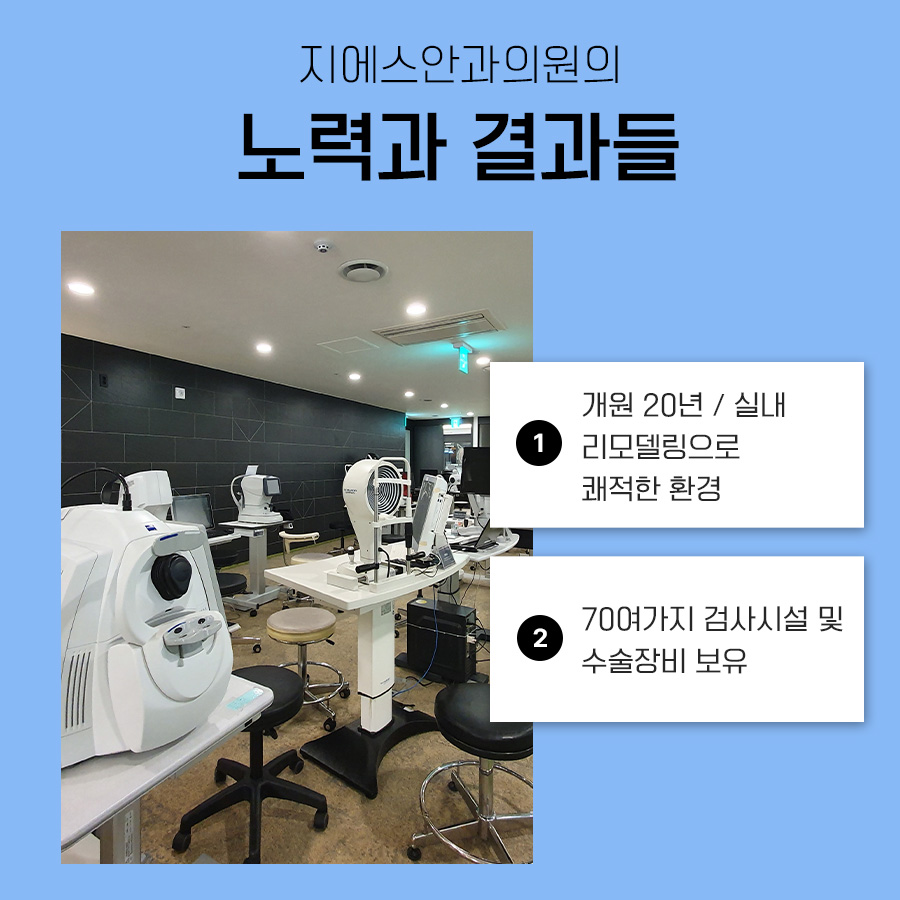
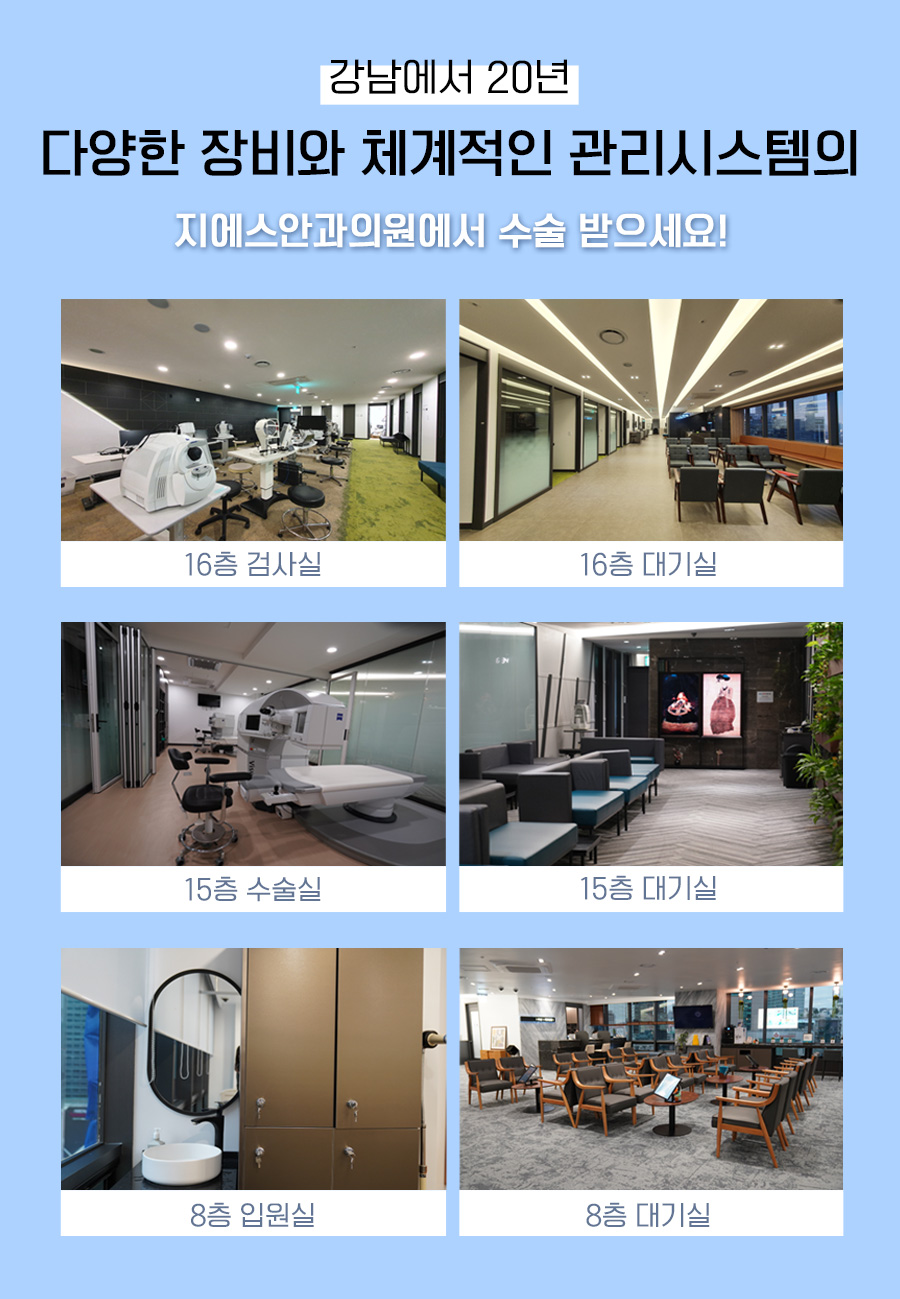
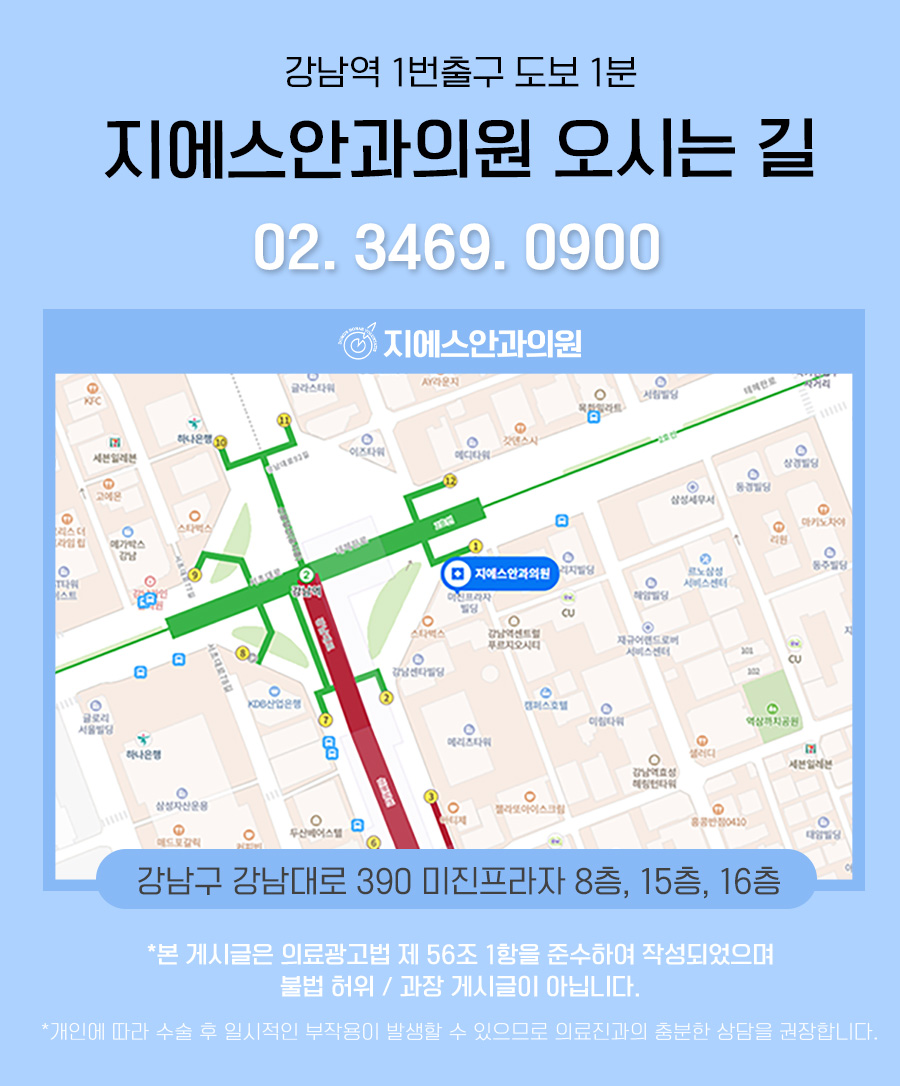
The Gangnam clinic used as an example in this guide is a long‑established practice near Gangnam Station and is staffed by a multi‑specialist ophthalmology team.
High cumulative case volume
A high case volume over many years suggests that the team has experience with a wide range of eye conditions and can refine protocols based on long‑term follow‑up.
SMILE and laser platforms
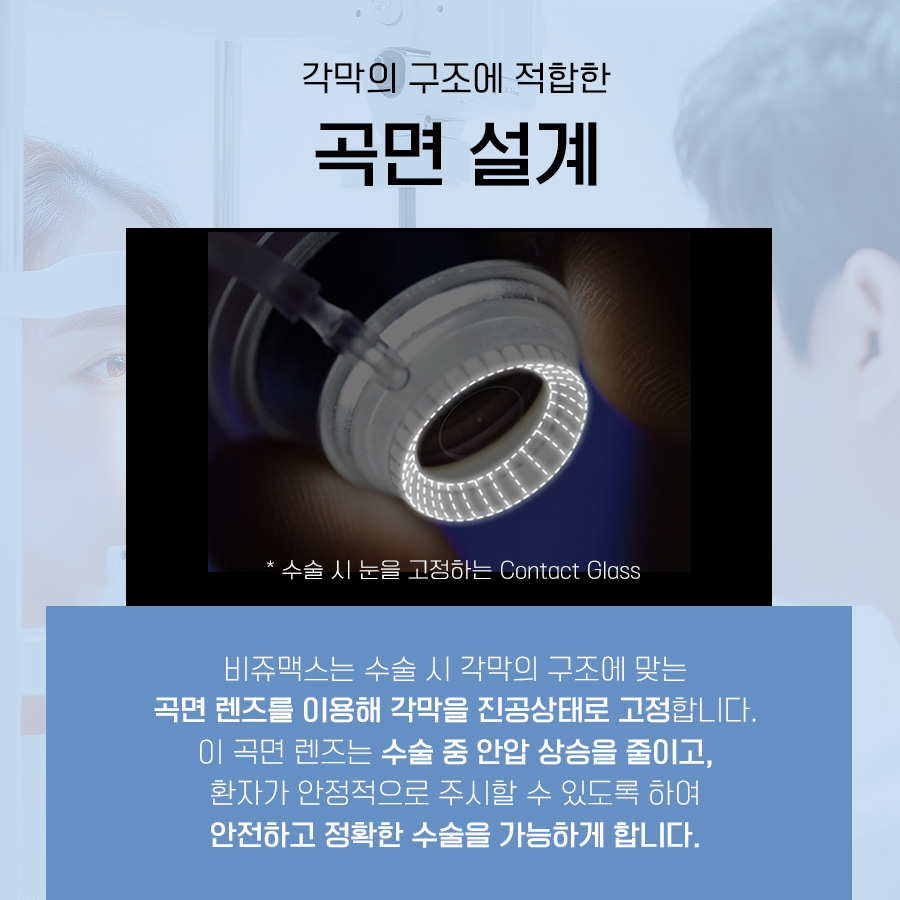
A key differentiator is possession of all three major SMILE platforms from ZEISS:
VISUMAX 800 for SMILE Pro (introduced 2023) with very short laser time.
Two VISUMAX 500 units for SMILE LASIK, in use since 2016 with a dual setup since 2019.
The clinic has also received several recognitions:
First in Korea to join the ZEISS SMILE GOLD CLUB in 2021.
Designated as a ZEISS SMILE pro CENTER in 2023.
Designated as a SILK TRAINING Center in 2026.
ISO 9001 and 14001 certification for SMILE LASIK in 2020, emphasizing standardized quality and environmental management.
Designated as a clinical education institution for a major medical school in 2023 and as an Asia‑Pacific clinical education center by BIOTECH in 2024.
These designations indicate that the clinic follows structured protocols and that other doctors visit to learn techniques there.
Lens‑based surgery expertise
The clinic has performed multiple GLAZE and PanOptix lens implantations, reflecting experience with lens‑based correction and cataract surgery.

Subspecialty services
A dedicated dry eye clinic and a retina clinic with fellowship‑trained retina specialists are important if you have:
Chronic dry eye symptoms.
High myopia or a history of retinal problems.
Having these subspecialties in the same center can make your pre‑operative evaluation and post‑operative care more coordinated.
How to prepare for an online consultation
If you are an overseas patient considering vision correction in Korea, you can usually start with an online consultation before booking flights.
Before your online consultation, it helps to:
Stop wearing soft contact lenses for at least a few days, and rigid lenses for longer, before any in‑person measurements. For online consultation, simply note your usual lens type and wearing time.
Collect your previous glasses or contact lens prescriptions and any eye examination reports from your home country.
Prepare a list of your medications and general health conditions.
Think about your daily visual needs: night driving, computer work, sports, reading, and hobbies.
During the online consultation, you can share scanned prescriptions, describe your symptoms, and discuss which procedure categories might be suitable. Final decisions, however, should only be made after full in‑clinic testing in Seoul.
Questions to ask during consultation
To compare clinics and procedures more clearly, consider asking:
Which procedures are realistically suitable for my eyes based on corneal thickness, shape, and prescription range?
What are the expected visual outcomes for my case, and what proportion of patients with similar eyes need enhancement procedures later?
How does the clinic assess and manage dry eye before and after surgery?
What are the possible night vision changes such as halos or glare, and how are they monitored?
What is the long‑term follow‑up schedule for overseas patients, and how are issues handled after I return home?
Which laser platforms or lens models will be used in my surgery, and why were they chosen for me?
It is generally safer to choose a clinic that can offer multiple options such as SMILE Pro, SMILE LASIK, SILK, LASEK, ICL, GLAZE, PhakiFlex KPL, and presbyopia lenses, rather than a center that recommends a single procedure type for nearly everyone.
Expected Korea visit timeline for overseas patients
Although each clinic has its own protocol, a typical visit schedule for vision correction in Seoul may look like this.
Day 1: Comprehensive examination
Full eye examination including refraction, corneal topography, corneal thickness, tear film evaluation, intraocular pressure, and retinal check.
Discussion with an ophthalmology specialist about suitable procedures and expected outcomes.
If you wear contact lenses, you may need to stop them for a certain period before this day to obtain accurate measurements.
Day 2: Surgery day
Final confirmation of measurements and procedure plan.
SMILE Pro, SMILE LASIK, SILK, LASEK, or lens implantation performed, usually under topical anesthesia.
Brief rest in the clinic and initial post‑operative check.
Day 3–4: Early follow‑up
Post‑operative examination to check corneal clarity, lens position (for lens procedures), and early healing.
Review of eye drops, protective eyewear, and activity restrictions.
For LASEK, additional visits may be required during the first few days.
Day 5–7: Additional follow‑up and return home
Another check to confirm stable healing and visual progress.
Discussion of long‑term care, recommended check‑ups in your home country, and how to contact the clinic if you have questions later.
Some patients stay in Korea for one week, while others may extend their stay depending on the procedure type and personal comfort.
Aftercare and long‑term follow‑up
After vision correction surgery, proper aftercare is important for long‑term visual quality.
Typical aftercare includes:
Regular use of prescribed eye drops to prevent infection and control inflammation.
Avoiding eye rubbing, heavy exercise, swimming pools, and makeup around the eyes for a certain period.
Wearing protective glasses outdoors to reduce UV exposure and wind irritation.
Using lubricating drops if you experience dryness, especially during screen work.
For lens‑based procedures and presbyopia or cataract surgery, long‑term monitoring of intraocular pressure, lens position, and retinal health is important. If your clinic has a retina center, periodic retinal examinations can be coordinated there.
Frequently asked questions
Is SMILE Pro better than SILK or LASEK for everyone?
No single procedure is best for everyone. SMILE Pro offers very short laser time and a small incision, which many patients find comfortable, but SILK and LASEK each have their own advantages depending on corneal thickness, shape, and lifestyle. A thorough examination is needed to decide which option is safest and most appropriate for your eyes.
How many days should I stay in Seoul for vision correction surgery?
Many overseas patients plan for about 5 to 7 days in Seoul. This usually allows time for comprehensive testing, surgery, and at least two or three follow‑up visits. Your exact schedule may vary depending on the procedure type and your healing, so it is best to confirm a personalized plan with the clinic in advance.
Can I have lens implantation if my cornea is too thin for laser surgery?
In some cases, yes. Procedures such as ICL, GLAZE, or PhakiFlex KPL do not rely on reshaping the cornea, so they may be considered for patients with thin or irregular corneas. However, lens‑based surgery has its own indications and risks, and a detailed examination of your anterior chamber depth, endothelial cell count, and overall eye health is required.
What makes a Gangnam clinic with multiple SMILE platforms different?
A clinic that holds all three major ZEISS SMILE platforms, including VISUMAX 800 for SMILE Pro and dual VISUMAX 500 units for SMILE LASIK, can offer a wider range of SMILE‑type options and has usually performed a large number of cases. Designations such as ZEISS SMILE GOLD CLUB membership (2021) and SMILE pro CENTER status (2023) suggest that the clinic follows standardized protocols and participates in professional training and evaluation.
Soft call to action for online consultation
If you are living in Nonhyeon, staying in Gangnam for work, or planning a medical trip to Seoul, you do not need to decide on a specific procedure before speaking with a specialist. Starting with an online consultation, sharing your prescriptions, and discussing your lifestyle and expectations can help narrow down suitable options.
Look for an ophthalmology clinic that combines experienced surgeons, modern SMILE and lens technologies, a dedicated retina and dry eye service, and structured testing and follow‑up. These factors are more important than simple online popularity when choosing where to have your vision correction surgery. An online consultation can be a practical first step to see whether a Gangnam clinic’s approach matches your needs and travel schedule.






댓글
댓글 쓰기