Nonhyeon vision correction surgery results with SMILE LASIK in Gangnam
- 공유 링크 만들기
- X
- 이메일
- 기타 앱
Direct answer: what results can you expect near Nonhyeon?
If you are staying near Nonhyeon or Gangnam and considering SMILE LASIK, most suitable patients can expect clear unaided distance vision close to what they had with glasses or contact lenses, often around 20/20, usually within a few days. Recovery is typically quick, discomfort is generally mild, and results are designed to be long lasting, as long as your eyes were stable before surgery and you do not have other eye diseases.
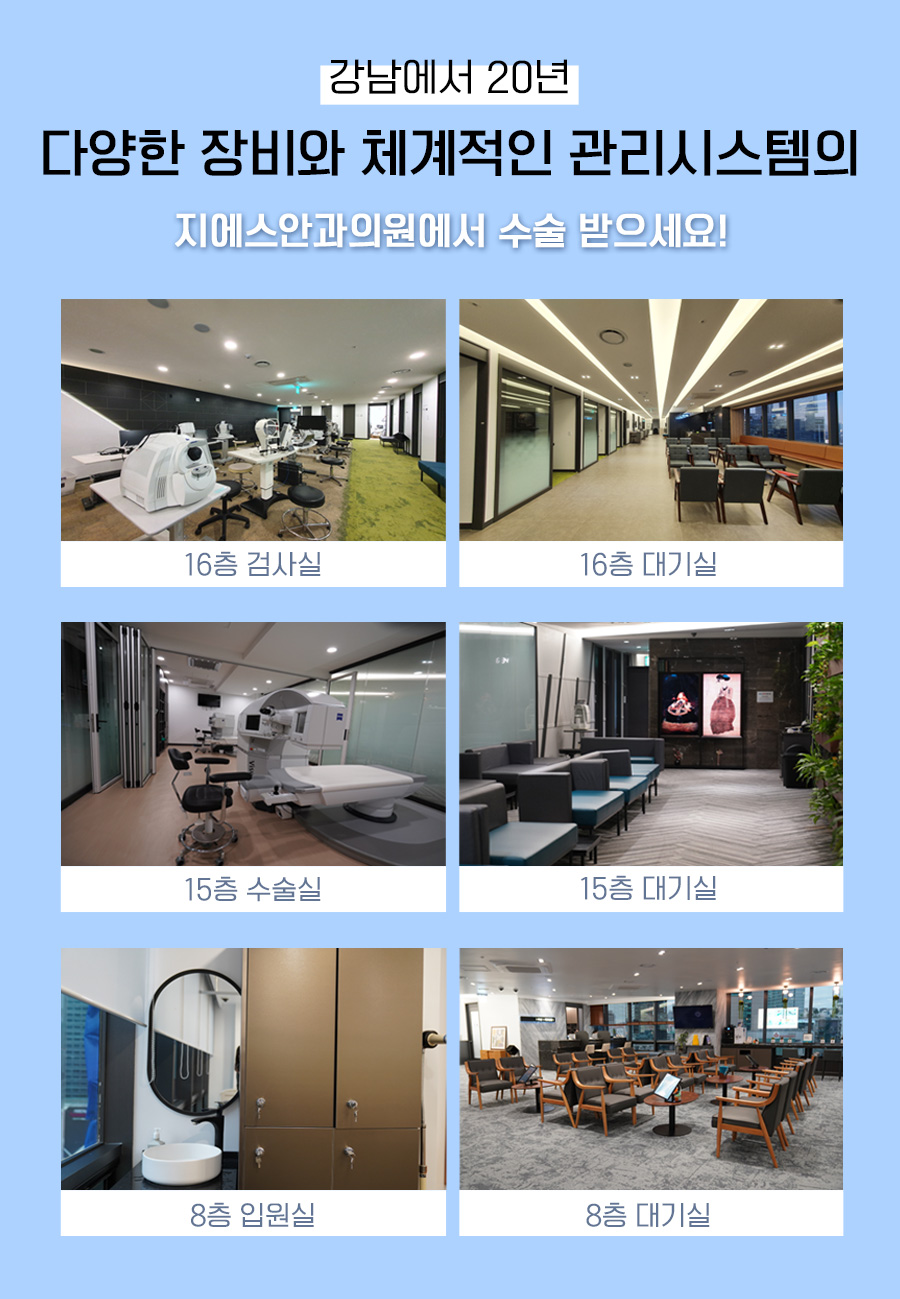
At a long-established ophthalmology clinic near Gangnam Station that has focused on SMILE-type procedures since the early days, SMILE LASIK and SMILE Pro are performed with advanced ZEISS VISUMAX platforms and detailed preoperative screening. This combination aims to provide predictable outcomes, careful safety checks, and structured aftercare for both local and international patients.
What SMILE LASIK is and how it works
SMILE LASIK is a minimally invasive laser vision correction procedure used to treat myopia (short-sightedness) and astigmatism. It uses a femtosecond laser to reshape the cornea, the clear front window of the eye, so that light focuses properly on the retina.
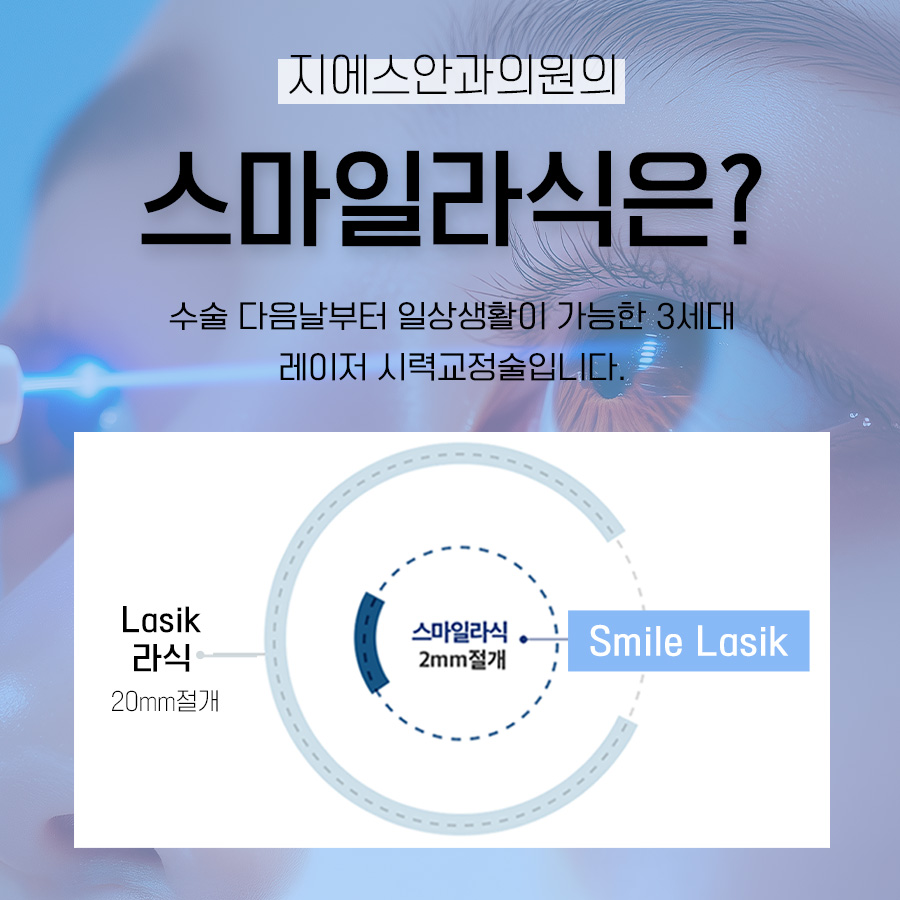
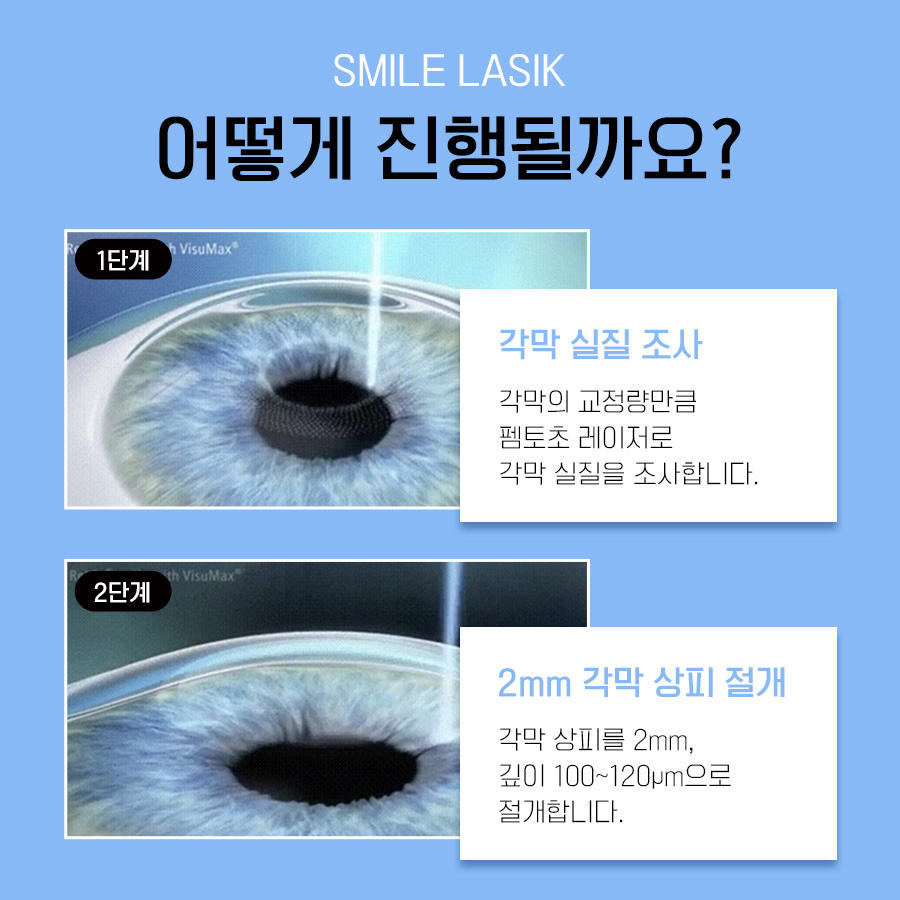
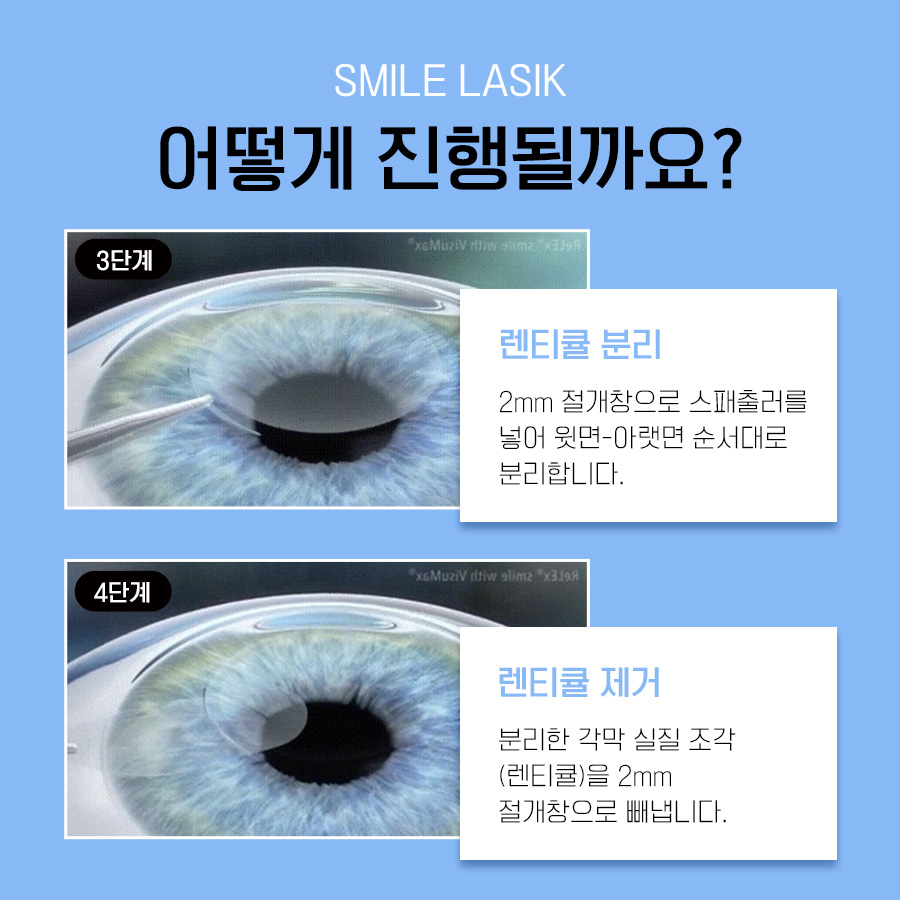
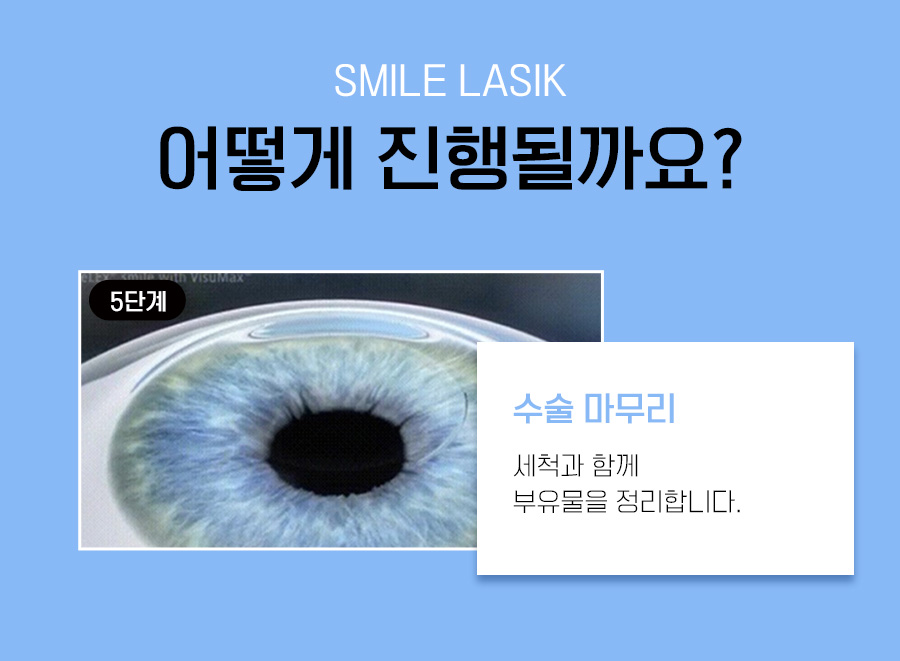
During SMILE LASIK, the laser creates a very thin lens-shaped piece of tissue, called a lenticule, inside the cornea. A small incision, only a few millimeters long, is made in the cornea. The surgeon removes the lenticule through this tiny opening, which changes the curvature of the cornea and corrects your prescription.
Compared with conventional LASIK, SMILE LASIK does not require creating a large corneal flap. Compared with surface procedures like LASEK, it avoids removing the surface layer of the cornea. Because of this, SMILE LASIK tends to preserve more corneal structure and may cause less disruption to the corneal nerves involved in tear production.
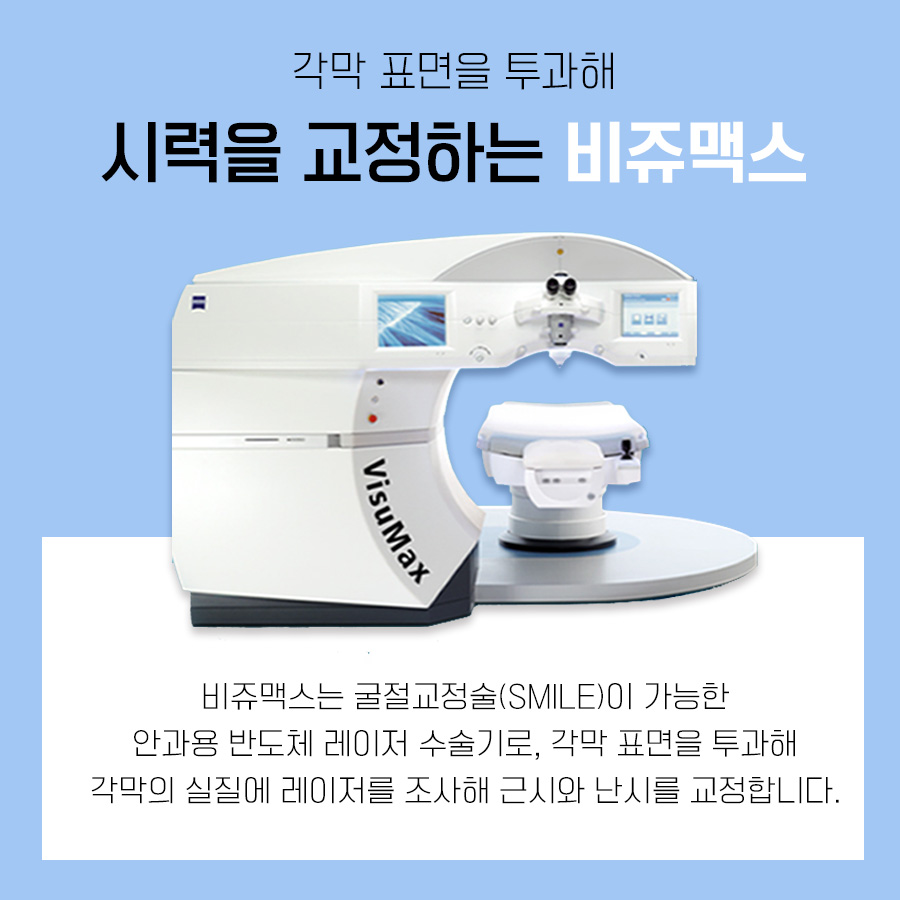
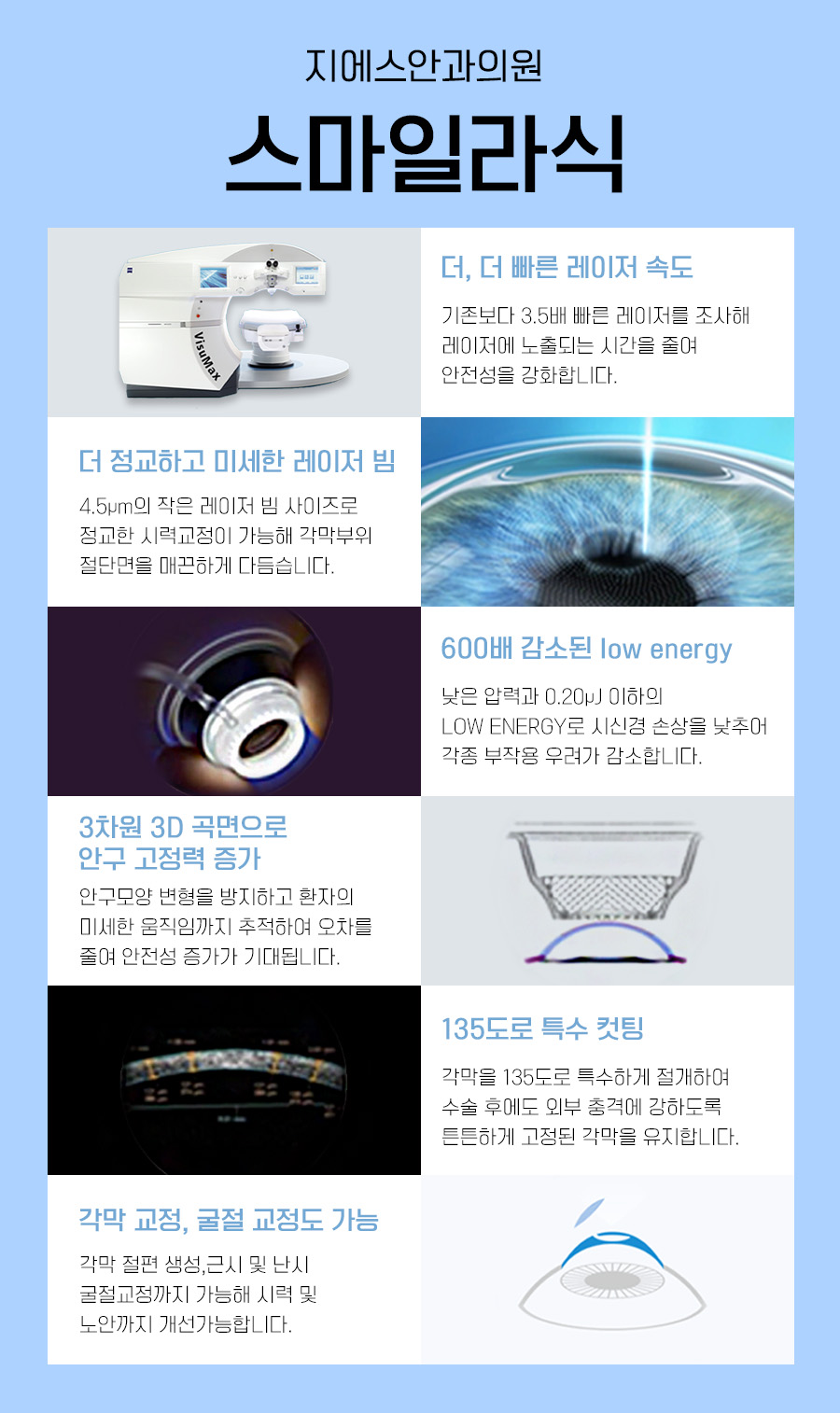
In a Gangnam ophthalmology clinic that holds one VISUMAX 800 laser for SMILE Pro and two VISUMAX 500 systems for SMILE LASIK, surgeons can select the most appropriate SMILE-type procedure for each patient based on corneal thickness, prescription, and lifestyle needs.
Typical vision results for patients around Nonhyeon
Most patients who are good candidates for SMILE LASIK can expect a significant reduction in dependence on glasses or contact lenses. Many reach vision similar to or better than what they had with their previous glasses prescription.
Visual acuity
In medically suitable eyes, a large proportion of patients achieve around 20/20 vision or better after healing. Some may reach this level within a day or two, while others gradually refine over several weeks. The exact outcome depends on your starting prescription, corneal condition, and any other eye issues.
Speed of improvement
Functional vision usually returns quickly. Many patients can see well enough to move around safely and read large print within the first day or two. Fine details, night vision, and contrast often continue to improve over several weeks as the cornea stabilizes and the tear film becomes more regular.
Comfort during recovery
Because SMILE LASIK uses a small incision and keeps most of the corneal surface intact, early discomfort is often milder than with surface procedures like LASEK. Patients usually describe a feeling of dryness, grittiness, or mild pressure rather than sharp pain. These symptoms typically improve over the first few days with lubricating drops and rest.
Daily life and return to activities
Many office workers and students in the Nonhyeon and Gangnam area can return to light desk work and screen use within a few days, following the surgeon’s advice. Driving, especially at night, may be delayed until your doctor confirms that your vision is stable and safe.
For overseas patients, it is common to plan a short stay in Seoul, with surgery early in the visit and follow-up checks over the next several days. Your ophthalmologist will give specific guidance about flying after surgery, sports, swimming, and eye makeup.
What actually changes in your eye
The cornea is responsible for a large portion of the eye’s focusing power. In myopia, the eye is too long or the cornea is too steep, so light focuses in front of the retina. In astigmatism, the cornea has an uneven shape, causing blurred or distorted vision.
SMILE LASIK reshapes the cornea by removing the lenticule created by the laser. This subtle change in curvature adjusts how light enters your eye, moving the focal point onto the retina. Because the incision is small and there is no large flap, the outer layers of the cornea remain more intact compared with traditional LASIK.
This structure-preserving approach is one reason SMILE-type procedures have become popular in high-volume centers in Gangnam, where many patients are young, highly myopic, and spend long hours on digital devices.
Factors that influence your individual results
Not everyone will have the same outcome from SMILE LASIK. Several key factors affect your results and whether you are a good candidate.
Preoperative prescription
Your degree of myopia and astigmatism matters. SMILE LASIK is generally used for mild to moderate myopia and certain ranges of astigmatism. Very high prescriptions may require alternative approaches or more cautious planning.
Corneal thickness and shape
The cornea must be thick and regular enough to allow safe reshaping while leaving a strong residual layer. Detailed tests such as corneal topography and tomography map the corneal surface and deeper structure. These tests help your specialist rule out conditions like keratoconus or other irregularities that can increase risk.
Dry eye status
Existing dry eye can influence both comfort and visual quality after surgery. Because SMILE LASIK uses a small incision and preserves more corneal nerves, some patients experience fewer dry eye symptoms compared with older methods, but temporary dryness is still common.
In a clinic that sees many digital device users from the Gangnam and Nonhyeon area, preoperative dry eye evaluation and treatment are usually emphasized. This may include tear film analysis, meibomian gland assessment, and recommendations for artificial tears or other therapies before and after surgery.
Retinal health
High myopia can be associated with retinal thinning, weak spots, or small tears. At an ophthalmology clinic with retina fellowship–trained surgeons and a dedicated retina center, patients typically undergo a thorough retinal examination. If any retinal problems are found, they may need treatment or monitoring before vision correction.
Age and eye stability
Your prescription should be stable for at least one to two years before surgery. Younger patients whose eyes are still changing, or older patients with early cataract changes, may need a different approach or timing.
Safety profile and possible side effects
SMILE LASIK has been widely used around the world and has a well-studied safety profile. However, like any surgical procedure, it carries potential risks and side effects.
Common temporary symptoms
After SMILE LASIK, it is common to experience:
- Mild dry eye sensation or grittiness
- Fluctuating vision during the first weeks
- Glare or halos around lights, especially at night
- Slightly reduced contrast sensitivity in the early period
These symptoms usually improve as the cornea heals and the tear film stabilizes. Lubricating drops, anti-inflammatory medications, and regular follow-up help manage this phase.
Less invasive corneal impact
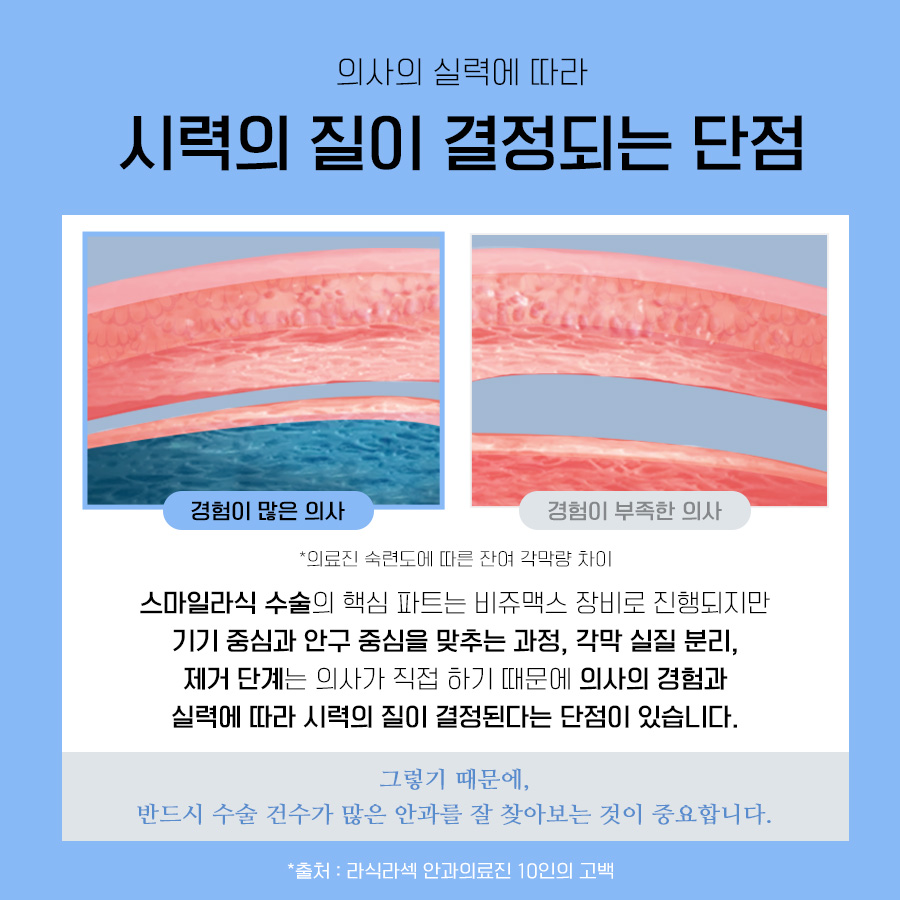
Because SMILE LASIK uses a small incision and avoids creating a large flap, it preserves more of the corneal structure. This can help reduce the risk of certain flap-related complications seen with older LASIK techniques and may contribute to corneal biomechanical stability in some patients.
However, it is important to understand that no procedure is risk-free. Rare complications can include infection, inflammation, under- or over-correction of the prescription, or visual disturbances that persist. Your surgeon will discuss these possibilities and how they are monitored and managed.
Not everyone is a candidate
Some patients are better suited to other options such as LASEK or lens implantation, especially if they have very thin corneas, irregular corneal shape, extremely high prescriptions, or early lens changes. A detailed examination and honest consultation are essential before making a decision.
Longevity of SMILE LASIK results
The reshaping of the cornea from SMILE LASIK is intended to be permanent. Once the cornea has healed and your prescription has stabilized, most patients enjoy many years of improved unaided vision.
However, the eye continues to age naturally. SMILE LASIK does not prevent conditions such as:
Presbyopia: age-related difficulty focusing at near, usually starting in the 40s. Even after successful SMILE LASIK, you may need reading glasses later in life.
Cataracts: clouding of the natural lens, more common with age. Cataract surgery can still be performed in eyes that have had SMILE LASIK, but preoperative measurements and planning are adjusted accordingly.
Stable preoperative refraction, careful screening, and realistic expectations are key to long-term satisfaction. In some cases, a small number of patients may need an enhancement procedure if there is residual prescription or regression over time.
Role of technology and experience in outcomes
Technology and surgical experience play a significant role in the consistency of SMILE LASIK results.
Advanced laser platforms
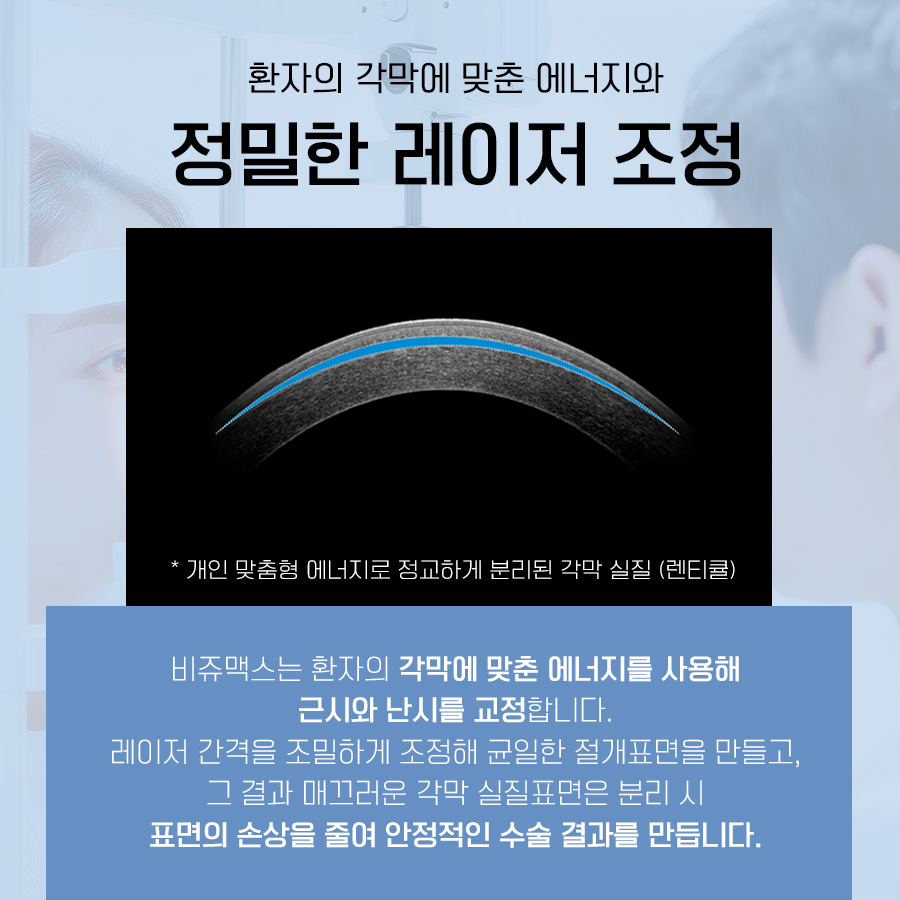
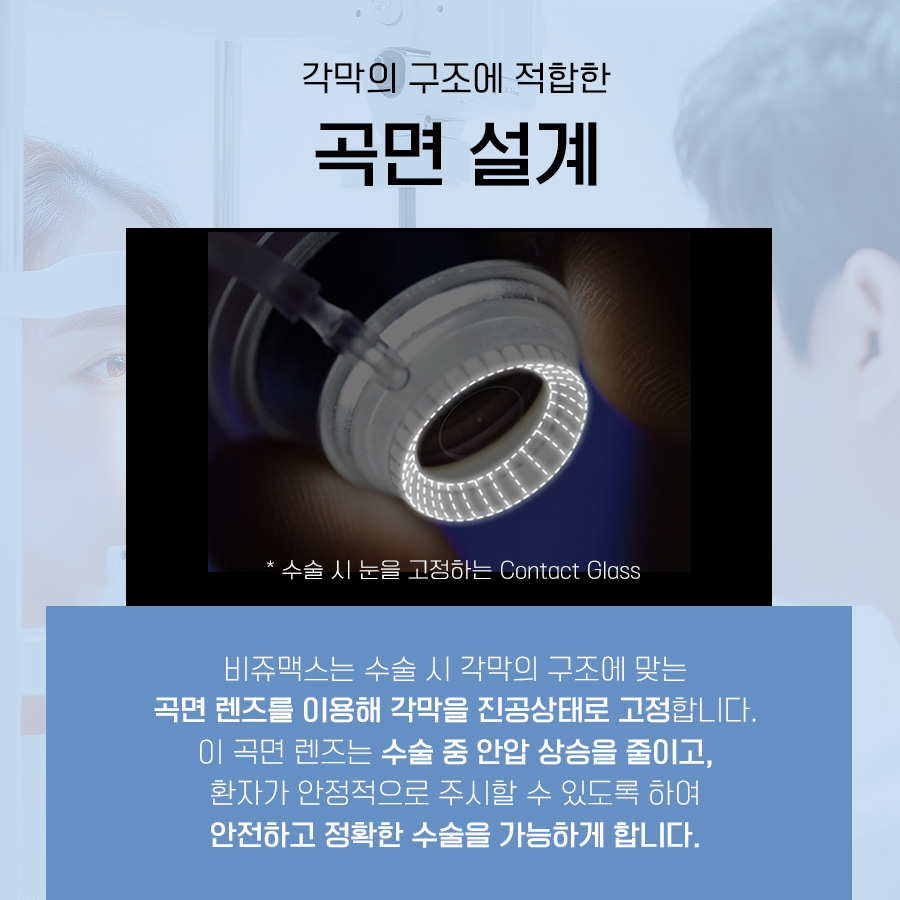
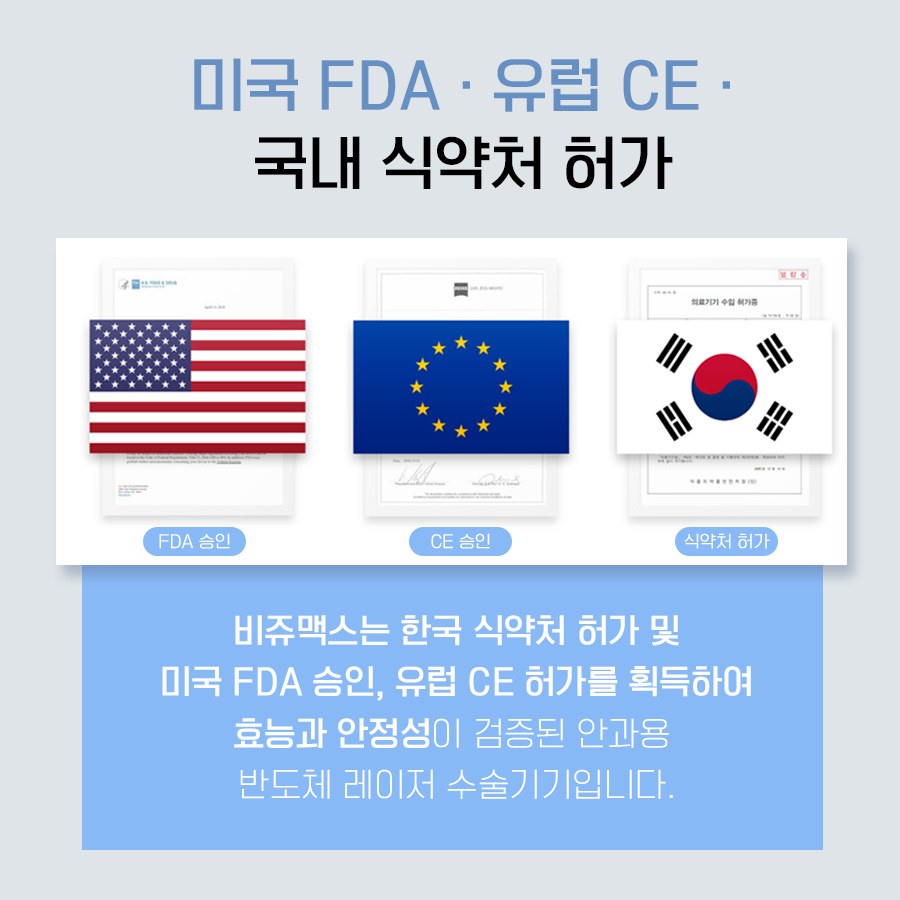
The VISUMAX 800 is a newer-generation femtosecond laser used for SMILE Pro, known for its fast laser time, often under about 9 seconds per eye. The VISUMAX 500 is an established platform used for SMILE LASIK. A clinic that operates all three major SMILE platforms in-house can tailor the choice of machine and procedure to your specific eye measurements and lifestyle.
High case volume and training center status
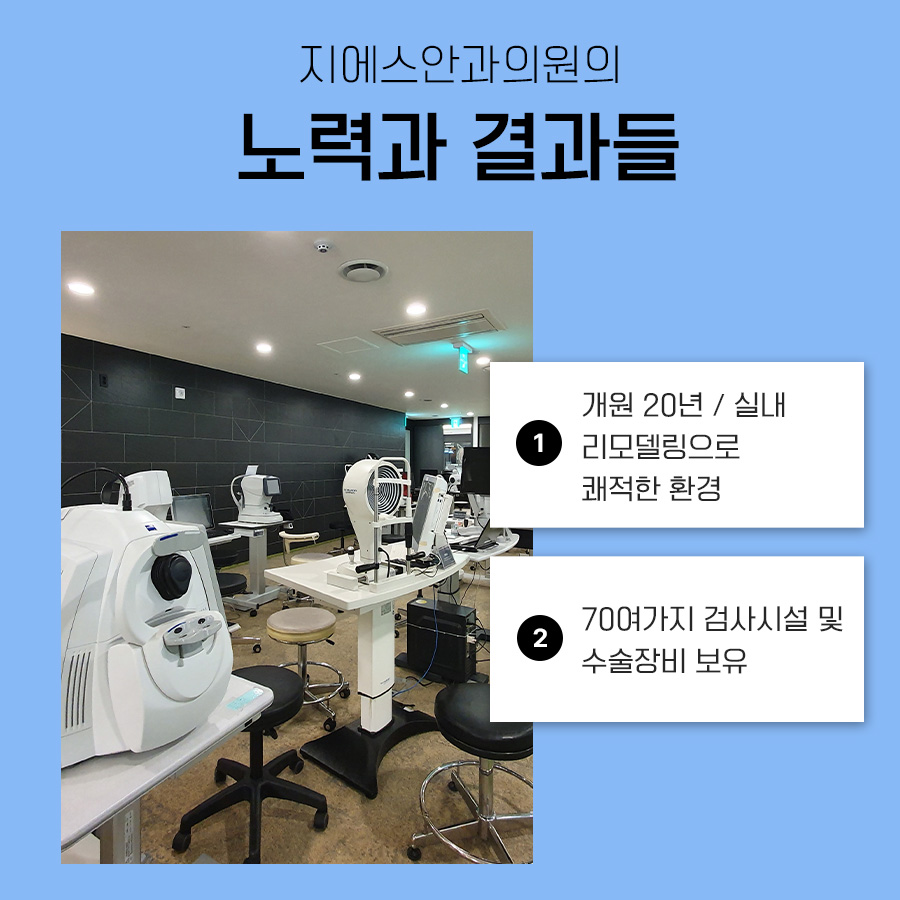
By 2023, the Gangnam ophthalmology clinic described here had treated around 300,000 eyes with vision correction and cataract surgery, with SMILE Pro alone reaching 15,000 eyes by April 2026. It has also been recognized as a ZEISS SMILE Gold Club member, a ZEISS SMILE Pro Center, and a SILK Training Center.
These designations indicate that the clinic functions as a reference and training site for other surgeons, and as a clinical education site for a major medical school and an Asia-Pacific training center for an ophthalmic device company. In practical terms, this usually means refined protocols, standardized safety checklists, and a team of ophthalmology specialists who are familiar with a wide range of cases.
For international patients, choosing a center with this level of experience can provide additional reassurance about quality control, even though no specific result can be guaranteed.
Who may consider SMILE LASIK in Nonhyeon and Gangnam
You may be a potential candidate for SMILE LASIK if you:
- Are an adult with stable myopia and/or astigmatism
- Want to reduce dependence on glasses or contact lenses
- Have a cornea that is thick and regular enough for safe reshaping
- Do not have active eye diseases such as uncontrolled dry eye, significant cataract, or corneal degeneration
- Are not pregnant or breastfeeding at the time of surgery
Only a full eye examination can confirm your suitability. For some patients, alternatives such as LASEK or lens implantation may be safer or more effective.
Online consultation and pre-visit preparation for overseas patients
If you are planning to travel to Seoul for SMILE LASIK, it is helpful to start with an online consultation.
Before your online consultation, prepare:
- Your most recent glasses or contact lens prescription
- Any previous eye examination reports, if available
- Information about eye drops or medications you are using
- A list of any systemic diseases (for example, diabetes, autoimmune conditions)
- Questions you want to ask about recovery time, return to work, and travel plans
During the online consultation, an ophthalmology specialist or international patient coordinator can explain the general process, check if you are likely to be a candidate, and suggest a tentative schedule. Final eligibility is always confirmed after detailed in-person testing.
Expected Korea visit timeline for SMILE LASIK
Although schedules can be customized, a typical visit for international patients might look like this:
Day 1: Comprehensive eye examination
You visit the ophthalmology clinic near Gangnam Station for detailed testing. This usually includes vision checks, refraction, corneal thickness and shape measurements, tear film evaluation, intraocular pressure, and retinal examination. Based on these results, the specialist confirms whether SMILE LASIK, SMILE Pro, or another procedure is recommended.
Day 2: Surgery day
On the day of surgery, you will spend about 20 to 30 minutes in the operating area, although the actual laser time per eye is only a few seconds. The procedure is done under numbing eye drops, so you remain awake but should not feel sharp pain. After surgery, you rest in the clinic for a short period, then return to your accommodation with protective eye shields and eye drops.
Day 3–5: Early follow-up
You return to the clinic for follow-up visits to check vision, corneal healing, and eye pressure, and to adjust your drop schedule. Many patients feel comfortable enough for light sightseeing or remote work, but it is important to avoid rubbing your eyes and to follow all instructions.
Day 6–7 and beyond: Final local check and departure
Before leaving Korea, you usually have a final check to confirm stability and to receive written instructions for ongoing care. Some patients schedule additional remote follow-up by video or email with their surgeon, especially during the first three months.
Aftercare and long-term management
After SMILE LASIK, proper aftercare supports smooth healing and stable results.
Eye drops and protection
You will be prescribed antibiotic and anti-inflammatory drops for the early period, along with lubricating drops. Using them exactly as directed reduces the risk of infection and inflammation.
Protective shields or goggles may be recommended during sleep for the first few nights to prevent accidental rubbing. Sunglasses can help with light sensitivity outdoors.
Activity guidelines
Avoid swimming pools, hot tubs, and saunas for a period recommended by your surgeon, usually at least two weeks. Heavy exercise, contact sports, and eye makeup are also restricted for a limited time to reduce infection risk and mechanical stress on the eyes.
Dry eye management
If you use digital devices heavily, as many Nonhyeon and Gangnam residents do, your surgeon may recommend a tailored dry eye plan. This can include regular artificial tears, warm compresses, or other therapies depending on your tear film evaluation.
Long-term checks
Even after your vision has stabilized, regular eye examinations are important. They allow your ophthalmologist to monitor your retina, eye pressure, and lens for age-related changes such as cataracts or presbyopia.
How to set realistic expectations
When considering SMILE LASIK, it is helpful to focus on functional improvements rather than chasing a specific decimal number on a chart.
Think about goals such as:
- Driving without glasses in most conditions
- Working comfortably at a computer
- Playing sports or traveling without contact lenses
A small percentage of patients may need enhancement procedures if there is residual prescription or regression over time. Honest preoperative counseling should include this possibility and explain how enhancements are evaluated and performed.
Before your consultation, you may want to prepare questions such as:
- Is my cornea thick and regular enough for SMILE LASIK?
- How does my degree of myopia and astigmatism affect the expected result?
- What is the plan if I have dry eye before or after surgery?
- What are the realistic chances I might need an enhancement later?
- How many follow-up visits are needed before I return to my home country?
Local relevance for Nonhyeon and Gangnam visitors
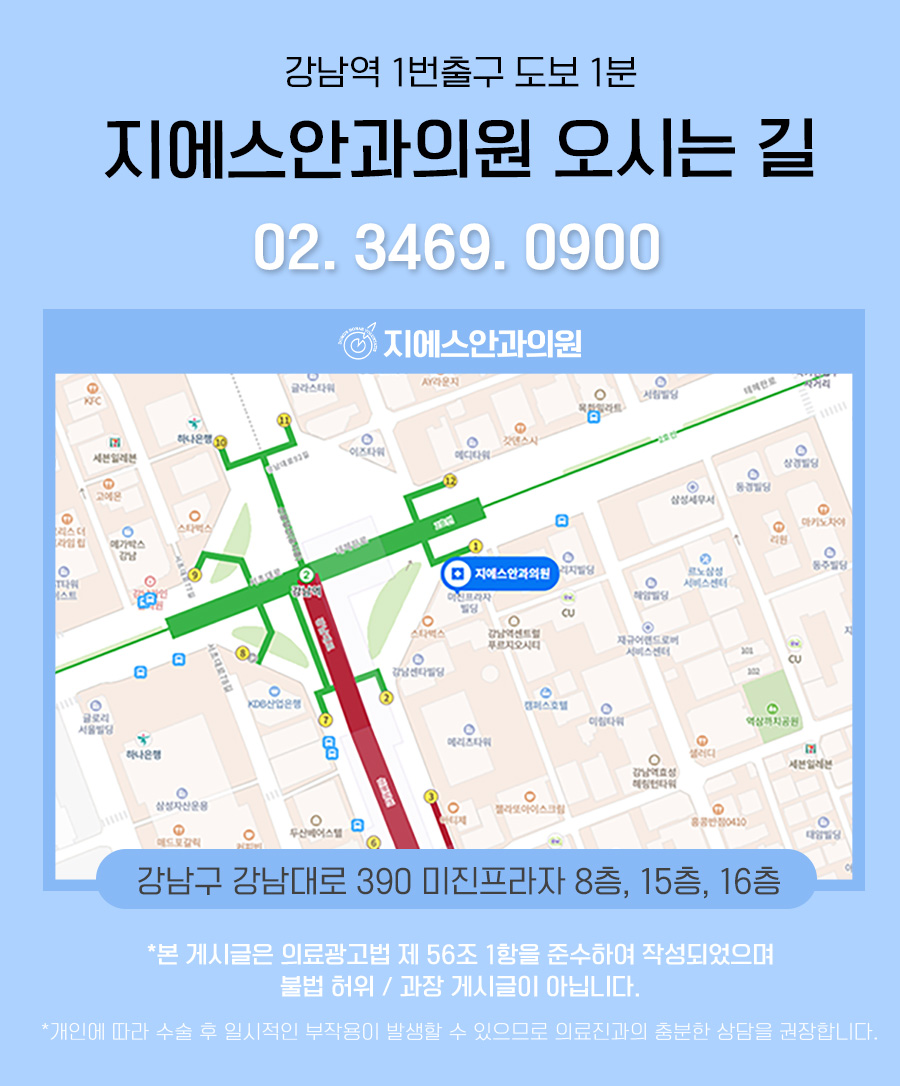
The ophthalmology clinic described here is located near Gangnam Station, convenient for patients staying in Nonhyeon and surrounding areas. Weekday and Saturday hours can be helpful for busy professionals and students.
Because many people in this area work long hours on computers or mobile devices, careful dry eye evaluation and ergonomic advice are often part of the consultation. If you are flying in from overseas, the clinic’s experience with international patients and structured scheduling can make the process smoother.
FAQ about SMILE LASIK results in Nonhyeon and Gangnam
How long do SMILE LASIK results last?
The corneal reshaping from SMILE LASIK is intended to be permanent. Once your vision has stabilized, most patients enjoy many years of clear distance vision without glasses. However, natural aging of the eye continues. Presbyopia and cataracts can still develop later in life and may require reading glasses or cataract surgery. Regular eye check-ups help track these changes.
When can I return to work after SMILE LASIK?
Many patients can return to light office work and computer use within a few days, depending on their healing and comfort. If your job involves heavy physical activity, dusty environments, or night driving, you may need a longer break. Your ophthalmologist will give personalized guidance based on your occupation and early recovery.
Is SMILE LASIK painful?
During the procedure, numbing eye drops are used, so most patients feel pressure rather than pain. After surgery, you may experience mild discomfort, dryness, or a foreign-body sensation for a few hours to a couple of days. These symptoms usually improve with lubricating drops, medication, and rest. Severe pain is uncommon and should be reported immediately if it occurs.
How does SMILE LASIK compare with LASIK and LASEK for results and recovery?
SMILE LASIK, LASIK, and LASEK all aim to correct myopia and astigmatism, and all can provide good visual results in suitable patients. SMILE LASIK uses a small incision and preserves more of the corneal surface, which may mean less early dryness and no large flap. LASIK involves creating a flap, which allows rapid visual recovery but changes more of the corneal structure. LASEK works on the surface of the cornea and can be suitable for certain thin corneas, but early discomfort and recovery time are usually longer. Your specialist will recommend the option that best matches your eye condition and lifestyle.
Soft call to action for online consultation
If you are considering SMILE LASIK while staying near Nonhyeon or planning a medical trip to Gangnam, an online consultation with an experienced ophthalmology clinic can help you understand your options before you travel. By sharing your prescription, medical history, and travel schedule in advance, you can receive a personalized preliminary plan and a clear idea of the expected timeline, recovery, and follow-up.
This article is for general information only and does not replace a full eye examination or individual medical advice. Always discuss your specific situation, risks, and expectations directly with an ophthalmology specialist before deciding on any vision correction procedure.


- 공유 링크 만들기
- X
- 이메일
- 기타 앱


댓글
댓글 쓰기