Seocho Station SMILE LASIK Effects and What Overseas Patients Can Expect
- 공유 링크 만들기
- X
- 이메일
- 기타 앱
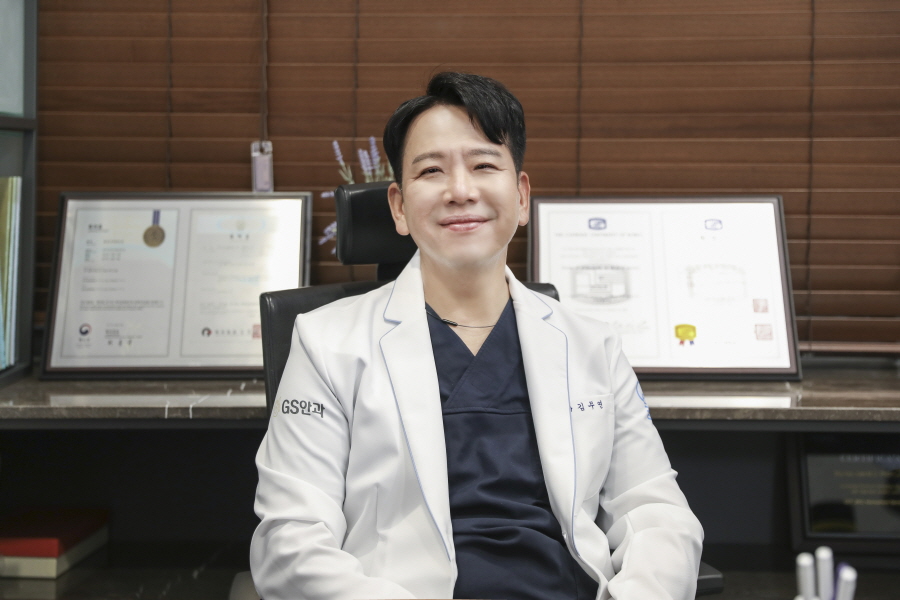
If you are near Seocho Station or the Gangnam main road and considering SMILE LASIK, patients typically experience clearer distance vision, relatively rapid functional recovery, and less surface discomfort than with traditional LASIK or LASEK. Individual outcomes depend on your eye health, the thoroughness of the preoperative assessment, and the experience and technology of the treatment team.
In the Gangnam main road area, including the Seocho Station neighborhood, several clinics focus on SMILE-type procedures and use advanced ZEISS laser platforms. For international patients, a clinic's reported experience with SMILE and the technologies it offers can be an important factor when comparing options.
What SMILE LASIK is and how it works
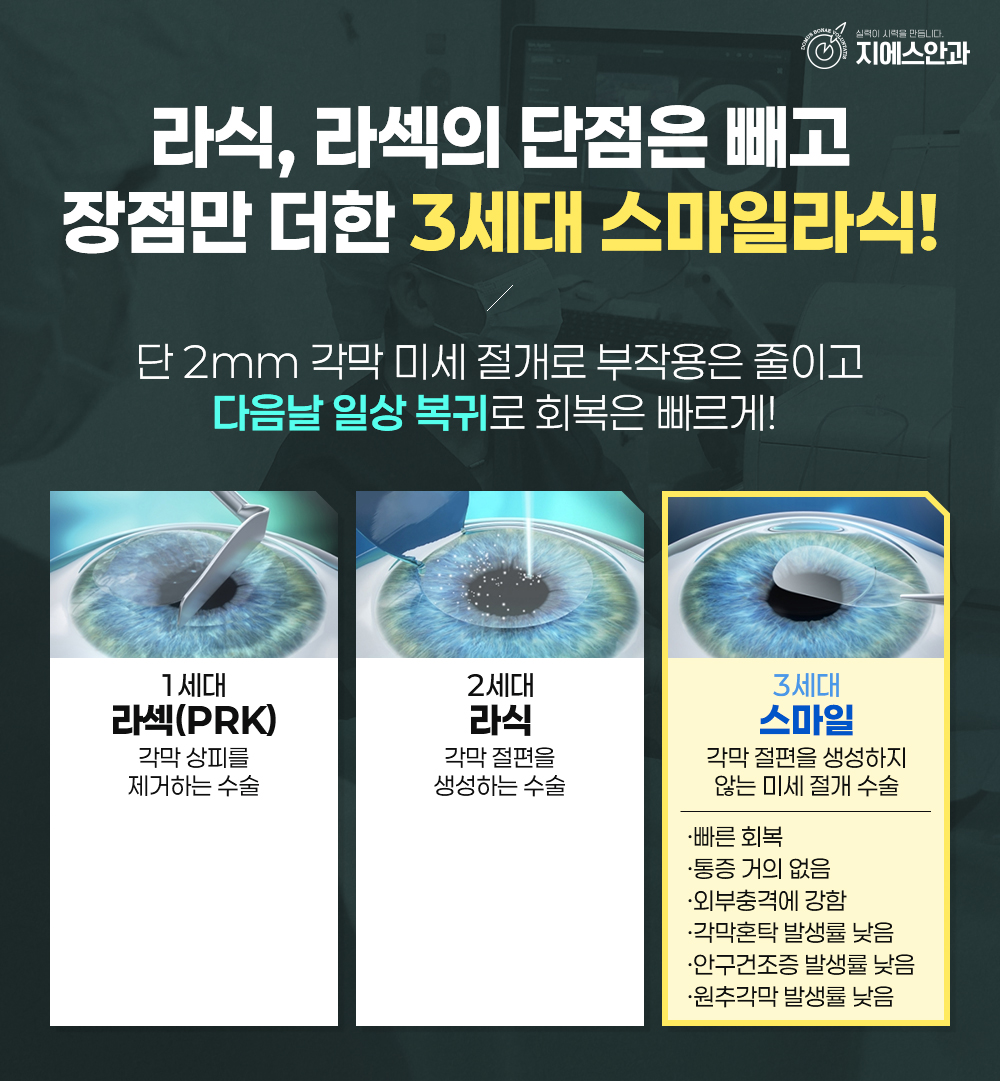
SMILE LASIK, also known as small-incision lenticule extraction, is a type of laser vision correction that reshapes the cornea to reduce myopia and astigmatism. Unlike classic LASIK, it does not require a large surface flap.
During SMILE, a femtosecond laser creates a tiny, lens-shaped piece of tissue called a lenticule inside the cornea. The same laser also makes a very small side opening, usually just a few millimeters long. Through this opening, the surgeon gently removes the lenticule. Once it is removed, the cornea changes shape, and incoming light focuses more accurately on the retina, improving your distance vision.
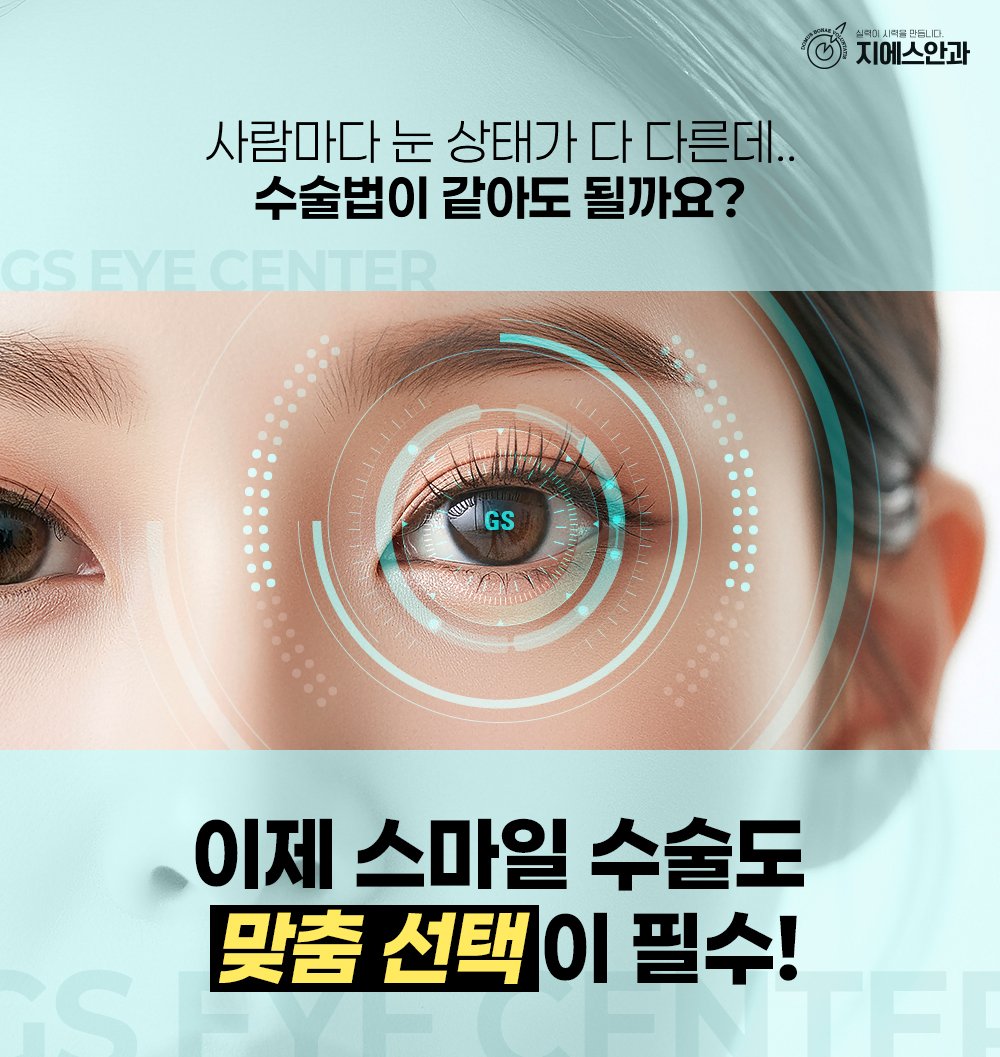
How SMILE differs from LASIK and LASEK
In traditional LASIK, a larger circular flap is created on the corneal surface. The flap is lifted, an excimer laser reshapes the exposed tissue, and then the flap is laid back down. This approach has a long track record and can work very well, but it involves cutting more surface nerves and tissue.
LASEK or PRK does not use a flap. Instead, the surface epithelium is removed, the excimer laser reshapes the surface, and the epithelium regrows over several days. This method can suit certain corneas but is usually associated with more early discomfort and a slower visual recovery.
SMILE LASIK is considered minimally invasive because it uses a small incision and no large flap. The deeper reshaping is done inside the cornea with the femtosecond laser. For many people, this means less early discomfort, a lower chance of flap-related issues, and a more favorable dry-eye profile compared with flap-based procedures.
In the Seocho and Gangnam area, SMILE is often chosen by office workers, students, and active individuals who want a balance of fast recovery, comfort, and corneal stability.
Main SMILE LASIK effects patients near Seocho Station typically notice
Visual clarity
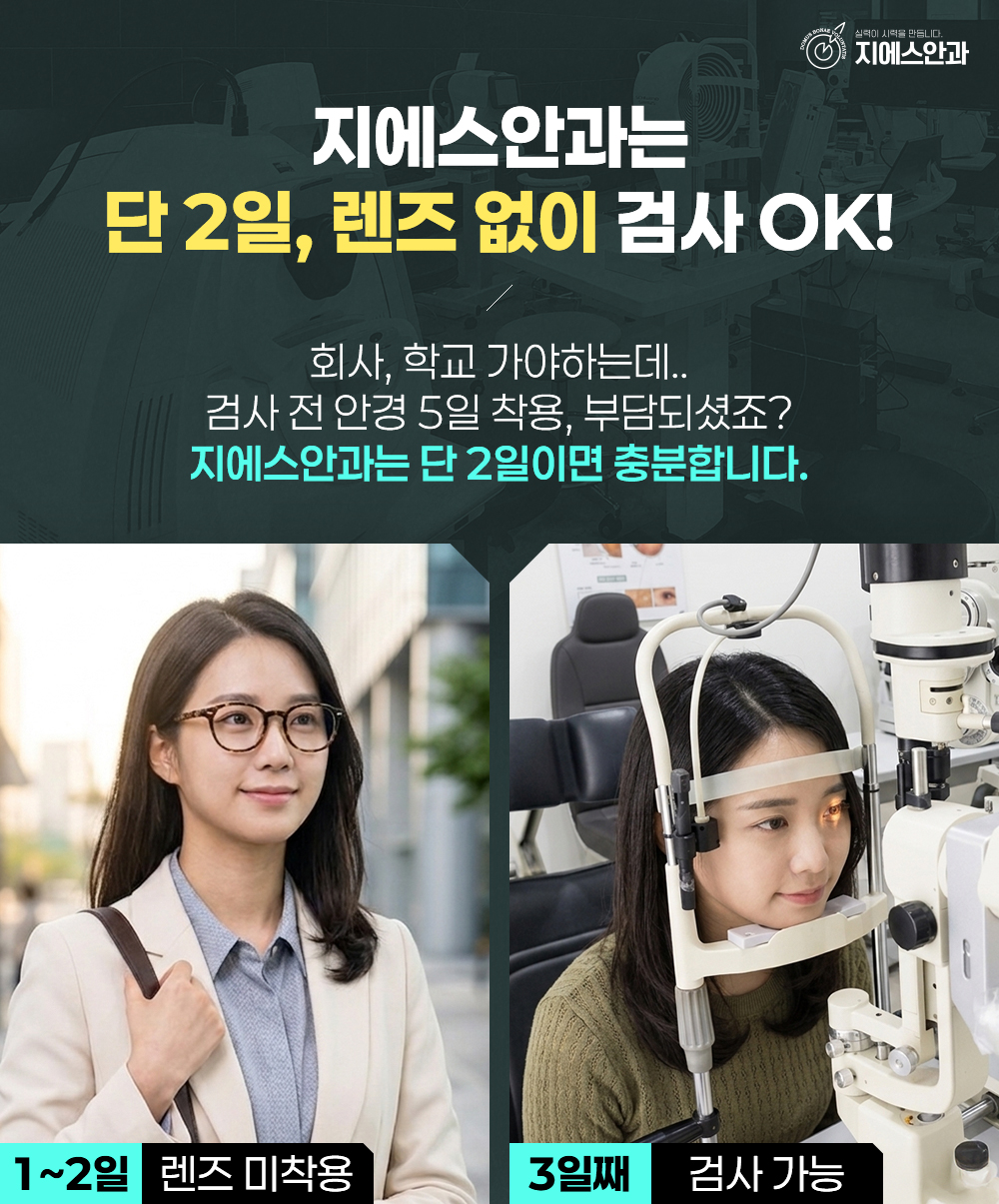
Most patients notice a rapid improvement in distance vision. Functional daily vision, such as reading signs in the subway, using a smartphone, or working at a computer, often becomes possible within one to two days. Over the next few weeks, the vision usually becomes sharper and more stable as the cornea finishes its early healing.
The long-term goal of SMILE LASIK is to reduce or remove your dependence on glasses or contact lenses for distance tasks. Some people still use light glasses for specific tasks, such as night driving or very fine detail work, especially if there is a small amount of residual refractive error. The exact result depends on your starting prescription, corneal measurements, and healing response.
Comfort and recovery
Because SMILE uses a small incision and does not create a large flap, many patients report less early irritation compared with surface procedures like LASEK or PRK. There can still be mild foreign-body sensation, tearing, or light sensitivity on the first day, but this usually improves quickly.
For people working around Seocho Station or the Gangnam business district, the relatively quick comfort recovery is a major advantage. Many office workers return to desk-based tasks within a few days, although it is still wise to limit intense screen time at first, use artificial tears if recommended, and follow all protective instructions.
Corneal stability
The cornea is a biomechanical structure. In LASIK, the creation of a large flap changes the way forces are distributed in the cornea. In SMILE LASIK, there is no large flap, and more of the anterior corneal structure is preserved. This may support better biomechanical stability in some patients, which is one reason active people and those who enjoy sports often consider SMILE.
However, SMILE is not suitable for every eye. If the cornea is already thin or irregular, or if there are signs of keratoconus risk, a responsible team will recommend alternative options or advise against laser surgery.
Dry-eye profile
One of the practical benefits of SMILE LASIK is its effect on corneal nerves. The smaller incision tends to cut fewer surface nerves than a large LASIK flap. Since these nerves help regulate tear production and blinking, preserving more of them can reduce the risk or severity of post-operative dry eye in some patients.
That said, dry eye can still occur after SMILE, especially in people who already had dryness from contact lenses or heavy screen use. Many centers in the Gangnam and Seocho area, including GS Eye Clinic, perform detailed tear film and ocular surface evaluations before surgery and provide tailored dry-eye management afterwards if needed.
Factors that influence SMILE LASIK results
Individual eye condition
Your personal eye characteristics are the main driver of how well SMILE LASIK will work for you. Important factors include:
- Your degree of myopia and astigmatism
- Your corneal thickness and shape
- Any signs of keratoconus or other structural weakness
- The presence of dry eye, allergies, or frequent eye rubbing habits
- The condition of your retina, especially for high myopia
In some cases, SMILE LASIK may not be recommended, and another approach such as a different laser method or lens implantation may be safer.
Quality of the pre-operative examination
A detailed eye examination is essential before any vision correction. In the Seocho and Gangnam area, many centers use advanced diagnostic devices to analyze the cornea and retina in depth. A thorough workup typically includes:
- Precise refraction to measure your prescription
- Corneal topography and tomography to study shape and thickness
- Pupil size and night-vision assessment
- Tear film and ocular surface evaluation
- Retinal examination, sometimes with wide-field imaging or OCT
GS Eye Clinic, for example, has acted as an education site for a major medical school and as an Asia-Pacific clinical education center for an ophthalmic company during specific years. This kind of role usually reflects the use of structured protocols for examination and decision-making.
Laser platform and surgical volume
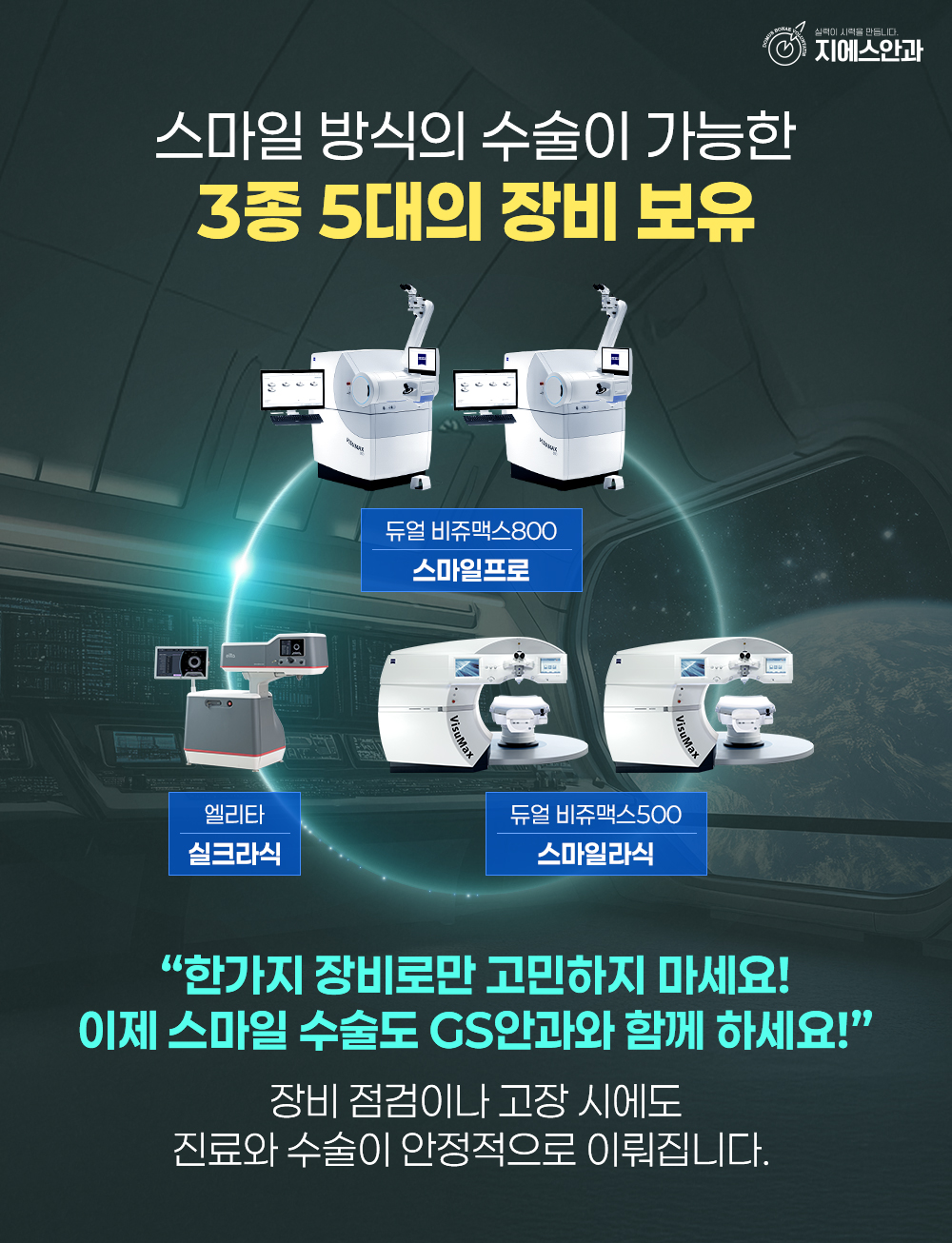
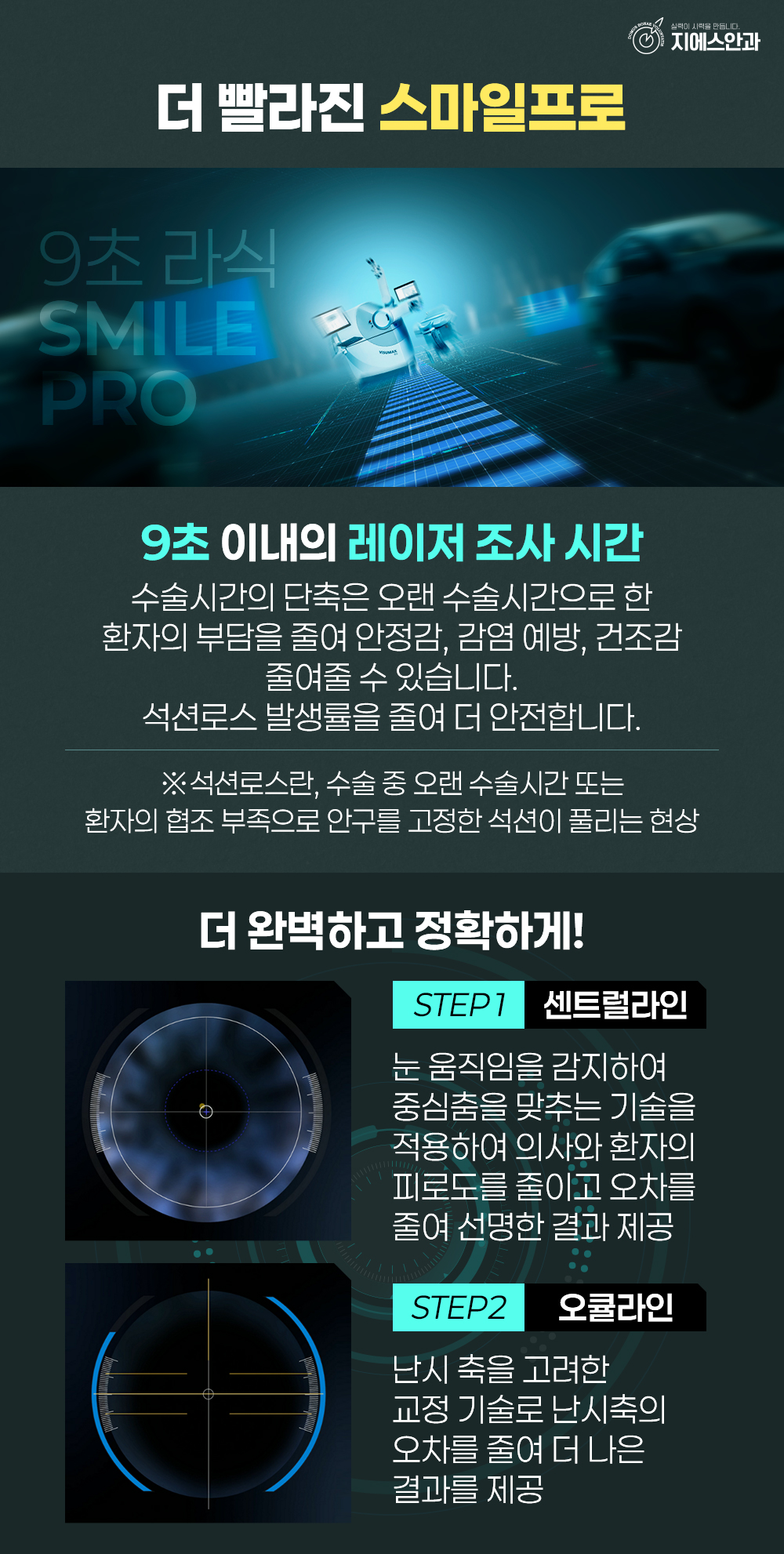
Technology and accumulated experience also play a role. Newer SMILE platforms may shorten the laser portion of the procedure, which can reduce patient discomfort and procedural stress. VISUMAX 500 platforms are widely used for standard SMILE LASIK.
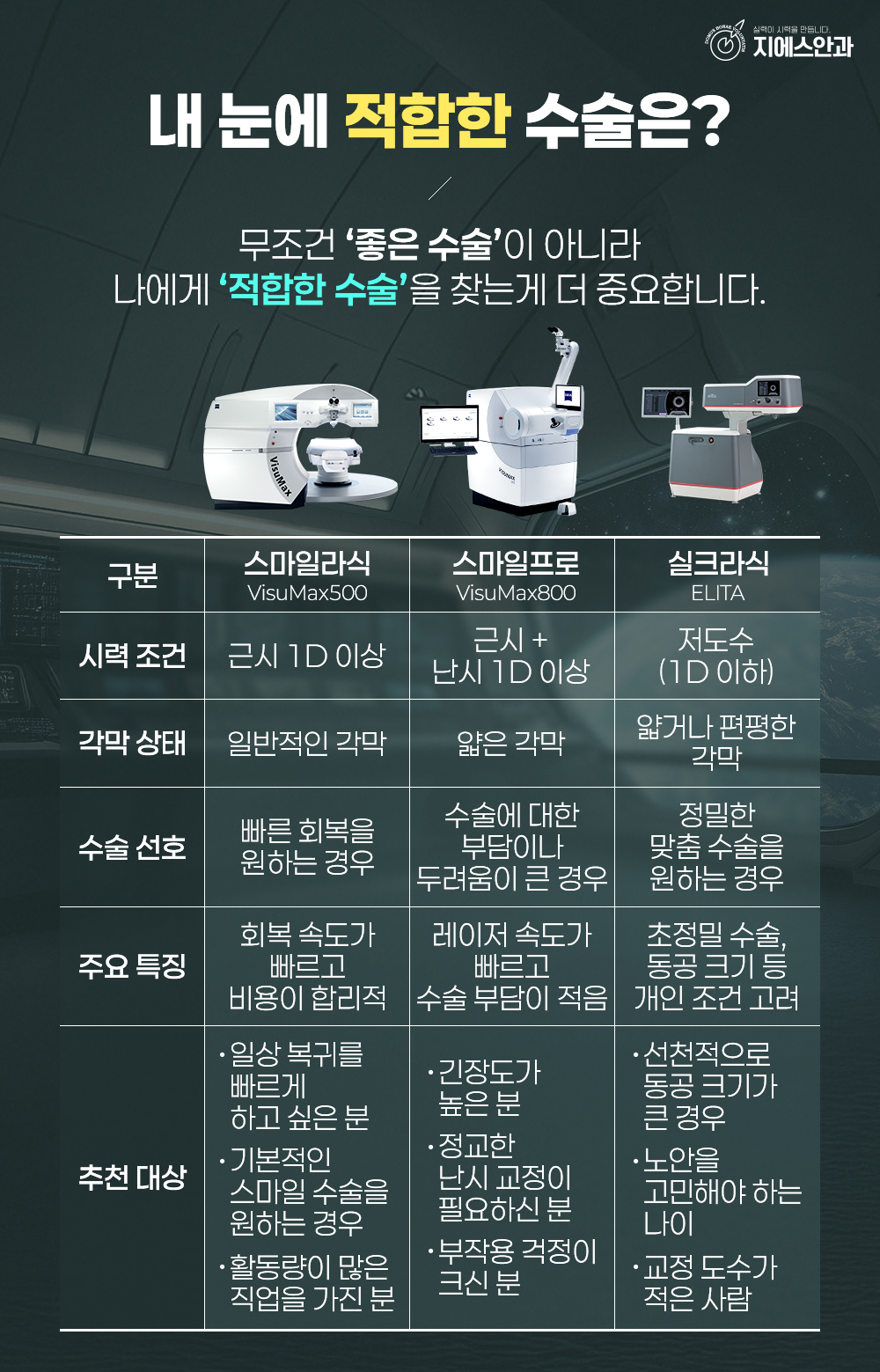
Some clinics operate both newer and earlier VISUMAX platforms — for example, using newer systems for advanced SMILE procedures and VISUMAX 500 platforms for standard SMILE LASIK. Having multiple systems available can support parallel scheduling, potentially reducing waiting times and improving workflow efficiency.
Some clinics report large cumulative case volumes for vision correction and cataract surgery and may publicize specific SMILE case numbers. High case numbers can indicate broad experience with different corneal types and situations, but they do not guarantee a specific result for any individual. Outcomes still depend on your eyes and how you heal.
Surgeon expertise and systems
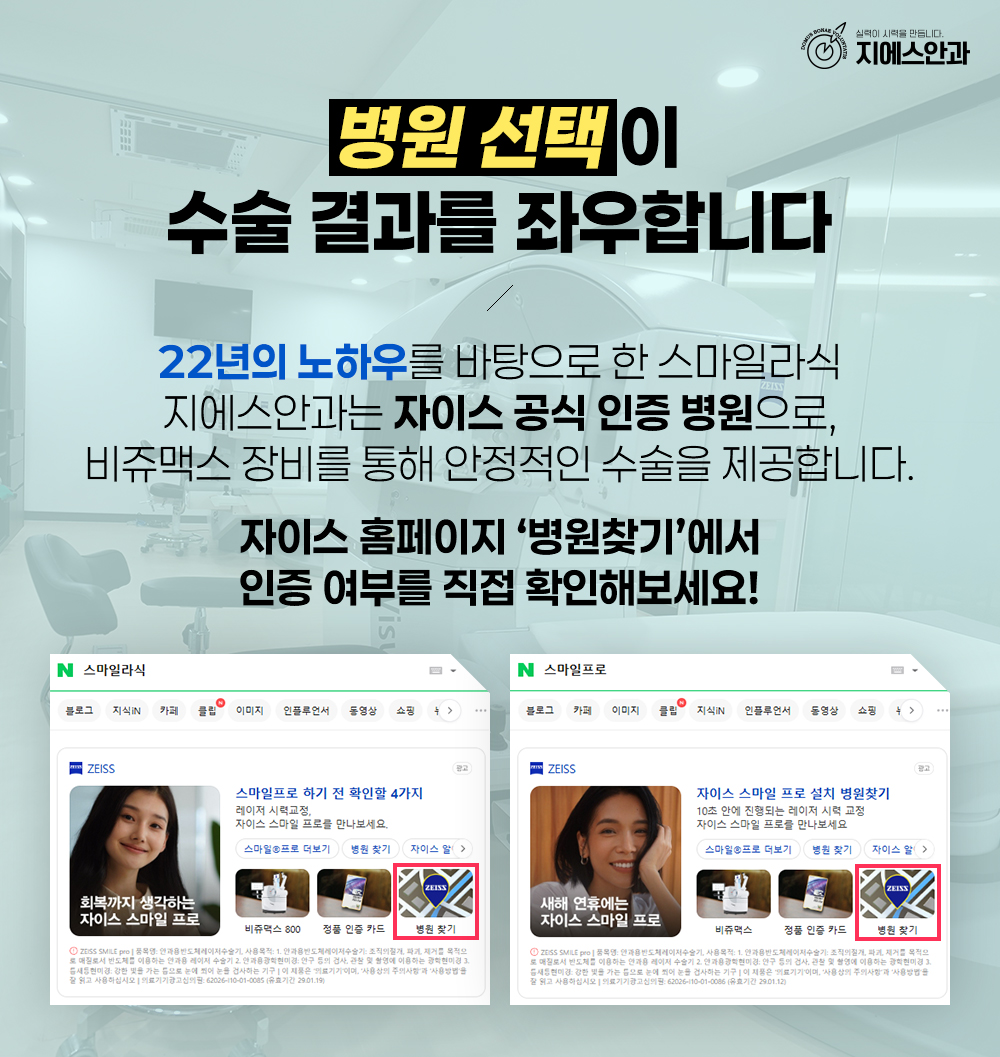
SMILE LASIK is performed by ophthalmology specialists. Clinics vary in staffing, training, and affiliations; some highlight specialist teams, manufacturer training, or membership in clinical networks. When choosing a clinic, ask directly about the surgeons' qualifications, the facility's training and credentialing, and any relevant certifications or manufacturer designations, and request documentation where available.
These designations indicate structured quality management and involvement in clinical education. For international patients, this can be reassuring, but it is still important to ask detailed questions about how decisions are made and how complications are handled.
Who may consider SMILE LASIK
Potentially suitable candidates
Adults with stable myopia and astigmatism often consider SMILE LASIK. Typical candidates are:
- People whose glasses prescription has been stable for at least one to two years
- Those with adequate corneal thickness and regular corneal shape
- Office workers, students, and professionals who want quick functional recovery for life and work around Seocho Station or Gangnam
- Active individuals who value corneal stability and a favorable dry-eye profile
People who may not be suitable
SMILE LASIK is not right for everyone. You may not be a good candidate if you have:
- Very thin or irregular corneas
- Signs of keratoconus or a strong family history of corneal ectasia
- Uncontrolled dry eye or severe allergies with frequent eye rubbing
- Certain systemic conditions or medications that affect healing
- Significant retinal problems that require separate management
Only a full ophthalmologic examination can determine suitability. A responsible team will explain clearly if SMILE LASIK is not the best choice and suggest alternatives when appropriate.
Step-by-step process for someone coming from Seocho Station
Online consultation and pre-visit preparation
If you are an overseas patient planning a trip to Seoul, it is helpful to start with an online consultation. Many centers near the Gangnam main road, including GS Eye Clinic, offer online channels where you can share your glasses prescription, previous eye examination reports, and medical history.
Before you travel, you may be asked to stop wearing soft contact lenses for several days and rigid lenses for longer, to allow your cornea to return to its natural shape. You should also prepare a list of questions about SMILE LASIK effects, recovery time, and what to expect during your stay in Korea.
Comprehensive eye examination in Seoul
Once you arrive, your first visit will focus on detailed testing. From Seocho Station, most major centers in the Gangnam main road area are just one or two subway stops away or a short taxi ride.
During the examination, you can expect:
- Visual acuity testing and refraction
- Corneal thickness and shape analysis
- Pupil size and night-vision checks
- Tear film and ocular surface evaluation
- Retinal imaging and dilated fundus examination if needed
After the tests, the ophthalmology specialist will discuss whether SMILE LASIK, another laser method, or lens implantation is more suitable for your eyes. They will also explain the expected range of visual outcomes, possible side effects, and the recovery schedule.
Surgery day
On the day of SMILE LASIK, you will usually spend a few hours at the center, but the laser time itself is very short.
You will receive topical anesthetic drops so you do not feel pain during the laser step. You may feel gentle pressure and see lights, but the process is usually quick.
After the procedure, you will rest for a short time while the team checks your eyes. You will receive eye drops and detailed instructions for the first night and the following days.
Early recovery and commuting around Seocho Station
Most patients go back to their accommodation the same day. Vision is often blurry at first and becomes clearer over the next 24 hours. Many people can walk around safely and navigate the subway within a day or two, but you should avoid driving until your doctor confirms that your vision is stable and safe.
For office work near Seocho or Gangnam, some patients return after two to three days, depending on job demands. If your work involves long hours at a computer, it is wise to take short breaks, use artificial tears if recommended, and follow any screen-time guidance.
Follow-up and aftercare
Follow-up visits are important to monitor healing, manage dryness, and confirm that your vision is stabilizing as expected. A typical schedule for overseas patients might include:
- Next-day check
- One-week check
- One-month check, if your travel schedule allows
If you must return home sooner, discuss how to coordinate follow-up with an eye specialist in your own country. Ask for a written summary of your procedure and early results to share with your local doctor.
How long the effects of SMILE LASIK last
For most people, the corneal reshaping from SMILE LASIK is long-lasting. However, your eyes will still age naturally. Over time, you may develop presbyopia, which is difficulty focusing at near distances, or cataracts later in life. SMILE LASIK does not prevent these age-related changes.
Some patients may need enhancement procedures if there is significant under-correction or if the prescription drifts over time. Others may use light glasses for specific tasks. It is important to view SMILE LASIK as a way to reduce dependence on glasses, not as a guarantee of perfect vision for life.
How GS Eye Clinic’s setup relates to SMILE LASIK effects
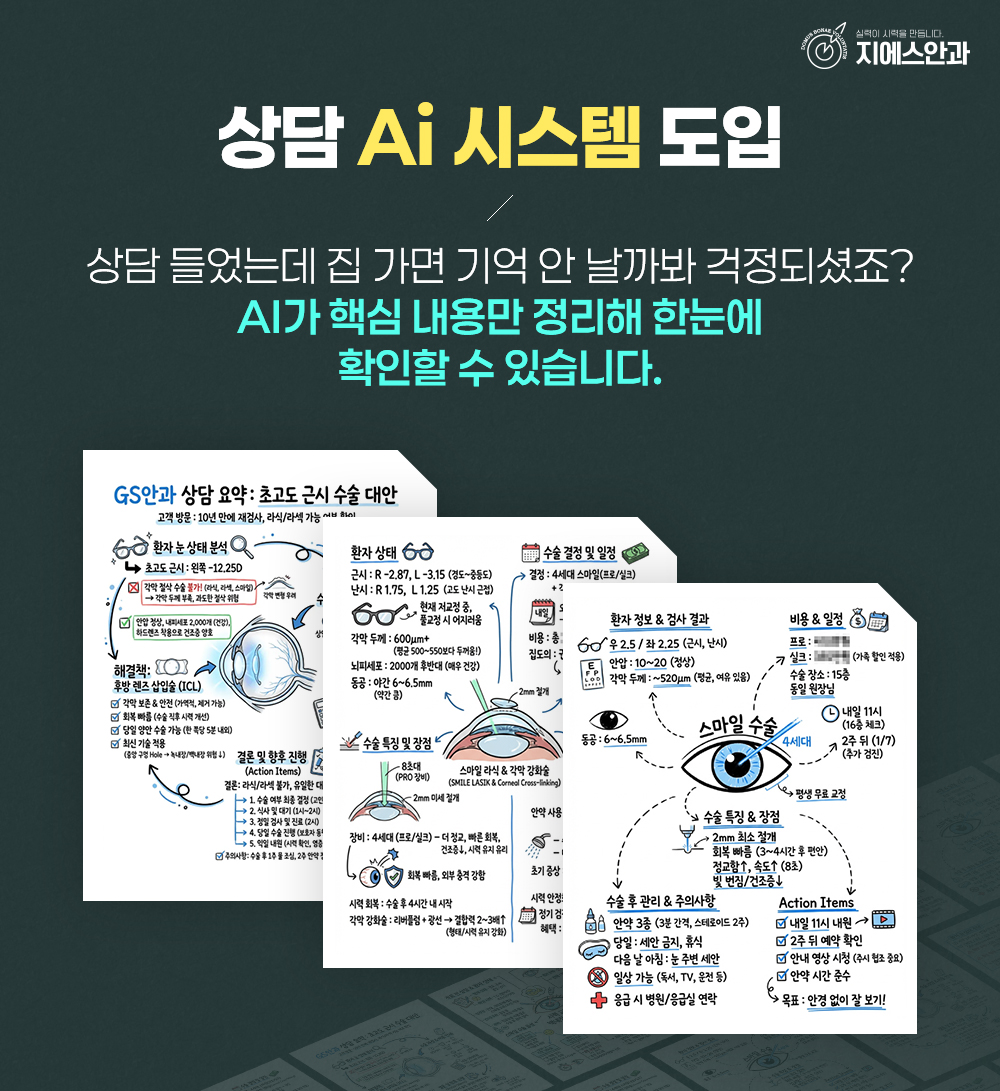
GS Eye Clinic in the Gangnam main road area focuses heavily on SMILE-type procedures, including SMILE pro, SMILE LASIK, SILK, and its own structured protocols. Owning multiple ZEISS VISUMAX platforms allows the team to schedule procedures efficiently and choose the most appropriate laser settings for each case.
The clinic’s roles as a ZEISS SMILE pro CENTER, a SILK Training Center, and an education site for a medical school and an ophthalmic company suggest that its protocols are standardized and continuously reviewed. also indicate formal quality and environmental management systems.
For you as an overseas patient, these factors can contribute to predictable processes and clear communication. Still, individual SMILE LASIK effects will depend on your own eyes, and no center can promise a specific outcome.
What to check and questions to ask before you decide
When comparing SMILE LASIK options around Seocho Station and Gangnam, it helps to look beyond price alone. Consider asking:
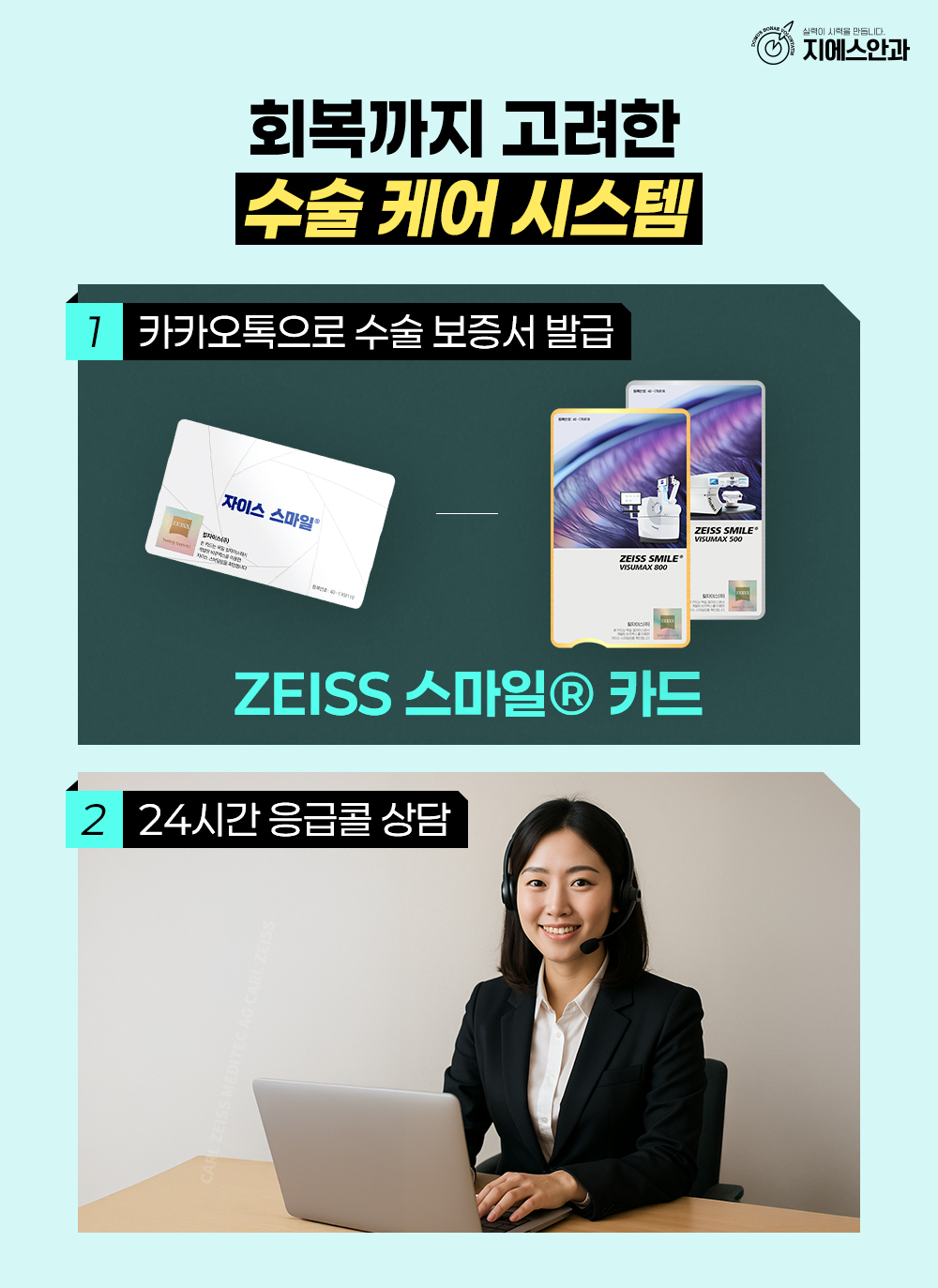
Which SMILE platforms are used (for example, VISUMAX 800 or VISUMAX 500), and how that may affect comfort and speed
How many SMILE procedures the team performs each year
What the full pre-operative examination includes, especially for corneal shape, tear film, and retina
How dry eye is evaluated and managed before and after surgery
What the follow-up schedule is for international patients and how they coordinate with doctors in your home country
What policies exist for enhancements if your vision is not within the expected range
Writing these questions down before your online consultation can help you compare centers more objectively and feel more confident about your decision.
FAQ about Seocho Station SMILE LASIK effects
How soon after SMILE LASIK can I commute to work near Seocho Station?
Many patients can use public transport and move around independently within one to two days after SMILE LASIK, but this varies by individual. For desk-based work near Seocho or Gangnam, some people return after two to three days, while others prefer to take a full week off to rest their eyes and adapt to their new vision. Your doctor will give more specific guidance based on your job demands and early healing.
Is SMILE LASIK really less painful than LASEK?
SMILE LASIK is generally associated with less early discomfort than LASEK or PRK because it does not remove the surface epithelium. Most patients feel mild irritation, tearing, or light sensitivity on the first day, which usually improves quickly. In contrast, LASEK often involves several days of stronger discomfort while the surface heals. However, pain perception is individual, and some people may still feel more or less sensitive than others.
Will SMILE LASIK completely remove my need for glasses?
SMILE LASIK aims to reduce or remove your dependence on glasses for distance vision, and many patients function well without them in daily life. However, some may still need light glasses for specific tasks such as night driving or very fine work. As you age, you may also need reading glasses for near tasks due to presbyopia. It is important to discuss realistic expectations with your doctor before surgery.
Are there differences in results between SMILE LASIK and SMILE pro?
SMILE pro is a newer generation of SMILE performed with platforms like VISUMAX 800, which can shorten laser time and improve comfort during the procedure. In many cases, the visual goals of SMILE LASIK and SMILE pro are similar, but SMILE pro may offer a smoother experience and more flexible treatment options. The best choice depends on your eye measurements and the technology available at the center you choose.
Soft call to action for overseas patients
If you are planning a visit to Seoul and are curious about the real-world effects of SMILE LASIK near Seocho Station or along the Gangnam main road, consider starting with an online consultation. Share your current glasses prescription, any previous eye reports, and your travel schedule. A specialist team, such as the one at GS Eye Clinic, can then advise whether SMILE LASIK, SMILE pro, or another method is more appropriate for your eyes and help you plan a realistic treatment and recovery timeline during your stay in Korea.
This article is for general information only and does not replace a personal consultation or full eye examination with a qualified ophthalmology specialist. Individual suitability, risks, and outcomes must always be assessed in person.



- 공유 링크 만들기
- X
- 이메일
- 기타 앱


댓글
댓글 쓰기