Seolleung Station Smart LASIK price guide for international patients
- 공유 링크 만들기
- X
- 이메일
- 기타 앱
Direct answer about Smart LASIK price near Seolleung Station
If you’re comparing Smart LASIK prices near Seolleung Station and Gangnam, note that most clinics do not publish a single fixed fee. In this area, Final cost depends on your individual eye condition, the laser platform used, and what the package includes, so a full preoperative examination is necessary to provide an accurate quote.
This guide explains how Smart LASIK pricing works near Seolleung Station, what affects the cost, and how this Gangnam eye clinic structures its evaluation and care for overseas patients.
Smart LASIK near Seolleung and Gangnam
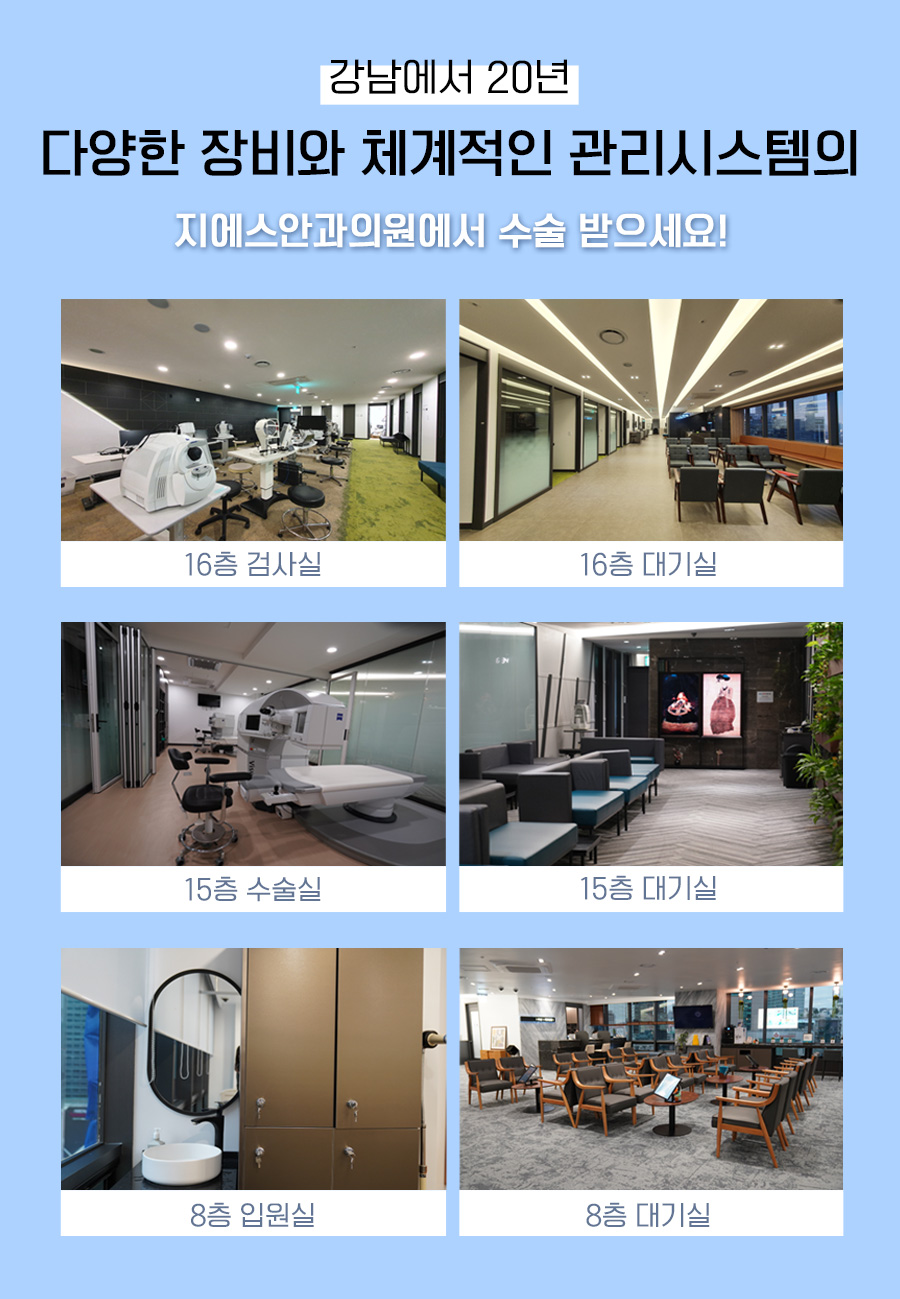
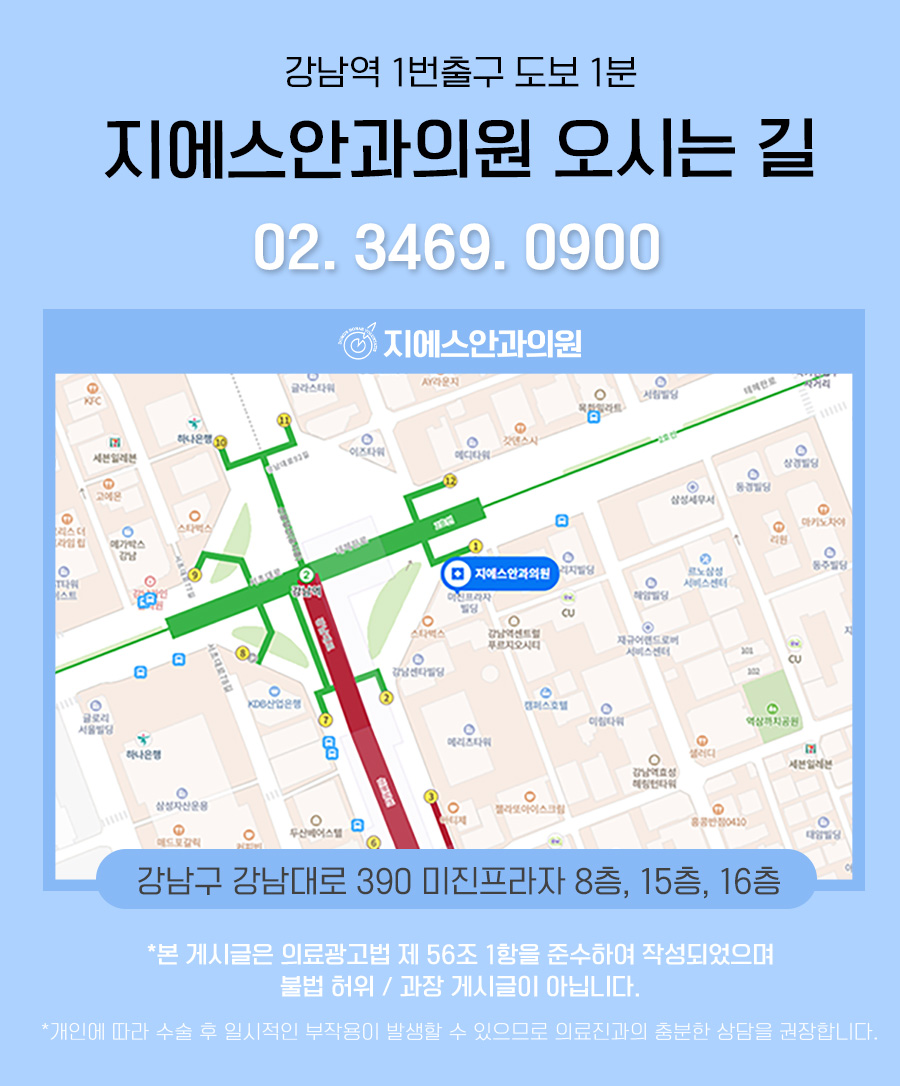
Smart LASIK in this context refers to SMILE-type laser vision correction using ZEISS femtosecond laser platforms. The clinic is an ophthalmology clinic on Gangnam-daero, within walking distance of Gangnam Station and just one or two subway stops or a short ride from Seolleung Station. It has been in the same building since 2005, focusing on laser vision correction and lens implantation.
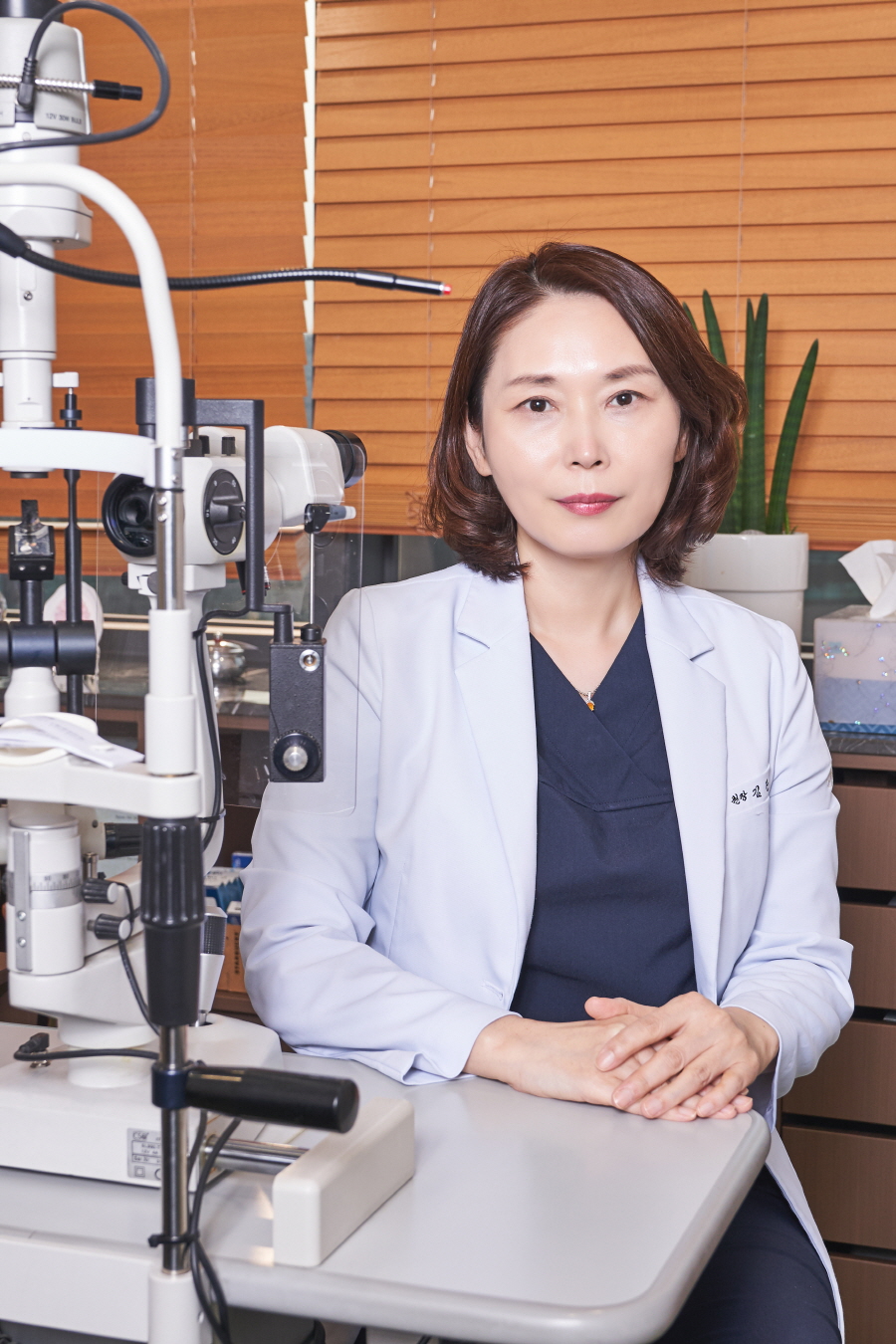
The clinic's surgical team comprises ophthalmologists with subspecialty training in areas such as refractive, cataract, and retinal care. The clinic emphasizes that surgical skill is an important factor in visual outcomes and also serves as a training center for other eye surgeons. For detailed information about individual doctors' qualifications or public activities, please consult the clinic's official staff profiles or ask during your consultation.
What Smart LASIK (SMILE-type) actually is
Smart LASIK overview
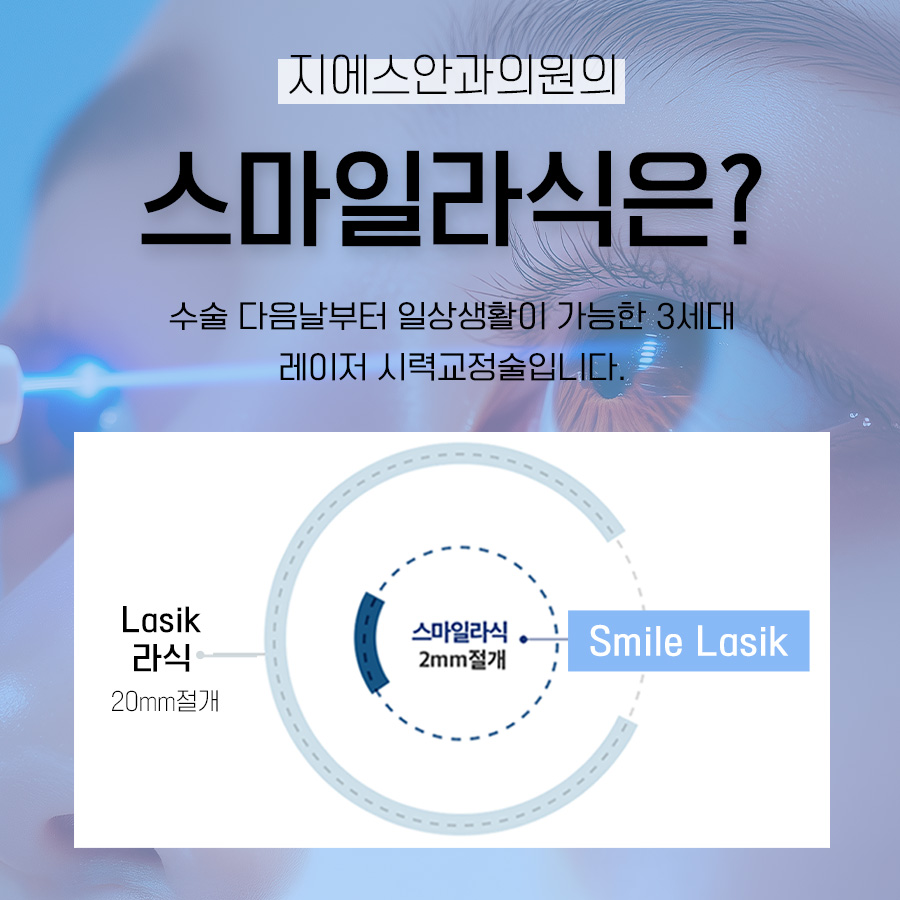
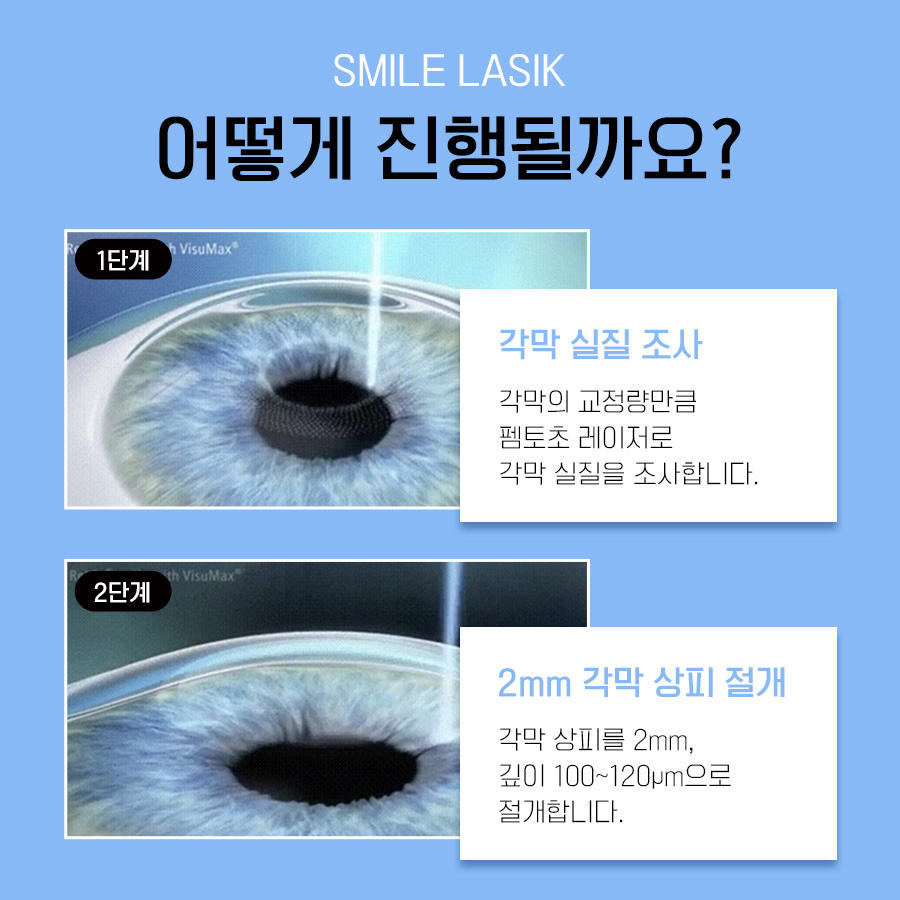
Smart LASIK is a flapless, small-incision laser vision correction technique. Instead of creating a corneal flap like traditional LASIK, a femtosecond laser creates a tiny lens-shaped piece of tissue (lenticule) inside the cornea. This lenticule is then removed through a very small incision.
By reshaping the cornea from within, Smart LASIK aims to correct myopia and astigmatism with a smaller incision and without a large flap.
Laser platforms used
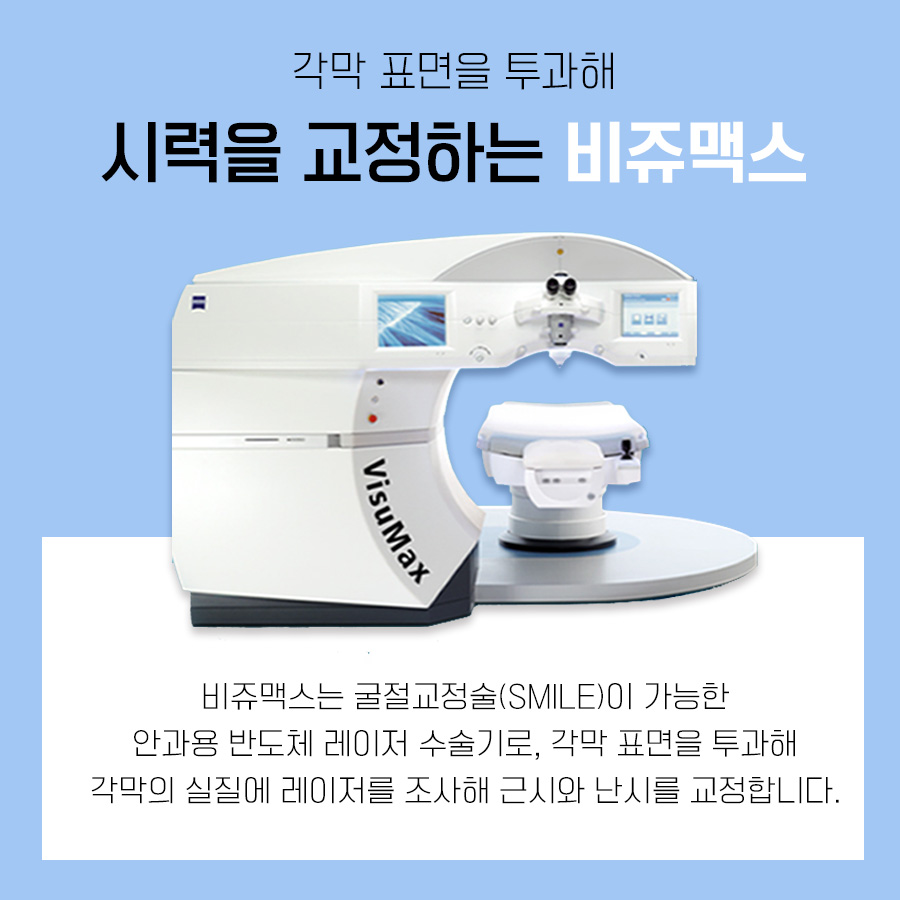
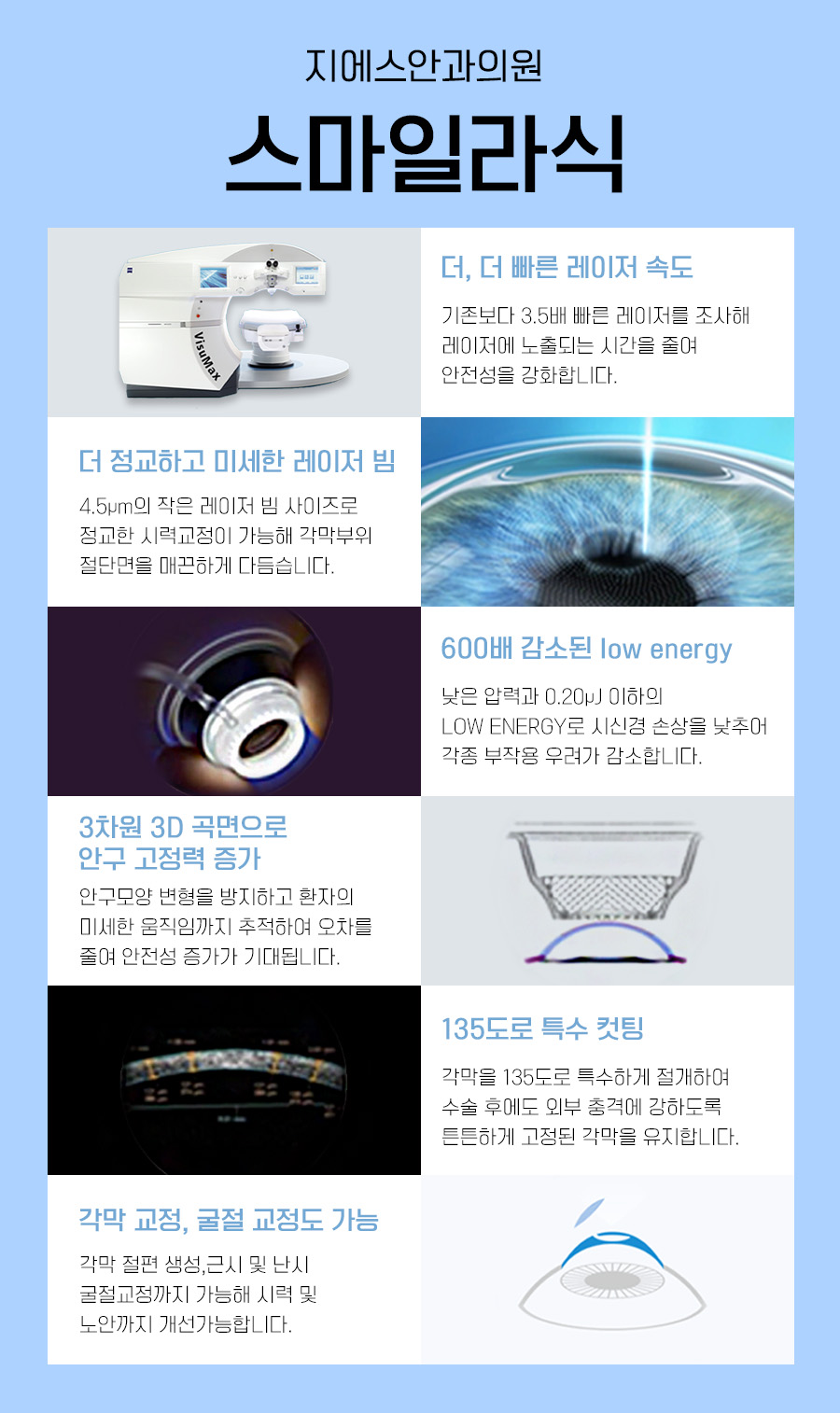
The clinic reports using ZEISS femtosecond laser systems for Smart LASIK procedures. If specific device models or platforms are important to you, confirm the exact systems and their availability during your consultation.
VISUMAX 500 platforms for SMILE-type Smart LASIK procedures.
VISUMAX 800 for SMILE pro, a newer-generation system designed for faster and more refined treatments.
The clinic also offers related procedures such as SMILE pro, SILK, and its own SMILE-based packages. However, Smart LASIK remains the core option for many patients, and the final choice depends on your eye measurements and lifestyle.
Potential benefits compared with traditional LASIK (what some studies and reports suggest)
- Smaller incision, which may help preserve more corneal tissue and potentially affect corneal biomechanics.
- Reduced risk of flap-related complications compared with procedures that create a large corneal flap.
- Some patients report milder dry eye symptoms after flapless or smaller-incision procedures, though dry eye can still occur.
Individual results vary, and the extent of any benefit depends on surgical technique, device, and patient-specific factors. Discuss risks, benefits, and available evidence with your ophthalmologist before deciding.
Because Smart LASIK does not require a large corneal flap, it may offer:
A smaller incision and potentially better corneal biomechanical stability.
A lower chance of flap-related complications.
Often milder dry eye symptoms compared with traditional LASIK, although dry eye can still occur.
These potential advantages are general trends and can vary between individuals, so a detailed consultation with an ophthalmologist is important.
What affects Smart LASIK price near Seolleung Station
Technology level and laser platform
In the Seolleung and Gangnam area, one of the biggest cost drivers is the laser platform used.
Clinics using newer-generation ZEISS VISUMAX 800 for SMILE pro often set a higher fee than clinics using only older VISUMAX 500 units. The newer platform offers faster laser time and updated technology, which can influence both patient comfort and clinic investment costs.
This allows the doctors to tailor the procedure choice to your eyes rather than forcing every patient into a single system.
Scope of preoperative diagnostic testing
Another major factor in Smart LASIK pricing is the depth and quality of preoperative testing. Around Seolleung Station and Gangnam, you will find a wide range of diagnostic packages.
A comprehensive package typically includes:
Detailed refraction and visual acuity testing.
Corneal topography and tomography to map corneal shape and thickness.
Wavefront analysis to assess higher-order aberrations.
Tear film and dry eye evaluation.
Retinal examination, especially important for high myopia.
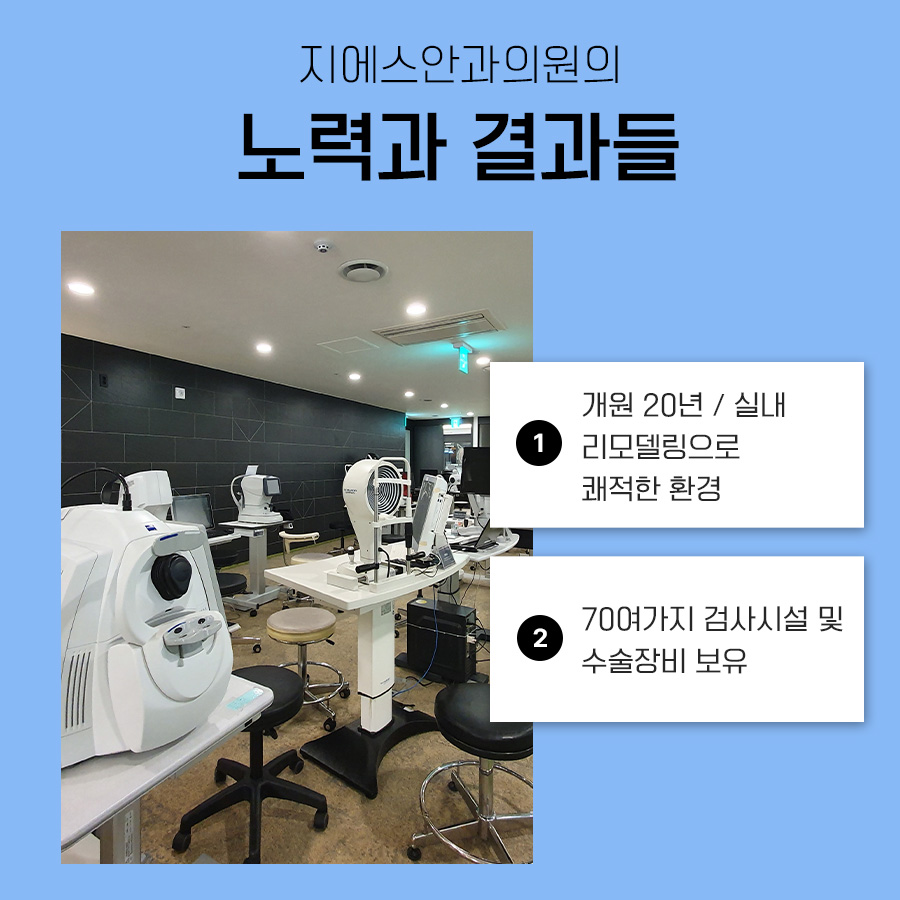
This clinic emphasizes extensive preoperative screening, supported by its role as a retina center. Retina fellowship-trained ophthalmologists are available to check for retinal tears, thinning, or other issues before Smart LASIK. Such thorough testing can add to the upfront cost but helps reduce the risk of complications and retreatments.
Whether both eyes and enhancements are included
Most international patients expect both eyes to be treated in one session, but pricing structures can differ.
Some clinics quote a per-eye price and then offer a combined rate for both eyes.
Others present a package price for both eyes that includes surgery, medications, and a certain number of follow-up visits.
An important detail is the policy for enhancements or retreatments if the initial correction is not sufficient. Some clinics include a defined enhancement policy within a certain time frame, while others charge separately. When you compare Smart LASIK prices near Seolleung Station, always ask whether enhancement surgery, if medically indicated, is included or not.
Postoperative care and dry eye management
Postoperative care can be bundled or itemized.
A more comprehensive package may include:
Scheduled follow-up visits over several months.
Dry eye assessment and treatment if needed.
Emergency contact or on-call support for sudden symptoms.
This clinic runs a dedicated dry eye clinic, which can be helpful because even SMILE-type procedures can cause temporary dryness. The availability of systematic dry eye management is a value point to consider, especially if you already have dry eye symptoms.
Additional safety procedures
For some patients, especially those with thinner corneas or borderline measurements, additional safety procedures such as corneal cross-linking may be recommended. This can increase the total cost but is intended to support long-term corneal stability.
Because of these individual factors, clinics in the Gangnam–Seolleung area rarely publish a single flat fee online. Your corneal thickness, degree of myopia and astigmatism, tear film condition, and retinal status all influence whether you are a candidate for standard Smart LASIK, a combined procedure, or an alternative treatment.
When comparing clinics, it is more meaningful to compare full preoperative examination quotes and what is included in the package rather than just a headline price.
Why this Gangnam eye clinic focuses on value, not cheap pricing
Technology and training center role
This ophthalmology clinic is designated as a ZEISS SMILE pro Center and a SILK Training Center. It trains other ophthalmologists from Korea and the Asia-Pacific region on these systems. Holding VISUMAX 800 and two VISUMAX 500 units allows the clinic to select the most suitable platform for each eye and to handle a high volume of cases.
Clinical experience and certifications
The clinic reports a substantial cumulative caseload for vision correction and cataract surgeries and ongoing experience with SMILE procedures. It also indicates participation in manufacturer-related programs and quality-management efforts. For verification of case volumes, procedural milestones, or participation in vendor programs, request supporting documentation or consult the clinic's official statements.
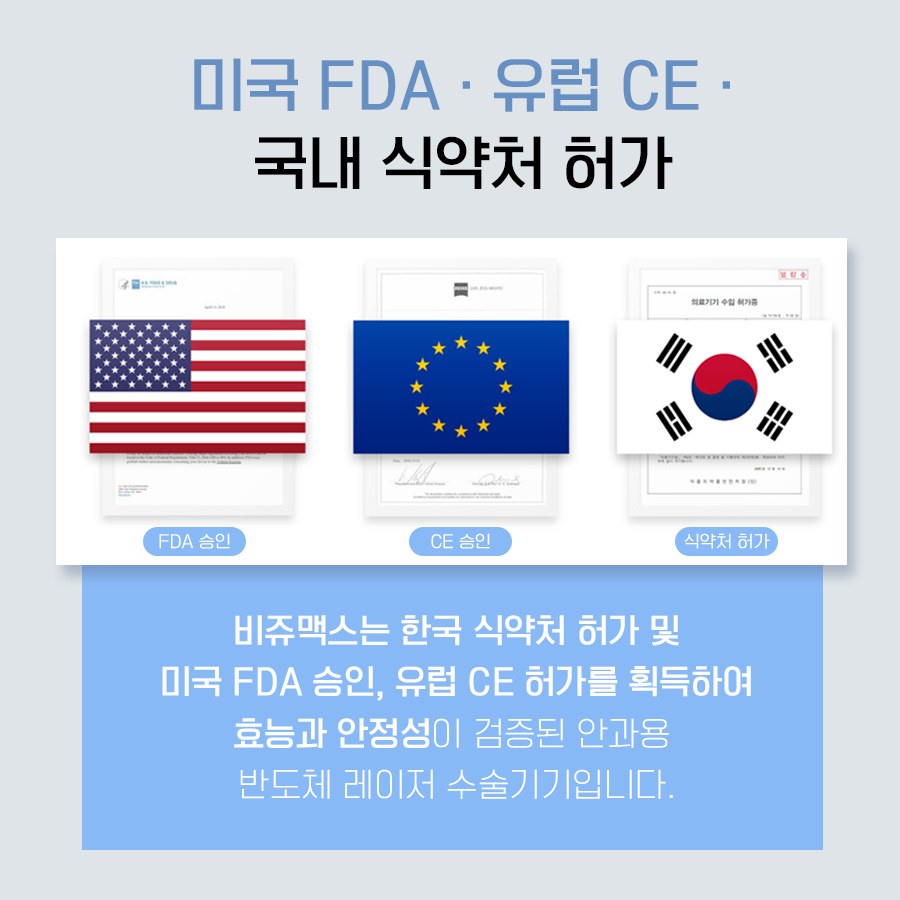
The clinic was the first in Korea to join the ZEISS SMILE Gold Club in 2021 and has held international quality certifications (ISO 9001 and ISO 14001) specifically for SMILE LASIK since 2020. These achievements reflect a structured approach to quality and safety.
Education and retina support
In 2023, the clinic was designated as a clinical education institution for a major medical school, and in 2024 it became an Asia-Pacific clinical education center for BIOTECH. This educational role supports continuous improvement in protocols and outcomes.
Because the clinic also functions as a retina center, high myopia patients can receive detailed retinal checks before Smart LASIK. This is particularly important for those with lattice degeneration, peripheral retinal holes, or a history of flashes and floaters.
All of these factors explain why the clinic emphasizes safety, consistency, and technology rather than rock-bottom pricing. When you compare Smart LASIK prices around Seolleung Station, it is worth weighing these aspects alongside cost.
Who may consider Smart LASIK
General candidate profile
Smart LASIK may be considered if you are:
An adult with stable myopia and/or astigmatism for at least one to two years.
In generally good eye health with adequate corneal thickness.
Free from active eye disease such as keratoconus, uncontrolled dry eye, or significant retinal pathology.
The clinic performs extensive preoperative testing to identify borderline or unsafe cases. If Smart LASIK is not suitable, alternative options such as surface ablation (for example, LASEK) or lens implantation may be recommended.
Why strict screening matters
Strict screening can slightly increase the initial cost because more tests and specialist evaluations are involved. However, this approach helps reduce the risk of complications, ectasia, and the need for retreatments.
For international patients who may not be able to return easily for repeated corrections, choosing a clinic that prioritizes careful selection and safety is especially important.
Smart LASIK procedure and recovery overview
Step-by-step process
Step 1: Comprehensive eye examination and consultation
Your visit begins with a detailed eye examination. This typically includes vision and refraction testing, corneal thickness and shape measurements, tear film evaluation, and a retinal check. For high myopia or suspicious findings, a retina specialist may examine you.
Step 2: Personalized surgical planning
Based on your measurements and lifestyle (work, sports, screen use), the ophthalmologist recommends Smart LASIK or another procedure. If Smart LASIK is chosen, the doctor decides which ZEISS platform (VISUMAX 800 or 500) and what treatment parameters to use.
Step 3: Laser procedure
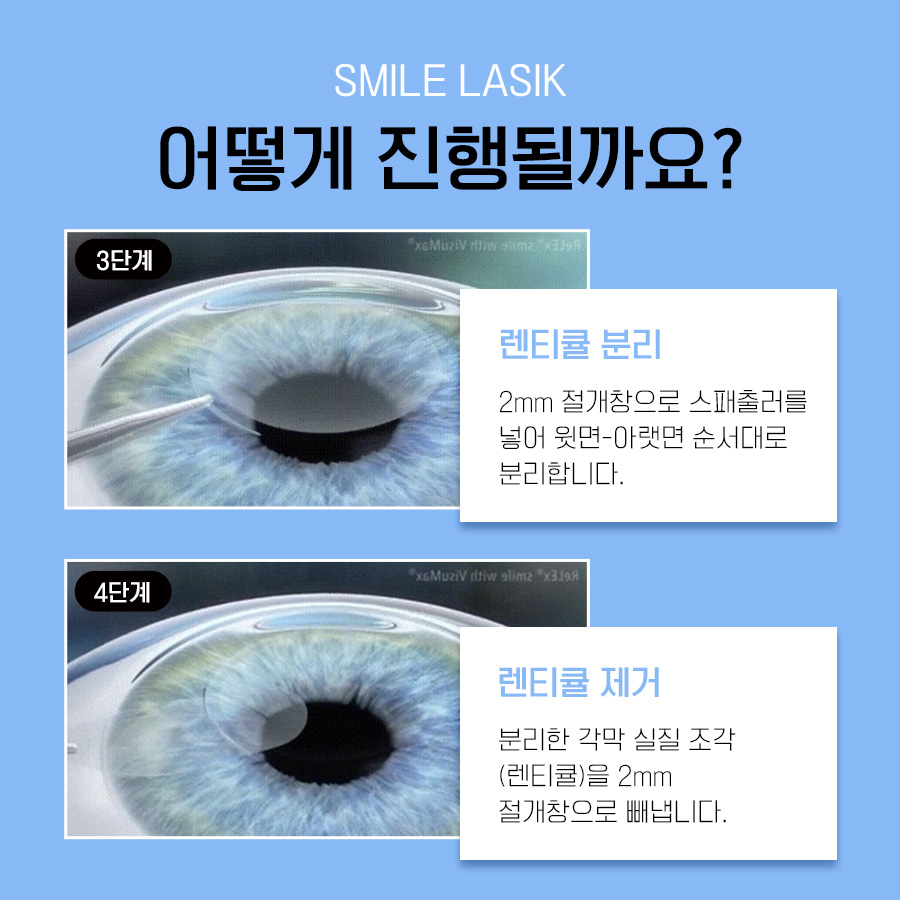
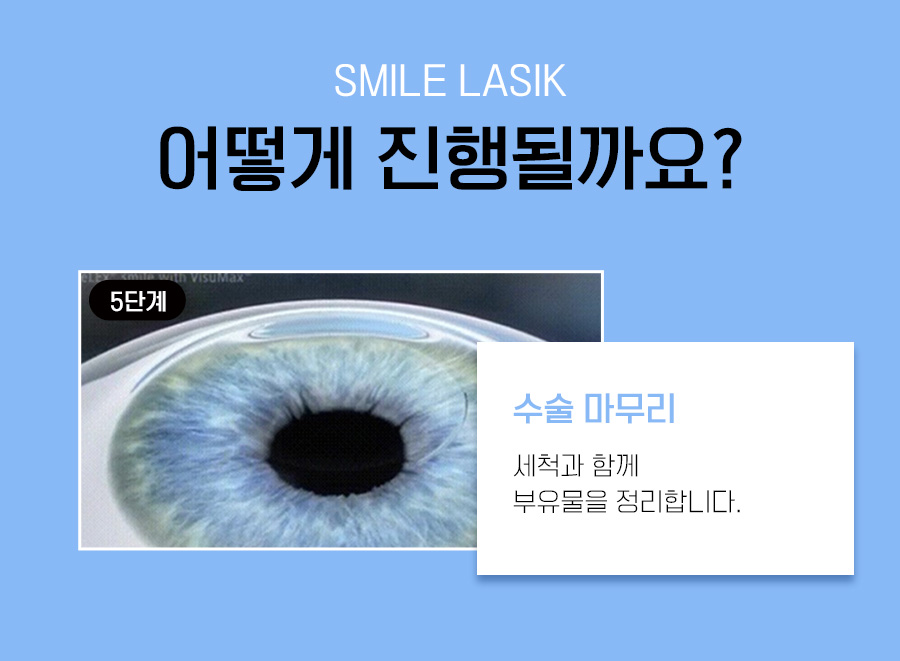
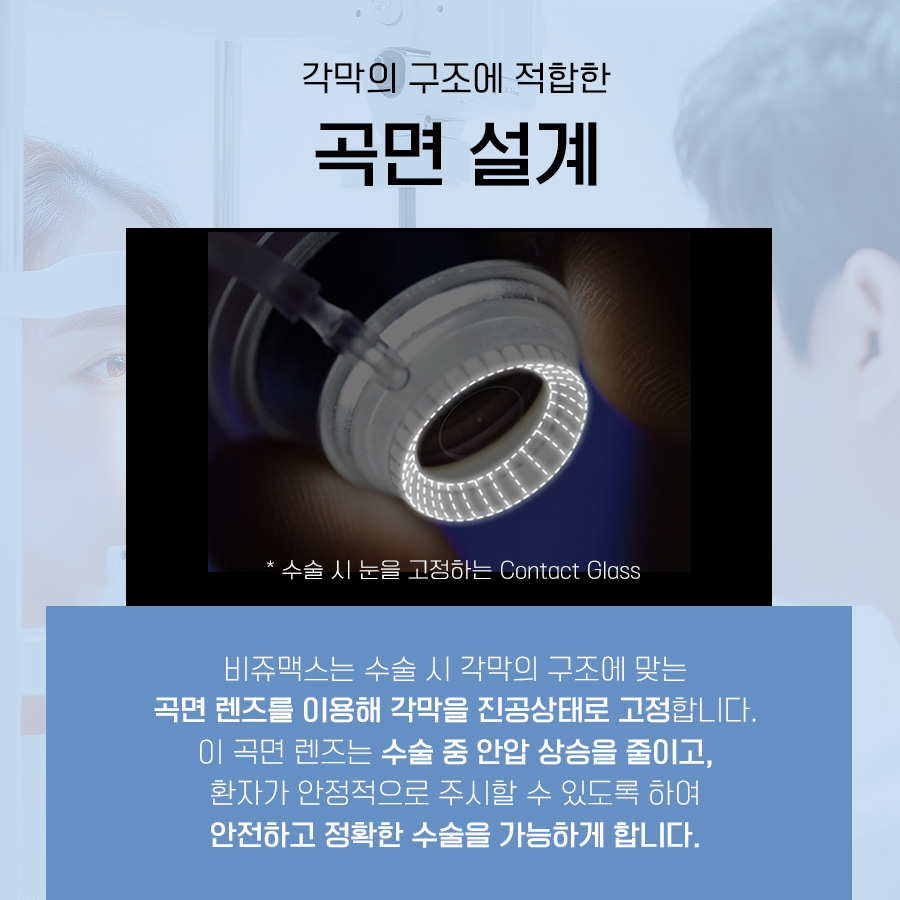
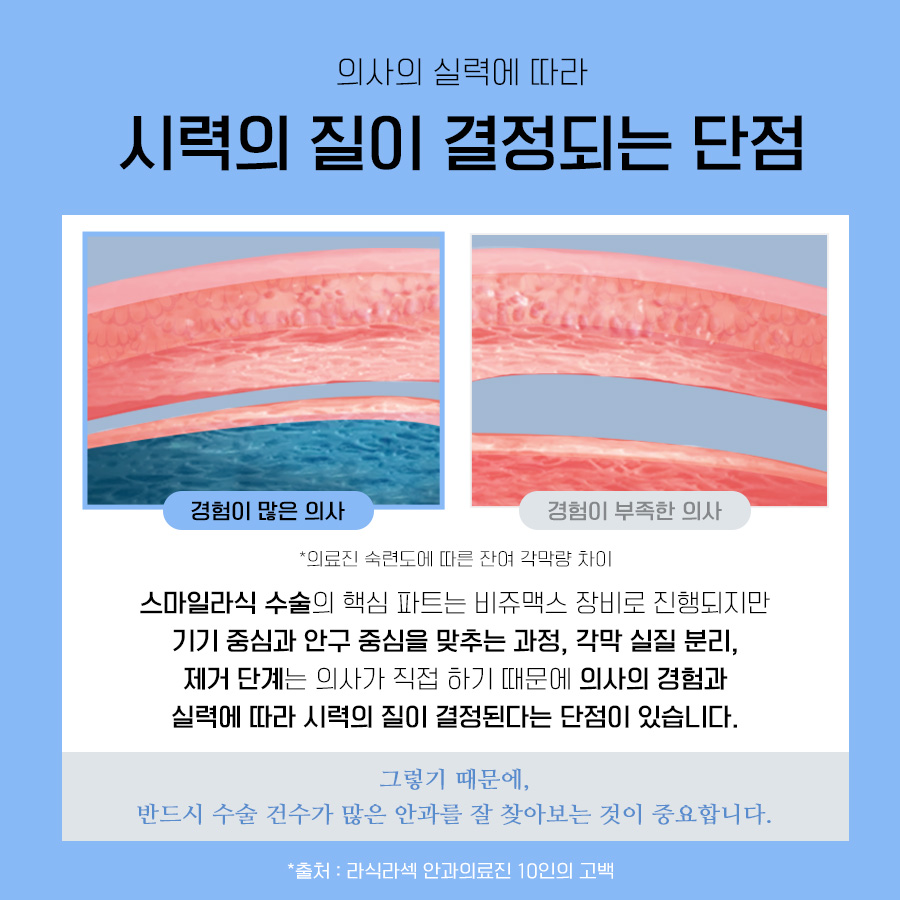
On surgery day, you lie on the laser bed and receive numbing eye drops. The femtosecond laser creates a lenticule inside the cornea and a small incision. Laser time is very short, usually just several seconds for the cutting step. The surgeon then removes the lenticule through the small incision.
Step 4: Short rest and same-day discharge
After the procedure, you rest in the clinic for a short period. The staff checks your eyes and explains eye drops and precautions. Most patients go back to their accommodation the same day.
Step 5: Follow-up visits
Follow-up visits are scheduled to monitor healing, check visual acuity, and manage any dry eye symptoms. For overseas patients, the clinic usually arranges a compact schedule so that key follow-ups occur within your stay in Korea.
Recovery expectations
Many patients notice functional vision within a day or so, with gradual refinement over several weeks. Because Smart LASIK is flapless, there is no large corneal flap to heal, which may reduce certain flap-related risks.
Dry eye symptoms can still occur, especially in the first weeks, but they are often milder than with traditional LASIK. The clinic’s dry eye service can provide artificial tears, anti-inflammatory drops, or other treatments if needed.
As with any surgery, individual recovery varies, and your doctor will give you personalized advice on work, driving, and sports.
Risks and safety counseling
Common potential side effects
Smart LASIK, like all vision correction surgeries, carries risks and potential side effects. These may include:
Temporary dry eye symptoms.
Glare or halos around lights, especially at night.
Under-correction or over-correction, sometimes requiring enhancement.
Fluctuating vision during the early healing period.
Rare infection or inflammation.
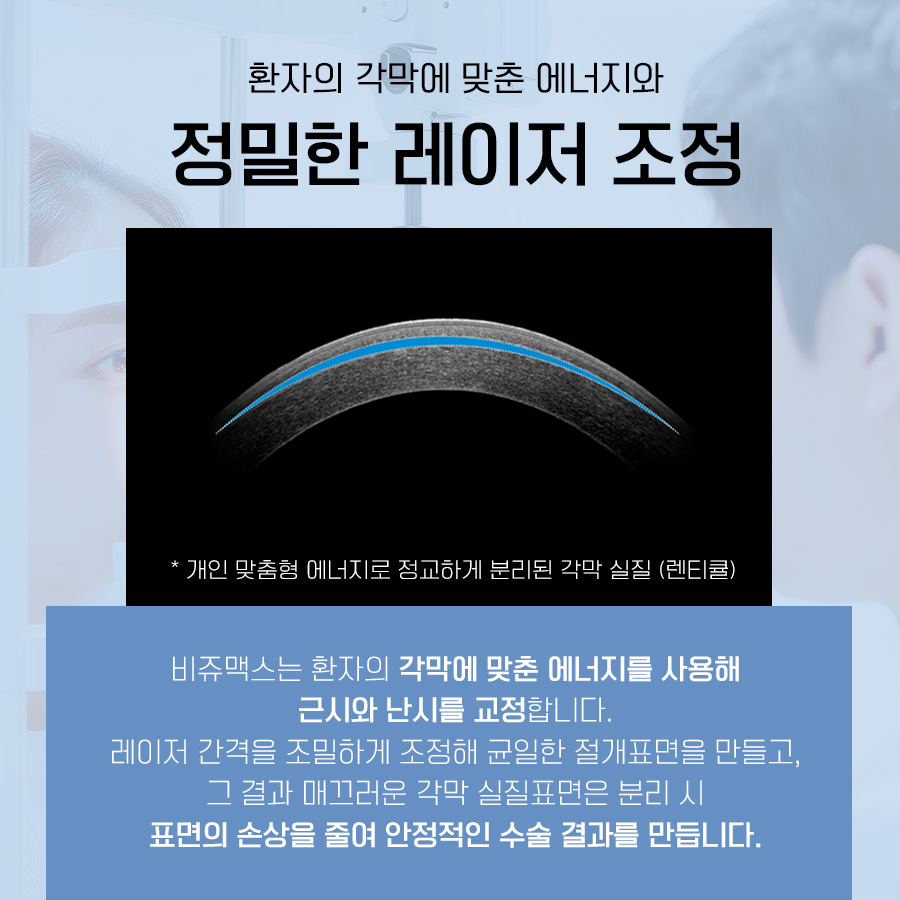
Even with advanced equipment and experienced surgeons, no surgery is risk-free. The role of the clinic is to minimize risk through careful screening, precise laser calibration, and structured follow-up.
Retinal safety for high myopia
For patients with high myopia, the retina is a key concern. The presence of retina specialists in-house means that the clinic can provide more thorough evaluation of peripheral retinal areas, detect weak spots, and recommend treatment if necessary before Smart LASIK.
When you compare clinics near Seolleung Station, it is reasonable to ask about complication rates, enhancement policies, and how emergencies are handled after surgery.
How to compare Smart LASIK options near Seolleung Station
Key points to check before booking
When you are comparing Smart LASIK clinics around Seolleung Station and Gangnam, consider the following checklist:
Is the clinic an ophthalmology clinic where ophthalmologists perform the surgery?
Which SMILE or Smart LASIK platforms are available (for example, VISUMAX 800 vs older models)?
How many SMILE-type cases has the clinic performed, and is it recognized as a training or reference center?
What exactly is included in the quoted price: pre-op tests, surgery, medications, follow-up visits, enhancement policy, and dry eye management?
Are retina specialists available for high myopia or suspicious retinal findings?
Is the clinic convenient to reach from Seolleung Station for multiple visits?
Online consultation and pre-visit preparation for overseas patients
Online consultation
If you live outside Korea, you can usually start with an online consultation. The clinic may ask you to share:
Your age and current glasses or contact lens prescription.
Any previous eye surgeries or diseases.
Whether you have dry eye symptoms, allergies, or systemic conditions like diabetes.
If you have had a recent eye examination in your home country, bringing or sending those records (refraction, corneal thickness, and retinal findings if available) can be helpful, though they do not replace the full examination in Korea.
What to prepare before traveling
Before your trip, consider preparing:
A list of questions about the procedure, equipment, surgeon experience, and what is included in the fee.
Information about your work schedule and travel dates so the clinic can plan your surgery and follow-ups efficiently.
Details about medications you are taking and any allergies.
If you wear contact lenses, you may be advised to stop wearing them for a certain period before your preoperative examination in Korea to ensure accurate measurements.
Typical Korea visit timeline for Smart LASIK
A common schedule for international patients might look like this:
Day 1: Arrival in Seoul.
Day 2: Full preoperative examination and consultation at the clinic near Gangnam and Seolleung. If you are a suitable candidate and agree to proceed, surgery may be scheduled for the next day or within a few days.
Day 3: Smart LASIK procedure and immediate post-op check.
Day 4–7: One or more follow-up visits to monitor healing and manage any early symptoms.
Day 8–10: Final check before you return home, if your schedule allows.
The exact schedule depends on your travel plan and the clinic’s medical judgment. Some patients may need more time if additional tests or retinal treatments are required before surgery.
Aftercare once you return home
After you leave Korea, you should continue using prescribed eye drops as directed and follow general precautions such as avoiding eye rubbing and protecting your eyes from dust and strong impact.
If possible, arrange follow-up visits with an eye doctor in your home country. The clinic can usually provide a summary of your surgery and postoperative course to share with your local doctor.
If you experience sudden pain, vision loss, or other worrying symptoms after you return home, seek urgent care and contact the clinic by email or phone for guidance.
Frequently asked questions about Smart LASIK price near Seolleung Station
What is the usual price range for Smart LASIK near Seolleung Station?
In the Seolleung–Gangnam area, Smart LASIK is generally more expensive than basic surface ablation procedures like LASEK because of the cost of ZEISS femtosecond laser equipment and related technology. It is often in a similar range to, or slightly below, some premium lens implantation procedures. However, exact figures vary widely between clinics and depend on your eye condition, the laser platform used, and what is included in the package, so a detailed examination is needed for an accurate quote.
Why do clinics near Seolleung not post exact Smart LASIK prices online?
Smart LASIK pricing depends on several medical factors: corneal thickness, degree of myopia and astigmatism, eye dryness, and whether additional safety procedures such as corneal cross-linking are needed. Because these differ from person to person, most clinics avoid publishing a single flat fee that might not apply to you. Instead, they provide a price range or explain their structure during consultation after a full examination.
Is Smart LASIK cheaper than SMILE pro or SILK in Gangnam?
In many clinics, standard Smart LASIK using older-generation platforms may be priced lower than the latest SMILE pro or SILK options performed on the newest VISUMAX 800 system. The newer technologies involve higher equipment investment and may offer certain workflow or comfort advantages. However, the difference is not only about price; the most suitable procedure for you depends on your corneal measurements and lifestyle, so the ophthalmologist will guide you during consultation.
What should I ask before deciding on a Smart LASIK clinic near Seolleung Station?
Before deciding, you may want to ask:
Which ZEISS platforms are available and which one is recommended for my eyes.
How many SMILE-type procedures the clinic has performed and whether it serves as a training or reference center.
Exactly what is included in the quoted price (tests, surgery, medications, follow-up visits, enhancement policy, and dry eye management).
Whether retina specialists are available to evaluate high myopia or suspicious retinal findings.
Writing down these questions before your visit or online consultation can help you compare clinics more clearly.
Soft call to action for online consultation
If you are considering Smart LASIK near Seolleung Station and Gangnam and would like to understand your likely costs, you can start with an online consultation. By sharing your basic eye history and travel plans, the clinic can advise whether you are a potential candidate and outline a tentative schedule and cost structure.
Final fees and treatment plans can only be confirmed after a full eye examination in Korea, but preparing your questions in advance about equipment, surgeon experience, and what is included in the fee will help you make a confident and informed decision.

- 공유 링크 만들기
- X
- 이메일
- 기타 앱


댓글
댓글 쓰기