Sinnonhyeon SMILE LASIK Reviews and What to Expect in Gangnam
- 공유 링크 만들기
- X
- 이메일
- 기타 앱
Direct answer: what Sinnonhyeon SMILE LASIK reviews really say
- Surgery day is usually shorter and less painful than they feared, with more pressure and strange sensations than sharp pain.
- Functional vision often returns quickly, many people can see well enough for everyday tasks within about a day, though clarity can fluctuate for several weeks.
- Dryness, halos, and night glare can appear in the early period, but often improve over time with proper aftercare and follow‑up.
This guide summarizes those common experiences, explains the SMILE LASIK process in simple terms, and shows you how to read reviews critically when choosing an eye clinic in the Sinnonhyeon and Gangnam area.
What SMILE LASIK actually is
SMILE LASIK overview
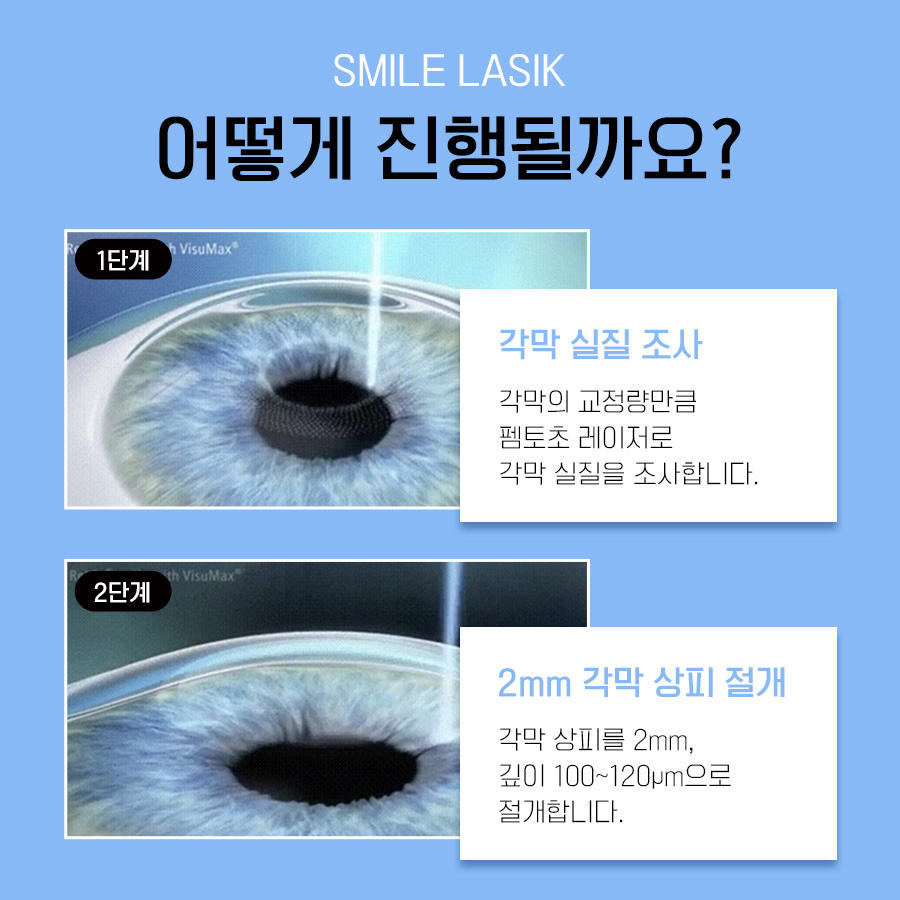
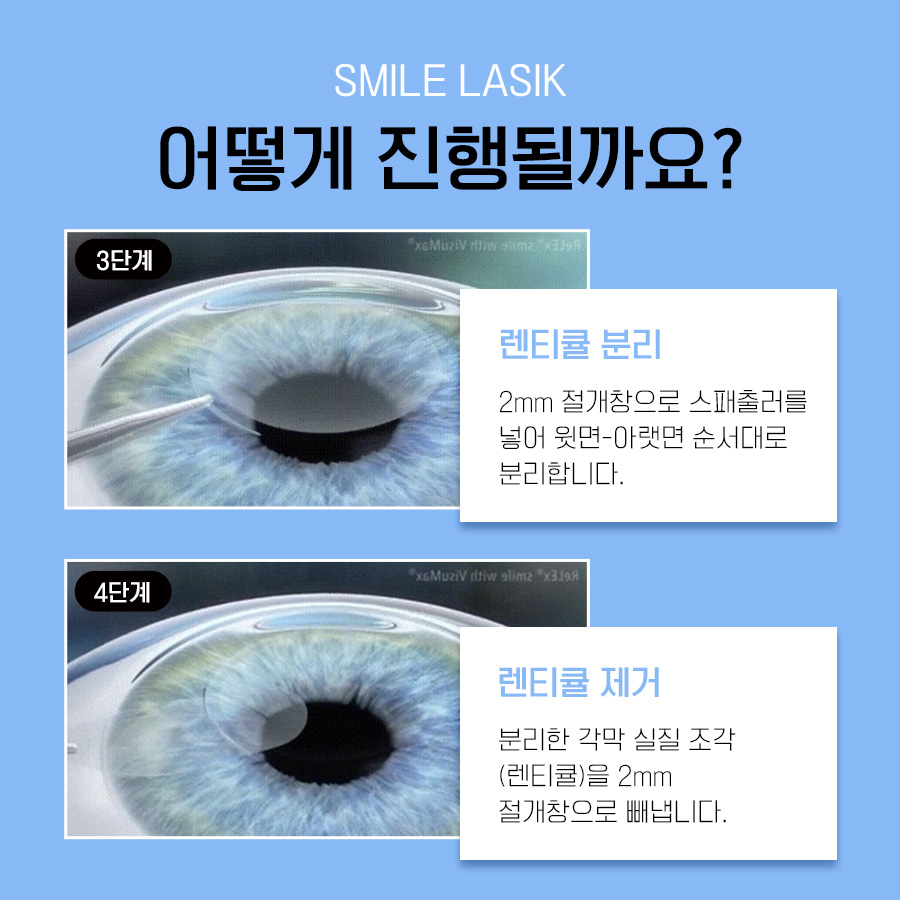
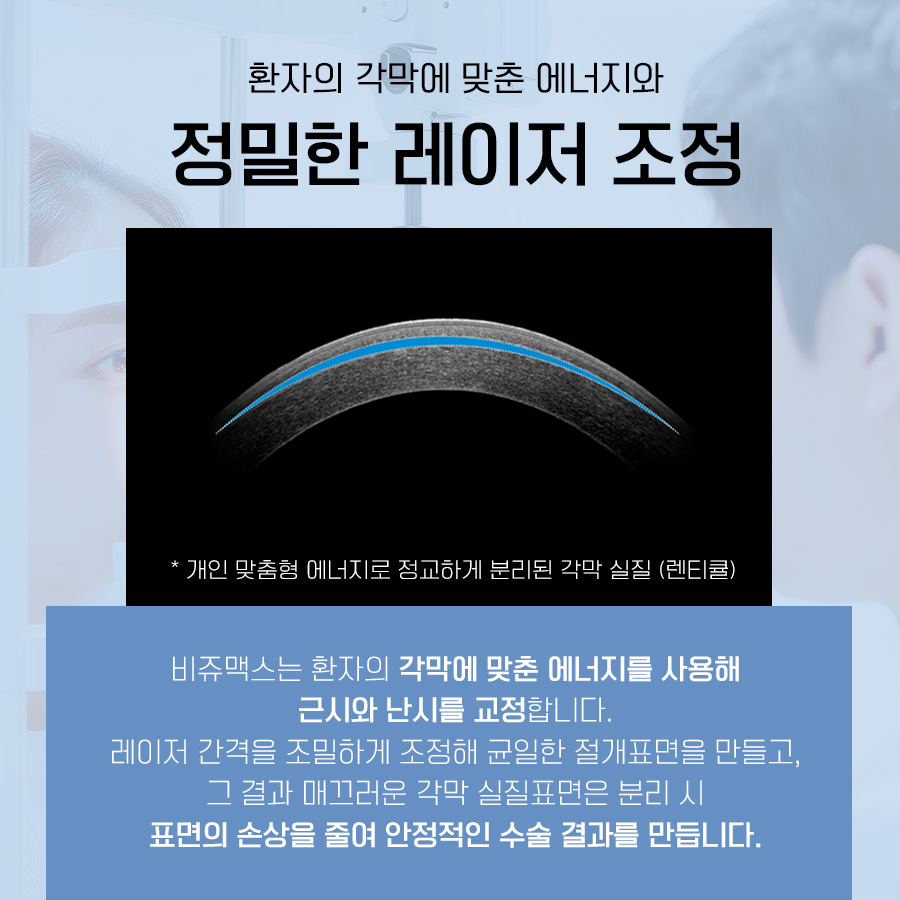
SMILE LASIK is a type of laser vision correction that reshapes the cornea to reduce myopia and myopic astigmatism. The procedure uses a femtosecond laser platform to create a small lens-shaped piece of tissue called a lenticule inside the cornea.
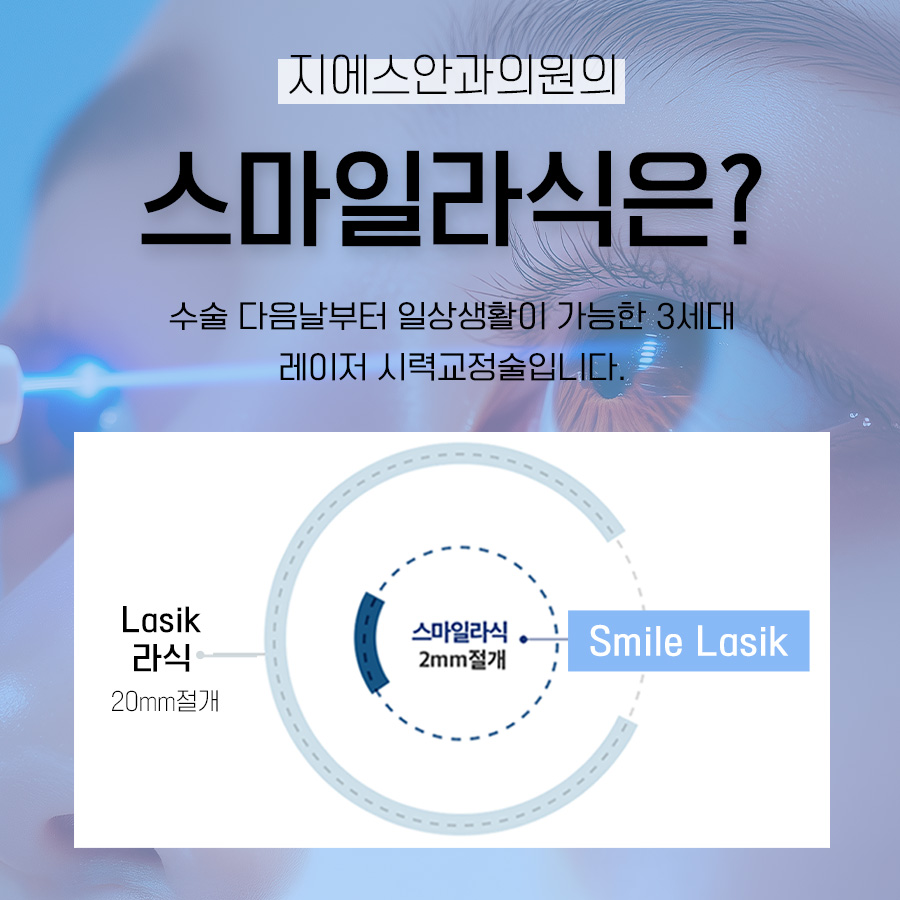
Through a very small incision, the surgeon removes this lenticule. Once it is removed, the shape of your cornea changes, and light focuses more accurately on your retina, improving your vision.
Unlike classic LASIK, SMILE does not require a large corneal flap. The incision is much smaller, which is why it is often described as minimally invasive and flapless.
Who is usually considered for SMILE LASIK
Typical candidates mentioned in clinic explanations and reviews include:
People with myopia and myopic astigmatism within a certain range.
People with adequate corneal thickness and a regular corneal shape.
People with relatively healthy eyes and a stable prescription for at least one to two years.
People with very thin or irregular corneas, unstable prescription, certain high degrees of myopia, or retinal problems may be advised to consider other options such as LASEK, other LASIK types, or lens implantation. Final suitability is always decided after a detailed examination with an ophthalmology clinic.
Common advantages patients mention in reviews
When you read Sinnonhyeon SMILE LASIK reviews, you will often see comments like:
Less concern about a large flap, because SMILE uses only a small incision.
Perception of a gentler procedure, with many patients describing only pressure and mild discomfort.
Quick return to usable vision, often the next day for work, study, or commuting.
Some patients reporting less dry eye compared with friends who had traditional LASIK, although dryness can still occur.
At the same time, many reviewers also mention temporary halos, glare at night, or fluctuating vision in the first weeks or months. These experiences vary from person to person.
What people usually check in Sinnonhyeon SMILE LASIK reviews
Key themes in real reviews
If you scan online reviews for SMILE LASIK in the Gangnam and Sinnonhyeon area, you will notice similar topics:
Preoperative consultation and testing
Reviewers often describe how long the initial visit took, how many tests were done, and whether the staff explained the results clearly. Many positive reviews highlight multi-step examinations including corneal thickness, shape, tear film, and retina checks.
Doctor’s explanation and communication
Patients pay close attention to how the ophthalmologist explains risks, benefits, and alternatives (such as LASEK or lens implantation). Reviews often praise doctors who clearly say when SMILE is not suitable and suggest safer alternatives instead of pushing one procedure.
Surgery day experience
People describe how long they waited, how the staff supported them, and what they felt under the laser. Many comment that the laser time was surprisingly short, and that they felt pressure and some discomfort but not strong pain.
First 24 hours
Reviews commonly mention tearing, light sensitivity, and a foreign body sensation for several hours. Many patients say that by the next morning, they could already see well enough to move around comfortably, although their vision still felt a bit hazy.
One week to one month
This is when many reviewers report clearer vision but also dryness, especially when using screens. Some mention halos around lights at night or glare when driving. These symptoms often improve gradually, but the timeline is different for everyone.
Three to six months and beyond
Longer-term reviews focus on stability and satisfaction. Many people in their 20s to 40s mention that daily life without glasses or contact lenses feels convenient, but they also note that occasional dryness or night glare can persist and should be discussed during follow-up visits.
How to read reviews critically
When you are comparing Sinnonhyeon SMILE LASIK reviews, it can help to:
Look for detailed step-by-step descriptions rather than short emotional comments. Specific details about tests, waiting times, and exact sensations are more informative.
Check whether the reviewer mentions a thorough examination and individual counseling, not just quick screening.
Notice how the clinic responded to questions and concerns, especially if the patient had anxiety or side effects.
Pay attention to how the clinic handles negative or mixed reviews. Calm, respectful replies and clear explanations are a good sign.
Typical SMILE LASIK journey at a Gangnam or Sinnonhyeon eye clinic
Initial online contact and pre-visit preparation
For international patients, the journey often starts online. Many Gangnam eye clinics offer English-language inquiry forms, email, or messaging apps. Before you travel, you can usually:
Send your age, current glasses or contact lens prescription, and basic eye history.
Share whether you have dry eye symptoms, allergies, or previous eye surgery.
Ask about typical eligibility ranges for SMILE LASIK and whether you should consider alternatives.
Clinics often advise you to stop wearing soft contact lenses for several days before your final measurements, and longer for rigid lenses. If you plan a short trip, ask how many days you should be in Seoul before surgery so that your cornea can return to its natural shape for accurate testing.
Comprehensive eye examination
At your first in-person visit, you can expect a structured examination that may include:
Visual acuity and refraction tests.
Corneal thickness measurement and topography (shape map of the cornea).
Pupil size and tear film evaluation for dry eye.
Retinal examination to rule out underlying problems.
Based on these results, the ophthalmologist will explain whether SMILE LASIK is suitable, or whether LASEK, other LASIK methods, or lens implantation might be safer in your case. A responsible clinic will sometimes advise against any surgery if your eyes are not suitable.
Informed consent and preparation
Before scheduling surgery, you should receive an explanation of potential risks and side effects, such as:
Overcorrection or undercorrection.
Dry eye symptoms.
Halos and glare at night.
Very rare but serious complications.
You will usually be given instructions about fasting (if needed), using or stopping certain eye drops, and how to prepare on the day of surgery. For overseas patients, it is important to confirm how many follow-up visits are recommended and whether some later checks can be done in your home country.
Surgery day experience
On the day of SMILE LASIK, the general flow at many Sinnonhyeon and Gangnam clinics is similar:
You arrive, sign final consent forms, and may repeat key measurements.
Anesthetic eye drops are applied; general anesthesia is not used.
The overall time spent in the procedure room for both eyes varies with clinic workflow and patient factors, so expect differences between centers and visits.
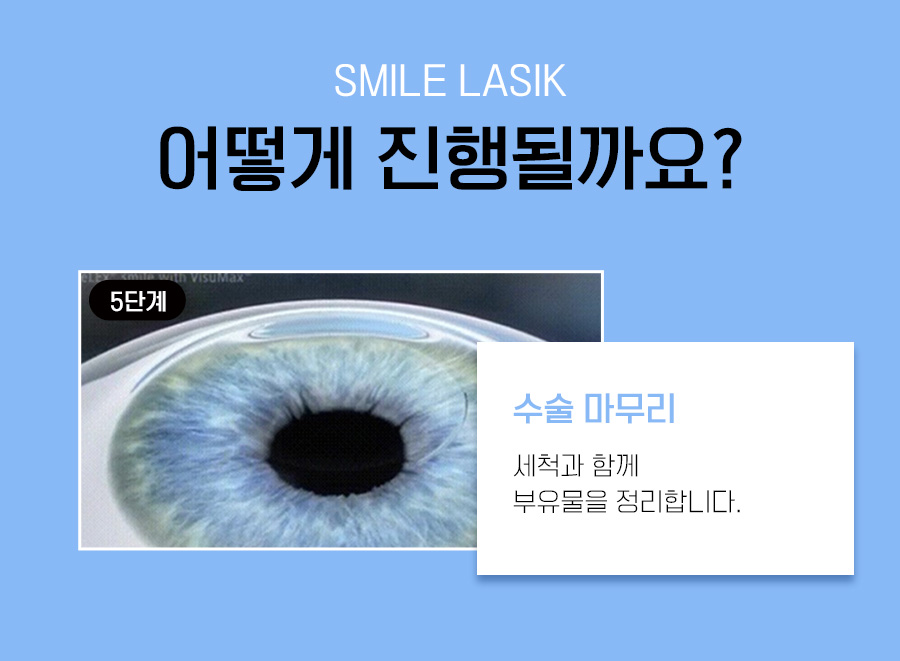
Many patients describe feeling pressure when the laser is applied and some mild discomfort when the lenticule is removed through the small incision. Strong pain is not usually described, but anxiety is common, so staff often talk you through each step.
Immediately after surgery
Right after SMILE LASIK, your vision will likely be hazy or foggy. Common sensations include:
Tearing and watery eyes.
Foreign body sensation or mild stinging.
Light sensitivity.
You may rest in a dark room for a while. Clinics often provide protective eye shields and detailed instructions not to rub your eyes. You will usually receive several types of eye drops, such as antibiotic, anti-inflammatory, and lubricating drops, with a clear schedule.
Early recovery: first one to seven days
Many Sinnonhyeon SMILE LASIK reviews report that:
By the next day, vision is already good enough for walking around, commuting, and light tasks.
Vision can still feel slightly blurred or fluctuate during the first week, especially when using digital screens.
Dryness is common, and artificial tears are used frequently.
You will likely have a check-up the day after surgery and possibly additional visits within the first week. During this period, you are usually advised to avoid eye rubbing, heavy exercise, swimming, and eye makeup for a certain time.
Mid to long-term follow-up
From one month to several months after SMILE LASIK, follow-up visits check:
Visual acuity and stability.
Corneal healing.
Any remaining symptoms such as dryness, halos, or night glare.
Some patients may need longer use of lubricating drops or additional treatment for dry eye. If there is residual refractive error, your doctor may discuss whether observation or further correction is appropriate, depending on your case.
What positive Sinnonhyeon SMILE LASIK reviews often highlight
Thorough testing and clear explanations
Many favorable reviews from the Gangnam and Sinnonhyeon area emphasize that the clinic:
Performed multiple detailed tests before deciding on SMILE LASIK.
Explained in simple language why SMILE was suitable or not suitable.
Discussed alternatives like LASEK or lens implantation when needed.
Up-to-date laser platforms
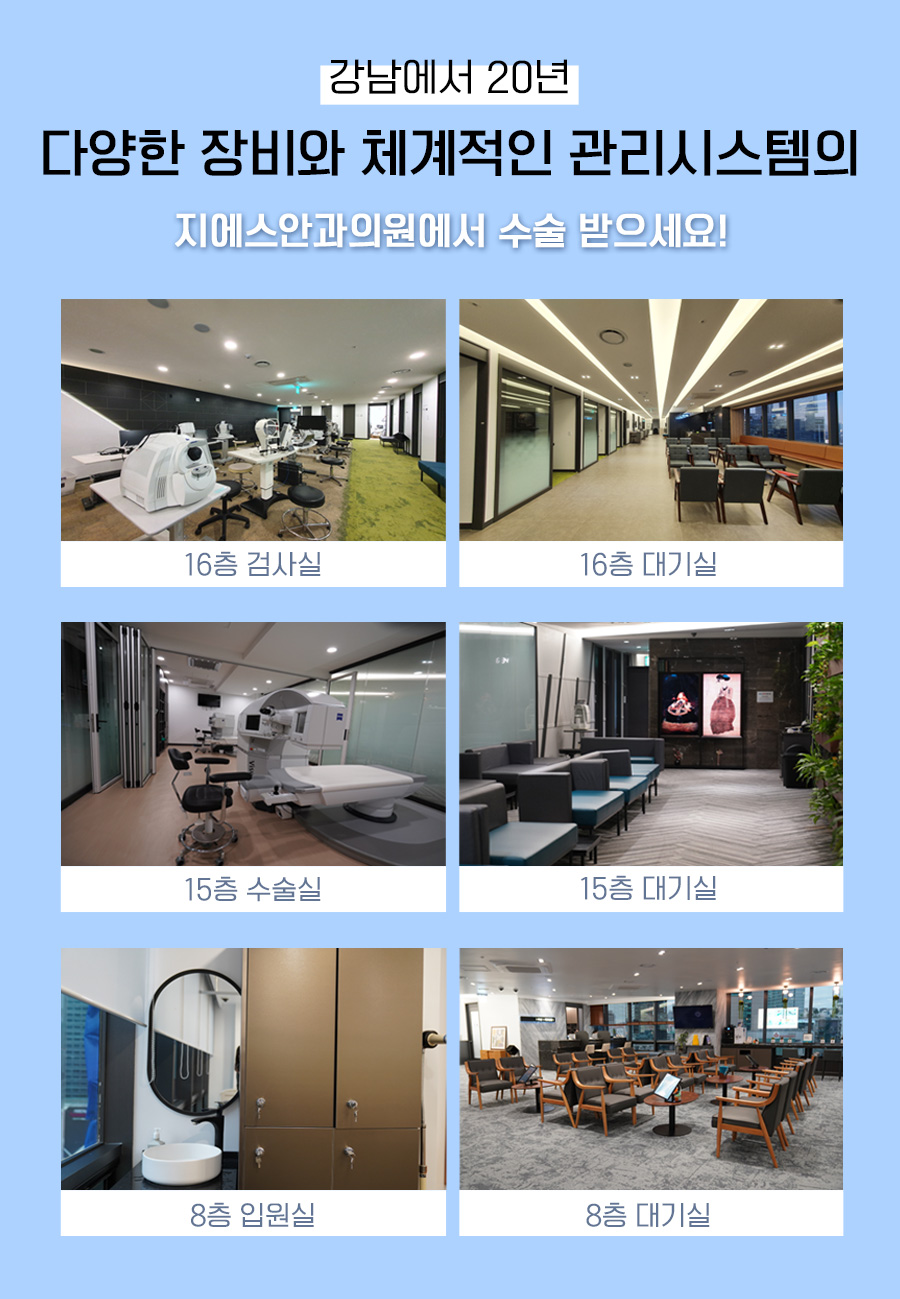
Patients often feel reassured when they see modern equipment, for example:
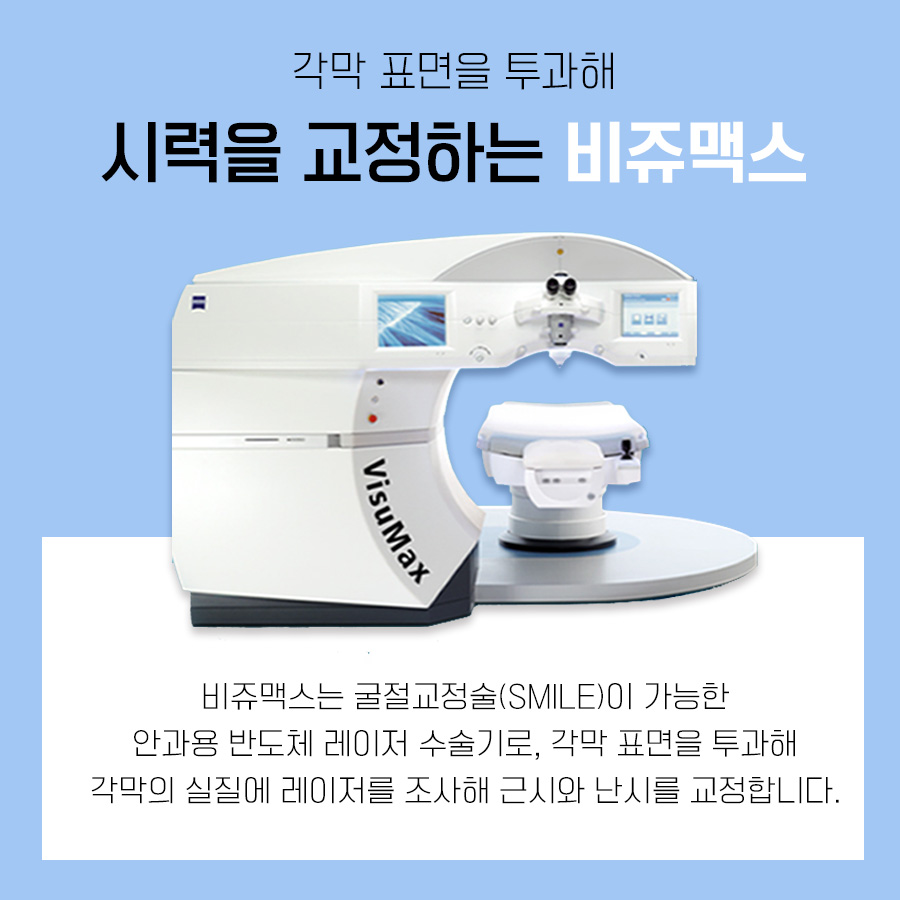
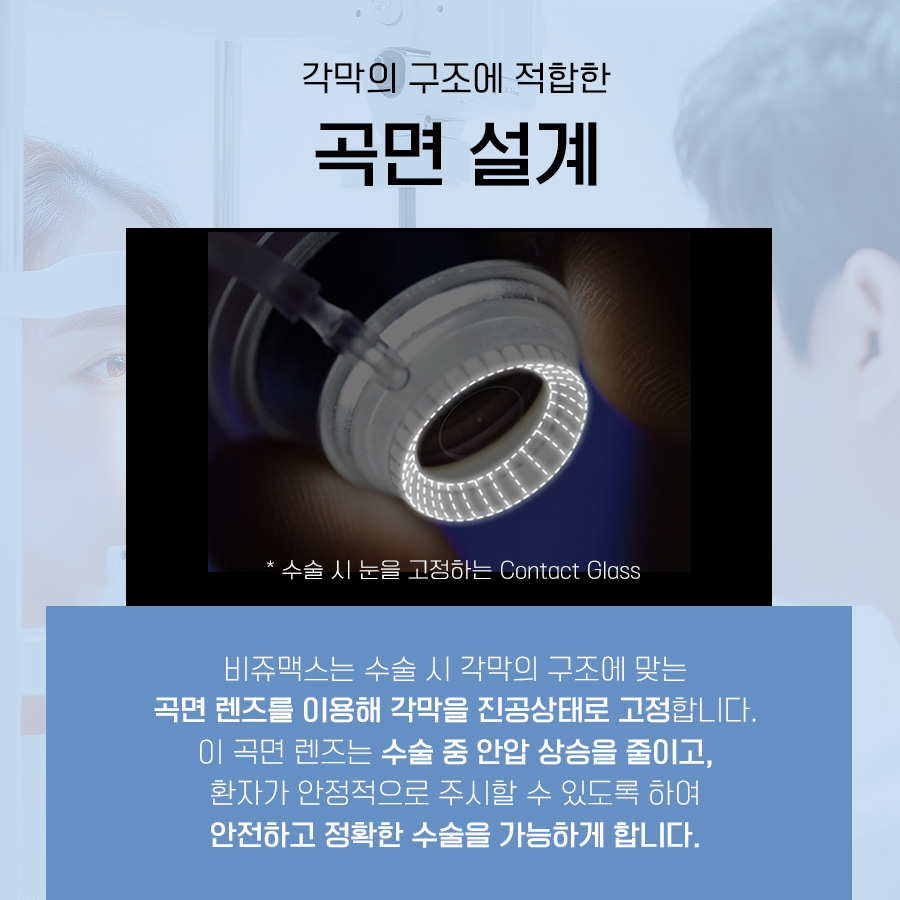
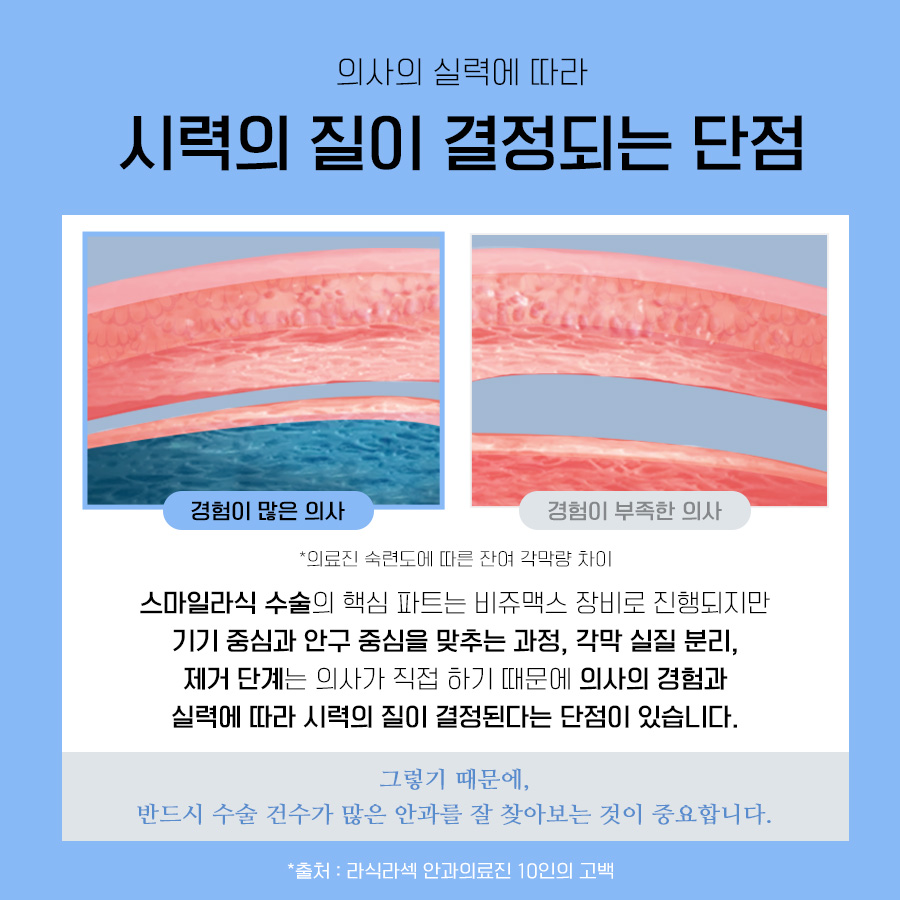
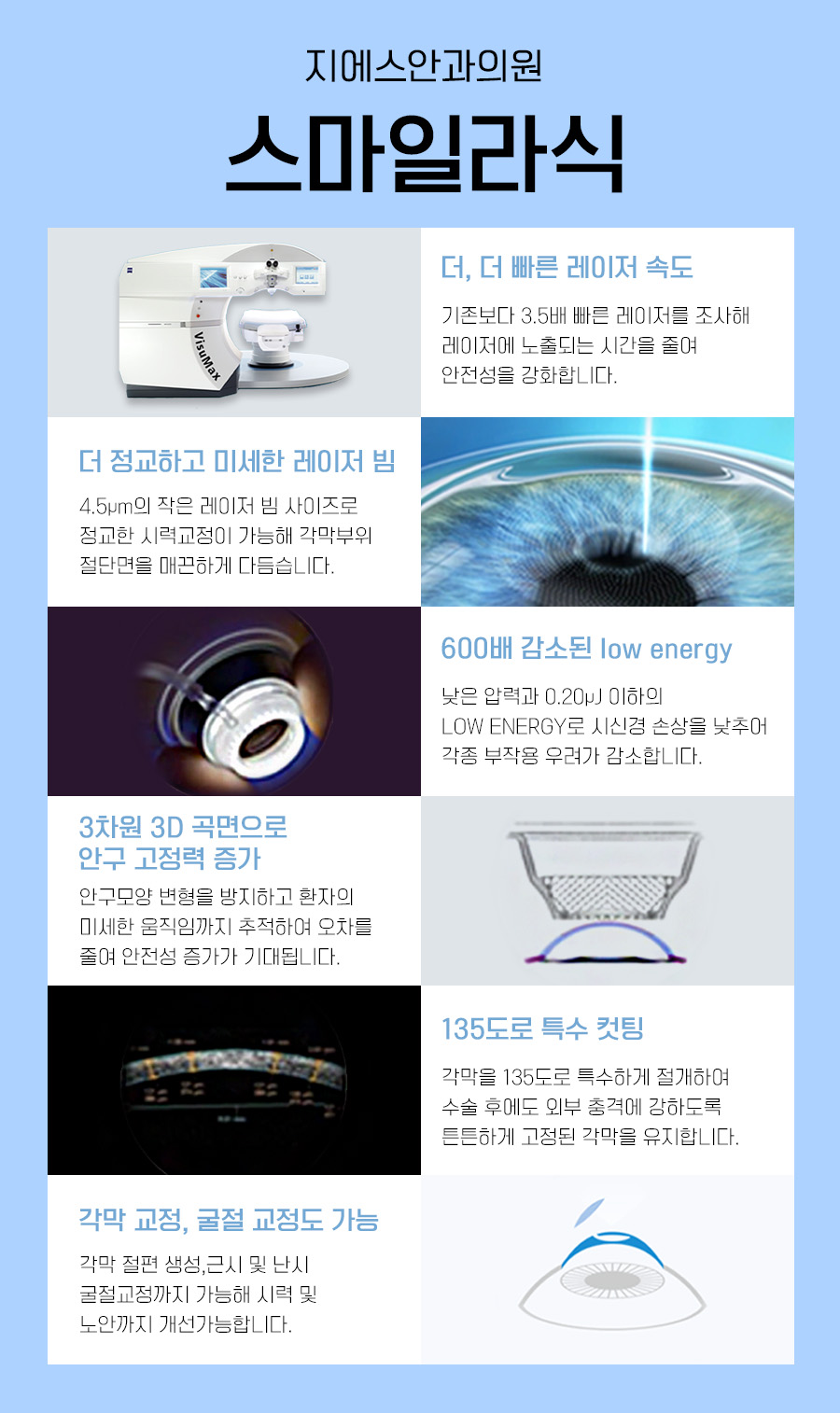
Use of ZEISS VisuMax 800 for SMILE pro, which offers faster laser time.
Availability of VisuMax 500 units for classic SMILE LASIK.
Reviews sometimes mention that faster laser time made the experience more comfortable, although final outcomes still depend on careful planning and eye condition.
Experienced ophthalmology teams and organized follow-up
Positive reviews tend to mention:
Surgeons with focused experience in refractive surgery.
Calm, consistent explanations during all visits.
Clear follow-up schedules and easy access to the clinic by phone or online if questions arise.
Convenient location in Gangnam and Sinnonhyeon
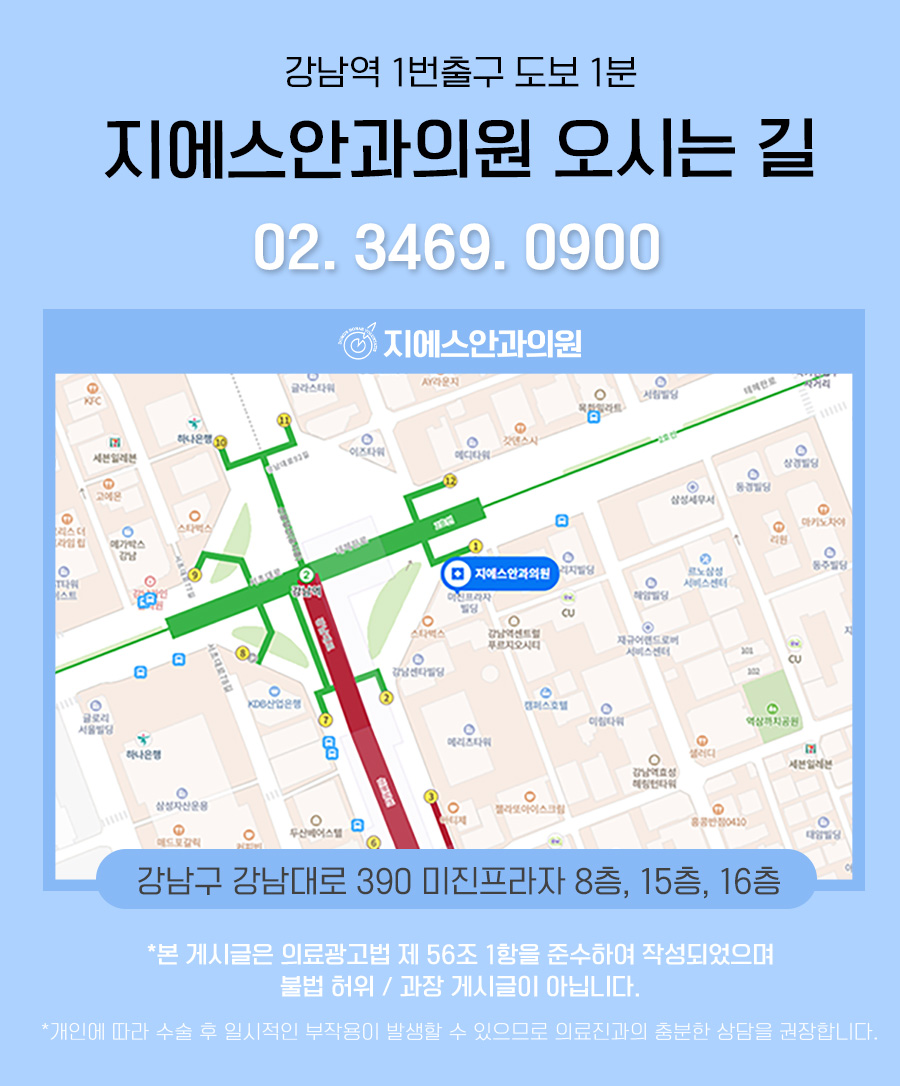
For people living, working, or studying around Gangnam Station and Sinnonhyeon Station, convenience matters. Many reviews mention that the clinic’s location made it easy to attend multiple follow-up visits without long travel times, which is especially important in the first weeks after surgery.
Example of a high-volume SMILE LASIK center in Gangnam
In the Gangnam area, there are eye clinics that perform large numbers of refractive procedures, including SMILE LASIK. As one example, consider a clinic that:
Opened in 2005 and has remained in the same location near Gangnam Station.
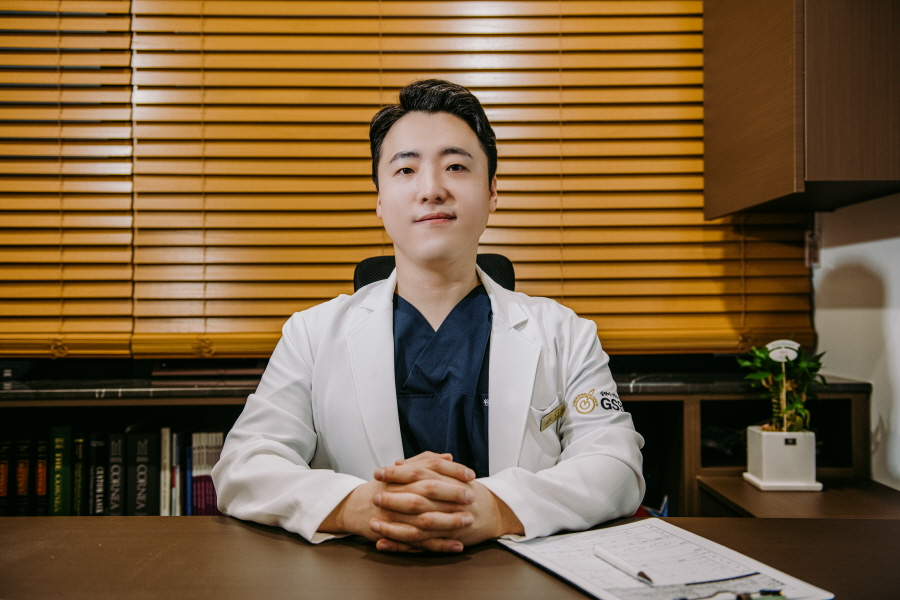
Is led by a board-certified ophthalmologist with a medical doctorate, with previous experience as a university hospital professor and an educational video channel about eye health and surgery.
Has a medical team composed of board-certified ophthalmologists, including subspecialists in retina and cataract or refractive surgery.
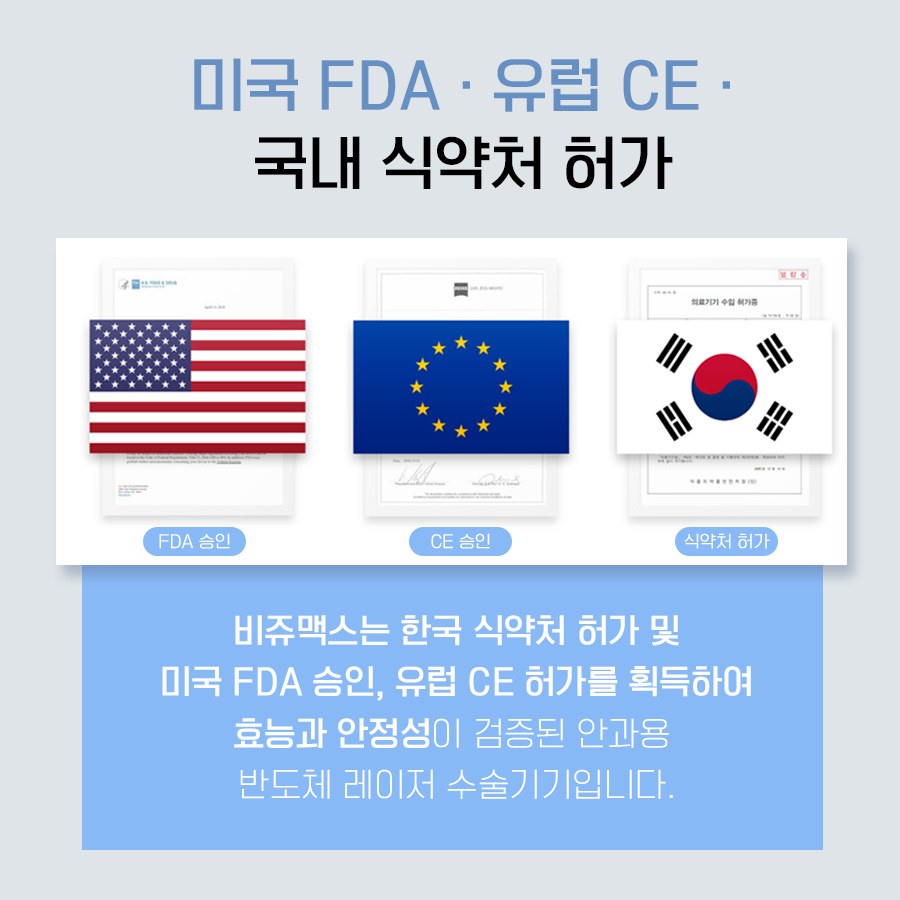
Clinic procedure volumes and manufacturer recognitions vary by institution and change over time. When evaluating a specific clinic, verify any claims about cumulative procedure counts or official recognitions (such as manufacturer training or center designations) by consulting the clinic's published data or the equipment manufacturer's official listings.
This allows flexible scheduling and backup options if one machine is under maintenance.
You do not need to choose this exact clinic. Instead, you can use these features as a checklist when evaluating any Sinnonhyeon or Gangnam eye clinic: look for experienced ophthalmologists, clear data on procedure volume, modern equipment, and recognized training or reference center status.
How to choose a SMILE LASIK clinic in Sinnonhyeon or Gangnam based on reviews
Medical team
When reading reviews or clinic websites, consider:
Are the surgeons board-certified ophthalmologists?
Do they have specific experience in refractive surgery and SMILE procedures?
Do they explain both benefits and risks, and do they mention alternatives if SMILE is not ideal for you?
Examination system
Look for signs of a structured, multi-step examination:
Corneal topography and thickness measurements.
Tear film and dry eye evaluation.
Retinal examination, especially if you have high myopia.
Reviews that mention the clinic advising against surgery when it is unsafe are actually a positive sign of caution.
Equipment and environment
Consider whether the clinic:
Uses modern femtosecond laser platforms such as ZEISS VisuMax 800 or 500.
Has more than one unit, which can help with scheduling and continuity.
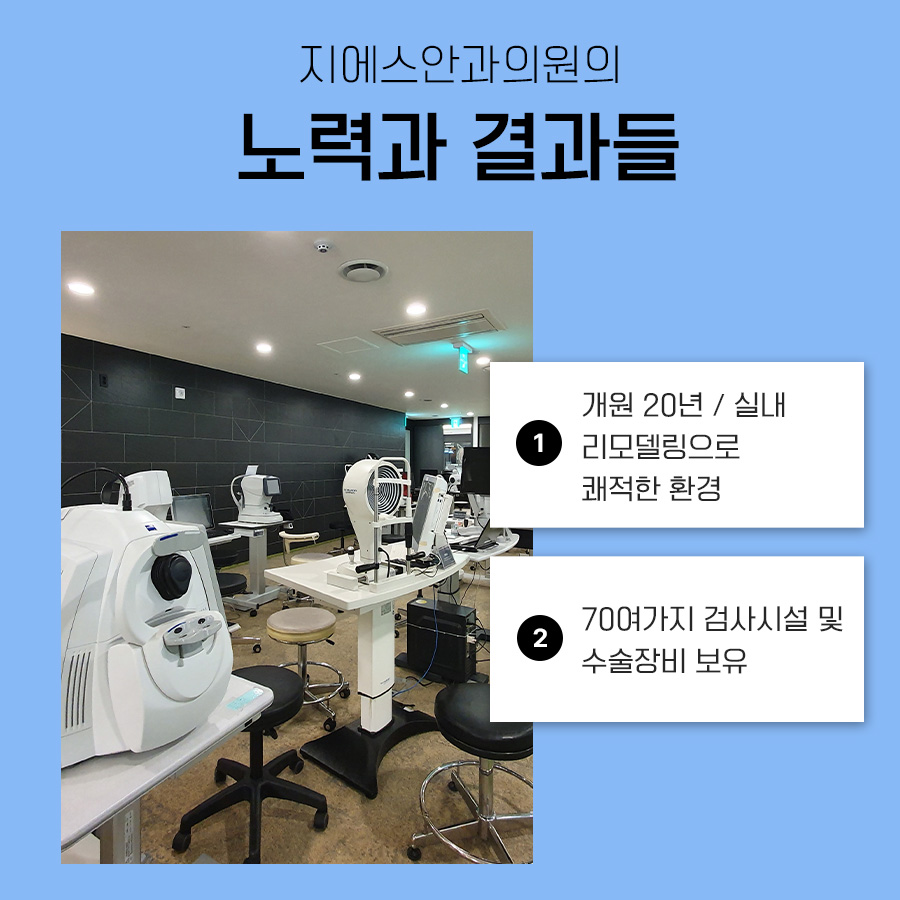
Maintains a clean, organized environment and explains sterilization and safety protocols.
Safety track record and procedure volume
While higher volume alone does not guarantee better results, it can indicate experience. Look for:
Time-stamped data on cumulative SMILE and refractive procedures.
Recognition as a training or reference center by device manufacturers or academic groups.
Follow-up and communication
Reviews can tell you a lot about aftercare. Pay attention to:
How often follow-up visits are scheduled.
Whether patients felt they could easily contact the clinic if problems appeared.
How the clinic handled concerns about dryness, night glare, or slow recovery.
Patient experience and realistic expectations
Finally, choose clinics where reviews describe realistic timelines, not just “perfect vision the next day.” Mixed but honest reviews, where patients mention both benefits and minor inconveniences, are often more trustworthy than only extremely positive or extremely negative comments.
Expected Korea visit timeline for overseas patients
If you are traveling from overseas for SMILE LASIK in Sinnonhyeon or Gangnam, a common schedule might look like this:
Day 1: Arrival in Seoul, rest.
Day 2: Full eye examination and consultation. If your cornea is stable and contact lens-free for long enough, surgery might be scheduled for the same day or the next day.
Day 3: SMILE LASIK surgery, rest in accommodation afterward.
Day 4: First postoperative check-up, usually in the morning.
Days 5–7: Additional check-up if recommended, light sightseeing or remote work if your eyes are comfortable.
Many clinics recommend staying in Korea for at least several days after surgery to ensure early healing is on track. If you must leave earlier, discuss how you will handle follow-up in your home country and how you can contact the clinic if questions arise later.
Aftercare and lifestyle considerations
After SMILE LASIK, you will receive instructions such as:
Use antibiotic and anti-inflammatory eye drops as prescribed.
Use lubricating eye drops frequently to relieve dryness.
Avoid rubbing your eyes, heavy exercise, swimming pools, and hot tubs for a certain period.
Avoid eye makeup for a recommended time.
Wear sunglasses outdoors to reduce light sensitivity and protect your eyes.
For office workers and students, many clinics say you can return to light work or study in about one to two days, but you may feel more eye fatigue when using screens for long hours during the first week or two. Regular breaks and artificial tears can help.
Frequently asked questions about SMILE LASIK in Sinnonhyeon and Gangnam
Is SMILE LASIK painful?
Most patients describe SMILE LASIK as uncomfortable rather than truly painful. During the procedure, you may feel pressure and some strange sensations when the laser is working and the lenticule is removed. Anesthetic eye drops are used, so sharp pain is uncommon.
After the surgery, you can expect tearing, a foreign body sensation, and light sensitivity for several hours. These symptoms usually improve significantly by the next day. If you are very anxious about pain, discuss this with your doctor in advance so they can explain the process in detail.
How long does it take to return to work or study?
Many people in office or study environments can return to light tasks within one to two days after SMILE LASIK, especially if their commute is short and they can take breaks. However, screen-heavy work may feel tiring for a week or more due to dryness and fluctuating focus.
If your job involves heavy physical activity, dusty environments, or night driving, you may need a longer adjustment period. Your ophthalmologist can give more tailored advice based on your work and your early recovery.
Is SMILE LASIK safer than LASIK or LASEK?
Each vision correction method has its own advantages and limitations. SMILE LASIK has a smaller incision and does not create a large flap, which may reduce the risk of flap-related complications and may help preserve more corneal nerves, potentially leading to fewer dry eye symptoms in some patients.
LASEK and other LASIK types can still be better choices for certain corneal shapes, thicknesses, or prescriptions. The safest option is the one that matches your individual eye condition, which is why a detailed examination and honest counseling are essential.
Can everyone get SMILE LASIK, and how long do the results last?
Not everyone is a candidate for SMILE LASIK. People with very thin or irregular corneas, unstable prescriptions, certain high degrees of myopia or astigmatism, or retinal problems may be advised to avoid SMILE or any corneal laser surgery. In such cases, other treatments or simple observation may be safer.
For those with stable prescriptions who are suitable for SMILE LASIK, results are generally long-lasting. However, your eyes will still go through natural age-related changes, such as presbyopia (difficulty focusing up close) in your 40s and beyond, and possible cataract development later in life. SMILE LASIK does not prevent these normal aging processes.
Soft call to action for online consultation
If you are considering SMILE LASIK in the Sinnonhyeon or Gangnam area, use online reviews as one reference, but do not rely on them alone. The next practical step is to arrange an online consultation with an ophthalmology clinic that offers SMILE LASIK.
Prepare your questions in advance: ask about eligibility, examination steps, equipment, expected recovery time for your lifestyle, and how follow-up care is handled for overseas patients. Sharing your prescription and eye history before you travel can help the clinic give you more personalized guidance.
By combining careful review reading with at least one thorough in-person examination at a reputable eye clinic, you can make a more confident decision about whether SMILE LASIK in Sinnonhyeon or Gangnam is right for you.

- 공유 링크 만들기
- X
- 이메일
- 기타 앱


댓글
댓글 쓰기