Sinnonhyeon vision correction surgery cost guide near Gangnam Station
- 공유 링크 만들기
- X
- 이메일
- 기타 앱
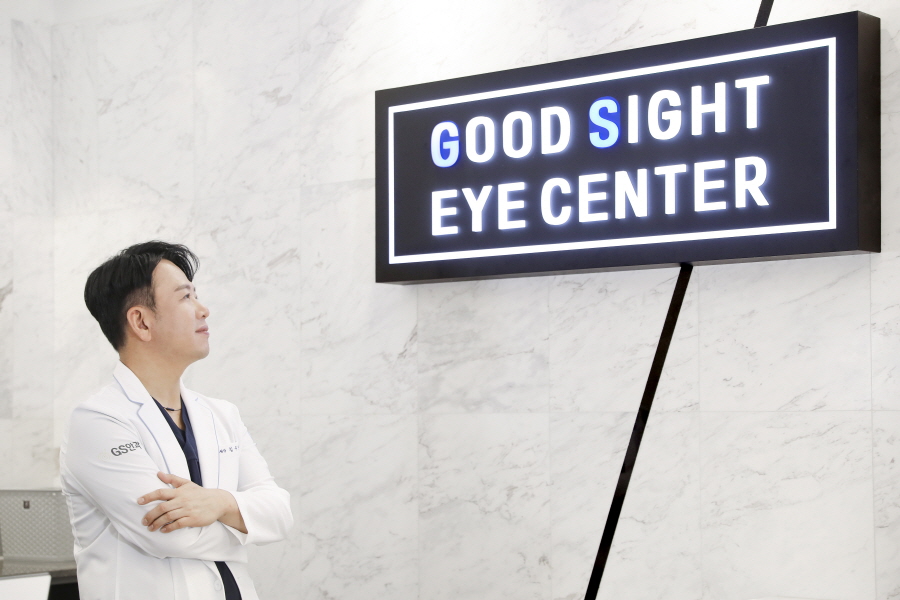
Sinnonhyeon vision correction surgery cost overview
This guide outlines common factors that can affect price in the Sinnonhyeon–Gangnam area, general cost ranges by procedure type, how clinics near Sinnonhyeon Station commonly structure fees, and practical considerations for visitors from overseas.
This article is written for international patients who may be searching in English or in translation, and who want a practical explanation before booking an eye examination.
Direct answer summary about costs near Sinnonhyeon
Around Sinnonhyeon and Gangnam Station in Gangnam-gu, Seoul, laser vision correction surgery is usually priced per eye or for both eyes together. Exact fees differ by clinic and individual eye condition, but the following ranges are common reference points in this area:
Conventional LASIK / LASEK: commonly falls in the mid-range among laser procedures, though prices depend on clinic and technology used.
Customized or wavefront-guided LASIK / LASEK: may be priced higher than standard LASIK/LASEK when available.
Phakic lens implantation (ICL and similar lens implantation): can be more expensive than many laser procedures because of the cost of the implantable lens itself.
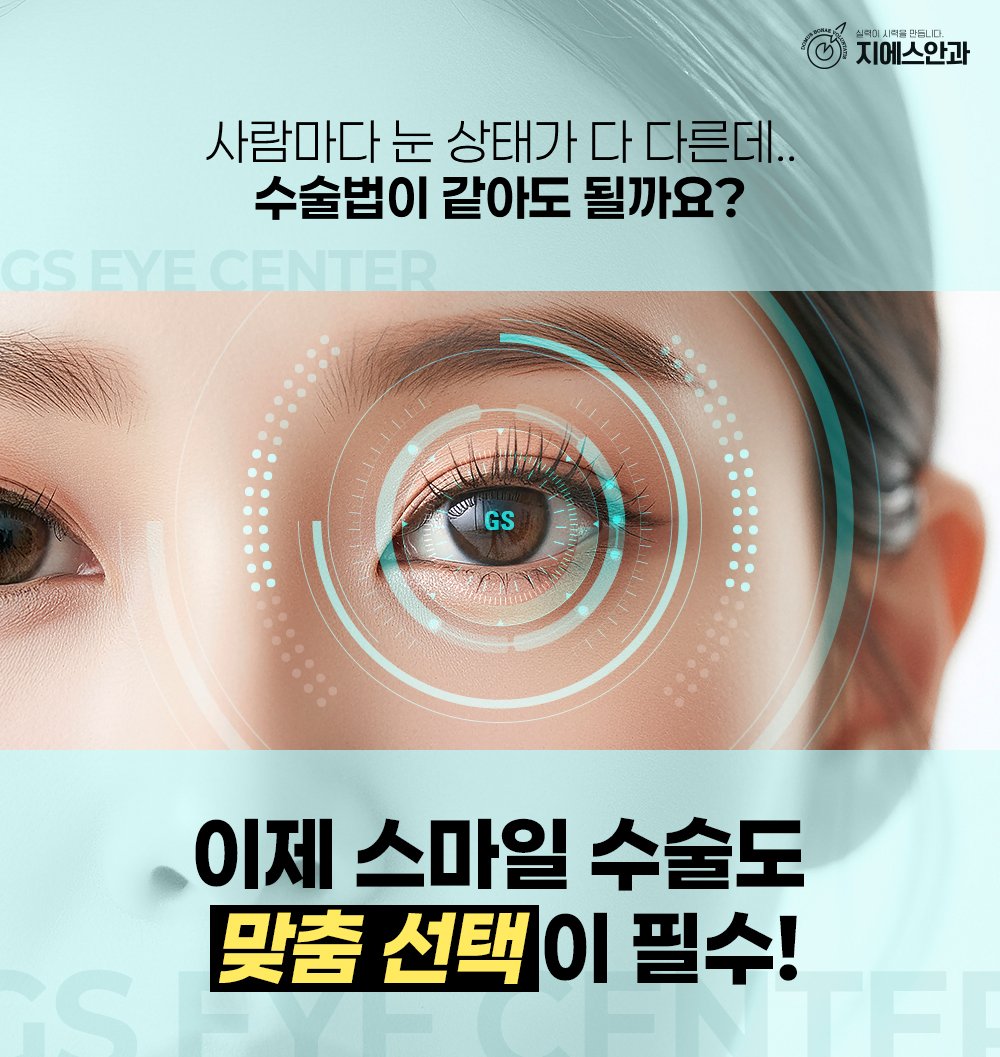
Within these categories, the final amount is influenced by corneal thickness, degree of myopia or astigmatism, type of laser platform used, whether you choose a standard or premium option, and what is included in pre-operative tests and aftercare.
Treatment overview: main types of vision correction near Sinnonhyeon
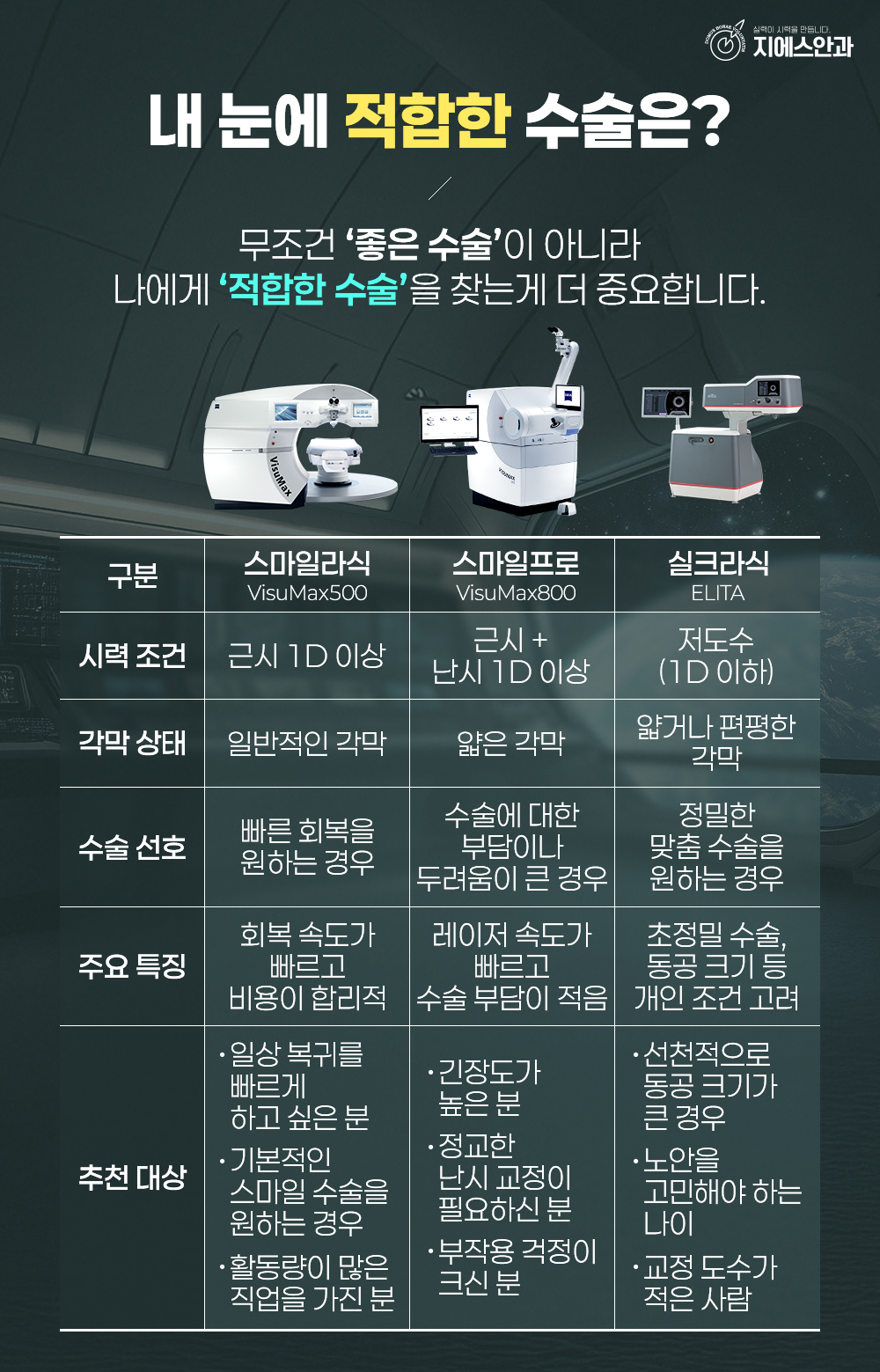
Ophthalmology clinics along Gangnam-daero near Sinnonhyeon and Gangnam Station typically focus on refractive surgery. The main procedures offered are SMILE, SILK, LASIK, LASEK, and lens implantation.
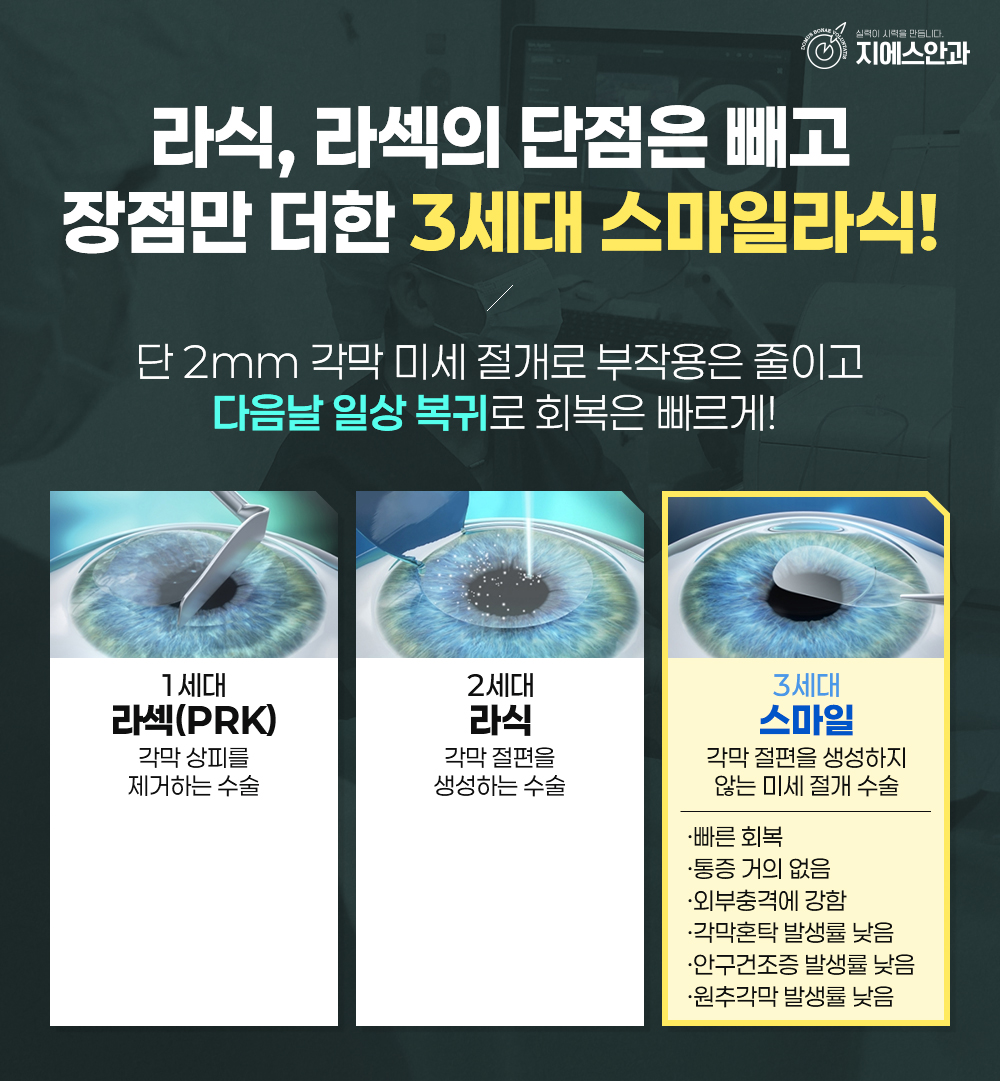
SMILE
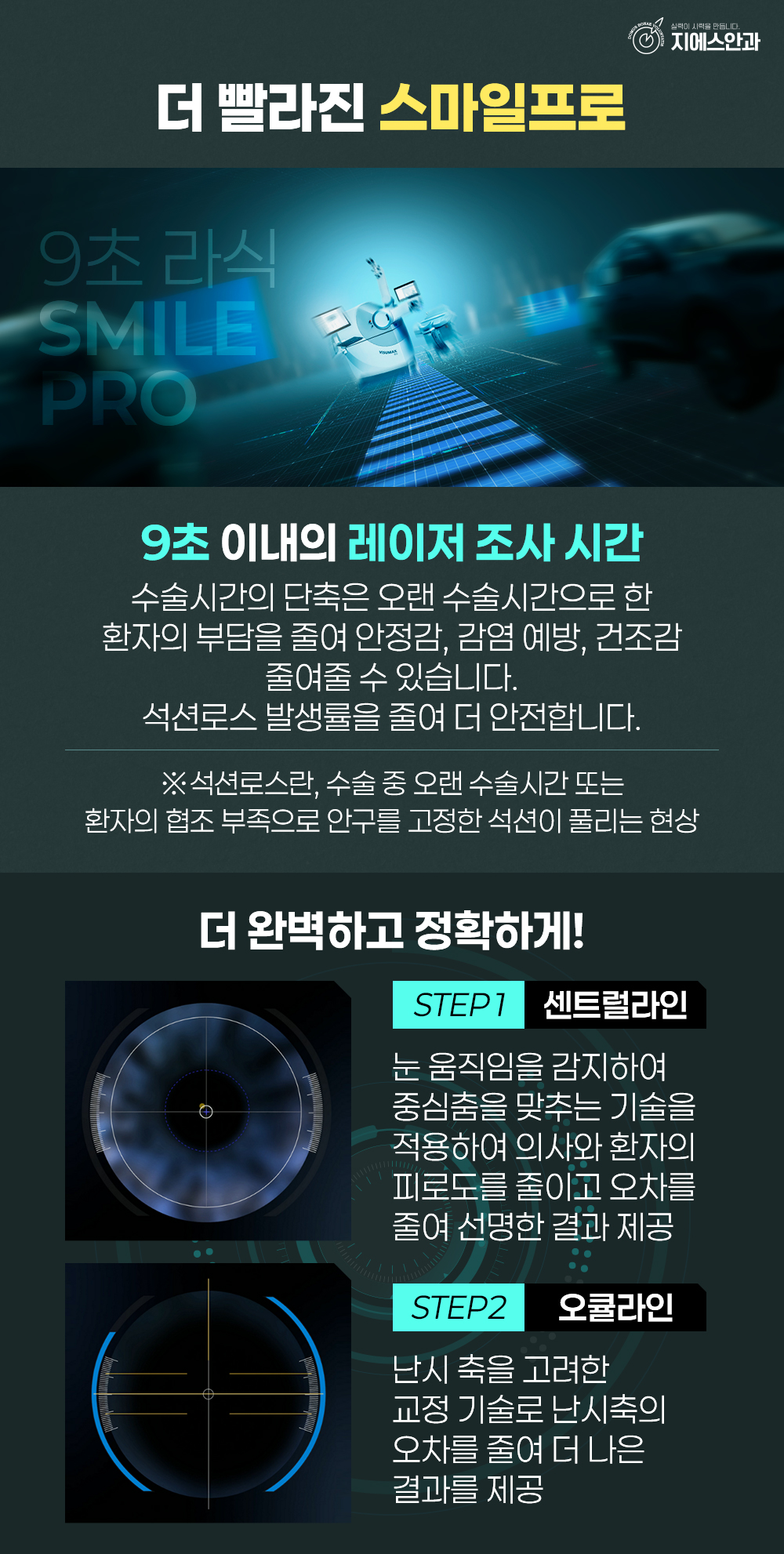
Because SMILE requires specific laser equipment and technology, it is usually priced higher than standard LASIK or LASEK. Patients often consider SMILE when they are looking for a flapless laser option and when their eye condition is suitable.
SILK
SILK is another type of laser vision correction that also uses advanced laser technology. It is conceptually similar to SMILE in that it aims to correct refractive error with a minimally invasive approach, although the exact technique and laser platforms can differ.
In the Sinnonhyeon–Gangnam area, SILK is often positioned in a similar or slightly higher price range compared to SMILE, depending on the clinic’s equipment and package structure.
LASIK
LASIK involves creating a thin flap on the surface of the cornea, lifting it, reshaping the underlying corneal tissue with an excimer laser, and then repositioning the flap. It has been performed worldwide for many years and is a common option in Gangnam eye clinics.
Standard LASIK is usually more affordable than SMILE or SILK. Customized or wavefront-guided LASIK, which uses more detailed measurements of the eye, tends to cost more than basic LASIK.
LASEK
LASEK is a surface laser procedure. Instead of creating a corneal flap, the surface epithelial layer is loosened and moved aside, the laser reshapes the cornea, and then the epithelium is repositioned or allowed to regenerate.
LASEK can be considered when corneal thickness is borderline for LASIK, or when a flap is not preferred. In many Sinnonhyeon area clinics, LASEK is priced similarly to or slightly below standard LASIK, though customized LASEK packages may cost more.
Lens implantation (phakic IOL and similar)
Lens implantation, often called phakic intraocular lens (IOL) implantation, involves placing a special lens inside the eye without removing the natural lens. It is commonly considered for very high myopia, thinner corneas, or when laser procedures are not suitable.
Because of the cost of the implantable lens and the more complex surgical process, lens implantation is usually priced higher than laser vision correction procedures. Costs can vary significantly depending on the lens brand, model, and whether it is toric (astigmatism-correcting) or not.
What affects vision correction surgery cost near Sinnonhyeon Station
If you are comparing quotes from different ophthalmology clinics around Sinnonhyeon and Gangnam Station, it helps to understand what is usually included in the price.
Type of procedure
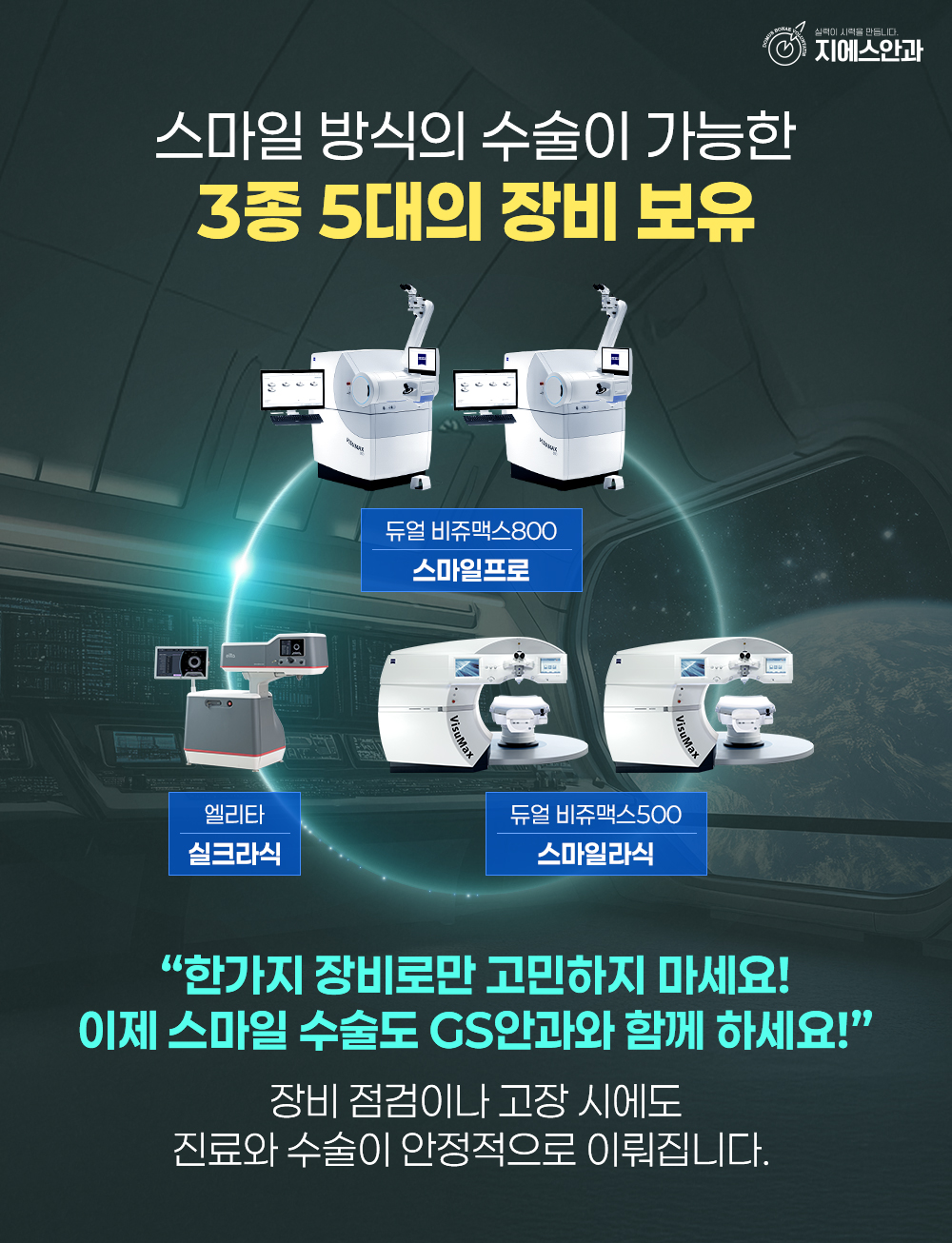
SMILE and SILK: Typically higher cost due to advanced femtosecond laser systems and licensing.
LASIK / LASEK: Often mid-range, with standard versus customized options.
Lens implantation: Usually the highest among refractive procedures, mainly due to the lens implant price.
Eye condition and prescription
Degree of myopia, hyperopia, and astigmatism can influence the procedure choice and sometimes the cost. Very high prescriptions may require more complex planning, additional tests, or may push the recommendation toward lens implantation instead of laser.
Corneal thickness and shape
Thinner or irregular corneas may limit which procedures are possible. If a more specialized or customized approach is required, this can affect the final price. In some cases, additional imaging tests are needed to check corneal stability.
Diagnostic equipment and pre-operative tests
Most ophthalmology clinics near Sinnonhyeon Station perform a comprehensive eye examination before confirming surgery. This usually includes tests such as:
- Vision and refraction measurements
- Corneal thickness (pachymetry)
- Corneal topography and tomography
- Dry eye evaluation
- Pupil size and intraocular pressure
- Retinal and optic nerve check
Some clinics bundle these tests into a single pre-op package, while others may separate the basic screening from more advanced diagnostic imaging. Whether the pre-op exam fee is deducted from the surgery cost when you proceed is an important point to check.
Laser platform and technology level
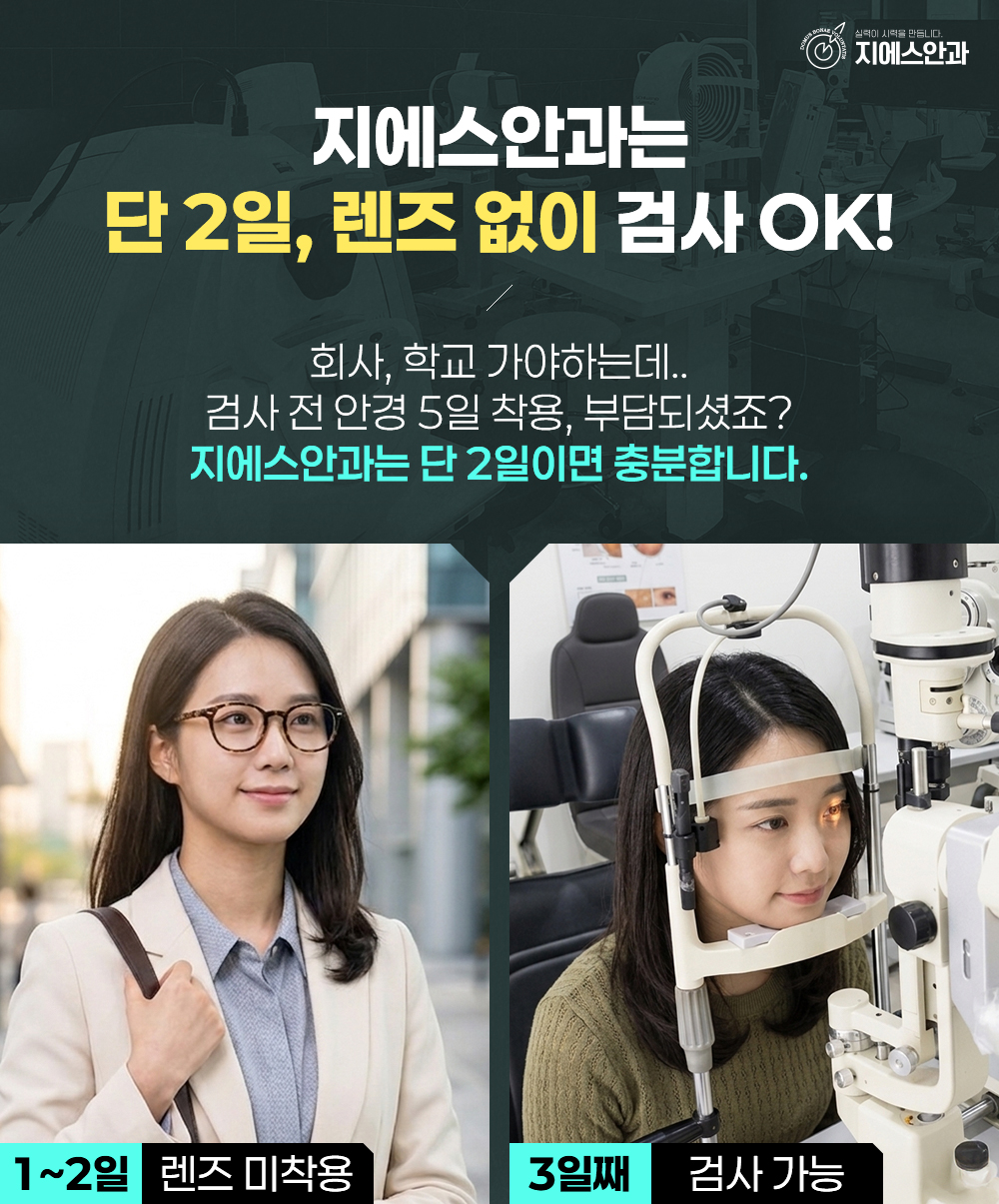
Different clinics invest in different generations of laser platforms. Newer or more advanced systems often come with higher equipment and maintenance costs, which can be reflected in the surgery fee. Some clinics offer a choice between a standard and a premium laser option at different price points.
Surgeon’s experience and clinic focus
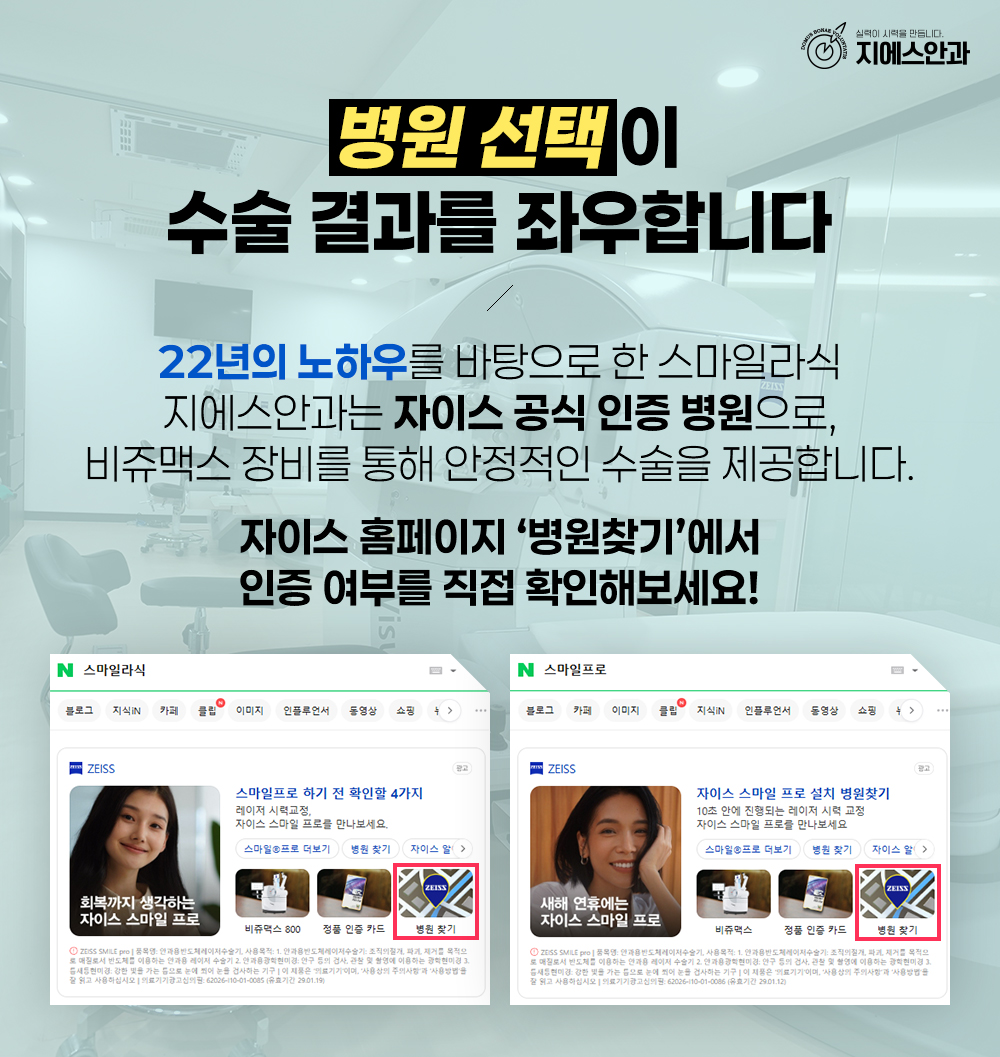
An ophthalmology clinic that focuses on refractive surgery may structure its pricing based on the experience of the surgical team and the volume of procedures performed. While higher cost does not automatically mean better results, clinics with a strong focus on vision correction often invest more in diagnostic devices, surgical systems, and structured aftercare.
What is usually included in the price
When you receive a quote from an eye clinic near Sinnonhyeon, confirm what is included. Common components are:
Pre-operative examination: Sometimes discounted or included if you proceed with surgery.
Surgery fee: Laser or lens implantation procedure itself.
Medications: Eye drops and medications for the early recovery period.
Follow-up visits: Scheduled check-ups after surgery for a certain period.
Enhancement policy: Conditions and time frame for any additional correction if needed.
Who may consider vision correction surgery in Gangnam
Vision correction surgery is not suitable for everyone. In general, you may consider an evaluation at an ophthalmology clinic near Sinnonhyeon Station if:
You are an adult with a stable glasses or contact lens prescription for at least one to two years.
You are nearsighted, farsighted, or have astigmatism, and want to reduce dependence on glasses or contact lenses.
You do not have active eye disease such as uncontrolled dry eye, corneal disease, severe keratoconus, or uncontrolled glaucoma.
You are not pregnant or breastfeeding at the time of surgery, as hormonal changes can affect vision stability.
For lens implantation, there are additional criteria, such as adequate anterior chamber depth and healthy endothelial cell count, which are checked during the pre-op examination.
Because there is significant individual variation, a full eye examination and consultation with an ophthalmologist are necessary before deciding if SMILE, SILK, LASIK, LASEK, or lens implantation is appropriate.
Preparing from overseas: online consultation and pre-visit steps
If you live outside Korea and are planning to visit the Sinnonhyeon–Gangnam area for vision correction, early preparation can make your trip smoother.
Initial online inquiry
Some ophthalmology clinics near Sinnonhyeon Station offer online or messaging-based consultations in English or with translation support. Before you book a flight, confirm language support and remote-consultation options directly with the clinic. You can often:
Share your age, current glasses or contact lens prescription, and any known eye conditions.
Explain your goals, such as reducing dependence on glasses, or specific activities that are important to you.
Ask which procedures might be considered in your case and what typical cost ranges are for those options.
Information to prepare before contacting the clinic
To receive more accurate preliminary guidance, it helps to prepare:
Your latest glasses prescription or contact lens prescription.
History of any previous eye surgery or eye disease.
Information about systemic conditions such as diabetes or autoimmune diseases.
A list of medications and supplements you are taking.
Some clinics may ask for photos of your glasses prescription or past eye examination reports if available. While final eligibility can only be confirmed after tests in the clinic, this information helps estimate which procedures are likely and what budget range to expect.
Questions to ask before booking
When comparing clinics around Sinnonhyeon and Gangnam Station, consider asking:
Which vision correction procedures are commonly recommended for someone with my prescription and age?
What is the approximate cost range for SMILE, SILK, LASIK/LASEK, and lens implantation in my case?
Is the pre-operative eye examination fee included in the surgery cost if I proceed?
How many follow-up visits are recommended, and over what time period?
How many days should I stay in Korea after surgery before flying home?
What is the policy if my vision is not as expected and an enhancement is considered later?
Noting down these questions before you contact the clinic can help you compare not only prices, but also the overall care structure and practical suitability for your travel schedule.
Expected visit timeline for surgery in Korea
If you are traveling to Seoul for vision correction near Sinnonhyeon Station, a typical schedule might look like this. This is a general example; actual plans are adjusted to each patient.
Day 1: Comprehensive eye examination and consultation
You visit the ophthalmology clinic for a detailed eye examination, which may take a few hours including waiting time. Tests are done to check corneal thickness and shape, tear film, retina, and overall eye health.
After the tests, you discuss the findings with the ophthalmologist. The doctor explains which procedures are suitable, potential risks, expected recovery, and cost details. If you decide to proceed, surgery may be scheduled for the same day or within the next few days, depending on your eye condition and the clinic’s policy.
Day 1 or Day 2: Surgery
On the day of surgery, plan to arrive earlier for final checks and consent. The laser portion of procedures such as SMILE, SILK, LASIK, or LASEK is typically brief; however, total clinic time varies because preparation and post-op observation are added to the visit.
Lens implantation surgery can take a bit longer and may sometimes be done one eye at a time depending on the case.
Day 2: First post-operative check
The first follow-up is usually the next day. The ophthalmologist checks visual acuity, corneal condition, intraocular pressure, and early healing. You receive instructions on eye drops, activity restrictions, and how to manage temporary symptoms such as dryness or light sensitivity.
Following days: Additional follow-ups
For visitors from overseas, clinics near Sinnonhyeon Station often recommend staying in Seoul for several days after surgery. Common follow-up points are:
- One day after surgery
- About one week after surgery
- About one month after surgery (if you are still in Korea)
If you must return home earlier, the clinic can usually coordinate a shortened in-person schedule and advise you to continue follow-up with an eye doctor in your home country.
Aftercare and recovery expectations
Recovery patterns differ slightly between procedures, but there are some general points.
Visual recovery
SMILE, SILK, and LASIK: some patients notice improved vision within a day or two, but recovery varies and full stabilization can take weeks — follow your surgeon's guidance for expectations.
LASEK: initial recovery may be slower, with more early discomfort for some patients; vision can improve over several weeks.
Lens implantation: some patients experience rapid improvement, while stabilization and any fine adjustments depend on individual factors and the surgeon's postoperative plan.
Common temporary symptoms
- Dry eye sensation
- Light sensitivity
- Fluctuating vision
- Mild discomfort or foreign body sensation
These symptoms usually improve with time and proper use of prescribed eye drops. It is important to follow the ophthalmologist’s instructions on eye protection, such as avoiding eye rubbing, using protective shields at night if advised, and wearing sunglasses outdoors.
Activity restrictions
For a certain period after surgery, you are usually advised to avoid:
- Swimming pools and hot tubs
- Heavy exercise or contact sports
- Eye makeup, especially mascara and eyeliner
- Dusty or smoky environments
The exact duration of these restrictions depends on the procedure and your healing progress, so it is important to confirm the timeline directly with your clinic.
Cost-related aftercare questions to confirm
When you discuss fees with an ophthalmology clinic near Sinnonhyeon Station, ask:

- How many follow-up visits are included in the surgery cost?
- Are additional visits charged separately if needed?
- Are post-operative medications included, or will they be prescribed and paid for at a pharmacy?
- If an enhancement procedure is considered later, how is it priced?
Having clear answers to these points helps you understand the total cost of care, not just the surgery itself.
Frequently asked questions about Sinnonhyeon vision correction surgery cost
How much does SMILE or SILK vision correction usually cost near Sinnonhyeon Station?
Exact prices vary by clinic and individual eye condition, but in the Sinnonhyeon–Gangnam area, SMILE and SILK are generally positioned in a higher price range than standard LASIK or LASEK. The cost reflects the use of advanced femtosecond laser technology and the associated equipment. To receive a more precise estimate, an ophthalmology clinic will usually need to examine your eyes and confirm your prescription, corneal thickness, and suitability for these procedures.
Is LASIK or LASEK cheaper than lens implantation in Gangnam?
In most cases, yes. LASIK and LASEK are typically less expensive than lens implantation because they do not require an implantable lens. Lens implantation involves additional material costs for the lens itself and a different surgical process, which usually results in a higher overall fee. However, lens implantation may be recommended when laser procedures are not suitable, so the decision is based on medical evaluation as well as budget.
What is usually included in the quoted price for vision correction surgery?
A typical quote from an ophthalmology clinic near Sinnonhyeon Station may include the surgery fee, basic pre-operative tests, and a set number of follow-up visits. In some cases, initial screening or advanced diagnostic imaging may be charged separately, and medications such as eye drops may be purchased at a pharmacy. It is important to ask the clinic to clarify exactly what is included in the price, whether the pre-op exam fee is deducted if you proceed with surgery, and how long post-operative care is covered.
How many days should I stay in Seoul for surgery and follow-up?
For international patients, many clinics in the Sinnonhyeon–Gangnam area recommend staying at least several days after surgery. A common pattern is to have the full eye examination and consultation on day one, surgery on day one or two, and the first follow-up the day after surgery. Additional follow-ups may be scheduled a few days later or at one week. If you need to return home sooner, discuss this in advance so the clinic can adjust the schedule and provide guidance for follow-up care in your home country.
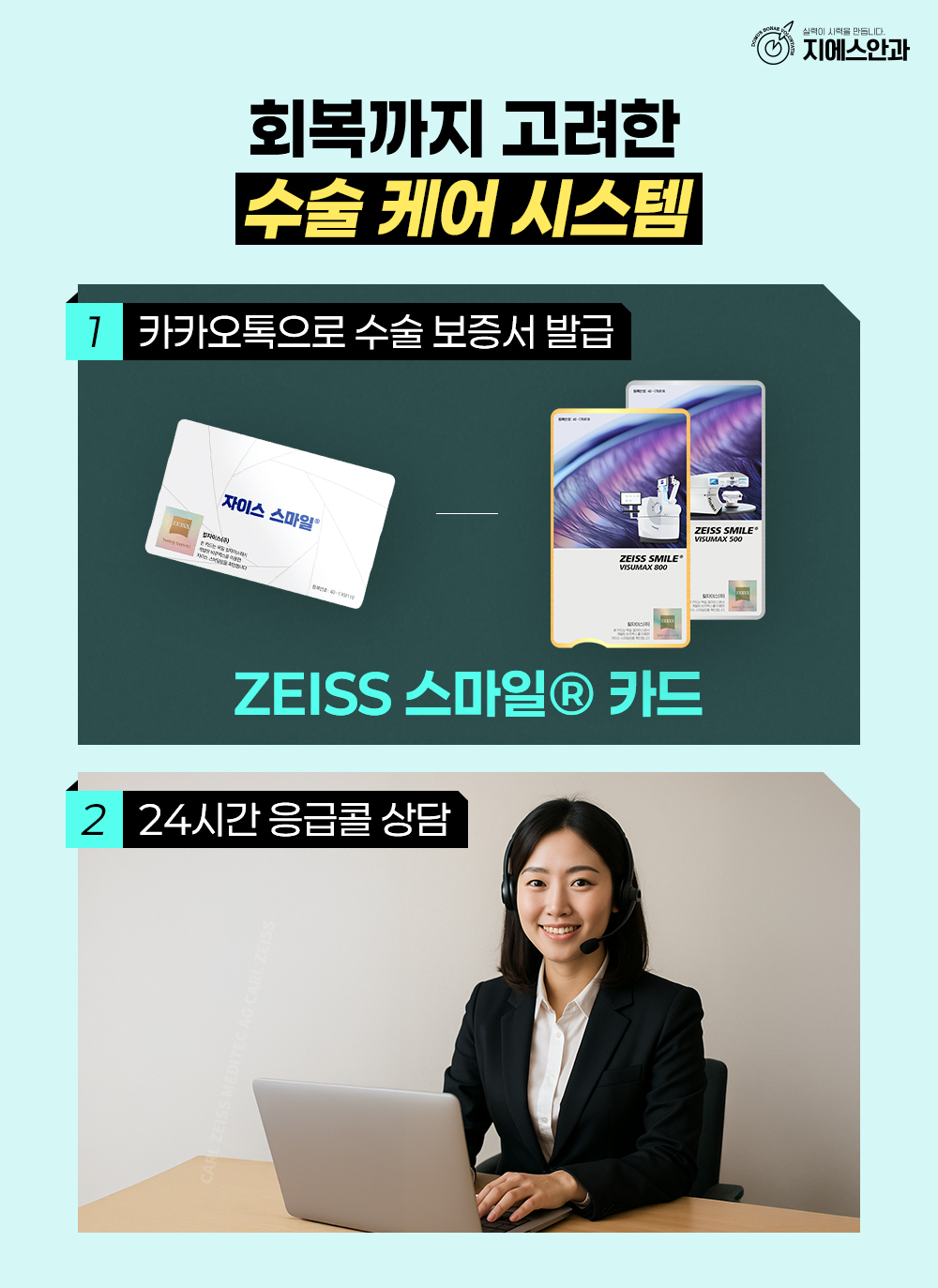
Soft call to action for online consultation
If you are considering SMILE, SILK, LASIK, LASEK, or lens implantation near Sinnonhyeon and Gangnam Station and would like to understand the likely cost range for your eyes, an online consultation is a practical first step. By sharing your age, current prescription, and basic eye history, an ophthalmology clinic can explain which procedures might be suitable, what factors will influence your final fee, and how to plan your visit to Korea.
Before you contact a clinic, prepare your latest prescription and a list of questions about cost, schedule, and aftercare. This will help you compare options in a structured way and choose a clinic and treatment plan that match both your medical needs and your travel plans.
Medical information notice
Suitability for SMILE, SILK, LASIK, LASEK, or lens implantation and the exact cost of any procedure can only be determined after a full eye examination and discussion of your individual situation with a qualified eye care professional.



- 공유 링크 만들기
- X
- 이메일
- 기타 앱


댓글
댓글 쓰기