Sinsa SMILE LASIK price guide for international patients in Gangnam
- 공유 링크 만들기
- X
- 이메일
- 기타 앱
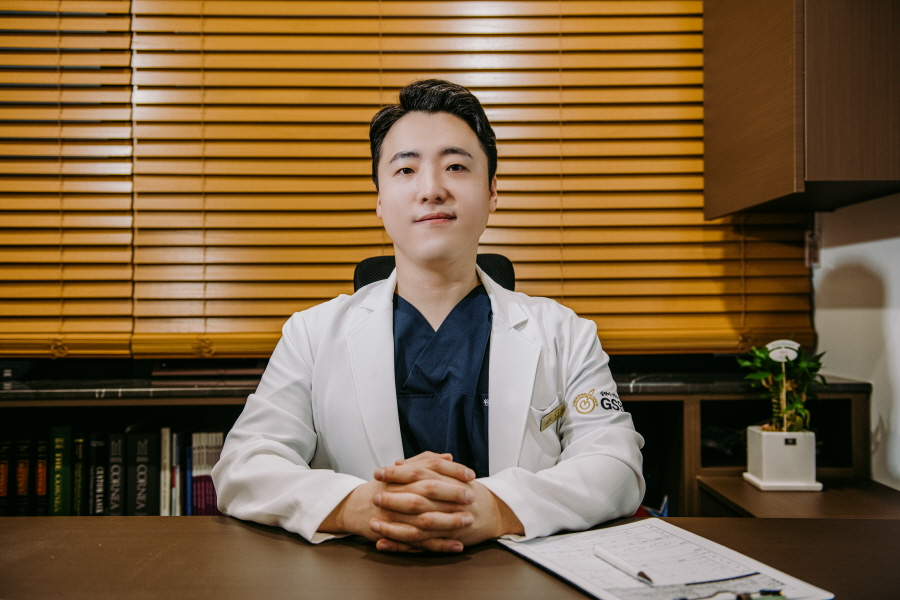
Direct answer: SMILE LASIK prices around Sinsa and Gangnam
If you are searching for Sinsa eye clinic prices, especially for SMILE LASIK, most centers in the Sinsa–Gangnam area position this treatment in the mid‑to‑high price range compared with other laser vision correction methods. The fee usually reflects the level of laser technology, the experience of the medical team, and how comprehensive the examinations and follow‑up care are. A technology‑focused center in Gangnam, near Sinsa, such as GS Eye Clinic, generally includes a detailed pre‑operative examination package, the SMILE procedure itself using premium ZEISS platforms, post‑operative medications, and structured follow‑up visits in its overall pricing. Exact figures vary by clinic and by your eye condition, so it is important to confirm the current package and what is included before you decide.
What SMILE LASIK is and why it is priced higher
SMILE LASIK overview
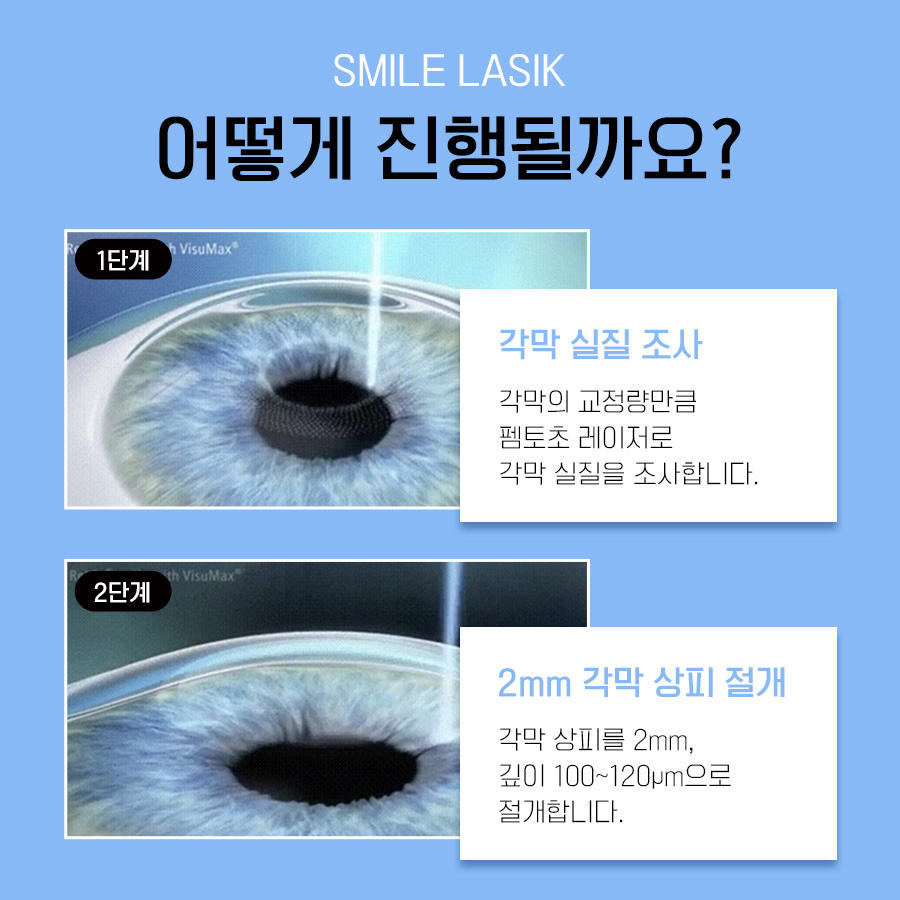
SMILE LASIK is a modern form of laser vision correction. Instead of creating a large flap on the surface of the eye, a femtosecond laser creates a small lens‑shaped piece of tissue inside the cornea, which is then removed through a tiny opening. By reshaping the cornea in this minimally invasive way, the procedure aims to reduce or remove the need for glasses or contact lenses in people with myopia and astigmatism.
Why SMILE LASIK often costs more than older methods
Compared with older methods like standard LASIK or LASEK, SMILE LASIK tends to be priced higher in Sinsa and Gangnam for several reasons:
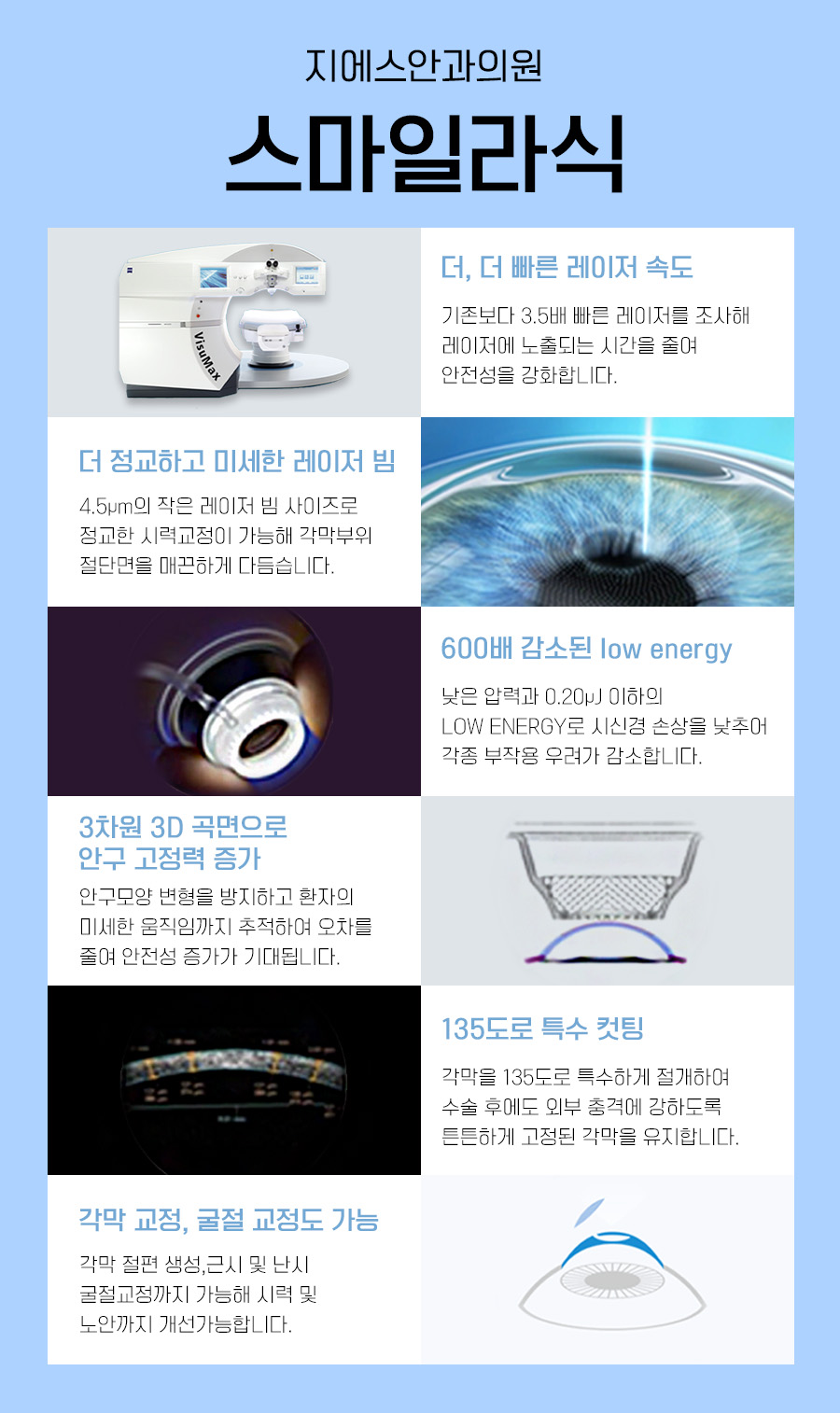
First, the laser equipment is more advanced and significantly more expensive. SMILE LASIK relies on high‑end femtosecond laser platforms from companies such as ZEISS, which require large investment and regular maintenance.
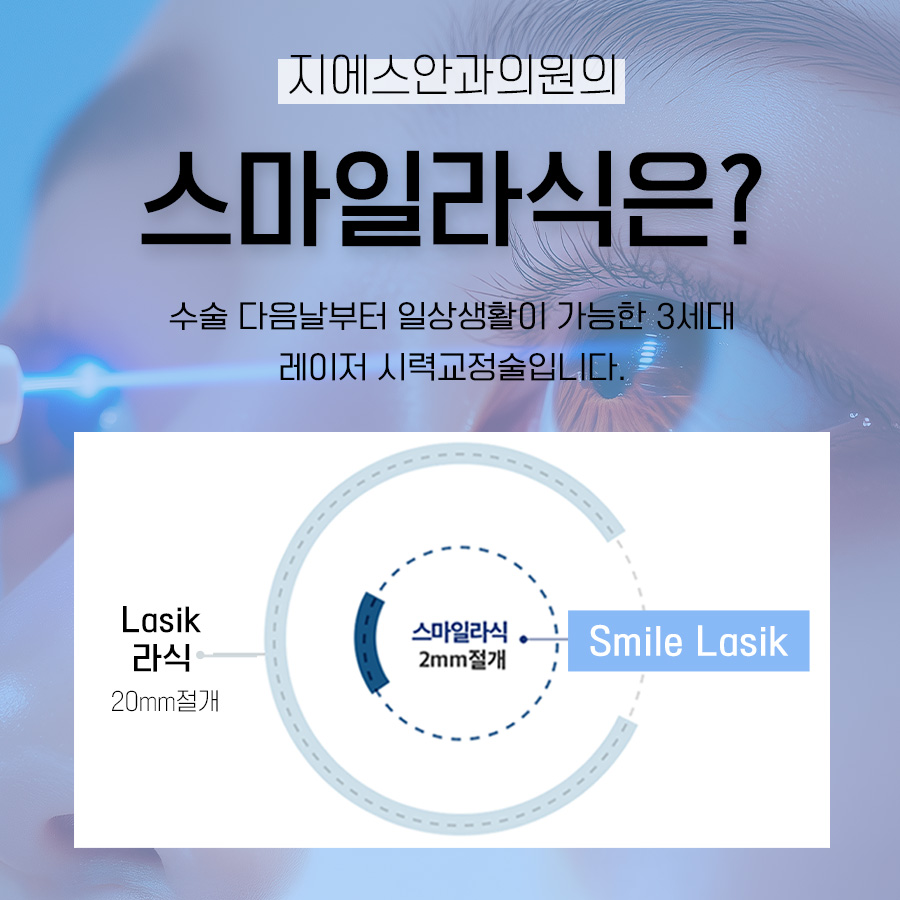
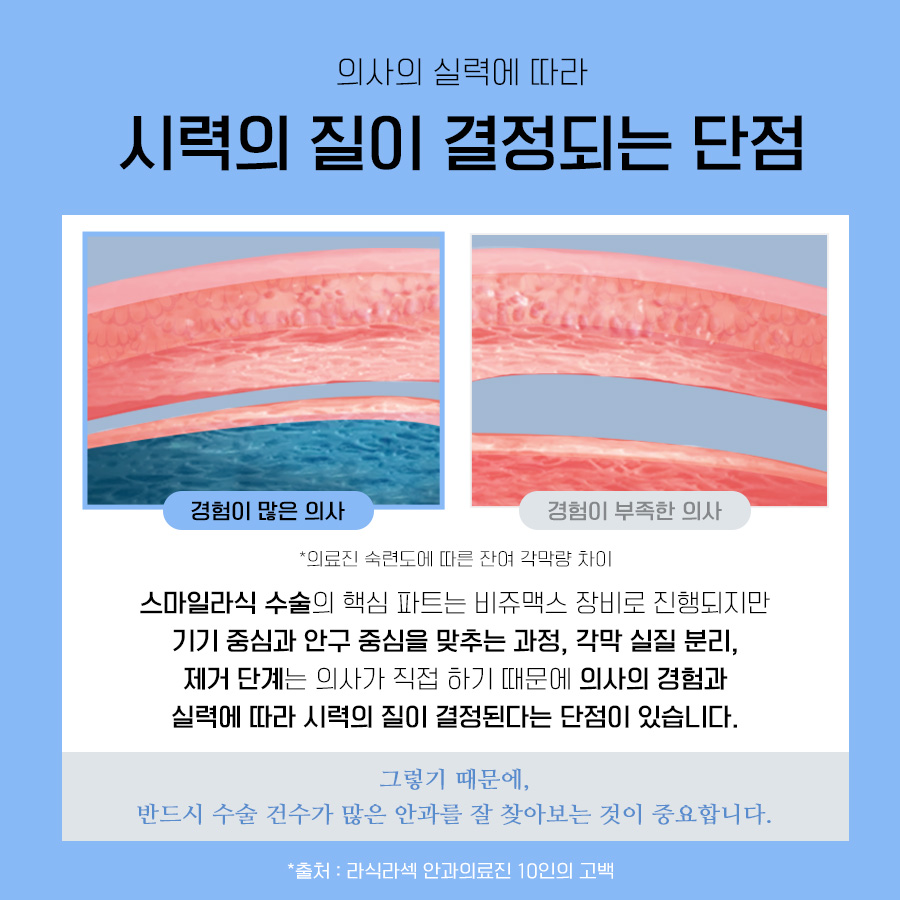
Second, the technology is relatively new and has a learning curve. Surgeons need specific training and experience to perform SMILE LASIK safely and efficiently, especially for newer versions like SMILE pro.
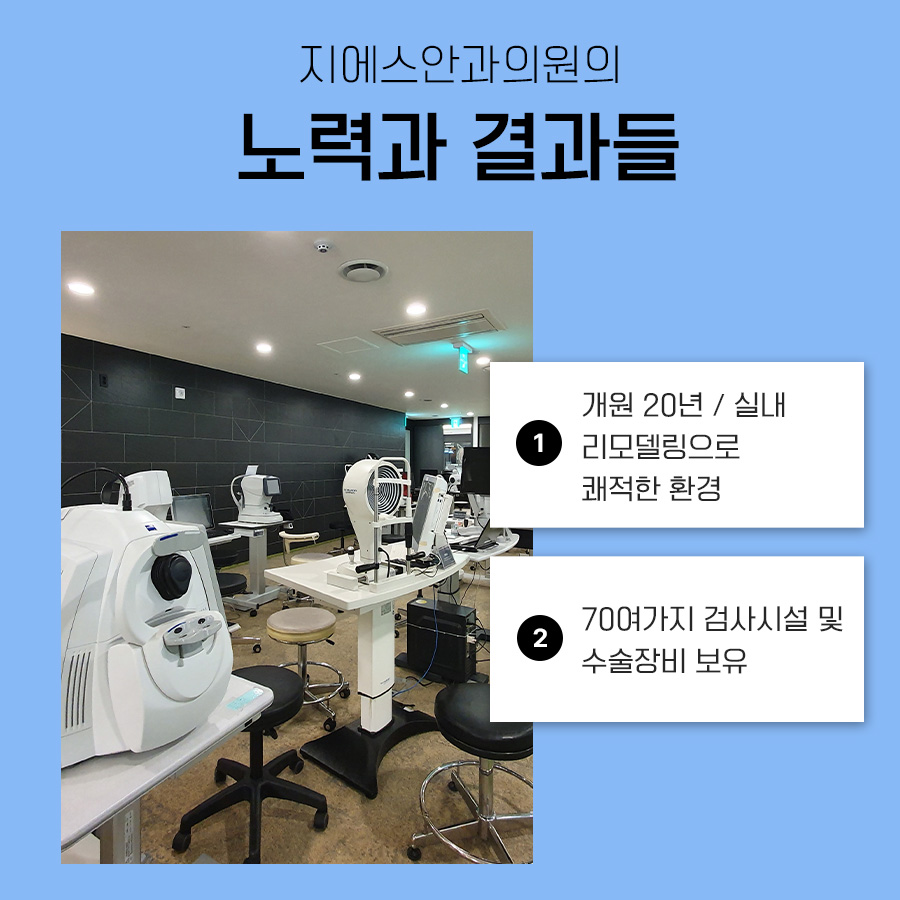
Third, many centers that focus on SMILE LASIK also invest in detailed diagnostic devices and safety systems, such as high‑resolution corneal imaging and tear film analysis. These tools help to select suitable candidates and reduce the risk of complications, but they also add to the overall cost structure.
In short, you are paying not only for the procedure itself, but also for the technology, training, and systems that support it.
SMILE LASIK pricing components in Sinsa and Gangnam
What is usually included in the fee
When you compare SMILE LASIK prices around Sinsa and Gangnam, it helps to break down what is typically included. A transparent quote will usually mention:
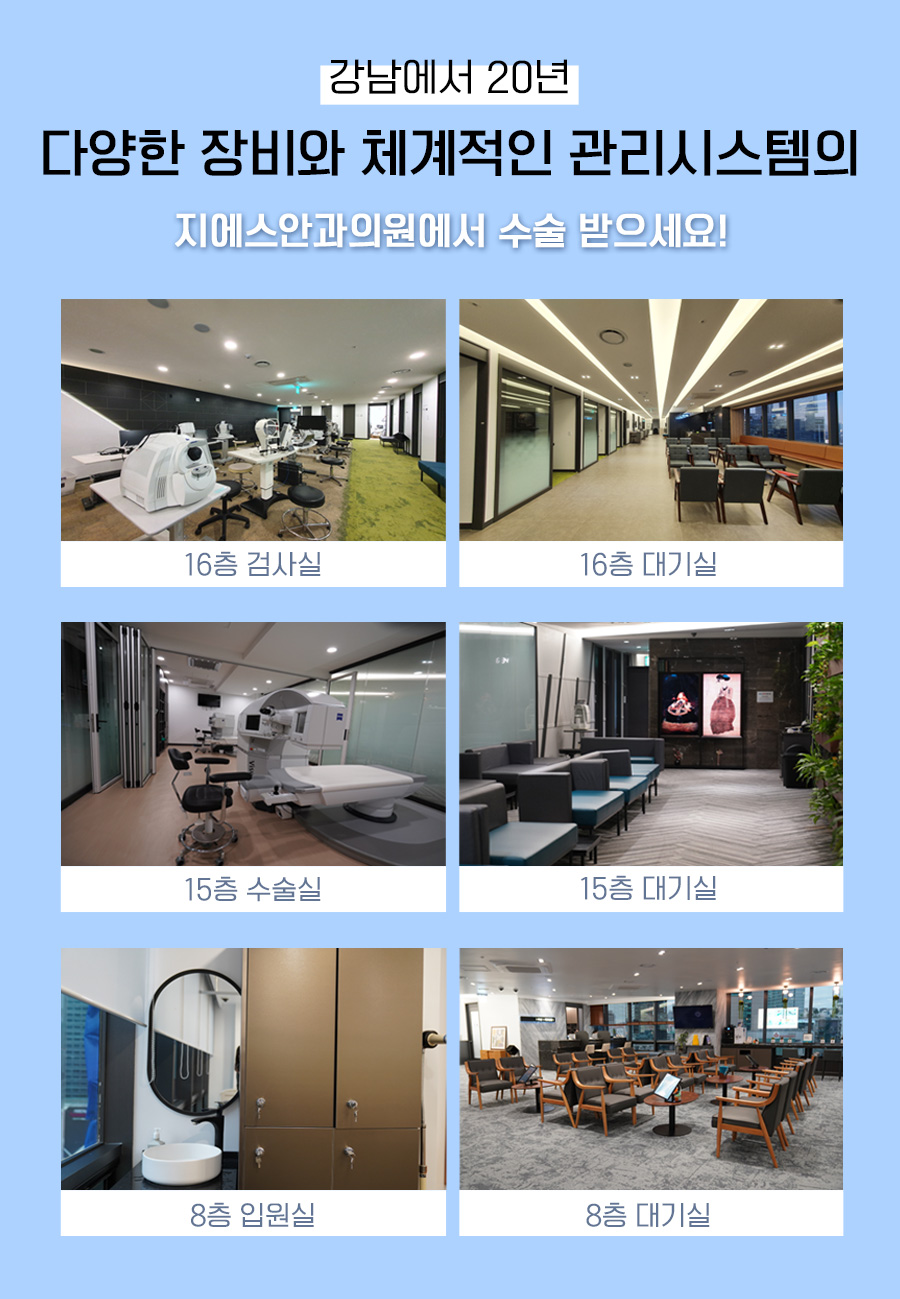
Pre‑operative eye examination package: This is more than a quick eyesight test. It normally includes measurements of corneal thickness, shape, and curvature, pupil size, tear film quality, intraocular pressure, and retinal health. In higher‑end centers, this package can involve multiple imaging devices and can take one to two hours.
SMILE LASIK surgery fee: This covers the use of the femtosecond laser, the operating room, and the professional fee for the surgeon and medical team. If a clinic uses a premium platform such as the ZEISS VISUMAX series, this is reflected in the price.
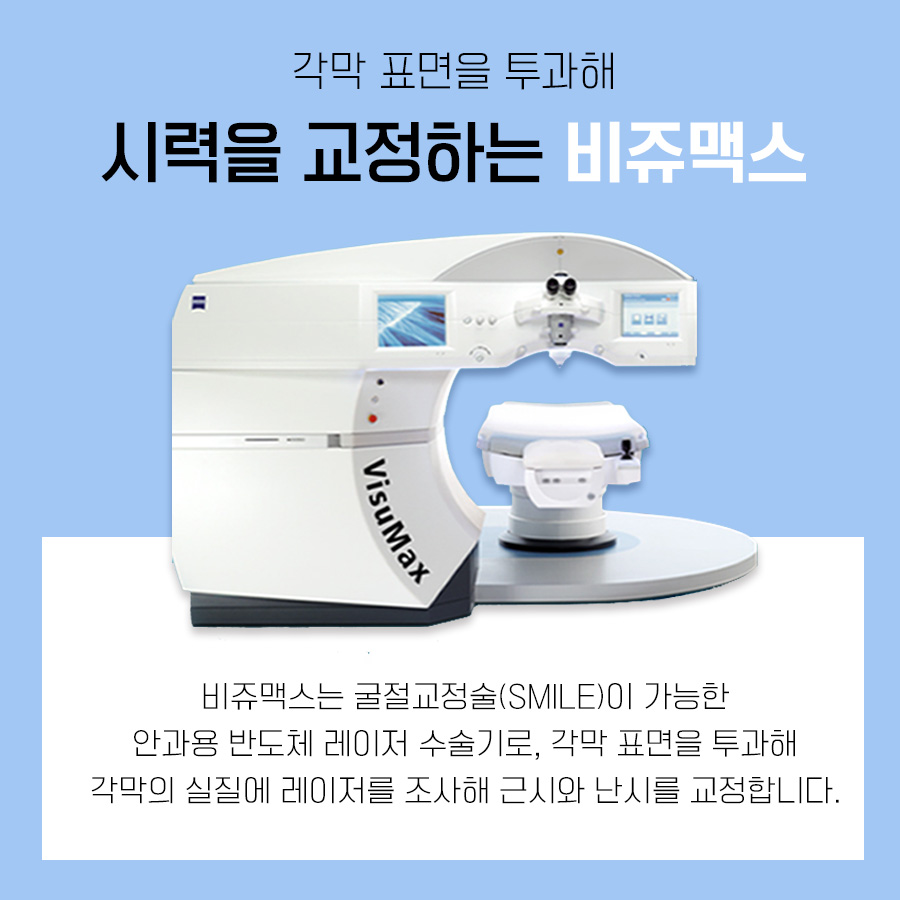
Use of premium femtosecond laser platforms: Some clinics charge a different fee depending on which laser is used. For example, SMILE pro using VISUMAX 800 may be priced differently from standard SMILE LASIK on an earlier platform.
Post‑operative medications: After SMILE LASIK, you usually receive eye drops such as antibiotics, anti‑inflammatory drops, and lubricating drops. Some clinics include the first set of medications in the package, while others charge separately.
Follow‑up visits: Many Gangnam‑area centers include a set number of follow‑up visits in the initial price, for example, checks on day one, within the first week, at one month, and at several months. Others may offer a basic follow‑up schedule and charge extra for longer‑term care.
When you receive a quote, it is useful to ask whether all of these elements are included, and if not, how much they cost separately.
How prices vary between Sinsa and Gangnam clinics
Factors that influence pricing
In the Sinsa and Gangnam area, SMILE LASIK prices can differ quite a bit between centers. Key reasons include:
Type and number of laser platforms: Clinics that own multiple SMILE‑related platforms and keep them up to date tend to have higher fixed costs, which can be reflected in pricing. However, they can also offer more tailored options.
Focus on SMILE procedures: A center that performs a high volume of SMILE‑type surgeries may invest more in related technology, staff training, and protocols, which can influence both quality and price.
Surgeon experience and subspecialty training: Fees may be higher where surgeons have extensive backgrounds in university hospitals or subspecialties such as cataract and refractive surgery or retina. This level of expertise can be part of what you pay for.
Dry eye and corneal care systems: Some centers operate dedicated services for dry eye and corneal health. These services are important for screening and managing side effects, and they add to the overall infrastructure behind the procedure.
Using GS Eye Clinic as an example in Gangnam
A center like GS Eye Clinic in Gangnam, near Sinsa, can help illustrate how these factors come together. It is an ophthalmology center that focuses strongly on SMILE‑type procedures, including SMILE pro, SMILE LASIK, SILK, and its own branded SMILE packages.
This clinic owns all three major SMILE‑related laser platforms from ZEISS: the VISUMAX 800 for SMILE pro and two VISUMAX 500 units for SMILE LASIK. Having multiple, up‑to‑date platforms allows the team to select the most appropriate technology for each case, manage high surgical volume, and reduce waiting times. At the same time, this level of equipment investment is one reason the price may be higher than at smaller centers with older or single‑platform systems.
Medical staff and case volume as part of value
Medical team structure
At this Gangnam center, there are seven board‑certified ophthalmologists with backgrounds in major university hospitals and subspecialties such as retina and cataract or refractive surgery. For international patients, this means that several specialists can be involved in your care, from initial assessment to surgery and follow‑up. Maintaining such a team requires continuous training and coordination, which is another factor built into pricing.
High‑volume experience
As of 2023, the clinic reports a cumulative total of about 300,000 eyes treated with vision correction and cataract surgery. Within that, it also reports high case numbers for SMILE pro and lens implantation procedures. Being a high‑volume center can be reassuring for patients who value experience and established protocols. However, it can also mean that the clinic invests heavily in systems to maintain consistent quality, which again is reflected in the fee structure.
Designations and training roles
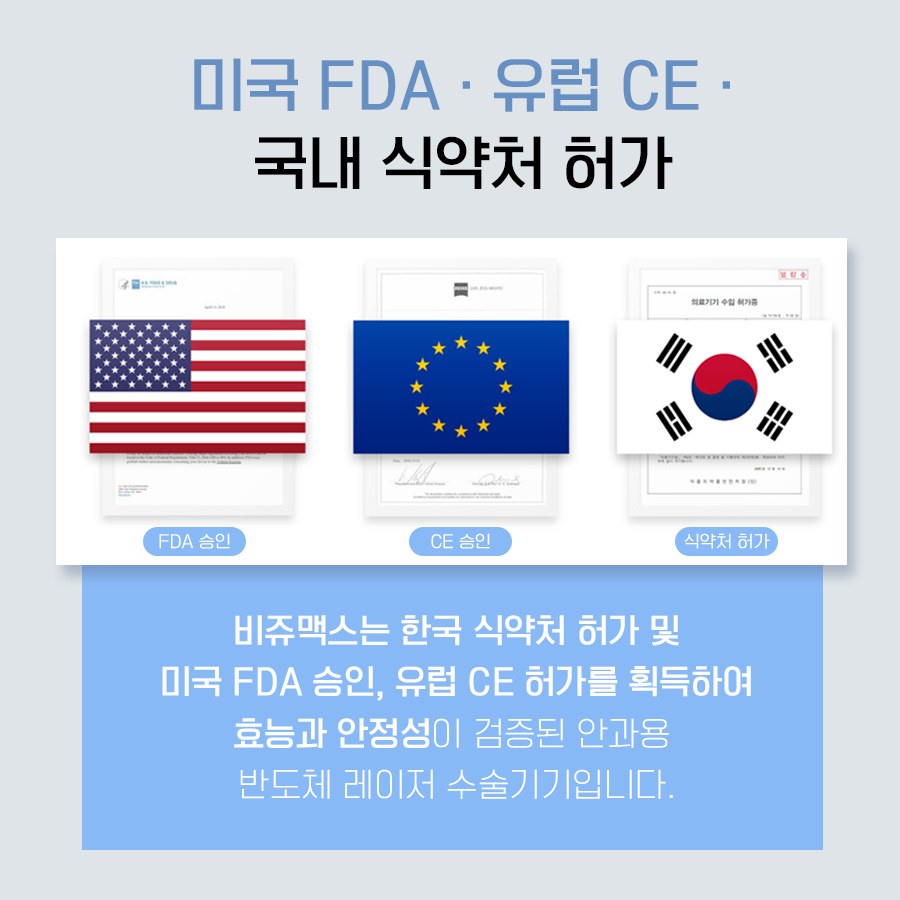
According to ZEISS, this Gangnam center has been designated as a SMILE GOLD CLUB member, a SMILE pro Center, and a SILK Training Center in specific recent years. It also serves as a clinical education site for a medical school and an ophthalmic device company. These designations indicate that the clinic is involved in training other doctors and participating in the introduction of new technologies. For patients, this can add perceived value, but it can also place the center in a pricing tier above smaller facilities that do not serve as training or reference sites.
Why exact SMILE LASIK prices cannot be fixed in an article
Individual eye conditions
Even in the same Sinsa or Gangnam neighborhood, two patients can receive different SMILE LASIK quotes at the same center. Reasons include corneal thickness, degree of myopia and astigmatism, pupil size, and the presence of dry eye or other conditions. In some cases, additional procedures such as corneal cross‑linking may be recommended for safety, which changes the total cost.
Changing fee schedules
Clinics periodically update their fee schedules to reflect new technology, changes in currency, or updated package structures. Because of this, any specific number written in an article can quickly become outdated. For accurate information, it is always better to contact the center directly by email, phone, or online consultation.
A typical SMILE LASIK journey at a higher‑end center
Initial online consultation and pre‑visit preparation
For overseas patients, the process often starts with an online consultation. You can usually send your age, current glasses or contact lens prescription, and any known eye conditions. Some centers may also ask for previous examination reports or topography scans if you have them.
Before you travel to Korea, it is helpful to:
Stop wearing soft contact lenses for several days before your planned examination date, and rigid lenses for a longer period, according to the clinic’s advice.
Prepare a list of medications you are taking and any systemic conditions such as diabetes or autoimmune disease.
Write down your expectations: for example, whether you need excellent night vision for driving or whether you are comfortable with reading glasses later in life.
Diagnostic work‑up in Gangnam
Once you arrive in Seoul, your first visit to the center in Gangnam, near Gangnam Station, will usually be a comprehensive diagnostic session. This often includes:
Measurement of your exact refractive error and visual acuity.
Corneal topography and tomography to map the shape and thickness of your cornea.
Tear film and dry eye assessment.
Pupil size measurement under different lighting conditions.
Retinal examination to check for issues such as lattice degeneration or early retinal tears.
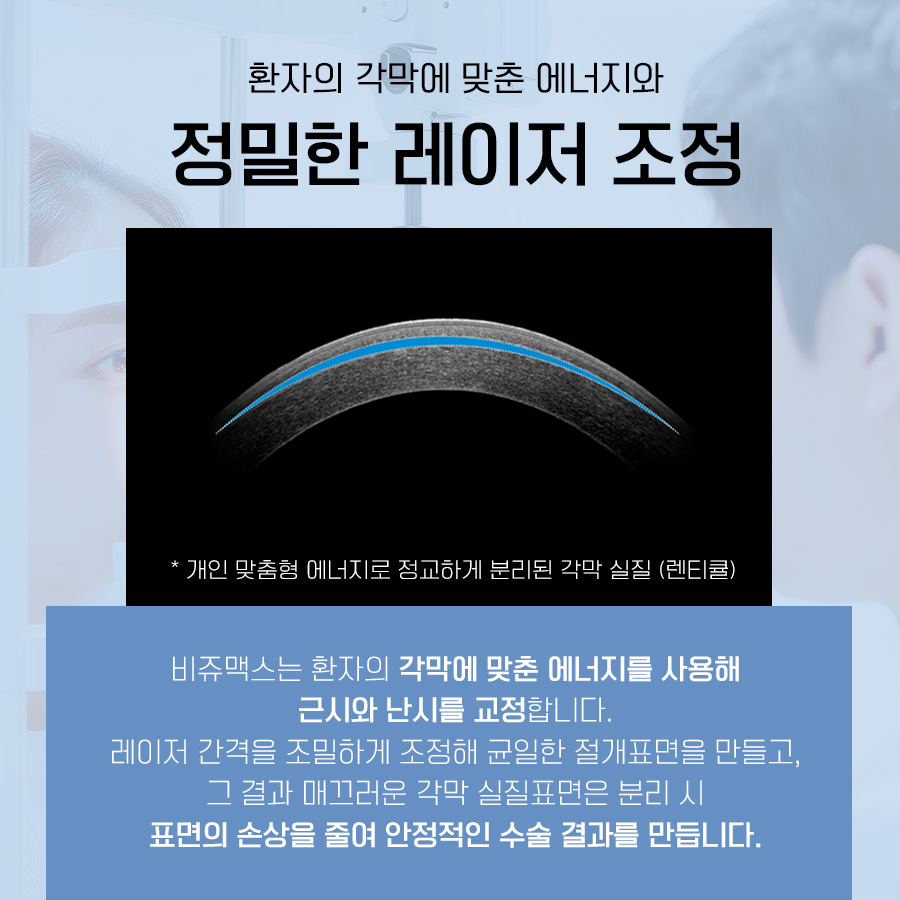
At a high‑volume, equipment‑heavy center, multiple devices may be used to cross‑check results. Based on these findings, the medical team will confirm whether SMILE LASIK, SMILE pro, SILK, another laser procedure, or lens implantation is more suitable for you.
Personalized surgical planning
If SMILE LASIK is recommended, the surgeon will plan the procedure parameters, including the size and position of the lenticule, the thickness of remaining cornea, and the location of the small incision. The team will also discuss:
Expected range of vision after surgery.
Potential side effects such as dry eye, glare, or halos.
Alternative options if SMILE LASIK is not ideal for your eyes.
You should receive clear explanations in language you understand, with enough time to ask questions about risks, benefits, and recovery.
The procedure day
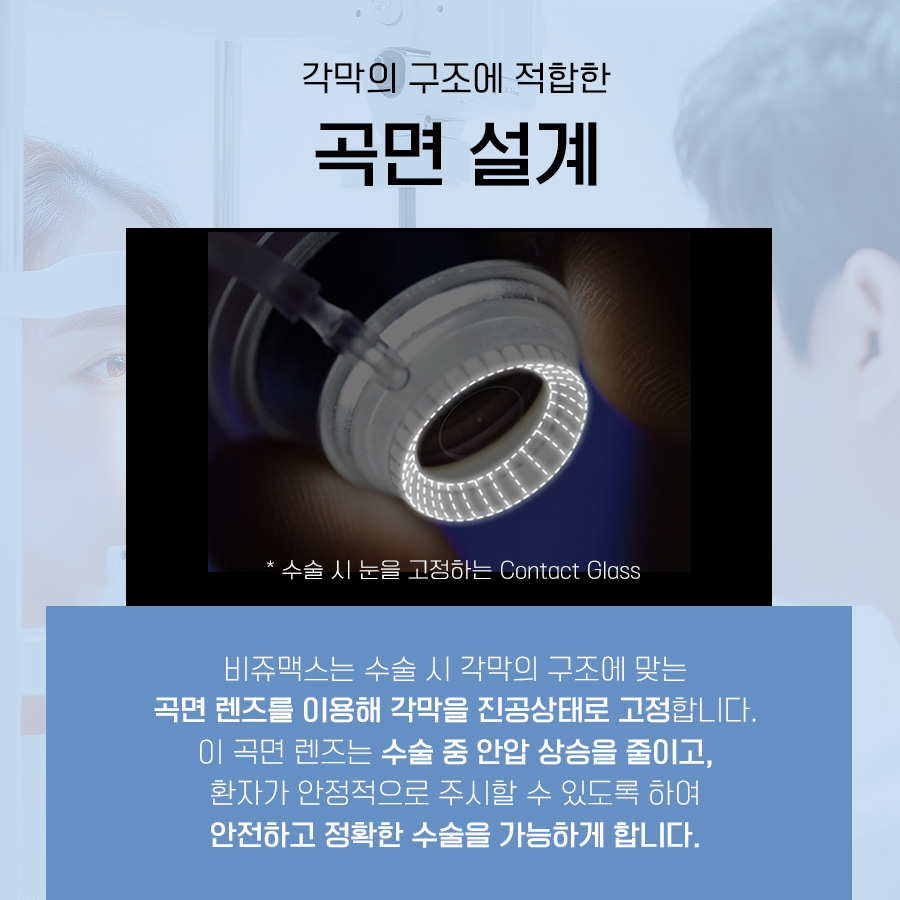
On the day of surgery, you will typically spend a few hours at the center, but the actual laser time is very short. With the ZEISS VISUMAX 800 platform used for SMILE pro, laser activation itself can be under 10 seconds per eye, although preparation and positioning take longer.
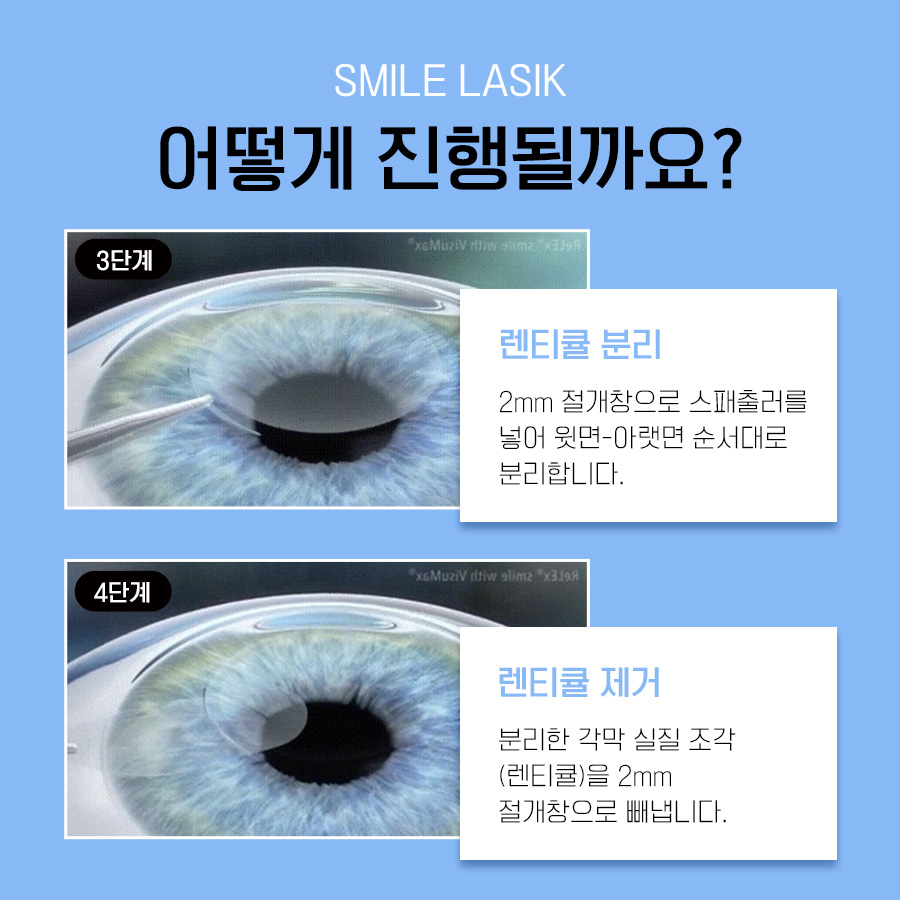
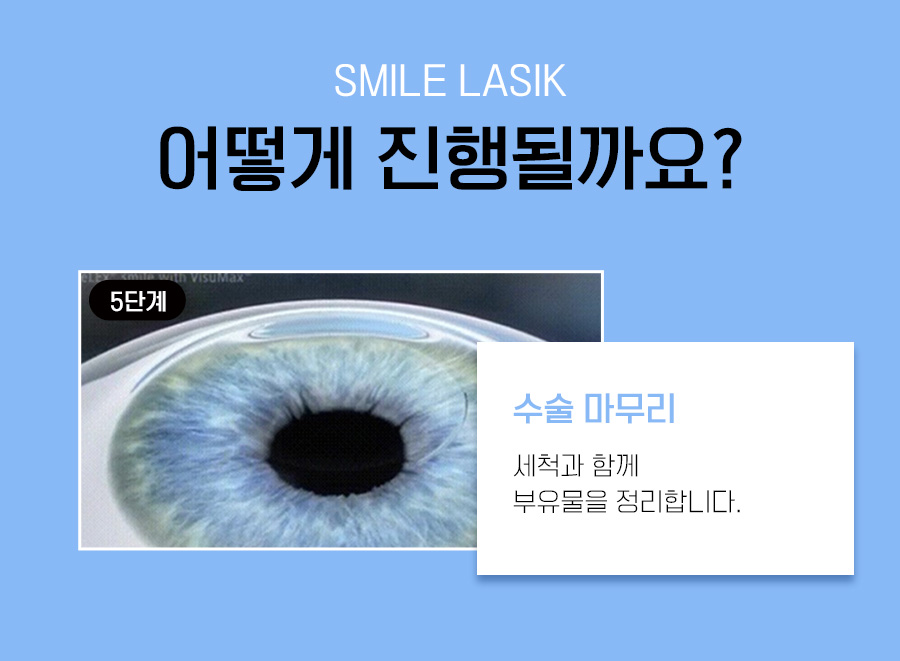
You remain awake during the procedure, with numbing drops used to prevent pain. The surgeon uses the femtosecond laser to create the lenticule inside the cornea and a small opening, then removes the lenticule through that opening. There is no large flap as in traditional LASIK.
After a short rest, initial checks are done, and you are usually able to go back to your accommodation the same day. Many patients notice an improvement in vision within hours to days, though clarity continues to stabilize over weeks.
Follow‑up and aftercare
Structured follow‑up
Higher‑end centers in Gangnam generally schedule structured follow‑up visits. A typical plan might include:
Day 1: Early check to confirm corneal status and rule out infection.
Within 1 week: Assessment of visual acuity and early dry eye symptoms.
1 month and 3 months: Monitoring of stability, night vision, and comfort.
For international patients, the schedule may be adjusted to fit your travel plan, but it is important to stay in Seoul for at least several days after surgery, and ideally longer, to allow for early follow‑up.
Home care
You will be instructed to:
Use prescribed eye drops as directed.
Avoid rubbing your eyes.
Limit heavy exercise, swimming, and eye makeup for a period recommended by your surgeon.
Protect your eyes from dust and strong wind, and use sunglasses outdoors.
If you experience sudden pain, a sharp drop in vision, or intense redness, you should contact the clinic immediately or seek emergency care.
How to judge whether a SMILE LASIK price is reasonable
Checklist before you decide
When comparing SMILE LASIK quotes in the Sinsa and Gangnam area, it helps to look beyond the number and ask:
Is a full pre‑operative examination package included in the price, or is it billed separately?
Are all scheduled follow‑up visits and initial medications included?
Which laser platform will be used? For example, is it a ZEISS VISUMAX 800 for SMILE pro, a VISUMAX 500 for SMILE LASIK, or another system?
Who will perform the surgery? Is it a board‑certified ophthalmologist with subspecialty training in refractive surgery?
Does the clinic explain risks, side effects, and alternatives in detail, or does it focus only on benefits?
Does the center have systems for managing dry eye and corneal issues, not only for doing the surgery itself?
If a quote is significantly lower than others in the same area, it is worth asking which elements are being reduced or excluded to reach that price.
SMILE LASIK compared with other vision correction options
At a center like GS Eye Clinic, SMILE LASIK is one of several vision correction options. Others may include LASEK, lens implantation for high myopia, and presbyopia lens surgery for people in their 40s and above. Prices for these procedures can be lower or higher than SMILE LASIK depending on the technology and lens type.
However, the most expensive procedure is not automatically the best choice for every eye. The right option depends on your corneal thickness, age, degree of myopia or astigmatism, lifestyle, and tolerance for recovery time. A thorough examination and discussion with the medical team is essential before deciding.
Practical location and schedule information
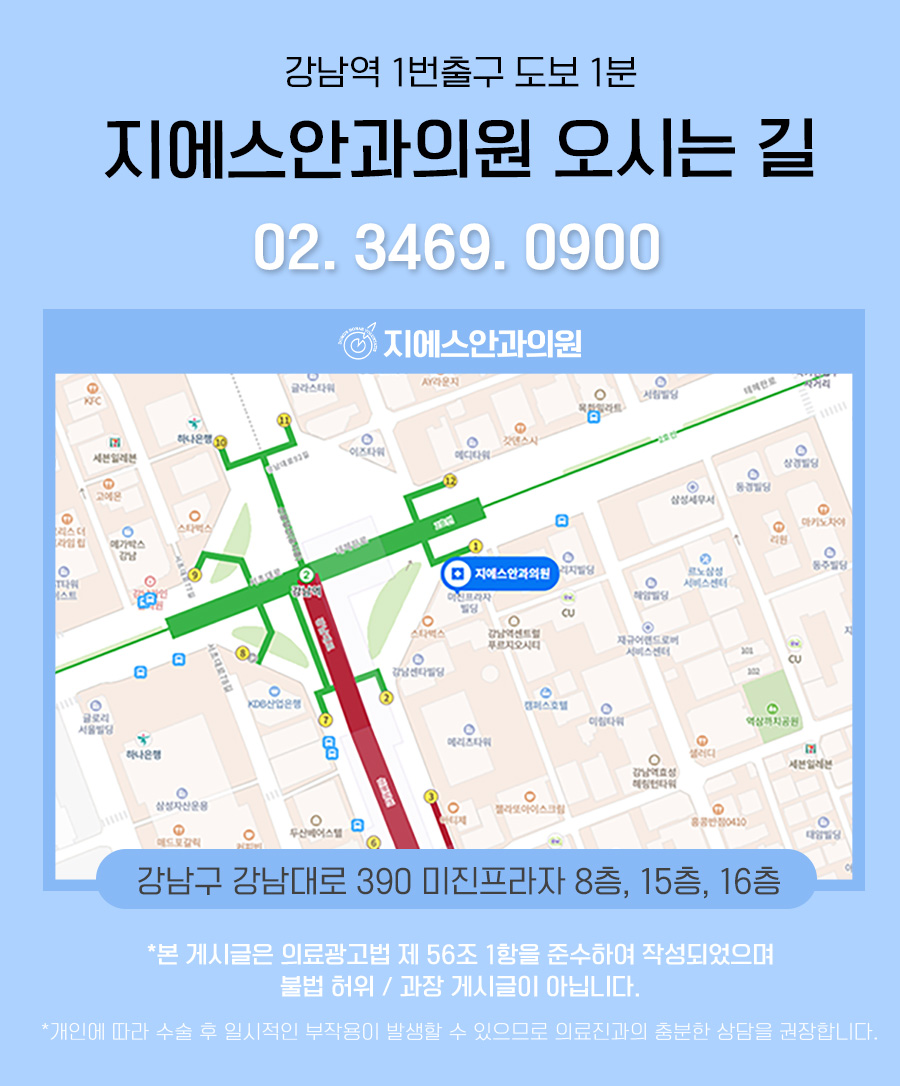
For those searching Sinsa eye clinic prices, it is useful to know that GS Eye Clinic is located in the Gangnam area, close to Gangnam Station, which is one or two subway stops away from Sinsa depending on the line. This makes it convenient to visit from hotels or guesthouses in both Sinsa and Gangnam.
The center mainly operates on weekdays and Saturdays, with a lunch break during the day and no service on Sundays or public holidays. When planning a medical trip, you should check the latest operating hours and book appointments in advance, especially if you are coordinating multiple visits within a short stay.
Who may consider SMILE LASIK in Sinsa and Gangnam
You may consider SMILE LASIK in this area if you:
Are an adult with stable myopia and astigmatism.
Prefer a minimally invasive procedure with a small incision.
Value advanced technology and are willing to pay for comprehensive examinations and follow‑up.
Can stay in Seoul long enough for initial checks and early follow‑up visits.
However, only a full examination can confirm whether SMILE LASIK is safe and suitable for your eyes.
Frequently asked questions about Sinsa SMILE LASIK prices
What is usually included in a SMILE LASIK price quote near Sinsa?
In the Sinsa and Gangnam area, a typical SMILE LASIK quote often includes the pre‑operative examination package, the surgery itself using a femtosecond laser platform, basic post‑operative medications, and a set number of follow‑up visits. Some centers offer these as a single package price, while others separate the examination fee and surgery fee. Always ask the clinic to list exactly what is included so you can compare quotes fairly.
Why do some Gangnam clinics charge more for SMILE pro than for standard SMILE LASIK?
SMILE pro uses the latest ZEISS VISUMAX 800 platform, which offers faster laser time and updated technology compared with earlier platforms such as VISUMAX 500. The investment and maintenance costs for this newer system are higher, and surgeons may need additional training. Because of this, some clinics set a higher fee for SMILE pro than for standard SMILE LASIK. The difference reflects both the technology used and the clinic’s positioning in the market.
How many days should I plan to stay in Seoul for SMILE LASIK?
Most international patients should plan to stay at least several days after surgery for early follow‑up, and ideally one to two weeks if possible. A common pattern is to arrive one or two days before the examination, have the diagnostic work‑up and consultation, undergo surgery within a day or two, and then attend follow‑up visits before returning home. The exact schedule depends on the clinic’s protocol and your travel constraints, so discuss this in advance during online consultation.
Is it safe to choose the lowest SMILE LASIK price I find in Sinsa or Gangnam?
Choosing solely based on the lowest price can be risky. A very low fee may mean shorter or less detailed examinations, older equipment, fewer follow‑up visits, or less experienced surgeons. While a high price does not automatically guarantee better results, it is important to check what stands behind the number: technology level, examination standards, surgeon training, and safety protocols. Balancing cost with these factors is usually safer than focusing only on price.
Soft call to action for online consultation
If you are considering SMILE LASIK in the Sinsa or Gangnam area and want to understand how pricing works for your specific eyes, the most practical next step is to request an online consultation. By sharing your age, current prescription, and any known eye conditions, you can receive guidance on whether SMILE LASIK, SMILE pro, or another option is likely to be suitable, along with an outline of expected fees and visit schedules. This allows you to plan your trip to Korea with clearer expectations about both cost and care.

- 공유 링크 만들기
- X
- 이메일
- 기타 앱


댓글
댓글 쓰기