Sinsa Station SMILE LASIK Options Near Gangnam Station
- 공유 링크 만들기
- X
- 이메일
- 기타 앱
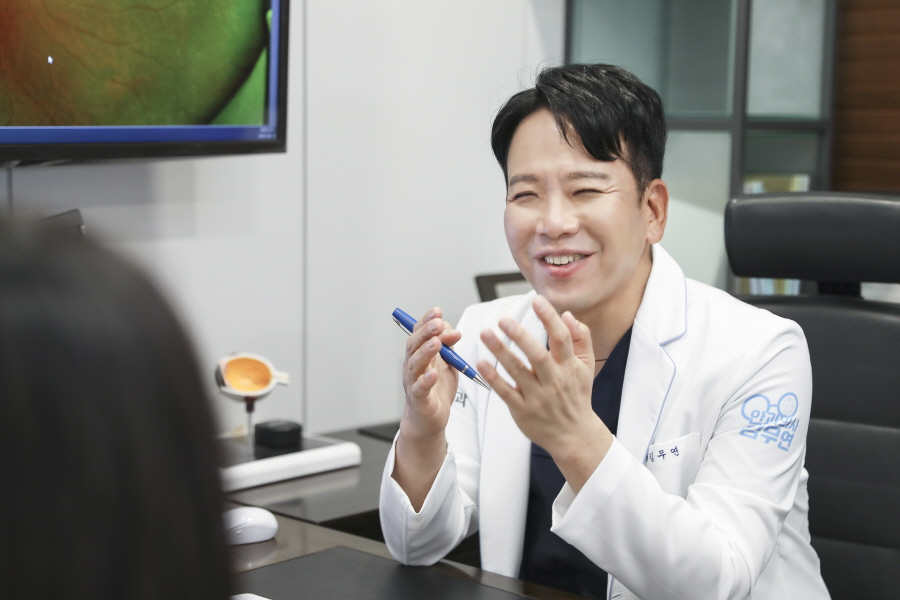
There you can find ophthalmology clinics that focus on SMILE-based procedures, use the latest ZEISS platforms such as VISUMAX 800 for SMILE Pro, and have experienced ophthalmologists who perform a full eye examination before recommending any treatment. Rather than choosing only by price or brand name, compare each clinic’s equipment, surgeon background, case volume, and long-term follow-up system.
Introduction: why commuters around Sinsa look for SMILE LASIK
Many office workers, students, and young professionals who pass through Sinsa Station and Gangnam Station every day want to reduce their dependence on glasses or contact lenses. However, they often have limited time and cannot afford a long recovery period.
Flapless laser vision correction methods such as SMILE LASIK, SMILE Pro, and SILK have become popular in this area because they are designed with a small incision and may offer a relatively quick return to daily life. For people who work in offices, use computers all day, or travel frequently, the idea of a short procedure with minimal discomfort is very attractive.
If you are an overseas resident in Seoul or a medical tourist planning a short stay, the Gangnam district around Sinsa and Gangnam Stations offers many options. This guide explains what SMILE Pro and related procedures are, how to choose a clinic, and what to expect if you visit an ophthalmology clinic near Gangnam Station that has extensive experience with SMILE-based vision correction.
SMILE Pro and SMILE LASIK overview
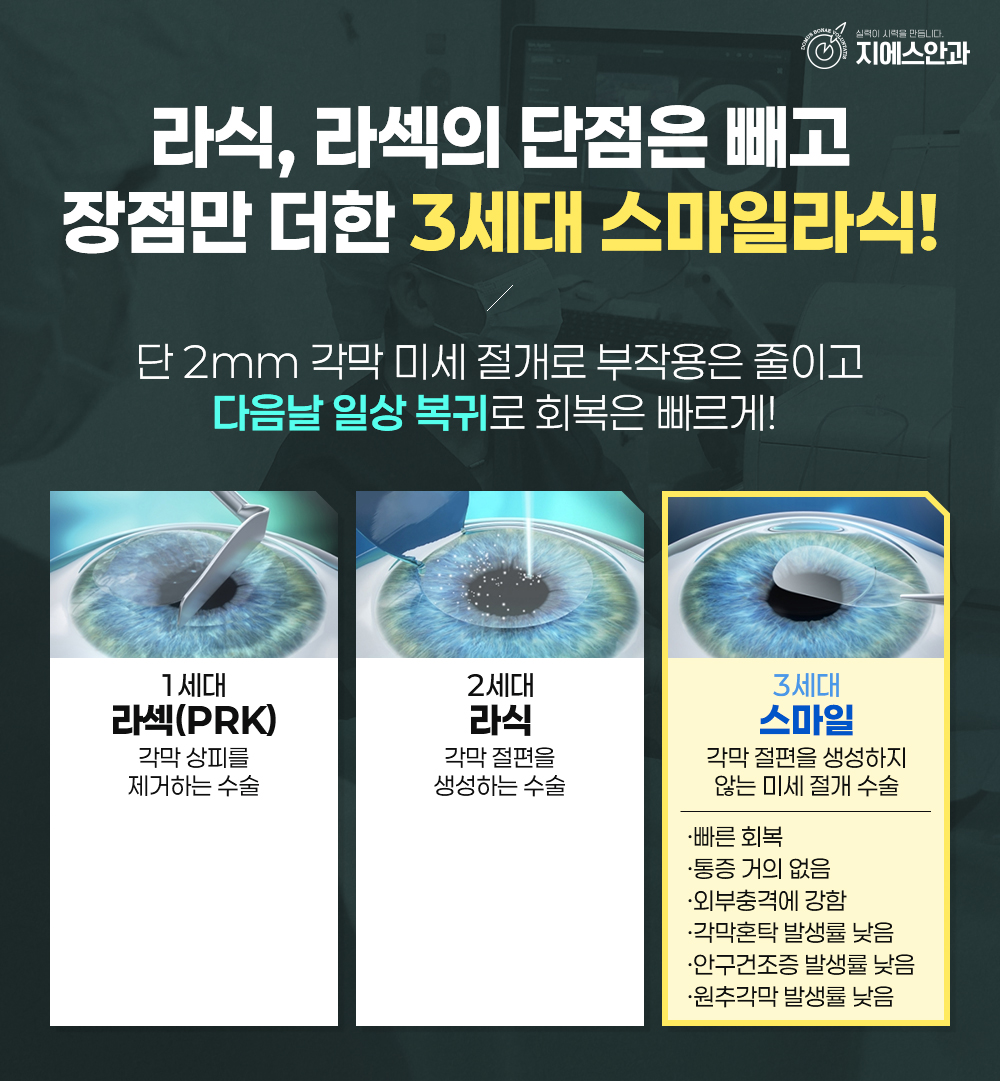
SMILE LASIK is a type of laser vision correction that reshapes the cornea using a small incision instead of creating a wide flap. A femtosecond laser creates a thin lenticule inside the cornea, which is then removed through a tiny opening. This changes the corneal curvature and corrects nearsightedness and astigmatism in suitable candidates.
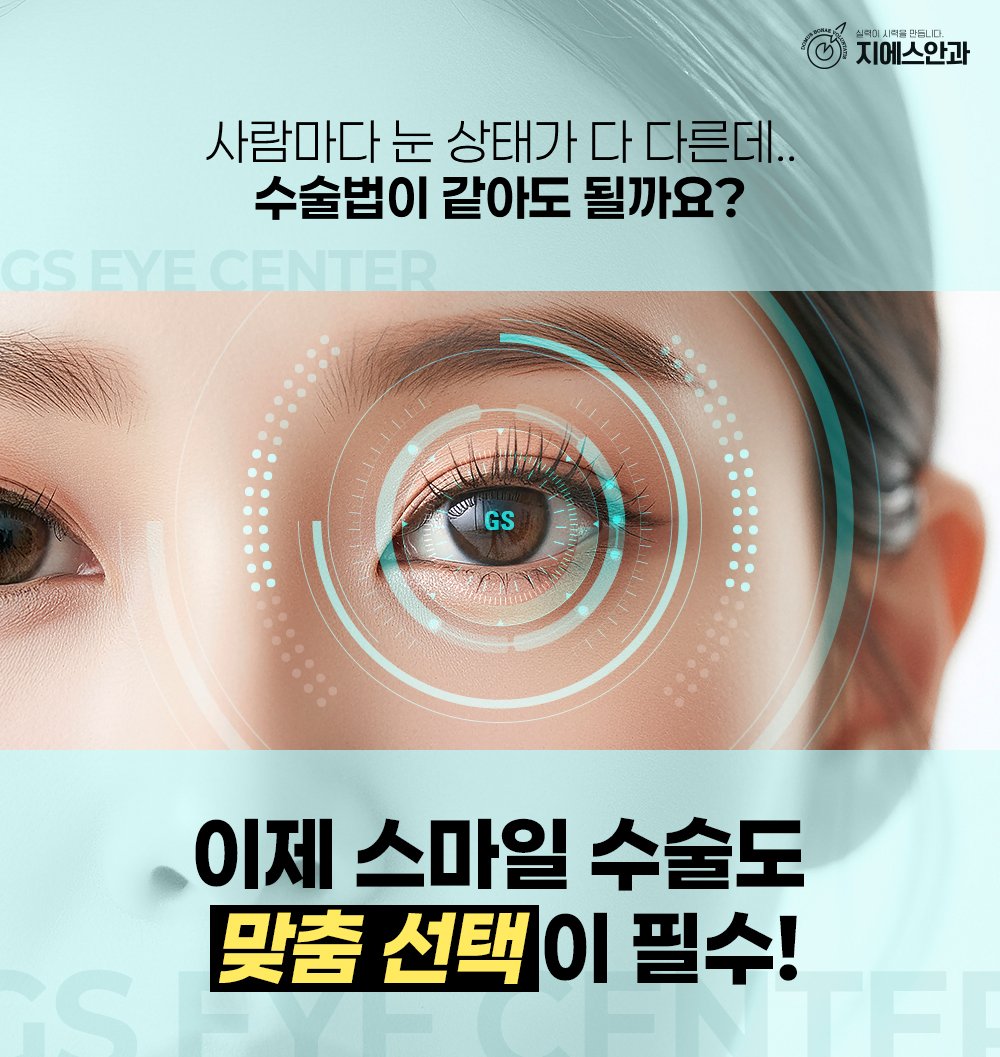
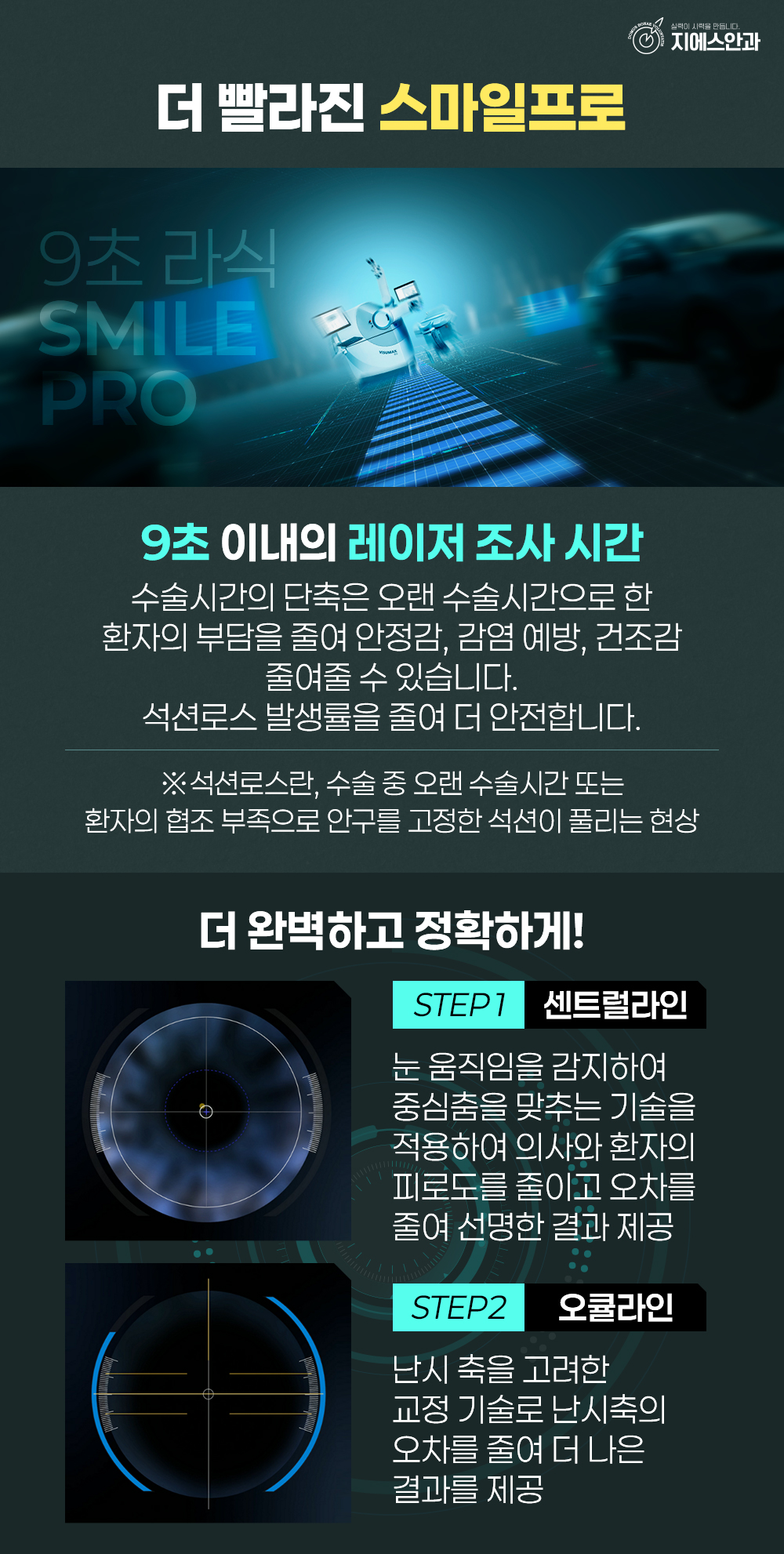
SMILE Pro is an advanced version of SMILE performed on newer femtosecond laser platforms such as the ZEISS VISUMAX 800. It is designed to reduce the duration of laser exposure compared with older platforms, which many clinics say improves comfort for busy patients and helps streamline the overall procedure.
SILK and other SMILE-based techniques are also flapless or minimally invasive approaches that aim to maintain more of the corneal structure compared with older flap-based methods. While the technical details differ, they share a similar concept: using a precise femtosecond laser to reshape the cornea through a small opening.
Why the laser platform matters
For SMILE Pro and related procedures, the laser platform is not just a piece of equipment; it directly affects your experience and the range of options your surgeon can offer.
An ophthalmology clinic near Gangnam Station that owns multiple ZEISS SMILE platforms can:
Offer different SMILE family procedures
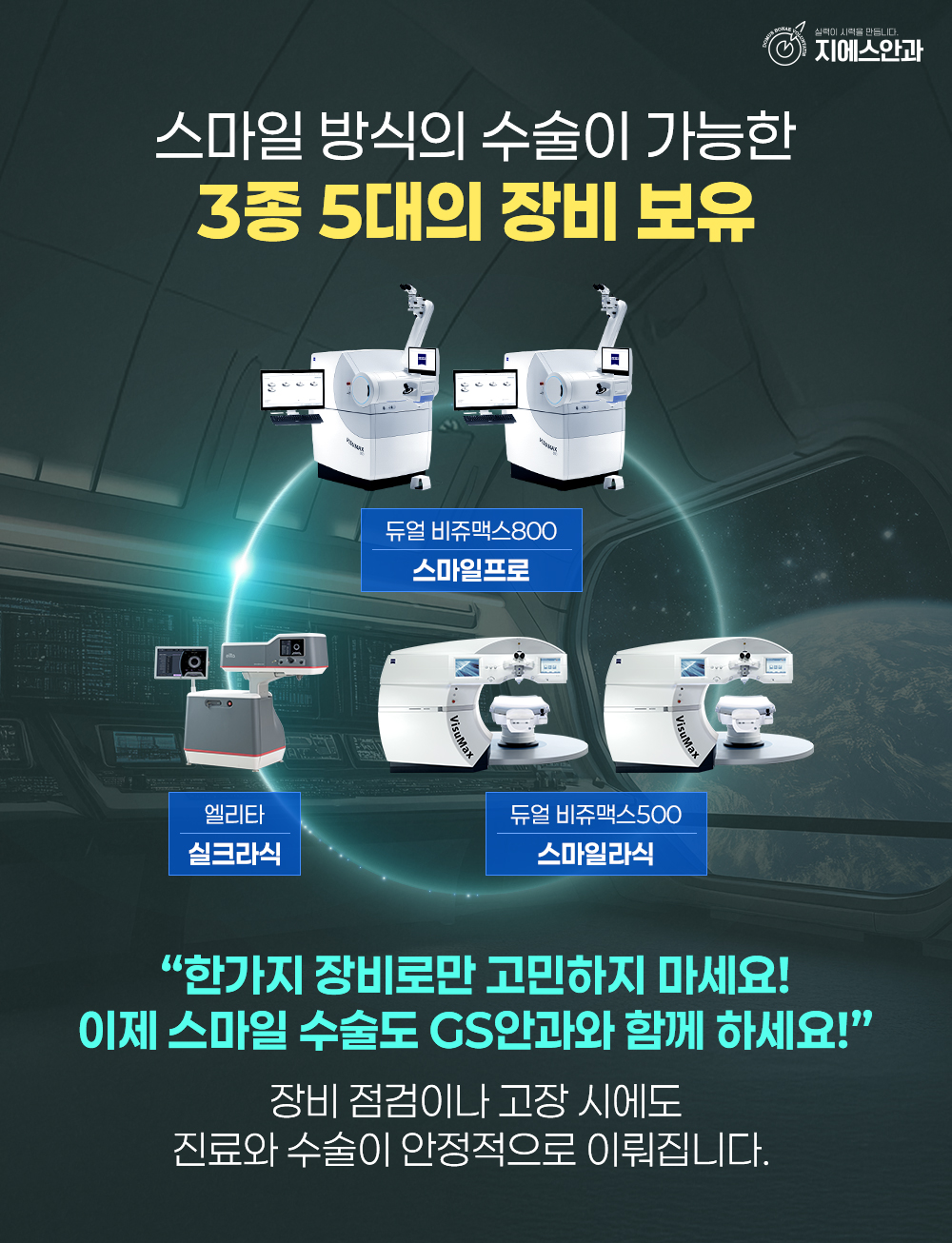
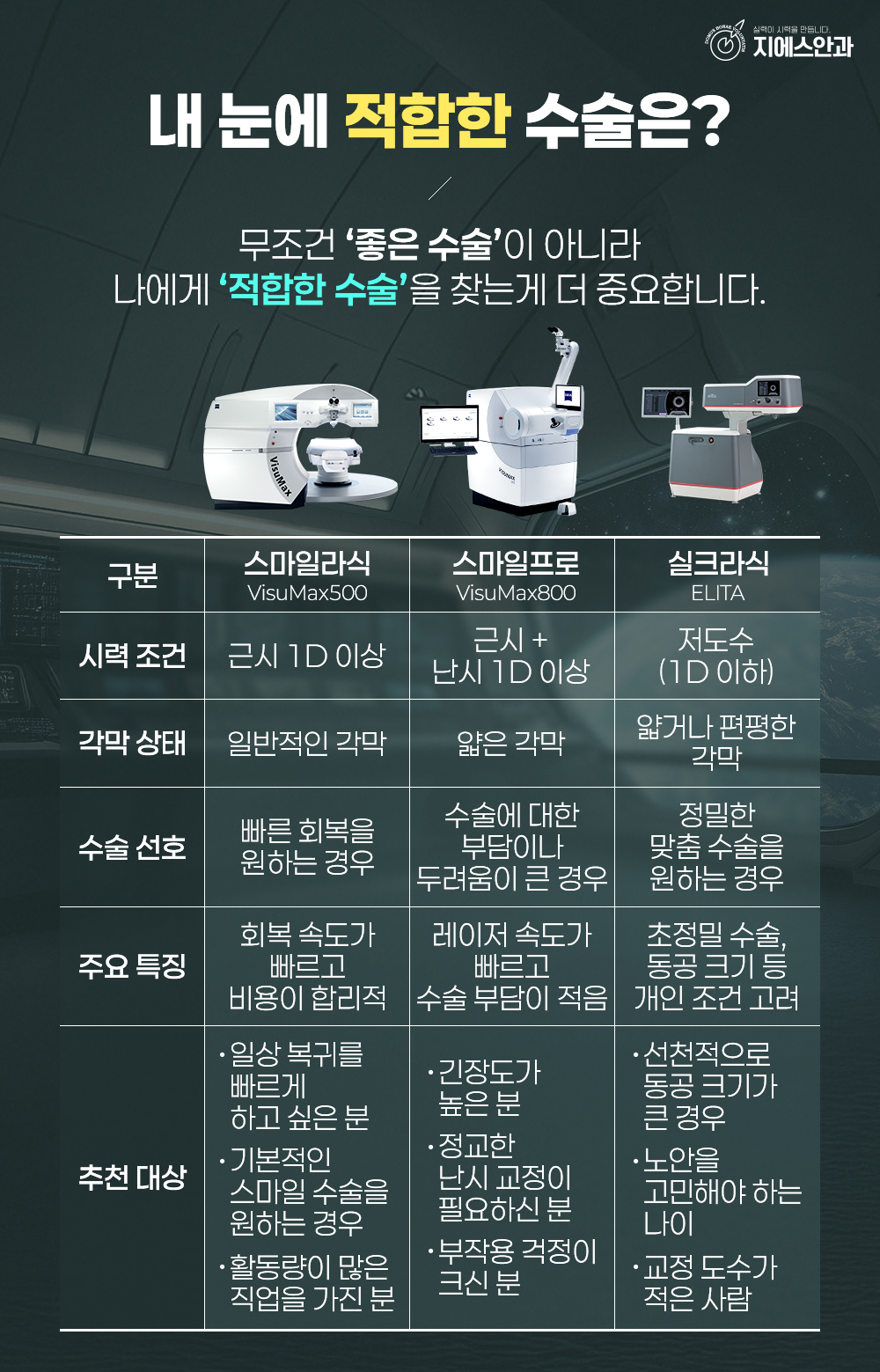
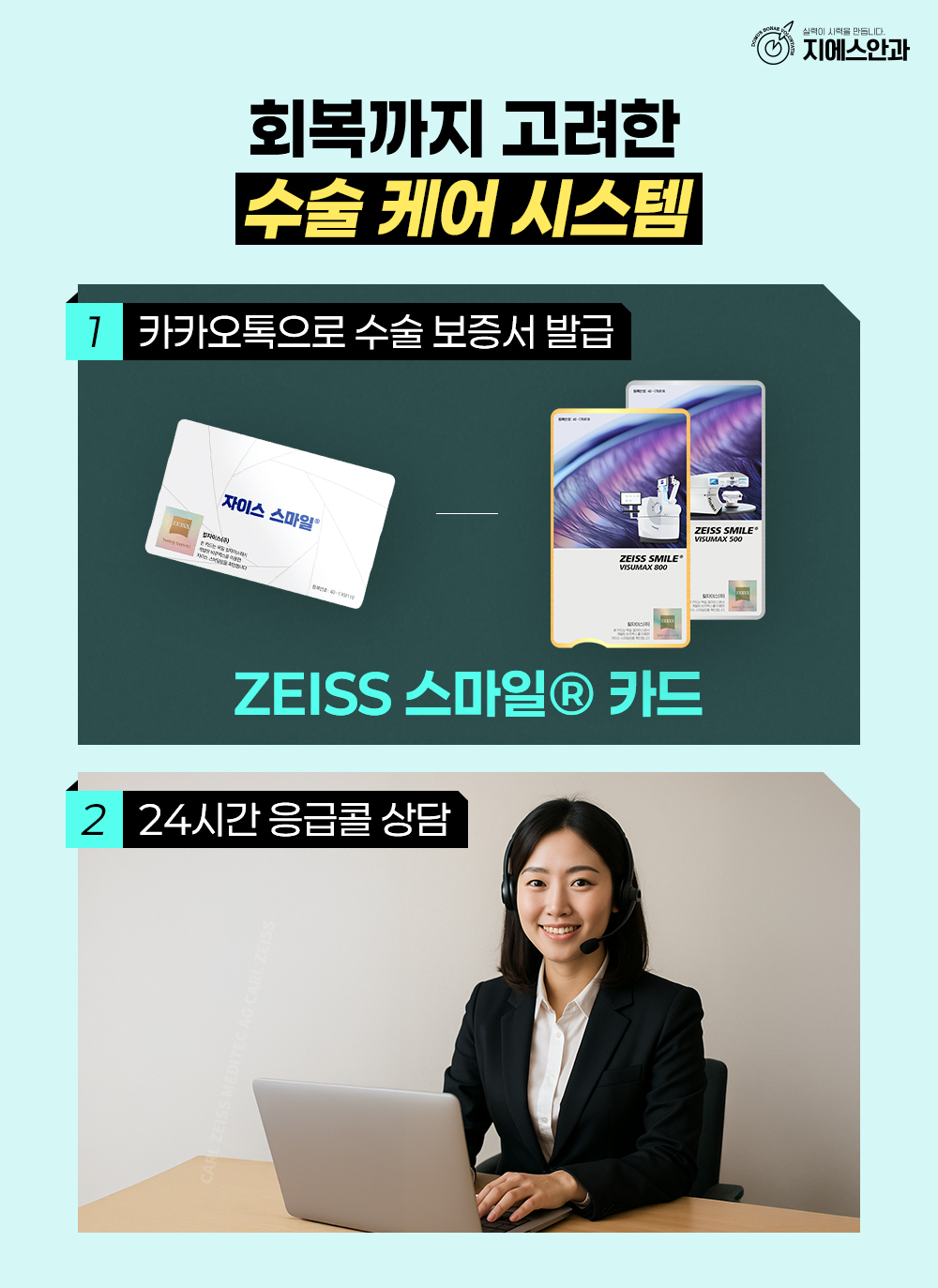
With VISUMAX 800, the clinic can provide SMILE Pro with very short laser time. With VISUMAX 500 units, the clinic can still perform classic SMILE LASIK, which has been widely used for many years. Having all three major SMILE platforms allows the doctors to choose among SMILE Pro, classic SMILE, SILK, or other methods based on your corneal thickness, prescription, and lifestyle.
Reduce waiting time
In a busy area like Sinsa and Gangnam, appointment slots can fill quickly. A clinic that operates two VISUMAX 500 units plus a VISUMAX 800 has more flexibility in scheduling. This can be especially important for working professionals who can only visit during lunch breaks, evenings, or short holidays.
Provide redundancy and consistency
If one laser unit is undergoing maintenance, another can be used. This redundancy helps keep the clinic’s schedule stable and reduces the chance that your procedure will be delayed. It also allows the clinic to maintain consistent performance by comparing and calibrating multiple devices over time.
Who may consider SMILE Pro or SMILE LASIK
SMILE-based procedures are generally considered for adults with stable vision who want to correct nearsightedness and astigmatism. People who may be interested include:
Office workers who use computers all day and want to reduce dry eye from contact lenses.
Students and young professionals who commute through Sinsa or Gangnam and need a quick return to study or work.
Frequent travelers who cannot manage frequent lens care.
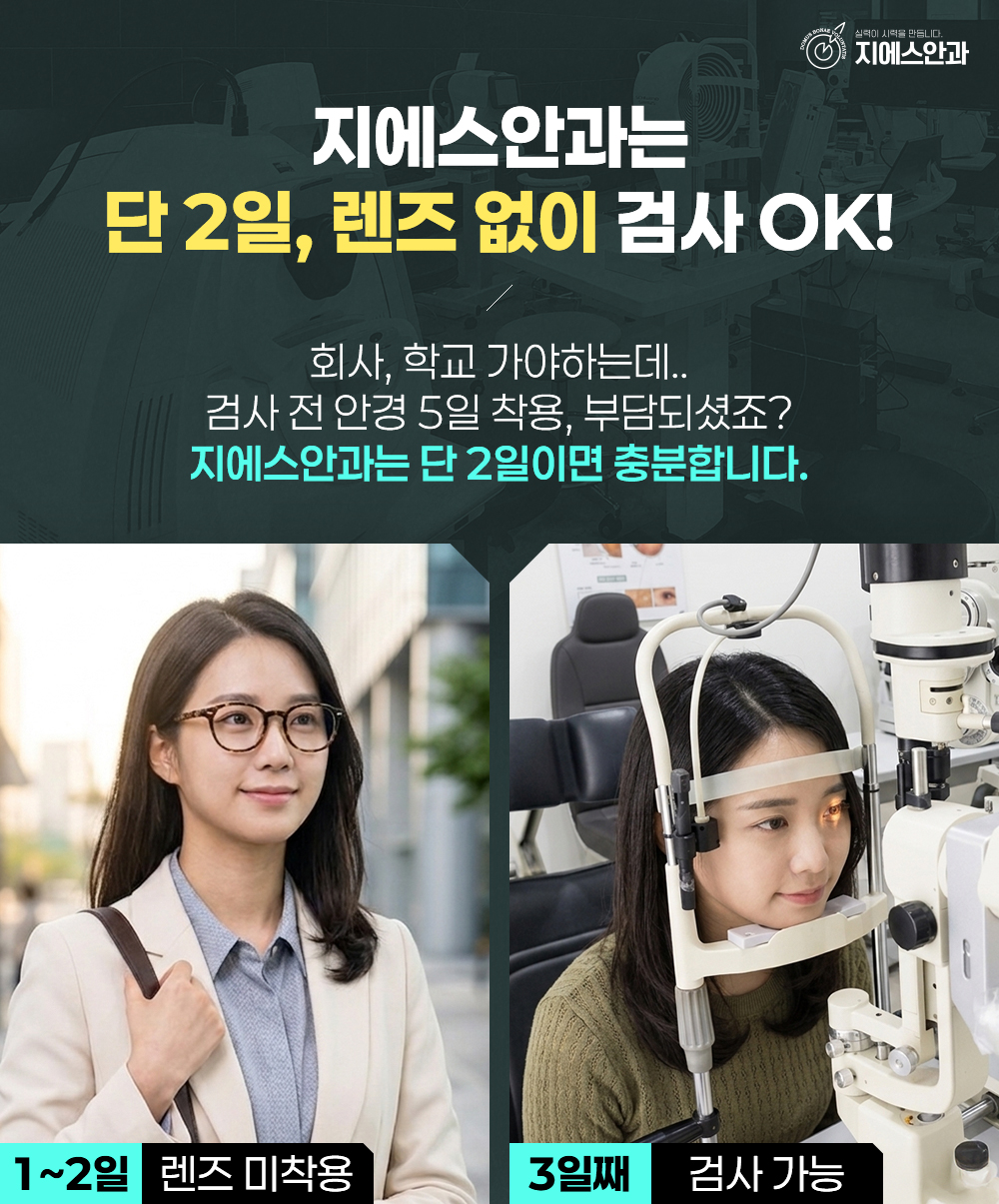
However, not everyone is a candidate. Your suitability depends on:
Corneal thickness and shape.
Degree of nearsightedness and astigmatism.
Presence of dry eye, keratoconus, or other corneal conditions.
Retinal health and other eye diseases.
A detailed pre-operative examination with corneal topography, pachymetry, tear film assessment, and retinal evaluation is essential before any decision.
How to choose a SMILE LASIK clinic near Sinsa and Gangnam
Many clinics advertise SMILE LASIK around Sinsa Station. Instead of slogans, use a short, prioritized checklist: what to ask at consultation, what documentation to request, and what you should expect before and after the procedure.
Check the ophthalmologists’ training and roles
Look for board-certified ophthalmologists who have subspecialty training and experience in university hospitals. A clinic near Gangnam Station with seven board-certified ophthalmologists, including retina fellowship–trained specialists and former university hospital faculty, can manage a wide range of eye conditions.
This kind of team structure means that your pre-operative examination and surgery planning are usually handled by doctors who are familiar with complex cases, not only straightforward refractive errors.
Confirm the SMILE platforms available
Ask which SMILE platforms the clinic uses and how long each has been in service. Request the model name and the year the device was installed or first used clinically rather than accepting vague claims.
VISUMAX 800 for SMILE Pro (introduced in 2023 for that clinic)
Two VISUMAX 500 units for classic SMILE LASIK (in operation since 2016, with dual setup since 2019)
can offer you multiple flapless options and adjust the procedure to your specific eye condition and schedule. This is particularly helpful if you are visiting Korea for a short period and need reliable scheduling.
Review cumulative case volume with time references
Request cumulative and annual case volumes broken down by procedure type, with clear dates for the reporting period. Ask the clinic to clarify what is included in their totals and to provide supporting documentation or links when possible.
Within that, specific SMILE Pro figures such as 15,000 eyes as of April 2026, with stepwise growth over the years, indicate that the clinic has integrated SMILE Pro into its routine practice rather than offering it only occasionally.
Look for external designations and certifications
External recognitions can reflect standardized protocols and active participation in education:
Ask to see certifications and third‑party recognitions
Rather than relying on named claims, request copies or verifiable links for any manufacturer designations, training center status, ISO certifications, academic affiliations, or regional recognitions, including the issuing organization and the date of award.
These designations suggest that the clinic’s processes are organized and that its surgeons are involved in training other doctors, which often goes hand in hand with consistent protocols and careful documentation.
Confirm the presence of a retina center
Before any laser vision correction, it is important to check the retina, especially in patients with high myopia. A clinic that has a dedicated retina center with fellowship-trained retina specialists can detect and treat retinal tears, macular issues, or other conditions before or after surgery.
This is particularly relevant for international patients who may not have easy access to follow-up care once they return home. Knowing that your retina has been properly evaluated before surgery can provide additional reassurance.
Prioritize systematic examinations and conservative indications
When you contact clinics near Sinsa and Gangnam, ask how long the pre-operative examination takes and which tests are included. A thorough workup usually involves:
Visual acuity and refraction.
Corneal topography and tomography.
Corneal thickness measurement.
Tear film and dry eye assessment.
Retinal examination, often with wide-field imaging.
Be cautious if a clinic seems to push you quickly toward surgery without discussing alternative options such as implantable collamer lenses (ICL), GLAZE, PhakiFlex KPL, or 2DAY LASEK. A conservative approach that sometimes recommends against surgery is a positive sign.
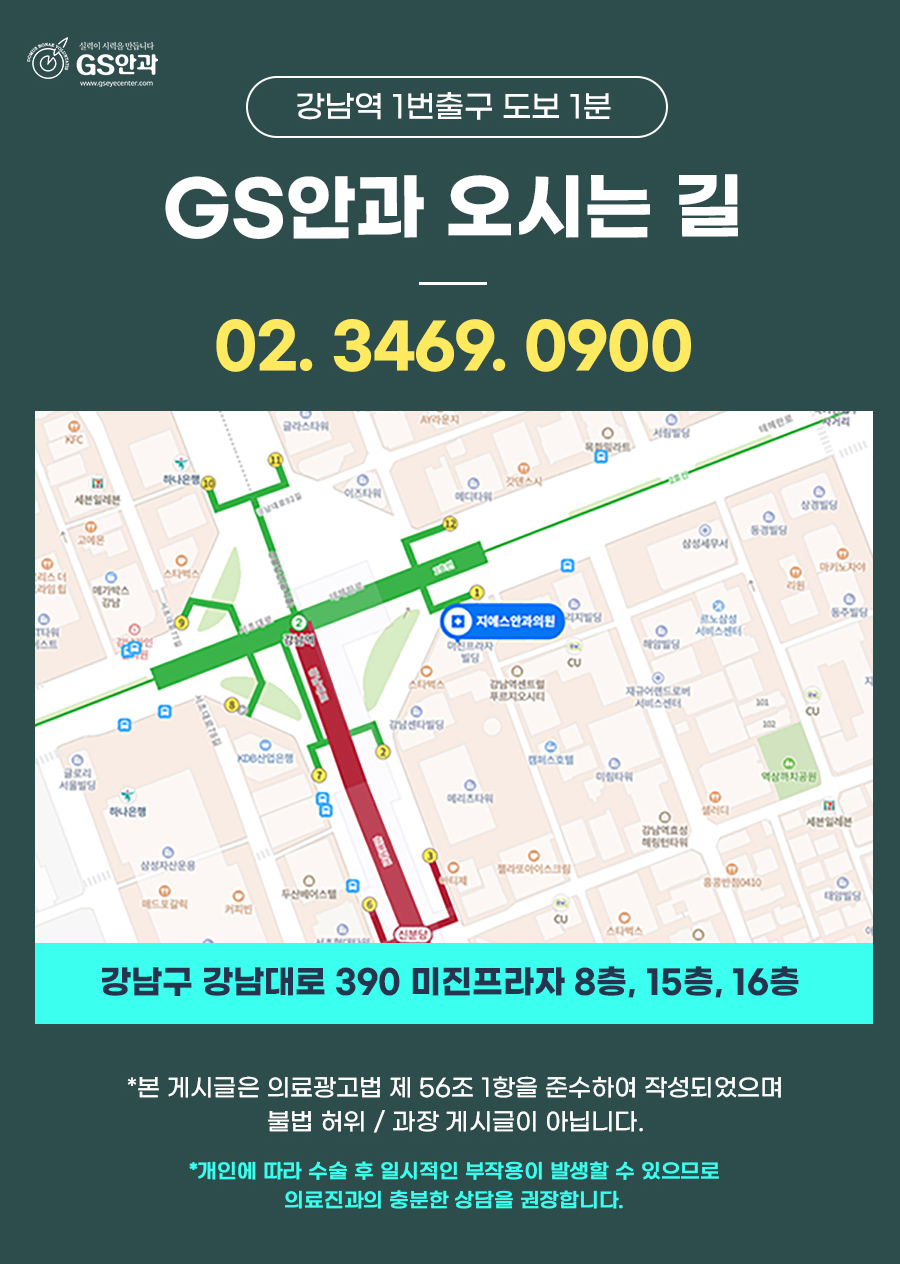
Example of a Gangnam ophthalmology clinic near Sinsa
In the Gangnam Station area, a long-established ophthalmology clinic has remained in the same location since opening in 2005. Over two decades, it has built a broad range of services and collected extensive outcome data.
Experienced ophthalmology team
This team structure allows the clinic to handle not only routine SMILE LASIK but also complex cases involving cataracts, presbyopia, and retinal disease. For an international patient, this means that if something unexpected is found during the examination, there are specialists on site to manage it.
Comprehensive SMILE platforms
The clinic owns all three major SMILE platforms from ZEISS:
VISUMAX 800 for SMILE Pro, introduced in 2023, with laser time under about 9 seconds.
Two VISUMAX 500 units for classic SMILE LASIK, in continuous operation since 2016, with a dual setup since 2019.
With this equipment, the clinic can offer SMILE Pro, classic SMILE LASIK, SILK, and its own SMILE-based packages. The doctors can choose the platform that best suits your corneal parameters, prescription, and lifestyle, rather than fitting every patient into a single method.
Extensive case experience
The clinic has also accumulated experience in other advanced procedures:
This broad experience with both corneal and lens-based vision correction helps the doctors recommend the most appropriate option for each age group, from young adults seeking SMILE to older patients considering presbyopia or cataract solutions.
Recognitions and training roles
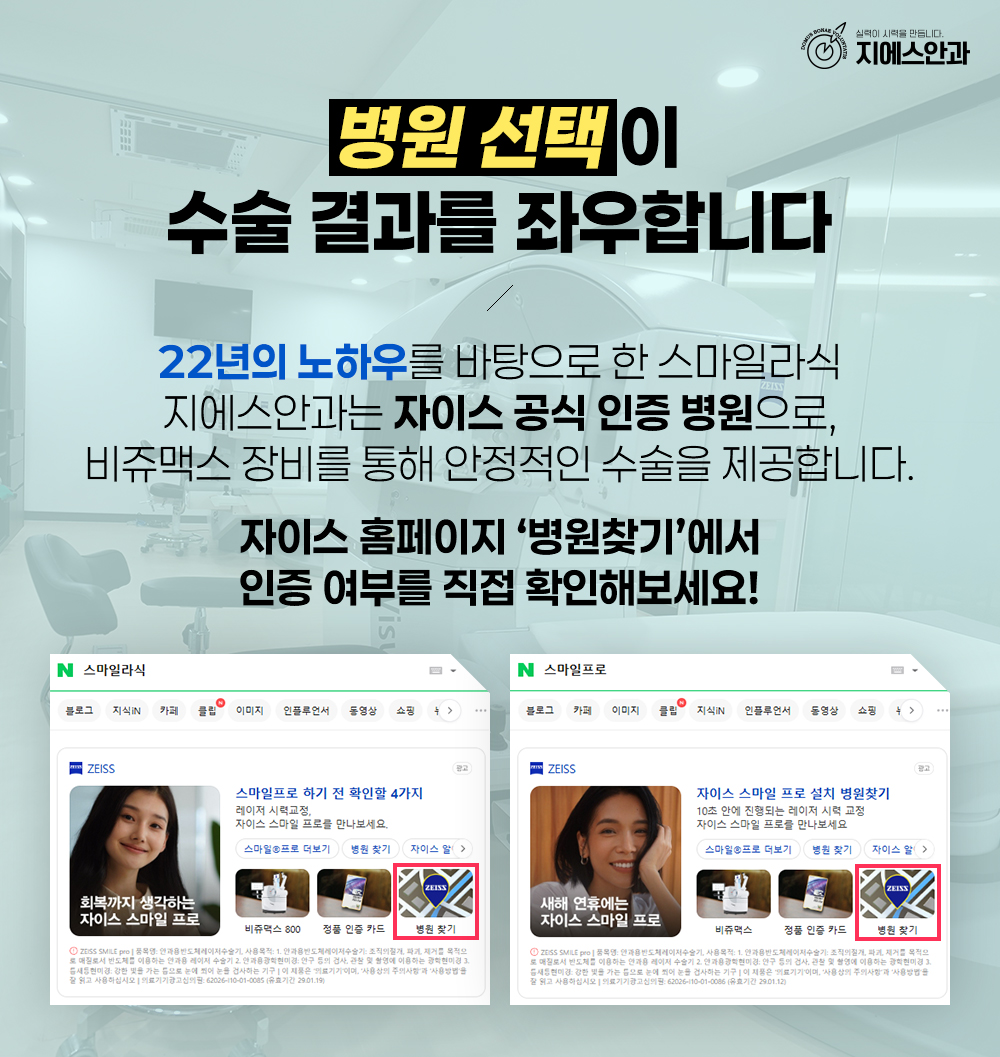
The clinic’s role as the first ZEISS SMILE GOLD CLUB member in Korea (2021), a ZEISS SMILE pro CENTER (2023), and a SILK TRAINING Center (2026) indicates active involvement in the development and teaching of SMILE-based techniques.
ISO 9001 and 14001 certification for SMILE LASIK (2020) reflects standardized quality and environmental management systems. Designation as a clinical education institution by a major medical school (2023) and as an Asia-Pacific clinical education center by BIOTECH (2024) shows that the clinic participates in structured training and research.
For international patients, these roles suggest that the clinic follows written protocols and continuously reviews its outcomes.
Treatment lineup beyond SMILE
While the SMILE family is the main focus, the clinic also offers:
Implantable collamer lens (ICL), GLAZE, and PhakiFlex KPL for patients who are not suitable for corneal laser surgery.
2DAY LASEK and corneal strengthening procedures for specific corneal conditions.
Laser cataract surgery and presbyopia-correcting lens implantation.
Multifocal intraocular lenses such as PanOptix for patients with cataracts and presbyopia.
A dedicated retina center for medical and surgical retina care.
This comprehensive lineup allows the doctors to recommend a solution tailored to your age, occupation, and eye health rather than limiting you to a single procedure.
Benefits of SMILE Pro and related SMILE procedures for busy commuters
For people who pass through Sinsa and Gangnam every day, the practical advantages of SMILE Pro and SMILE LASIK are important.
Small incision and flapless approach
SMILE-based procedures use a small incision instead of a wide corneal flap. In suitable candidates, this approach may help with:
Faster functional recovery, allowing many patients to return to office work relatively quickly.
Potentially less dry eye and discomfort compared with some older flap-based methods.
Better maintenance of corneal biomechanical stability, which is important for long-term corneal health.
Short laser time and efficient process
With VISUMAX 800, the laser time for SMILE Pro can be under about 9 seconds per eye. While the total time in the operating room is longer due to preparation, the actual laser exposure is very short.
For busy professionals, this can reduce anxiety and make the procedure feel more manageable. Combined with efficient pre-operative testing and post-operative checkups, it is possible to fit the entire treatment into a tight schedule, especially if you plan your visit in advance.
Procedure choice based on examination, not only preference
Although SMILE Pro is a modern option, it is not automatically the best choice for every eye. After a detailed examination, the doctor may recommend:
SMILE Pro for suitable corneas and prescriptions.
Classic SMILE LASIK with VISUMAX 500 for specific cases.
SILK or other SMILE-based variations.
ICL, GLAZE, or PhakiFlex KPL if corneal thickness is limited or prescription is high.
2DAY LASEK or combined corneal strengthening if needed.
A responsible clinic will explain why a particular method is recommended and may advise against surgery if your eyes do not meet safety criteria.
Safety and long-term follow-up
Long-term presence in one location
An ophthalmology clinic that has been in the same Gangnam location since 2005 has had time to follow patients over many years. This long history allows the doctors to see how different procedures perform over time and refine their protocols.
For international patients who may return to Korea occasionally, it is reassuring to know that the clinic is well-established and not likely to relocate frequently.
ISO-certified processes
ISO 9001 and 14001 certification for SMILE LASIK indicates that the clinic has documented processes for quality management and environmental management. While ISO certification does not guarantee individual outcomes, it suggests that the clinic maintains standardized workflows, regular audits, and continuous improvement.
Integrated retina care
The presence of a dedicated retina center within the same clinic means that retinal issues can be identified before surgery and monitored afterward. For patients with high myopia, this is particularly important, as they have a higher risk of retinal tears or detachments.
If a retinal problem is detected during your pre-operative examination, the retina specialist can address it and coordinate with the refractive surgeon, helping to maintain overall eye health.
Online consultation and pre-visit preparation
If you are an overseas patient or a busy commuter, starting with an online consultation can save time.
Information to prepare before contacting the clinic
When you reach out to an ophthalmology clinic near Gangnam Station, it is helpful to prepare:
Your age and current glasses or contact lens prescription, if available.
History of eye diseases, surgeries, or injuries.
Any symptoms such as dry eye, floaters, flashes of light, or night vision problems.
General health conditions such as diabetes, autoimmune disease, or pregnancy.
Your planned travel dates and how many days you can stay in Korea.
Questions you may want to ask To compare clinics, consider asking:
Which SMILE platforms do you own (VISUMAX 800, VISUMAX 500, SILK-related devices)?
How long does the pre-operative examination take, and which tests are included?
Is there a retina specialist who will review my retinal images before surgery?
What is the typical schedule for international patients (number of visits and days)?
What is your cumulative case volume for SMILE Pro and SMILE LASIK, and up to which year?
Clinics that answer these questions clearly and provide structured information are often better prepared to handle international patients.
Expected Korea visit timeline for SMILE-based procedures
The exact schedule can vary, but a typical timeline for an overseas patient might look like this:
Day 1: Comprehensive eye examination
You visit the clinic near Gangnam Station for a full examination. This can take several hours and may include pupil dilation, so it is best not to drive afterward. After the tests, the doctor explains whether you are a candidate for SMILE Pro, SMILE LASIK, SILK, or another procedure, or whether surgery is not recommended.

Day 2 or 3: Procedure day
If you are suitable and decide to proceed, the surgery is usually scheduled within a day or two, depending on your travel plan and the clinic’s schedule. The procedure itself is relatively short. You rest in a recovery area for a while and then return to your accommodation with protective eye shields and prescribed eye drops.
Day 3 or 4: First post-operative check
You return to the clinic for a follow-up examination. The doctor checks your vision, corneal condition, and intraocular pressure, and reviews how to use eye drops and protect your eyes.
Additional follow-ups
If you are staying longer, the clinic may schedule further visits within the first week. If your stay is short, the doctors will usually advise you on follow-up care with an ophthalmologist in your home country.
Aftercare and daily life after SMILE-based procedures
Immediately after surgery
You may experience tearing, mild discomfort, or a foreign body sensation for several hours. Many patients rest with their eyes closed on the day of surgery. It is important to avoid rubbing your eyes and to use the prescribed eye drops as directed.
First week
Most people can return to office work within a few days, although this varies. You should avoid swimming pools, hot tubs, and eye makeup for a period recommended by your doctor. Use artificial tears if you feel dryness, and take short breaks from screens.
First month and beyond
Vision usually stabilizes over weeks to months. You will be advised to attend scheduled follow-up visits and to contact the clinic if you notice sudden changes in vision, pain, or new floaters.
Because individual healing differs, your doctor will give you personalized instructions based on your eye condition and the specific procedure performed.
Frequently asked questions
What is the difference between SMILE Pro and classic SMILE LASIK?
SMILE Pro is performed with the newer ZEISS VISUMAX 800 platform, which offers a shorter laser time, often under about 9 seconds per eye, and updated software and ergonomics. Classic SMILE LASIK uses the VISUMAX 500 platform, which has been widely used for many years. Both are flapless procedures that use a small incision, but SMILE Pro may provide a more streamlined experience in suitable candidates. The choice depends on your eye measurements and the clinic’s assessment.
Is SMILE LASIK suitable for everyone who wears glasses?
No. Suitability depends on corneal thickness, corneal shape, degree of nearsightedness and astigmatism, dry eye status, and retinal health. Some people are better suited to implantable lenses such as ICL, GLAZE, or PhakiFlex KPL, or to surface procedures like 2DAY LASEK. A comprehensive examination by an ophthalmologist is essential before deciding.
How long do I need to stay in Seoul for SMILE Pro or SMILE LASIK?
Many international patients plan to stay for about one week, allowing time for a full pre-operative examination, the procedure, and at least one or two follow-up visits. Some clinics can adjust the schedule depending on your travel plans, but you should avoid flying immediately after surgery and follow your doctor’s advice on timing.
Why should I consider a clinic near Gangnam Station instead of only near Sinsa Station?
Sinsa and Gangnam Stations are close to each other, and the Gangnam Station area has ophthalmology clinics with long histories, multiple ZEISS SMILE platforms, and extensive case volumes. A clinic that has been in the same Gangnam location since 2005, with seven board-certified ophthalmologists, a dedicated retina center, and designations as a SMILE training and education center, can offer a wide range of options and structured follow-up. For many patients, a short additional subway stop is worthwhile for this level of infrastructure.
Soft call to action
If you are considering SMILE Pro, SMILE LASIK, or other flapless laser vision correction while living in or visiting Seoul, take time to compare clinics around Sinsa and Gangnam based on equipment, medical team, and safety systems rather than advertisements alone.
An ophthalmology clinic near Gangnam Station with VISUMAX 800 and multiple VISUMAX 500 units, a long track record since 2005, and a team of board-certified ophthalmologists including retina specialists can be a strong option. Before you decide, consider arranging an online consultation to review your situation, discuss possible procedures, and plan your visit schedule. This way, you can make an informed decision that fits both your eyes and your lifestyle.



- 공유 링크 만들기
- X
- 이메일
- 기타 앱


댓글
댓글 쓰기