Sinsa Station SMILE LASIK Review Guide for International Patients in Seoul
- 공유 링크 만들기
- X
- 이메일
- 기타 앱
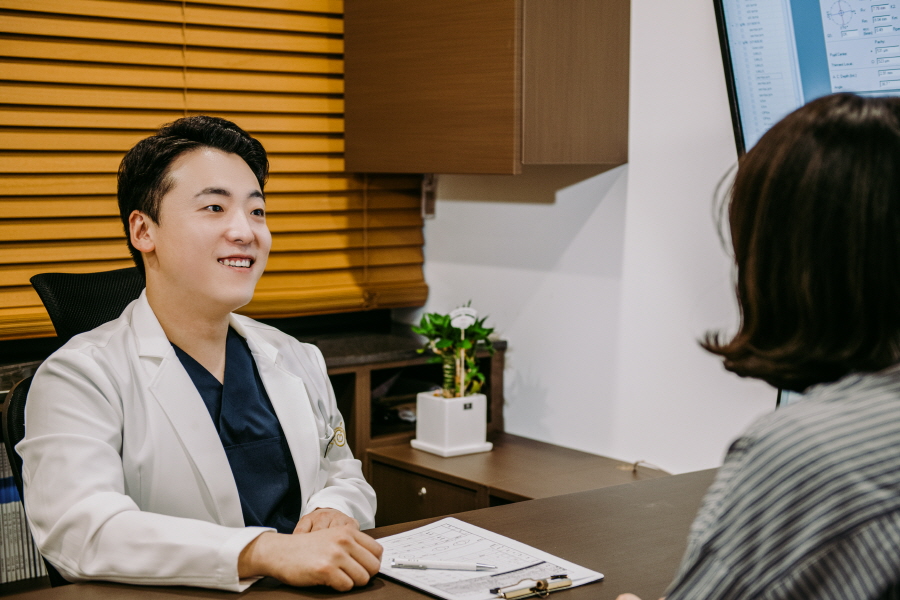
Direct answer for Sinsa Station SMILE LASIK review searchers
If you are searching for “Sinsa Station SMILE LASIK review”, you probably want to know three things: how much it hurts, how fast you can go back to work or school, and how safe it is. In the Gangnam and Sinsa area of Seoul, SMILE LASIK is a common choice among commuters who are tired of glasses and contact lenses but still need to be at their desks the next day.
This guide explains SMILE LASIK in simple terms, walks through a realistic before–during–after experience, and shows what to check when choosing an ophthalmology clinic near Sinsa Station or Gangnam Station. It is written for international patients who may be planning a short medical trip to Korea.
Why many Sinsa and Gangnam commuters consider SMILE LASIK
Sinsa Station and Gangnam Station sit on busy commuting lines, and many office workers and students in this area spend long hours on screens. Glasses can fog up in crowded subways, and contact lenses can feel dry in air‑conditioned offices. SMILE LASIK is often chosen because it aims to correct vision with a minimally invasive laser procedure and usually allows a quick return to everyday activities.
People who search for reviews usually worry about:
- Pain during and after the procedure
- How long they need to rest before going back to work or classes
- Whether dry eye or night glare will affect their daily life
- How to choose a reliable ophthalmology clinic among many options in Gangnam
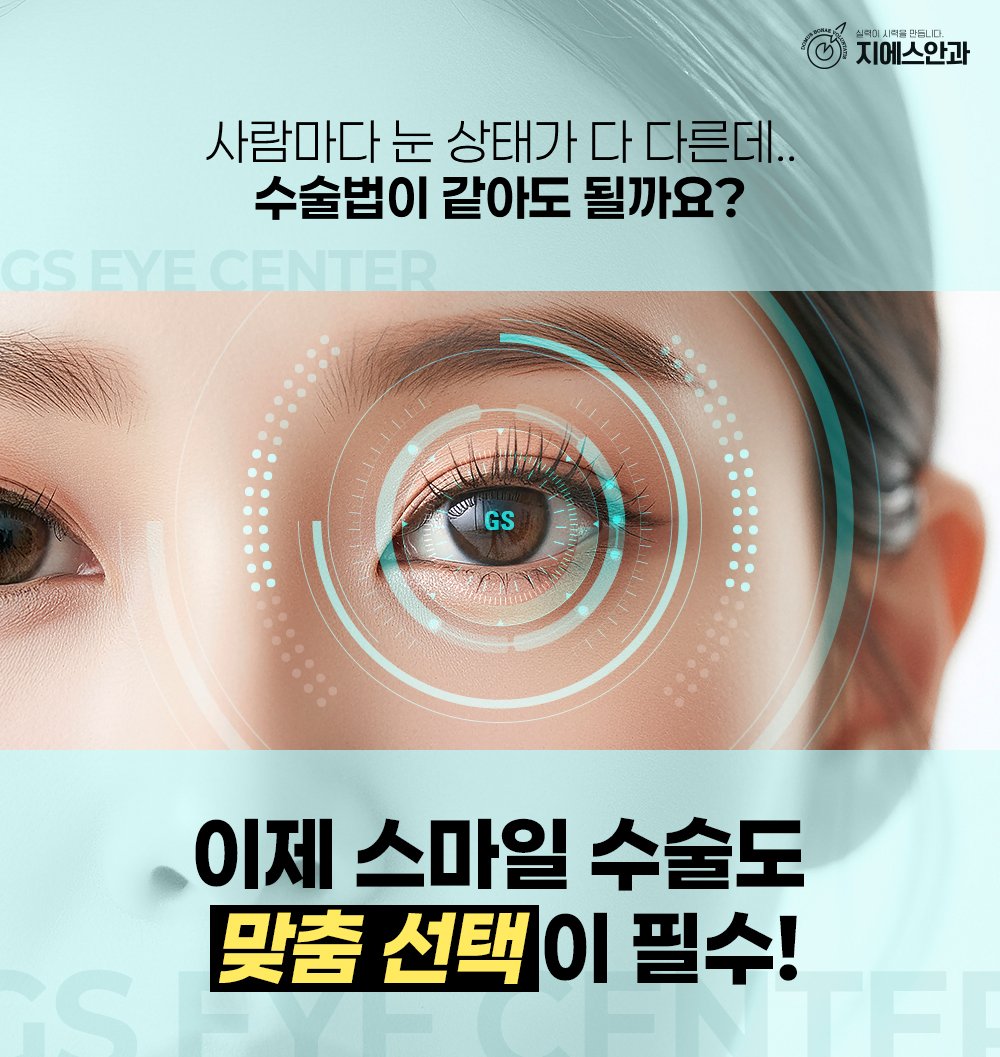
The following sections answer these questions step by step from a patient‑experience point of view.
What SMILE LASIK is and how it compares to LASIK and LASEK
SMILE LASIK overview
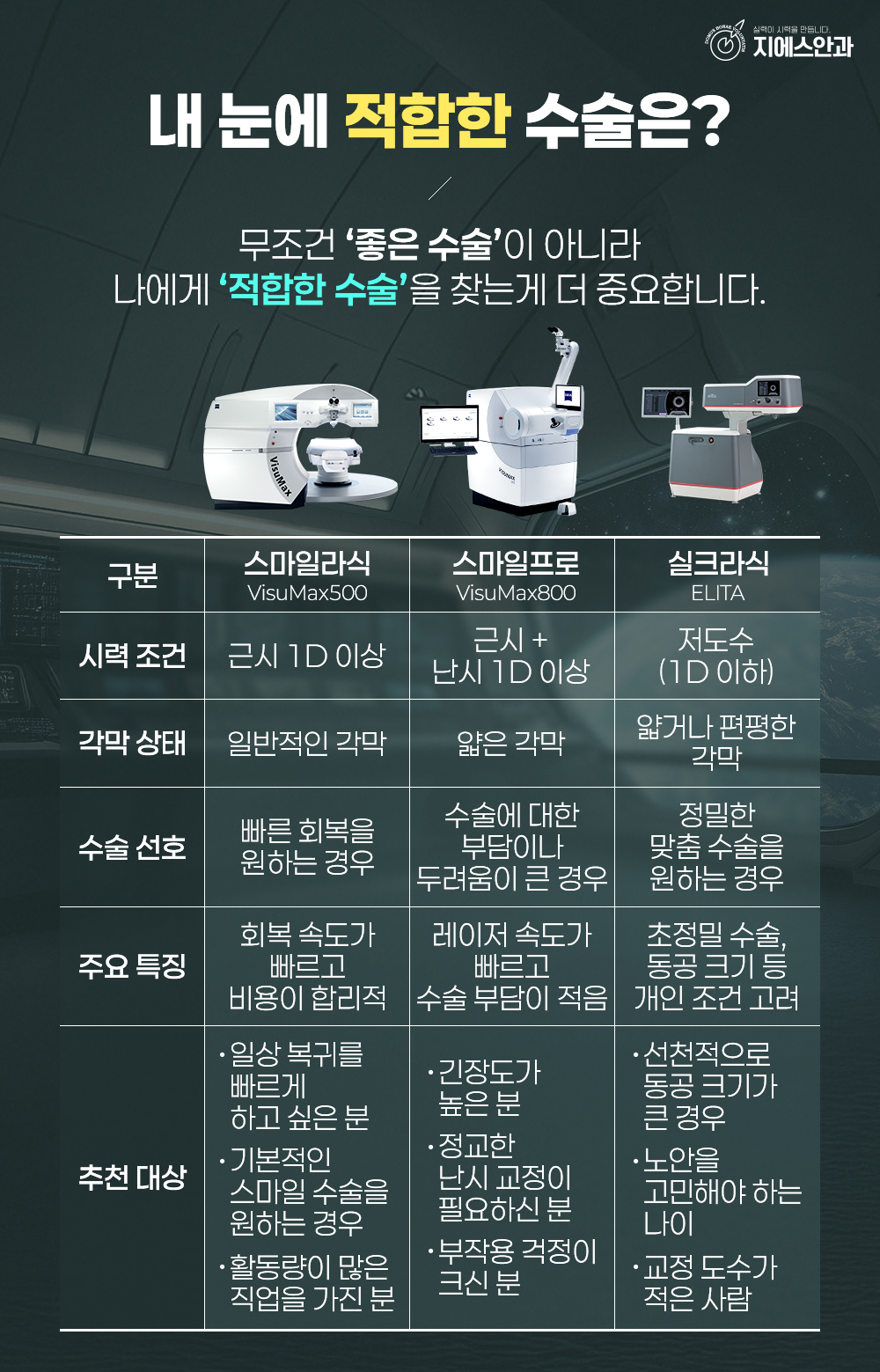
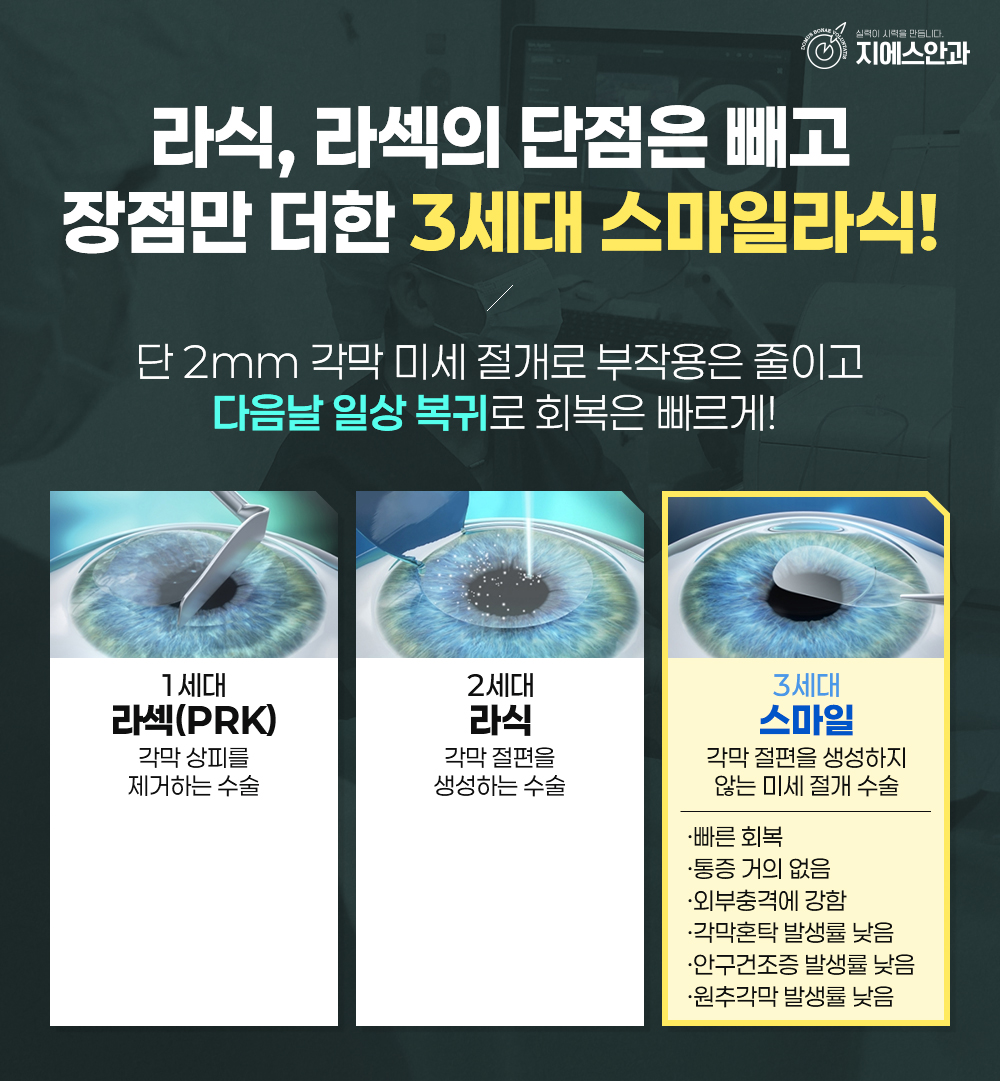
SMILE LASIK is a minimally invasive corneal laser vision correction procedure. It uses a femtosecond laser to create a very thin, lens‑shaped piece of tissue (called a lenticule) inside the cornea. Through a tiny incision, this lenticule is removed, changing the corneal shape so that light focuses correctly on the retina.
Unlike conventional LASIK, SMILE LASIK does not create a large corneal flap. Instead, it uses a small side opening, usually only a few millimeters long. This smaller incision may help preserve more corneal nerves and tissue.
Comparison with LASIK and LASEK
Compared with conventional LASIK, SMILE LASIK typically involves:
A smaller incision instead of a wide flap
Less disruption of corneal nerves, which may reduce the risk or severity of dry eye in some patients
A more stable corneal structure because less tissue is cut at the surface
Compared with LASEK, which removes the surface layer and then reshapes the cornea, SMILE LASIK usually offers:
- Less surface pain after surgery
- Faster functional recovery of vision in the first days
- Less need for long periods of bandage contact lenses
However, the best method is not the same for everyone. Some eyes are better suited to LASIK, LASEK, or lens implantation. That is why a detailed preoperative eye examination is essential.
Who may consider SMILE LASIK
Typical candidacy points
You may be considered for SMILE LASIK if:
Your glasses or contact lens prescription has been stable for at least one to two years
Your cornea is thick and regular enough to allow safe tissue removal
You do not have severe dry eye, corneal disease, or keratoconus
You do not have active retinal problems that make surgery unsafe
You are not pregnant or breastfeeding at the time of surgery
You understand that results can vary and that some people may still need thin glasses for certain tasks
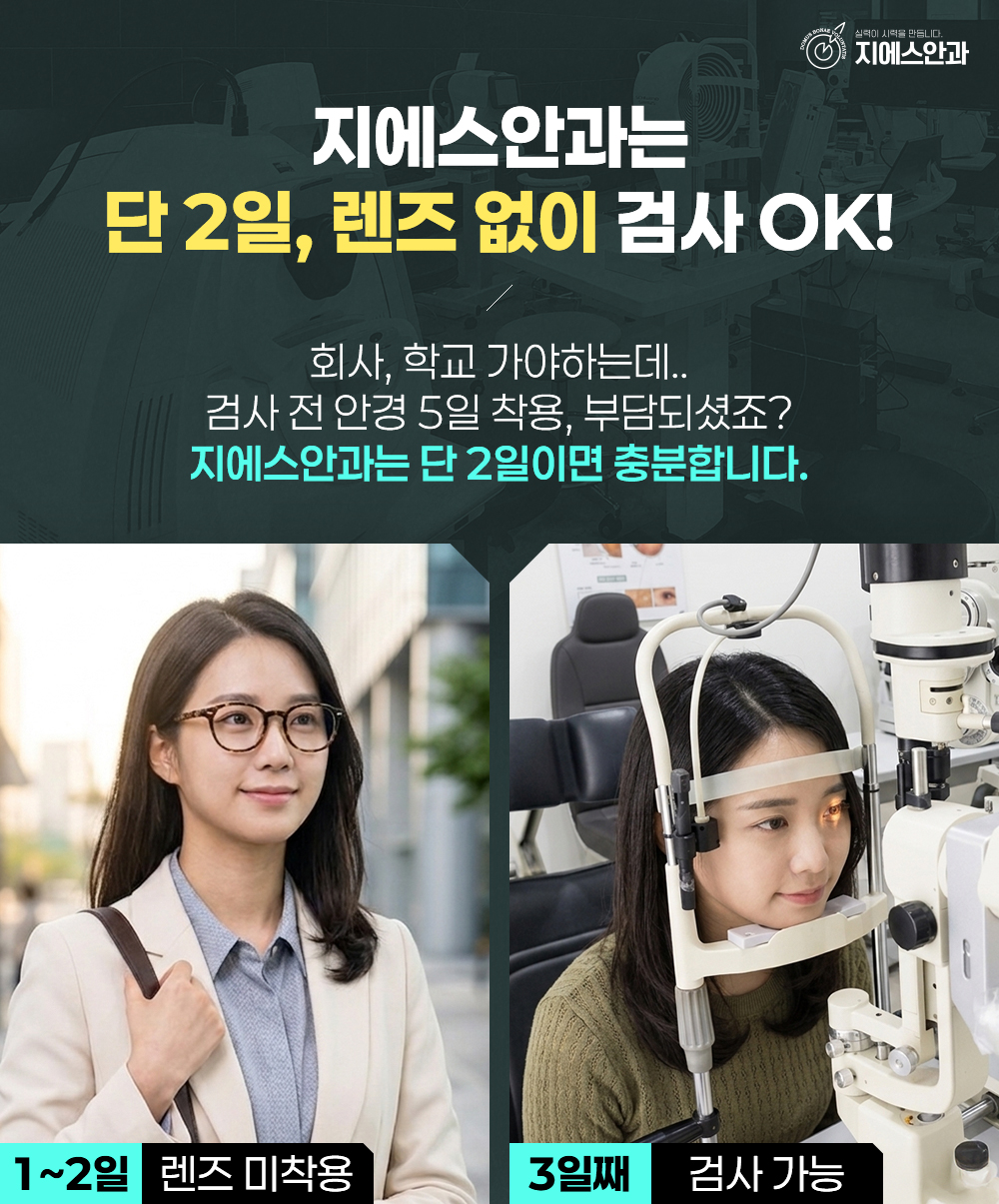
High myopia or a history of retinal issues may require a more detailed retinal evaluation before any vision correction procedure. This is why having access to retina subspecialists within the same ophthalmology clinic can be an advantage.
A Gangnam ophthalmology clinic context
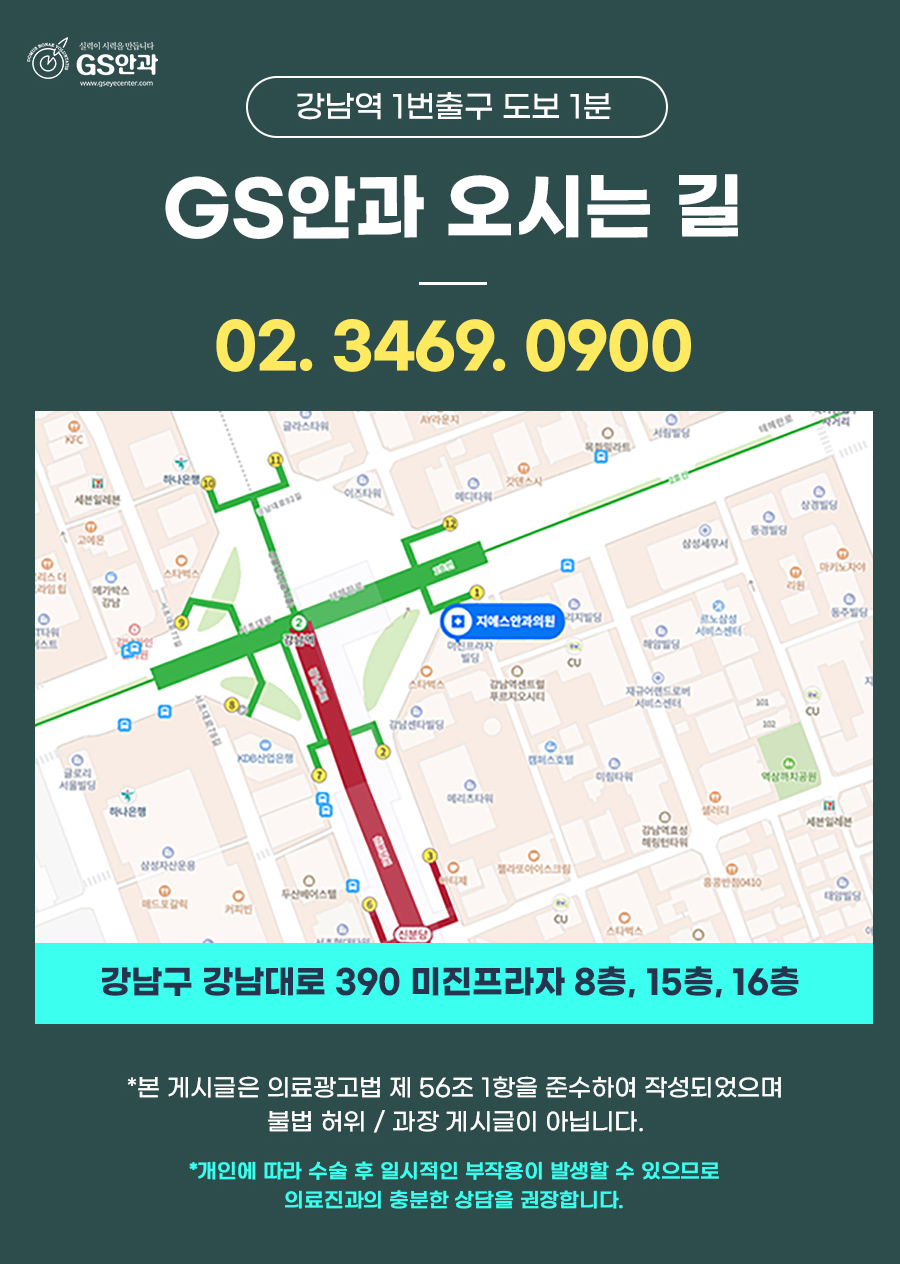
In the Gangnam area near Gangnam Station, there is an ophthalmology clinic that focuses on SMILE‑type procedures and other vision correction surgeries. It opened in 2005 in the same Gangnam location and later rebranded, remaining near Gangnam Station on Gangnam‑daero and convenient for commuters.
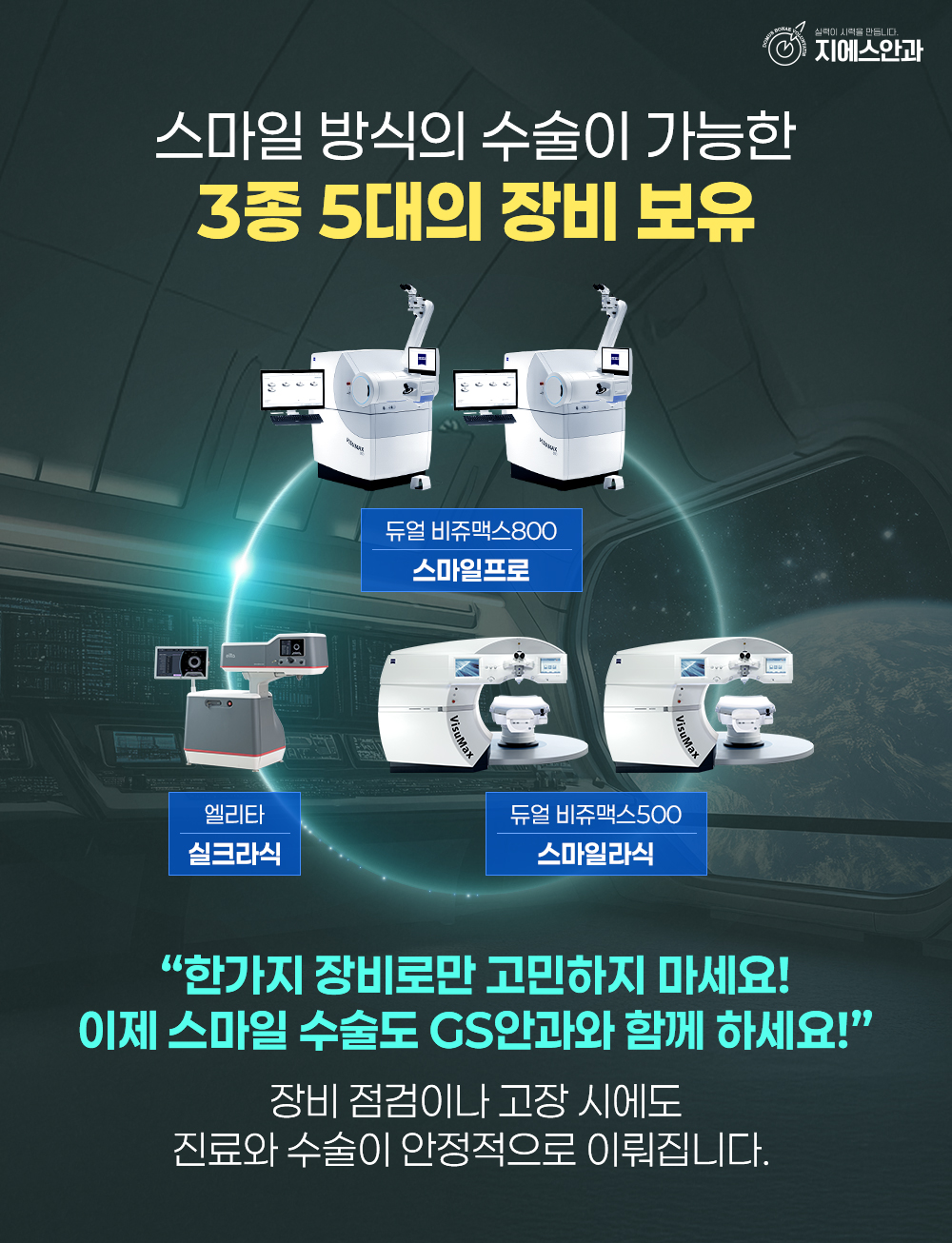
All seven physicians on staff are board‑certified ophthalmologists, including subspecialists in retina and cataract or refractive surgery. The clinic operates a separate retina center and also performs cataract procedures, presbyopia lens implantation, and other lens‑based vision correction, although these are secondary options compared with corneal laser procedures.
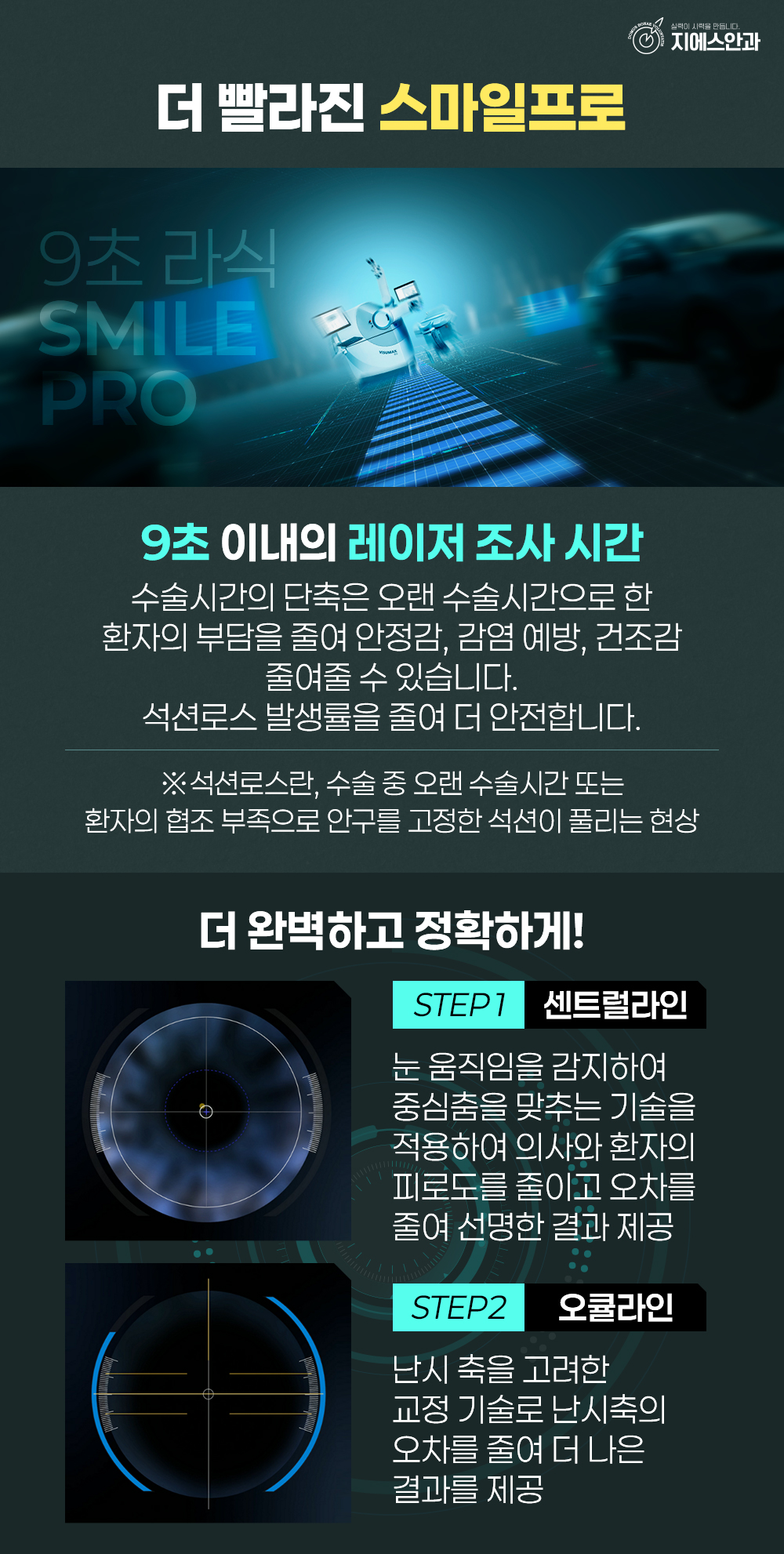
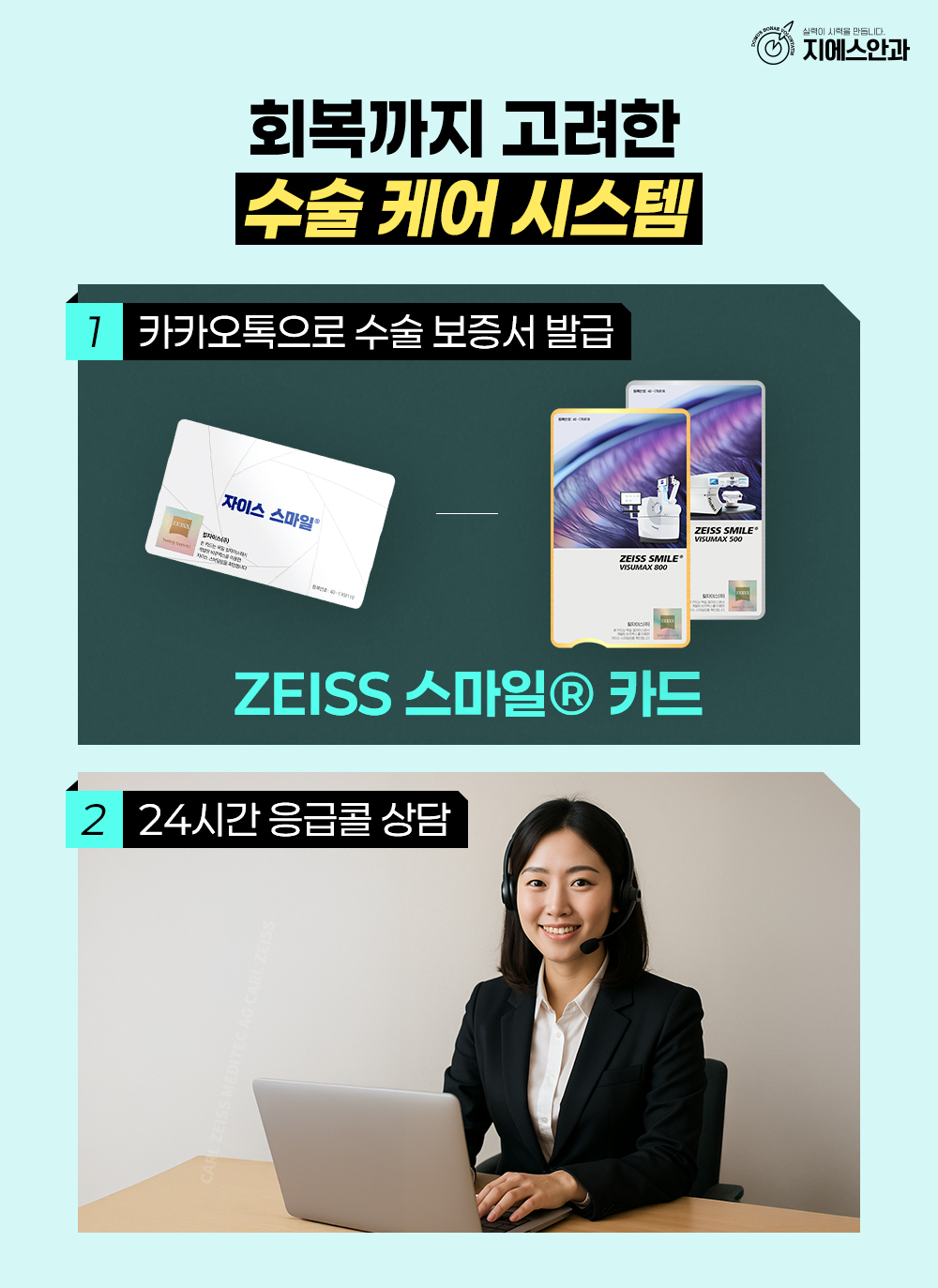
From an equipment perspective, the clinic owns VISUMAX 800 and VISUMAX 500 (ZEISS) and also an ELITA system (Johnson & Johnson). It uses the VISUMAX 800 for SMILE pro, with laser exposure of under about 9 seconds, which can improve comfort because the patient needs to maintain fixation for a shorter period. The clinic also operates two VISUMAX 500 units for standard SMILE LASIK.
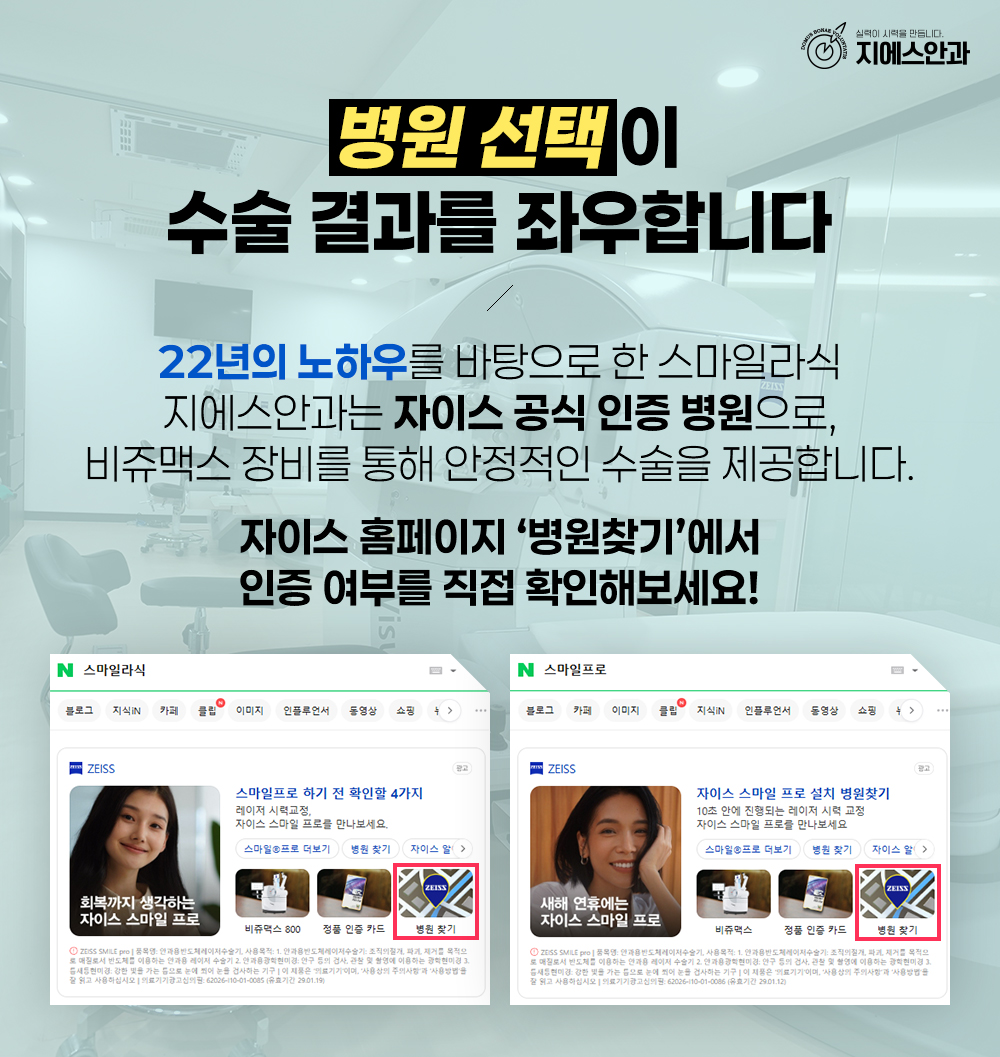
As of 2023, the clinic has treated a cumulative 300,000 eyes for vision correction and cataract surgery. For SMILE pro specifically, it reached 5,000 eyes in October 2024, 10,000 eyes in August 2025, and 15,000 eyes by April 2026. It was the first in Korea to join the ZEISS SMILE GOLD CLUB in 2021, was designated a ZEISS SMILE pro CENTER in 2023, and became a SILK TRAINING Center in 2026.
The clinic was also the first in Korea to perform GLAZE lens implantation in 2019, reaching 1,000 eyes in 2022 and 3,000 Optiflex GLAZE cases in 2025. This is mentioned mainly to show that lens‑based options are available for patients who are not ideal candidates for corneal laser procedures.
In terms of quality systems, the clinic obtained ISO 9001 and 14001 international standards for SMILE LASIK in 2020. It was designated as a clinical education institution for a medical school in 2023 and as an Asia‑Pacific clinical education center for BIOTECH in 2024.
SMILE LASIK step by step: before, during, after
Preoperative experience near Sinsa and Gangnam
For many patients, the first visit is the most time‑consuming part of SMILE LASIK. At an ophthalmology clinic near Sinsa or Gangnam, you can expect to spend several hours on a comprehensive eye examination.
Typical preoperative testing includes:
- Measurement of glasses or contact lens prescription
- Corneal thickness and shape mapping
- Pupil size in different lighting conditions
- Tear film and dry eye evaluation
- Intraocular pressure check
- Retinal examination, sometimes with dilation
From the patient perspective, this feels like moving between several diagnostic machines with short waiting times in between. Some tests are done by technicians, and then you meet an ophthalmologist to review the results.
During the consultation, the doctor explains whether you are a candidate for SMILE LASIK, or whether another option such as LASIK, LASEK, or lens implantation might be safer based on your corneal thickness, degree of myopia, and retinal status. If you have high myopia or any retinal risk factors, the presence of a dedicated retina team is important, because they can evaluate and, if needed, treat retinal issues before vision correction.
For international patients, this first consultation can be combined with preoperative testing on the same day. Some clinics offer online pre‑consultation so that you can send previous prescriptions, reports, or questions before you travel.
The day of SMILE LASIK surgery
On the surgery day, the experience is usually much shorter than the preoperative testing day.
Arrival and final checks
You arrive at the clinic, sign consent forms, and undergo brief re‑checks of key measurements. Staff explain the steps again and review aftercare instructions. You change into a gown or protective clothing, remove any makeup or contact lenses, and store personal items.
Anesthetic eye drops are applied several times. There is no general anesthesia; you remain awake and can communicate with the staff. Some clinics offer mild oral medication to help you relax, but you are still conscious.
What you see and feel during SMILE LASIK
In the operating room, you lie on a bed under the ZEISS VisuMax laser platform. The eye area is cleaned, and a small device keeps your eyelids gently open so you do not have to worry about blinking.
The doctor asks you to look at a fixation light. As the laser interface contacts the eye, you may feel slight pressure and your vision may dim or blur for a few seconds. With newer platforms like the VisuMax 800, laser time for SMILE pro is under about 9 seconds per eye, and even with VisuMax 500, the laser time is still short.
Most patients describe the feeling as pressure rather than pain. You do not see the laser cutting; you mainly see a blurry light. After the laser creates the lenticule, the doctor uses fine instruments through the tiny incision to separate and remove it. You might feel gentle movement but usually no sharp pain because the surface is numbed.
The entire procedure usually takes only a few minutes per eye. After both eyes are done, the doctor checks the cornea at the microscope and applies more drops.
Immediate post‑operative period
Right after surgery, your vision is often foggy or hazy, like looking through a misted window. You can usually open your eyes and see shapes and large letters, but fine details are not yet clear.
Most people feel:
- Mild tearing and light sensitivity
- A foreign body sensation, like a soft eyelash in the eye
- Mild burning or stinging for a few hours
These sensations usually improve by the evening. The clinic provides protective eye shields or goggles to wear while sleeping, along with antibiotic and anti‑inflammatory eye drops. You are advised not to rub your eyes.
Early recovery review: first night and first week
The first night
Many patients prefer to go home or back to their accommodation and rest with eyes closed for several hours. Keeping the room dim and using sunglasses outdoors can help with light sensitivity.
By bedtime, the discomfort often decreases significantly. Some patients feel almost normal the next morning, while others still notice dryness or mild irritation for a few days.
First day and first week
At the first‑day follow‑up, the doctor checks the cornea, confirms that the tiny incision is stable, and measures your uncorrected vision. Many people can already read smaller letters than they could without glasses before surgery, although the vision may still fluctuate.
For office workers and students commuting through Sinsa or Gangnam, it is often possible to return to light desk work within one to two days, depending on individual comfort and job demands. However, you should:
- Avoid rubbing your eyes
- Use artificial tears regularly to manage dryness
- Limit very long screen sessions in the first days if your eyes feel strained
By the end of the first week, most patients report that daily commuting, basic computer work, and normal indoor activities feel manageable, though they may still notice halos around lights at night or slight fluctuations in sharpness.
One‑week to one‑month review
Vision stabilization
Between one week and one month, the cornea continues to heal and the visual system adapts. Many people feel that their daytime vision becomes clearer and more stable during this period.
Night vision and halos
Some patients notice halos, glare, or starbursts around headlights or streetlights, especially in the first weeks. These symptoms often decrease over time, but the degree and duration vary between individuals. It is important to discuss any history of night vision problems or large pupils with your doctor before surgery.
Follow‑up visits
Typical follow‑up schedules include visits at:
- The first day after surgery
- Around one week
- Around one month
- Later visits at three to six months, depending on the case
For overseas patients, the schedule can be adjusted, for example by staying in Korea for about one week to complete the early checks and then arranging remote follow‑up with your local eye doctor.
Long‑term impression and lifestyle changes
In the long term, many SMILE LASIK patients appreciate:
- Not needing to search for glasses in the morning
- Being able to exercise, swim, or travel without worrying about contact lenses
- More comfort in air‑conditioned offices or on long flights
However, it is important to maintain realistic expectations. Some people may still need thin glasses for night driving or detailed tasks, and presbyopia (age‑related near vision changes) will still appear later in life even after successful vision correction.
Long‑term precautions include:
- Using artificial tears if you feel dryness, especially during long screen time
- Wearing sunglasses outdoors to protect from UV light
- Avoiding eye rubbing, which can stress the cornea
- Attending periodic eye examinations to monitor corneal and retinal health
Online consultation and pre‑visit preparation for international patients
Before traveling to Seoul, you can usually arrange an online consultation with the Gangnam ophthalmology clinic. Through email, messaging apps, or video calls, you can:
Share your current prescription and any previous eye examination results
Explain your medical history, including any eye surgery, trauma, or systemic diseases
Ask whether you might be a candidate for SMILE LASIK or whether another option could be considered
Discuss a tentative schedule for testing, surgery, and follow‑up within your travel dates
It is helpful to prepare a list of questions, such as:
- Which procedures are suitable for my degree of myopia and corneal thickness?
- What are the differences in recovery between SMILE LASIK, LASIK, and LASEK for someone with my lifestyle?
- How many follow‑up visits are needed before I fly home?
- What should I do if I experience problems after returning to my country?
Expected Korea visit timeline for SMILE LASIK near Sinsa Station
A typical short‑term medical trip for SMILE LASIK in the Sinsa or Gangnam area might look like this:
Day 1: Arrival in Seoul. Rest and adapt to the time zone.
Day 2: Comprehensive preoperative eye examination and consultation at the ophthalmology clinic near Gangnam Station. If you are a candidate and all tests are satisfactory, surgery can often be scheduled within one or two days.
Day 3: SMILE LASIK procedure. Rest at your accommodation after surgery.
Day 4: First‑day follow‑up visit. Many patients can walk around the city and do light activities.
Days 5–7: Additional follow‑up (for example, at one week). Sightseeing is possible, but avoid dusty or smoky environments and follow all eye drop instructions.
Day 8 or later: Return flight, after the doctor confirms that the early healing stage is stable.
This schedule can vary based on your eye condition and the clinic’s policy. It is important not to plan intense outdoor sports or long overnight bus trips immediately after surgery.
Aftercare and clinic hours in the Gangnam / Sinsa area
After SMILE LASIK, you will receive a schedule for eye drops, usually including antibiotic, anti‑inflammatory, and lubricating drops. You will also receive instructions about:
- How long to avoid eye makeup
- When you can shower and wash your face normally
- When you can resume exercise, swimming, or sauna visits
- How to protect your eyes during sleep and travel
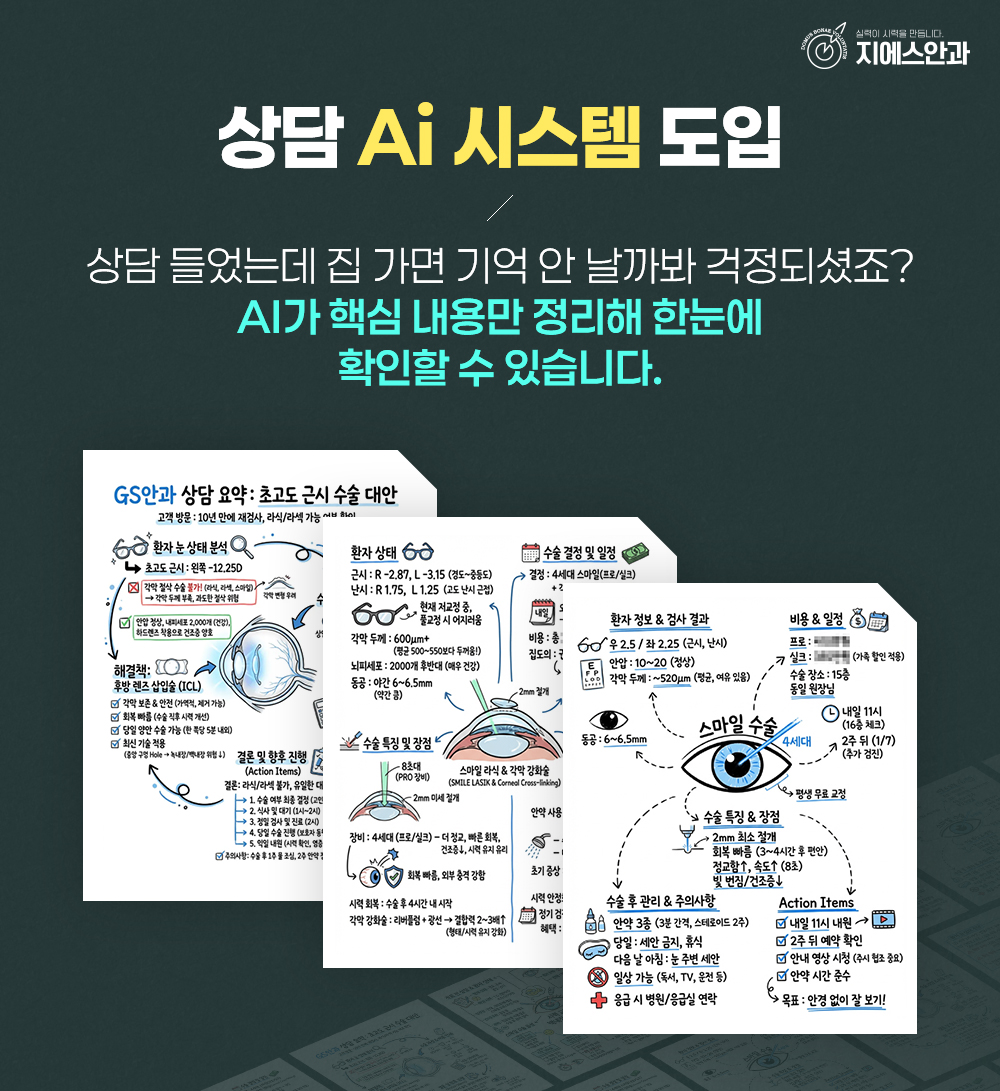
Most ophthalmology clinics in the Gangnam and Sinsa area operate on weekdays and Saturdays, with a lunch break, and are closed on Sundays and public holidays. This is important for planning multiple visits, especially if you are combining surgery with work or study.
The clinic communicates through various online channels, including blogs, social media, and video content from the lead ophthalmologist. These resources can help you see real case discussions, explanations of equipment such as the ZEISS VisuMax 800 and 500, and detailed answers to common questions.
How to evaluate SMILE LASIK clinics around Sinsa Station
When comparing ophthalmology clinics near Sinsa Station and Gangnam Station, consider the following points rather than focusing only on cost:
Experience and specialization in vision correction procedures, including SMILE LASIK
Availability of multiple laser platforms, including up‑to‑date ZEISS systems
Presence of subspecialists, especially retina experts for high myopia patients
Structured preoperative testing and clear criteria for choosing between SMILE, LASIK, LASEK, or lens implantation
Documented case numbers and participation in clinical education or training programs
International standards or certifications related to quality and safety
Clear explanation of risks, benefits, and realistic expectations without promising guaranteed results
A soft call to action
If you are commuting through Sinsa Station or Gangnam Station and are considering SMILE LASIK during a visit to Seoul, an online consultation with a Gangnam ophthalmology clinic can help you understand whether you are a suitable candidate and how to plan your trip.
Prepare your questions, gather your previous prescriptions, and contact the clinic through its official online channels. With proper preoperative testing, careful procedure planning using ZEISS VisuMax platforms, and structured follow‑up, many patients are able to return quickly to their daily commuting and office routines with more visual freedom.
Frequently asked questions about SMILE LASIK near Sinsa Station
Does SMILE LASIK around Sinsa Station hurt?
During SMILE LASIK, anesthetic eye drops numb the surface, so most patients feel pressure rather than sharp pain. You may notice a feeling of fullness or mild discomfort when the laser is applied, but it is usually brief. After surgery, some people experience tearing, burning, or a foreign body sensation for several hours, which typically improves by the evening with the help of prescribed drops.
How soon can I go back to work after SMILE LASIK in Gangnam?
Many office workers and students can return to light desk work within one to two days after SMILE LASIK, depending on individual healing and job demands. Commuting through Sinsa or Gangnam by subway is usually possible the next day, although you may prefer sunglasses due to light sensitivity. If your work involves dusty environments or heavy physical activity, your doctor may recommend a longer rest period.
Is SMILE LASIK safer than LASIK or LASEK?
SMILE LASIK uses a smaller incision and does not require a large corneal flap, which may help preserve more corneal tissue and nerves. This can potentially reduce some risks, such as certain types of dry eye, for suitable candidates. However, no procedure is risk‑free, and the safest option depends on your corneal thickness, shape, prescription, and retinal status. A thorough examination at an ophthalmology clinic is essential to decide which method is most appropriate for you.
How long should I stay in Seoul after SMILE LASIK?
For international patients, it is generally recommended to stay in Seoul for at least one week after SMILE LASIK. This allows time for the first‑day and one‑week follow‑up visits so the doctor can confirm that the cornea is healing well and that your vision is stabilizing. After you return home, you should continue periodic eye examinations with a local ophthalmologist and follow any additional guidance from the Gangnam clinic.
This article is for general information only and does not replace a personal consultation or examination by an ophthalmologist. Individual conditions, risks, and recovery timelines can vary, and all decisions about vision correction should be made in direct discussion with qualified medical staff.


- 공유 링크 만들기
- X
- 이메일
- 기타 앱


댓글
댓글 쓰기