SMILE LASIK Near Gyodae Station: How to Choose a Reliable Clinic in the Gyodae–Gangnam Area
- 공유 링크 만들기
- X
- 이메일
- 기타 앱
Direct answer for patients searching near Gyodae Station
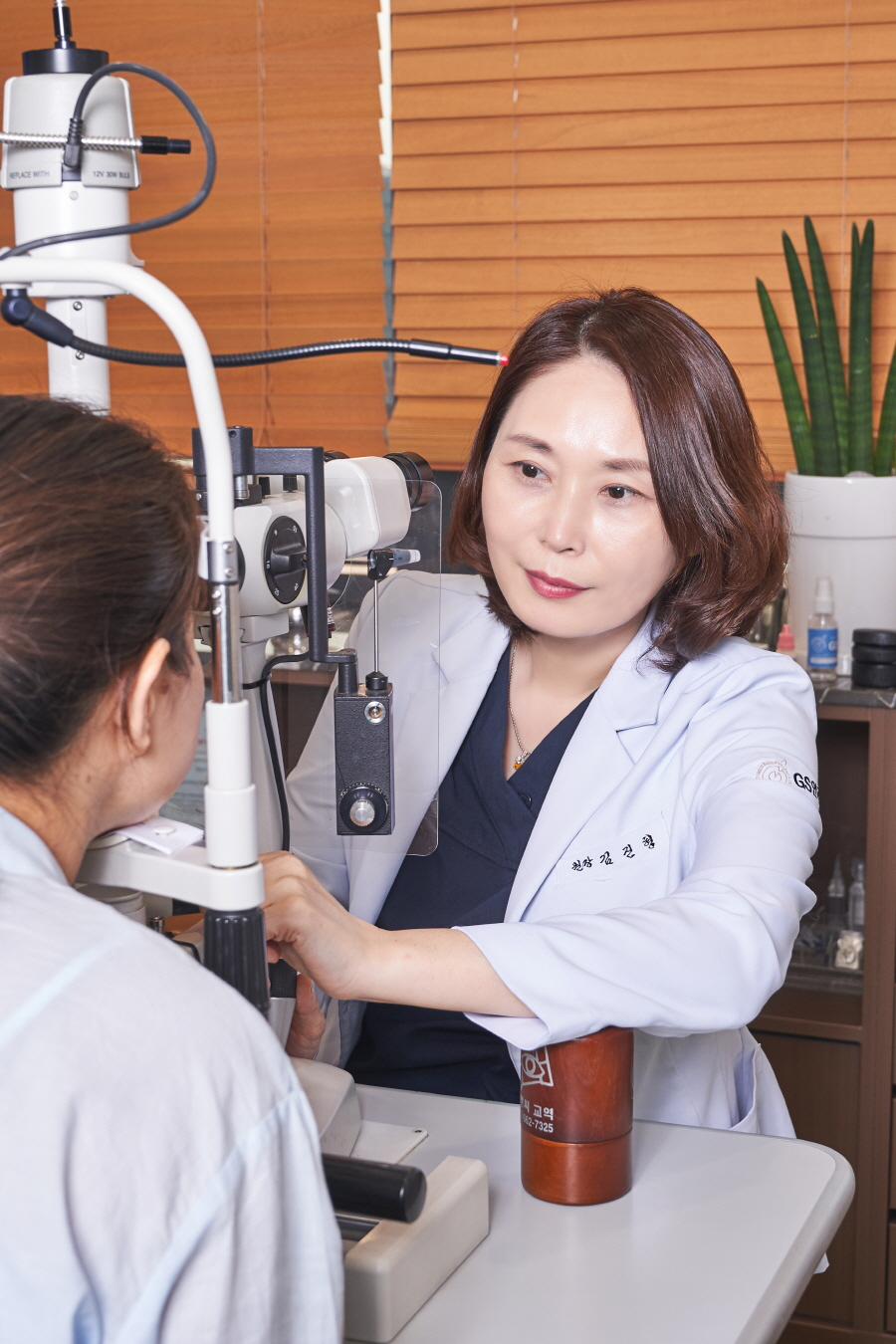
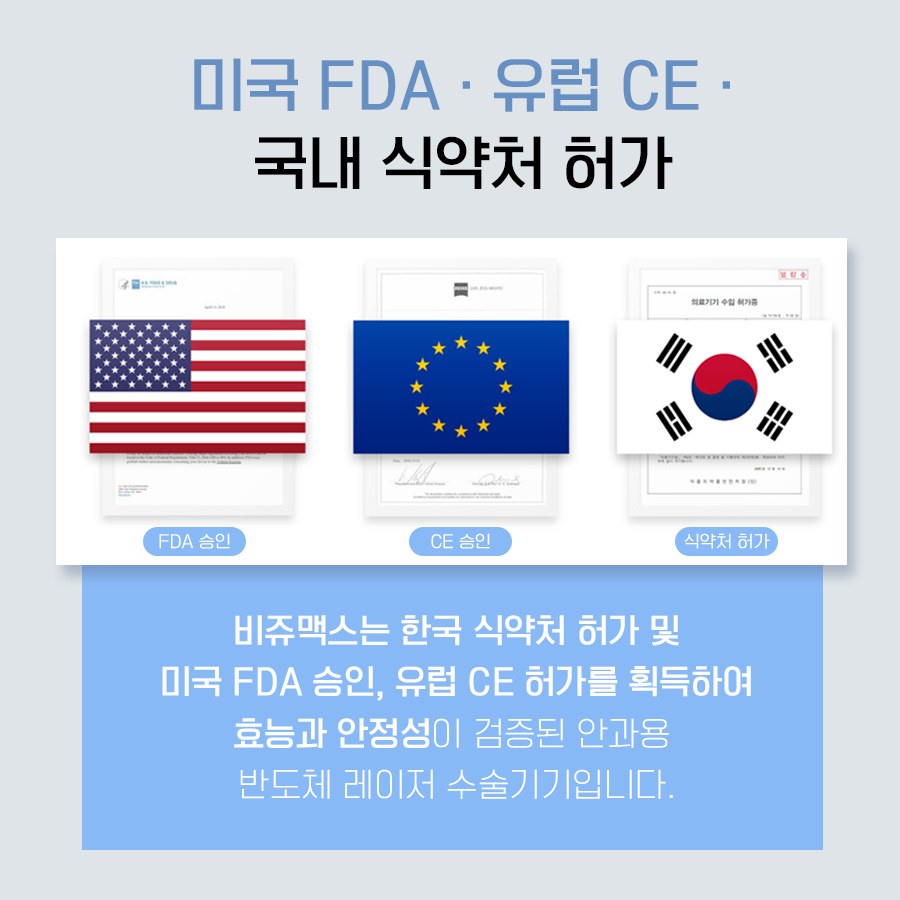
If you are looking for SMILE LASIK near Gyodae Station, the most important point is not just distance, but whether the clinic has experienced ophthalmologists, a high volume of SMILE cases, and up-to-date ZEISS laser platforms such as VISUMAX 800 and VISUMAX 500. In the Gyodae–Gangnam corridor, there are ophthalmology clinics on Gangnam-daero, near Gangnam Station, that have been focusing on vision correction since 2005 and now serve as education and training centers for SMILE LASIK and SMILE pro. These centers can be a practical choice if you want to combine convenience from Gyodae Station with a safety-focused, data-based approach.
This guide explains what SMILE LASIK is, who may consider it, how to choose a clinic near Gyodae Station, and what to expect if you travel to Seoul for treatment at a specialized ophthalmology clinic such as GS Eye Clinic in the Gangnam area.
What is SMILE LASIK?
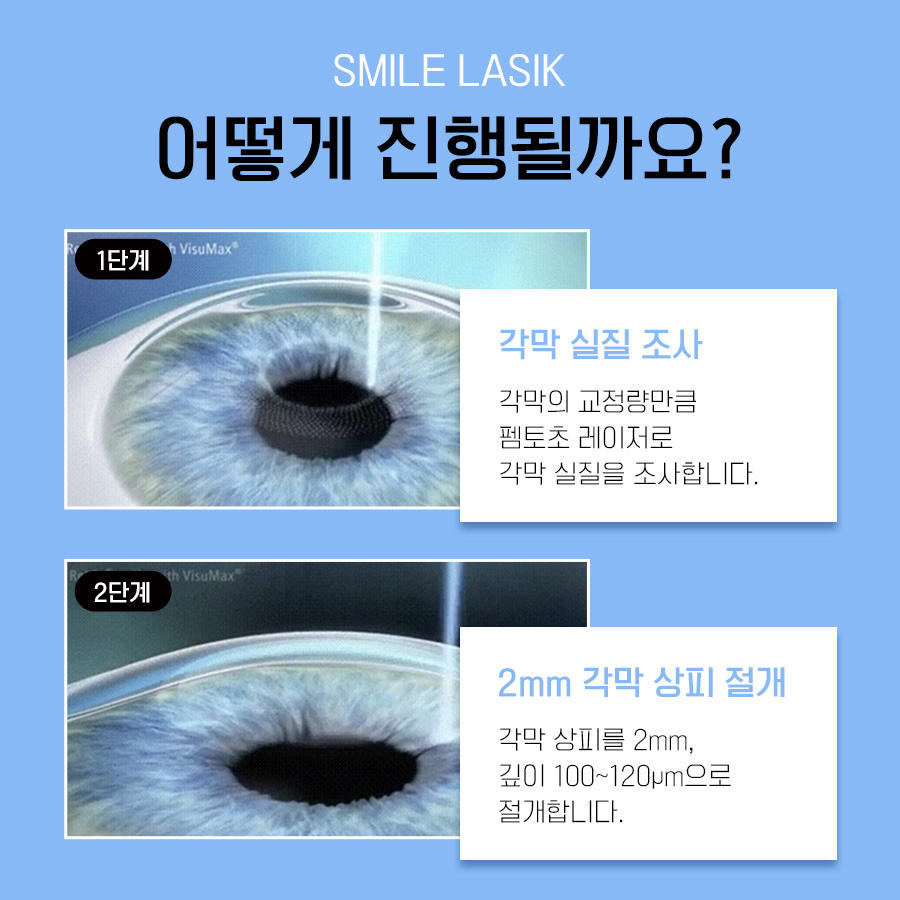
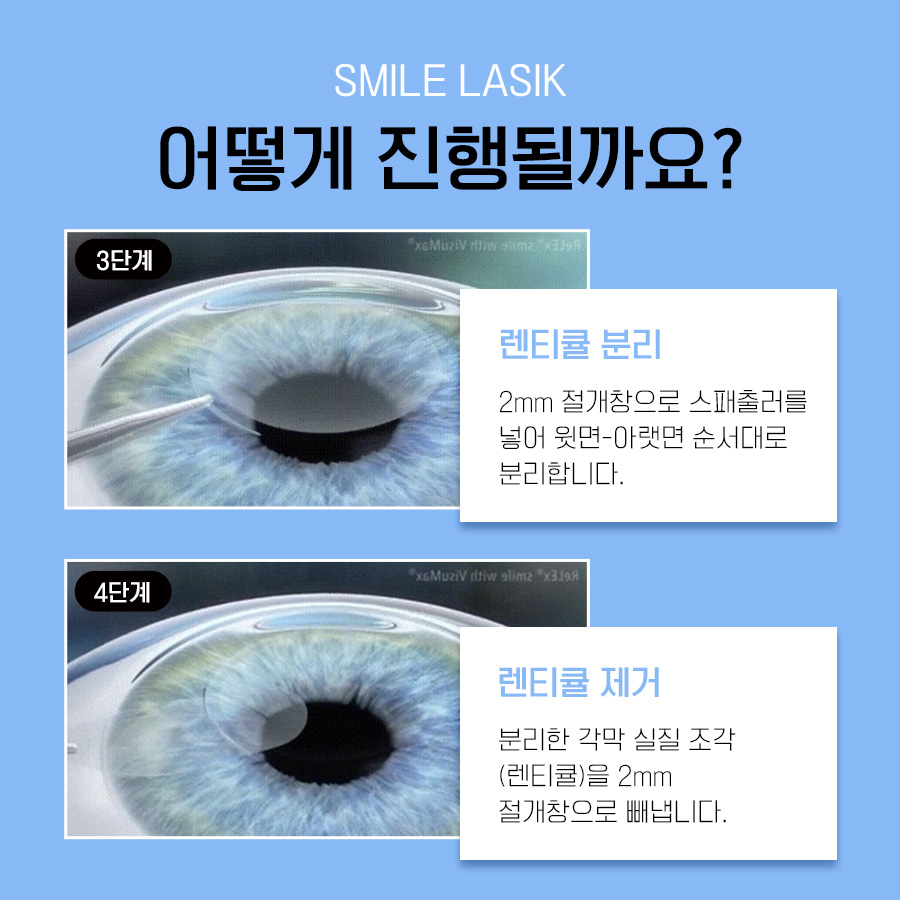
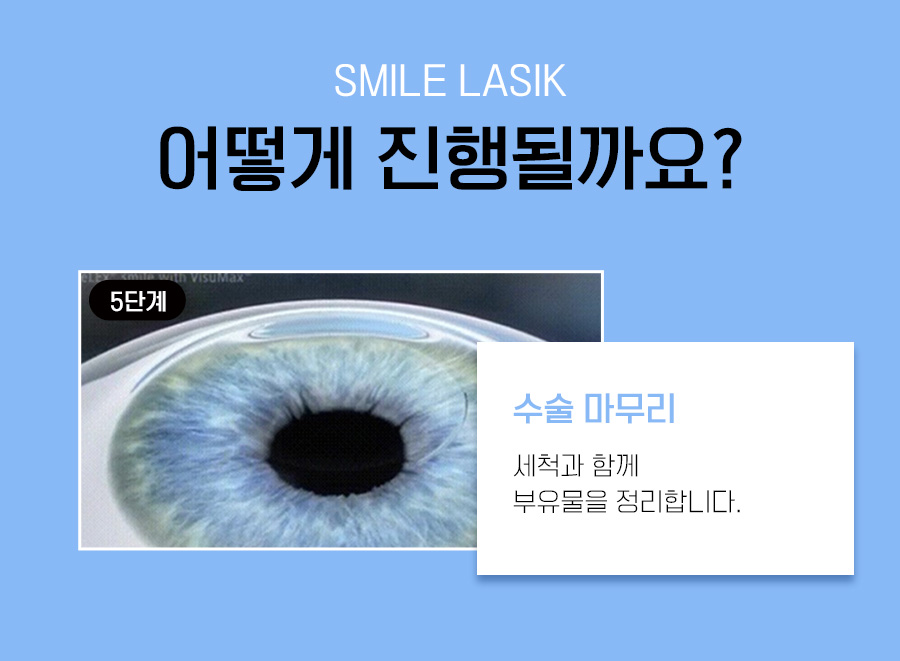
SMILE LASIK is a minimally invasive laser vision correction procedure that uses a femtosecond laser to create a small lens-shaped piece of tissue, called a lenticule, inside the cornea. The surgeon removes this lenticule through a tiny incision just a few millimeters long.
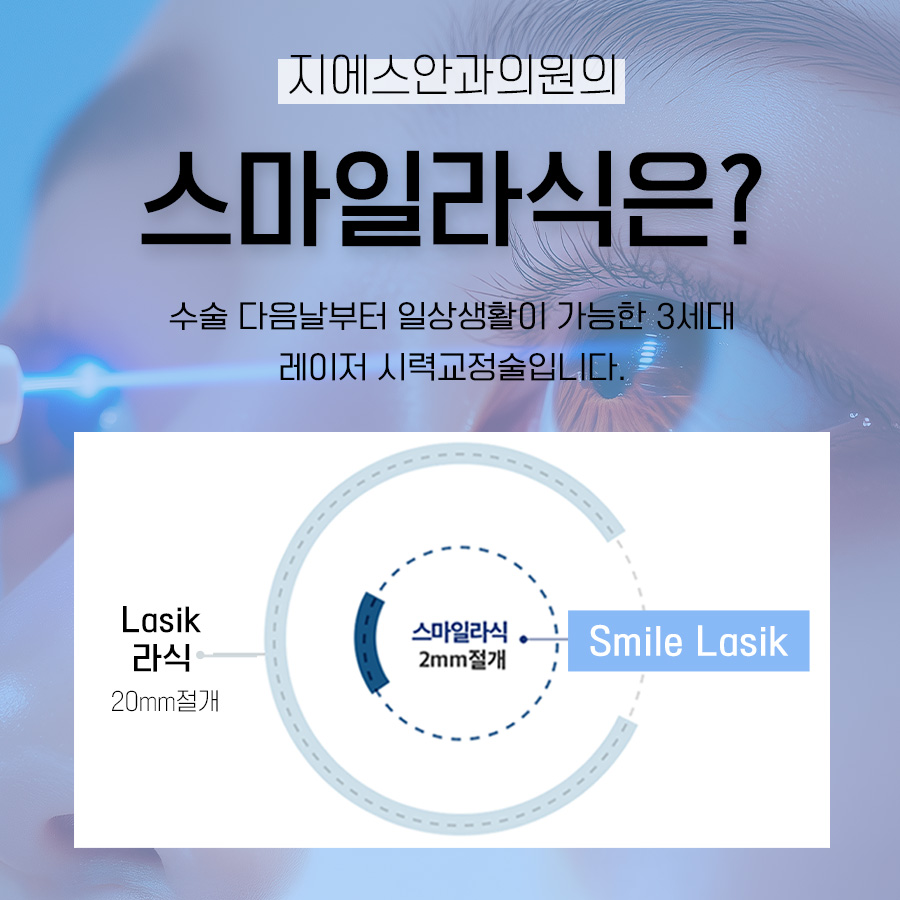
Unlike traditional LASIK, there is no large corneal flap. Because the incision is smaller, SMILE LASIK is generally associated with fewer flap-related issues, less disruption of the corneal surface, and potentially a smoother recovery of the corneal surface.
In everyday terms, SMILE LASIK aims to reduce or remove your dependence on glasses or contact lenses by reshaping the cornea from the inside, through a keyhole-style opening.
Who may consider SMILE LASIK?
SMILE LASIK is commonly considered by adults who:
- Have stable myopia (short-sightedness) and possibly astigmatism
- Wear glasses or contact lenses and find them inconvenient for work, study, or sports
- Have generally healthy eyes without advanced dry eye, corneal disease, or uncontrolled retinal problems
However, not everyone is a candidate. Suitability depends on corneal thickness, shape, overall eye health, prescription strength, and lifestyle. A full ophthalmic examination is essential before deciding.
For some patients, other options such as LASEK, lens implantation (for example ICL, GLAZE, or PhakiFlex KPL), or even no surgery may be safer. A responsible clinic will explain these alternatives and may advise against SMILE LASIK if it is not appropriate.
How to choose a SMILE LASIK clinic near Gyodae Station
If you live, study, or work around Gyodae Station, it is tempting to search for the nearest place. Instead, use a short checklist to compare clinics in the Gyodae–Gangnam area.
Ophthalmology specialists and team structure
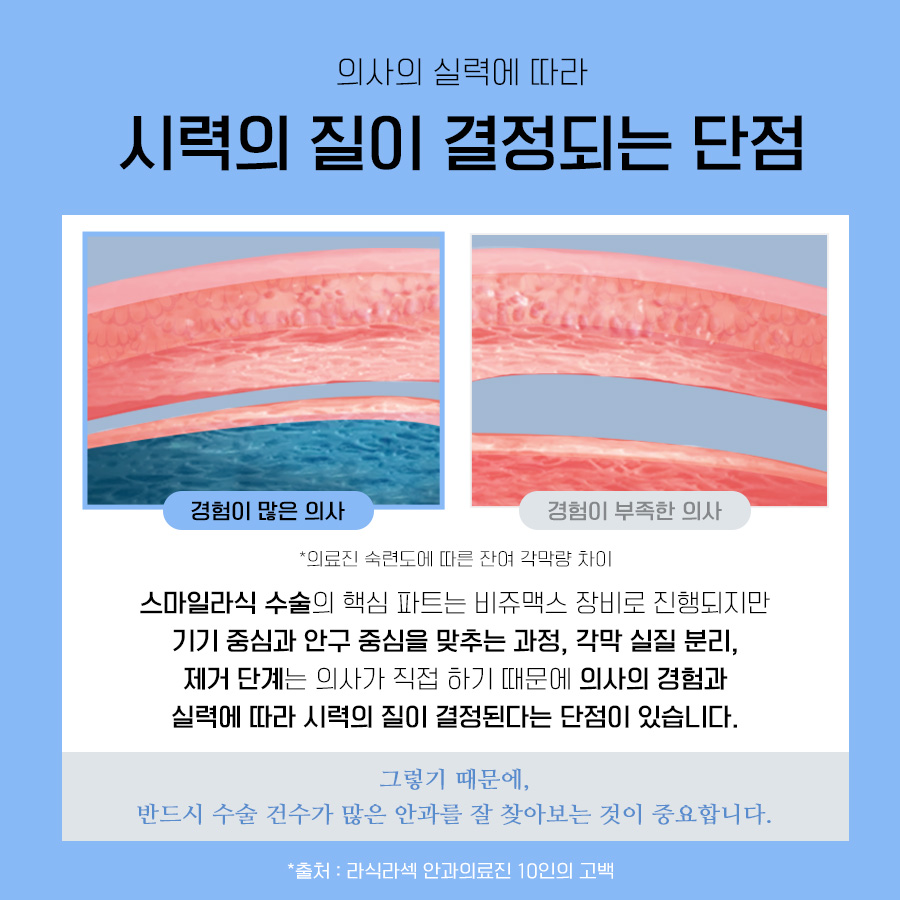
Check whether your surgery will be performed by ophthalmologists with experience in refractive surgery. In Gangnam-area clinics, many doctors are ophthalmology specialists, and several have backgrounds as professors or clinical instructors at major university hospitals.
A team-based structure is also important. When refractive surgeons, cataract and presbyopia specialists, and retina subspecialists work together, they can better manage complex cases such as high myopia or patients with retinal risk factors.
Case volume and education roles
High case volume alone does not guarantee quality, but it can indicate accumulated experience and refined protocols. For example, one Gangnam-daero ophthalmology clinic has treated over 300,000 eyes with vision correction and cataract surgery combined as of 2023.
For SMILE pro specifically, this clinic reached 5,000 cases by October 2024, 10,000 cases by August 2025, and 15,000 cases by April 2026. It was the first in Korea to join the ZEISS SMILE GOLD CLUB in 2021, designated as a ZEISS SMILE pro CENTER in 2023, and as a SILK training center in 2026.
These designations mean that the clinic not only performs many procedures but also serves as a training and reference center for other ophthalmologists in the Asia-Pacific region.
Equipment and technology
For patients searching for the best SMILE LASIK near Gyodae Station, the type and number of laser platforms matter.
Some Gangnam-area clinics own all three major SMILE-related platforms from ZEISS:
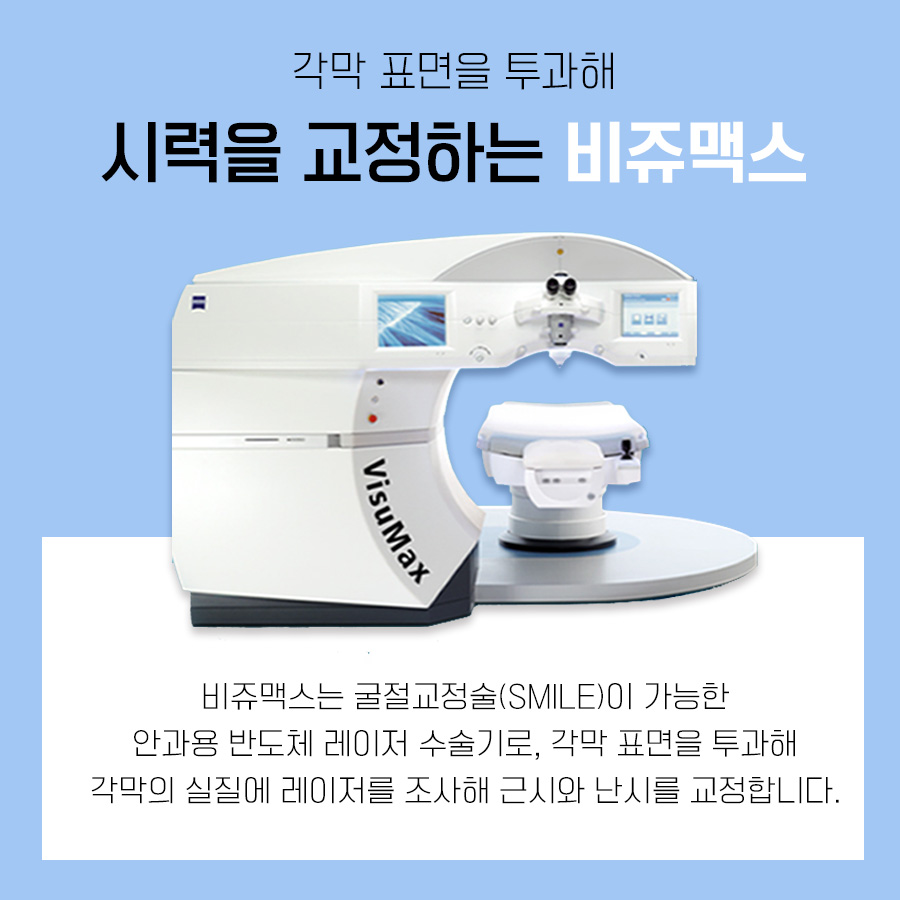
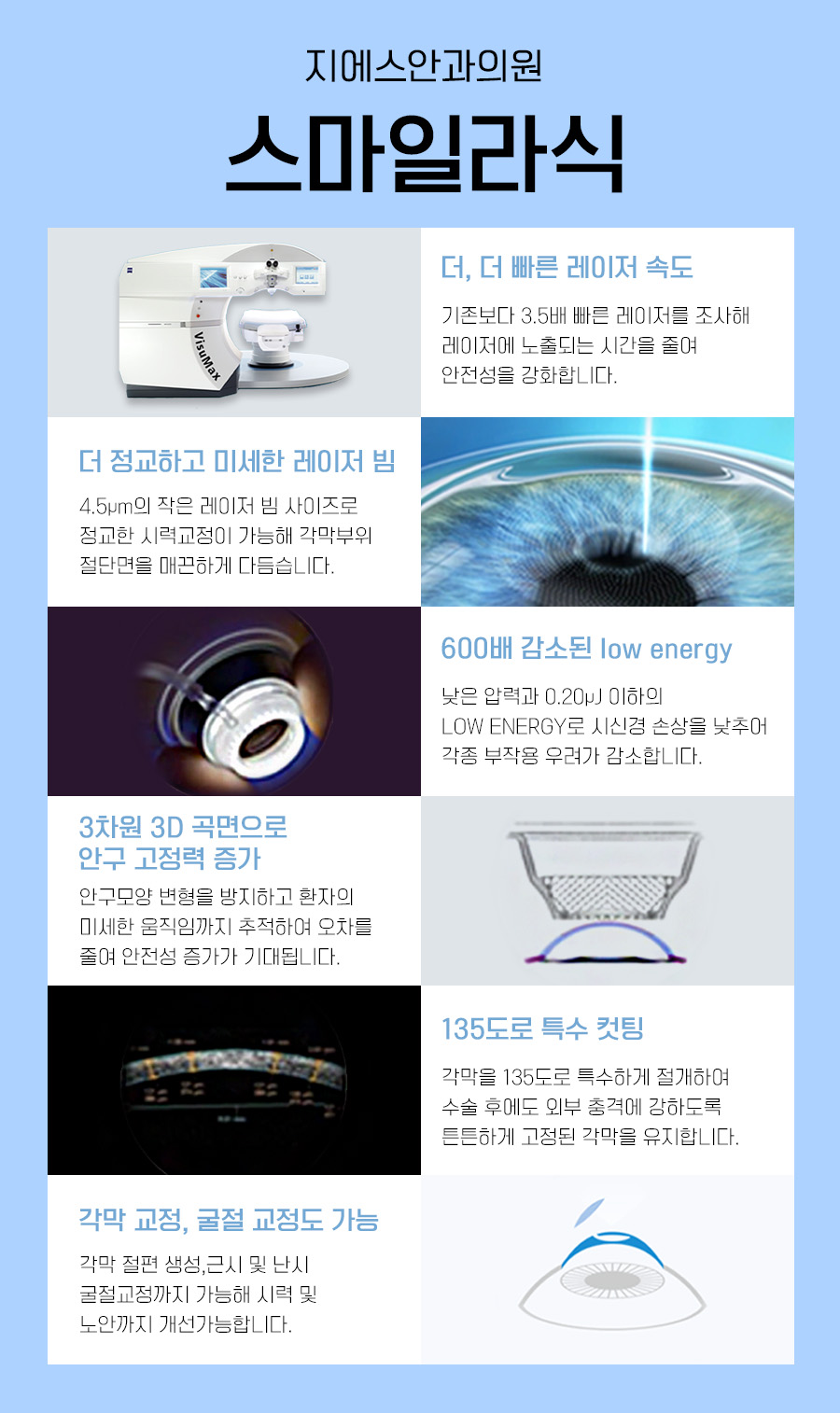
- VISUMAX 800: The latest-generation laser dedicated to SMILE pro, introduced in 2023, with laser time under about 9 seconds. Shorter laser time can improve comfort and reduce the time your eye needs to stay under suction.
- Two VISUMAX 500 units: Used for standard SMILE LASIK, first introduced in 2016, with a dual setup from 2019 to manage high volume and minimize waiting.
Having multiple platforms allows the clinic to tailor the procedure to your corneal thickness, curvature, and lifestyle needs. It also provides redundancy: if one laser is in use or under maintenance, scheduling is more flexible, and there is backup capacity for enhancements or urgent checks.
Safety protocols and pre-examination standards
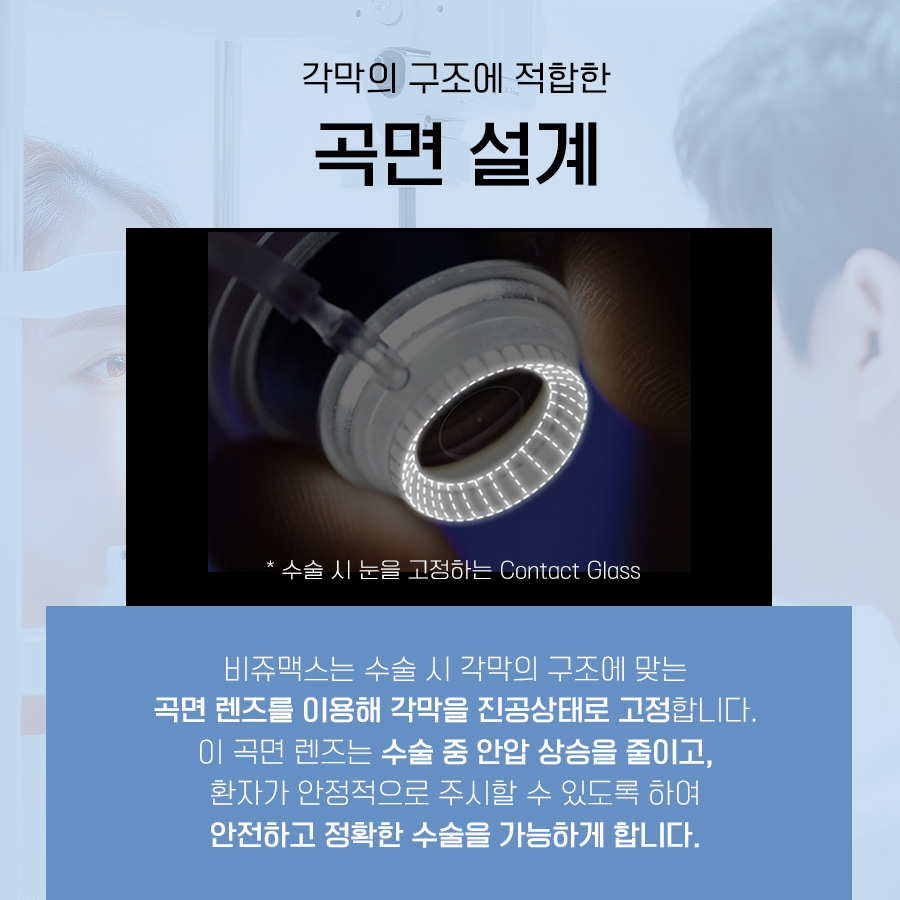
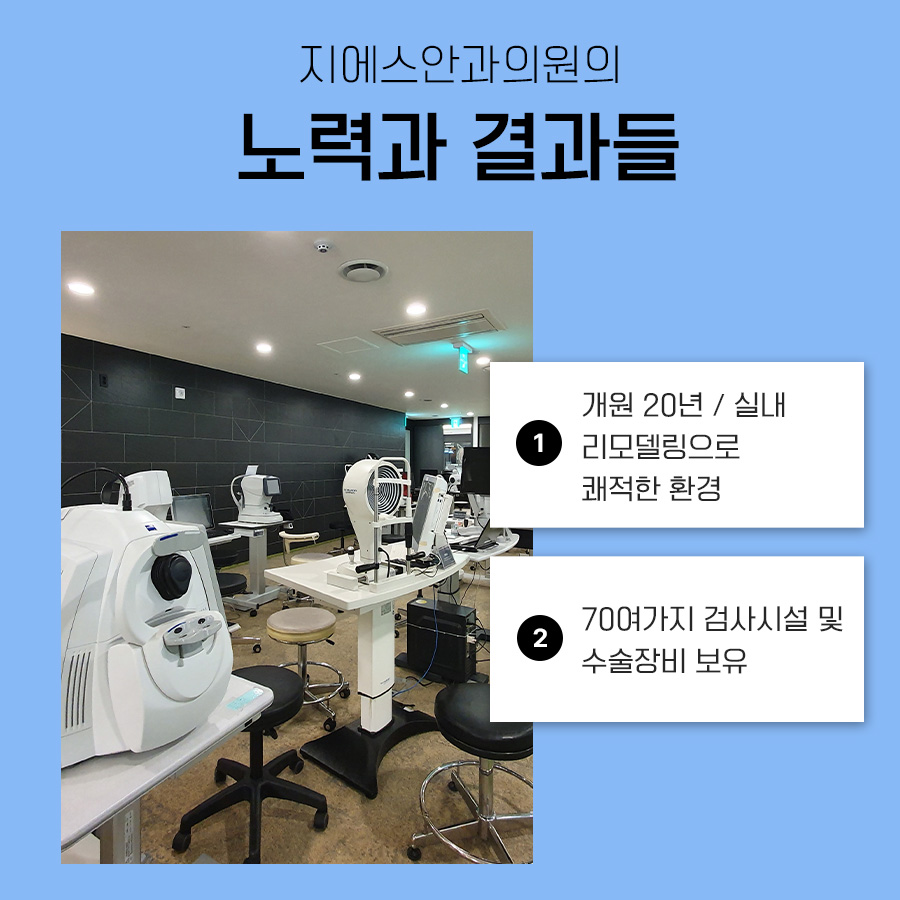
A careful pre-examination process is essential. Before SMILE LASIK, a safety-focused clinic will typically perform:
- - Refraction tests to measure your exact prescription
- - Corneal topography and tomography to map the shape and structure of your cornea
- - Corneal thickness measurement to ensure enough tissue remains after surgery
- - Pupil size assessment, especially in low light
- - Tear film evaluation to check for dry eye
- - Retina examination to look for weak spots, tears, or other issues
The clinic should actively screen for keratoconus or irregular cornea, significant dry eye, and other contraindications. If your eyes are not suitable for SMILE LASIK, you should be offered alternatives such as LASEK, lens implantation, or corneal strengthening procedures like KXL or extra, or advised to postpone or avoid surgery.
Subspecialty support
For high myopia or patients with family histories of retinal disease, access to a retina center is important. In the Gangnam area, some ophthalmology clinics have a separate retina department staffed by retina fellowship-trained doctors. This is particularly relevant if your pre-op exam reveals lattice degeneration, retinal thinning, or other risk factors.
Similarly, if you are approaching your 40s or 50s, presbyopia and cataract expertise becomes important for long-term planning. Clinics that also perform laser-assisted cataract surgery and multifocal intraocular lens implantation, including lenses such as PanOptix, can advise you on how current SMILE LASIK might interact with future presbyopia or cataract treatment.
Accessibility from Gyodae Station
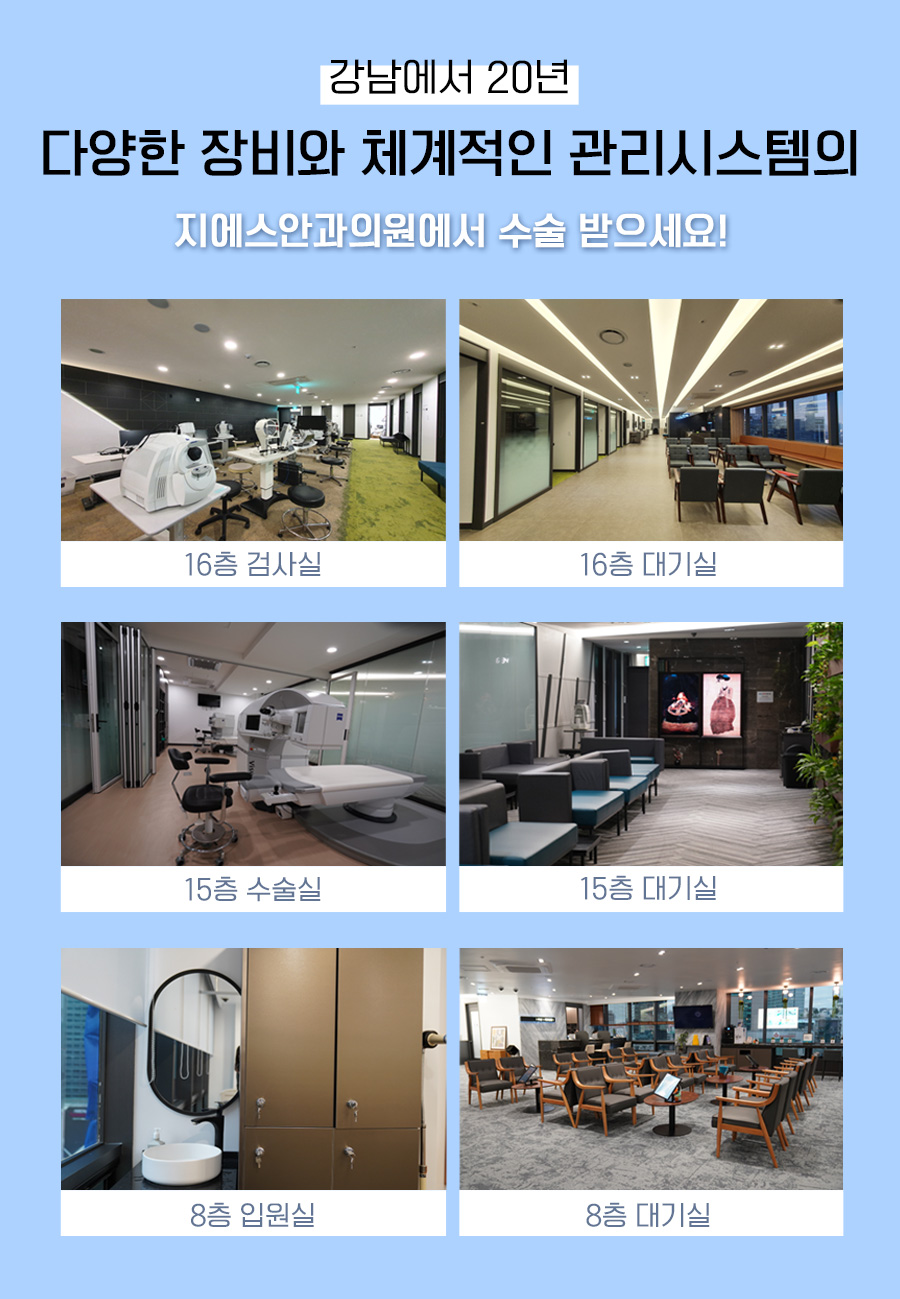
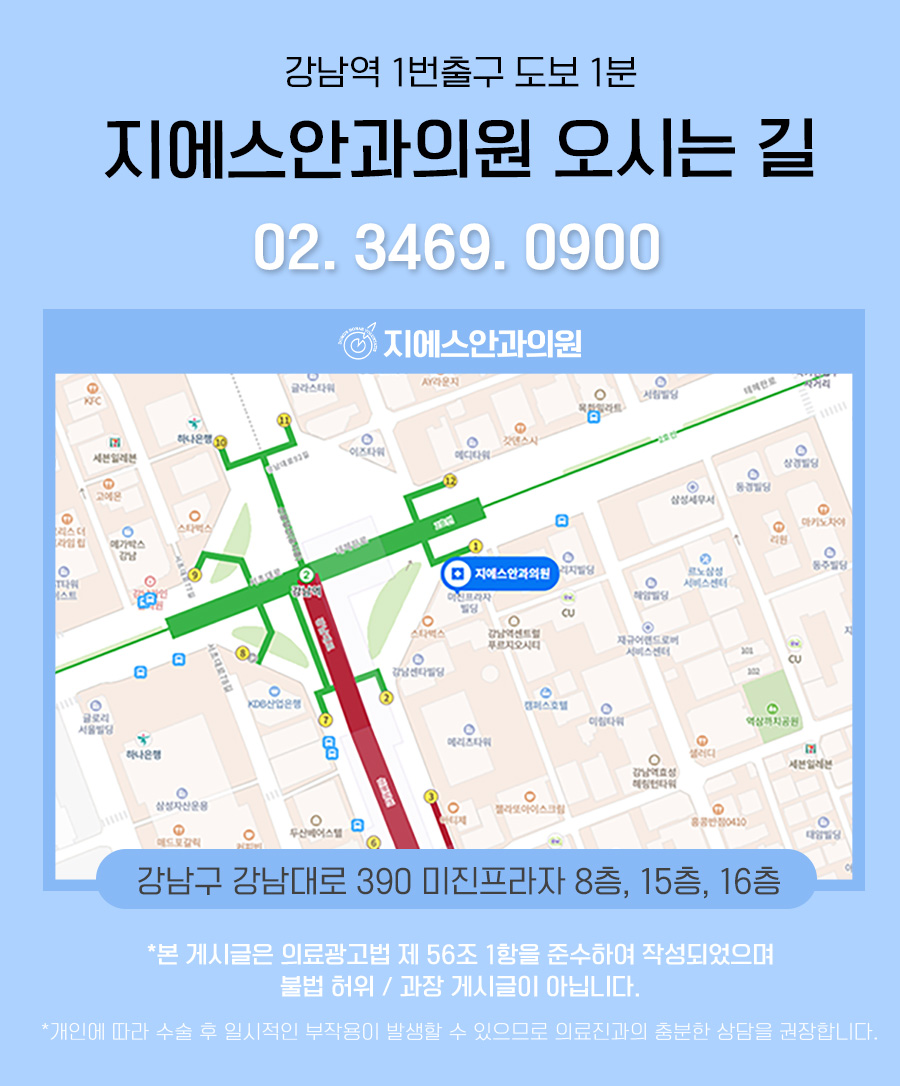
Even if the clinic is one or two subway stops away, it may still be the most practical option if it offers higher-level technology and safety systems. For example, GS Eye Clinic is located on Gangnam-daero in Gangnam-gu, in a multi-story building (floors 8, 15, and 16) near Gangnam Station. From Gyodae Station, it is just a short subway ride, making it convenient for commuters in the Gyodae and Gangnam business districts.
Example of a specialized SMILE LASIK center in the Gyodae–Gangnam area
GS Eye Clinic is an ophthalmology clinic on Gangnam-daero that has focused on vision correction since 2005 at the same location, originally under a different name and later renamed. Its philosophy emphasizes that visual outcomes depend on surgical skill, clinical experience, and a shared, patient-centered approach among its medical team.
The clinic has seven ophthalmologists, including a representative director who previously served as a university hospital professor and continues to teach. He runs an educational YouTube channel covering eye health and surgery, which can be a useful resource if you want to understand SMILE LASIK in more detail before visiting.
Several doctors in the team have experience as clinical instructors or professors at major university hospitals and as retina fellows. The clinic is designated as a clinical education institution by a medical school and by an international ophthalmic company in the Asia-Pacific region, with designations in 2023 and 2024. It also holds ISO 9001 and ISO 14001 certification for SMILE LASIK since 2020.
Together with its ZEISS SMILE GOLD CLUB membership and SMILE pro CENTER status, these points indicate standardized processes, high case volume, and a role in training other ophthalmologists.
SMILE-related options available
In addition to standard SMILE LASIK, the clinic offers several SMILE-based options:
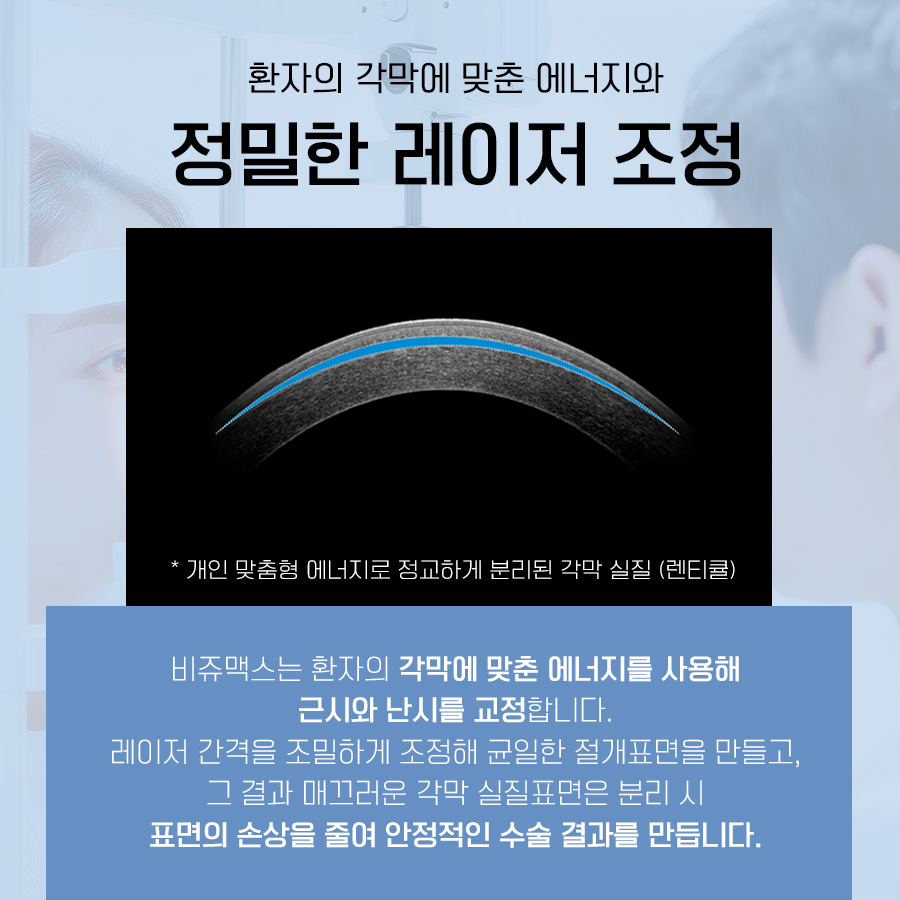
- SMILE pro: A next-generation SMILE procedure performed with the VISUMAX 800 platform. The shorter laser time and updated software are designed to improve comfort and efficiency.
- Standard SMILE LASIK: Performed with VISUMAX 500, suitable for many typical myopic and astigmatic prescriptions.
- SILK: A SMILE-related protocol using ZEISS technology, with the clinic acting as a training center from 2026.
- Golden SMILE: A proprietary program that combines SMILE-based techniques with the clinic’s own protocols for planning, intraoperative control, and aftercare. This is a clinic-specific concept rather than a generic medical term.
During consultation, the team will explain which of these options, if any, fits your eye measurements and lifestyle.
Pre-examination and candidacy decision process
If you are visiting from overseas or from another city in Korea, you can expect a structured process.
Comprehensive eye examination
The first day usually includes:
- - Detailed medical and vision history
- - Multiple refraction measurements
- - Corneal topography and tomography
- - Corneal thickness and biomechanical assessment where available
- - Pupil size measurement
- - Tear film and meibomian gland evaluation for dry eye
- - Wide-field retinal imaging and dilated retinal examination when needed
Discussion of options
After the tests, an ophthalmologist will review your results and discuss:
- - Whether SMILE LASIK, SMILE pro, or SILK is suitable
- - Whether LASEK, lens implantation (ICL, GLAZE, PhakiFlex KPL), or another approach would be safer
- - Whether corneal strengthening (such as KXL or extra) is recommended
- - Whether dry eye treatment should come first
The clinic may advise against surgery if your cornea is too thin, irregular, or unstable, or if other eye conditions make laser vision correction risky. This is a sign of a safety-first approach, not a negative reflection on you as a patient.
Other ophthalmology services supporting long-term eye health
Presbyopia and cataract services
For patients in their 40s and beyond, presbyopia and early cataract changes become relevant. The clinic offers:
- Laser-assisted cataract surgery
- Multifocal intraocular lenses, including PanOptix, with thousands of cases performed by 2024
If you are considering SMILE LASIK now but may need cataract surgery later, it is useful to discuss long-term planning with a team that handles both refractive and cataract procedures.
Retina center for high myopia
High myopia increases the risk of retinal thinning, tears, and detachments. A separate retina center within the same clinic means that any retinal issues found during pre-examination can be promptly evaluated and managed by retina-trained ophthalmologists.
Dry eye clinic
Because dry eye can affect both candidacy and comfort after SMILE LASIK, having an in-house dry eye clinic is valuable. Patients with significant ocular surface problems may be advised to undergo dry eye treatment before or after vision correction.
Practical information for international patients
Location and access
The clinic is located on Gangnam-daero in Gangnam-gu, in a building where it occupies the 8th, 15th, and 16th floors. It is close to Gangnam Station, with easy subway access from Gyodae Station. This location is convenient if you are staying in central Seoul or commuting from the Gyodae–Gangnam business districts.
Operating hours
- - Weekdays: 10:00–18:30
- - Saturday: 09:30–17:00
- - Closed on Sundays and public holidays
- - Lunch break: 13:00–14:00
If you are traveling from overseas, these hours allow you to schedule pre-examination and surgery on weekdays, with follow-up on Saturday if needed.
Online consultation and pre-visit preparation
Before booking flights, it is wise to use online consultation channels. The clinic shares information through a Naver blog, Instagram, a YouTube channel run by the representative ophthalmologist, a KakaoTalk channel, and an in-house video channel.
For international patients, you can prepare by:
- Collecting your most recent glasses or contact lens prescription
- Noting any previous eye surgeries or injuries
- Listing medications and systemic conditions such as diabetes or autoimmune disease
- Preparing questions about SMILE LASIK vs SMILE pro, recovery time, and aftercare
Many patients find it helpful to send scanned medical records or previous eye test results in advance, so the clinic can advise whether you are a likely candidate and suggest a tentative schedule.
Expected Korea visit timeline for SMILE LASIK
The exact schedule can vary, but a typical plan for overseas patients might look like this:
Day 1: Comprehensive examination and consultation. If you are a suitable candidate and your eyes are stable, some clinics may offer same-day or next-day surgery; scheduling policies vary, so confirm availability and timing when you consult.
Day 1 or 2: SMILE LASIK or SMILE pro procedure. The laser application itself is brief, but overall time in the operating area can vary by clinic and individual factors—check with the clinic for expected procedure duration and scheduling details.
Day 2 or 3: First post-operative check. The doctor confirms that the cornea is healing as expected and adjusts eye drop prescriptions if necessary.
Day 4–7: Additional follow-up visits as recommended. Many international patients stay in Seoul for at least several days after surgery to ensure early healing is stable before flying.
The clinic will advise you on safe timing for air travel and provide written instructions for follow-up with an ophthalmologist in your home country.
Aftercare and recovery
Immediately after SMILE LASIK, you may notice:
- - Mild discomfort, tearing, or a foreign-body sensation for several hours
- - Light sensitivity
- - Fluctuating vision during the first days
Most patients can return to light daily activities within a day or two, but you should:
- Use prescribed eye drops exactly as directed
- Avoid rubbing your eyes
- Avoid swimming pools, hot tubs, and heavy exercise for the period recommended by your surgeon
- Use protective eyewear or shields if advised, especially during sleep in the early days
Vision typically stabilizes over several weeks. Your doctor will schedule follow-up visits to monitor healing and address any issues.
Frequently asked questions about SMILE LASIK near Gyodae Station
Is SMILE LASIK suitable for all glasses wearers?
No. Suitability depends on your corneal thickness, shape, prescription, and overall eye health. During pre-examination, the ophthalmologist will check for conditions such as keratoconus, very thin corneas, severe dry eye, or retinal problems. If SMILE LASIK is not appropriate, you may be advised to consider LASEK, lens implantation, or to avoid surgery. Individual assessment by an eye specialist is essential.
What is the difference between SMILE LASIK and SMILE pro?
Both are minimally invasive procedures using a femtosecond laser to create and remove a corneal lenticule through a small incision. SMILE pro uses the newer VISUMAX 800 platform, which offers faster laser time (under about 9 seconds) and updated software. This can improve comfort and efficiency. Standard SMILE LASIK is typically performed with VISUMAX 500. Your doctor will recommend the option that best matches your eye measurements and needs.
How long should I stay in Seoul after SMILE LASIK?
Many international patients plan to stay for at least several days after surgery. A common pattern is pre-examination and surgery on day 1 or 2, followed by one or more follow-up visits over the next few days. The clinic will advise you on safe timing for air travel based on your healing and any individual risk factors. It is also important to arrange follow-up with an ophthalmologist in your home country.
What should I check when choosing a SMILE LASIK clinic near Gyodae Station?
Key points include whether surgeries are performed by ophthalmology specialists, the clinic’s cumulative SMILE and SMILE pro case numbers, the presence of up-to-date ZEISS platforms such as VISUMAX 800 and VISUMAX 500, and the thoroughness of pre-examination and refusal criteria for unsuitable cases. It is also helpful to confirm whether the clinic has retina and cataract subspecialists, education and training center designations, ISO certifications, and convenient access from Gyodae and Gangnam Stations.
Soft call to action
If you are considering SMILE LASIK near Gyodae Station and want to combine convenience with a safety-focused, high-volume environment, you can start with an online consultation. Review the clinic’s educational videos and blog posts, prepare your questions, and share your vision history. A careful pre-examination with an experienced ophthalmology team in the Gangnam–Gyodae area will help you decide whether SMILE LASIK, SMILE pro, or another option is the right choice for your eyes.

- 공유 링크 만들기
- X
- 이메일
- 기타 앱


댓글
댓글 쓰기