Smile LASIK near Seocho Station: options at a Gangnam ophthalmology clinic
- 공유 링크 만들기
- X
- 이메일
- 기타 앱
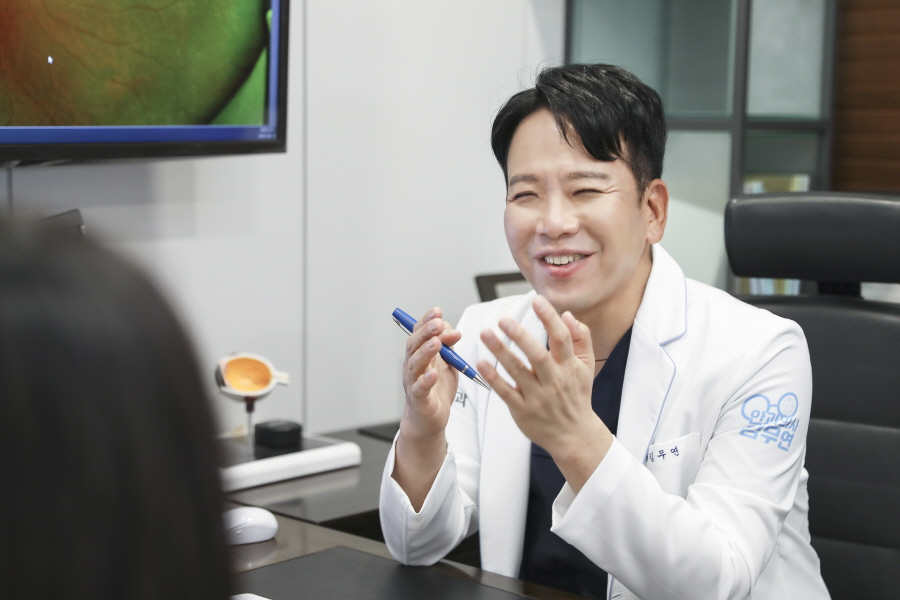
Smile LASIK near Seocho Station: a direct answer for international patients
If you are near Seocho Station and considering SMILE LASIK, a convenient option is an ophthalmology clinic on Gangnam-daero (near Gangnam Station). It's easily reachable from Seocho Station via the main boulevard and offers SMILE-type procedures as well as lens-based vision correction.
This guide explains what kind of Smile treatments are available there, what makes the clinic different, who might be a good candidate, how to prepare from overseas, what a typical Korea visit looks like, and what to ask during consultation.
Clinic overview near Seocho and Gangnam Stations
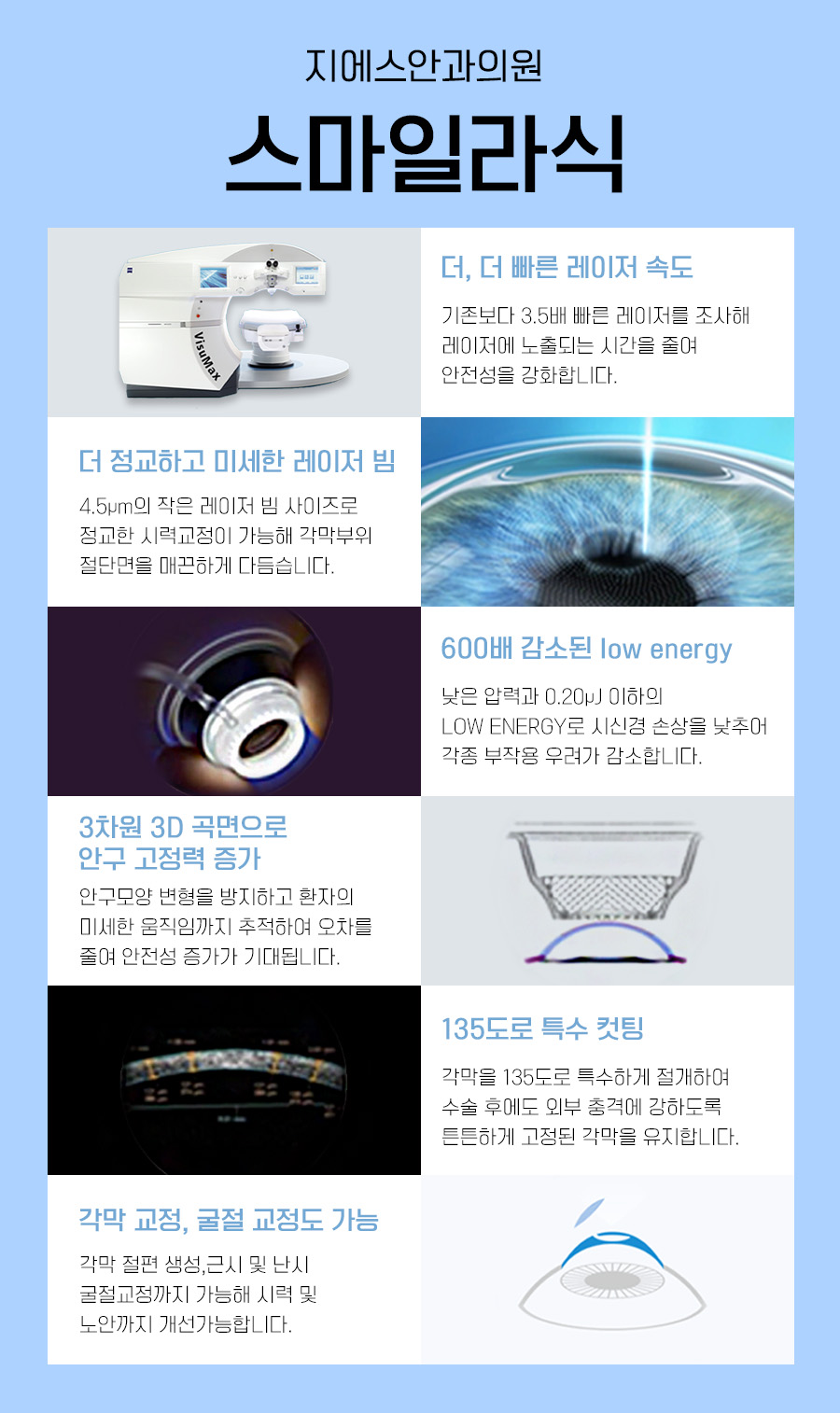
This ophthalmology clinic opened in 2005 and has been operating in the same location on Gangnam-daero in Gangnam-gu since then. It is close to Gangnam Station and convenient for Seocho Station users via the main road, so you can access it easily by subway or taxi.
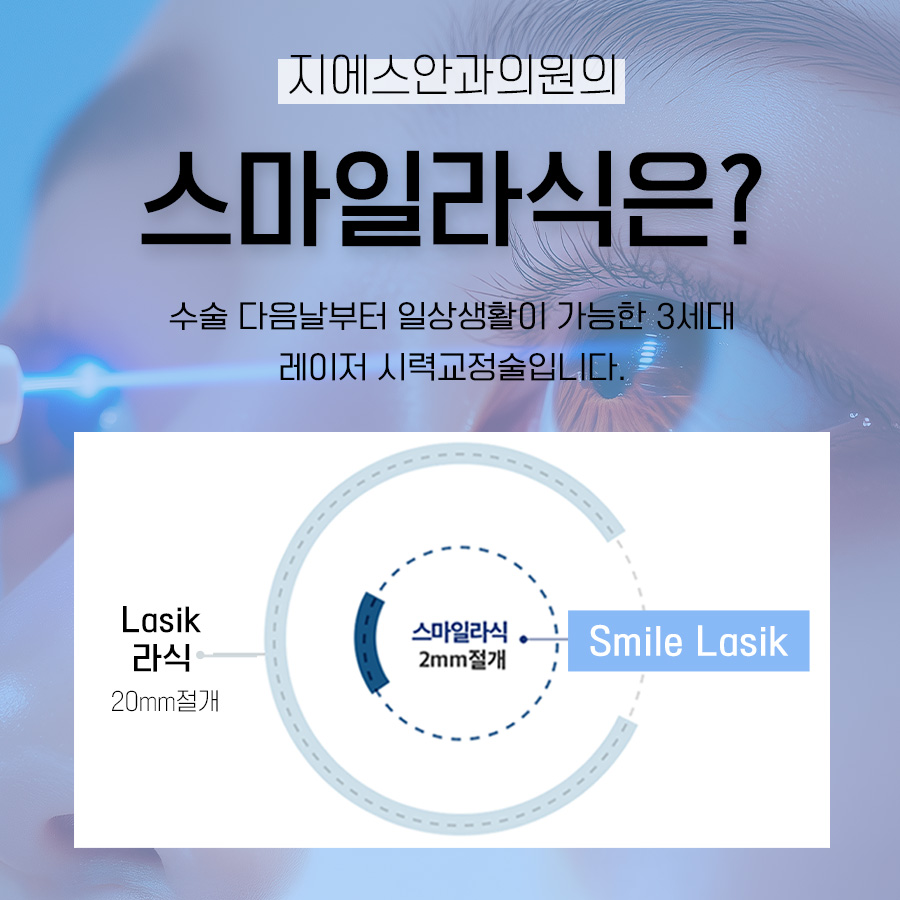
The medical team emphasizes careful technique and a cooperative culture as the foundation for safe vision correction rather than following short-term trends.
Medical team strengths and subspecialty coverage
Other surgeons have experience at large teaching hospitals such as Seoul National University Hospital, Catholic University hospitals, Inje University hospitals, and Samsung Medical Center.
An important point for laser vision correction is the retina. This clinic has a dedicated retina specialist team that evaluates the back of the eye before and after procedures. For patients with high myopia or subtle retinal changes, this subspecialty coverage helps in detecting conditions such as lattice degeneration, small retinal tears, or early macular problems that may influence the choice of treatment or the timing of surgery.
Core clinical experience and case numbers
The clinic reports a large cumulative caseload of vision correction and cataract surgeries, covering various laser procedures, lens implantations, and cataract operations.
This steady increase reflects both patient demand and the clinic’s internal experience curve.
The clinic reports participation in ZEISS-affiliated programs and SILK-related training activities, and states that it serves as a reference site where other ophthalmologists may observe SMILE techniques and protocols. For confirmation of specific memberships or designations, consult the named program providers (for example, ZEISS or SILK).
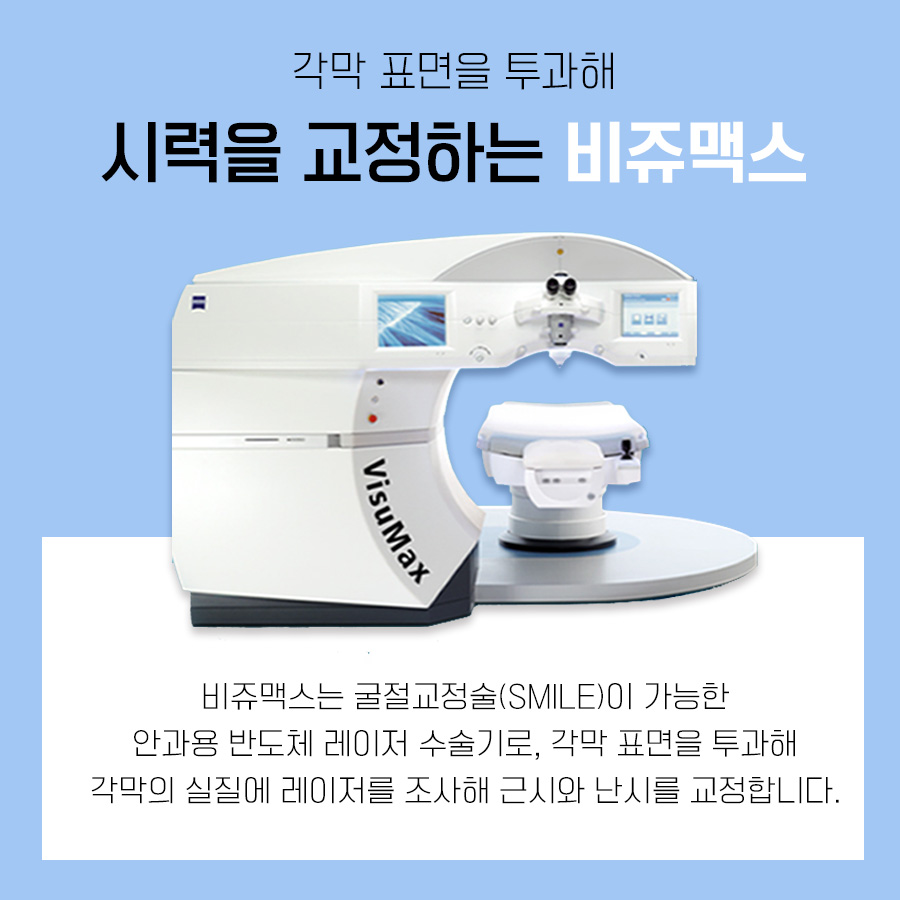
Smile-focused equipment and technology
VISUMAX 800 for SMILE Pro
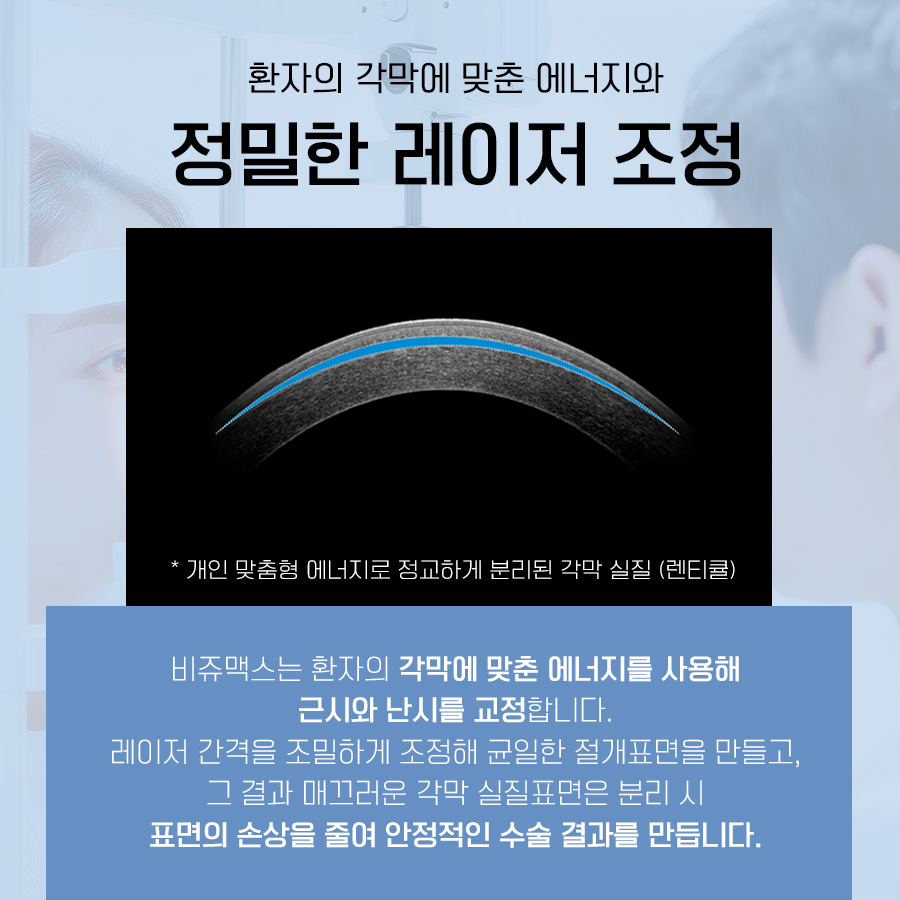
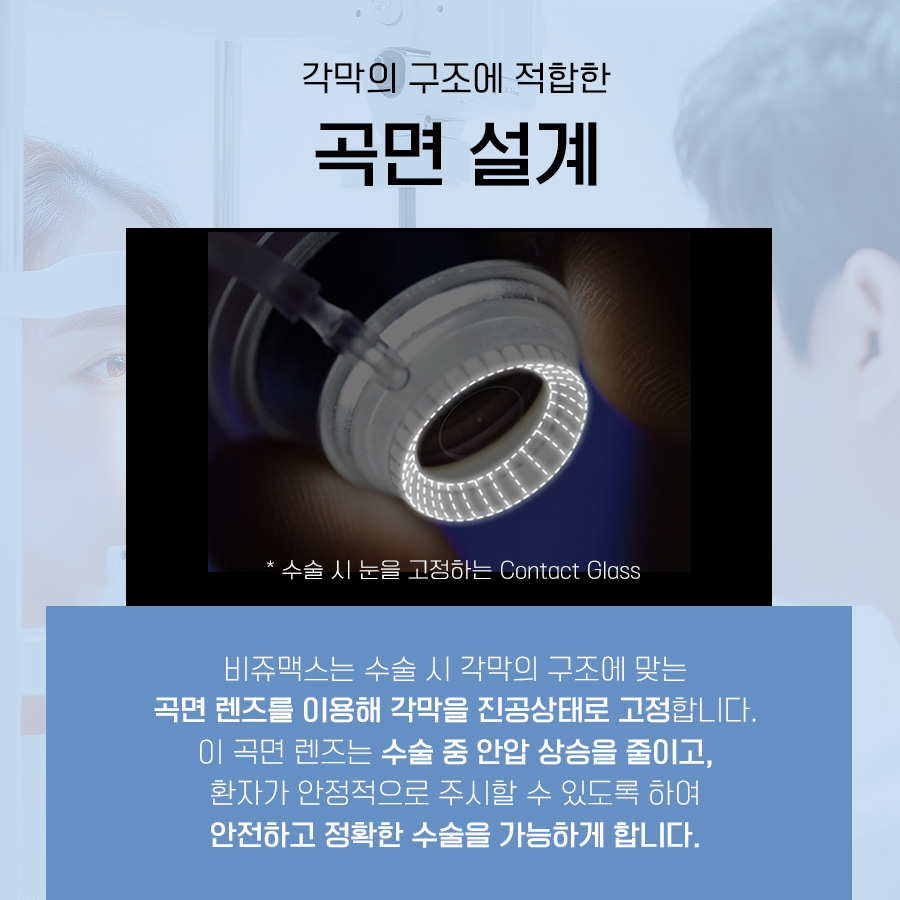
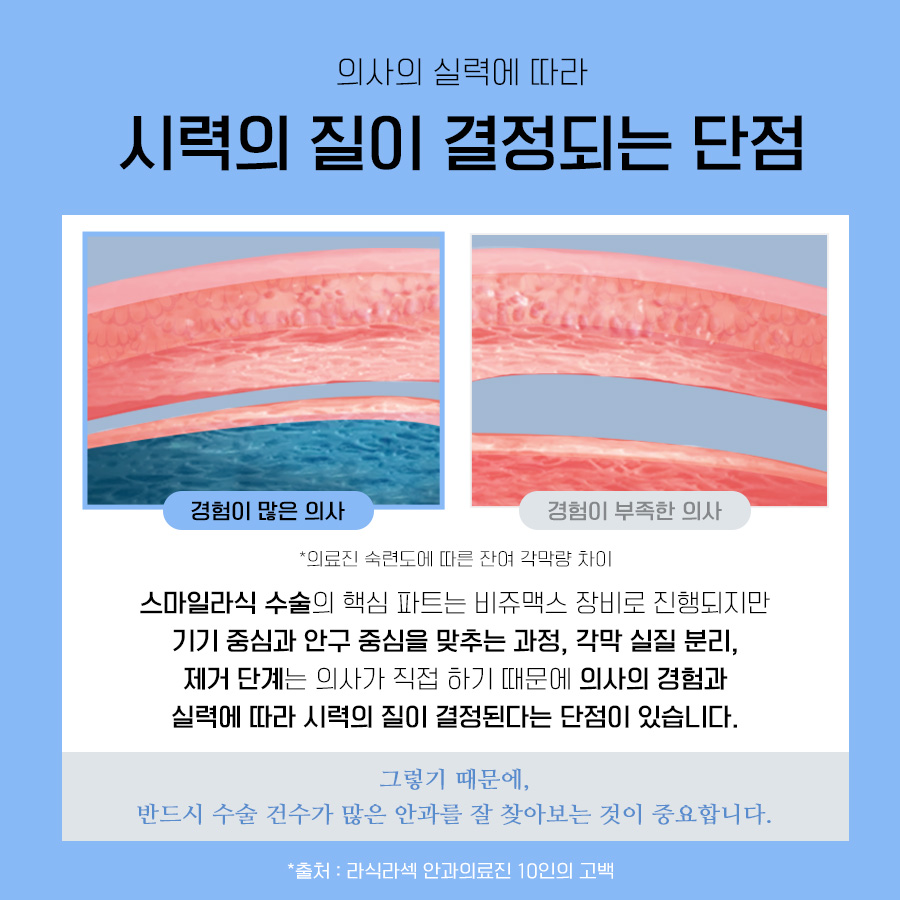
The VISUMAX 800 is the latest generation platform for SMILE Pro, introduced at the clinic in 2023. It offers a very fast laser time, typically under about 9 seconds. For patients, this can mean a shorter period of fixation, less discomfort, and a more stable procedure, especially if you feel anxious about keeping your eyes still.
VISUMAX 500 units for standard Smile LASIK
The clinic also operates two VISUMAX 500 units for standard Smile LASIK. These have been in use since 2016, with a dual setup since 2019. Having two units supports stable, high-volume operation and provides backup in case of maintenance or technical issues. It also allows the clinic to schedule more patients without rushing the examination or counseling process.
Tailored protocols including Golden Smile
Because the clinic has multiple Smile platforms, it can offer SMILE Pro, standard Smile LASIK, SILK, and its own Golden Smile protocol. The choice among these depends on factors such as corneal thickness, curvature, degree of myopia and astigmatism, lifestyle, and occupation.
For example, a patient with a relatively thin cornea but moderate myopia may benefit from a protocol that preserves more corneal tissue. Someone with high visual demands at night might need a customized approach to reduce the risk of halos or glare. Rather than forcing every patient into one standard Smile procedure, the clinic adjusts the plan based on individual measurements.
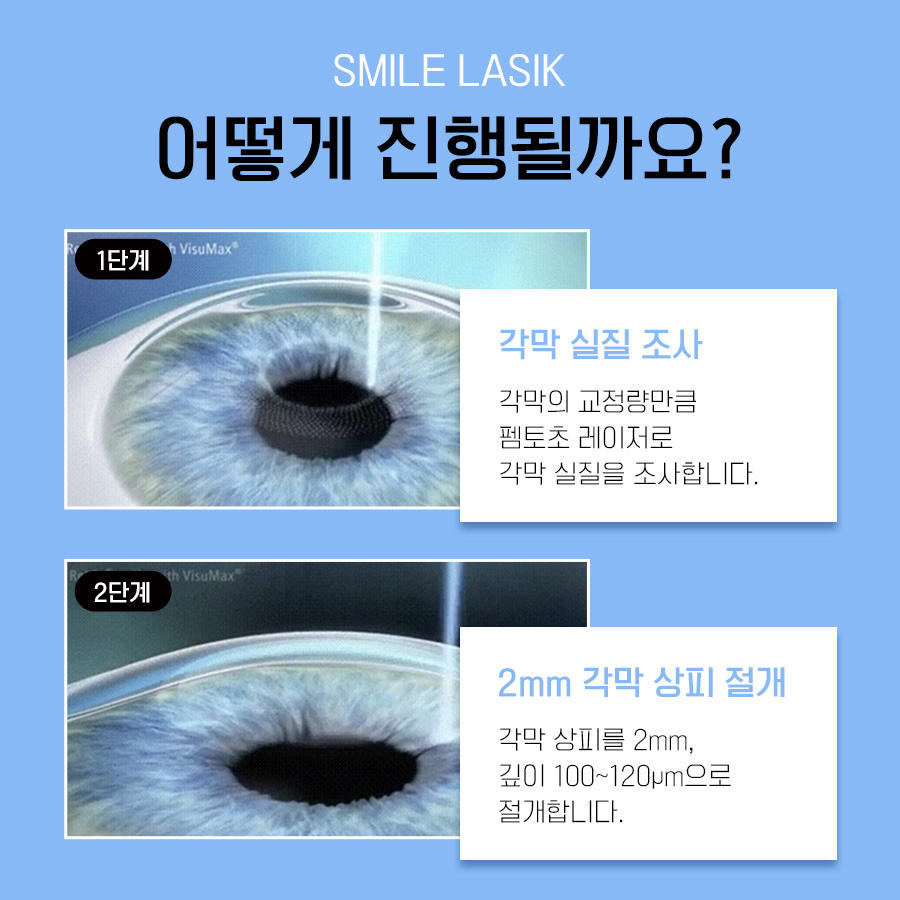
Treatment lineup available near Seocho Station
For someone searching specifically for Smile LASIK near Seocho Station, the most relevant services at this ophthalmology clinic include:
Smile-type vision correction
The clinic offers several Smile-related options:
SMILE Pro using VISUMAX 800, focusing on fast laser time and comfort.
Standard Smile LASIK using VISUMAX 500, which has a long clinical track record.
SILK, another advanced form of lenticule-based laser correction.
A proprietary Golden Smile protocol, which combines different settings and evaluation steps to match individual corneal profiles.
Other laser vision correction options
Not every patient is ideal for Smile-type procedures. For this reason, the clinic also provides:
2DAY LASEK, designed for surface ablation with a relatively quick functional recovery.
Customized LASIK options, which may be considered when corneal shape or higher-order aberrations require a different approach.
Corneal strengthening procedures
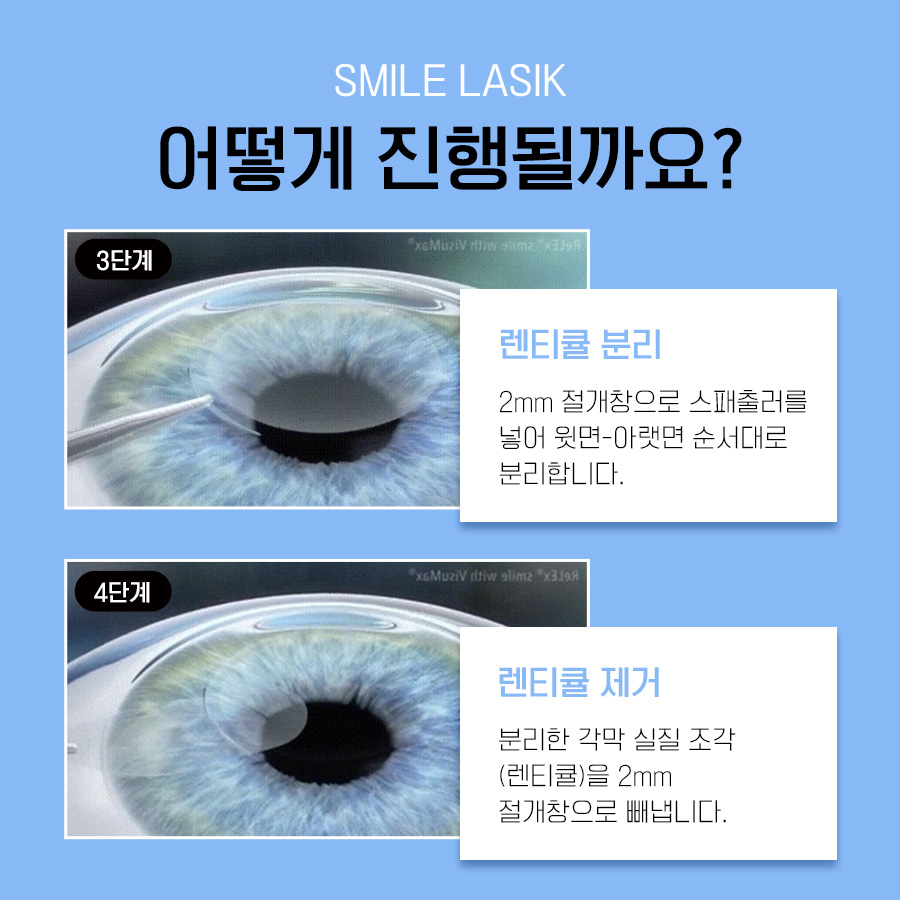
For patients with thinner or biomechanically weaker corneas, the clinic can combine or follow laser vision correction with corneal strengthening procedures such as KXL-type crosslinking. These techniques are used to help stabilize the cornea in selected cases, but they are not suitable for everyone. The decision depends on detailed measurements and the surgeon’s judgment.
Lens implantation options
If the cornea is too thin, the myopia is very high, or there are early signs of presbyopia, lens-based solutions may be safer than corneal laser. The clinic offers:
ICL (implantable collamer lens) for high myopia and astigmatism.
GLAZE and PhakiFlex KPL lens implantation for refractive correction.
Refractive lens exchange in selected patients.
Dry eye clinic and ocular surface care
Because dry eye can affect both comfort and visual quality after surgery, the clinic runs a dedicated dry eye clinic. This service evaluates tear film stability, meibomian gland function, and ocular surface health. Treatment plans may include artificial tears, anti-inflammatory drops, lid hygiene, or device-based therapies, depending on the findings.
Presbyopia and cataract center
For patients in their 40s and older, presbyopia and early cataract changes become important. The clinic has a presbyopia and cataract center that offers:
Laser-assisted cataract surgery.
Multifocal intraocular lenses such as PanOptix.
Monofocal and toric lenses for patients with astigmatism.
This is relevant if you are not a good candidate for Smile LASIK but still wish to reduce dependence on glasses.
Safety system and preoperative examinations
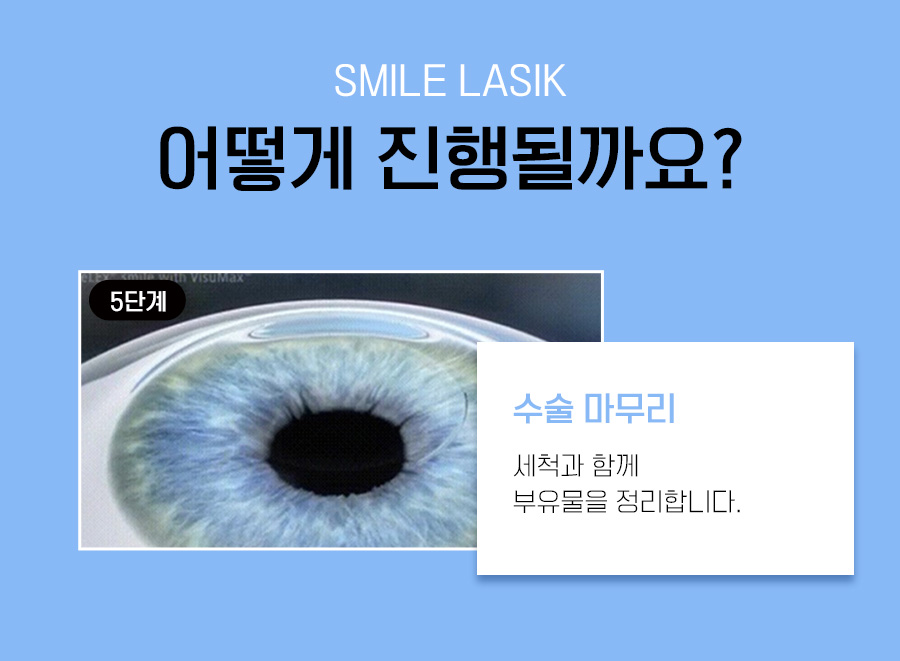
The clinic emphasizes a strict preoperative examination protocol before recommending Smile LASIK or any other vision correction procedure. A typical assessment includes:
Detailed corneal topography and tomography to evaluate shape, curvature, and subtle irregularities.
Corneal thickness mapping to estimate how much tissue can be safely removed.
Pupil size measurement, which can influence night vision and the risk of halos.
Tear film and dry eye assessment, including tests for tear quantity and quality.
Retinal evaluation by retina-trained specialists, especially important for high myopia.
These certifications relate to standardized quality management and environmental management systems.
Surgery is only recommended when examination results meet internal safety criteria. Because the clinic serves as a clinical education site for a major medical school and an Asia-Pacific training center for a biotech company, its examination and treatment protocols are also used as teaching standards for other doctors.
Lens implantation and cataract experience
For patients comparing Smile LASIK with lens-based options, it is helpful to know the clinic’s experience in lens implantation and cataract surgery.
The clinic was the first in Korea to perform GLAZE lens implantation in 2019. It reached 1,000 GLAZE eyes by 2022 and 3,000 Optiflex GLAZE eyes by 2025. In addition, it has performed around 3,000 PanOptix multifocal lens implantations as of 2024.
These numbers show that the clinic has substantial experience in refractive lens exchange and cataract surgery. This is particularly relevant for patients with high myopia, thin corneas, or early presbyopia who may not be ideal candidates for Smile-type procedures.
Location and accessibility for Seocho Station users
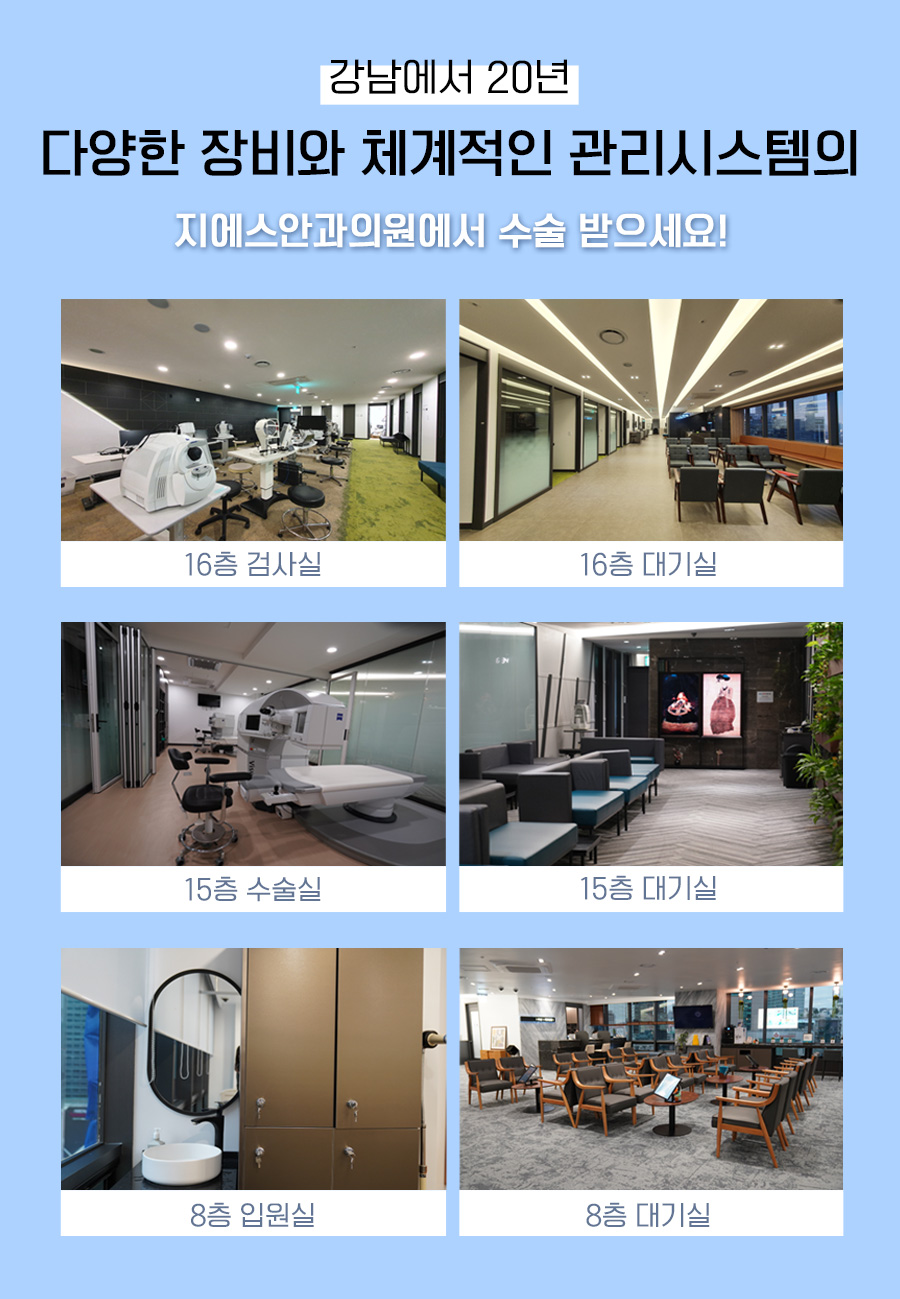
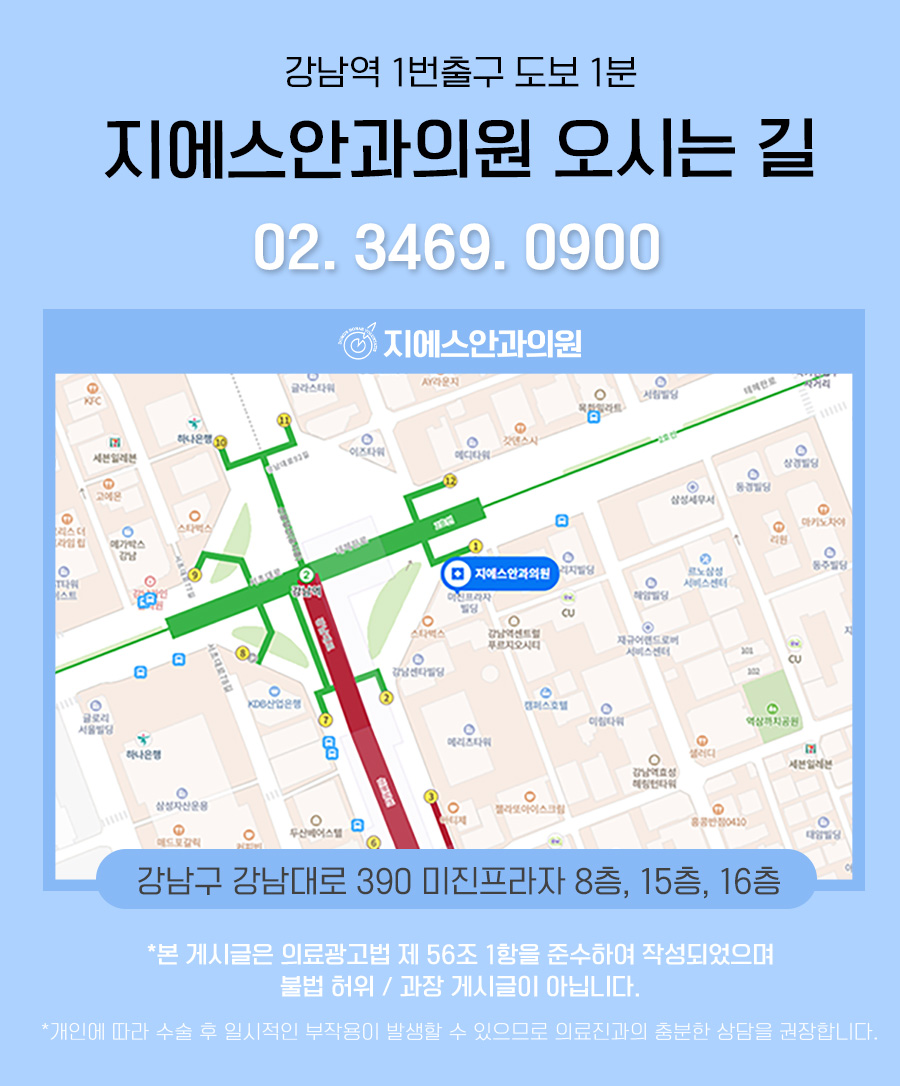
The clinic is located on Gangnam-daero in Gangnam-gu, on multiple floors of the same building, for example the 8th, 15th, and 16th floors. Examination, surgery, and counseling areas are separated by floor to maintain smoother patient flow and privacy.
From Seocho Station, you can reach the clinic via the main boulevard that connects Seocho and Gangnam Stations. Travel time is short by taxi or subway, making it convenient even if you are staying in a hotel near Seocho.
Typical consultation hours are roughly from mid-morning to early evening on weekdays, and from morning to late afternoon on Saturdays. The clinic is usually closed on Sundays and public holidays, with a lunch break around early afternoon. Because hours can change, it is best to confirm the schedule in advance.
Appointments and inquiries can be made through phone or online channels such as the clinic’s blog, Instagram, YouTube, or messaging apps. For overseas patients, online consultation in English is often possible via email or messaging platforms.
Who may consider Smile LASIK near Seocho Station
Smile LASIK and SMILE Pro are suitable for many people with myopia and astigmatism, but not for everyone. Candidacy depends on several factors:
Corneal thickness and shape.
Degree of myopia and astigmatism.
Age and stability of your glasses or contact lens prescription.
Presence of dry eye, keratoconus, or other corneal diseases.
Retinal status, especially in high myopia.
General health and medications.
In general, adults with stable myopia and healthy corneas may be candidates for Smile-type procedures. However, only a full examination can confirm this. Some patients who come in expecting Smile LASIK are eventually advised to choose LASEK, LASIK, or lens implantation instead, based on safety considerations.
What to expect at the first visit
If you visit this clinic near Seocho Station, the first appointment usually includes:
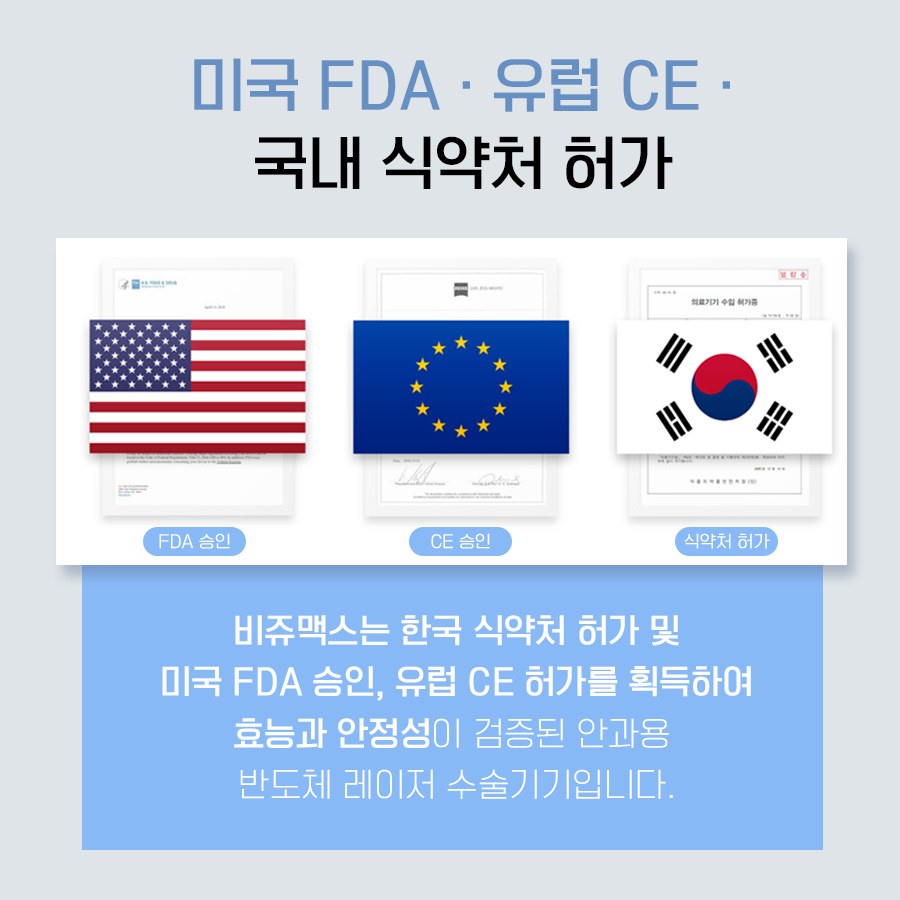
A comprehensive eye examination with multiple machines, including refraction, intraocular pressure, corneal topography, and retinal imaging.
Dry eye and tear film tests if needed.
Consultation with an ophthalmologist to review results and discuss your daily visual needs, occupation, and hobbies.
Explanation of which options are safest and most appropriate for you: SMILE Pro, standard Smile, SILK, LASEK, LASIK, or lens implantation.
Discussion of realistic expectations, possible side effects, and the follow-up schedule.
Most patients can go home the same day after the examination. If you are traveling from overseas, it is helpful to plan at least one full day for testing and consultation before any surgery date.
Online consultation and pre-visit preparation for overseas patients
Before you travel to Korea, you can usually arrange an online consultation with the clinic. This is not a substitute for an in-person examination, but it can help you understand whether you are a likely candidate and how long you should plan to stay.
To prepare for an online consultation, it is useful to gather:
Your latest glasses or contact lens prescription.
Any previous eye examination reports, especially corneal topography or retinal scans if available.
A list of medications and any general health conditions.
Information about previous eye surgeries or injuries.
You may also want to prepare questions such as:
- Which procedures might be suitable for my level of myopia and astigmatism?
- How many days should I stay in Korea for surgery and follow-up?
- What is the recommended interval between surgery and flying home?
- How will follow-up be handled once I return to my country?
Sending this information in advance allows the medical team to give more specific guidance and to tentatively plan your schedule.
Expected Korea visit timeline for Smile LASIK
The exact schedule depends on your eyes and travel plan, but a common structure for overseas patients is:
Day 1: Comprehensive examination and consultation. If you wear soft contact lenses, you may be asked to stop them several days before this visit. For rigid lenses, the discontinuation period is usually longer.
Day 2 or 3: Smile-type surgery (SMILE Pro, Smile LASIK, or SILK) if you are a suitable candidate and you agree with the plan. The procedure itself is usually short, and you can go back to your accommodation the same day, but you should not drive.
Day 3 or 4: First post-operative check. The doctor confirms corneal status, vision, and intraocular pressure, and adjusts eye drops if needed.
Additional days: Depending on your case, one or more follow-up visits may be scheduled within the first week. For many uncomplicated Smile cases, staying in Korea for about 5 to 7 days after surgery is often sufficient, but this can vary.
Always discuss your flight schedule with the surgeon. In general, long flights shortly after eye surgery may be uncomfortable, and you should have at least one stable post-operative check before leaving.
Aftercare and long-term follow-up
After Smile LASIK or SMILE Pro, you will usually be prescribed antibiotic and anti-inflammatory eye drops for a certain period, along with lubricating drops for dryness. The clinic will explain how often to use them and how long to continue.
Typical aftercare instructions include:
Avoid rubbing your eyes, especially in the early period.
Use protective shields or glasses when sleeping for a few nights if advised.
Avoid swimming pools, hot tubs, and makeup around the eyes for a specified time.
Limit heavy exercise and contact sports until the doctor clears you.
Wear sunglasses outdoors to reduce light sensitivity and protect from UV.
For international patients, the clinic can provide a written summary of your surgery and post-operative findings. You can share this with an eye doctor in your home country for long-term follow-up. If you notice sudden changes such as strong pain, a drop in vision, flashes of light, or many new floaters, you should seek urgent care even after you return home.
Experience-based checklist before you decide
When comparing Smile LASIK options near Seocho Station or elsewhere in Seoul, it helps to look beyond price alone. Consider the following points and bring them up during consultation:
Surgeon background: Ask who will actually perform your surgery, their subspecialty, and their experience with SMILE Pro, SILK, and other methods.
Equipment: Confirm which laser platforms are available (for example VISUMAX 800, VISUMAX 500, SILK) and whether the clinic can offer alternatives if Smile is not ideal for you.
Examination system: Ask how long the preoperative exam takes, which tests are included, and whether a retina specialist will review your scans.
Case volume and indications: Ask how many Smile-type cases the clinic performs and in what situations they recommend lens implantation instead of corneal laser.
Aftercare and emergency contact: Confirm how follow-up is arranged for overseas patients and who you can contact if you have concerns after you return home.
Writing these questions down before you contact the clinic can make your consultation more efficient and help you feel more confident in your decision.
Frequently asked questions
Is Smile LASIK safe for international patients visiting Korea briefly?
Smile LASIK and SMILE Pro are established procedures, and many international patients undergo them in Korea. Safety depends less on nationality and more on proper examination, appropriate case selection, and careful aftercare. If you plan a short visit, discuss your schedule honestly with the clinic so they can confirm whether there is enough time for preoperative tests, surgery, and at least one or two follow-up visits before you fly home.
What is the difference between SMILE Pro and standard Smile LASIK at this clinic?
SMILE Pro uses the newer VISUMAX 800 platform, which offers a faster laser time (often under about 9 seconds) and some refinements in the procedure workflow. Standard Smile LASIK at this clinic uses VISUMAX 500, which has a long track record and is still widely used. The choice between them depends on your corneal measurements, the surgeon’s judgment, and sometimes scheduling. Both are minimally invasive, small-incision procedures, but details of comfort and efficiency may differ.
If my cornea is thin, can I still have vision correction near Seocho Station?
A thin cornea does not automatically rule out vision correction, but it may limit or change the options. At this clinic, patients with thinner corneas may be evaluated for surface procedures like LASEK, combined approaches with corneal strengthening, or lens implantation such as ICL or GLAZE. The decision is based on detailed corneal maps, thickness, and biomechanical considerations. In some cases, the safest recommendation is to avoid surgery, and the doctors will explain why if that applies to you.
How long should I stay in Korea after Smile LASIK or SMILE Pro?
For uncomplicated cases, many overseas patients stay about 5 to 7 days after surgery, allowing for at least one or two post-operative checks. However, this is not a fixed rule. Your surgeon may advise a longer stay if your eyes are more complex, if you combine procedures, or if you have additional conditions such as significant dry eye or retinal findings. It is important to finalize your travel plan together with the clinic after your in-person examination.
Soft call to action for online consultation
If you are considering Smile LASIK near Seocho Station and would like to understand whether SMILE Pro, SILK, or another option is suitable for you, you can start with an online consultation with this Gangnam-based ophthalmology clinic. Sharing your current prescription, medical history, and travel plan will help the medical team outline a tentative strategy and recommended length of stay.
Any decision about eye surgery should be made after a face-to-face examination with an ophthalmologist. Use online consultation as a way to gather information, compare options, and prepare questions, so that when you arrive in Seoul you can make the most of your visit and focus on choosing the safest plan for your eyes.


- 공유 링크 만들기
- X
- 이메일
- 기타 앱


댓글
댓글 쓰기