SMILE LASIK near Sinnonhyeon: How to Choose a Good Ophthalmology Clinic in Gangnam
- 공유 링크 만들기
- X
- 이메일
- 기타 앱
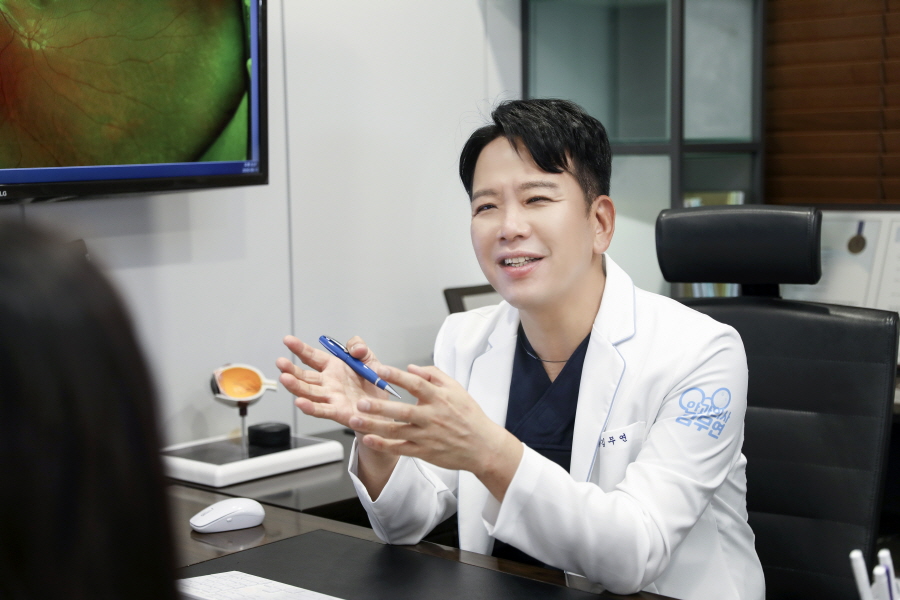
Direct answer for patients searching near Sinnonhyeon
If you are staying around Sinnonhyeon or Gangnam Station and considering SMILE LASIK, prioritize evaluating the clinical team, the laser platforms in use, safety protocols, and documented patient outcomes. Instead of relying on ads, ask concrete questions such as: Can you show the clinic’s staff directory and surgeons’ qualifications? How many SMILE procedures has each surgeon performed in the past 12 months? Can you provide anonymized outcome statistics or complication rates? Do you maintain device service logs and quality‑assurance records? These checks make it easier to compare clinics objectively.
This guide explains what SMILE LASIK is, who might be suitable, how to choose a good clinic near Sinnonhyeon, and what an overseas patient can expect when coming to Korea for treatment.
What is SMILE LASIK
SMILE LASIK overview
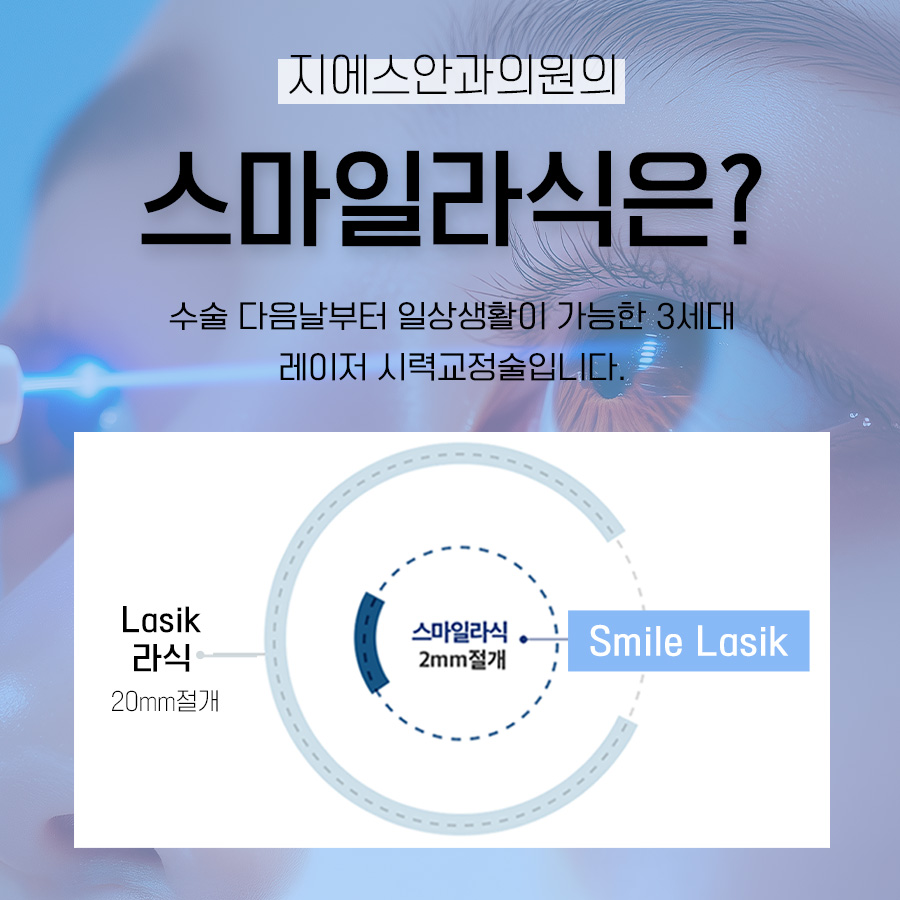
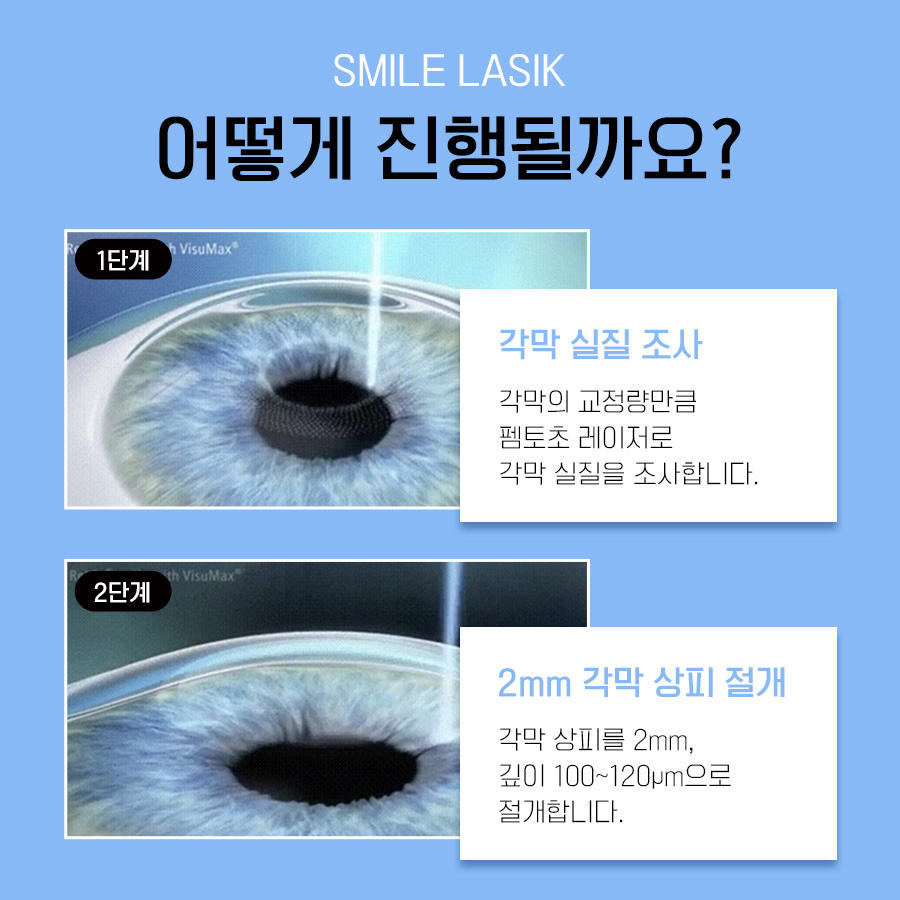
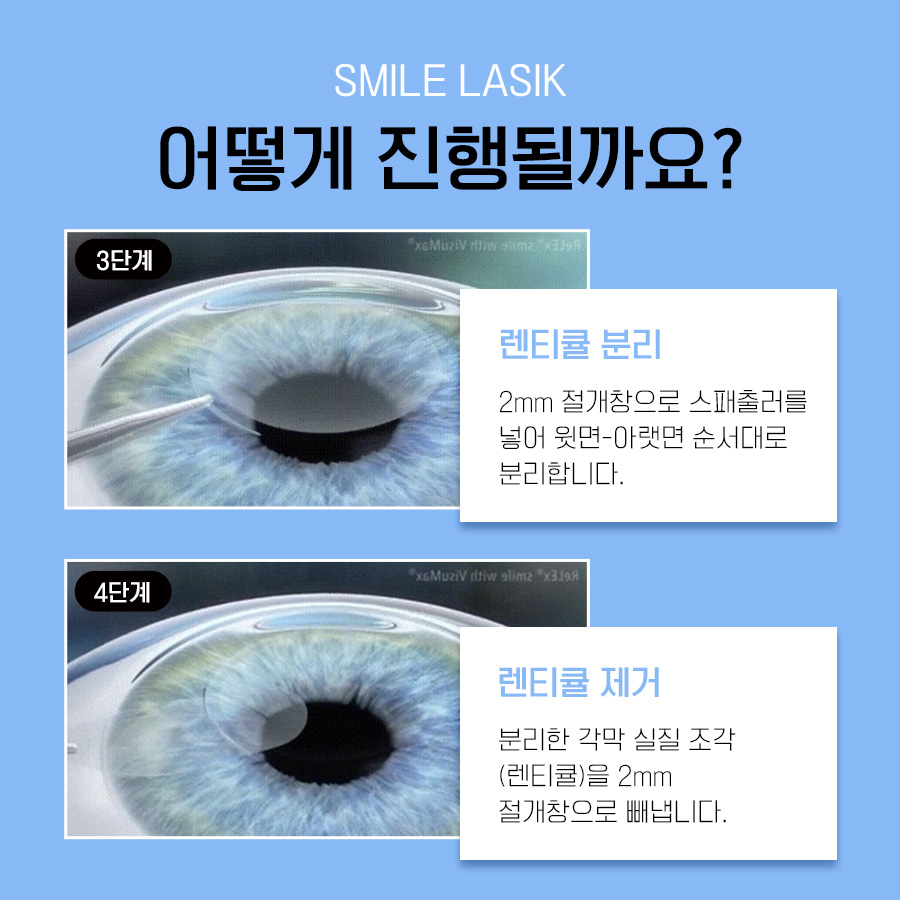
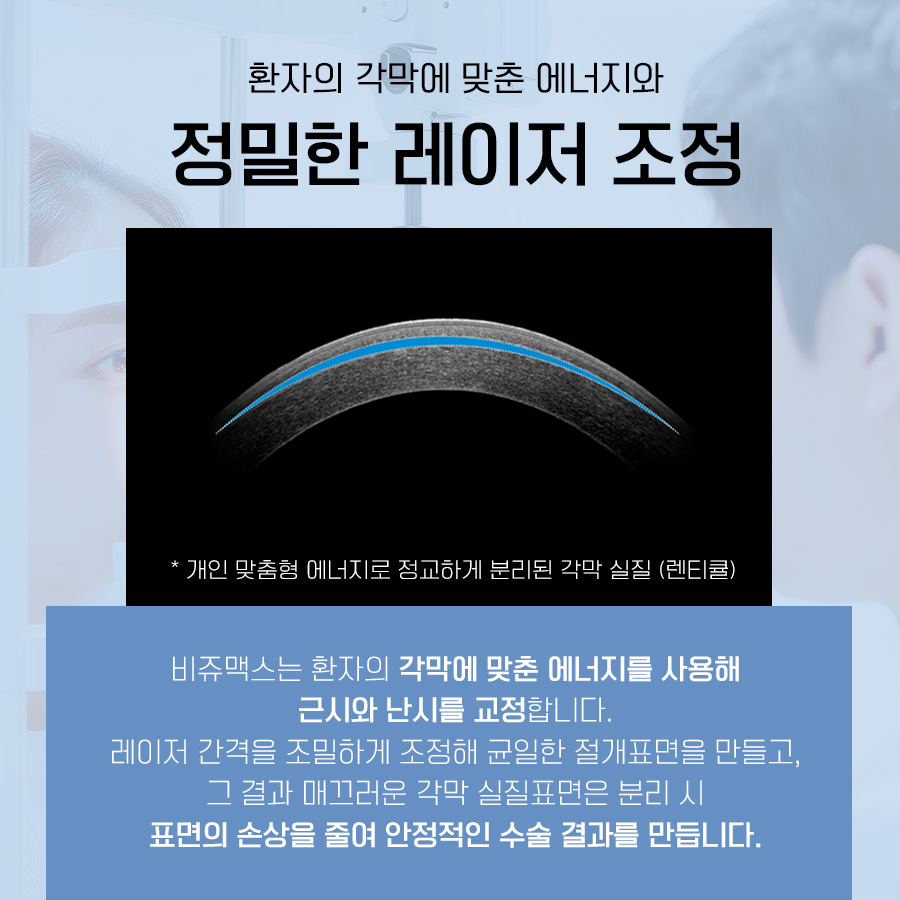
SMILE LASIK is a minimally invasive laser vision correction method. Instead of creating a large corneal flap like conventional LASIK, a femtosecond laser creates a tiny lens-shaped piece of tissue (called a lenticule) inside the cornea. This lenticule is then removed through a very small incision.
By reshaping the cornea in this way, SMILE LASIK can reduce myopia and astigmatism so that you can see clearly without glasses or contact lenses in daily life. Because there is no large flap, the surface of the eye remains more intact compared with classic LASIK.
Key benefits in everyday language
The incision is smaller than with flap-based LASIK, which may help with faster structural recovery of the cornea.
Corneal nerves are less disturbed, so some patients experience less dry eye compared with traditional flap procedures.
There is no corneal flap that could be displaced by strong impact, which can be reassuring for people with active lifestyles or contact sports.
Many patients can return to desk work within a few days, depending on individual healing and the surgeon’s advice.
Who may consider SMILE LASIK
Typical candidates
Adults with stable myopia and astigmatism who are tired of glasses or contact lenses often consider SMILE LASIK. A typical candidate will have:
Stable prescription for at least one to two years.
Adequate corneal thickness and healthy corneal shape.
No severe eye disease such as advanced glaucoma or significant retinal problems.
Real suitability, however, can only be judged after a full eye examination including detailed corneal measurements and retina evaluation.
When SMILE LASIK may not be ideal
SMILE LASIK is not the best option for everyone. It may not be recommended if you have:
Very thin or irregular corneas.
Signs of corneal disease such as keratoconus.
Extremely high prescriptions outside the safe range.
In these situations, other options may be considered, such as LASEK, different types of LASIK, or lens-based procedures like ICL or other lens implantation. A careful ophthalmology consultation is essential to compare these choices.
SMILE-type options available in Gangnam
In the Gangnam Station area, some ophthalmology centers offer a full lineup of small-incision procedures, including:
SMILE LASIK: the established small-incision laser method described above.
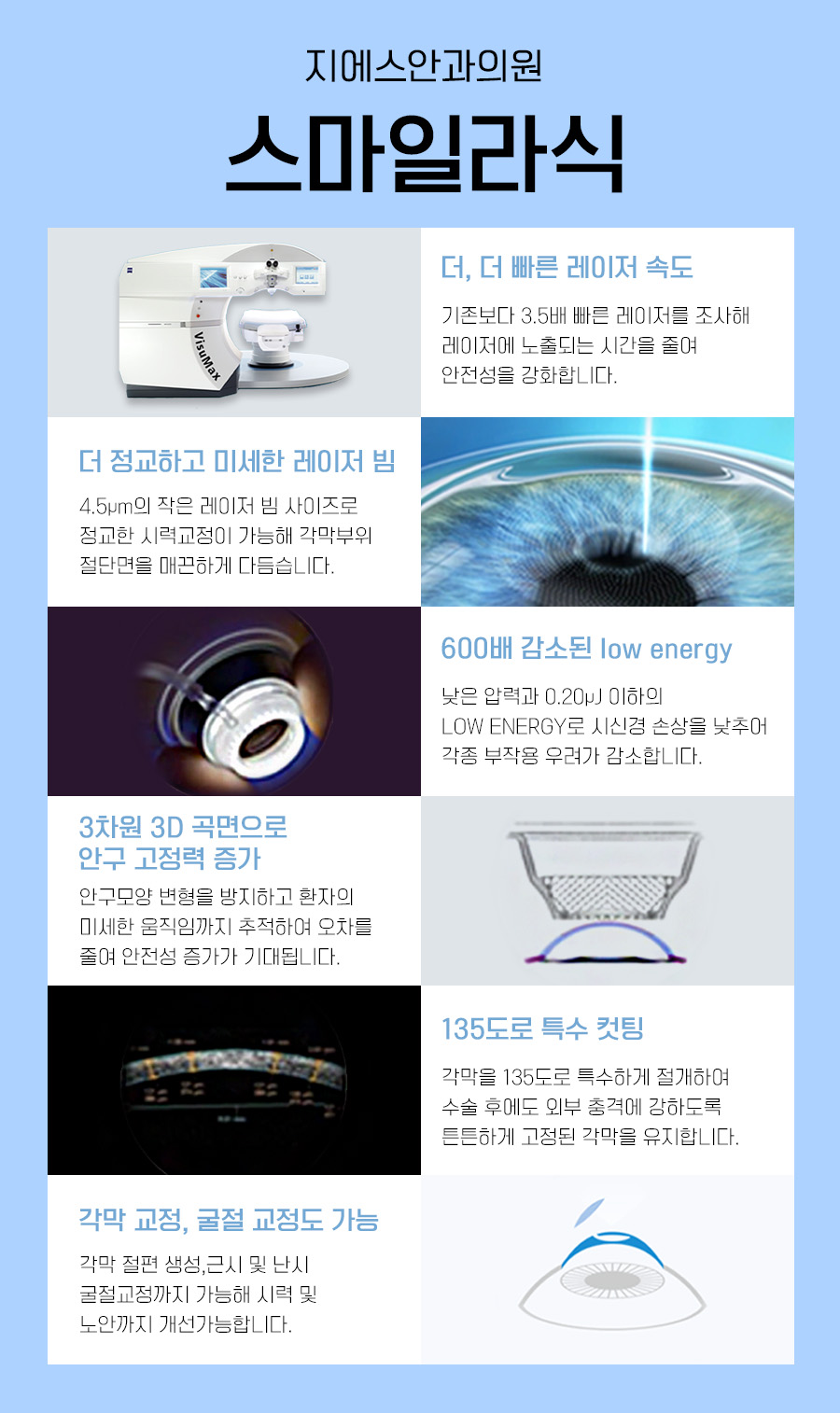
SMILE pro: a newer generation SMILE procedure performed with the ZEISS VISUMAX 800 platform, designed for shorter laser time and improved workflow.
SILK: another small-incision lenticule extraction type procedure, often described as a next-generation option with a similar minimally invasive concept.
Golden SMILE: at GS Eye Clinic this refers to a customized SMILE program, where the team tailors the procedure choice and parameters to each patient’s cornea, prescription, and lifestyle rather than using a single standard protocol.
These options are not about having more brand names, but about giving the surgeon flexibility to match the method to the patient’s eye condition.
Why equipment matters so much for SMILE LASIK
ZEISS SMILE platforms in one center
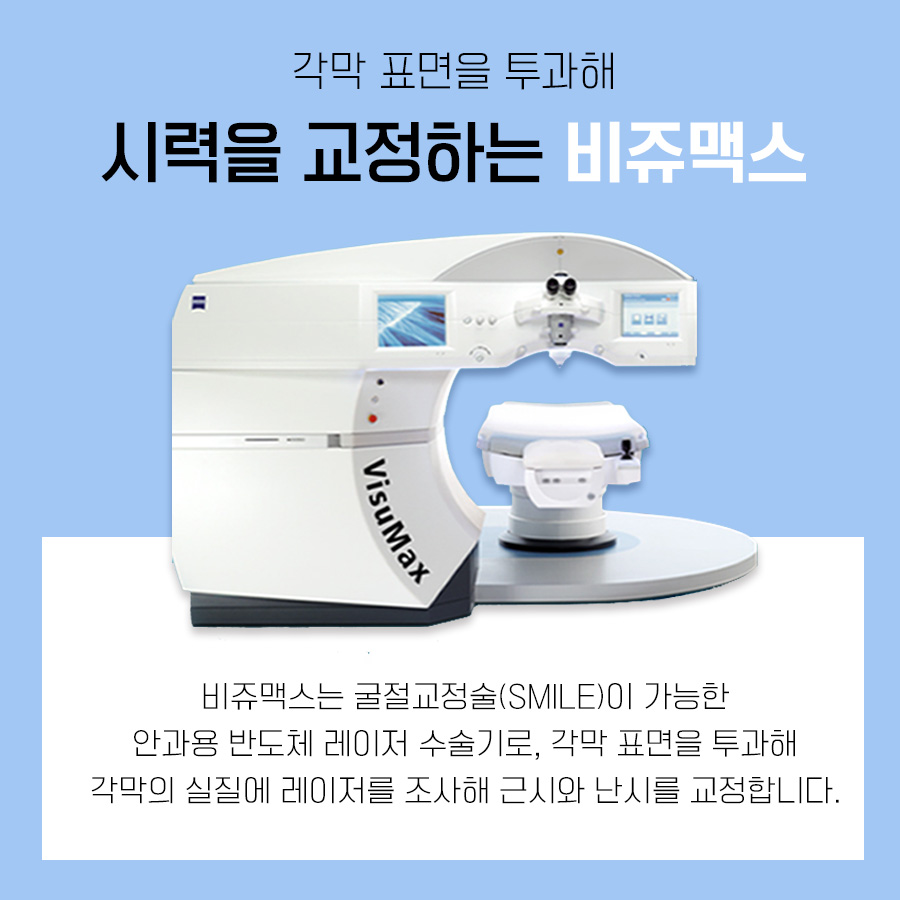
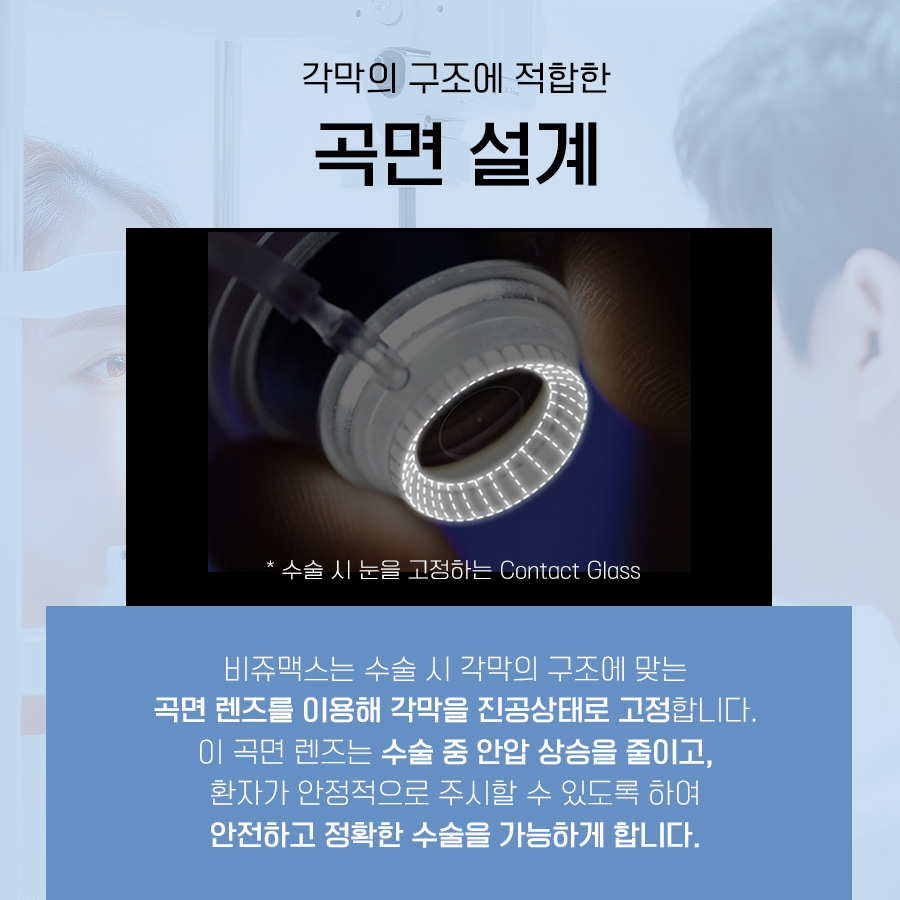
VISUMAX 800: Some clinics use newer VISUMAX models for SMILE pro and report that newer-generation platforms can reduce the laser-step duration compared with older units. Shorter laser time for lenticule creation may decrease suction and immobilization time, which clinics say can improve patient comfort — if exact device timings matter to you, ask the clinic for documentation or manufacturer data.
Two VISUMAX 500 units: introduced in 2016, with a dual setup established by 2019. These are used for classic SMILE LASIK and provide stable performance backed by long-term global use.
Why this is meaningful for patients
Matching the platform to your cornea: Different eyes have different corneal thickness, curvature, and biomechanical properties. Having multiple platforms allows the surgeon to choose the most suitable system and settings rather than forcing every patient into a single option.
Shorter laser time: A faster laser step, especially with VISUMAX 800, can be more comfortable for anxious patients and may help with smoother procedures.
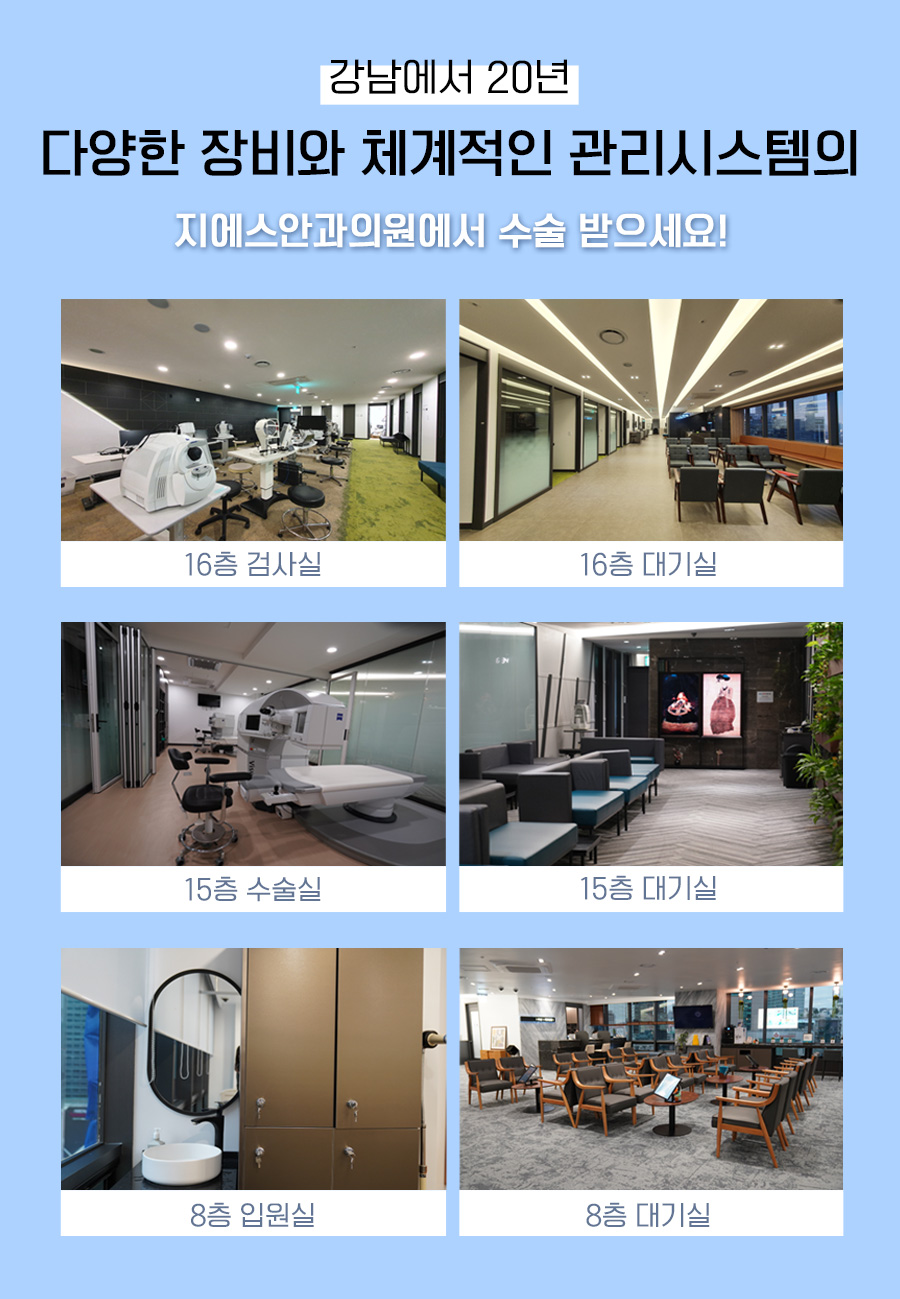
Redundancy and capacity: Two VISUMAX 500 units plus a VISUMAX 800 mean that even with a high volume of cases, the clinic can maintain stable scheduling and has backup capacity if a machine needs maintenance.
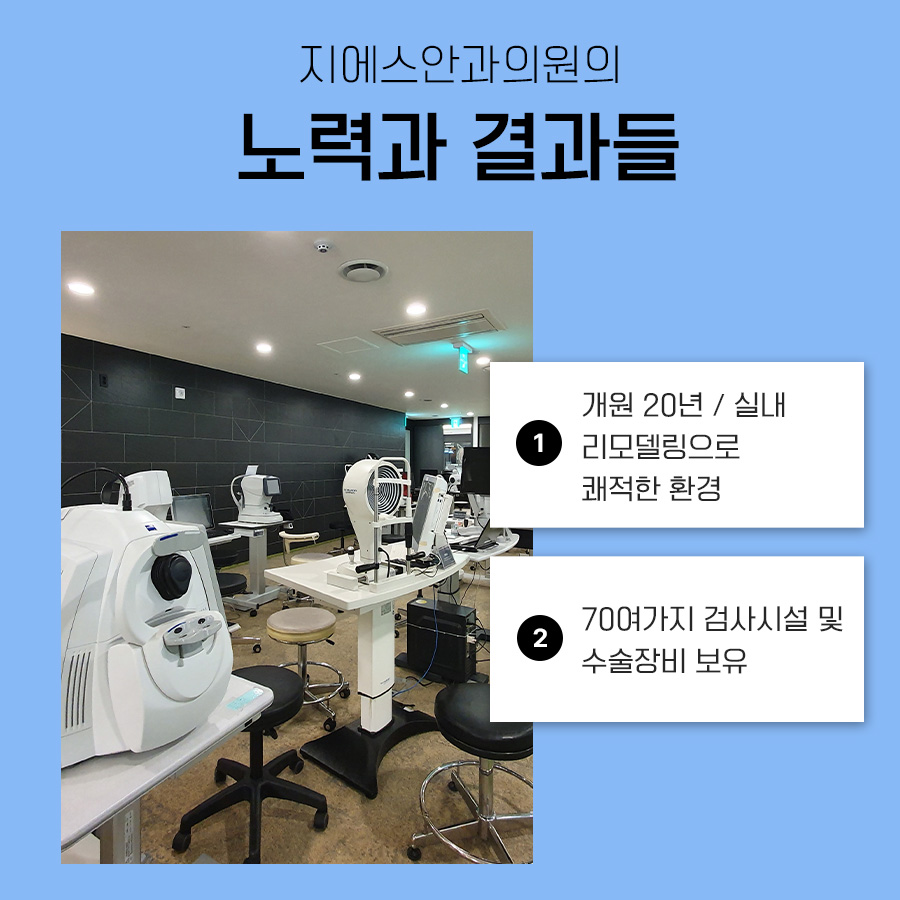
Beyond lasers, a good ophthalmology center should also have comprehensive diagnostic equipment: corneal topography and tomography, wavefront analysis, tear film evaluation, and retina imaging. These tools are crucial to detect subtle corneal diseases and retinal issues before surgery.
Track record and certifications as safety signals
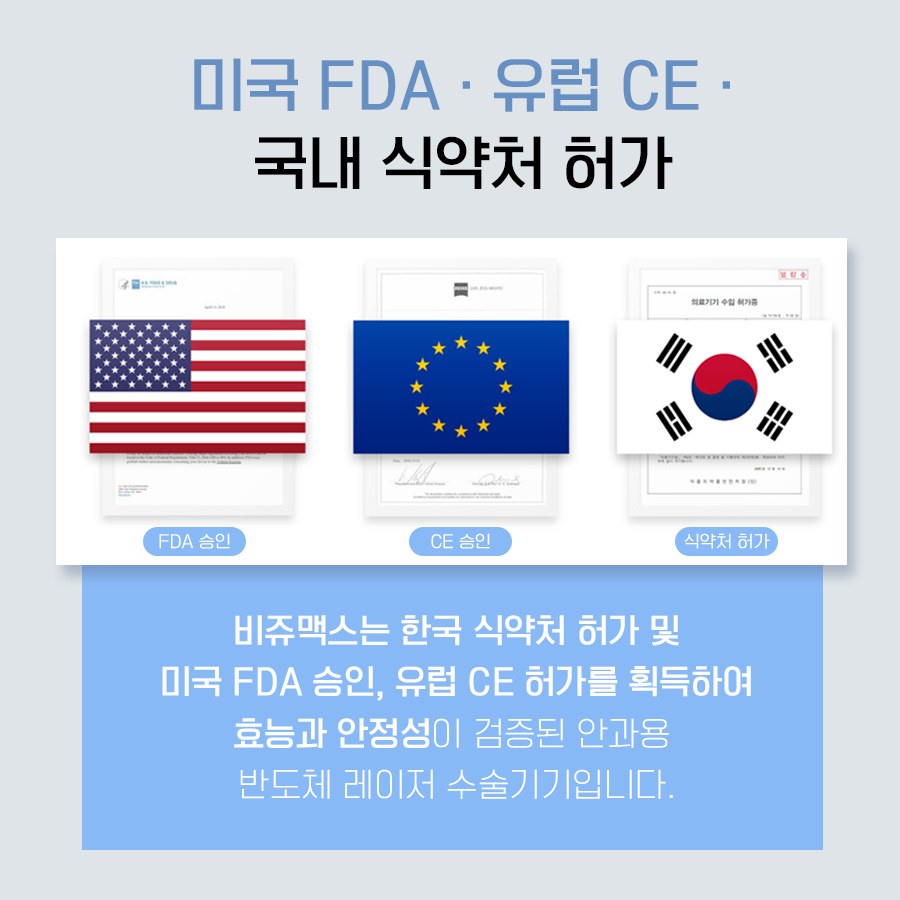
When choosing a clinic from overseas, look for verifiable metrics and external recognitions rather than relying solely on promotional claims. Request documentation such as audited procedure volumes, recent case counts, published outcome data, or letters/certificates from device manufacturers or professional bodies before drawing conclusions about experience or external trust.
For SMILE LASIK candidates, this matters because if laser surgery is not suitable, the same team can offer lens-based alternatives.
Quality and education roles: SMILE LASIK-related ISO 9001 and 14001 international certifications were obtained in 2020. The clinic was designated a clinical education institution for Catholic University medical school in 2023 and a BIOTECH Asia-Pacific clinical education center in 2024. These roles suggest structured systems and involvement in training other doctors.
These figures do not guarantee outcomes for any individual, but they provide context that the center has long experience and external evaluation.
Medical team and subspecialties
The clinic describes a multi‑doctor ophthalmology team that includes board‑certified ophthalmologists and subspecialists in refractive surgery, cataract, and retina care. For verification, ask to see the clinic’s staff page, individual physician profiles or CVs, and any affiliations with university hospitals or medical centers — and request contactable references or links to published work when available.
There are dedicated retina specialists and surgeons with extensive experience in refractive and cataract surgery. For SMILE LASIK patients, this is important because:
Retina specialists can carefully examine and monitor the back of the eye, especially in high myopia where retinal problems are more common.
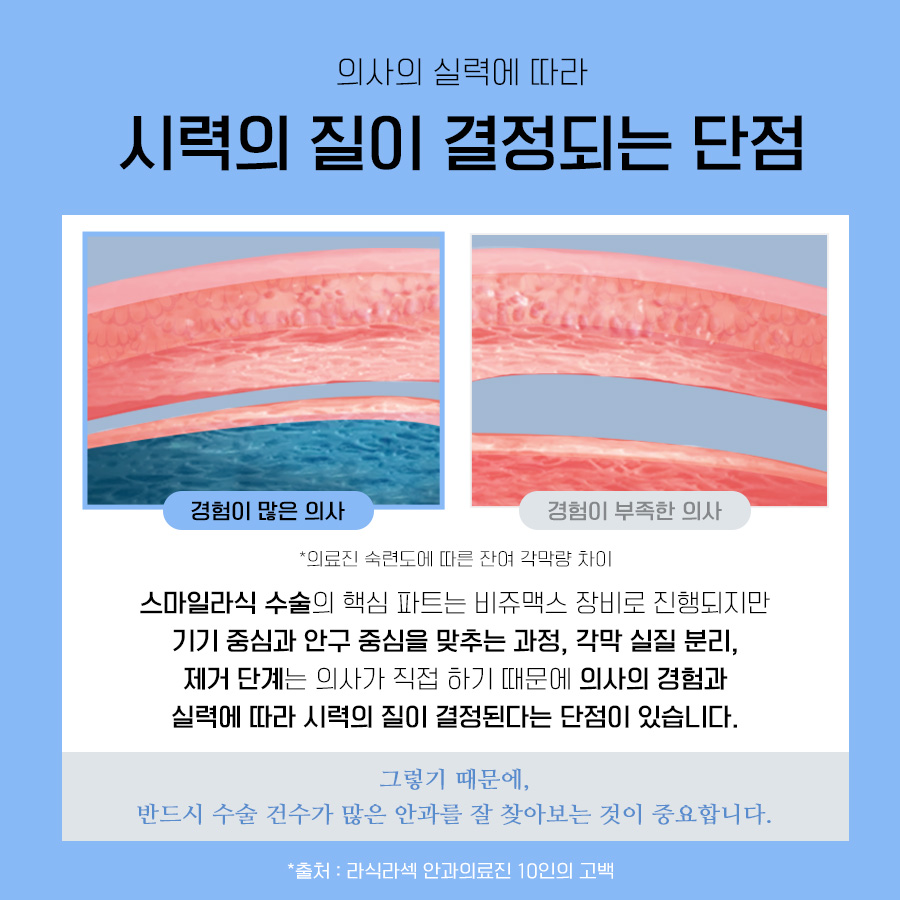
Experienced refractive surgeons are better prepared to handle complex cases and to decide when laser surgery is not appropriate.
If complications occur, a team-based system allows rapid internal consultation and management without needing to transfer you elsewhere.
How to choose a good SMILE LASIK clinic near Sinnonhyeon
Check the medical team
Look for an ophthalmology center where:
All surgeons are board-certified ophthalmologists.
There is clear information about subspecialty training in refractive surgery, cataract surgery, and retina.
Doctors are involved in teaching, research, or clinical education, which often reflects ongoing learning and adherence to standards.
In the Gangnam Station area, GS Eye Clinic fits this profile with seven ophthalmology specialists and roles in clinical education.
Check equipment and technology
For SMILE LASIK near Sinnonhyeon, ask these questions before deciding:
Do you use ZEISS VISUMAX 800 or VISUMAX 500 for SMILE-type procedures?
Do you offer SMILE LASIK, SMILE pro, and SILK, or only one method?
What diagnostic tests do you perform before surgery? Do you check corneal topography, tomography, tear film, and retina?
A clinic that owns both VISUMAX 800 and VISUMAX 500 and offers multiple SMILE-type options can better adapt the procedure to your eyes.
Check surgical volume and outcome data
High volume alone is not enough, but it shows that the team has seen many different eye conditions. When researching clinics, look for:
Cumulative case numbers and the years they refer to (for example, 300,000 cumulative eyes as of 2023).
Specific SMILE or SMILE pro volumes with dates.
Participation in manufacturer training programs or university clinical education.
Such data, as seen with GS Eye Clinic, indicate that the clinic is trusted by both patients and industry partners.
Check safety protocols
Before you commit to SMILE LASIK, ask the clinic:
What are your criteria for saying no to SMILE LASIK?
How do you screen for keratoconus or irregular corneas?
What is your postoperative follow-up schedule, and how do you handle emergencies?
A responsible ophthalmology center will clearly explain that some patients are not suitable for SMILE LASIK and will suggest alternatives rather than pushing everyone into one surgery type.
Convenience for Sinnonhyeon and Gangnam users
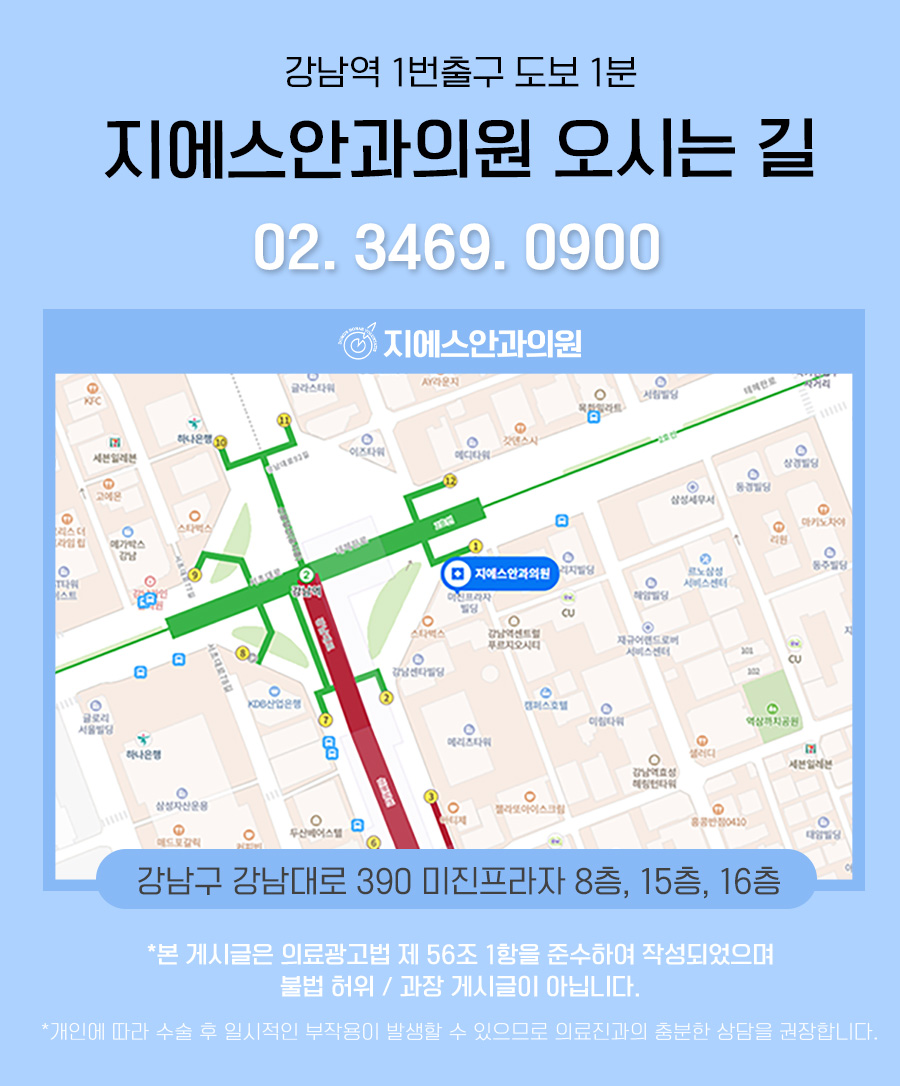
GS Eye Clinic is located on multiple floors of a building on Gangnam-daero near Gangnam Station, making it easy to reach from Sinnonhyeon, Yeoksam, and other parts of Gangnam by subway or bus. This is convenient for office workers who want to combine consultation, surgery, and follow-up with their daily schedule.
Typical opening patterns include weekday and Saturday hours, with closure on Sundays and public holidays and a lunch break around midday. Exact times can change, so overseas patients should confirm current hours online or by message before booking flights.
Patient journey for overseas visitors
Pre-visit online consultation and preparation
If you are planning to travel to Korea for SMILE LASIK, start with an online consultation. Many clinics in Gangnam, including GS Eye Clinic, offer consultation via email, messaging apps, or online forms.
You can prepare by sending:
Your age, current glasses or contact lens prescription, and how long it has been stable.
Information about any previous eye surgery, eye disease, or general medical conditions.
Details about your work and hobbies, such as night driving, screen-heavy jobs, or contact sports.
You can also ask in advance about estimated visit length, recommended days in Korea, and follow-up options after you return home.
Expected Korea visit timeline
While schedules can be adjusted, a typical plan for SMILE LASIK in Gangnam might look like this:
Day 1: Comprehensive eye examination and consultation. This includes vision testing, refraction, corneal thickness and shape measurements, tear film evaluation, and retina check. The ophthalmologist will then explain whether SMILE LASIK, SMILE pro, SILK, or another method is safer for you.
Day 2 or 3: Surgery day. Many patients have surgery the day after the full examination, but some may need additional tests or time to decide.
First 24 hours after surgery: A quick check is usually done on the same day or the next morning to confirm corneal condition and early visual recovery.
First week: You may have one or two follow-up visits to monitor healing and adjust eye drop schedules. Many overseas patients stay in Korea for about 5 to 7 days after surgery before flying home, but the exact plan should be agreed with your surgeon.
If you plan a very short stay, discuss this clearly during online consultation so the clinic can advise whether it is safe and realistic.
What happens on SMILE LASIK surgery day
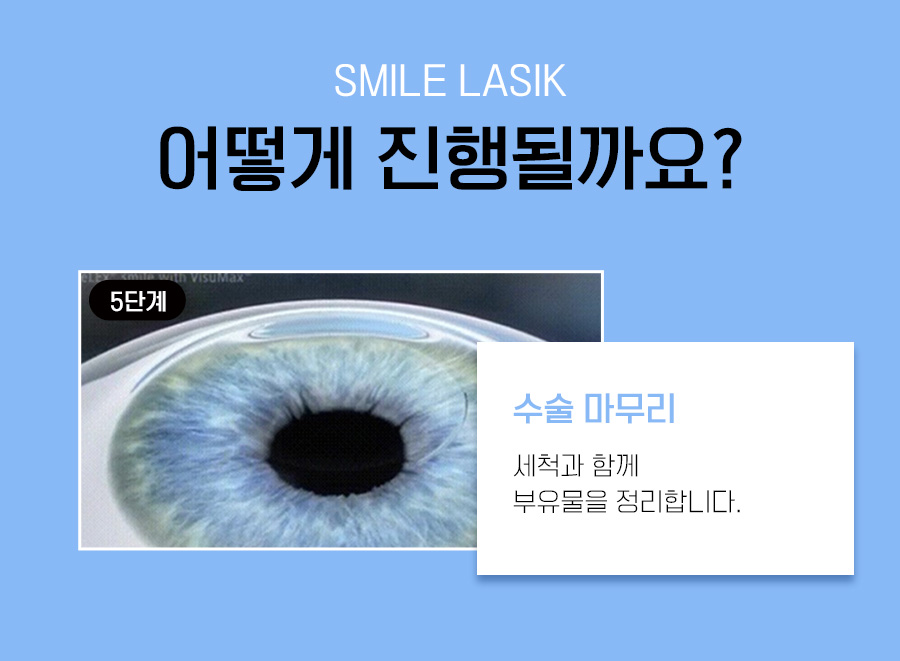
On the day of SMILE LASIK or SMILE pro, the process usually includes:
Final checks and consent: The team confirms your identity, eye laterality, and procedure type. You will review and sign consent forms.
Anesthesia: Numbing eye drops are applied. General anesthesia is not used; you remain awake but should not feel sharp pain.
Laser step: With VISUMAX 800 for SMILE pro, the laser time is around several seconds, often about 9 seconds. With VISUMAX 500 for SMILE LASIK, the time is slightly longer but still short. You will be asked to look at a target light while the laser works.
Lenticule removal: The surgeon removes the small lens-shaped tissue through a tiny incision. There is no large flap creation.
Rest and initial check: After surgery, you rest in a recovery area. The ophthalmologist or staff check your eyes before you leave.
Most patients notice blurred but improved vision on the same day, with clearer vision over the next few days. Individual recovery varies.
Postoperative care and aftercare from abroad
Immediately after surgery, you will receive:
Protective measures: Instructions about wearing protective shields or glasses, especially during sleep.
Eye drops: Typically antibiotic and anti-inflammatory drops, plus lubricating drops for dryness.
Activity guidelines: Avoid rubbing your eyes, swimming, saunas, and intense exercise for a certain period. Be careful with water entering the eyes during showering.
Follow-up schedule: Visits are usually scheduled for the next day, within the first week, and then at one month and beyond. Overseas patients should discuss which visits can be done at home with a local ophthalmologist.
Before leaving Korea, ask the clinic to provide:
A summary of your surgery and early postoperative findings.
Recommended follow-up timing and tests for your local doctor.
Contact information in case you have questions later.
For many patients, dry eye symptoms, glare, or halos around lights may appear in the early period and gradually improve. Because there is individual variation, it is important to keep realistic expectations and maintain communication with your ophthalmology team.
Common questions about SMILE LASIK near Sinnonhyeon
Is SMILE LASIK suitable for everyone with myopia?
No. SMILE LASIK is suitable only for people who meet certain conditions. Your cornea must be thick and regular enough, your prescription must be within a safe range, and there should be no significant eye disease. A full examination is essential to rule out conditions like keratoconus or severe dry eye. Some patients will be advised to choose LASEK, lens implantation, or to avoid surgery altogether.
What is the difference between SMILE LASIK, SMILE pro, and SILK?
All three are small-incision laser procedures that reshape the cornea by creating and removing a lenticule through a tiny incision. SMILE LASIK usually refers to procedures performed with systems like ZEISS VISUMAX 500. SMILE pro is a newer version performed with VISUMAX 800, offering faster laser time and workflow improvements. SILK is another next-generation small-incision procedure with a similar concept but different technical details. The best choice depends on your cornea, prescription, and the surgeon’s judgment.
How long does SMILE LASIK take, and how soon can I return to work?
The laser part of SMILE LASIK or SMILE pro is very short, often under 30 seconds per eye, with SMILE pro on VISUMAX 800 taking around 9 seconds for the main laser step. Including preparation, the total time in the operating room is usually less than 30 minutes. Many patients can return to light desk work within a few days, but night driving, intense exercise, and contact sports may require a longer break. Your doctor will give personalized advice based on your healing.
Is SMILE LASIK painful?
During the procedure, numbing eye drops are used, so most patients feel pressure or mild discomfort rather than sharp pain. You may feel some foreign body sensation or tearing for several hours after surgery. These symptoms usually improve within the first day or two. If you experience strong pain or sudden vision changes, you should contact the clinic immediately.
What should I check when choosing a SMILE LASIK clinic near Sinnonhyeon?
Focus on the ophthalmology team’s experience, the availability of modern ZEISS platforms like VISUMAX 800 and VISUMAX 500, and clear safety protocols. Ask about cumulative case numbers, involvement in clinical education or training centers, and the range of procedures offered, including alternatives if SMILE LASIK is not suitable. Also consider convenience: distance from Sinnonhyeon or Gangnam Station, opening hours, and whether the clinic can support overseas patients with online consultation and documentation in English.
How are complications handled if something goes wrong after surgery?
A well-prepared clinic will explain in advance how they monitor for complications and what steps they take if problems arise. This includes regular postoperative checks, access to retina specialists, and clear instructions for emergency contact. If you are an overseas patient, ask how they coordinate with doctors in your home country and what documentation they can provide. While serious complications are uncommon, having a team-based center with subspecialists, like at GS Eye Clinic, helps ensure that any issue is addressed promptly.
Soft call to action for online consultation
If you are considering SMILE LASIK near Sinnonhyeon or Gangnam Station and want to compare options before you travel, it is wise to start with an online consultation. Prepare your glasses prescription, medical history, and questions about methods such as SMILE LASIK, SMILE pro, SILK, and lens implantation. An experienced ophthalmology center in the Gangnam Station area, such as GS Eye Clinic, can review your information, suggest a tentative plan, and outline a visit schedule that fits your time in Korea.
This article is for general information only and does not replace a personal consultation with a qualified ophthalmologist. Individual suitability for SMILE LASIK or any other procedure must be decided after a full eye examination and discussion with your medical team.

- 공유 링크 만들기
- X
- 이메일
- 기타 앱


댓글
댓글 쓰기