SMILE LASIK Near Yeoksam Station: Real Review of My Surgery and Recovery
- 공유 링크 만들기
- X
- 이메일
- 기타 앱
Direct answer for overseas patients
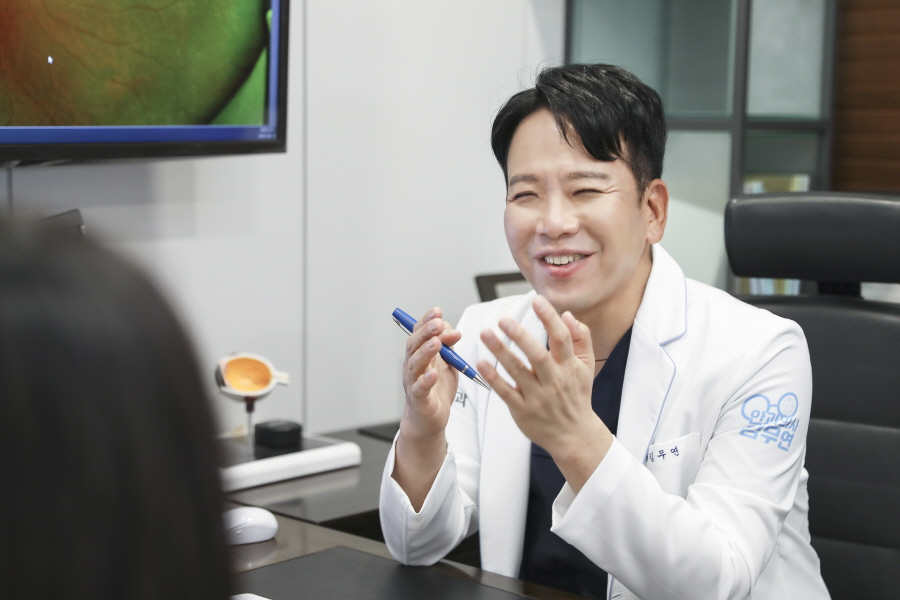
If you are searching for SMILE LASIK reviews around Yeoksam Station or Gangnam Station and you are worried about pain, safety, and recovery time, here is the short version. I had SMILE LASIK at a specialized ophthalmology clinic on Gangnam-daero, a short walk from Gangnam Station and one subway stop from Yeoksam Station. The full eye examination took about two to three hours, the actual laser time was only a few seconds per eye, and I was in the operating room for less than 20 minutes. I had tearing and light sensitivity for a few hours, was able to see well enough to move around the next day, and my vision felt stable and comfortable within a few weeks.
This article explains what SMILE LASIK is, why I chose this clinic near Yeoksam Station, what the exam and surgery day were like, and how my vision changed over the following days and weeks. It is written for international patients who are considering coming to Korea for vision correction and want a realistic, step-by-step picture.
What SMILE LASIK is in simple terms
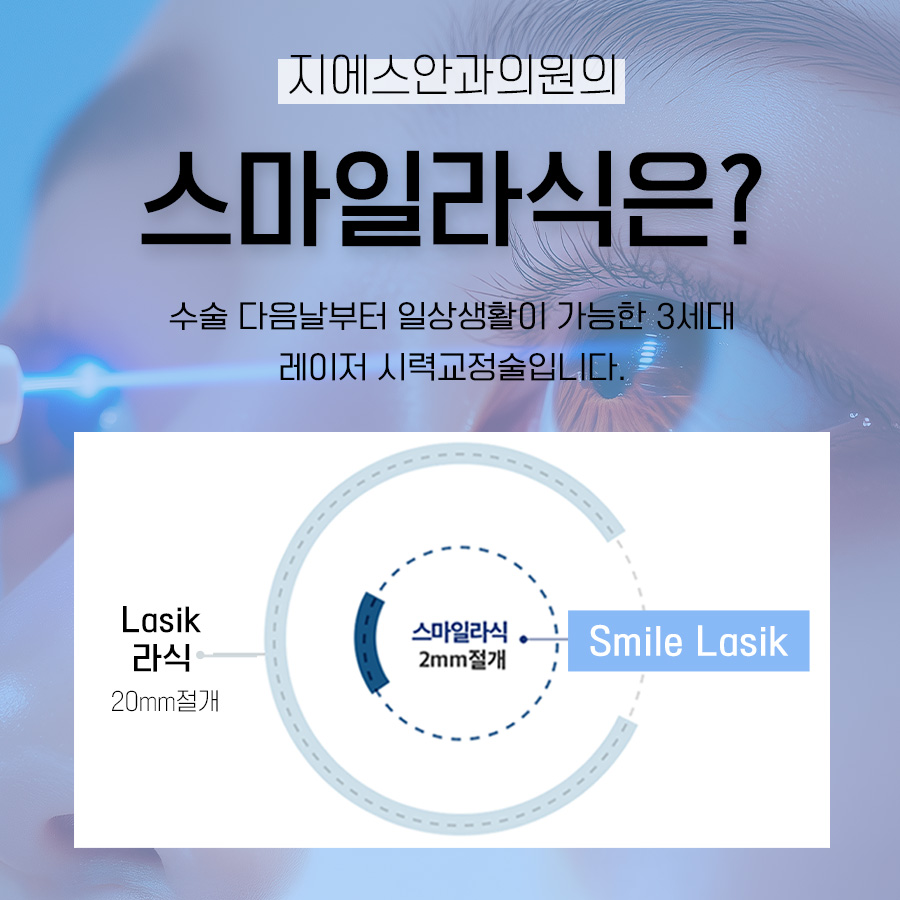
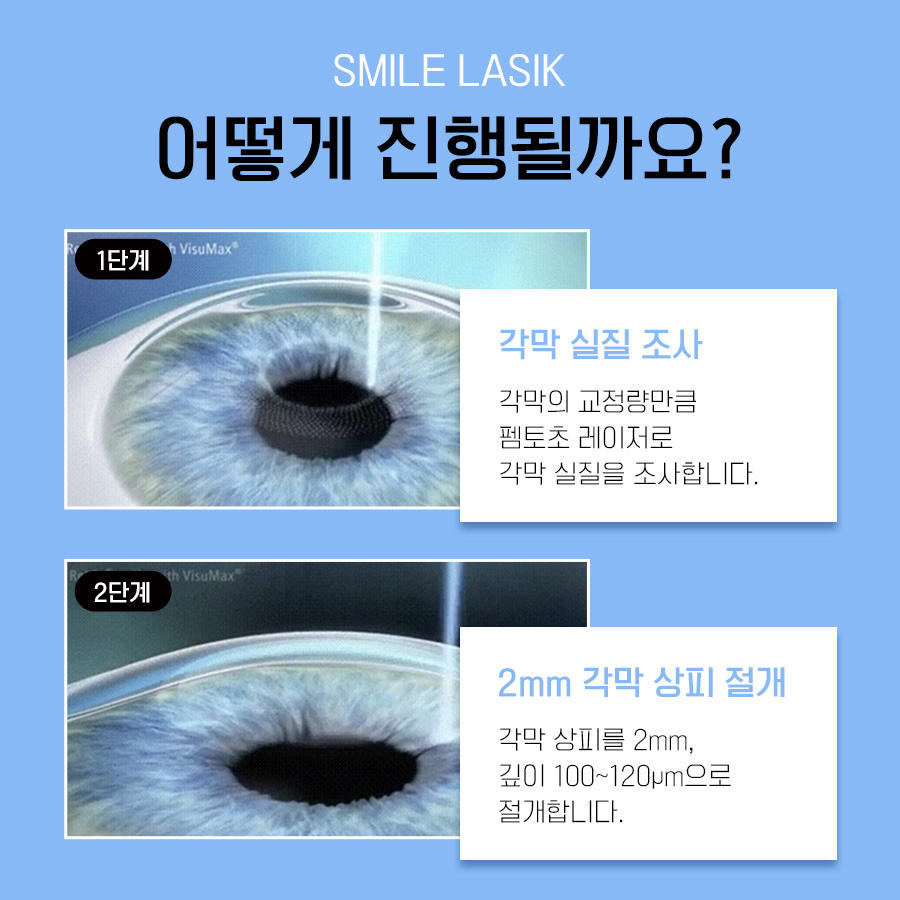
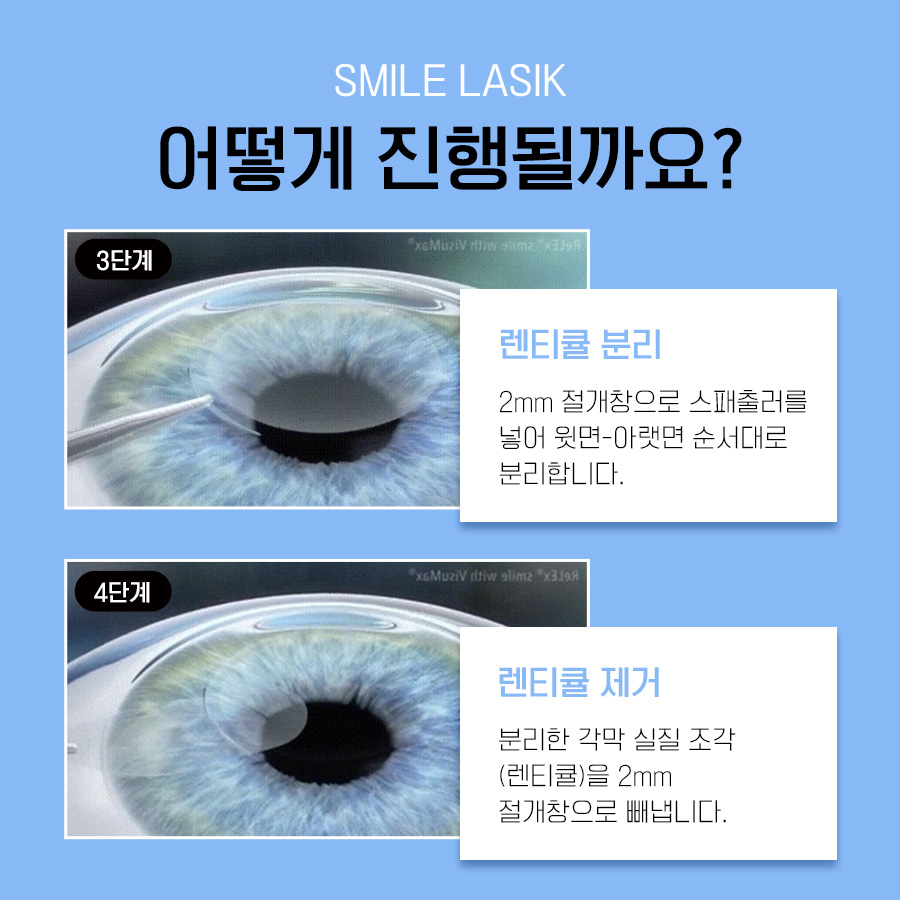
SMILE LASIK is a minimally invasive laser vision correction procedure. Instead of creating a large flap on the surface of the cornea like classic LASIK, a femtosecond laser creates a small lens-shaped piece of tissue (called a lenticule) inside the cornea through a tiny incision only a few millimeters long. The surgeon removes this lenticule through the small opening, which changes the shape of the cornea and corrects myopia and astigmatism.
Because the incision is small and there is no large flap, SMILE LASIK is often associated with milder dry eye symptoms and a faster return to comfort compared with surface procedures like LASEK. In my case, it allowed me to go back to computer-based work quite quickly, with only some dryness that was manageable with artificial tears.
Why I chose SMILE LASIK near Yeoksam Station
My background and vision problems
I live and work near Yeoksam Station and spend most of my day in front of a screen. My myopia was around minus five diopters in both eyes with some astigmatism. I was tired of foggy glasses in summer, dry contact lenses in winter, and the constant hassle when exercising or traveling.
I knew I wanted laser vision correction, but I was concerned about dry eye and night glare because I work late and often look at bright screens in dark rooms. That made me look more seriously at SMILE LASIK, which is designed to be more conservative to the corneal surface and nerves.
Why SMILE instead of classic LASIK or LASEK
During my research, I learned the basic differences.
Classic LASIK involves creating a larger flap on the cornea. Recovery of vision is usually quick, but there is more disturbance to the corneal nerves.
LASEK and other surface procedures do not create a flap, but they remove the surface layer of the cornea. Recovery can be more uncomfortable and take longer, although they can be suitable for thinner corneas.
SMILE LASIK uses a small incision and keeps most of the corneal surface intact. For many people this can mean less dry eye, more stable corneal biomechanics, and a comfortable recovery. Based on my lifestyle and corneal measurements, the surgeon later confirmed that SMILE was a reasonable choice.
Location and convenience from Yeoksam and Gangnam Stations
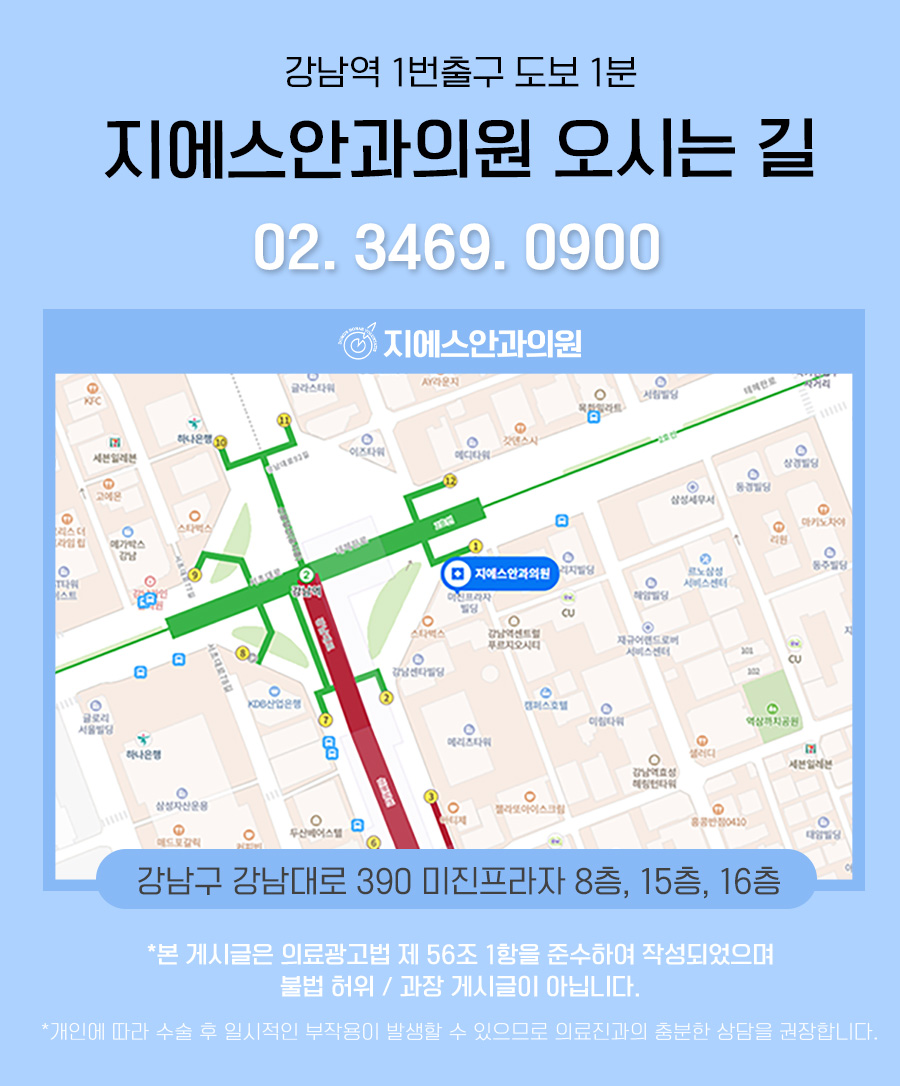
Because I knew I would need several visits (full exam, surgery, next-day check, one-week and one-month follow-ups), I wanted somewhere easy to reach by subway. The clinic I chose is on Gangnam-daero, close to Gangnam Station, and only one stop away from Yeoksam Station on Line 2. Walking from the station to the clinic took me less than ten minutes.
This sounds like a small detail, but after surgery, when your eyes are light-sensitive and a bit watery, being able to get back to your hotel or accommodation quickly really matters. For overseas patients staying in Gangnam or around Yeoksam, this area is practical.
Why I chose this particular ophthalmology clinic
I compared several eye clinics in the Gangnam and Yeoksam area. My main criteria were:
A focus on laser vision correction and lens implantation, not a general clinic that only occasionally does these procedures.
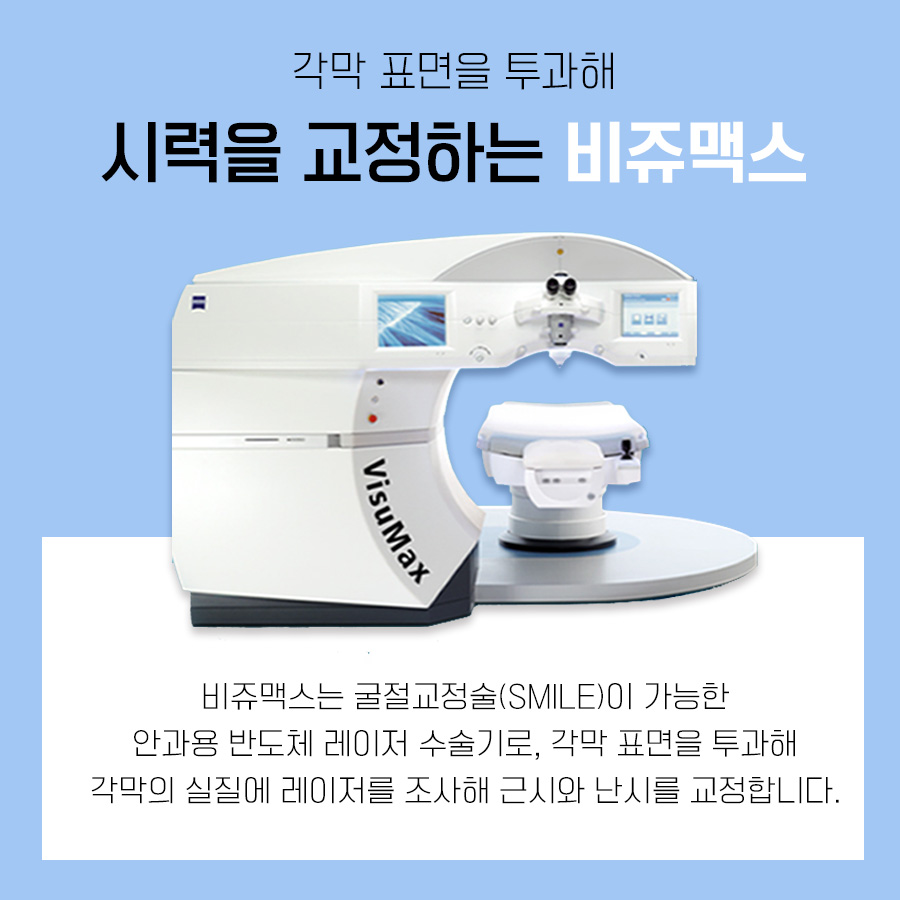
Multiple SMILE platforms from the same manufacturer, so the surgeon could choose the most suitable option for my eyes and schedule.
Experienced surgeons with backgrounds in university hospitals and subspecialties like retina, because I have mild lattice changes in my retina and wanted that checked carefully.
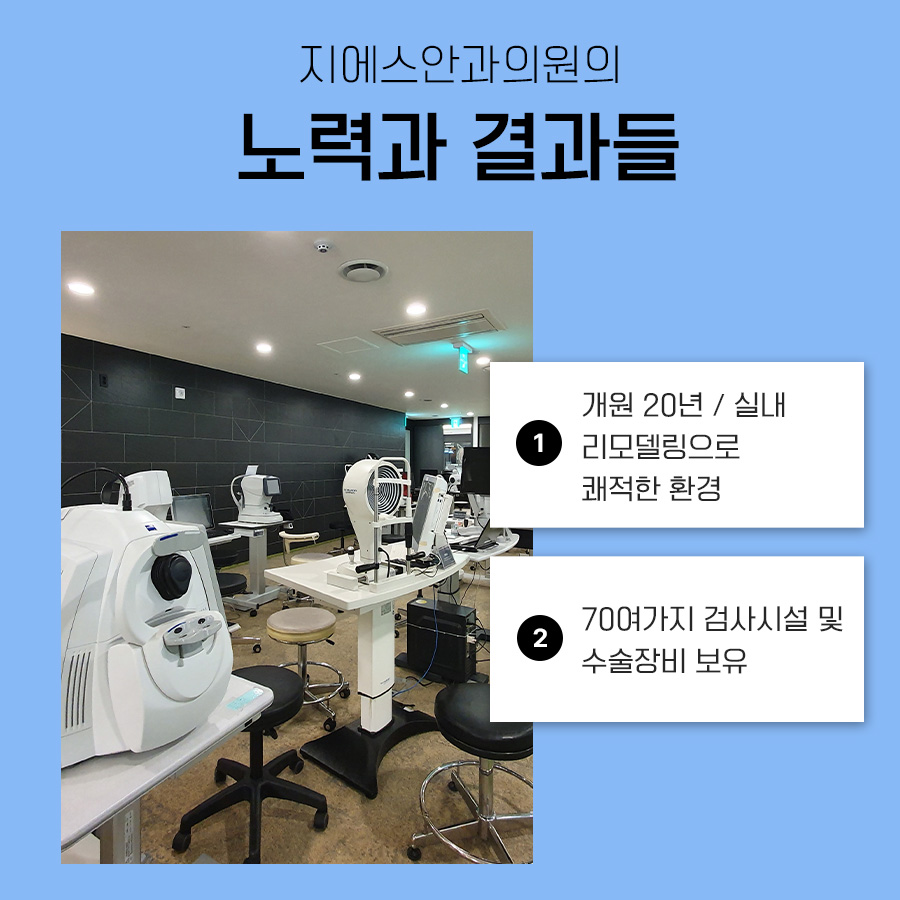
A long history at the same location. This clinic opened in 2005 under a previous name and has been doing refractive and cataract surgery since then. It has performed around 300,000 eyes combined for vision correction and cataracts as of 2023. That number by itself is not a guarantee, but it gave me confidence that their systems and protocols were mature.
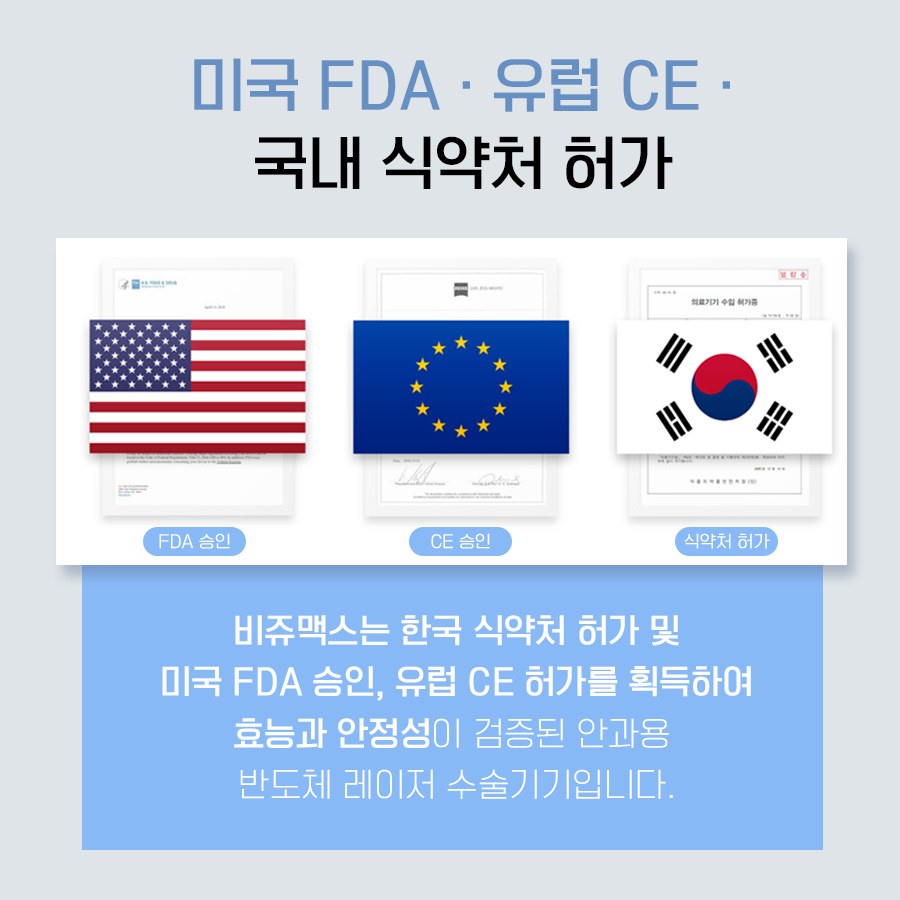
The clinic is also recognized as a clinical education center for medical schools and industry partners. It was the first in Korea to join the ZEISS SMILE Gold Club in 2021, later designated as a ZEISS SMILE Pro Center in 2023 and a SILK Training Center in 2026. It holds ISO 9001 and 14001 certification for SMILE LASIK processes. I saw these more as signs that they follow standardized protocols rather than as marketing points.
Pre-operative eye examination and consultation
Length and structure of the exam
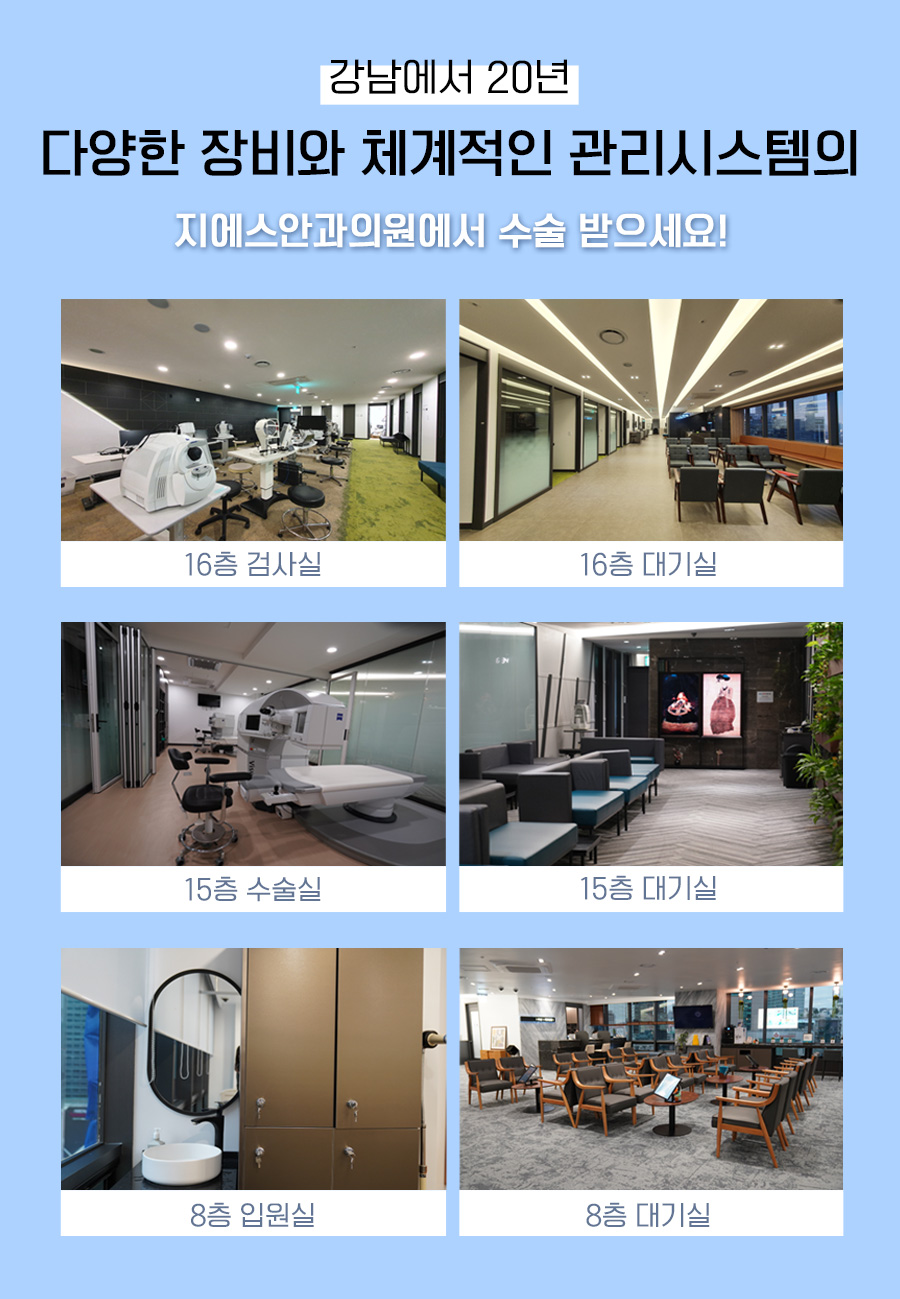
The pre-operative exam was much more detailed than a normal glasses prescription check. I was at the clinic for about two and a half hours, including waiting time. The tests included:
Standard vision testing with and without my glasses.
Measurement of my current prescription and how stable it had been over the past years.
Corneal thickness measurement to see if there was enough tissue for safe reshaping.
Corneal topography and tomography, which map the shape and inner structure of the cornea to rule out conditions like keratoconus or irregular astigmatism.
Pupil size measurement, especially in dim light, to estimate the risk of halos and glare at night.
Tear film evaluation to check for dry eye tendencies.
A detailed retina examination with dilated pupils, including a look at the peripheral retina for weak spots or lattice degeneration.
Role of retina specialists
One reason I felt comfortable at this clinic was that they have dedicated retina specialists on staff. After the basic measurements, I was examined by a retina specialist who checked for any weak areas, small holes, or previous retinal issues. Because I am myopic, I was worried about retinal detachment risk. The specialist explained that they look for lattice degeneration and other risk factors before approving SMILE LASIK.
In my case, I had some mild lattice changes that did not require treatment but needed monitoring. The specialist documented everything and cleared me for SMILE, with the note that I should come back immediately if I ever see sudden flashes or a curtain-like shadow in my vision in the future.
Choosing between SMILE, SMILE Pro, and other options
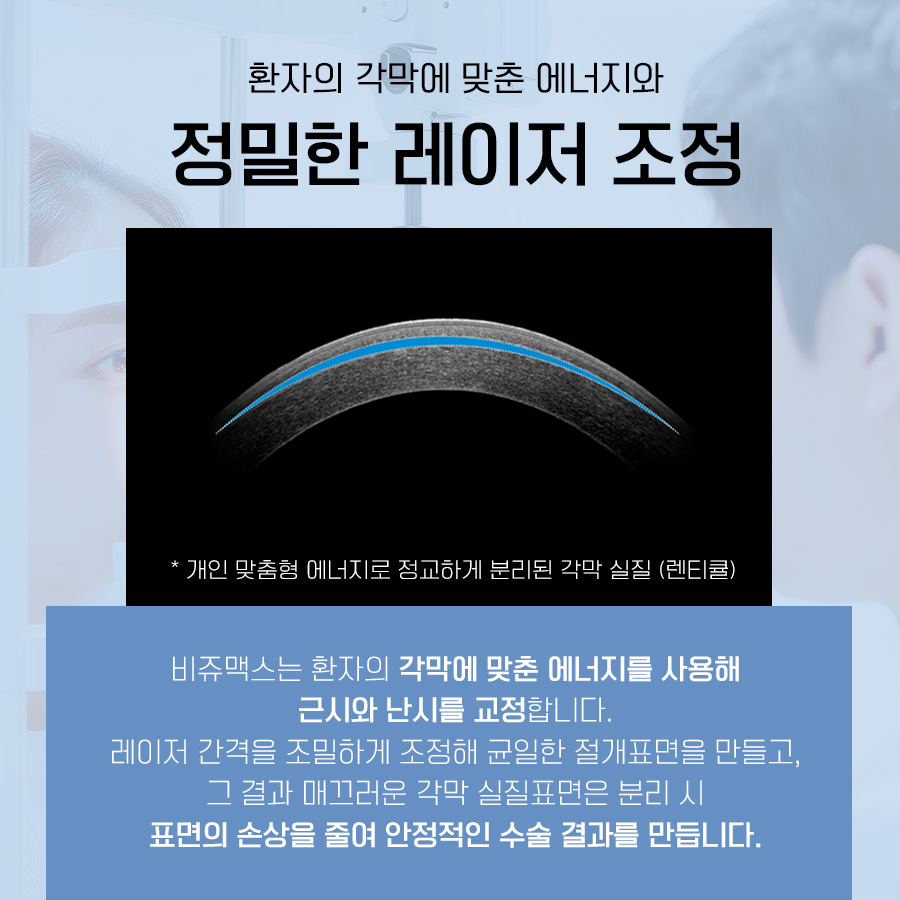
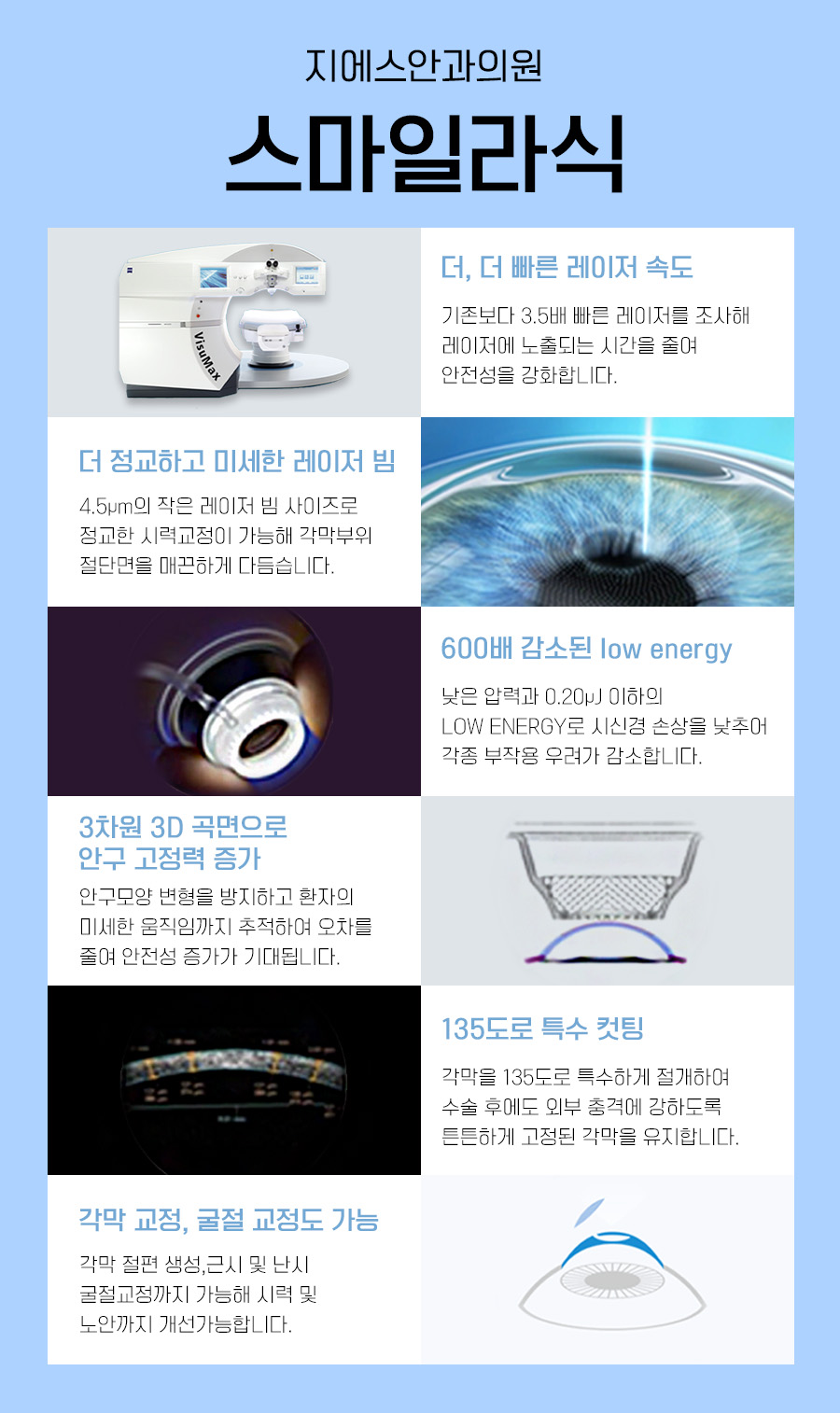
After all the tests, I met the surgeon for a detailed consultation. The surgeon reviewed my corneal thickness, topography, prescription, and lifestyle. The clinic owns all three major SMILE-related platforms from ZEISS: one VISUMAX 800 for SMILE Pro and two VISUMAX 500 units for classic SMILE LASIK, plus additional platforms for other laser and lens procedures.
The surgeon explained that SMILE Pro on the VISUMAX 800 has a very fast laser time, around nine seconds or less per eye, with reduced suction time. This can lower stress for patients who are anxious about holding still. Classic SMILE on the VISUMAX 500 is also well established and suitable for many eyes.
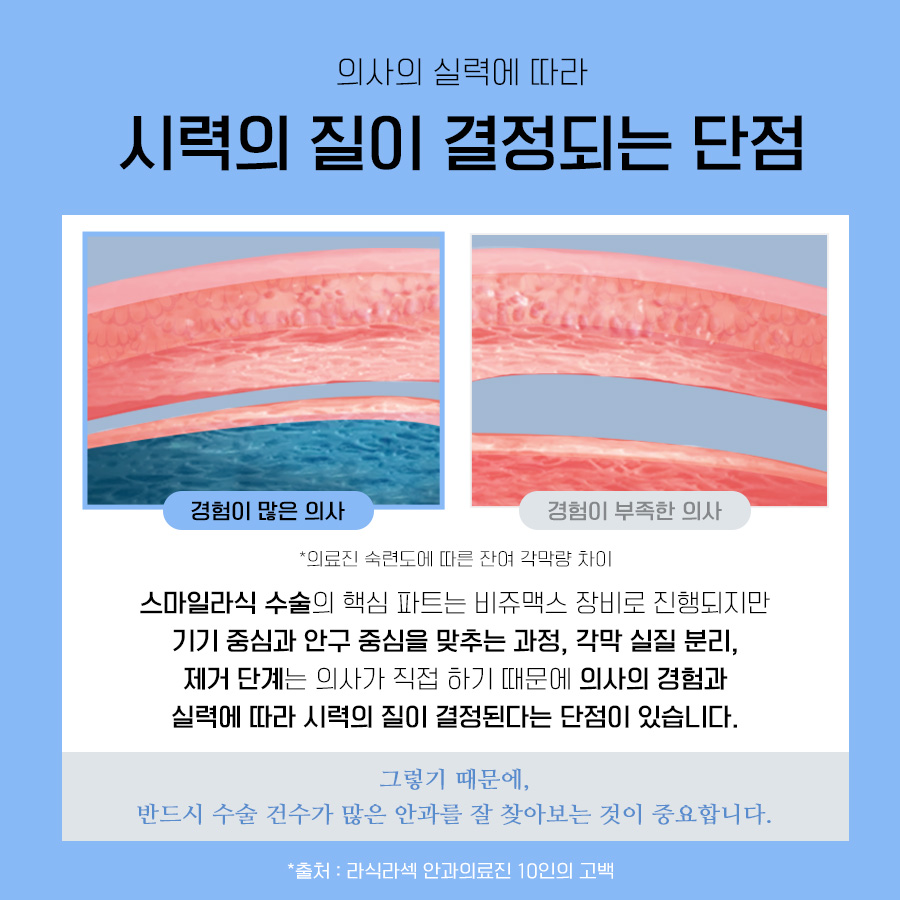
Based on my corneal thickness and prescription, both SMILE and SMILE Pro were options. We decided on SMILE Pro for the shorter laser time. The surgeon also explained that if my cornea had been thinner or my prescription higher, they might have recommended a different method such as a surface procedure or lens implantation instead. Not everyone is automatically approved for SMILE, which actually increased my trust.
Surgery day: what SMILE LASIK actually felt like
Timeline on the day
On surgery day, I arrived about one hour before the scheduled time. The steps were:
Confirming my identity and consent forms.
Repeating a few key measurements to make sure nothing had changed.
Meeting the surgeon briefly to review the plan and ask last-minute questions.
Putting on a surgical gown, cap, and shoe covers.
Receiving anesthetic eye drops several times in the waiting area next to the operating room.
Actual time in the operating room was around 15 to 20 minutes, but the laser itself was active for only a few seconds per eye.
Inside the operating room
The operating room was cool and bright, with the VISUMAX 800 laser on one side. Nurses helped me lie down and positioned my head. They cleaned around my eyes and reminded me not to move suddenly.
For each eye, the steps were similar:
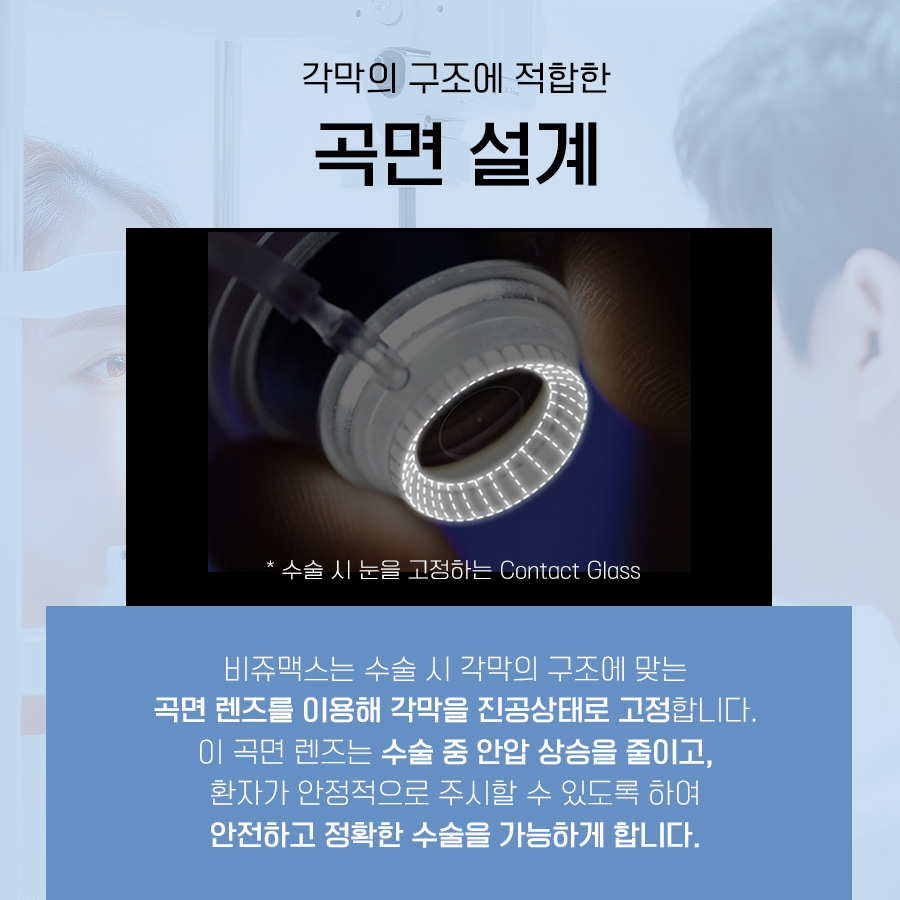
A suction ring was gently placed on the eye. I felt firm pressure but no sharp pain because of the anesthetic drops.
As the suction engaged, my vision went dim and then blurry. The surgeon asked me to look at a green light.
The laser created the lenticule and small incision in about nine seconds. I did not feel the laser itself, only the pressure from the suction.
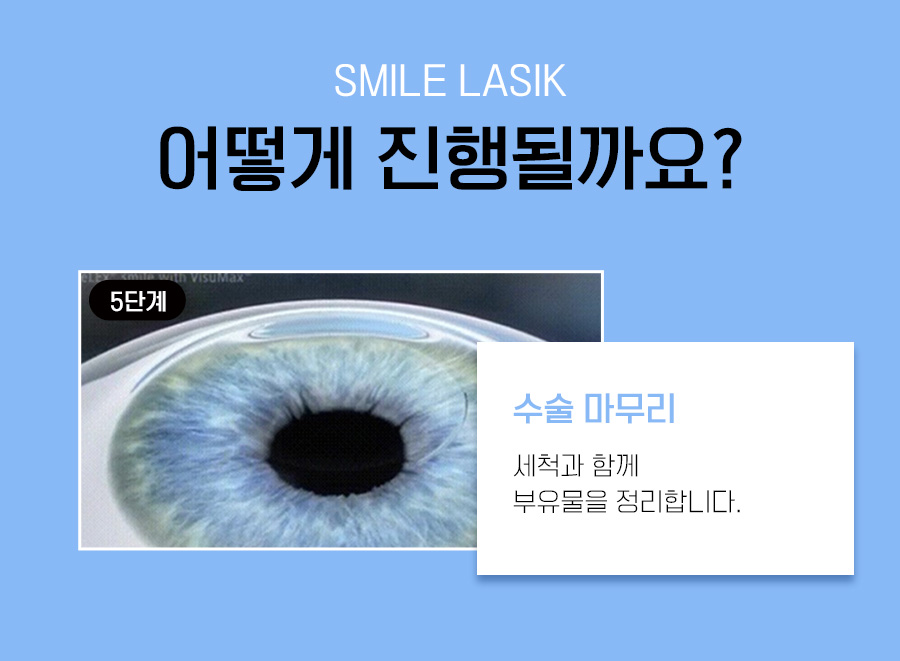
After the laser finished, the surgeon used fine instruments to separate and remove the lenticule through the small opening. I felt some gentle pushing and a vague sensation of something moving, but again no pain.
Throughout the procedure, the surgeon and nurses kept talking to me, telling me what step was next and how long it would take. This helped me stay calm.
Immediate post-operative sensations
When I sat up after both eyes were done, my vision was already different. I could see the clock on the wall more clearly than before without glasses, but everything was foggy and hazy, as if looking through a thin layer of steam.
My eyes felt scratchy, like there was sand under the eyelids, and they watered constantly. Light felt very bright, so the staff gave me dark protective glasses. A nurse reviewed the eye drop schedule with me and reminded me not to rub my eyes or squeeze them tightly.
Recovery after SMILE LASIK: first night to one month
First few hours
The first three to four hours after surgery were the most uncomfortable. My eyes were tearing, slightly stinging, and very sensitive to light. I kept my eyes closed most of the time and wore sunglasses even indoors when I needed to walk around.
I recommend arranging a taxi or having someone accompany you back to your hotel or accommodation, even though the clinic is close to Yeoksam and Gangnam Stations. Technically you could take the subway, but with the light sensitivity and blur it is more comfortable and safer to avoid crowded trains.
Eye drops and sleeping instructions
On the first night, my routine included:
Antibiotic eye drops several times a day to prevent infection.
Steroid drops to control inflammation.
Preservative-free artificial tears every one to two hours while awake to keep the surface moist.
I was told to sleep on my back if possible and avoid pressing my face into the pillow. The clinic provided protective eye shields to tape over my eyes at night for the first few days, to prevent accidental rubbing while sleeping.
Next-day check
The next morning, I returned to the clinic for a follow-up. Walking from Gangnam Station to the clinic was easier than the day before, though I still wore sunglasses. My vision was already good enough to navigate, but small details were not perfectly sharp yet.
At the clinic, they checked my vision, measured the corneal surface, and examined the small incision area. The surgeon confirmed that the lenticule removal sites were smooth and that the cornea was healing as expected. I was reassured that mild dryness, halos around lights at night, and some fluctuation in clarity were normal at this stage.
First week
During the first week, my vision improved rapidly. By day two or three, I could comfortably use my phone and laptop for short periods. By the end of the week, I could work almost a full day on the computer, taking regular breaks and using artificial tears.
Night vision was not perfect at first. I noticed halos and slight glare around streetlights and car headlights, especially in the first few days. These gradually became less noticeable over the next weeks.
Dryness was the main symptom. My eyes felt a bit dry and tired by evening, but frequent lubricating drops helped. The clinic also has a dry eye clinic and corneal strengthening options for patients who need extra support, though I did not need additional procedures.
One-month review and beyond
At the one-week and one-month visits, my vision was measured and the cornea was examined again. By one month, my vision was close to the final result: clear enough for daily life, driving, and long screen sessions. Night halos had reduced to a level I rarely noticed unless I focused on them.
My prescription had stabilized, and the surgeon gradually reduced the steroid drops. Artificial tears were still recommended as needed, especially when working in air-conditioned rooms.
The clinic follows a structured follow-up schedule: typically the next day, one week, one month, and then three to six months, depending on each case. For overseas patients, they usually try to cluster key visits within the time you are in Korea and then coordinate with an eye doctor in your home country for longer-term checks.
Results, side effects, and who should be careful
My final visual result
By about one month after surgery, my uncorrected vision was around 20/20 in both eyes, with clear distance vision and comfortable near vision for computer work. Reading fine print in low light was slightly more tiring than before for a short time, but this improved as my eyes adapted.
I still occasionally use artificial tears, especially on long flights or in dry environments, but my baseline comfort is good. I can exercise, swim with goggles, and travel without thinking about glasses or contact lenses.
Common temporary side effects
From my experience and what the clinic explained, common temporary side effects after SMILE LASIK include:
Dryness and a foreign body sensation, especially in the first few weeks.
Halos, glare, or starbursts around lights at night, which usually improve over time.
Mild fluctuation in focus during the day, especially when tired.
Light sensitivity in the first days.
In my case, all of these were present to some degree but gradually decreased. It is important to understand that experiences vary from person to person.
Who should be more cautious
SMILE LASIK is not for everyone. People who may need extra caution or alternative procedures include:
Those with very thin corneas or abnormal corneal shapes.
People with unstable prescriptions that are still changing.
Patients with certain corneal diseases such as keratoconus.
Individuals with significant retinal problems that increase the risk of complications.
One thing I appreciated about this clinic is that they also offer other options such as LASEK variants, SMILE alternatives like SILK, and lens implantation. During my consultation, it was clear they were willing to recommend a different procedure if SMILE was not the safest choice.
Tips for choosing a SMILE LASIK clinic around Yeoksam and Gangnam
Check the technology and platforms
If you are comparing clinics in the Yeoksam and Gangnam area, it can help to ask which SMILE platforms they use. A clinic that owns both VISUMAX 800 (for SMILE Pro) and VISUMAX 500 units can offer more flexibility in matching the technology to your eyes and schedule.
Ask about certifications and training center status
International certifications like ISO 9001 and 14001 for SMILE LASIK processes, and recognition as a training or education center by manufacturers or medical schools, suggest that the clinic follows standardized protocols and participates in ongoing education.
Review surgeon background and team structure
Look for surgeons with subspecialty training and experience in university hospitals. A team that includes retina specialists can provide more thorough screening for retinal risks before surgery, which is especially important for high myopes.
Understand the pre-op testing and follow-up plan
Before you decide, ask what tests are included in the pre-operative exam. At a minimum, you should expect detailed corneal mapping, thickness measurement, tear film assessment, and a retina check. Also confirm how many follow-up visits are recommended and how they support overseas patients who may return home after a few weeks.
Consider access and your schedule
Because you will need several visits, choose a clinic that is easy to reach by public transport from your accommodation. Being near Yeoksam Station and Gangnam Station made it simple for me to fit appointments around work and travel plans.
Typical Korea visit timeline for overseas patients
For international patients, a common schedule might look like this:
Day 1: Arrival in Korea.
Day 2: Full pre-operative examination and consultation. If everything is suitable and you prefer, surgery can sometimes be scheduled the same day or within a day or two.
Day 3: SMILE LASIK surgery.
Day 4: Next-day follow-up.
Day 7: One-week follow-up.
Day 14 to 30: Optional one-month follow-up if you are staying longer.
Many overseas patients stay in Korea for about one to two weeks to cover the surgery and early checks. Discuss your travel dates with the clinic in advance so they can plan the schedule and advise whether you should arrange a follow-up with an eye doctor in your home country after you return.
Online consultation and pre-visit preparation
Most clinics in Gangnam, including the one I visited, offer online or email consultations for overseas patients. Before you travel, it helps to prepare:
A recent glasses or contact lens prescription.
Any previous eye exam reports, especially if you have been told you have thin corneas, high myopia, or retinal issues.
Information about your general health and medications.
A list of questions about procedures, recovery time, and what you can and cannot do after surgery.
During the online consultation, you can discuss whether SMILE LASIK is likely to be suitable, what alternative options might be considered, and how long you should plan to stay in Korea.
Aftercare and long-term care
After you return home, it is important to continue regular eye check-ups. Even if your vision feels perfect, yearly eye examinations help monitor the retina, eye pressure, and overall eye health.
If you experience sudden changes such as flashes of light, a curtain-like shadow, or a sudden increase in floaters, you should see an eye doctor urgently. These symptoms can indicate retinal problems that require prompt attention, regardless of whether you have had SMILE LASIK.
FAQ about SMILE LASIK near Yeoksam Station
How long does SMILE LASIK near Yeoksam Station take from exam to full recovery
The detailed pre-operative exam usually takes two to three hours and can be done on a separate day or the same day as surgery, depending on your schedule. The surgery itself takes less than 30 minutes including preparation, with actual laser time of only a few seconds per eye. Most people can function quite well within one to two days, though you may still notice some haze or halos. Vision continues to stabilize over several weeks, and many patients feel close to their final result by one to three months.
Is SMILE LASIK painful
During SMILE LASIK, anesthetic eye drops are used, so you should not feel sharp pain. You will feel pressure when the suction ring is applied and some gentle pushing when the lenticule is removed, but it is more strange than painful. After surgery, it is common to have stinging, tearing, and light sensitivity for a few hours. These symptoms usually improve significantly by the next day, and discomfort can be managed with prescribed drops and rest.
Can I go home by subway after SMILE LASIK at a clinic near Yeoksam or Gangnam Station
Because the clinic is close to major subway stations, it is technically possible to go back by subway. However, immediately after surgery your vision will be foggy and you will be sensitive to light. For safety and comfort, it is better to arrange a taxi or have a companion guide you back to your hotel or accommodation. By the next day, most people can use the subway comfortably with sunglasses.
What if my cornea is too thin for SMILE LASIK
If pre-operative screening shows that your cornea is too thin or has an irregular shape, a responsible clinic will advise against SMILE LASIK. Instead, they may suggest alternative procedures such as surface ablation techniques or lens implantation, depending on your eye condition. The important point is that not everyone is a candidate for SMILE, and the safest option should be chosen after a full examination and consultation.
How do I know if a SMILE LASIK clinic is trustworthy
A trustworthy clinic will provide detailed pre-operative testing, explain all findings in clear language, and discuss both benefits and risks. You can check surgeon credentials, case volume, and whether the clinic has retina specialists and uses modern ZEISS platforms like VISUMAX 800 and 500. International certifications and recognition as training centers can also be positive signs. Most importantly, the clinic should be willing to say no to SMILE LASIK if it is not suitable for you and offer alternative options instead of pushing one procedure.
Soft call to action for online consultation
If you are an overseas patient staying near Yeoksam Station or Gangnam Station and are considering SMILE LASIK, an online consultation with a specialized ophthalmology clinic can help you understand whether this procedure fits your eyes and your travel schedule. Prepare your recent prescriptions and questions, discuss the expected timeline and follow-up plan, and make sure you feel comfortable with the explanations. With careful screening, modern SMILE platforms, and structured aftercare, many international patients are able to combine a short stay in Seoul with long-term freedom from glasses and contact lenses, while keeping safety and realistic expectations at the center of the decision.

- 공유 링크 만들기
- X
- 이메일
- 기타 앱


댓글
댓글 쓰기