SMILE LASIK Preoperative Examination in Gangnam for International Patients
- 공유 링크 만들기
- X
- 이메일
- 기타 앱
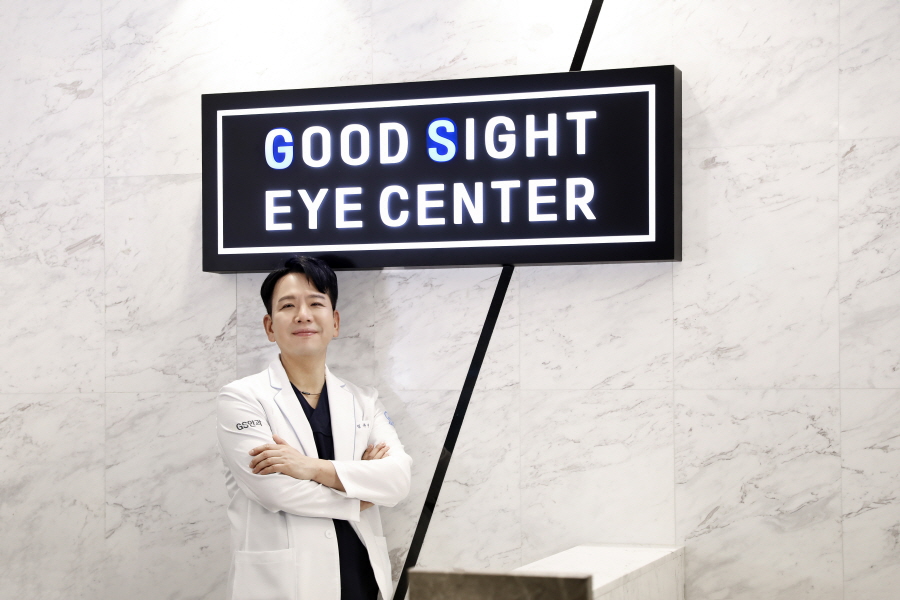
Direct answer summary: The preoperative SMILE examination is the essential step to determine candidacy and create a personalized treatment plan. It involves a set of non-painful diagnostic tests. To prepare, bring prior eye records, follow any instructions about contact-lens wear, and confirm the clinic’s specific timing and follow-up requirements.
If you are considering SMILE LASIK in Korea, the most important step is the preoperative examination. At many ophthalmology clinics in Seoul, this exam typically takes about 1.5–3 hours, though actual times vary by clinic and by the individual tests required. It commonly includes detailed assessments of your vision, cornea, tear film, eye pressure, and retina. The purpose is to confirm whether SMILE is a safe and suitable option for you or whether an alternative would be better. The exam is usually not painful but is thorough and determines your candidacy and personalized treatment plan.
Treatment overview: what SMILE LASIK is and why the exam matters
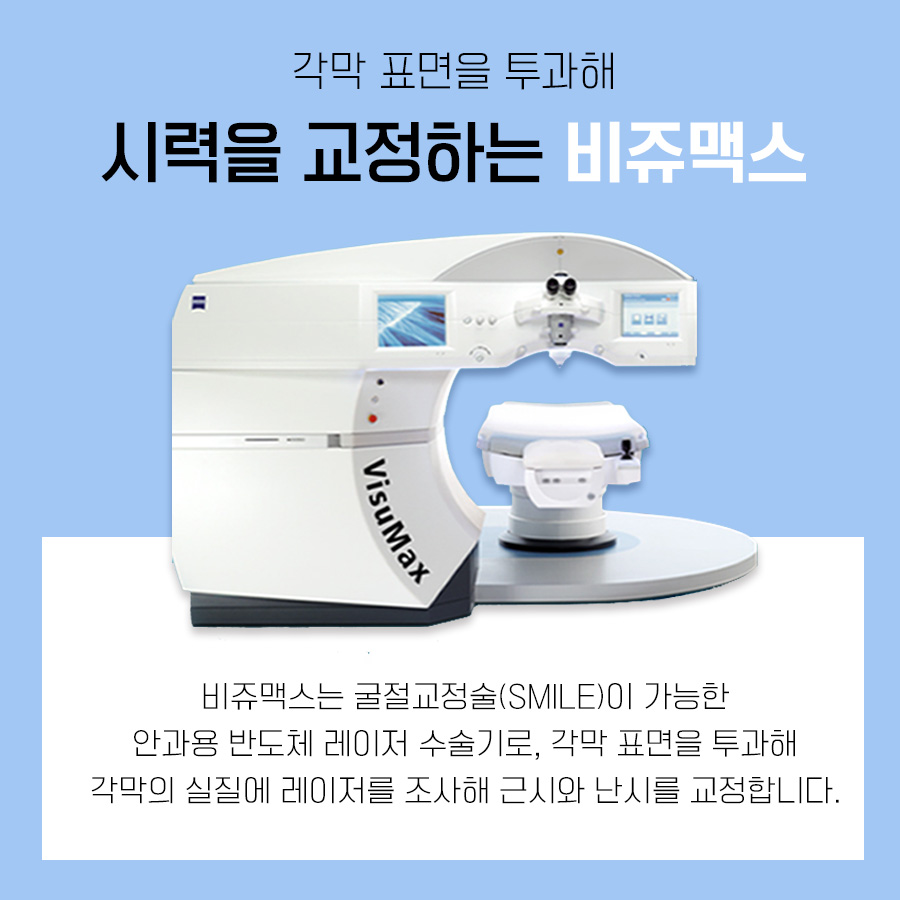
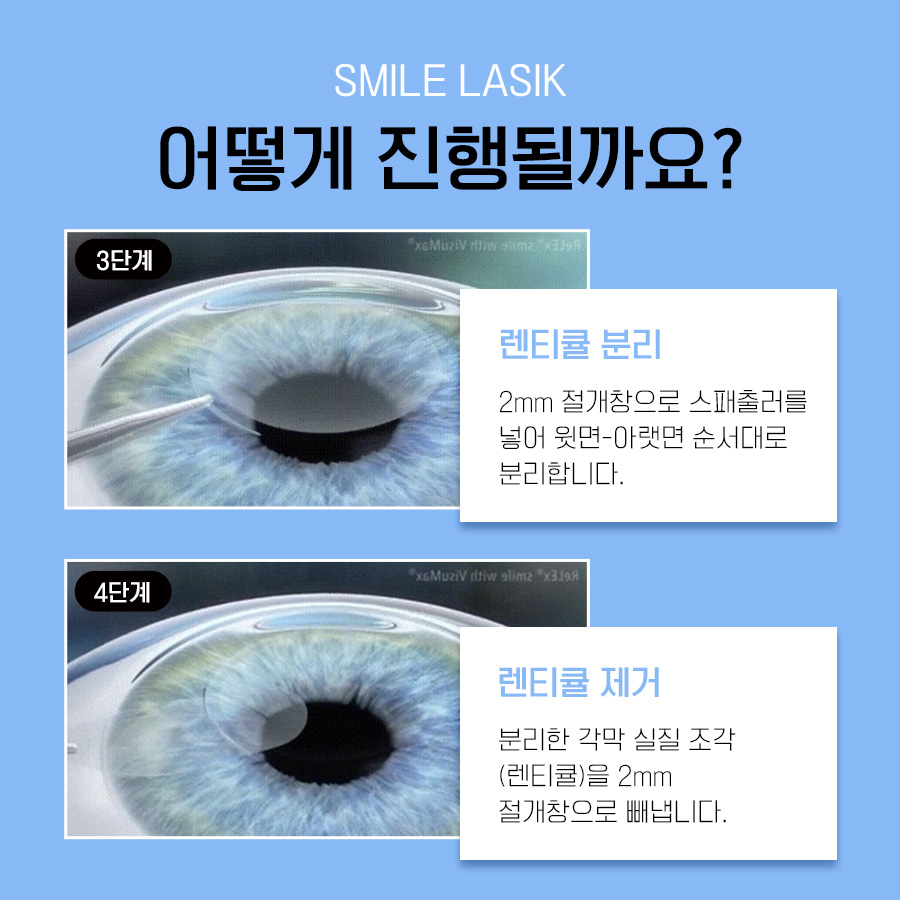
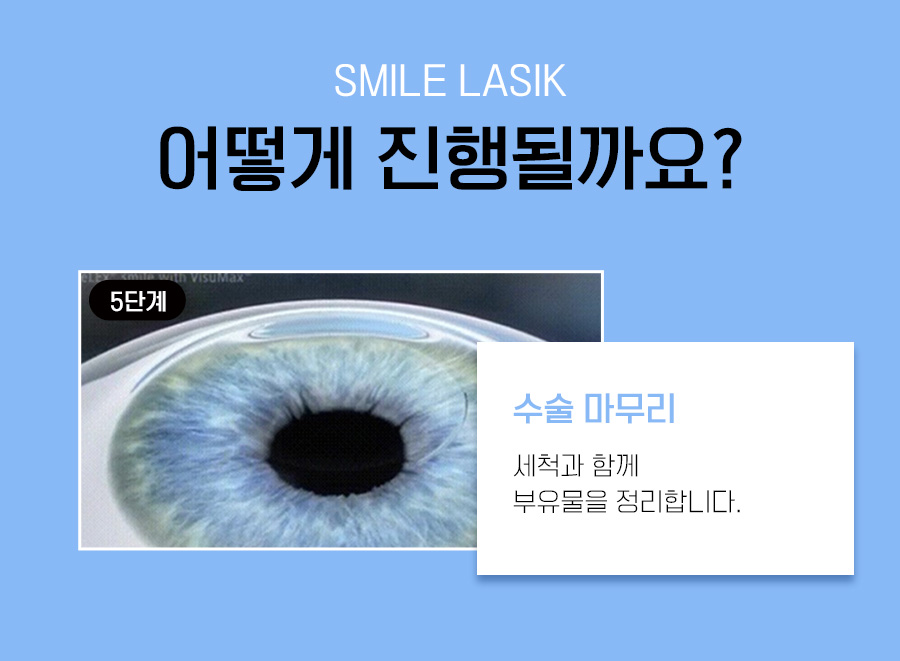
SMILE LASIK is a minimally invasive laser vision correction method that uses a femtosecond laser to create a tiny lens-shaped piece of tissue, called a lenticule, inside the cornea. The surgeon then removes this lenticule through a small incision, which reshapes the cornea and reduces myopia and astigmatism.
Because this reshaping is permanent, the preoperative examination is critical. The clinic must confirm that your eyes are healthy enough and that your cornea can safely tolerate the change in shape. The exam also helps the doctor decide whether SMILE LASIK is truly the best option for you, or whether LASIK, LASEK, lens implantation, cataract or presbyopia lens surgery, or even no surgery at all, would be safer and more appropriate.
The ophthalmology clinic in Gangnam context
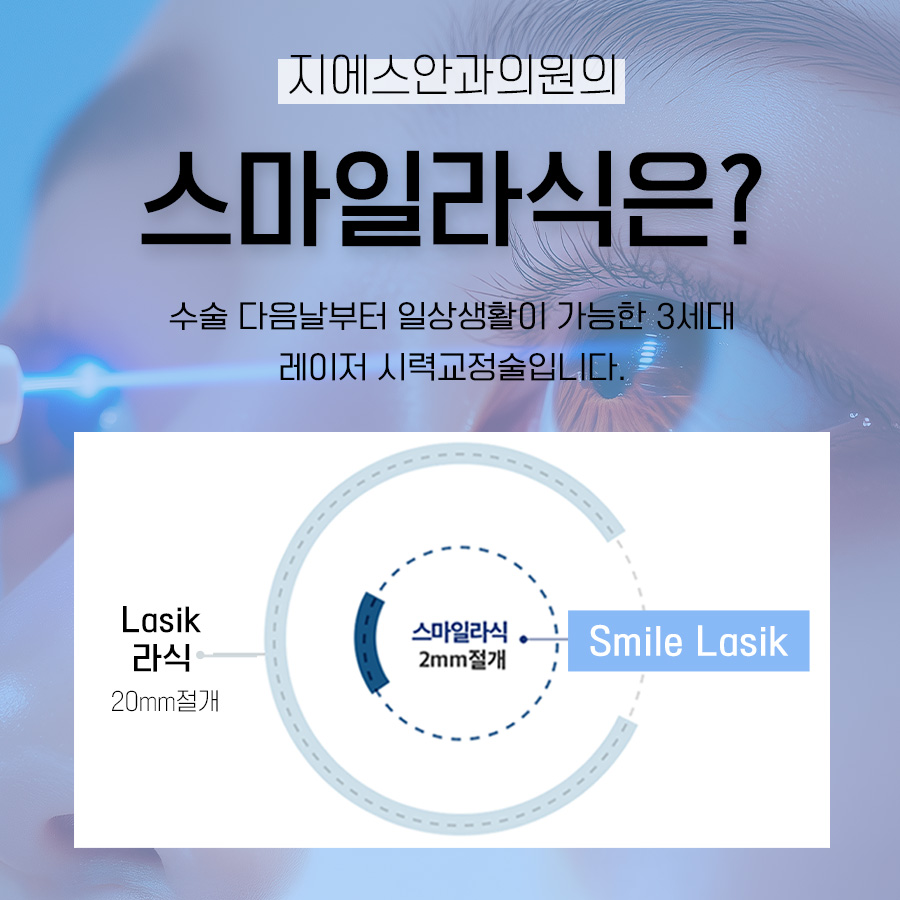
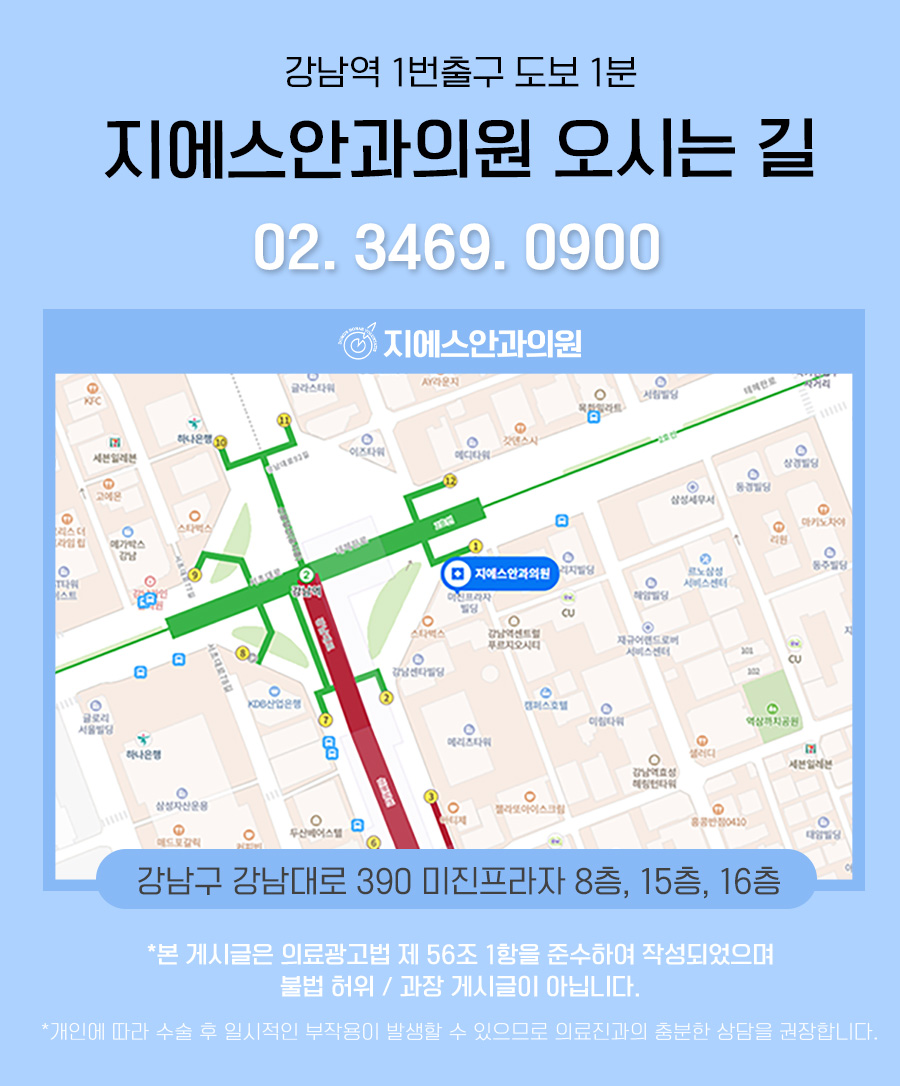
This guide reflects the process followed at an ophthalmology clinic in Gangnam, Seoul, that has operated near Gangnam Station since 2005. The clinic states it is led by an ophthalmologist and is supported by a multi-specialist team, including subspecialists in retina and refractive surgery.
According to the clinic, it has treated a large volume of vision correction and cataract cases and reports substantial experience with SMILE procedures. The clinic also reports having received manufacturer designations and holding ISO 9001 and ISO 14001 certifications. These reported details are meant to indicate that the clinic follows structured protocols and quality-control practices; confirm specifics directly with the clinic or independent sources if verification is required.
Who may consider a SMILE LASIK preoperative exam
You may consider a SMILE LASIK preoperative exam in Gangnam if you are an adult with myopia or myopic astigmatism, you wear glasses or contact lenses, and you are curious whether SMILE LASIK could reduce your dependence on them.
It is especially relevant if:
You want a minimally invasive procedure with a small incision.
Your prescription has been relatively stable for at least one to two years.
You do not have a known serious eye disease, but you want a professional evaluation.
You are planning a medical tourism trip to Korea and want to combine travel with vision correction.
The exam will show whether you are a good candidate for SMILE LASIK or whether another approach is safer.
What the SMILE LASIK preoperative exam includes
The preoperative exam is made up of several groups of tests. Each group answers a different safety question.
Basic vision and refraction tests
First, staff check your uncorrected visual acuity, which is how well you see without glasses or lenses. Then they measure your best corrected visual acuity with lenses, to confirm how clearly your eyes can see when fully corrected.
Objective and subjective refraction tests are performed to measure the exact degree of myopia, hyperopia, and astigmatism. Objective refraction uses machines such as an autorefractor or wavefront device, while subjective refraction involves you reading letters and giving feedback as lenses are changed.
The doctor or optometrist also reviews your past prescriptions to check for stability. For SMILE LASIK, it is important that your prescription has not changed significantly over the last one to two years. If your vision is still changing quickly, the clinic may recommend waiting.
Corneal related tests
SMILE LASIK works by reshaping the cornea, so understanding your cornea in detail is essential.
Corneal topography or tomography creates a three dimensional map of your corneal curvature and shape. This can reveal irregularities, asymmetry, or early signs of keratoconus, a condition where the cornea becomes thinner and bulges outwards. Detecting such issues early helps avoid complications like postoperative ectasia, where the cornea becomes unstable after surgery.
Pachymetry measures the thickness of the cornea, both at the center and in surrounding areas. For SMILE LASIK, the surgeon must calculate how much tissue can be safely removed while leaving a sufficient residual stromal bed. If your cornea is too thin, or its shape is borderline, the clinic may advise against SMILE LASIK or suggest an alternative.
Some clinics also assess corneal biomechanics, which means measuring the stiffness or elasticity of the cornea. This information, when available, helps further reduce the risk of ectasia by identifying corneas that may be structurally weaker even if thickness appears acceptable.
Ocular surface and dry eye evaluation
The health of your tear film and ocular surface affects both the safety of SMILE LASIK and your comfort afterward. During the exam, the clinic evaluates your tear quantity and quality, and may examine your meibomian glands, which produce the oily layer of the tear film.
Staining tests with special dyes can highlight dry spots or damage on the corneal surface. If significant dry eye is present, the doctor may recommend treating the dry eye first and delaying surgery. In some cases of severe, persistent dry eye, SMILE LASIK might not be recommended at all.
Intraocular pressure and anterior segment examination
Intraocular pressure is measured to screen for glaucoma risk. Elevated pressure does not automatically rule out SMILE LASIK, but it requires careful evaluation and sometimes additional tests.
A slit lamp examination allows the ophthalmologist to inspect the front structures of the eye, including the cornea, anterior chamber, iris, and lens. This helps detect early cataracts, inflammation, scars, or other conditions that could influence the decision to proceed with SMILE LASIK or to suggest a different type of surgery, such as cataract or lens based procedures.
Pupil size and night vision considerations
The clinic measures your pupil diameter in dim light to assess the risk of halos, glare, and other night vision phenomena after surgery. If your pupils are very large in the dark, the doctor may adjust the optical zone design or discuss with you the potential for more noticeable night symptoms.
This step is especially important for people who drive at night frequently or who work in low light environments. The exam allows the doctor to personalize the treatment plan and to set realistic expectations.
Retina and optic nerve examination
For many patients, especially those with higher myopia, a detailed retina and optic nerve examination is essential. At this clinic, a retina trained ophthalmologist can perform a dilated fundus exam when indicated.
After dilating your pupils with eye drops, the doctor examines the retina and optic nerve to look for retinal tears, lattice degeneration, macular disease, or optic nerve abnormalities. If any retinal issues are found, they may need to be treated before vision correction. In some cases, such findings may change the surgical plan or lead to a recommendation against corneal laser surgery.
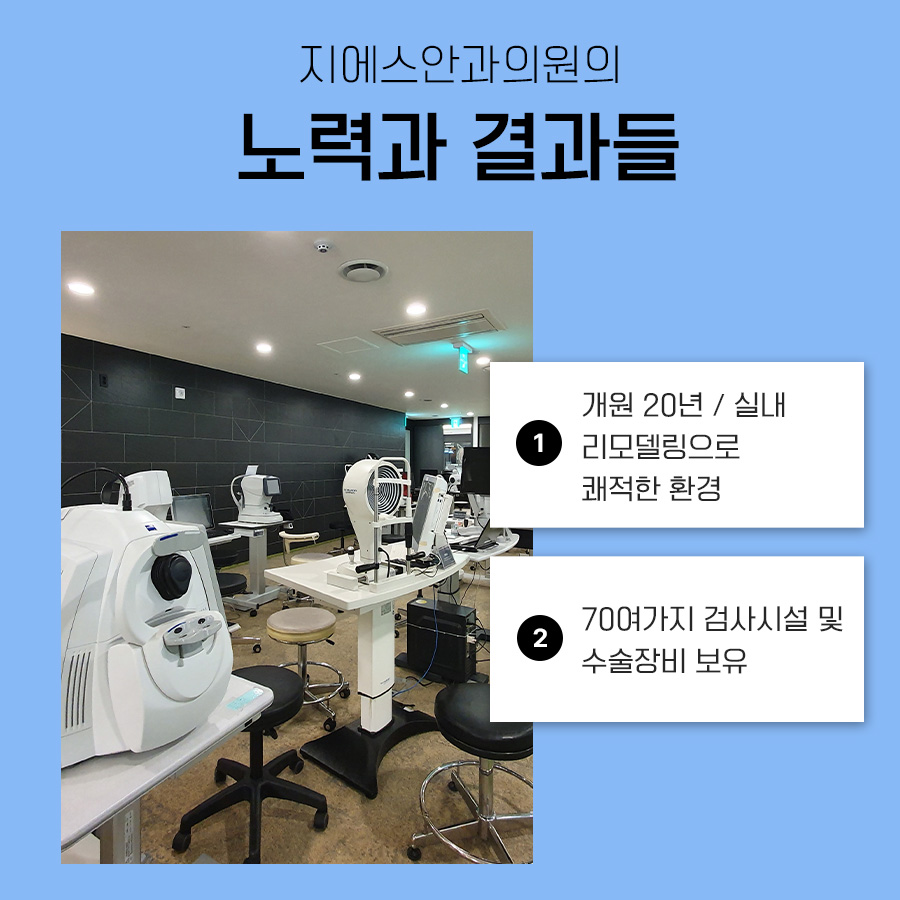
How the clinic’s equipment and setup affect the exam
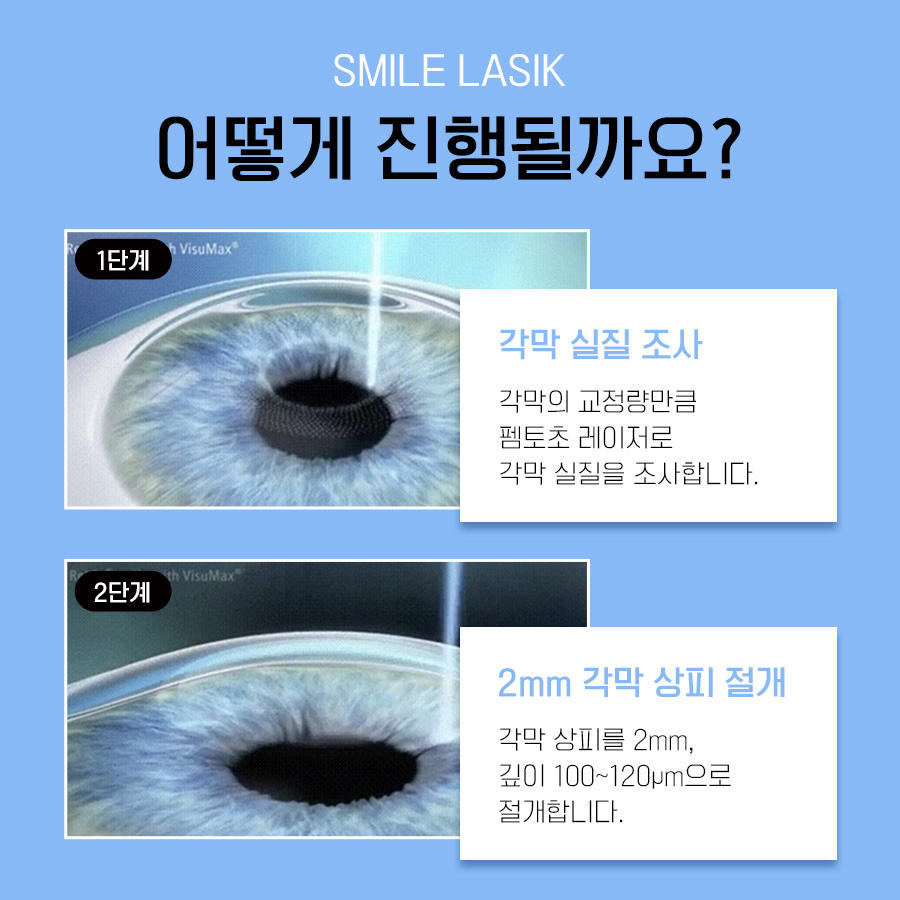
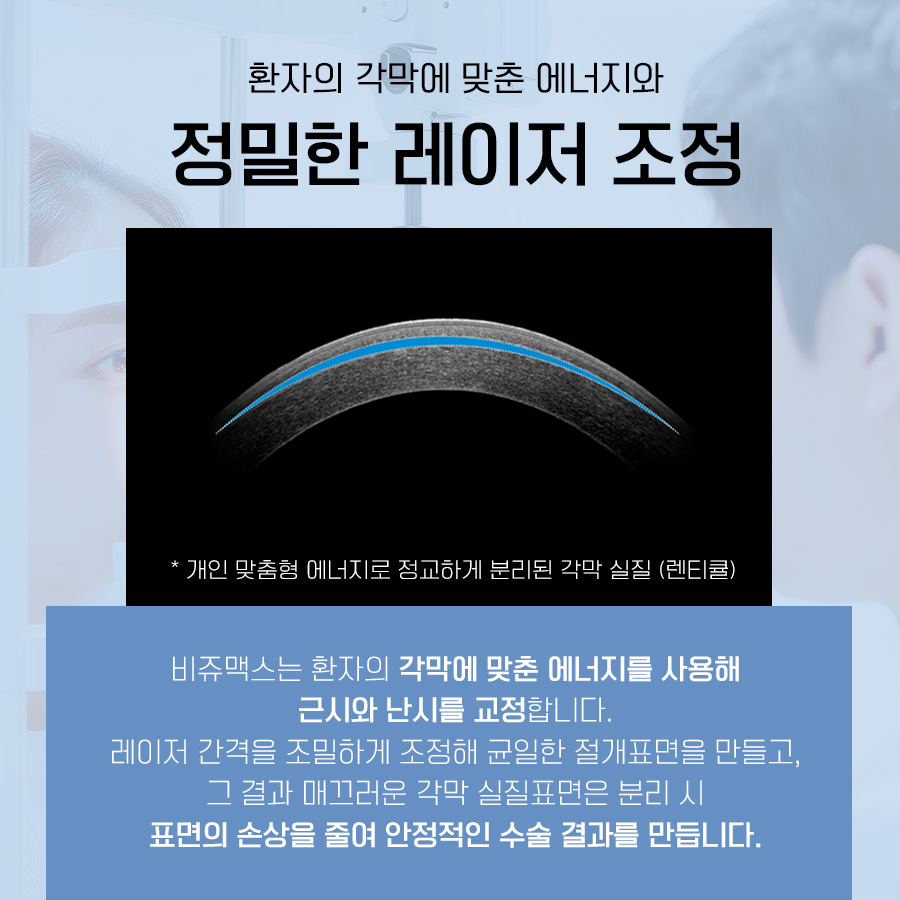
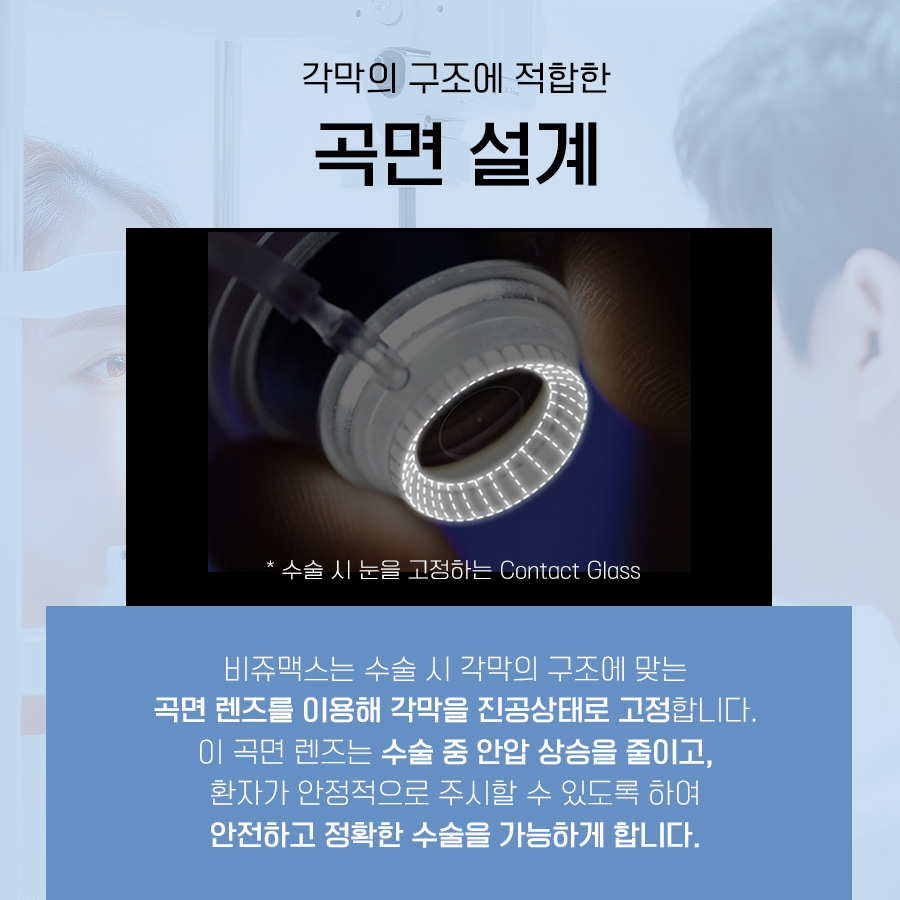
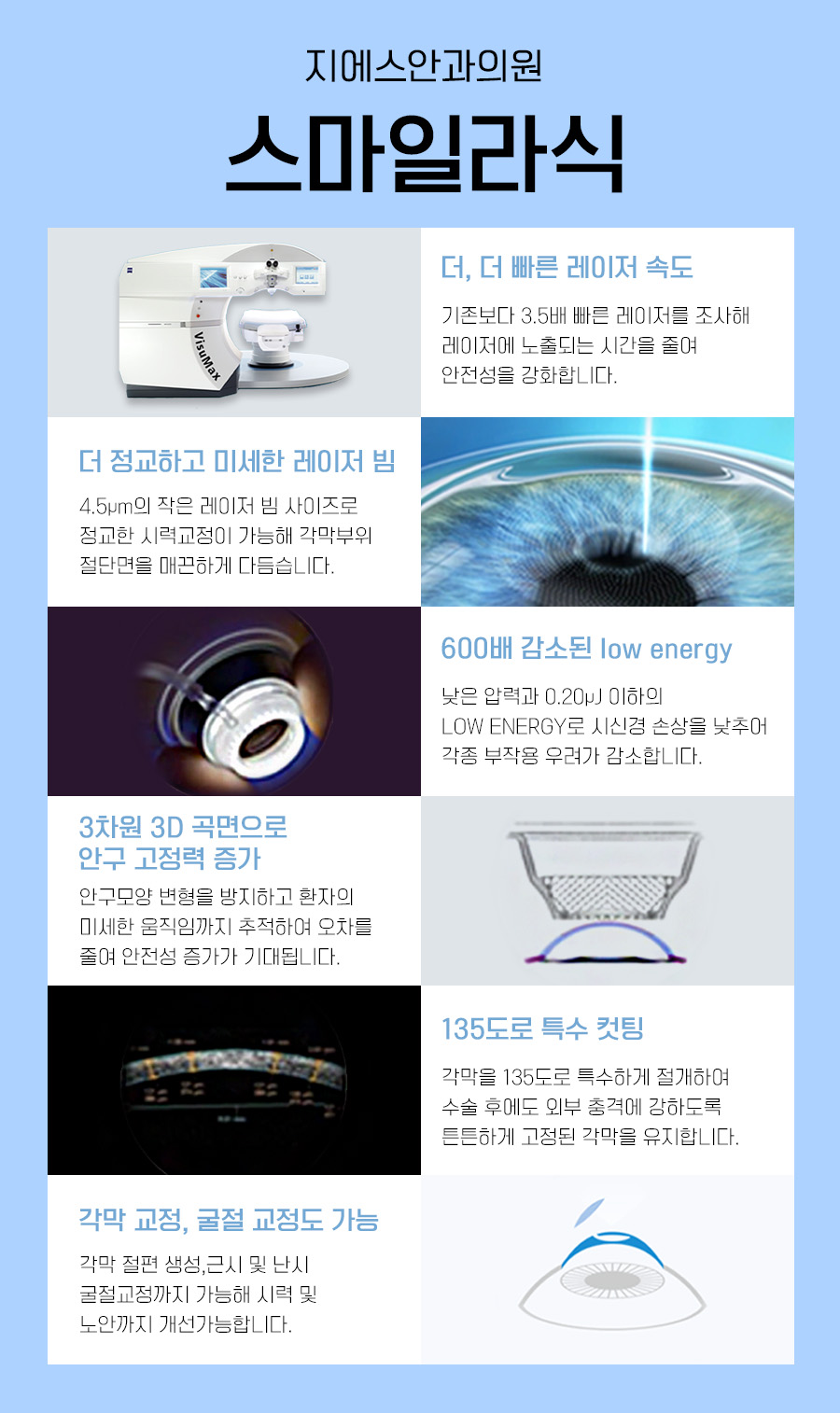
The clinic reports using ZEISS VISUMAX laser platforms for SMILE procedures. While these lasers are used during surgery rather than during the preoperative exam, their availability can influence how the clinic structures preoperative testing.
Because the clinic has access to multiple platforms and a large accumulated case volume, it can tailor the procedure and laser parameters to your specific eye measurements. Data from previous SMILE LASIK and SMILE pro cases help refine the clinic’s nomograms and protocols, which are the calculation methods used to determine how much tissue to remove and how to shape the cornea.
review of outcomes.
As a designated ZEISS SMILE pro Center, SILK Training Center, and a clinical education site for a medical school and industry partners, the clinic is involved in training and protocol development. This tends to support evidence based, protocol driven examination standards rather than ad hoc decision making.
Candidacy and exclusion criteria based on the exam
The results of your SMILE LASIK preoperative exam determine whether you are a suitable candidate.
Typical candidacy factors include being an adult with a stable prescription, having myopia and astigmatism within the approved treatment range, and having adequate corneal thickness and a healthy corneal shape. You should not have active eye disease or uncontrolled systemic diseases that could affect healing.
Situations where SMILE LASIK may be discouraged or contraindicated include suspected or confirmed keratoconus, very thin corneas, severe dry eye that does not respond to treatment, significant cataract, advanced glaucoma, or retinal disease that already limits vision. Pregnancy or breastfeeding may also influence timing and decisions, depending on the doctor’s judgment.
It is important to understand that the exam is not a formality. A responsible clinic may advise against SMILE LASIK if your results are borderline, even if you are very motivated. In such cases, the doctor may suggest alternatives such as LASEK, lens implantation, cataract or presbyopia lens surgery, or recommend continuing with glasses or contact lenses.
Examination process, timing, and preparation for overseas patients
For international patients, planning the exam and surgery around a short stay in Korea is important. The typical exam day at the Gangnam clinic follows a structured flow.
First, you complete registration and medical questionnaires. These cover your general health, medications, previous eye history, lifestyle, occupation, and habits such as night driving or digital device use. Providing accurate information helps the doctor assess your risk profile.
Next, trained staff perform a series of automated and manual tests. These include vision and refraction measurements, corneal imaging, tear film evaluation, intraocular pressure, and other front segment assessments. The process is usually comfortable and non invasive.
When indicated, your pupils are dilated for a retina and optic nerve examination. Dilation can add time to the visit because the drops take effect gradually and your eyes need time to recover.
Finally, you meet the ophthalmologist for a detailed consultation. The doctor reviews all test results with you, explains what they mean, and discusses whether SMILE LASIK is recommended. If you are a candidate, the doctor will outline the procedure plan, expected outcomes, possible side effects, and alternative options.
The entire exam, including waiting and dilation, often takes between 1.5 and 3 hours, though exact times vary depending on your eyes and the clinic schedule.
Preparation tips before your exam
To get accurate measurements, you will usually be asked to stop wearing soft contact lenses for several days before the exam. For rigid gas permeable or hard lenses, a longer break may be necessary. The clinic will provide specific instructions during your online consultation.

On the day of the exam, avoid eye makeup, especially mascara or eyeliner, as this can interfere with some tests and with the cleanliness of the instruments.
Bring your current glasses, previous prescriptions, and any past eye exam records if you have them. This information helps the doctor confirm your prescription history and stability.
Because of pupil dilation, your near vision may be blurred and your eyes may be sensitive to light for several hours after the exam. It is safer not to drive immediately afterward. Many international patients choose to take public transport or come with a companion.
Safety, accuracy, and patient counseling
The strength of the SMILE LASIK preoperative exam lies in combining multiple tests. Each test looks at a different aspect of your eye, and together they reduce the risk of missing a contraindication.
High case volume and structured protocols at the clinic help refine screening criteria and improve predictability. Over time, patterns in data from thousands of eyes guide adjustments in who is considered a good candidate and how treatments are planned.
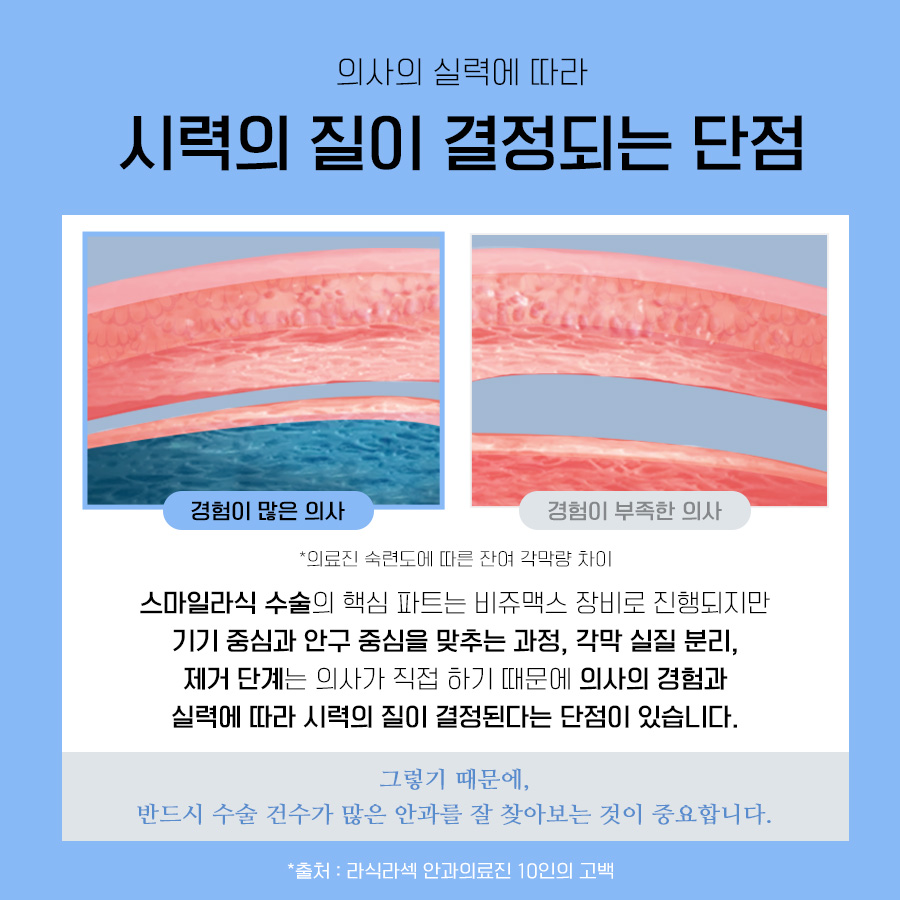
During your consultation, the doctor uses your exam data to set realistic expectations. You will hear about the likely range of visual outcomes, the possibility of dry eye, halos, glare, undercorrection or overcorrection, and the potential need for enhancement procedures in the future.
The doctor will also compare SMILE LASIK with other options relevant to your situation, such as LASEK, lens implantation, or lens based surgery, if your age or eye condition suggests that another approach might provide more stable or suitable results.
Online consultation and pre visit preparation for medical tourists
If you are planning to travel to Gangnam from overseas, an online or remote consultation is highly recommended before you book flights. Through email or video call, you can share basic information such as your age, approximate prescription, eye history, and any previous diagnoses.
The clinic can then advise whether you are likely to be a candidate and suggest a tentative schedule. For example, some patients prefer to have the full preoperative exam on one day and, if suitable, the procedure on the next day or later in the same week. Others may separate the exam and surgery by several days to allow more time for discussion and decision making.
Before your visit, prepare a list of questions. Common topics include the difference between SMILE LASIK and other procedures, expected recovery time, when you can fly back home, and how follow up care will be handled once you return to your country.
Expected Korea visit timeline
A typical timeline for an overseas patient might look like this, although individual plans vary.
Day 1: Arrival in Seoul and rest.
Day 2: SMILE LASIK preoperative exam at the Gangnam ophthalmology clinic, including full testing and consultation.
Day 3 or 4: SMILE LASIK procedure if you are deemed a suitable candidate and you decide to proceed.
Next 1 to 3 days: Early postoperative check ups at the clinic to confirm healing and vision progress.
Many patients feel comfortable flying home a few days after SMILE LASIK, but this depends on your healing, your doctor’s advice, and your flight duration. You should plan your schedule with enough flexibility to allow for an extra check up if needed.
Aftercare and follow up considerations
After SMILE LASIK, you will receive specific instructions on eye drops, eye protection, and activity restrictions. Typical recommendations include using prescribed antibiotic and anti inflammatory drops, avoiding eye rubbing, and staying away from swimming pools and dusty environments for a period of time.
The clinic will schedule follow up visits, such as the next day, one week, and one month after surgery. For international patients who cannot stay that long, the clinic may coordinate with your local eye doctor for later follow ups. It is important to keep these appointments to monitor healing and address any issues early.
You should also know the clinic’s policy for contacting them after you return home. Many centers offer email or online follow up to review your progress and answer questions.
Frequently asked questions about SMILE LASIK preoperative exams
Is the SMILE LASIK preoperative exam painful
The SMILE LASIK preoperative exam is generally not painful. Most tests are non contact or involve only brief, mild contact with the eye surface. You may feel a gentle puff of air during intraocular pressure measurement or slight temporary discomfort from dilating drops, but significant pain is not expected.
How long before surgery should I have the exam
Many patients have the full preoperative exam one or a few days before surgery, especially if they are traveling from abroad. In some cases, the clinic may prefer to separate the exam and surgery by more time to confirm prescription stability or to treat dry eye first. The exact timing will be discussed during your initial consultation.
Can I do the exam and surgery on the same day
Policies vary between clinics. Some centers perform the exam and surgery on the same day for certain patients, while others prefer at least one night between them to carefully review all results and plan the treatment. At a clinic that emphasizes protocol based care, there may be a strong preference to separate the steps to allow more thorough analysis and counseling.
What if my exam shows that I am not suitable for SMILE LASIK
If your exam results suggest that SMILE LASIK is not the safest option, the doctor will explain the reasons in detail. You may be offered alternatives such as LASEK, lens implantation, cataract or presbyopia lens surgery, or you may be advised to continue with glasses or contact lenses. The goal is to protect your long term eye health, even if that means not having SMILE LASIK.
Are all SMILE LASIK exams the same at every clinic
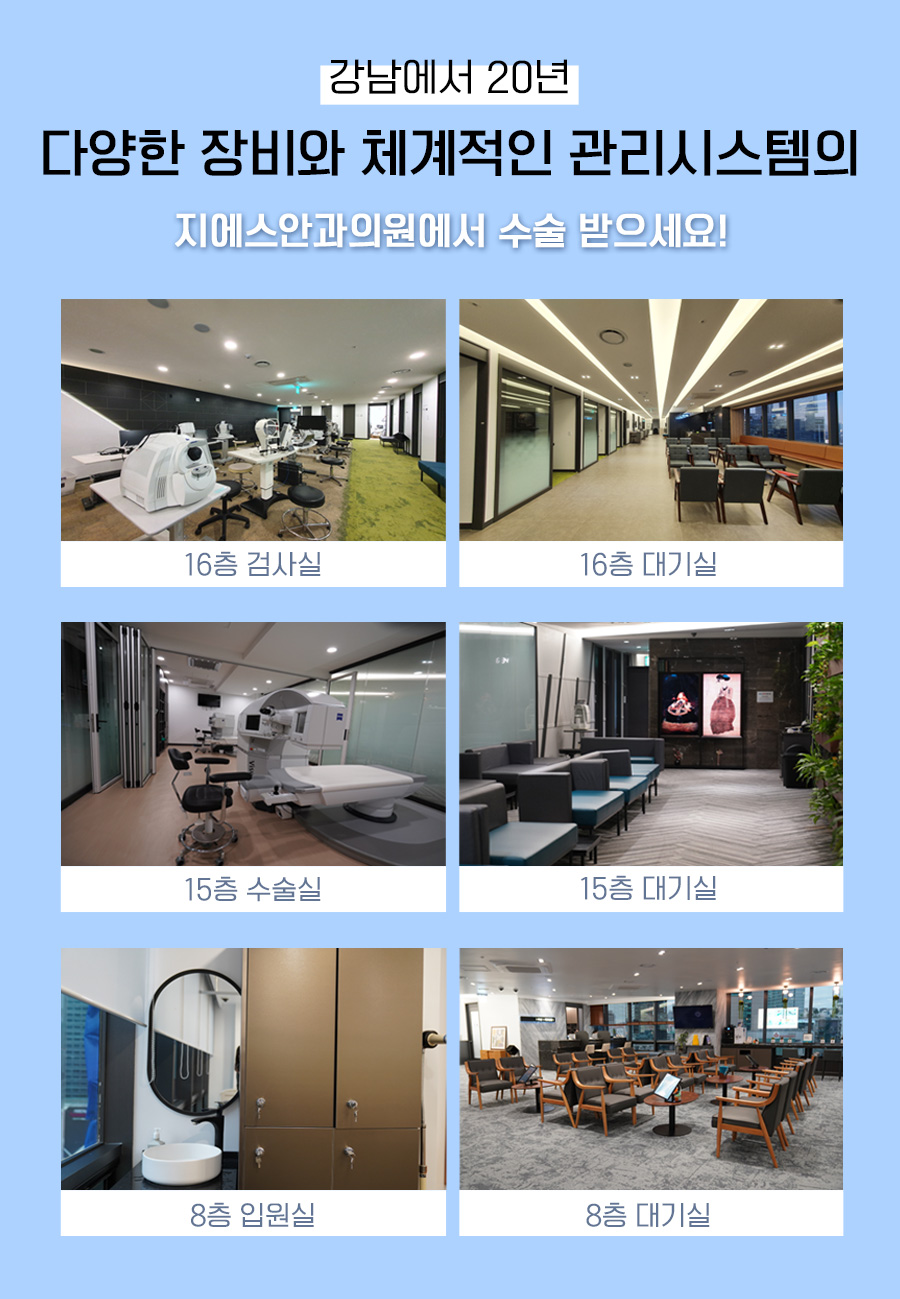
Not all SMILE LASIK exams are identical. Differences can include the range and quality of equipment, how thoroughly dry eye and the retina are evaluated, and how much time is spent on counseling. Clinics that serve as training centers or that follow ISO certified protocols may have more standardized and detailed examination pathways.
Soft call to action
If you are considering SMILE LASIK in Gangnam and want to know whether your eyes are suitable, an online consultation with the ophthalmology clinic can be a practical first step. By sharing your basic information and questions in advance, you can plan a focused visit to Seoul, schedule your preoperative exam efficiently, and make a well informed decision about SMILE LASIK and your vision care.


- 공유 링크 만들기
- X
- 이메일
- 기타 앱


댓글
댓글 쓰기