SMILE LASIK Recovery Time
- 공유 링크 만들기
- X
- 이메일
- 기타 앱
SMILE LASIK recovery time at a glance
Most people who choose SMILE LASIK are hoping for a quick, comfortable recovery. In general, most patients can see well enough for basic daily activities within 1–2 days. Functional vision for office work and study is usually possible within about 2–3 days, depending on individual healing and the type of work. Vision tends to stabilize over 1–4 weeks, while fine clarity and night vision can keep improving for up to 3 months. From a medical point of view, the cornea is usually considered largely recovered around 3–6 months after surgery.
These time frames are averages. Your own recovery will depend on your corneal condition, the degree of myopia and astigmatism, your tear film and dry eye status, and how carefully you follow the aftercare instructions from your ophthalmology clinic.
What is SMILE LASIK?
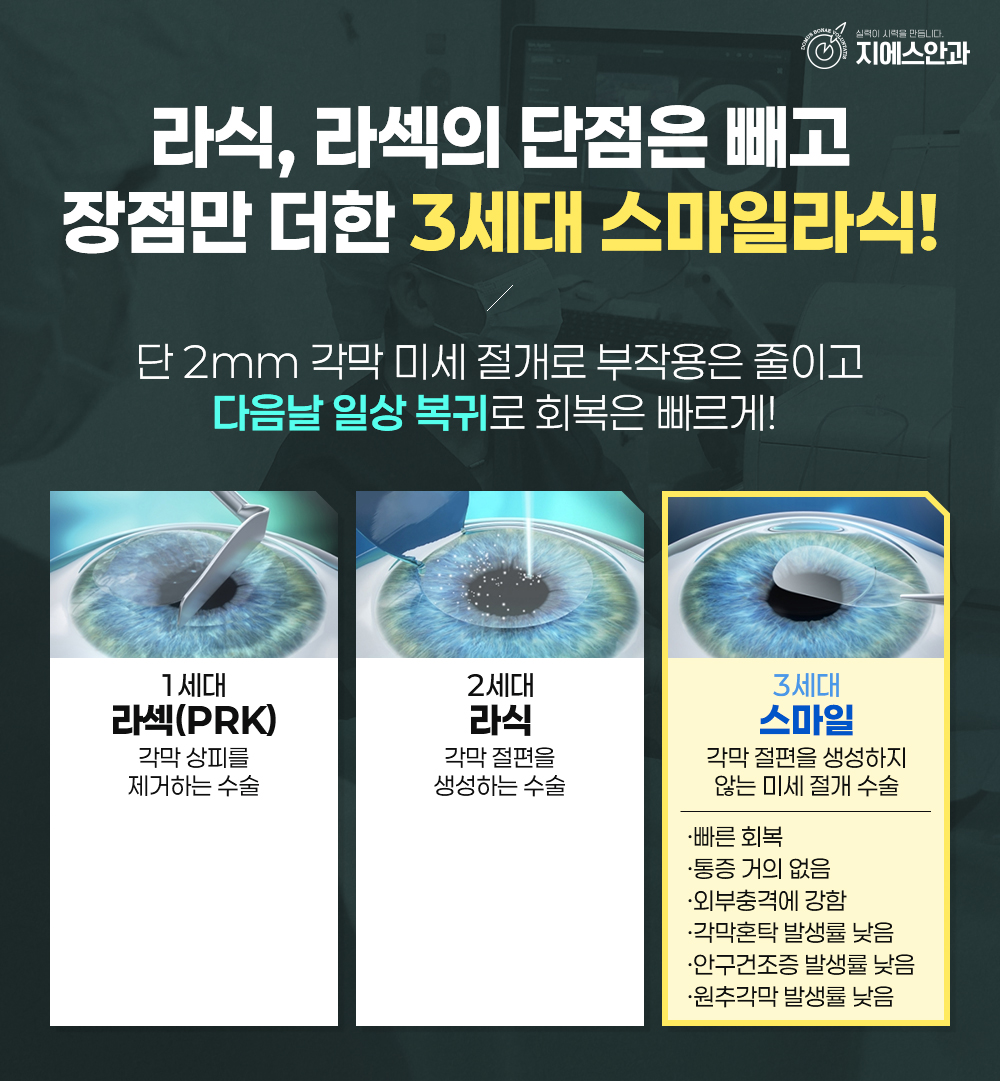
SMILE LASIK is a minimally invasive laser vision correction procedure. A femtosecond laser is used to create a very thin, lens‑shaped piece of tissue (called a lenticule) inside the cornea. This lenticule is then removed through a tiny incision, without creating a large corneal flap as in traditional LASIK. Many people choose SMILE‑type procedures because they want quick functional recovery, potentially less dry eye risk compared with some older techniques, and stable vision for everyday life.
Typical SMILE LASIK recovery timeline
Day of surgery (Day 0)
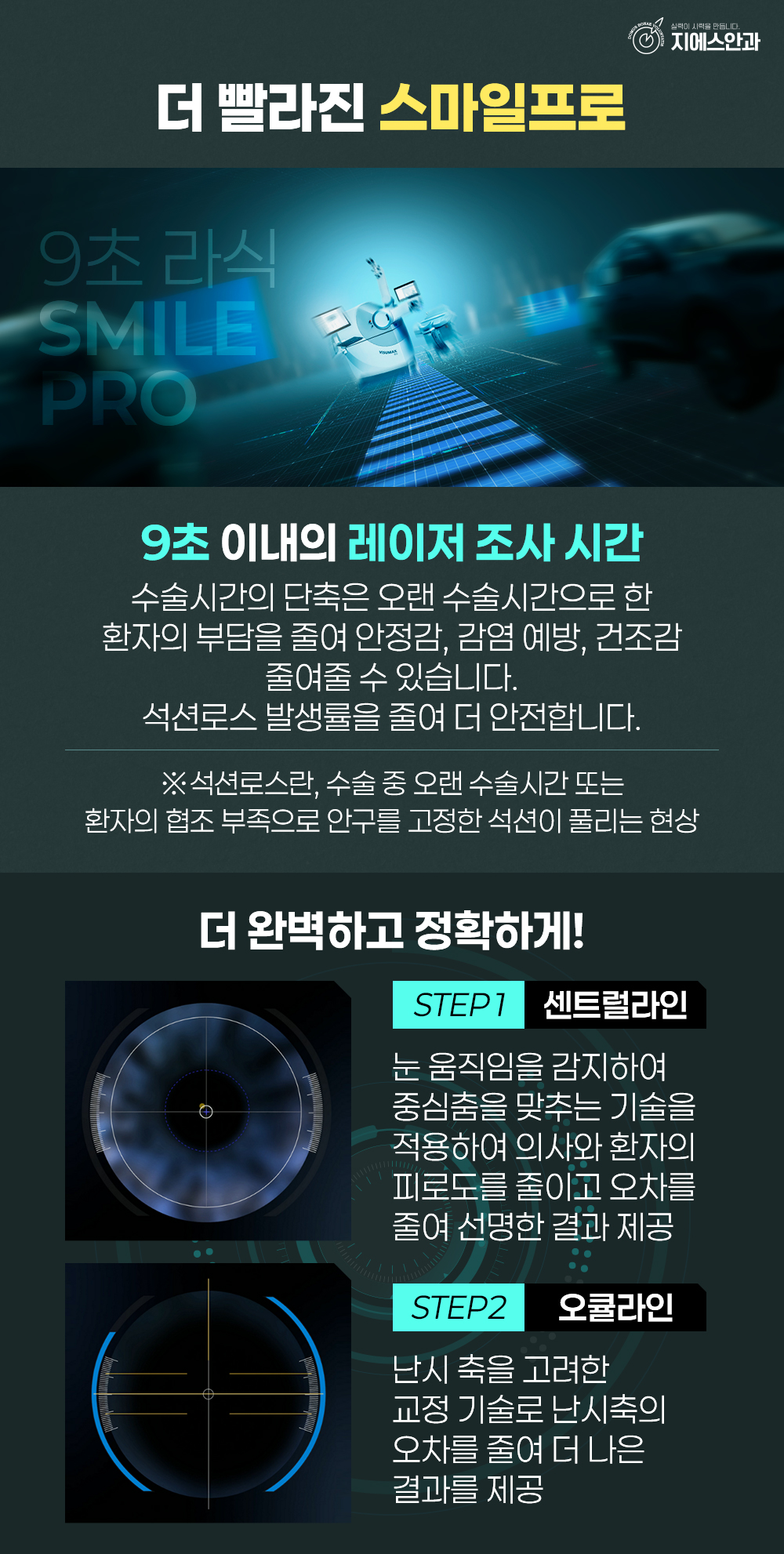
The SMILE LASIK procedure itself is usually quite short, with the laser step lasting only a few seconds per eye (for example, ZEISS VISUMAX 800 laser irradiation is approximately 9 seconds). You are awake but your eyes are numbed with anesthetic drops.
Right after surgery, it is normal for vision to be foggy or hazy. Many patients notice tearing, a foreign‑body sensation (as if something is in the eye), mild stinging, and sensitivity to light. These symptoms are usually most noticeable in the first few hours.
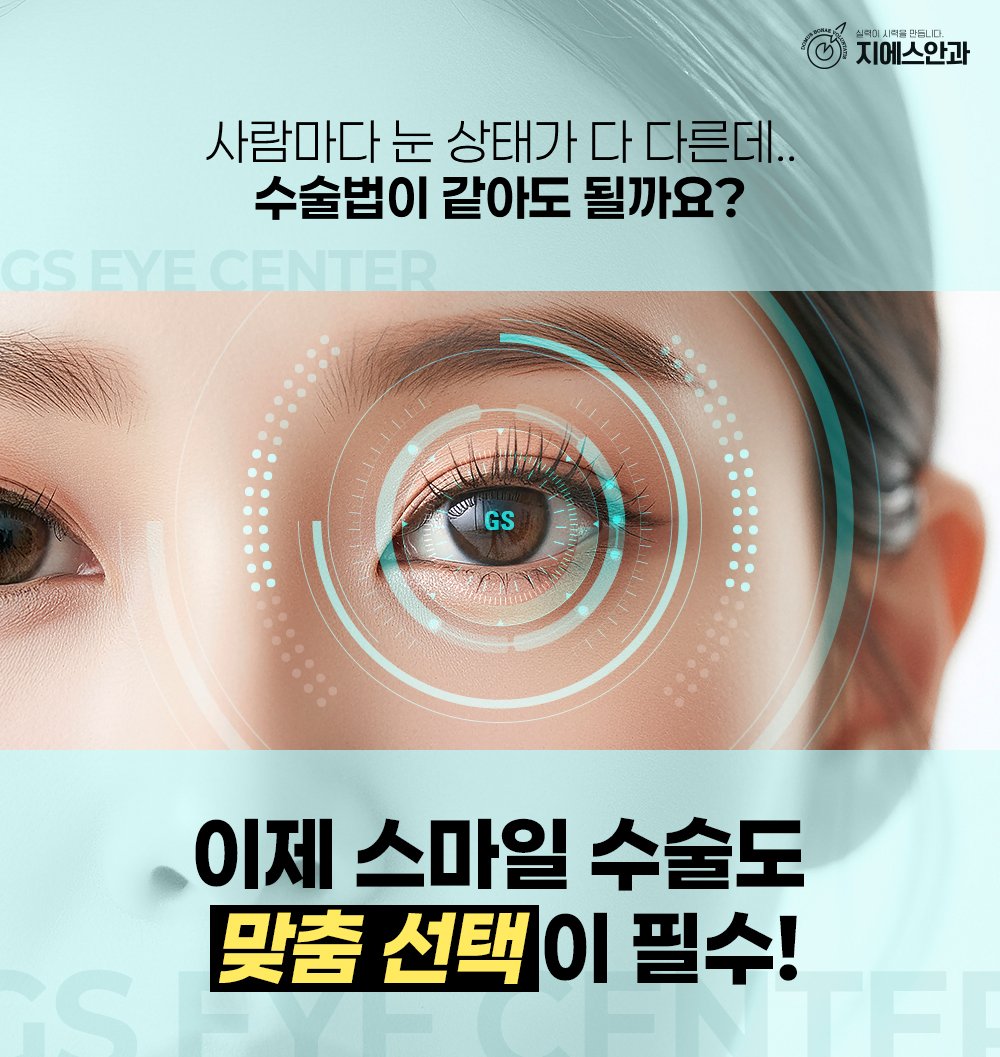
For the rest of the day, most clinics advise patients to go back to their hotel or home, keep their eyes closed as much as possible, avoid rubbing, and start using the prescribed eye drops. You should not drive on the day of surgery, so it is important to arrange transportation in advance.
1 day after surgery
By the first day after SMILE LASIK, many patients already notice a big improvement compared with their pre‑surgery vision without glasses or contact lenses. However, mild blurring, halos around lights, glare, and light sensitivity are still common.
Most people can walk around safely, move through airports or hotels, and manage simple indoor activities. The first postoperative check‑up is usually scheduled on this day. At this visit, the ophthalmologist checks the cornea, confirms there are no signs of infection, and reviews your eye drop regimen.
2–3 days after surgery
Between day 2 and day 3, functional vision improves further. Many patients feel comfortable enough to return to desk work, online classes, reading, and light daily activities. Screen use is usually possible, but the eyes may feel dry or tired more easily, so frequent breaks and artificial tears are important.
Driving for short distances in good daylight is often possible in this period if your vision meets legal standards. However, this should always be confirmed individually at your follow‑up exam. Night driving may still feel uncomfortable because of halos and glare.
1 week after surgery
Around one week after SMILE LASIK, vision is usually much clearer and more stable for most daily tasks. Some mild fluctuations in clarity, especially in the morning or late at night, are still common and usually not a cause for concern.
Night vision symptoms such as halos and glare around lights may still be present but often start to improve. Light exercise such as walking, gentle stretching, or easy stationary cycling is usually acceptable if your surgeon has given approval.
2–4 weeks after surgery
In the 2–4 week period, most patients feel that their vision is stable enough for work, study, and driving in a variety of conditions. Reading, computer work, and commuting typically feel more natural.
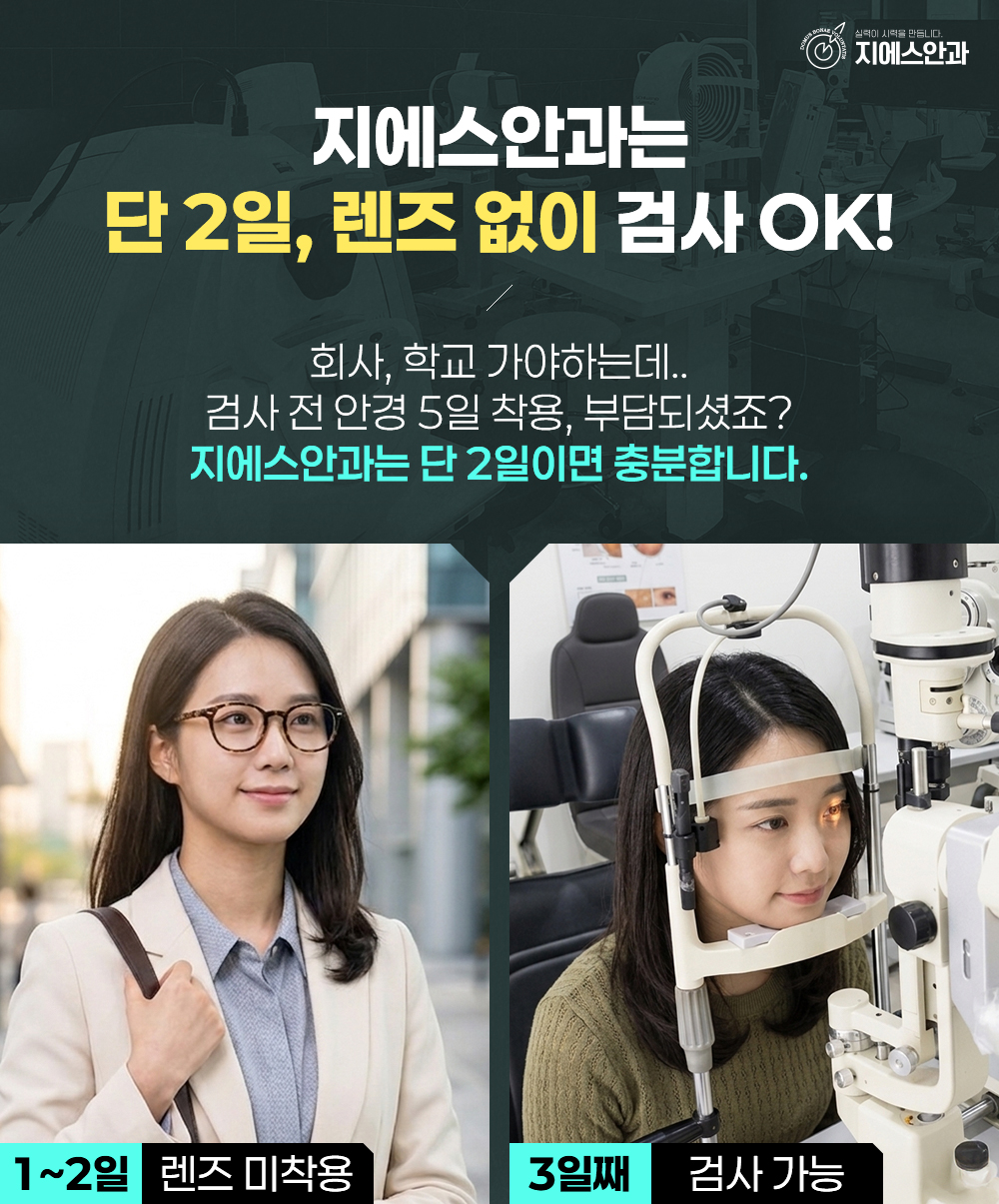
Dry eye symptoms often gradually improve during this time, but many patients still benefit from using lubricating eye drops. Low‑impact sports and gym activities are generally allowed, while higher‑impact or contact sports may remain restricted depending on your surgeon’s protocol.
1–3 months after surgery
Between one and three months, the fine details of visual quality usually continue to improve. This includes contrast sensitivity and night vision. Temporary side effects such as halos, glare, and dryness often decrease significantly.
By this period, the final refractive result is usually close to stable, although very small changes can still occur. Many patients feel fully adapted to their new vision in this time frame.
3–6 months after surgery
From three to six months after SMILE LASIK, the corneal healing process is considered largely complete. Your ophthalmologist can evaluate long‑term vision stability and overall comfort.
If there is any residual refractive error or persistent symptoms such as dryness or night vision issues, these can be discussed in detail at this stage. In some cases, additional treatment or long‑term dry eye management may be recommended.
Who may consider SMILE LASIK in Korea
SMILE LASIK can be an option for adults who want to reduce dependence on glasses or contact lenses and who have stable myopia and possible astigmatism. It is especially considered by people who value a minimally invasive procedure with a small incision and who hope for a fast return to work or study.
Suitability is not based only on the amount of myopia. Corneal thickness and shape, tear film quality, pupil size, and overall eye health all need to be assessed. Some patients may be better suited to other procedures such as traditional LASIK, LASEK, or lens‑based surgery. A thorough pre‑operative examination at an ophthalmology clinic is essential before deciding.
Factors that affect individual recovery time
Recovery time after SMILE LASIK is not identical for everyone. Several factors influence how quickly and comfortably your eyes heal.
Degree of myopia and astigmatism
Higher corrections generally require more tissue to be removed, and it may take longer for vision to fully sharpen. Patients with very high myopia or significant astigmatism may notice more gradual improvement over several weeks.
Corneal thickness and biomechanics
The thickness and mechanical strength of your cornea influence the surgical plan and how your cornea responds to the laser. These factors are carefully measured before surgery. While SMILE is designed to be gentle on corneal biomechanics, individual healing responses still vary.
Tear film and dry eye status
Pre‑existing dry eye can slow recovery and increase discomfort. Patients with unstable tear film may experience more fluctuating vision, especially during intensive screen use. In such cases, the clinic may recommend pre‑treatment for dry eye and more intensive lubrication after surgery.
Age and general health
Younger, healthy patients often heal faster, but this is not a strict rule. Systemic conditions, medications, and lifestyle habits can influence healing. A detailed medical history helps your ophthalmologist plan safely.
Postoperative care compliance
Correct use of antibiotic and steroid drops, regular application of artificial tears, and protection from eye trauma all have a strong impact on recovery. Skipping drops, rubbing the eyes, or ignoring follow‑up visits can increase the risk of complications and delay healing.
Lifestyle and occupation
People who work long hours at a computer, frequently drive at night, or spend time in dusty or air‑conditioned environments may feel that their recovery is slower, even if the medical healing is normal. Adjusting work habits and using environmental protection can make a big difference.
SMILE LASIK is designed to be minimally invasive, which generally supports faster functional recovery and may reduce dry eye risk compared with some flap‑based procedures. However, this is not guaranteed for every patient, and expectations should always be discussed with your surgeon.
Normal versus abnormal symptoms during recovery
Understanding what is usually normal and what is a warning sign can help you feel more relaxed and know when to contact your clinic.
Common, usually normal symptoms in early recovery
Mild to moderate dryness, foreign‑body sensation, or intermittent stinging are very common in the first days and weeks. These usually improve with artificial tears and time.
Slightly hazy or fluctuating vision, especially in the first days to weeks, is also typical. Many patients notice that their vision is clearer at some times of day than others.
Light sensitivity, halos, and glare around lights, particularly at night, are frequent early on. These symptoms usually decrease gradually over weeks to months.
Mild redness that slowly improves is also common, especially in the first few days after surgery.
Warning signs that require prompt contact with the eye clinic
Some symptoms are not typical and should be taken seriously. These include a sudden, marked decrease in vision after an initial period of improvement, severe or persistent eye pain that is not relieved by recommended medication, or pronounced redness, swelling, or discharge that might suggest infection.
Strong light sensitivity with tearing and pain that worsens rather than improves, or any trauma to the eye such as being hit or rubbing vigorously, should also prompt immediate contact with your ophthalmology clinic.
Every clinic provides its own emergency instructions and contact numbers. When you travel for surgery in Korea, it is important to keep these details easily accessible in your phone and in printed form.
Aftercare habits that support smooth recovery
The first days and weeks after SMILE LASIK are important for long‑term results. Good aftercare can support healing and comfort.
Immediately after and during the first week
Avoid rubbing or pressing on the eyes, even if they feel itchy or irritated. Use the prescribed antibiotic and anti‑inflammatory eye drops exactly as directed, including the correct number of times per day and the correct interval between different drops.
Use preservative‑free artificial tears frequently to relieve dryness and support the tear film. Most clinics recommend avoiding eye makeup such as mascara and eyeliner for at least 1–2 weeks, or until your surgeon confirms it is safe.
To reduce infection risk, avoid swimming pools, hot tubs, and saunas during the early recovery period. Try to stay away from dusty, smoky, or very dry environments when possible.
Many clinics provide protective eye shields or goggles to wear during sleep in the first days to prevent accidental rubbing. Sunglasses outdoors help with light sensitivity and reduce exposure to ultraviolet light.
Following weeks
As your eyes feel better, you can gradually increase screen time, but it is helpful to follow the 20‑20‑20 rule: every 20 minutes, look at something 20 feet away for at least 20 seconds. This helps relax the eye muscles and reduce dryness.
Exercise can usually be resumed stepwise. Walking and light cardio are generally allowed earlier, while contact sports or activities with a risk of eye trauma, such as martial arts or ball sports, are often delayed until your surgeon gives specific clearance.
Regular follow‑up visits are important to monitor healing and vision. If you are an overseas patient, your clinic may arrange a more intensive follow‑up schedule during your stay in Korea, and coordinate with your local eye doctor for later checks.
Detailed instructions can vary by clinic and surgeon, so always prioritize the protocol given at your own ophthalmology clinic.
How SMILE LASIK recovery compares with other methods
Compared with traditional LASIK, SMILE uses a smaller incision and does not create a large corneal flap. This may reduce certain flap‑related risks and can support stable corneal biomechanics. For many patients, functional recovery is similarly fast between SMILE and LASIK, with both allowing a quick return to daily life.
Compared with surface procedures such as LASEK, SMILE typically involves less pain and a faster return to daily activities. LASEK requires the surface layer of the cornea to regrow, which can take several days and is often more uncomfortable. SMILE preserves most of the corneal surface, which is one reason why recovery tends to feel smoother.
However, the best procedure for you depends on your eye structure, lifestyle, and medical evaluation, not only on recovery speed. An experienced ophthalmologist will explain the pros and cons of each method in your particular case.
SMILE LASIK in a Gangnam, Seoul ophthalmology clinic
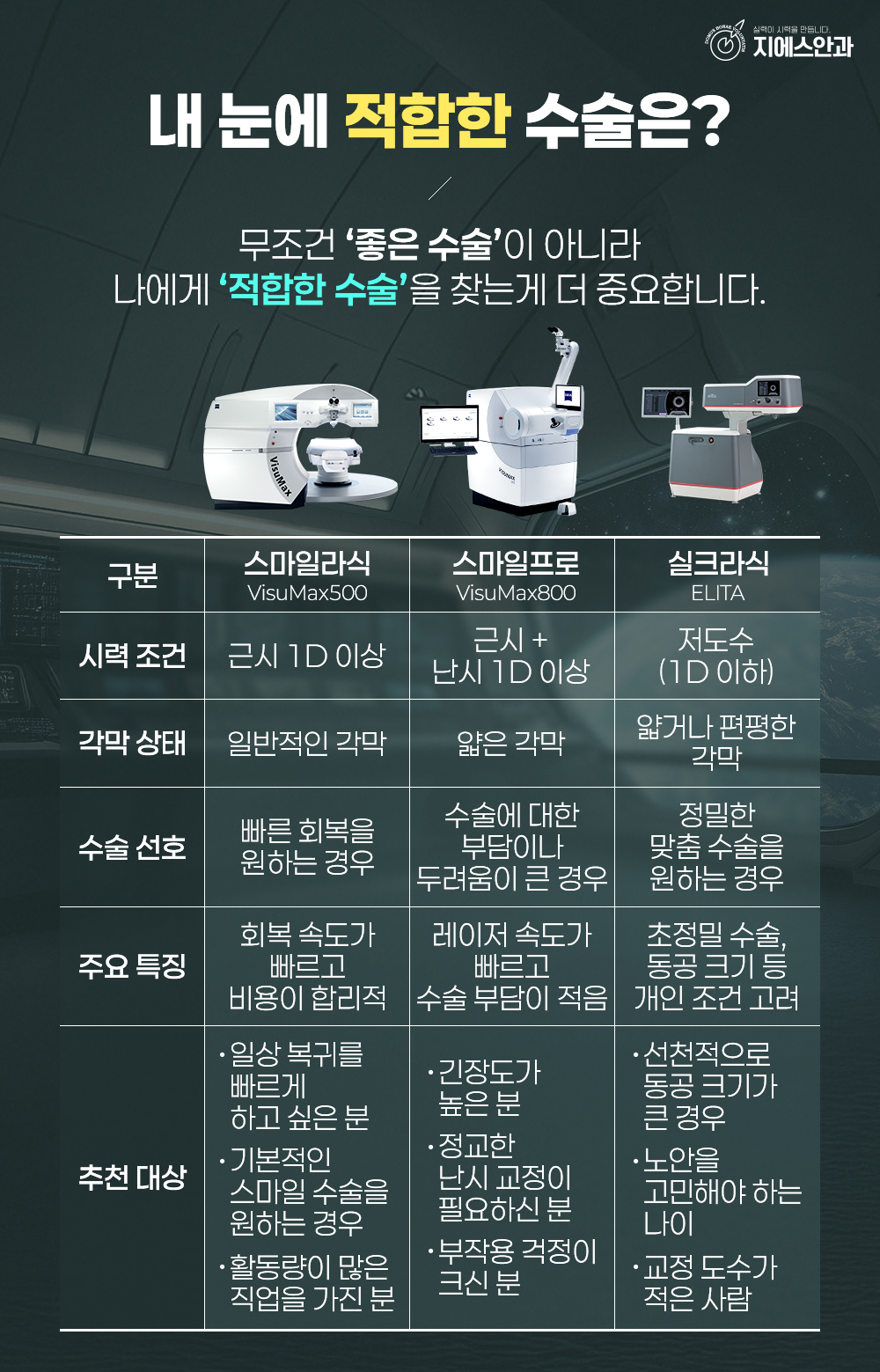
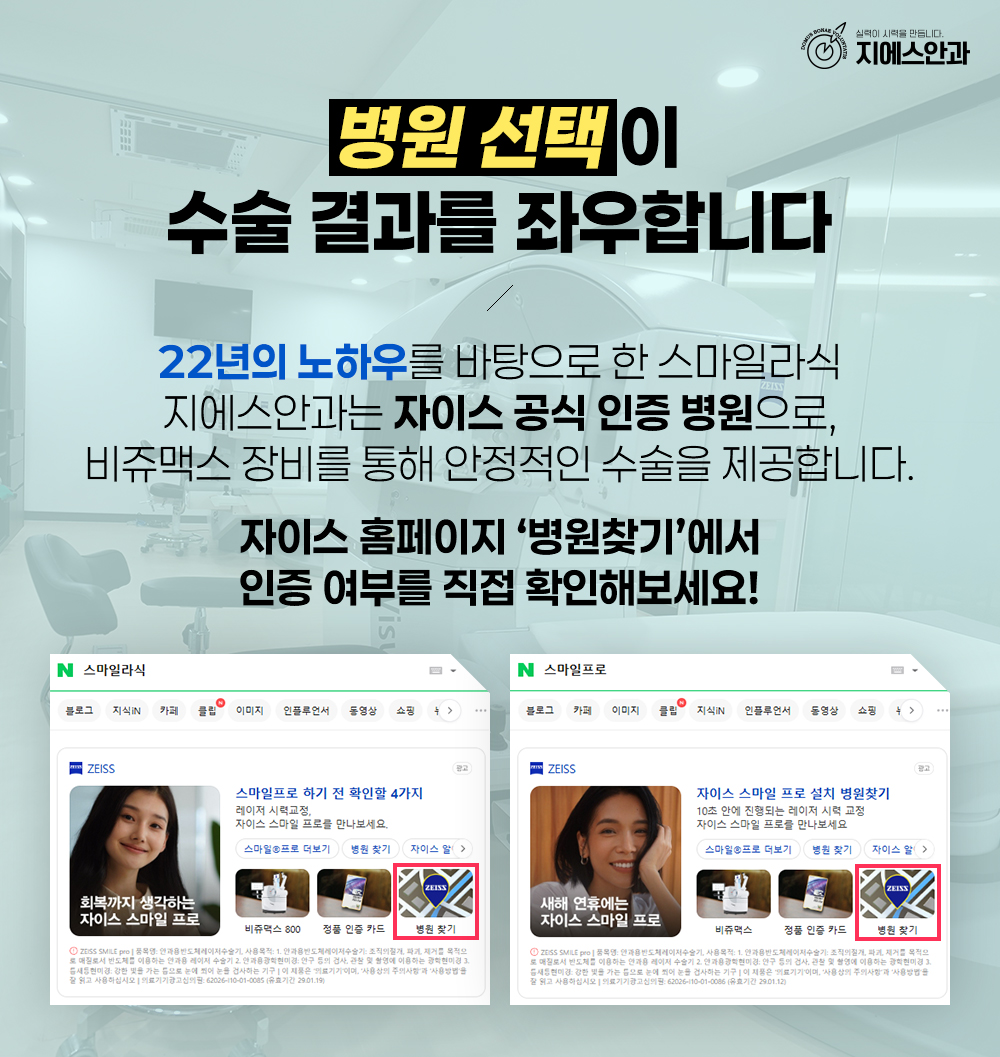
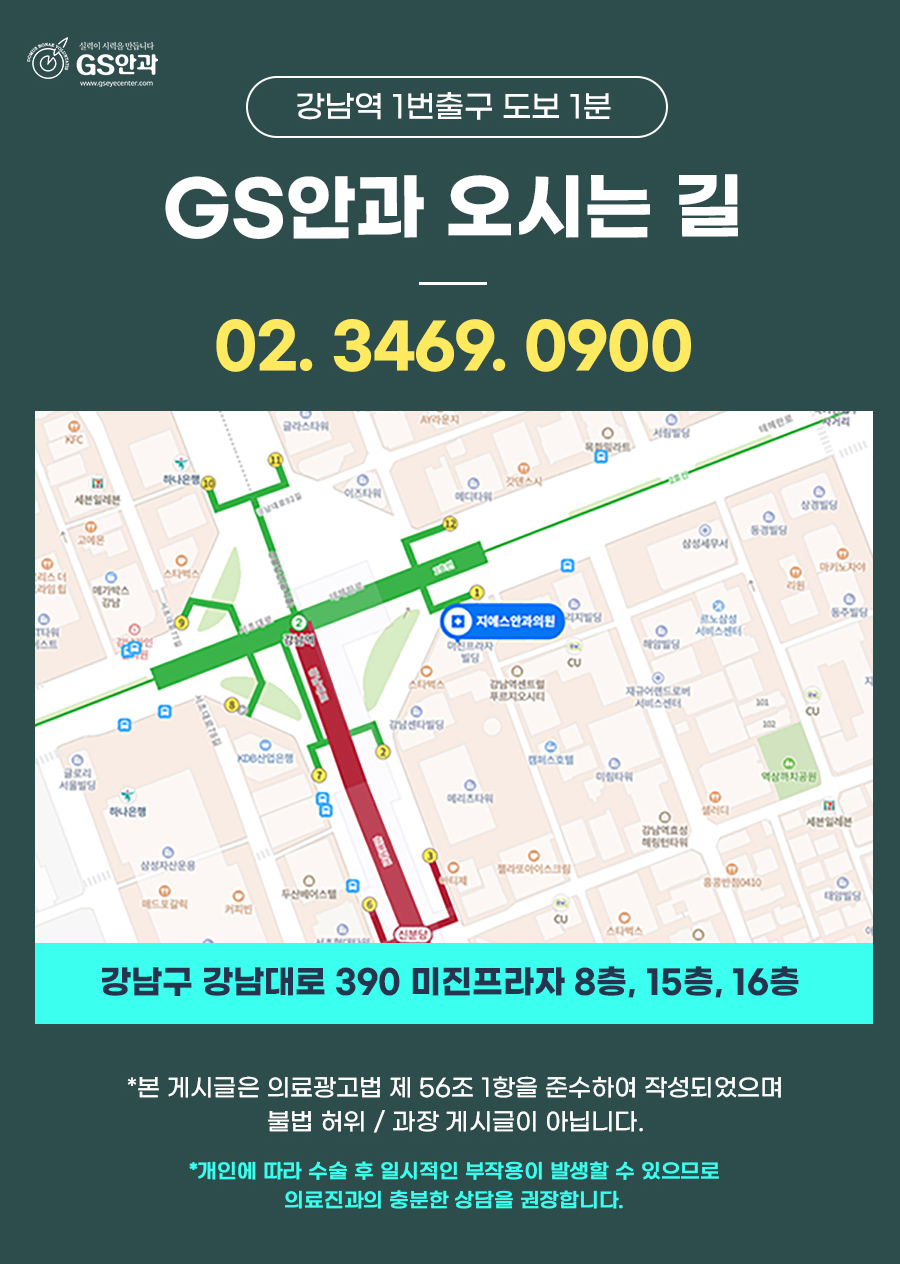
Gangnam in Seoul is a popular area for vision correction among both local and international patients. The ophthalmology clinic described here has been operating in the same Gangnam location since 2005 and focuses strongly on SMILE‑type vision correction, including newer platforms such as SMILE Pro and SILK.
The clinic has been designated as a SMILE Pro Center and a SILK training center by the laser manufacturer. Its surgeons are ophthalmologists with backgrounds in university hospitals and subspecialty training, including retina. As of 2023, the team has performed a cumulative total of around 300,000 eyes of vision correction and cataract surgery and holds international quality certifications (ISO 9001 and ISO 14001) for SMILE LASIK processes.
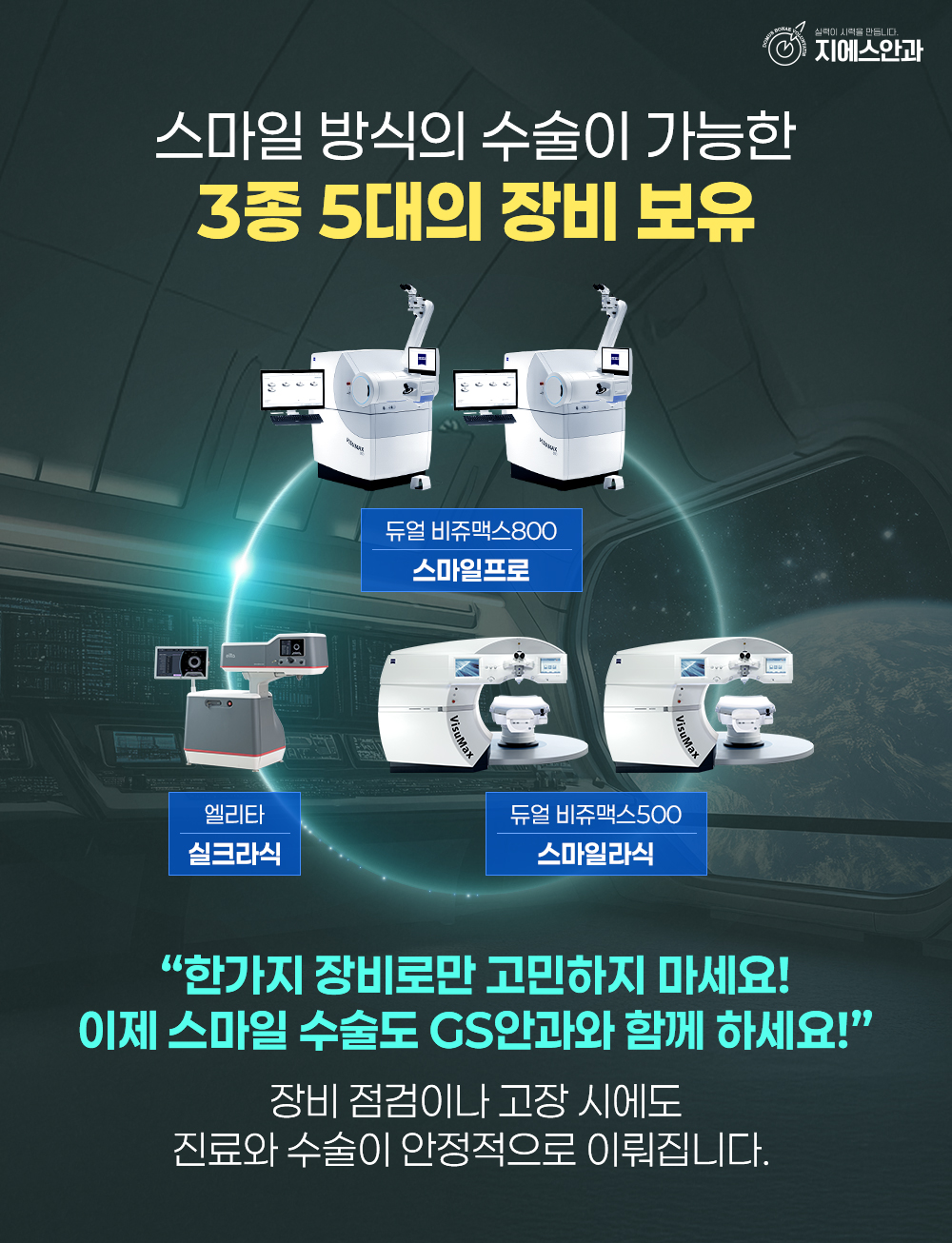
Multiple SMILE laser platforms, including VISUMAX 800 and VISUMAX 500 units, are operated at the clinic. This allows the team to select the equipment and procedure type according to each patient’s eye condition and goals.
How a specialized clinic manages SMILE LASIK recovery
A well‑organized ophthalmology clinic in Gangnam will usually start with a comprehensive pre‑operative eye examination. This includes screening for corneal disease, measuring corneal thickness and shape, evaluating tear film and dry eye status, and checking the retina and overall eye health. The goal is to confirm whether SMILE LASIK is suitable or whether another option would be safer.
Based on the degree of myopia and astigmatism, corneal biomechanics, and your lifestyle needs, the surgeon plans the procedure individually. Modern femtosecond laser platforms are used to minimize procedure time and support precise lenticule creation.
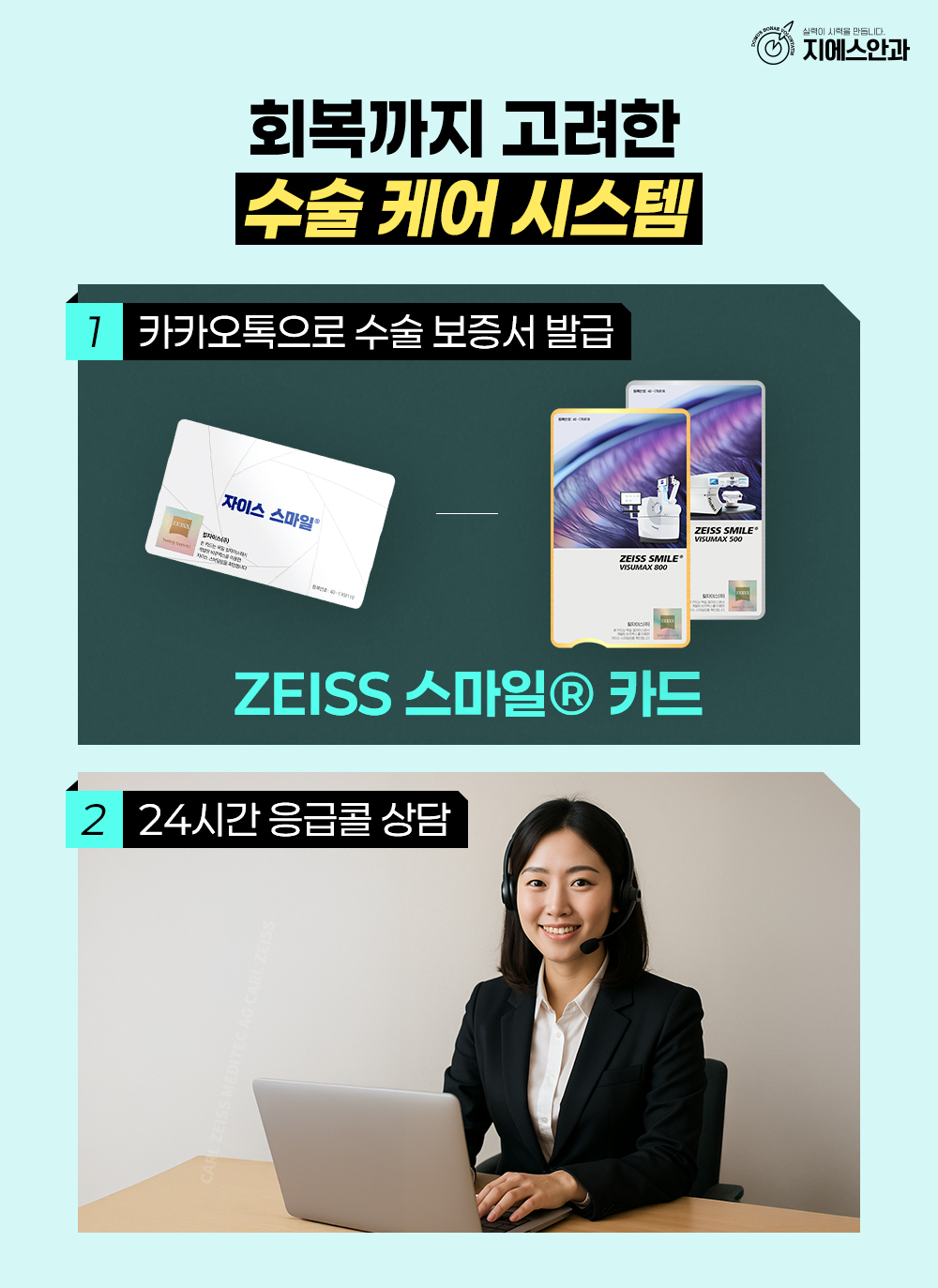
Recovery is supported by a structured follow‑up schedule, often including next‑day, 1‑week, and 1‑month visits, with further visits as needed. At each visit, the ophthalmologist checks healing, adjusts medications, and addresses issues such as dry eye or visual fluctuations.
Patient education is also important. Before and after surgery, the clinic staff usually explain what to expect during each recovery phase, what is normal, and when to contact the clinic urgently. This helps overseas patients feel more secure, even when they return home.
Online consultation and pre‑visit preparation for overseas patients
If you are considering SMILE LASIK in Korea, an online consultation is often the first step. Many Gangnam clinics offer video calls or email consultations in English. During this stage, you can share your glasses prescription, contact lens history, and any previous eye examination reports.
Before your trip, it is helpful to prepare a list of questions. For example, you might ask about the expected recovery time for your degree of myopia, how many days you should stay in Seoul, what follow‑up schedule is recommended, and how the clinic coordinates with your local eye doctor.
You can also ask about the laser platforms used (for example, VISUMAX 800 or 500, SMILE Pro, SILK), anesthesia method (usually eye drops), approximate surgery time, and typical aftercare. Clarifying these points in advance helps you compare clinics based on more than just cost.
When comparing clinics, many patients find it useful to check not only the price but also the range of diagnostic tests, the experience of the surgeons, the number of SMILE‑type procedures performed, the availability of multiple laser platforms, and the structure of postoperative care.
Expected Korea visit timeline for SMILE LASIK
For overseas patients, a common schedule is to stay in Seoul for about 4–7 days around the surgery.
Day 1: Pre‑operative examination. This is a detailed eye check that can take several hours, including various imaging tests. If your eyes are suitable and you agree to proceed, surgery may be scheduled for the next day or within a few days.

Day 2: Surgery day. The procedure itself is short, but you should plan to stay at the clinic for a few hours for preparation, surgery, and immediate post‑operative checks. After surgery, you return to your accommodation to rest.
Day 3: First postoperative check‑up. The ophthalmologist confirms the corneal status, checks your vision, and reviews your eye drop schedule. Many patients are already comfortable walking around and doing light sightseeing.
Days 4–5: Additional follow‑up (if scheduled). Some clinics like to see overseas patients again before they fly home, especially if they had higher corrections or pre‑existing dry eye.
Day 5–7: Return flight. Most patients can fly home within a few days after SMILE LASIK, but it is important to use lubricating drops regularly during the flight and avoid rubbing your eyes.
Your exact schedule may differ depending on your eye condition, travel plans, and the clinic’s policy. In some cases, clinics coordinate with an eye doctor in your home country for further follow‑up.
Frequently asked questions about SMILE LASIK recovery time
How long does it take to see clearly after SMILE LASIK?
Many patients notice a significant improvement in vision within the first 24 hours. Functional vision for daily activities is often achieved within 1–2 days, and most people feel comfortable for office work or study within about 2–3 days. Fine details and night vision can continue to improve over several weeks to months.
When can I go back to work or school after SMILE LASIK?
For desk‑based work or study, many patients return within 2–3 days, as long as they can take regular breaks and use artificial tears. If your work involves heavy physical activity, dusty environments, or night driving, your ophthalmologist may recommend a longer rest period. Always confirm your personal plan with your surgeon.
When is it safe to drive after SMILE LASIK?
Driving is not allowed on the day of surgery. Some patients can drive short distances in good daylight after 2–3 days, once their vision meets legal standards and they feel confident. Night driving may take longer to feel comfortable because of early halos and glare. Your surgeon will advise you based on your vision at follow‑up.
How long do halos, glare, and dry eye last after SMILE LASIK?
Halos and glare around lights are common in the first weeks and usually improve gradually over 1–3 months. Mild dry eye symptoms are also common and often respond well to regular use of preservative‑free artificial tears. In some patients with pre‑existing dry eye, symptoms can persist longer and may require ongoing management.
What should I do if my vision suddenly gets worse during recovery?
A sudden decrease in vision after an initial period of improvement is not typical and should be treated as a warning sign. Contact your ophthalmology clinic immediately, follow their emergency instructions, and avoid rubbing your eyes. If you are already back in your home country, seek urgent care from a local eye doctor and inform your Korean clinic.
Soft call to action
If you are considering SMILE LASIK in Gangnam, Seoul and want to understand how the recovery timeline would look for your specific eyes, an online consultation can be a helpful first step. By sharing your current prescription and eye history, you can receive personalized guidance on suitability, expected recovery, and a realistic travel schedule.
A structured approach to pre‑operative evaluation, surgery, and follow‑up can make your vision correction journey in Korea more comfortable and predictable. If you have questions about SMILE LASIK recovery time, you can contact a specialized ophthalmology clinic in Gangnam for detailed information before you plan your trip.


- 공유 링크 만들기
- X
- 이메일
- 기타 앱


댓글
댓글 쓰기