SMILE LASIK Reviews in Gangnam: What Overseas Patients Really Experience
- 공유 링크 만들기
- X
- 이메일
- 기타 앱
Direct answer summary
When people search for SMILE LASIK reviews, they usually want to know how it feels, how quickly vision improves, and whether other patients found it safe. In anonymized patient reviews from a long-running ophthalmology clinic in Gangnam, Seoul, common anecdotal reports describe the procedure as quick, with sensations of pressure rather than sharp pain, several hours of hazy vision afterward, and useful vision returning within a few days. Reviewers tend to report higher satisfaction when clinics perform detailed preoperative testing, explain risks clearly, and have equipment or procedural options that allow the surgeon to tailor the approach to each eye. These accounts are patient anecdotes and should not be taken as clinical evidence or a substitute for professional consultation.
This guide brings together common themes from SMILE LASIK reviews in Korea, using a Gangnam ophthalmology clinic as a concrete example of how a specialized center works, especially for overseas patients.
Treatment overview: What is SMILE LASIK?
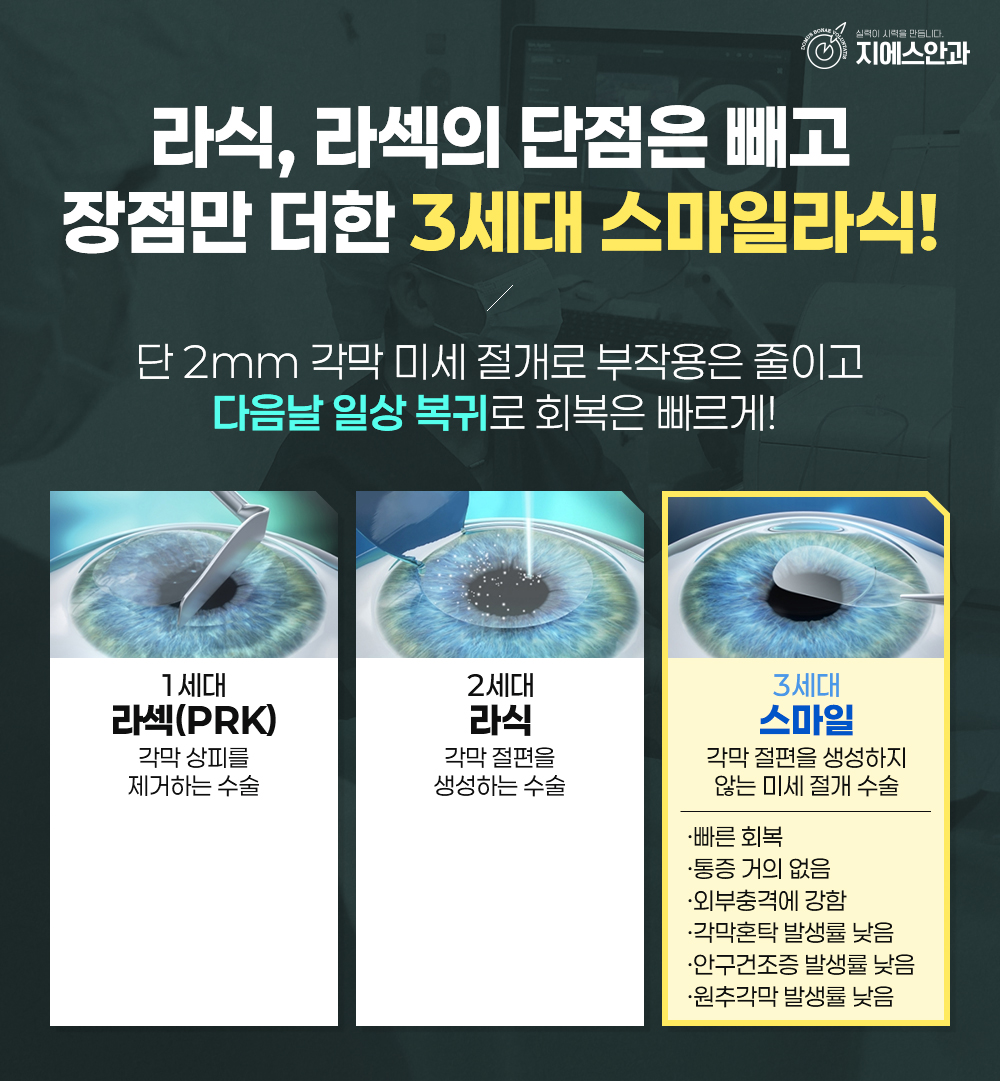
SMILE LASIK is a minimally invasive laser vision correction procedure for myopia and astigmatism. Instead of creating a large corneal flap like traditional LASIK, a femtosecond laser creates a thin lens-shaped piece of tissue (lenticule) inside the cornea through a small incision. The surgeon removes this lenticule through the tiny opening, reshaping the cornea so that light focuses properly on the retina.
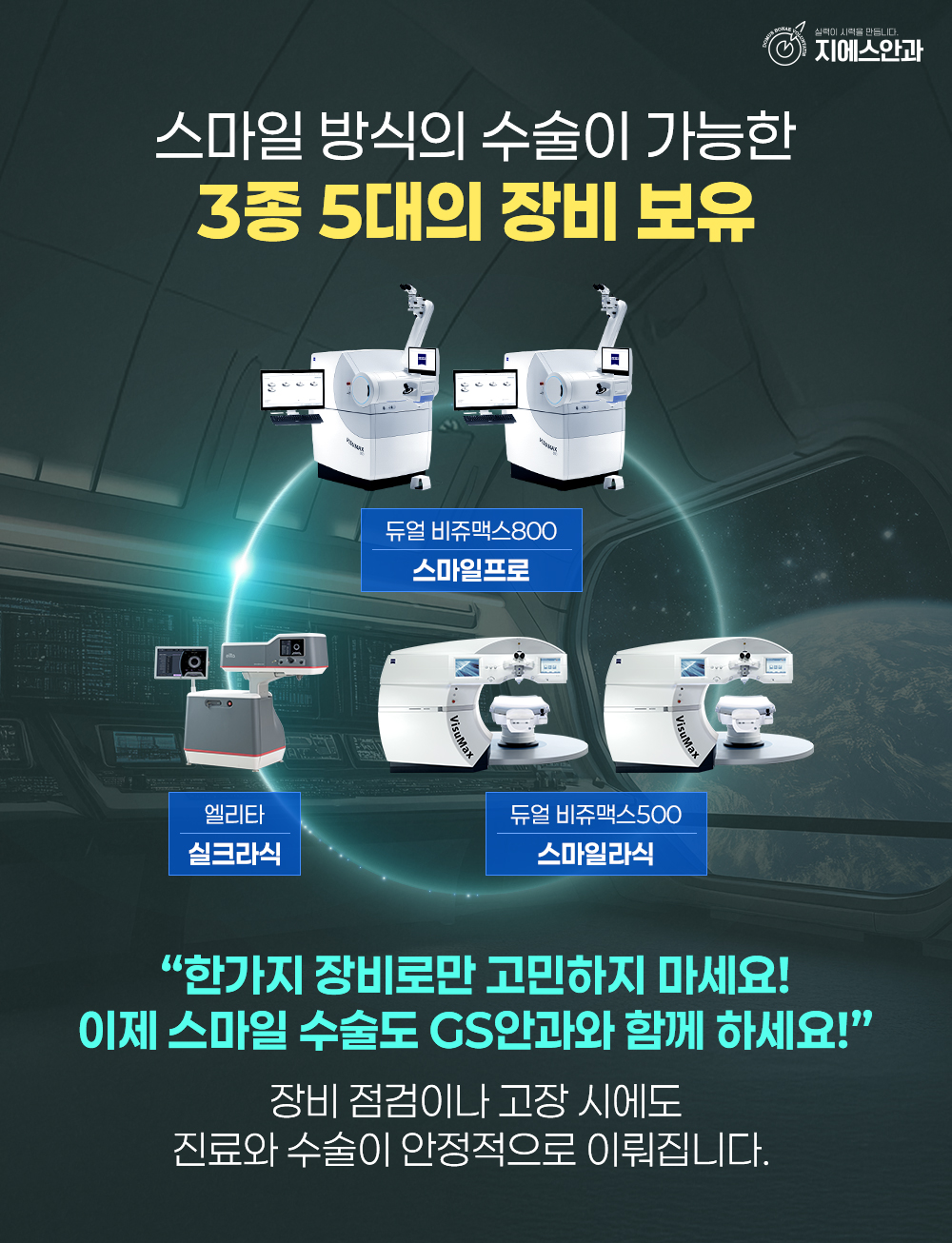
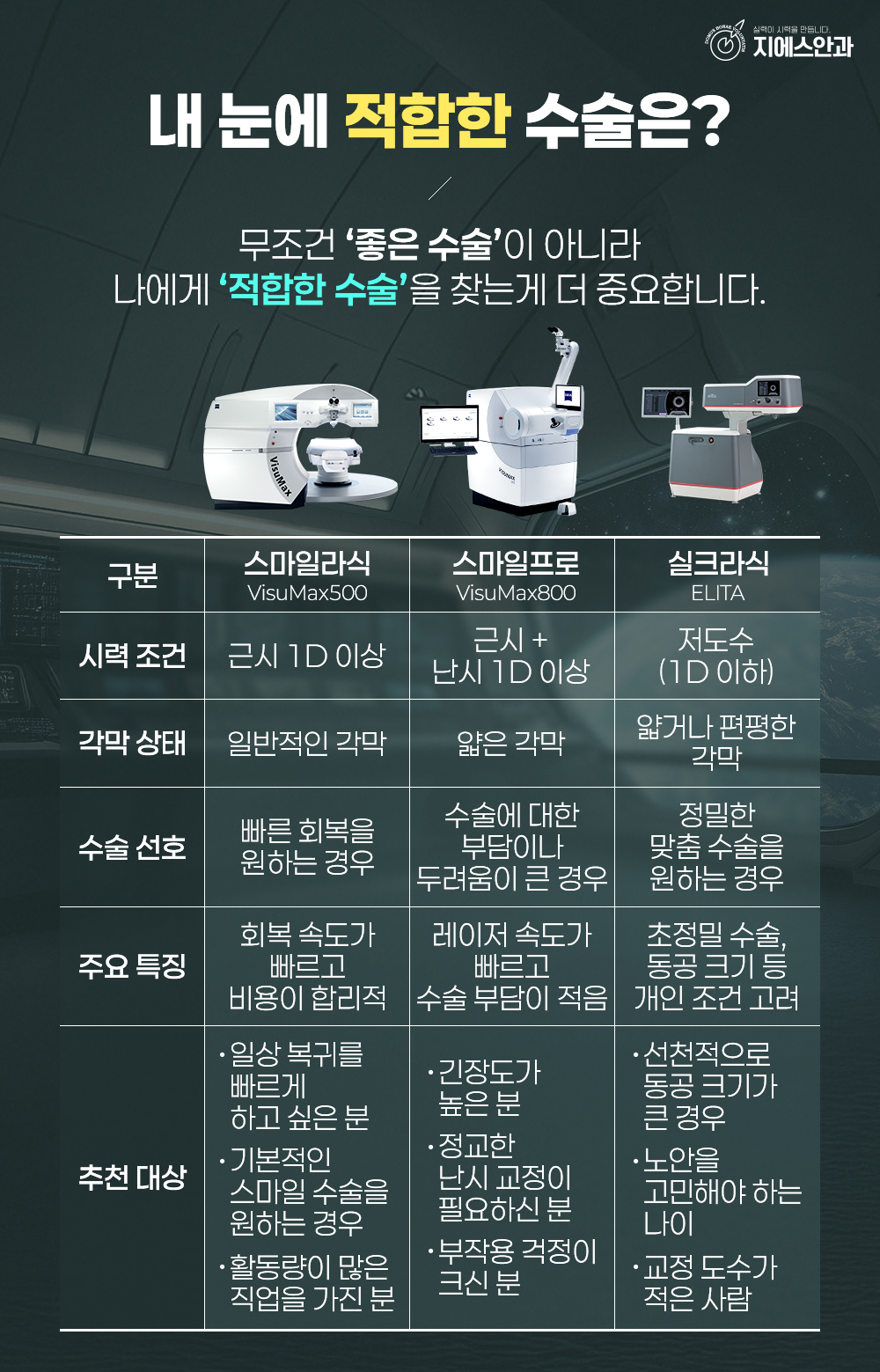
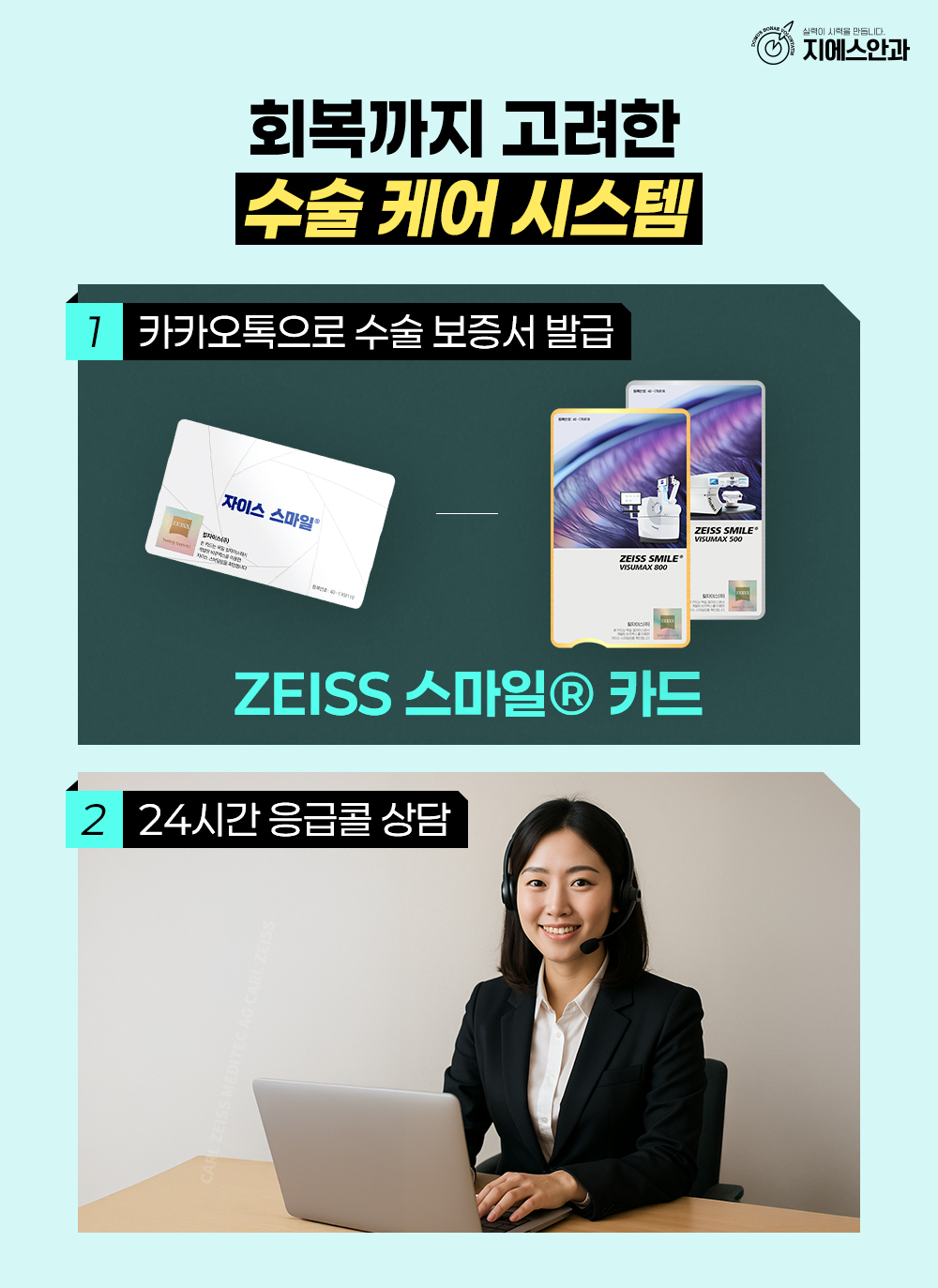
In Gangnam, some ophthalmology clinics focus strongly on SMILE-type procedures, including SMILE LASIK, SMILE pro (a newer generation), SILK, and their own customized protocols such as a “Golden SMILE” concept. These clinics often invest in multiple ZEISS platforms such as the VISUMAX 800 and VISUMAX 500 series, which are specifically designed for SMILE procedures.
For international patients, the appeal of SMILE LASIK is usually
- Less invasive approach with a small incision
- Short laser time, especially with newer platforms
- Relatively quick return to daily activities for many people
However, it is still surgery on the eye, and reviews make it clear that careful screening, realistic expectations, and proper aftercare matter more than any single brand name.
Who may consider SMILE LASIK
People who tend to look up SMILE LASIK reviews and consider surgery include
- Adults with stable myopia and astigmatism who are tired of glasses or contact lenses
- Office workers, students, and travelers who want a quick recovery time
- Frequent contact lens users with discomfort or dryness
- People who prefer a smaller incision method compared to flap-based LASIK
A thorough pre-operative eye examination is essential to see whether SMILE LASIK is appropriate. In some cases, reviews describe patients being advised toward other options such as LASEK or lens implantation because of thin corneas, irregular corneal shape, or other eye conditions. A trustworthy clinic will not push SMILE LASIK for everyone, even if it is their main service.
What patients usually want to know before SMILE LASIK
When you read SMILE LASIK reviews, you will see the same questions repeated again and again.
Is SMILE LASIK really less painful than LASIK or LASEK?
Most reviewers say they feel pressure and some discomfort, but not sharp pain, during SMILE-type procedures. Numbing drops are used, and the laser time is very short. The more intense sensations are usually dryness or foreign-body feeling in the hours after surgery rather than during the laser itself.
How long does the surgery actually take? The laser step itself is typically very brief with newer femtosecond platforms—often only a few seconds per eye—while earlier-generation machines also complete the laser portion quickly. However, the total time in the operating room is longer because of preparation, positioning, and safety checks; many patient reports describe being in the OR for several tens of minutes even though the active laser time is short.
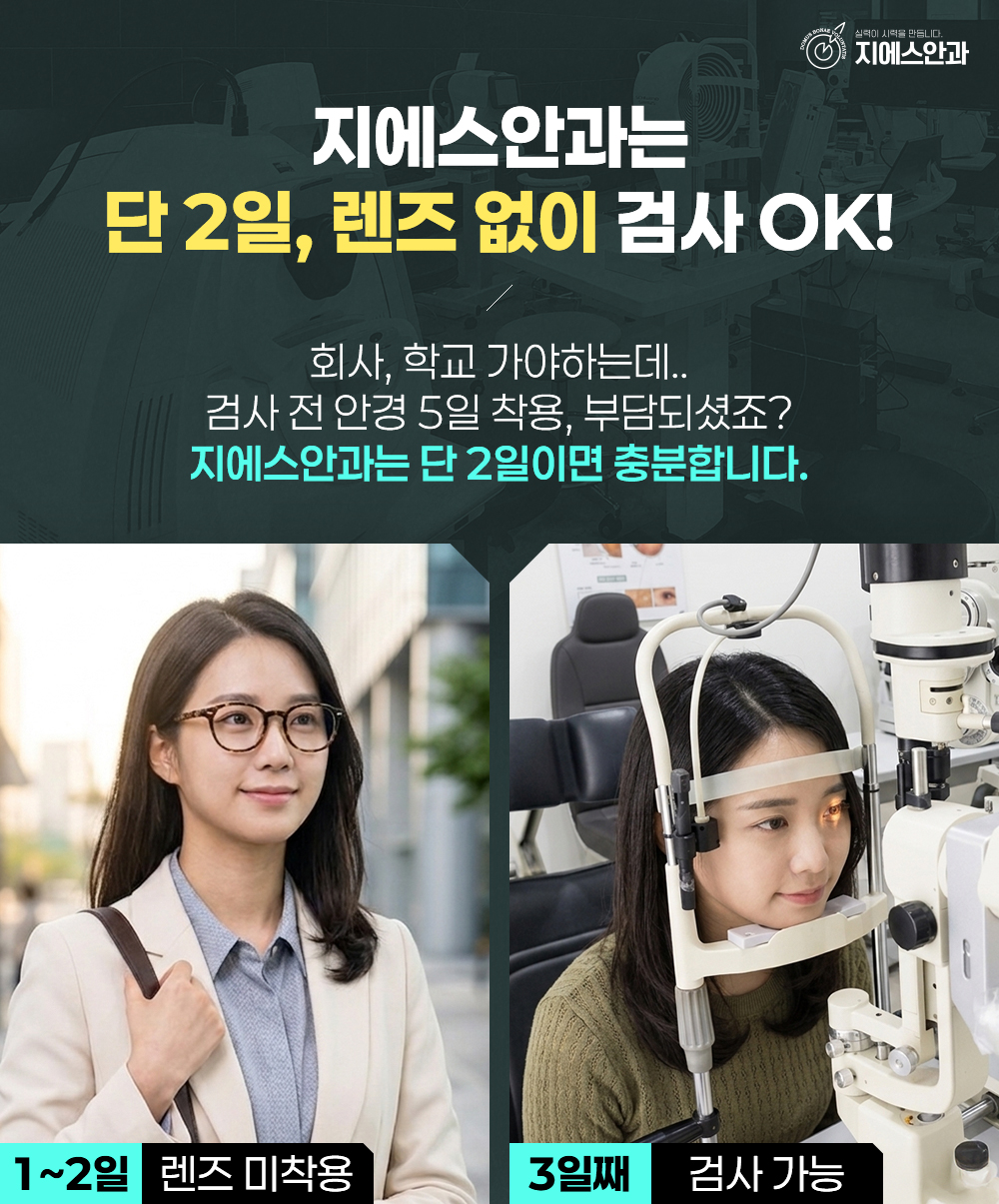
How soon can I see clearly and return to work or study?
Many patients report functional vision on the same day or the next day, with rapid improvement over the first 1–3 days. For office work or study, people often return within a few days, depending on job type and individual healing. Very fine visual clarity can continue to improve for several weeks to months.
Are there many side effects like dry eye, glare, or halos?
Reviews mention temporary dry eye, glare, or halos at night, especially in the first weeks. These often improve over time but can vary by person. Some patients feel almost normal within a few days, while others need several weeks before night vision feels comfortable.
How thorough are the pre-op exams and explanations?
This is one of the strongest themes in positive reviews. Patients tend to rate their experience higher when the clinic spends time on detailed testing, explains why they are or are not a good candidate, and discusses both benefits and risks without pressure.
Pre-operative examination experience
At a specialized SMILE center in Gangnam, the pre-operative examination is usually the longest part of the whole journey. Reviews often describe spending one to two hours, sometimes more, going through a structured set of tests.
Typical tests include
- Measurement of corneal thickness and curvature
- Corneal topography and tomography to check for irregular shape
- Pupil size under different lighting conditions
- Tear film and dry eye evaluation
- Retinal and optic nerve examination to rule out hidden problems
Clinics that focus on SMILE LASIK often use advanced diagnostic devices to decide whether SMILE, another laser method, or lens implantation is safer. Patients frequently mention that the staff and doctors repeat measurements to confirm results and that they meet more than one ophthalmologist during the workup.
Some specialized clinics have multiple ophthalmologists and subspecialists on staff, including surgeons focused on refractive procedures and retina specialists. Many patients say they feel reassured when a retina specialist examines the back of the eye during preoperative assessment, although staff composition and available subspecialties vary between centers.
Another common point in reviews is that the clinic sometimes advises against surgery. For example
- Cornea too thin for safe laser reshaping
- Suspicious corneal irregularities that could lead to ectasia
- Unstable refraction or very high myopia where lens-based options may be safer
Patients who are declined often write that they appreciated the honesty, even if they were disappointed.
Surgery day: what reviews commonly describe
The day of surgery is usually described in clear steps in many SMILE LASIK reviews.
Arrival and final checks
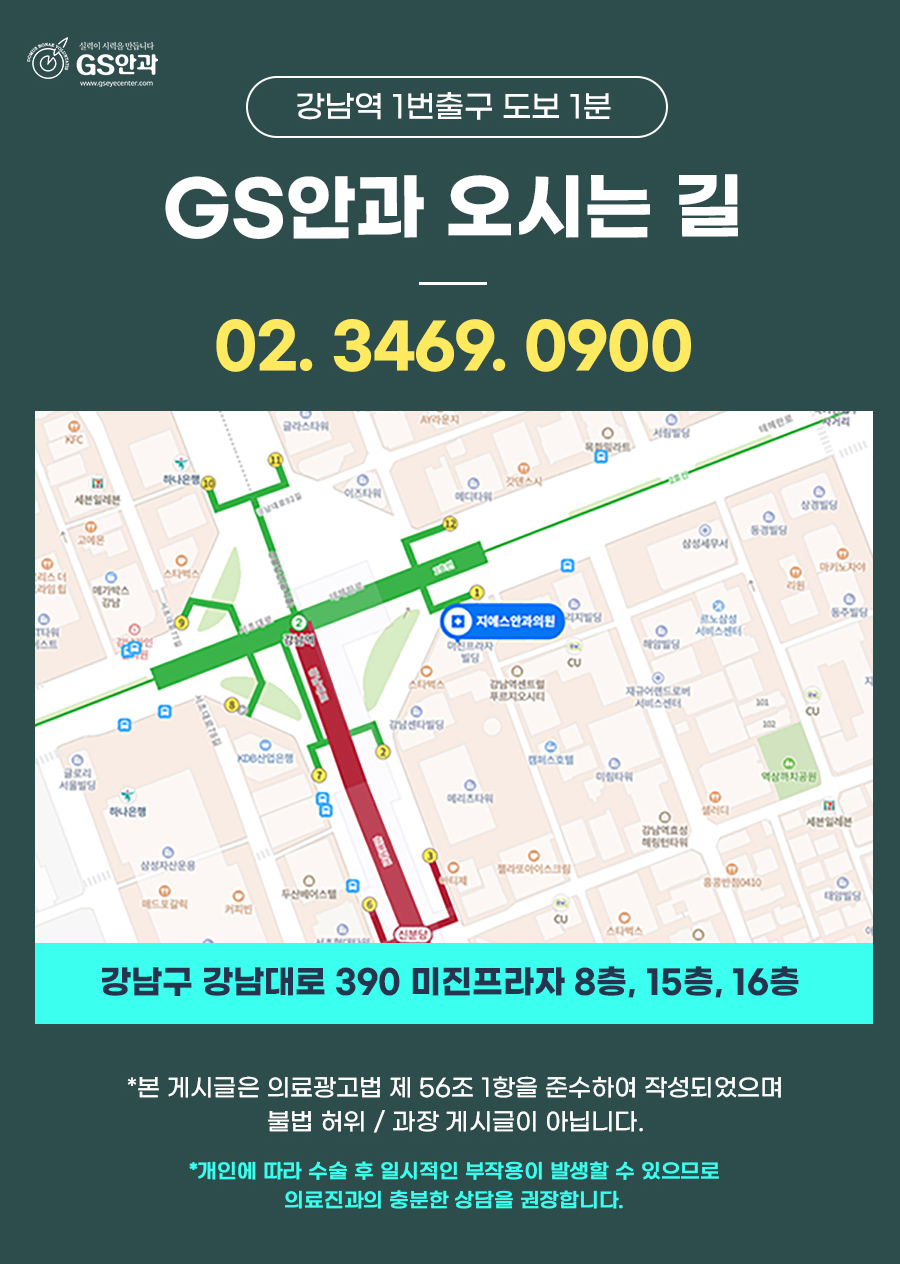
Patients arrive at the ophthalmology clinic near Gangnam Station, check in, and go through final measurements or confirmation of earlier tests. They review consent forms and meet the surgeon again to ask last-minute questions. Some reviews mention feeling nervous at this stage, but staff often explain each step and provide guidance on what to expect.
Preparation and numbing
In the preparation area, patients change into a gown or cover-up and receive numbing eye drops. The eyelashes and surrounding skin are cleaned. In some clinics, a mild oral sedative may be offered, depending on the protocol and patient preference.
Under the laser
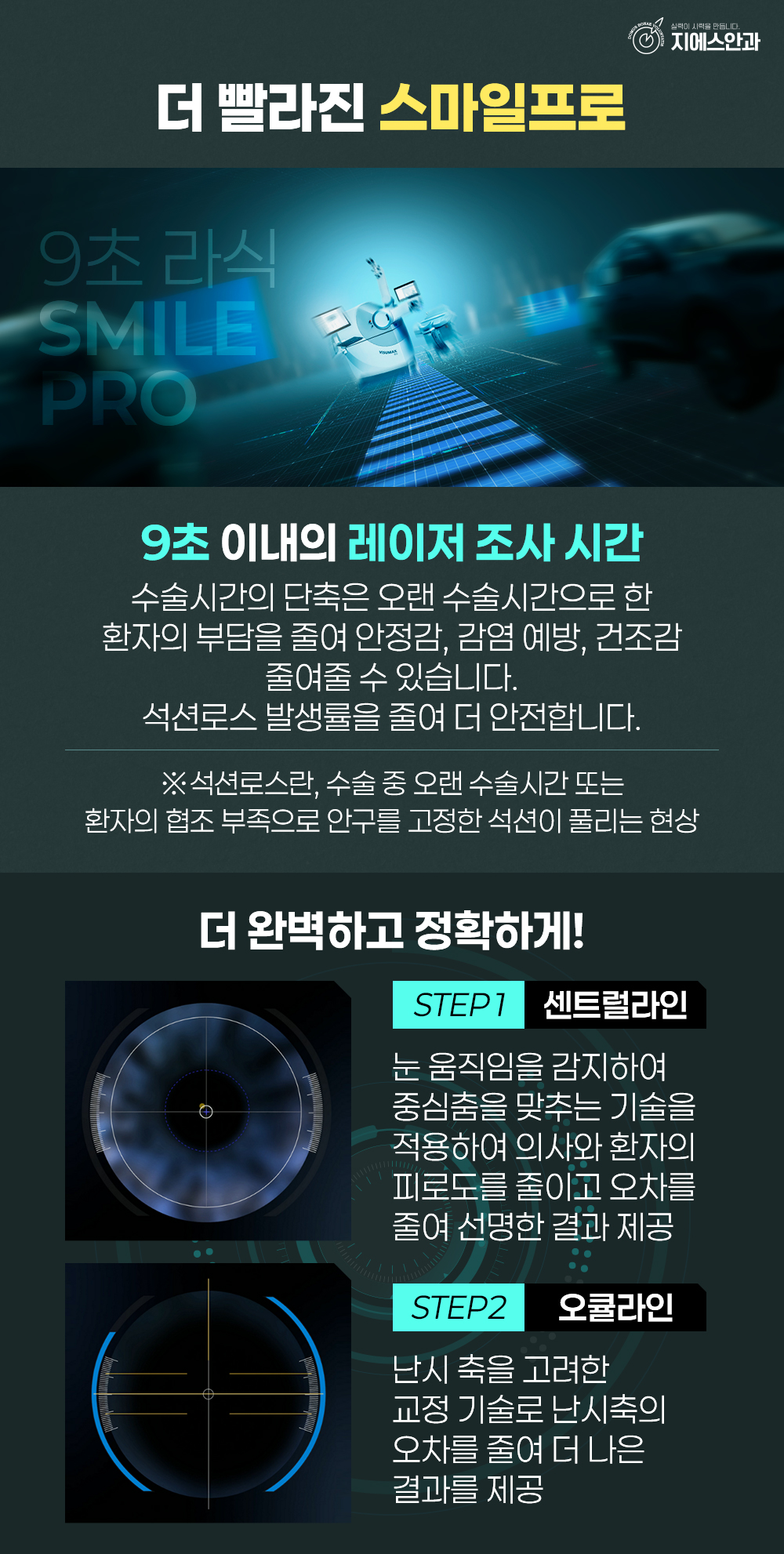
The patient lies on the bed under the laser platform. Clinics that own multiple ZEISS systems may assign SMILE pro cases to the VISUMAX 800 and SMILE LASIK cases to VISUMAX 500 units. Reviews often highlight the very short laser time with the VISUMAX 800, usually under 9 seconds per eye.
Patients describe feeling
Pressure on the eye rather than pain when the suction ring is applied
Seeing a light or blurry shapes during the laser
A sense of time passing quickly because the surgeon talks them through the process
The surgeon then gently removes the lenticule through the small incision. This part is not painful but can feel like slight tugging or pressure.
Total time in the operating room
While the laser itself is very quick, the entire time in the operating room per patient is longer due to positioning, cleaning, and checks. Many reviewers say they were surprised at how fast the main part felt and that the most difficult moment was simply lying still and managing anxiety.
Right after surgery, patients are usually guided to a rest area with eyes closed or gently covered. They receive instructions on eye drops and what to avoid.
Recovery timeline based on typical reviews
Immediate post-op (first few hours)
- Vision is often hazy or foggy
- Eyes may feel scratchy, watery, or slightly burning
- Light sensitivity is common
- Most clinics recommend going back to the hotel or accommodation and resting with eyes closed as much as possible that day
First 1–3 days
Vision usually clears rapidly; many patients can see well enough to navigate, use a phone, and watch TV
Some people can work at a computer within a couple of days, though frequent breaks are advised
Dryness and foreign-body sensation can come and go
Follow-up visits are typically scheduled on day 1 and within the first week
First 1–4 weeks
- Vision sharpness continues to fine-tune
- Night-time glare or halos around lights can be more noticeable, especially in the early weeks
- Dry eye symptoms may require regular artificial tears
- Most patients in reviews report that these issues gradually improve
3–6 months
Vision tends to stabilize
Patients who had realistic expectations and appropriate screening often report high satisfaction
Some may need minor adjustments in habits, such as using lubricating drops in dry environments
Individual results vary, and a small number of patients may need enhancement procedures or experience longer-lasting symptoms. Long-term follow-up with an ophthalmologist is important, especially for overseas patients who may need to coordinate care between Korea and their home country.
What makes a SMILE LASIK clinic feel trustworthy in reviews
When you compare SMILE LASIK reviews for different clinics in Gangnam, several patterns stand out in more positive experiences.
Transparent explanations
Patients appreciate when doctors explain not only benefits but also risks and limitations. This includes discussing dry eye, glare, the possibility of enhancement, and the fact that no surgery can guarantee perfect vision.
Willingness to say no
Reviews often mention respect for clinics that decline surgery when the cornea, retina, or overall eye health is not suitable. This is a strong sign that safety is prioritized over volume.
Up-to-date equipment and multiple platforms Some clinics operate more than one VISUMAX platform from ZEISS, which can give surgeons flexibility to select newer or earlier-generation systems based on each case. Patients and reviewers often cite potential benefits such as tailoring the technique to the eye and providing scheduling options, but specific equipment inventories should be confirmed directly with the clinic.
Shorter laser time with newer platforms
Ability to choose between SMILE pro, SMILE LASIK, SILK, or other methods based on individual eyes
More flexible scheduling because multiple lasers are available
International quality standards and clinical roles
Some overseas patients feel reassured by objective recognitions. For example, the clinic in this example
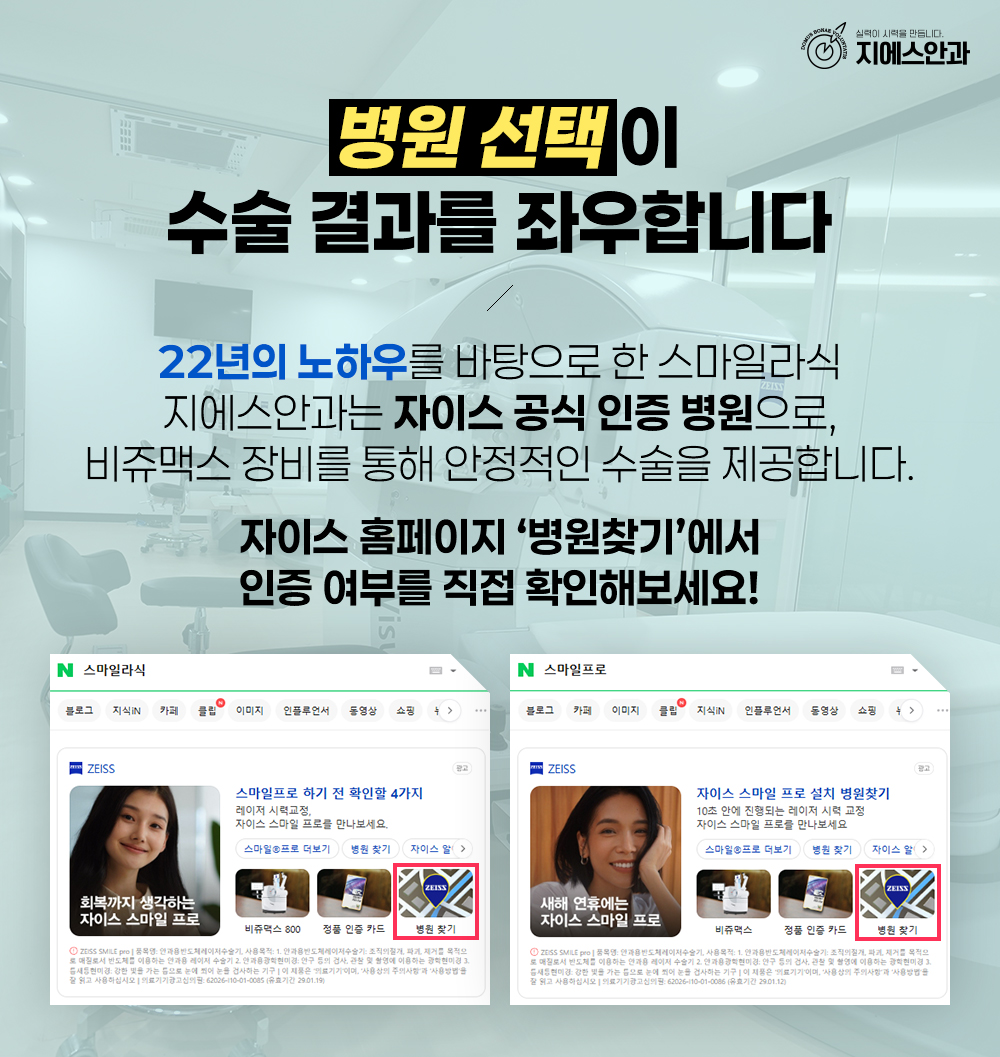
Clinics sometimes receive external recognitions, manufacturer program memberships, training-center designations, or quality-management certifications. Such honors can indicate institutional investment in training and quality, but specific awards, program names, or certification dates should be verified through official sources or the clinic's published records rather than assumed.
These facts do not guarantee results but suggest that the clinic is involved in ongoing education and quality management.
Experienced medical staff
Reviews frequently mention trust in the background of the surgeons. In the Gangnam clinic example, there are seven board-certified ophthalmologists with subspecialty training, and the medical director has experience as a university ophthalmology professor and runs an educational YouTube channel on eye health. Patients often say they felt more comfortable knowing that multiple specialists, including retina experts, are available in one place.
Safety, side effects, and realistic expectations
Even with advanced technology, SMILE LASIK is still surgery. Commonly discussed risks and side effects include
- Dry eye symptoms, especially in the early period
- Glare or halos around lights at night
- Under-correction or over-correction, sometimes requiring enhancement
- Fluctuating vision during the healing phase
- Rare complications related to infection, inflammation, or corneal shape
Most reviews from well-screened patients describe manageable side effects that improve over time. However, no clinic can promise that you will not experience any symptoms, and no one can guarantee a specific visual outcome.
For overseas patients, it is important to plan for
- Enough time in Korea for early follow-up visits
- A clear plan for follow-up care once you return home
- Understanding of how to contact the clinic if you have concerns later
Online consultation and pre-visit preparation for overseas patients
Before flying to Seoul, many international patients start with an online consultation. This can help you decide whether it is worth traveling and what to expect.
Information you may be asked to provide
- Your age and general health
- Current glasses or contact lens prescription
- History of eye problems or previous eye surgery
- Contact lens wear habits (type and duration)
- Any known systemic diseases such as diabetes or autoimmune conditions
Some clinics may ask you to send recent eye examination results from your local ophthalmologist. This does not replace the full pre-operative workup in Korea but can give the team an initial idea of your suitability.
Questions to prepare before your consultation
Based on what you see in SMILE LASIK reviews, it is helpful to prepare a checklist of questions such as
Which SMILE-type procedures are available (SMILE LASIK, SMILE pro, SILK), and how do you decide between them?
How many SMILE cases has the clinic performed, and how many with the specific platform recommended for you?
What is the typical schedule for overseas patients, from exam to surgery to follow-up?
What side effects do they most commonly see in their patients, and how are they managed?
How will follow-up be coordinated once you return to your country?
Expected Korea visit timeline for SMILE LASIK
Every clinic has its own schedule, but a common pattern for overseas patients visiting a Gangnam ophthalmology clinic looks like this.
Day 1: Comprehensive examination
- Full pre-operative testing and consultation
- Discussion of whether you are a good candidate and which method is recommended
- Time to ask questions and review consent information
- In some cases, surgery may be scheduled for the next day; in others, you may choose to allow more time
Day 2: Surgery
- Final checks and confirmation
- SMILE LASIK or SMILE pro procedure
- Short rest at the clinic after surgery
- Return to accommodation with protective eyewear and eye drop instructions
Day 3–4: Early follow-up
- Post-op check to confirm healing and vision progress
- Adjustment of eye drop schedule if needed
- Discussion of any discomfort or questions
Day 5–7: Additional follow-up (optional but often recommended)
Further check of corneal healing and visual acuity
Final confirmation before you fly home

Many overseas patients stay in Seoul for about one week around the time of surgery, especially if they are traveling long distances.
Aftercare and long-term follow-up
After SMILE LASIK, you will typically receive
- Prescription eye drops to prevent infection and reduce inflammation
- Lubricating drops to manage dryness
- Instructions to avoid rubbing your eyes
- Guidance on showering, makeup, sports, and screen use
General recommendations often include
- No eye rubbing
- Avoid swimming pools and hot tubs for a period recommended by your surgeon
- Use protective eyewear in dusty or windy environments
- Take regular breaks from screens, especially in the first weeks
For long-term follow-up, you should
Have regular eye examinations with a local ophthalmologist
Inform them that you had SMILE LASIK in Korea and share any documentation from the clinic
Contact the Korean clinic if you notice unusual symptoms such as sudden vision loss, severe pain, or persistent redness
FAQ: SMILE LASIK reviews and practical questions
Are SMILE LASIK reviews generally more positive than LASIK or LASEK?
Many patients who choose SMILE-type procedures report that they experienced less discomfort and a quicker return to daily activities compared with what they have heard about traditional LASIK or LASEK. However, reviews are subjective, and people who are satisfied are more likely to post. The key factor behind positive reviews is usually not the label of the procedure alone but proper candidate selection, careful surgery, and attentive follow-up.
How do I tell if a SMILE LASIK review is trustworthy and not just marketing?
Trustworthy reviews usually include specific details about the process, such as the length of the exam, what tests were done, how the surgeon explained risks, and how side effects were handled. Be cautious of reviews that only use vague praise without mentioning any concrete steps or that sound identical across multiple platforms. It is also helpful to compare reviews from different sources and languages to see consistent patterns rather than relying on a single comment.
What should I ask during my first consultation at a SMILE LASIK clinic?
Useful questions include how they decide between SMILE LASIK, SMILE pro, SILK, and other options; how many cases they have performed with your recommended method; what their typical side effects are; and how they manage enhancements if needed. You can also ask who will perform the surgery, whether subspecialists such as retina experts are involved in pre-op screening, and what the exact schedule would look like for an overseas patient.
How long should I take off from work after SMILE LASIK?
Many people with office-based or study-related work can return within a few days, based on typical reviews. However, if your job involves heavy physical activity, dusty environments, or safety-critical tasks, you may need more time. It is wise to discuss your specific job with the surgeon and, if possible, plan at least several days of lighter duties after you return home.
Is SMILE LASIK suitable for high myopia or thin corneas?
SMILE LASIK can be an option for certain ranges of high myopia, but suitability depends on corneal thickness, shape, and overall eye health. For very thin corneas or irregular shapes, surgeons may recommend alternative procedures or advise against laser surgery altogether. A detailed examination at an ophthalmology clinic is the only way to know whether SMILE LASIK is appropriate for your eyes.
Soft call to action for online consultation
If you are reading SMILE LASIK reviews and considering having vision correction in Gangnam, the next practical step is to arrange an online consultation with an ophthalmology clinic that regularly performs SMILE-type procedures. Share your current prescription, eye history, and travel plans, and ask specific questions about exam protocols, equipment, and aftercare.
Using reviews as a guide, focus on clinics that emphasize detailed pre-operative testing, transparent explanations, multiple SMILE platforms, and structured follow-up. This will help you make an informed decision about whether traveling to Seoul for SMILE LASIK is right for you.




- 공유 링크 만들기
- X
- 이메일
- 기타 앱


댓글
댓글 쓰기