Types of Cataract Lenses and How to Choose in Gangnam Seoul

Direct answer summary
If your doctor recommends cataract surgery, you will also choose the type of artificial lens to replace your cloudy natural lens. Modern cataract procedures can restore clarity and improve vision at different distances — distance, intermediate (computer/arm’s-length tasks), and near (reading). No single lens is best for everyone: monofocal lenses reliably correct one distance and are often paired with glasses for other tasks; multifocal, trifocal, and extended depth of focus (EDOF) lenses aim to reduce dependence on glasses across ranges but can involve trade-offs such as halos or reduced contrast in some lighting conditions; toric lenses address astigmatism. Talk with your surgeon about your daily activities, tolerance for visual side effects, and budget to find the lens profile that fits your needs.
At a specialized ophthalmology clinic in the Gangnam area of Seoul, lens selection is based on detailed measurements of your eyes, your lifestyle, and your expectations, rather than on brand names alone. This guide explains the main lens types, how they affect daily life, what to consider before choosing, and what an overseas patient can expect when coming to Korea for cataract surgery.
What is a cataract and why lens choice matters
A cataract is a clouding of the eye’s natural crystalline lens. As the lens becomes cloudy, light cannot pass through clearly, causing blurred vision, glare, faded colors, and difficulty seeing at night or in low light. Many people notice trouble with driving at night, reading small print, or seeing faces clearly.
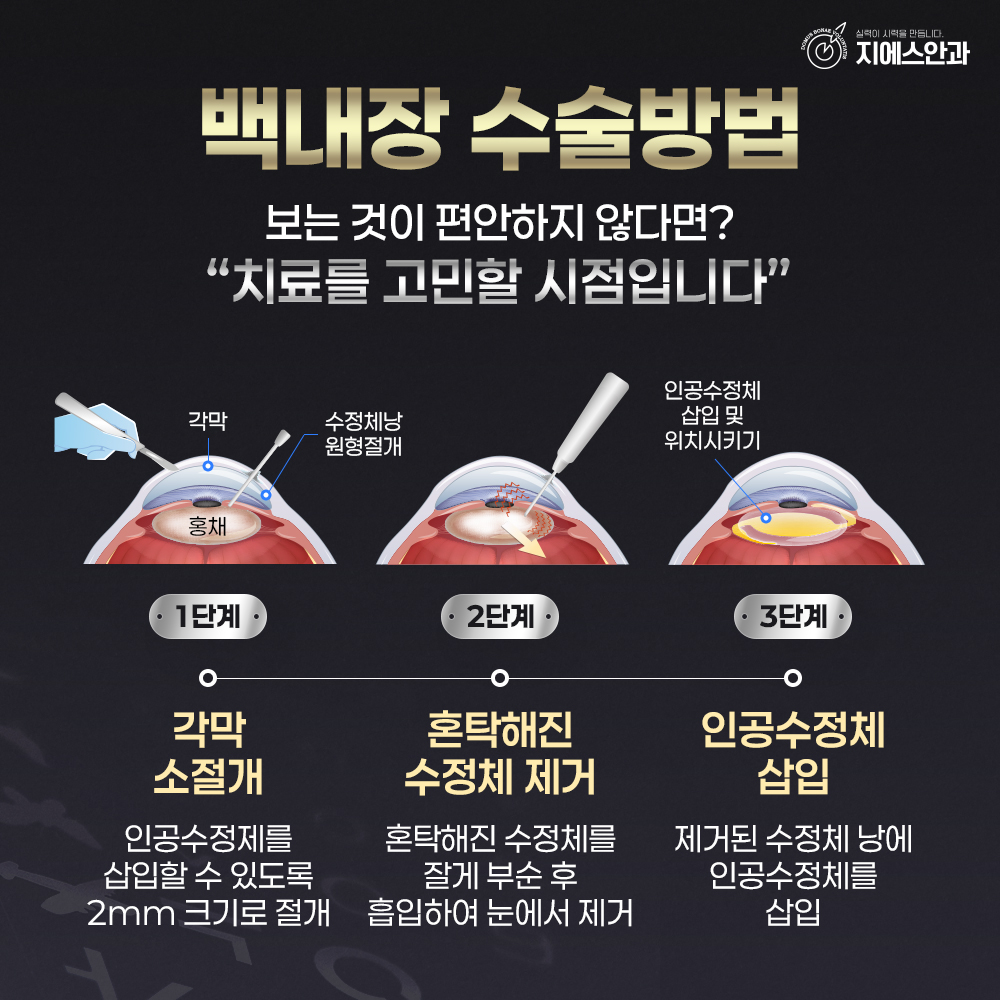
Cataract surgery removes this cloudy natural lens and replaces it with a clear artificial intraocular lens, often called an IOL. The surgery is usually done through a very small incision, and the new lens is placed permanently inside the eye.
In the past, cataract surgery focused mainly on removing the cloudy lens. Today, it is also a chance to correct refractive errors such as nearsightedness, farsightedness, astigmatism, and presbyopia. The type of lens you choose will influence how much you rely on glasses, how well you see at different distances, and how comfortable your vision is at night.
Because an IOL usually remains in the eye for life, choosing the right type for your eyes and lifestyle is an important decision. A careful preoperative examination and honest discussion with your ophthalmologist are essential.
Overview of main cataract lens types
Monofocal lenses
Monofocal lenses are the most commonly used type of IOL worldwide. As the name suggests, they are designed to provide clear focus at one main distance.
In most cases, monofocal lenses are set for distance vision. With this choice, many patients see well for driving, watching television, and outdoor activities, but still need glasses for near tasks such as reading, using a smartphone, or sewing. Some people also need glasses for intermediate tasks like computer work.
Advantages of monofocal lenses include generally crisp distance vision, relatively low risk of halos and glare, and broad insurance coverage in many health systems. They are often a good option for people who do not mind wearing reading glasses and who prioritize clear distance vision, such as frequent drivers or people who value comfortable night vision.
Multifocal and trifocal lenses (presbyopia-correcting)
Multifocal and trifocal lenses are designed to reduce dependence on glasses by providing focus at more than one distance. Multifocal lenses usually provide distance and near vision, while trifocal lenses add improved intermediate vision, which is important for computer work and many daily tasks.
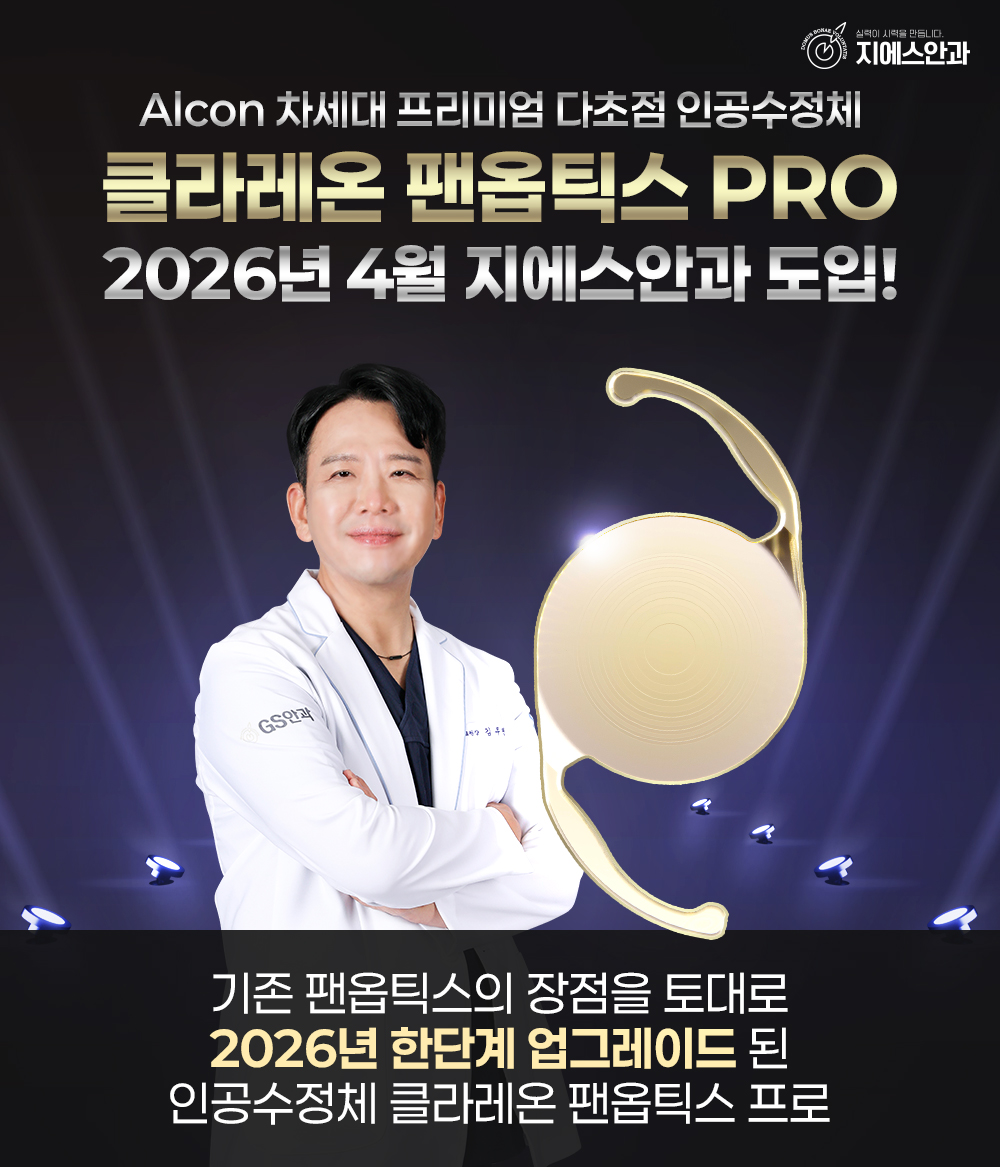
A well-known example of a trifocal lens is PanOptix, which is one of several premium presbyopia-correcting lenses used at some specialized clinics. These lenses split incoming light into multiple focal points so that you can see at far, intermediate, and near distances.

The main goal of multifocal and trifocal lenses is to allow you to perform most daily activities without glasses, such as reading a menu, checking your phone, working at a computer, and walking outdoors.
However, there are trade-offs. Because the light is divided between different focal points, some patients notice halos, glare, or starbursts around lights, especially at night. Contrast sensitivity can also be slightly reduced, so vision in dim conditions may feel different compared to monofocal lenses. Most people adapt over time, but some remain sensitive.
These lenses are usually recommended for patients who strongly wish to reduce their dependence on glasses and who have healthy eyes aside from cataracts. Realistic expectations and thorough counseling are very important.
Extended depth of focus (EDOF) lenses
Extended depth of focus lenses are designed to create a continuous range of focus, especially from distance to intermediate. Instead of distinct focal points like multifocal lenses, EDOF lenses extend the focus over a range, aiming for smoother transitions.
With an EDOF lens, many patients can see well for distance and intermediate tasks such as computer work, cooking, and viewing the car dashboard. Near vision for very small print or long reading sessions may still require weak reading glasses.
EDOF lenses are often chosen by people who want good functional vision for daily life and computer use, but who are cautious about the halos and glare sometimes associated with multifocal or trifocal lenses. Visual phenomena can still occur, but they are often milder compared to some multifocal designs.
Toric lenses for astigmatism
Astigmatism is a common condition where the cornea has an irregular curvature, causing blurred or distorted vision. Standard lenses cannot fully correct moderate to high astigmatism.
Toric lenses are specially designed to correct astigmatism at the same time as cataract removal. They can be monofocal, multifocal, or EDOF, combined with astigmatism correction.
By addressing both the cataract and corneal astigmatism, toric lenses can significantly reduce dependence on glasses for distance vision, and sometimes for other distances depending on the lens design. Precise preoperative measurements and careful alignment during surgery are essential for good results.
How lens choice affects daily life
Distance vision
Distance vision is important for driving, walking outdoors, watching television, and recognizing faces at a distance. Monofocal lenses set for distance usually provide very sharp distance vision and are often preferred by people who drive frequently, especially at night.
Multifocal, trifocal, and EDOF lenses can also provide good distance vision when properly selected and centered. However, some patients notice mild halos or glare around lights, which can be more noticeable during night driving.
Intermediate vision
Intermediate vision covers distances such as computer screens, kitchen counters, dashboards, and many office tasks. In modern life, this range is used for many hours every day.
Trifocal and EDOF lenses are specifically designed to improve intermediate vision. Patients who spend long hours at a computer or who do a lot of desk work often appreciate this.
With monofocal lenses set for distance, many people need separate computer glasses for comfortable intermediate vision, especially if they are sensitive to small differences in clarity.
Near vision
Near vision is needed for reading books, smartphones, labels, sewing, and other detailed work. Multifocal and trifocal lenses can provide functional near vision for many daily tasks, allowing people to read menus or messages without glasses in most situations.
Monofocal lenses set for distance almost always require reading glasses for near tasks. Some patients choose a strategy called monovision or blended vision, where one eye is set slightly for near and the other for distance, but this approach needs careful testing in advance to see if it feels comfortable.
Night vision and visual phenomena
Many patients are concerned about night driving and lights after surgery. Monofocal lenses generally have fewer halos, glare, or starbursts, and are often chosen by professional drivers or people who drive long distances at night.
Multifocal and trifocal lenses can cause halos or glare around headlights and streetlights, especially in the early months after surgery. Many patients adapt as the brain learns to ignore these effects, but some remain aware of them. EDOF lenses may have fewer or milder phenomena compared to some multifocal designs, but individual experience varies.
Factors to consider when choosing a cataract lens
Lifestyle and visual priorities
Think about how you use your eyes throughout a typical day. How many hours do you spend driving, using a computer, reading, or doing close-up hobbies? Do you play sports or enjoy outdoor activities that require sharp distance vision? Are you comfortable wearing glasses, or do you strongly wish to minimize them?
People who do a lot of reading or digital device use and want to reduce glasses may consider multifocal, trifocal, or EDOF lenses if their eyes are suitable. Those who prioritize the clearest possible distance vision and night driving comfort may lean toward monofocal lenses.
Occupation and hobbies
Your work and hobbies also influence lens choice. Professional drivers, pilots, or people whose jobs demand very precise night vision may benefit from monofocal lenses. Office workers, teachers, and people who use computers for many hours may appreciate the intermediate range of trifocal or EDOF lenses.
Hobbies such as sewing, crafting, playing musical instruments, or photography may require specific ranges of vision. Discuss these details with your ophthalmologist so they can recommend a lens strategy that fits your routine.
Eye health and anatomy
Not every eye is suitable for every type of lens. Conditions such as macular degeneration, diabetic retinopathy, glaucoma, corneal disease, or irregular astigmatism can affect how well premium lenses perform.
The amount and axis of corneal astigmatism, pupil size, and corneal regularity also matter. For example, significant astigmatism often calls for a toric lens. Your ophthalmologist will evaluate the front and back of the eye, including the retina and macula, to see which lens types are medically appropriate.
Age and presbyopia
Most cataract patients also have presbyopia, the age-related loss of near focusing ability. Presbyopia-correcting lenses such as multifocal, trifocal, and EDOF designs can address both cataract and presbyopia in selected patients.
However, age alone does not decide lens choice. Overall eye health, lifestyle, and expectations are more important factors.
Expectations and personality
Some people are very sensitive to visual imperfections and may be bothered by even mild halos or slight blur. Others adapt easily and are happy to accept small trade-offs for more freedom from glasses.
It is important to understand that no lens can provide perfect vision in every situation. For example, choosing a multifocal lens may mean accepting some halos at night in exchange for less dependence on glasses. Being honest about your expectations helps your ophthalmologist guide you to a realistic choice.
Budget and insurance coverage
In many health systems, monofocal lenses are the standard option and are fully or largely covered by insurance. Premium lenses such as multifocal, trifocal, EDOF, and toric designs often involve additional out-of-pocket cost.
When comparing options, do not focus only on price. Consider the lens type, the technology used for measurements and surgery, the surgeon’s experience, and what is included in the package, such as preoperative tests and postoperative care.
Role of detailed preoperative examination
Lens selection should be based on objective measurements and medical judgment, not just on marketing terms like “premium” or “latest.” At a long-established ophthalmology clinic near Gangnam Station in Seoul, opened in 2005 and operating in the same location since then, preoperative evaluation is a structured process.
Typical assessments include:
Visual acuity testing and refraction to measure your current glasses prescription and how well you see at different distances.
Corneal topography and tomography to map the shape and curvature of the cornea, detect astigmatism, and check for irregularities.
Biometry, including axial length and anterior chamber depth, to calculate the correct power of the intraocular lens with modern formulas and planning systems.
Evaluation of the macula and retina, often using optical coherence tomography, to detect hidden retinal disease that could limit final vision.
Tear film and ocular surface evaluation, because dry eye can affect measurement accuracy and postoperative vision quality.
Accurate measurements and cross-checking reduce the risk of refractive surprises, such as ending up more nearsighted or farsighted than planned. This is especially important for patients choosing multifocal, trifocal, EDOF, or toric lenses, where precision is critical.
Clinic expertise and technology
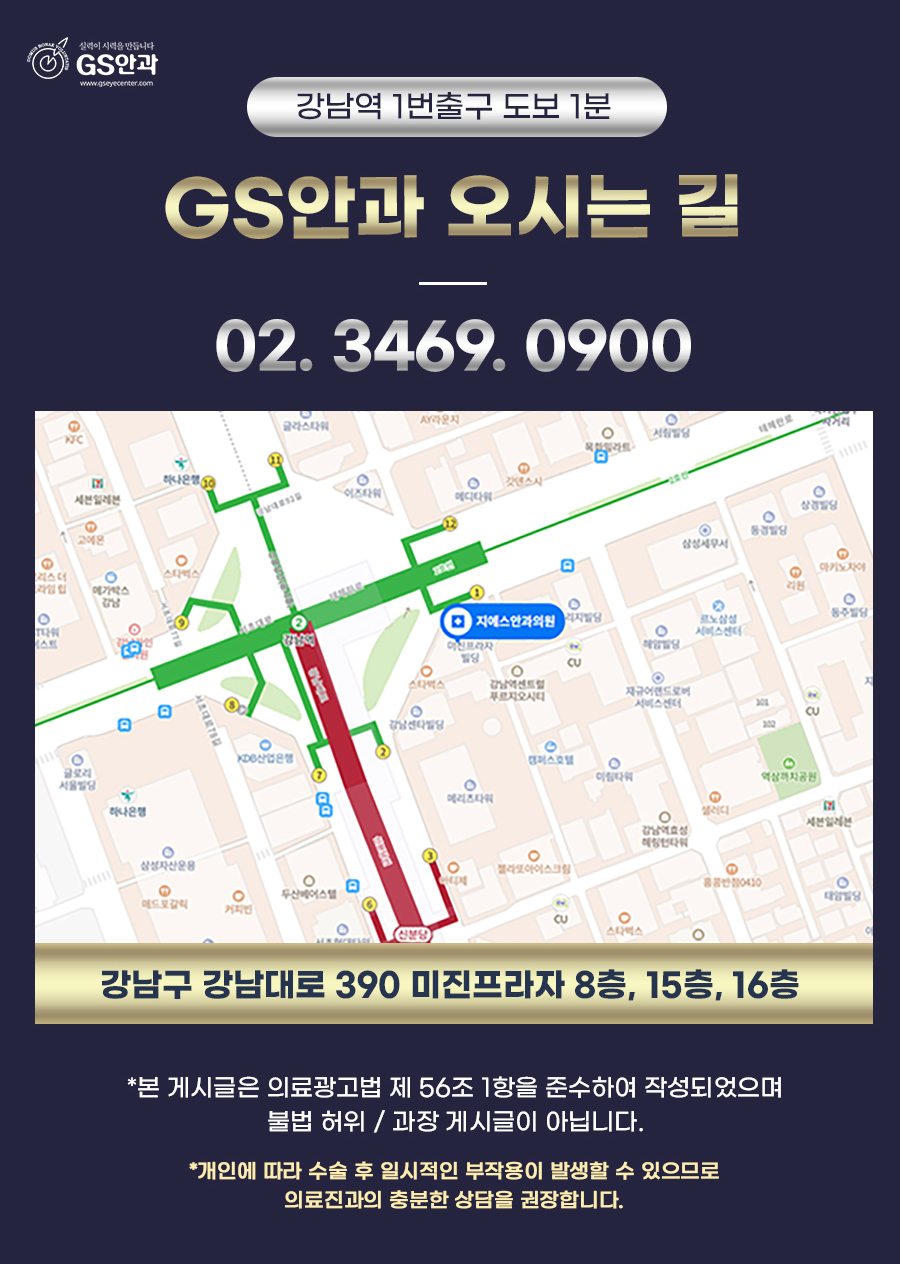
The ophthalmology clinic described in this guide is located near Gangnam Station on Gangnam-daero and has been serving patients since 2005. The medical team consists entirely of board-certified ophthalmologists, including a medical director with a doctorate in medicine and experience as a university hospital professor.
The clinic runs dedicated services for presbyopia and cataract care, including laser-assisted cataract surgery and multifocal intraocular lens implantation with lenses such as PanOptix and similar designs. By 2023, the team has performed a combined total of around 300,000 cases of vision correction and cataract surgery.
The clinic is also designated as a clinical education site for a medical school and for an Asia-Pacific ophthalmic device company, reflecting its involvement in training and clinical education for other eye doctors.
The clinic offers laser-assisted cataract options intended to assist certain surgical steps and to support precision and reproducibility. It also provides contemporary biometry and planning tools to help with intraocular lens power calculation and selection.
The same center is a high-volume site for refractive procedures such as SMILE, SILK, and lens implantation. This experience is helpful for patients who may need combined approaches to correct both cataract and refractive errors.
Who may consider cataract surgery in Korea
Overseas patients who may consider traveling to Seoul for cataract surgery include:
People who have been diagnosed with cataracts and want detailed counseling on lens options, including presbyopia-correcting and toric lenses.
Patients who feel their current care does not fully explain the differences between monofocal, multifocal, trifocal, and EDOF lenses.
Individuals who want to combine cataract surgery with refractive correction, such as reducing high myopia or astigmatism.
People who are already planning a trip to Korea and wish to schedule eye care during their stay.
Before deciding, it is important to have an online consultation, share your medical records, and understand the expected visit schedule and aftercare.
Online consultation and pre-visit preparation
Before you travel, an online consultation can help determine whether you are a suitable candidate for surgery and which lens types may be appropriate.
You may be asked to prepare:
Recent eye examination reports, including glasses prescription and any previous eye surgery history.
Information about other medical conditions such as diabetes, hypertension, or medications you take.
Photos or scans of previous test results if available, such as retinal scans or corneal topography from your local clinic.
A brief description of your daily life: work type, hours at a computer, driving habits, hobbies, and how important it is for you to be free from glasses.
During the online consultation, you can also clarify practical matters such as the recommended length of stay in Korea, approximate timing of surgery, and suggested follow-up schedule once you return home.
Expected visit timeline for cataract surgery in Seoul
The exact schedule can vary, but a typical timeline for an overseas patient might look like this:
Day 1: Comprehensive examination and consultation. This includes detailed eye tests, biometry, corneal imaging, and retinal evaluation. After reviewing the results, the ophthalmologist explains your cataract status, suitable lens options, and expected outcomes. If you decide to proceed, surgery is scheduled.
Day 2 or 3: Cataract surgery on the first eye. The procedure itself is usually short, but you will spend several hours at the clinic for preparation and post-surgery checks. Many patients notice improved clarity within hours to days.
Day 3 to 5: Early postoperative checks. The doctor examines the eye, confirms lens position, and checks for early complications. You start using prescribed eye drops regularly.
If both eyes need surgery, the second eye is often treated a few days after the first, depending on your situation and travel schedule.
Day 5 to 10: Follow-up visits. The clinic monitors healing, adjusts eye drop schedules, and checks your vision at different distances. For many overseas patients, a stay of about one to two weeks allows for surgery and initial follow-up on both eyes, but this should be personalized.

Aftercare and long-term follow-up
After cataract surgery, you will use eye drops for several weeks to reduce inflammation and prevent infection. It is important to follow the instructions carefully, avoid rubbing the eye, and protect it from trauma.
Most patients can resume light activities within a few days, but heavy lifting, swimming, and dusty environments should be avoided for a period recommended by your surgeon.
When you return to your home country, you should arrange follow-up with a local eye doctor. The Gangnam clinic can provide a summary of your surgery and lens details to share with your local provider. If you chose multifocal, trifocal, EDOF, or toric lenses, your local doctor should know the exact model and power.
FAQ
What is the difference between monofocal and multifocal cataract lenses?
Monofocal lenses are designed to focus at one main distance, usually far, so you typically need glasses for reading and sometimes for computer work. Multifocal and trifocal lenses provide multiple focal points, allowing you to see at distance, intermediate, and near with less dependence on glasses. However, they can cause halos or glare around lights, especially at night, so careful patient selection and counseling are important.
Will I still need glasses after premium cataract lenses?
Even with premium lenses such as multifocal, trifocal, or EDOF designs, some patients still need glasses for certain tasks. For example, very small print, long reading sessions, or specific hobbies may be more comfortable with glasses. The goal is to reduce dependence on glasses, not always to eliminate them completely. Your final need for glasses depends on your eye health, lens type, and how your eyes heal.
Are multifocal or trifocal lenses suitable for everyone?
No, they are not suitable for everyone. People with certain eye conditions, such as significant macular disease, advanced glaucoma, or irregular corneas, may not achieve the expected benefits and might be better served with monofocal or EDOF lenses. Personality and expectations also matter; patients who are very sensitive to visual phenomena or demand perfect night vision may prefer monofocal options.
How long should I stay in Korea for cataract surgery?
For overseas patients, a stay of about one to two weeks is often recommended to allow for preoperative testing, surgery on one or both eyes, and early postoperative follow-up. The exact duration depends on your eye condition, whether both eyes are treated, and your travel schedule. This can be discussed and customized during an online consultation before you book flights and accommodation.
Soft call to action
If you are considering cataract surgery and feel confused about the different types of lenses, an individualized consultation can make the choices clearer. A specialized ophthalmology clinic near Gangnam Station in Seoul offers detailed examinations, a full range of lens options including monofocal, multifocal, trifocal, EDOF, and toric lenses, and structured care for international patients.
You can begin with an online consultation to share your eye history, discuss your lifestyle, and learn which lens types may fit your needs. With accurate measurements and careful planning, you and your ophthalmologist can work together to choose a cataract lens that suits both your eyes and your way of life.







댓글
댓글 쓰기