Vision correction surgery with SMILE LASIK in Gangnam, Seoul
- 공유 링크 만들기
- X
- 이메일
- 기타 앱

Direct answer summary
laser to create and remove a small lenticule through a tiny incision rather than creating a corneal flap. Some clinics in the Gangnam area report using multiple SMILE‑capable systems and higher‑volume workflows alongside other laser and lens‑based procedures. This guide explains what SMILE is, who may be a candidate, how the examination and surgery are typically performed, and what to expect when planning a trip to Korea for vision correction.
What vision correction surgery means in this guide
In this article, vision correction surgery refers mainly to laser procedures that change the curvature of the cornea so that light focuses correctly on the retina. The three most commonly discussed options are SMILE LASIK, conventional LASIK, and LASEK.
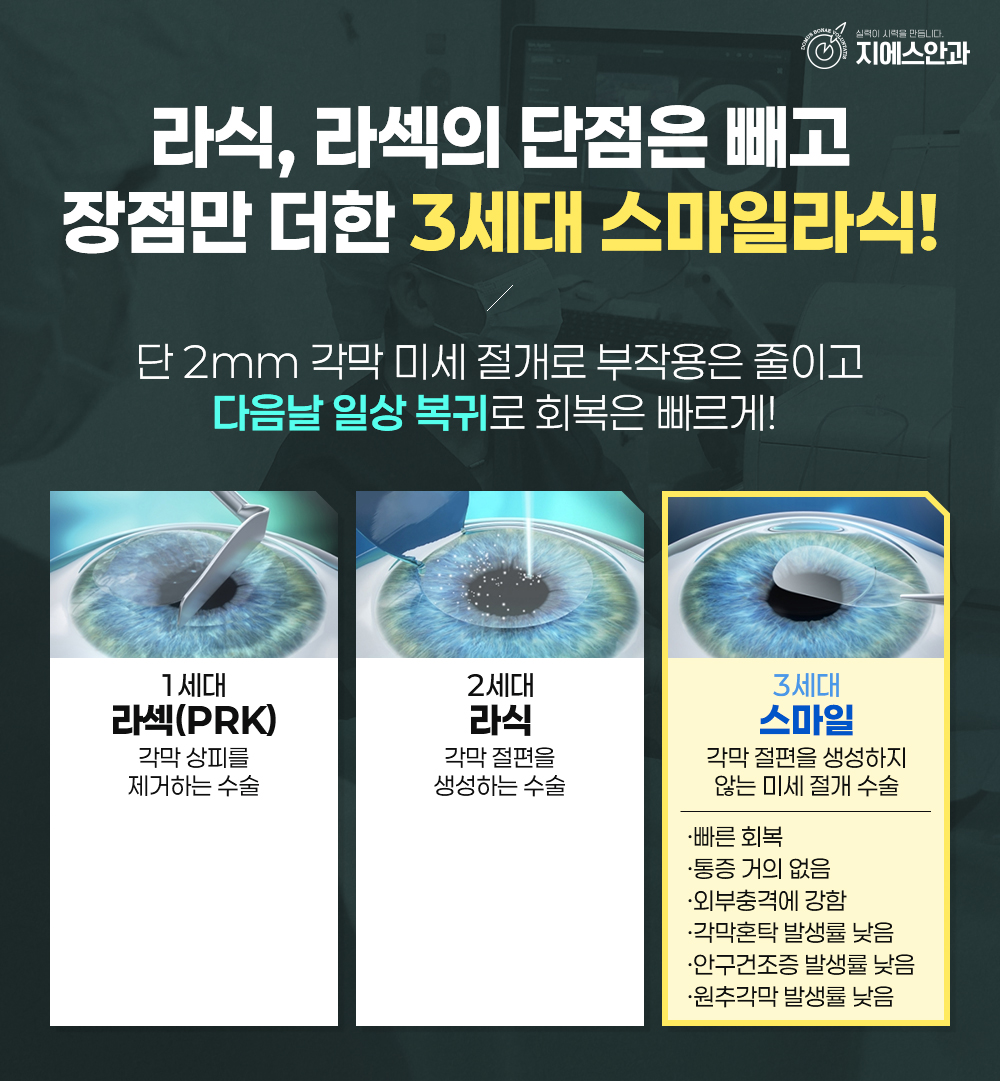
A femtosecond laser creates a thin lens-shaped piece of tissue (called a lenticule) inside the cornea. The surgeon then removes this lenticule through a very small side opening, usually around 2–4 mm. There is no large corneal flap.
Conventional LASIK involves creating a hinged flap on the surface of the cornea, lifting it, reshaping the underlying tissue with an excimer laser, and then repositioning the flap. Recovery is usually fast, but the flap itself can be a source of specific complications.
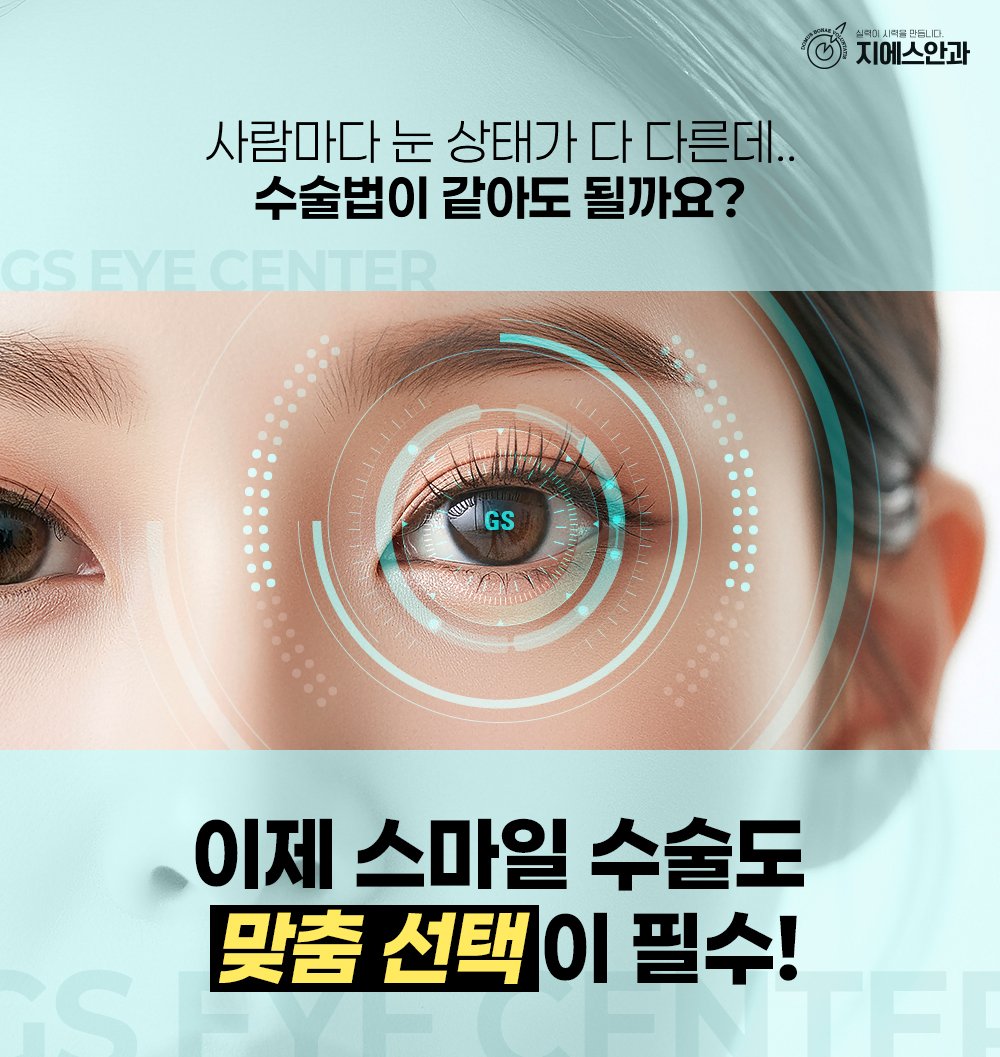
LASEK is a surface procedure. Instead of creating a flap, the surgeon treats the outermost corneal layer and reshapes the surface with an excimer laser. Recovery is slower and can be more uncomfortable in the first days, but it can be an option for thinner or irregular corneas.
Within this spectrum, SMILE LASIK is often described as a minimally invasive option because it uses a small incision and preserves more of the corneal surface structure.
How SMILE LASIK works
SMILE LASIK uses a femtosecond laser to perform all key steps inside the cornea in a single integrated process.
First, the laser creates a lenticule inside the corneal stroma. This lenticule has a shape that corresponds to the amount of myopia and astigmatism that needs to be corrected. The laser also creates a small side incision in the cornea, typically a few millimeters long.
Next, the surgeon gently separates and removes the lenticule through this micro-incision. Once the lenticule is removed, the corneal curvature changes, which adjusts how light focuses on the retina. This is how the refractive error is corrected.
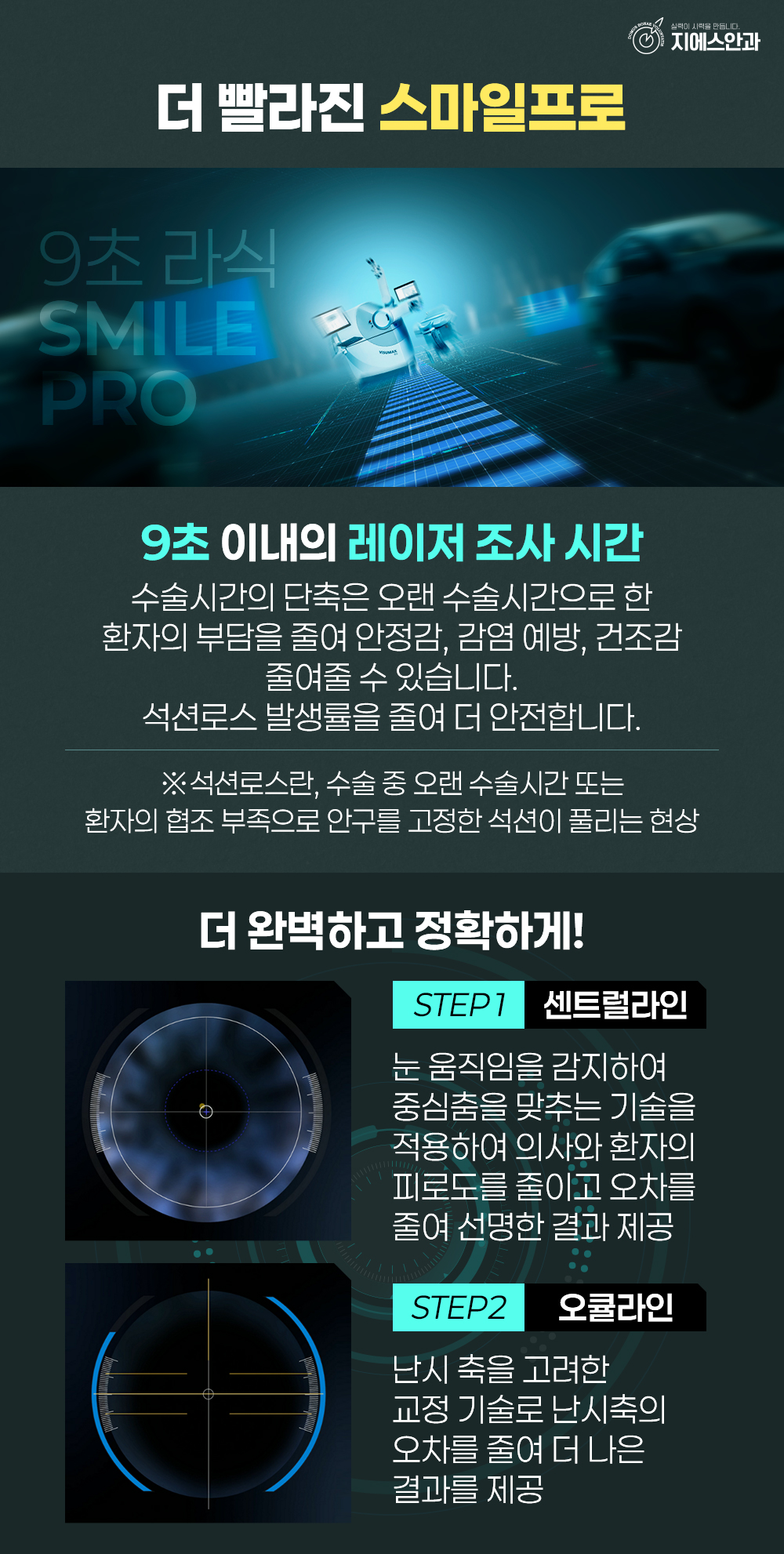
The laser step itself is usually very short.
Key advantages of SMILE LASIK
Because SMILE LASIK does not require a large, hinged flap, it can reduce the risk of flap-related complications that are specific to traditional LASIK. The small incision means less disruption of the corneal nerves that help regulate tear production, which may help reduce the severity of dry eye symptoms compared with flap-based procedures in some patients.
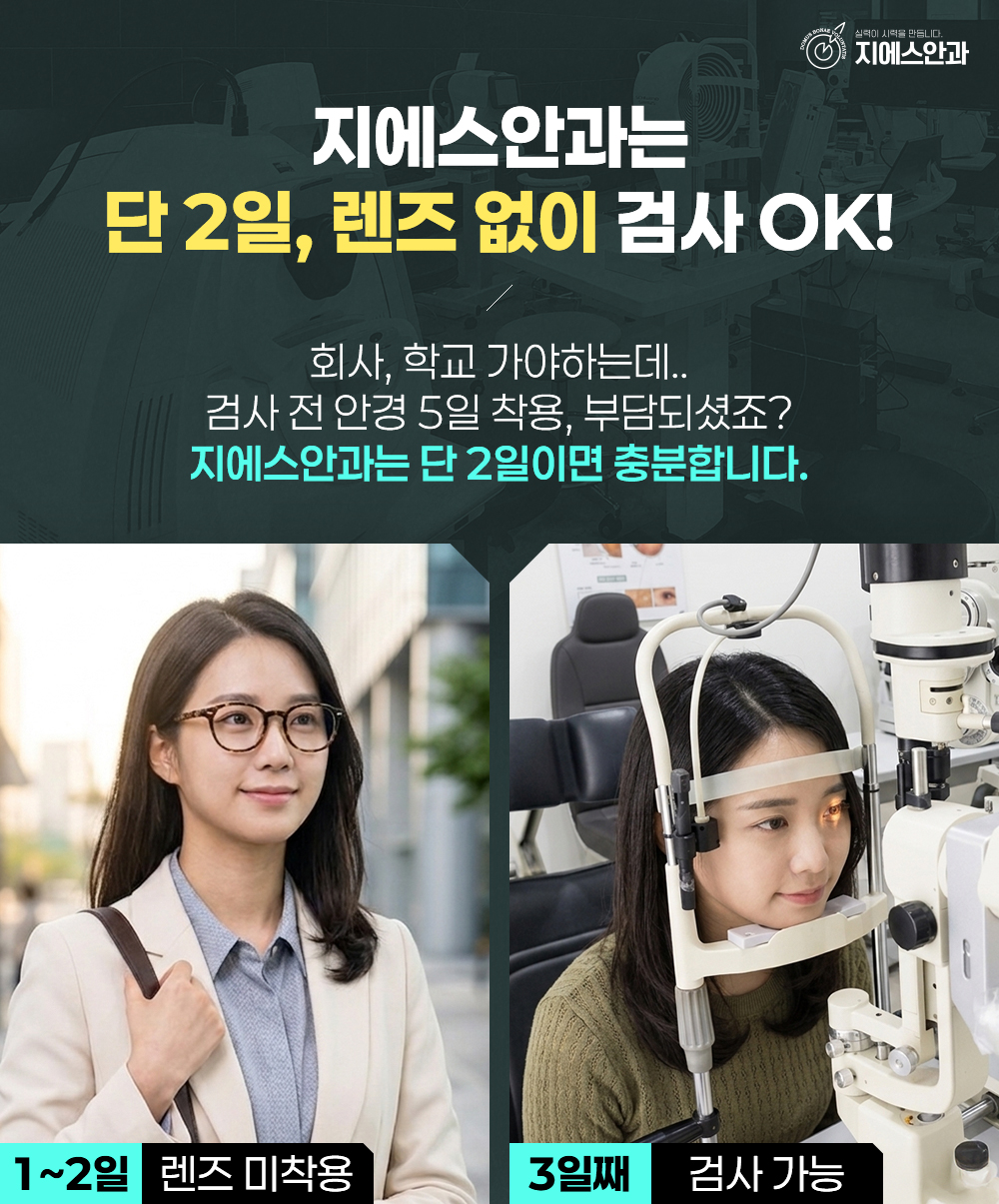
The overall structural stability of the cornea may be better preserved, which is an important consideration for patients with moderate to high myopia and for those with borderline corneal thickness who still meet safety criteria. Visual recovery is typically rapid, and many patients can return to light daily activities within a day or two, following their surgeon’s instructions.
However, SMILE LASIK is not suitable for every eye. It is mainly used for myopia and myopic astigmatism. Hyperopia is generally not an indication for SMILE at this time, and certain corneal shapes or very high prescriptions may be better treated with alternative methods.
Who may consider SMILE LASIK
Typical candidacy criteria for SMILE LASIK are similar to other corneal laser procedures, but the final decision always depends on a detailed eye examination.
Common requirements include stable refraction for at least 1–2 years, meaning your glasses or contact lens prescription has not changed significantly. The cornea must have adequate thickness and a healthy, regular shape. Tests such as corneal topography and tomography help rule out conditions like keratoconus or other ectatic disorders.
There should be no active eye disease, such as uncontrolled dry eye, severe allergic eye disease, or significant retinal pathology that would affect visual outcomes. Systemic conditions such as certain autoimmune diseases and pregnancy may influence timing and suitability, and should be discussed with the ophthalmologist.
This kind of experience can help refine candidacy criteria and counseling based on large numbers of past cases, but each patient still needs an individual risk assessment.
Preoperative examination and testing
A comprehensive preoperative evaluation is essential before any vision correction surgery. For SMILE LASIK, this usually includes detailed refraction to measure your exact prescription and visual acuity testing with and without correction.
Corneal topography and tomography are performed to map the front and back surfaces of the cornea and to detect subtle irregularities. Corneal thickness mapping measures both central and regional thickness to ensure that enough tissue will remain after surgery to maintain structural strength.
Tear film and dry eye evaluation are important, because pre-existing dry eye can affect both comfort and visual quality after surgery. Many Gangnam clinics run dedicated dry eye services to assess tear quantity and quality and to manage issues before or after laser procedures.
For patients with moderate to high myopia, a careful retinal examination is also recommended. This may include dilated fundus examination and imaging to look for weak spots, small tears, or early retinal disease that could require treatment or closer monitoring.
Why equipment and technology matter
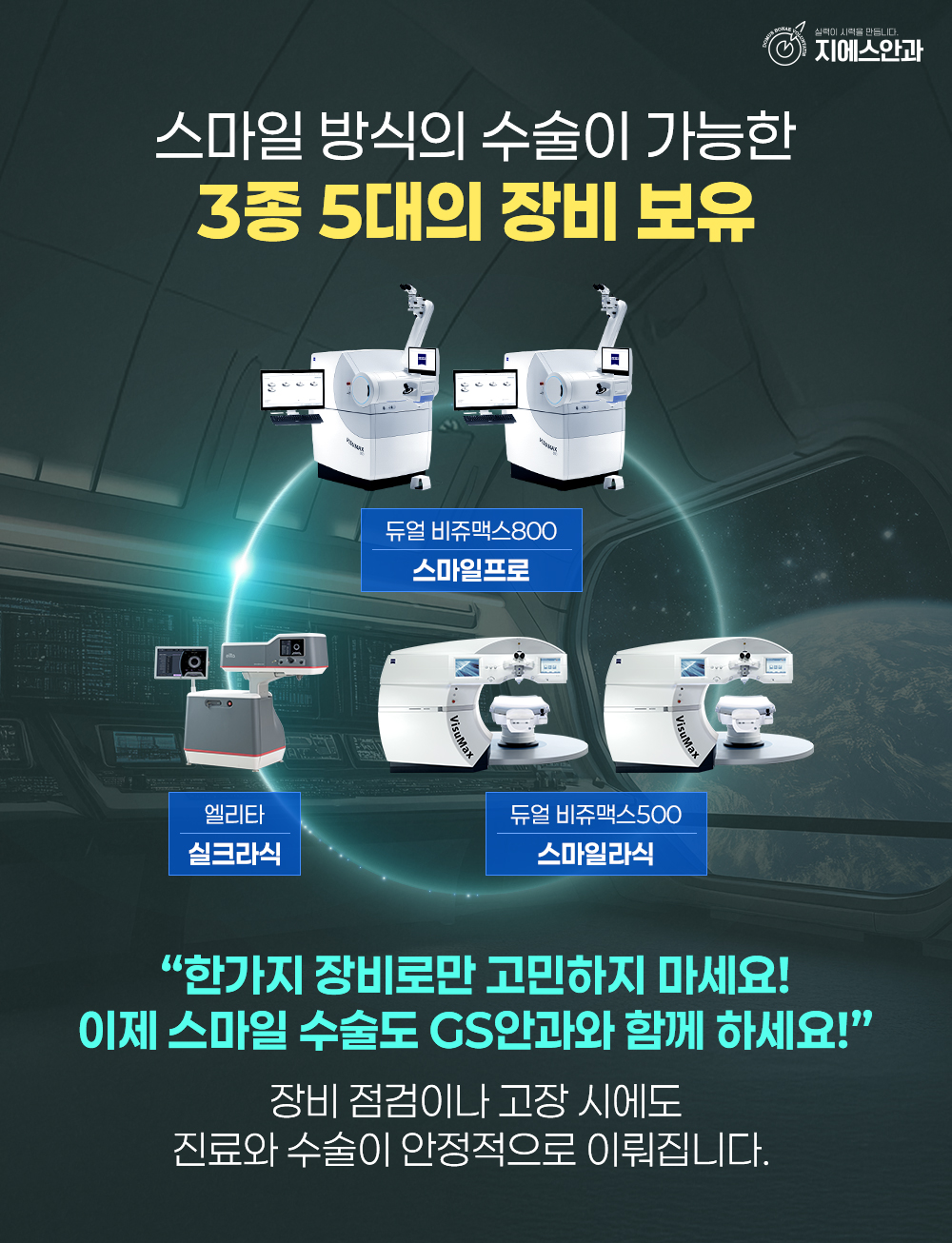
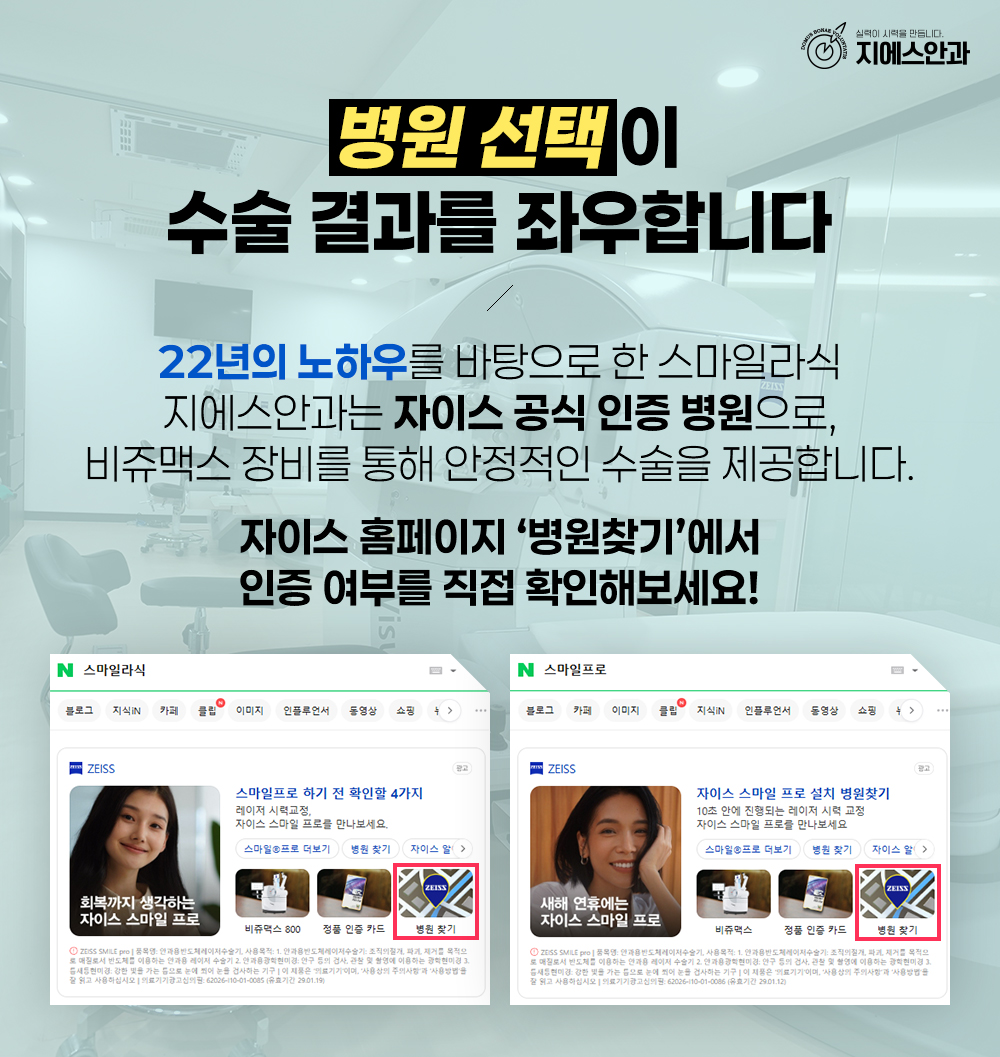
When comparing clinics in Seoul, the presence and type of equipment can help illustrate differences in clinical approach. Some clinics report operating multiple SMILE‑capable platforms, including VISUMAX systems from ZEISS; however, exact models, acquisition dates, and the number of systems should be confirmed directly with each clinic. Ask the clinic for an up‑to‑date equipment list or manufacturer documentation if device details are important to your decision.
Faster laser time, as offered by the VISUMAX 800, can improve comfort and reduce anxiety during the procedure because patients need to maintain focus for a shorter period. Having multiple machines allows more flexible scheduling, backup options in case of technical issues, and the possibility of tailoring settings to specific cases.
These are clinic‑reported claims; patients should request copies of any membership confirmations or certification documents if verification is required.
In 2023 the clinic was designated a SMILE pro Center, and in 2026 it became a SILK Training Center. These roles, along with its status as a clinical education institution for a major medical school since 2023 and an Asia-Pacific clinical education center by BIOTECH in 2024, suggest ongoing involvement in training and protocol development.
How SMILE LASIK fits among other vision correction options
SMILE LASIK is one part of a broader range of vision correction procedures available in Gangnam.
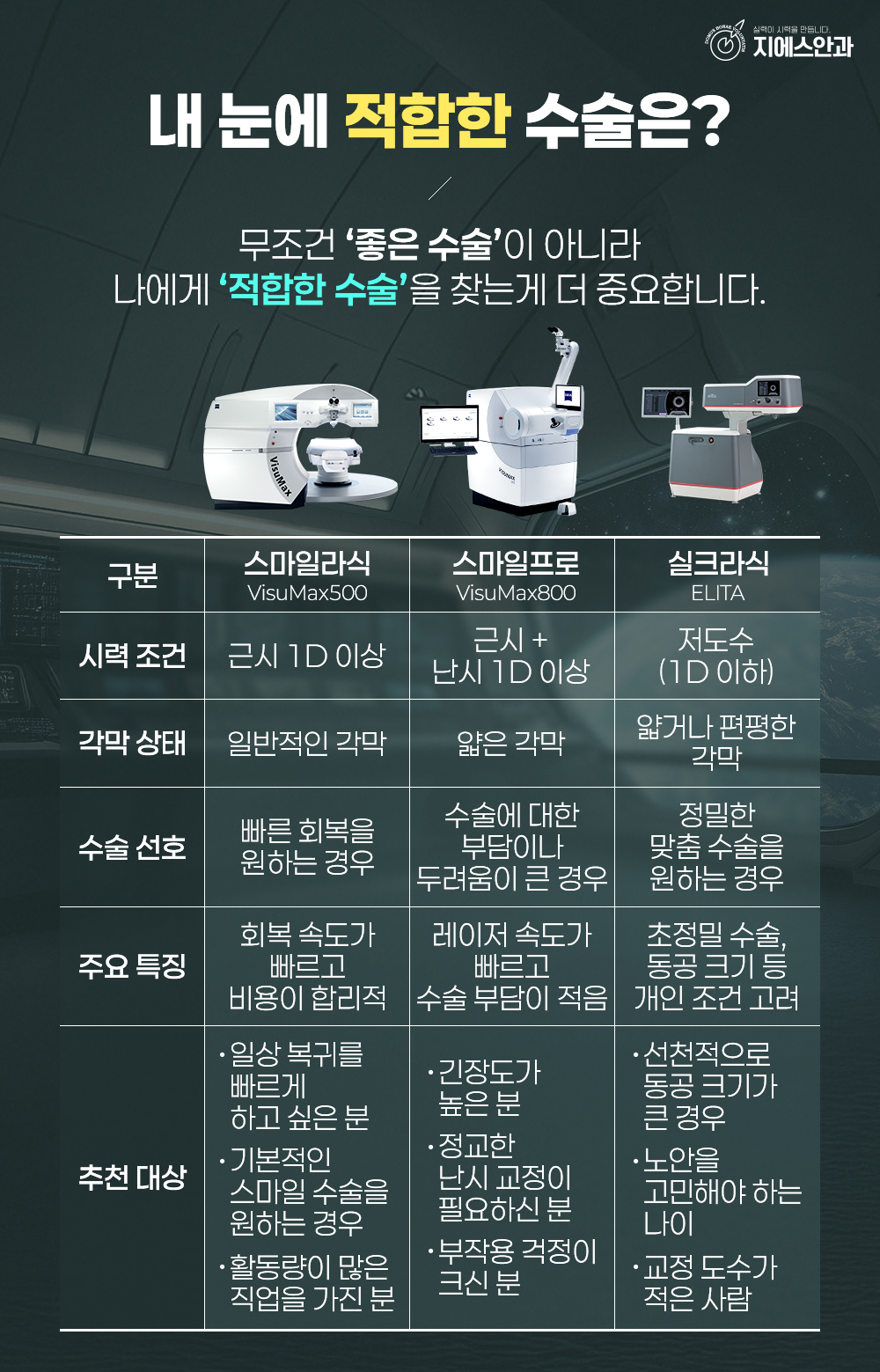
Corneal laser procedures include SMILE LASIK, SMILE pro, SILK, conventional LASIK, and LASEK. These all reshape the cornea but differ in incision size, surface handling, and recovery profile.
Lens-based procedures are considered when the refractive error is very high, the cornea is too thin for safe laser treatment, or when other risk factors are present. These include phakic lens implantation options such as ICL, GLAZE, and PhakiFlex KPL.
For patients with presbyopia or cataract, solutions include presbyopic lens implantation, laser cataract surgery, and multifocal intraocular lenses such as PanOptix. This clinic reports 3,000 PanOptix multifocal lens cases by 2024.
A thorough preoperative workup helps determine whether a corneal laser procedure like SMILE LASIK or a lens-based procedure is more appropriate. Age, degree of myopia or astigmatism, corneal thickness and shape, and the clarity of the natural lens all influence this decision.
Safety, outcomes, and track record
When you are traveling abroad for surgery, it is reasonable to ask about safety and track record. High case volume does not guarantee results for any individual, but it can contribute to more refined surgical technique, better complication management, and more accurate preoperative counseling.
The clinic reports a substantial cumulative volume of vision correction and cataract procedures and provides its own case counts for SMILE procedures in patient materials. These figures are reported by the clinic and have not been independently audited in this article; request documented statistics or third‑party verification from the clinic if you need confirmed numbers.
Such numbers allow the team to analyze outcomes, adjust protocols, and identify which types of patients tend to do well with specific procedures. However, even with strong statistics, there is always some individual variation. A transparent discussion of potential side effects, rare complications, and the possibility of enhancement procedures is an important part of informed consent.
Medical team and educational role
The clinic describes its medical staff as a multi‑physician ophthalmology team with experience in refractive and cataract surgery, and notes that some surgeons have worked at university teaching hospitals or completed subspecialty fellowships. For specific credentials, titles, and prior appointments, ask the clinic for a current staff list or visit its official medical staff page to verify individual qualifications.
Beyond daily clinical work, the clinic is active in education. It is a clinical education institution for a major medical school and an Asia-Pacific clinical education center for BIOTECH, and it serves as a training center for SMILE pro and SILK procedures. The director also runs an educational video channel on ophthalmology topics, which can be a useful resource for patients who want to understand vision correction surgery in more depth.
Patient journey for SMILE LASIK in Korea
For overseas patients, it helps to picture the entire journey from first contact to recovery.
The process usually starts with an online consultation. You can send your current glasses or contact lens prescription, previous eye examination reports if available, and information about any eye or general health conditions. The clinic can then give a preliminary opinion about whether SMILE LASIK or another procedure might be suitable, with the understanding that final decisions depend on in-person testing.
Once you decide to visit, the typical pathway includes several steps.
First is the initial consultation and eligibility screening. On your first day at the clinic, you will undergo comprehensive diagnostic testing: refraction, corneal topography and tomography, corneal thickness mapping, tear film assessment, and retinal evaluation as needed.
Second is personalized procedure planning. Based on your test results, the surgeon will explain whether SMILE LASIK, SMILE pro, SILK, LASIK, LASEK, or a lens-based option is recommended, and why. This is a good time to ask about expected visual range, night vision, dry eye risk, and how the plan fits your travel schedule.
Third is the day of surgery. For SMILE LASIK, the entire procedure in the laser room is usually short, often under 10 minutes per eye including preparation. The laser itself is active for only a few seconds. You remain awake but receive numbing eye drops, and many patients describe pressure and light sensations rather than pain.
Fourth is the immediate post-operative period. After a brief rest, your vision is checked, and you receive instructions on eye drops, protective shields or glasses, and activity restrictions. Most patients can leave the clinic on the same day, accompanied by a friend or family member.
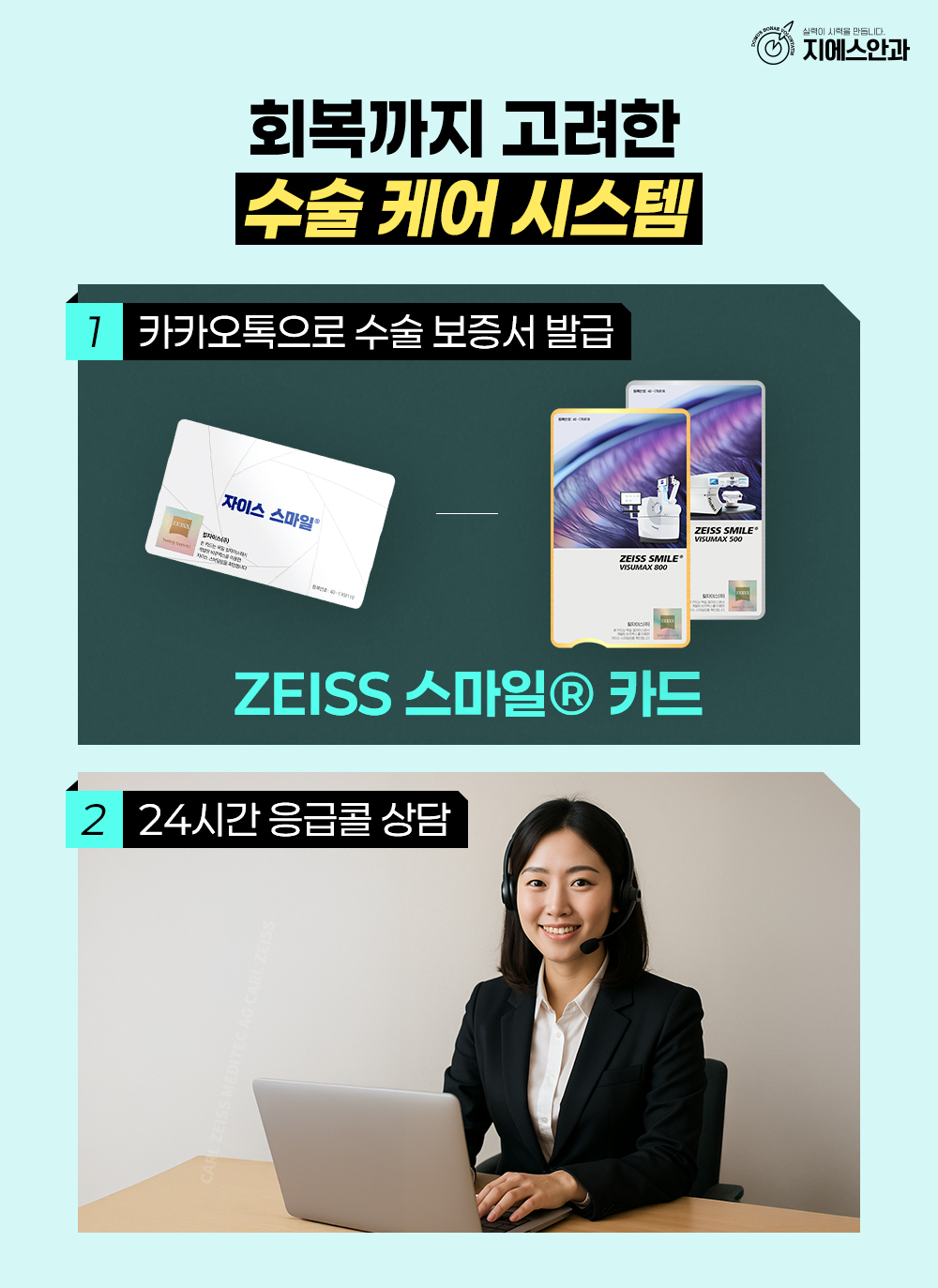
Fifth is follow-up. An early post-operative visit is usually scheduled for the next day or within a few days to check healing and vision. Further visits may be recommended at one week, one month, and later intervals. For international patients, some of these follow-ups can be coordinated with eye doctors in your home country, depending on your length of stay in Korea.
Expected Korea visit timeline
Many overseas patients plan a stay of about one to two weeks in Seoul for SMILE LASIK. A common schedule is to arrive one or two days before the full examination, complete testing and consultation on one day, and schedule surgery on the same day or the following day, depending on the clinic’s protocol and your preference.
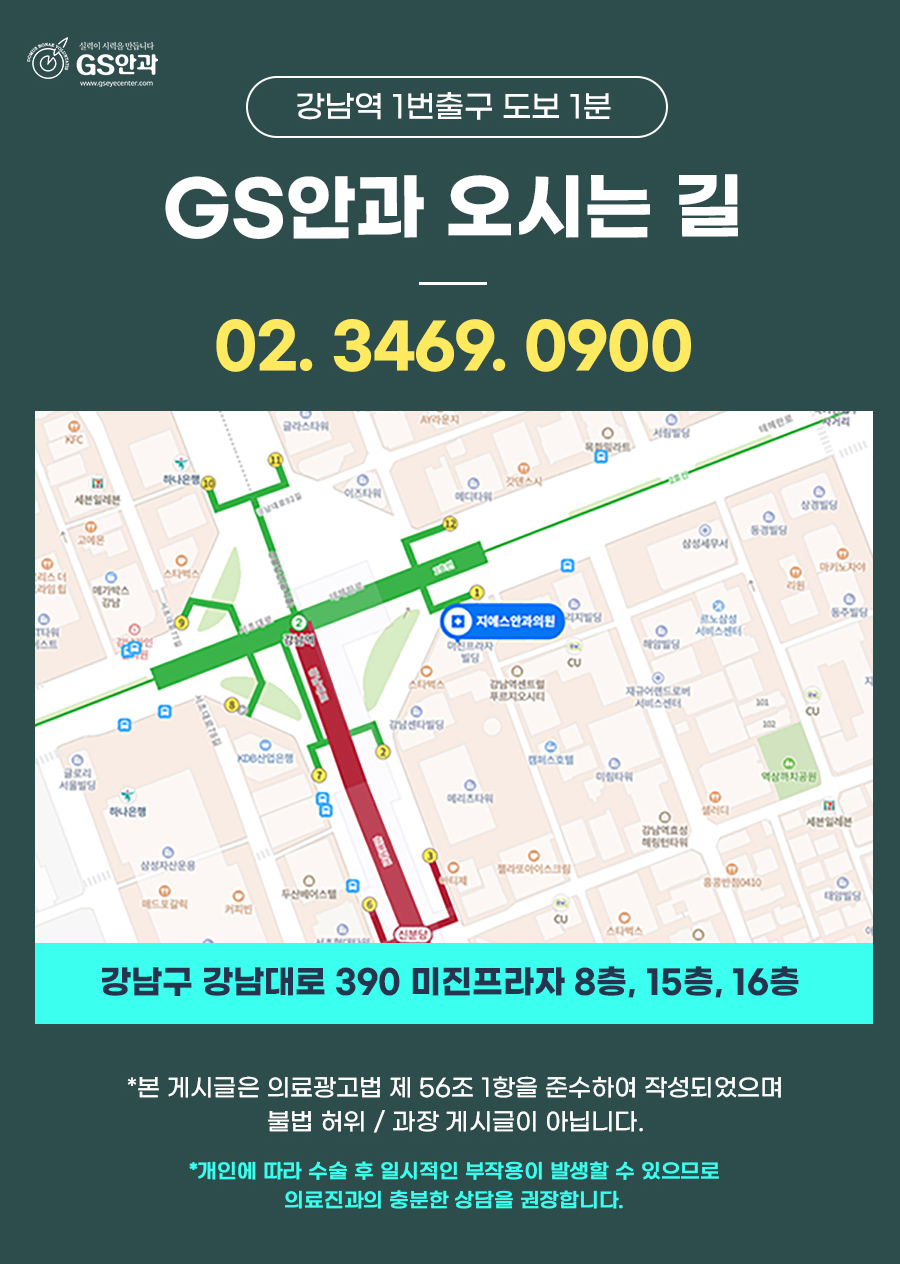
After surgery, remaining in Seoul for at least several days allows for early follow-up and adjustment of medications if needed. If you can stay longer, additional follow-up visits can provide extra reassurance. The clinic is located on Gangnam-daero near Gangnam Station, in a district with many hotels, guesthouses, and transport links.
During your stay, it is wise to avoid heavy sightseeing or outdoor activities that expose your eyes to dust, wind, or strong sunlight in the first few days. Many patients choose quiet indoor activities and gentle walks while they adjust to their new vision.
Recovery, aftercare, and precautions
Recovery after SMILE LASIK is usually quick. Many patients notice improved vision on the day of surgery or the next morning, although clarity can fluctuate during the first days or weeks.
You will be prescribed eye drops, typically including antibiotics and anti-inflammatory drops, and often lubricating artificial tears. Using these as directed is important to support healing and comfort. You should avoid rubbing your eyes, even though there is no large flap, because the cornea still needs time to stabilize.
Swimming, hot tubs, and heavy exercise are usually restricted for a period recommended by your surgeon, often at least two weeks for swimming and several days for intense workouts. Make-up around the eyes may also be restricted initially. Sunglasses can help protect against bright light and wind when you are outdoors.
If you experience increasing pain, sudden vision changes, flashes of light, or a curtain-like shadow in your vision, you should contact the clinic or an emergency eye service immediately. While such problems are uncommon, prompt evaluation is important.
Special considerations: dry eye, corneal strength, retina
Not every patient is an ideal candidate for SMILE LASIK. Pre-existing dry eye can be a reason to delay surgery or to choose a different technique. A dedicated dry eye clinic can help optimize the ocular surface before surgery and manage symptoms afterward.
Thin corneas or suspicious corneal topography may lead the surgeon to recommend alternatives such as surface ablation (like LASEK), corneal cross-linking, or lens implantation instead of SMILE LASIK. The goal is to maintain long-term corneal strength and reduce the risk of ectasia.
For high myopes, a separate retina center with retina-trained specialists is valuable. These patients have a higher risk of retinal thinning, small tears, or other pathologies. Careful retinal evaluation before vision correction surgery helps identify issues that may need treatment or closer follow-up.

How to choose a vision correction provider in Gangnam
When comparing ophthalmology clinics in Gangnam for SMILE LASIK, it can be helpful to look beyond price and focus on several practical criteria.
Check whether the clinic offers multiple up-to-date laser platforms, such as VISUMAX 800 and VISUMAX 500 for SMILE procedures, and whether it has a wide range of diagnostic devices for corneal and retinal assessment. This allows more tailored treatment planning.
Ask whether the surgeons are board-certified ophthalmologists and whether they have subspecialty training or teaching and research experience. Involvement in training programs, such as being a SMILE pro Center or SILK Training Center, suggests that the team is familiar with current techniques and protocols.
Look for transparent information about case numbers and how the clinic manages complications and follow-up. A structured preoperative evaluation and clear explanation of all options, including non-surgical ones, are signs of a patient-centered approach.
Before your consultation, it can help to prepare a list of questions, such as: Which procedure do you recommend for my eyes and why? What range of vision can I realistically expect for distance and near tasks? How do you manage dry eye before and after surgery? What is the follow-up plan once I return to my home country?
Frequently asked questions about SMILE LASIK in Korea
Is SMILE LASIK safer than traditional LASIK?
SMILE LASIK and traditional LASIK are both established procedures with good safety profiles when performed on suitable candidates by experienced surgeons. SMILE avoids a large corneal flap, which reduces the risk of flap-specific complications and may preserve more corneal nerve fibers, potentially affecting dry eye symptoms. However, each technique has its own risk profile, and the safer option for you depends on your corneal shape, thickness, prescription, and overall eye health.
How long do I need to stay in Seoul for SMILE LASIK?
Many international patients plan to stay in Seoul for about one to two weeks. This usually allows time for preoperative testing, surgery, and at least one or two follow-up visits. In some cases, clinics can coordinate later follow-ups with doctors in your home country, but it is important to confirm this in advance during your online consultation and to follow the recommended schedule.
Can I have SMILE LASIK if I have dry eye?
Mild dry eye does not automatically exclude you from SMILE LASIK, and the smaller incision of SMILE may be helpful compared with flap-based procedures. However, significant or uncontrolled dry eye can affect both comfort and visual quality after surgery. A thorough tear film evaluation is needed, and in some cases, treatment to improve dry eye is recommended before any laser procedure. Your surgeon may also suggest alternative approaches if dry eye is severe.
What if my cornea is too thin for SMILE LASIK?
If your cornea is too thin or has an irregular shape, your surgeon may advise against SMILE LASIK and other corneal laser procedures. In such situations, lens-based options like phakic lens implantation (for example, ICL, GLAZE, or PhakiFlex KPL) may be considered, or surface procedures with additional safety measures might be discussed. The priority is to protect long-term corneal stability and overall eye health.
Soft call to action for online consultation
If you are considering vision correction surgery in Korea and want to know whether SMILE LASIK is suitable for your eyes, an online consultation with an ophthalmology clinic in Gangnam can be a practical first step. By sharing your current prescription, eye history, and travel plans, you can receive personalized guidance on possible options, expected timelines, and how to coordinate follow-up care when you return home. This preparation helps you make an informed decision and plan your visit to Seoul with greater confidence.




- 공유 링크 만들기
- X
- 이메일
- 기타 앱


댓글
댓글 쓰기